

INTRODUCTION
Samuel R. Delany is one of the most influential and revolutionary voices in modern science fiction. A trailblazer in both form and content, Delany reshaped the genre by insisting that speculative fiction could be linguistically experimental, socially daring, and intellectually demanding. His novels combine high-concept speculative ideas with explorations of identity, sexuality, class, and communication — making him a cornerstone figure for readers who want sci-fi that challenges rather than comforts.
His 1983 novel The Void Captain’s Tale — while not part of our backlink cluster — remains a cult favourite for its surreal structure and its blend of eroticism, philosophy, and space opera. Delany’s broader body of work, though, is even more central to sci-fi’s evolution: Dhalgren, Babel-17, Nova, and the Neveryon series represent some of the boldest experiments in the genre’s history.
LIFE & INFLUENCES
Born in 1942 in New York City, Delany grew up in Harlem and began publishing fiction at an astonishingly young age. By his early twenties he had already won the Nebula Award and established himself as an innovator. His influences include modernist literature, linguistics, queer theory, myth, and the science fiction pulps he devoured as a child.
Delany’s career is marked not only by literary experimentation but also by his contributions to academic thought. His essays on semiotics, narrative structure, and the politics of reading remain foundational for scholars studying speculative fiction. He has taught at multiple universities and shaped generations of writers who see sci-fi as a space for radical possibility.
THEMES & MOTIFS
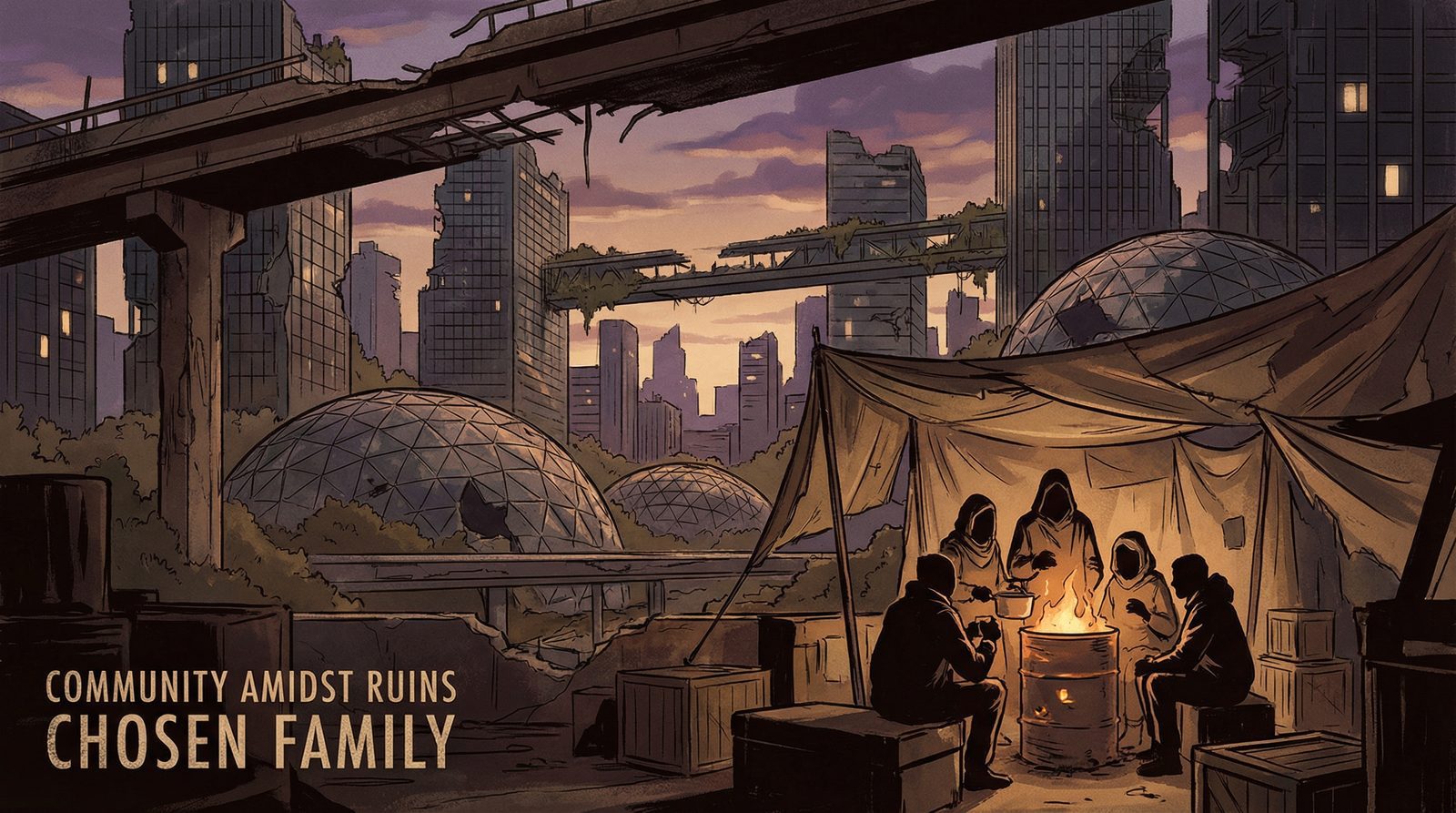
Delany’s work frequently confronts transformation — not just technological or societal, but linguistic and psychological. Many of his protagonists face situations where language itself becomes unstable, echoing motifs like Identity Collapse in Isolation but on a conceptual scale.
He also writes intensely about desire and the body, often exploring sexuality in ways that were decades ahead of mainstream publishing. This sometimes intersects with the motif Future Shock as Transformation, reframed through cultural and bodily change instead of purely technological upheaval.
His political concerns — race, class, power, communication — appear across everything he writes. Delany sees sci-fi not as an escape from reality but as a lens that magnifies its structures and contradictions.
STYLE & VOICE
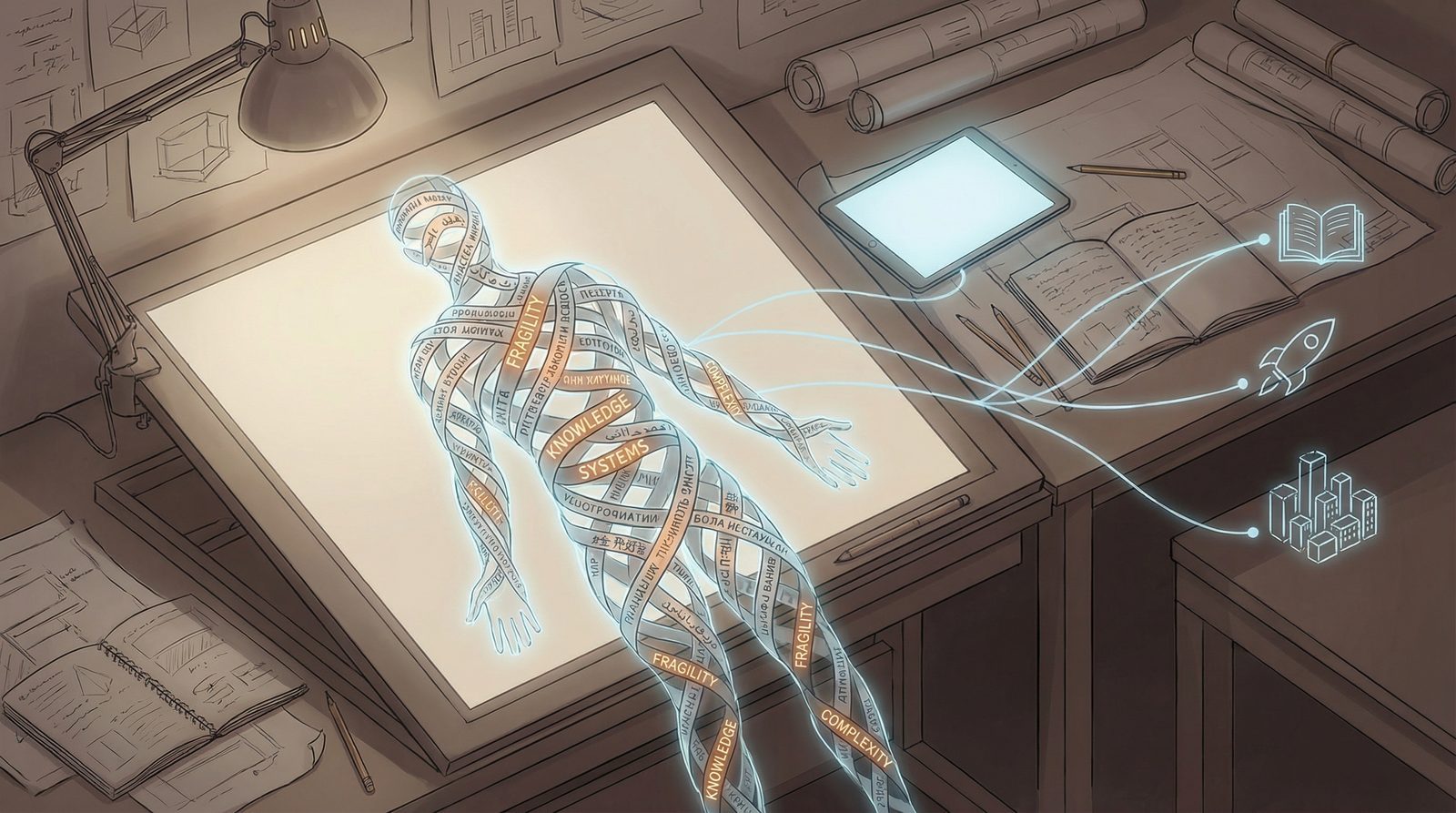
Delany’s style is dense, lyrical, and unapologetically intellectual. He blends poetic description with philosophical digressions, technical speculation, and erotic detail. His narratives often disrupt linear timelines or stable perspectives, forcing readers to participate in constructing meaning.
Unlike more traditional hard sci-fi writers like Arthur C. Clarke, Delany rarely focuses on engineering realism. Instead, he centers subjectivity, metaphor, and the fluidity of language. His work rewards close reading and often demands it.
This makes him one of the most distinctive voices in the genre — divisive for some readers, transformative for others.
KEY WORKS
Delany’s bibliography is extensive, but a few works define his legacy:
- Babel-17 (1966) – A linguistic mystery set in wartime, foundational to sci-fi about language.
- Nova (1968) – A space opera that helped bridge pulp sci-fi with literary ambition.
- Dhalgren (1975) – A divisive, experimental masterpiece considered one of the most important sci-fi novels ever written.
- The Tale of Plagues and Carnivals (1984) – A groundbreaking work on sexuality, disease, and myth.
- The Void Captain’s Tale (1983) – Erotic, philosophical, stylistically daring.
CULTURAL LEGACY
Delany’s influence is enormous. He expanded what science fiction could talk about — queer desire, race, language, the subconscious, political myth. Writers from Octavia Butler to N. K. Jemisin have cited him as a foundational figure. His academic work helped legitimize sci-fi as a subject of serious study.
Even when his novels challenge or frustrate readers, they remain alive in conversation. Delany is not just a sci-fi writer; he is one of the genre’s theorists, innovators, and boundary-pushers. Including him in AllReaders strengthens the site’s reach across both classic and experimental speculative fiction.