Archetype: Everyman

  • One Touch of Venus (1948)

    One Touch of Venus (1948)

    One Touch Of Venus (1948) directed by William A. Seiter. Romantic fantasy · 82 minutes · United States. Released August 1948.


    INTRODUCTION

    One Touch Of Venus (1948) is a romantic fantasy that treats desire like a prank the gods play on a cautious man. Set inside a glossy New York department store, it imagines what happens when a marble statue of Venus briefly becomes the most alive person in the room. The feel is fizzy and escapist, closer to a champagne buzz than a full intoxication. Under the wisecracks and musical numbers, there is a quiet ache about compromise and the way routine can harden into something stone-like.

    The film borrows the lightness of screwball comedy but adds a supernatural twist, turning the showroom into a temple where mannequins, mirrors, and display lights become part of a modern myth. It’s a story about the shock of being seen by someone who embodies everything you secretly want and are slightly afraid to reach for.

    PLOT & THEMES

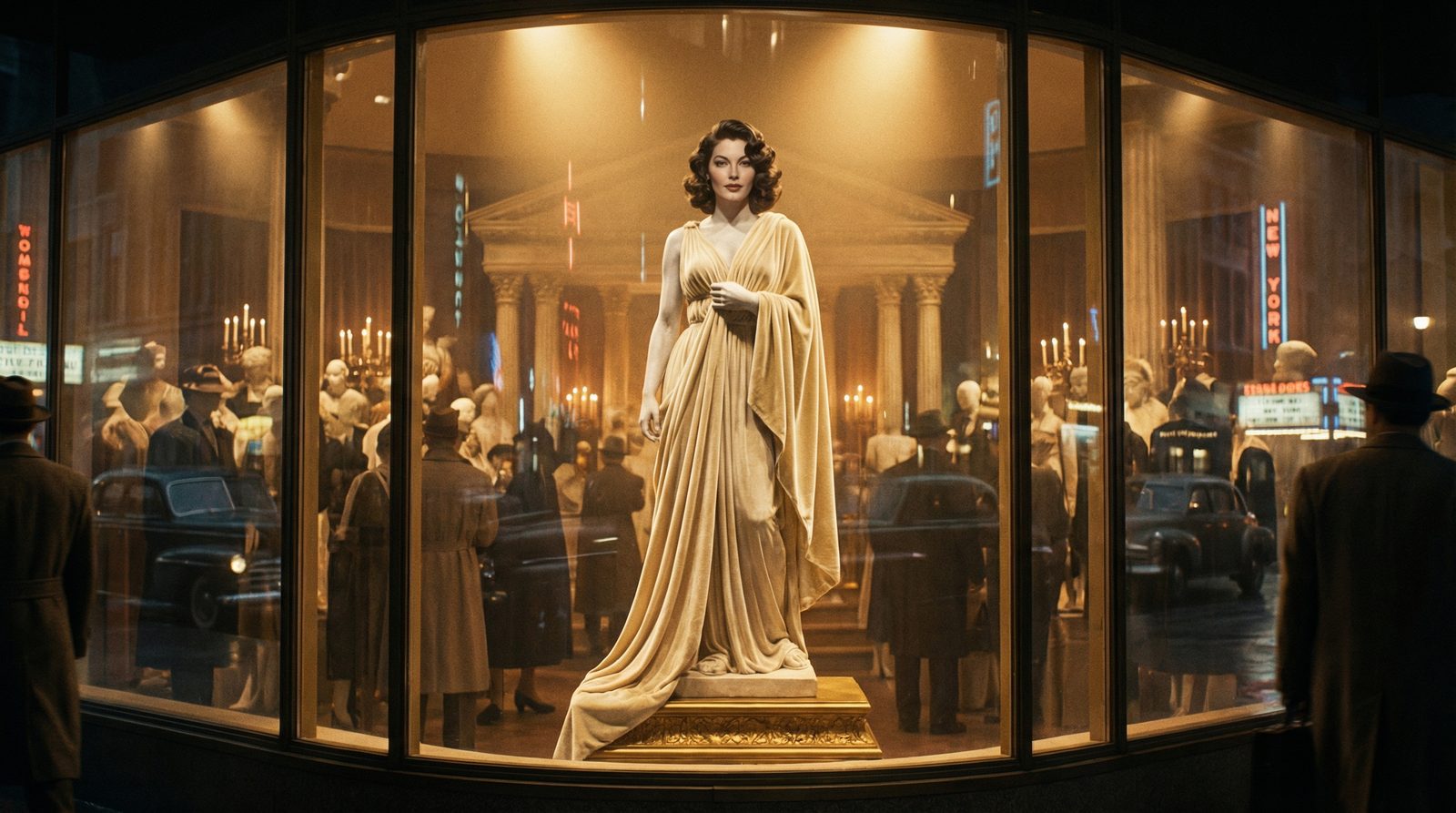
    The plot follows Eddie Hatch, a mild window dresser engaged to a sensible co-worker, Gloria. Asked to prepare a display around a newly acquired statue of Venus, he impulsively kisses the marble lips. This act awakens the goddess, who steps down from her pedestal and into his life. What follows is a supernatural romance built on a reverse-Pygmalion logic: the “ideal” tries to reshape the ordinary man into someone bolder and more honest.

    Complications pile up. The statue appears to have been stolen, Eddie is suspected, and his engagement begins to crumble as Venus shadows him through the city. The film keeps testing fantasy versus security. Venus represents the intoxicating promise of living fully in the moment, while the store and Eddie’s engagement represent routine, approval, and the comfort of predictability. The story repeatedly asks whether the true miracle is the goddess herself or the courage she provokes in a man who has accepted too small a life.

    Beneath the farce, there is a gentle critique of consumer culture. The store treats Venus as a luxury object, while the film insists she is a disruptive force that refuses to stay in a case. The recurring motif of statues and mannequins implies that most people are already half-petrified by habit. Venus’s presence is less about conquest than about waking Eddie up.

    CINEMATIC TECHNIQUE & AESTHETICS

    One Touch Of Venus is built on Classical Hollywood craft: continuity editing, unfussy camera work, and staging that prioritizes timing and performance. Venus is frequently framed in medium shots that allow stillness and gaze to carry the supernatural charge. When she first awakens, soft focus and careful lighting give her a dreamlike halo without resorting to heavy spectacle.

    The department store interiors are staged almost theatrically, with corridors of merchandise and mirrored surfaces that support a secondary motif of reflection. Eddie is repeatedly framed between Venus and Gloria, turning blocking into a visual diagram of divided loyalties. Musical numbers are integrated as emotional punctuation rather than set-piece spectacle.

    Special effects are restrained: match cuts, dissolves, and modest tricks that let performance do the heavy lifting. The magical elements feel intimate and psychological because the film doesn’t insist on “proving” them. It asks the viewer to accept the miracle as a change in emotional temperature, not a technical event.
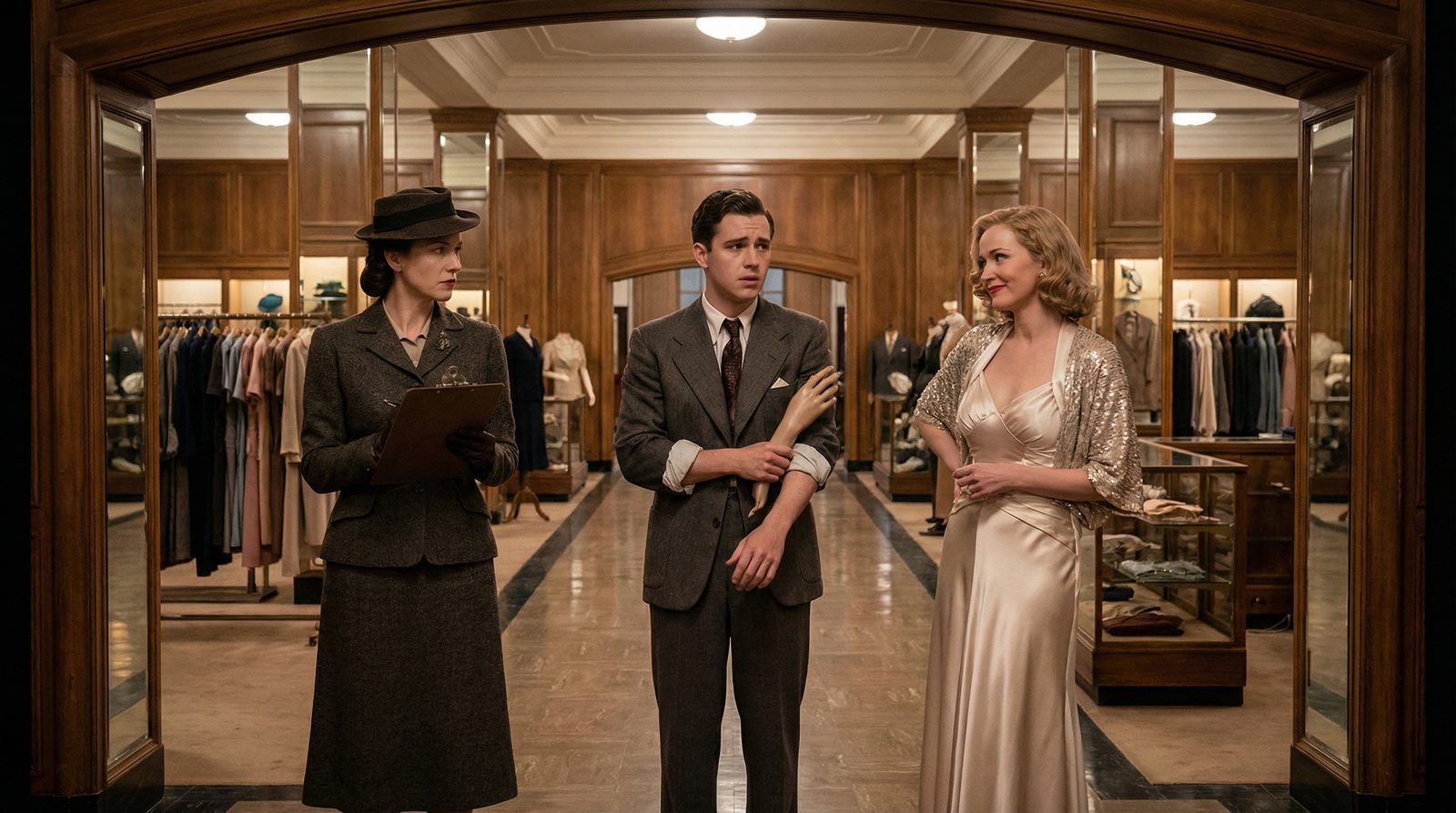
    Editorial illustration inspired by 'One Touch Of Venus (1948)'

    CHARACTERS & PERFORMANCE

    Venus functions as a trickster mentor. She is not a nurturing guide so much as a teasing provocateur who disrupts Eddie’s self-image and forces choice. Ava Gardner plays her with languor and sly amusement, letting flickers of loneliness show through so immortality feels like both power and boredom.

    Eddie is an Everyman: timid, earnest, and quietly resigned. His arc is not heroic conquest but movement from passivity toward agency. Gloria fills the role of sensible stability; the film is not always fair to her, but she is written as a real person rather than a pure obstacle. The supporting cast provides a chorus of social pressure, which makes Venus’s freedom look even more radical.

    CONTEXT & LEGACY

    Adapted from the 1943 Broadway musical, One Touch Of Venus arrived at the tail end of the 1940s when Hollywood romantic fantasy offered audiences gentle escape from postwar reality. It belongs to a small cycle of films where supernatural visitors drift into urban professional life and quietly expose domestic complacency.

    Its legacy is modest but persistent. The image of a literal ideal stepping off a pedestal has lingered, and later retail-based fantasies echo its logic. Today the film reads as both a charming romantic time capsule and a window into mid-century fantasies about gender, desire, and the costs of “settling.”

    IS IT WORTH WATCHING?

    If you want light, urbane romantic fantasy with classical studio-era craft, One Touch Of Venus is worth watching. The stakes stay low and the darker implications of mortal/goddess romance are mostly sidestepped, but Ava Gardner’s performance and the film’s gentle wit make it an easy, charming experience.

    If you’re looking for a more emotionally intense or philosophically probing myth story, it may feel too airy. The pleasure here is in timing, tone, and the small sting of realizing how quickly comfort can become petrification.
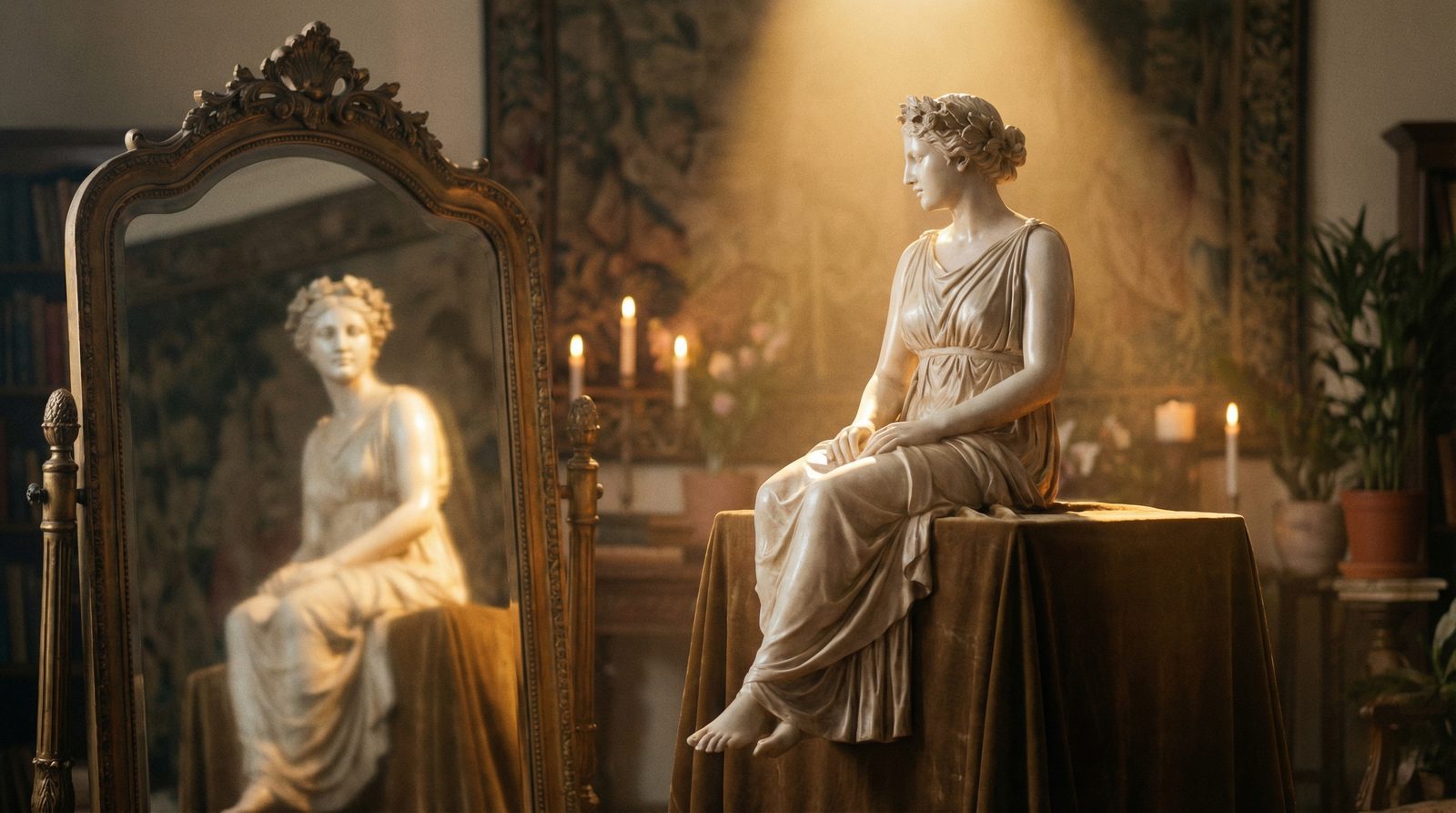
    Symbolic illustration inspired by 'One Touch Of Venus (1948)'

    TRIVIA & PRODUCTION NOTES

    The film is based on the 1943 Broadway musical One Touch Of Venus, with music by Kurt Weill. The adaptation trims and reshapes much of the score, shifting emphasis toward dialogue and situational comedy. The department store setting is staged as both a temple of consumption and a playground for a bored goddess.

    The statue-to-human illusion is achieved mostly through classical studio-era craft: match cuts, dissolves, careful lighting, and performance rather than heavy effects. The short runtime keeps the farce brisk, even when the myth logic is deliberately light.

    SIMILAR FILMS

    If One Touch Of Venus appeals to you, look for other romantic fantasies where an extraordinary figure interrupts domestic routine and forces a choice between safety and aliveness. These films tend to treat magic as emotional pressure rather than spectacle.

    DISCOVERABILITY & LINKS

  • The Brass Bottle (1900)

    The Brass Bottle (1900)

    INTRODUCTION

    The Brass Bottle (1900) by F. Anstey/Thomas Anstey Guthrie
    Fantasy · United Kingdom


    The Brass Bottle opens with the promise of a familiar fantasy: an ordinary man acquires an antique object, releases a genie, and expects his life to improve. What makes the novel endure is how quickly that promise curdles. This is not a tale of empowerment through magic, but of social unraveling through excess assistance.

    Set at the turn of the twentieth century, the book unfolds in drawing rooms, offices, auction houses, and committee meetings that feel stiflingly polite. Into these airless spaces erupts Fakrash, an ancient genie whose ideas of generosity are spectacularly out of scale with modern English life. The result is a comedy of embarrassment rather than wonder. Magic does not liberate Horace Ventimore. It exposes how little control he has over his career, his courtship, and his own desires.

    PLOT & THEMES

    Horace Ventimore is a struggling architect with more ambition than confidence. On a whim, he purchases an old brass bottle at Salterton & Co, an auction house near the Embankment. Once opened in his modest lodgings, the bottle releases Fakrash-el-Aamash, a genie who has waited centuries to reward a liberator.

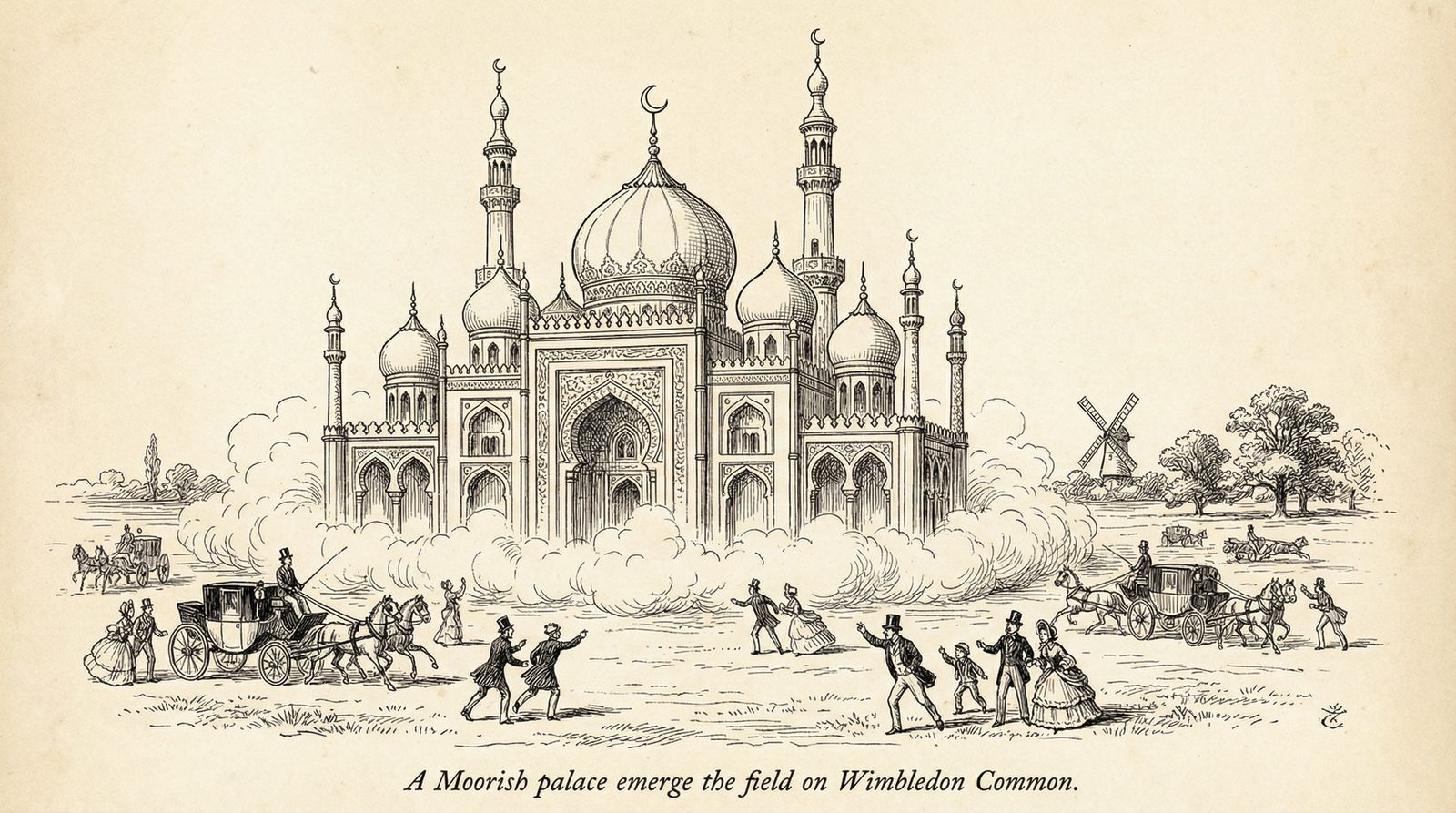
    Fakrash’s promise of assistance becomes the novel’s central engine. Horace wants professional success and marriage to Sylvia Wackerbath. Fakrash delivers both with catastrophic enthusiasm: erecting an impossible Moorish palace on Horace’s suburban property, showering him with sudden wealth, and humiliating Sylvia’s socially ambitious father in front of learned societies and polite company.

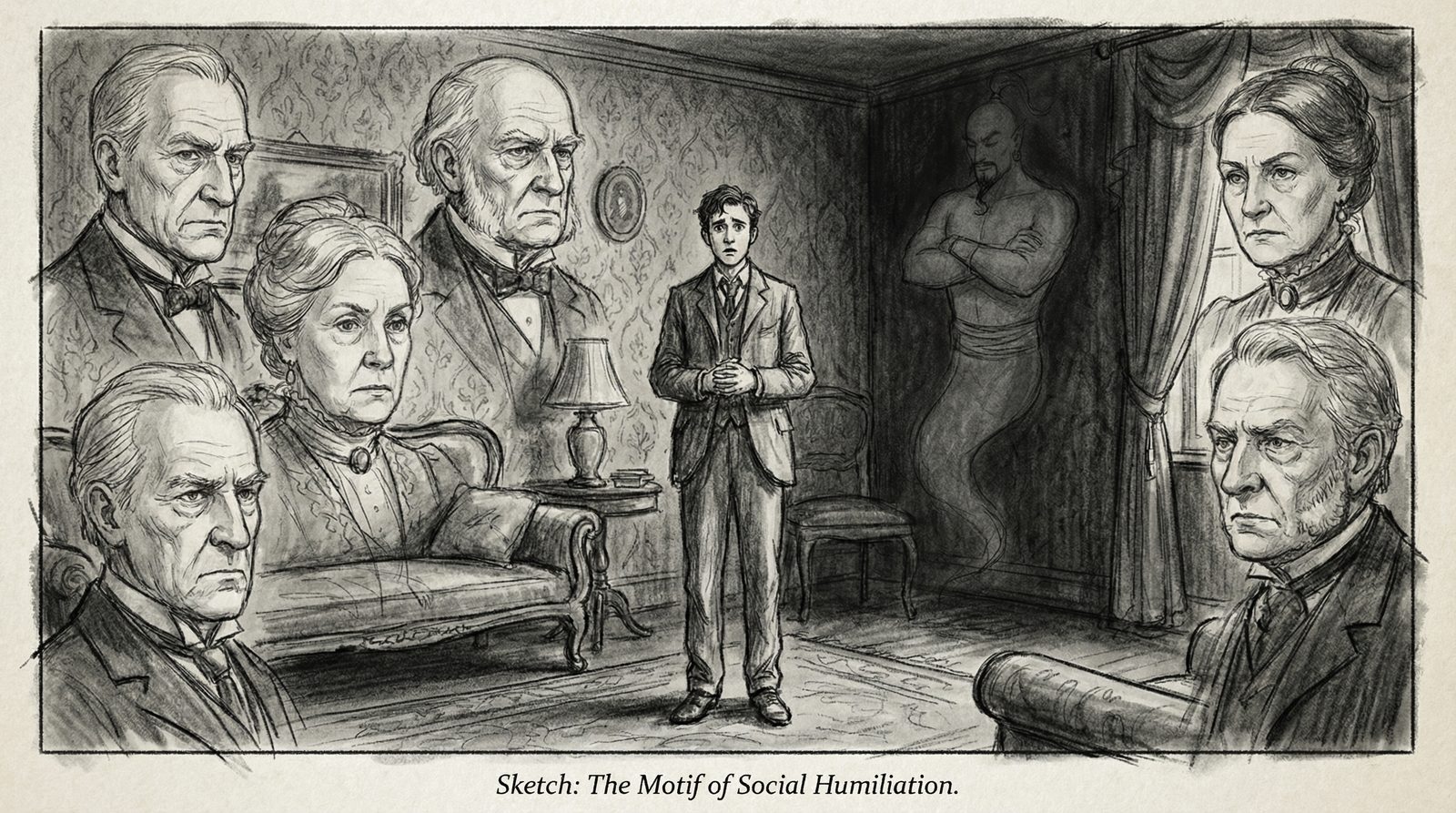
    Each wish carries unintended consequences. Horace’s reputation collapses under the weight of miracles he never asked for in quite that form. Respectability, so carefully maintained in Edwardian society, proves fragile when confronted with a being who does not understand embarrassment, gradual advancement, or understatement.

    The ending refuses a magical reset. Fakrash does not erase memories or rewind events. Horace learns that no supernatural favor can restore lost standing or undo public spectacle. The solution is renunciation rather than mastery. He must choose to live without wishes at all, accepting the limits of ordinary effort and imperfect love.

    PROSE & NARRATIVE STRUCTURE

    Anstey’s prose is brisk, ironic, and socially observant. The narration frequently slips into Horace’s anxious thought patterns while maintaining enough distance to let the satire bite. This free indirect style allows the comedy to coexist with a steady current of dread as Horace realizes that help can be more dangerous than hardship.

    The structure is episodic and escalating. Each chapter centers on a single intervention by Fakrash that spirals beyond Horace’s control. A professional introduction becomes a scandal. A gift becomes a liability. A public appearance becomes an ordeal. The rhythm recalls serialized fiction, with each episode ending on a social cliff rather than a physical one.

    One of the novel’s sharpest techniques is its collision of registers. Fakrash speaks in archaic bombast about obliteration and reward, while Horace and the surrounding institutions respond in the language of minutes, regulations, and committee procedure. The courtroom scene, where divine threats are calmly recorded by a clerk, captures the book’s essential joke: ancient power rendered ridiculous by bureaucracy.

    Conceptual editorial illustration inspired by 'The Brass Bottle'

    CHARACTERS & INTERIORITY

    Horace Ventimore is a recognizably timid dreamer. His interior life is dominated by rehearsed explanations, imagined humiliations, and constant self-correction. He does not crave domination or transcendence. He craves approval, and that makes him uniquely vulnerable to Fakrash’s version of generosity.

    Fakrash himself is not psychologically complex. He is a force rather than a character, driven by ancient codes of honor and reward. His failure to understand modern restraint turns him into an agent of chaos despite his sincere loyalty. Through him, Anstey explores how mismatched values can be more destructive than malice.

    Supporting figures deepen the social satire. Mr. Wackerbath embodies financial respectability and terror of ridicule. Sylvia, often seen through Horace’s anxious gaze, is given moments of quiet perspective that suggest she understands far more than he assumes. The novel’s emotional weight lies not in romance but in exposure: watching a man’s careful self-image collapse under unwanted attention.

    LEGACY & RECEPTION

    Although often remembered as a light fantasy, The Brass Bottle reads today as a sharp precursor to twentieth-century social comedy. Its humor is rooted less in spectacle than in class anxiety and professional dread, anticipating writers who would mine embarrassment rather than adventure for laughs.

    Later adaptations and re-tellings frequently soften the ending or lean into romance. Anstey’s original conclusion is colder. Magic fixes nothing. Horace survives, but chastened, forced to live with the consequences of miracles he never fully wanted. That refusal of wish-fulfillment closure is why the book still feels pointed rather than quaint.

    IS IT WORTH READING?

    If you enjoy fantasy as escape, this may surprise you. The book’s pleasures are social rather than spectacular, and its comedy often lands as discomfort rather than delight. But if you enjoy watching ordinary people undone by forces they cannot manage, and stories where magic reveals weakness instead of granting power, it remains a brisk and unsettling read.

    The period language requires a little patience, but the observations feel modern. Desire, reputation, and the terror of being seen are as potent now as they were in 1900.

    Illustration inspired by a core idea from 'The Brass Bottle'

    TRIVIA & AUTHOR FACTS

    “F. Anstey” was the pen name of Thomas Anstey Guthrie, a barrister-turned-humorist whose legal background quietly sharpens The Brass Bottle. The courtroom scene is not just comic invention: its procedures, language, and escalation are unusually precise for fantasy fiction of the period, which is exactly why the scene lands as both absurd and convincing. Anstey understood how bureaucracy absorbs even the impossible.

    The fictional auction house Salterton & Co. is thought to draw on real London auction rooms Anstey frequented. Fakrash’s insistence on palaces by rivers plays on the Thames while gesturing toward older imperial fantasies of the East. The novel’s humor depends heavily on these geographic and cultural collisions.

    SIMILAR BOOKS

    If this blend of supernatural comedy and social discomfort appeals to you, there are clear literary neighbors. E. Nesbit’s The Enchanted Castle uses magic to expose childish vanity and adult hypocrisy, while The Incomplete Enchanter by L. Sprague de Camp and Fletcher Pratt pushes the same wish-fulfillment logic into more overtly comic chaos. For a darker Victorian counterpoint, The Picture of Dorian Gray treats beauty itself as a curse rather than a gift. All of these works share Anstey’s interest in what happens when desire is granted too literally.

    DISCOVERABILITY & LINKS

  • Botched Kidnapping

    Botched Kidnapping

    DEFINITION & CORE IDEA

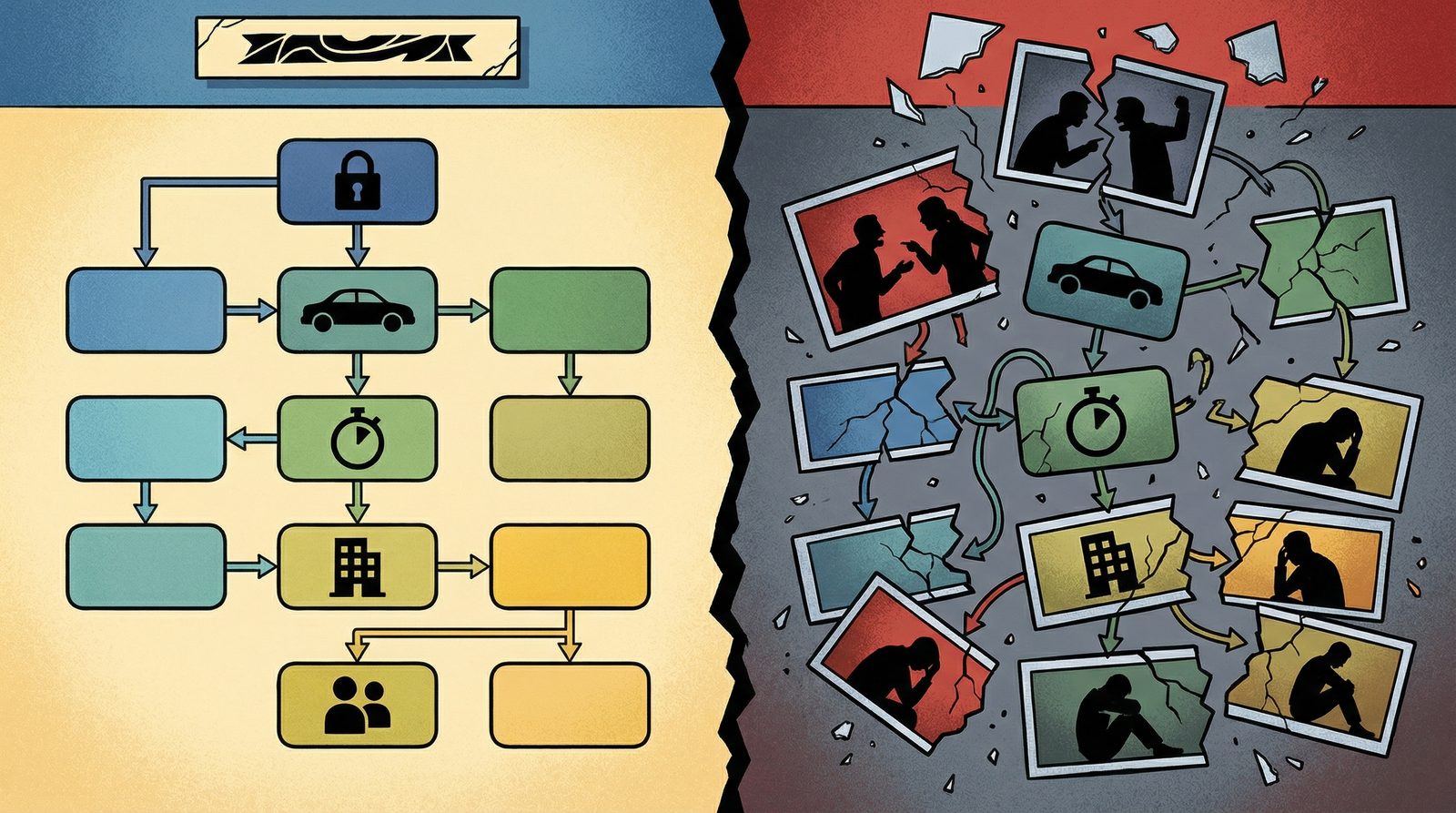
    The Botched Kidnapping motif centers on a kidnapping that does not go according to plan. The crime might start with a simple idea – grab the target, get the money, walk away. Instead, something goes wrong immediately or soon after. The wrong person is taken, an accomplice panics, the victim fights back, the police arrive too soon, or the money never shows up. What was supposed to be a controlled crime turns into a slow-motion disaster.

    Stories that use a Botched Kidnapping are less about the mechanics of a perfect heist and more about what people do when the floor falls out from under them. The failed crime forces kidnappers, victims, and bystanders into close quarters and high-stress decisions. Plans unravel, alliances shift, and every attempt to fix the situation tends to make it worse.

    Writers use this motif because failure is revealing. In a clean, successful abduction, criminals can stay cool and distant. In a Botched Kidnapping, they are scared, improvising, and exposed. The story becomes a pressure cooker where greed, guilt, loyalty, and desperation collide. The crime is the hook, but the real subject is how ordinary or not-so-ordinary people behave when they are in over their heads and running out of options.


    HOW IT WORKS IN STORIES

    In most Botched Kidnapping stories, the early chapters or opening scenes sketch out a plan that sounds, at least to the kidnappers, almost reasonable. In crime dramas like Dog Day Afternoon, Fargo, or Blaze (2007), we see small-time crooks or desperate people convince themselves this is their one big chance. The planning phase gives us a baseline of who they are when they still believe things might work.

    The turning point arrives when the first thing goes wrong. It might be a practical snag – the wrong car, the wrong house, an unexpected witness. It might be emotional – an accomplice getting cold feet, a victim refusing to behave as expected. From there, the story shifts into crisis mode. The kidnappers scramble to adjust, improvising new lies and new threats.

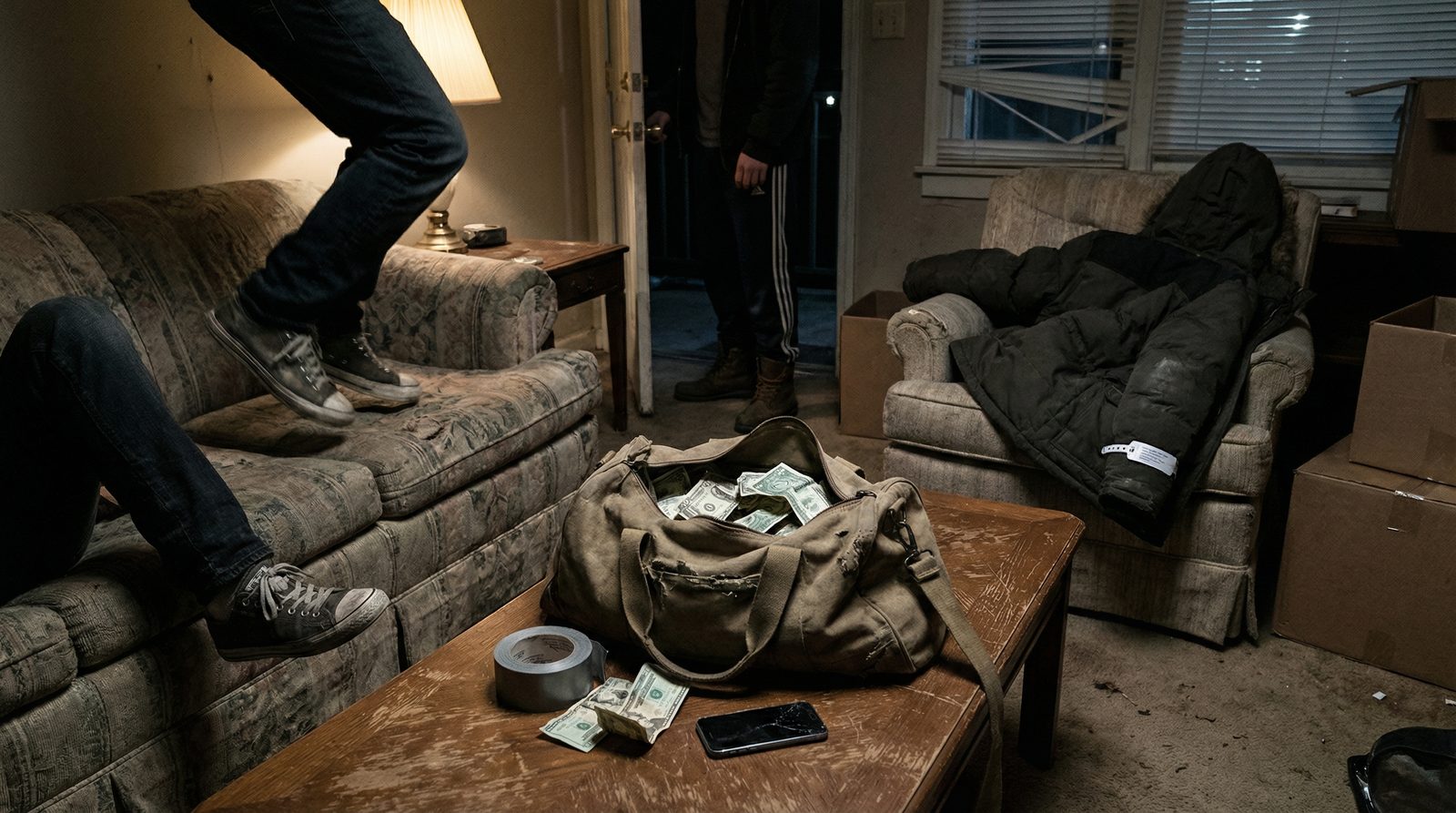
    The Botched Kidnapping usually traps everyone in a confined situation. A shabby apartment, a snowbound highway, a bank, or a suburban house becomes a stage for negotiations, threats, and uneasy truces. In something like The Friends Of Eddie Coyle, even when the kidnapping is offstage or only part of the criminal background, you feel the way a single failed job ripples through the underworld and pulls characters into danger they did not plan for.

    The motif often invites outside pressure. Police surround the building, media swarm the scene, or rival criminals smell weakness. Each new pressure point raises the stakes and forces more improvisation. The kidnappers might start as predators and slowly become cornered animals. Victims, meanwhile, can gain leverage by exploiting divisions in the group or by becoming more useful alive than dead.

    Writers use the Botched Kidnapping as a way to mix crime plotting with character study. The unfolding disaster gives them an excuse to pause for tense conversations, confessions, and shifting loyalties. The story is not a puzzle about how to pull off the perfect crime. It is a series of “now what?” moments, each one forcing characters to reveal a little more of who they are when there is no good choice left.


    Editorial illustration inspired by 'Botched Kidnapping'

    EMOTIONAL EFFECT ON THE READER

    A Botched Kidnapping feels different from a slick caper. Instead of admiring the criminals’ cleverness, you are bracing for the next mistake. There is a steady drip of dread: every new decision might be the one that gets someone killed. The tension comes from watching people try to steer a car that has already gone off the road.

    Readers are often pulled into a complicated sympathy. You may start out horrified by the crime, but as the kidnappers panic and show fear, they can become strangely human. Their bad choices are unforgivable, yet you see their shame, their love for a partner, or the debt and desperation that pushed them into this. At the same time, you feel for the victim, who might be terrified, angry, or unexpectedly resourceful.

    There is also a particular kind of claustrophobia. Much of the story takes place in one or two locations, with a small cast who cannot walk away. Arguments loop, tempers flare, and tiny details take on outsized importance. A ringing phone, a missed deadline, or a neighbor knocking on the door can make your stomach drop.

    In some works like Fargo, the Botched Kidnapping is laced with dark comedy. The sheer incompetence, the awkward conversations, and the mismatch between the crooks’ fantasies and the grim reality can make you laugh and wince at the same time. That uneasy mix of humor and horror is part of the motif’s power. It reminds you how thin the line is between an ordinary day and a life-ruining decision, and how quickly a “simple plan” can turn into something tragic and absurd.


    Symbolic illustration inspired by 'Botched Kidnapping'

    VARIATIONS & RELATED MOTIFS

    The Botched Kidnapping motif can play out in several distinct ways. In some stories, the kidnapping fails right at the start: the wrong person is snatched, the getaway car stalls, or the victim slips away. In others, the initial abduction “works,” but everything afterward unravels – the safe house is compromised, the ransom drop goes bad, or the criminals cannot agree on what to do next.

    There are moral variations too. Some Botched Kidnapping stories lean into noir fatalism, like the criminal world around The Friends Of Eddie Coyle, where a failed job is just one more step toward inevitable ruin. Others focus on a single bad decision made by basically decent people, turning the story into a tragedy about ordinary lives derailed. In blackly comic versions, the kidnappers are almost too inept to be truly frightening, which throws the absurdity of the situation into sharper relief.

    This motif often intersects with “crime gone wrong” stories in general, where any planned offense unravels under pressure. It can blend with hostage-negotiation motifs, where the focus shifts to police, media, and public spectacle outside the crime scene. It also overlaps with family drama and domestic noir when the victim is a spouse, child, or parent, and the failed kidnapping exposes long-buried resentments or secrets.

    Because a Botched Kidnapping traps characters in an escalating crisis, it pairs naturally with motifs about loyalty tests, betrayal among thieves, and the corrupting pull of money. The same failed abduction can be a survival story for the victim, a downfall story for the criminals, and a moral test for everyone caught in the blast radius. That flexibility is why writers keep returning to it: one broken plan opens the door to a whole tangle of human consequences.

  • Ordinary People In Extreme Situations

    Ordinary People In Extreme Situations

    DEFINITION & CORE IDEA

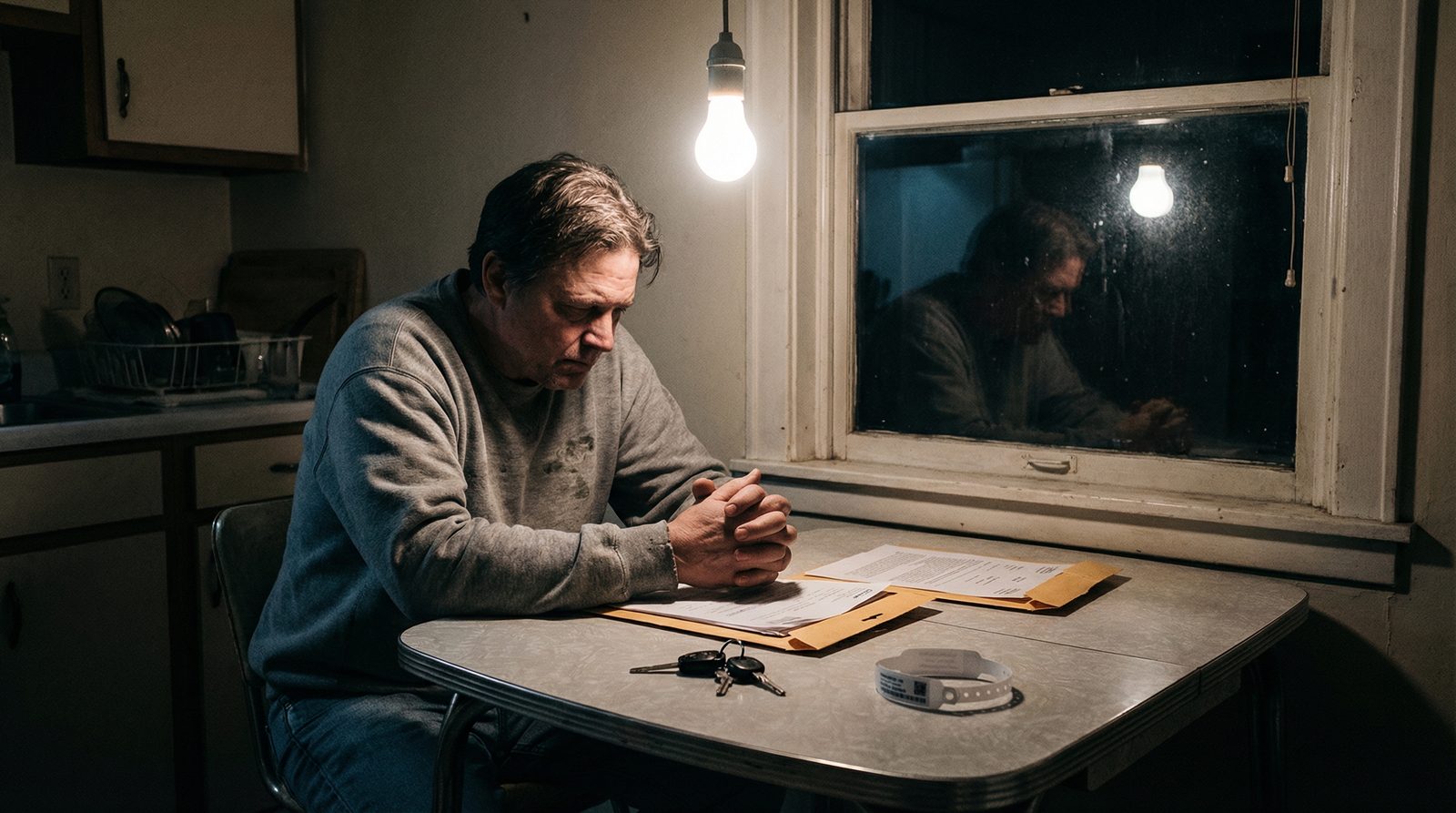
    “Ordinary People In Extreme Situations” is a motif where the main characters start out as recognizably average. They do not have special training, magical powers, or elite status. They have jobs, families, debts, routines. Then something happens that rips them out of that routine and drops them into a situation they are completely unprepared for.

    The core idea is simple: take someone who could be your neighbor, then crank up the pressure until they either adapt, break, or transform. Stories like Misery, Pet Sematary, Thinner (1984), and Blaze (2007) often start with everyday people and then push them into horror, obsession, or moral collapse. The gap between the character’s ordinary life and their extreme new reality creates both tension and dark curiosity.

    Writers use this motif to explore what people might really do when stripped of comfort and control. It asks questions like: How far would you go to save someone you love? What would you sacrifice to survive? Which parts of your identity are solid, and which are just habits that fall apart under stress? “Ordinary People In Extreme Situations” lets readers test their own limits safely, from the other side of the page.


    HOW IT WORKS IN STORIES

    In stories built around this motif, the early chapters usually linger on normal life. We see commutes, family dinners, casual arguments, and familiar frustrations. This grounding is important. The more clearly the reader understands what “ordinary” looks like for this character, the more sharply they feel the rupture when everything goes wrong.

    The trigger can be external: a car crash, a kidnapping, a violent stranger, or a supernatural event. In Misery, a writer is just driving home when an accident strands him with a fan who quickly becomes his captor. In Thinner, a careless moment leads to a curse that turns a routine life into a desperate countdown. In Pet Sematary, a family’s move to a quiet town opens a door to grief and resurrection that no one is equipped for. Sometimes the trigger is more subtle – a slow economic squeeze, a spouse’s illness, the discovery of a buried secret that can’t be ignored.

    Once the extreme situation takes hold, the story narrows around hard choices. The ordinary person might have to hide a crime, bargain with something inhuman, endure captivity, or navigate a cruel new system that treats them like a pawn. Everyday skills suddenly matter in strange ways: a nurse’s training in a disaster, a mechanic’s knowledge in a breakdown, a parent’s stubbornness when a child is threatened. At the same time, their usual social supports often fail. Friends don’t believe them, authorities are useless, or the threat is too bizarre to explain.

    Structurally, the motif often moves through stages: disbelief, coping, adaptation, and fallout. The character may become more ruthless, more honest, or more broken than they ever imagined. The story keeps circling one question: who are you when there is no safe, ordinary life to retreat to?


    Editorial illustration inspired by 'Ordinary People In Extreme Situations'

    EMOTIONAL EFFECT ON THE READER

    The emotional pull of “Ordinary People In Extreme Situations” comes from recognition. Readers look at these characters and think, “That could be me.” The jobs, marriages, debts, and small frustrations feel familiar, so when the story twists into horror or high-stakes drama, it hits closer to home than tales about superheroes or trained agents. The fear is not abstract; it is the fear that your next routine drive, hospital visit, or shortcut through the woods could change everything.

    This motif often creates a mix of dread and grim fascination. There is tension in watching someone try to think their way through a nightmare using only the tools of an ordinary life. Readers might feel frustration when characters make bad decisions, then a jolt of empathy when they realize they might have done the same under that kind of pressure. Stories like Misery and Thinner lean on this uncomfortable identification: the protagonists are not saints or geniuses, just people trying to survive with very human flaws.

    There can also be a strange kind of catharsis. Seeing an average person endure captivity, grief, or moral crisis can make everyday problems feel smaller by comparison, or it can validate how fragile normal life really is. Some readers come away shaken, others oddly reassured by the resilience on display, even when the ending is tragic. The motif invites quiet self-interrogation: if the worst happened on an ordinary day, who would you actually be?


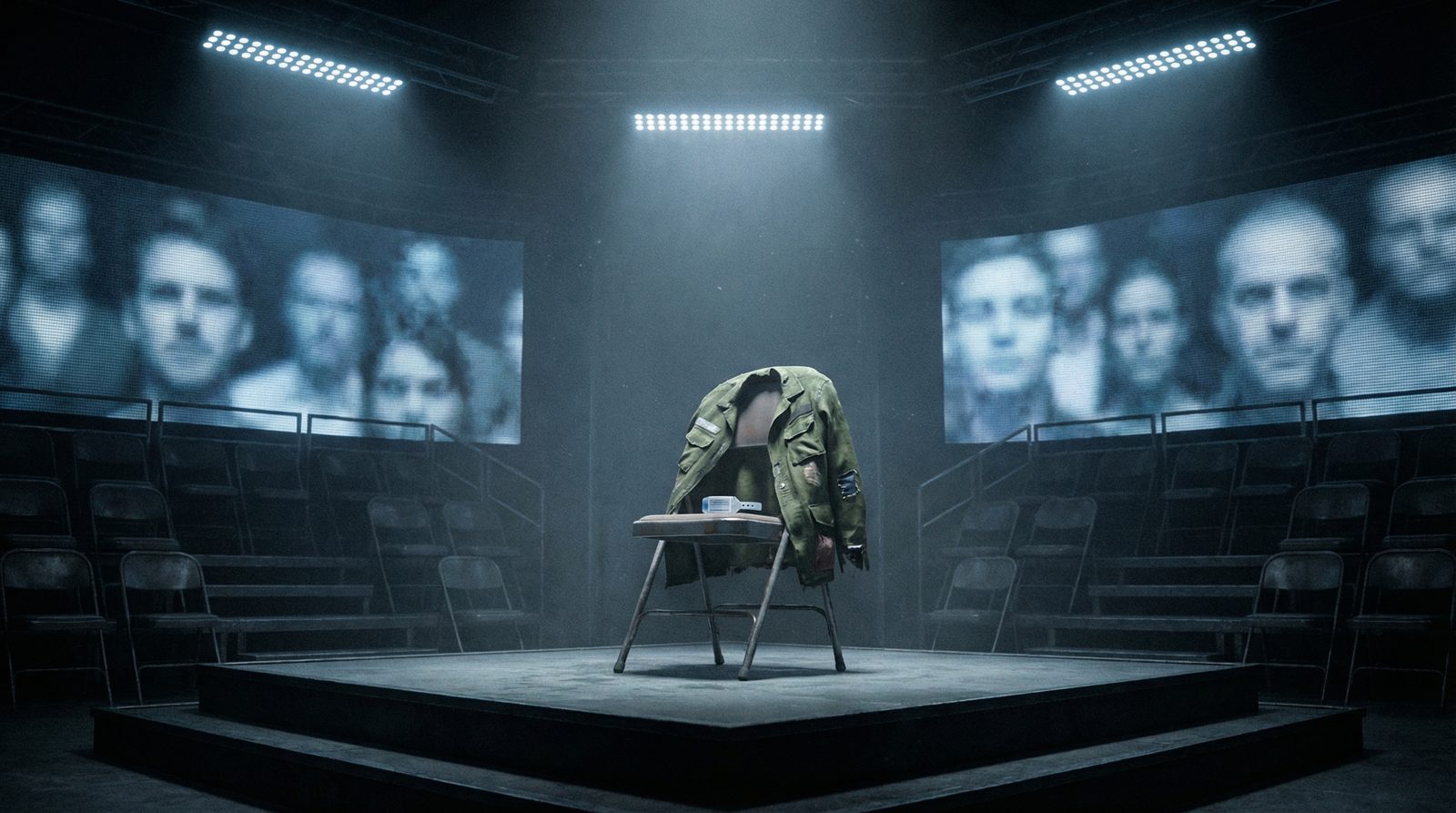
    Symbolic illustration inspired by 'Ordinary People In Extreme Situations'

    VARIATIONS & RELATED MOTIFS

    “Ordinary People In Extreme Situations” can tilt in many directions. Some versions are intimate psychological horror, like a single patient trapped with a caregiver who has too much power, as in Misery. Others are more supernatural, like Pet Sematary and Thinner, where a curse or uncanny place turns ordinary grief or guilt into something monstrous. A story like Blaze (2007) leans into crime and desperation, showing how poverty, bad luck, and one terrible idea can push a not-particularly-special person into kidnapping and violence.

    Sometimes the focus is on survival in a twisted system. That is where this motif can intersect with Dystopian Game Shows, where regular contestants are forced to perform for their lives under rules they did not choose. In those stories, the extremity is not just the danger, but the way the whole world seems to watch and judge. Other times the emphasis is inward, overlapping with Identity Collapse In Isolation. A character cut off from normal social feedback may start to question who they are, what they are capable of, and whether the ordinary self they remember was ever real.

    There are hopeful variations, where the extreme situation reveals hidden strengths or prompts moral courage. There are bleak ones, where ordinary people crack, become cruel, or lose themselves entirely. Writers like Richard Bachman often favor the darker end of the spectrum, using the motif to show how thin the line can be between a life that looks normal from the outside and one that is quietly rotting under pressure. Across all these versions, the constant is the same: the story asks what happens when an average person is forced into a test they never signed up for.

  • Dystopian Game Shows

    Dystopian Game Shows

    DEFINITION & CORE IDEA

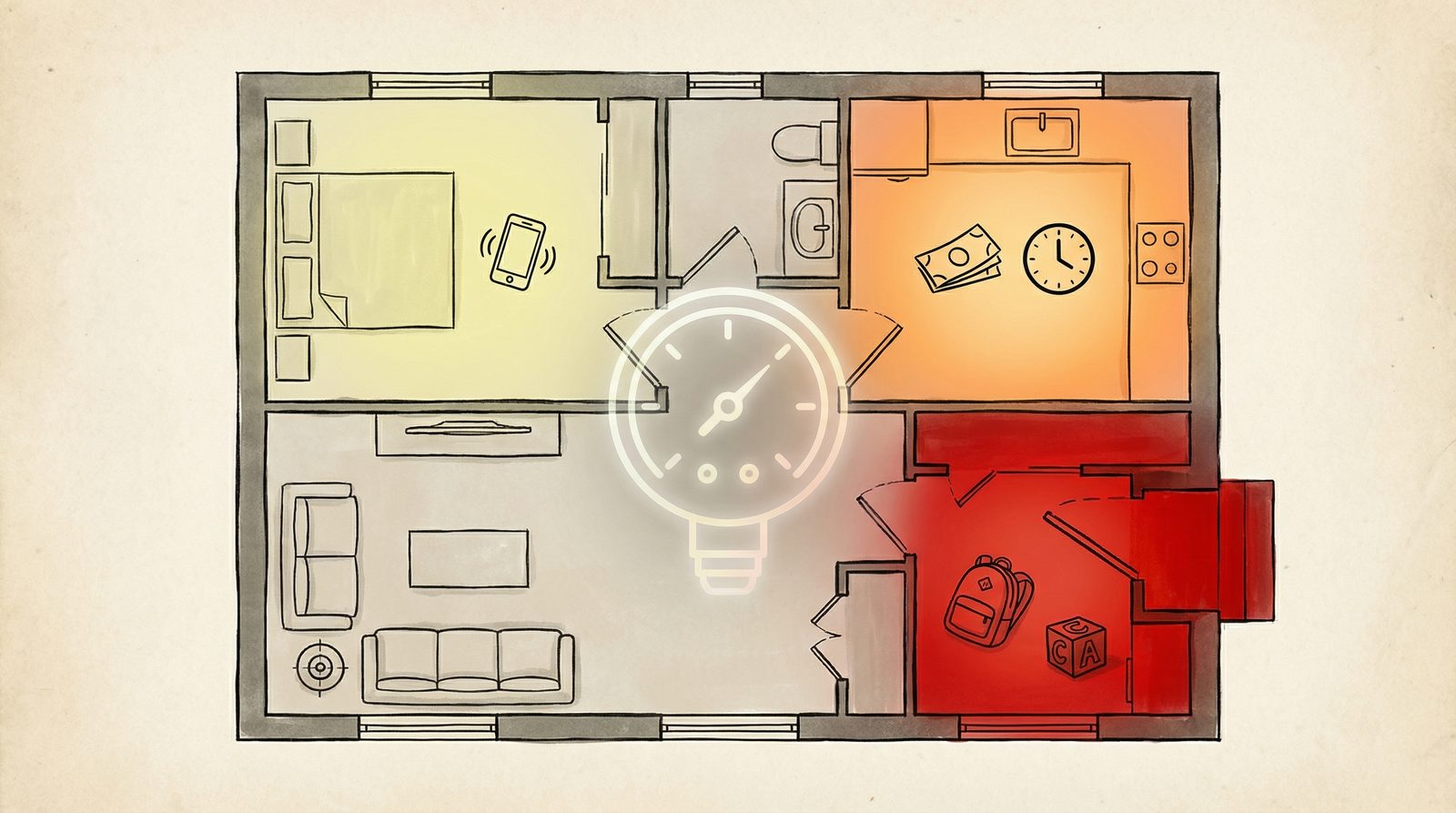
    Dystopian game shows are stories where a rigged contest, reality show, or televised event becomes a matter of life and death. The rules look like entertainment, but the stakes are survival. Contestants run obstacle courses that can kill them, answer questions under threat of punishment, or hunt and are hunted for the amusement of a distant audience. The game is usually controlled by a powerful government, corporation, or media empire that treats human beings as disposable content.

    Unlike simple arena battles, dystopian game shows lean on the language of TV and celebrity. The cruelty is wrapped in bright lights and canned applause. The Running Man, written under the name Richard Bachman, is a classic example, where a desperate man signs up for a lethal televised manhunt. The surface promise is money and fame; the underlying reality is systemic exploitation.

    Writers use this motif to ask how far a society will go when suffering becomes a product. The format is familiar enough to feel plausible, yet twisted enough to be horrifying. Dystopian game shows exaggerate trends in reality TV, social media, and advertising to show what happens when entertainment and cruelty fully merge. At its core, the motif is about people trying to stay human while the world insists they are just contestants.


    HOW IT WORKS IN STORIES

    In dystopian game show stories, the plot often begins with a rigged choice. The protagonist volunteers out of desperation, is coerced, or is randomly selected. Like the men in Richard Bachman stories such as The Running Man, they are usually ordinary or down-on-their-luck people, not trained warriors. The show offers them a miracle: money, freedom, or a chance to clear their name. The price is stepping into a game designed to break them.

    The narrative then moves into the preparation and staging of the show. We see contracts, waivers, and fine print. We meet the smirking host, the ruthless producer, the faceless executives. The world of the game is full of artificial sets, hidden cameras, and scripted moments. Even genuine danger is choreographed for maximum spectacle. The protagonist quickly discovers that the rules are flexible and always favor the house.

    Once the game begins, the story turns into a survival puzzle. Challenges are designed to pit contestants against each other, force betrayals, or tempt them with shortcuts that have hidden costs. The show’s audience becomes a character in its own right. The protagonist might gain sudden popularity, become a villain in the public eye, or be erased entirely if they stop being useful for ratings.

    Behind the spectacle, the plot often reveals a larger conspiracy or social rot. The game show might be a tool of social control, a distraction from political collapse, or a way to dispose of “undesirable” people. The climax usually involves one of three things: beating the game on its own terms, exposing it to the public, or refusing to play by its logic at all. Whether the character lives or dies, the story asks what it means to be real in a world that only values you as content.


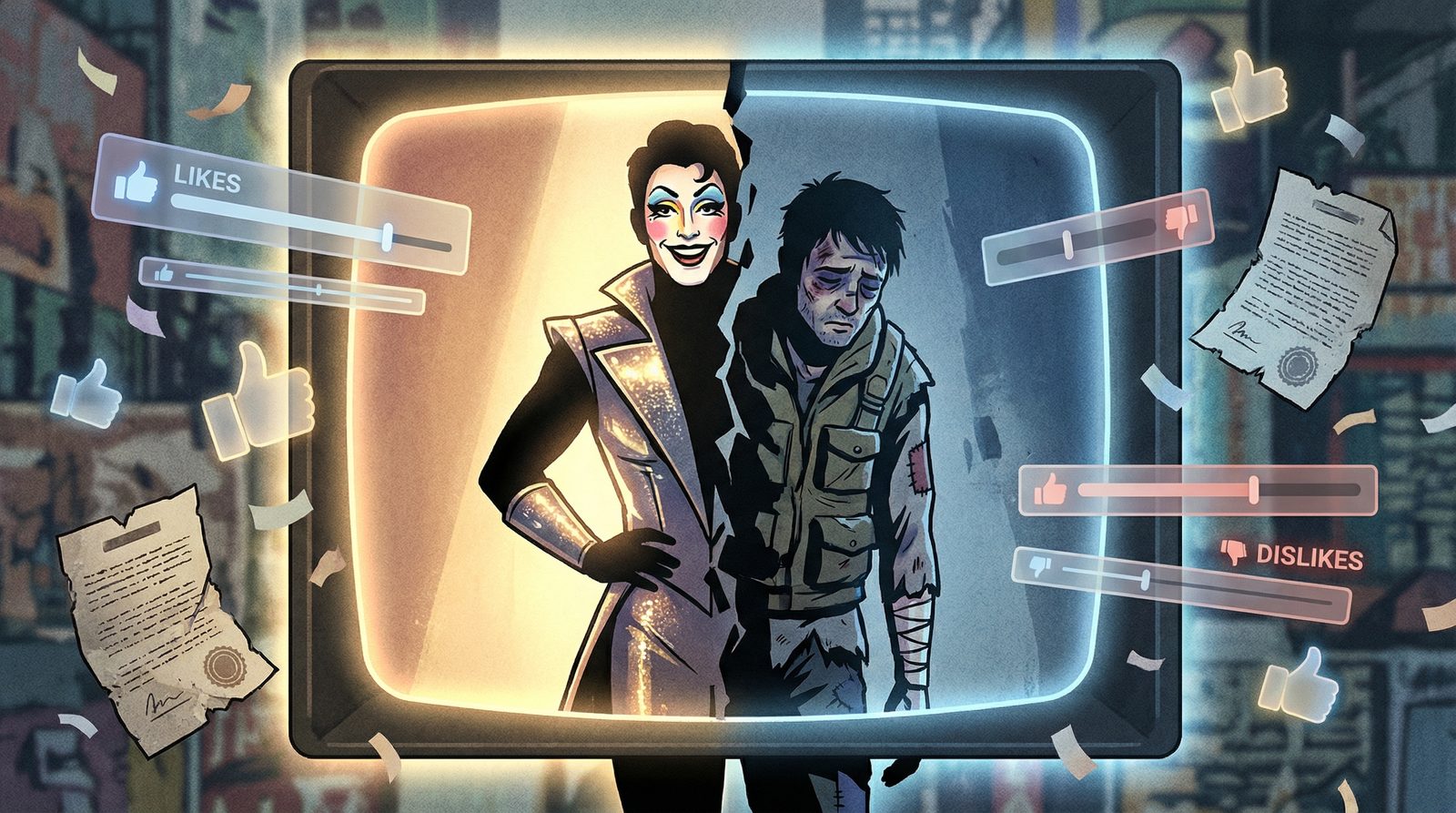
    Editorial illustration inspired by 'Dystopian Game Shows'

    EMOTIONAL EFFECT ON THE READER

    Reading dystopian game show stories often feels like watching a nightmare version of a reality show you half-recognize. There is a sickening mix of excitement and dread. The tension is not just “will they win,” but “how much of themselves will they have to lose to survive.”

    The motif taps into the uneasy feeling that our own media habits might be cruel. When a crowd in the story cheers for someone’s suffering, it is hard not to think of viral humiliation clips or scandal-driven news. That recognition can make the reader feel complicit, as if they are sitting in the studio audience, enjoying the show while knowing it is wrong.

    At the same time, there is often a strong emotional bond with the contestants. Their small acts of kindness, defiance, or humor stand out sharply against the artificial cruelty around them. Moments where characters refuse to betray each other, or choose dignity over survival, can hit harder precisely because the system is built to crush those choices. The result is a blend of adrenaline, anger, and a bruised kind of hope that someone will break the cycle, even if they pay for it.


    Symbolic illustration inspired by 'Dystopian Game Shows'

    VARIATIONS & RELATED MOTIFS

    Dystopian game shows can take many forms. Some stories focus on physical combat, turning the show into a gladiator arena with cameras. Others use puzzles, social manipulation, or moral dilemmas as the core challenge. A contestant might have to choose which loved one gets saved on live TV, or decide whether to expose a secret that will ruin innocent people. The tone can range from grimly realistic to darkly comic, with some works leaning hard into satire about advertising, celebrity culture, or class.

    There are also variations in how much the outside world matters. In some stories, the game is a closed bubble, and we only see what the cameras see. In others, the world beyond the show is just as bleak: the game is not an exception but a symptom of a larger sickness. The show becomes a pressure valve for a society that has already decided which lives are expendable.

    This motif overlaps strongly with Ordinary People In Extreme Situations. The contestants are rarely superheroes; they are regular citizens pushed into a twisted system. It can also intersect with motifs about the commodified body, survival as performance, or fame as a double-edged sword. A character might gain celebrity status while being slowly destroyed by the very show that made them famous.

    Some stories end with the game continuing, unchanged, emphasizing how hard it is to fight a system that turns everything into a show. Others let a single act of defiance ripple outward, inspiring viewers or exposing the truth. Either way, dystopian game shows linger because they feel uncomfortably close to the world we already live in, just pushed a few notches further past the point of no return.

  • Platform Betrayal

    Platform Betrayal

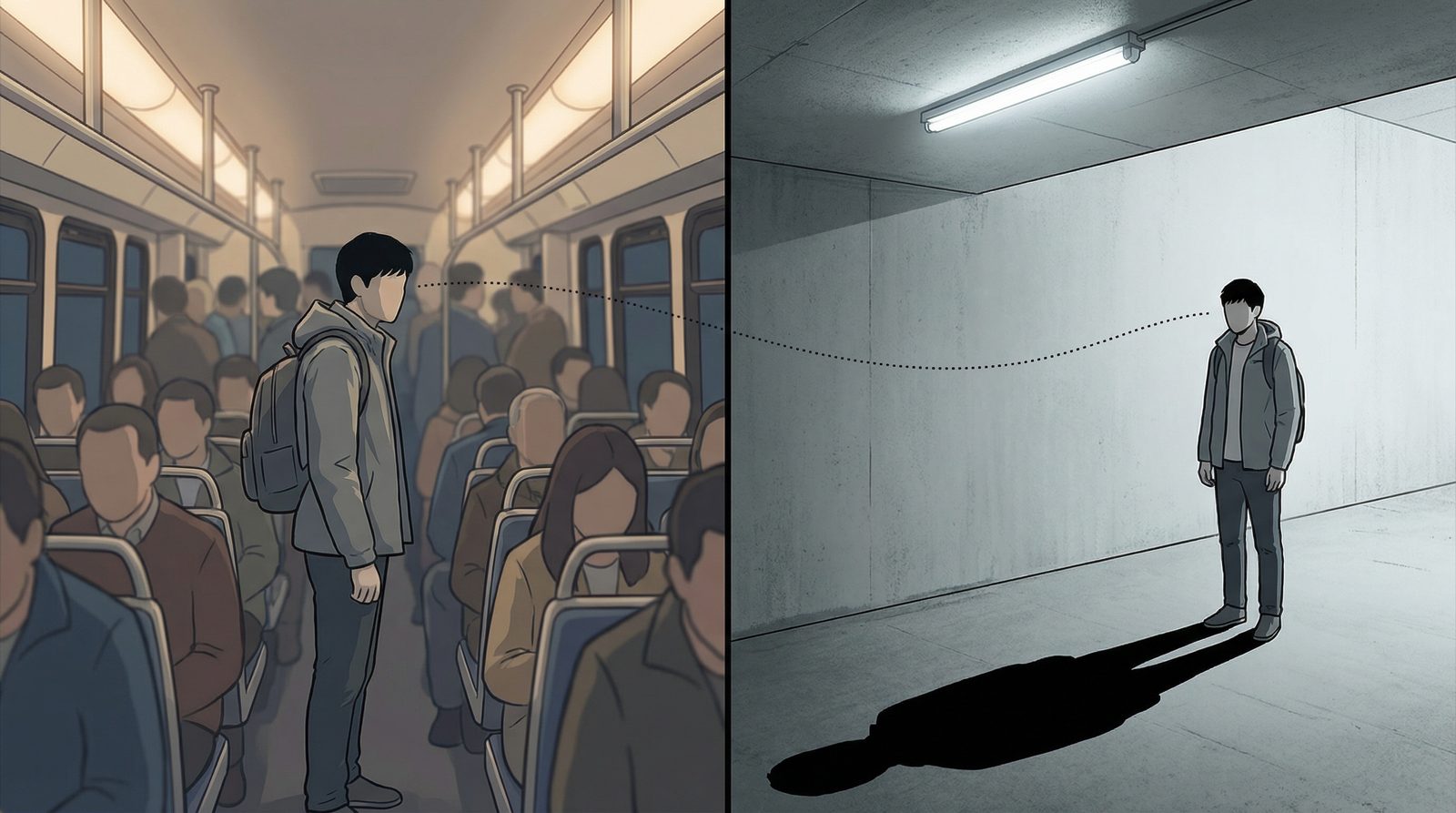
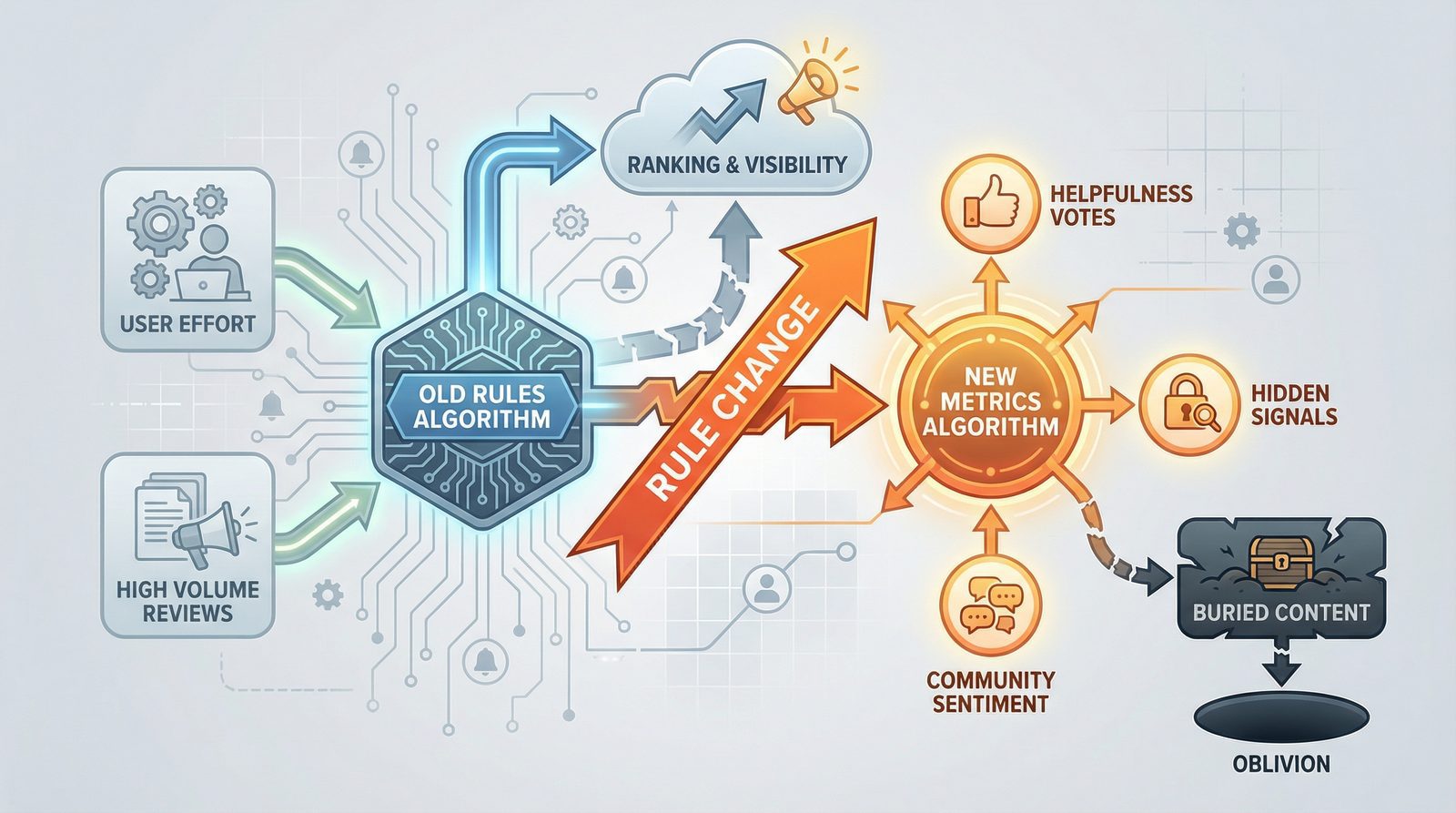
    Platform Betrayal describes what happens when the rules of a system change and suddenly punish the exact behavior that system used to reward. It’s the feeling of realizing that you did everything “right” according to yesterday’s metrics, only to wake up and find those metrics have turned against you.

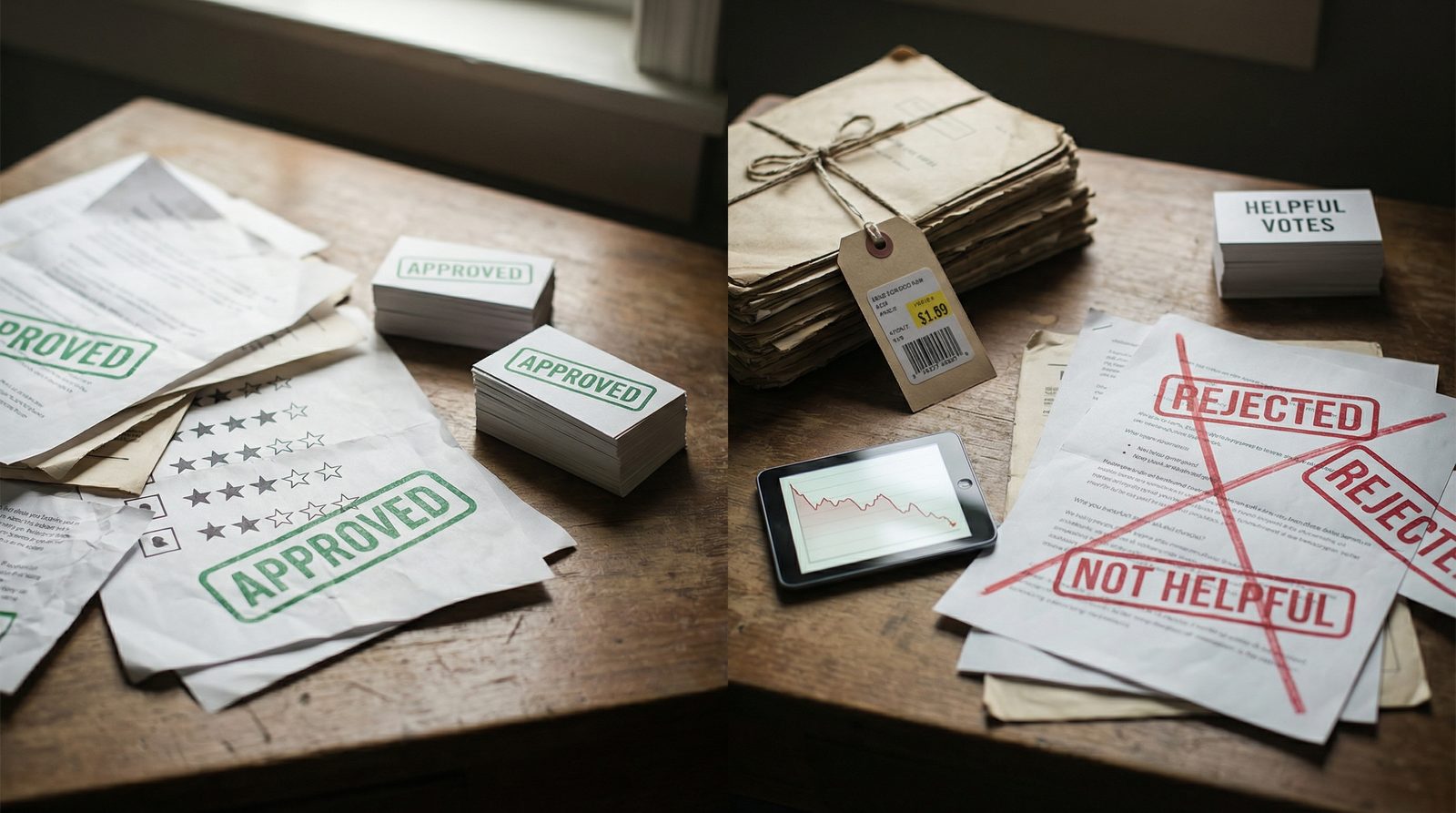
    Harriet Klausner lived through one of the clearest examples: Amazon’s 2008 shift from raw review volume to “helpfulness” votes. The same ranking engine that once elevated her as the top reviewer abruptly buried her, powered in part by years of “not helpful” protest clicks. She hadn’t changed. The platform had.

    What this motif captures

    This motif sits where incentives, identity, and power collide. Platform Betrayal is not just an algorithm tweak; it’s a moment when a person realizes that the system they trusted has quietly redefined “good behavior.” It often hits the hardest for Super Users, the people who optimized their lives around the old rules.

    In story terms, Platform Betrayal is the turning point where a character’s loyalty to an institution is tested. In real-world terms, it’s the career-breaking update: the monetization policy change, the ranking overhaul, the moderation sweep that retroactively criminalizes what was once encouraged.

    Platform Betrayal inline concept image

    How it shows up in stories and systems

    In fiction and narrative non-fiction, you’ll see Platform Betrayal when:

    • A top creator on a site suddenly loses income or reach after an opaque update.
    • A whistleblower realizes their heroic metrics are now labeled “abuse” or “spam.”
    • A character who gamified the system for years discovers that the scoreboard has been reset.
    • A community or fandom is pushed out by new rules meant for a different era.

    On the real internet, it’s visible in:

    • Ranking shifts like Amazon’s 2008 change that demoted high-volume reviewers such as Harriet Klausner.
    • Social platforms abruptly privileging short video over text or longform posts.
    • Ad and affiliate programs changing payout rules with minimal notice.
    • Moderation regimes that retroactively penalize archive content.

    In all of these cases, the betrayal is not just technical. It’s emotional. People built a sense of self, income, or community on the platform’s original promises, only to discover those promises were provisional.

    Why it matters for AllReaders

    AllReaders exists in the shadow of Platform Betrayal. Our own history includes a long offline period and a return to life on a very different web. Part of our job is to document how platforms have treated readers, reviewers, authors, and mid-list books over time — including moments when the rules changed and certain people paid the price.

    By tagging books, essays, and creator stories with Platform Betrayal, we highlight works that grapple with shifting incentives and broken trust: novels about social networks turning hostile, memoirs from creators who lost their livelihoods to an update, or critical histories of algorithms that quietly rewrote the terms of engagement.

    For us, the motif is also a reminder. If we are going to use AI, scoring systems, or recommendation engines, we have to be transparent about how they work and how they might change. That’s why we pair this motif with Transparency vs Opacity on our own architecture pages: we want to name the pattern so we don’t repeat it in silence.

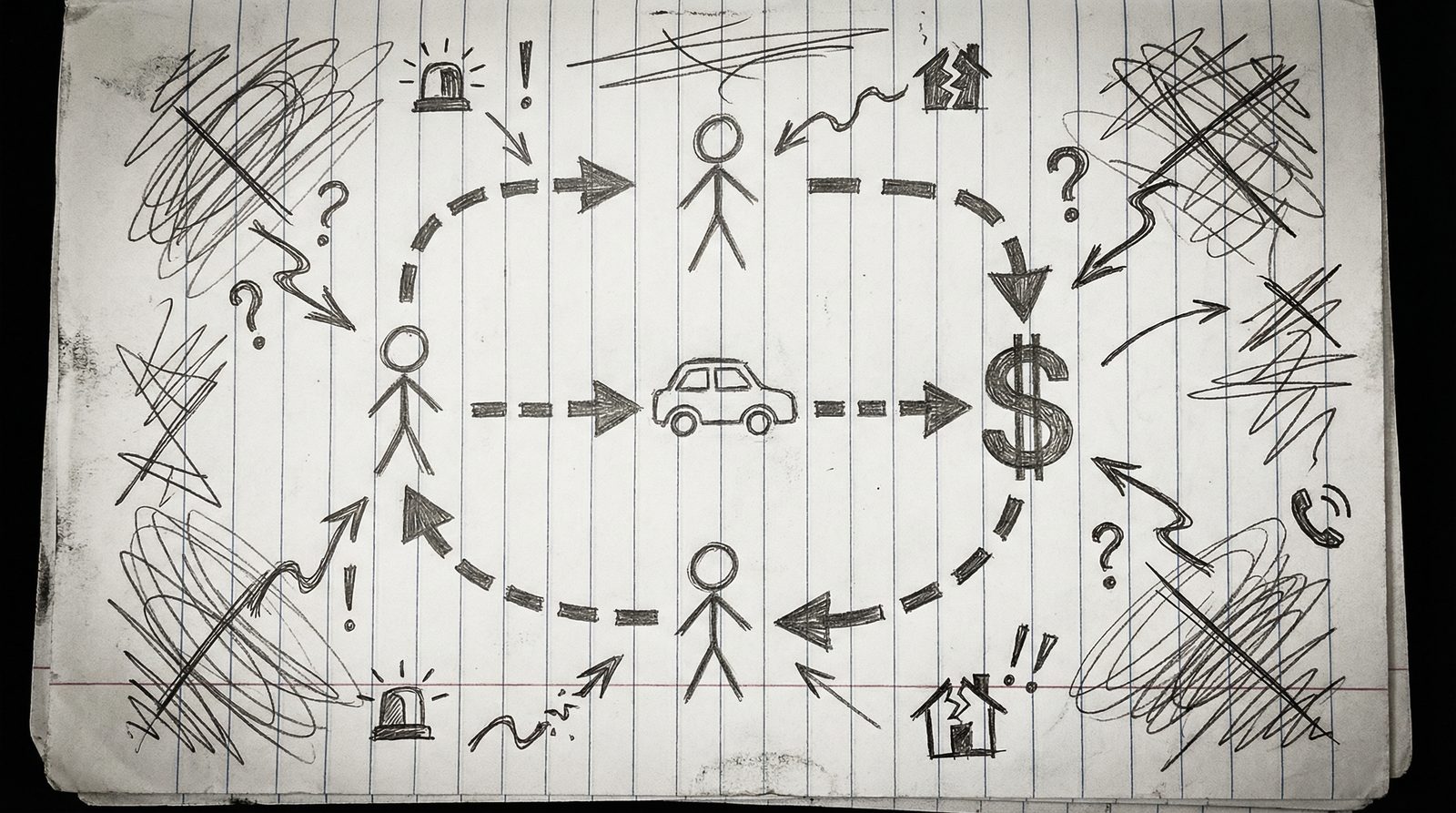
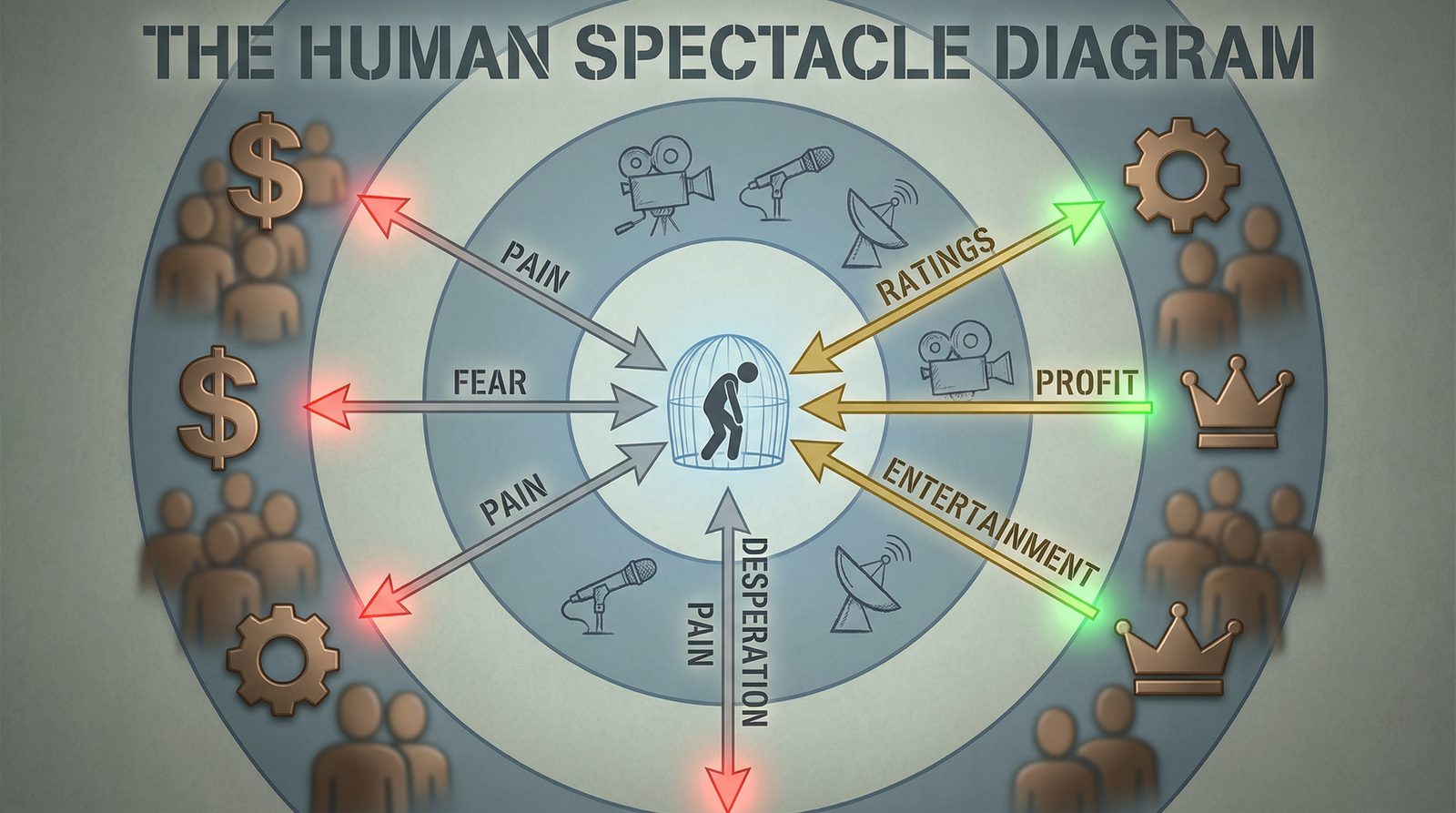
    Platform Betrayal inline diagram image

    Related motifs