Archetype: Hero

  • The Peaceful Warrior The Life Of Dan Millman (2006)

    The Peaceful Warrior The Life Of Dan Millman (2006)

    Peaceful Warrior (2006) · Drama · United States.


    INTRODUCTION

    Peaceful Warrior adapts Dan Millman’s semi-autobiographical spiritual story into a reflective sports drama that feels half locker room, half meditation hall. It follows a talented college gymnast whose life is shattered by a catastrophic accident and rebuilt through an encounter with a mysterious mentor. Instead of chasing the usual underdog victory, the film leans into slow-burn transformation, asking what success means when the body and ego are stripped down.

    The tone moves between grounded collegiate routine and moments of mystical instruction, touching a steady feel of spiritual yearning and bittersweet hope. The story plays closer to parable than conventional sports narrative, inviting viewers to sit with its questions rather than its twists.

    PLOT & THEMES

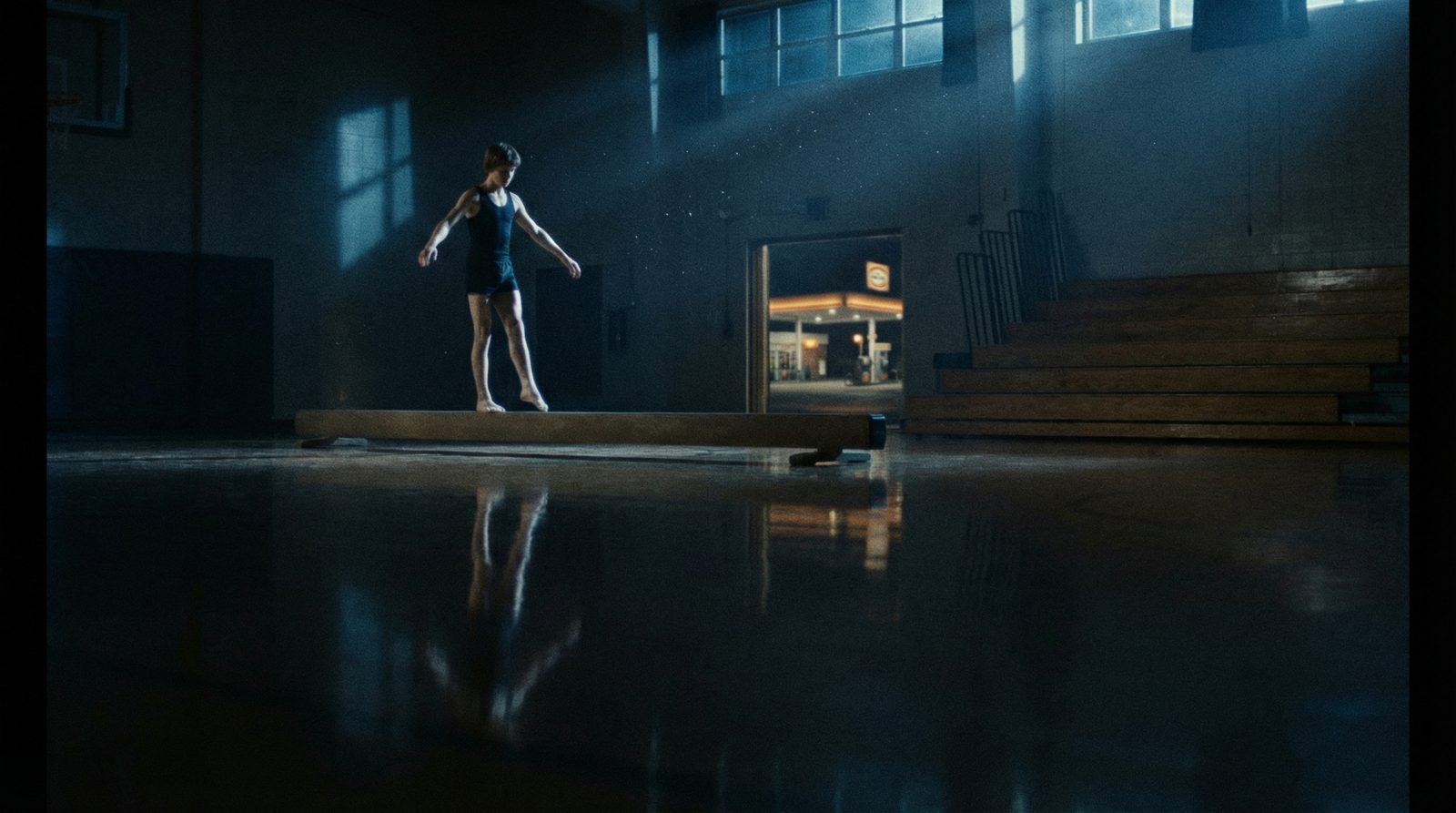
    The plot centers on Dan, a driven college gymnast whose life is defined by discipline, competition, and an image of control. A late-night encounter at a gas station introduces him to an older man he nicknames Socrates, who speaks in riddles and quietly dismantles Dan’s certainties. When a motorcycle accident shatters Dan’s leg and threatens his athletic future, the story pivots from ambition to apprenticeship, framing crisis as the opening to inner change.

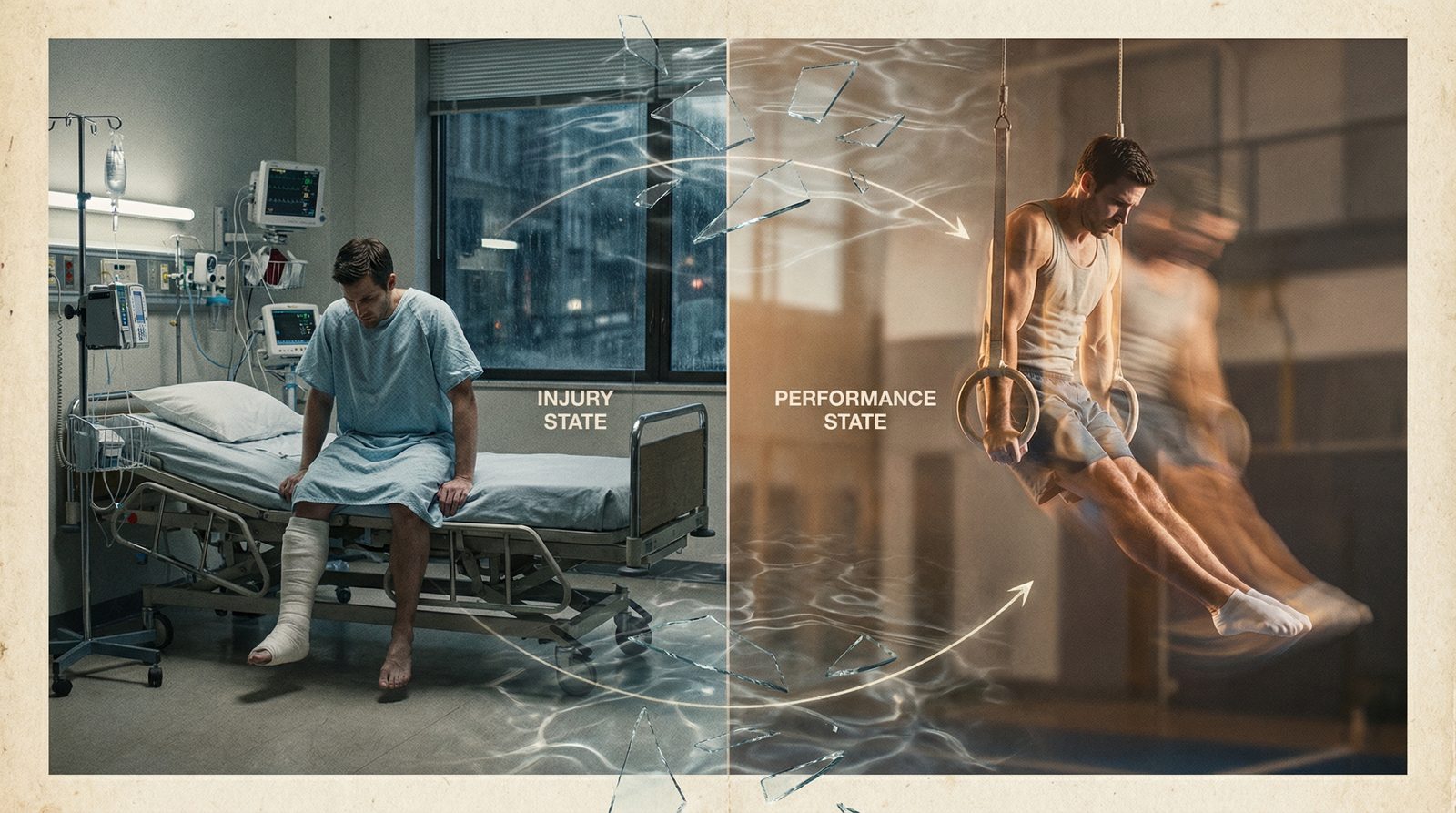
    The film’s central concern is the tension between external achievement and inner peace. Training sequences become exercises in presence rather than pure performance. The accident functions as Awakening Through Physical Injury, forcing Dan to confront who he is without his body’s reliability and without applause. In that sense, the film sits directly inside Athletic Discipline As Spiritual Practice, treating repetition as a method of transformation rather than punishment.

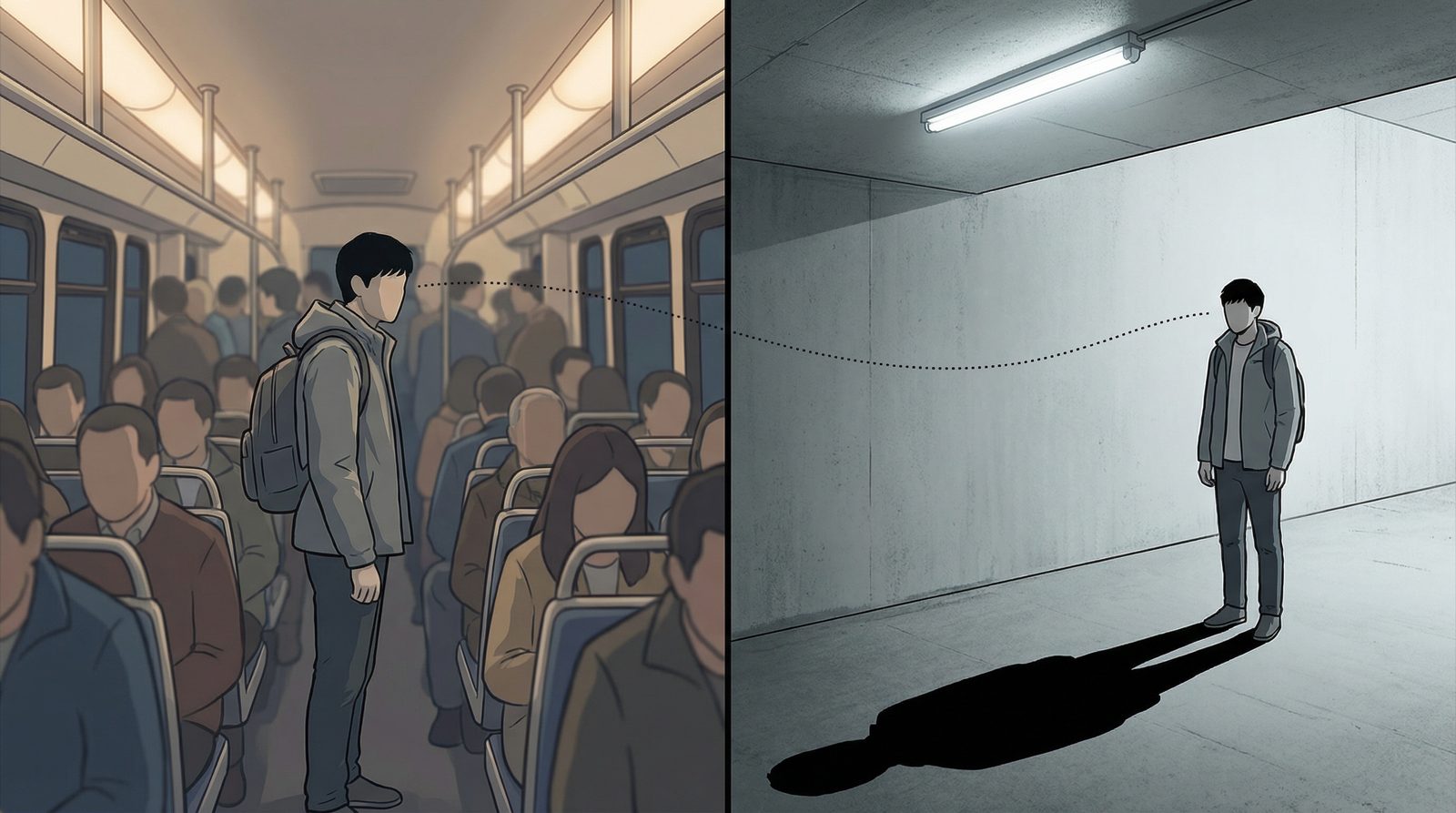
    A quieter thread is isolation versus community. Teammates and relationships orbit Dan, but the film keeps foregrounding solitary nights, private fear, and the long grind of recovery. The spiritual quest logic turns the campus environment into a kind of everyday monastery where the real contest is not against rivals but against the ego’s demand to be exceptional.

    CINEMATIC TECHNIQUE & AESTHETICS

    The film’s technique tries to bridge everyday realism with the feel of spiritual instruction. Campus and gym interiors are shot with functional clarity, while key moments of insight lean on slowed time, softened sound, and a slight stylization that pulls the viewer into Dan’s headspace. During routines, sound often drops toward a muffled thrum, mimicking tunnel vision and obsessive focus.

    Slow motion is used in both triumph and catastrophe, stretching midair gymnastics into suspended moments and treating the crash with similar durational emphasis. This repetition reinforces the film’s claim that disaster and awakening can arrive through the same instant of attention.

    The overall palette stays muted and grounded, making brief “insight” beats feel like small awakenings rather than grand revelations. The aesthetic aims for sincerity over spectacle, consistent with the story’s emphasis on practice and presence.
    Editorial illustration inspired by 'Peaceful Warrior'

    CHARACTERS & PERFORMANCE

    Dan is written as a high-achiever whose identity depends on performance. Early scenes emphasize restlessness and arrogance, which gives later vulnerability real contrast. His arc is less about learning a new skill than about unlearning his dependence on control and validation.

    Socrates functions as the Wise Mentor, a blend of mechanic, sage, and trickster. He appears at odd hours, dispenses blunt advice, and assigns tasks that feel pointless until their meaning clicks. The character works best when played with dry patience rather than mystical grandeur, keeping the “dojo at a gas station” concept grounded.

    Supporting characters mainly serve as mirrors for Dan’s fixation on achievement: teammates, rivals, and romantic interests illustrate different responses to pressure. The film is most affecting when it slows down into small domestic beats—tea after a mission, late-night doubt, quiet repair—because that is where the transformation becomes believable.

    CONTEXT & LEGACY

    Peaceful Warrior comes from the late-20th-century wave of spirituality where personal crisis and enlightenment share the same narrative space. As an adaptation, it condenses long arcs of practice and doubt into a digestible cinematic shape. Where a book can linger inside interior revelation, film must externalize insight through dialogue and behavior, which can make philosophy feel slogan-like.

    Its legacy is quieter than its literary source, but for viewers drawn to recovery stories, mentorship narratives, and the idea that discipline can be a spiritual path, it remains a touchstone. It argues that athletic excellence and awakening can coexist, though never comfortably, because the ego keeps trying to turn insight into another trophy.

    IS IT WORTH WATCHING?

    If you want an earnest film about recovery, mentorship, and the inner life of high achievement, Peaceful Warrior can resonate. If you want a tightly plotted sports drama where competition is the main engine, you may find the pacing slack and the stakes underplayed. The film plays best as a companion to the book’s worldview and as a meditation on what remains after performance collapses.

    Symbolic illustration inspired by 'Peaceful Warrior'

    TRIVIA & PRODUCTION NOTES

    As an adaptation of Dan Millman’s semi-autobiographical story, the film condenses and rearranges events to keep the focus on the mentor relationship and the injury-to-awareness arc. Certain supporting roles function as composites, emphasizing the contrast between external achievement culture and inner practice.

    Gymnastics sequences typically rely on a mix of actor performance, doubles, and strategic camera placement to sell difficult routines. The film often uses softened sound and slowed time to express the internal experience of performance rather than purely the spectacle of movement.

    SIMILAR FILMS

    If Peaceful Warrior works for you, look for other stories where mentorship and discipline serve an inner-journey function and where crisis forces a redefinition of identity. The most relevant neighbors tend to combine physical practice with a spiritual or philosophical reframing of success.

    DISCOVERABILITY & LINKS

  • Way Of The Peaceful Warrior (1980)

    Way Of The Peaceful Warrior (1980)

    INTRODUCTION

    Way of the Peaceful Warrior (1980) by Dan Millman
    Spiritual memoir · United States


    Way of the Peaceful Warrior is a late twentieth-century spiritual coming-of-age story dressed in sweatpants and chalk dust. It begins in the fluorescent quiet of the UC Berkeley gym and ends somewhere harder to name: a stripped-down awareness where attention itself becomes the discipline. Dan Millman fictionalizes his own past as a champion gymnast, then detonates it with the arrival of a mysterious gas-station sage he calls Socrates.

    The mood is restless and hungry. The book has the rawness of a training diary crossed with a Zen parable, and it is far stranger, funnier, and more abrasive on the page than its later, softer reputation suggests. This is not a gentle self-help story. It is about obsession, humiliation, injury, and the slow dismantling of a young man’s carefully polished identity.

    PLOT & THEMES

    The plot is deceptively simple. Dan is a gifted gymnast at UC Berkeley in the 1970s, already a national champion yet plagued by nightmares and a sense of hollowness. One sleepless night he wanders into an all-night gas station near campus and meets Socrates, an old attendant who moves with impossible grace and casually appears on the roof without using a ladder.

    This encounter launches years of erratic, often humiliating training that has little to do with pommel horses and everything to do with attention, diet, ego, and fear. Socrates teaches by disruption. He withholds praise, assigns absurd tasks, and dismantles Dan’s self-importance piece by piece.

    A recurring theme is the body as a doorway rather than an obstacle. Injuries, exhaustion, hunger, and pain are not framed as enemies to overcome but as teachers that force Dan into the present moment. The body becomes the site where illusion collapses, especially after the motorcycle accident that shatters his athletic future and leaves him learning to walk again with metal pins in his leg.

    Millman contrasts ambition with awareness. Olympic dreams are revealed as just another story the ego tells itself. Love complicates this further. Joy, introduced before Dan’s accident, brings a playful, grounded energy that refuses spiritual theatrics. She challenges his dependence on Socrates and pushes him toward responsibility rather than devotion.

    The book’s ending rejects triumph. Dan does not win a defining competition or achieve permanent enlightenment. Instead, he walks away from the life he built, broke and uncertain, carrying nothing but attention into an ordinary future. The transformation is not heroic. It is unresolved, which is precisely the point.

    PROSE & NARRATIVE STRUCTURE

    The story is told in first-person retrospect. An older Dan narrates his younger self’s confusion with a mix of affection and embarrassment. The prose is straightforward and occasionally clunky, but that plainness suits the material. Millman writes like an athlete keeping notes, not a mystic polishing aphorisms.

    The structure moves in cycles rather than a clean three-act arc. Training sessions in Harmon Gym alternate with late-night conversations at the gas station, dream sequences, and visionary episodes. The most striking of these is the desert initiation, where Dan confronts his own mortality in a canyon littered with bones and imagines his body decaying under the sun.

    Dialogue carries much of the philosophical weight. Socrates is sharp, sarcastic, and frequently cruel. He mocks Dan’s vanity, swears freely, and sends him scrubbing toilets as spiritual practice. Sudden time jumps, including the abrupt cut from pre-accident arrogance to hospital confinement, create a jagged rhythm that mirrors Dan’s psychological disorientation. Enlightenment here is not a smooth ascent but a series of collapses and stubborn re-starts.

    Conceptual editorial illustration inspired by 'Way of the Peaceful Warrior'

    CHARACTERS & INTERIORITY

    Dan is not a flattering protagonist. He is talented, arrogant, anxious, and deeply invested in how others see him. The book spends long stretches inside his mental scorekeeping: pre-meet rituals, locker-room comparisons, and the shame that follows late-night binges on junk food. His interior world is crowded with rankings and imagined judgments.

    Socrates remains the enigmatic center. He functions less as a fully rounded character than as a pressure system designed to break Dan’s defenses. Still, Millman gives him human texture: humming while cleaning gas pumps, favoring simple soup, and later appearing frail and mortal in a hospital bed. The invincible teacher is revealed as temporary.

    Joy disrupts the guru dynamic. She refuses to be a serene muse or spiritual reward. Her insistence that Dan stop outsourcing authority to Socrates forces him into adulthood. Minor figures, including fellow gymnasts and romantic partners, act as mirrors, revealing how strange and self-absorbed his path appears from the outside. The interiority here is not mystical. It is the slow erosion of ego under pressure.

    LEGACY & RECEPTION

    Since its publication, Way of the Peaceful Warrior has lived a double life: cult favorite on college campuses and staple of yoga studios. It arrived as Eastern philosophy filtered into American culture through martial arts, countercultural paperbacks, and spiritual experimentation. Millman’s fusion of sports narrative and inner training made the book unusually accessible.

    The film adaptation, Peaceful Warrior (2006), expanded its audience but softened its edges. Years of discipline were compressed, Joy’s role was reduced, and the harsher bodily lessons were smoothed over. Readers who come to the book after the film are often surprised by how unsentimental it is. Socrates vanishes. Dan does not “win.” What remains is practice. That refusal of closure is why the book has endured.

    IS IT WORTH READING?

    That depends on your tolerance for earnestness. If you want polished literary style, this may grate. If spiritual instruction makes you recoil, Socrates’s aphorisms will feel heavy-handed. But if you are curious about the collision between high-level ambition and inner collapse, the book has a stubborn honesty.

    It is especially worth reading if you have built your identity around performance, sports, grades, career, and then watched that structure begin to shake. The book offers no neat method. It offers a record of stumbling toward attention, one awkward, sweaty, occasionally luminous moment at a time.

    Illustration inspired by a core idea from 'Way of the Peaceful Warrior'

    TRIVIA & AUTHOR FACTS

    Dan Millman was a national-level gymnast at the University of California, Berkeley, and later coached at Stanford. The campus locations and athletic culture are drawn from his real life, though heavily fictionalized. Socrates is a composite figure based on several teachers, amplified into myth. Joy was inspired by a real woman Millman credits with reshaping his understanding of practice.

    The manuscript was initially rejected for being an awkward hybrid, neither straightforward memoir nor pure philosophy. Its success grew slowly through word of mouth, shared passages, and personal recommendation rather than institutional endorsement.

    SIMILAR BOOKS

    Readers who respond to this blend of discipline and awakening may also explore Zen and the Art of Motorcycle Maintenance (1974) for a more philosophical road narrative, or Siddhartha (1922) for a stripped-down spiritual journey. Each asks a version of the same question: what happens when achievement stops being enough?

    DISCOVERABILITY & LINKS

    DISCOVERABILITY & LINKS

    DISCOVERABILITY & LINKS

  • Botched Kidnapping

    Botched Kidnapping

    DEFINITION & CORE IDEA

    The Botched Kidnapping motif centers on a kidnapping that does not go according to plan. The crime might start with a simple idea – grab the target, get the money, walk away. Instead, something goes wrong immediately or soon after. The wrong person is taken, an accomplice panics, the victim fights back, the police arrive too soon, or the money never shows up. What was supposed to be a controlled crime turns into a slow-motion disaster.

    Stories that use a Botched Kidnapping are less about the mechanics of a perfect heist and more about what people do when the floor falls out from under them. The failed crime forces kidnappers, victims, and bystanders into close quarters and high-stress decisions. Plans unravel, alliances shift, and every attempt to fix the situation tends to make it worse.

    Writers use this motif because failure is revealing. In a clean, successful abduction, criminals can stay cool and distant. In a Botched Kidnapping, they are scared, improvising, and exposed. The story becomes a pressure cooker where greed, guilt, loyalty, and desperation collide. The crime is the hook, but the real subject is how ordinary or not-so-ordinary people behave when they are in over their heads and running out of options.


    HOW IT WORKS IN STORIES

    In most Botched Kidnapping stories, the early chapters or opening scenes sketch out a plan that sounds, at least to the kidnappers, almost reasonable. In crime dramas like Dog Day Afternoon, Fargo, or Blaze (2007), we see small-time crooks or desperate people convince themselves this is their one big chance. The planning phase gives us a baseline of who they are when they still believe things might work.

    The turning point arrives when the first thing goes wrong. It might be a practical snag – the wrong car, the wrong house, an unexpected witness. It might be emotional – an accomplice getting cold feet, a victim refusing to behave as expected. From there, the story shifts into crisis mode. The kidnappers scramble to adjust, improvising new lies and new threats.

    The Botched Kidnapping usually traps everyone in a confined situation. A shabby apartment, a snowbound highway, a bank, or a suburban house becomes a stage for negotiations, threats, and uneasy truces. In something like The Friends Of Eddie Coyle, even when the kidnapping is offstage or only part of the criminal background, you feel the way a single failed job ripples through the underworld and pulls characters into danger they did not plan for.

    The motif often invites outside pressure. Police surround the building, media swarm the scene, or rival criminals smell weakness. Each new pressure point raises the stakes and forces more improvisation. The kidnappers might start as predators and slowly become cornered animals. Victims, meanwhile, can gain leverage by exploiting divisions in the group or by becoming more useful alive than dead.

    Writers use the Botched Kidnapping as a way to mix crime plotting with character study. The unfolding disaster gives them an excuse to pause for tense conversations, confessions, and shifting loyalties. The story is not a puzzle about how to pull off the perfect crime. It is a series of “now what?” moments, each one forcing characters to reveal a little more of who they are when there is no good choice left.


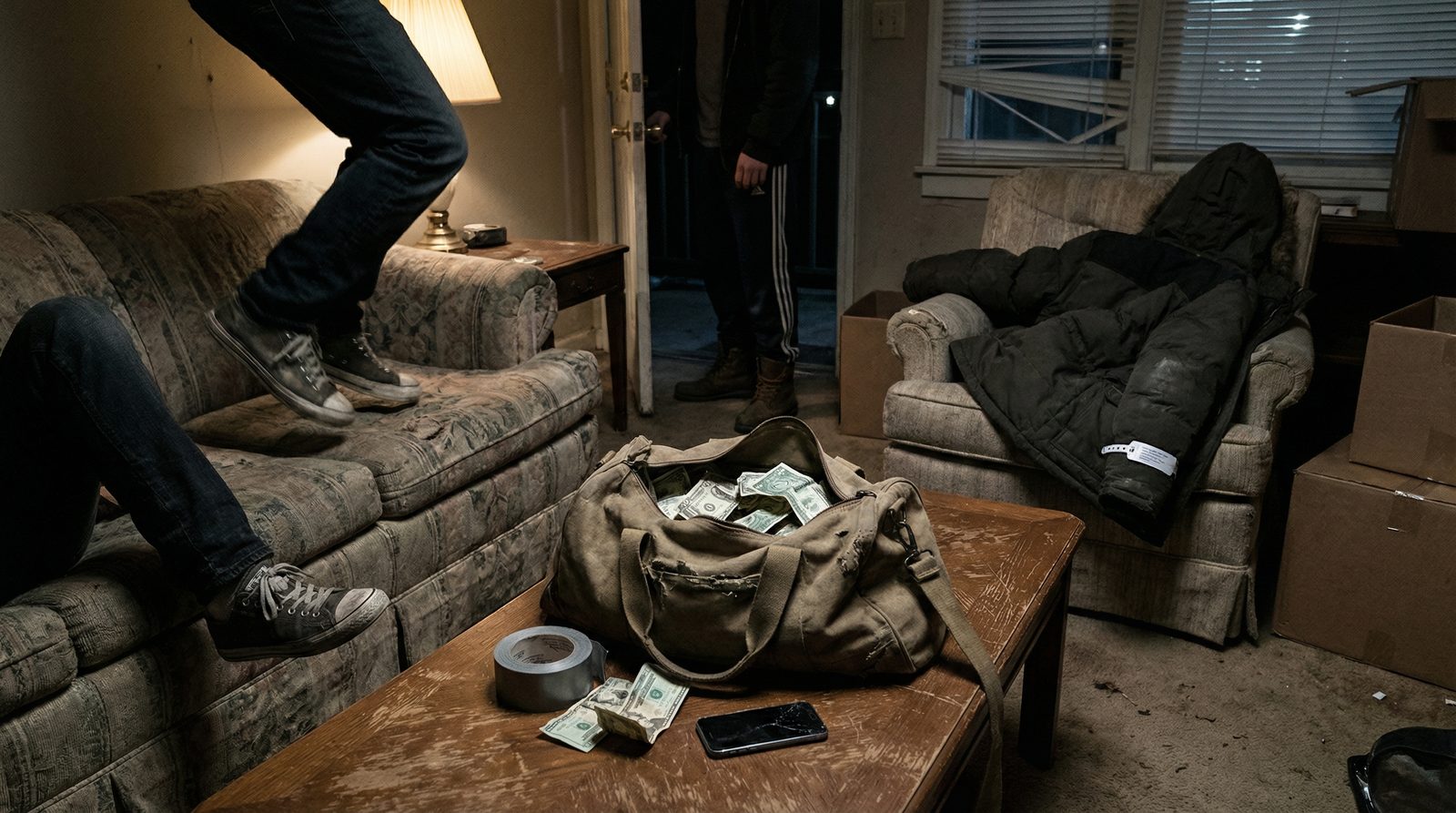
    Editorial illustration inspired by 'Botched Kidnapping'

    EMOTIONAL EFFECT ON THE READER

    A Botched Kidnapping feels different from a slick caper. Instead of admiring the criminals’ cleverness, you are bracing for the next mistake. There is a steady drip of dread: every new decision might be the one that gets someone killed. The tension comes from watching people try to steer a car that has already gone off the road.

    Readers are often pulled into a complicated sympathy. You may start out horrified by the crime, but as the kidnappers panic and show fear, they can become strangely human. Their bad choices are unforgivable, yet you see their shame, their love for a partner, or the debt and desperation that pushed them into this. At the same time, you feel for the victim, who might be terrified, angry, or unexpectedly resourceful.

    There is also a particular kind of claustrophobia. Much of the story takes place in one or two locations, with a small cast who cannot walk away. Arguments loop, tempers flare, and tiny details take on outsized importance. A ringing phone, a missed deadline, or a neighbor knocking on the door can make your stomach drop.

    In some works like Fargo, the Botched Kidnapping is laced with dark comedy. The sheer incompetence, the awkward conversations, and the mismatch between the crooks’ fantasies and the grim reality can make you laugh and wince at the same time. That uneasy mix of humor and horror is part of the motif’s power. It reminds you how thin the line is between an ordinary day and a life-ruining decision, and how quickly a “simple plan” can turn into something tragic and absurd.


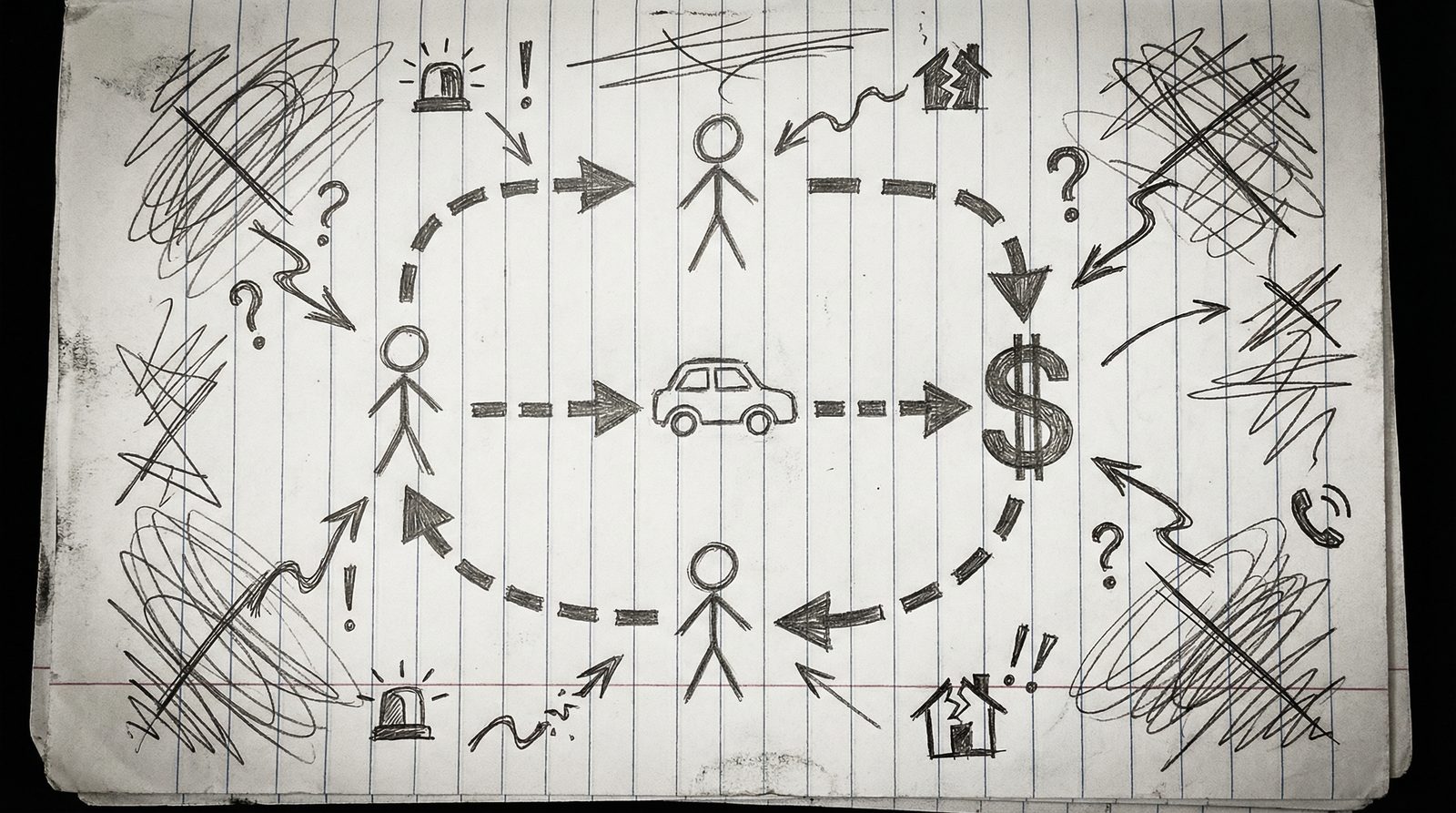
    Symbolic illustration inspired by 'Botched Kidnapping'

    VARIATIONS & RELATED MOTIFS

    The Botched Kidnapping motif can play out in several distinct ways. In some stories, the kidnapping fails right at the start: the wrong person is snatched, the getaway car stalls, or the victim slips away. In others, the initial abduction “works,” but everything afterward unravels – the safe house is compromised, the ransom drop goes bad, or the criminals cannot agree on what to do next.

    There are moral variations too. Some Botched Kidnapping stories lean into noir fatalism, like the criminal world around The Friends Of Eddie Coyle, where a failed job is just one more step toward inevitable ruin. Others focus on a single bad decision made by basically decent people, turning the story into a tragedy about ordinary lives derailed. In blackly comic versions, the kidnappers are almost too inept to be truly frightening, which throws the absurdity of the situation into sharper relief.

    This motif often intersects with “crime gone wrong” stories in general, where any planned offense unravels under pressure. It can blend with hostage-negotiation motifs, where the focus shifts to police, media, and public spectacle outside the crime scene. It also overlaps with family drama and domestic noir when the victim is a spouse, child, or parent, and the failed kidnapping exposes long-buried resentments or secrets.

    Because a Botched Kidnapping traps characters in an escalating crisis, it pairs naturally with motifs about loyalty tests, betrayal among thieves, and the corrupting pull of money. The same failed abduction can be a survival story for the victim, a downfall story for the criminals, and a moral test for everyone caught in the blast radius. That flexibility is why writers keep returning to it: one broken plan opens the door to a whole tangle of human consequences.

  • Ordinary People In Extreme Situations

    Ordinary People In Extreme Situations

    DEFINITION & CORE IDEA

    “Ordinary People In Extreme Situations” is a motif where the main characters start out as recognizably average. They do not have special training, magical powers, or elite status. They have jobs, families, debts, routines. Then something happens that rips them out of that routine and drops them into a situation they are completely unprepared for.

    The core idea is simple: take someone who could be your neighbor, then crank up the pressure until they either adapt, break, or transform. Stories like Misery, Pet Sematary, Thinner (1984), and Blaze (2007) often start with everyday people and then push them into horror, obsession, or moral collapse. The gap between the character’s ordinary life and their extreme new reality creates both tension and dark curiosity.

    Writers use this motif to explore what people might really do when stripped of comfort and control. It asks questions like: How far would you go to save someone you love? What would you sacrifice to survive? Which parts of your identity are solid, and which are just habits that fall apart under stress? “Ordinary People In Extreme Situations” lets readers test their own limits safely, from the other side of the page.


    HOW IT WORKS IN STORIES

    In stories built around this motif, the early chapters usually linger on normal life. We see commutes, family dinners, casual arguments, and familiar frustrations. This grounding is important. The more clearly the reader understands what “ordinary” looks like for this character, the more sharply they feel the rupture when everything goes wrong.

    The trigger can be external: a car crash, a kidnapping, a violent stranger, or a supernatural event. In Misery, a writer is just driving home when an accident strands him with a fan who quickly becomes his captor. In Thinner, a careless moment leads to a curse that turns a routine life into a desperate countdown. In Pet Sematary, a family’s move to a quiet town opens a door to grief and resurrection that no one is equipped for. Sometimes the trigger is more subtle – a slow economic squeeze, a spouse’s illness, the discovery of a buried secret that can’t be ignored.

    Once the extreme situation takes hold, the story narrows around hard choices. The ordinary person might have to hide a crime, bargain with something inhuman, endure captivity, or navigate a cruel new system that treats them like a pawn. Everyday skills suddenly matter in strange ways: a nurse’s training in a disaster, a mechanic’s knowledge in a breakdown, a parent’s stubbornness when a child is threatened. At the same time, their usual social supports often fail. Friends don’t believe them, authorities are useless, or the threat is too bizarre to explain.

    Structurally, the motif often moves through stages: disbelief, coping, adaptation, and fallout. The character may become more ruthless, more honest, or more broken than they ever imagined. The story keeps circling one question: who are you when there is no safe, ordinary life to retreat to?


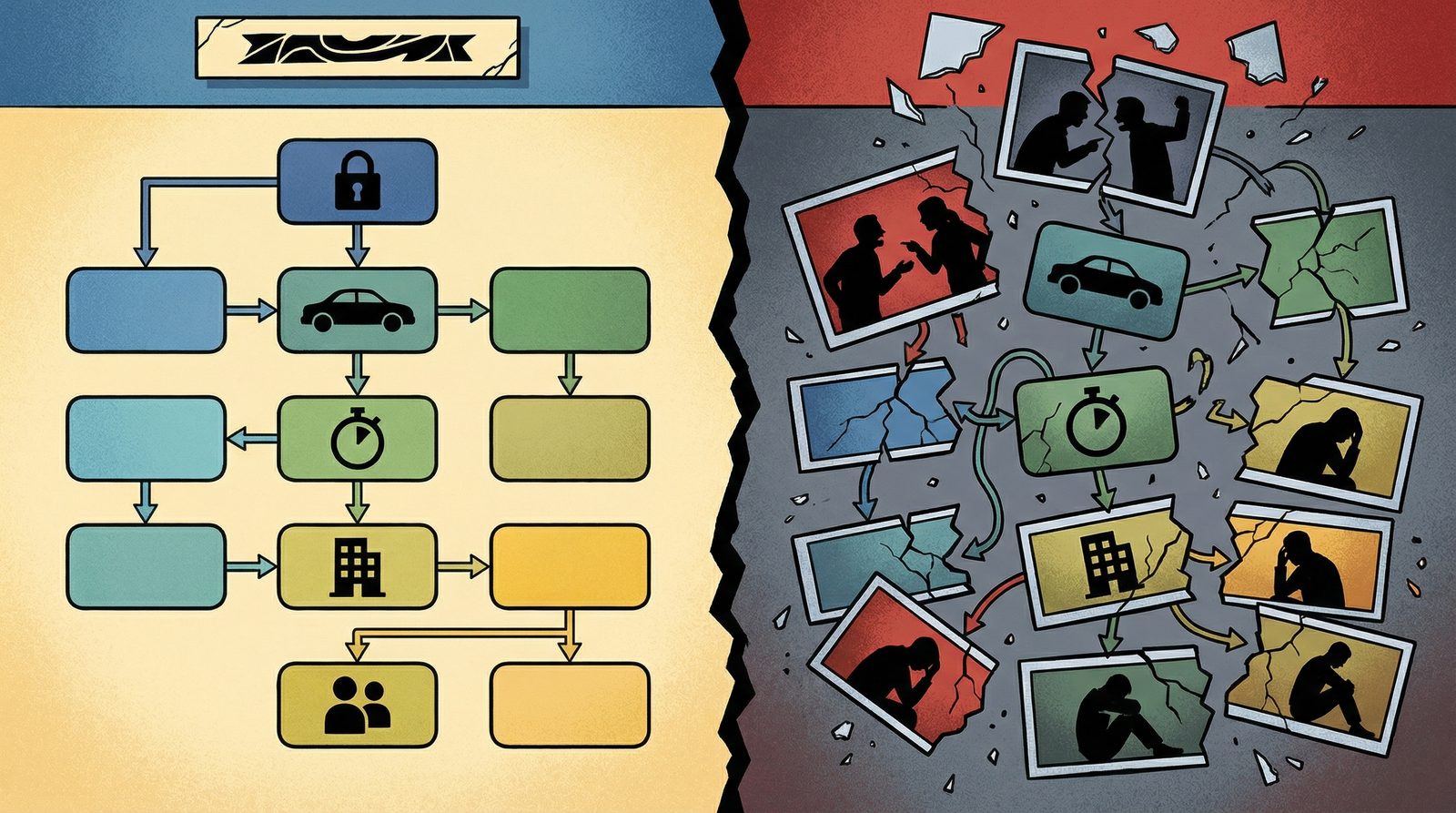
    Editorial illustration inspired by 'Ordinary People In Extreme Situations'

    EMOTIONAL EFFECT ON THE READER

    The emotional pull of “Ordinary People In Extreme Situations” comes from recognition. Readers look at these characters and think, “That could be me.” The jobs, marriages, debts, and small frustrations feel familiar, so when the story twists into horror or high-stakes drama, it hits closer to home than tales about superheroes or trained agents. The fear is not abstract; it is the fear that your next routine drive, hospital visit, or shortcut through the woods could change everything.

    This motif often creates a mix of dread and grim fascination. There is tension in watching someone try to think their way through a nightmare using only the tools of an ordinary life. Readers might feel frustration when characters make bad decisions, then a jolt of empathy when they realize they might have done the same under that kind of pressure. Stories like Misery and Thinner lean on this uncomfortable identification: the protagonists are not saints or geniuses, just people trying to survive with very human flaws.

    There can also be a strange kind of catharsis. Seeing an average person endure captivity, grief, or moral crisis can make everyday problems feel smaller by comparison, or it can validate how fragile normal life really is. Some readers come away shaken, others oddly reassured by the resilience on display, even when the ending is tragic. The motif invites quiet self-interrogation: if the worst happened on an ordinary day, who would you actually be?


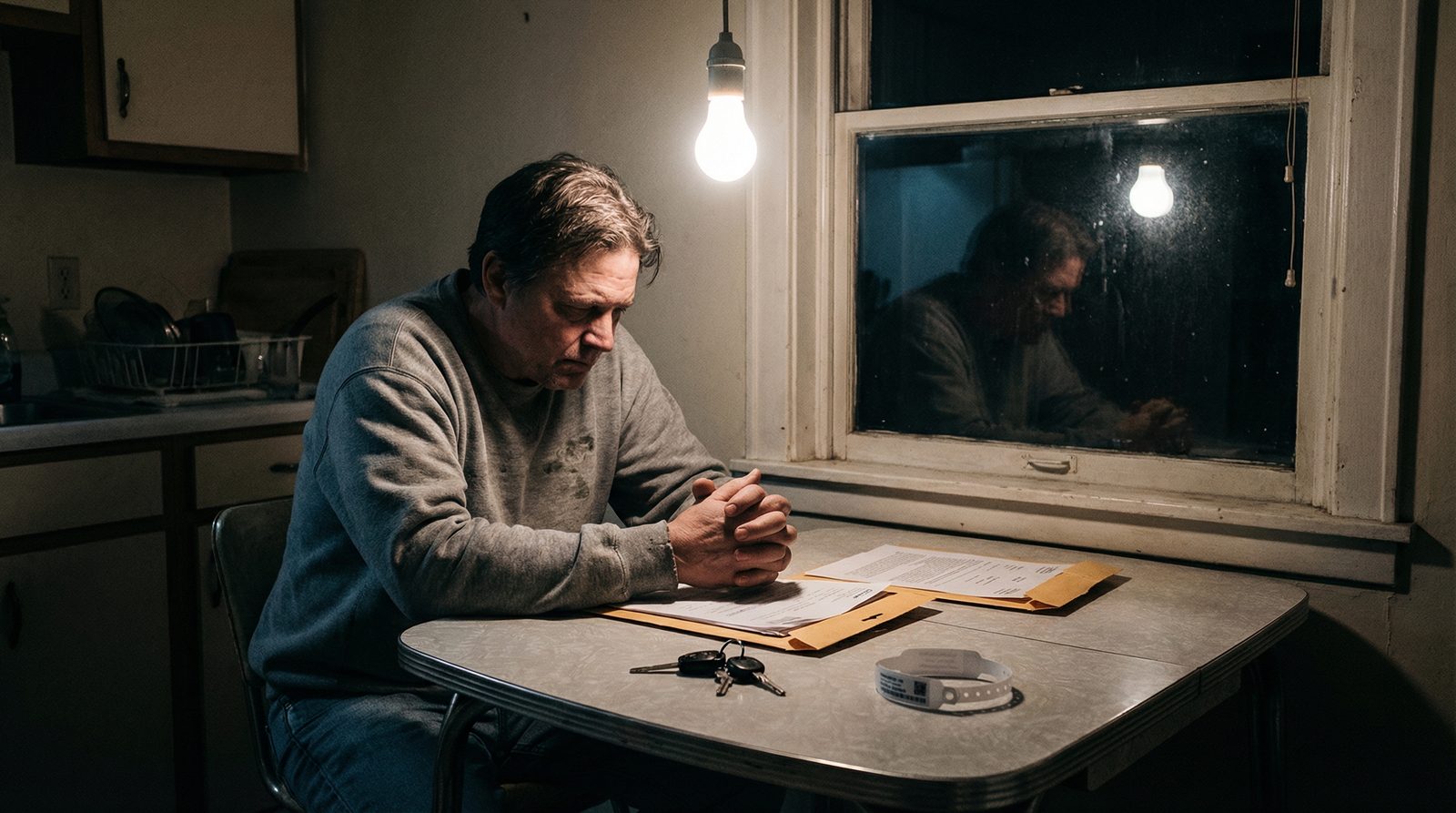
    Symbolic illustration inspired by 'Ordinary People In Extreme Situations'

    VARIATIONS & RELATED MOTIFS

    “Ordinary People In Extreme Situations” can tilt in many directions. Some versions are intimate psychological horror, like a single patient trapped with a caregiver who has too much power, as in Misery. Others are more supernatural, like Pet Sematary and Thinner, where a curse or uncanny place turns ordinary grief or guilt into something monstrous. A story like Blaze (2007) leans into crime and desperation, showing how poverty, bad luck, and one terrible idea can push a not-particularly-special person into kidnapping and violence.

    Sometimes the focus is on survival in a twisted system. That is where this motif can intersect with Dystopian Game Shows, where regular contestants are forced to perform for their lives under rules they did not choose. In those stories, the extremity is not just the danger, but the way the whole world seems to watch and judge. Other times the emphasis is inward, overlapping with Identity Collapse In Isolation. A character cut off from normal social feedback may start to question who they are, what they are capable of, and whether the ordinary self they remember was ever real.

    There are hopeful variations, where the extreme situation reveals hidden strengths or prompts moral courage. There are bleak ones, where ordinary people crack, become cruel, or lose themselves entirely. Writers like Richard Bachman often favor the darker end of the spectrum, using the motif to show how thin the line can be between a life that looks normal from the outside and one that is quietly rotting under pressure. Across all these versions, the constant is the same: the story asks what happens when an average person is forced into a test they never signed up for.

  • Misery (1990)

    Misery (1990)

    Misery (1990), directed by Rob Reiner. Thriller · 107 minutes · United States.


    INTRODUCTION

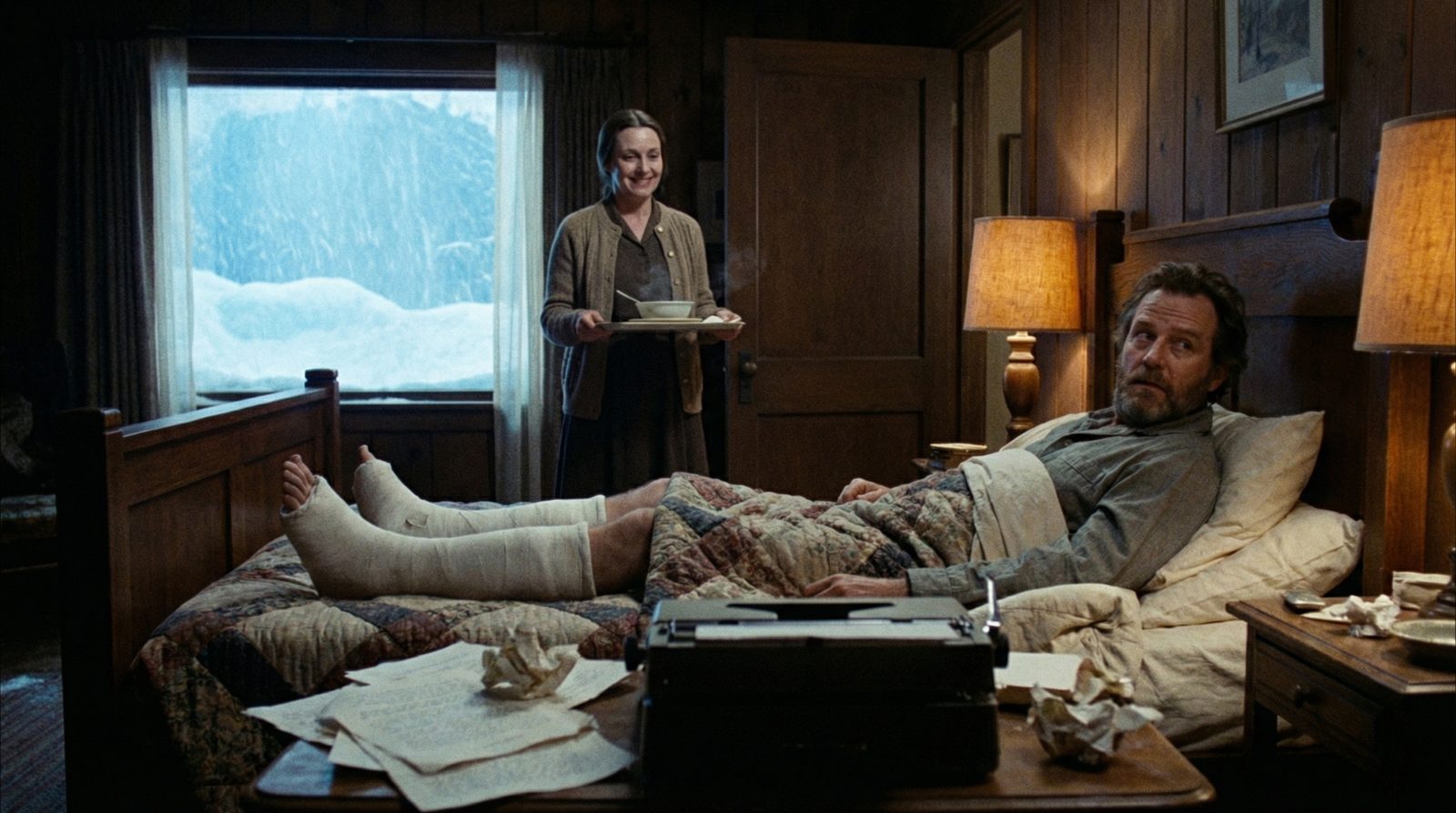
    Misery arrives as a small film that feels enormous in your chest. It takes place mostly in one room, with two people, in a house swallowed by snow, yet the emotional weather is stormy and changeable. Rob Reiner, coming off the warmth of When Harry Met Sally, leans into a very different feel: creeping dread wrapped in homely comfort. The blankets are soft, the soup is hot, the words are kind, and everything is wrong.

    This is a story about captivity, but not just physical captivity. Misery looks at creative ownership and the way fans can turn into jailers. It probes the uneasy dependency between writer and reader, caregiver and patient. The mood is quietly suffocating rather than loud or frantic. That slow tightening is what makes the film linger; you feel the air thinning scene by scene, until even a simple dinner table becomes a minefield.

    PLOT & THEMES

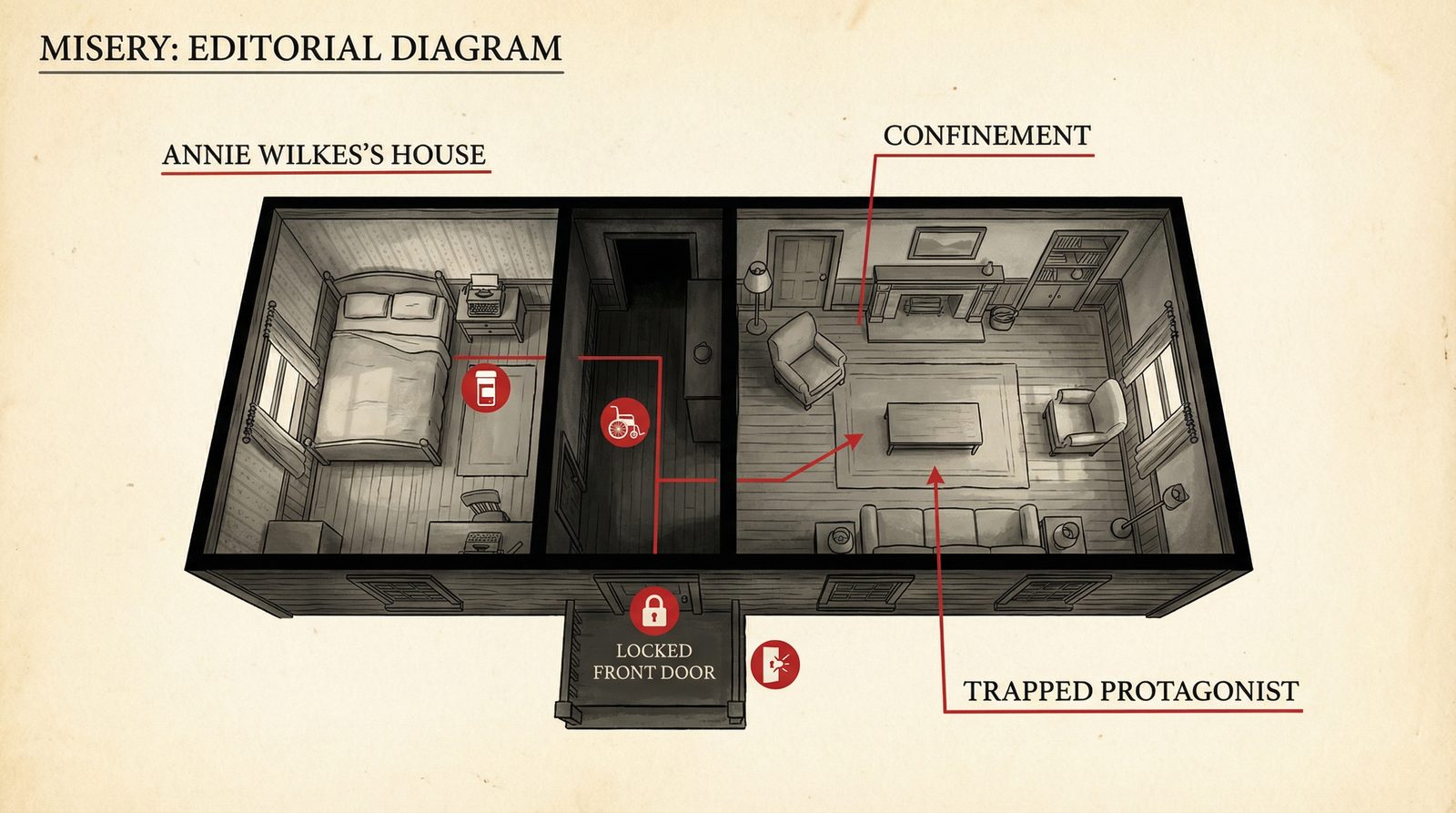
    On the surface, Misery follows a classic trapped protagonist trope. Paul Sheldon, a successful novelist, crashes his car on a snowy Colorado road after finishing the manuscript that he believes will free him from his bestselling romance series. He wakes in the home of Annie Wilkes, a former nurse and his self-proclaimed “number one fan”. His legs are shattered, the phones are down, the roads are closed. Annie promises to nurse him back to health and insists that he resurrect her beloved character, Misery Chastaine, on the page.

    The plot moves in cycles of apparent safety and sudden eruption. At first Annie seems like a slightly odd caregiver. Gradually, her volatility and control tighten into outright imprisonment. The script uses the fanatic fan trope not for cheap jokes but as a way to examine entitlement. Annie believes she owns Paul’s work because she loves it so completely. Her outrage at his creative choices becomes, in her mind, a moral crusade.

    Several motifs repeat throughout. Confinement is everywhere: doors, locks, wheelchair brakes, even the snowdrifted road outside. Just as central is storytelling as survival. Paul literally writes for his life, reshaping his own artistic compromises in order to stay alive. Unlike many Stephen King adaptations that flirt with the supernatural, Misery keeps its horror human, closer to the psychological menace of films like One Flew Over the Cuckoo’s Nest. The result is a tense study of obsession, authorship, and the thin line between devotion and possession.

    CINEMATIC TECHNIQUE & AESTHETICS

    Rob Reiner and cinematographer Barry Sonnenfeld build the feel of creeping dread through careful framing and camera movement rather than gore. The camera often stays close to Paul’s bed, using tight close-ups that flatten space and make the room feel like a box. When Annie enters, the lens sometimes shifts slightly wider, which subtly distorts her features and makes her presence feel intrusive. Slow tracking shots map out Paul’s potential escape routes, so every later attempt carries a physical memory for the viewer.

    Lighting is deceptively cozy. Warm lamps and daylight soften the interiors, which clashes with the violence that occurs there. The snow outside is bright and overexposed, a white wall that seals the house off from the world. That visual isolation echoes the motif of confinement without resorting to showy stylistic flourishes.

    William Goldman’s adaptation favors slow-burn pacing. Scenes stretch just long enough for small details to become unbearable, while Marc Shaiman’s score stays mostly restrained, stepping forward only when Paul’s inner panic spikes. Compared with the more expressionistic style of The Shining, Misery chooses a plainspoken aesthetic. That restraint makes the notorious “hobbling” scene feel even more brutal, because it erupts into a world that has looked almost ordinary up to that point.

    Editorial illustration inspired by 'Misery (1990)'

    CHARACTERS & PERFORMANCE

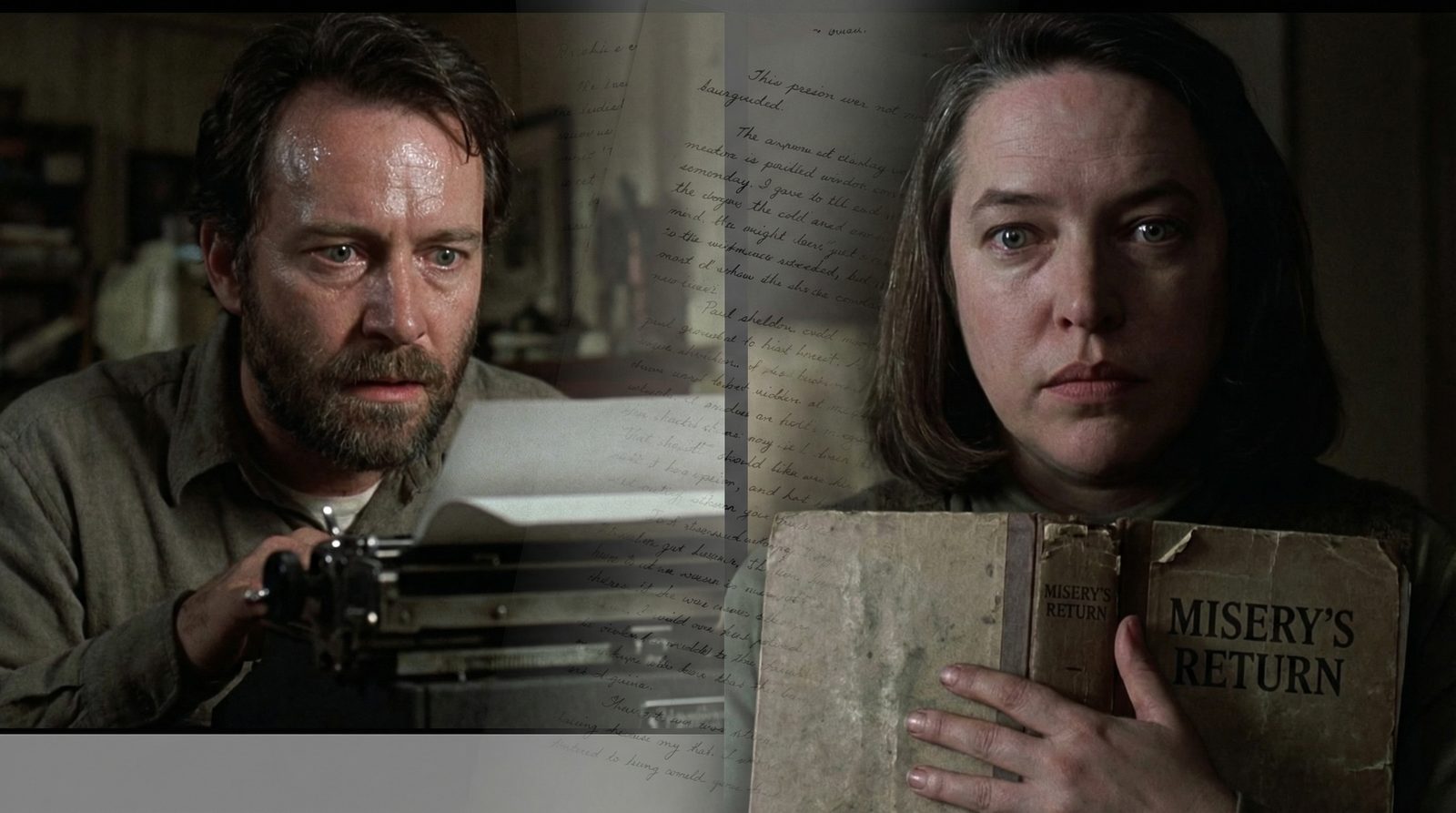
    At its core, Misery is a two-hander between a reluctant hero and a monster in human form. James Caan plays Paul Sheldon as a man who has coasted on charm and formula. Trapped and immobilized, he becomes resourceful out of necessity. Caan resists the temptation to turn Paul into a saint; he lets the character’s earlier arrogance and creative laziness show through, which makes his later fight for authorship more meaningful.

    Kathy Bates’s Annie Wilkes is the film’s defining achievement. She embodies the uncanny caregiver archetype, someone whose nurturing gestures are indistinguishable from threats. Her line readings slide from girlish delight to cold fury in a breath, yet she never feels like a cartoon. Bates grounds Annie in a lonely, thwarted life, so her obsession with Misery Chastaine becomes a way to organize her own chaos. The character is terrifying not because she is alien, but because her logic is twisted yet coherent.

    Richard Farnsworth and Frances Sternhagen, as the small-town sheriff and his wife, provide a wry counterpoint. They function as a gentle wise elder presence, poking at the edges of the mystery with humor and patience. Their scenes widen the film’s emotional palette beyond pure terror. The supporting roles are small, but they create a sense of a real community outside Annie’s house, which makes Paul’s isolation feel sharper. Every performance is tuned to the same frequency of realism, which keeps the film from tipping into camp even at its most extreme moments.

    CONTEXT & LEGACY

    Released in 1990, Misery arrived at a point when Stephen King adaptations were already a mini-industry. Instead of chasing the gothic excess of earlier films, Rob Reiner followed the character-driven path he had taken with Stand By Me. Misery’s focus on psychological horror and domestic space helped broaden what a “Stephen King movie” could look like on screen.

    The film also tapped into growing conversations about fandom and celebrity. Long before social media made parasocial relationships a daily reality, Misery dramatized the idea that readers feel ownership over the stories they love. Its success, capped by Kathy Bates’s Oscar, showed that horror-adjacent stories could earn mainstream awards without abandoning genre roots. It has since become a reference point for any narrative about dangerous devotion, from later thrillers to prestige television about stalkers and obsessive fans.

    IS IT WORTH WATCHING?

    Misery is worth watching if you value tension over spectacle. The film is relatively contained in scope, but emotionally it is relentless. Viewers who enjoy psychological horror, character studies, or stage-like thrillers will find a lot to appreciate. Those looking for elaborate mythology or frequent jump scares may find its patience challenging.

    The violence, when it comes, is brief but harrowing, and the mood of creeping dread never fully lifts. What makes the film rewarding is the way it ties that dread to questions about creativity and control. You are not just waiting to see whether Paul escapes; you are watching a writer renegotiate his relationship to his own work under extreme pressure. For many, that mix of suspense, dark humor, and thematic bite makes Misery one of the more memorable King adaptations.

    Symbolic illustration inspired by 'Misery (1990)'

    TRIVIA & PRODUCTION NOTES

    William Goldman’s screenplay streamlines Stephen King’s novel, trimming back some of the more graphic elements while preserving the core dynamic between Paul and Annie. The choice to keep the story grounded in realistic injury and medical detail enhances the psychological focus. Rob Reiner reportedly cast James Caan in part because he wanted an actor associated with toughness to play against physical helplessness.

    Kathy Bates was not yet a household name in film, which helped audiences accept Annie as a fully inhabited character rather than a star vehicle. Her performance earned the Academy Award for Best Actress, a rare honor for a horror-adjacent role. The production made careful use of a single primary set, building the house on a soundstage to control lighting and camera movement. Practical effects, rather than elaborate prosthetics, were used for key moments of violence, which keeps the impact grounded. Misery’s relatively modest budget and contained locations have made it a frequent example in discussions of how to adapt novels into effective, economical films.

    SIMILAR FILMS

    If Misery works for you, several other films explore related territory. The Shining offers another Stephen King story about isolation, creative frustration, and a caretaker turning lethal, though with a more overtly stylized approach. One Flew Over the Cuckoo’s Nest shares Misery’s interest in institutional power and the uncanny caregiver, trading the private home for a psychiatric ward. For a more contemporary echo of the captive–captor dynamic, 10 Cloverfield Lane updates the bottle-episode structure with a sci-fi edge. All of these sit in a cluster of intimate, pressure-cooker narratives where the real horror is another person’s unwavering attention.

    DISCOVERABILITY & LINKS

    Misery connects to several recurring motifs on AllReaders, including captivity, writer held captive, and caretaker as captor. It also sits within clusters about psychological horror, small-town United States settings, and stories that dissect the bond between creator and audience.