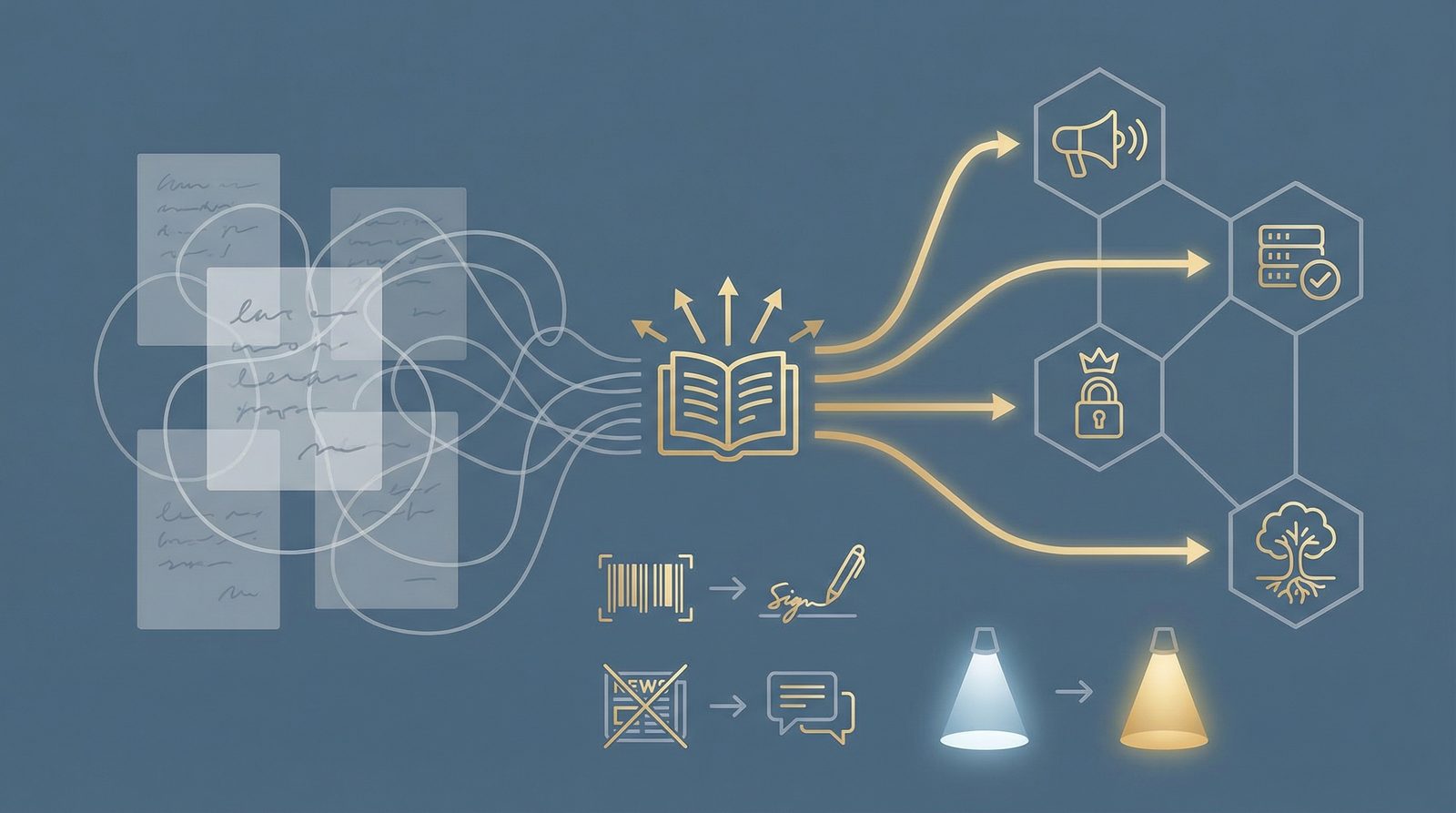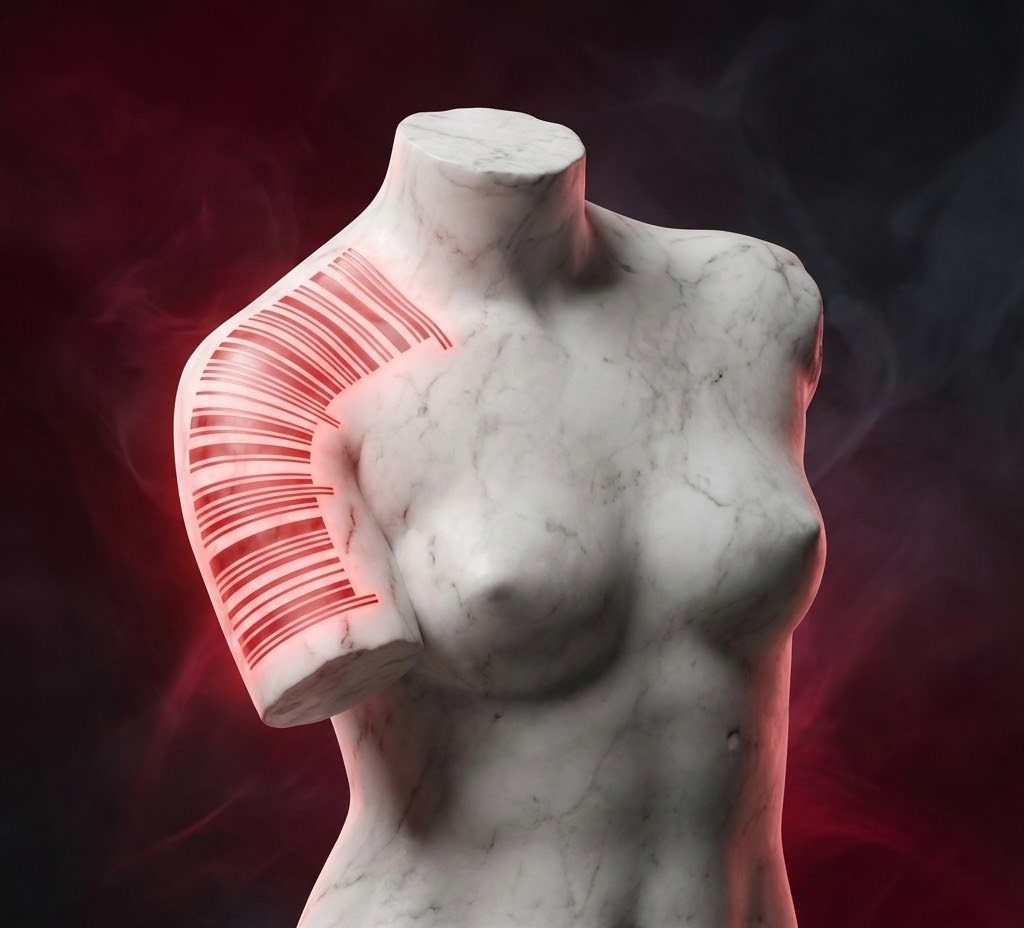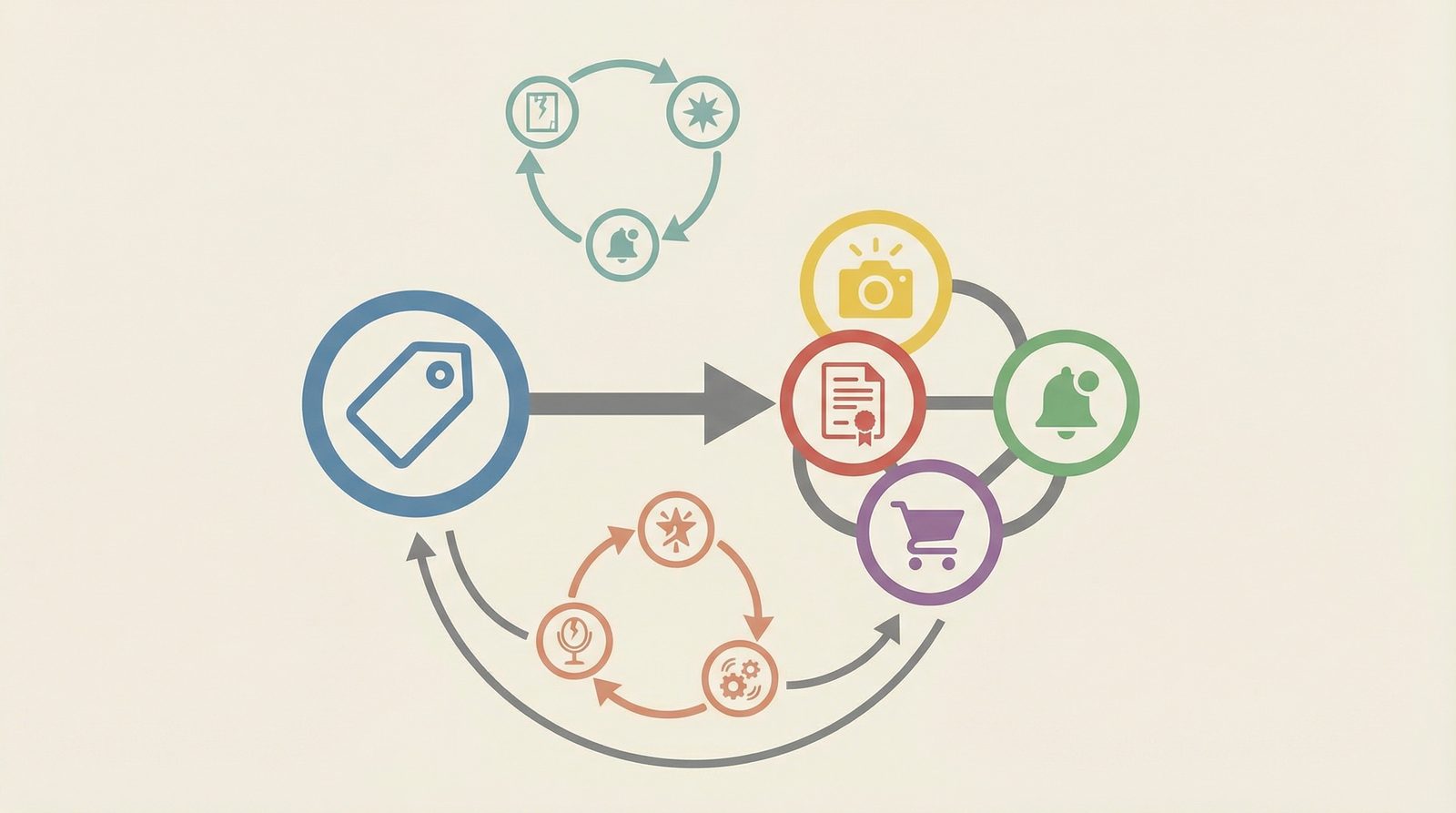

Archetype: The Reclaimer

  • Emotional Minimalism

    Emotional Minimalism

    Motif Type: Restraint and Expression
    Era Focus: 20th Century to 21st Century
    Primary Fields: Memoir, Literary Fiction, Trauma Narratives


    WHAT THIS MOTIF MEANS

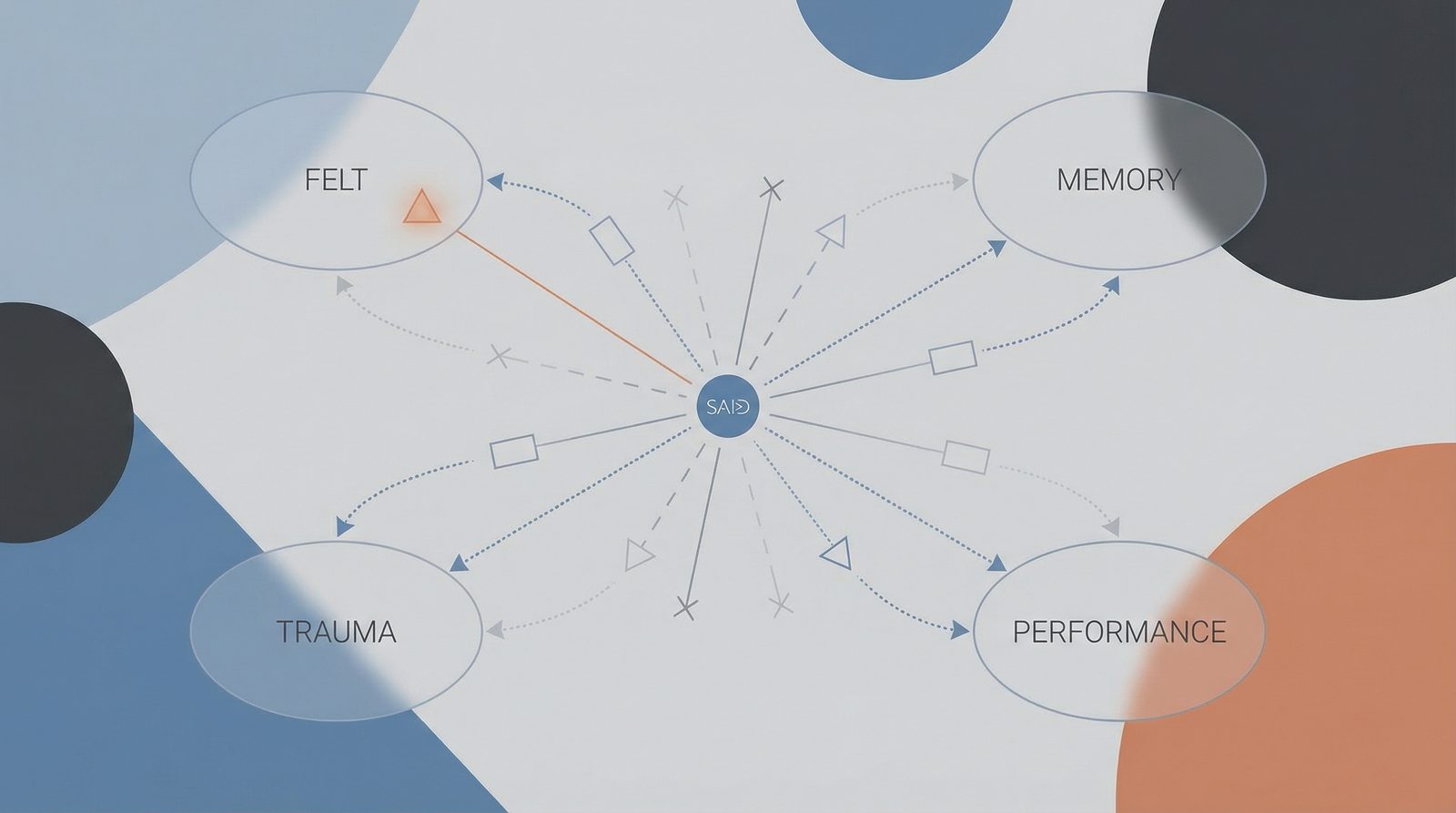
    Emotional Minimalism appears in stories where the emotional truth is carried not in dramatic scenes, but in what is left unsaid. The tone is clipped, sparse, and controlled. The character shares details as if reporting facts, but the restraint becomes its own form of intensity. This is not emotional absence. It is emotional containment shaped by trauma, performance, or survival.

    The effect is powerful. The reader feels the force of emotion inside the gaps, silences, and flat statements.


    HOW IT WORKS IN NARRATIVE

    This motif often appears when the character has learned that expressing emotion is unsafe. They speak in understatement. They move through moments of pain with steady control. The narrative creates tension by letting the reader feel what the character will not name.

    When transformation arrives, it is subtle. A sentence lengthening. A moment of honesty. A shift in tone. Emotional Minimalism creates some of the most heartbreaking and most believable arcs in trauma-centered stories.

    Emotional Minimalism inline concept image


    WHERE WE SEE IT IN OUR LIBRARY

    • I’m Glad My Mom Died – McCurdy’s deadpan, clipped narration reveals trauma through understatement.
    • The Color Purple – Celie’s early letters are sparse, broken, and emotionally withheld until her voice grows.
    • Framing Britney Spears – The documentary uses restrained tone and minimal narration to underscore the emotional weight of Britney’s silence.
    • The Woman in Me – Britney’s writing is calm, clean, and almost detached as she recounts her life under control.

    This motif is strongest where trauma is carried in tone rather than confession. The silence around emotion becomes as revealing as any dramatic scene.
     

    Emotional Minimalism inline diagram image


    WHY IT MATTERS

    Emotional Minimalism creates emotional realism. It reflects how many survivors of trauma speak. It also gives the reader space to feel emotion without being forced into sentimentality. In literature and memoir, restraint can be more powerful than intensity.

    This motif also allows for slow, subtle transformation that feels earned and honest.


    ARCHETYPES ASSOCIATED WITH THIS MOTIF

    • The Witness – for characters who observe and report emotion with quiet clarity.
    • The Reclaimer – for characters whose emotional growth is revealed in small shifts.
    • The Controlled Daughter – for characters who learned to hide emotion for survival.

    RELATED MOTIFS

    Silence as Survival
    The Double Self
    Grief as Contradiction

  • Grief as Contradiction
    Grief as Contradiction

    Motif Type: Emotional Paradox
    Era Focus: 20th Century to 21st Century
    Primary Fields: Memoir, Literary Fiction, Trauma Narratives


    WHAT THIS MOTIF MEANS

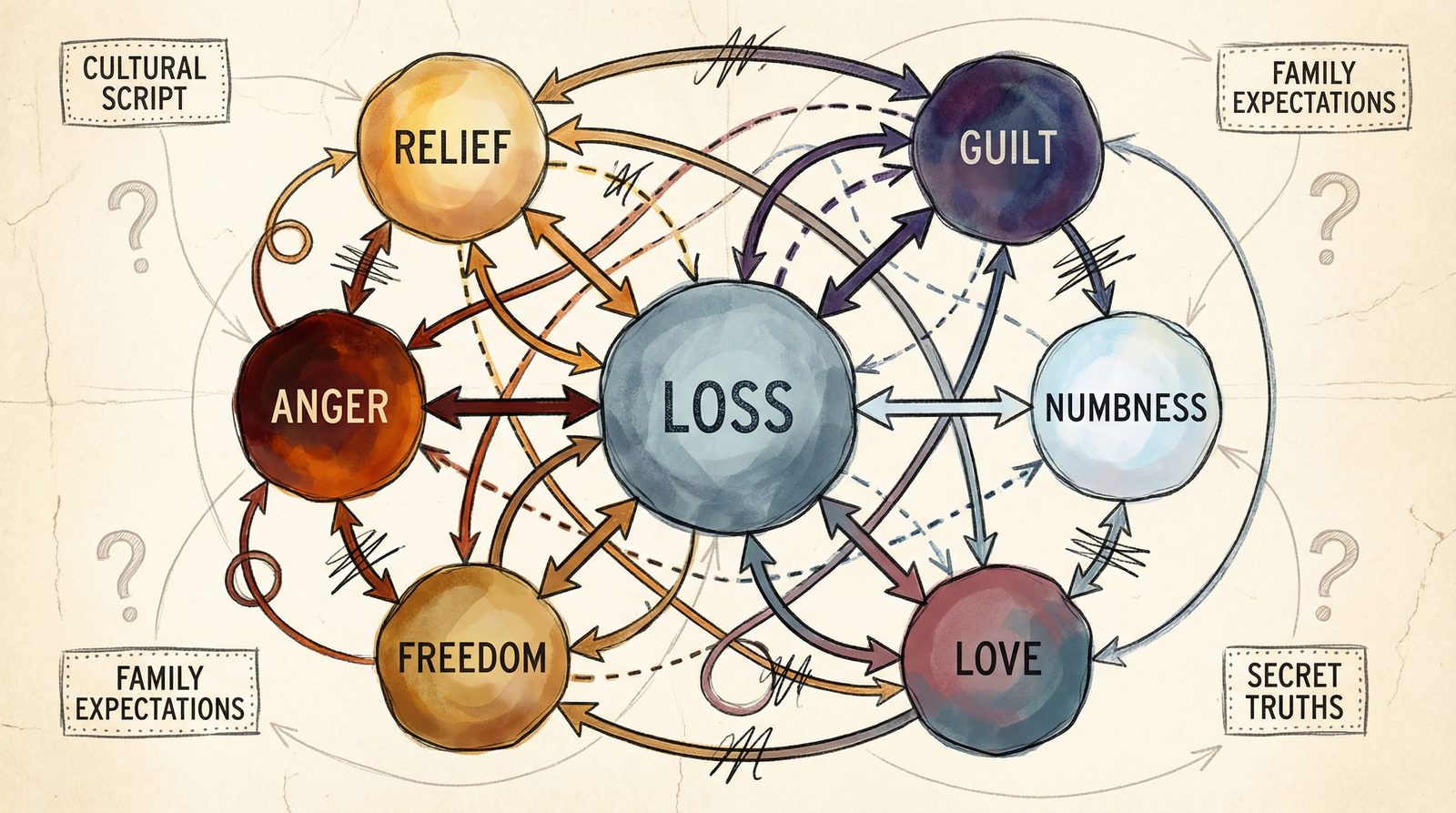
    Grief as Contradiction appears in stories where loss produces mixed, conflicting emotions. Characters feel sorrow and relief, guilt and liberation, love and resentment. The grief is layered, unstable, and often confusing. It does not follow cultural scripts. It arrives in unexpected shapes.
    This motif challenges the idea that grief is a single feeling. It reveals how complex emotional truth can be when the person lost was also the source of harm, pressure, or fear.


    HOW IT WORKS IN NARRATIVE

    Narratives shaped by this motif often center on characters whose relationship with the deceased was fraught. The story reveals why the grief cannot be clean. The character mourns the person, but also mourns the version of themselves that relationship created.

    The contradiction becomes a path toward clarity. Grief becomes the moment where truth can finally be named.

    Grief as Contradiction inline concept image


    WHERE WE SEE IT IN OUR LIBRARY

    • I’m Glad My Mom Died – McCurdy grieves her mother’s death while also grieving the harm her mother caused.
    • The Color Purple – Celie’s grief contains fear, resentment, and love that cannot be separated cleanly.
    • Confessions of a Video Vixen – Steffans experiences grief as emotional contradiction shaped by betrayal, survival, and longing.

    These narratives show grief as a turning point where conflicting truths coexist without resolution.


    WHY IT MATTERS

    This motif matters because it reflects real emotional experience that is rarely acknowledged. It validates readers who feel both sorrow and relief after loss. It also deepens character arcs by showing that healing is not linear and that grief can expose wounds that were never recognized before.

    For storytellers, this motif allows for emotional nuance that avoids simplification.

    Grief as Contradiction inline diagram image


    ARCHETYPES ASSOCIATED WITH THIS MOTIF

    • The Controlled Daughter – for characters whose grief is tangled with domination and fear.
    • The Witness – for characters who see grief clearly and analyze its contradictions.
    • The Reclaimer – for characters who emerge from grief with a more solid sense of self.

    RELATED MOTIFS

    Parental Control as Identity
    Dissociation as Defense
    Trauma as Inheritance

  • Intimacy as Healing

    Intimacy as Healing

    Motif Type: Emotional Connection
    Era Focus: 20th Century to 21st Century
    Primary Fields: Memoir, Literary Fiction, Trauma Narratives


    WHAT THIS MOTIF MEANS

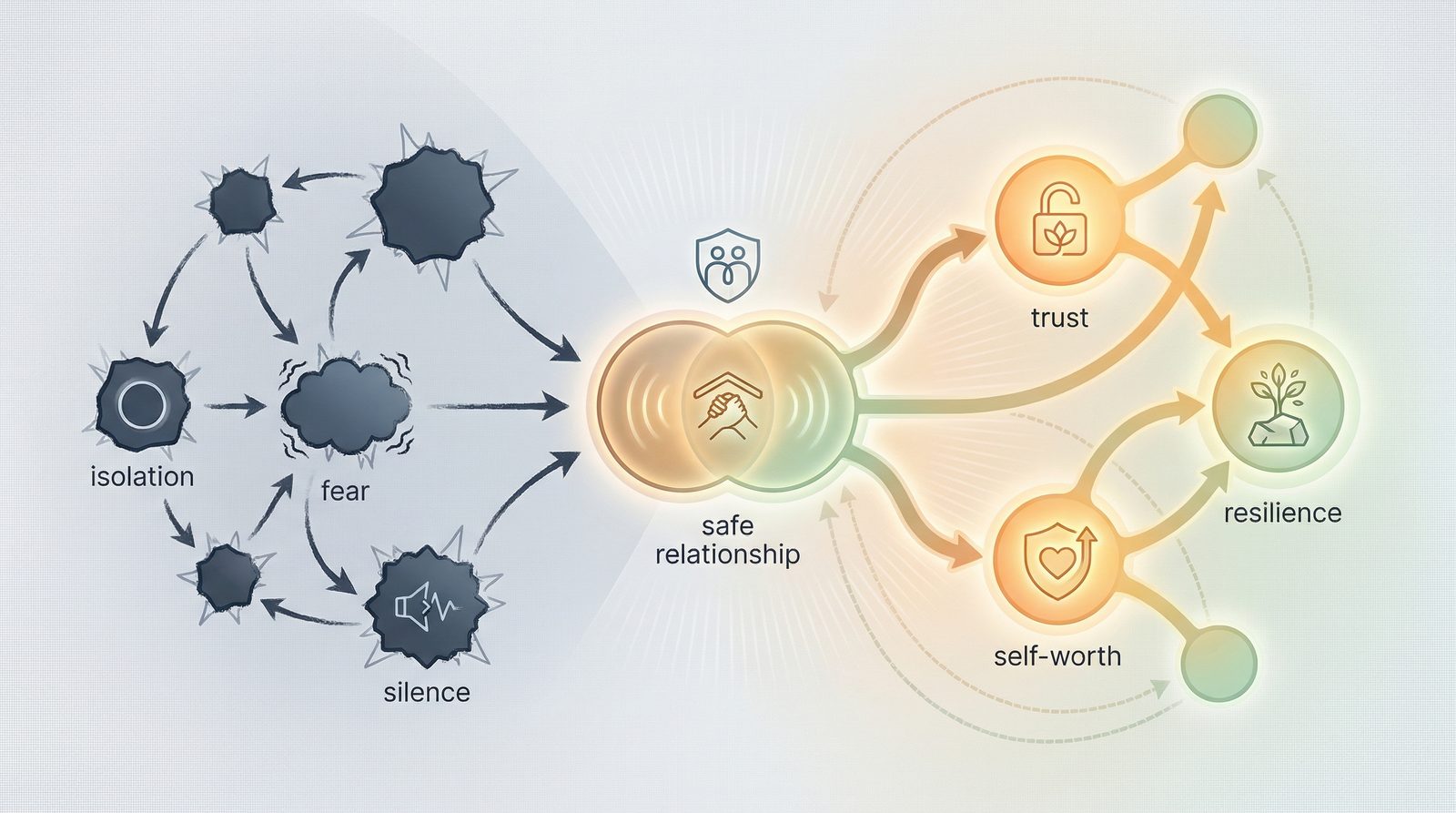
    Intimacy as Healing appears in stories where connection with another person becomes the first safe space a character has ever known. The intimacy might be friendship, mentorship, romantic affection, or chosen family. It is rarely perfect. It is often complicated. But it becomes the doorway through which the character learns to trust, feel, or breathe again.

    Healing in these stories does not erase trauma. It allows the character to live beside it without disappearing under its weight.


    Intimacy as Healing inline concept image

    HOW IT WORKS IN NARRATIVE

    The motif usually appears after prolonged harm or emotional isolation. A character who has endured silence, violence, or erasure meets someone who sees them clearly. That presence does not fix everything. It simply offers recognition. In many narratives, this is the moment the character realizes they deserve tenderness.

    The intimacy might be gentle or imperfect. The healing comes from being witnessed.


    WHERE WE SEE IT IN OUR LIBRARY

    • The Color Purple – Shug Avery’s love helps Celie see herself as worthy of desire and spiritual connection.
    • The Color Purple (2023) – The musical structure amplifies these moments of recognition and support.
    • Push – Precious’s relationship with Ms Rain and her classmates becomes the first environment where she feels safe.
    • Precious – The film shows intimacy as a lifeline, especially through classroom community.
    • Confessions of a Video Vixen – Intimacy appears in rare moments of care that help Steffans imagine a different life.
    • The Woman in Me – Supportive relationships help Britney reconnect with her sense of self as freedom approaches.

    In each case, intimacy becomes a soft counterweight to the violence or silence the character endured.

    Intimacy as Healing inline diagram image

    WHY IT MATTERS

    Intimacy as Healing matters because it shows how recovery is rarely solitary. Characters may endure alone, but they heal in connection. The intimacy does not rescue them. It allows them to rescue themselves.

    This motif offers readers a model for healthy attachment after harm.


    ARCHETYPES ASSOCIATED WITH THIS MOTIF

    • The Reclaimer – for characters who learn to trust and rebuild selfhood.
    • The Witness – for the figures who offer recognition and emotional grounding.
    • The Resistant Spirit – for characters whose healing fuels their transformation.

    RELATED MOTIFS

    Motherhood as Redemption
    Survival Narratives
    Trauma as Inheritance

  • Literacy as Liberation

    Literacy as Liberation

    Motif Type: Education and Selfhood
    Era Focus: 20th Century to 21st Century
    Primary Fields: Literary Fiction, Memoir, Social Realism


    WHAT THIS MOTIF MEANS

    Literacy as Liberation is a motif found in stories where learning to read or write becomes the turning point in a character’s life. The act is more than an academic skill. It becomes a form of self-recognition. Characters who inhabit this motif discover language as a path out of isolation, silence, or abuse.

    The power of this motif lies in transformation. Written words offer a place to understand identity, claim truth, and imagine a future that did not exist before.


    HOW IT WORKS IN NARRATIVE

    In these stories, literacy changes the internal map of the character. Before literacy, they may be controlled, erased, or unable to articulate their own experiences. Learning to write becomes a way to understand the past and shape the present. Learning to read becomes access to knowledge that was once forbidden. Literacy becomes agency.

    For many characters, writing is the first time their voice has value.


    Literacy as Liberation inline concept image

    WHERE WE SEE IT IN OUR LIBRARY

    • Push – Precious begins to write in Ms Rain’s class and discovers a self that abuse tried to extinguish.
    • Precious – The film visualizes writing as release, showing how language becomes a lifeline.
    • The Color Purple – Celie’s letters are her survival. Writing becomes her sanctuary and eventual awakening.
    • Sapphire – As an author and educator, her work embodies the belief that literacy can transform a life and a community.

    These works show literacy as a tool that interrupts generational harm and opens the door to naming what was once unspeakable.


    WHY IT MATTERS

    This motif is powerful because it shows how selfhood can begin on the page. For characters who have been silenced or controlled, writing provides a private space that cannot be taken away. Literacy becomes rebellion in stories where the world demands obedience.

    It reminds readers that stories are not just entertainment. They are survival strategies.

    Literacy as Liberation inline diagram image

    ARCHETYPES ASSOCIATED WITH THIS MOTIF

    • The Reclaimer – characters who take back their story through writing.
    • The Witness – characters who see clearly once they gain language.
    • The Erased Girl – characters whose first true existence begins when they write their own words.

    RELATED MOTIFS

    Trauma as Inheritance
    Survival Narratives
    Intimacy as Healing

  • Motherhood as redemption

    Motherhood as redemption

    Motif Type: Family and Healing
    Era Focus: 20th Century to 21st Century
    Primary Fields: Memoir, Literary Fiction


    WHAT THIS MOTIF MEANS

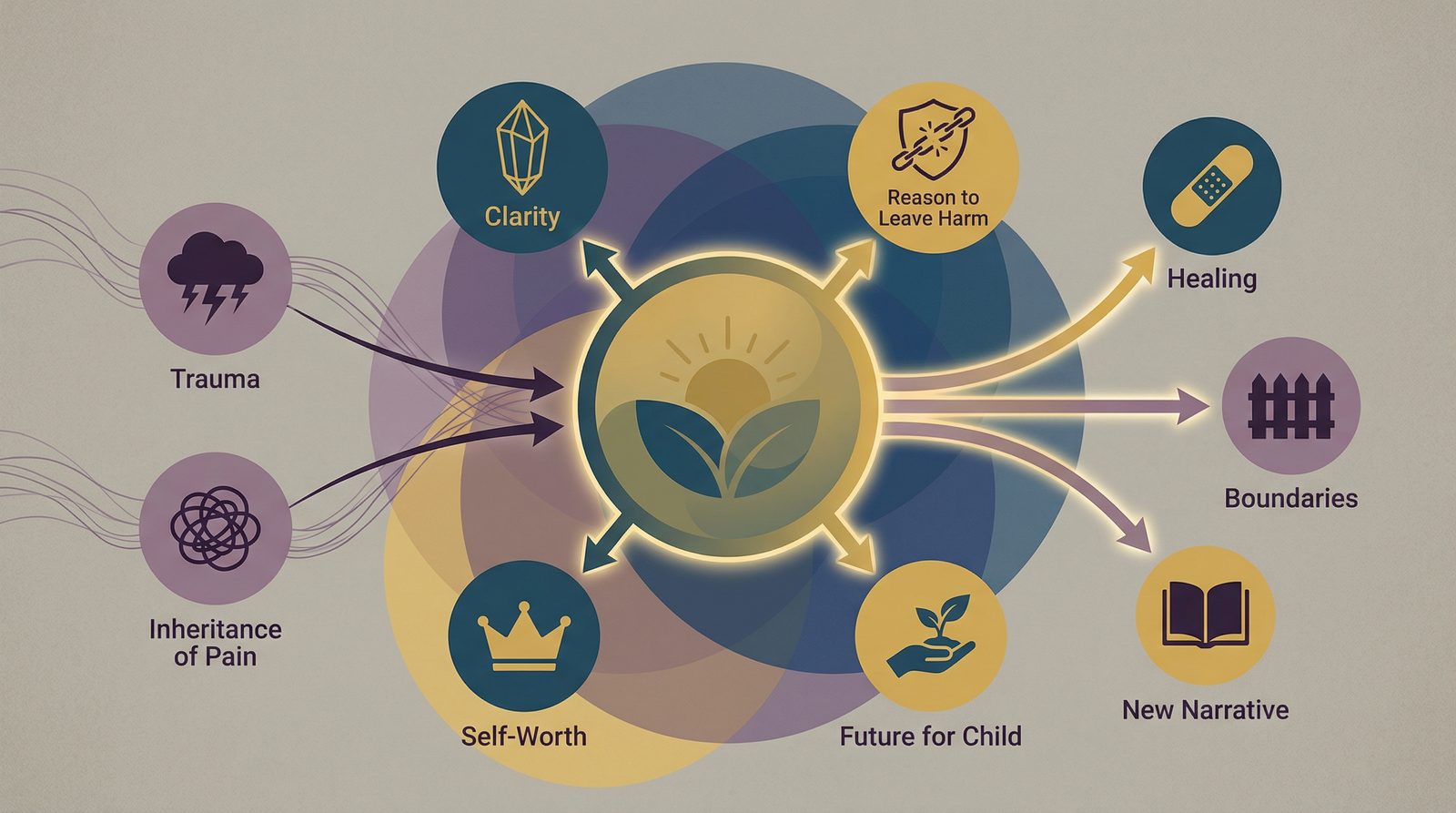
    Motherhood as Redemption appears in stories where becoming a mother gives a character clarity she did not have before. The role does not solve her trauma. It sharpens her desire to survive it. The child becomes a reason to leave harm, a reason to change, or a reason to finally see herself as someone worth protecting.

    This motif is not sentimental. It acknowledges that motherhood is complicated. The redemption comes not from perfection but from purpose.


    Motherhood as redemption inline concept image

    HOW IT WORKS IN NARRATIVE

    Characters inside this motif often grow up without safety or agency. They enter motherhood carrying the weight of their past. When a child enters their life, the emotional stakes shift. Suddenly survival has direction. Healing has urgency. The child becomes a mirror and a motivator.

    Redemption here is not moral. It is emotional. It is the moment a character sees a possible future that does not look like her past.


    Motherhood as redemption inline diagram image

    WHERE WE SEE IT IN OUR LIBRARY

    • Confessions of a Video Vixen – Steffans sees motherhood as the turning point that anchors her decisions and resilience.
    • The Vixen Diaries – Her relationship with her son remains the emotional center of the book and her reason to move toward stability.
    • The Woman in Me – Britney’s sons are the emotional force behind her desire for freedom and autonomy.
    • I’m Glad My Mom Died – The motif appears in reverse through Jennette’s longing for a healthier form of protective care that she never received.
    • The Color Purple – Celie’s role as a maternal figure to children in her care shapes her emotional evolution and sense of purpose.

    In each work, motherhood reveals emotional truths that were hidden beneath harm or survival.


    WHY IT MATTERS

    This motif matters because it reframes motherhood as a form of identity reclamation rather than domestic duty. It also shows how nurturing another life can awaken self-compassion in characters who learned early to ignore their own needs.

    It becomes a turning point, not because the character becomes flawless, but because she chooses not to repeat the cycle she inherited.


    ARCHETYPES ASSOCIATED WITH THIS MOTIF

    • The Reclaimer – for mothers who reshape their identity through care.
    • The Resistant Spirit – for characters who fight to protect a child despite limited power.
    • The Witness – for characters who see, often for the first time, the cost of their own upbringing.

    RELATED MOTIFS

    Trauma as Inheritance
    Intimacy as Healing
    Survival Narratives

  • The Commodified Body in Books

    The Commodified Body in Books

    Motif Type: Body and Identity
    Era Focus: 20th Century to 21st Century
    Primary Fields: Memoir, Cultural Criticism, Literary Fiction


    WHAT THIS MOTIF MEANS

    The Commodified Body in Books appears in stories where a person’s body is treated as currency, product, or spectacle. Characters inside this motif learn early that how they look, move, or appeal to others can be used for attention, affection, control, or profit. The body becomes a site of negotiation rather than autonomy.

    This motif often emerges in narratives shaped by patriarchy, fame, trauma, or social scrutiny. The character is not valued for selfhood but for usefulness. Sometimes the commodification is explicit. Sometimes it is subtle. In every case, it shapes identity before the character realizes what is happening.

    The Commodified Body in Books inline concept image

    HOW IT WORKS IN NARRATIVE

    Narratives featuring this motif often explore the contradiction between external visibility and internal erasure. A character may be watched by many but understood by none. They may be desired but not cared for. The story reveals how the body becomes a stage, and the person inside it becomes an afterthought.

    Transformation often comes through reclamation. Characters begin to see their bodies not as public property but as homes they have a right to inhabit.


    WHERE WE SEE IT IN OUR LIBRARY

    This motif is central to many works in your library. It often intersects with power, desire, and identity.

    • Confessions of a Video Vixen – Steffans’s body becomes industry commodity long before she understands the cost.
    • Open Book – Jessica Simpson’s body is treated as brand material, scrutinized and monetized at every stage of her career.
    • The Woman in Me – Britney Spears’s body becomes a site of legal and financial control under her conservatorship.
    • Framing Britney Spears – The documentary highlights how Britney’s physical image was consumed and sold by media and family systems.
    • The Color Purple – Celie’s body becomes labor and property until relationships help her reclaim ownership.

    Across these narratives, the body becomes the earliest battleground where agency is tested.

    The Commodified Body in Books inline diagram image

    WHY IT MATTERS

    The Commodified Body in Books is a high-impact motif because it connects individual pain to broader cultural structures. It reveals how systems value appearance, usefulness, and desirability over autonomy. It also provides a lens for understanding fame, abuse, gendered expectations, and survival strategies.

    For readers, the motif opens conversations about agency, objectification, and the long process of reclaiming selfhood.


    RELATED MOTIFS

    Power as Proximity
    The Double Self
    Intimacy as Transaction

  • Intimacy as Transaction

    Intimacy as Transaction

    Motif Type: Relationships and Power
    Era Focus: 20th Century to 21st Century
    Primary Fields: Memoir, Literary Fiction, Celebrity Studies


    WHAT THIS MOTIF MEANS

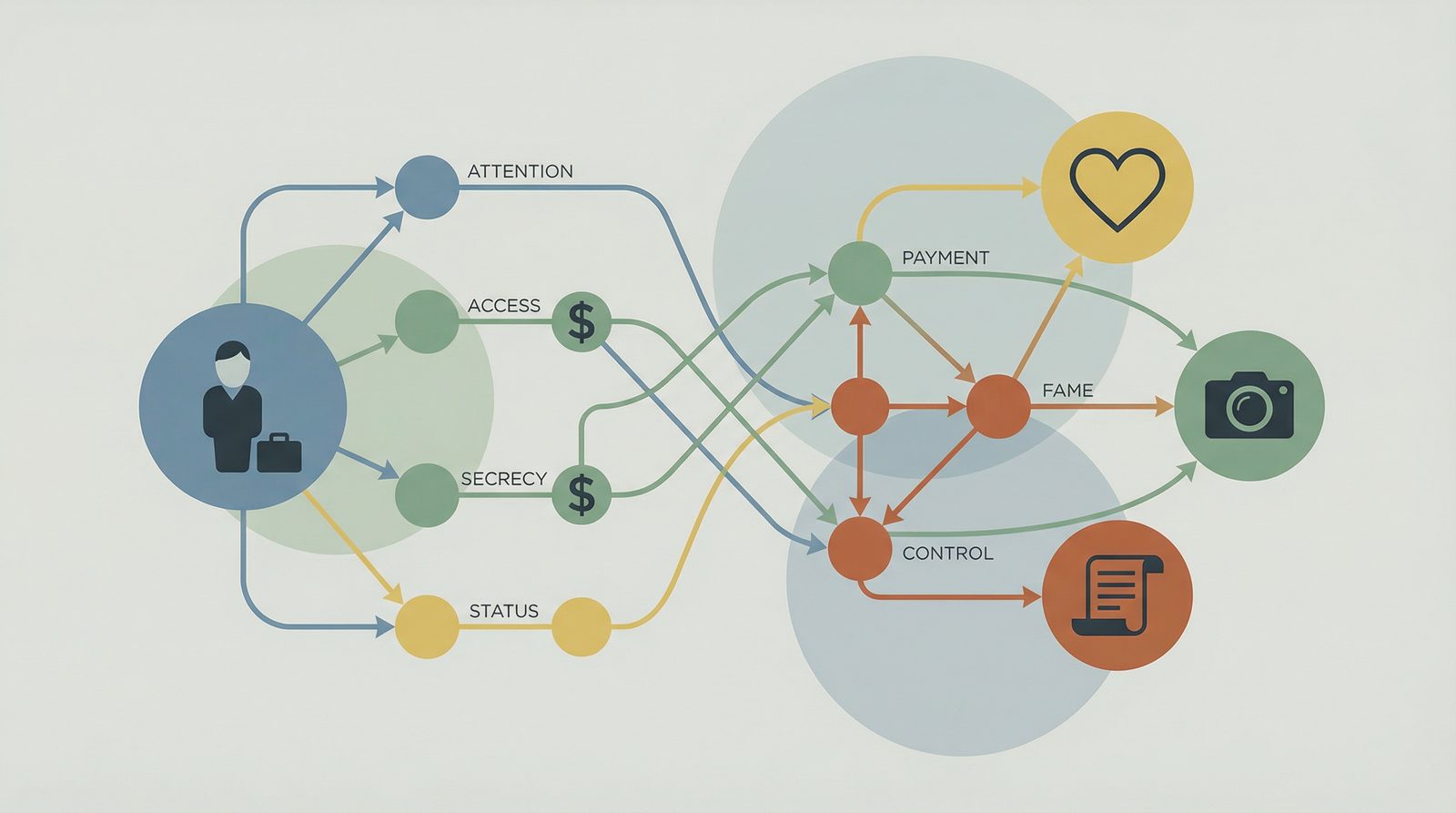
    Intimacy as Transaction appears in narratives where affection, desire, attention, or emotional closeness operates like currency. Characters learn that connection is not freely given. It comes with conditions. It can be traded, withheld, or bought. In these stories, relationships are shaped by power imbalance rather than mutual care.

    Sometimes the transaction is material. Sometimes it is emotional. Often it is invisible until the character steps back and recognizes the cost.

    Intimacy as Transaction inline concept image

    HOW IT WORKS IN NARRATIVE

    This motif often emerges when a character grows up inside a controlling home, navigates a predatory industry, or becomes involved with someone who uses intimacy as leverage. The narrative tension comes from how love and control intertwine. What appears affectionate is revealed to be conditional. What appears romantic is rooted in dominance.

    The arc usually involves awakening. A character realizes that love offered as reward or punishment is not love at all.

    Intimacy as Transaction inline diagram image

    WHERE WE SEE IT IN OUR LIBRARY

    • Confessions of a Video Vixen – Relationships operate as exchanges of fame, access, protection, or survival.
    • The Vixen Diaries – Affection and support shift based on status, desire, and leverage.
    • Open Book – Emotional intimacy becomes tied to validation, ego, and manipulation, especially in high-profile relationships.
    • The Woman in Me – Britney navigates relationships where affection is wielded as control.
    • I’m Glad My Mom Died – Parental love operates as reward and punishment, shaping Jennette McCurdy’s sense of worth.
    • Push – Precious experiences intimacy distorted by trauma and survival needs.

    The motif ties together stories of fame, abuse, childhood conditioning, and emotional manipulation.


    WHY IT MATTERS

    This motif is powerful because it reveals the mechanics behind relationships that otherwise look loving or glamorous. It exposes the cost of affection that has strings attached. It also speaks to agency. Characters who navigate this pattern often learn to redefine intimacy on their own terms.

    For readers, the motif helps illuminate patterns of emotional exploitation that are often invisible in real life.


    RELATED MOTIFS

    Power as Proximity
    The Commodified Body in Books
    The Double Self

  • The Double Self

    The Double Self

    Motif Type: Identity and Performance
    Era Focus: 20th Century to 21st Century
    Primary Genres: Memoir, Literary Fiction, Celebrity Studies


    WHAT THIS MOTIF MEANS

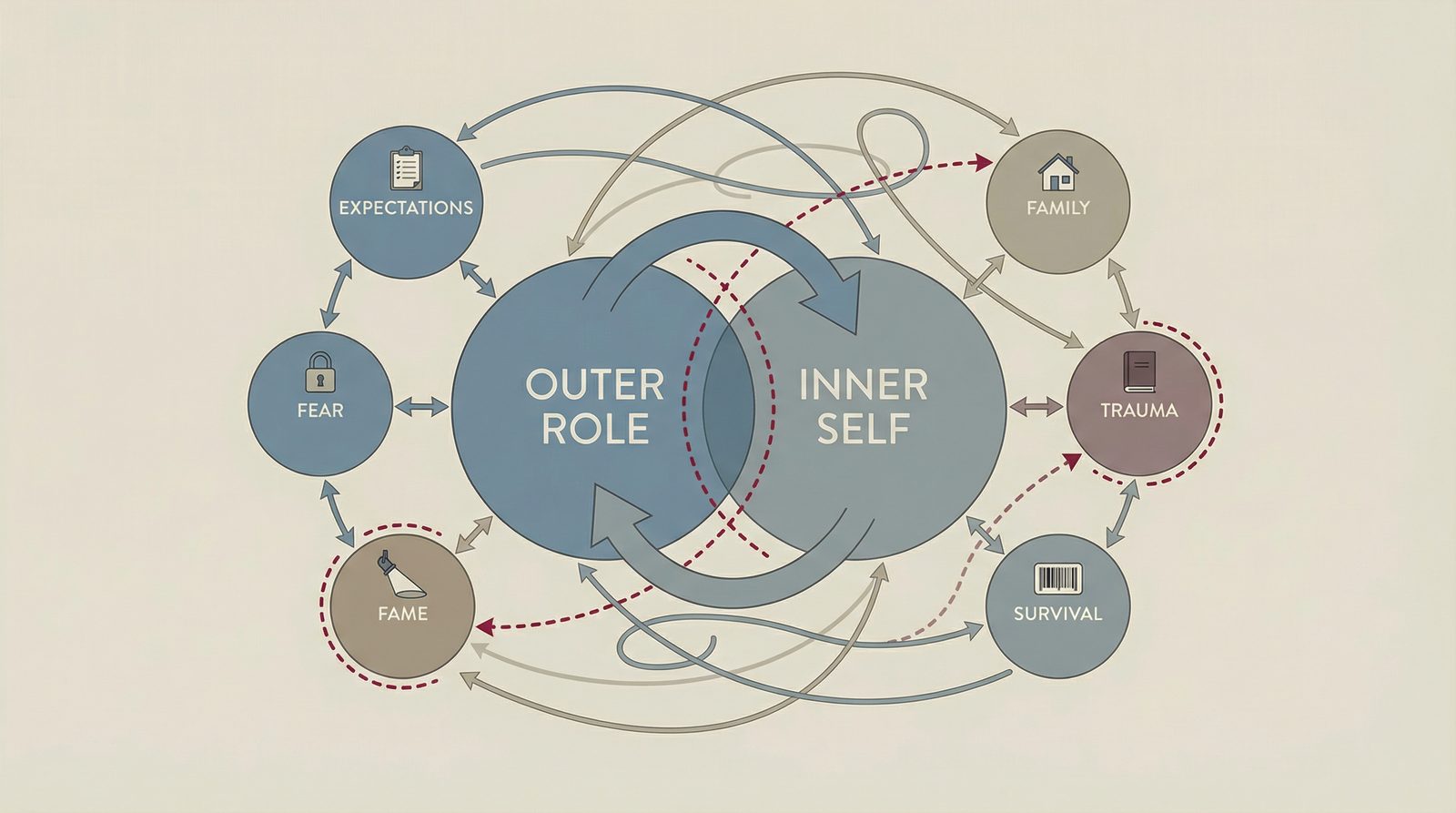
    The Double Self is a motif where a character lives in two identities at once. One identity is outer, shaped by performance, expectation, or fear. The other is inner, private, and often in conflict with the role they are forced to play. The tension between these two selves creates emotional dissonance that shapes the entire narrative.

    This motif often emerges in stories about trauma, fame, or strict social roles. When a character is not allowed to be whole, their inner and outer selves drift apart. That fracture becomes the emotional core of the story.

    The Double Self inline concept image

    HOW IT WORKS IN NARRATIVE

    The Double Self appears whenever survival requires performance. Characters may smile while hurting, obey while resisting, or play a role created by others. Over time, the gap between the two identities creates pressure. Some characters break. Some merge their selves. Some reclaim the inner identity through writing, connection, or rebellion.

    This motif thrives in stories where public image collides with private truth. It reveals how identity can be shaped by trauma, industry, or family.

    The Double Self inline diagram image

    WHERE WE SEE IT IN OUR LIBRARY

    This motif is central to many works in your cluster. It connects memoir, fiction, and celebrity narratives.

    • I’m Glad My Mom Died – Jennette McCurdy performs happiness for her mother while hiding fear and hunger.
    • The Woman in Me – Britney Spears performs confidence while privately collapsing under legal and emotional control.
    • Open Book – Jessica Simpson’s internal self fractures from her public persona as the “ditzy blonde.”
    • Confessions of a Video Vixen – Karrine Steffans embodies a sexualized public persona while holding a private history of trauma.
    • Push – Precious constructs a fantasy self as refuge from abuse.
    • Precious – The film visualizes Precious’s double identities through fantasy sequences.
    • Framing Britney Spears – The documentary reveals the gap between Britney’s public performance and private suffering.

    WHY IT MATTERS

    The Double Self is foundational to your library because it bridges memoir and fiction. It reveals how characters adapt to systems that deny them autonomy. It also deepens emotional empathy. Readers see the cost of living split between who you are and who you are allowed to be.

    Across your cluster, the motif functions as connective tissue between stories of abuse, fame, trauma, and reclamation. It is one of your highest value hubs.


    RELATED MOTIFS

    Silence as Survival
    The Commodified Body in Books
    Power as Proximity

  • #MeToo Literature

    #MeToo Literature

    Motif Type: Cultural Testimony
    Era Focus: 21st Century
    Primary Fields: Memoir, Essay, Cultural Criticism


    WHAT THIS MOTIF MEANS

    #MeToo Literature is a motif found in stories that confront sexual abuse, power imbalances, and gendered violence. These works do not seek to sensationalize harm. They aim to expose it. The motif reflects a cultural shift in which survivors speak plainly about experiences that were once minimized, dismissed, or silenced.

    The voice in these works is direct, steady, and grounded in personal truth. The story becomes both individual and collective testimony.


    #MeToo Literature inline concept image

    HOW IT WORKS IN NARRATIVE

    These narratives often begin with a character whose voice was suppressed by institutions, family systems, industries, or cultural norms. The memoir or story becomes a place where truth can finally be recorded without fear of punishment.

    The motif is marked by clarity rather than catharsis. The telling is the act. The naming is the power.


    #MeToo Literature inline diagram image

    WHERE WE SEE IT IN OUR LIBRARY

    • Confessions of a Video Vixen – Steffans wrote about abuse, coercion, and exploitation long before the wider movement existed.
    • Britney Spears – Her memoir reveals long-term institutional control and emotional abuse hidden beneath fame.
    • Open Book – Jessica Simpson writes about industry pressure, predatory expectations, and the emotional fallout of fame.
    • Framing Britney Spears – The documentary exposes systemic abuse disguised as guardianship and professionalism.
    • The Woman in Me – Britney’s account of legal and emotional imprisonment fits squarely within this cultural motif.

    Together these works form a lineage of personal accounts that helped shift public understanding of gender, power, and accountability.


    WHY IT MATTERS

    This motif matters because it challenges silence around abuse. It reveals the cost of systems that fail to protect, and the courage required for survivors to speak publicly. It also reframes memoir not as confession but as cultural intervention.

    #MeToo Literature anchors your library as a site of testimony and reexamination.


    ARCHETYPES ASSOCIATED WITH THIS MOTIF

    • The Truth Teller – the core archetype of this motif.
    • The Reclaimer – for characters who take back narrative after harm.
    • The Performer – for characters whose public image hides private coercion.

    RELATED MOTIFS

    Intimacy as Transaction
    Power as Proximity
    Memoirs of Reclamation

  • Memoirs of Reclamation

    Memoirs of Reclamation

    Motif Type: Narrative Ownership
    Era Focus: 20th Century to 21st Century
    Primary Fields: Memoir, Celebrity Studies, Trauma Narratives


    WHAT THIS MOTIF MEANS

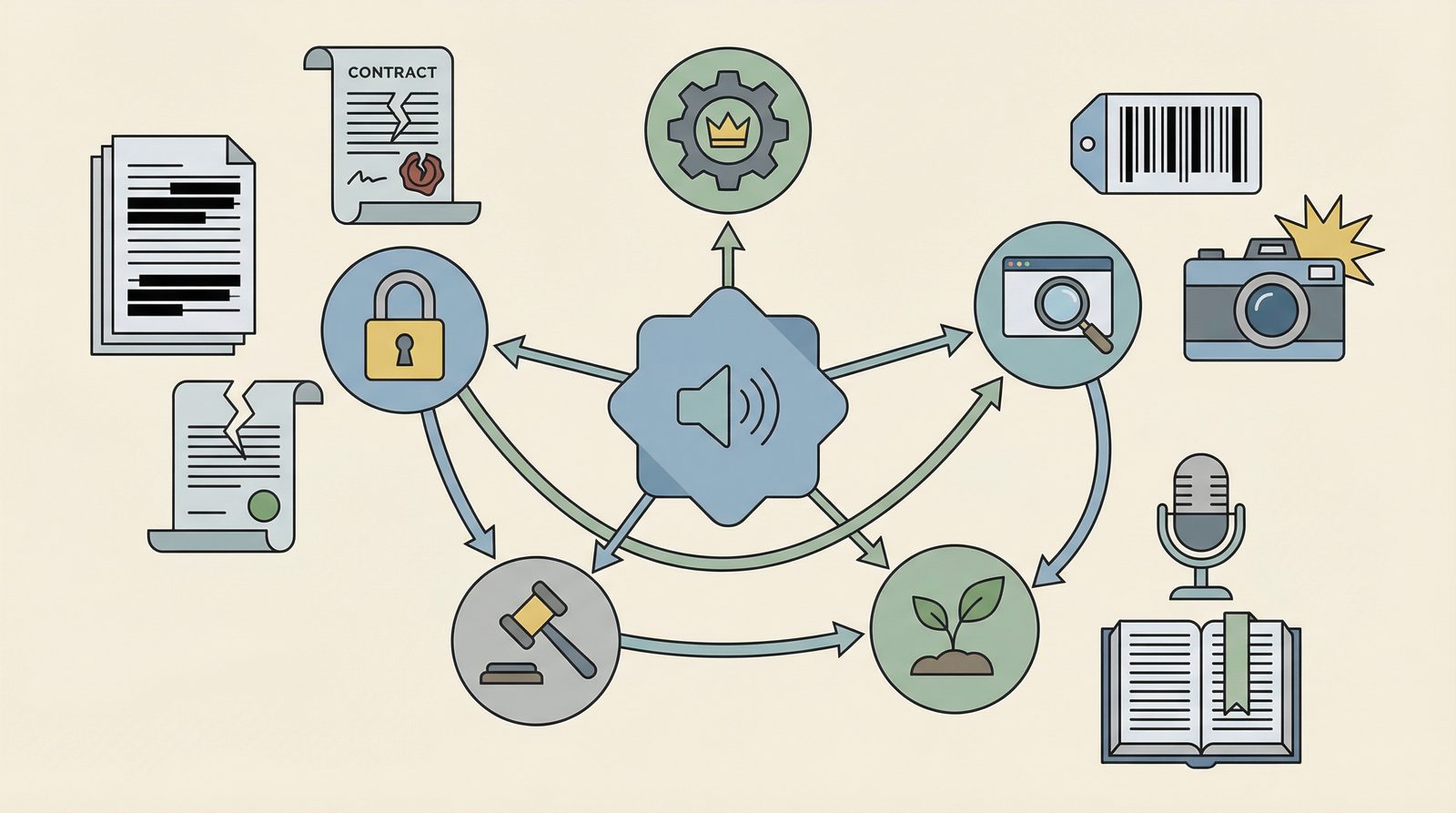
    Memoirs of Reclamation appear in stories where the act of telling becomes an act of taking back. These are narratives written after years of distortion, silence, or misrepresentation. Characters or authors who inhabit this motif use memoir to correct the record and claim ownership of their voice.

    Reclamation is not revenge. It is clarity. It is the decision to describe a life without permission from the forces that once controlled it.

    Memoirs of Reclamation inline concept image

    HOW IT WORKS IN NARRATIVE

    Narratives shaped by this motif often begin with a character who has been spoken for. The world thinks it already knows the story. The memoir disrupts that illusion. It reveals what was hidden, misunderstood, denied, or simplified. The act of writing becomes a pivot point where identity and authority return to their rightful owner.

    The voice is often steady. The tone is often blunt. The clarity is earned.

    Memoirs of Reclamation inline diagram image

    WHERE WE SEE IT IN OUR LIBRARY

    • Confessions of a Video Vixen – Steffans reframes a narrative once told about her by gossip, men, and media.
    • Open Book – Simpson dismantles the public caricature that overshadowed her music and life.
    • The Woman in Me – Britney Spears writes from inside a long period of enforced silence and public distortion.
    • The Vixen Diaries – Steffans documents backlash and misrepresentation after her first memoir.
    • Jessica Simpson – Her memoir functions as a cultural correction after years of mockery and misreading.
    • Britney Spears – The core of her memoir is reclaiming voice after legal and emotional control.

    This motif forms one of your strongest clusters because these memoirs rebuild identity after erasure, exploitation, or misunderstanding.


    WHY IT MATTERS

    This motif matters because it challenges the idea that a person’s story can be owned by the public. It reveals how harmful narratives can be rewritten and how truth can reshape reputation, legacy, and selfhood.

    Memoirs of Reclamation are not just personal. They are cultural acts of correction.


    ARCHETYPES ASSOCIATED WITH THIS MOTIF

    • The Reclaimer – the central archetype of this motif.
    • The Truth Teller – for authors whose clarity drives the narrative.
    • The Survivor Confessor – for memoirists who transform pain into testimony.

    RELATED MOTIFS

    The Double Self
    Silence as Survival
    Power as Proximity