
Archetype: Trickster

  • The Motorcycle Diaries (2004)

    The Motorcycle Diaries (2004)

    The Motorcycle Diaries (2004), directed by Walter Salles. Road Movie · 126 minutes · Argentina / Brazil / Chile / Peru / United States.


    INTRODUCTION

    The Motorcycle Diaries is a Road Movie that feels quietly revolutionary in its modesty. Rather than racing through the milestones of a famous life, it lingers on formative moments before myth hardens into ideology. Walter Salles follows a 23-year-old Ernesto Guevara in 1952, long before he becomes “Che,” tracing a journey across South America that reshapes his sense of responsibility and belonging.

    The film belongs to the coming-of-age tradition, but the coming-of-age is political as much as personal. By the time the credits roll, nothing “historic” has happened in conventional biopic terms. Yet everything has shifted internally. The mood is contemplative, melancholic, and grounded in physical travel rather than rhetoric.

    PLOT & THEMES

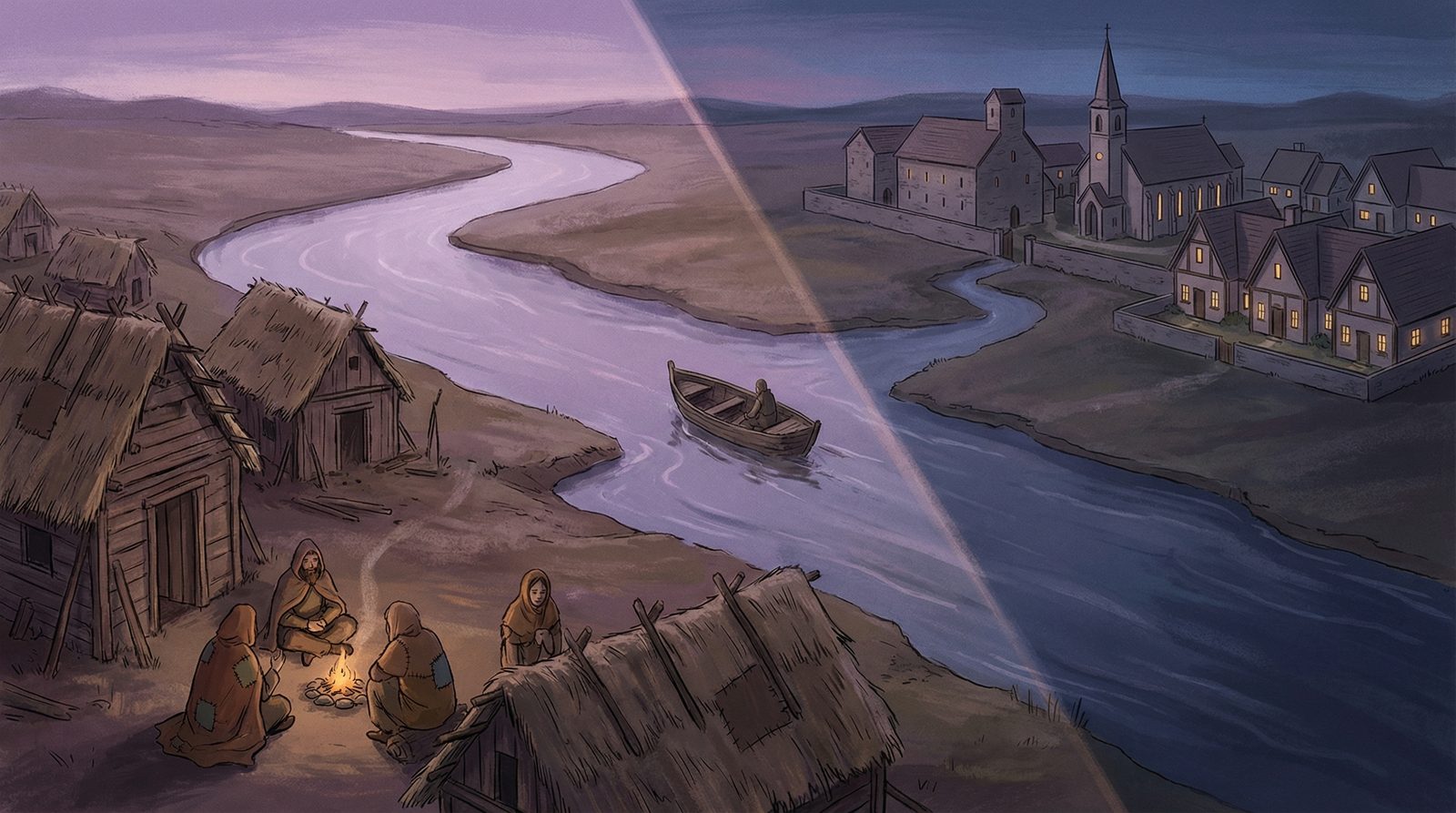
    The story follows Ernesto Guevara, a middle-class Argentine medical student, and his friend Alberto Granado as they set off on a ramshackle motorcycle trip across South America. What begins as youthful adventure quickly becomes a lesson in limits. The motorcycle breaks down, money disappears, and the pair are forced into closer contact with people living far outside their social bubble.

    As they travel through Argentina, Chile, and Peru, the tone shifts from comic misadventure to moral confrontation. Encounters with exploited miners, Indigenous communities, and patients at a leper colony expose Ernesto to structural injustice he cannot ignore. Travel becomes transformation, not through spectacle but through accumulation: each border crossed introduces a new ethical tension.

    Illness and bodies play a central role. Ernesto’s asthma and his medical training keep politics anchored in physical vulnerability. Inequality is not discussed abstractly; it is breathed, touched, and treated. The film resists cathartic conversion scenes, favoring gradual awakening. By the river crossing at the leper colony, Ernesto’s decision to swim across becomes a physical declaration of solidarity rather than a speech.

    CINEMATIC TECHNIQUE & AESTHETICS

    Walter Salles relies on naturalistic lighting and extensive location shooting to ground the film in lived geography rather than postcard imagery. Landscapes dwarf the protagonists, reinforcing humility and disorientation. Long takes allow discomfort to settle, particularly during encounters with marginalized communities.

    Handheld camera work during travel sequences gives the journey a tactile instability. The bike rattles, the frame shudders, and progress feels provisional. By contrast, scenes at the leper colony use steadier compositions and visual symmetry, as if the film itself slows down to observe rather than roam.

    Sound design favors ambient noise — engines, wind, water — with Gustavo Santaolalla’s score entering quietly, like memory rather than commentary. Voiceover drawn from Guevara’s diary is used sparingly and often complicates what we see. The final montage of faces anchors the film’s politics in lived human presence rather than ideology.
    Editorial illustration inspired by 'The Motorcycle Diaries (2004)'

    CHARACTERS & PERFORMANCE

    Gael García Bernal plays Ernesto as a restrained Idealist rather than a charismatic firebrand. He is awkward, asthmatic, observant — more listener than speaker. Bernal emphasizes hesitation and internal pressure, letting the awakening register through silence and posture rather than declarations.

    Rodrigo de la Serna’s Alberto Granado provides contrast as a Trickster figure: charming, opportunistic, and emotionally open. Their dynamic balances gravity with warmth. Friendship becomes the film’s emotional vehicle for political realization.

    Supporting characters appear briefly but leave lasting impressions. They function less as individualized arcs and more as lived evidence of inequality. The restrained performances avoid sentimentality, keeping the film from drifting into didacticism.

    CONTEXT & LEGACY

    Released in the early 2000s, The Motorcycle Diaries arrived when Che Guevara’s image had become globally commodified. By focusing on his pre-revolutionary years, the film sidesteps later controversies and instead explores the formation of conscience. Its legacy lies not in political instruction but in showing how empathy precedes ideology.

    Within Latin American cinema, it stands as a key example of the socially conscious Road Movie, using movement to expose class and racial divides. Internationally, it remains a touchstone for films that treat political awakening as a slow, embodied process rather than a single decisive moment.

    IS IT WORTH WATCHING?

    Yes — especially if you prefer character-driven journeys over conventional biopics. The film rewards patience, attention, and openness. It is less interested in answers than in formation.

    Viewers expecting a full account of Che Guevara’s later politics may find it incomplete. As a portrait of an inner shift — from individual adventure to continental awareness — it remains quietly powerful.

  • The Brass Bottle (1900)

    The Brass Bottle (1900)

    INTRODUCTION

    The Brass Bottle (1900) by F. Anstey/Thomas Anstey Guthrie
    Fantasy · United Kingdom


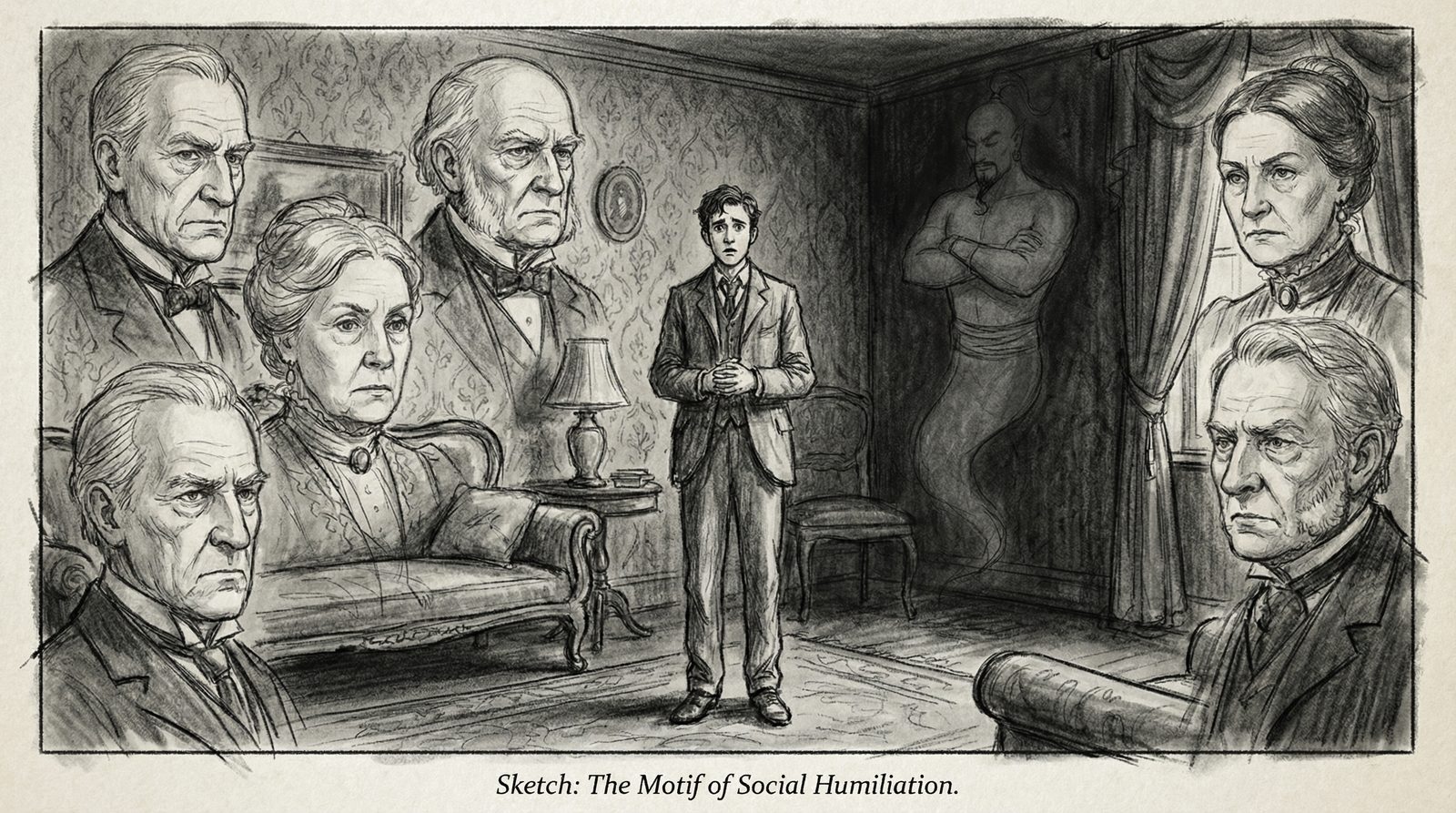
    The Brass Bottle opens with the promise of a familiar fantasy: an ordinary man acquires an antique object, releases a genie, and expects his life to improve. What makes the novel endure is how quickly that promise curdles. This is not a tale of empowerment through magic, but of social unraveling through excess assistance.

    Set at the turn of the twentieth century, the book unfolds in drawing rooms, offices, auction houses, and committee meetings that feel stiflingly polite. Into these airless spaces erupts Fakrash, an ancient genie whose ideas of generosity are spectacularly out of scale with modern English life. The result is a comedy of embarrassment rather than wonder. Magic does not liberate Horace Ventimore. It exposes how little control he has over his career, his courtship, and his own desires.

    PLOT & THEMES

    Horace Ventimore is a struggling architect with more ambition than confidence. On a whim, he purchases an old brass bottle at Salterton & Co, an auction house near the Embankment. Once opened in his modest lodgings, the bottle releases Fakrash-el-Aamash, a genie who has waited centuries to reward a liberator.

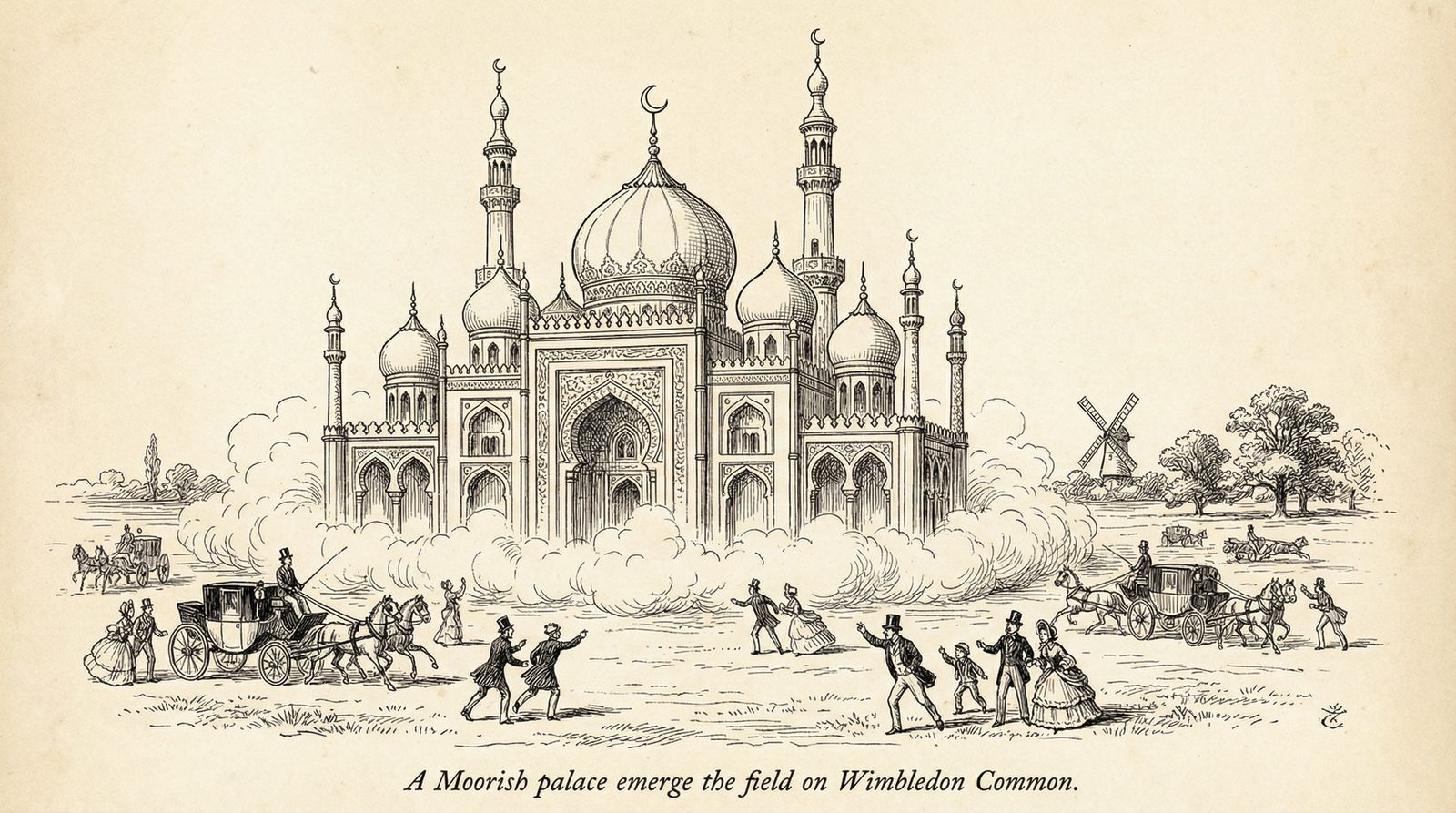
    Fakrash’s promise of assistance becomes the novel’s central engine. Horace wants professional success and marriage to Sylvia Wackerbath. Fakrash delivers both with catastrophic enthusiasm: erecting an impossible Moorish palace on Horace’s suburban property, showering him with sudden wealth, and humiliating Sylvia’s socially ambitious father in front of learned societies and polite company.

    Each wish carries unintended consequences. Horace’s reputation collapses under the weight of miracles he never asked for in quite that form. Respectability, so carefully maintained in Edwardian society, proves fragile when confronted with a being who does not understand embarrassment, gradual advancement, or understatement.

    The ending refuses a magical reset. Fakrash does not erase memories or rewind events. Horace learns that no supernatural favor can restore lost standing or undo public spectacle. The solution is renunciation rather than mastery. He must choose to live without wishes at all, accepting the limits of ordinary effort and imperfect love.

    PROSE & NARRATIVE STRUCTURE

    Anstey’s prose is brisk, ironic, and socially observant. The narration frequently slips into Horace’s anxious thought patterns while maintaining enough distance to let the satire bite. This free indirect style allows the comedy to coexist with a steady current of dread as Horace realizes that help can be more dangerous than hardship.

    The structure is episodic and escalating. Each chapter centers on a single intervention by Fakrash that spirals beyond Horace’s control. A professional introduction becomes a scandal. A gift becomes a liability. A public appearance becomes an ordeal. The rhythm recalls serialized fiction, with each episode ending on a social cliff rather than a physical one.

    One of the novel’s sharpest techniques is its collision of registers. Fakrash speaks in archaic bombast about obliteration and reward, while Horace and the surrounding institutions respond in the language of minutes, regulations, and committee procedure. The courtroom scene, where divine threats are calmly recorded by a clerk, captures the book’s essential joke: ancient power rendered ridiculous by bureaucracy.

    Conceptual editorial illustration inspired by 'The Brass Bottle'

    CHARACTERS & INTERIORITY

    Horace Ventimore is a recognizably timid dreamer. His interior life is dominated by rehearsed explanations, imagined humiliations, and constant self-correction. He does not crave domination or transcendence. He craves approval, and that makes him uniquely vulnerable to Fakrash’s version of generosity.

    Fakrash himself is not psychologically complex. He is a force rather than a character, driven by ancient codes of honor and reward. His failure to understand modern restraint turns him into an agent of chaos despite his sincere loyalty. Through him, Anstey explores how mismatched values can be more destructive than malice.

    Supporting figures deepen the social satire. Mr. Wackerbath embodies financial respectability and terror of ridicule. Sylvia, often seen through Horace’s anxious gaze, is given moments of quiet perspective that suggest she understands far more than he assumes. The novel’s emotional weight lies not in romance but in exposure: watching a man’s careful self-image collapse under unwanted attention.

    LEGACY & RECEPTION

    Although often remembered as a light fantasy, The Brass Bottle reads today as a sharp precursor to twentieth-century social comedy. Its humor is rooted less in spectacle than in class anxiety and professional dread, anticipating writers who would mine embarrassment rather than adventure for laughs.

    Later adaptations and re-tellings frequently soften the ending or lean into romance. Anstey’s original conclusion is colder. Magic fixes nothing. Horace survives, but chastened, forced to live with the consequences of miracles he never fully wanted. That refusal of wish-fulfillment closure is why the book still feels pointed rather than quaint.

    IS IT WORTH READING?

    If you enjoy fantasy as escape, this may surprise you. The book’s pleasures are social rather than spectacular, and its comedy often lands as discomfort rather than delight. But if you enjoy watching ordinary people undone by forces they cannot manage, and stories where magic reveals weakness instead of granting power, it remains a brisk and unsettling read.

    The period language requires a little patience, but the observations feel modern. Desire, reputation, and the terror of being seen are as potent now as they were in 1900.

    Illustration inspired by a core idea from 'The Brass Bottle'

    TRIVIA & AUTHOR FACTS

    “F. Anstey” was the pen name of Thomas Anstey Guthrie, a barrister-turned-humorist whose legal background quietly sharpens The Brass Bottle. The courtroom scene is not just comic invention: its procedures, language, and escalation are unusually precise for fantasy fiction of the period, which is exactly why the scene lands as both absurd and convincing. Anstey understood how bureaucracy absorbs even the impossible.

    The fictional auction house Salterton & Co. is thought to draw on real London auction rooms Anstey frequented. Fakrash’s insistence on palaces by rivers plays on the Thames while gesturing toward older imperial fantasies of the East. The novel’s humor depends heavily on these geographic and cultural collisions.

    SIMILAR BOOKS

    If this blend of supernatural comedy and social discomfort appeals to you, there are clear literary neighbors. E. Nesbit’s The Enchanted Castle uses magic to expose childish vanity and adult hypocrisy, while The Incomplete Enchanter by L. Sprague de Camp and Fletcher Pratt pushes the same wish-fulfillment logic into more overtly comic chaos. For a darker Victorian counterpoint, The Picture of Dorian Gray treats beauty itself as a curse rather than a gift. All of these works share Anstey’s interest in what happens when desire is granted too literally.

    DISCOVERABILITY & LINKS

  • Writer Held Captive

    Writer Held Captive

    DEFINITION & CORE IDEA

    The Writer Held Captive motif traps an author in a literal prison, usually at the mercy of someone who claims to care about their work. The writer is locked in a room, a house, or a basement, cut off from the outside world and forced to write, rewrite, or confess. Their creative mind becomes the only tool they have left, and often the only thing their captor really wants.

    Stories like Misery (1987), The Collector (1963), and Secret Window are classic examples. The captor might be a devoted fan, a resentful relative, a jealous rival, or a stranger with a grudge. What they share is a sense of entitlement to the writer’s time, talent, and inner life. The writer’s body is confined, but the real battleground is the story itself – who gets to decide what happens next, on the page and in the room.

    At its core, the Writer Held Captive motif is about control over narrative. It literalizes the fear that readers, editors, or society at large might try to own an author’s imagination. The writer’s survival depends on how well they can read their captor, shape a story that keeps them alive, and maybe smuggle a plan for escape between the lines.


    HOW IT WORKS IN STORIES

    In most versions of Writer Held Captive, the story begins with some kind of accident or vulnerability. The author might be injured in a car crash, lured to a remote meeting, or simply wake up in a locked room. The early chapters focus on disorientation and gratitude. That slow realization that the “rescuer” or “host” is also the jailer is central to the tension.

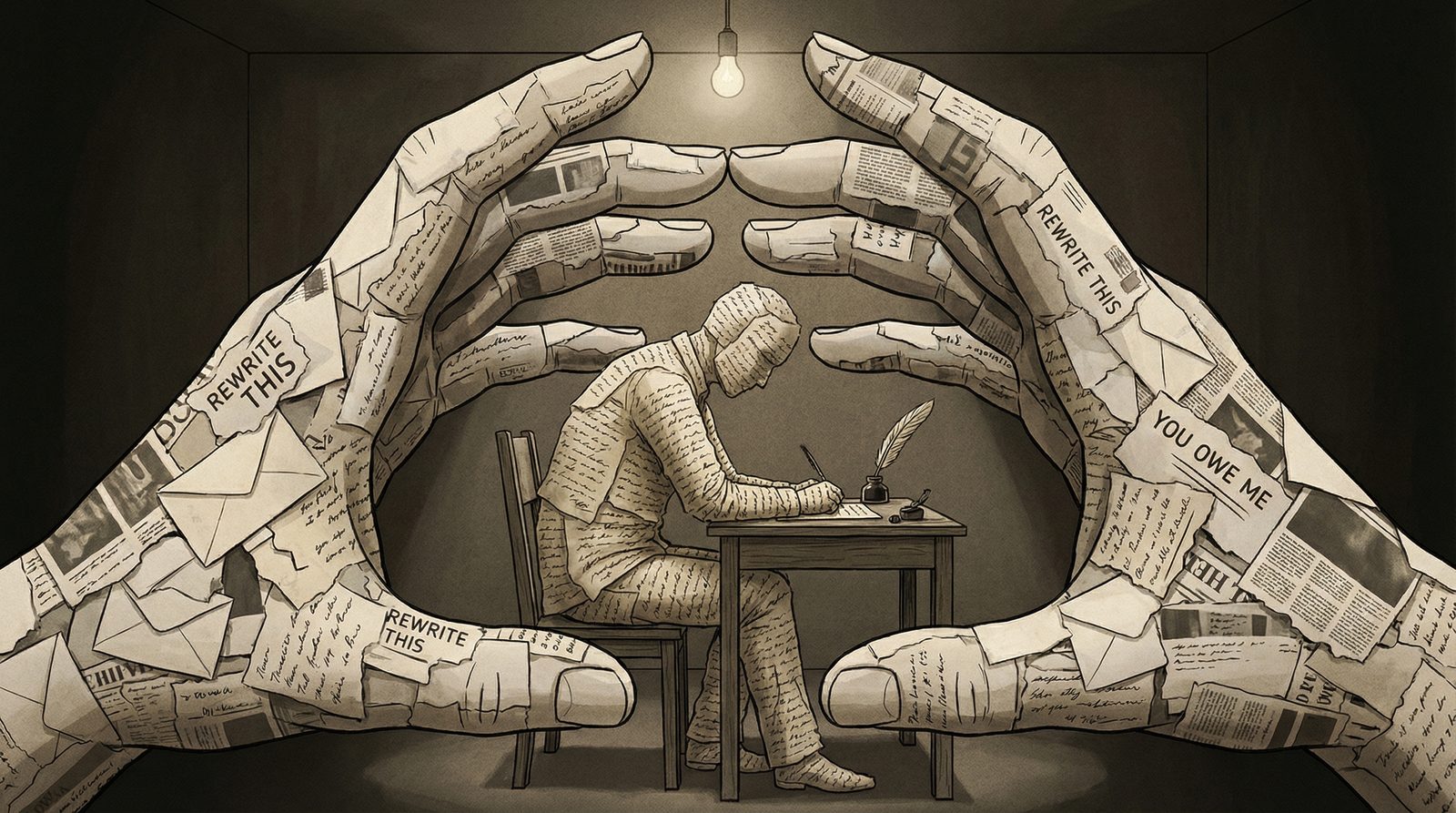
    Once the captivity is clear, the story shifts into a psychological chess match. The writer has very little physical power, so their main weapon is language. They flatter, stall, negotiate, and improvise plots that might calm the captor or buy time. The captor, in turn, uses access to food, medicine, or freedom as leverage for more pages. Every chapter written becomes a kind of blood payment.

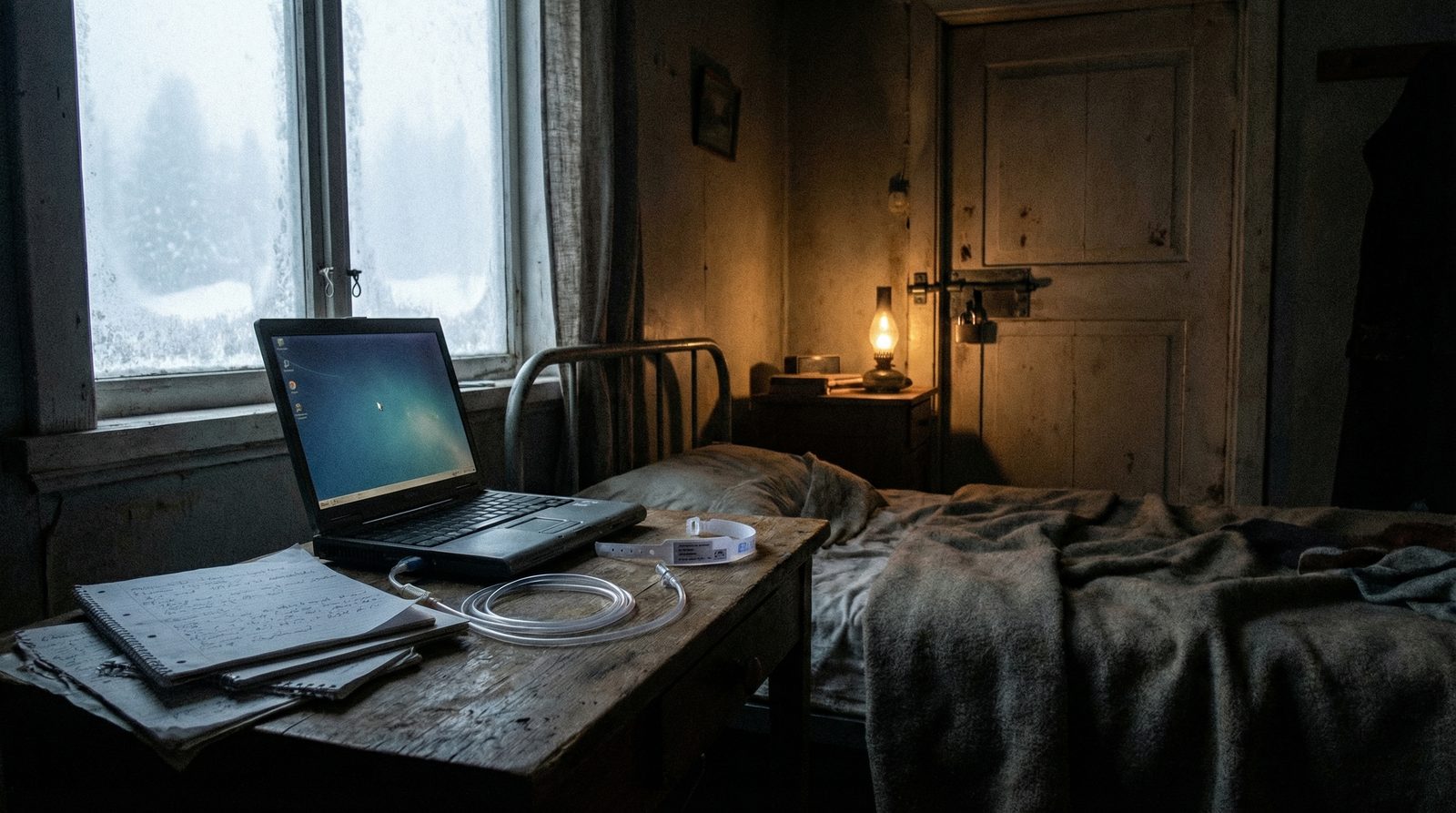
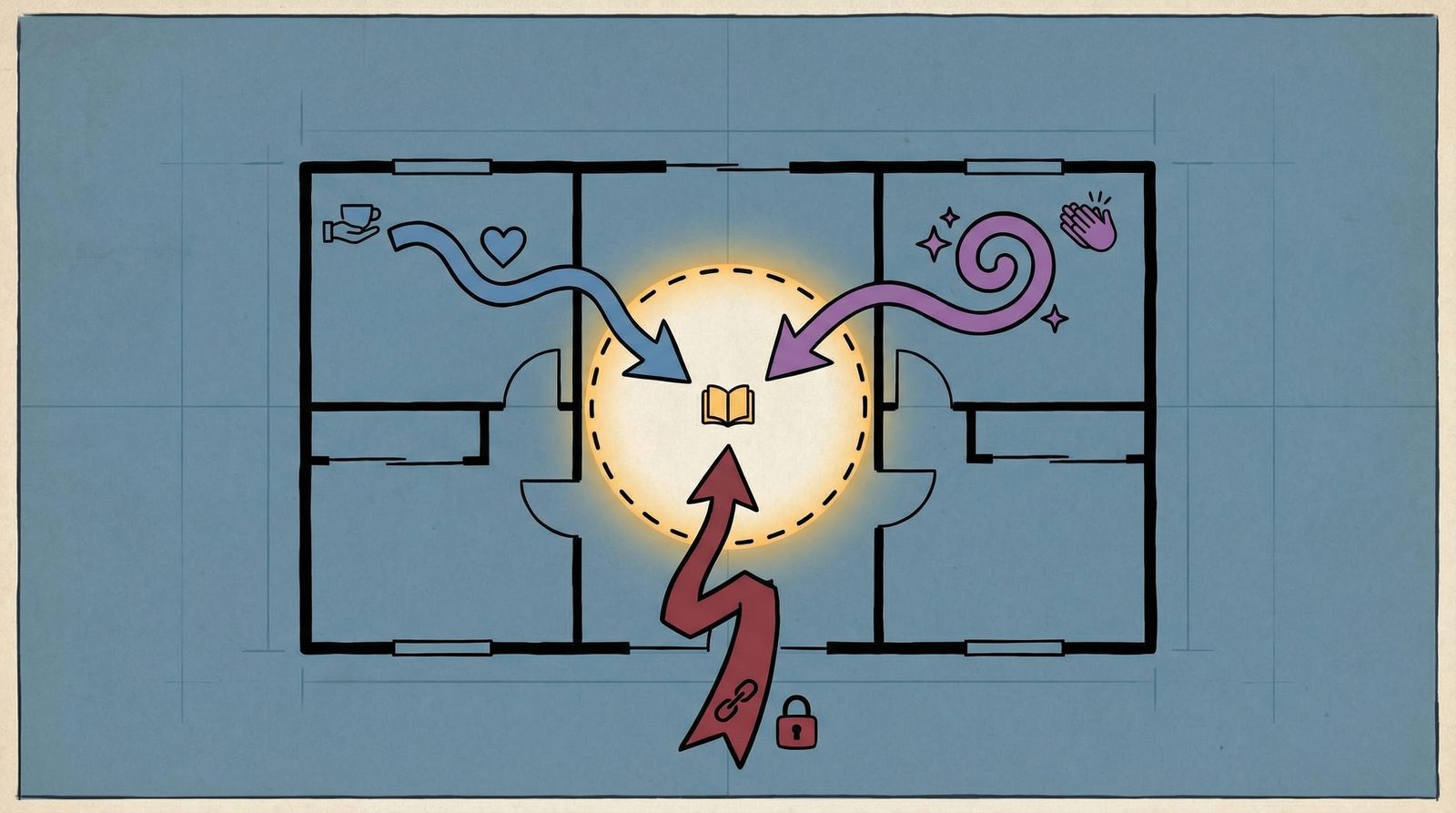
    The space itself often feels like a twisted version of a retreat. It looks like the ideal place to get work done, except the door locks from the outside. This is where the motif intersects with Caretaker As Captor. The captor might cook meals, change bandages, or cheer on the writer’s progress, all while tightening their control. Care and cruelty blur together.

    Another engine of the plot is obsession with the work. The captor has strong opinions about how a series should end, which characters deserve to live, or what the writer “really meant” in a story. That is where Writer Held Captive can overlap with Enthusiasm As Infrastructure. The captor’s devotion and knowledge of the work become the scaffolding that holds the whole prison in place. Without their obsessive reading, there would be no kidnapping, no demands, no forced rewrites.

    Escape attempts, whether physical or psychological, structure the middle of the narrative. The writer might hide messages in the manuscript, test the captor’s boundaries, or deliberately write something that will provoke a mistake. The climax usually comes when the story on the page and the story in the room collide, forcing both writer and captor to act out the ending they have been arguing about.


    Editorial illustration inspired by 'Writer Held Captive'

    EMOTIONAL EFFECT ON THE READER

    Reading a Writer Held Captive story feels like being locked in the room with the author. The physical confinement creates a steady thrum of claustrophobia. The smallness of the setting makes every conversation feel high-stakes, because there is nowhere else to go.

    There is also a strange intimacy. We watch the writer at their most vulnerable. Fans who love books may feel an uncomfortable jolt of recognition in the captor’s passion. The line between “I care deeply about this story” and “I want to control the person who made it” becomes disturbingly thin.

    At the same time, the motif can be darkly funny or self-aware. When the writer is forced to resurrect a character they killed off, or to explain a plot hole under threat, it pokes at the awkward relationship between creators and their audiences. Readers may feel both sympathy for the author and a twinge of guilt about their own expectations.

    Emotionally, the payoff often comes from watching the writer reclaim some control. Even if their body is trapped, the moment they outthink the captor or twist the demanded story into something subversive feels like a small liberation. The motif leaves readers thinking about who really owns a story once it leaves the writer’s desk, and what it costs when that ownership turns into a cage.


    Symbolic illustration inspired by 'Writer Held Captive'

    VARIATIONS & RELATED MOTIFS

    Not every Writer Held Captive story looks like a thriller. Some versions are quieter, almost domestic. The writer is trapped in a relationship, a contract, or a patronage arrangement that feels like a kind of house arrest. The captor might be a spouse, a parent, or a publisher who controls money and access rather than locks and chains. The captivity is still real, but it is social and economic instead of purely physical.

    Another variation blurs the line between captor and muse. The writer may believe they need this intense, controlling presence to create their best work. The captor becomes a twisted collaborator, feeding ideas and demands. This can slide into psychological horror, where it is not clear whether the writer is being coerced, seduced, or both.

    When the captor is also a caregiver, the motif overlaps strongly with Caretaker As Captor. The writer might be injured, ill, or addicted, and the person who keeps them alive also keeps them locked in. The power imbalance is justified as “for your own good,” which makes the situation harder to escape and morally murkier for the reader.

    On the other side, when the captor is a superfan or critic, the story intersects with Enthusiasm As Infrastructure. The captor’s detailed knowledge of the writer’s work becomes the architecture of the prison. Their enthusiasm is the scaffolding that supports their control.

    Related motifs include stories where artists are exploited by patrons, celebrities are stalked by admirers, or prisoners must perform to survive. Writer Held Captive sits at the crossroads of those ideas, turning the act of storytelling itself into a survival game and asking who gets to hold the pen when the door is locked.

  • Corrupt Justice And Supernatural Retribution

    Corrupt Justice And Supernatural Retribution

    DEFINITION & CORE IDEA

    Corrupt Justice And Supernatural Retribution is a motif where human systems of law fail, and something beyond the natural world steps in to punish the guilty. Courts are biased, police are crooked, juries are bought, or the crime is simply too well hidden. On the surface, the villains win. Then the universe, the dead, or some occult force quietly decides otherwise.

    In stories like Thinner (1984) and its later adaptation, a corrupt legal outcome is followed by a curse that stalks the people who escaped punishment. In Drag Me To Hell, a small act of cruelty within a respectable job triggers a curse that no court can overturn. These tales suggest that while human justice can be bought, tricked, or intimidated, there is another kind of justice that keeps score in the background.

    This motif sits at the crossroads of crime fiction and horror. It takes the frustration of watching bad people get away with things and turns it into a supernatural reckoning. The core idea is simple: when human justice fails, something else steps in. It may look like a curse, a haunting, or an inexplicable run of accidents that feel far too precise to be random.


    HOW IT WORKS IN STORIES

    Corrupt Justice And Supernatural Retribution usually begins like a straight crime or legal story. There is a wrong: a hit-and-run, a rigged trial, a corporate cover-up. We see the machinery of justice grind into motion, and then we watch it fail. Evidence is buried, witnesses are intimidated, or the investigators themselves are compromised. On paper, the case is closed and the guilty walk away untouched.

    Once the system fails, the story pivots. A curse is laid, a ritual is performed, a bargain is struck, or a place itself becomes charged with the need for payback. This is where the motif overlaps with Curses As Moral Punishment. The curse is rarely random. It is tailored to the crime: greed punished by endless hunger, cruelty punished by social exile, a hit-and-run punished by a slow, wasting affliction as in Thinner. The punishment fits the moral offense more closely than any legal sentence could.

    The supernatural force can be personal or impersonal. Sometimes it is a wronged individual or community calling on dark powers. Sometimes it feels like the universe itself has rules, and those rules have been broken. In some crime novels, the chain of events following an initial injustice plays like a series of fated reactions, as if reality is correcting an imbalance the courts ignored.

    Structurally, the story often turns into a countdown. The guilty party experiences escalating signs that something is after them: strange coincidences, bad luck that always cuts the same way, or unmistakable manifestations of a curse. They might try to reopen the case, confess, or bargain their way out, but the supernatural retribution is rarely interested in procedure. It wants acknowledgment, remorse, and sometimes blood. The tension comes from whether the character will accept responsibility before the retribution becomes final, or cling to denial until it is too late.

    Writers use this motif because it lets them talk about real-world injustice without pretending that the courts always work. It gives shape to the fantasy that even if the powerful twist the law, they cannot twist fate itself. At the same time, it lets them question whether any form of justice, human or supernatural, can ever be clean.


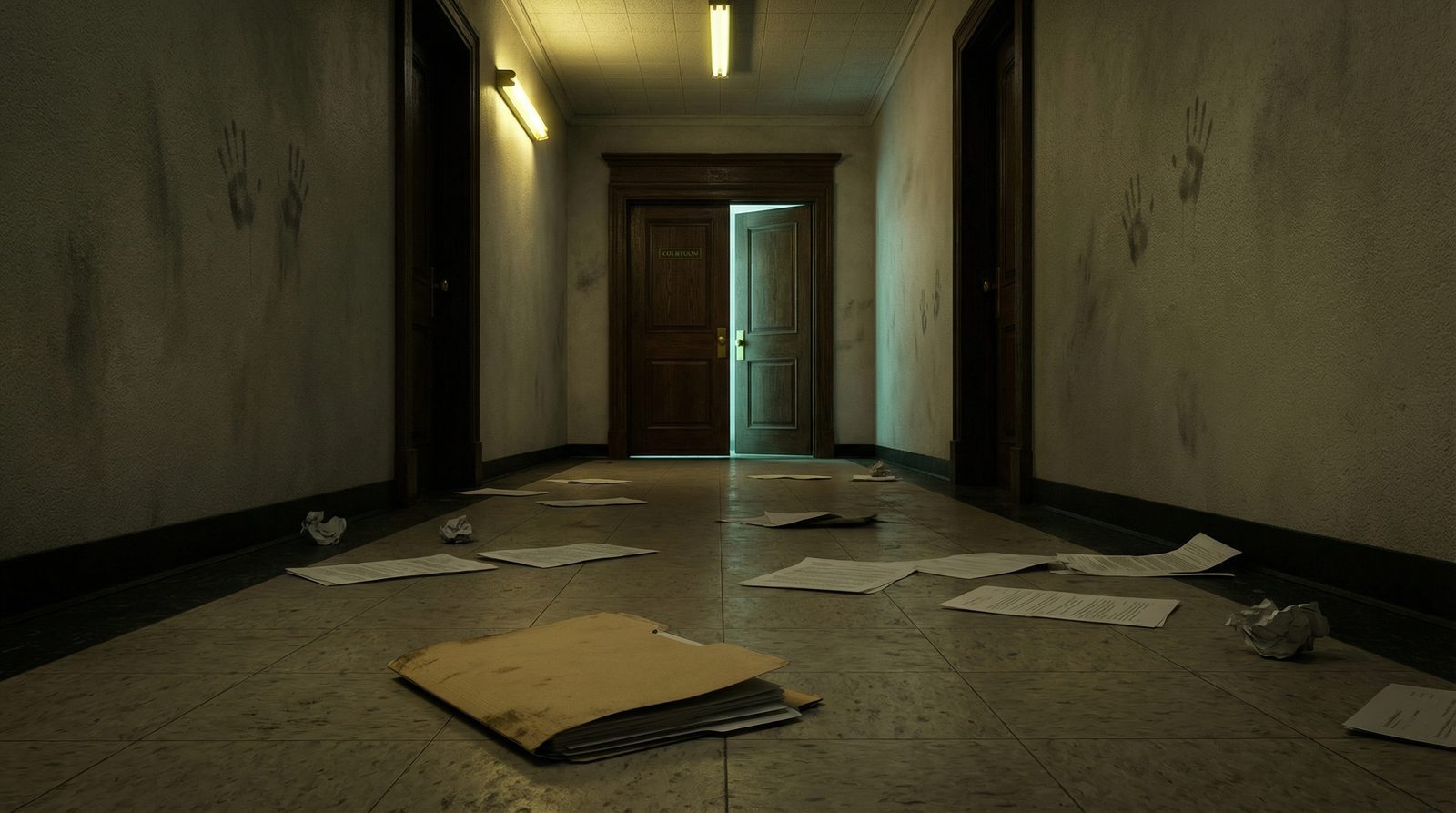
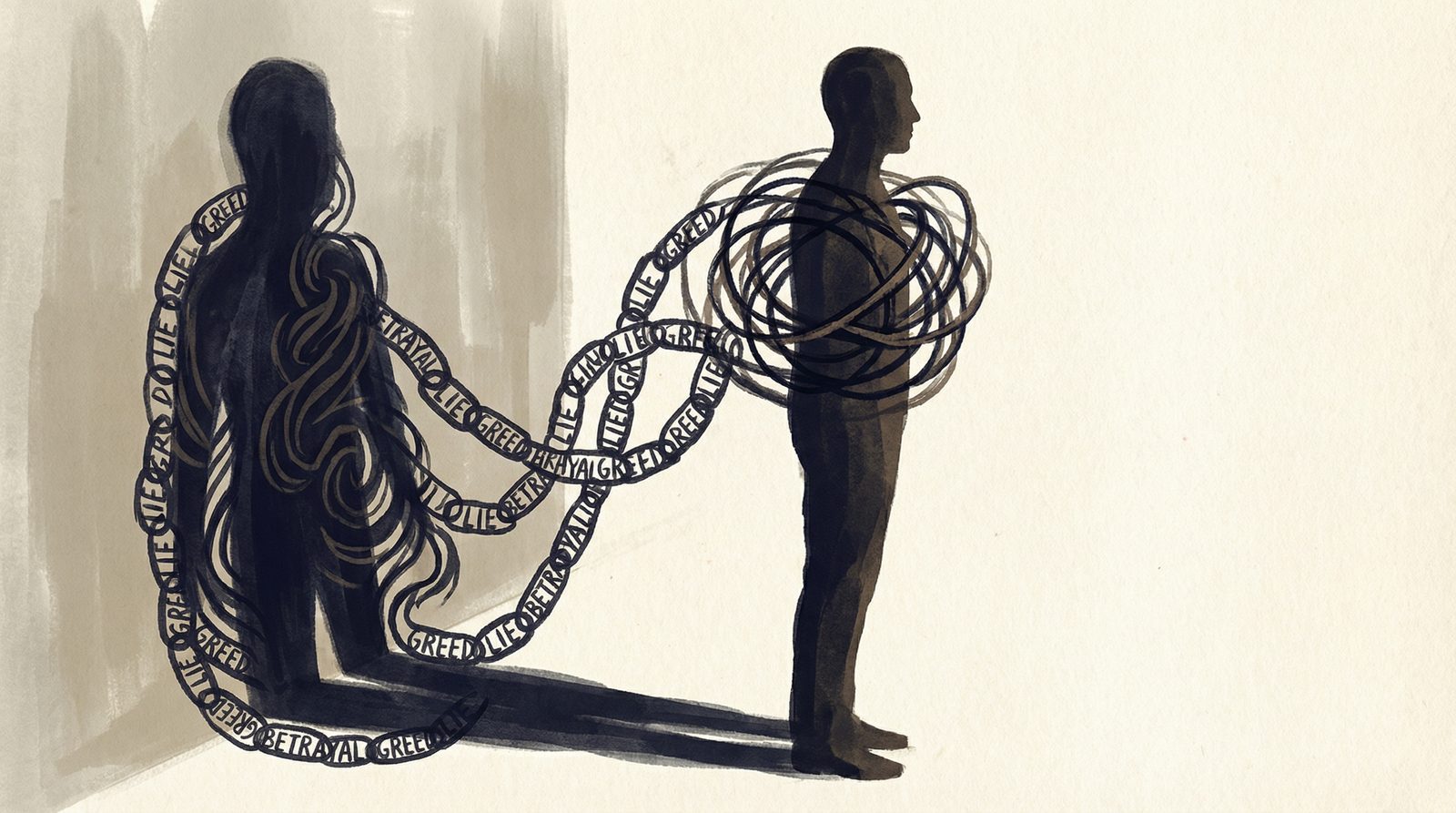
    Editorial illustration inspired by 'Corrupt Justice And Supernatural Retribution'

    EMOTIONAL EFFECT ON THE READER

    Corrupt Justice And Supernatural Retribution is designed to pull readers in two directions at once. On one side there is a sharp, almost guilty satisfaction when the untouchable villain finally starts to suffer. After watching judges, police, or corporations shrug off responsibility, it can feel good to see something they cannot bribe or threaten. The wasting curse in Thinner or the demonic promise in Drag Me To Hell scratch that itch for payback.

    On the other side, the stories are unsettling because the retribution is usually cruel, messy, and uncontrollable. It rarely stops neatly at the edge of the guilty person. Families, bystanders, and even the person who called down the curse can get caught in the blast radius. Readers are pushed to ask whether they are still rooting for justice, or just for suffering. That moral slippage can be more disturbing than any ghost or demon.

    This mix of vindication and dread creates a particular mood. The stories linger because they tap into everyday frustrations with corrupt institutions while also warning that revenge, once unleashed, does not care about your conscience. You close the book feeling both satisfied that the scales were balanced and uneasy about the price of that balance.


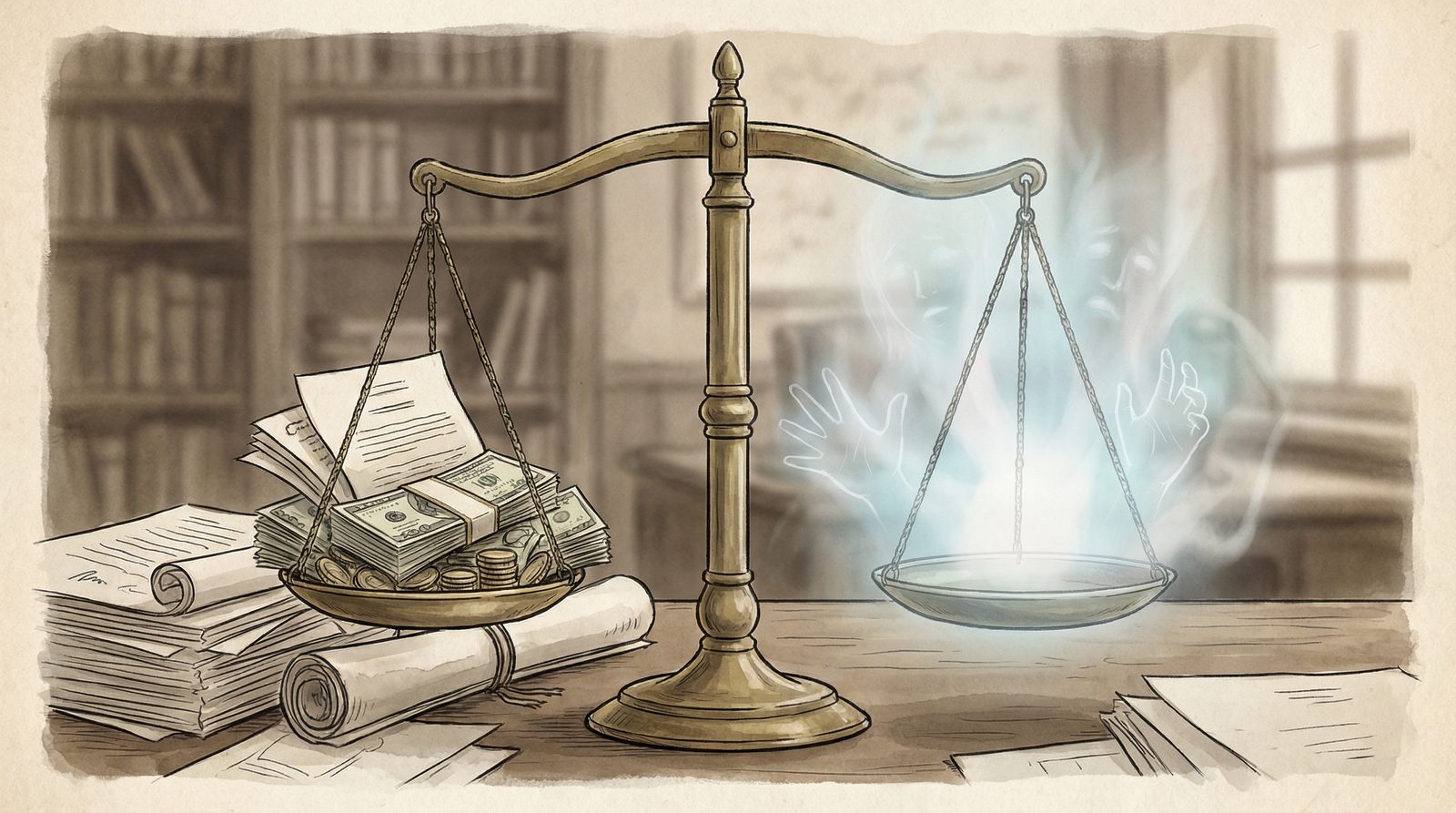
    Symbolic illustration inspired by 'Corrupt Justice And Supernatural Retribution'

    VARIATIONS & RELATED MOTIFS

    Corrupt Justice And Supernatural Retribution can take many shapes. One common variation is the personal curse, where a specific wronged person or group calls down punishment. In Thinner, the curse is intimate and targeted, tied to a single act of injustice and delivered by someone the protagonist wronged. This sits very close to Curses As Moral Punishment, where the curse itself is the moral argument.

    Another variation is the haunted institution. Instead of a single cursed person, the entire courthouse, prison, or police department becomes a site of retribution. Every time a corrupt verdict is handed down, something in the building responds. The supernatural force is less a character and more a climate of payback that hangs over the institution.

    There are also slow-burn karmic spirals, where no explicit ghost or demon appears. Instead, the universe itself seems to conspire against the corrupt: business deals implode, allies turn, accidents pile up in ways that look too pointed to be coincidence. It still feels like Corrupt Justice And Supernatural Retribution, just without a visible monster.

    This motif often intersects with other patterns. With Curses As Moral Punishment, it shares the idea of suffering as a lesson, but here the lesson is aimed at people who escaped formal consequences. With “deal with the devil” stories, it can flip the script: the corrupt person once benefited from a supernatural bargain, and now the bill comes due. In more psychological crime novels, the retribution can feel like the weight of accumulated guilt rather than literal magic.

    Writers return to Corrupt Justice And Supernatural Retribution because it lets them explore what happens when faith in institutions collapses. Whether the retribution comes from a curse, a demon, or a seemingly sentient run of bad luck, the message is the same: getting away with it in court is not the end of the story.

  • Curses As Moral Punishment

    Curses As Moral Punishment

    DEFINITION & CORE IDEA

    In the motif of Curses As Moral Punishment, a character is singled out by a supernatural force and punished specifically for a moral failing. The curse is not random bad luck. It is framed as justice, payback, or a lesson, often delivered by a wronged person, a vengeful spirit, or some cosmic law the character did not know they were breaking.

    This motif turns ethics into something with teeth. A lie, a hit-and-run, a cruel joke, a greedy wish, a broken promise – instead of being handled by courts or social fallout, these choices trigger a spell that warps the character’s body, life, or reality. In Thinner (1984) and its adaptation, the curse literally wastes the protagonist away as punishment for his crime. In Drag Me To Hell and Wishmaster, characters are condemned or twisted for selfish choices and careless cruelty.

    Writers use Curses As Moral Punishment when they want the story’s universe to feel like it has a conscience. The curse is a visible, often grotesque embodiment of guilt, hypocrisy, or corruption. It says: what you did matters so much that reality itself will not let it slide. Whether that feels fair, ironic, or horrifying is part of the tension that keeps readers hooked.


    HOW IT WORKS IN STORIES

    Curses As Moral Punishment usually starts with a transgression. Someone is wronged, a taboo is broken, or a character’s selfishness crosses a line. The story may linger on how “minor” the offense seems at first, which makes the later punishment feel shocking or darkly ironic. The curse is often delivered in a charged moment: a confrontation, a funeral, a refusal to help, a cruel decision made under pressure.

    Once the curse lands, the plot shifts into a mix of mystery, negotiation, and chase. The victim first dismisses what is happening as coincidence. As the pattern becomes undeniable, they scramble to understand the rules. Who cursed them? Why this specific punishment? Is there a loophole? In Thinner, the weight loss seems like a blessing before it becomes a death sentence. In Drag Me To Hell, the cursed character cycles through denial, bargaining, and desperate attempts to pass the doom onto someone else.

    The curse often escalates in stages. Each new symptom or setback forces the character to confront what they did and how far they are willing to go to escape consequences. They might try conventional fixes (doctors, lawyers, police) and find them useless against supernatural rules. This is where Curses As Moral Punishment overlaps with Corrupt Justice And Supernatural Retribution: once human systems fail or prove inadequate, something older and harsher takes over.

    Stories can play with responsibility and fairness. Sometimes the cursed person truly deserves it, and the narrative leans into grim satisfaction. Other times, the punishment is wildly excessive or falls on someone only partly at fault, raising questions about who gets blamed in a broken world. The climax often forces a choice: confess, sacrifice, pass the curse to someone else, or accept ruin. There is rarely a clean option.


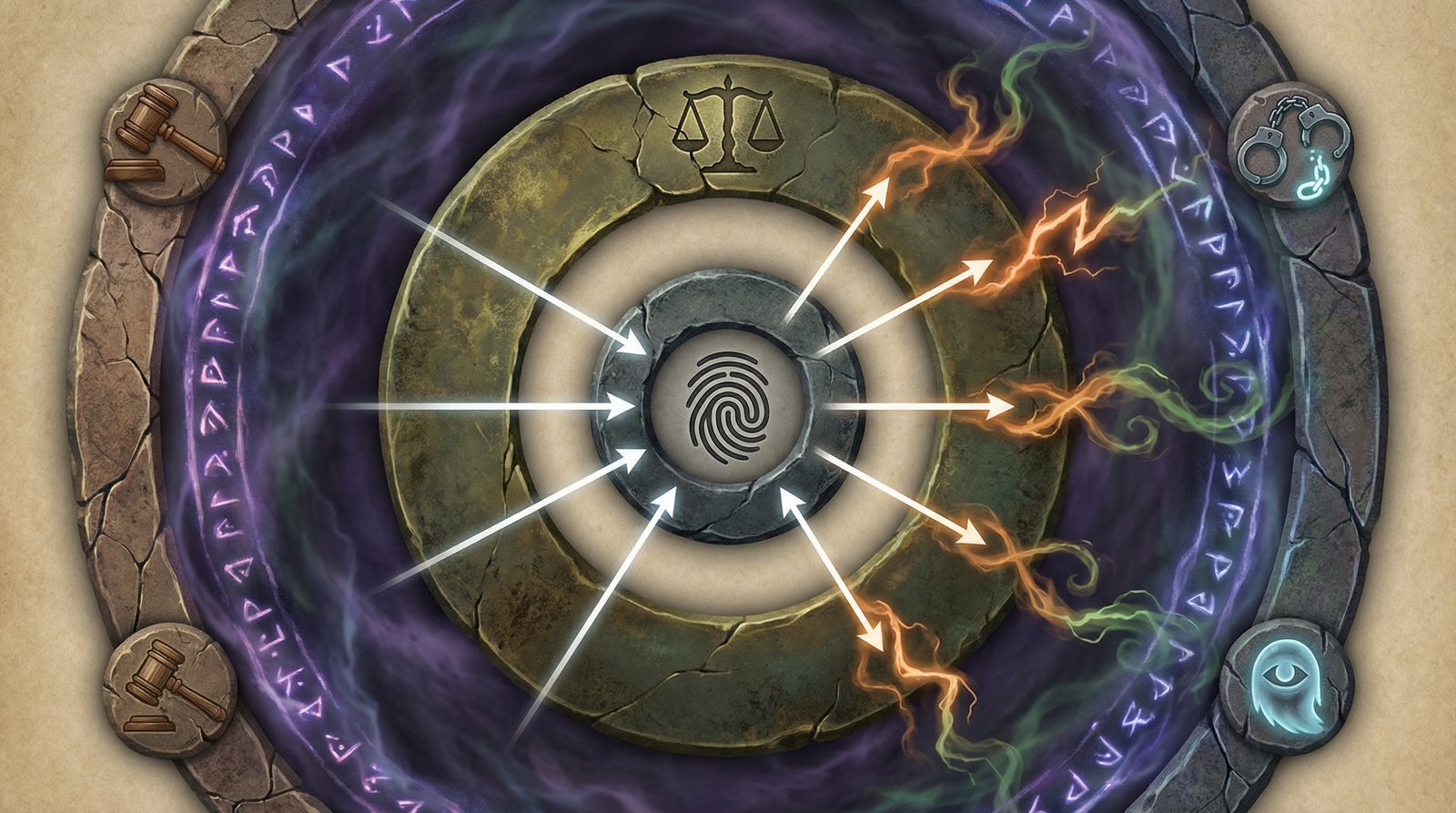
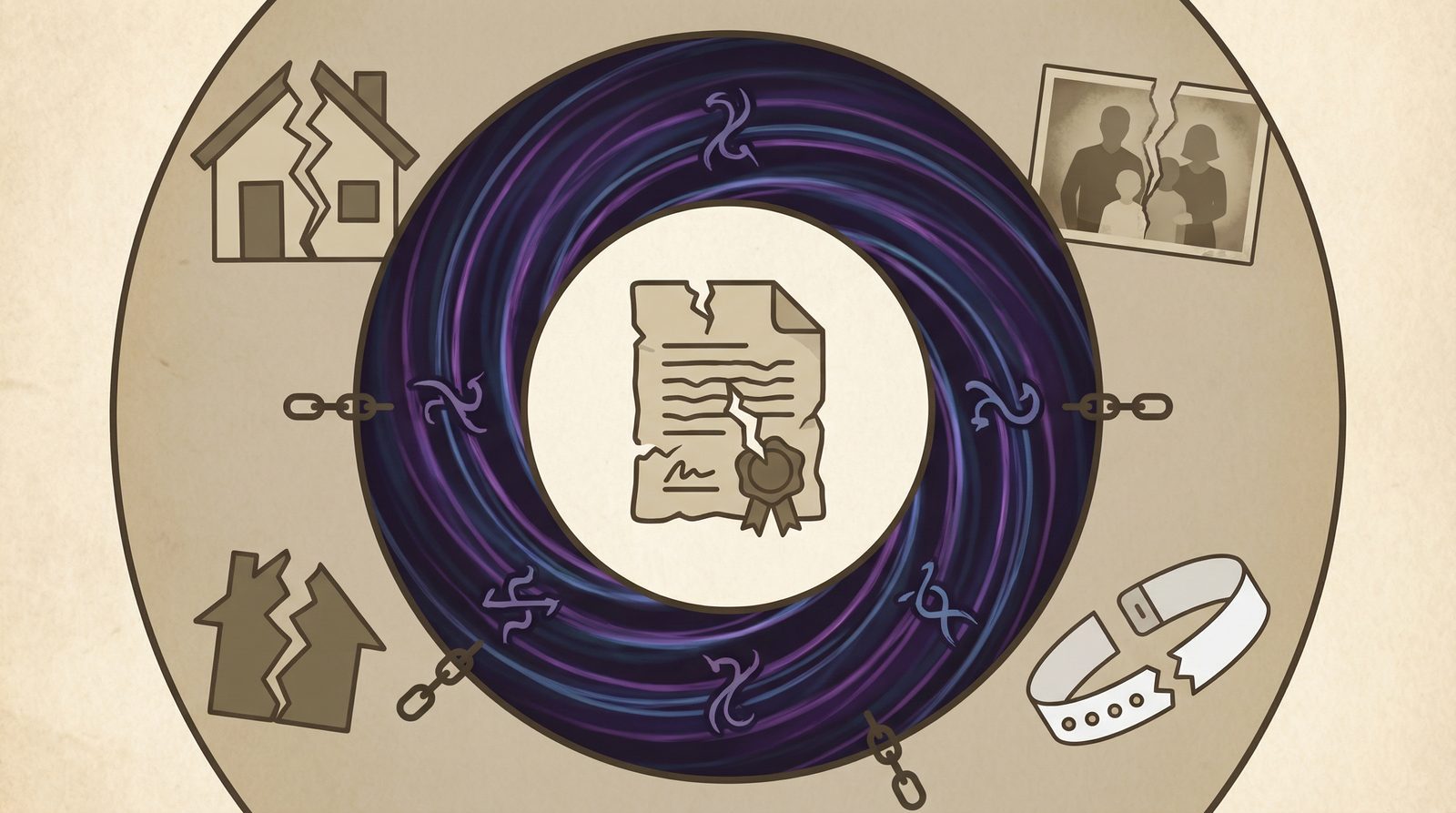
    Editorial illustration inspired by 'Curses As Moral Punishment'

    EMOTIONAL EFFECT ON THE READER

    Curses As Moral Punishment hits a nerve because it turns private guilt into something you cannot hide. The character’s secret or flaw is dragged into the open, often through their own body or their luck falling apart. Readers feel a mix of dread and voyeurism watching someone’s inner rot become visible. It taps into the childhood fear that if you do something bad, the universe will “get you” – only now it is literal and merciless.

    This motif also creates a nagging question: how much punishment is enough? As the curse unfolds, it invites readers to judge the character’s original sin and every choice they make afterward. There can be a grim satisfaction when a smug or cruel person finally faces consequences, as in parts of Wishmaster. At the same time, many stories lean into discomfort, making the punishment feel so extreme that we start to pity the cursed, even if they were wrong.

    Because the curse often cannot be solved by logic or force, there is a strong feeling of helplessness. The character is trapped in a moral maze where every exit demands a sacrifice. That claustrophobic tension is part of the appeal. Readers are pushed to imagine what they would confess, who they would sacrifice, or what they would endure to escape a similar fate. The result is horror that lingers as self-examination, not just jump scares.


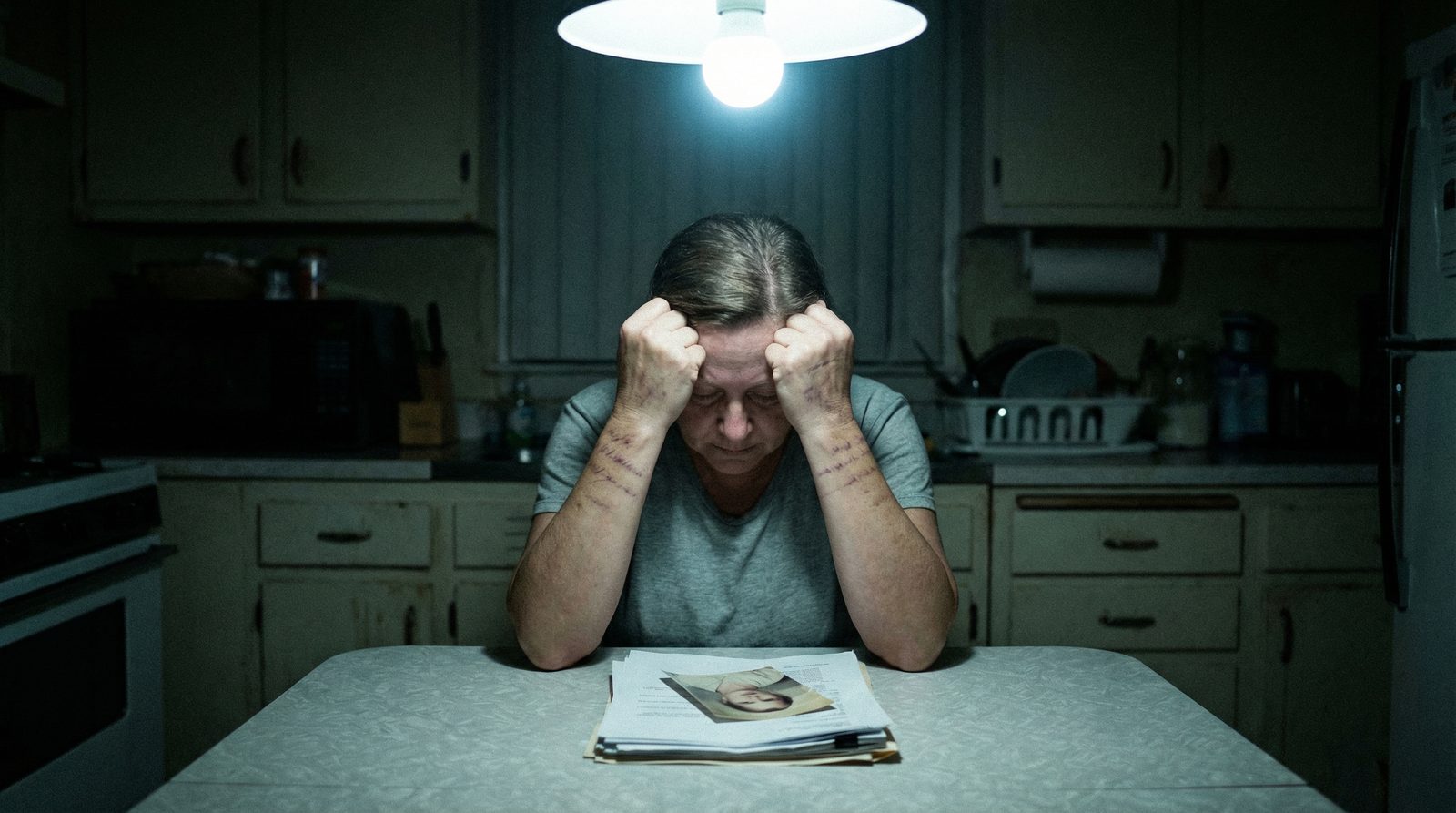
    Symbolic illustration inspired by 'Curses As Moral Punishment'

    VARIATIONS & RELATED MOTIFS

    Curses As Moral Punishment can take many forms. In some stories, the curse mirrors the crime: a liar finds their tongue twisting against them; a voyeur is forced to watch their own downfall; a hit-and-run driver’s body slowly deteriorates in a way that echoes their victim’s injuries. In others, the connection is more symbolic or ironic, like a greedy wish being granted in a way that ruins the wisher’s life in Wishmaster. The curse might be inherited, punishing descendants for an ancestor’s sin, or contagious, forcing the cursed to decide whether to infect someone else to survive.

    Another variation plays with whether the curse is truly “moral” or just vindictive. In Drag Me To Hell, part of the horror comes from how debatable the protagonist’s guilt is, and how merciless the supernatural response becomes. Some stories reveal that the curse-giver is corrupt or petty, twisting the motif into a critique of who gets to define morality in the first place.

    This motif often intersects with Corrupt Justice And Supernatural Retribution. When courts, police, or social systems fail, the curse steps in as a brutal stand-in for justice. It can also overlap with motifs like Faustian bargains, where the “punishment” is baked into the fine print of a wish, or with haunted objects, where using a cursed item triggers a tailored moral backlash.

    Writers can soften or sharpen the motif by adjusting the possibility of redemption. Some stories allow the cursed character to break the spell through sincere atonement, confession, or sacrifice. Others lock the rules so tightly that no apology can help, turning Curses As Moral Punishment into pure tragedy, where the lesson is not how to escape, but how a single choice can warp a life beyond repair.

  • Dystopian Game Shows

    Dystopian Game Shows

    DEFINITION & CORE IDEA

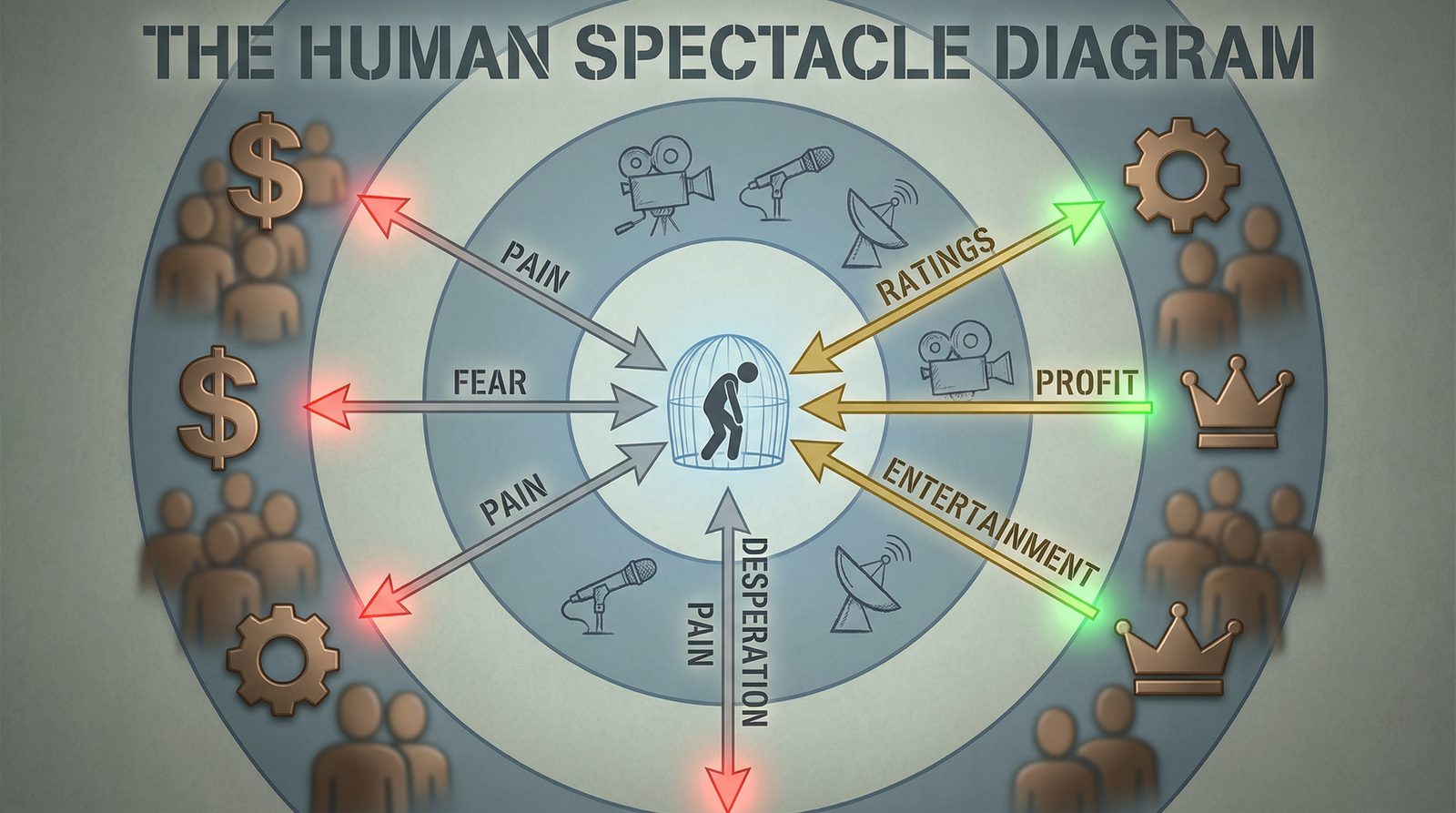
    Dystopian game shows are stories where a rigged contest, reality show, or televised event becomes a matter of life and death. The rules look like entertainment, but the stakes are survival. Contestants run obstacle courses that can kill them, answer questions under threat of punishment, or hunt and are hunted for the amusement of a distant audience. The game is usually controlled by a powerful government, corporation, or media empire that treats human beings as disposable content.

    Unlike simple arena battles, dystopian game shows lean on the language of TV and celebrity. The cruelty is wrapped in bright lights and canned applause. The Running Man, written under the name Richard Bachman, is a classic example, where a desperate man signs up for a lethal televised manhunt. The surface promise is money and fame; the underlying reality is systemic exploitation.

    Writers use this motif to ask how far a society will go when suffering becomes a product. The format is familiar enough to feel plausible, yet twisted enough to be horrifying. Dystopian game shows exaggerate trends in reality TV, social media, and advertising to show what happens when entertainment and cruelty fully merge. At its core, the motif is about people trying to stay human while the world insists they are just contestants.


    HOW IT WORKS IN STORIES

    In dystopian game show stories, the plot often begins with a rigged choice. The protagonist volunteers out of desperation, is coerced, or is randomly selected. Like the men in Richard Bachman stories such as The Running Man, they are usually ordinary or down-on-their-luck people, not trained warriors. The show offers them a miracle: money, freedom, or a chance to clear their name. The price is stepping into a game designed to break them.

    The narrative then moves into the preparation and staging of the show. We see contracts, waivers, and fine print. We meet the smirking host, the ruthless producer, the faceless executives. The world of the game is full of artificial sets, hidden cameras, and scripted moments. Even genuine danger is choreographed for maximum spectacle. The protagonist quickly discovers that the rules are flexible and always favor the house.

    Once the game begins, the story turns into a survival puzzle. Challenges are designed to pit contestants against each other, force betrayals, or tempt them with shortcuts that have hidden costs. The show’s audience becomes a character in its own right. The protagonist might gain sudden popularity, become a villain in the public eye, or be erased entirely if they stop being useful for ratings.

    Behind the spectacle, the plot often reveals a larger conspiracy or social rot. The game show might be a tool of social control, a distraction from political collapse, or a way to dispose of “undesirable” people. The climax usually involves one of three things: beating the game on its own terms, exposing it to the public, or refusing to play by its logic at all. Whether the character lives or dies, the story asks what it means to be real in a world that only values you as content.


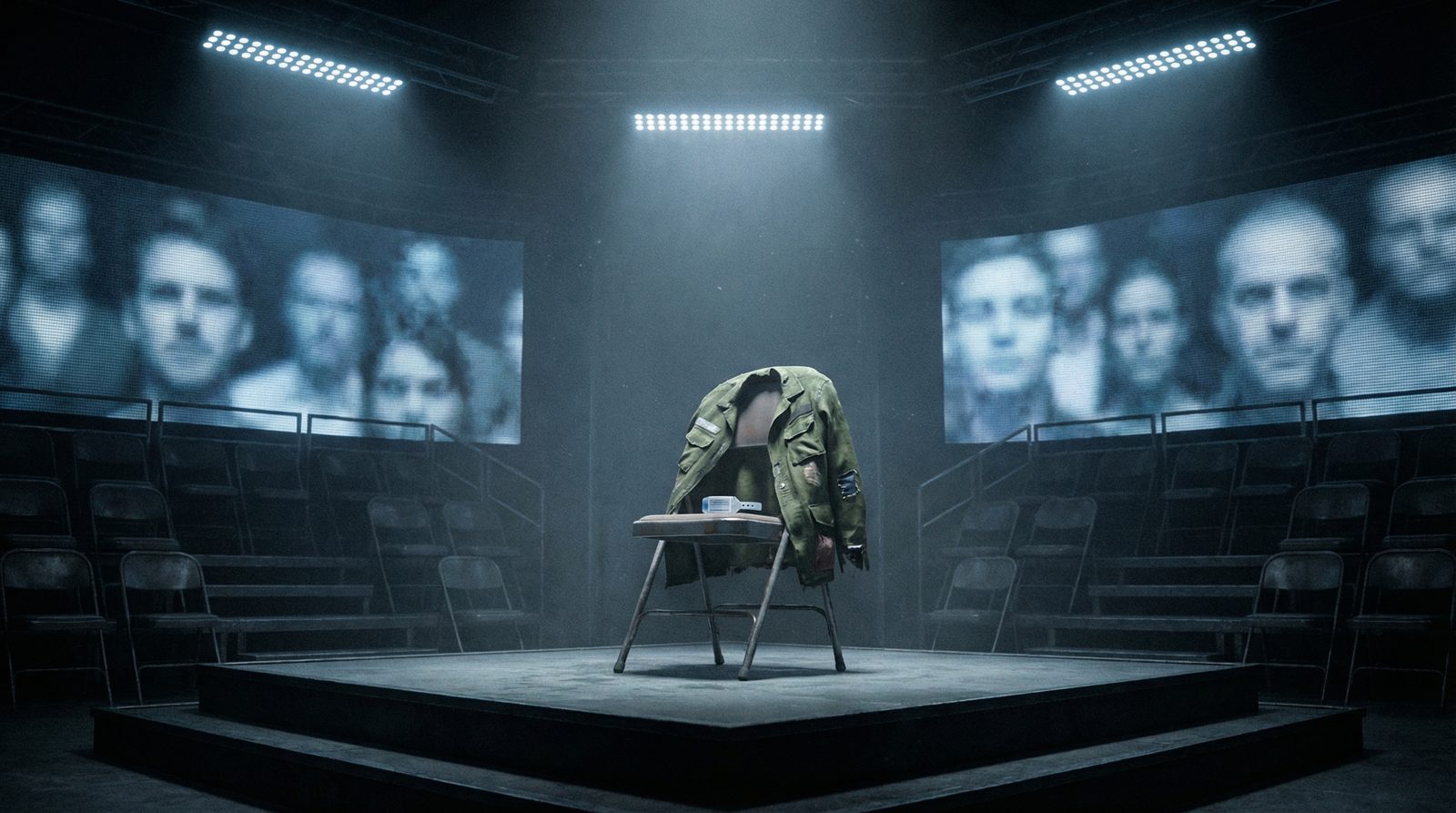
    Editorial illustration inspired by 'Dystopian Game Shows'

    EMOTIONAL EFFECT ON THE READER

    Reading dystopian game show stories often feels like watching a nightmare version of a reality show you half-recognize. There is a sickening mix of excitement and dread. The tension is not just “will they win,” but “how much of themselves will they have to lose to survive.”

    The motif taps into the uneasy feeling that our own media habits might be cruel. When a crowd in the story cheers for someone’s suffering, it is hard not to think of viral humiliation clips or scandal-driven news. That recognition can make the reader feel complicit, as if they are sitting in the studio audience, enjoying the show while knowing it is wrong.

    At the same time, there is often a strong emotional bond with the contestants. Their small acts of kindness, defiance, or humor stand out sharply against the artificial cruelty around them. Moments where characters refuse to betray each other, or choose dignity over survival, can hit harder precisely because the system is built to crush those choices. The result is a blend of adrenaline, anger, and a bruised kind of hope that someone will break the cycle, even if they pay for it.


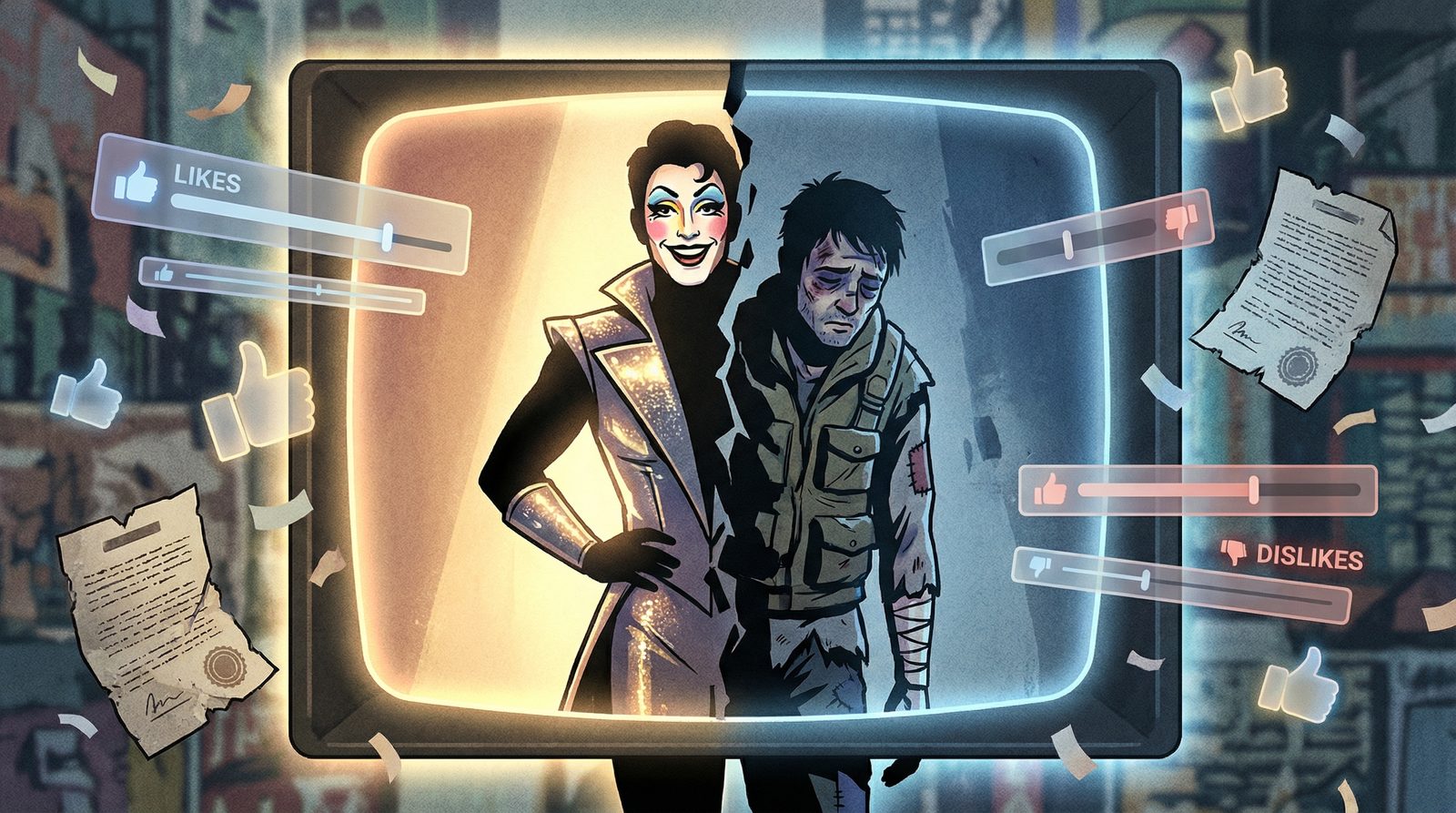
    Symbolic illustration inspired by 'Dystopian Game Shows'

    VARIATIONS & RELATED MOTIFS

    Dystopian game shows can take many forms. Some stories focus on physical combat, turning the show into a gladiator arena with cameras. Others use puzzles, social manipulation, or moral dilemmas as the core challenge. A contestant might have to choose which loved one gets saved on live TV, or decide whether to expose a secret that will ruin innocent people. The tone can range from grimly realistic to darkly comic, with some works leaning hard into satire about advertising, celebrity culture, or class.

    There are also variations in how much the outside world matters. In some stories, the game is a closed bubble, and we only see what the cameras see. In others, the world beyond the show is just as bleak: the game is not an exception but a symptom of a larger sickness. The show becomes a pressure valve for a society that has already decided which lives are expendable.

    This motif overlaps strongly with Ordinary People In Extreme Situations. The contestants are rarely superheroes; they are regular citizens pushed into a twisted system. It can also intersect with motifs about the commodified body, survival as performance, or fame as a double-edged sword. A character might gain celebrity status while being slowly destroyed by the very show that made them famous.

    Some stories end with the game continuing, unchanged, emphasizing how hard it is to fight a system that turns everything into a show. Others let a single act of defiance ripple outward, inspiring viewers or exposing the truth. Either way, dystopian game shows linger because they feel uncomfortably close to the world we already live in, just pushed a few notches further past the point of no return.