Country: United States

  • Blackwater: The Complete Caskey Family Saga (1983)

    Blackwater: The Complete Caskey Family Saga (1983)

    By: Michael McDowell
    Genre: Horror, Southern Gothic, Family Saga
    Country: United States


    INTRODUCTION

    Originally published in six slim volumes in 1983 and now often collected as Blackwater: The Complete Caskey Family Saga, this is McDowell’s masterpiece of scale. Set in the town of Perdido, Alabama, from the 1910s through the late 20th century, it follows the wealthy Caskey family and the mysterious Elinor Dammert, a woman rescued from a flood who may not be entirely human.

    Blackwater is part river myth, part dynastic drama. Over hundreds of pages it tracks marriages, births, betrayals, and deaths as the Caskeys consolidate power, all under the shadow of the Blackwater River and Elinor’s strange influence. It is the fullest expression of McDowell’s obsession with Trauma as Inheritance and Domestic Vulnerability as Horror.

    PLOT & THEMES

    The saga begins with a catastrophic flood that nearly destroys Perdido. As the waters recede, a young woman named Elinor is found trapped in the hotel, calm and composed. She soon marries into the Caskey family and quietly starts reshaping their fortunes. The six volumes – The Flood, The Levee, The House, The War, The Fortune, and Rain – move through decades of economic booms and busts, wars, personal tragedies, and increasingly uncanny events.

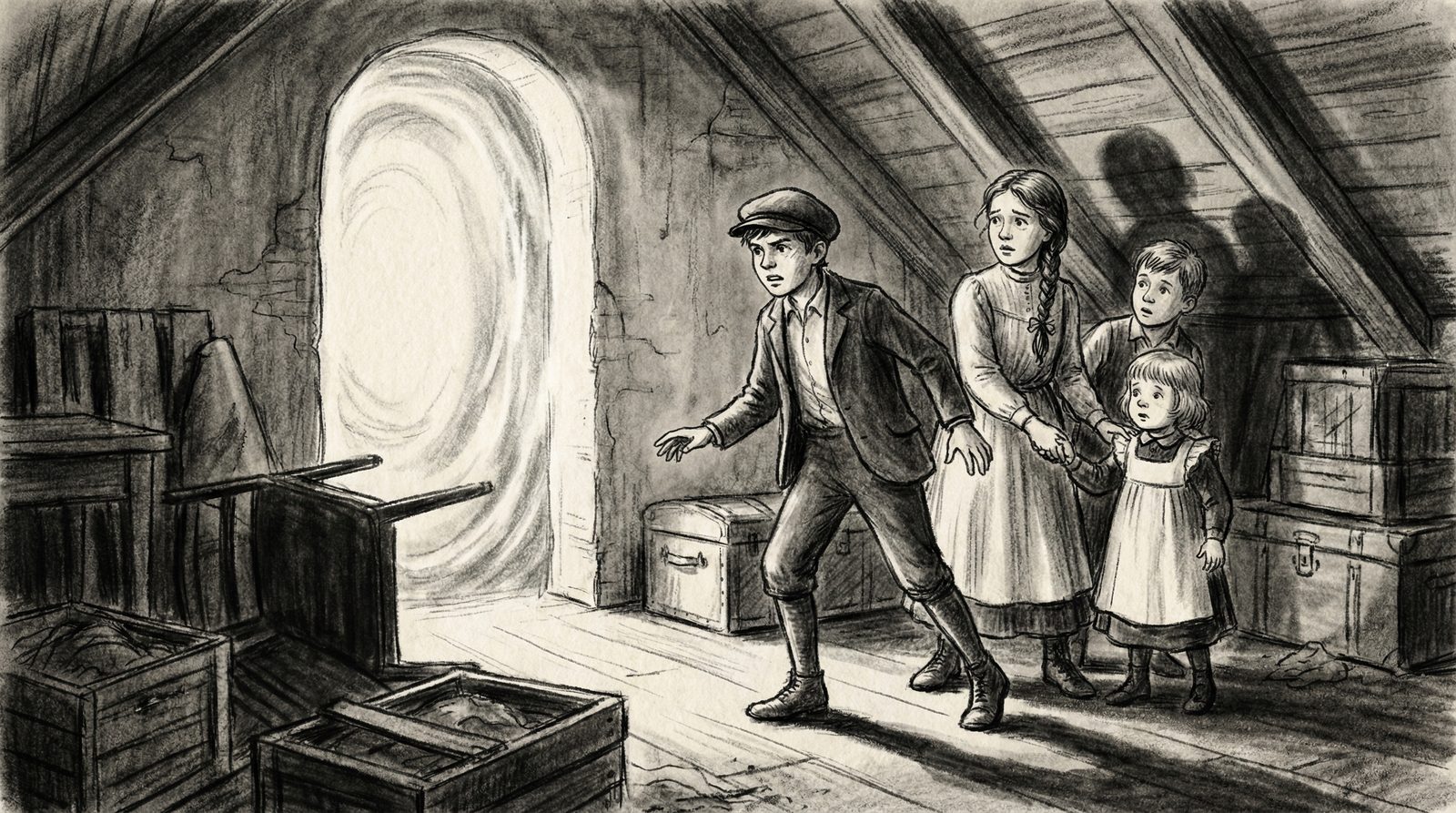
    Conceptual editorial illustration inspired by 'Blackwater the complete caskey family saga'
    Conceptual editorial illustration inspired by ‘Blackwater the complete caskey family saga’

    Thematically, Blackwater is about power: who wields it, who pays for it, and what it costs to keep it in the family. The Caskeys are not simply victims of a supernatural force. They benefit enormously from Elinor’s presence, even as they fear her. The river becomes a metaphor for both livelihood and doom, echoing motifs like Survival Narratives and the tension between prosperity and moral rot.

    Another thread is time. Because the saga spans generations, you see characters grow from children into embittered elders, and you watch grudges outlive the people who started them. It is one of the clearest fictional demonstrations of how family systems perpetuate themselves, for good and ill.

    STYLE & LANGUAGE

    Despite its length, Blackwater reads fast. McDowell writes each segment like a serialized television season: sharp hooks, cliffhangers, and payoffs, but with the same calm, controlled prose found in The Elementals. He sprinkles the supernatural elements lightly at first, allowing the family drama and economic maneuvering to carry the narrative until the reader is fully invested.

    The tone shifts subtly as the decades roll on. Early volumes feel almost like historical melodrama with hints of folk horror. Later installments grow stranger and more melancholy, as the cost of the Caskeys’ deal with the river catches up to them. McDowell’s ability to keep so many characters distinct while maintaining a clean line of tension is impressive.

    CHARACTERS & INTERIORITY

    Elinor is one of horror’s great ambiguous figures: loving mother, ruthless strategist, possible river creature. She embodies both The Double Self and The Witness archetypes, standing slightly outside human concerns while still caring intensely about her chosen family. The various Caskeys – matriarch Mary-Love, her son Oscar, and their descendants – are drawn with a soap-opera richness that never feels cheap.

    What makes the relationships compelling is their complexity. McDowell allows characters to be petty, generous, cruel, and tender in turn. Marriages shift, alliances realign, and children struggle under the weight of expectations they did not choose. This is Trauma as Inheritance not just in a supernatural sense but in the very ordinary ways families pass down unfinished business.

    Illustration of a core idea or motif from 'Blackwater the complete caskey family saga'
    Illustration of a core idea or motif from ‘Blackwater the complete caskey family saga’

    LEGACY & RECEPTION

    Blackwater occupies a strange but fascinating place in horror history. It was originally a mass-market experiment in serialized paperback publishing, then fell out of print, and has since been reclaimed as a cult classic. Modern readers often discover it through reissues that present the whole saga in one volume, which highlights how ahead of its time it was in blending family saga with supernatural horror.

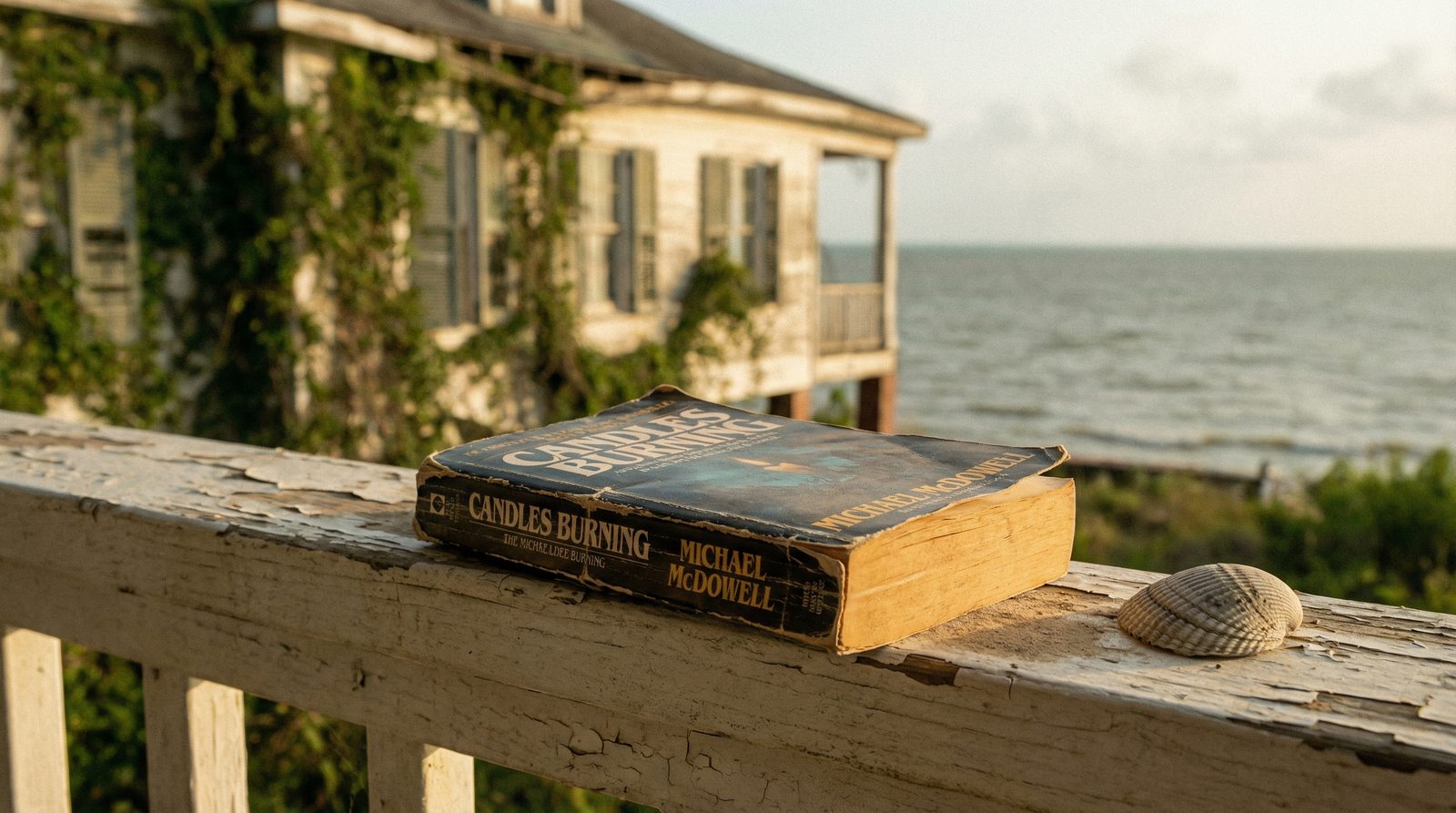
    Its influence can be felt in later works about cursed dynasties and haunted towns, as well as in television that treats horror as a generational affair. For anyone mapping Southern Gothic across media, Blackwater is a cornerstone text alongside The Elementals and Candles Burning.

    IS IT WORTH READING?

    If you can commit to the length, Blackwater is one of the richest horror reading experiences available. It rewards patient readers with an immersive sense of place and character, and its horror accumulates quietly until the river and the family feel inseparable. Start here if you love sprawling multi-book epics and want to see McDowell at his most ambitious.

    SIMILAR BOOKS

    Readers who enjoy this blend of family saga and horror should explore The Elementals for a more concentrated take on haunted houses and legacy, and Cold Moon Over Babylon for a shorter, river-driven ghost story. Candles Burning offers a related mix of Southern family secrets and the supernatural, filtered through a single protagonist’s perspective.

    DISCOVERABILITY & LINKS

  • The Elementals (1981)

    The Elementals (1981)

    By: Michael McDowell
    Genre: Horror, Southern Gothic
    Country: United States


    INTRODUCTION

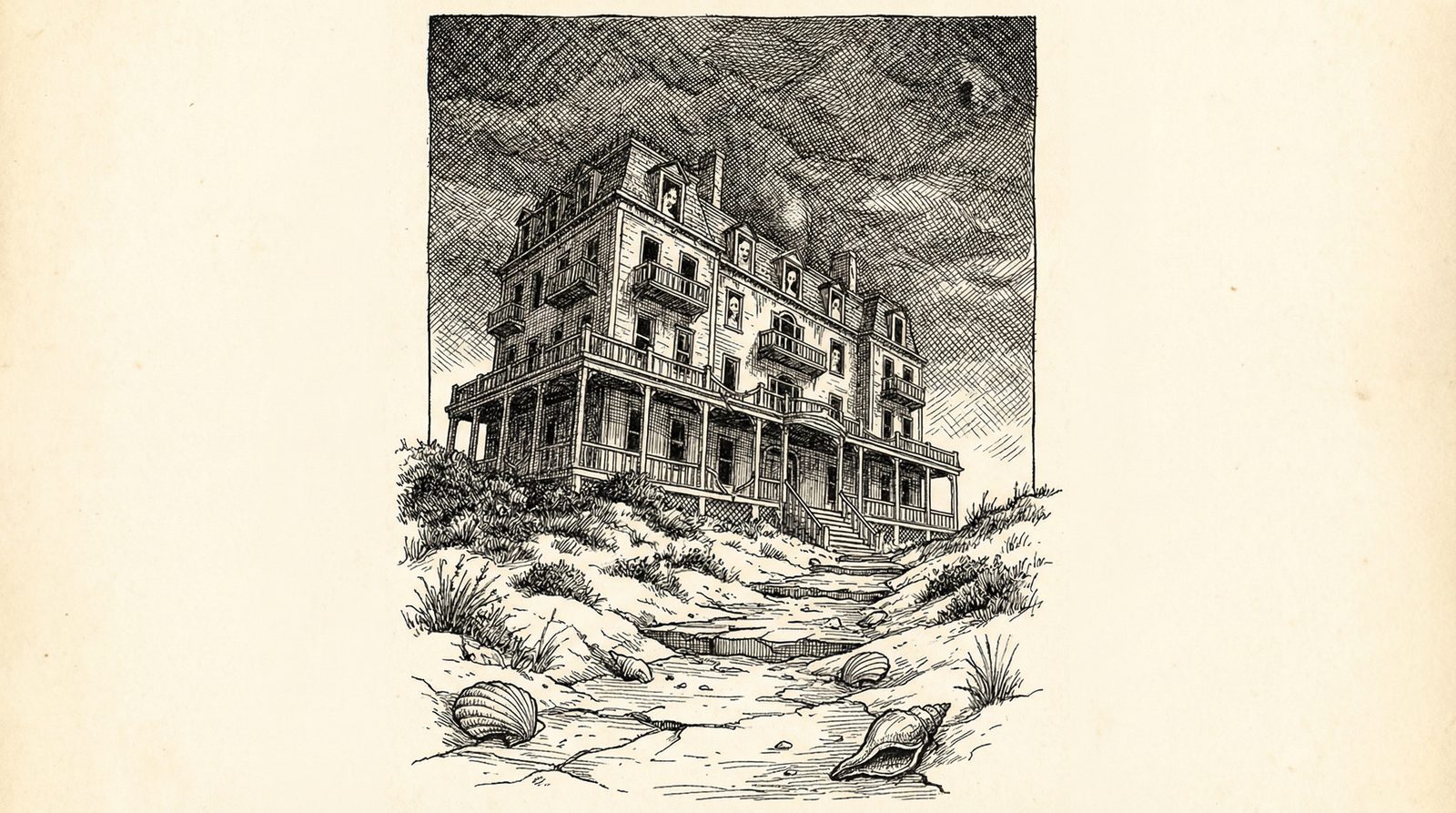
    The Elementals (1981) is the book that turned McDowell from a strong paperback horror writer into a cult legend. Two old Southern families, the Savages and the McCrays, retreat to their summer houses on the isolated Alabama coast to mourn a death. There, they confront a third house partially buried by sand – a structure that may or may not be empty.

    It is a slow, suffocating novel that treats the haunted house as a living, hungry presence and family tradition as a kind of curse. The book crystallizes motifs like Domestic Vulnerability as Horror and Trauma as Inheritance more cleanly than almost anything else in McDowell’s catalog.

    PLOT & THEMES

    After the funeral of Marian Savage, the extended family heads to Beldame, their cluster of Victorian houses on the Gulf. Two houses are occupied. The third, House Three, is abandoned and steadily being swallowed by sand. Young India McCray becomes fascinated by it, sensing both danger and invitation. Strange figures are glimpsed in the windows. Sand appears in places it should not.

    The plot moves slowly, drifting between lazy vacation scenes, family arguments, and increasing incursions from House Three. As the book unfolds, it becomes clear that the families have lived with this horror for generations, building traditions and taboos around it rather than confronting it. That secrecy is the true engine of the story.

    Thematically, the novel is about denial. The adults embody Identity Collapse in Isolation, living half in the present and half in inherited scripts. India, by contrast, is curious and resistant, closer to The Reclaimer archetype. The Elementals themselves are barely explained, which keeps the focus on how humans respond to them rather than on lore.

    STYLE & LANGUAGE

    McDowell’s prose here is patient and confident. He lets whole chapters go by with nothing more violent than a family meal or a beach excursion, trusting that the buried house and creeping sand are enough to keep tension simmering. The descriptions of heat, wind, and isolation are so precise that you can almost feel the grit between your teeth.

    Crucially, the horror is described in the same matter-of-fact tone as the domestic scenes. When the book finally delivers its most disturbing images, they land hard because they feel like a natural extension of the same physical world. That restraint and commitment to realism make the hauntings here some of the most effective in modern horror.

    Conceptual editorial illustration inspired by 'the elementals'

    CHARACTERS & INTERIORITY

    India is one of McDowell’s finest protagonists: bright, prickly, and not easily scared in the conventional sense. She is caught between generations, watching the adults around her drink, snipe, and retreat into old roles. Her relationship with her father, Luker, and with the eccentric Adele Savage gives the novel its emotional shape.

    The adults are at once sympathetic and frustrating. They refuse to talk openly about the Elementals, which is both a survival tactic and a form of cowardice. This dynamic is a textbook example of Trauma as Inheritance: the previous generation survives something terrible and then fails to equip the next generation with the knowledge they need, passing along fear instead of tools.

    LEGACY & RECEPTION

    The Elementals has become a key text in modern Southern Gothic, mentioned alongside works like Blackwater whenever critics talk about drowned towns, haunted houses, and family ghosts. It is frequently recommended as an entry point for readers curious about McDowell and has influenced a long list of later coastal and house-centric horror novels.

    Its reputation has grown significantly since its initial paperback run, thanks in part to reissues and championing by contemporary writers. When people talk about “quiet horror” or atmosphere-driven dread, this is often the book they have in mind.

    IS IT WORTH READING?

    Yes – if you read only one McDowell novel, it should probably be The Elementals. The pacing is measured, so readers who want constant jump scares may find it slow, but the payoff is immense if you like lingering, uncanny atmosphere. It also connects cleanly to the rest of his work, making it a perfect hub text before diving into Cold Moon Over Babylon or the much longer Blackwater.

    Illustration of a core idea or motif from 'the elementals'

    SIMILAR BOOKS

    For more coastal and house-based horror, Candles Burning brings a similar sense of Southern atmosphere and haunted family legacy. Readers who enjoy multi-generational sagas with eerie settings should look at Blackwater: The Complete Caskey Family Saga. Outside McDowell’s own work, this novel pairs well with other haunted house classics and modern Southern Gothic, especially books that treat place as a living character.

    DISCOVERABILITY & LINKS

  • Cold Moon over Babylon (1980)

    Cold Moon over Babylon (1980)

    By: Michael McDowell
    Genre: Horror, Southern Gothic
    Country: United States


    INTRODUCTION

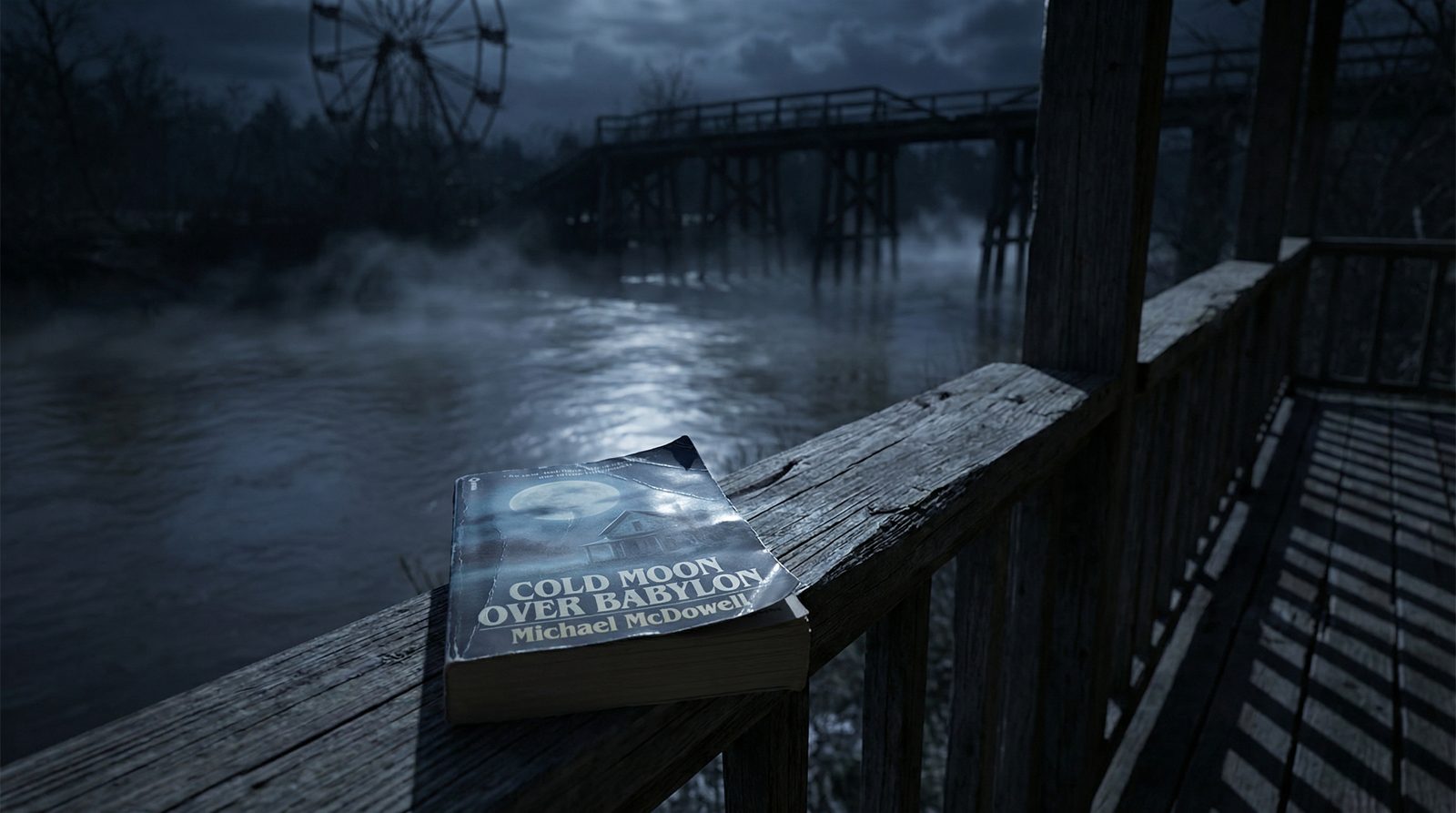
    Cold Moon Over Babylon (1980) is McDowell’s river book, a story where grief and revenge seep out of the Florida wetlands. After a young girl named Margaret Larkin is murdered, something rises from the Styx River to avenge her, and the town of Babylon discovers that the dead do not always stay still. It is one of McDowell’s purest ghost stories and one of his most emotionally direct novels.

    Where The Amulet is jagged and angry, Cold Moon Over Babylon is mournful. It leans into the motif of Trauma as Inheritance, but here the trauma belongs to a family trying to survive poverty, corruption, and divine indifference. The book feels like a bridge between pulp revenge horror and the more elegiac tone of The Elementals.

    PLOT & THEMES

    The Larkin family runs a struggling farm in Babylon. When teenage Margaret is found dead in the river, her grandmother Evelyn and brother Jerry are left shattered and nearly destitute. The town’s powerful families – who control the local economy and politics – close ranks. The official investigation is half-hearted at best, openly corrupt at worst.

    Then strange things start happening along the Styx. Lights in the water. Cold spots. Apparitions. The haunting escalates into a series of set pieces where guilty parties are stalked by what seems to be Margaret’s vengeful ghost. These scenes are structured almost like morality plays, but McDowell complicates the satisfaction of revenge by showing the ongoing suffering of those who loved her.

    The central themes are justice, class, and the cost of ignoring the vulnerable. Margaret is an example of The Erased Girl: a young woman dismissed by the town while alive and transformed into a terrifying symbol once dead. Babylon’s elites treat her family as disposable, and the haunting reads like the landscape itself refusing that verdict.

    PROSE & NARRATIVE STRUCTURE

    McDowell’s prose here is evocative without ever becoming purple. The river scenes are vivid, humid, and strangely beautiful, even as terrifying things happen on the water. He uses repetition – the steady return to the Styx, the recurring image of the cold moon – to create an almost ritual rhythm. You feel the cycles of tide and night as strongly as the rising panic.

    The pacing alternates between quiet domestic moments and explosive supernatural events. This contrast keeps the book from becoming simple revenge fantasy. The Larkins’ financial struggle and emotional collapse play out in scenes that would be compelling even without ghosts, and that realism grounds the surreal horror.
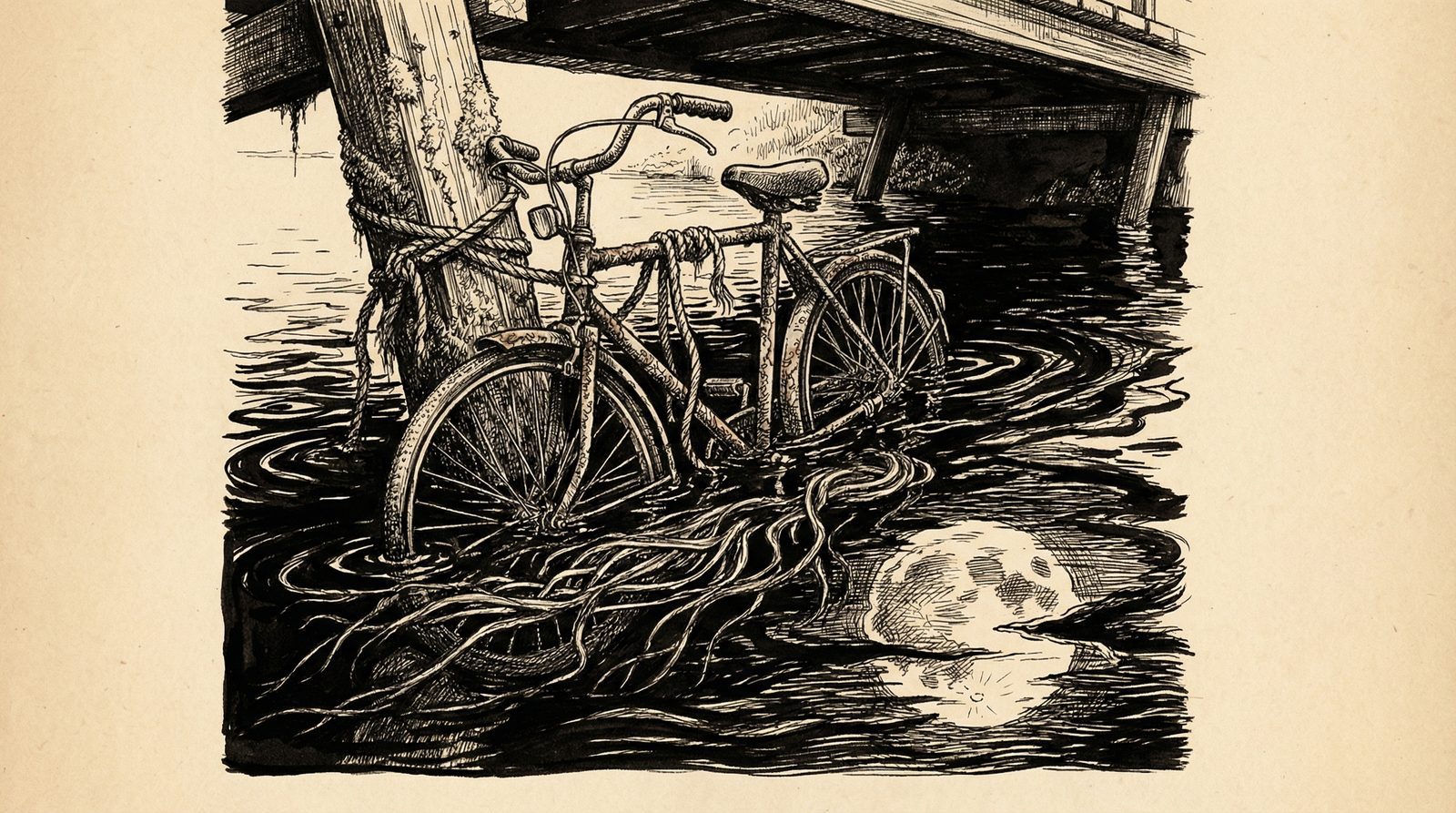
    Conceptual editorial illustration inspired by 'cold moon over babylon'

    CHARACTERS & INTERIORITY

    Evelyn Larkin is the heart of the novel: a grandmother clinging to dignity as her world falls apart. She embodies the archetype of The Witness, someone who survives long enough to see the truth but pays for that knowledge with isolation and grief. Jerry, Margaret’s brother, carries a different kind of weight – he is a teenager asked to become an adult overnight, and his helpless anger directs much of the book’s emotional charge.

    The antagonists are not monsters but businessmen, sheriffs, and pillars of the community. That choice underlines McDowell’s recurring interest in Domestic Vulnerability as Horror: the institutions that should protect you are the ones that failed you, so the only remaining justice comes from something older and less merciful than law. The relationships between families, churches, and local power structures feel painfully plausible.

    LEGACY & RECEPTION

    Cold Moon Over Babylon sits comfortably beside other American rural horror of the period, but McDowell’s Southern specificity sets it apart. The book engages quietly with themes of agricultural collapse, the fragility of small landowners, and the way wealth concentrates in a few hands. It is also one of his clearest explorations of Survival Narratives, even when that survival is more spiritual than economic.

    The novel has had a slower burn in terms of reputation than The Elementals, but modern reissues have helped cement it as one of McDowell’s finest works. Its recent film adaptation under the shorter title Cold Moon has also introduced the story to new viewers, even if the book remains the deeper and more resonant version.

    IS IT WORTH READING?

    Absolutely. If you want one McDowell novel that combines emotional heft with classic ghost story pleasures, Cold Moon Over Babylon is a prime candidate. It is less baroque than Blackwater and more focused than Candles Burning, making it a strong entry point for readers who like their horror both sad and sharp.
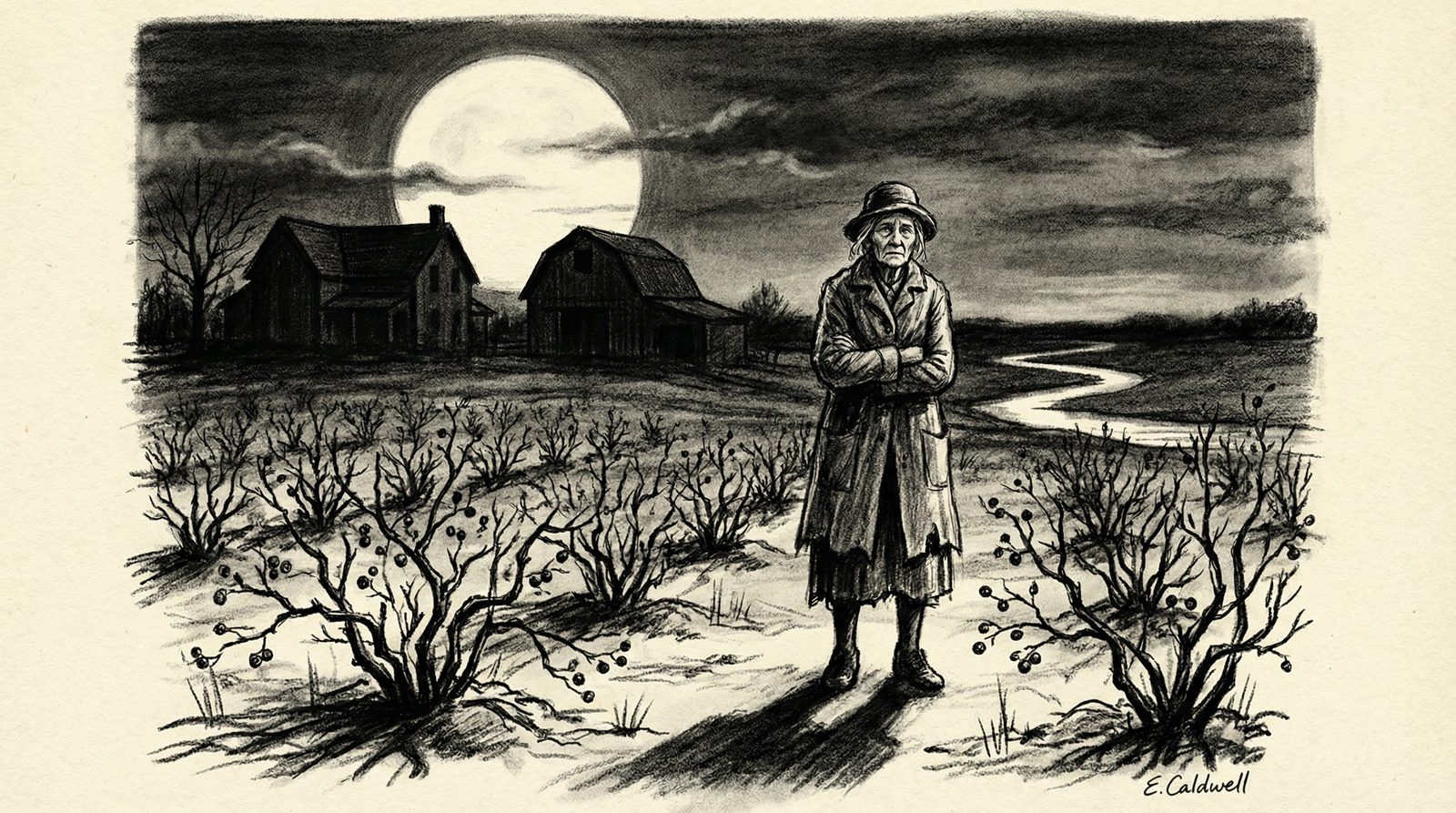
    Illustration of a core idea or motif from 'cold moon over babylon'

    TRIVIA & AUTHOR FACTS

    Michael McDowell was a prolific writer, juggling paperback originals, screenplays, and tie-ins with an almost workmanlike discipline. A native of Alabama, he knew the Deep South’s humid landscapes and social hierarchies from the inside, which shows in the way Babylon’s church ladies, sheriffs, and bankers move through the book. He reportedly loved physical ephemera-old documents, photographs, legal records-and that archival obsession seeps into cold moon over babylon through its snippets of testimony and local history. The novel’s focus on a failing blueberry farm was unusual in horror at the time; McDowell gives as much attention to irrigation, crop yields, and bank notes as to ghosts. He later wrote screenplays and teleplays, but his paperback horror has outlived much of the era’s more hyped work, kept alive by readers who pass dog-eared copies along like a secret. His early death in the 1990s cut short a career that was still evolving.

    SIMILAR BOOKS

    Readers drawn to river and marsh settings will likely enjoy The Elementals, with its decaying beach houses and encroaching sand. For more multi-generational dread and small-town politics, Blackwater offers a much larger canvas. If you are interested in how McDowell’s themes translate into collaboration, Candles Burning continues his fascination with murdered children, inheritance, and Southern justice.

  • The Amulet (1979)

    The Amulet (1979)

    By: Michael McDowell
    Genre: Horror, Southern Gothic
    Country: United States


    INTRODUCTION

    The Amulet (1979) is Michael McDowell’s debut novel and a mission statement for everything he would do later. Set in the small Alabama town of Pine Cone, it follows Sarah Howell as she watches a mysterious charm move from hand to hand, turning ordinary objects into engines of gruesome death. Beneath the splatter, the book is about resentment, economic stagnation, and how a community quietly decides who deserves to suffer.

    Already you can see McDowell’s fixation on cursed domestic life: the story is less about the amulet itself and more about how hatred travels through families and neighbors. Readers who later love Cold Moon Over Babylon or The Elementals will recognize the seeds of Trauma as Inheritance and Domestic Vulnerability as Horror already taking root.

    PLOT & THEMES

    The novel begins with a factory accident that leaves Sarah’s husband, Dean, grotesquely maimed and comatose. Dean’s mother, Jo Howell, is bitter, controlling, and obsessed with punishing everyone she imagines wronged her son. When a sinister amulet comes into her possession, Jo starts passing it along as a “gift”. Wherever it goes, bizarre and violent deaths follow: a gun range, a beauty pageant, a seemingly quiet home. Each new victim is tied back to Pine Cone’s gossip, grudges, or petty power plays.

    The horror is structured almost like a chain letter. McDowell cycles through different households and workplaces, showing how a small town is stitched together by class resentment, racism, and fear. The amulet does the killing, but the town supplies the motive. This is a textbook example of Trauma as Inheritance: old anger is handed down, objectified, and weaponized until it consumes everyone in reach.

    Another key thread is complicity. Sarah is not a typical Final Girl. She is exhausted, broke, and trapped between a monstrous mother-in-law and a husband who was never much of a prize. Pine Cone itself becomes a character, a place where people know something is wrong and mostly choose to look away. The town’s refusal to intervene, even as the body count rises, is what pulls this into the realm of domestic-political horror rather than just a curse story.

    STYLE & LANGUAGE

    McDowell writes in brisk, clear prose that never slows down to admire itself. The sentences are lean, the chapters short, and the deaths described with a chilly matter-of-factness that makes them feel nastier than purple description ever would. His background in Southern life and funerary culture shows up in the details: the rituals around accidents, the formal language of condolences, the way a town crowds in and then pulls away from tragedy.

    The book slides effortlessly between viewpoints, giving each victim just enough depth that their fates sting. There is a pulpy pleasure in the outrageous set pieces, but McDowell’s control keeps the novel from tipping into parody. The tone is closer to angry social realism with supernatural teeth than to camp. This balance between swift plotting and emotional specificity is part of what later makes Blackwater and Candles Burning so effective.

    Conceptual editorial illustration inspired by 'the amulet'

    CHARACTERS & RELATIONSHIPS

    Sarah is an early version of the McDowell heroine: intelligent, limited in obvious power, and forced to navigate a hostile domestic landscape. Her relationship with Jo is the book’s real center. Jo is not a cackling witch so much as a recognizable type from small-town life, a woman whose world has narrowed to grudges and control. Through their clash, McDowell sketches a generational conflict where the younger woman wants a life beyond the town and the older one would rather see everything burn than lose control.

    Secondary characters – town officials, co-workers, gossipy neighbors – are sketched with quick, memorable strokes. Many of them embody Identity Collapse in Isolation: people whose lives are so small and boxed in that when horror touches them, they have nothing to fall back on. The amulet doesn’t just kill them physically. It exposes how little room they had to be anything but victims in the first place.

    CULTURAL CONTEXT & LEGACY

    Released at the end of the 1970s paperback boom, The Amulet is very much a product of its era, yet it has aged better than many of its contemporaries. Its focus on economic frustration, toxic nostalgia, and small-town rot feels surprisingly current. You can see why McDowell would later be tapped for projects like Beetlejuice and why The Elementals has become a cult classic: he understood how to make local, specific horror feel mythic.

    For readers tracing McDowell’s career, this is where to start. It shows his early interest in Domestic Vulnerability as Horror and the way household objects, marriages, and mother-in-law jokes can become genuinely terrifying. It is rougher than later work, but the voice is already there – calm, ruthless, and deeply attuned to how ordinary people live with quiet rage.

    Illustration of a core idea or motif from 'the amulet'

    IS IT WORTH READING?

    If you are interested in the roots of modern Southern Gothic horror, The Amulet is essential. It is nasty in places, but never senselessly so, and beneath the shocks there is a serious interest in how communities decide who matters. Start here if you want to see McDowell in raw form before moving to the more expansive dread of Cold Moon Over Babylon or the spectral coastal decay of The Elementals.

    SIMILAR BOOKS

    If you like The Amulet, you may also appreciate the rural grief and supernatural vengeance of Cold Moon Over Babylon, the multi-generational river saga in Blackwater: The Complete Caskey Family Saga, and the haunted family narrative of Candles Burning. All of them develop the same obsessions with cursed inheritance, suffocating towns, and the quiet horror of being stuck where you were born.

    DISCOVERABILITY & LINKS

  • Future Shock as Transformation

    Future Shock as Transformation

    WHAT THIS MOTIF MEANS

    Future Shock as Transformation is the moment when rapid change — technological, environmental, social, or emotional — forces characters to evolve faster than they can comfortably handle. Instead of treating the future as a distant horizon, this motif pushes it directly into everyday life. The shock isn’t just external; it penetrates the psyche, reshaping identity and worldview in real time.

    The motif originates in the idea that when change outpaces the human nervous system, it produces disorientation, vulnerability, and heightened perception. In fiction, that pressure becomes catalytic: characters adapt, collapse, or transform under forces they can’t slow down.


    HOW IT WORKS

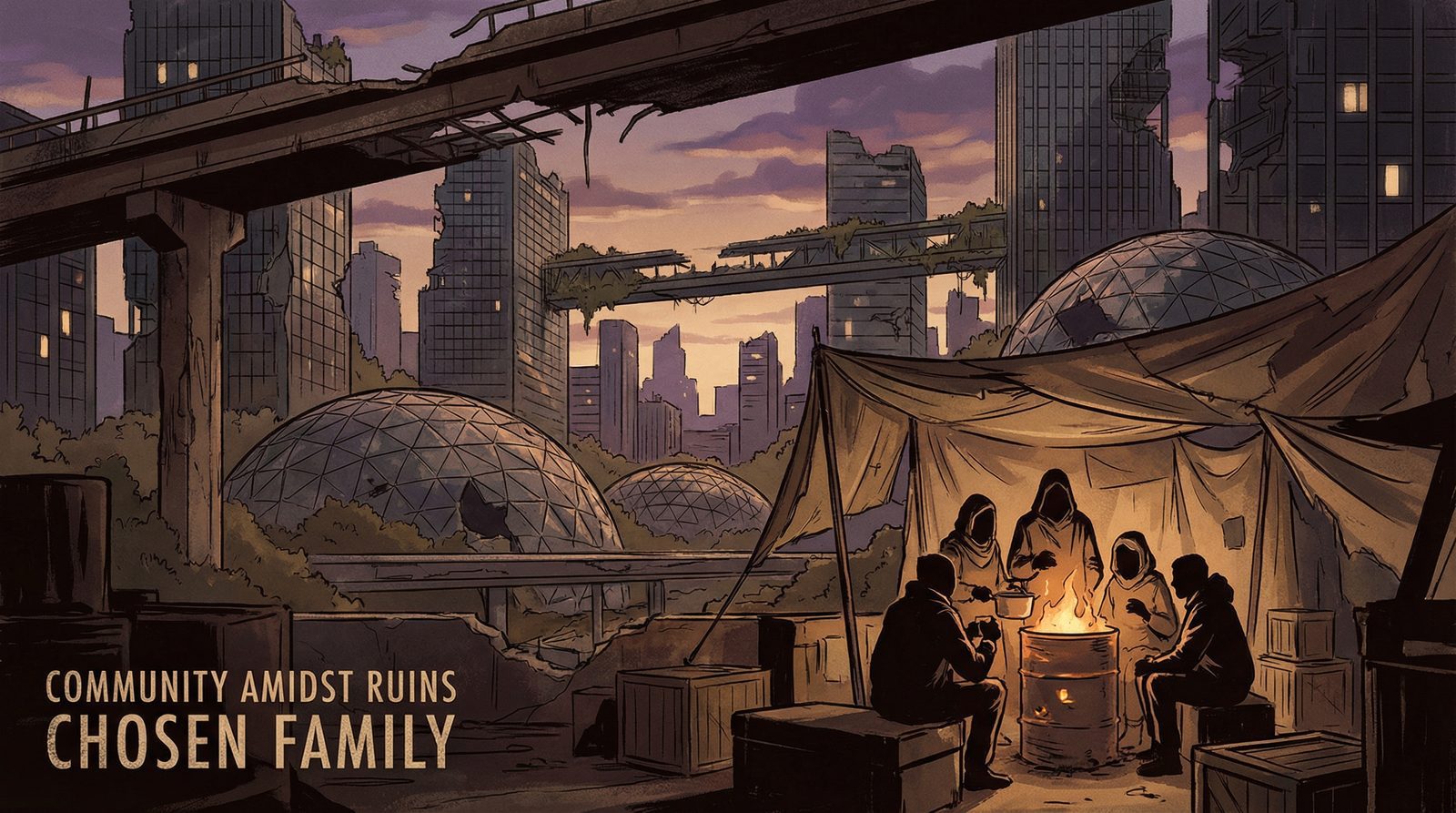
    The shock arrives when a known system breaks — a planet’s ecosystem, a belief, a family structure, a community rule, a personal identity. The future intrudes through:

    • new technology characters aren’t ready for,
    • a new world with no familiar rules,
    • a cultural shift that destabilises old identities,
    • a personal event that rearranges one’s sense of self,
    • a scientific discovery that changes everything.

    Unlike dystopian or disaster motifs, the emphasis here is on response. The shock forces characters into a new shape — sometimes stronger, sometimes fractured, always altered.

    Future Shock as Transformation inline concept image

    WHERE WE SEE IT

    In Arthur C. Clarke’s 2061: Odyssey Three, the motif appears through scientific expansion: new frontiers, new worlds, and humanity’s struggle to understand technologies that leap far ahead of its emotional readiness.

    Jill Paton Walsh’s The Green Book uses the motif in a gentler key. The colonists confront a new planet with unfamiliar biology, forcing them to adapt socially and psychologically. The future arrives not as spectacle but as a slow, disorienting reshaping of daily life.

    Even Laurie Halse Anderson’s Catalyst contains a grounded version of the motif. Kate Malone’s “future shock” is academic and emotional — when her imagined future shatters, she must rebuild an identity without the scaffolding she relied on.

    The motif bridges sci-fi and realism. Whether characters face cosmic mysteries or personal upheaval, the pattern is the same: the future arrives too fast, and transformation becomes unavoidable.


    WHY IT MATTERS

    This motif resonates because it captures a universal human anxiety: the fear of being unprepared. When the familiar collapses, characters confront who they are without scripts or habits to lean on. The result can be liberation, collapse, or reinvention — but never stasis.

    Future Shock as Transformation shows that change itself is a narrative engine. The future doesn’t wait; it forces characters to confront their blind spots, illusions, ambitions, and vulnerabilities.

    Future Shock as Transformation inline diagram image

    ARCHETYPES & VARIANTS

    The motif intersects with archetypes like The Witness — characters who observe change before they can act — and The Double Self, whose internal contradictions snap under pressure.

    Variants include:

    • The scientific leap – technology outpacing comprehension.
    • The cultural rupture – old identities no longer functioning.
    • The environmental shift – survival requires reinvention.
    • The personal implosion – a future imagined collapsing overnight.


    RELATED MOTIFS & WORKS

    This motif forms a triad with Domestic Vulnerability as Horror and Identity Collapse in Isolation. Together, they track how environments — intimate, isolating, or futuristic — reshape identity under pressure.

    Examples include 2061: Odyssey Three, The Green Book, and the emotional freefall in Catalyst.

  • Identity Collapse in Isolation

    Identity Collapse in Isolation

    WHAT THIS MOTIF MEANS

    Identity Collapse in Isolation describes the psychological unraveling that happens when a character’s sense of self is stripped of external anchors. Alone, misunderstood, or cut off from their usual environment, they lose the stabilising forces that normally tell them who they are. The collapse isn’t usually dramatic; it’s slow, quiet, and internal. Thoughts loop. Doubt magnifies. Reality bends inward.

    This motif thrives in stories where characters face pressure without support — academically, emotionally, socially, or physically. Their identities crumble under the weight of expectation or trauma, and the “collapse” becomes the catalyst for transformation, survival, or deeper harm.


    HOW IT WORKS

    The collapse typically begins with one destabilising event — rejection, trauma, loss, failure, or isolation. The character withdraws, either by choice or by circumstance. Without affirmation or grounding, their internal narrative shifts:

    • Daily routines lose meaning.
    • Internal monologues become repetitive or fragmented.
    • Fear, guilt, or pressure amplifies.
    • Self-image distorts.
    • Small triggers become psychological landmines.

    The motif often intertwines with anxiety, disassociation, and the feeling of being watched or judged, even when alone. It’s not about madness — it’s about the erosion of identity when all external mirrors break.


    Identity Collapse in Isolation inline concept image

    WHERE WE SEE IT

    This motif appears strongly in Tabitha King’s work. In One on One, Deanie’s entire sense of self fractures under community pressure and exploitation. In Survivor, A. P. Hill experiences a painful identity freefall after trauma destroys her ability to function in familiar spaces.

    Laurie Halse Anderson uses the motif sharply in Catalyst, where Kate Malone’s collapse begins the moment her carefully constructed academic identity fails. The momentum of her breakdown feels claustrophobic because the isolation is both emotional and self-imposed.

    Even Jill Paton Walsh’s The Green Book reflects this motif at a gentler level, with colonists forced to redefine themselves on a foreign planet where nothing familiar exists. Isolation becomes not just physical, but existential.


    WHY IT MATTERS

    The motif resonates because it sits at the intersection of fear and transformation. It shows how fragile identity can be when its scaffolding collapses — when relationships fail, routines vanish, or expectations crumble.

    Stories built on this motif challenge readers to confront uncomfortable truths: who are we when no one is looking? Who are we without validation? What happens when the internal voice becomes hostile or unreliable?

    Identity Collapse in Isolation often precedes either a breakthrough or a breakdown. It’s a narrative pivot point, not an endpoint. Characters emerge stronger, shattered, or fundamentally changed — but never the same.


    Identity Collapse in Isolation inline diagram image

    ARCHETYPES & VARIANTS

    The motif intersects cleanly with archetypes like The Double Self, where characters must perform one identity while privately breaking down. It also aligns with The Survivor Confessor, who must rebuild identity after trauma strips it away.

    Variants include:

    • The perfectionist collapse – when a character’s identity is built entirely on achievement.
    • The trauma-driven shell – when external shock disrupts internal stability.
    • The relational void – when isolation is social, not physical.
    • The environmental erasure – when characters lose culture, context, or home.


    RELATED MOTIFS & WORKS

    This motif pairs closely with Domestic Vulnerability as Horror and connects to the speculative pressure of Future Shock as Transformation.

    Strong examples include One on One, Survivor, Catalyst, and the milder but thematically aligned The Green Book.

  • Domestic Vulnerability as Horror

    Domestic Vulnerability as Horror

    WHAT THIS MOTIF MEANS

    Domestic Vulnerability as Horror is the fear that comes not from the supernatural or the unknown, but from the places that should be safest. Homes, families, bedrooms, kitchens, schools — the everyday environments where people sleep, eat, and share their lives — become pressure chambers where danger grows quietly. The horror here is emotional, social, and psychological. It’s the dread of being unprotected in the one space where you expect comfort.

    The motif appears across genres: literary fiction, YA realism, psychological dramas, and even soft sci-fi. It’s the threat of being misunderstood by the people closest to you, of being trapped in routines or roles that hurt, of having nowhere to escape because everything that frightens you is already inside the house.


    HOW IT WORKS

    This motif relies on tension, not spectacle. The unsettling moments usually come from subtle shifts: a parent’s silence that suddenly feels hostile, a partner’s smile that hides resentment, an expectation that becomes a burden, or a home that starts feeling like a cage instead of a sanctuary.

    The horror emerges when characters lose agency within familiar walls. Emotional safety erodes. Control slips away. Intimacy becomes danger. The motif often overlaps with psychological collapse, family pressure, and the erosion of identity — especially for characters who have no external support network.

    Domestic Vulnerability as Horror inline concept image

    WHERE WE SEE IT

    This motif shows up repeatedly across our current clusters. In Tabitha King’s Pearl, the home becomes the stage for social scrutiny and inherited tension. In One on One, Deanie’s house — and the adults inside it — offers no protection from predatory attention or community pressure.

    Laurie Halse Anderson uses the motif heavily in Catalyst, where the Malone household is loving but brittle, and the emotional expectations placed on Kate become suffocating. Even a soft sci-fi novel like Jill Paton Walsh’s The Green Book brushes this motif: the colonists’ improvised shelters on a new planet are fragile, constantly threatening their safety and identity.

    The strength of this motif lies in how universal it is. Everyone understands what it feels like when a supposedly safe environment starts to feel threatening — whether emotionally, socially, or physically.


    WHY IT MATTERS

    Domestic Vulnerability as Horror matters because it exposes the power structures inside families and tight-knit communities. It reveals how protection can flip into danger when trust is broken or when roles harden into traps. The motif forces characters — and readers — to confront uncomfortable truths about dependence, intimacy, and the fear of not being believed or understood.

    In fiction, this motif is often where the deepest emotional work happens. It’s where characters confront the pressure to perform normalcy, the pain of unmet expectations, and the fight to reclaim space that belongs to them.

    Domestic Vulnerability as Horror inline diagram image

    ARCHETYPES & VARIANTS

    The motif often intersects with archetypes like The Double Self — characters who present one face to their family and another to themselves — and The Survivor Confessor, who must speak their truth after being harmed or misunderstood inside the home.

    Variants include:

    • The suffocating home – where control masquerades as love.
    • The brittle family – where silence becomes a weapon.
    • The unsafe childhood space – where adults fail to protect or actively harm.
    • The collapsing sanctuary – when a home becomes a psychological burden.


    RELATED MOTIFS & WORKS

    This motif connects directly to Identity Collapse in Isolation and the more speculative Future Shock as Transformation. Together, they form a triad about pressure, environment, and the ways external structures reshape the self.

    Key works using this motif include Tabitha King’s One on One, Pearl, and Survivor, Laurie Halse Anderson’s Catalyst, and even elements of Jill Paton Walsh’s The Green Book.

  • Samuel R. Delany

    Samuel R. Delany

    INTRODUCTION

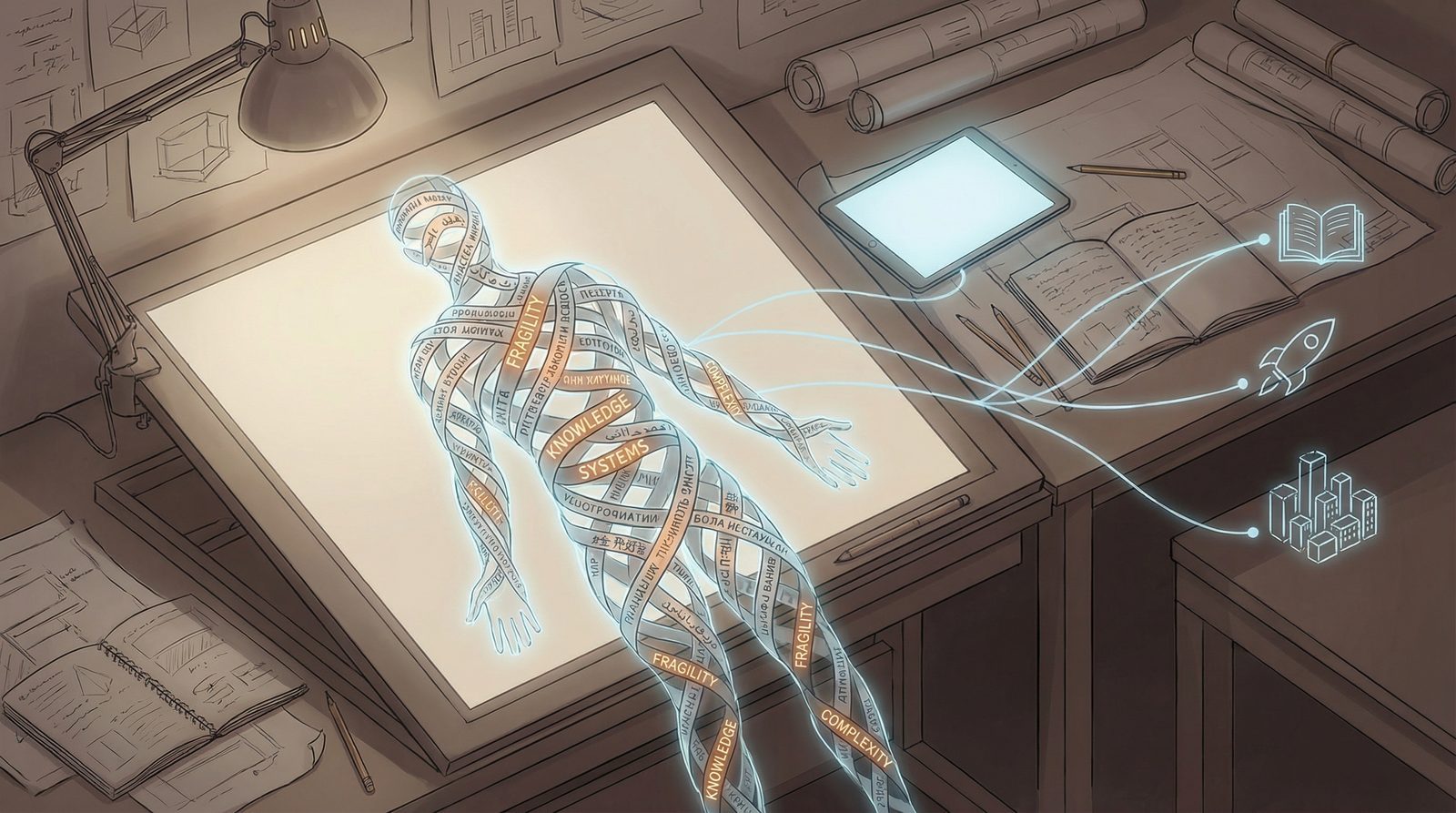
    Samuel R. Delany is one of the most influential and revolutionary voices in modern science fiction. A trailblazer in both form and content, Delany reshaped the genre by insisting that speculative fiction could be linguistically experimental, socially daring, and intellectually demanding. His novels combine high-concept speculative ideas with explorations of identity, sexuality, class, and communication — making him a cornerstone figure for readers who want sci-fi that challenges rather than comforts.

    His 1983 novel The Void Captain’s Tale — while not part of our backlink cluster — remains a cult favourite for its surreal structure and its blend of eroticism, philosophy, and space opera. Delany’s broader body of work, though, is even more central to sci-fi’s evolution: Dhalgren, Babel-17, Nova, and the Neveryon series represent some of the boldest experiments in the genre’s history.


    LIFE & INFLUENCES

    Born in 1942 in New York City, Delany grew up in Harlem and began publishing fiction at an astonishingly young age. By his early twenties he had already won the Nebula Award and established himself as an innovator. His influences include modernist literature, linguistics, queer theory, myth, and the science fiction pulps he devoured as a child.

    Delany’s career is marked not only by literary experimentation but also by his contributions to academic thought. His essays on semiotics, narrative structure, and the politics of reading remain foundational for scholars studying speculative fiction. He has taught at multiple universities and shaped generations of writers who see sci-fi as a space for radical possibility.

    Editorial illustration inspired by 'Samuel R. Delany'

    THEMES & MOTIFS

    Delany’s work frequently confronts transformation — not just technological or societal, but linguistic and psychological. Many of his protagonists face situations where language itself becomes unstable, echoing motifs like Identity Collapse in Isolation but on a conceptual scale.

    He also writes intensely about desire and the body, often exploring sexuality in ways that were decades ahead of mainstream publishing. This sometimes intersects with the motif Future Shock as Transformation, reframed through cultural and bodily change instead of purely technological upheaval.

    His political concerns — race, class, power, communication — appear across everything he writes. Delany sees sci-fi not as an escape from reality but as a lens that magnifies its structures and contradictions.


    STYLE & VOICE

    Delany’s style is dense, lyrical, and unapologetically intellectual. He blends poetic description with philosophical digressions, technical speculation, and erotic detail. His narratives often disrupt linear timelines or stable perspectives, forcing readers to participate in constructing meaning.

    Unlike more traditional hard sci-fi writers like Arthur C. Clarke, Delany rarely focuses on engineering realism. Instead, he centers subjectivity, metaphor, and the fluidity of language. His work rewards close reading and often demands it.

    This makes him one of the most distinctive voices in the genre — divisive for some readers, transformative for others.

    Symbolic illustration inspired by 'Samuel R. Delany'


    KEY WORKS

    Delany’s bibliography is extensive, but a few works define his legacy:

    • Babel-17 (1966) – A linguistic mystery set in wartime, foundational to sci-fi about language.
    • Nova (1968) – A space opera that helped bridge pulp sci-fi with literary ambition.
    • Dhalgren (1975) – A divisive, experimental masterpiece considered one of the most important sci-fi novels ever written.
    • The Tale of Plagues and Carnivals (1984) – A groundbreaking work on sexuality, disease, and myth.
    • The Void Captain’s Tale (1983) – Erotic, philosophical, stylistically daring.


    CULTURAL LEGACY

    Delany’s influence is enormous. He expanded what science fiction could talk about — queer desire, race, language, the subconscious, political myth. Writers from Octavia Butler to N. K. Jemisin have cited him as a foundational figure. His academic work helped legitimize sci-fi as a subject of serious study.

    Even when his novels challenge or frustrate readers, they remain alive in conversation. Delany is not just a sci-fi writer; he is one of the genre’s theorists, innovators, and boundary-pushers. Including him in AllReaders strengthens the site’s reach across both classic and experimental speculative fiction.

  • Laurie Halse Anderson

    Laurie Halse Anderson

    INTRODUCTION

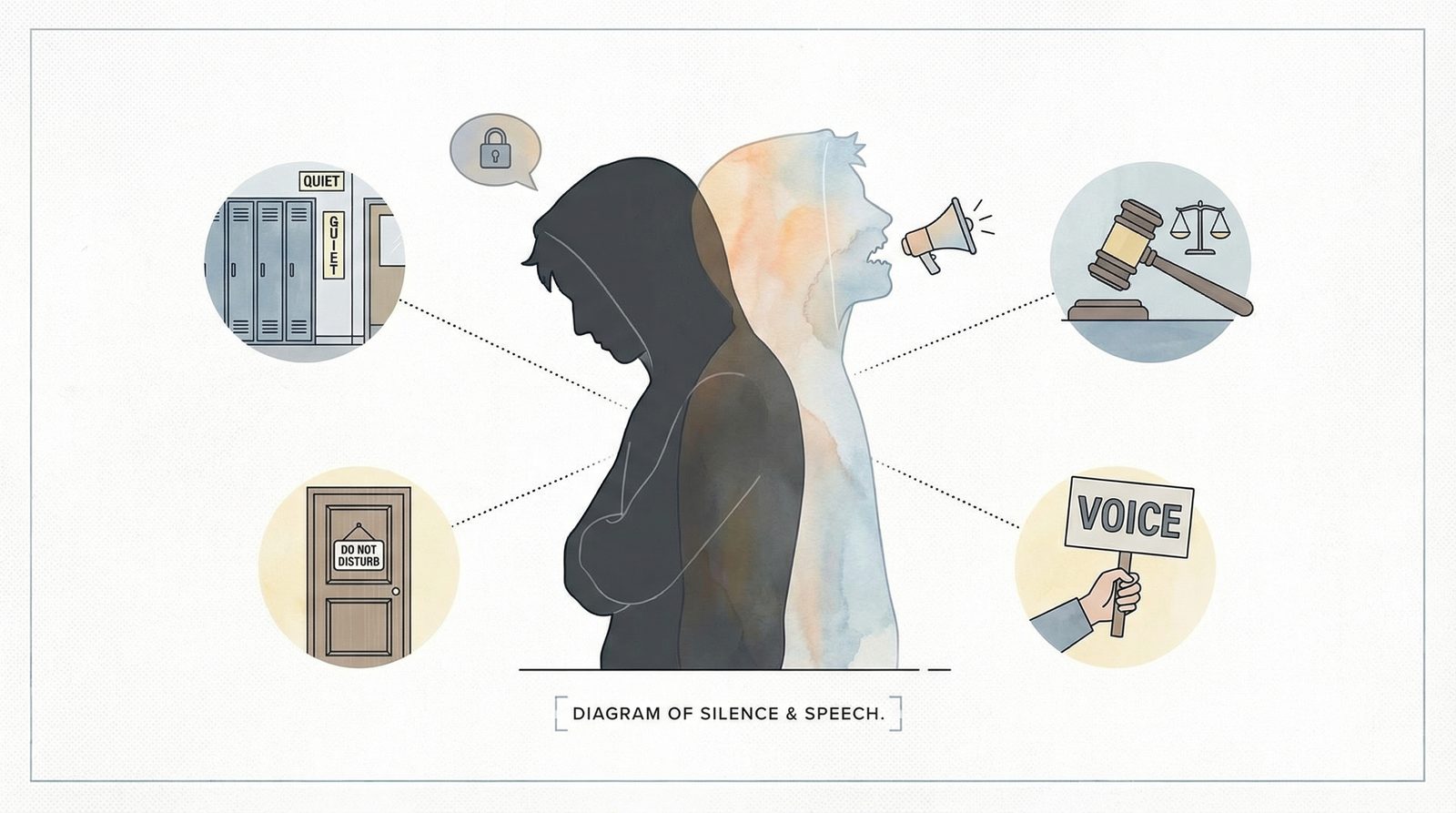
    Laurie Halse Anderson is one of the defining voices of modern young adult fiction. Her work is emotionally direct, psychologically exact, and unafraid to confront the kinds of experiences teenagers are often left to navigate alone. Best known for Speak, she helped reshape YA literature into a space where trauma, identity, pressure, and recovery could be explored with honesty rather than moralising.

    Catalyst, published in 2002, sits firmly within that evolution. It’s a novel about perfectionism, collapse, and the suffocating expectations placed on high-achieving teens. Rebuilding Anderson’s creator page on AllReaders ensures that long-standing backlinks from school reading lists, academic sites, and YA resource hubs have a modern landing page — and it reintroduces a writer whose influence ripples across the entire genre.


    LIFE & INFLUENCES

    Born in 1961, Anderson grew up in New York and began writing as a teenager. Her early influences included historical fiction, journalism, and the raw honesty of contemporary realist novels. Before her fiction career took off, she worked as a freelance reporter — a background that trained her to observe closely and write with clarity even when the emotional terrain is heavy.

    Her breakout novel, Speak (1999), changed YA literature. Its depiction of trauma and recovery was groundbreaking at the time, opening doors for more realistic, psychologically nuanced fiction for teens. Anderson became a prominent advocate for trauma-informed education, mental health awareness, and free speech in schools, roles that complement and deepen her literary work.

    Editorial illustration inspired by 'Laurie Halse Anderson'

    THEMES & MOTIFS

    Anderson’s novels often focus on girls under pressure — social, academic, emotional, and institutional. Her characters rarely have the luxury of stability; instead, they confront crises that force them to rebuild their identities piece by piece. This aligns closely with motifs like Identity Collapse in Isolation, especially in Catalyst, where Kate Malone’s perfectionist identity breaks apart after a single rejection letter.

    She also frequently explores the darker side of the home: families that love but fail, parents who mean well but miss crucial signs, and the quiet violence of unrealistic expectations. This echoes Domestic Vulnerability as Horror, though Anderson frames these pressures through emotional realism rather than genre tropes.

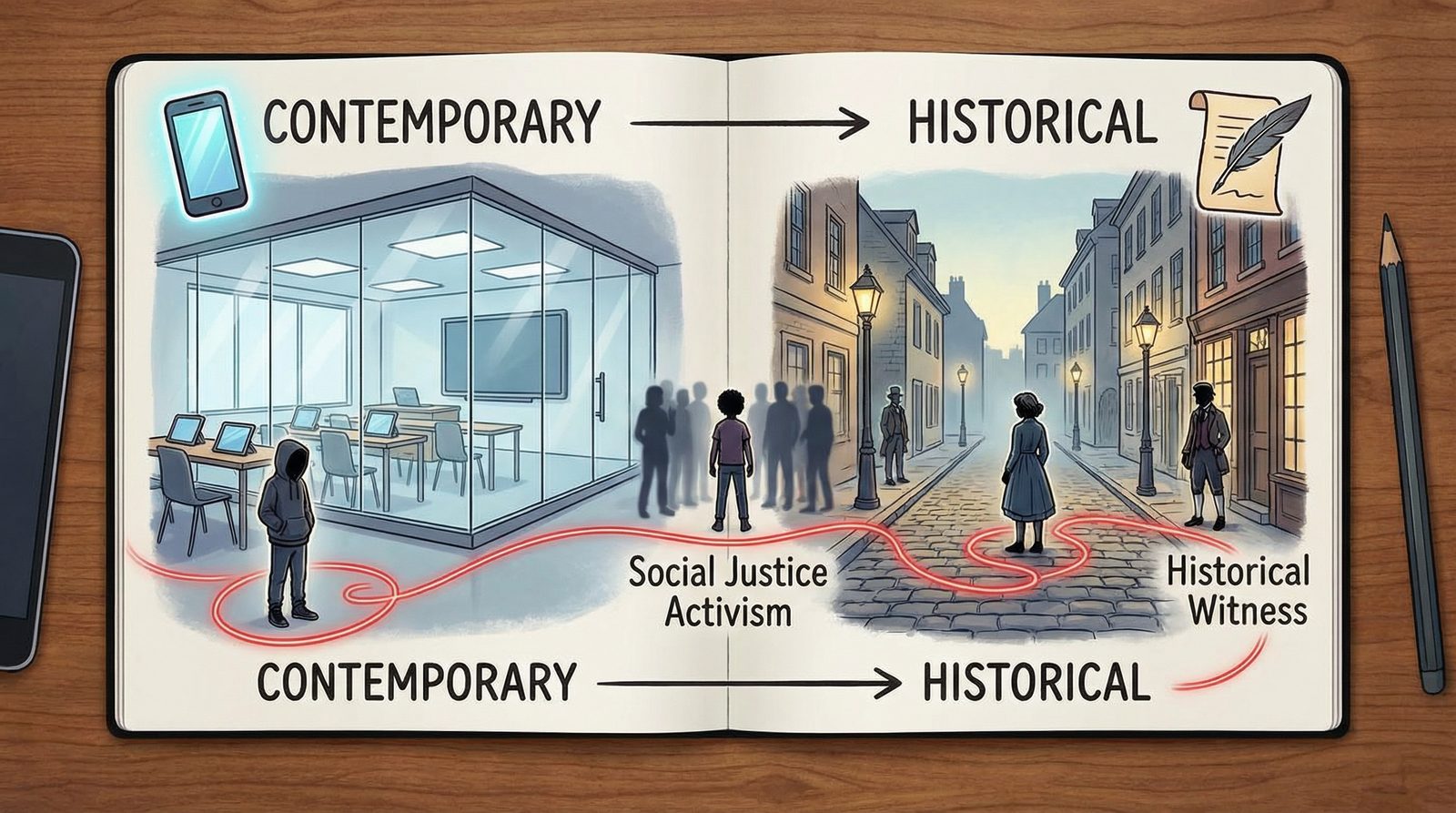
    Across her body of work, Anderson returns to themes of resilience, self-redefinition, and the power of speaking truth. Whether in contemporary YA or in her historical Seeds of America series, she writes characters who push back against silence and erasure.


    STYLE & VOICE

    Her prose is lean, stripped of ornament, and driven by emotional urgency. She writes teenagers with real voices — quick, reactive, contradictory — and avoids adult handholding or explanation. Short chapters and sharp scene transitions give her novels a breathless quality that mirrors her characters’ anxiety and momentum.

    This directness is what makes her work resonate. She doesn’t bury meaning in metaphor; she lets the emotional reality sit plainly on the page. It’s an approach that many YA writers adopted in her wake, but Anderson still does it with a control and restraint that gives her novels staying power.

    Symbolic illustration inspired by 'Laurie Halse Anderson'

    KEY WORKS

    Speak remains her landmark novel, a foundational text in modern YA. Catalyst functions almost as a companion piece, exploring a different kind of silence — the silence of overachievement, self-denial, and emotional overload.

    Her Seeds of America trilogy (Chains, Forge, Ashes) showcases her range, blending historical detail with the emotional intensity that defines her contemporary work. Shout (2019), her poetic memoir, offers the fullest picture of her voice and advocacy.


    CULTURAL LEGACY

    Laurie Halse Anderson’s impact is enormous. She shifted the YA market toward honesty about trauma, identity, and mental health. She influenced how teachers and librarians approach sensitive topics. Her books are frequently challenged, frequently defended, and frequently taught — a trifecta that proves their lasting significance.

    Rebuilding her presence on AllReaders isn’t nostalgia; it’s infrastructure. She remains required reading in schools, highly searched online, and deeply relevant to modern conversations about adolescence and resilience.

  • Catalyst (2002)

    Catalyst (2002)

    By: Laurie Halse Anderson
    Genre: Young Adult, Domestic Psychological Fiction
    Country: United States


    INTRODUCTION

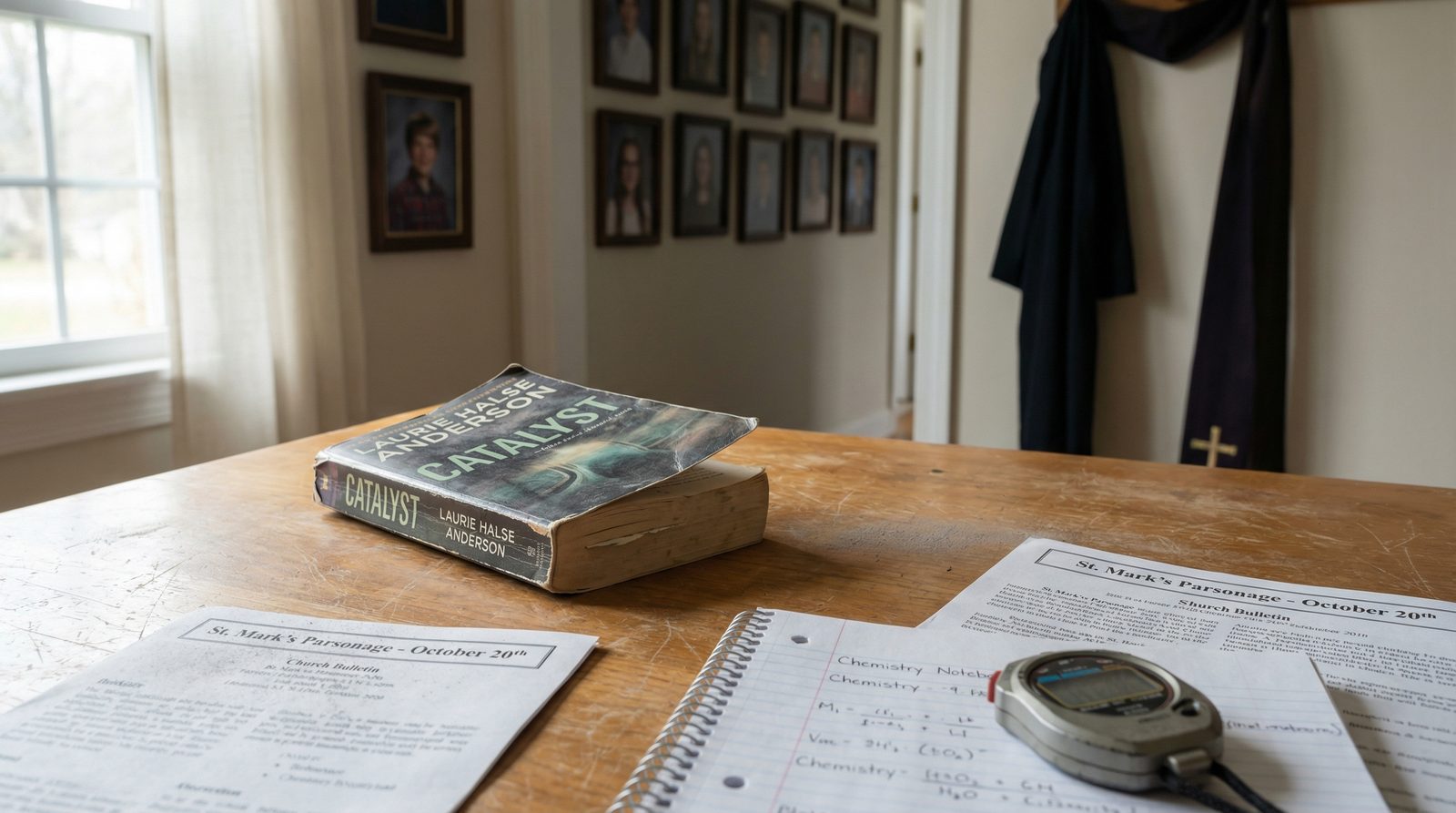
    Laurie Halse Anderson’s Catalyst (2002) occupies similar emotional territory to Speak, but channels it through a different kind of pressure: academic obsession, perfectionism, and the way grief can blindside a family that is already running too hot. The novel follows Kate Malone, a high-achieving, tightly wound senior whose entire identity is wrapped around a single goal, getting into MIT. When that plan collapses, so does the fragile structure she has built around herself.

    The book is not a thriller. It is a psychological spiral, written with Anderson’s usual blend of sharp dialogue, clipped pacing, and emotional honesty. It was one of the most heavily linked YA titles in the old AllReaders database, and rebuilding it gives us a clean, modern anchor for long-tail traffic around trauma, perfectionism, and coming-of-age narratives.


    PLOT & THEMES

    Kate Malone is used to control. She runs, she studies, and she manages her household while her pastor father tends to everyone else. Her application to MIT is not just a college plan. It is the foundation of her entire identity. When the rejection letter arrives, Kate’s sense of self fractures almost immediately.

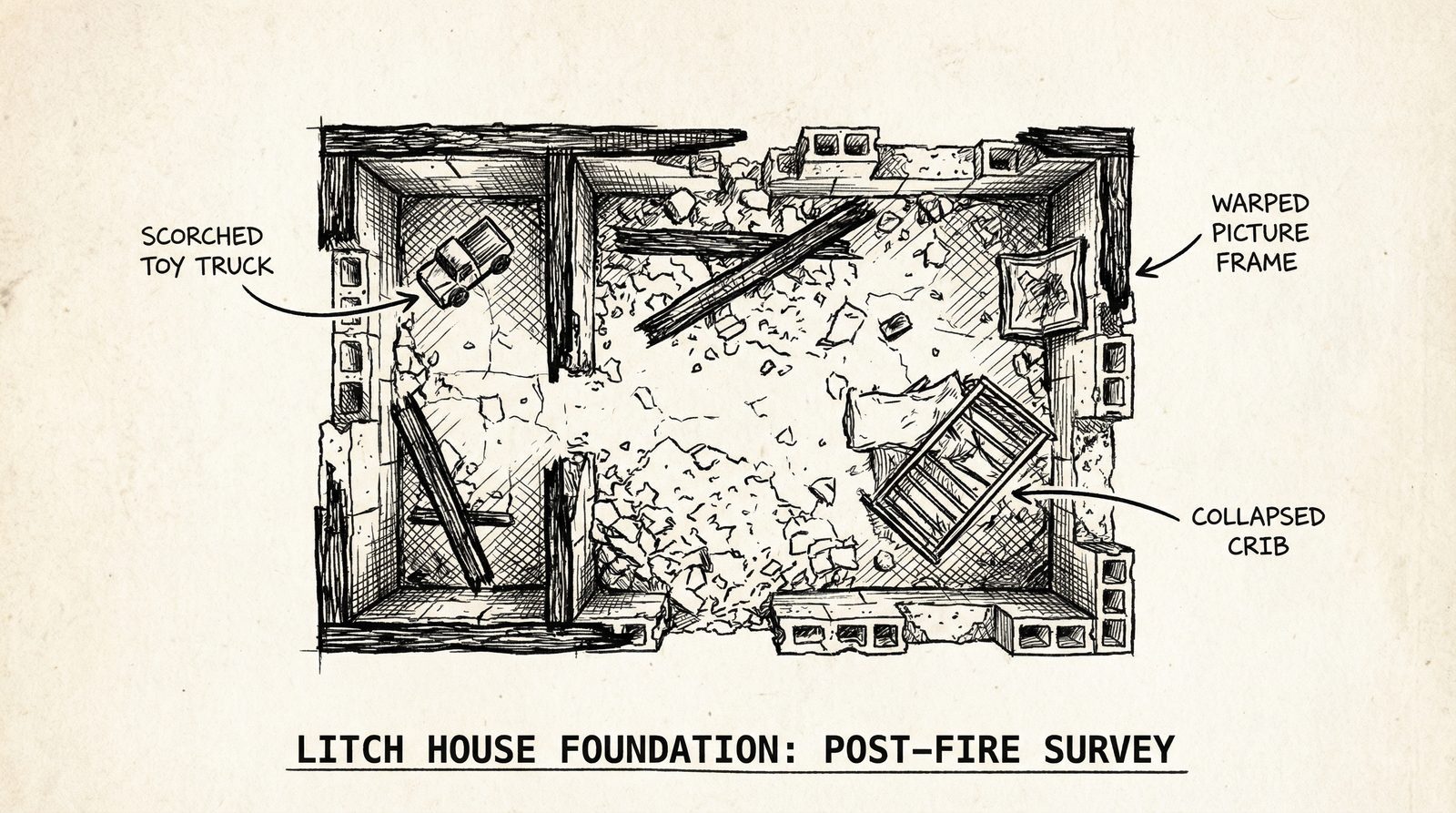
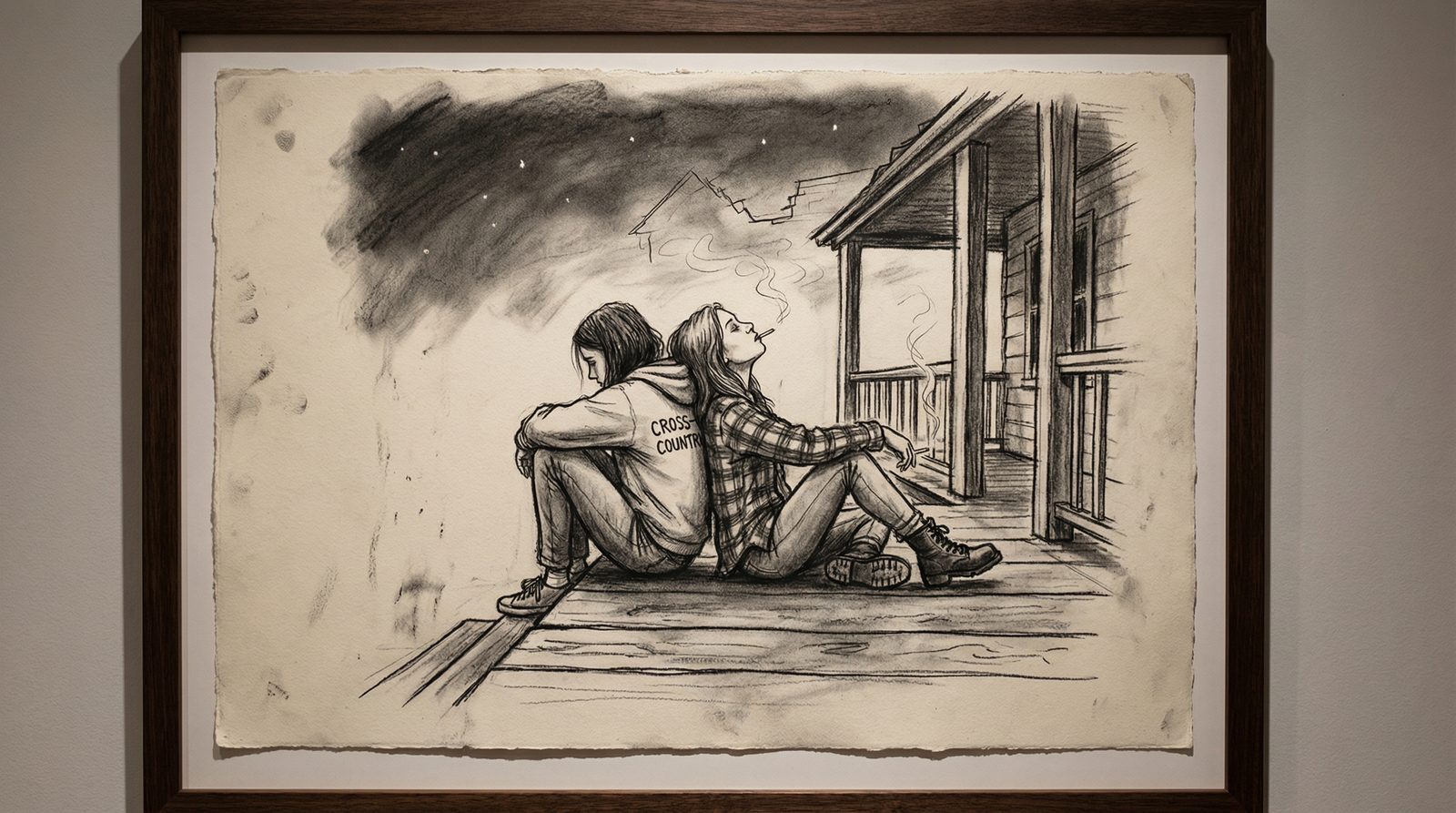
    Complicating things further, a house fire forces Kate’s longtime enemy Teri Litch and Teri’s toddler brother into the Malone home. The tension between the girls, built from years of rivalry, misunderstanding, and bruised pride, becomes the emotional engine of the novel.

    Catalyst explores themes of failure, grief, self-deception, and the collapse of identity under extreme pressure. This fits naturally with motifs like Identity Collapse in Isolation, as Kate spirals into emotional freefall when the role she has built her life around disappears.

    Anderson also threads in the darker edge of domestic tension. The Malone household is loving but brittle, a clear example of the motif Domestic Vulnerability as Horror, where tragedy does not need supernatural violence to devastate a family.

    Conceptual editorial illustration inspired by 'catalyst (2002)'


    STYLE & LANGUAGE

    Anderson writes with her trademark sharpness: short chapters, staccato sentences, and emotional beats delivered with precision. Kate’s voice is restless and anxious, which makes the book move quickly even when nothing large is happening on the surface. The language mirrors Kate’s racing thoughts. It is clipped, controlling, and sometimes unreliable.

    The novel is grounded firmly in realism. Anderson does not overplay the emotional stakes, which makes the genuine crisis points land harder. The dialogue is especially strong. Teenagers sound like teenagers, and the adults sound distracted and exhausted in ways that feel true.


    CHARACTERS & RELATIONSHIPS

    Kate Malone is a tightly coiled protagonist defined by fear of failure. She is sympathetic but not always likeable, which makes her unraveling more compelling. Her obsession with perfection creates a believable, painful internal conflict that drives much of the book’s tension.

    Teri Litch is the novel’s breakout character. She is abrasive, wounded, and strong in ways Kate is not. Their collision is the heart of the story. Anderson excels at writing two girls who resent each other for reasons neither can fully articulate until it is too late.

    The adults orbiting them, including Kate’s father, teachers, and neighbours, feel real but distant. That distance reinforces the sense that Kate is carrying far more than any teenager should have to hold.


    CULTURAL CONTEXT & LEGACY

    Published in the early 2000s, Catalyst sits in the second wave of YA realism that arrived before the explosion of issue-driven YA in the 2010s. It tackles academic pressure, trauma, and teenage emotional volatility without reducing characters to lessons. The book remains widely read because it captures something timeless: how it feels when your identity rests on a single fragile point.

    It also pairs historically with Speak, offering another angle on Anderson’s interest in girls whose voices are ignored, dismissed, or misunderstood by the institutions that shape their lives.

    Illustration of a core idea or motif from 'catalyst (2002)'


    IS IT WORTH READING?

    If you are looking for an emotionally honest, tightly written YA novel about pressure and identity, Catalyst is absolutely worth reading. It is intense without being melodramatic, and it treats teenage emotions with seriousness instead of condescension.

    If you prefer YA with broader worldbuilding or lighter tones, this will not be your book. Anderson writes to the bone, and Catalyst is very much about breaking down before finding a way forward.


    SIMILAR BOOKS

    Readers who connect with Kate’s emotional spiral may also appreciate the grounded pressure in Tabitha King’s Survivor. For a science-fiction parallel about identity under strain, Arthur C. Clarke’s 2061: Odyssey Three offers a thematic echo through a very different lens.