Feel: Awakening

  • I Know Why the Caged Bird Sings (1969)

    I Know Why the Caged Bird Sings (1969)

    By: Maya Angelou
    Genre: Memoir
    Country: United States


    INTRODUCTION

    I Know Why the Caged Bird Sings is Maya Angelou’s seminal memoir, tracing her childhood and adolescence in the American South and California. The book is a landmark in narrative nonfiction, addressing racism, trauma, sexual abuse, resilience, and the search for voice with precision and grace.

    The memoir fits strongly into motifs like Literacy as Liberation and Survival Narratives, reflecting how language becomes Angelou’s path toward freedom.


    PLOT AND THEMES

    The memoir follows Maya and her brother Bailey as they navigate the hostility of segregated America, the strict discipline of their grandmother’s household, and the emotional instability of their parents. Central events include Maya’s sexual assault at age eight and her subsequent silence, which lasts for years.

    Angelou explores racism, identity, trauma, and recovery. The book’s thematic heart is the return to speech. Maya’s rediscovery of voice becomes a profound act of resistance and reclamation. The story also reflects motifs like The Erased Girl and Dissociation as Defense.

    Conceptual editorial illustration inspired by 'I know why the caged bird sings'

    STYLE AND LANGUAGE

    Angelou writes with clarity, humor, and poetic elegance. She blends vivid sensory detail with emotional restraint. The voice remains controlled even when describing trauma, creating an effect similar to Emotional Minimalism. Scenes unfold with lyrical precision.

    The structure moves episodically, reflecting the fragmentation of memory and the growing insight of a maturing narrator.


    CHARACTERS AND RELATIONSHIPS

    Maya’s relationships with her brother Bailey, her grandmother, and the women in her community become sources of grounding and growth. Her relationship with her mother is complex, marked by longing and uncertainty.

    Teachers and mentors play a critical role, reinforcing the motif of Intimacy as Healing and the transformative power of guidance.
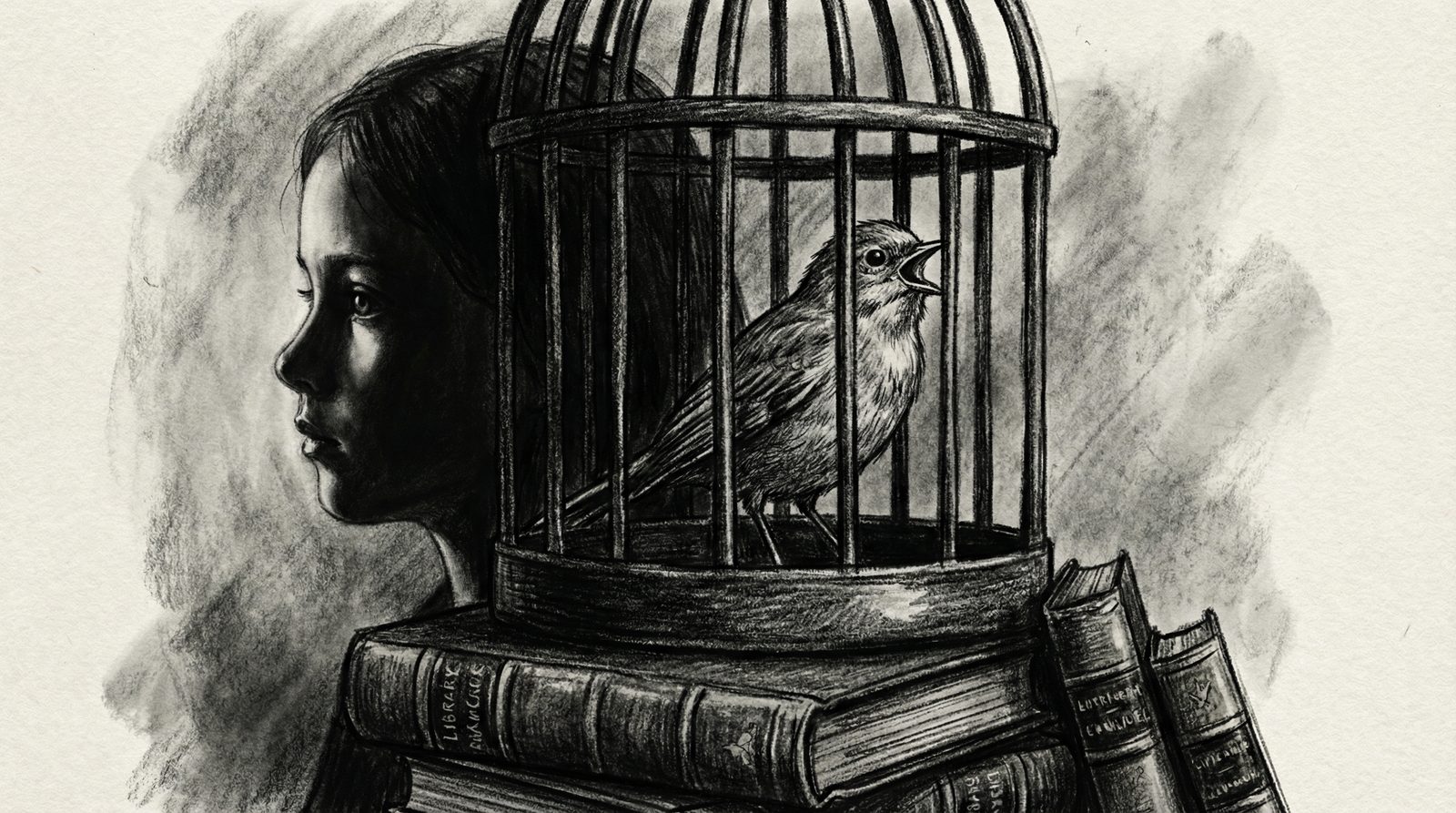
    Illustration of a core idea or motif from 'I know why the caged bird sings'

    CULTURAL CONTEXT AND LEGACY

    Published in 1969, the memoir was groundbreaking for its frank depiction of sexual abuse, racism, and female interiority. It became a foundational text in Black feminist literature and remains widely taught. Angelou’s voice paved the way for generations of memoirists who write about trauma with dignity and clarity.

    The book remains one of the most influential memoirs ever written.


    IS IT WORTH READING?

    Yes. It is moving, wise, painful, and radiant with humanity. Anyone interested in trauma narratives, American history, or the evolution of personal voice should read it.


    SIMILAR BOOKS

    The Color Purple (1982)
    Push (1996)
    The Bluest Eye (1970)

  • Literacy as Liberation

    Literacy as Liberation

    Motif Type: Education and Selfhood
    Era Focus: 20th Century to 21st Century
    Primary Fields: Literary Fiction, Memoir, Social Realism


    WHAT THIS MOTIF MEANS

    Literacy as Liberation is a motif found in stories where learning to read or write becomes the turning point in a character’s life. The act is more than an academic skill. It becomes a form of self-recognition. Characters who inhabit this motif discover language as a path out of isolation, silence, or abuse.

    The power of this motif lies in transformation. Written words offer a place to understand identity, claim truth, and imagine a future that did not exist before.


    HOW IT WORKS IN NARRATIVE

    In these stories, literacy changes the internal map of the character. Before literacy, they may be controlled, erased, or unable to articulate their own experiences. Learning to write becomes a way to understand the past and shape the present. Learning to read becomes access to knowledge that was once forbidden. Literacy becomes agency.

    For many characters, writing is the first time their voice has value.


    Literacy as Liberation inline concept image

    WHERE WE SEE IT IN OUR LIBRARY

    • Push – Precious begins to write in Ms Rain’s class and discovers a self that abuse tried to extinguish.
    • Precious – The film visualizes writing as release, showing how language becomes a lifeline.
    • The Color Purple – Celie’s letters are her survival. Writing becomes her sanctuary and eventual awakening.
    • Sapphire – As an author and educator, her work embodies the belief that literacy can transform a life and a community.

    These works show literacy as a tool that interrupts generational harm and opens the door to naming what was once unspeakable.


    WHY IT MATTERS

    This motif is powerful because it shows how selfhood can begin on the page. For characters who have been silenced or controlled, writing provides a private space that cannot be taken away. Literacy becomes rebellion in stories where the world demands obedience.

    It reminds readers that stories are not just entertainment. They are survival strategies.

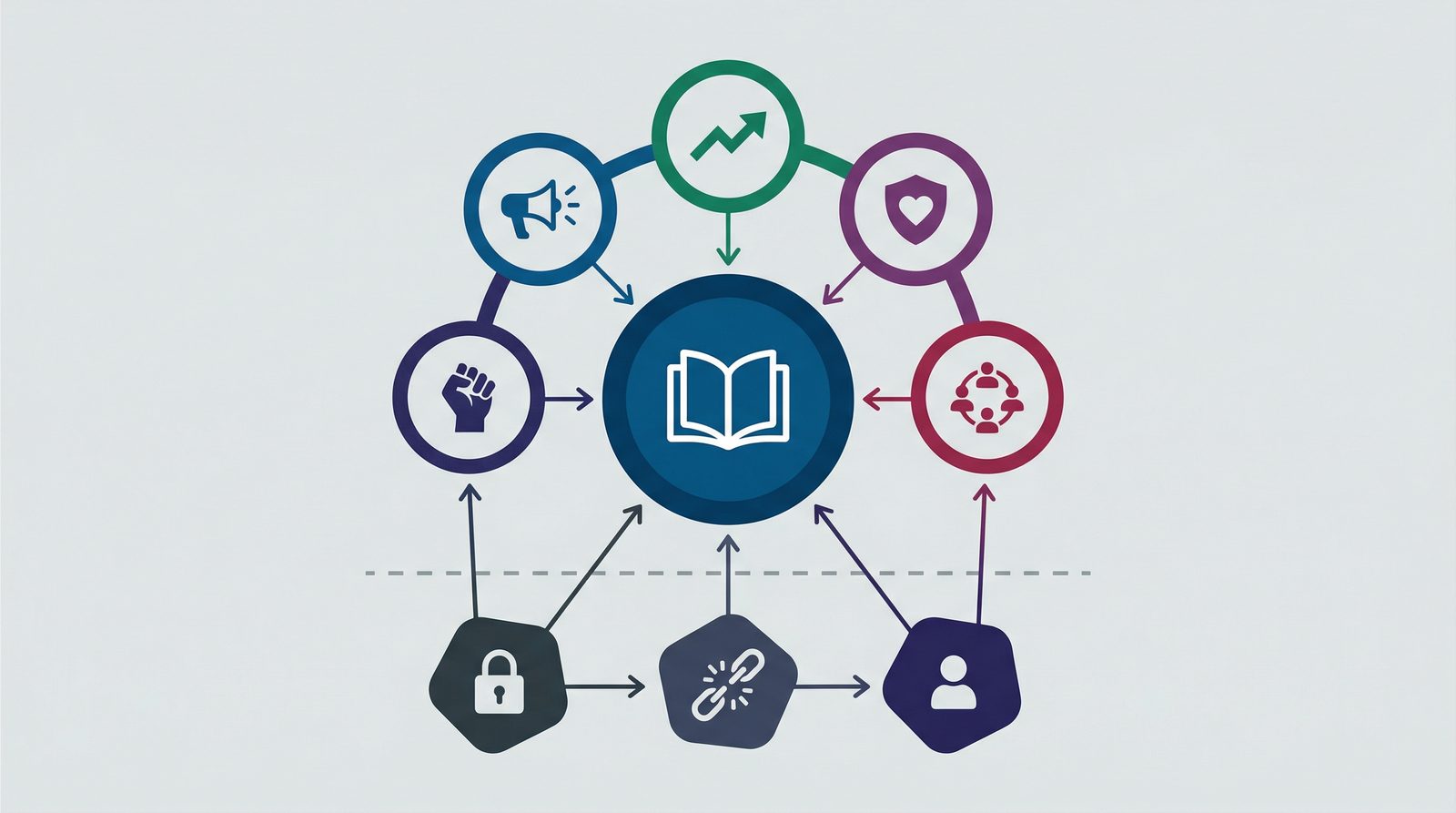
    Literacy as Liberation inline diagram image

    ARCHETYPES ASSOCIATED WITH THIS MOTIF

    • The Reclaimer – characters who take back their story through writing.
    • The Witness – characters who see clearly once they gain language.
    • The Erased Girl – characters whose first true existence begins when they write their own words.

    RELATED MOTIFS

    Trauma as Inheritance
    Survival Narratives
    Intimacy as Healing