
Feel: Betrayal

  • Platform Betrayal

    Platform Betrayal

    Platform Betrayal describes what happens when the rules of a system change and suddenly punish the exact behavior that system used to reward. It’s the feeling of realizing that you did everything “right” according to yesterday’s metrics, only to wake up and find those metrics have turned against you.

    Harriet Klausner lived through one of the clearest examples: Amazon’s 2008 shift from raw review volume to “helpfulness” votes. The same ranking engine that once elevated her as the top reviewer abruptly buried her, powered in part by years of “not helpful” protest clicks. She hadn’t changed. The platform had.

    What this motif captures

    This motif sits where incentives, identity, and power collide. Platform Betrayal is not just an algorithm tweak; it’s a moment when a person realizes that the system they trusted has quietly redefined “good behavior.” It often hits the hardest for Super Users, the people who optimized their lives around the old rules.

    In story terms, Platform Betrayal is the turning point where a character’s loyalty to an institution is tested. In real-world terms, it’s the career-breaking update: the monetization policy change, the ranking overhaul, the moderation sweep that retroactively criminalizes what was once encouraged.
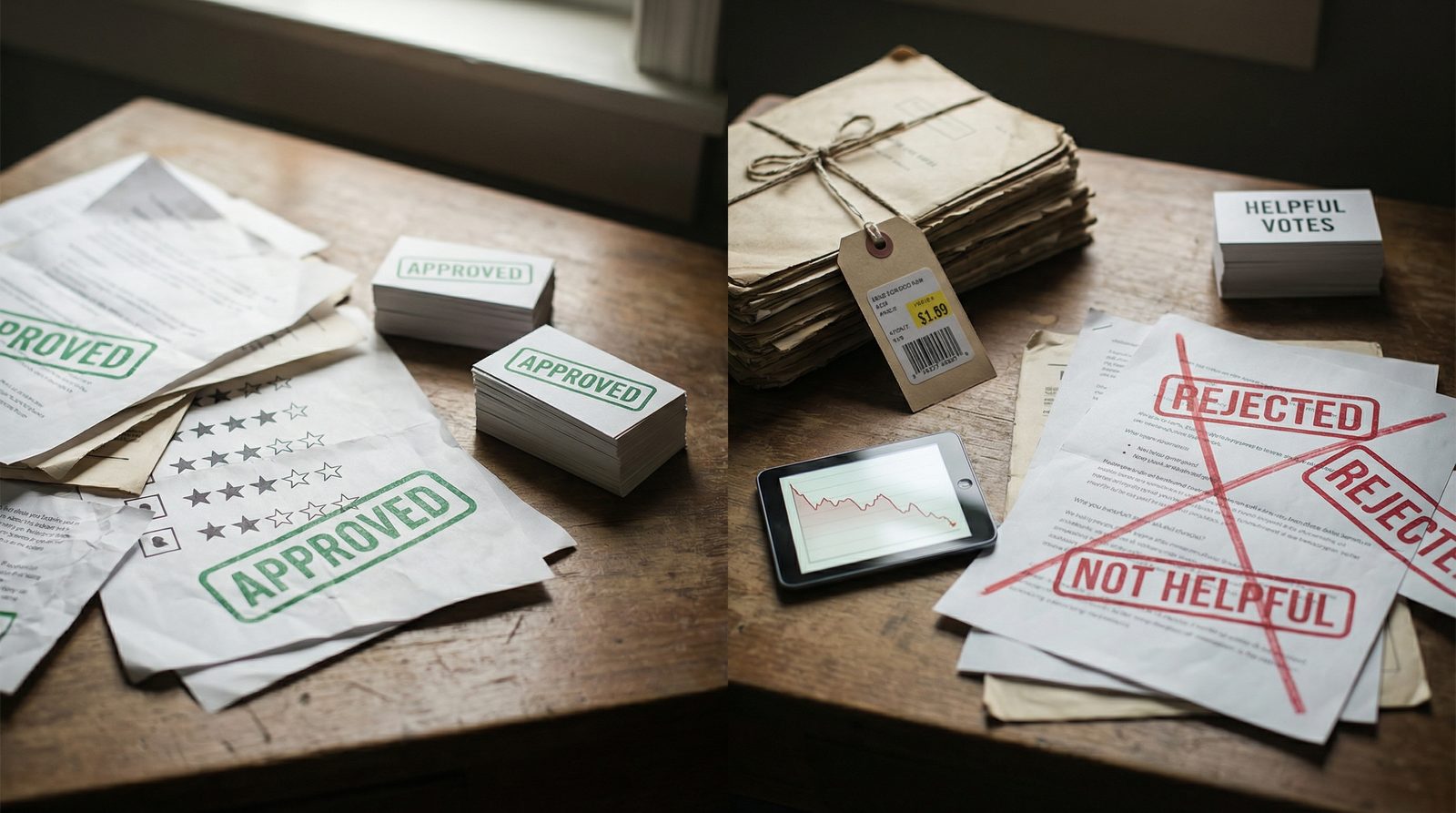
    Platform Betrayal inline concept image

    How it shows up in stories and systems

    In fiction and narrative non-fiction, you’ll see Platform Betrayal when:

    • A top creator on a site suddenly loses income or reach after an opaque update.
    • A whistleblower realizes their heroic metrics are now labeled “abuse” or “spam.”
    • A character who gamified the system for years discovers that the scoreboard has been reset.
    • A community or fandom is pushed out by new rules meant for a different era.

    On the real internet, it’s visible in:

    • Ranking shifts like Amazon’s 2008 change that demoted high-volume reviewers such as Harriet Klausner.
    • Social platforms abruptly privileging short video over text or longform posts.
    • Ad and affiliate programs changing payout rules with minimal notice.
    • Moderation regimes that retroactively penalize archive content.

    In all of these cases, the betrayal is not just technical. It’s emotional. People built a sense of self, income, or community on the platform’s original promises, only to discover those promises were provisional.

    Why it matters for AllReaders

    AllReaders exists in the shadow of Platform Betrayal. Our own history includes a long offline period and a return to life on a very different web. Part of our job is to document how platforms have treated readers, reviewers, authors, and mid-list books over time — including moments when the rules changed and certain people paid the price.

    By tagging books, essays, and creator stories with Platform Betrayal, we highlight works that grapple with shifting incentives and broken trust: novels about social networks turning hostile, memoirs from creators who lost their livelihoods to an update, or critical histories of algorithms that quietly rewrote the terms of engagement.

    For us, the motif is also a reminder. If we are going to use AI, scoring systems, or recommendation engines, we have to be transparent about how they work and how they might change. That’s why we pair this motif with Transparency vs Opacity on our own architecture pages: we want to name the pattern so we don’t repeat it in silence.
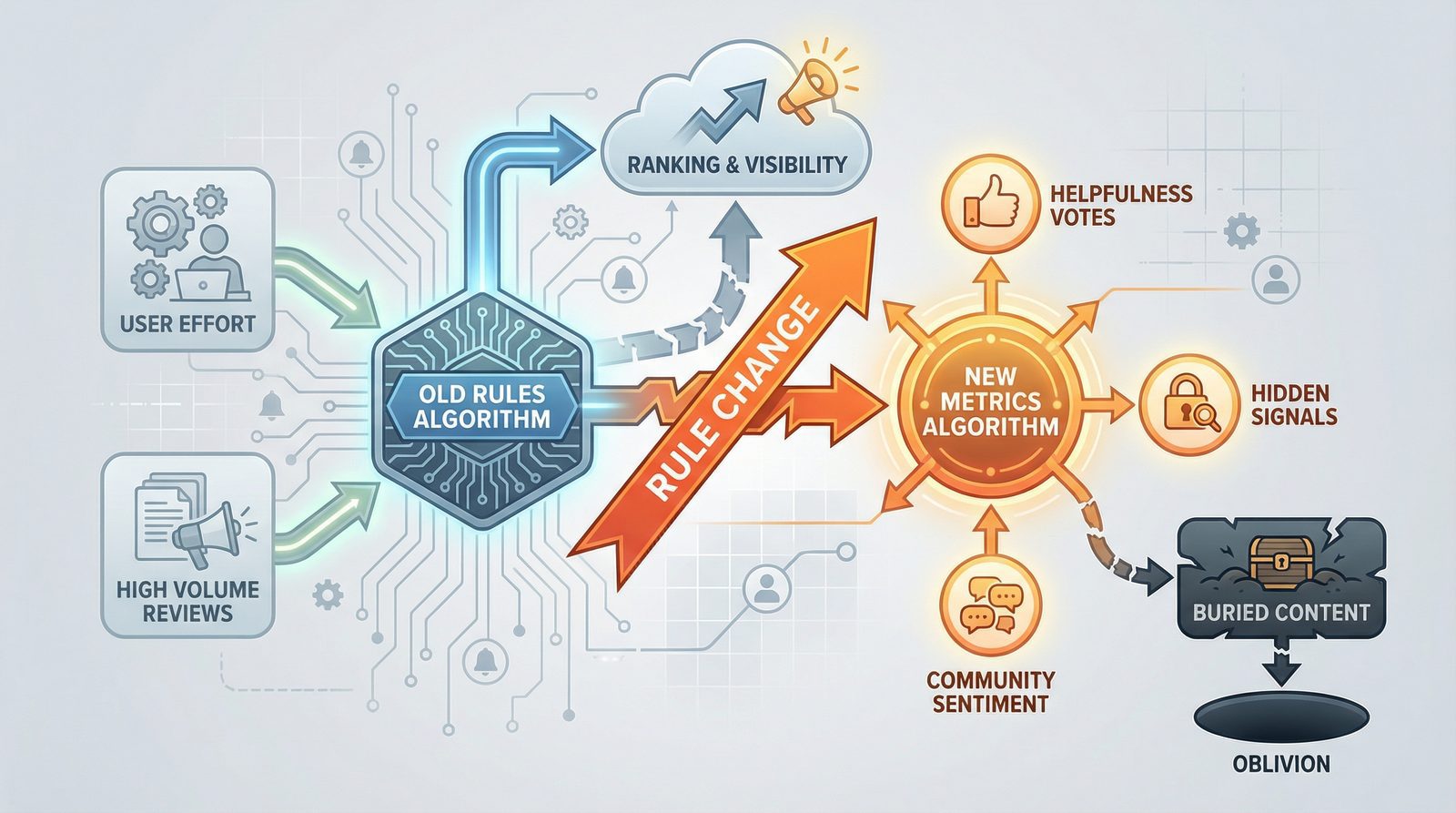
    Platform Betrayal inline diagram image

    Related motifs

  • Parental Betrayal

    Parental Betrayal

    Motif Type: Family Harm
    Era Focus: 20th Century to 21st Century
    Primary Fields: Memoir, Literary Fiction, Trauma Narratives


    WHAT THIS MOTIF MEANS

    Parental Betrayal appears in stories where a parent violates the trust that should define the relationship. The betrayal may be emotional, physical, or psychological. Sometimes it is overt. Sometimes it is disguised as care. The result is the same. The child learns early that the person meant to protect them is the person they must survive.

    The betrayal shapes identity, trust, and future relationships. It becomes the lens through which the character sees the world.


    HOW IT WORKS IN NARRATIVE

    This motif often begins with a character who believes the parent’s behavior is normal. The betrayal is slow, cumulative, and internalized. Only later, through distance or comparison, does the character understand the truth. The narrative arc follows the painful shift from loyalty to clarity and the emotional fallout that follows.

    Parental Betrayal creates complex emotional terrain because characters often love the person who harmed them.

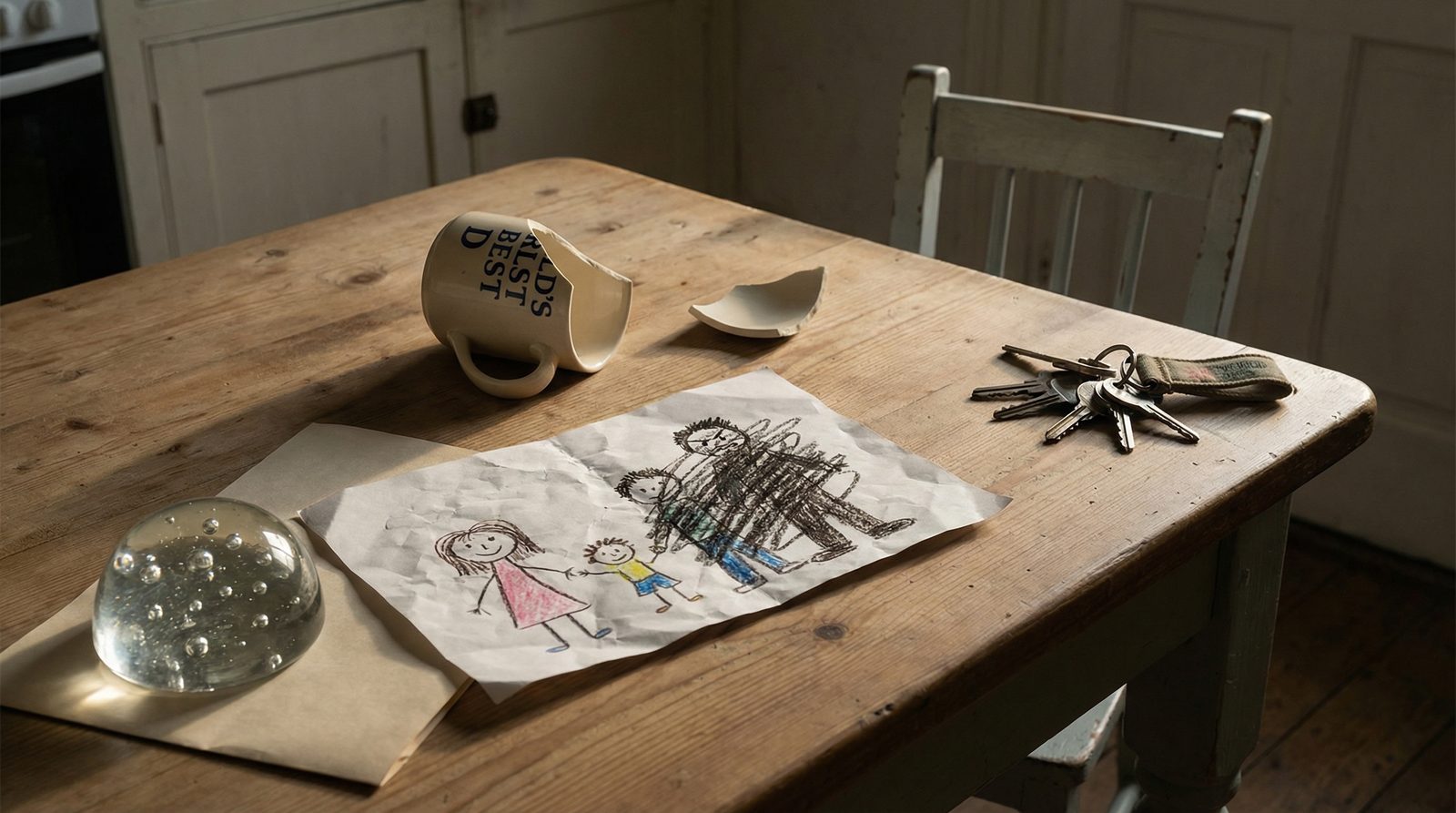
    Parental Betrayal inline concept image


    WHERE WE SEE IT IN OUR LIBRARY

    • I’m Glad My Mom Died – Jennette McCurdy’s mother controls her body, career, and identity while presenting herself as protector.
    • The Woman in Me – Britney’s father uses legal authority to dominate her life under the guise of guardianship.
    • Push – Precious is betrayed by both parents through violence, neglect, and exploitation.
    • The Color Purple – Celie’s father destroys her early sense of safety and choice.

    In each narrative, the betrayal is not a single event. It is a pattern that shapes the character’s entire life.

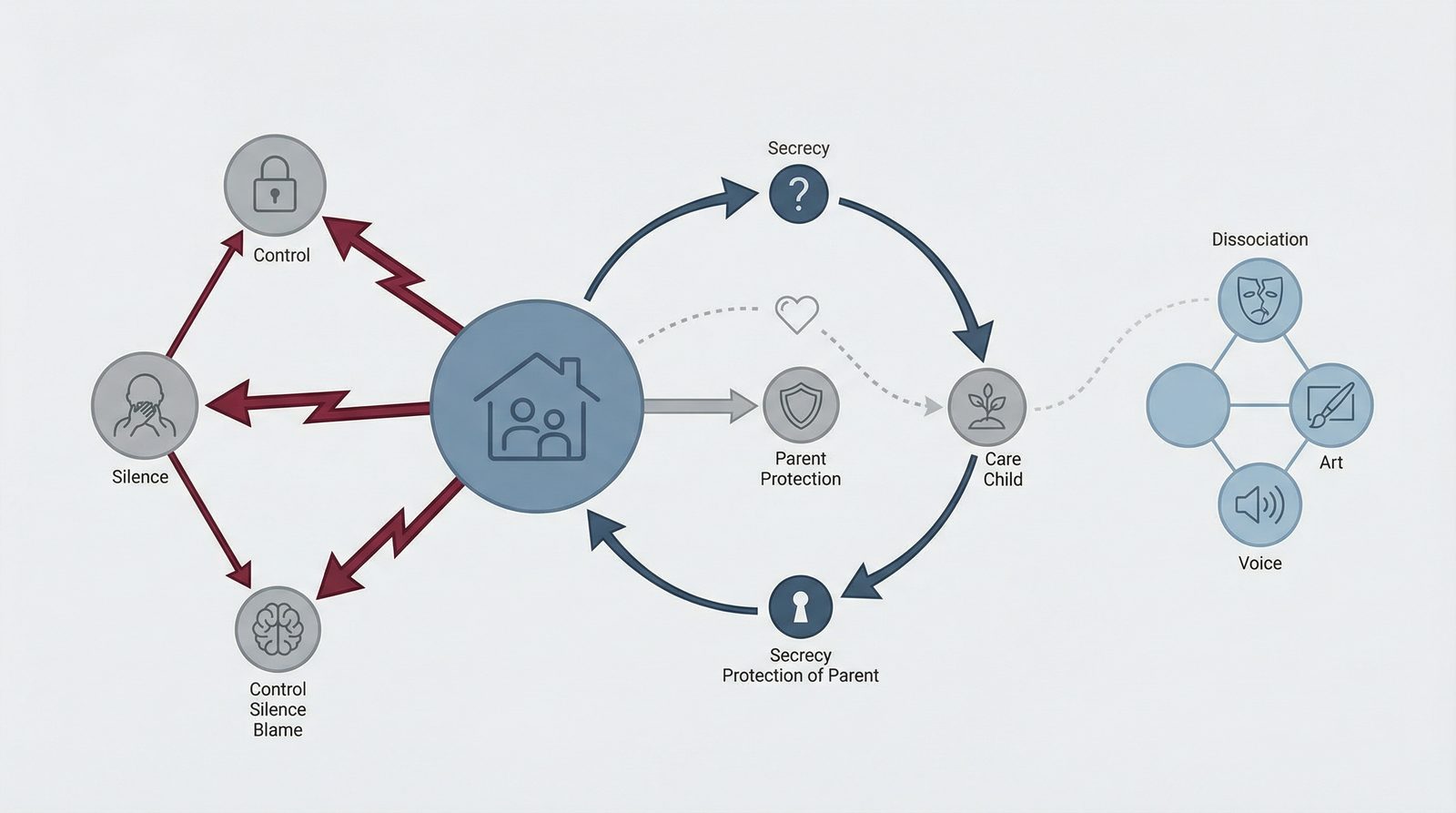
    Parental Betrayal inline diagram image

    WHY IT MATTERS

    This motif reveals the depth of harm that occurs when trust is broken at the foundation of childhood. It also illuminates the emotional journey toward recognizing that betrayal, which can take years or decades. These stories offer readers language for harm that is often minimized or misunderstood.

    Parental Betrayal becomes a starting point for transformation once the character finally names what happened.


    ARCHETYPES ASSOCIATED WITH THIS MOTIF

    • The Controlled Daughter – the clearest archetype of this motif.
    • The Erased Girl – when betrayal results in emotional disappearance.
    • The Survivor Confessor – when the character recounts the truth after years of silence.

    RELATED MOTIFS

    Grief as Contradiction
    Parental Control as Identity
    Dissociation as Defense

  • The Vixen Diaries (2007)

    The Vixen Diaries (2007)

    By: Karrine Steffans
    Genre: Memoir, Feminist Nonfiction
    Country: United States


    INTRODUCTION

    The Vixen Diaries returns to the emotional landscape that followed the publication of Confessions of a Video Vixen. Instead of repeating its revelations, this book looks closely at what it meant to live through the reaction that came after. The memoir fits within the wider pattern of Memoirs of Reclamation, since it focuses on the ongoing work of rebuilding rather than the dramatic moments already told. Steffans writes with the perspective of someone who has already carried her story through fire and now wants to understand the weight that remains.

    The book has the feel of a transitional space. It reads like a collection of private observations shaped by sudden fame, complicated relationships, and the long shadow of public opinion. The tone is quieter than in her first memoir, but the sense of honesty remains. What she offers is a look at life after disclosure, where the hardest work often begins once the spotlight moves on.


    PLOT & THEMES

    The memoir unfolds through short scenes that follow Steffans as she navigates the aftermath of sudden notoriety. She moves through media interviews, changing friendships, uneven romances, and professional offers that often come with hidden costs. The pace feels unpredictable, which mirrors the instability she describes.

    Many pressures from Confessions remain, although they appear in new forms. Relationships continue to slide between intimacy and negotiation, where affection can turn into strategy without warning. These dynamics reflect the motif Intimacy as Transaction, since personal connections often carry an undercurrent of leverage or expectation.

    Public scrutiny becomes another force shaping her identity. Headlines and commentary create versions of her that do not match the person she knows herself to be. This gap continues the conversation raised in The Commodified Body in Books. In this case, the commodity is not only her image but also her story, which others reshape for their own narratives.

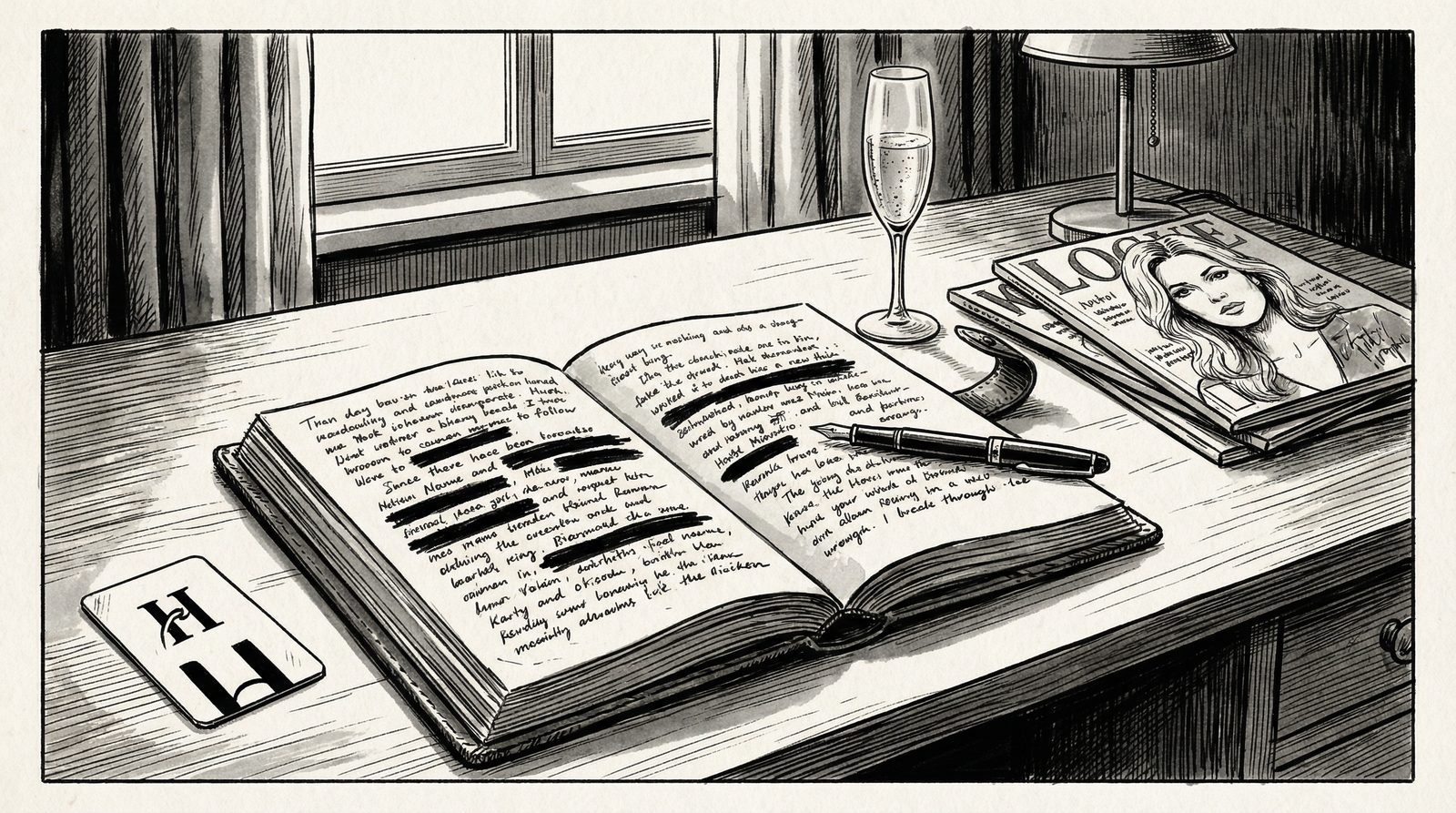
    Conceptual editorial illustration inspired by 'the vixen diaries'

    PROSE & NARRATIVE STRUCTURE

    Steffans writes through brief entries that feel like a mix between personal diary and public reflection. Chronology bends as memory interrupts the present, and the structure allows emotions to rise without forcing them into a traditional arc. This creates a rhythm that matches the unsettled period she describes.

    The book fits into a Fragmented Vignette Structure. Meaning builds across repetitions, contrasts, and returns rather than a single turning point. The result is a memoir that feels more like emotional mapping than retelling, which suits the unsettled questions at the center of the book.


    CHARACTERS & INTERIORITY

    Steffans appears with more introspection here. She looks directly at her coping mechanisms and at the gap between public perception and private experience. This tension echoes the motif The Double Self, since she must navigate the distance between the persona people imagine and the woman she is when the doors close.

    The men who appear throughout the memoir are shaped by their influence rather than by their individuality. They add pressure or relief, sometimes both at once, and their presence reinforces the book’s focus on patterns rather than singular events. Emotional safety becomes a rare and fragile resource.

    Her son remains the memoir’s stabilizing presence. His role softens chapters filled with conflict and confusion. Their bond reflects the motif Motherhood as Redemption. For Steffans, motherhood offers both grounding and purpose, even when the world around her feels chaotic.


    LEGACY & RECEPTION

    When The Vixen Diaries was released, it arrived in a culture more interested in the author’s reputation than in the content of the book. Many readers expected further scandal, and some dismissed the memoir when it offered something quieter instead. The reception reveals how tightly audiences can cling to a narrative, even when the author has already tried to move past it.

    Viewed today, the book fits comfortably within #MeToo Literature, although it predates the movement’s language. It documents the uneasy space between speaking a difficult truth and being believed, and it shows how publicity can distort a survivor’s attempt to rebuild. That in-between stage rarely receives much attention in mainstream memoirs, which makes this book a valuable counterpoint.

    Alongside Confessions of a Video Vixen and The Vixen Manual, this memoir forms the middle chapter in a larger story about reclaiming identity and finding stability after public exposure.

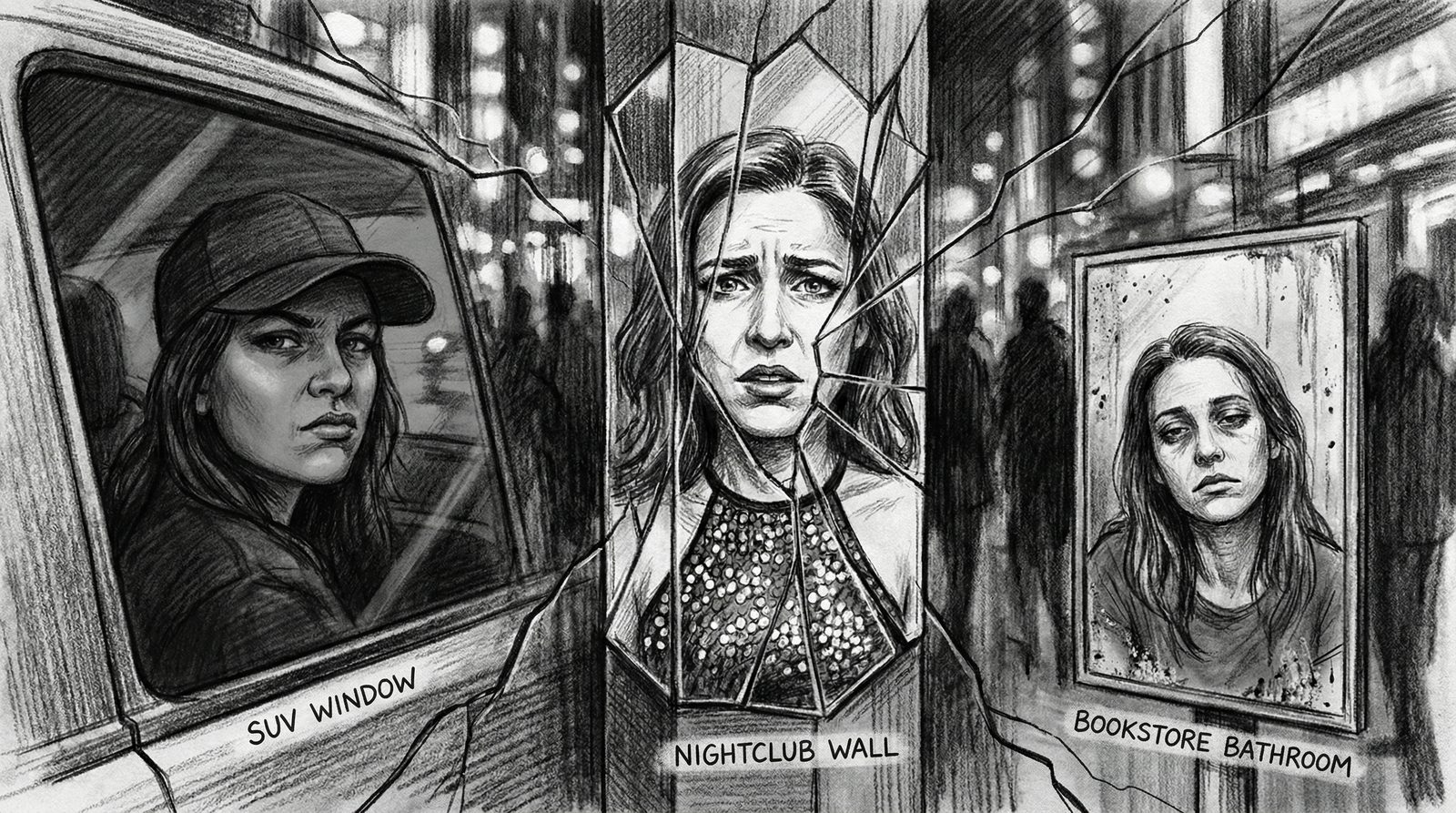
    Illustration of a core idea or motif from 'the vixen diaries'


    IS IT WORTH READING?

    The Vixen Diaries is a more reflective work than its predecessor. Readers drawn to memoirs that explore the emotional cost of visibility, the shifting nature of power, or the quiet labor of rebuilding will find substance here. Those looking for scandal may not. This is a book about life after revelation and what it takes to stay steady once the world has formed an opinion about you.


    SIMILAR BOOKS

    Confessions of a Video Vixen
    The Vixen Manual
    The Woman in Me