Feel: Feel of Dread

  • The Empty Grave (2015)

    The Empty Grave (2015)

    INTRODUCTION

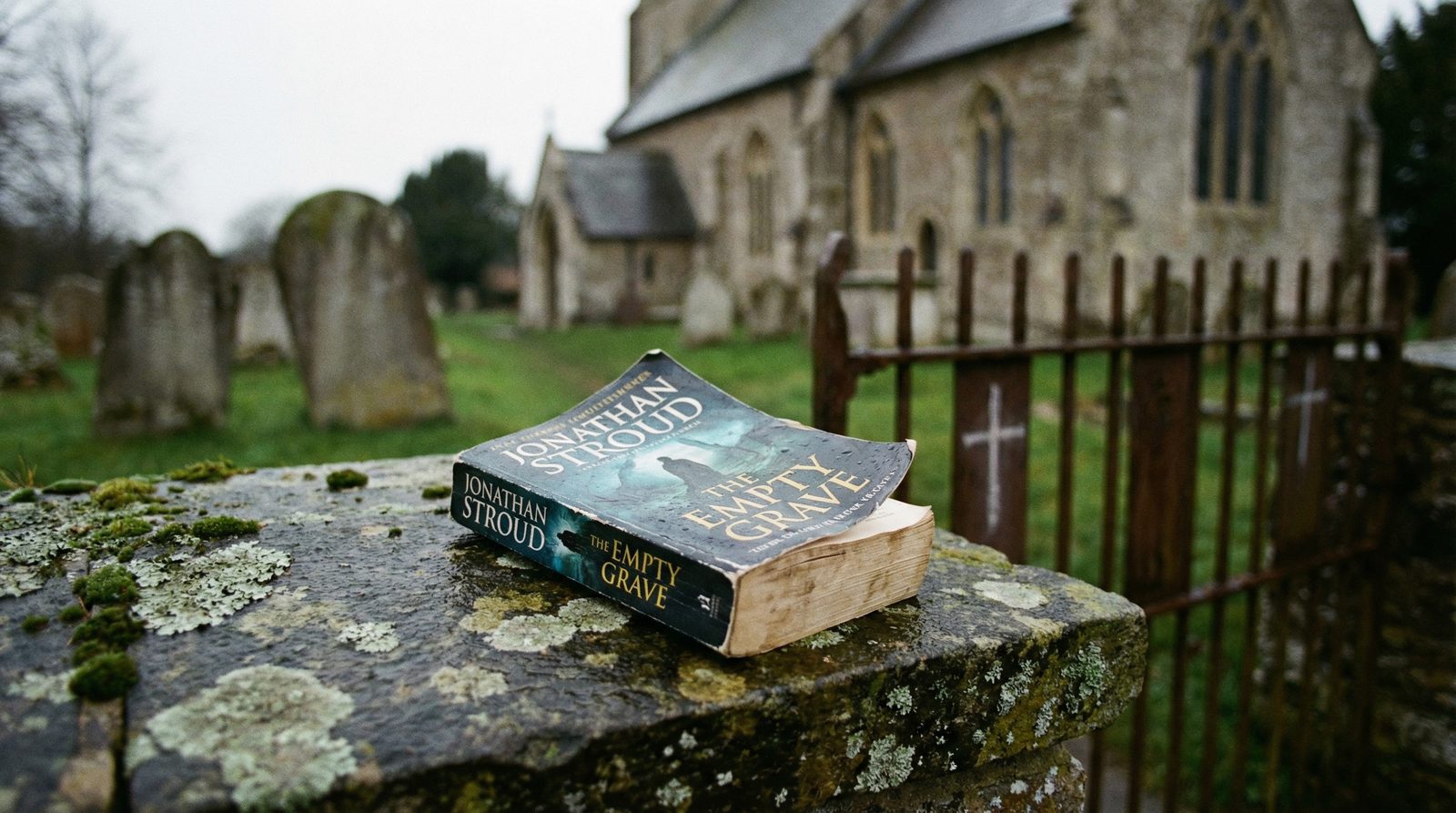
    The Empty Grave (2015) by Jonathan Stroud
    Young Adult · Supernatural mystery · United Kingdom


    The Empty Grave is the fifth and final novel in Jonathan Stroud’s Lockwood & Co. series, and it reads like the moment the lights go out for good. The book closes the long-running question of what caused “the Problem” and what, exactly, the ghost-hunting economy has been built to hide. It keeps the series’ signature tone — witty, anxious, and procedurally grounded — but pushes it toward revelation rather than casework.

    What makes this volume hit harder than the earlier installments is accumulation. By this point the characters have survived enough nights, enough near-misses, and enough institutional betrayal that the mystery is no longer academic. The story feels like a reckoning with systems, secrets, and the personal cost of being the one who keeps walking into haunted rooms.

    PLOT & THEMES

    The plot continues the series’ blend of investigation and danger, but with the endgame in sight. The team’s work moves from isolated hauntings toward the deeper architecture of the Problem itself — how it began, who profits from it, and what truths have been buried under official narratives. The book maintains the procedural spine of research, artifacts, and “source” logic, while tightening the conspiracy thread into direct confrontation.

    The series’ core motif, Ghost Hunting Agency, is at full force here: the danger is real, but the economy around it is just as predatory. Adults outsource risk to children, agencies compete for contracts, and reputation often matters more than safety. The final volume sharpens the moral question that’s been there all along: what does it cost to turn fear into a business model?

    The institutional layer becomes more explicit as well, overlapping with Magical Bureaucracy. Oversight bodies, official silence, and procedural obstruction create tension alongside the supernatural. In Stroud’s world, the system does not merely fail; it survives by keeping the truth partial.

    Emotionally, the book doubles down on found-family logic without turning sentimental. The agency home functions as a fragile refuge, and loyalty is framed as something earned through shared risk. By the end, “solving the mystery” and “staying human” feel like competing objectives, which is exactly the pressure the series has been building toward.

    PROSE & NARRATIVE STRUCTURE

    Stroud’s prose stays clean and fast, built for momentum and readability, but his structuring is precise. Scenes alternate between investigation (archives, artifacts, interviews) and fieldwork (night missions, trap-setting, confrontations), creating a rhythm of preparation and consequence. The final book leans more heavily toward disclosure: the pleasure is less “case solved” than “system understood.”

    Dialogue carries much of the tone — dry, teenage, and under pressure — while exposition is kept practical. Even when the conspiracy thread deepens, the book stays grounded in what the characters must physically do next: read, test, enter, survive. The result is a finale that feels like acceleration rather than a lecture.
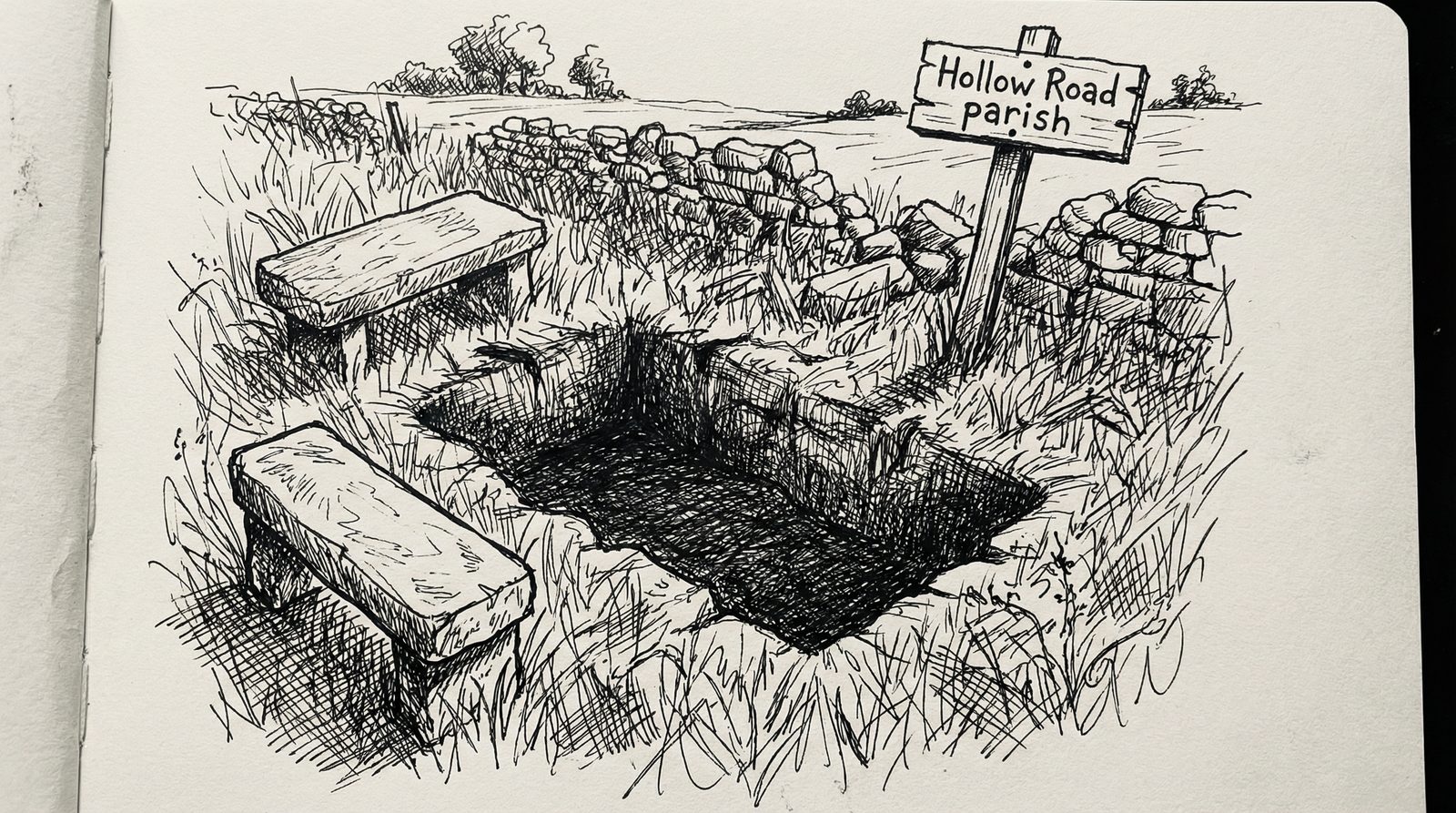
    Conceptual editorial illustration inspired by 'The Empty Grave (2015)'

    CHARACTERS & INTERIORITY

    By the final book, the characters’ defining trait is not bravery but endurance. They are older in spirit than their age should allow, and the interior stakes are shaped by accumulated exposure to horror. The series’ best trick remains intact: the characters are funny not because the world is light, but because humor is how they keep functioning.

    Interiority is expressed through choices under pressure — what they hide, what they tell each other, what they risk, and when loyalty becomes a form of refusal against the adult systems exploiting them. The emotional arc is not “become heroes.” It is “stay intact long enough to tell the truth.”
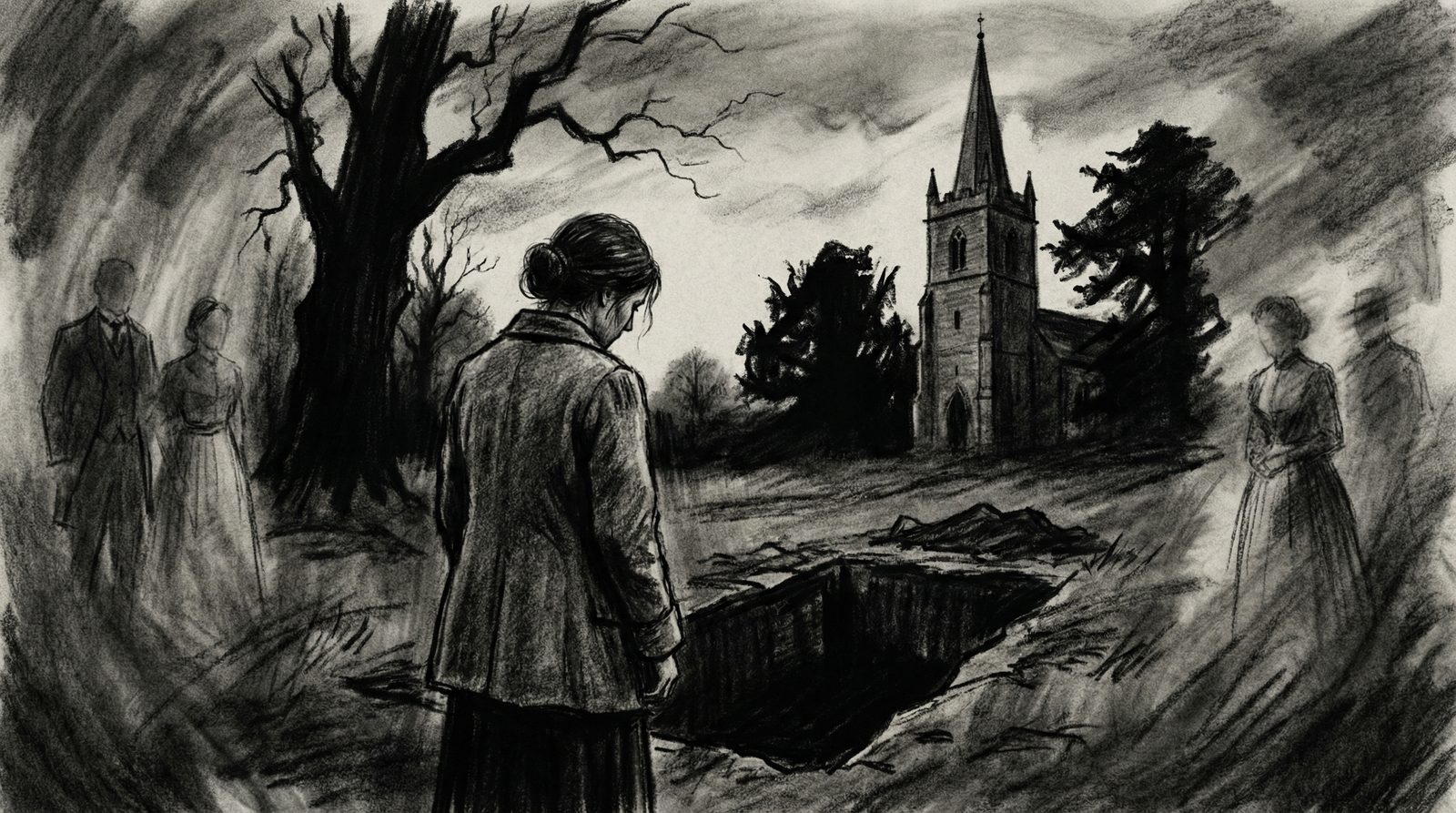
    Illustration inspired by 'The Empty Grave (2015)'

    LEGACY & RECEPTION

    The Empty Grave functions as a structural capstone: it completes the series’ promise that the ghost problem is not only supernatural but historical and institutional. The book’s appeal is not just that it answers questions, but that it keeps the answers aligned with the series’ moral logic: adults built this world, and children were forced to clean it up.

    For readers who followed the series from the start, the final volume is satisfying because it does not abandon tone. It stays procedural, witty, and grounded even when it reaches for big revelations. It treats closure as consequence, not comfort.

    IS IT WORTH READING?

    Yes — especially if you’ve read the earlier books. This is a finale built on payoff: secrets, systems, and character loyalties coming due. If you want atmospheric YA horror with a procedural spine and an institutional critique that stays inside the story world, this series ending delivers.

    DISCOVERABILITY & LINKS

  • The Amulet Of Samarkand (2003)

    The Amulet Of Samarkand (2003)

    INTRODUCTION

    The Amulet of Samarkand (2003) by Jonathan Stroud
    Fantasy · United Kingdom


    The Amulet of Samarkand is a children’s fantasy that refuses to stay safely childish. Set in an alternate London ruled by magicians, it pairs the dry, battered wit of a five-thousand-year-old djinni with the raw ambition of a boy who wants to matter in a system designed to grind him down.

    What begins as a petty act of revenge quickly expands into a political nightmare. Stroud builds a world where magic is bureaucratic, exploitative, and casually cruel. Incense and coal smoke hang in the air, but they do little to disguise the rot beneath the surface. The most honest voice in the book belongs to a spirit who insists he is the villain, and may be the only one telling the truth.

    PLOT & THEMES

    The story unfolds like a heist gone wrong. Nathaniel, a twelve-year-old apprentice in the Ministry of Internal Affairs, summons the djinni Bartimaeus to steal the Amulet of Samarkand from the arrogant magician Simon Lovelace. It is a classic supernatural bargain, but dangerously inverted: the summoner is a child, and he barely understands the contract he has entered.

    The theft draws them into a conspiracy aimed at overthrowing the government during a ceremonial gathering at Heddleham Hall. The amulet is both weapon and leverage, and its power escalates far beyond Nathaniel’s control. Each success deepens his entanglement with the very system he briefly threatens.

    Running beneath the action is the book’s central moral engine: slavery. Spirits are bound by their true names and summoned at great cost to themselves, while human society mirrors the same hierarchy. Commoners are kept ignorant and disposable. Magicians are themselves products of emotional mutilation, trained from childhood to suppress empathy in favor of control.

    The ending is deliberately bitter. Nathaniel uses the amulet to defeat Lovelace and stop a massacre, but his reward is assimilation. He takes a new name, John Mandrake, accepts promotion, and steps deeper into the machine he now understands. There is no triumph, only survival through compromise.

    PROSE & NARRATIVE STRUCTURE

    The novel’s defining technique is its dual narration. Nathaniel’s chapters are written in close third person, tight and defensive, while Bartimaeus narrates in first person, armed with sarcasm, historical digressions, and famously intrusive footnotes.

    This split perspective creates a form of narrative unreliability. Official history, state propaganda, and magician lore are constantly undercut by Bartimaeus’s asides about past empires, botched summonings, and conveniently forgotten atrocities. The footnotes quietly dismantle the authority of the main narrative without ever halting the plot.

    Stroud’s prose is clean and procedural. Magic is described as work: pentacles, summoning circles, planes of existence, and defensive wards. This emphasis on process grounds the fantasy in risk and labor rather than wonder, reinforcing the sense that power here is something managed, rationed, and abused.

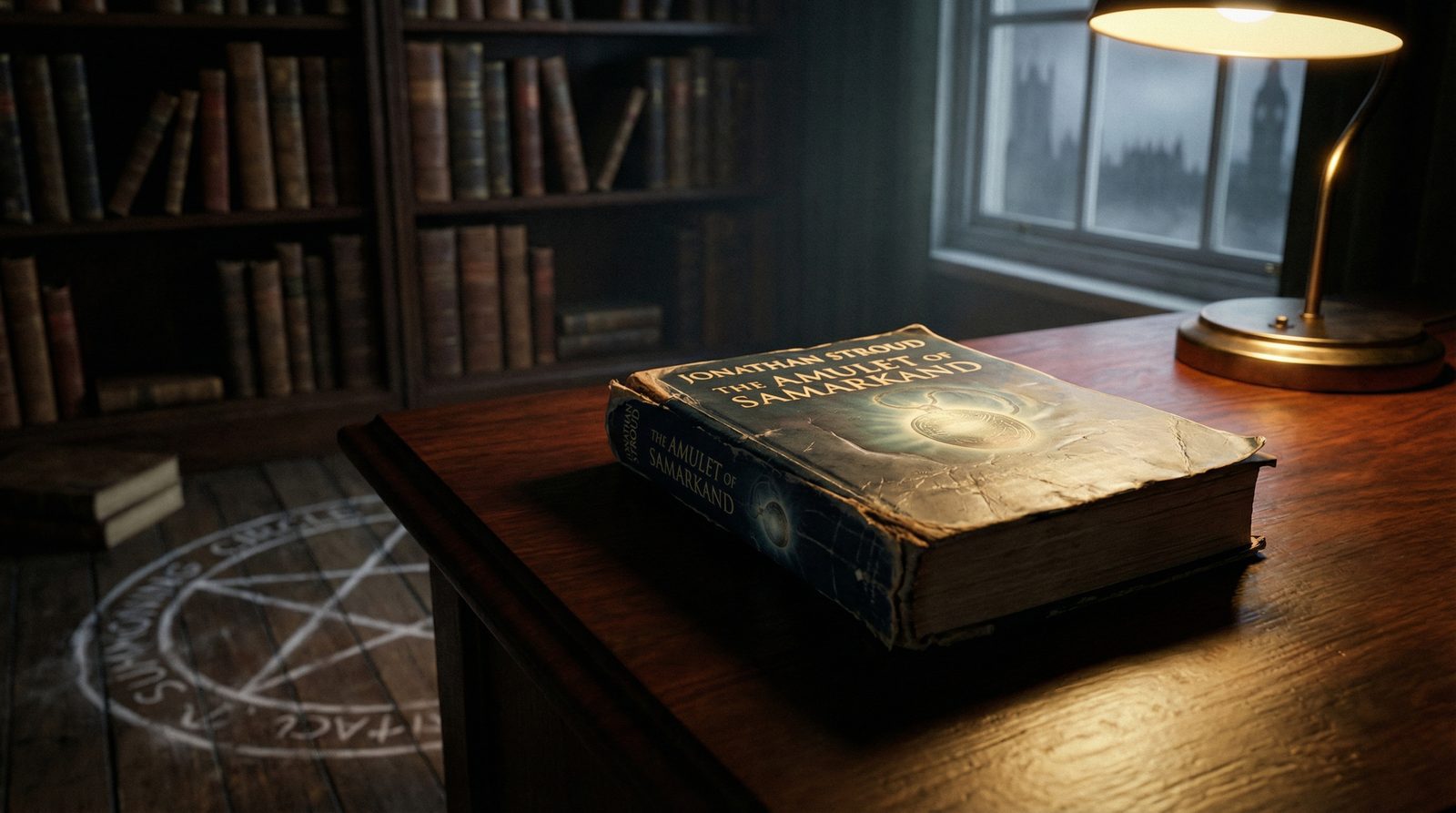
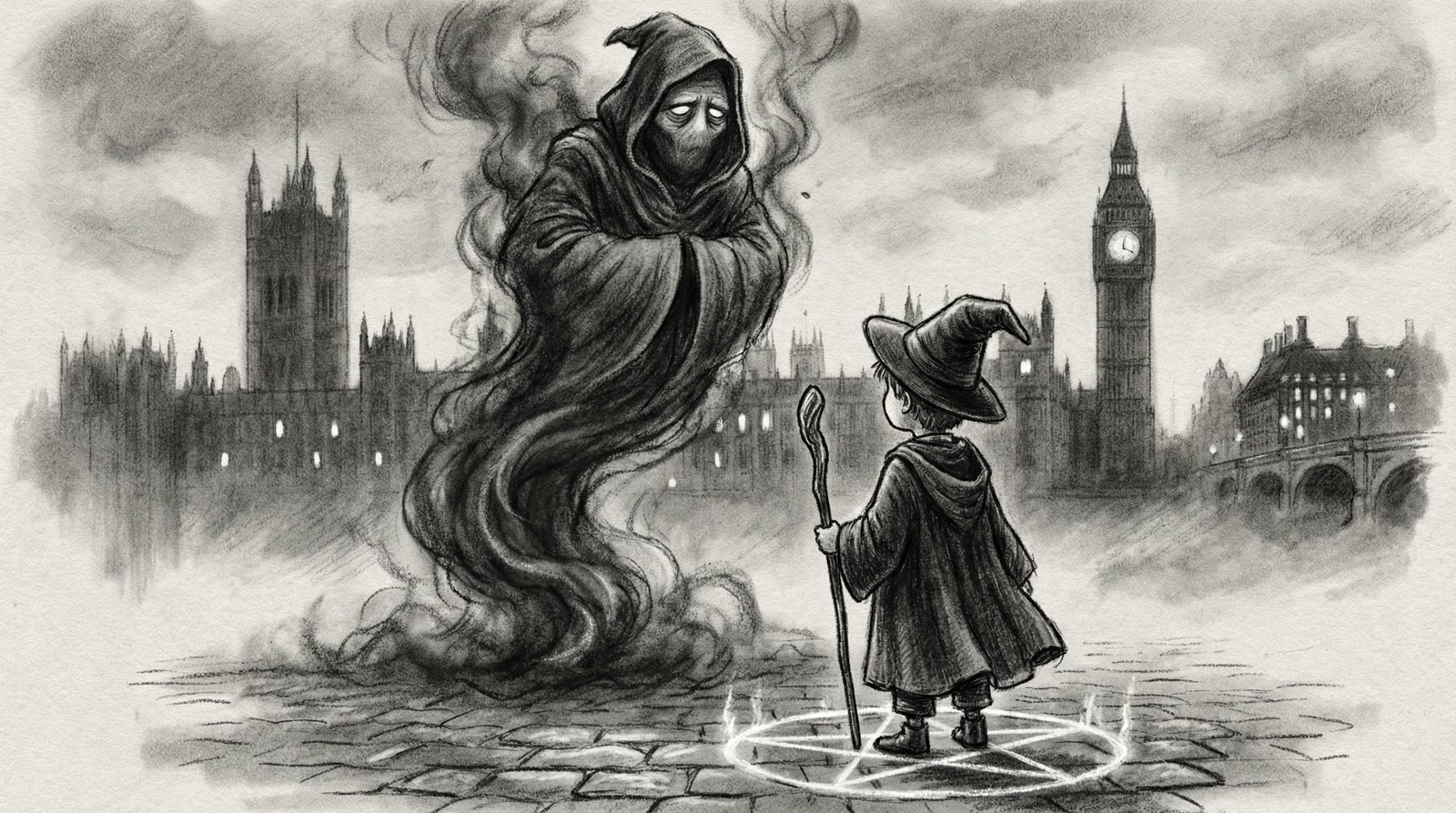
    Conceptual editorial illustration inspired by 'The Amulet of Samarkand'

    CHARACTERS & INTERIORITY

    Nathaniel begins as an ambitious prodigy desperate to escape humiliation. His interior life is defined by resentment, fear, and a relentless need for recognition. When his mentor’s wife, Mrs. Underwood, is killed in a magical attack, his grief is rapidly converted into further ambition. He knows this is wrong, and continues anyway.

    Bartimaeus masks trauma with humor. His boasts about serving Solomon or building ancient cities are a shield against millennia of forced labor. Moments of genuine concern, particularly when Nathaniel is in danger, break through rarely and therefore land hard.

    Secondary characters are sharply etched. Mr. Underwood embodies bureaucratic cruelty born of mediocrity. Kitty, though still peripheral in this volume, stands out for her refusal to accept the system’s logic at all, hinting at a resistance grounded not in magic but in ethics.

    LEGACY & RECEPTION

    Published at the height of the early-2000s fantasy boom, The Amulet of Samarkand distinguished itself by refusing easy heroics. While other series offered hidden schools and secret destinies, Stroud presented a state where magic runs the government and corrupts everyone it touches.

    The book has endured because of its unsentimental ending. Nathaniel survives, London survives, but the moral cost is not erased. That unresolved tension, between power gained and integrity lost, gives the novel its lasting bite and sets the tone for the rest of the trilogy.

    IS IT WORTH READING?

    This is not a comfort read. The humor is sharp, but the world is cruel, and the victories are compromised. If you are looking for fantasy that treats younger readers with seriousness and respects their capacity for moral discomfort, it is absolutely worth reading.

    The book is fast, funny, and deeply uneasy. It understands how systems absorb rebellion, how children are shaped into instruments, and how bargains made in anger rarely end cleanly.

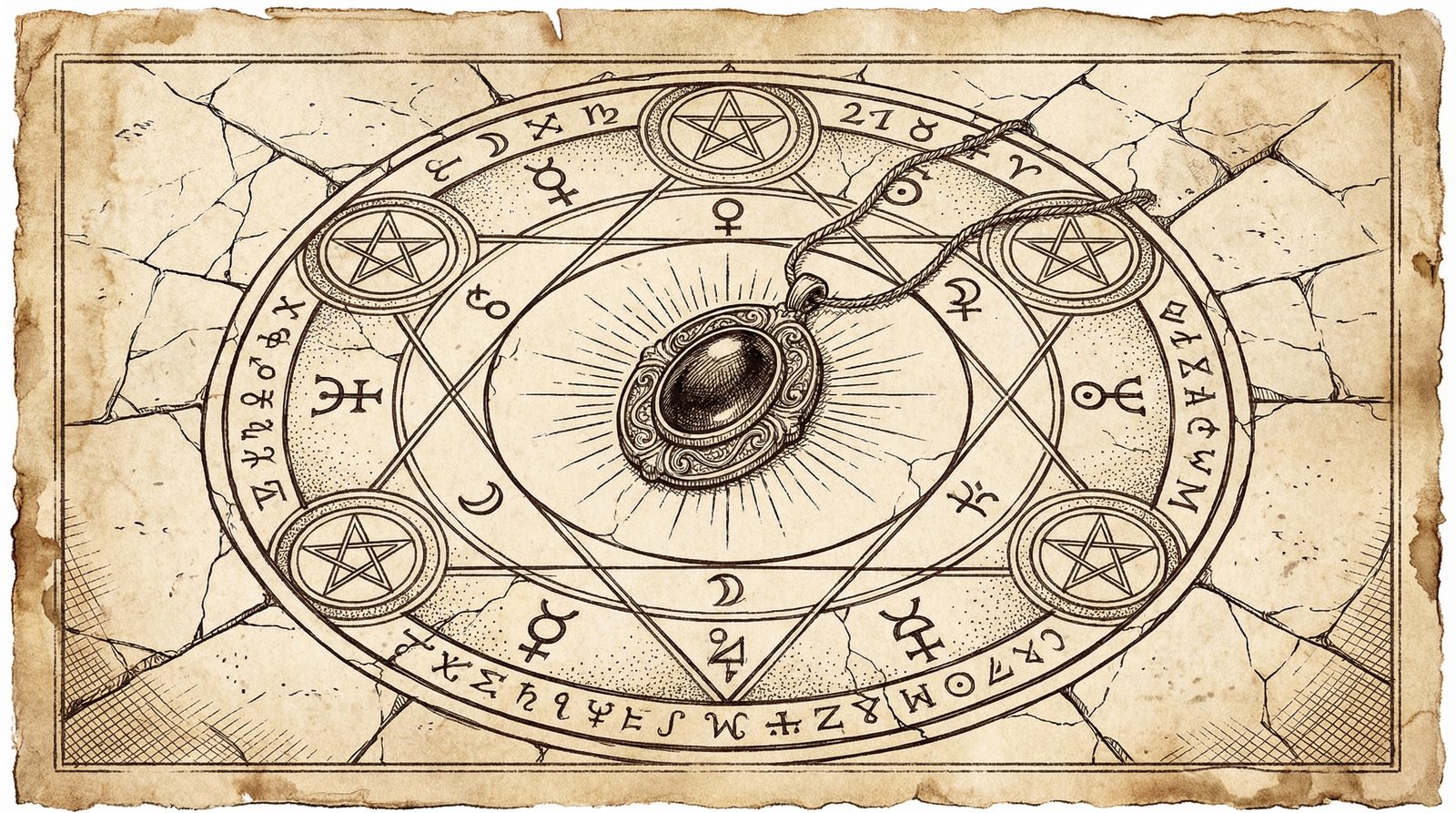
    Illustration inspired by a core idea from 'The Amulet of Samarkand'

    TRIVIA & AUTHOR FACTS

    Jonathan Stroud worked as a children’s editor before writing the Bartimaeus Sequence, and his editorial background shows in the book’s structural confidence. The novel launched a trilogy later expanded by a prequel.

    Bartimaeus’s footnotes were present from early drafts and quickly became the spine of the series. They allow Stroud to critique official history and power structures without halting the narrative, a technique that would influence later fantasy written for younger audiences.

    SIMILAR BOOKS

    Readers drawn to morally tangled magic may also appreciate His Dark Materials for its political theology, or The Magicians for a later, more cynical exploration of power and escapism. For a younger-skewing comparison, Artemis Fowl offers a lighter but still rule-bound take on criminal genius and supernatural bureaucracy.

    DISCOVERABILITY & LINKS

    DISCOVERABILITY & LINKS

  • Winter’s Bone (2006)

    Winter’s Bone (2006)

    By: Daniel Woodrell
    Genre: Crime fiction
    Country: United States


    INTRODUCTION

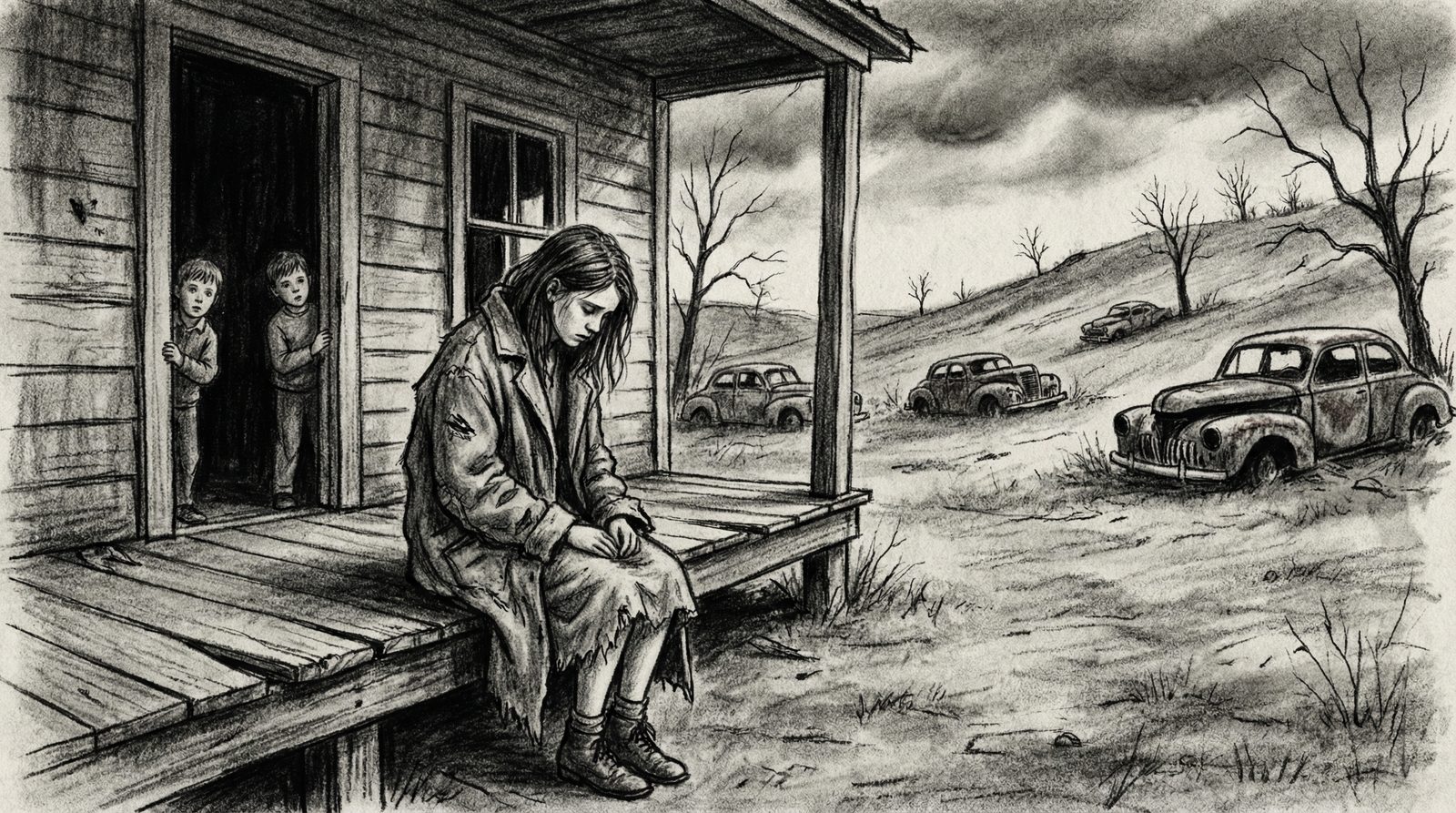
    Winter’s Bone (2006) is a lean, winter-bitten crime story set in the Ozarks, where the landscape feels as dangerous as any man. The book circles the motif of cold: not just the snow and ice that numb fingers and stall trucks, but the emotional frost between kin who owe each other everything and nothing at once. From the first pages, there’s a feeling of dread braided with a stubborn, almost feral tenderness. Ree Dolly, sixteen and already worn thin, moves through a world of rusted cars, burned-out trailers, and unspoken rules, trying to keep her younger brothers fed and her mother’s mind from drifting entirely away. Woodrell writes a crime novel that’s also a study of poverty as a closed system.


    PLOT & THEMES

    The plot is stripped to the bone. Jessup Dolly has skipped bail after putting the family house up as bond. If he doesn’t show for court, the bondsman will take the house, and Ree, her brothers Sonny and Harold, and their near-catatonic mother will be turned out. So Ree undertakes the classic trope of the quest through hostile territory, knocking on doors up and down the Dolly clan’s tangled family tree, looking for a man most people would rather pretend is already dead.

    Winter’s Bone moves through a chain of specific places that feel carved out of the hills: the Dolly house above Little Fork Creek, the Thump clan’s compound up on Hawkfall, the shabby courthouse in Rathlin Valley. Ree haunts the feed store and the schoolyard, but the real map is made of kitchens and front porches where men in seed caps weigh every word. The motif of hunger runs alongside the cold: Ree teaches her brothers to shoot squirrels, to skin deer, to “never ask for what you can’t pay back,” turning survival into a grim curriculum.

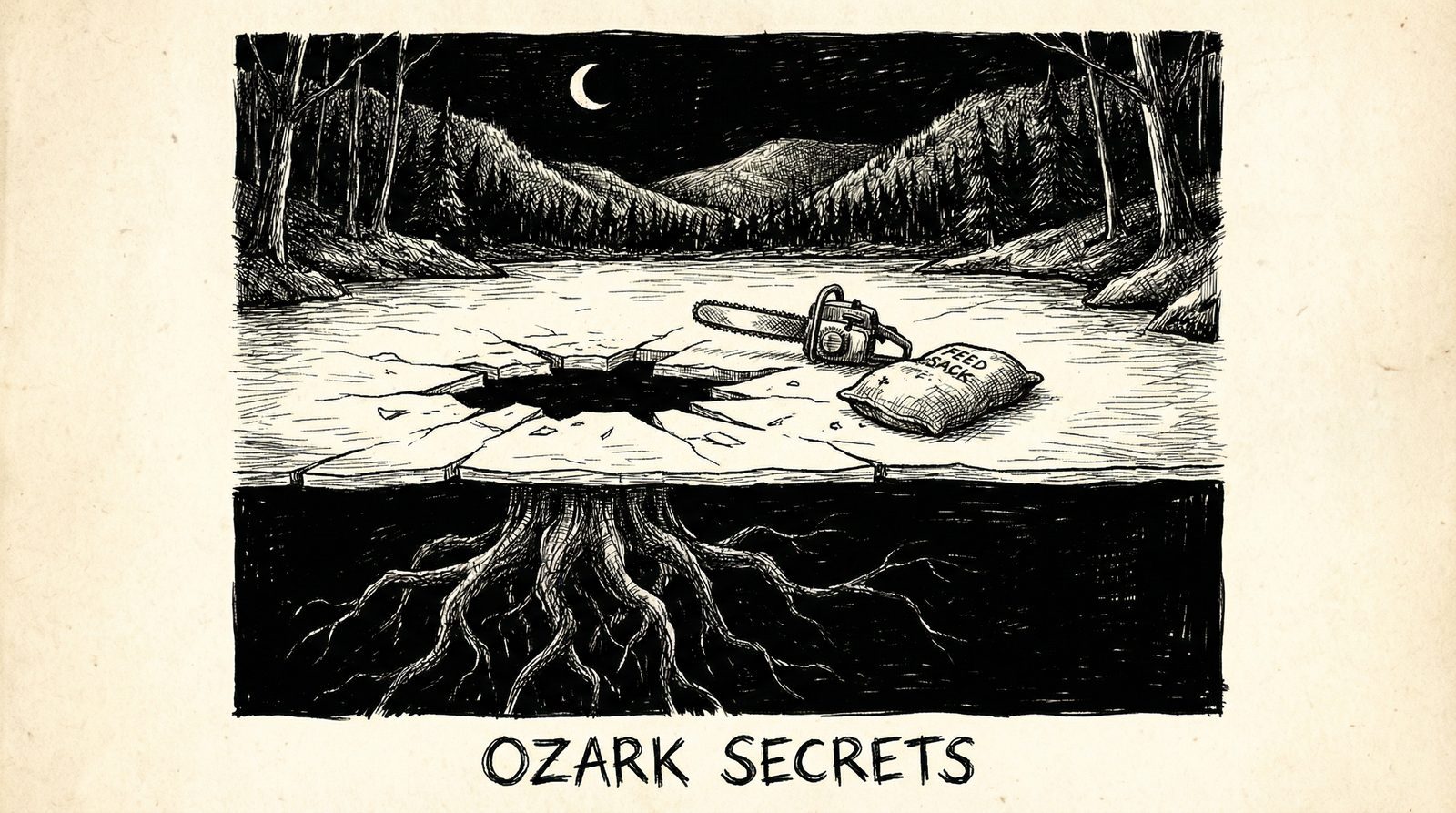
    Unlike the film version, the book is less explicit about Jessup’s fate and the community’s complicity. In the novel, Ree is beaten by women from the Thump family, but the scene involving a frozen pond and Jessup’s body wired to a tree root belongs to the movie. Ree never sees his corpse. The severed hands that eventually surface are mentioned as being delivered and accepted as proof of death, but the process of retrieving them is kept offstage. The house is saved, but nothing else is fixed. The final pages show Ree back at the Dolly place, the cold persisting, imagining a future that’s only marginally less bleak, with a small boat and maybe a chance to leave someday.

    Woodrell’s world shares some DNA with the rural noir of No Country for Old Men (2005), but his focus stays tight on how crime corrodes kinship from the inside out. The novel is less interested in villains than in systems: bail bonds, family obligations, and drug economies that make every choice feel like a trap.


    PROSE & NARRATIVE STRUCTURE

    The book is written in a close third-person narrative technique that clings to Ree’s perceptions, filtering the Ozarks through her wary intelligence. Woodrell’s sentences are short but oddly lyrical, full of local idiom and sudden, sideways metaphors: a dog’s breath is “rank as a ditch,” snow is “powder laid down like quiet orders.” The feeling is one of constant tension, but the prose never strains for effect; it’s confident enough to let silence and space do much of the work.

    Structurally, Winter’s Bone is almost episodic. Each chapter is a visit: to Uncle Teardrop’s house with its haze of crank smoke and bluegrass records; to the Milton place where Ree tries and fails to enlist Gail’s husband in her search. These encounters accumulate rather than escalate in a standard thriller arc. The technique of incremental revelation means we learn the truth about Jessup’s betrayal and death in fragments, through offhand remarks and half-finished sentences, long before any official confirmation arrives.

    Dialogue carries much of the weight. Woodrell lets conversations trail off, double back, or die in the air, trusting the reader to hear the threats under the politeness. He also uses small, practical details — Ree teaching the boys to play the banjo, or studying the army recruitment brochure she keeps folded in her pocket — to break the monotony of menace. The structure mirrors Ree’s own mental map: a circuit of obligations she must walk again and again, hoping one door will finally open instead of slam in her face.

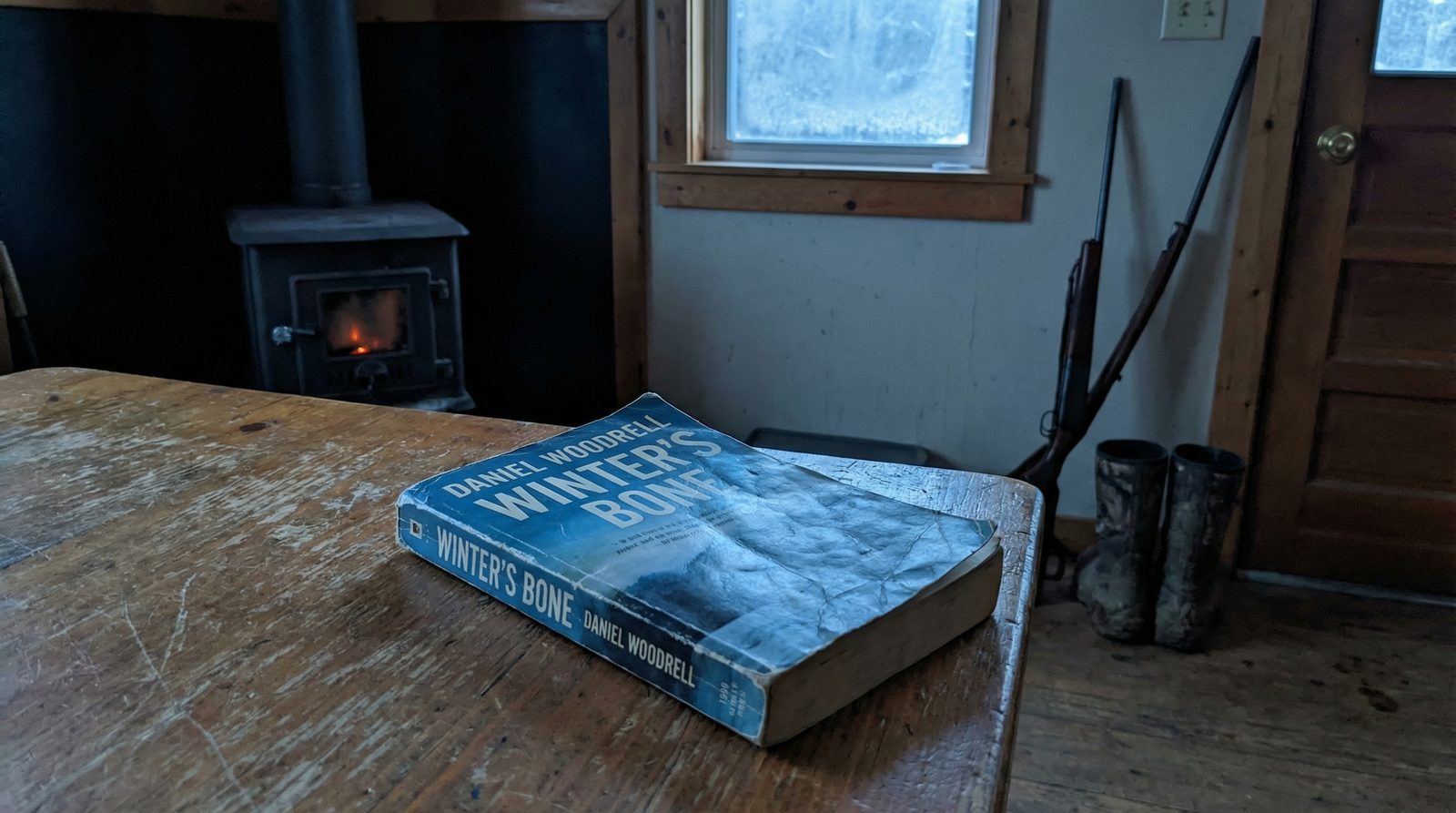
    Conceptual editorial illustration inspired by 'Winter’s Bone (2006)'

    CHARACTERS & INTERIORITY

    Ree Dolly is built from the archetype of the stoic young caretaker, but Woodrell refuses to make her a martyr or a saint. She’s stubborn, sometimes reckless, and occasionally cruel in small, understandable ways — snapping at her brothers, fantasizing about simply walking away. We’re inside her head just enough to feel the grind of her days, and to see how she keeps moving anyway. She also dreams, in a halting way, of the army as an escape hatch, of seeing oceans and cities she can barely picture.

    Teardrop, her uncle, is a study in contradictions: a violent crank user with a musician’s sensitivity, who at one point sits in his kitchen, picking out a mournful tune while promising Ree that he’ll “do what needs doing” about Jessup. His small, terrifying act of defiance at the end — driving past the sheriff, refusing to pull over — suggests a doomed loyalty that may outlast him by only a few hours.

    Secondary figures are quickly but sharply drawn. Gail, the young mother trapped in a joyless marriage, offers Ree brief refuge and a glimpse of another kind of prison. The Thump women, especially Merab, embody the clan’s brutal pragmatism. Even the boys, Sonny and Harold, have distinct presences — one hot-tempered, one eager to please — so the stakes of Ree’s struggle are never abstract. Interiority here is less about long introspective passages than about how people hold themselves, what they refuse to say, and which small mercies they allow.


    LEGACY & RECEPTION

    Within crime fiction, Winter’s Bone helped solidify Daniel Woodrell’s reputation as a pioneer of what he called “country noir,” a vein of storytelling where the backroads are as lethal as any city alley. The book’s stark ending — Ree returning to the Dolly house with proof of Jessup’s death, securing the deed but not her safety — has been widely read as a refusal of redemption. Survival is the only prize, and even that is conditional.

    The later film adaptation made some plot elements more visually explicit, particularly around the discovery of Jessup’s body and the Thump women’s direct involvement in mutilating his corpse. Readers who come to the novel after the movie often remark on how much bleaker and more intimate the original feels. In critical circles, Winter’s Bone is frequently paired with other rural American narratives about families under economic siege, but Woodrell’s approach remains one of the most compressed and unforgiving.


    IS IT WORTH READING?

    If you want a cozy mystery or a neat moral arc, no: Winter’s Bone offers neither comfort nor catharsis. But if you’re drawn to crime fiction that takes poverty seriously — not as scenery, but as a system that shapes every choice — this short novel is worth your time. The language is spare yet memorable, the scenes vivid without feeling sensationalized, and Ree Dolly is one of those characters who linger in the mind long after the last page. It’s a harsh book, sometimes brutal, but it’s also honest about the cost of staying, the cost of leaving, and the thin, cold line between the two.

    Illustration of a core idea or motif from 'Winter’s Bone (2006)'

    TRIVIA & AUTHOR FACTS

    Daniel Woodrell grew up in Missouri and has spent much of his life in and around the Ozarks, which gives Winter’s Bone its lived-in sense of place. He’s known for keeping his novels short — though the exact page count varies by edition — yet densely packed with incident and atmosphere. The term “country noir,” often attached to his work, was one he used himself to describe an earlier novel, but Winter’s Bone is the book that carried that label into wider circulation.

    Several details in the book, like the informal economy of trading venison, crank, and favors, or the way family cemeteries cling to hillsides above creeks, reflect real Ozark customs and geography. Woodrell has mentioned in interviews that he writes by ear, revising sentences aloud until they sound right, which helps explain the musical cadence of Ree’s interior monologue and the dialogue’s sharp, clipped rhythms. Despite critical acclaim, he’s remained more of a writer’s writer than a bestseller, which suits the hard, quiet worlds he tends to build.


    SIMILAR BOOKS

    If Winter’s Bone speaks to you, you might look toward other crime novels rooted in specific, hard-bitten landscapes. Tomato Red (1998), also by Daniel Woodrell, expands on similar Ozark territory with a different cast and a longer arc. No Country for Old Men (2005) by Cormac McCarthy offers another vision of rural crime and fatalism, though in a Southwestern key. For a different but related angle on family, land, and violence, try Sharp Objects (2006) by Gillian Flynn, which trades hills for small-town Illinois but keeps the same sense of secrets seeping through wallpaper and bone.


    DISCOVERABILITY & LINKS

    This review of Winter’s Bone (2006) connects to a wider web of motifs, tropes, and related works across our archive, helping you trace patterns of rural noir, family obligation, and survival narratives through other books and authors featured on the site.