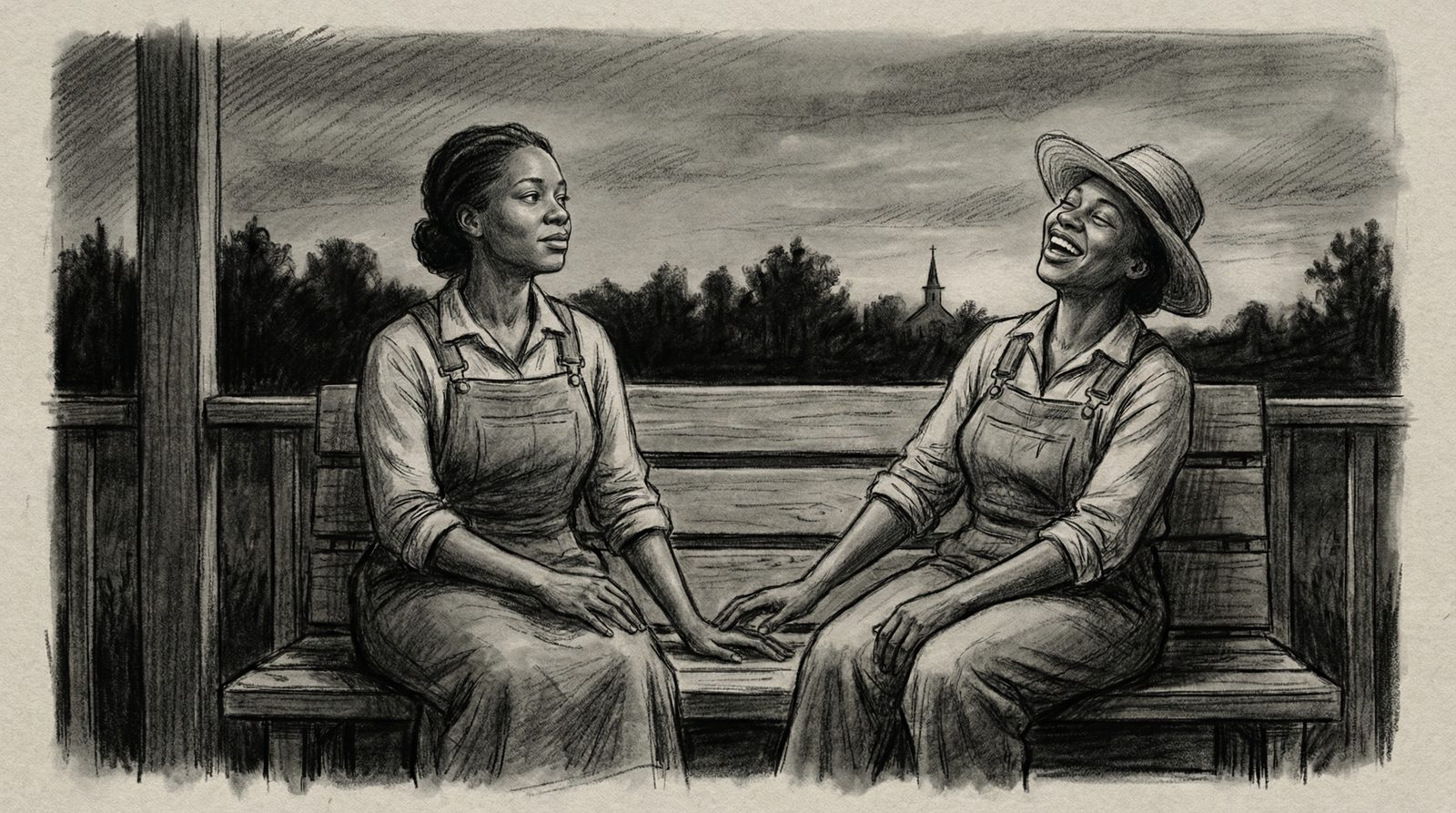

Feel: Quiet Strength

  • Survival Narratives

    Survival Narratives

    Motif Type: Endurance and Transformation
    Era Focus: 20th Century to 21st Century
    Primary Fields: Memoir, Literary Fiction, Trauma Studies


    WHAT THIS MOTIF MEANS

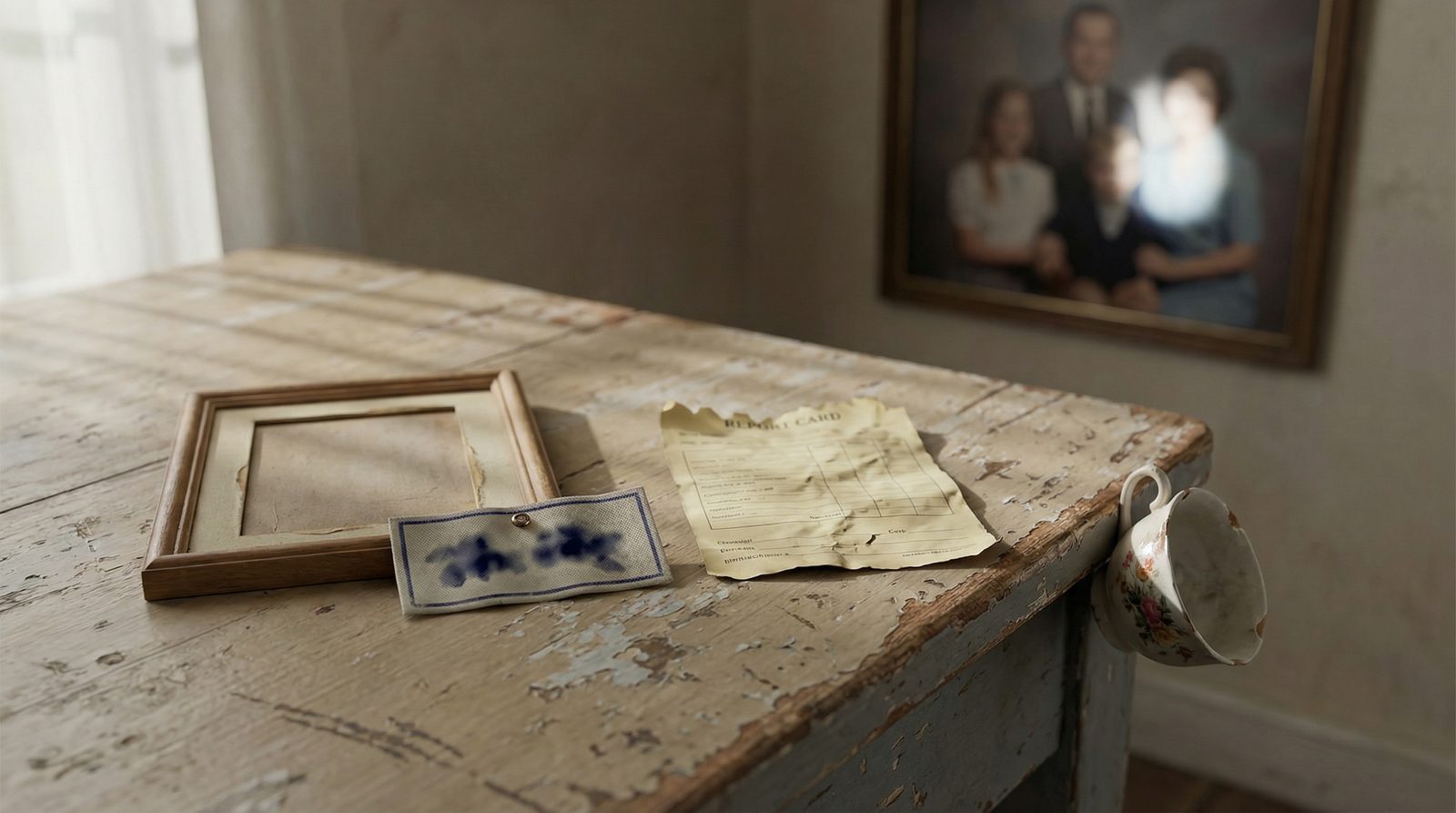
    Survival Narratives appear in stories where the central tension is not triumph or victory, but endurance. The character’s primary goal is to stay alive, stay present, or stay intact in the face of harm. Survival is not glamorous. It is not heroic in the traditional sense. It is a daily, often invisible act.

    The motif reveals the emotional truth that survival is meaningful even when it is quiet.


    HOW IT WORKS IN NARRATIVE

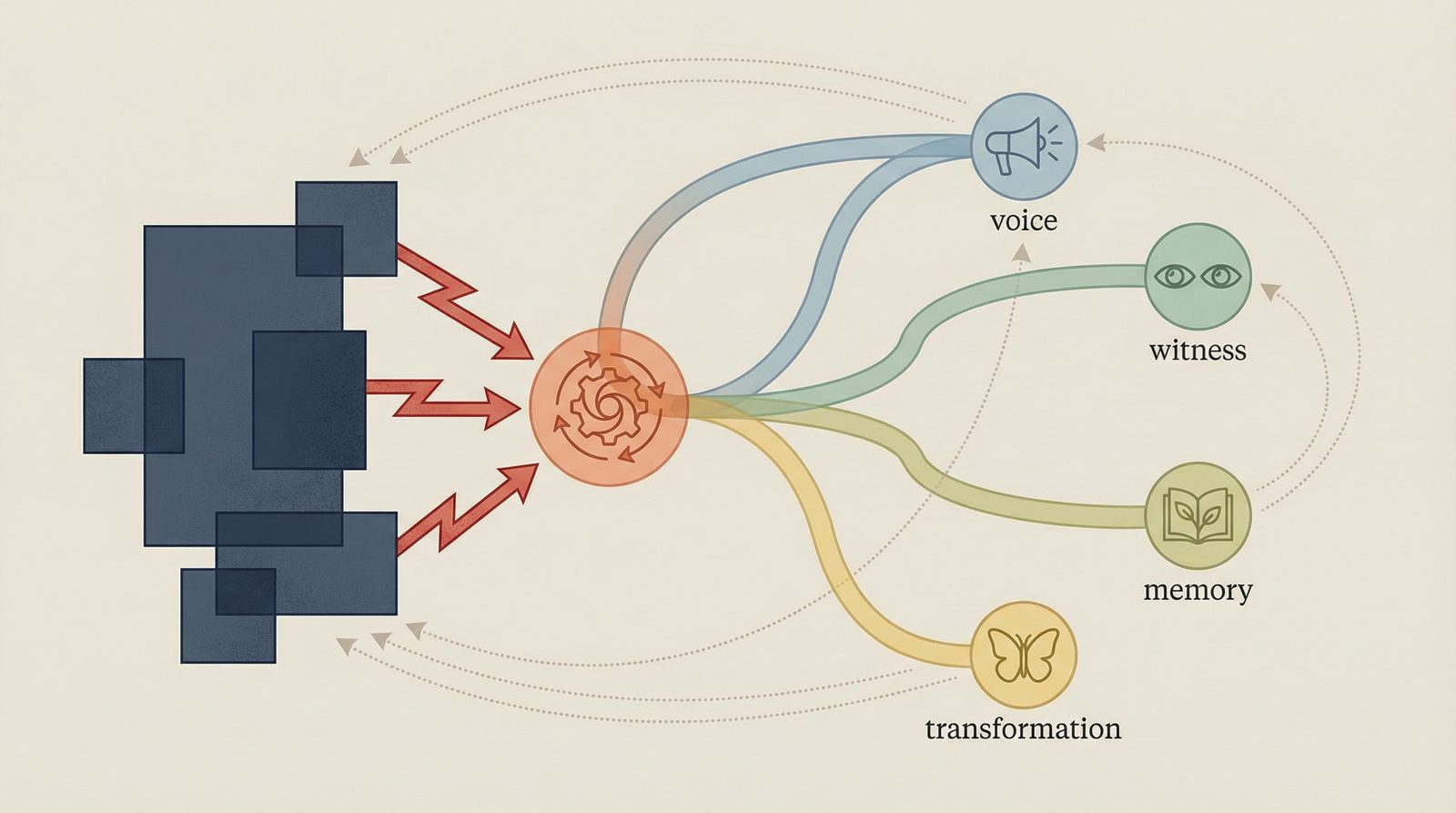
    Narratives shaped by this motif often begin with confinement. The character has limited choices, minimal support, and little sense of possibility. The plot does not promise redemption. It promises movement, however small. The story unfolds in acts of persistence: a step away from harm, a word spoken, a line written, a breath taken.

    The climax often comes not as success but as recognition. The character understands that survival itself has value.


    Survival Narratives inline concept image

    WHERE WE SEE IT IN OUR LIBRARY

    • Push – Precious survives violence, hunger, neglect, and systems designed to ignore her.
    • Precious – The film deepens the motif by showing survival as physical and emotional endurance.
    • The Color Purple – Celie endures years of abuse but finds strength in sisterhood and self-recognition.
    • Confessions of a Video Vixen – Steffans survives systems of male power and celebrity exploitation.
    • The Woman in Me – Britney’s endurance through legal control becomes a global example of quiet survival.
    • I’m Glad My Mom Died – McCurdy’s survival is emotional, psychological, and tied to reclaiming selfhood.

    Across these works, survival is not the end of the story. It is the beginning of transformation.


    WHY IT MATTERS

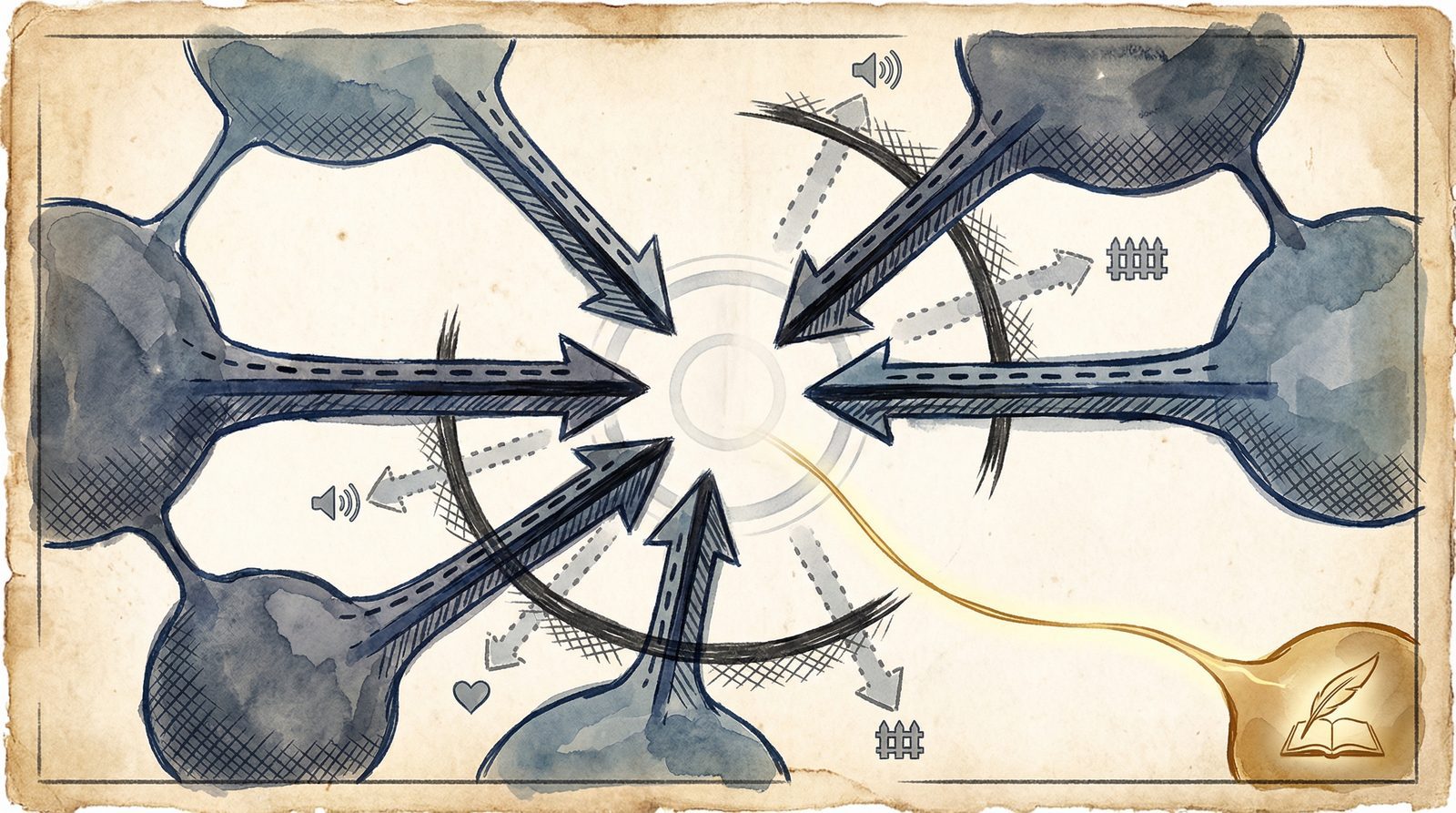
    This motif matters because it gives value to endurance. Many stories celebrate triumph but overlook the hard, quiet work of simply continuing. Survival Narratives recognize this work as meaningful and dignified. They show how trauma shapes people without defining the rest of their lives.

    They also connect disparate stories across genre, race, and medium through the shared thread of persistence.

    Survival Narratives inline diagram image

    ARCHETYPES ASSOCIATED WITH THIS MOTIF

    • The Survivor Confessor – for characters who narrate their survival with clarity.
    • The Resistant Spirit – for characters who hold a spark even inside overwhelming circumstances.
    • The Witness – for characters who observe their own endurance with honesty.

    RELATED MOTIFS

    Silence as Survival
    Trauma as Inheritance
    Literacy as Liberation

  • The Erased Girl

    The Erased Girl

    Motif Type: Identity and Neglect
    Era Focus: 20th Century to 21st Century
    Primary Fields: Memoir, Literary Fiction, Trauma Narratives


    WHAT THIS MOTIF MEANS

    The Erased Girl is a motif that appears in stories where a young woman is treated as invisible, replaceable, or undeserving of attention. Her needs are ignored. Her boundaries are dismissed. Her identity is shaped by what others want from her, not by what she wants for herself. She survives by shrinking, observing, or disappearing into the background.

    This motif is not about weakness. It is about erasure imposed from the outside. The girl learns to survive by taking up as little space as possible.

    The Erased Girl inline concept image

    HOW IT WORKS IN NARRATIVE

    Narratives driven by this motif often open in environments where the girl’s voice is absent or dismissed. Adults, partners, institutions, or cultural expectations overwrite her with their own needs. The plot reveals the slow movement from invisibility toward recognition, whether through writing, friendship, rebellion, or self-expression.

    The emotional impact comes from watching someone who has been neglected learn to see herself clearly for the first time.


    WHERE WE SEE IT IN OUR LIBRARY

    • Push – Precious begins as a child no one protects, sees, or hears.
    • Precious – The film visualizes her erasure through lighting, framing, and silence.
    • I’m Glad My Mom Died – Jennette is raised to be her mother’s extension rather than a person with her own identity.
    • The Color Purple – Celie is treated as labor rather than a daughter or partner, erased in her own home.
    • The Woman in Me – Britney becomes a global symbol while her personal identity is stripped away by courts and caretakers.

    In each story, the girl is present physically but erased emotionally. The narrative becomes a record of her reappearance.

    The Erased Girl inline diagram image

    WHY IT MATTERS

    This motif reveals how emotional neglect shapes identity. It shows how difficult it is to claim space when a life has been defined by erasure. It also illuminates the courage required to reclaim personhood when the world has never asked who you are.

    The Erased Girl is not a tragic figure. She is a survivor whose visibility becomes revolutionary.


    ARCHETYPES ASSOCIATED WITH THIS MOTIF

    • The Erased Girl – the core archetype, representing imposed invisibility.
    • The Controlled Daughter – for characters sculpted by parental domination.
    • The Witness – for characters who observe harm with clarity long before they can act.

    RELATED MOTIFS

    Silence as Survival
    Trauma as Inheritance
    Intimacy as Healing

  • Literacy as Liberation

    Literacy as Liberation

    Motif Type: Education and Selfhood
    Era Focus: 20th Century to 21st Century
    Primary Fields: Literary Fiction, Memoir, Social Realism


    WHAT THIS MOTIF MEANS

    Literacy as Liberation is a motif found in stories where learning to read or write becomes the turning point in a character’s life. The act is more than an academic skill. It becomes a form of self-recognition. Characters who inhabit this motif discover language as a path out of isolation, silence, or abuse.

    The power of this motif lies in transformation. Written words offer a place to understand identity, claim truth, and imagine a future that did not exist before.


    HOW IT WORKS IN NARRATIVE

    In these stories, literacy changes the internal map of the character. Before literacy, they may be controlled, erased, or unable to articulate their own experiences. Learning to write becomes a way to understand the past and shape the present. Learning to read becomes access to knowledge that was once forbidden. Literacy becomes agency.

    For many characters, writing is the first time their voice has value.


    Literacy as Liberation inline concept image

    WHERE WE SEE IT IN OUR LIBRARY

    • Push – Precious begins to write in Ms Rain’s class and discovers a self that abuse tried to extinguish.
    • Precious – The film visualizes writing as release, showing how language becomes a lifeline.
    • The Color Purple – Celie’s letters are her survival. Writing becomes her sanctuary and eventual awakening.
    • Sapphire – As an author and educator, her work embodies the belief that literacy can transform a life and a community.

    These works show literacy as a tool that interrupts generational harm and opens the door to naming what was once unspeakable.


    WHY IT MATTERS

    This motif is powerful because it shows how selfhood can begin on the page. For characters who have been silenced or controlled, writing provides a private space that cannot be taken away. Literacy becomes rebellion in stories where the world demands obedience.

    It reminds readers that stories are not just entertainment. They are survival strategies.

    Literacy as Liberation inline diagram image

    ARCHETYPES ASSOCIATED WITH THIS MOTIF

    • The Reclaimer – characters who take back their story through writing.
    • The Witness – characters who see clearly once they gain language.
    • The Erased Girl – characters whose first true existence begins when they write their own words.

    RELATED MOTIFS

    Trauma as Inheritance
    Survival Narratives
    Intimacy as Healing

  • Alice Walker

    Alice Walker

    Born 1944, Eatonton, Georgia, United States Genres: Literary Fiction, Poetry, Essay Era: Late 20th Century – 1980s

    INTRODUCTION

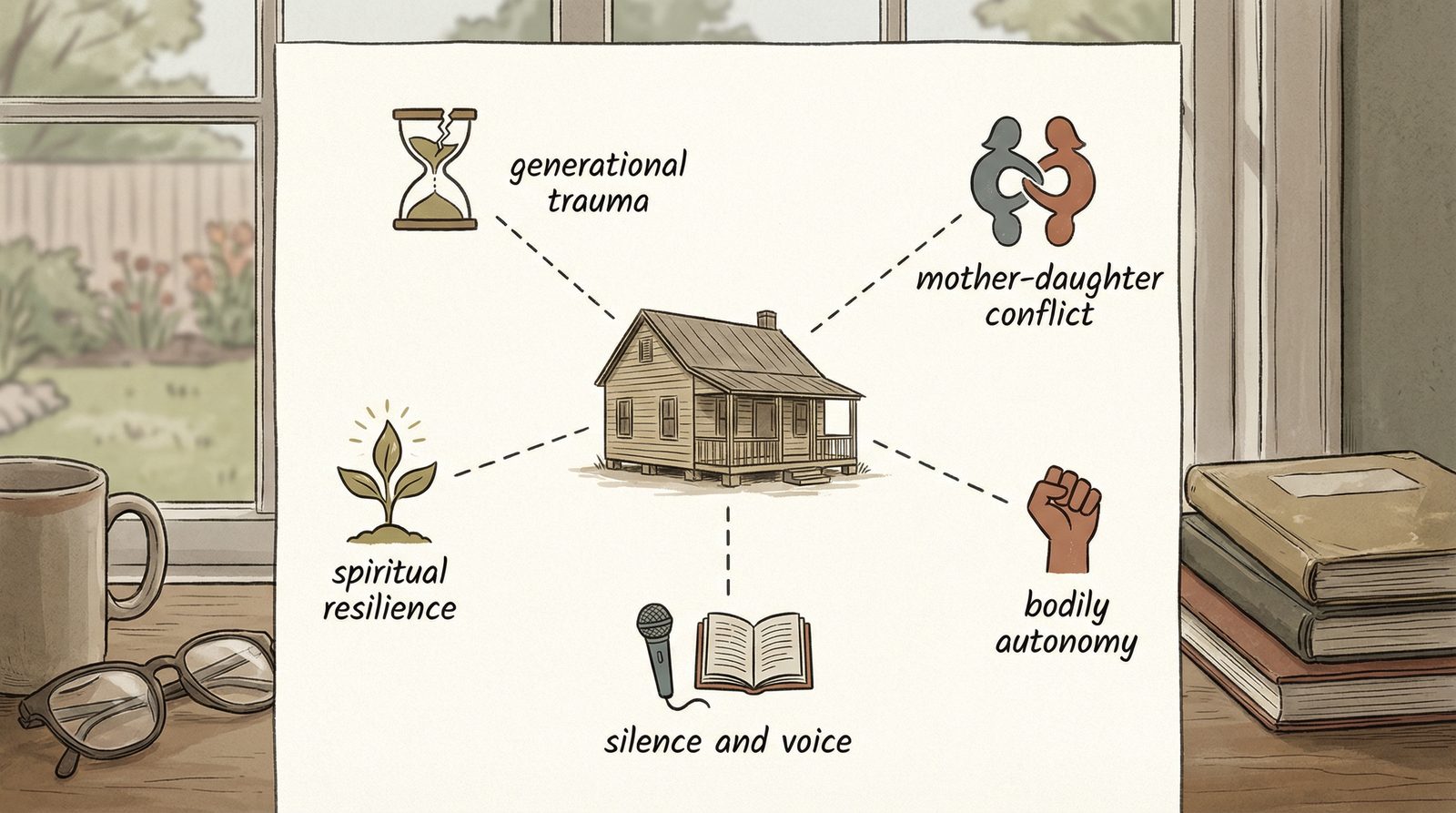
    Alice Walker writes with a steady, spiritual intelligence that feels rooted in the earth itself. Her work is shaped by Southern Black womanhood, political struggle, and a belief that the sacred can live inside ordinary lives. With The Color Purple, she placed working class Black women at the center of American literature and refused to soften their experiences. The novel’s emotional clarity reflects the motif of Trauma as Inheritance, while her characters show remarkable capacity for growth. Walker’s voice blends tenderness with ferocity. She insists on telling the truth even when the truth is uncomfortable.

    LIFE AND INFLUENCES

    Born in rural Georgia, Walker grew up in a sharecropping family where stories and faith were central. A childhood accident left her blind in one eye, a trauma that shaped her early sense of isolation and introspection. She attended Spelman College and later Sarah Lawrence, where the Civil Rights Movement deepened her political awareness. Her influences include Zora Neale Hurston, Black Southern folklore, womanist theology, and her own experience of racism and poverty. These threads appear throughout her work, aligning with motifs like Survival Narratives and Intimacy as Healing.
    Symbolic illustration inspired by 'Alice Walker'

    THEMES AND MOTIFS

    Walker returns again and again to themes of spiritual reclamation, domestic violence, sexuality, community, and the healing potential of female friendship. She coined the term “womanist” to describe a feminism grounded in Black women’s experiences. Her characters often move from silence to voice and from survival to rootedness. Many of her stories explore the double pull of harm and hope within families. This tension aligns with motifs such as Emotional Minimalism and Power as Proximity, where vulnerability and authority compete.

    STYLE AND VOICE

    Walker writes with clarity, gentleness, and rhythmic simplicity. Her voice is direct and grounded. She blends emotion with restraint. She favors intimate narration, lyrical fragments, and spiritual imagery. Even at her most political, the work feels lived in rather than theoretical. The dignity she grants her characters comes through language that honors their truth. She allows flaws, contradictions, and small moments to carry the story.

    KEY WORKS

    Walker has published poetry, essays, and additional novels, but The Color Purple remains the work most closely tied to her cultural legacy.

    RELATED ADAPTATIONS

    Walker’s most famous novel has inspired multiple major screen adaptations that carried Celie’s story to new audiences: • The Color Purple (1985) – Steven Spielberg’s dramatic adaptation, which brought the novel into mainstream cinema. • The Color Purple (2023) – A musical film adaptation that builds on the stage production and reimagines the story through song and choreography.

    CULTURAL LEGACY

    Alice Walker changed the shape of American literature. She expanded the canon to include the voices of Black Southern women whose stories had long been marginalized. Her work sparked debate, redefined womanist thought, and influenced writers across generations. The adaptations of The Color Purple in 1985 and 2023 further broadened its reach. Together with the original novel, they formed a multiform narrative that continues to shape how readers and viewers think about faith, gender, race, and freedom. Today, Walker’s influence stands beside figures like Toni Morrison and Zora Neale Hurston, whose work insists on truth over comfort and on healing over silence.
  • The Color Purple (1982)

    The Color Purple (1982)

    By: Alice Walker
    Genre: Epistolary Novel, Historical Fiction
    Country: United States


    INTRODUCTION

    The Color Purple is one of the most quietly powerful novels of the twentieth century. First published in 1982, it tells Celie’s story through letters written in her own unpolished voice. She writes to God because she has no one else to listen. The book begins in near silence and grows into a full song of survival. The early chapters lean into the motif of Silence as Survival, where withholding becomes a way to stay alive in a world that rarely offers safety.

    What makes the novel unforgettable is its transformation. Celie’s frightened voice becomes the voice of a woman reclaiming her own life.


    PLOT AND THEMES

    Celie’s story unfolds through letters addressed first to God and later to her sister Nettie. She grows up in rural Georgia, enduring sexual violence, forced marriage, and constant humiliation. Her husband, known only as Mister, uses her as labor and property. The plot moves slowly in action but widely in emotional scope. It traces Celie’s long shift from voicelessness to self-possession.

    The exchange of letters between Celie and Nettie becomes the novel’s emotional spine. Nettie’s letters from Africa widen the book’s sense of place and connect Celie’s private suffering to broader histories of displacement and oppression. This pattern aligns with the motif of Trauma as Inheritance, where pain is passed across families and continents.

    The story also explores sisterhood, chosen family, and the sacredness of desire. Celie’s bond with Shug Avery becomes a turning point. Shug models a life of self-regard, sensuality, and spiritual independence. Through Shug, Celie learns that her body and voice belong to her. This shift reflects the motif of Intimacy as Healing, where affection becomes instruction.

    Conceptual editorial illustration inspired by 'the color purple'


    STYLE AND LANGUAGE

    The novel is written in Celie’s dialect, with spelling and grammar shaped by her limited formal education. What might seem simple becomes beautiful through sincerity. Alice Walker refuses to smooth or correct Celie’s voice. Instead, she lets the language carry emotional truth. This restraint is a form of Emotional Minimalism, where plain words carry enormous weight.

    The epistolary form gives the book its heart. Every letter feels like a prayer or confession. As Celie grows, the writing grows with her. Her vocabulary expands. Her confidence sharpens. The evolution of her syntax becomes its own proof of transformation.


    CHARACTERS AND RELATIONSHIPS

    Celie anchors the novel, but she is lifted forward by the women around her. Sofia’s defiance teaches her resistance. Shug Avery’s independence teaches her desire and spiritual agency. Nettie’s letters teach her about the world and about her own worth. Together, these women rewrite Celie’s understanding of freedom.

    The men are not reduced to caricatures. Mister is violent and controlling, yet his slow, partial redemption shows Walker’s belief in the possibility of change. Harpo and others reflect the pressures of a patriarchal world that harms them as well. These dynamics connect to the motif of Power as Proximity, where harm flows through inherited roles rather than pure malice.

    Celie’s relationships move the novel from brutality to connection. Each bond widens her sense of what a life can be.

    Illustration of a core idea or motif from 'the color purple'


    CULTURAL CONTEXT AND LEGACY

    When it was released, The Color Purple changed the landscape of American literature. It won both the Pulitzer Prize and National Book Award and sparked fierce debate. Some Black male critics accused Walker of betrayal for depicting domestic violence within Black families. The argument exposed the cultural tension the novel refuses to hide. Walker insisted on telling the truth about private pain rather than protecting public appearance.

    The story continued to evolve through adaptation. The 1985 film directed by Steven Spielberg brought Celie’s world to mainstream cinema, earning critical acclaim and introducing the story to millions who had never read the novel. The later 2023 film musical adaptation expanded the emotional palette even further, using music and movement to explore Celie’s interior life in ways unique to the stage and screen.

    The novel’s themes place it alongside Beloved (1987) and Their Eyes Were Watching God (1937) as a cornerstone of Black feminist literature. More than forty years later, its closing lines still feel revelatory. The book is an argument for joy as resistance.


    IS IT WORTH READING?

    Yes. The Color Purple is essential reading. It is unflinching, tender, and transformative. The brutality is difficult, but the beauty is sustaining. For readers interested in stories of trauma, faith, desire, and freedom, it remains one of the most important novels in American literature.


    SIMILAR BOOKS

    Beloved (1987)
    Their Eyes Were Watching God (1937)
    I Know Why the Caged Bird Sings (1969)
    The Bluest Eye (1970)


    RELATED ADAPTATIONS

    The Color Purple (1985)
    The Color Purple (2023)

  • Silence as Survival

    Silence as Survival

    Motif Type: Psychological Survival
    Era Focus: 20th Century to 21st Century
    Primary Genres: Memoir, Literary Fiction, Trauma Narratives


    WHAT THIS MOTIF MEANS

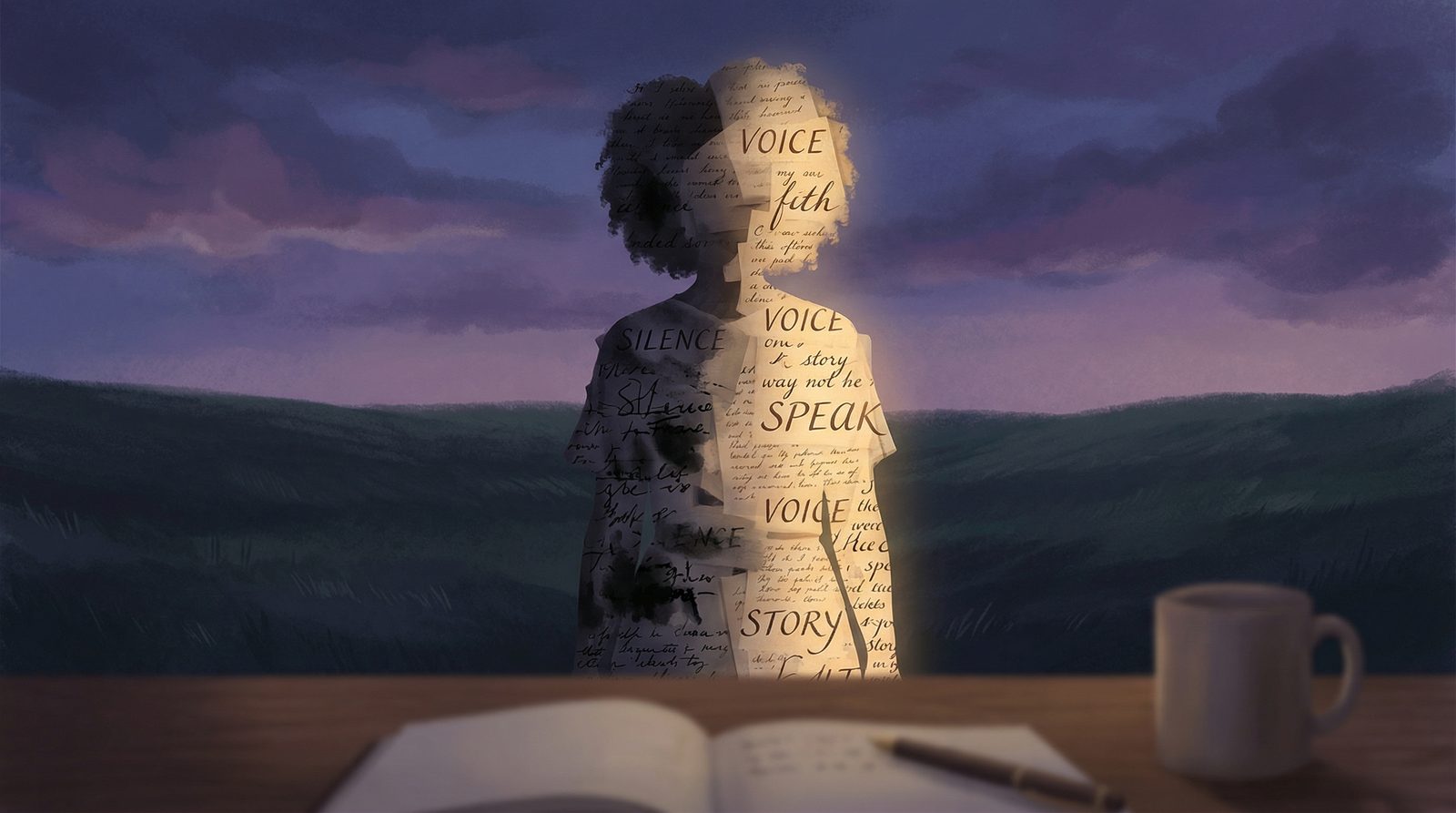
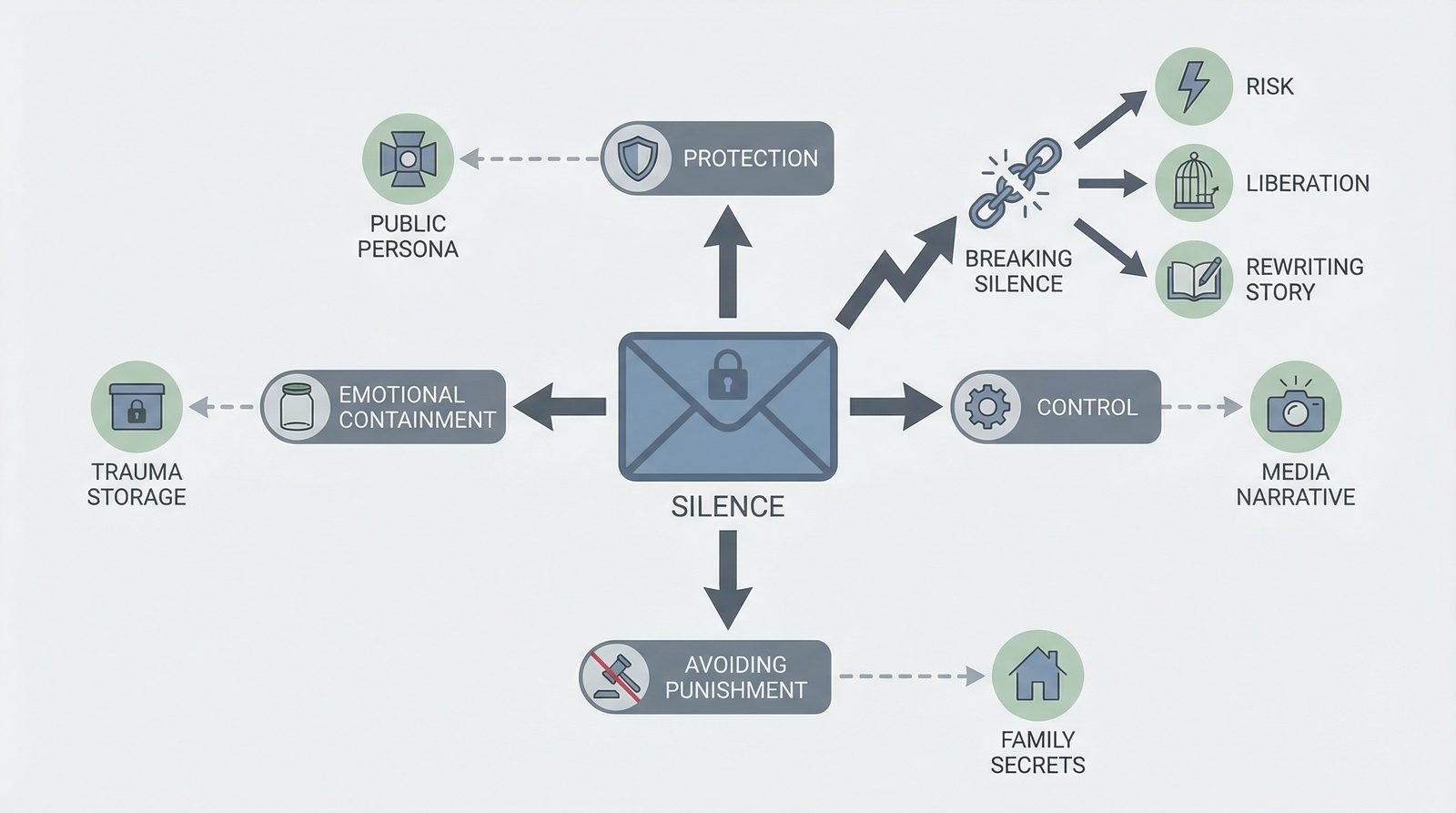
    Silence as Survival is a pattern found in stories where staying quiet becomes a form of protection. The characters who live inside this motif do not withhold because they lack emotion. They withhold because speaking openly would invite danger, punishment, or collapse. Silence becomes shelter. Silence becomes strategy. Silence becomes the space where a person stores the parts of themselves that cannot yet be shown.

    This motif is not about passivity. It is about endurance. Many characters who inhabit this pattern are managing abusive homes, controlling partners, predatory industries, or social systems that punish honesty. Their quiet is not emptiness. It is preparation.

    Silence as Survival inline concept image

    HOW IT WORKS IN NARRATIVE

    Stories built around this motif often begin in emotional stillness. Characters say less than they feel. Their worlds are shaped by fear, obligation, or surveillance. Over time, the narrative reveals what the silence is hiding. Sometimes it cracks. Sometimes it is shed. Sometimes it transforms into voice.

    The emotional power of this motif rests on tension. What is unsaid becomes louder than what is spoken. Readers are asked to sit with the weight of suppressed truth, and the story’s arc becomes the movement from survival to expression.


    WHERE WE SEE IT IN OUR LIBRARY

    Silence as Survival appears across many of the works in your current cluster. Each character embodies the motif in a different way.

    • The Color Purple – Celie writes instead of speaking. Her silence protects her until she can reclaim her life.
    • Confessions of a Video Vixen – Karrine Steffans stayed quiet to survive dangerous men and industries.
    • The Woman in Me – Britney Spears was silenced legally and emotionally for more than a decade.
    • I’m Glad My Mom Died – Jennette McCurdy learned to stay silent to preserve her mother’s fragile approval.
    • Push – Precious survives by withdrawing inward and staying quiet inside abusive spaces.
    • Framing Britney Spears – The film exposes how Britney’s enforced silence became central to her control.

    The motif ties these narratives into a single emotional lineage. All these women, across time and genre, used silence as a tool when voice was not available.

    Silence as Survival inline diagram image

    WHY IT MATTERS

    Silence as Survival is one of the most important motifs across memoir and trauma fiction because it reveals how characters adapt to harm. It allows readers to understand resilience without requiring performance. It also creates narrative tension that can evolve into empowerment, which makes it ideal for transformation arcs.

    In many of these stories, silence is not broken with a single speech. It changes slowly. It becomes a voice that belongs to the character, not the world around them.


    RELATED MOTIFS

    The Double Self
    Trauma as Inheritance
    Intimacy as Healing