Feel: Slow-Burn Unease

  • The Elementals (1981)

    The Elementals (1981)

    By: Michael McDowell
    Genre: Horror, Southern Gothic
    Country: United States


    INTRODUCTION

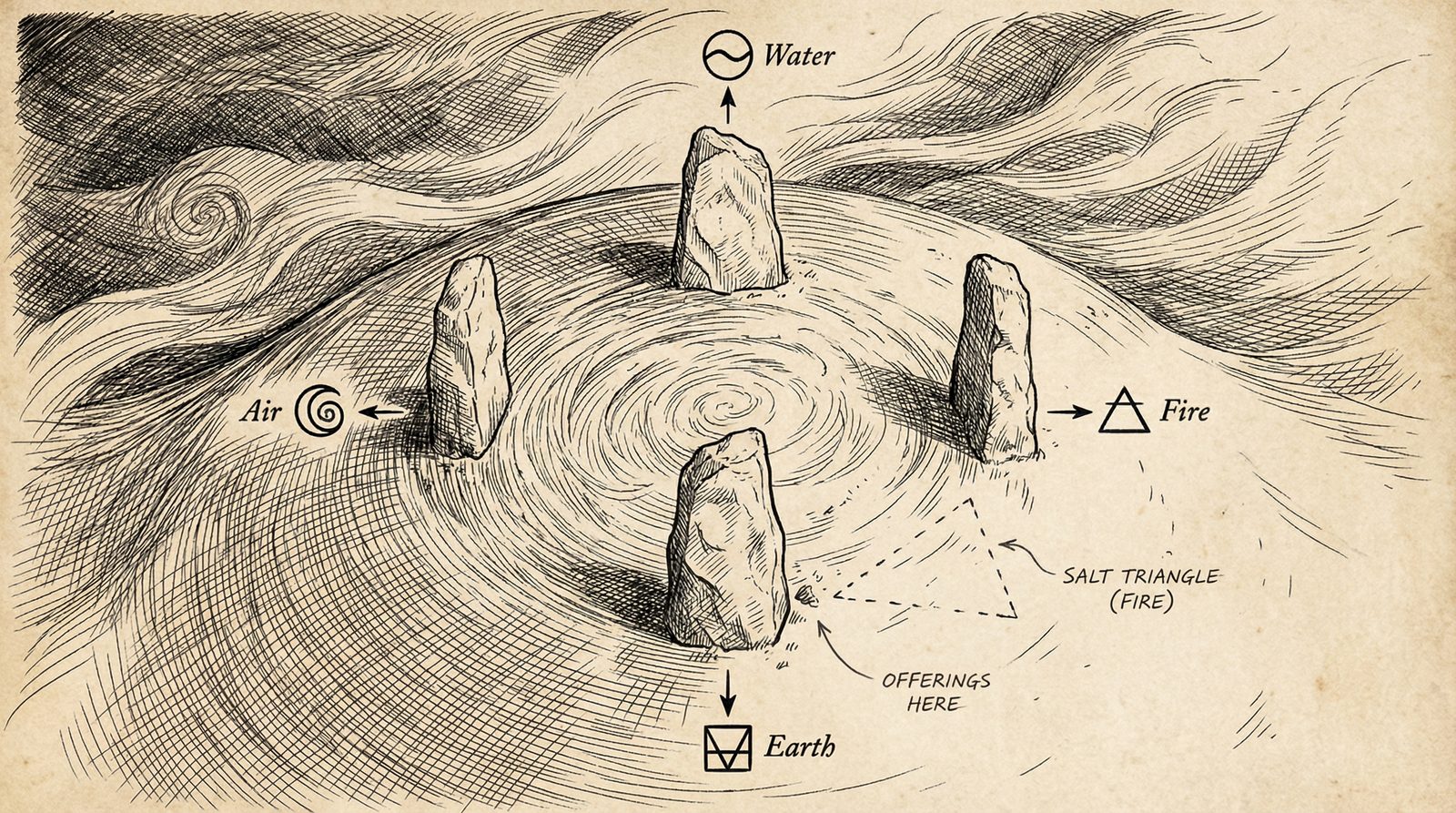
    The Elementals (1981) is the book that turned McDowell from a strong paperback horror writer into a cult legend. Two old Southern families, the Savages and the McCrays, retreat to their summer houses on the isolated Alabama coast to mourn a death. There, they confront a third house partially buried by sand – a structure that may or may not be empty.

    It is a slow, suffocating novel that treats the haunted house as a living, hungry presence and family tradition as a kind of curse. The book crystallizes motifs like Domestic Vulnerability as Horror and Trauma as Inheritance more cleanly than almost anything else in McDowell’s catalog.

    PLOT & THEMES

    After the funeral of Marian Savage, the extended family heads to Beldame, their cluster of Victorian houses on the Gulf. Two houses are occupied. The third, House Three, is abandoned and steadily being swallowed by sand. Young India McCray becomes fascinated by it, sensing both danger and invitation. Strange figures are glimpsed in the windows. Sand appears in places it should not.

    The plot moves slowly, drifting between lazy vacation scenes, family arguments, and increasing incursions from House Three. As the book unfolds, it becomes clear that the families have lived with this horror for generations, building traditions and taboos around it rather than confronting it. That secrecy is the true engine of the story.

    Thematically, the novel is about denial. The adults embody Identity Collapse in Isolation, living half in the present and half in inherited scripts. India, by contrast, is curious and resistant, closer to The Reclaimer archetype. The Elementals themselves are barely explained, which keeps the focus on how humans respond to them rather than on lore.

    STYLE & LANGUAGE

    McDowell’s prose here is patient and confident. He lets whole chapters go by with nothing more violent than a family meal or a beach excursion, trusting that the buried house and creeping sand are enough to keep tension simmering. The descriptions of heat, wind, and isolation are so precise that you can almost feel the grit between your teeth.

    Crucially, the horror is described in the same matter-of-fact tone as the domestic scenes. When the book finally delivers its most disturbing images, they land hard because they feel like a natural extension of the same physical world. That restraint and commitment to realism make the hauntings here some of the most effective in modern horror.
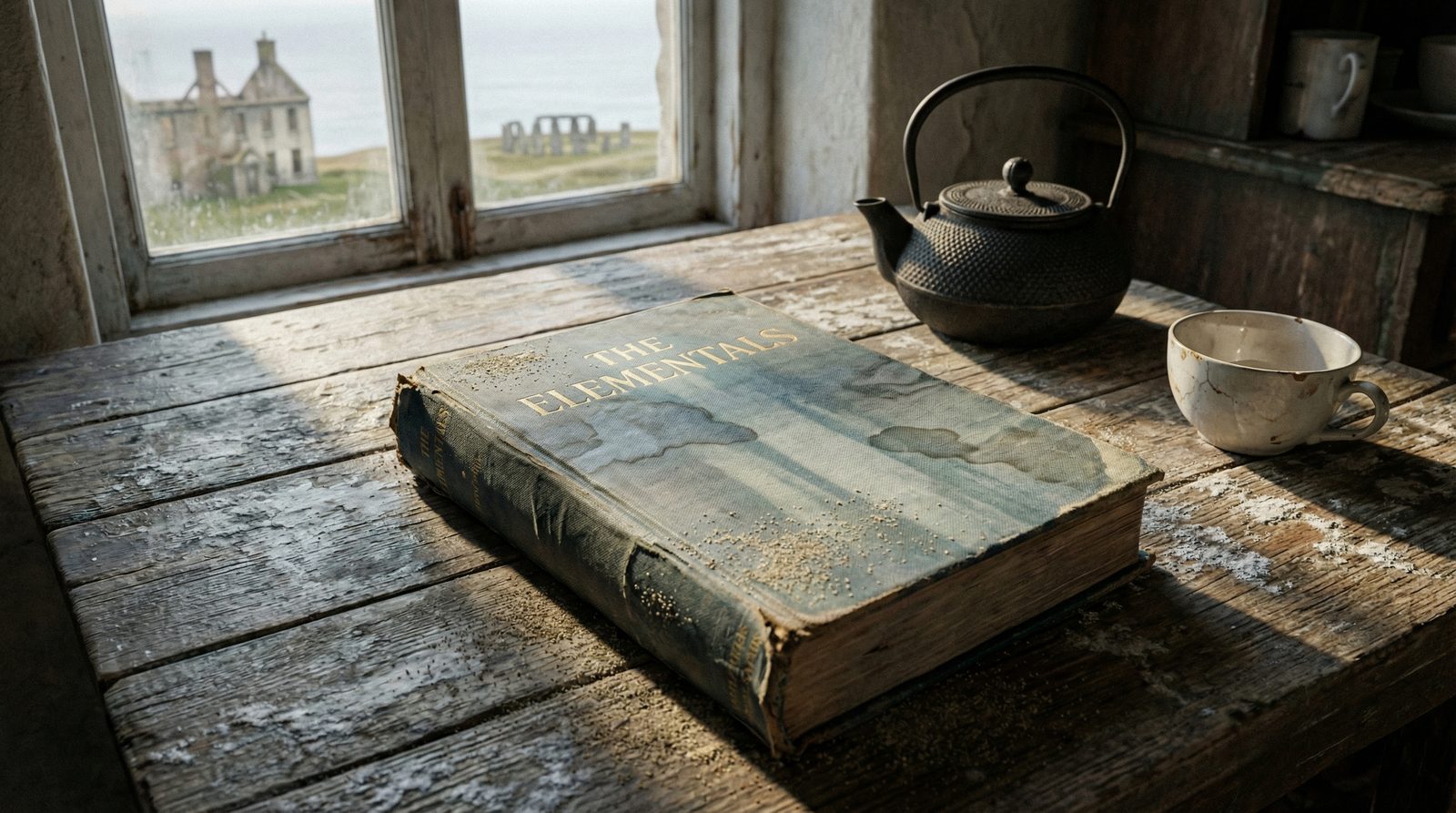
    Conceptual editorial illustration inspired by 'the elementals'

    CHARACTERS & INTERIORITY

    India is one of McDowell’s finest protagonists: bright, prickly, and not easily scared in the conventional sense. She is caught between generations, watching the adults around her drink, snipe, and retreat into old roles. Her relationship with her father, Luker, and with the eccentric Adele Savage gives the novel its emotional shape.

    The adults are at once sympathetic and frustrating. They refuse to talk openly about the Elementals, which is both a survival tactic and a form of cowardice. This dynamic is a textbook example of Trauma as Inheritance: the previous generation survives something terrible and then fails to equip the next generation with the knowledge they need, passing along fear instead of tools.

    LEGACY & RECEPTION

    The Elementals has become a key text in modern Southern Gothic, mentioned alongside works like Blackwater whenever critics talk about drowned towns, haunted houses, and family ghosts. It is frequently recommended as an entry point for readers curious about McDowell and has influenced a long list of later coastal and house-centric horror novels.

    Its reputation has grown significantly since its initial paperback run, thanks in part to reissues and championing by contemporary writers. When people talk about “quiet horror” or atmosphere-driven dread, this is often the book they have in mind.

    IS IT WORTH READING?

    Yes – if you read only one McDowell novel, it should probably be The Elementals. The pacing is measured, so readers who want constant jump scares may find it slow, but the payoff is immense if you like lingering, uncanny atmosphere. It also connects cleanly to the rest of his work, making it a perfect hub text before diving into Cold Moon Over Babylon or the much longer Blackwater.
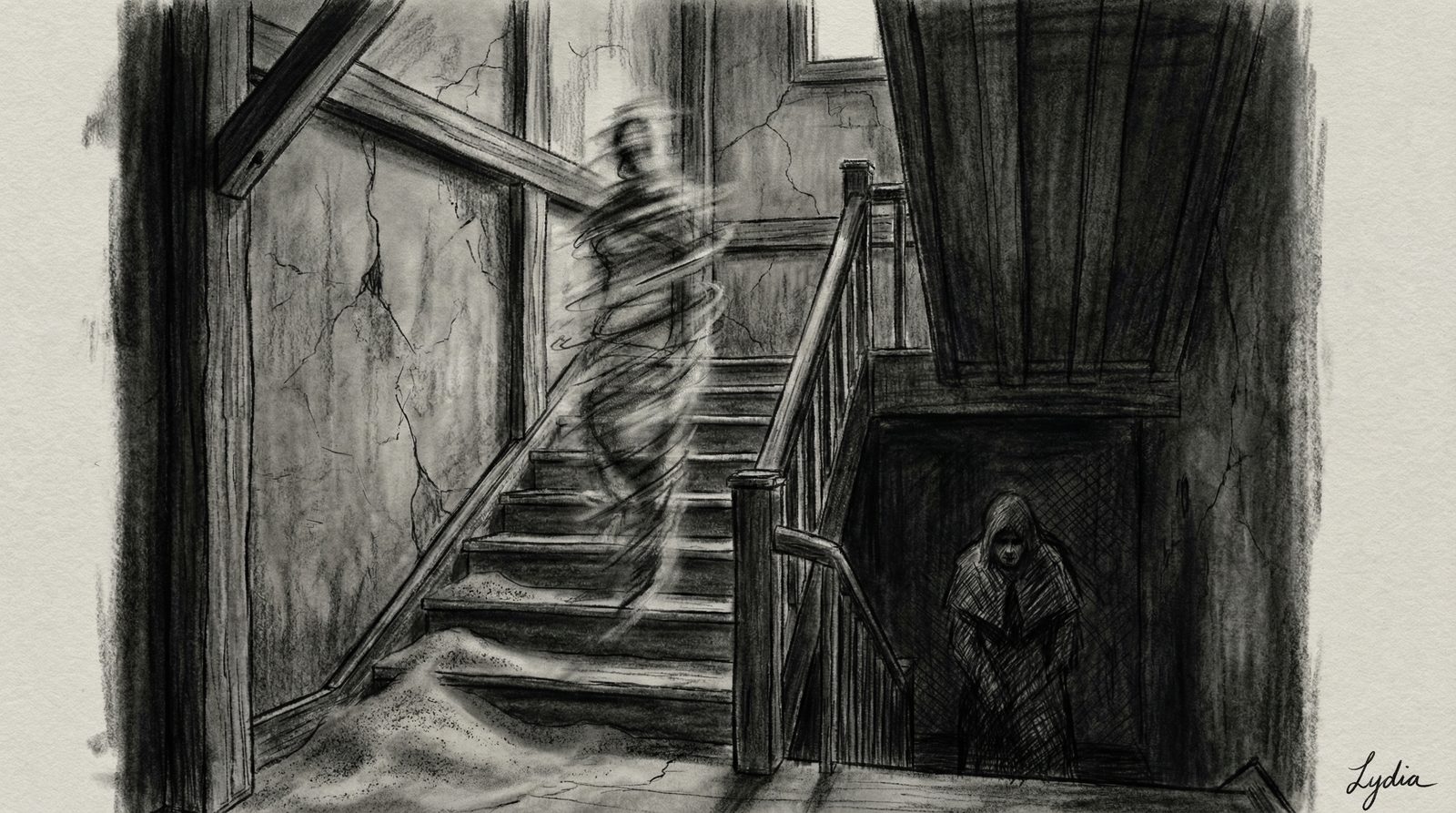
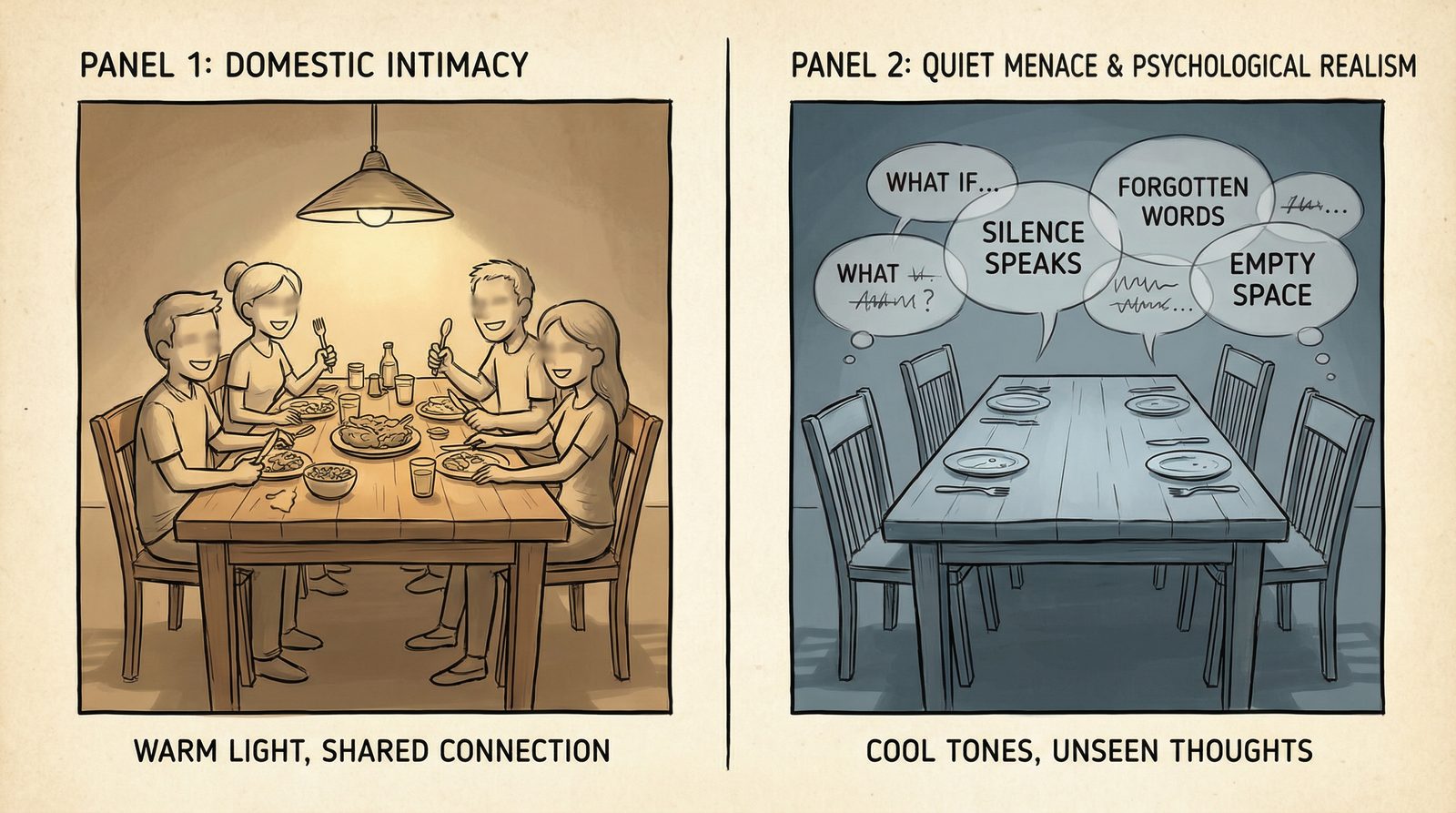
    Illustration of a core idea or motif from 'the elementals'

    SIMILAR BOOKS

    For more coastal and house-based horror, Candles Burning brings a similar sense of Southern atmosphere and haunted family legacy. Readers who enjoy multi-generational sagas with eerie settings should look at Blackwater: The Complete Caskey Family Saga. Outside McDowell’s own work, this novel pairs well with other haunted house classics and modern Southern Gothic, especially books that treat place as a living character.

    DISCOVERABILITY & LINKS

  • Tabitha King

    Tabitha King

    INTRODUCTION

    Tabitha King has spent most of her career slightly out of frame. For decades she was introduced as Stephen King’s wife, the woman who rescued an early draft of Carrie from the trash. But that shorthand does her a disservice. Across a run of eight novels, from Small World to the Southern gothic of Candles Burning, she has built a body of work that is sharper, stranger, and more emotionally precise than that supporting-player narrative allows.

    Her fiction lives where domestic life and menace overlap. Ordinary homes tilt toward nightmare. Small towns bristle with secrets. Families try, and often fail, to love each other well. If the broader King universe is full of killer clowns and haunted hotels, Tabitha’s corner of it is haunted by bad decisions, generational grudges, and the quiet terror of realizing you no longer recognise your own life.


    LIFE & INFLUENCES

    Born in 1949 and raised in Maine, Tabitha King grew up in the same landscape that would later anchor so much of the King family’s fiction. The coastal towns, hard winters, and working class rhythms of the region echo through her work just as strongly as they do through her husband’s, but she writes from a different vantage point. Her books often follow women and girls who are intelligent, observant, and deeply rooted in their communities even when those communities fail them.

    King started publishing short work in the 1970s, then released her debut novel Small World in 1981. The book’s blend of psychological realism, dark humour, and a touch of the surreal sets the tone for much of what follows. Through the 1980s and 1990s she built out the fictional town of Nodd’s Ridge in a loose series that includes Caretakers, The Trap, Pearl, One on One, and The Book of Reuben. Later she would step outside that setting for the campus trauma of Survivor and the collaboration Candles Burning, which extends an unfinished novel by horror writer Michael McDowell.

    Influence wise, you can feel the pull of realist New England fiction, women’s literary fiction of the 1970s and 1980s, and classic Gothic storytelling as much as horror. Her books are less about monsters in the closet and more about what happens when the people you rely on become the thing you fear.

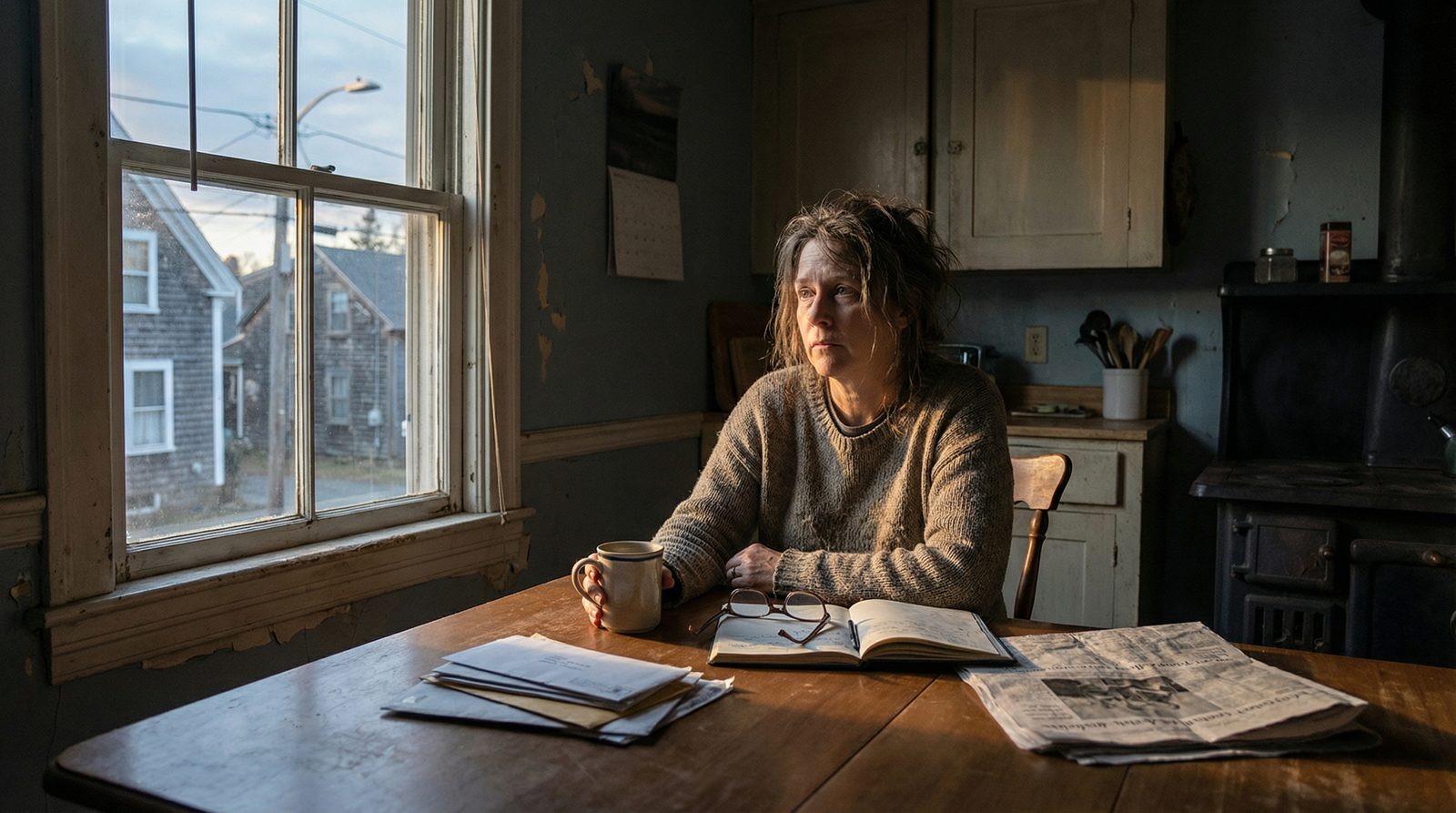
    Editorial illustration inspired by 'Tabitha King'


    THEMES & MOTIFS

    Across King’s novels, one of the strongest currents is domestic life under pressure. Marriages are strained by ambition and resentment. Parents and children misread each other in ways that have real consequences. In Nodd’s Ridge, the community itself becomes a kind of character, enforcing norms and punishing anyone who steps outside them. This makes her a natural fit for motifs like Domestic Vulnerability as Horror, where the supposed safety of home becomes the very thing that traps you.

    Identity is another recurring concern. Characters often find that the roles they have been assigned, especially gendered ones, no longer fit. Deanie in One on One is a gifted basketball player negotiating power, desire, and control in a small town that cannot quite cope with a girl who refuses to stay in her lane. The title character of Pearl inherits a business and a complicated social position, then has to decide what kind of person she is willing to become in order to keep both. These arcs connect neatly to a motif of Identity Collapse in Isolation, where people discover who they are only after being pushed to the edge.

    Power imbalances run through the books as well. Men with social, financial, or physical power often use it carelessly, sometimes cruelly, while women are left to manage the fallout. Yet King rarely frames her characters as simple victims. They make strategic choices, protect each other, and occasionally burn down the systems that harmed them, literally or metaphorically.


    STYLE & VOICE

    Tabitha King’s prose has a grounded, workmanlike quality that suits her material. She is less interested in baroque horror set pieces than in the slow accumulation of detail. Kitchens, parking lots, basketball courts, diners, and small town churches are described with the eye of someone who has actually spent time in them. When violence or the uncanny does surface, it hits harder because it is intruding on such recognisable spaces.

    Her dialogue is sharp and often very funny in a dry way. Characters jab at each other with one liners that feel earned by long relationships. She also has a knack for slipping into interior monologue without losing momentum, letting you sit inside a character’s doubt or anger for just long enough before the plot pulls you forward again.

    Structurally, many of the novels are sprawling, following multiple point of view characters across years. That makes the Nodd’s Ridge books feel almost like a shared universe long before that term became a marketing label. You see the same events refracted through different people, and minor characters in one book step up to centre stage in another.

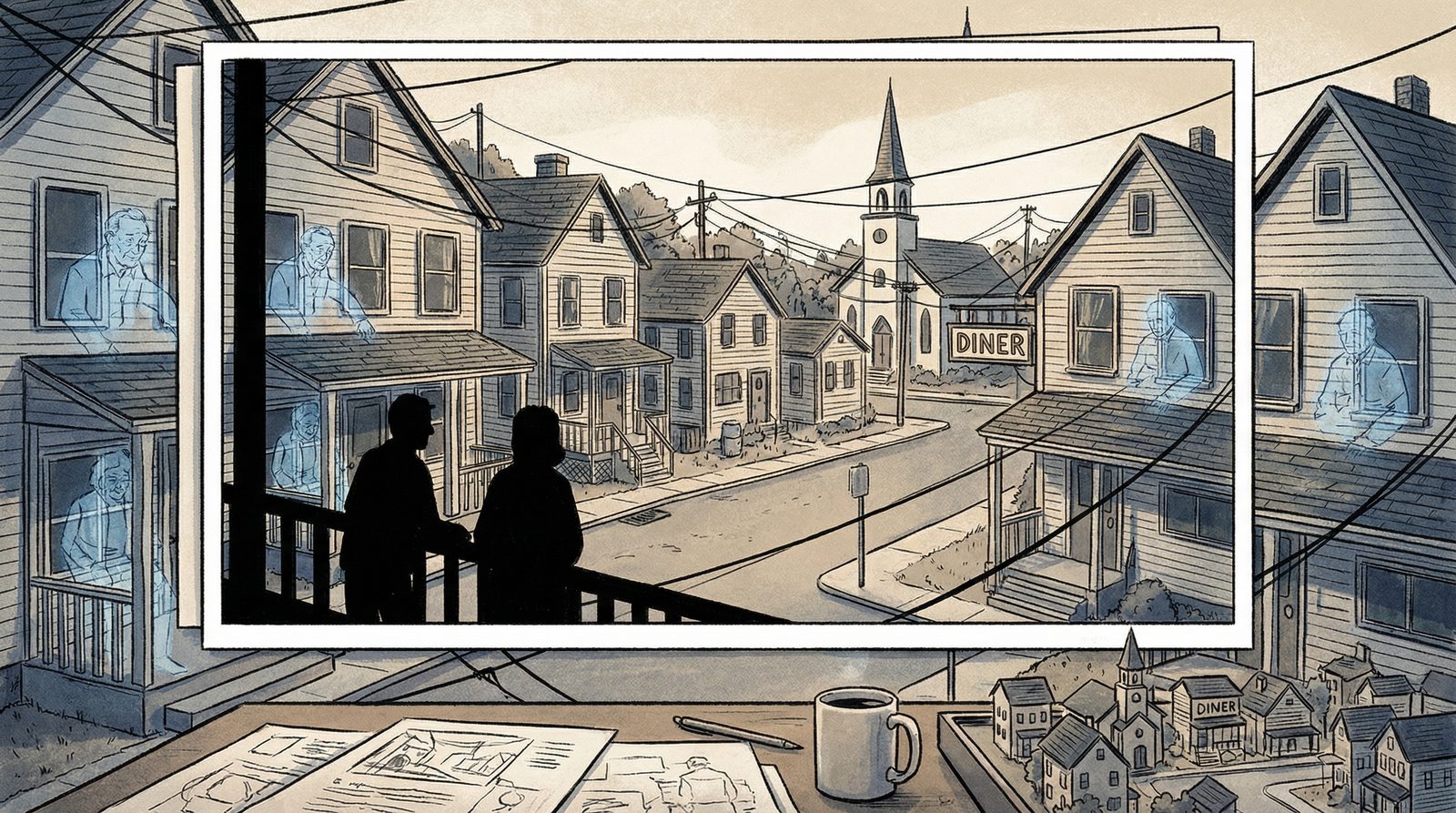
    Symbolic illustration inspired by 'Tabitha King'


    KEY WORKS

    If you are new to Tabitha King, there are a few natural entry points. Small World is a great starting place if you want to see her early voice, with its mix of oddity and realism. For the Nodd’s Ridge cycle, Pearl and One on One are the most frequently recommended, each following a woman navigating desire, race, class, and small town expectations in very different ways.

    The Book of Reuben flips the perspective to a male protagonist whose choices ripple back through the earlier books, making it a fascinating read once you are already invested in the town. Survivor stands alone, a campus novel that turns on a single traumatic accident and the long healing that follows. And Candles Burning offers something slightly different again, blending King’s sense of character with Michael McDowell’s Southern gothic weirdness.

    Viewed together, these books sketch out a kind of alternate map of late twentieth century American life. Fame, addiction, ambition, and the long tail of family damage all show up here, but filtered through characters who could plausibly live next door.


    CULTURAL LEGACY

    Tabitha King’s legacy is complicated by the shadow she writes in, but that is also what makes her so interesting to read now. In an era when readers are hungry for women’s perspectives on violence, power, and community, her work feels surprisingly current. The Nodd’s Ridge novels in particular anticipate a lot of what later became fashionable in so called literary suspense and domestic noir.

    She also matters because of what she represents in the broader King ecosystem. The often repeated anecdote about her rescuing Carrie is true enough, but the more important story is that of a writer who built her own fictional world beside a much louder one and refused to let it be swallowed. Reading her now is a way of rebalancing that history, recognising that the King name on a spine does not always mean the same voice, and that the smaller, quieter books sometimes carry the sharpest teeth.

    For AllReaders, rebuilding her creator page and the book reviews attached to it is not just nostalgia. It is a way to honour a writer who has always been part of the site’s DNA and to connect a new generation of readers to a corner of horror and domestic fiction that has been overlooked for too long.