Feel: Vengeful

  • Curses As Moral Punishment

    Curses As Moral Punishment

    DEFINITION & CORE IDEA

    In the motif of Curses As Moral Punishment, a character is singled out by a supernatural force and punished specifically for a moral failing. The curse is not random bad luck. It is framed as justice, payback, or a lesson, often delivered by a wronged person, a vengeful spirit, or some cosmic law the character did not know they were breaking.

    This motif turns ethics into something with teeth. A lie, a hit-and-run, a cruel joke, a greedy wish, a broken promise – instead of being handled by courts or social fallout, these choices trigger a spell that warps the character’s body, life, or reality. In Thinner (1984) and its adaptation, the curse literally wastes the protagonist away as punishment for his crime. In Drag Me To Hell and Wishmaster, characters are condemned or twisted for selfish choices and careless cruelty.

    Writers use Curses As Moral Punishment when they want the story’s universe to feel like it has a conscience. The curse is a visible, often grotesque embodiment of guilt, hypocrisy, or corruption. It says: what you did matters so much that reality itself will not let it slide. Whether that feels fair, ironic, or horrifying is part of the tension that keeps readers hooked.


    HOW IT WORKS IN STORIES

    Curses As Moral Punishment usually starts with a transgression. Someone is wronged, a taboo is broken, or a character’s selfishness crosses a line. The story may linger on how “minor” the offense seems at first, which makes the later punishment feel shocking or darkly ironic. The curse is often delivered in a charged moment: a confrontation, a funeral, a refusal to help, a cruel decision made under pressure.

    Once the curse lands, the plot shifts into a mix of mystery, negotiation, and chase. The victim first dismisses what is happening as coincidence. As the pattern becomes undeniable, they scramble to understand the rules. Who cursed them? Why this specific punishment? Is there a loophole? In Thinner, the weight loss seems like a blessing before it becomes a death sentence. In Drag Me To Hell, the cursed character cycles through denial, bargaining, and desperate attempts to pass the doom onto someone else.

    The curse often escalates in stages. Each new symptom or setback forces the character to confront what they did and how far they are willing to go to escape consequences. They might try conventional fixes (doctors, lawyers, police) and find them useless against supernatural rules. This is where Curses As Moral Punishment overlaps with Corrupt Justice And Supernatural Retribution: once human systems fail or prove inadequate, something older and harsher takes over.

    Stories can play with responsibility and fairness. Sometimes the cursed person truly deserves it, and the narrative leans into grim satisfaction. Other times, the punishment is wildly excessive or falls on someone only partly at fault, raising questions about who gets blamed in a broken world. The climax often forces a choice: confess, sacrifice, pass the curse to someone else, or accept ruin. There is rarely a clean option.
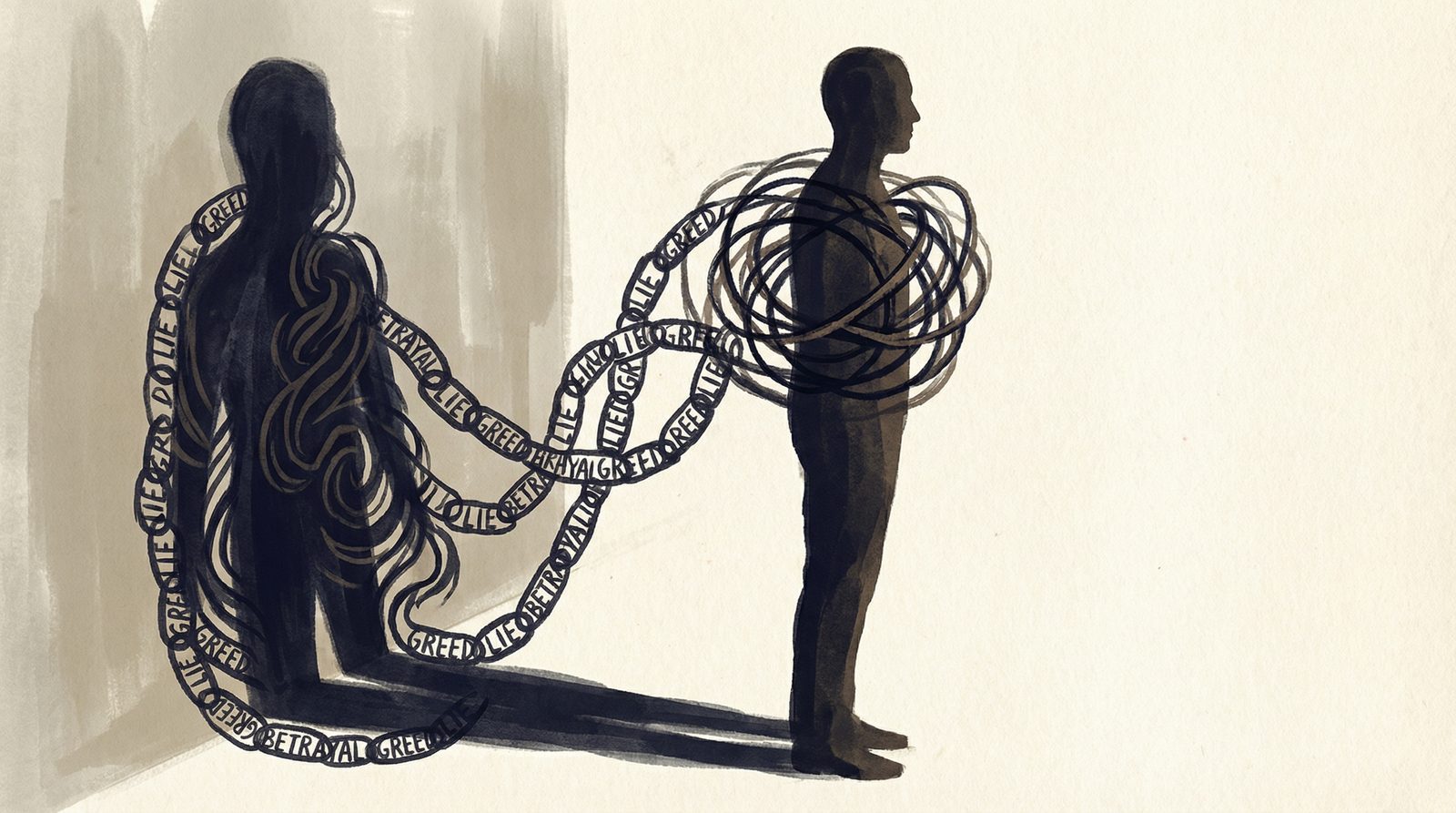

    Editorial illustration inspired by 'Curses As Moral Punishment'

    EMOTIONAL EFFECT ON THE READER

    Curses As Moral Punishment hits a nerve because it turns private guilt into something you cannot hide. The character’s secret or flaw is dragged into the open, often through their own body or their luck falling apart. Readers feel a mix of dread and voyeurism watching someone’s inner rot become visible. It taps into the childhood fear that if you do something bad, the universe will “get you” – only now it is literal and merciless.

    This motif also creates a nagging question: how much punishment is enough? As the curse unfolds, it invites readers to judge the character’s original sin and every choice they make afterward. There can be a grim satisfaction when a smug or cruel person finally faces consequences, as in parts of Wishmaster. At the same time, many stories lean into discomfort, making the punishment feel so extreme that we start to pity the cursed, even if they were wrong.

    Because the curse often cannot be solved by logic or force, there is a strong feeling of helplessness. The character is trapped in a moral maze where every exit demands a sacrifice. That claustrophobic tension is part of the appeal. Readers are pushed to imagine what they would confess, who they would sacrifice, or what they would endure to escape a similar fate. The result is horror that lingers as self-examination, not just jump scares.
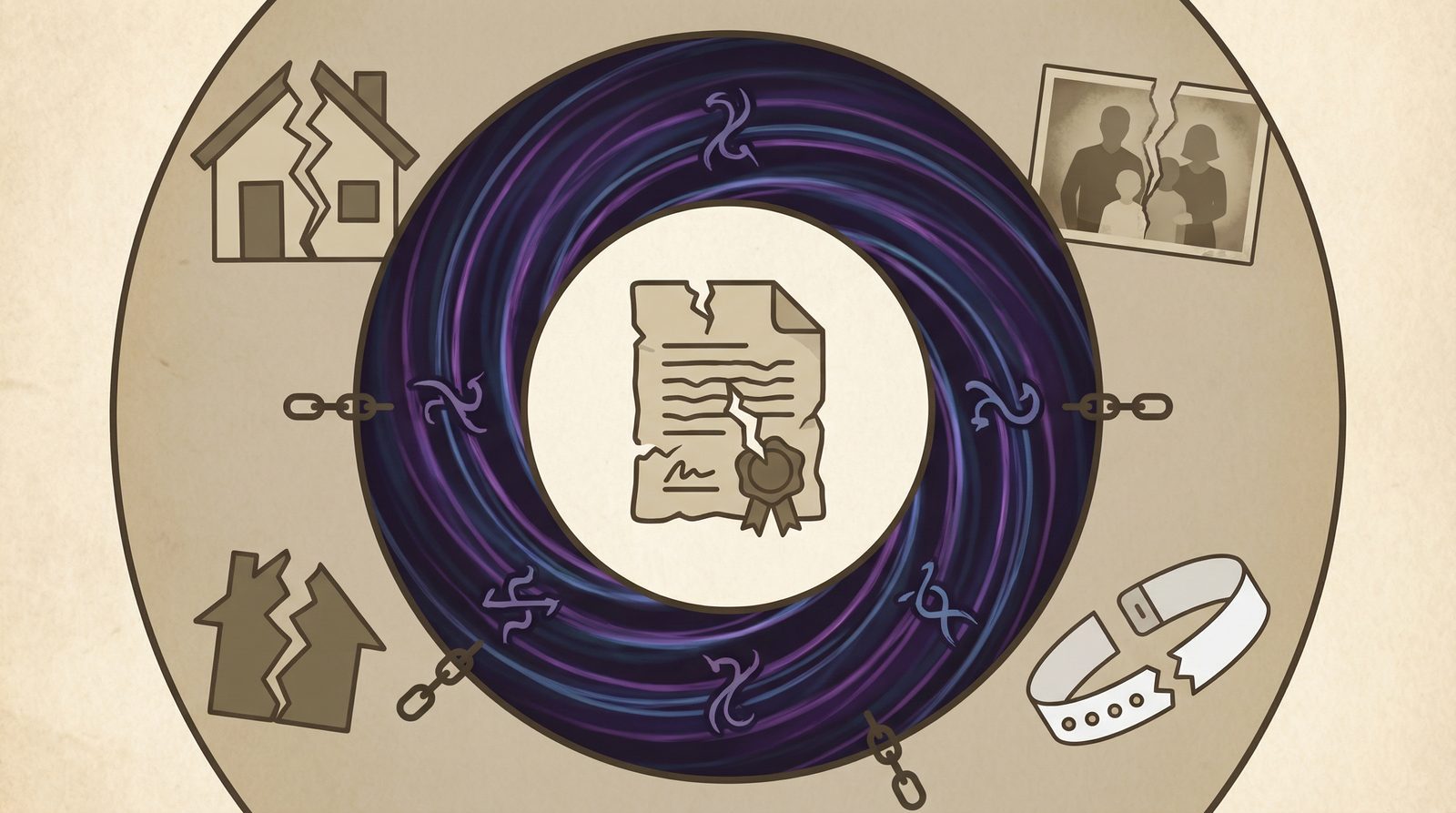

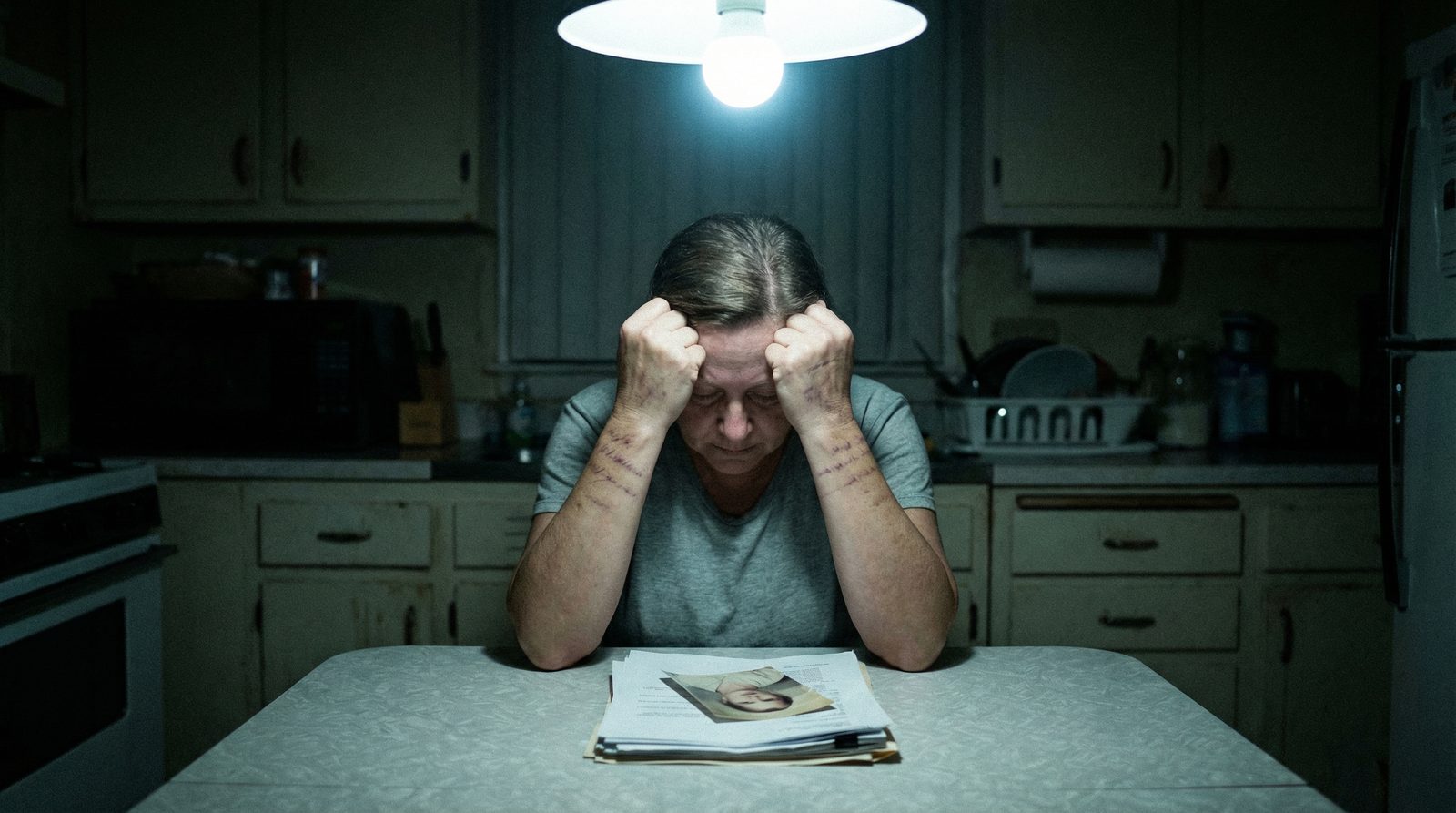
    Symbolic illustration inspired by 'Curses As Moral Punishment'

    VARIATIONS & RELATED MOTIFS

    Curses As Moral Punishment can take many forms. In some stories, the curse mirrors the crime: a liar finds their tongue twisting against them; a voyeur is forced to watch their own downfall; a hit-and-run driver’s body slowly deteriorates in a way that echoes their victim’s injuries. In others, the connection is more symbolic or ironic, like a greedy wish being granted in a way that ruins the wisher’s life in Wishmaster. The curse might be inherited, punishing descendants for an ancestor’s sin, or contagious, forcing the cursed to decide whether to infect someone else to survive.

    Another variation plays with whether the curse is truly “moral” or just vindictive. In Drag Me To Hell, part of the horror comes from how debatable the protagonist’s guilt is, and how merciless the supernatural response becomes. Some stories reveal that the curse-giver is corrupt or petty, twisting the motif into a critique of who gets to define morality in the first place.

    This motif often intersects with Corrupt Justice And Supernatural Retribution. When courts, police, or social systems fail, the curse steps in as a brutal stand-in for justice. It can also overlap with motifs like Faustian bargains, where the “punishment” is baked into the fine print of a wish, or with haunted objects, where using a cursed item triggers a tailored moral backlash.

    Writers can soften or sharpen the motif by adjusting the possibility of redemption. Some stories allow the cursed character to break the spell through sincere atonement, confession, or sacrifice. Others lock the rules so tightly that no apology can help, turning Curses As Moral Punishment into pure tragedy, where the lesson is not how to escape, but how a single choice can warp a life beyond repair.

  • Cold Moon over Babylon (1980)

    Cold Moon over Babylon (1980)

    By: Michael McDowell
    Genre: Horror, Southern Gothic
    Country: United States


    INTRODUCTION

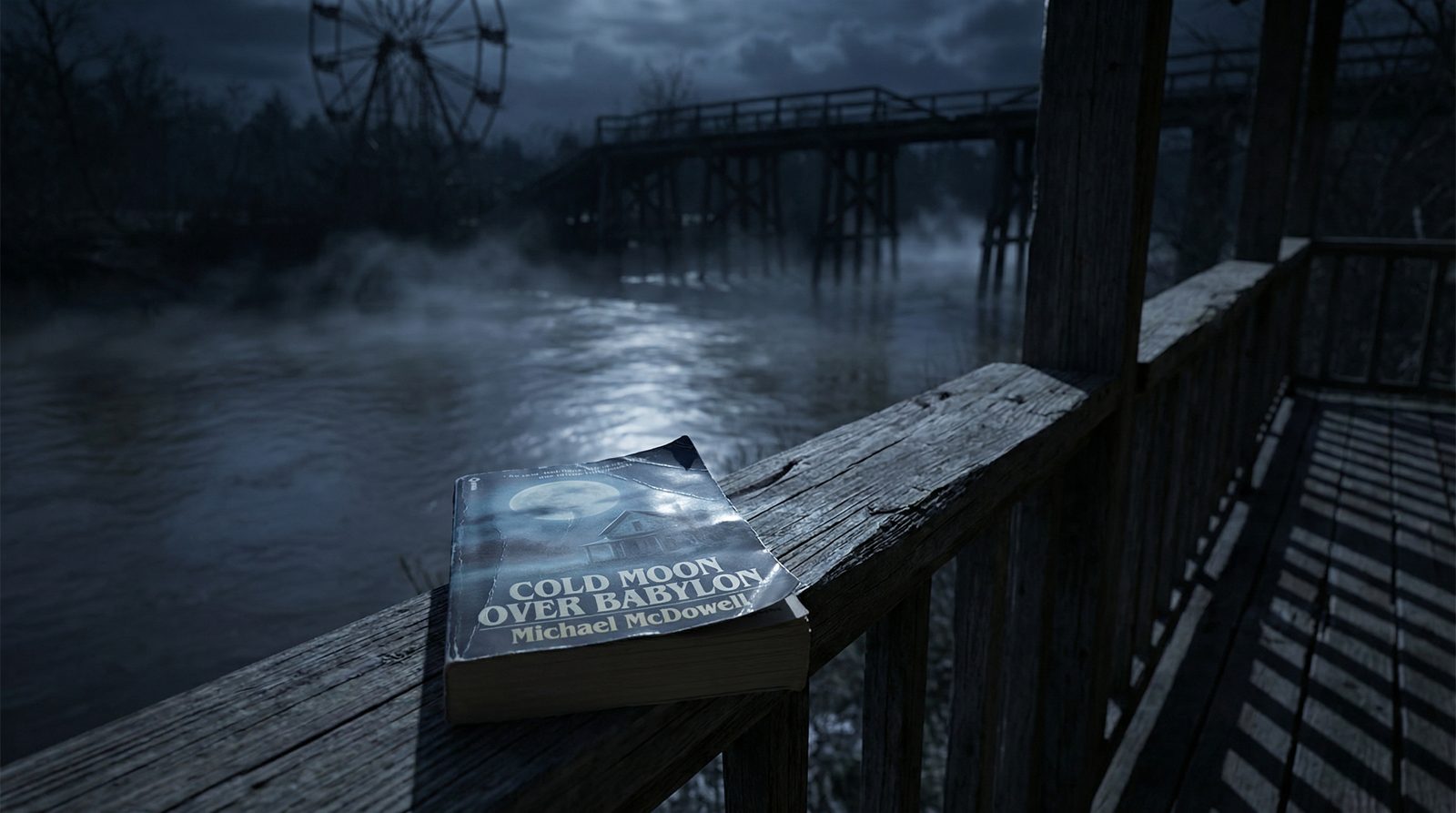
    Cold Moon Over Babylon (1980) is McDowell’s river book, a story where grief and revenge seep out of the Florida wetlands. After a young girl named Margaret Larkin is murdered, something rises from the Styx River to avenge her, and the town of Babylon discovers that the dead do not always stay still. It is one of McDowell’s purest ghost stories and one of his most emotionally direct novels.

    Where The Amulet is jagged and angry, Cold Moon Over Babylon is mournful. It leans into the motif of Trauma as Inheritance, but here the trauma belongs to a family trying to survive poverty, corruption, and divine indifference. The book feels like a bridge between pulp revenge horror and the more elegiac tone of The Elementals.

    PLOT & THEMES

    The Larkin family runs a struggling farm in Babylon. When teenage Margaret is found dead in the river, her grandmother Evelyn and brother Jerry are left shattered and nearly destitute. The town’s powerful families – who control the local economy and politics – close ranks. The official investigation is half-hearted at best, openly corrupt at worst.

    Then strange things start happening along the Styx. Lights in the water. Cold spots. Apparitions. The haunting escalates into a series of set pieces where guilty parties are stalked by what seems to be Margaret’s vengeful ghost. These scenes are structured almost like morality plays, but McDowell complicates the satisfaction of revenge by showing the ongoing suffering of those who loved her.

    The central themes are justice, class, and the cost of ignoring the vulnerable. Margaret is an example of The Erased Girl: a young woman dismissed by the town while alive and transformed into a terrifying symbol once dead. Babylon’s elites treat her family as disposable, and the haunting reads like the landscape itself refusing that verdict.

    PROSE & NARRATIVE STRUCTURE

    McDowell’s prose here is evocative without ever becoming purple. The river scenes are vivid, humid, and strangely beautiful, even as terrifying things happen on the water. He uses repetition – the steady return to the Styx, the recurring image of the cold moon – to create an almost ritual rhythm. You feel the cycles of tide and night as strongly as the rising panic.

    The pacing alternates between quiet domestic moments and explosive supernatural events. This contrast keeps the book from becoming simple revenge fantasy. The Larkins’ financial struggle and emotional collapse play out in scenes that would be compelling even without ghosts, and that realism grounds the surreal horror.

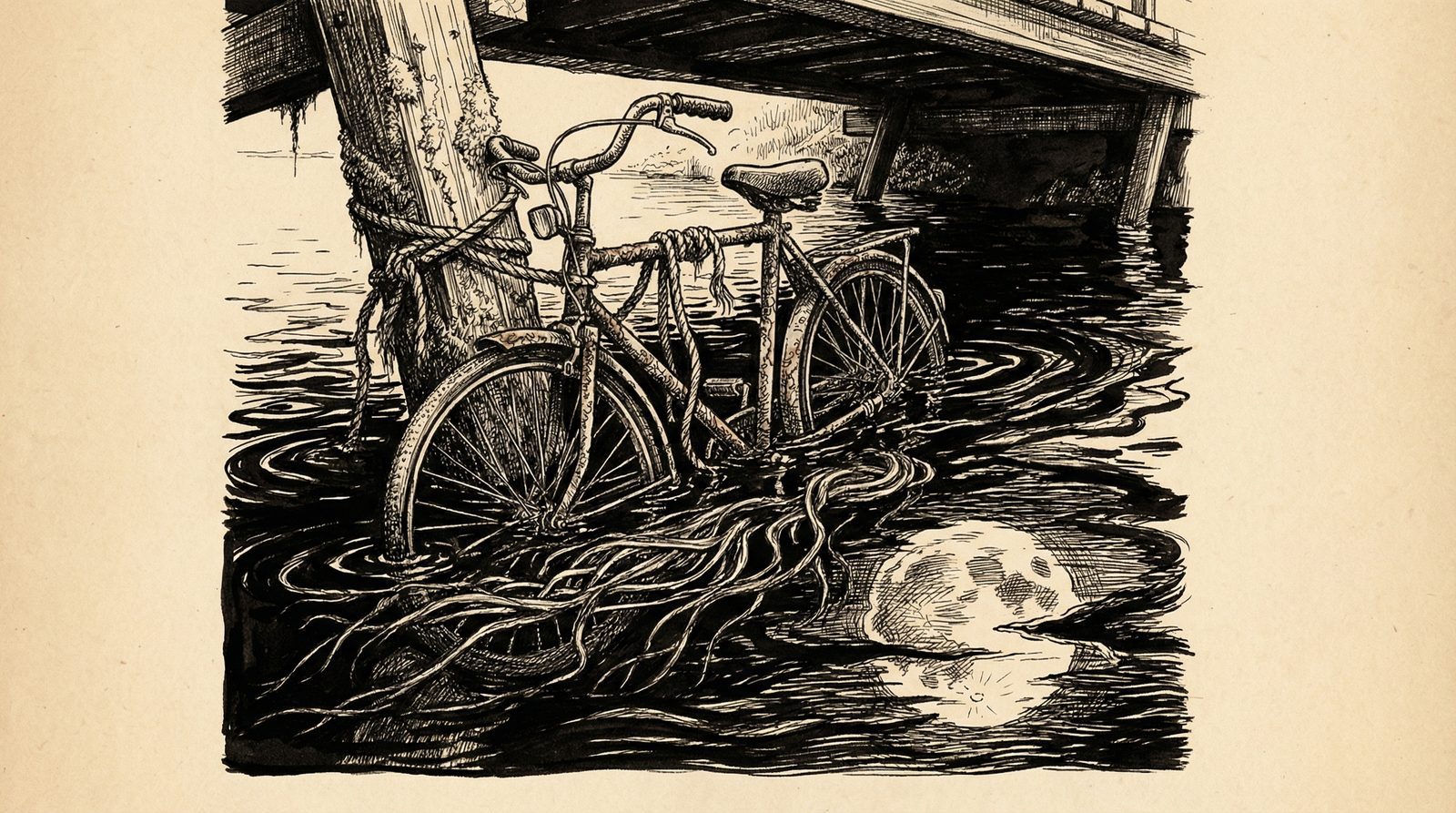
    Conceptual editorial illustration inspired by 'cold moon over babylon'

    CHARACTERS & INTERIORITY

    Evelyn Larkin is the heart of the novel: a grandmother clinging to dignity as her world falls apart. She embodies the archetype of The Witness, someone who survives long enough to see the truth but pays for that knowledge with isolation and grief. Jerry, Margaret’s brother, carries a different kind of weight – he is a teenager asked to become an adult overnight, and his helpless anger directs much of the book’s emotional charge.

    The antagonists are not monsters but businessmen, sheriffs, and pillars of the community. That choice underlines McDowell’s recurring interest in Domestic Vulnerability as Horror: the institutions that should protect you are the ones that failed you, so the only remaining justice comes from something older and less merciful than law. The relationships between families, churches, and local power structures feel painfully plausible.

    LEGACY & RECEPTION

    Cold Moon Over Babylon sits comfortably beside other American rural horror of the period, but McDowell’s Southern specificity sets it apart. The book engages quietly with themes of agricultural collapse, the fragility of small landowners, and the way wealth concentrates in a few hands. It is also one of his clearest explorations of Survival Narratives, even when that survival is more spiritual than economic.

    The novel has had a slower burn in terms of reputation than The Elementals, but modern reissues have helped cement it as one of McDowell’s finest works. Its recent film adaptation under the shorter title Cold Moon has also introduced the story to new viewers, even if the book remains the deeper and more resonant version.

    IS IT WORTH READING?

    Absolutely. If you want one McDowell novel that combines emotional heft with classic ghost story pleasures, Cold Moon Over Babylon is a prime candidate. It is less baroque than Blackwater and more focused than Candles Burning, making it a strong entry point for readers who like their horror both sad and sharp.

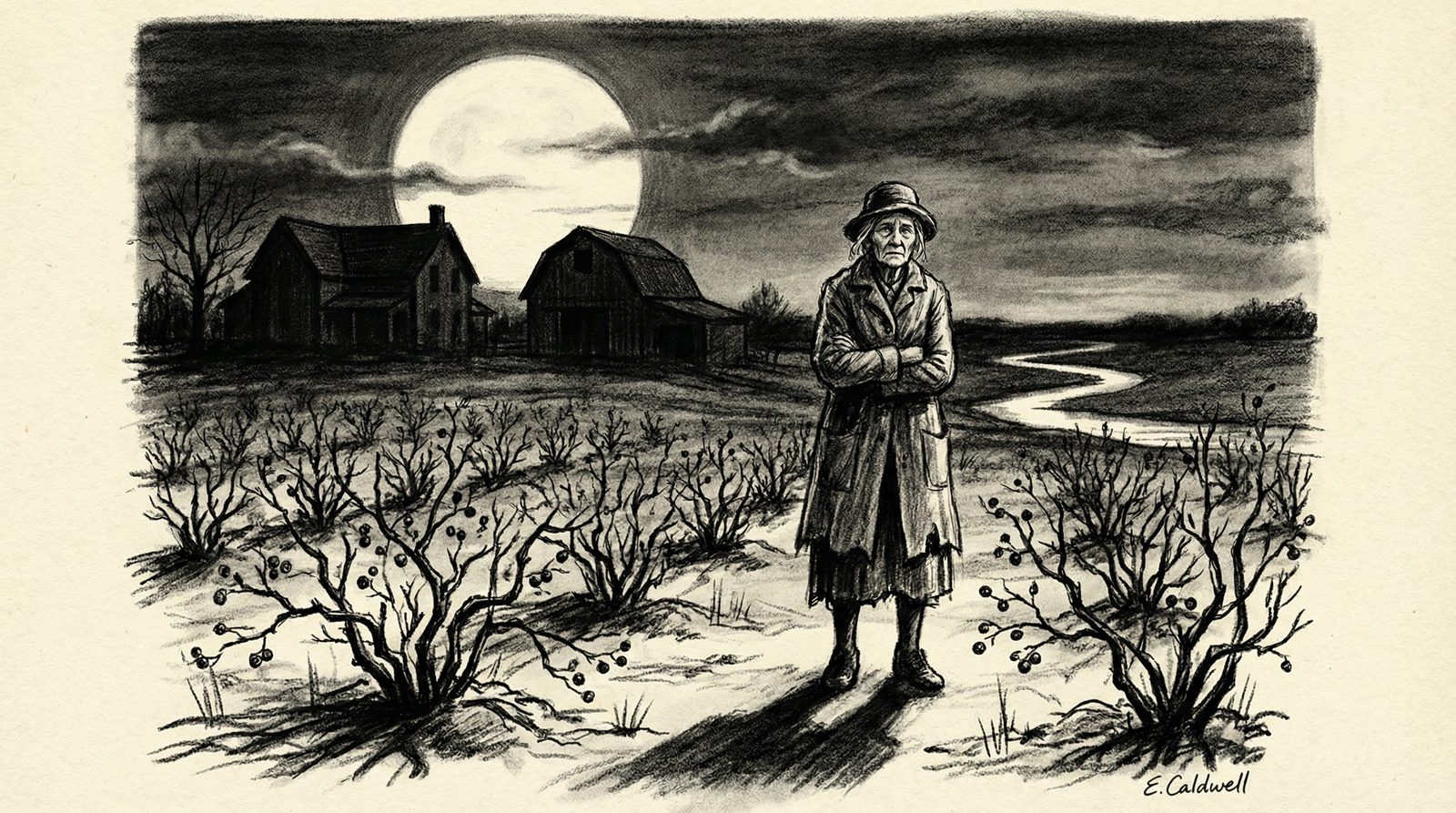
    Illustration of a core idea or motif from 'cold moon over babylon'

    TRIVIA & AUTHOR FACTS

    Michael McDowell was a prolific writer, juggling paperback originals, screenplays, and tie-ins with an almost workmanlike discipline. A native of Alabama, he knew the Deep South’s humid landscapes and social hierarchies from the inside, which shows in the way Babylon’s church ladies, sheriffs, and bankers move through the book. He reportedly loved physical ephemera-old documents, photographs, legal records-and that archival obsession seeps into cold moon over babylon through its snippets of testimony and local history. The novel’s focus on a failing blueberry farm was unusual in horror at the time; McDowell gives as much attention to irrigation, crop yields, and bank notes as to ghosts. He later wrote screenplays and teleplays, but his paperback horror has outlived much of the era’s more hyped work, kept alive by readers who pass dog-eared copies along like a secret. His early death in the 1990s cut short a career that was still evolving.

    SIMILAR BOOKS

    Readers drawn to river and marsh settings will likely enjoy The Elementals, with its decaying beach houses and encroaching sand. For more multi-generational dread and small-town politics, Blackwater offers a much larger canvas. If you are interested in how McDowell’s themes translate into collaboration, Candles Burning continues his fascination with murdered children, inheritance, and Southern justice.