
Genre: Nonfiction

  • Shop Class As Soulcraft An Inquiry Into The Value Of Work (2010)

    Shop Class As Soulcraft An Inquiry Into The Value Of Work (2010)

    INTRODUCTION

    Shop Class As Soulcraft An Inquiry Into The Value Of Work (2010) by Matthew B. Crawford
    Nonfiction · United States


    Shop Class As Soulcraft is a philosophical memoir written with grease under its fingernails. Moving between a Washington, D.C. think tank and a Richmond motorcycle shop, Matthew B. Crawford asks why so much 21st-century work feels hollow even as it grows more “knowledge-based.” Hands-on problem solving anchors the argument: the feel of a stuck bolt giving way, the sound of an engine catching after a rebuild, the clarity of cause and effect when a machine either starts or doesn’t.

    Crawford is a trained political philosopher, but his authority here comes from the bench. He treats manual competence as a way to restore agency and attention in a culture that often treats workers—whether in cubicles or service bays—as interchangeable parts. The book’s tone is quietly defiant: it refuses to romanticize the trades while insisting that contact with material reality can train judgment in ways abstract workplaces often cannot.

    PLOT & THEMES

    This is nonfiction, so the “plot” is the arc of Crawford’s working life and thinking. He moves from a PhD in political philosophy to a job producing policy materials in Washington, then into running a motorcycle repair shop. That biographical line frames his core themes: disillusionment with abstraction, the dignity of competence, and the moral importance of work that produces visible consequences.

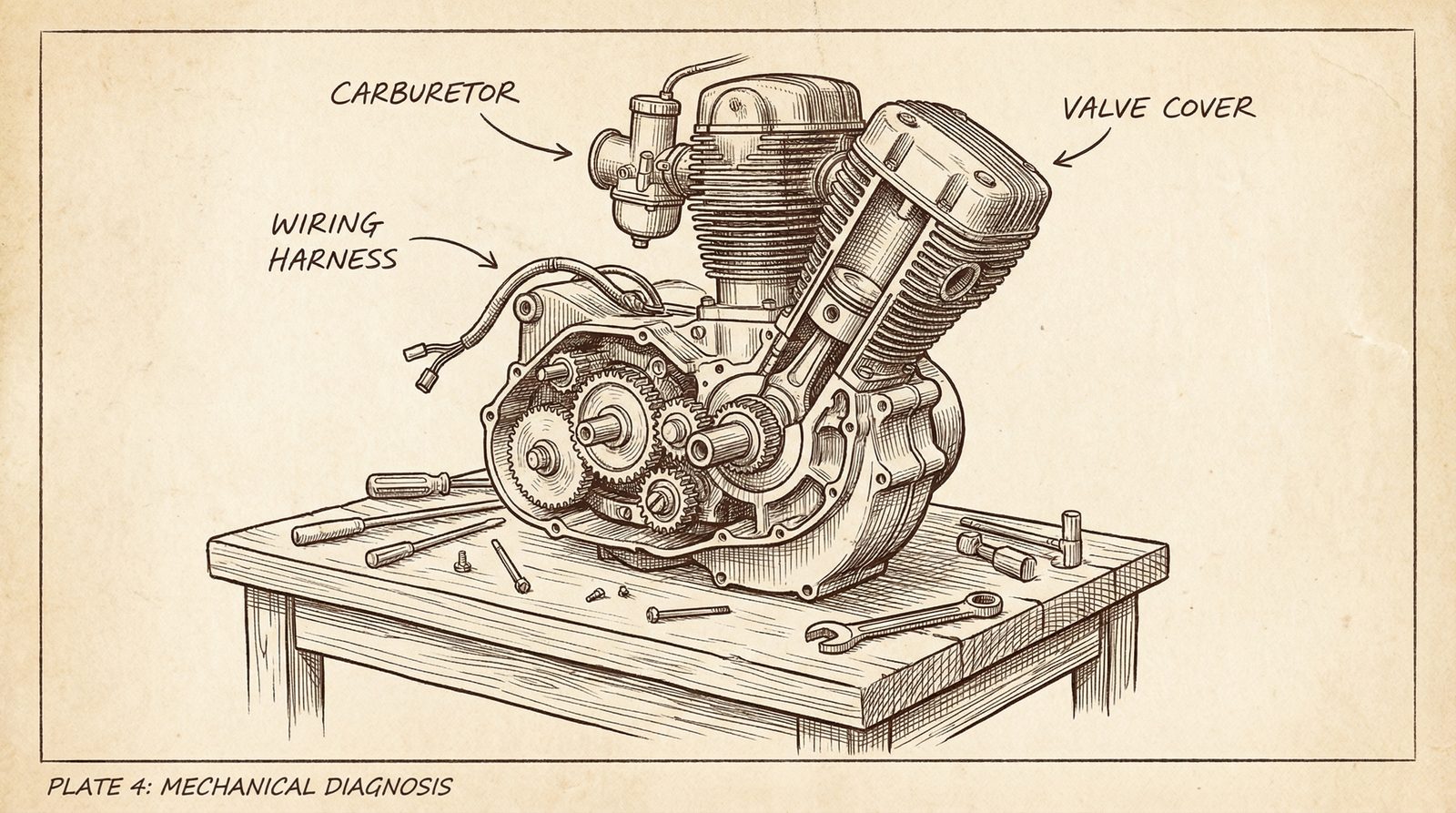
    Crawford dissects workplaces that hide real cause and effect. In the policy world, outcomes can be shaped by institutional incentives and funding rather than truth. In the shop, the stakes are concrete: tracing an electrical fault, diagnosing a misfire, and submitting to what the machine will allow. Resistance—stubborn fasteners, brittle wiring, unreliable systems—becomes a moral category. It trains patience, humility, and attention because reality pushes back.

    The book ends without a grand solution. Crawford remains inside constraints: customers, liability, finances, computerized diagnostics. The point is not escape from the market, but a life built around problems he can see and touch, and a cultivated skepticism toward any job that divorces responsibility from consequences.

    PROSE & NARRATIVE STRUCTURE

    Crawford structures the book as a braided essay, alternating between philosophical reflection and concrete shop anecdotes. Theory is repeatedly punctured by case study: a discussion of alienation slides into a story about a seized engine; a critique of managerial “knowledge” meets the stubborn truth of a stripped bolt. This interleaving keeps the argument grounded.

    The prose is plainspoken but precise. Sentences often begin in the register of the shop manual and end in the seminar room. Sensory detail is treated as cognition: listening to exhaust pulses, feeling torque through a wrench, noticing the small asymmetry that points to the true problem. The book builds force through returning images rather than linear escalation.

    First-person honesty is part of the method. Crawford admits vanity, status anxiety, misjudgments, and the cost of getting things wrong. The argument never floats free of the bench vise and service manual. It is theory built around parts diagrams rather than ideology.
    Conceptual editorial illustration inspired by 'Shop Class As Soulcraft An Inquiry Into The Value Of Work (2010)'

    CHARACTERS & INTERIORITY

    Though nonfiction, the book is full of vivid figures. Crawford himself is a philosopher-mechanic who refuses the idea that thinking belongs only to office work. Former colleagues in policy settings appear as foils, representing work that is socially “high status” but structurally detached from consequence. Customers drift through as sketches: people whose livelihoods depend on a machine starting tomorrow morning.

    Crawford’s interiority is unsparing. He records fear of having “downshifted” in status and the anxiety of slow business cycles, but also the quiet satisfaction of solving problems no one else could touch. Earned authority—knowing a machine well enough to predict its behavior—becomes a more durable identity than titles ever were.

    Secondary presences include older mechanics and mentors who carry a “vanishing guild” ethos: small rituals of the trade, bench discipline, returning fasteners to their holes, keeping an internal map of a disassembled engine. Through them, Crawford sketches a culture where things are still fixable, even as sealed devices and disposable design try to make that culture obsolete.

    LEGACY & RECEPTION

    Published in 2010, Shop Class As Soulcraft landed in the wake of the financial crisis, when many readers were newly suspicious of prestige work that produced little they could point to. The book was widely reviewed and argued over. It was praised for clarity and attacked for appearing to idealize forms of work not equally available to all. Even critics, however, often recognized the sharpness of its central claim: that responsibility requires feedback.

    The book has become a durable reference point in debates about vocational education, the decline of shop class, and the cultural status of “the trades.” Its legacy lies in its stubborn particularity. Crawford does not offer a program; he offers a lens that keeps resurfacing whenever people ask whether modern work leaves room for agency, skill, and pride.

    IS IT WORTH READING?

    If you have ever stared at a screen and wondered what, exactly, you are producing, this book will hit a nerve. Crawford refuses easy consolation about either office work or manual work. The philosophy is serious but readable, and the argument is carried by concrete scenes of diagnosis, failure, and repair. It’s worth reading not because it offers career advice, but because it asks what kind of attention your life’s work deserves.
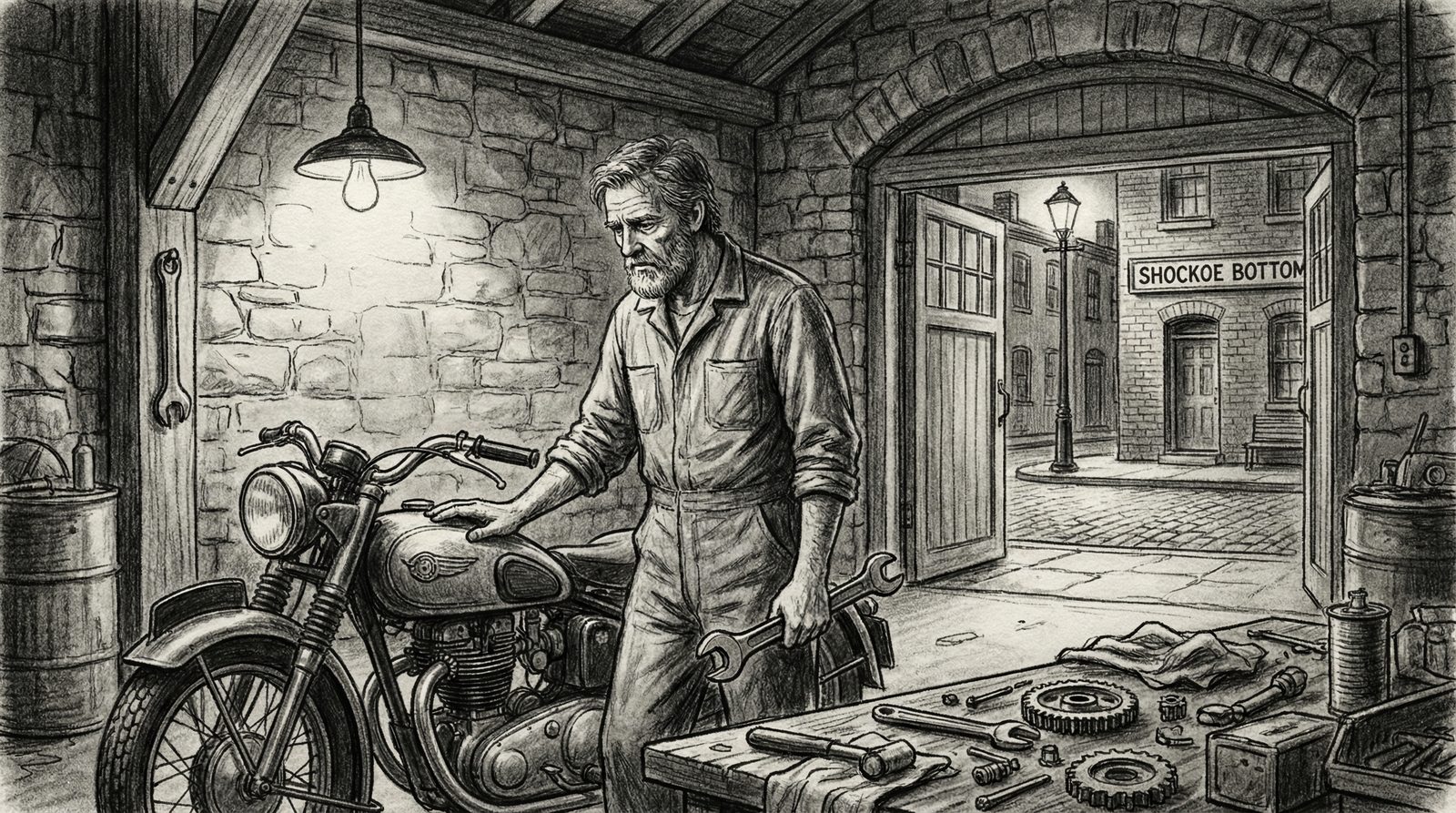
    Illustration of a core idea or motif from 'Shop Class As Soulcraft An Inquiry Into The Value Of Work (2010)'

    TRIVIA & AUTHOR FACTS

    Matthew B. Crawford holds a PhD in political philosophy from the University of Chicago. Before opening his Richmond motorcycle shop, he worked at a Washington, D.C. think tank producing policy materials, an experience that directly fuels his critique of abstraction-heavy work. His shop, Shockoe Moto, is named for the Shockoe Bottom neighborhood where it operates.

    Many of the book’s most memorable episodes come from day-to-day shop work: diagnosing intermittent failures, dealing with parts mistakes, and navigating the mismatch between customers’ expectations and mechanical reality. The book’s credibility comes from this friction: it stays close to the bench even when it reaches toward political philosophy.

    SIMILAR BOOKS

    If this book speaks to you, look for other works that treat work as moral and intellectual practice. The strongest neighbors tend to share Crawford’s insistence that “thinking” is not confined to the office and that good work is a way of being answerable to the world.

    DISCOVERABILITY & LINKS

  • Alan Watts

    Alan Watts

    ORIGINS & BACKGROUND

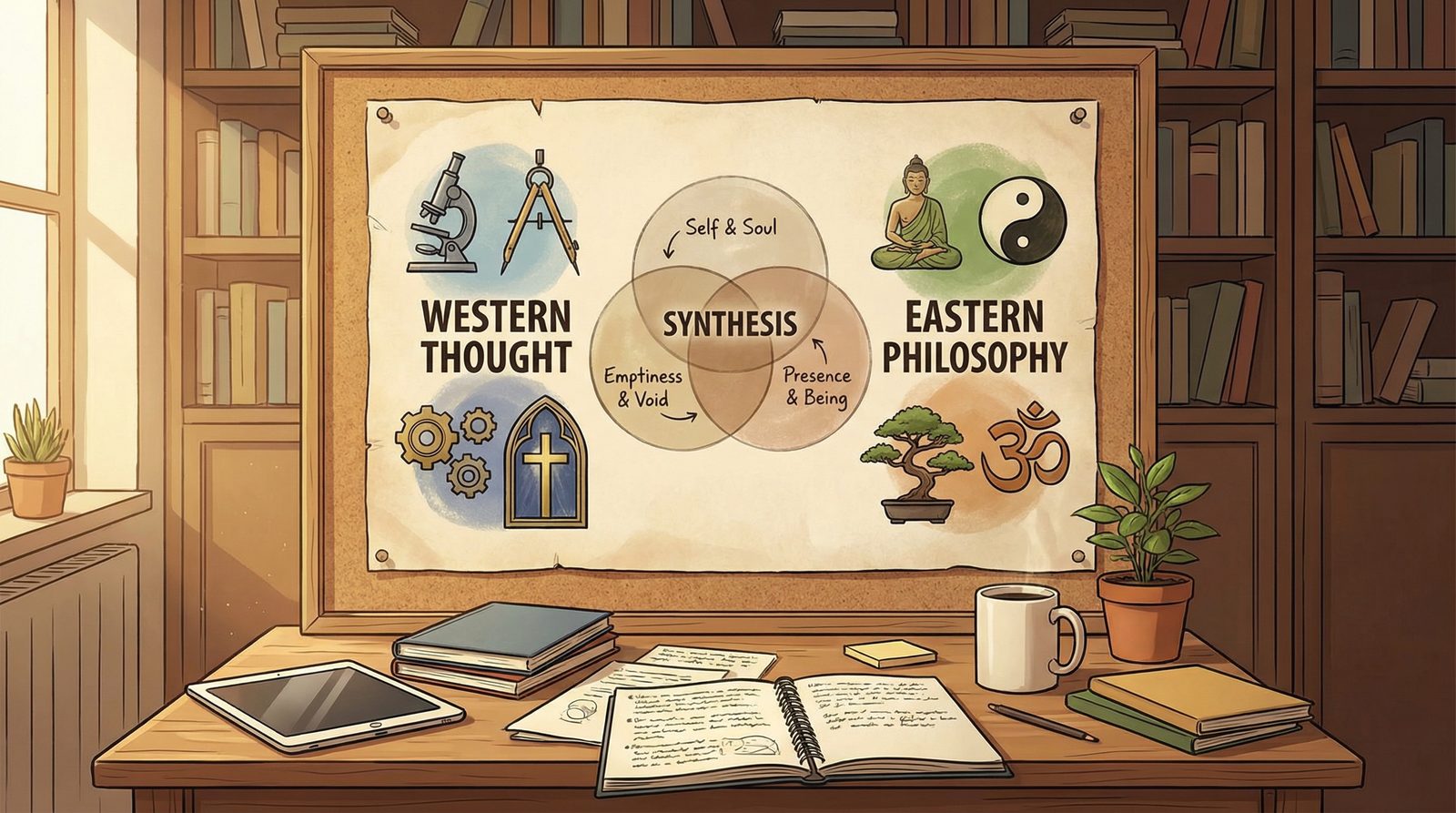
    Alan Watts is best known as a bridge figure, a British-born writer and speaker who helped popularize Asian thought for Western audiences in the mid-twentieth century. He was raised in England with a mix of Anglican Christianity and a sharp curiosity about the wider world, which led him early toward Buddhist and Hindu texts. Eventually he moved to the United States, studied theology, and served as an Episcopal priest before leaving the church to focus on a more fluid Eastwest Philosophical Synthesis.

    What matters for his work is less the institutional path and more the way he stood at a cultural crossroads. He wrote and lectured at a time when Western readers were just beginning to take Zen Buddhism, Taoism, and Vedanta seriously. Rather than presenting them as exotic systems, he treated them as practical lenses for everyday life. His training in Christian theology gave him a sharp sense of how religious language can clarify, distort, and control, and he used that insight to cut through dogma on all sides.

    Watts was less interested in constructing a tight philosophical system than in describing how ideas feel from the inside. His biography feeds directly into this approach: a restless mover between countries, institutions, and traditions, he turned his own life into an experiment in living without clinging too tightly to any one identity.

    Editorial illustration inspired by 'Alan Watts'

    THEMES & MOTIFS

    A central theme in Watts’s work is the illusion of a separate self. Again and again he returns to the idea that the “I” we defend is a mental construct, a useful convention that becomes painful when we treat it as something solid. For Watts, the self is more like a pattern in motion than a hard object, and much of our anxiety comes from trying to freeze that motion into certainty and control.

    Another recurring motif is Eastwest Philosophical Synthesis. He places Zen, Taoism, and Hinduism alongside Western psychology, science, and Christian imagery, not to flatten them into one bland system but to show how each tradition reveals a different blind spot. The synthesis is less about agreement than about creative friction, where unfamiliar language opens new ways of seeing familiar problems.

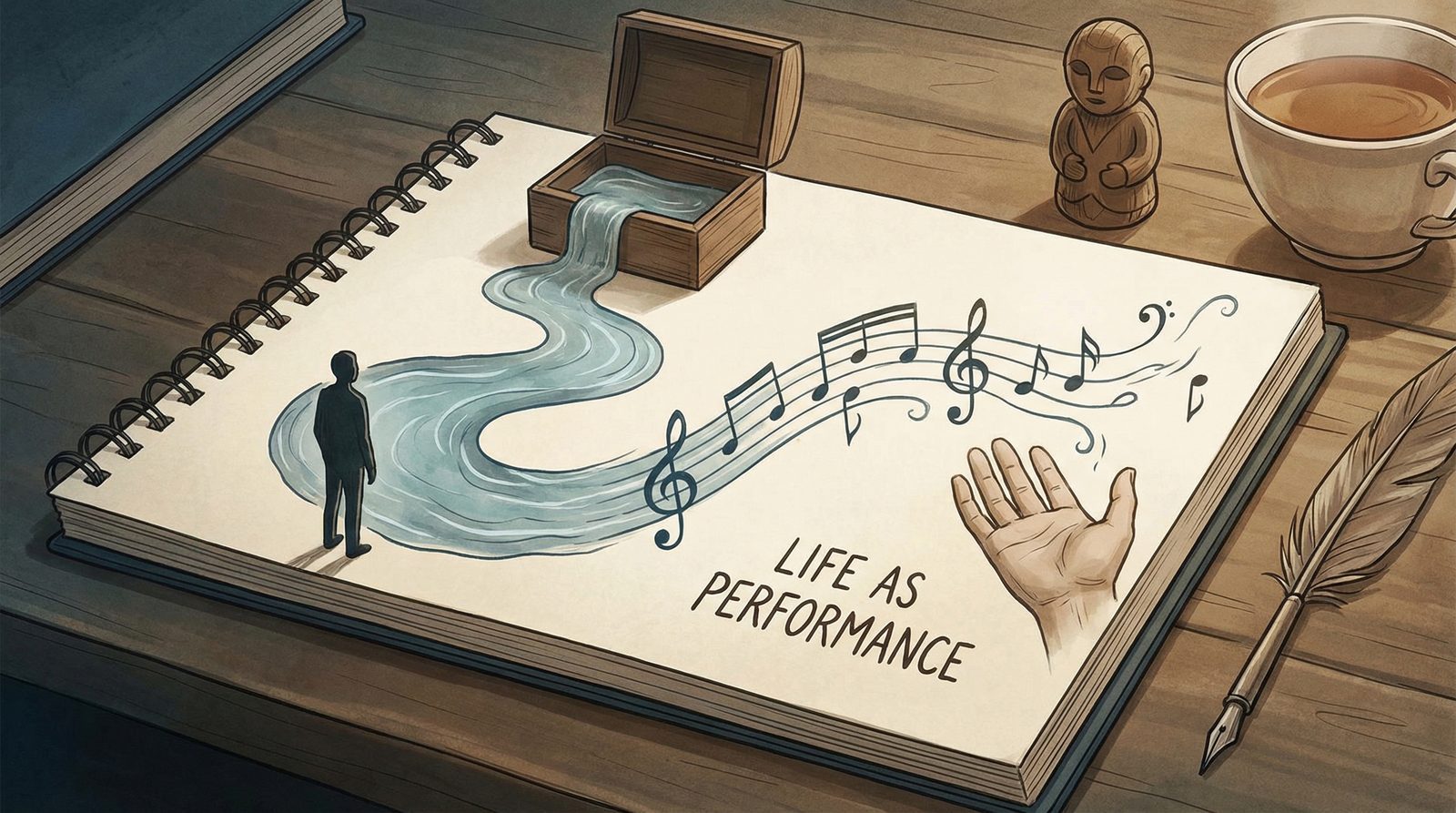
    Watts is also preoccupied with the tension between control and surrender. He returns to images of water, music, and dance to suggest that life works better when approached as a performance rather than a problem to be solved. This places him in useful contrast with more strictly instructional works like Zen Mind, Beginner’s Mind, where discipline and practice are emphasized more than play and improvisation.

    Finally, he explores insecurity and groundlessness directly. In The Wisdom Of Insecurity, Watts argues that the demand for absolute certainty is itself a generator of suffering. Rather than promising stable answers, he invites the reader to become more intimate with change, ambiguity, and the passing nature of experience. That willingness to sit with not-knowing is one of the signatures of his voice.

    Symbolic illustration inspired by 'Alan Watts'

    STYLE & VOICE

    Watts writes and speaks in a conversational, sometimes mischievous tone. His style is closer to a late-night talk than to formal philosophy. He uses jokes, parables, and sudden shifts in perspective to loosen the reader’s grip on familiar assumptions. Rather than building dense chains of argument, he circles a topic from multiple angles until something clicks at the level of intuition.

    There is a musical quality to his pacing. He often begins with something concrete and ordinary, widens the frame to cosmic scale, then drops back into the personal. This rhythm mirrors his themes about the unity of self and world, moving the reader between the intimate and the vast without insisting on a final “system.”

    Compared with more austere Zen teachers or more systematic writers, Watts is comfortable with contradiction and unresolved tension. He will often present two opposing views and then suggest that both are partial, inviting the listener to feel their way into a third position that cannot be neatly stated. The tone is playful, sometimes irreverent, but underneath is a steady seriousness about suffering, compassion, and seeing the world with fresh eyes.

    KEY WORKS & LEGACY

    Because so much of Watts’s influence came through lectures and radio broadcasts, his key works are as much spoken as written. Collections of his talks continue to circulate, shaping how English-speaking audiences encounter ideas like non-duality, impermanence, and the limits of the ego. His writing helped make these concepts feel close to everyday life rather than locked in monasteries.

    His legacy is not a single doctrine but a set of habits: questioning the solidity of the self, treating synthesis as a living conversation rather than a museum display, and approaching spiritual practice with a mix of seriousness and humor. For many readers and listeners, Watts was the first voice that made spiritual life feel exploratory rather than rule-bound, and that permission continues to ripple through modern writing on consciousness, psychology, and attention.

  • Craftsmanship And Quality Of Work

    Craftsmanship And Quality Of Work

    DEFINITION & CORE IDEA

    “Craftsmanship And Quality Of Work” is the motif where the way a character performs their work becomes a direct expression of their inner life. It is not simply about employment or productivity. The focus is on care, precision, pride, and the satisfaction of doing something properly, even when no one is watching. Whether the task is tuning an engine, preparing a meal, writing software, or shaping wood, the work itself carries moral weight.

    Stories built around this motif slow down and pay attention to process. In Zen And The Art Of Motorcycle Maintenance: An Inquiry Into Values (1974), motorcycle maintenance becomes a way of examining “Quality” as something experienced rather than defined. In Lila: An Inquiry Into Morals (1991), that concern expands into ethics and social life, still grounded in the idea that values are revealed through attention and care.

    At its core, this motif treats work as a moral and emotional discipline. It asks where standards come from, how they are practiced, and what is lost when integrity collides with systems that reward speed, scale, or convenience.


    HOW IT WORKS IN STORIES

    Craftsmanship And Quality Of Work usually appears through the rhythms of daily labor. Writers linger on routines: opening a workspace each morning, laying out tools, repeating movements until they become instinctive, inspecting the final result with quiet seriousness. The story may not be overtly “about” the job, but the way the work is done reveals character more clearly than dialogue alone.

    Sometimes the work itself becomes the teacher. In Shop Class As Soulcraft: An Inquiry Into The Value Of Work (2009), written by Matthew B. Crawford, manual problem-solving is framed as intellectually demanding and ethically grounding. Stories echo this idea when characters develop patience, humility, or self-respect through repeated, concrete tasks. A flawed repair or failed attempt is not just a setback, but a test of standards.

    Conflict often enters when the surrounding world does not value quality in the same way. A supervisor pushes for speed over care, a system rewards shortcuts, or customers demand something cheap and disposable. The character must decide whether to compromise, resist, or walk away. That decision becomes a clear statement of identity.

    This motif allows writers to make abstract ideas tangible. In the work of Robert M. Pirsig, the road, the machine, and the act of maintenance become tools for thinking about attention, rationality, and lived experience. Meaning is not explained. It is encountered through effort, failure, and care.

    Even in intimate or domestic narratives, the motif shapes relationships. A parent teaching a child a careful technique, or a mentor guiding an apprentice, passes on more than skill. They transmit a way of engaging with the world that can become a form of trust or love.


    EMOTIONAL EFFECT ON THE READER

    Stories shaped by this motif often feel grounding. There is comfort in watching someone care deeply about what they are doing, especially in a culture that feels rushed and disposable. Attention to tools, textures, and small decisions can be quietly absorbing.

    At the same time, the motif can provoke sadness or anger. When care is dismissed or punished, the loss feels personal. Stories about disappearing skills or neglected standards often carry a sense of dignity under threat.

    For many readers, this motif turns inward. It encourages reflection on everyday effort and responsibility. The question it raises is simple but unsettling: where does quality still matter in your own life, and what does it cost to protect it?

    There is also intimacy in this focus. Watching a character work carefully is like watching them unguarded. Habits and rituals reveal who they are when performance drops away, making later choices feel heavier and more personal.


    VARIATIONS & RELATED MOTIFS

    Craftsmanship And Quality Of Work takes many forms. In some stories, it centers on manual trades. In others, the craft is intellectual or emotional, such as teaching, caregiving, or programming. What unites them is the same pattern: the character treats their work as something deserving of attention, and their sense of self is bound to doing it properly.

    A common variation is the “lost craft” narrative, where older ways of working are disappearing. Another focuses on the collision between personal standards and impersonal systems, where care is labeled inefficient or excessive.

    This motif often pairs with Eastwest Philosophical Synthesis. In Pirsig’s writing, the road and the act of maintenance bridge Western analysis and Eastern presence. In Crawford’s work, the workshop becomes a site of moral clarity. Different settings, the same question: how should attention be lived?

    Across its variations, the motif returns to a single concern: when people invest genuine care in their work, how does that shape who they become?

  • Performance as Identity

    Performance as Identity

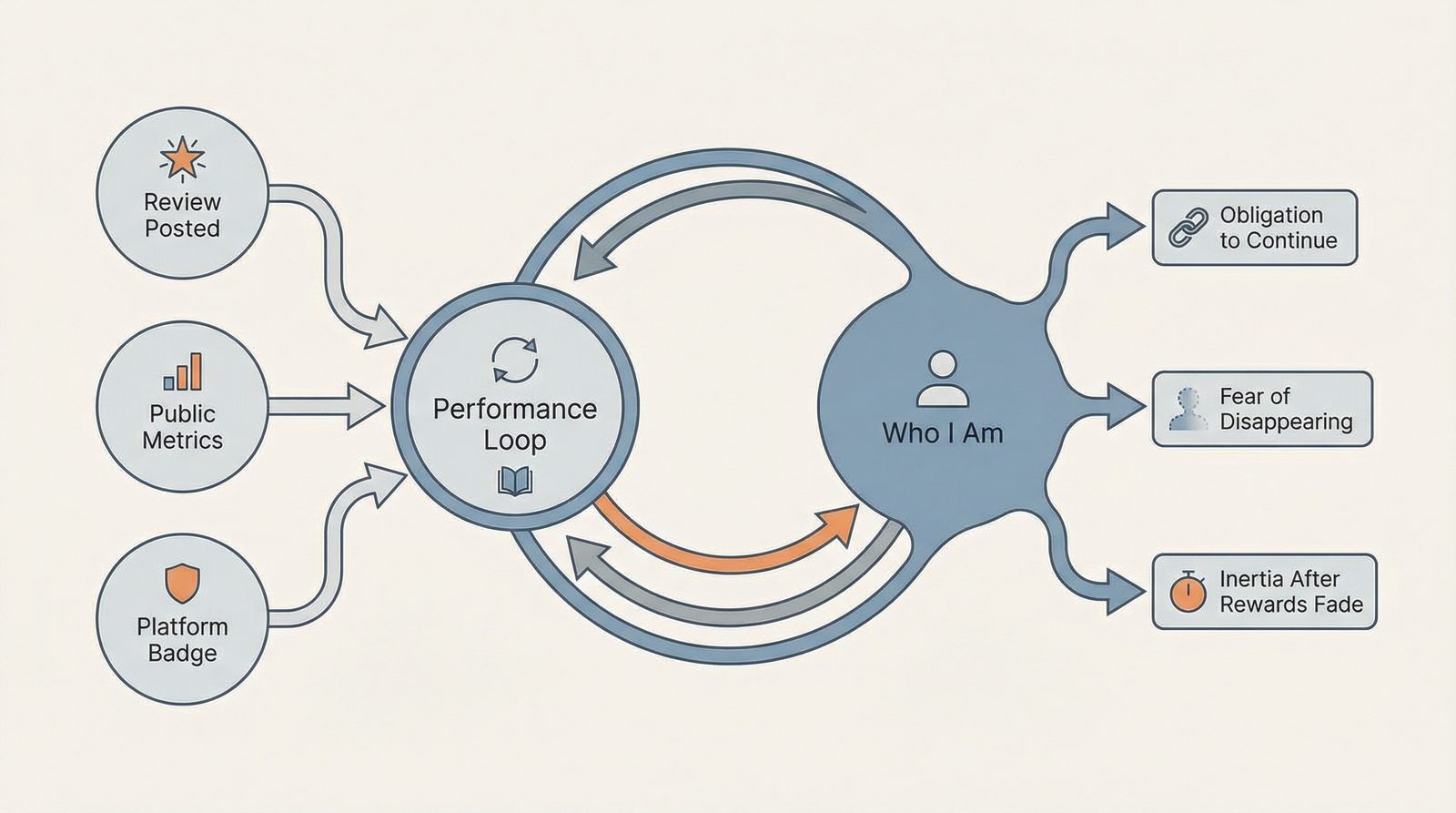
    Performance as Identity is the motif where what you do, repeatedly and publicly, becomes who you are. The performance and the self fuse until stepping away from the role feels like erasing yourself, even if the original reasons for doing it are gone.

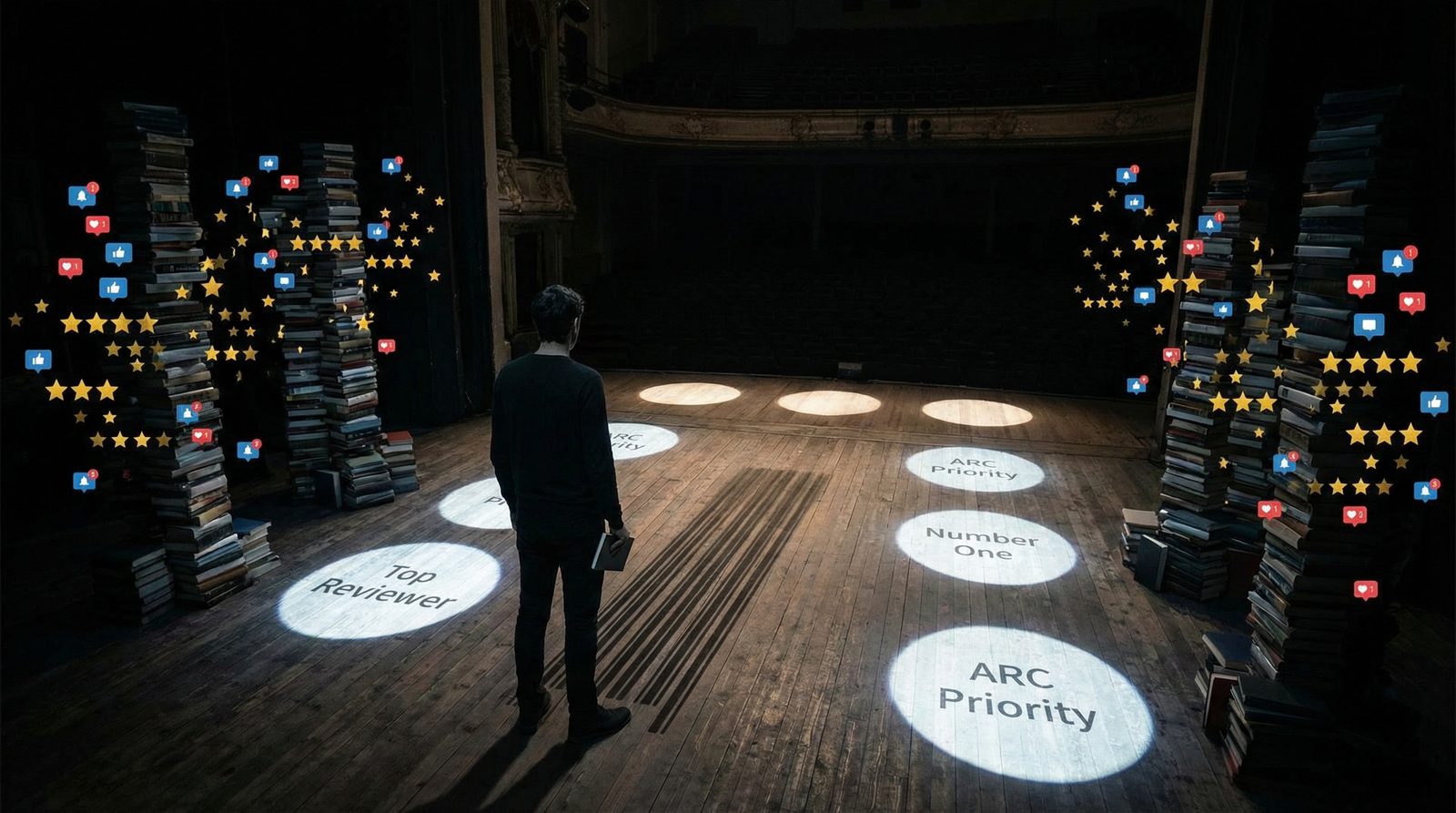
    For Harriet Klausner, the performance was continuous reviewing. Day after day, year after year, she posted summaries and recommendations. The visible badge next to her name on Amazon and the steady drip of ARCs reinforced a simple equation: if she kept reviewing, she remained “Harriet, number one reviewer.” When the badge disappeared, the performance continued anyway, which is exactly what this motif describes.

    What this motif captures

    This motif is about internalization. At first, the performance may be driven by curiosity, money, status, or obligation. Over time, the line blurs. The persona becomes a second skin. The question “Who are you?” is answered with a verb: I review, I moderate, I stream, I fix, I fight.

    Performance as Identity often overlaps with Super Users and the Compulsion to Be First and Speed as Identity. It can also be quietly fed by systems that reward consistent output and penalize breaks, as seen in many platform stories that also involve Platform Betrayal.

    How it shows up in stories and systems

    In fiction and memoir, you will see Performance as Identity when:

    • A character struggles to stop doing the thing that once made them visible.
    • The public role they play diverges sharply from their private needs.
    • Attempts to change lanes or slow down feel like acts of self-betrayal.
    • Their environment only recognizes them in that one narrow capacity.

    On the real internet, the motif is visible in:

    • Creators who cannot take breaks without losing visibility and income.
    • Moderators whose volunteer role consumes most of their social life.
    • Reviewers, critics, or commentators whose brands trap them in one tone or niche.
    • Anyone whose life is organized around maintaining a persona for an algorithm.

    Harriet’s late career, when she kept posting at a fierce pace long after her Amazon ranking had dropped, is a clear case. As we describe in The Ghost in the Machine, the external incentives changed, but the pattern persisted. Reviewing had become part of how she moved through the day.

    Performance as Identity inline concept image

    Why it matters for AllReaders

    AllReaders is interested in stories about work, compulsion, and visibility, not just about plot twists. Tagging works with Performance as Identity helps readers find narratives where the central struggle is not “Will they succeed?” but “Who are they without the performance?” That can be a reviewer, an athlete, a politician, a caregiver, or any other role that consumes the self.

    For our own operation, this motif is a reminder not to hide behind a single mask. We openly acknowledge that our pages are built by a mix of human editors and AI tools, rather than mythologizing an all-seeing solo critic. That honesty keeps us from turning our own “AllReaders voice” into a rigid identity that nobody inside the project can question.

    Performance as Identity inline diagram image

    Related motifs

  • Transparency vs Opacity

    Transparency vs Opacity

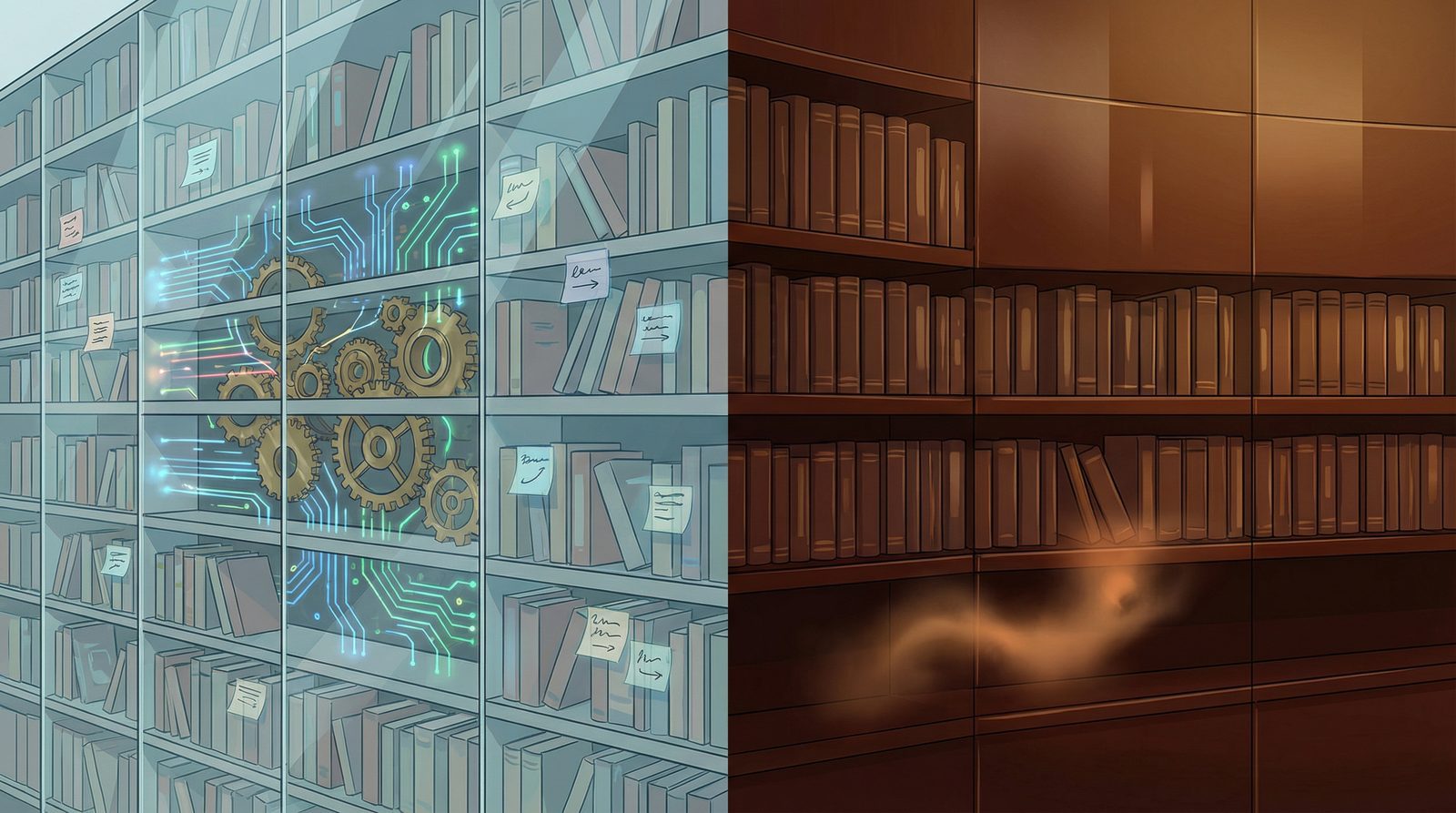
    Transparency vs Opacity is the tension between showing your workings and hiding them. It’s the difference between a system that tells you how recommendations, rankings, or reviews are made, and one that presents a smooth surface while concealing the machinery and trade-offs underneath.

    Harriet Klausner sat on the opaque side of this motif. Her review pace, relationships with publishers, and reading methods were largely invisible. That opacity invited both myth and suspicion. Modern AllReaders, by contrast, is trying to operate on the transparent side: openly combining AI and human editors rather than pretending one person reads everything.

    What this motif captures

    This motif isn’t just about “honesty” in a moral sense. It’s about how much context a system gives people who rely on it. Transparency vs Opacity asks:

    • Do users know how rankings, scores, or selections are produced?
    • Can creators see what’s happening to their work inside the system?
    • Is there a visible explanation for changes (like ranking drops), or just silence?
    • Are invisible helpers — whether human assistants or AI models — acknowledged?

    Opaque systems tend to create folklore, conspiracy theories, and mistrust. Transparent systems invite critique too, but they give people somewhere solid to stand when they ask questions.

    How it shows up in stories and systems

    In stories, Transparency vs Opacity appears when:

    • Characters slowly uncover how a ranking, lottery, or selection process really works.
    • A hidden algorithm or bureaucracy quietly controls who succeeds and who fails.
    • A narrator admits to the tricks they have been using all along.
    • Institutions either explain or deliberately obscure why certain outcomes happen.

    On the real internet, you’ll see it in:

    • Platforms that keep algorithm changes secret vs those that publish broad outlines.
    • Review sites that pretend to be purely “user-generated” vs ones that disclose curation and tooling.
    • AI systems marketed as human labor vs workflows that clearly label machine assistance.
    • Interfaces that hide complex trade-offs under simple metrics like star ratings.

    Harriet’s career, especially around her impossible review volume and the later Platform Betrayal of the ranking change, sits squarely inside this motif. The less people knew about how she worked, the more her numbers became a Rorschach test for readers’ hopes and fears about the system.

    Transparency vs Opacity inline concept image

    Why it matters for AllReaders

    AllReaders is explicit about the fact that we use AI tools to generate structured scaffolding — themes, motifs, relationships — and then apply human judgment on top. We do not pretend our editors have personally read every book or watched every adaptation in full before touching a page. That honesty is a direct response to this motif and to the cautionary arc traced by Harriet Klausner.

    When we tag a work with Transparency vs Opacity, we are highlighting that it wrestles with how systems reveal or conceal themselves. That might be a novel about a mysterious lottery, a memoir from a creator reading opaque analytics dashboards, or a history of how review platforms changed without explanation.

    For our own architecture pages, this motif is a guiding principle: show enough of the machinery that readers and authors can see what we’re doing, without drowning them in implementation details. It’s how we avoid becoming another black box in a chain of black boxes.

    Transparency vs Opacity inline diagram image

    Related motifs

  • Enthusiasm as Infrastructure

    Enthusiasm as Infrastructure

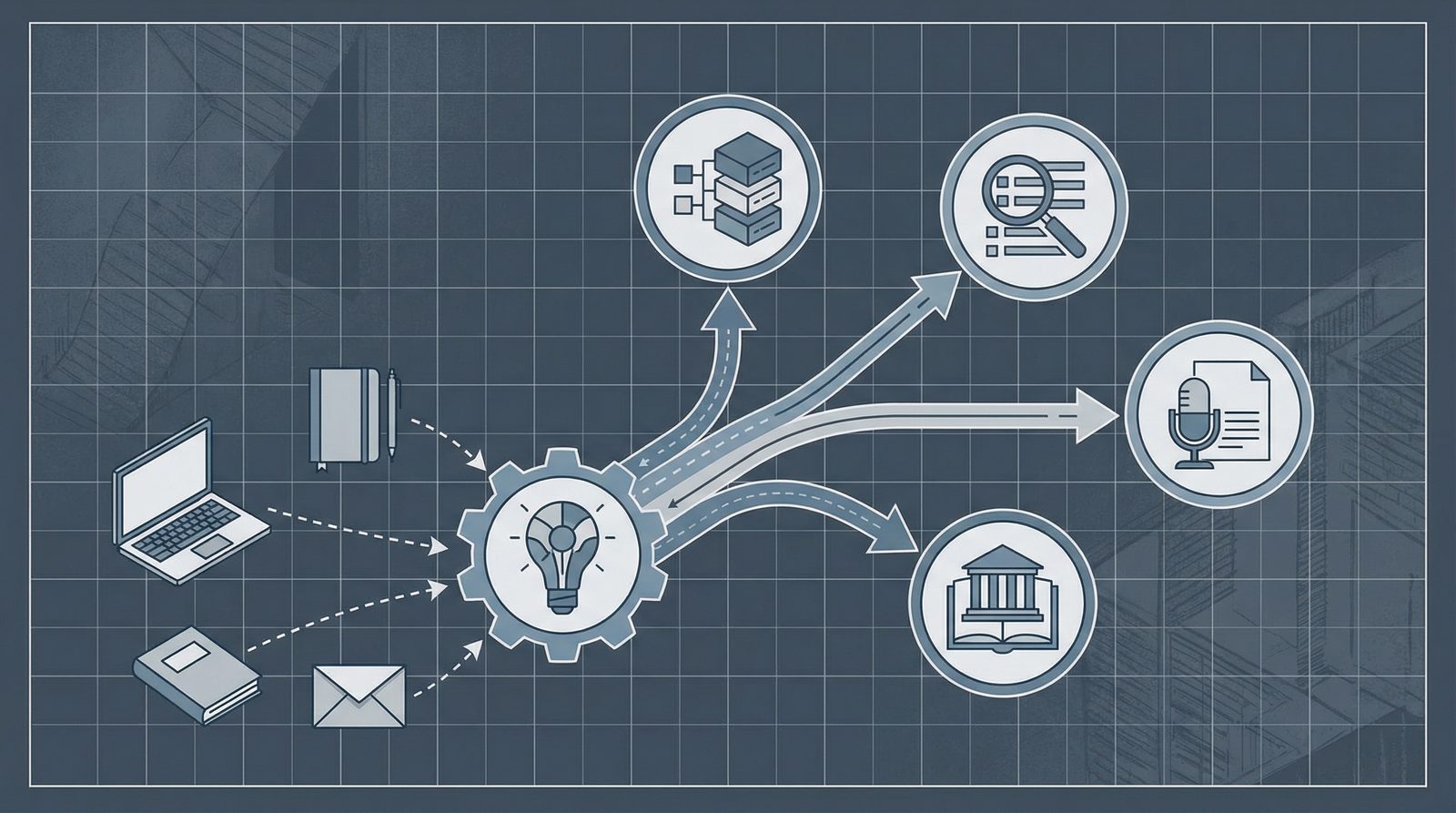
    Enthusiasm as Infrastructure describes the quiet reality that much of our cultural scaffolding is built by people who were never paid to do it. Fan wikis, early review databases, obsessive catalogues, niche newsletters — they start as passion projects and end up as the reference layer everyone else relies on.

    Harriet Klausner’s reviews are a textbook example. Whatever you think of her methods, her sheer output filled gaps for mid-list books that had no other coverage. Her blurbs and structured forms on AllReaders ended up in catalogues, press releases, and library systems. Her enthusiasm became part of the infrastructure.

    What this motif captures

    This motif focuses on how unpaid, often uncredited labor turns into permanent scaffolding:

    • Fans summarizing plotlines, timelines, and character relationships.
    • Reviewers meticulously tagging genres, settings, and motifs.
    • Archivists-by-hobby digitizing and organizing materials nobody else will touch.
    • Volunteers maintaining standards and categories over years.

    Enthusiasm as Infrastructure often pairs with Taxonomy as Access. The same people who love a niche enough to catalog it are the ones who quietly make it searchable for everyone else. In some cases, it shades into The Commodified Reviewer when that enthusiasm gets folded into commercial systems.

    How it shows up in stories and systems

    In stories, you’ll see Enthusiasm as Infrastructure when:

    • A fan-maintained archive or database becomes crucial to the plot.
    • A character’s obsessive list-making or cataloguing ends up saving someone later.
    • Communities rely on a small group of unpaid experts to navigate a complex world.
    • Institutions quietly lean on tools or documents built outside official channels.

    On the real web, this motif is everywhere:

    • Fan wikis that studios and publishers discreetly consult.
    • Volunteer-maintained metadata that powers search and recommendation engines.
    • Community-sourced genre tags and tropes that become industry shorthand.
    • Legacy review sites (like early AllReaders) that still feed into modern catalogues.

    Harriet’s work lives in this space. The fact that her broken profile links still send readers to us years later is not just a Digital Ghosts story. It’s evidence of how deeply her unpaid efforts were woven into other people’s workflows.

    Enthusiasm as Infrastructure inline concept image

    Why it matters for AllReaders

    AllReaders itself is built on this motif. The original database was shaped by volunteers and semi-formal reviewers who filled in long structured forms because they cared. Our new motif system, topic pages, and creator hubs are a continuation of that work, now with more explicit acknowledgement of how much labor sits underneath.

    Tagging works with Enthusiasm as Infrastructure lets us surface stories where fan labor, community indexing, or obsessive documentation shape what’s possible. It also reminds us to credit the people whose enthusiasm we build on — including reviewers like Harriet Klausner, even when we’re critical of their methods.

    Enthusiasm as Infrastructure inline diagram image

    Related motifs

  • Platform Betrayal

    Platform Betrayal

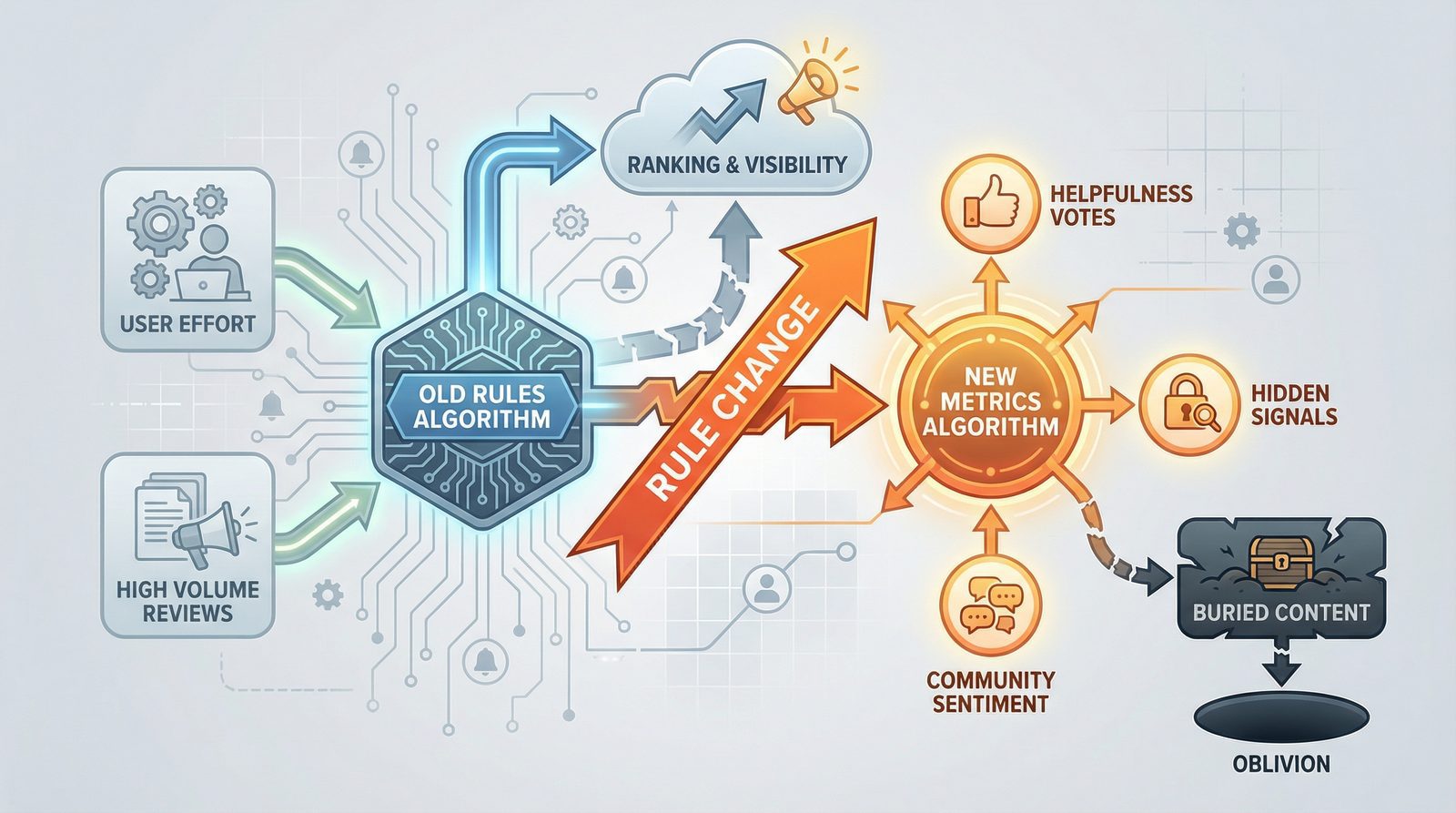
    Platform Betrayal describes what happens when the rules of a system change and suddenly punish the exact behavior that system used to reward. It’s the feeling of realizing that you did everything “right” according to yesterday’s metrics, only to wake up and find those metrics have turned against you.

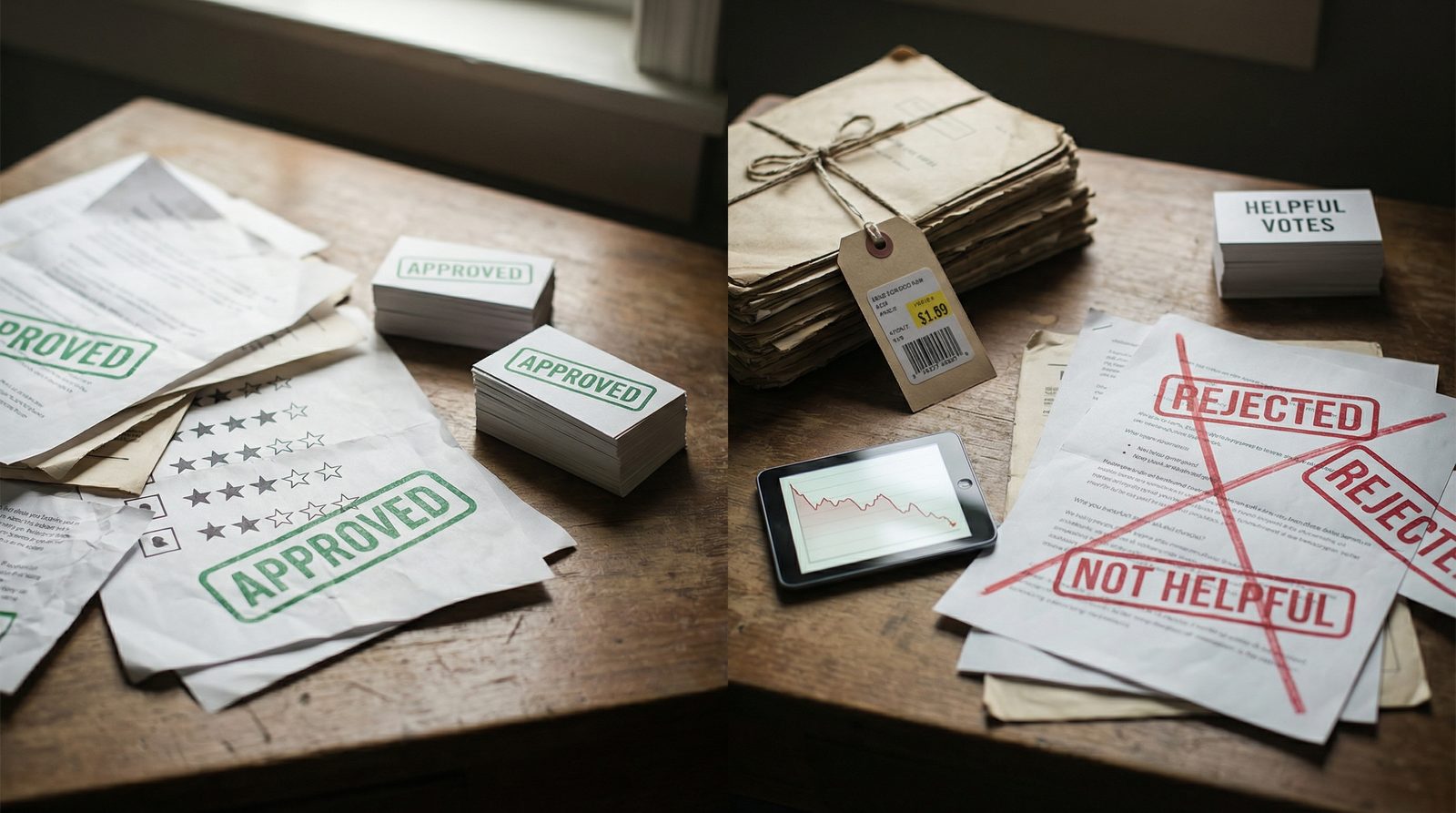
    Harriet Klausner lived through one of the clearest examples: Amazon’s 2008 shift from raw review volume to “helpfulness” votes. The same ranking engine that once elevated her as the top reviewer abruptly buried her, powered in part by years of “not helpful” protest clicks. She hadn’t changed. The platform had.

    What this motif captures

    This motif sits where incentives, identity, and power collide. Platform Betrayal is not just an algorithm tweak; it’s a moment when a person realizes that the system they trusted has quietly redefined “good behavior.” It often hits the hardest for Super Users, the people who optimized their lives around the old rules.

    In story terms, Platform Betrayal is the turning point where a character’s loyalty to an institution is tested. In real-world terms, it’s the career-breaking update: the monetization policy change, the ranking overhaul, the moderation sweep that retroactively criminalizes what was once encouraged.

    Platform Betrayal inline concept image

    How it shows up in stories and systems

    In fiction and narrative non-fiction, you’ll see Platform Betrayal when:

    • A top creator on a site suddenly loses income or reach after an opaque update.
    • A whistleblower realizes their heroic metrics are now labeled “abuse” or “spam.”
    • A character who gamified the system for years discovers that the scoreboard has been reset.
    • A community or fandom is pushed out by new rules meant for a different era.

    On the real internet, it’s visible in:

    • Ranking shifts like Amazon’s 2008 change that demoted high-volume reviewers such as Harriet Klausner.
    • Social platforms abruptly privileging short video over text or longform posts.
    • Ad and affiliate programs changing payout rules with minimal notice.
    • Moderation regimes that retroactively penalize archive content.

    In all of these cases, the betrayal is not just technical. It’s emotional. People built a sense of self, income, or community on the platform’s original promises, only to discover those promises were provisional.

    Why it matters for AllReaders

    AllReaders exists in the shadow of Platform Betrayal. Our own history includes a long offline period and a return to life on a very different web. Part of our job is to document how platforms have treated readers, reviewers, authors, and mid-list books over time — including moments when the rules changed and certain people paid the price.

    By tagging books, essays, and creator stories with Platform Betrayal, we highlight works that grapple with shifting incentives and broken trust: novels about social networks turning hostile, memoirs from creators who lost their livelihoods to an update, or critical histories of algorithms that quietly rewrote the terms of engagement.

    For us, the motif is also a reminder. If we are going to use AI, scoring systems, or recommendation engines, we have to be transparent about how they work and how they might change. That’s why we pair this motif with Transparency vs Opacity on our own architecture pages: we want to name the pattern so we don’t repeat it in silence.

    Platform Betrayal inline diagram image

    Related motifs

  • Digital Ghosts

    Digital Ghosts

    Some people leave diaries. Some leave archives. On the internet, some people leave URLs that never stop moving traffic, long after they die, quit, or get banned. We call that pattern Digital Ghosts: traces of people, systems, or eras that keep acting in the present through leftover code, links, and data.

    Harriet Klausner is one of our clearest examples. Her AllReaders profile disappeared years ago, but her old ProfileView.asp?Name=Harriet+Klausner URL still sits inside publisher pages, library records, and used-book databases. Every time someone clicks those links, our server logs show a ghost walking through the infrastructure.

    What this motif captures

    Digital Ghosts are not jump-scare hauntings. They are the quiet, structural ways the past keeps acting on the present because nobody ever updated the plumbing. A review that vanished years ago still decides where a reader lands today. A deleted profile still shapes how a book is framed in a catalogue. A dead platform still appears as a “source” in a modern search result.

    This motif sits at the intersection of technology and memory. It’s about persistence: old HTML, hard-coded links, exported metadata, and long-forgotten database entries that outlive the humans and products that created them. It’s a close cousin of Infrastructure as Memory, but with the focus narrowed to the lingering imprint of a person or persona.

    Digital Ghosts inline concept image

    How it shows up in stories and systems

    In fiction, Digital Ghosts can look like:

    • Abandoned social media profiles that still influence characters’ choices.
    • Dead message boards whose archives solve a modern mystery.
    • Long-closed forums or fan sites whose cached pages drive a plot twist.
    • Old recommendation engines that keep surfacing a vanished creator’s work.

    In the real web, they appear as:

    • Broken review links that still route to a tribute page, like our Harriet Klausner feature.
    • Bibliographic records that reference defunct sites or outdated categories.
    • Automated feeds that keep reusing metadata from discontinued services.
    • Affiliate links pointing into black holes, which still shape how traffic flows.

    Every time we bring an old domain like AllReaders back to life, we inherit decades of Digital Ghosts. They are a map of who used to matter, which books were once in circulation, and how readers used to move around the web.

    Why it matters for AllReaders

    We see Digital Ghosts in our logs every day. They tell us:

    • Which old reviewers and sites were important enough to be hard-coded into marketing.
    • How mid-list genre fiction travelled through early-2000s infrastructure.
    • Where our new pages can provide context instead of just throwing 404 errors.

    The Harriet tribute page is our first deliberate response to this motif. Instead of pretending the old profile still exists, we redirect ghost URLs to an honest account of who she was, how she worked, and what her broken links now mean. The ghost is still there, but it’s anchored in context.

    As we map more books, creators, and story patterns, we’ll keep using Digital Ghosts to tag works where long-dead data and URLs continue to shape the present — whether that’s a defunct fan forum driving a plot, or a forgotten reviewer still steering readers through the stacks.

    Digital Ghosts inline diagram image

    Related motifs