
Genre: Psychological Realism

  • Catalyst (2002)

    Catalyst (2002)

    By: Laurie Halse Anderson
    Genre: Young Adult, Domestic Psychological Fiction
    Country: United States


    INTRODUCTION

    Laurie Halse Anderson’s Catalyst (2002) occupies similar emotional territory to Speak, but channels it through a different kind of pressure: academic obsession, perfectionism, and the way grief can blindside a family that is already running too hot. The novel follows Kate Malone, a high-achieving, tightly wound senior whose entire identity is wrapped around a single goal, getting into MIT. When that plan collapses, so does the fragile structure she has built around herself.

    The book is not a thriller. It is a psychological spiral, written with Anderson’s usual blend of sharp dialogue, clipped pacing, and emotional honesty. It was one of the most heavily linked YA titles in the old AllReaders database, and rebuilding it gives us a clean, modern anchor for long-tail traffic around trauma, perfectionism, and coming-of-age narratives.


    PLOT & THEMES

    Kate Malone is used to control. She runs, she studies, and she manages her household while her pastor father tends to everyone else. Her application to MIT is not just a college plan. It is the foundation of her entire identity. When the rejection letter arrives, Kate’s sense of self fractures almost immediately.

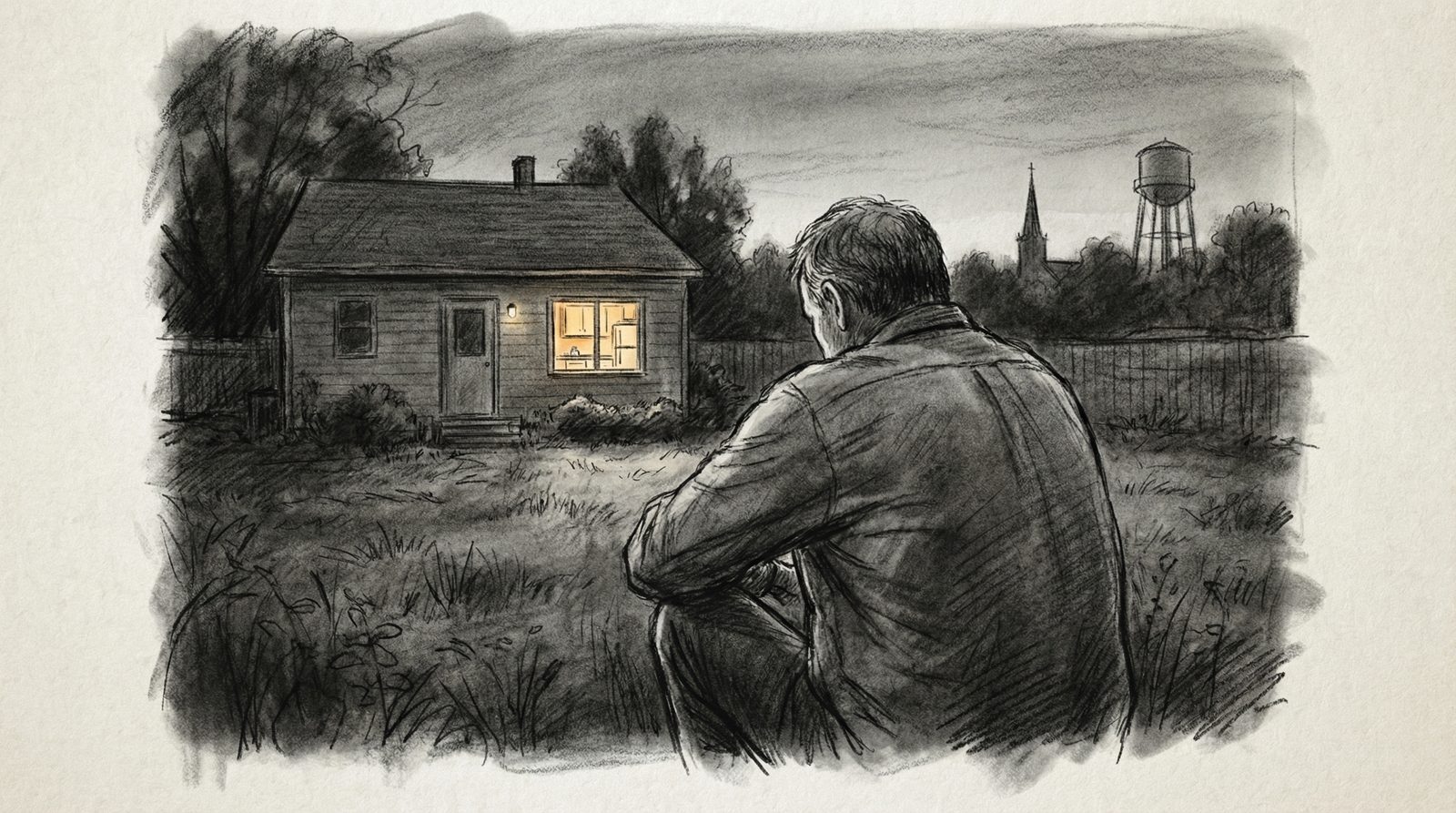
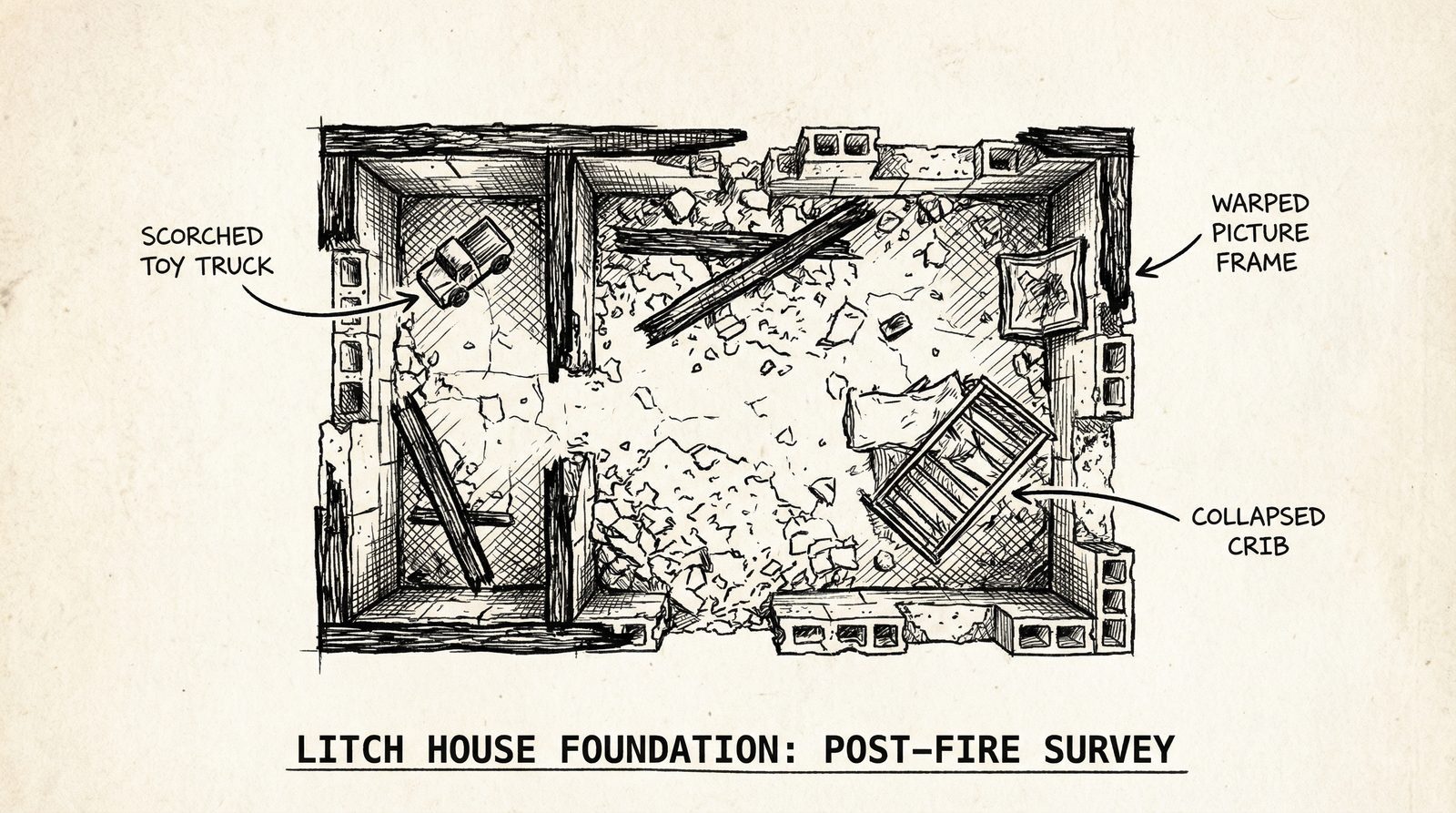
    Complicating things further, a house fire forces Kate’s longtime enemy Teri Litch and Teri’s toddler brother into the Malone home. The tension between the girls, built from years of rivalry, misunderstanding, and bruised pride, becomes the emotional engine of the novel.

    Catalyst explores themes of failure, grief, self-deception, and the collapse of identity under extreme pressure. This fits naturally with motifs like Identity Collapse in Isolation, as Kate spirals into emotional freefall when the role she has built her life around disappears.

    Anderson also threads in the darker edge of domestic tension. The Malone household is loving but brittle, a clear example of the motif Domestic Vulnerability as Horror, where tragedy does not need supernatural violence to devastate a family.
    Conceptual editorial illustration inspired by 'catalyst (2002)'


    STYLE & LANGUAGE

    Anderson writes with her trademark sharpness: short chapters, staccato sentences, and emotional beats delivered with precision. Kate’s voice is restless and anxious, which makes the book move quickly even when nothing large is happening on the surface. The language mirrors Kate’s racing thoughts. It is clipped, controlling, and sometimes unreliable.

    The novel is grounded firmly in realism. Anderson does not overplay the emotional stakes, which makes the genuine crisis points land harder. The dialogue is especially strong. Teenagers sound like teenagers, and the adults sound distracted and exhausted in ways that feel true.


    CHARACTERS & RELATIONSHIPS

    Kate Malone is a tightly coiled protagonist defined by fear of failure. She is sympathetic but not always likeable, which makes her unraveling more compelling. Her obsession with perfection creates a believable, painful internal conflict that drives much of the book’s tension.

    Teri Litch is the novel’s breakout character. She is abrasive, wounded, and strong in ways Kate is not. Their collision is the heart of the story. Anderson excels at writing two girls who resent each other for reasons neither can fully articulate until it is too late.

    The adults orbiting them, including Kate’s father, teachers, and neighbours, feel real but distant. That distance reinforces the sense that Kate is carrying far more than any teenager should have to hold.


    CULTURAL CONTEXT & LEGACY

    Published in the early 2000s, Catalyst sits in the second wave of YA realism that arrived before the explosion of issue-driven YA in the 2010s. It tackles academic pressure, trauma, and teenage emotional volatility without reducing characters to lessons. The book remains widely read because it captures something timeless: how it feels when your identity rests on a single fragile point.

    It also pairs historically with Speak, offering another angle on Anderson’s interest in girls whose voices are ignored, dismissed, or misunderstood by the institutions that shape their lives.

    Illustration of a core idea or motif from 'catalyst (2002)'


    IS IT WORTH READING?

    If you are looking for an emotionally honest, tightly written YA novel about pressure and identity, Catalyst is absolutely worth reading. It is intense without being melodramatic, and it treats teenage emotions with seriousness instead of condescension.

    If you prefer YA with broader worldbuilding or lighter tones, this will not be your book. Anderson writes to the bone, and Catalyst is very much about breaking down before finding a way forward.


    SIMILAR BOOKS

    Readers who connect with Kate’s emotional spiral may also appreciate the grounded pressure in Tabitha King’s Survivor. For a science-fiction parallel about identity under strain, Arthur C. Clarke’s 2061: Odyssey Three offers a thematic echo through a very different lens.


  • The Book of Reuben (1994)

    The Book of Reuben (1994)

    By: Tabitha King
    Genre: Literary Fiction, Domestic Psychological Fiction
    Country: United States


    INTRODUCTION

    The Book of Reuben, published in 1994, is one of Tabitha King’s most fully realised novels. It continues the Nodd’s Ridge cycle but shifts the emotional center to a man who has spent years running from his own choices. Reuben Stilnick is not a natural hero. He is stubborn, defensive, and shaped by decisions he made when he was too young to understand their long reach. King uses him as a lens to explore responsibility, self-deception, and the complicated work of trying to become a better person when everyone around you remembers the older version.

    Because King rarely builds her novels around male narrators, this one feels immediately distinct. Yet the familiar elements remain. Domestic tension, interior conflict, and the scrutiny of a small town where every mistake becomes a cautionary tale. Compared to Caretakers or The Trap, the narrative feels tighter and more confident, as if King has settled into the emotional terrain of Nodd’s Ridge and knows exactly where to look for its pressure points.


    PLOT & THEMES

    The novel follows Reuben Stilnick through a period of reckoning. His younger years were marked by impulsive choices and a talent for avoiding responsibility. King shows these mistakes slowly, through layered flashbacks and the hard edges of his present-day life. Reuben carries a reputation that everyone in Nodd’s Ridge seems to know by heart. Some of it is deserved. Some of it is the town’s way of freezing him in a version of himself that no longer fits.

    The themes here are quieter than in some of King’s earlier novels, yet they carry a heavier weight. Regret, emotional inheritance, and the uneasy work of rebuilding one’s life form the backbone of the story. Reuben is a man caught between who he was and who he wants to be, and the distance between those two versions becomes the source of the novel’s tension.

    King’s use of motifs is subtle but present. Identity Collapse in Isolation fits Reuben’s arc in a way that feels more mature and weathered than the motif’s typical application. His collapse is not dramatic. It arrives through smaller moments, half-realised thoughts, and days when the weight of his past becomes impossible to ignore. Domestic Vulnerability as Horror also threads through the book. Home becomes a mirror he can no longer avoid, a place that reflects every flaw he has worked so hard to hide.


    STYLE & LANGUAGE

    The writing in The Book of Reuben is measured and assured. King leaves behind the wide sprawl of Caretakers and instead leans into a style that suits Reuben’s internal landscape. The prose is clean, with moments of striking clarity, especially when Reuben slips into memory or tries to understand the gap between who he is and who people believe him to be.

    Flashbacks blend smoothly into the present. King never lets them overwhelm the narrative, but she uses them to add weight to Reuben’s relationships and to show how a single decision can echo through decades. The geography of Nodd’s Ridge also becomes emotional terrain. Roads, storefronts, and familiar gathering places hold the memory of choices Reuben would rather forget, and each location becomes part of his character development.

    The pacing is deliberate. Some chapters move slowly, but the restraint fits the novel’s focus on introspection rather than spectacle. King writes with confidence, trusting that the quiet moments will reveal what they need to reveal without forcing the drama into larger shapes.


    Conceptual editorial illustration inspired by 'the book of reuben'

    CHARACTERS & RELATIONSHIPS

    Reuben Stilnick is flawed and fully human. King resists offering easy sympathy. Instead, she allows his growth to happen through discomfort and honest self-examination. The result is one of her most layered protagonists, shaped by regret yet still capable of change.

    The townspeople serve as both chorus and pressure. Some hold grudges. Others are quietly encouraging. Many simply observe him, waiting to see whether old patterns return. Their reactions help shape the arc of the story and give a sense of how deeply rooted the town’s memory can be.

    Characters from earlier books — especially those from Pearl and The Trap — appear again through Reuben’s perspective. These shifts offer new context and deepen the sense of interconnected lives that run through the entire Nodd’s Ridge cycle.


    CULTURAL CONTEXT & LEGACY

    When the novel was published in the mid-1990s, literary fiction was increasingly drawn toward character-driven stories about interior conflict and social belonging. King’s work fits neatly into that landscape. Her focus on small-town masculinity feels ahead of its time. She neither condemns Reuben nor excuses him. Instead, she examines how identity is shaped by environment, memory, and the long trail of choices people carry with them.

    Within the Nodd’s Ridge cycle, The Book of Reuben acts as a hinge. It reframes earlier events, clarifies emotional histories, and adds depth to the town’s mythology. Many readers consider it one of King’s strongest novels. It may not have the immediate heat of One on One or the intensity of Survivor, but it carries a quiet power that lingers long after the final chapter.

    Illustration of a core idea or motif from 'the book of reuben'


    IS IT WORTH READING?

    The Book of Reuben is essential for readers following the Nodd’s Ridge novels in sequence. It stands on its own, but the emotional layers deepen if you already know the town’s history and its people. Readers who enjoy introspective, character-driven fiction will find the novel particularly satisfying.

    Those looking for King’s most psychologically intense writing may gravitate toward Survivor, yet The Book of Reuben remains one of her most consistent and thoughtful works. It offers a portrait of a man trying to rebuild his life without shortcuts or dramatic transformations. Instead, the book focuses on the quiet, steady work of becoming someone better.


    SIMILAR BOOKS

    Readers who appreciate Reuben’s journey will find strong emotional continuity in Pearl, which expands the inner life of Nodd’s Ridge through a different lens. Outside King’s work, novels by Richard Russo offer similar explorations of flawed middle-aged men navigating small-town expectations.