
DEFINITION & CORE IDEA
Body Swap Comedy Between Generations is a story pattern in which people from different age groups—most often a parent and child, or a teenager and an older relative—wake up in each other’s bodies. Overnight, the teenager is trapped in an adult body with adult authority and responsibility, while the adult finds themselves forced to navigate school, peer hierarchies, and adolescent vulnerability from the inside.
The core idea is simple but potent: if you could literally live inside another generation’s body, what would you finally understand about them? The swap is usually temporary and surrounded by comic mishaps, but it functions as a shortcut to empathy. Instead of arguing across a dinner table, characters are thrown directly into each other’s daily grind, expectations, and social pressures.
One of the earliest and most influential examples of this motif is Vice Versa (1882) by Thomas Anstey Guthrie. In that novel, a Victorian father and son exchange bodies, using the swap to expose the cruelty of school discipline, the blindness of parental authority, and the false assumptions each generation holds about the other.
Later, more widely known works—such as Freaky Friday—would popularize the motif for modern audiences, but the emotional logic remains the same. The mechanism may be magical, scientific, or never fully explained at all, because the real focus is not how the swap happens, but what it reveals.
HOW IT WORKS IN STORIES
Stories built around Body Swap Comedy Between Generations usually begin with a sharp, familiar conflict. A teenager complains that their parent is controlling, out of touch, or unfair. The parent insists the teenager is lazy, dramatic, or ungrateful. A wish is made in anger, a strange object is activated, or a bizarre accident occurs, and the next morning they wake up in each other’s bodies.
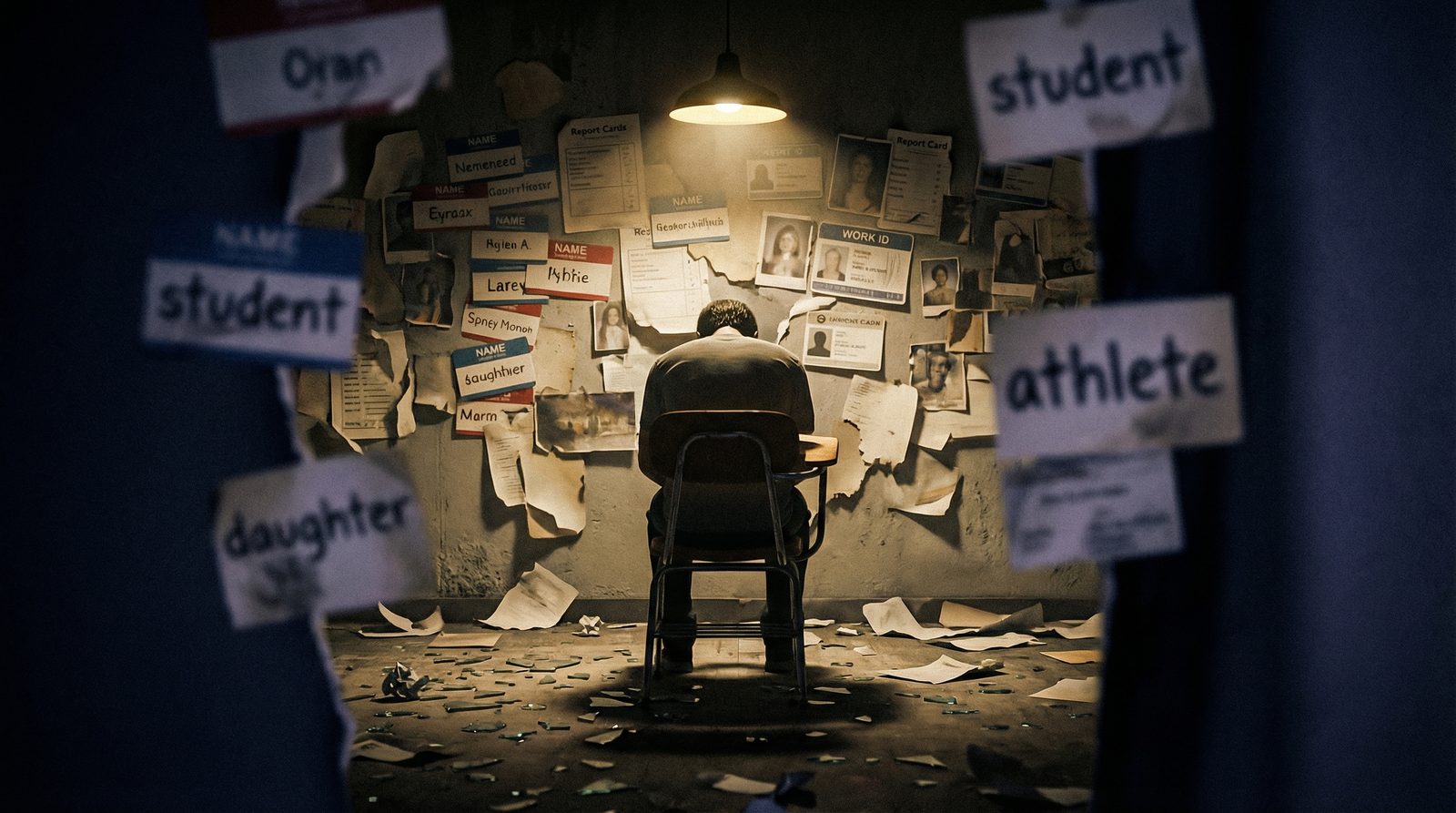
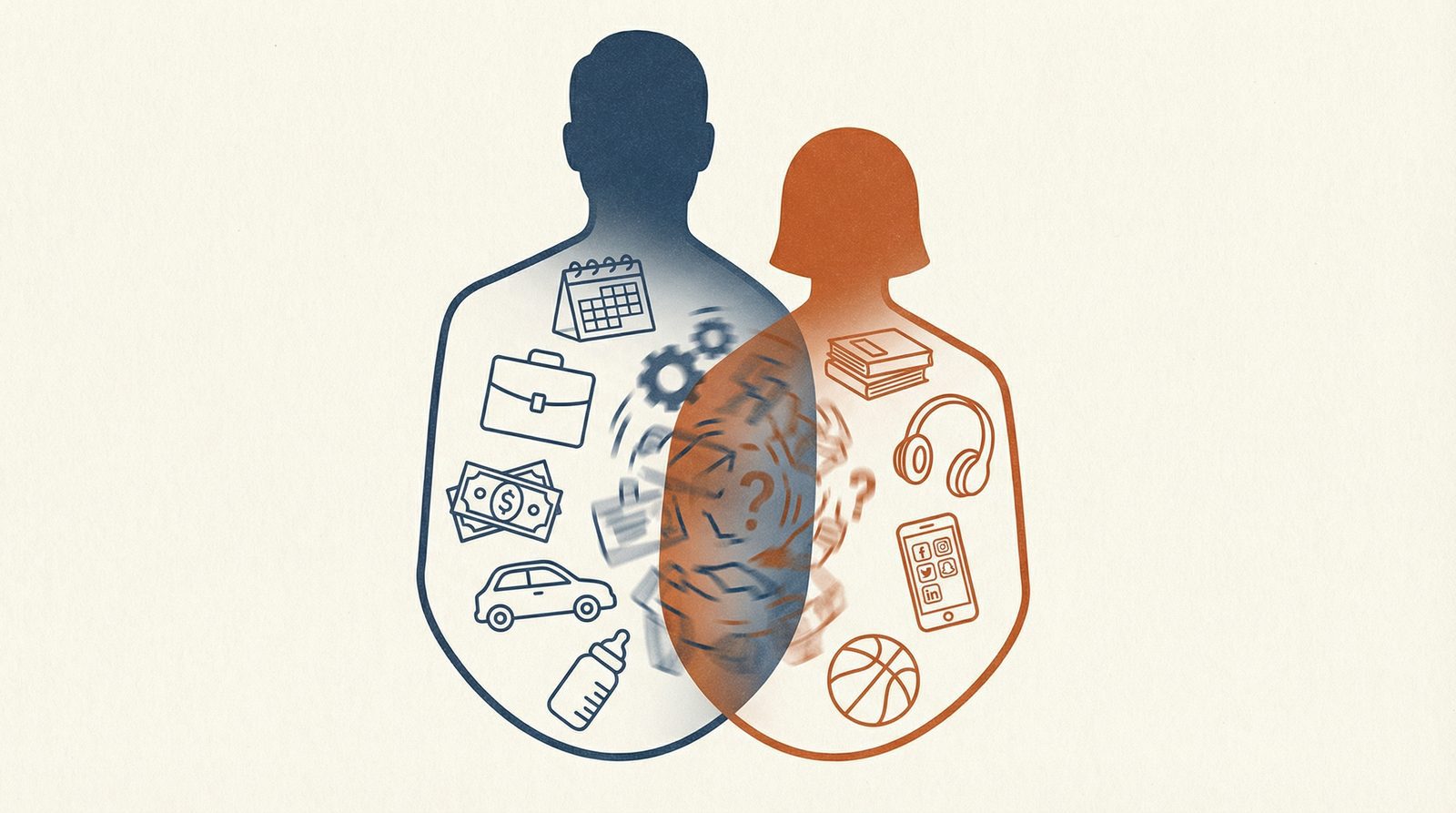
The middle of the story is driven by a series of comic trials. The adult in the teenager’s body must survive school routines, slang, exams, friendships, and social humiliation they no longer understand. They dress wrong, misread social cues, misuse technology, and underestimate how intense adolescent pressure can be. Meanwhile, the teenager in the adult body struggles with work meetings, financial obligations, parenting expectations, and relationship baggage they never knew existed.
Everyday tasks become ordeals. A presentation turns into a panic attack. A math test becomes a public failure. A parent-teacher meeting or boardroom discussion exposes how little preparation either character had for the other’s world.
Underneath the slapstick, insight slowly accumulates. The teenager sees how exhausted their parent is and how much invisible labor holds adult life together. The parent learns how fragile teen friendships are and how suffocating authority feels from the powerless side. In many versions, the story shifts from “look how ridiculous this is” to “look how much they have been missing about each other.”
The swap usually ends once both characters have changed enough. Apologies are made, hard truths are spoken, or a selfless choice proves that empathy has been learned. The magic reverses itself, returning everyone to their own bodies. External circumstances may remain imperfect, but the emotional landscape has shifted from resentment toward recognition.
EMOTIONAL EFFECT ON THE READER
Reading a Body Swap Comedy Between Generations often feels like getting to argue with your family and finally be heard, safely, through fiction. There is a great deal of secondhand embarrassment: watching a parent butcher teen slang or a teenager flounder through adult responsibility produces laughter that is uncomfortably close to recognition.
For younger readers, these stories can be deeply validating. They force adult characters to feel the pressure, confusion, and social vulnerability of being young. For older readers, the same stories can sting in a different way, revealing how easily teen struggles are dismissed as trivial when viewed from the weight of adult obligation.
The motif blends lightness with sincerity. You laugh at the absurdity of a grandparent stuck in a teenager’s body trying to pass an exam, but you also feel a quiet ache when they realize how lonely that teenager has been. The resolution often leaves readers with a hopeful sense that generational divides are bridgeable, even if real life never offers such a literal exchange.

VARIATIONS & RELATED IDEAS
Several variations recur within Body Swap Comedy Between Generations. One common pairing is the strict parent and rebellious teen, where the adult learns how stifling their rules feel and the teen learns how frightening it is to be responsible for someone else’s future. Another variation focuses on an overburdened parent and a self-absorbed teen, exposing hidden sacrifices and unspoken guilt.
Some versions lean further into fantasy or speculative logic. Devices like the time cheques in Tourmalin’s Time Cheques by Thomas Anstey Guthrie complicate the exchange by allowing characters to glimpse not just another generation’s present, but also their past or future. Other stories keep the mechanism deliberately vague, treating the swap as a fairy-tale curse that lifts only once an emotional lesson is learned.
Even when played broadly for laughs, this motif is rarely just a gag. It is a structured way to talk about power, dependency, misunderstanding, and family dynamics, using fantasy to reach a grounded emotional truth: most of us secretly wish the people closest to us could feel what our life is like from the inside.
Works: Vice Versa
Creators: Thomas Anstey Guthrie