Period: 1940s

  • One Touch of Venus (1948)

    One Touch of Venus (1948)

    One Touch Of Venus (1948) directed by William A. Seiter. Romantic fantasy · 82 minutes · United States. Released August 1948.


    INTRODUCTION

    One Touch Of Venus (1948) is a romantic fantasy that treats desire like a prank the gods play on a cautious man. Set inside a glossy New York department store, it imagines what happens when a marble statue of Venus briefly becomes the most alive person in the room. The feel is fizzy and escapist, closer to a champagne buzz than a full intoxication. Under the wisecracks and musical numbers, there is a quiet ache about compromise and the way routine can harden into something stone-like.

    The film borrows the lightness of screwball comedy but adds a supernatural twist, turning the showroom into a temple where mannequins, mirrors, and display lights become part of a modern myth. It’s a story about the shock of being seen by someone who embodies everything you secretly want and are slightly afraid to reach for.

    PLOT & THEMES

    The plot follows Eddie Hatch, a mild window dresser engaged to a sensible co-worker, Gloria. Asked to prepare a display around a newly acquired statue of Venus, he impulsively kisses the marble lips. This act awakens the goddess, who steps down from her pedestal and into his life. What follows is a supernatural romance built on a reverse-Pygmalion logic: the “ideal” tries to reshape the ordinary man into someone bolder and more honest.

    Complications pile up. The statue appears to have been stolen, Eddie is suspected, and his engagement begins to crumble as Venus shadows him through the city. The film keeps testing fantasy versus security. Venus represents the intoxicating promise of living fully in the moment, while the store and Eddie’s engagement represent routine, approval, and the comfort of predictability. The story repeatedly asks whether the true miracle is the goddess herself or the courage she provokes in a man who has accepted too small a life.

    Beneath the farce, there is a gentle critique of consumer culture. The store treats Venus as a luxury object, while the film insists she is a disruptive force that refuses to stay in a case. The recurring motif of statues and mannequins implies that most people are already half-petrified by habit. Venus’s presence is less about conquest than about waking Eddie up.

    CINEMATIC TECHNIQUE & AESTHETICS

    One Touch Of Venus is built on Classical Hollywood craft: continuity editing, unfussy camera work, and staging that prioritizes timing and performance. Venus is frequently framed in medium shots that allow stillness and gaze to carry the supernatural charge. When she first awakens, soft focus and careful lighting give her a dreamlike halo without resorting to heavy spectacle.

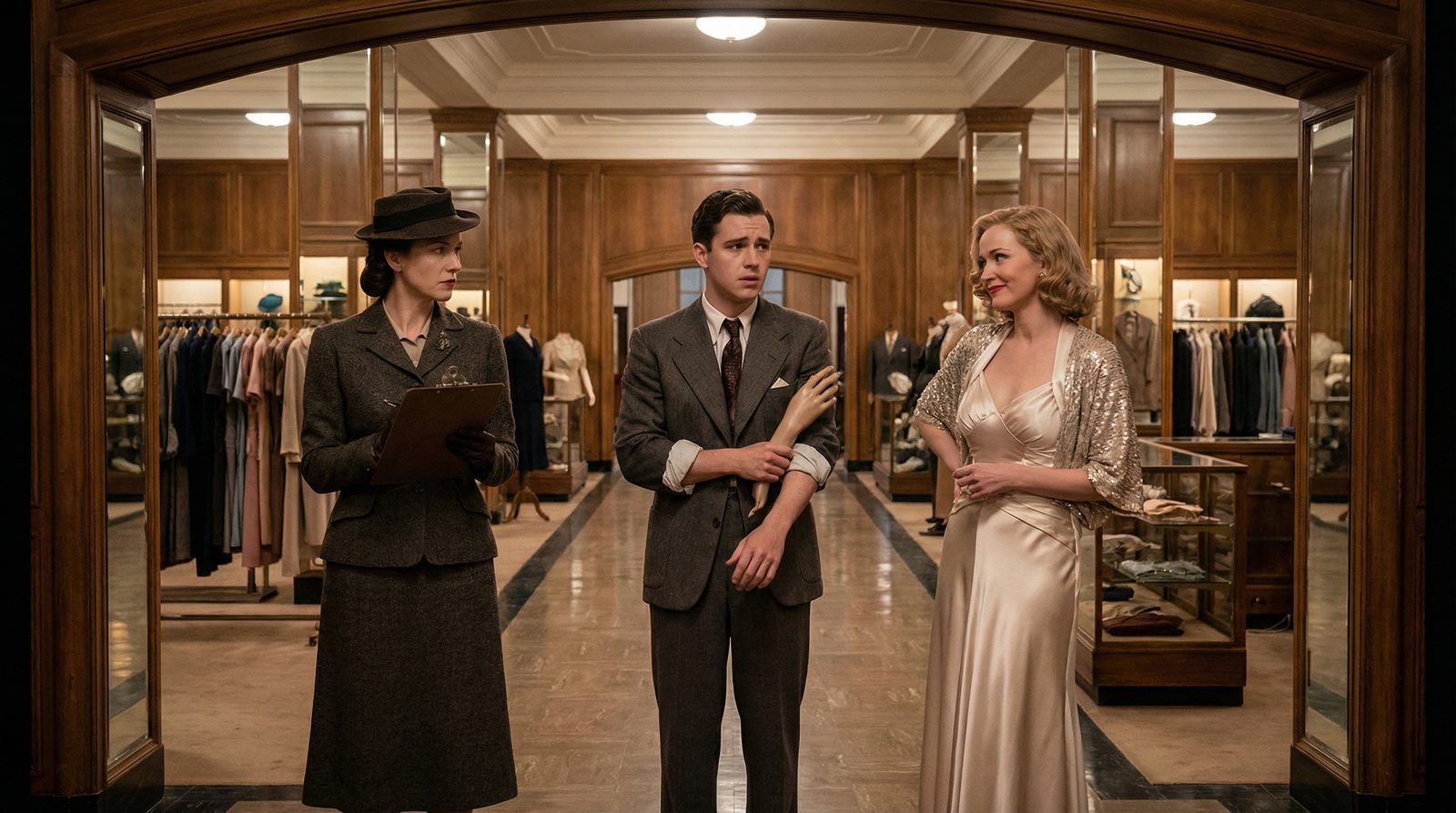
    The department store interiors are staged almost theatrically, with corridors of merchandise and mirrored surfaces that support a secondary motif of reflection. Eddie is repeatedly framed between Venus and Gloria, turning blocking into a visual diagram of divided loyalties. Musical numbers are integrated as emotional punctuation rather than set-piece spectacle.

    Special effects are restrained: match cuts, dissolves, and modest tricks that let performance do the heavy lifting. The magical elements feel intimate and psychological because the film doesn’t insist on “proving” them. It asks the viewer to accept the miracle as a change in emotional temperature, not a technical event.
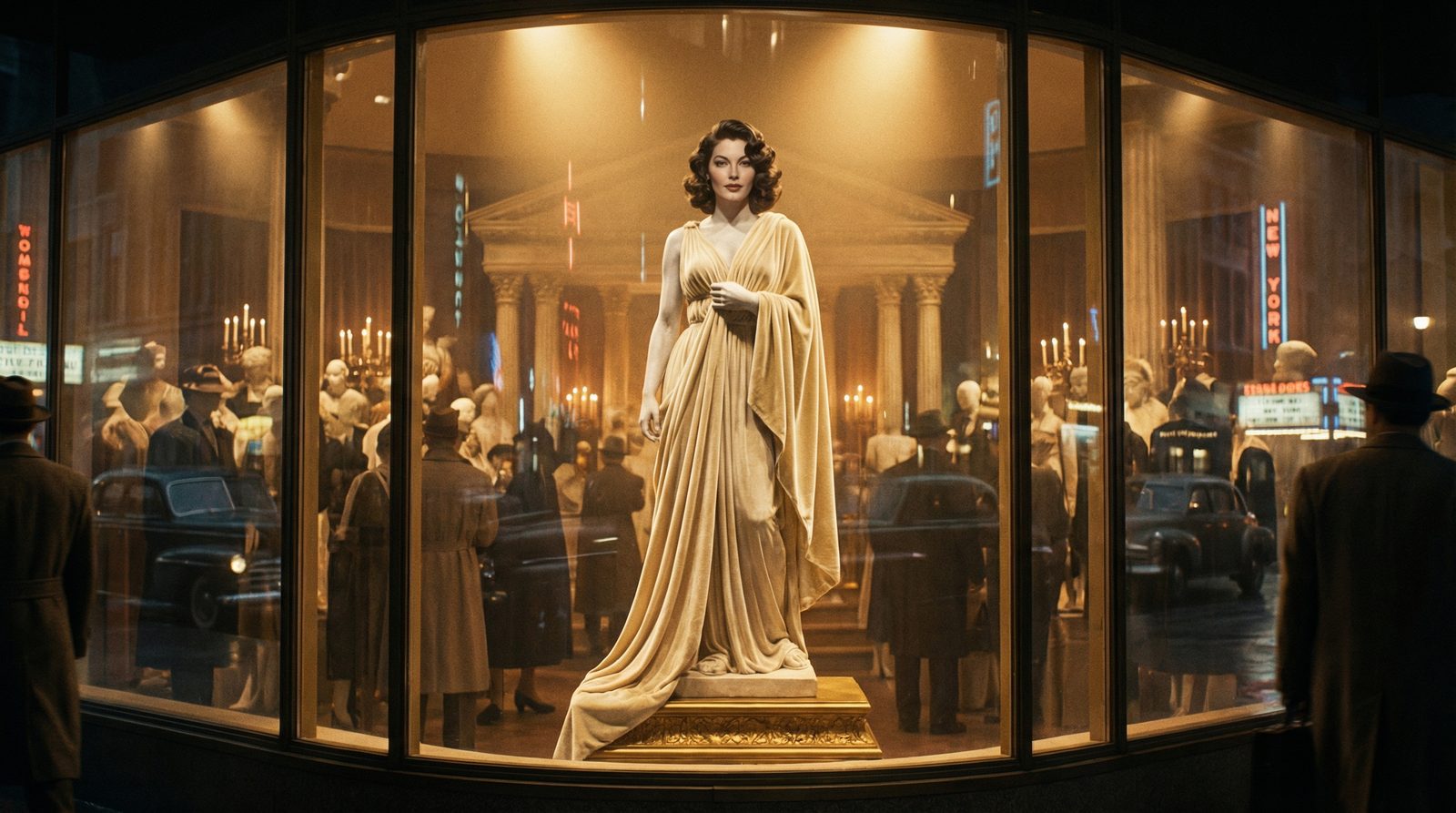
    Editorial illustration inspired by 'One Touch Of Venus (1948)'

    CHARACTERS & PERFORMANCE

    Venus functions as a trickster mentor. She is not a nurturing guide so much as a teasing provocateur who disrupts Eddie’s self-image and forces choice. Ava Gardner plays her with languor and sly amusement, letting flickers of loneliness show through so immortality feels like both power and boredom.

    Eddie is an Everyman: timid, earnest, and quietly resigned. His arc is not heroic conquest but movement from passivity toward agency. Gloria fills the role of sensible stability; the film is not always fair to her, but she is written as a real person rather than a pure obstacle. The supporting cast provides a chorus of social pressure, which makes Venus’s freedom look even more radical.

    CONTEXT & LEGACY

    Adapted from the 1943 Broadway musical, One Touch Of Venus arrived at the tail end of the 1940s when Hollywood romantic fantasy offered audiences gentle escape from postwar reality. It belongs to a small cycle of films where supernatural visitors drift into urban professional life and quietly expose domestic complacency.

    Its legacy is modest but persistent. The image of a literal ideal stepping off a pedestal has lingered, and later retail-based fantasies echo its logic. Today the film reads as both a charming romantic time capsule and a window into mid-century fantasies about gender, desire, and the costs of “settling.”

    IS IT WORTH WATCHING?

    If you want light, urbane romantic fantasy with classical studio-era craft, One Touch Of Venus is worth watching. The stakes stay low and the darker implications of mortal/goddess romance are mostly sidestepped, but Ava Gardner’s performance and the film’s gentle wit make it an easy, charming experience.

    If you’re looking for a more emotionally intense or philosophically probing myth story, it may feel too airy. The pleasure here is in timing, tone, and the small sting of realizing how quickly comfort can become petrification.
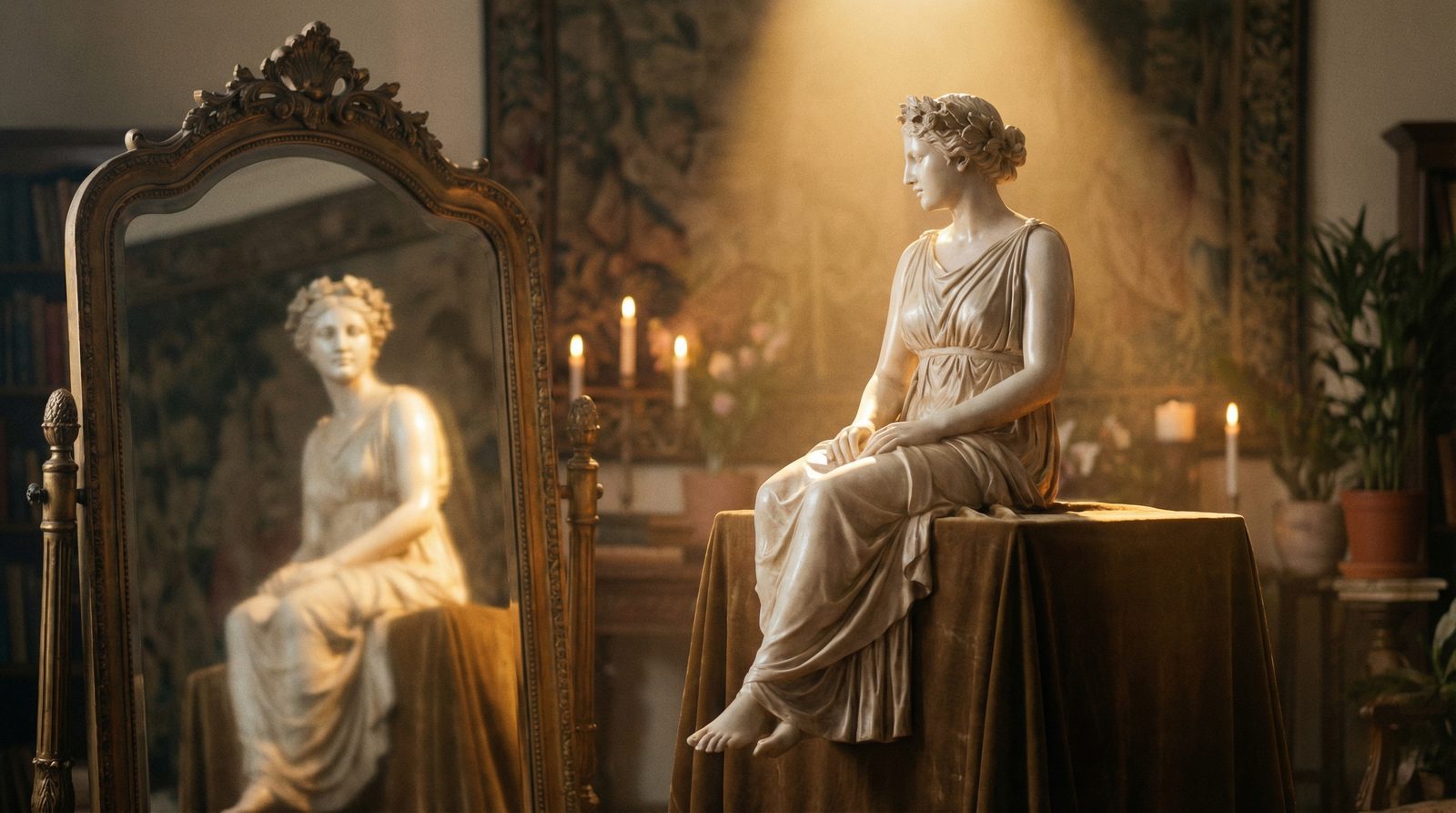
    Symbolic illustration inspired by 'One Touch Of Venus (1948)'

    TRIVIA & PRODUCTION NOTES

    The film is based on the 1943 Broadway musical One Touch Of Venus, with music by Kurt Weill. The adaptation trims and reshapes much of the score, shifting emphasis toward dialogue and situational comedy. The department store setting is staged as both a temple of consumption and a playground for a bored goddess.

    The statue-to-human illusion is achieved mostly through classical studio-era craft: match cuts, dissolves, careful lighting, and performance rather than heavy effects. The short runtime keeps the farce brisk, even when the myth logic is deliberately light.

    SIMILAR FILMS

    If One Touch Of Venus appeals to you, look for other romantic fantasies where an extraordinary figure interrupts domestic routine and forces a choice between safety and aliveness. These films tend to treat magic as emotional pressure rather than spectacle.

    DISCOVERABILITY & LINKS

  • Blackwater: The Complete Caskey Family Saga (1983)

    Blackwater: The Complete Caskey Family Saga (1983)

    By: Michael McDowell
    Genre: Horror, Southern Gothic, Family Saga
    Country: United States


    INTRODUCTION

    Originally published in six slim volumes in 1983 and now often collected as Blackwater: The Complete Caskey Family Saga, this is McDowell’s masterpiece of scale. Set in the town of Perdido, Alabama, from the 1910s through the late 20th century, it follows the wealthy Caskey family and the mysterious Elinor Dammert, a woman rescued from a flood who may not be entirely human.

    Blackwater is part river myth, part dynastic drama. Over hundreds of pages it tracks marriages, births, betrayals, and deaths as the Caskeys consolidate power, all under the shadow of the Blackwater River and Elinor’s strange influence. It is the fullest expression of McDowell’s obsession with Trauma as Inheritance and Domestic Vulnerability as Horror.

    PLOT & THEMES

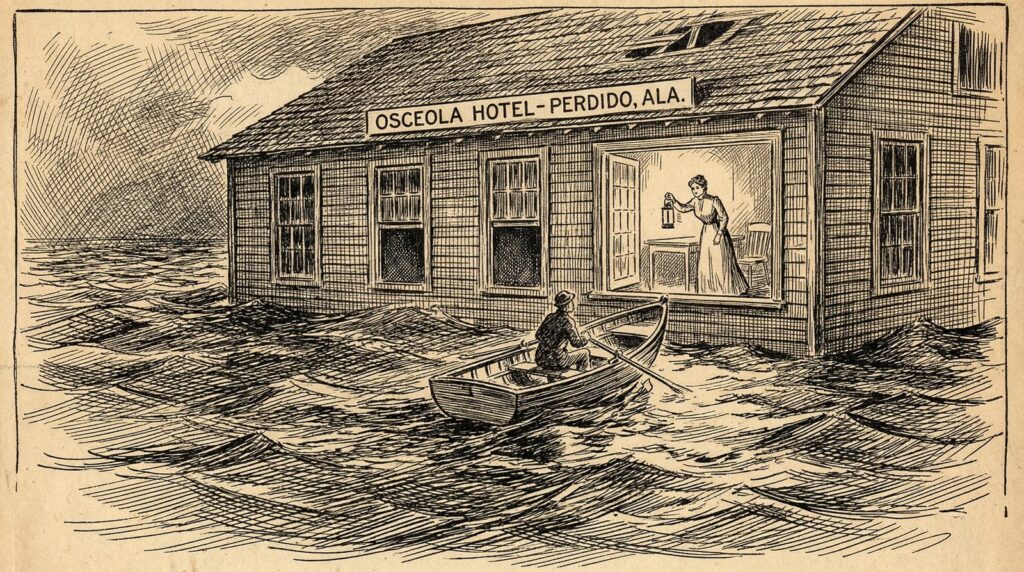
    The saga begins with a catastrophic flood that nearly destroys Perdido. As the waters recede, a young woman named Elinor is found trapped in the hotel, calm and composed. She soon marries into the Caskey family and quietly starts reshaping their fortunes. The six volumes – The Flood, The Levee, The House, The War, The Fortune, and Rain – move through decades of economic booms and busts, wars, personal tragedies, and increasingly uncanny events.

    Conceptual editorial illustration inspired by 'Blackwater the complete caskey family saga'
    Conceptual editorial illustration inspired by ‘Blackwater the complete caskey family saga’

    Thematically, Blackwater is about power: who wields it, who pays for it, and what it costs to keep it in the family. The Caskeys are not simply victims of a supernatural force. They benefit enormously from Elinor’s presence, even as they fear her. The river becomes a metaphor for both livelihood and doom, echoing motifs like Survival Narratives and the tension between prosperity and moral rot.

    Another thread is time. Because the saga spans generations, you see characters grow from children into embittered elders, and you watch grudges outlive the people who started them. It is one of the clearest fictional demonstrations of how family systems perpetuate themselves, for good and ill.

    STYLE & LANGUAGE

    Despite its length, Blackwater reads fast. McDowell writes each segment like a serialized television season: sharp hooks, cliffhangers, and payoffs, but with the same calm, controlled prose found in The Elementals. He sprinkles the supernatural elements lightly at first, allowing the family drama and economic maneuvering to carry the narrative until the reader is fully invested.

    The tone shifts subtly as the decades roll on. Early volumes feel almost like historical melodrama with hints of folk horror. Later installments grow stranger and more melancholy, as the cost of the Caskeys’ deal with the river catches up to them. McDowell’s ability to keep so many characters distinct while maintaining a clean line of tension is impressive.

    CHARACTERS & INTERIORITY

    Elinor is one of horror’s great ambiguous figures: loving mother, ruthless strategist, possible river creature. She embodies both The Double Self and The Witness archetypes, standing slightly outside human concerns while still caring intensely about her chosen family. The various Caskeys – matriarch Mary-Love, her son Oscar, and their descendants – are drawn with a soap-opera richness that never feels cheap.

    What makes the relationships compelling is their complexity. McDowell allows characters to be petty, generous, cruel, and tender in turn. Marriages shift, alliances realign, and children struggle under the weight of expectations they did not choose. This is Trauma as Inheritance not just in a supernatural sense but in the very ordinary ways families pass down unfinished business.

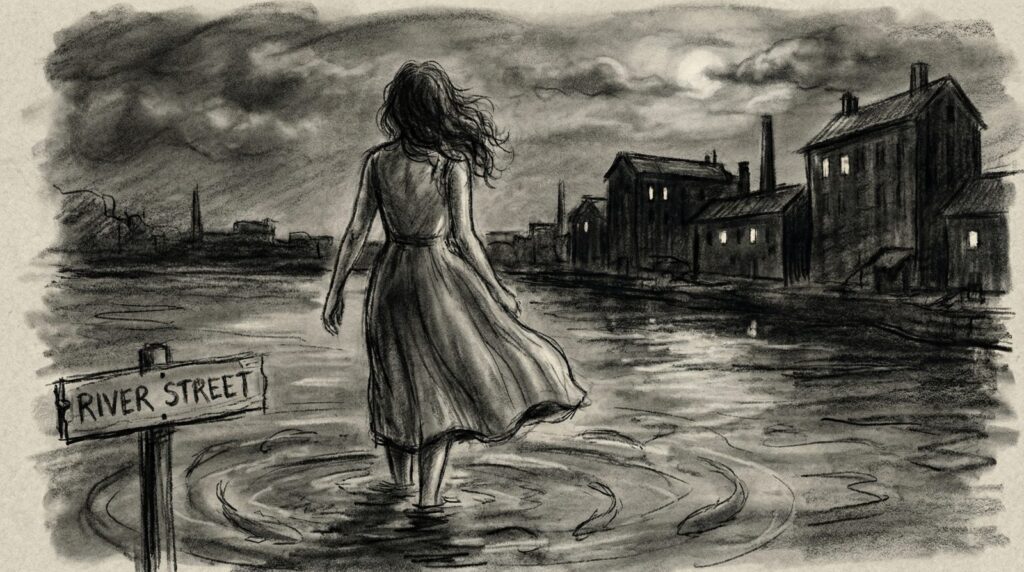
    Illustration of a core idea or motif from 'Blackwater the complete caskey family saga'
    Illustration of a core idea or motif from ‘Blackwater the complete caskey family saga’

    LEGACY & RECEPTION

    Blackwater occupies a strange but fascinating place in horror history. It was originally a mass-market experiment in serialized paperback publishing, then fell out of print, and has since been reclaimed as a cult classic. Modern readers often discover it through reissues that present the whole saga in one volume, which highlights how ahead of its time it was in blending family saga with supernatural horror.

    Its influence can be felt in later works about cursed dynasties and haunted towns, as well as in television that treats horror as a generational affair. For anyone mapping Southern Gothic across media, Blackwater is a cornerstone text alongside The Elementals and Candles Burning.

    IS IT WORTH READING?

    If you can commit to the length, Blackwater is one of the richest horror reading experiences available. It rewards patient readers with an immersive sense of place and character, and its horror accumulates quietly until the river and the family feel inseparable. Start here if you love sprawling multi-book epics and want to see McDowell at his most ambitious.

    SIMILAR BOOKS

    Readers who enjoy this blend of family saga and horror should explore The Elementals for a more concentrated take on haunted houses and legacy, and Cold Moon Over Babylon for a shorter, river-driven ghost story. Candles Burning offers a related mix of Southern family secrets and the supernatural, filtered through a single protagonist’s perspective.

    DISCOVERABILITY & LINKS

  • Zora Neale Hurston

    Zora Neale Hurston

    Born 1891, Notasulga, Alabama, United States · Died 1960 Genres: Literary Fiction, Essay, Folklore Era: Early to Mid 20th Century

    INTRODUCTION

    Zora Neale Hurston was a writer, anthropologist, and one of the central figures of the Harlem Renaissance. Her fiction and non-fiction preserve and celebrate Black Southern speech, humor, mythology, and everyday life. She is best known for Their Eyes Were Watching God, a novel that follows Janie Crawford’s journey to selfhood through love, loss, and storytelling. Hurston’s work often intersects with motifs like Intimacy as Healing and Survival Narratives.

    LIFE AND INFLUENCES

    Hurston grew up in Eatonville, Florida, one of the first all-Black incorporated towns in the United States. That environment deeply influenced her sense of community and autonomy. She studied anthropology and traveled to collect folklore, which she fed back into her writing. Her influences include Southern oral tradition, Black church culture, blues, and folklore. Her anthropological training sharpened her ear for voice and detail.
    Editorial illustration inspired by 'Zora Neale Hurston'

    THEMES AND MOTIFS

    Hurston writes about love, independence, community, and the search for self within and against social norms. Her characters often navigate expectations around gender and respectability while pursuing joy and connection. Her work reflects motifs such as Intimacy as Transaction, Power as Proximity, and Memoirs of Reclamation in the way Janie tells her story.

    STYLE AND VOICE

    Hurston’s style is vibrant and musical. She combines richly rendered dialect with lyrical narration. Her fiction feels spoken as much as written, honoring the rhythms of Black Southern speech and storytelling.
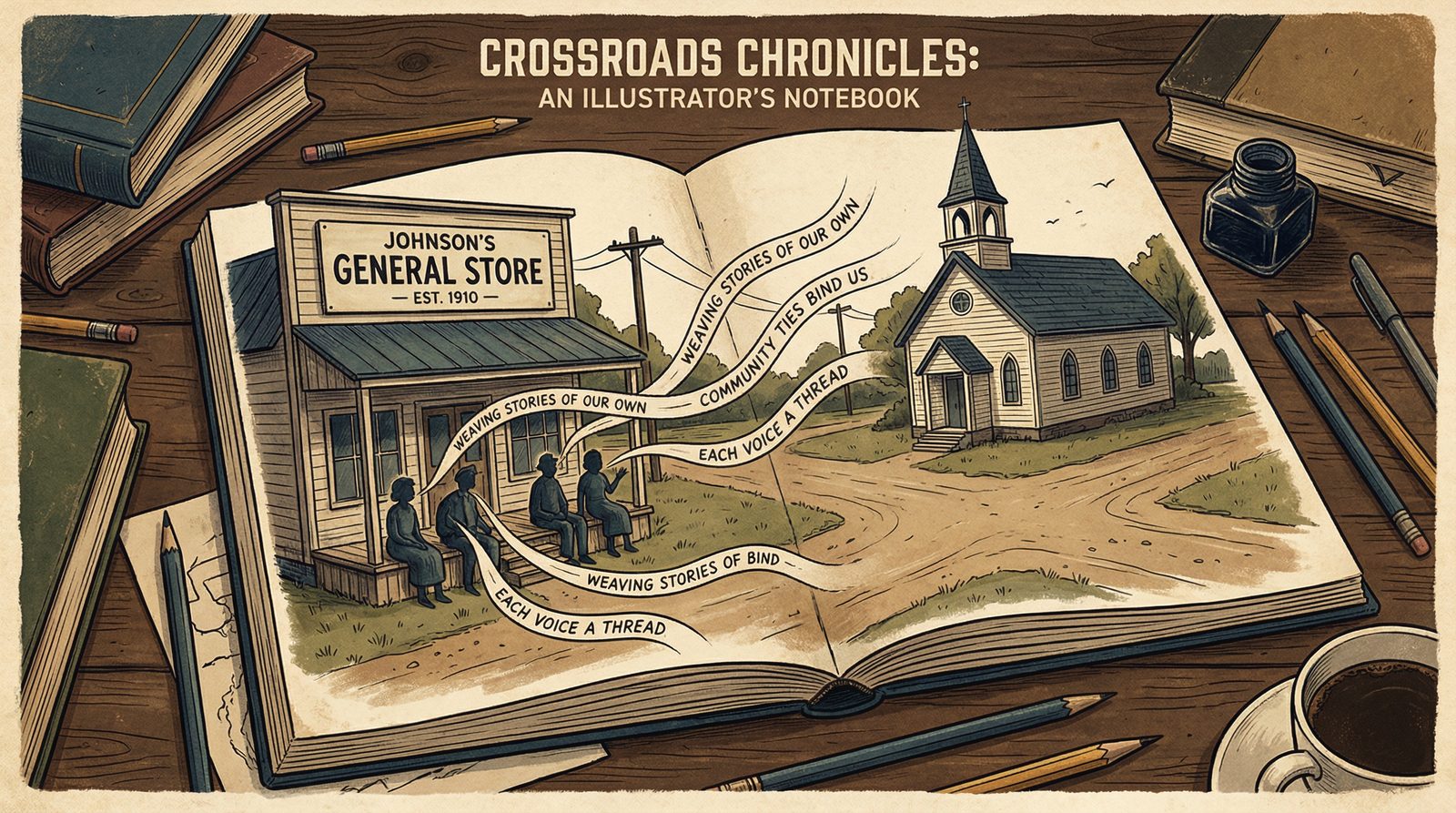
    Symbolic illustration inspired by 'Zora Neale Hurston'

    KEY WORKS


    CULTURAL LEGACY

    Hurston’s work was underappreciated in her lifetime but revived in the late twentieth century, especially through the efforts of Black feminist writers and scholars. She is now recognized as a foundational voice in American literature, particularly in the portrayal of Black women’s inner lives and desires.
  • The Bluest Eye (1970)

    The Bluest Eye (1970)

    By: Toni Morrison
    Genre: Literary Fiction
    Country: United States


    INTRODUCTION

    The Bluest Eye is Toni Morrison’s first novel and one of her most devastating. Set in 1940s Ohio, it tells the story of Pecola Breedlove, a Black girl who believes blue eyes would make her loved and safe. The book examines how racism, colorism, and internalized hatred warp a child’s sense of self. It is a novel about beauty standards as violence and about the destruction of a girl who learns to see herself through a hostile gaze.

    The story sits squarely inside the motifs of The Erased Girl and The Commodified Body in Books, where identity is crushed by the demand to be something else.


    PLOT AND THEMES

    The novel is narrated in part by Claudia, a girl who watches Pecola’s collapse from the edge of the story. Through Claudia’s eyes and shifting perspectives, we see Pecola’s home life, school life, and the community that fails her. The plot moves toward Pecola’s pregnancy, breakdown, and final retreat into a private delusion where she believes she has finally received blue eyes.

    Themes include internalized racism, beauty standards, childhood, family violence, and the way communities participate in harm. The novel reflects motifs like Trauma as Inheritance and Survival as Identity, especially in how Pecola’s parents carry and transmit their own wounds.

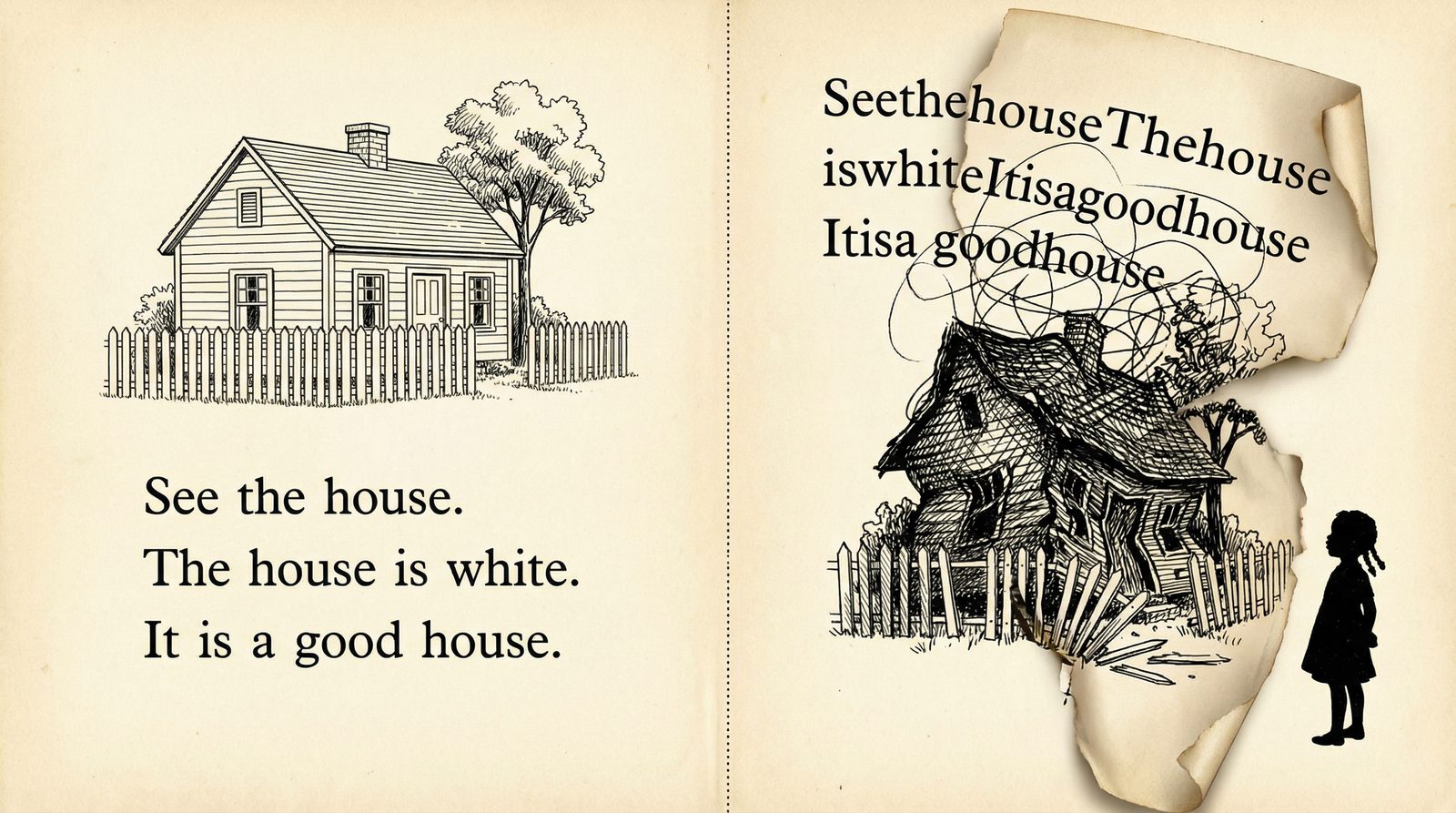
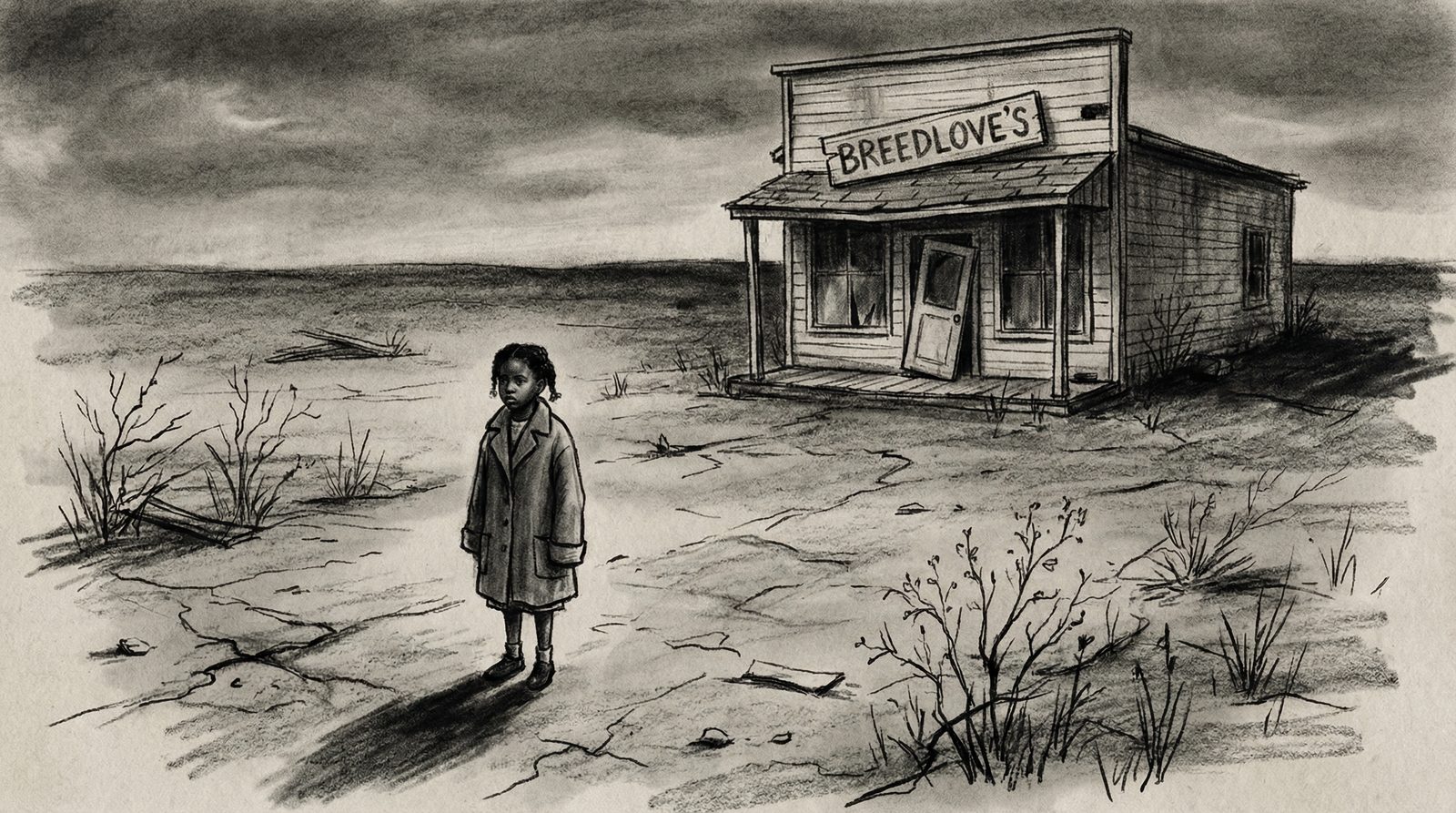
    Conceptual editorial illustration inspired by 'the bluest eye'

    STYLE AND LANGUAGE

    Morrison blends lyrical narration with stark detail. The prose moves between poetic description and blunt statement. The structure is fragmented, circling around events rather than presenting them in a straight line, mirroring how trauma is remembered and how communities talk around the truth.

    The language often uses restraint when describing the worst harm, creating an effect similar to Emotional Minimalism. The emotional impact builds through accumulation rather than spectacle.


    CHARACTERS AND RELATIONSHIPS

    Pecola is at the center, but much of the book is about the people around her. Her parents, Cholly and Pauline Breedlove, are damaged by their own histories and perpetuate that damage without fully understanding it. Claudia and Frieda represent another path, one where resistance still feels possible. The community serves as both witness and participant in Pecola’s erasure.

    The relationships in the novel illustrate how shared trauma does not guarantee compassion. They deepen motifs such as Parental Betrayal and Dissociation as Defense.

    Illustration of a core idea or motif from 'the bluest eye'

    CULTURAL CONTEXT AND LEGACY

    Published in 1970, The Bluest Eye did not initially receive the same attention as Morrison’s later work, but it has since become a central text in American literature. It is frequently challenged and banned for its depiction of sexual violence and racism, which has only underlined its importance.

    The novel remains one of the clearest and most painful examinations of how white beauty ideals harm Black children. It pairs naturally with works like The Color Purple and I Know Why the Caged Bird Sings in conversations about girlhood, race, and voice.


    IS IT WORTH READING?

    Yes. It is difficult, beautiful, and essential. Readers interested in race, beauty, trauma, and childhood will find it both shattering and deeply illuminating.


    SIMILAR BOOKS

    Beloved (1987)
    The Color Purple (1982)
    I Know Why the Caged Bird Sings (1969)

  • I Know Why the Caged Bird Sings (1969)

    I Know Why the Caged Bird Sings (1969)

    By: Maya Angelou
    Genre: Memoir
    Country: United States


    INTRODUCTION

    I Know Why the Caged Bird Sings is Maya Angelou’s seminal memoir, tracing her childhood and adolescence in the American South and California. The book is a landmark in narrative nonfiction, addressing racism, trauma, sexual abuse, resilience, and the search for voice with precision and grace.

    The memoir fits strongly into motifs like Literacy as Liberation and Survival Narratives, reflecting how language becomes Angelou’s path toward freedom.


    PLOT AND THEMES

    The memoir follows Maya and her brother Bailey as they navigate the hostility of segregated America, the strict discipline of their grandmother’s household, and the emotional instability of their parents. Central events include Maya’s sexual assault at age eight and her subsequent silence, which lasts for years.

    Angelou explores racism, identity, trauma, and recovery. The book’s thematic heart is the return to speech. Maya’s rediscovery of voice becomes a profound act of resistance and reclamation. The story also reflects motifs like The Erased Girl and Dissociation as Defense.

    Conceptual editorial illustration inspired by 'I know why the caged bird sings'

    STYLE AND LANGUAGE

    Angelou writes with clarity, humor, and poetic elegance. She blends vivid sensory detail with emotional restraint. The voice remains controlled even when describing trauma, creating an effect similar to Emotional Minimalism. Scenes unfold with lyrical precision.

    The structure moves episodically, reflecting the fragmentation of memory and the growing insight of a maturing narrator.


    CHARACTERS AND RELATIONSHIPS

    Maya’s relationships with her brother Bailey, her grandmother, and the women in her community become sources of grounding and growth. Her relationship with her mother is complex, marked by longing and uncertainty.

    Teachers and mentors play a critical role, reinforcing the motif of Intimacy as Healing and the transformative power of guidance.

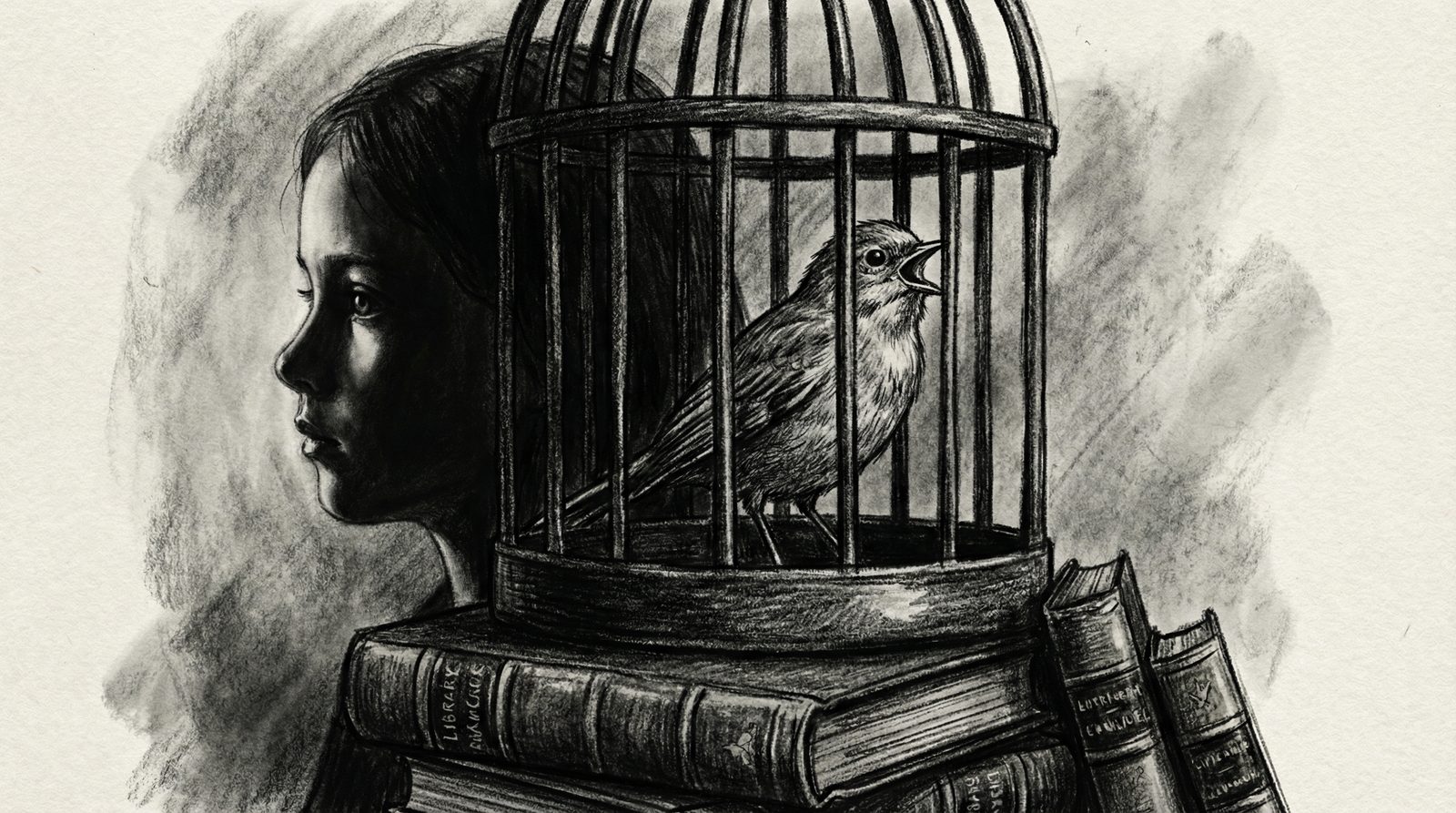
    Illustration of a core idea or motif from 'I know why the caged bird sings'

    CULTURAL CONTEXT AND LEGACY

    Published in 1969, the memoir was groundbreaking for its frank depiction of sexual abuse, racism, and female interiority. It became a foundational text in Black feminist literature and remains widely taught. Angelou’s voice paved the way for generations of memoirists who write about trauma with dignity and clarity.

    The book remains one of the most influential memoirs ever written.


    IS IT WORTH READING?

    Yes. It is moving, wise, painful, and radiant with humanity. Anyone interested in trauma narratives, American history, or the evolution of personal voice should read it.


    SIMILAR BOOKS

    The Color Purple (1982)
    Push (1996)
    The Bluest Eye (1970)