Period: 1960s

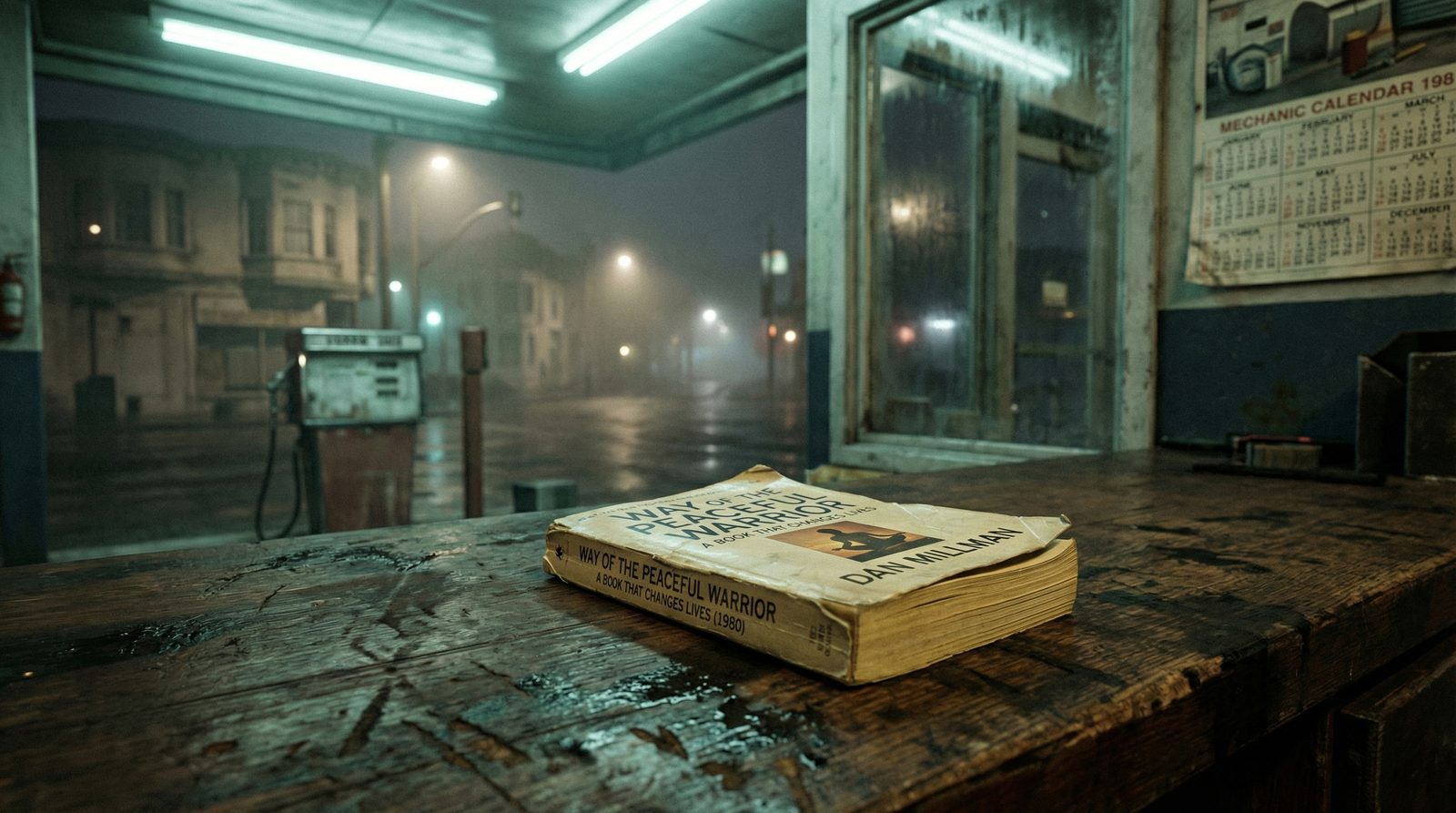
  • Way Of The Peaceful Warrior – A Book That Changes Lives (1980)

    Way Of The Peaceful Warrior – A Book That Changes Lives (1980)

    INTRODUCTION

    Way Of The Peaceful Warrior A Book That Changes Lives (1980) by Dan Millman
    Spiritual memoir · generally under 300 pages · United States


    This is a book about a young man who has everything that is supposed to make him happy — talent, a scholarship, the prospect of success — and still lies awake at 3 a.m. Way Of The Peaceful Warrior opens on that insomnia and never fully leaves it. The rest is an argument about what to do with the ache underneath achievement.

    The recurring motif of the gas station at night, with humming fluorescent lights and the smell of oil, becomes a threshold between ordinary striving and something harsher, more awake. The feel is restless, bruised hope: enlightenment here is not a glow but a stripping away. Millman’s encounter with the old attendant he nicknames Socrates begins a long unmaking, told with the intimacy of confession rather than the distance of doctrine.

    PLOT & THEMES

    The plot is deceptively simple. Dan, a star gymnast at UC Berkeley, wanders into an all-night gas station and meets Socrates, an ageless, sharp-tongued attendant who seems to know his thoughts. What begins as banter turns into a demanding apprenticeship. Socrates assigns humiliating exercises and strange ordeals — fasting, late-night runs, attention drills — designed to dismantle ego rather than build skill.

    The book’s central trope is the mentor as trickster sage. Socrates lies, withholds, and stage-manages lessons, pushing Dan toward direct experience instead of explanation. Dreams and visions recur — nightmares of falling, lucid memory sequences, threshold moments where fear becomes instruction — blurring the line between psychological breakdown and spiritual initiation.

    A severe injury pivots the story from athletic ambition to reckoning. The body’s failure becomes the forcing mechanism: it strips Dan of the identity built on performance and forces him to confront how he relates to pain, fear, and control. That’s why this book sits naturally beside Athletic Discipline As Spiritual Practice and Awakening Through Physical Injury in your cluster logic: training becomes inner work, and injury becomes the hard stop that makes the work non-optional.

    The ending focuses on a shift in awareness rather than a trophy. The “win” is internal: the gradual discovery that presence matters more than applause, and that the next moment is always the real arena. Compared with the film adaptation, which tends to compress and dramatize the arc into a neater sports-redemption shape, the book keeps returning to relapse and stubbornness, insisting that the path is spiral-shaped, not linear.

    PROSE & NARRATIVE STRUCTURE

    Millman uses a straightforward first-person memoir frame but keeps tilting it toward fable. The technique blends retrospective commentary with present-tense immediacy: older Dan reflects on younger arrogance, then drops the reader into a late-night run through fog or a silent attention drill in the gas station’s back room. The prose is clean and plain, which makes sudden visionary passages hit harder.

    Structurally, the book moves in spirals. Each apparent breakthrough is followed by regression. Dan has a moment of stillness, then falls back into old patterns of striving and anxiety. Chapters often end on a line of Socratic dialogue or a small shock, keeping the pacing brisk even when the text becomes didactic. Sensory detail — chalk dust, soreness, fluorescent hum, fog, exhaustion — keeps the spiritual language anchored in the body.
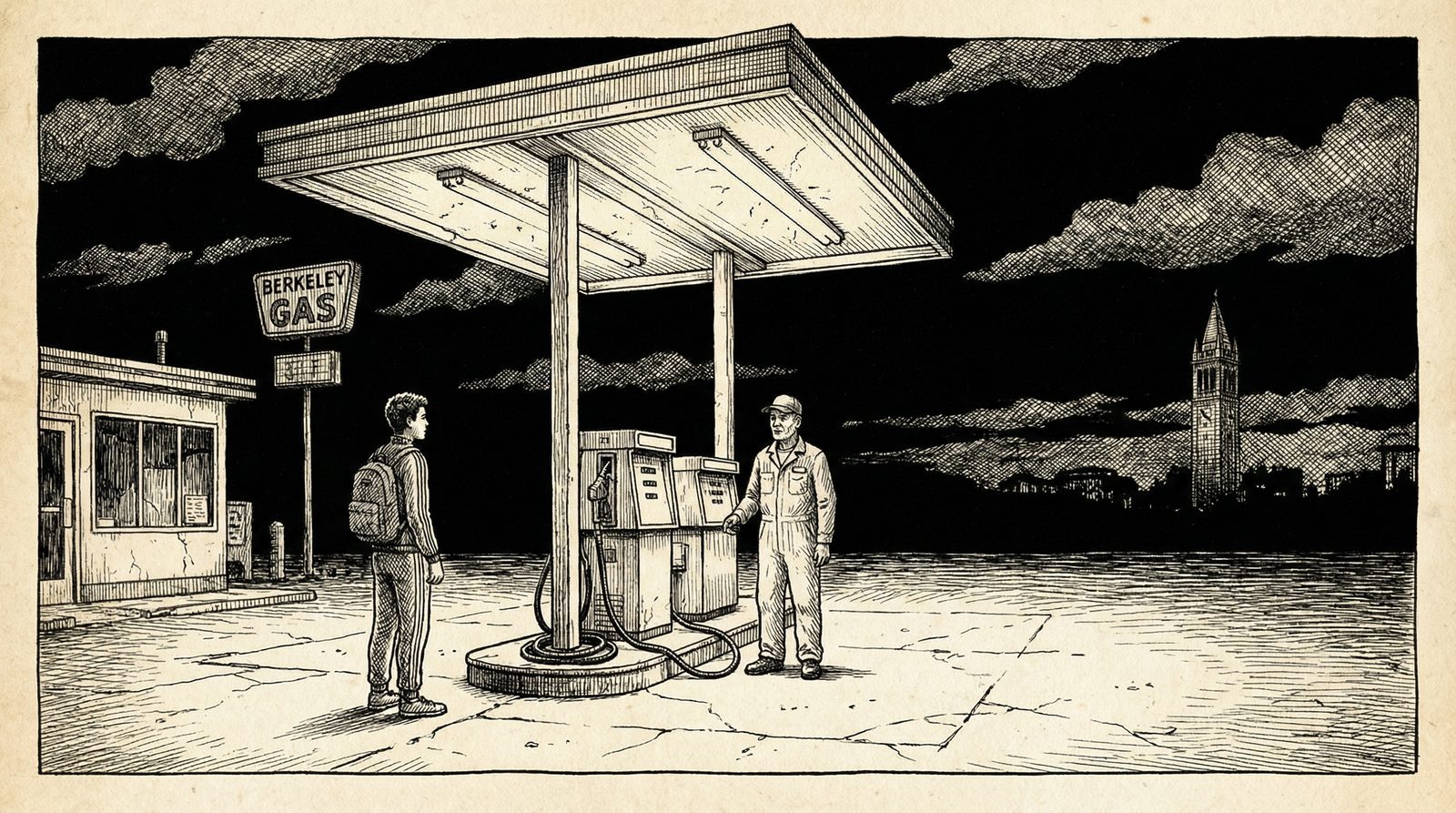
    Conceptual editorial illustration inspired by 'Way Of The Peaceful Warrior A Book That Changes Lives (1980)'

    CHARACTERS & INTERIORITY

    Dan is the classic seeker archetype. His interior monologue is crowded with comparison: against teammates, against imagined future versions of himself, against the serene ideal he projects onto Socrates. That constant self-measurement is the psychological engine of the book. We watch him resent the mentor, idolize him, then see through him — only to realize the real struggle is fear of ordinariness.

    Socrates is less a fully rounded character than a deliberately constructed mirror. He shifts from gruff mechanic to almost otherworldly presence, appearing in dreams and unlikely places. Millman still slips in humanizing details — tea in the cluttered back room, small acts of quiet service — to keep the figure from dissolving into pure symbol. Joy functions as a softer counterpoint: the teaching embodied without the mentor’s drama, a glimpse of ease Dan wants but cannot yet live.
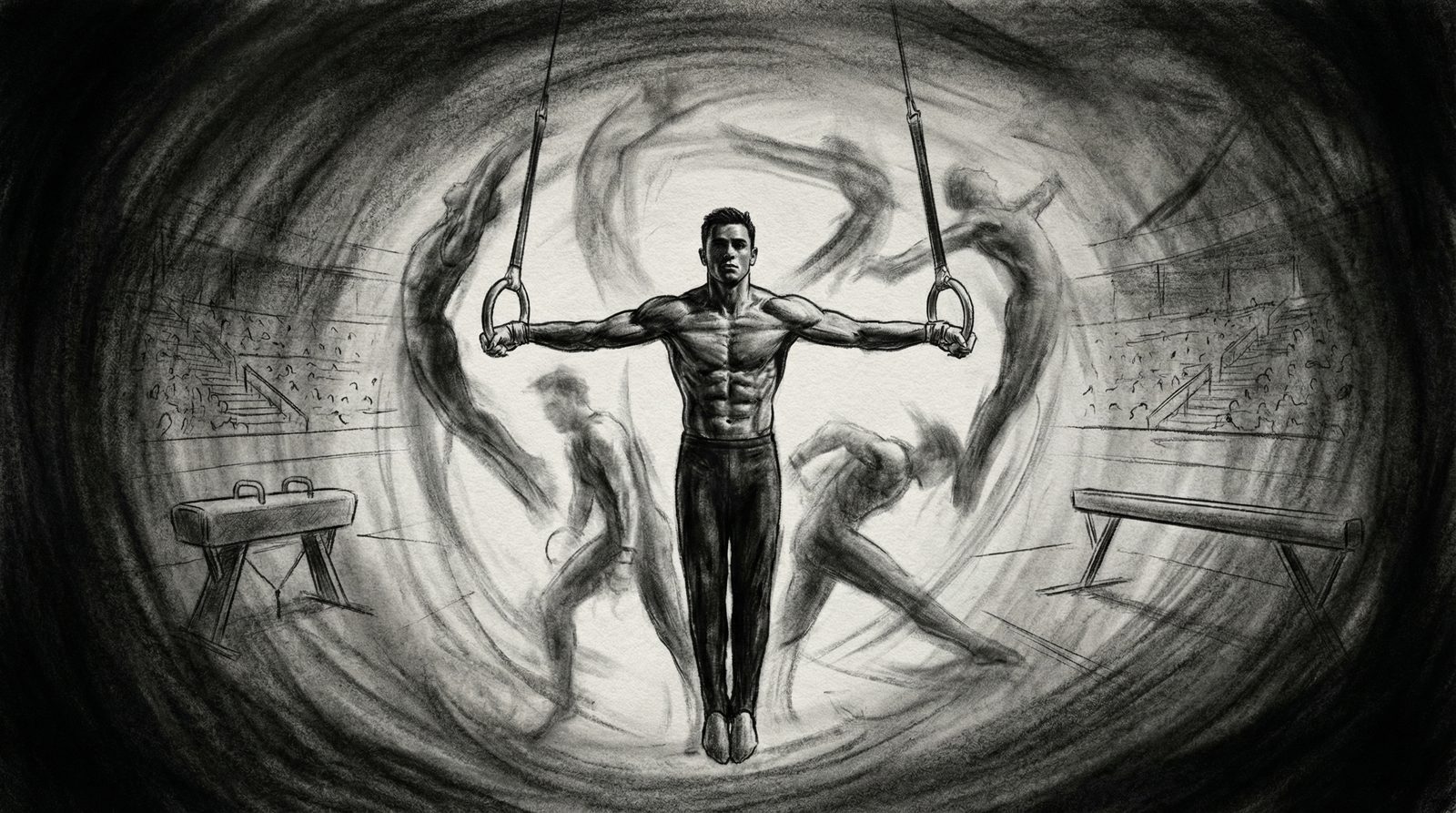
    Illustration inspired by 'Way Of The Peaceful Warrior A Book That Changes Lives (1980)'

    LEGACY & RECEPTION

    Since 1980, Way Of The Peaceful Warrior has lived a double life: modestly reviewed on release, then passed hand to hand in gyms, yoga studios, and college dorms. It occupies a similar shelf-space to other late-20th-century “mind-body” books, but with a distinctly athletic frame. The book’s continued circulation owes a lot to its refusal to end in easy victory. It offers sustained awareness rather than a career-defining moment, and that choice has made it both beloved and frustrating depending on what a reader expects.

    IS IT WORTH READING?

    It depends on your tolerance for earnestness and didactic dialogue. If you want a tightly plotted sports narrative, you’ll likely be frustrated. If you’re interested in how ambition corrodes from the inside and how a life might be rebuilt around presence rather than achievement, it still has bite. Read it not as a manual but as one flawed person’s record of stumbling toward a different way of being.

    TRIVIA & AUTHOR FACTS

    Millman draws heavily from his own background in collegiate athletics. Many readers treat Socrates as a real mentor figure filtered through spiritual allegory, and Millman has described the character as composite rather than simple reportage. The subtitle “A Book That Changes Lives” was not part of the original small-press edition and was added as the book gained a following through reissues.

    SIMILAR BOOKS

    If this resonates, you may prefer other narratives where spiritual inquiry is grounded in bodily discipline and everyday struggle. The strongest neighbors tend to share the same premise: transformation is not a vision; it’s a practice lived under pressure.

    DISCOVERABILITY & LINKS

  • Easy Rider (2012)

    Easy Rider (2012)

    Easy Rider (2012) directed by James Benning. Experimental · 97 minutes · United States.


    INTRODUCTION

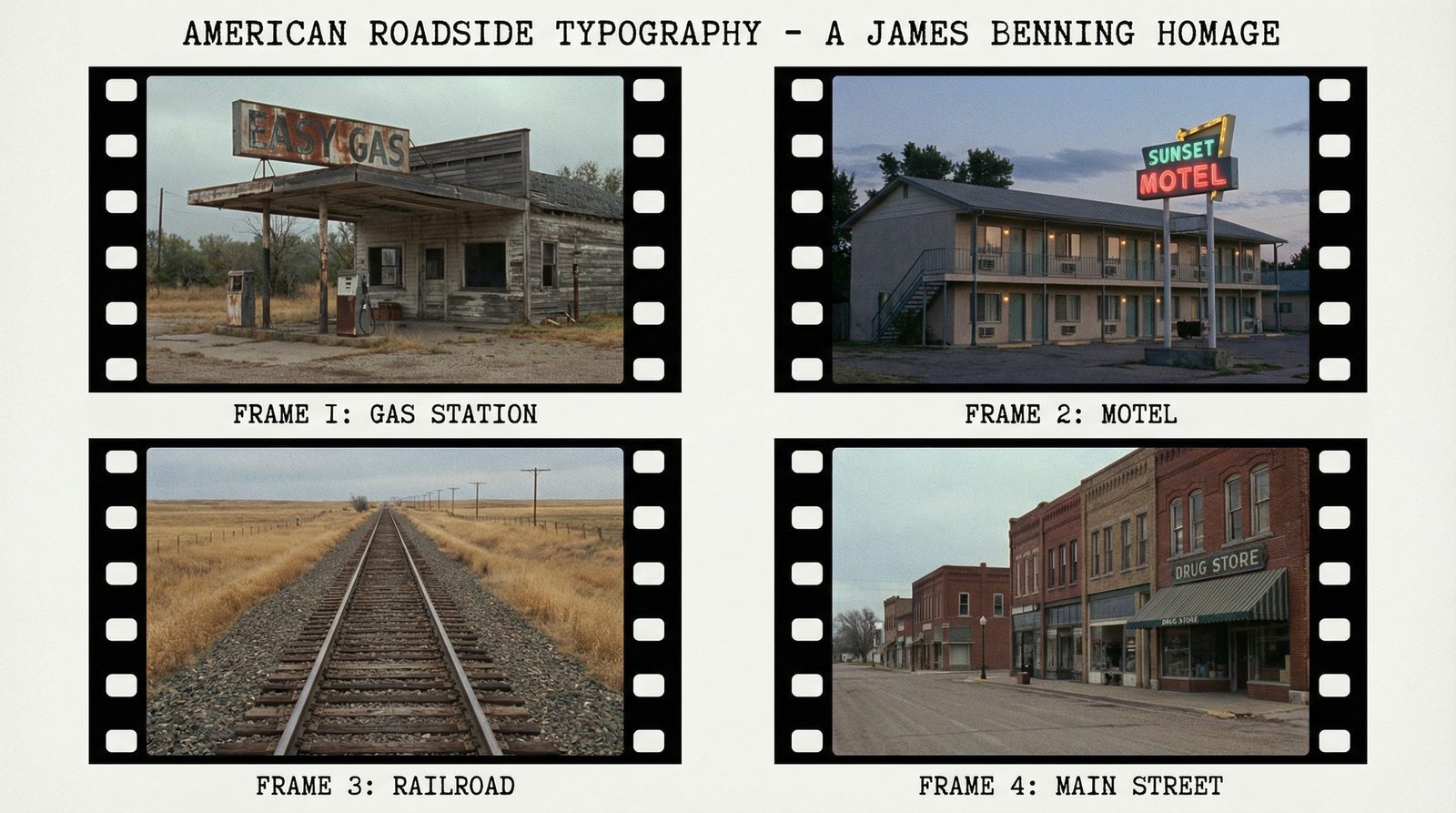
    James Benning’s Easy Rider (2012) is not a remake so much as a séance. He revisits locations associated with Dennis Hopper’s 1969 Easy Rider, strips away the bikers, the drugs, the road-movie chatter, and leaves only landscapes and ambient sound. The result feels patient, haunted, and quietly confrontational. Where the original surfed countercultural velocity, Benning lingers on what remains after the dream drains away.

    The film sits somewhere between gallery installation and cinema, asking viewers to meet it halfway and supply memory as context. If Hopper’s film was about forward motion, this one is about staying put and listening. The American West appears as both a physical place and a faded idea. It becomes a road movie without a road, an anti-spectacle about looking, duration, and the afterlife of myth.

    PLOT & THEMES

    There is almost no plot in Easy Rider (2012). The “story” is a sequence of fixed shots filmed at or near locations connected to the 1969 film’s itinerary. Where Hopper followed charismatic outsiders on a doomed cross-country trip, Benning removes character and incident but keeps the route as an invisible skeleton. The narrative becomes whatever the viewer remembers, projects, or resists.

    The core themes are memory, the American Dream, and the erosion of counterculture. By revisiting these sites decades later, Benning invites us to measure the distance between a 1960s fantasy of freedom and a present shaped by highways, strip malls, and fenced-off land. The “open road” is no longer pure symbol. It’s infrastructure, habit, and noise.

    Another strong motif is ghostly absence. Benning never shows the 1969 Easy Rider directly, yet its ghosts hover over every frame. The film functions like a palimpsest: we see the present landscape while mentally overlaying earlier scenes and cultural memory. The mood is meditative rather than nostalgic, with a faint ache underneath the calm surfaces. It’s less about rebellion than about what rebellion leaves behind.

    CINEMATIC TECHNIQUE & AESTHETICS

    Formally, Easy Rider (2012) is built from long takes and static framing. Each location is held for an extended duration with the camera locked off. This durational approach forces a different rhythm of attention. Instead of cutting to guide the viewer, Benning lets small details emerge over time: a shift in light, a passing car, wind in scrub, or the slow realization that “nothing happening” is the point.

    Benning’s static compositions are deceptively simple. Roads bisect frames, power lines draw grids, and horizons settle into a mathematical calm. The lack of camera movement creates a contemplative feel, encouraging the viewer to scan the image and notice texture. The film is rigorous about place: the image does not exist to serve narrative; narrative is something the viewer manufactures while looking.

    Sound design is crucial. Ambient sound replaces dialogue and score. We hear engines, birds, distant traffic, sometimes a near-oppressive quiet. This observational soundscape anchors images in real time and refuses romanticization. Benning’s refusal of conventional coverage—no close-ups, no reverse shots, no explanatory montage—underscores his interest in duration and environment rather than character psychology.

    Editorial illustration inspired by 'Easy Rider (2012)'

    CHARACTERS & PERFORMANCE

    There are no conventional characters in Easy Rider (2012). The landscapes take on the role of a kind of landscape-as-character presence: gas stations, highways, rural fields, small-town streets. In the absence of actors, the viewer projects personality and history onto space. The film banks on cultural memory of road mythology to fill in the blanks.

    When humans appear, they are incidental. They are not framed as protagonists or even supporting players, only as elements of the environment moving through public space. The “performance” happens in the viewer’s mind, in the act of remembering and in noticing the gap between then and now. The film’s emotional temperature depends on how strongly you feel that gap.

    CONTEXT & LEGACY

    Easy Rider (2012) sits within James Benning’s long project of filming American landscapes with forensic patience. It also participates in a broader current of experimental re-visitation, where cinema interrogates its own myths by returning to places rather than re-staging scenes. Benning’s choice of Easy Rider as a source text is telling: the 1969 film crystallized a dream of American freedom tied to mobility and rebellion. Benning returns to the locations decades later to measure what that dream looks like as infrastructure.

    The film’s legacy is mostly art-house and academic rather than mainstream. It functions as a reference point in discussions of landscape cinema, structural film, and the afterlife of counterculture. Its radical gesture is simple: record a place long enough that the viewer can no longer pretend it’s just a background.

    IS IT WORTH WATCHING?

    Whether Easy Rider (2012) is worth your time depends on your tolerance for minimalism. If you come expecting narrative propulsion and soundtrack-driven momentum, this will feel austere, even alienating. There is almost no dialogue, no character arc, and no conventional story payoff.

    If you are interested in experimental film, landscape studies, or the way cinema remembers and erases, it can be quietly rewarding. The film offers a sustained opportunity to think about attention: what happens when a movie refuses to entertain you into meaning and instead asks you to construct it.

    Symbolic illustration inspired by 'Easy Rider (2012)'

    TRIVIA & PRODUCTION NOTES

    Benning is known for meticulous preparation, and Easy Rider (2012) fits that pattern. He tracked down locations tied to the earlier film and revisited them with a stripped-down production method designed to preserve real light and real time. What would be a throwaway establishing shot in another movie becomes an entire scene here.

    The film’s structure is shaped by durational choices rather than plot beats. Weather, light, and incidental human movement become the “action.” The approach links this film to Benning’s broader landscape work, where the drama is not who wins or dies, but what remains visible when you stop rushing.

    SIMILAR FILMS

    If Easy Rider (2012) works for you, you may enjoy other films built around duration, place, and the viewer’s attention rather than narrative closure. Pairing this film with the 1969 Easy Rider also makes a potent double feature: one riding through the myth of the American West, the other sitting with its lingering traces.

    DISCOVERABILITY & LINKS

  • The Collector (1963)

    The Collector (1963)

    By: John Fowles
    Genre: Psychological horror
    Country: United Kingdom


    INTRODUCTION

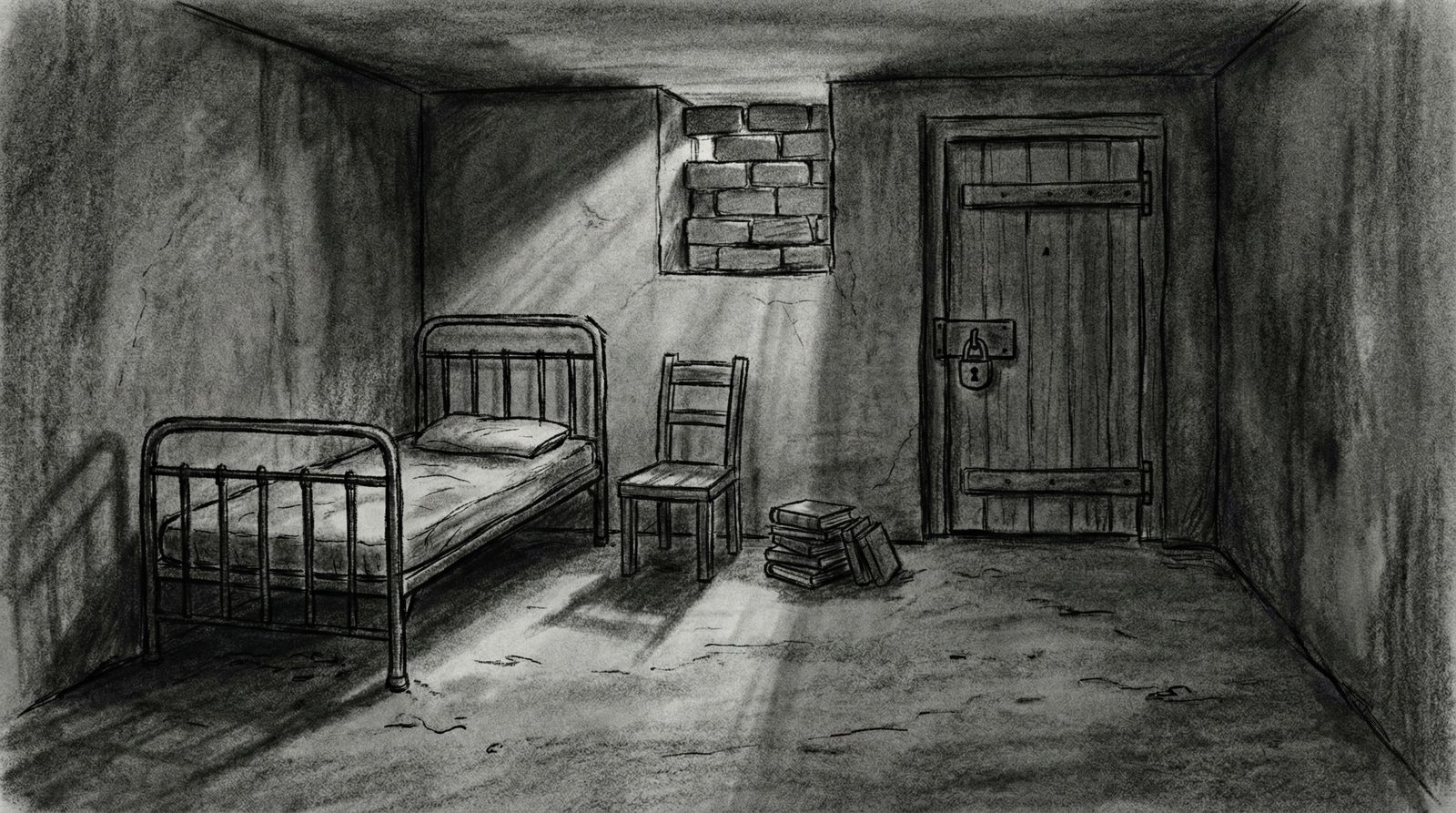
    The Collector (1963) arrives like a chill draft under a locked door. Set in the 1960s, it takes the motif of imprisonment and strips it of gothic flourish, leaving only concrete, keyholes, and the stale air of a cellar room. John Fowles imagines what happens when a socially awkward clerk, numbed by years of insect collecting and Lotto luck, decides to “collect” a living woman. The feel is slow-burn dread rather than jump-scare terror, a suffocating awareness that nothing supernatural is coming to save anyone here. Beneath the kidnapping plot runs a quieter story about class, aesthetic ideals, and the way men translate desire into ownership. The novel is short, tightly wound, and emotionally abrasive, but it lingers — especially in the details of that furnished basement outside Lewes, where the wallpaper, the books, and even the electric heater become part of an experiment in control.


    PLOT & THEMES

    On the surface, The Collector uses the trope of the stalker-turned-kidnapper. Frederick Clegg, a municipal clerk in the town of Newbury, wins a football pools fortune and uses it to buy a secluded country house near Lewes. A lifelong butterfly enthusiast, he has watched art student Miranda Grey from afar, rehearsing conversations he never has. Wealth gives him privacy and power, and he decides to “collect” Miranda as he would a rare specimen. He chloroforms her on a London street near the National Gallery, transports her in a van, and imprisons her in a windowless cellar he has carefully prepared with furniture, clothes, and art books.

    The novel is structurally simple but thematically dense. One motif is aestheticization: Clegg sees Miranda as a perfect object, while she, in her diary, struggles to see him as a human being rather than a case study. Their clash is also a class war. Miranda is a middle-class, Hampstead-leaning art student, enamoured of the bohemian painter G. P. and of modernist ideals of freedom. Clegg is lower-middle-class, resentful, and obsessed with respectability; he wants Miranda to be grateful, to play the part of the adoring wife in his private fantasy. Their conversations about Proust, Picasso, and the meaning of art echo, in a darker key, the aesthetic debates in The Picture of Dorian Gray.

    As the weeks pass, Miranda’s initial belief that she can reform or outwit Clegg crumbles. Her illness — brought on by damp, stress, and finally pneumonia — becomes another motif: the body failing as the mind still reaches outward. In the book’s ending, far bleaker than many viewers remember from the 1965 film, Miranda dies alone in the cellar after Clegg refuses to get a doctor in time, more afraid of scandal than of murder. He buries her in the garden, rehearses excuses to himself, and then calmly turns his attention to a new possible victim he spots in Woolworths, already thinking about names like Marian or Marianne that echo Miranda. The horror is not catharsis but continuation.


    PROSE & NARRATIVE STRUCTURE

    Formally, The Collector hinges on a stark narrative technique. The first half is narrated in Clegg’s flat, affectless first person; the second half shifts into Miranda’s diary. This structure forces the reader to sit inside two incompatible realities. Clegg’s prose is plain, bureaucratic, and chillingly literal. He notices the make of the van, the arrangement of his butterfly cases, the way he has painted over the cellar window, but he has almost no language for emotion beyond “I didn’t like it” or “it upset me.” The feel here is claustrophobic banality: evil described in the same tone as a stamp collection.

    Miranda’s diary is another book entirely. She writes about G. P., about her time at the Slade School of Fine Art, about the smell of turpentine and the thrill of arguing about Cézanne in Soho cafés. She analyses Clegg with almost clinical precision, calling him a “Caliban” and herself “Prospero,” a self-flattering binary she later questions. Her voice is sometimes pretentious, sometimes piercingly honest. Fowles uses free indirect thought within the diary entries to blur the line between written reflection and immediate feeling; we sense her mind racing as she plots escapes, rehearses conversations, and records dreams of walking again through Kensington Gardens.

    The alternation of voices is not just a device but an argument about who gets to narrate reality. Clegg’s final section quietly edits Miranda’s story, dismissing her diary as “her side of it” while he reasserts his own. There is no omniscient correction, no moral footnote — only the dissonance between voices, left unresolved. That structural choice gives the novel its lingering unease.

    Conceptual editorial illustration inspired by 'The Collector (1963)'

    CHARACTERS & INTERIORITY

    Clegg is an unsettling twist on the Nice Guy archetype. On paper he is mild: an orphan who lived with his Aunt Annie and cousin Mabel, shy, dutiful, never openly violent. Inside, he is a void of entitlement. He insists he is not like “those sex cases” in the newspapers; he wants to be seen as considerate, even generous, because he buys Miranda clothes from Harrods and a portable record player. His interiority is defined by absence — no real erotic language, no curiosity about Miranda’s inner life, only the sulkiness of a child denied a toy. When she resists, he retreats into self-pity, telling himself that “she was never like in my dreams.”

    Miranda, by contrast, is all interiority. Her diary is full of self-portraiture and self-critique. She is not an idealized victim; she can be snobbish, impatient, and casually cruel. That nuance matters. The novel refuses to make her suffering dependent on saintliness. Her growth under pressure — her attempts to empathize with Clegg, her brief, desperate seduction attempt, her moments of spiritual searching as she reads the Bible in the cellar — gives her a trajectory that his narrative can never fully contain.

    Minor figures deepen the social frame. G. P. himself never appears in person but looms over the book as an absent mentor, his letters and remembered conversations about authenticity and “the Few and the Many” echoing in Miranda’s head. Aunt Annie and Mabel, glimpsed in Clegg’s memories, represent a petty, rule-bound world where appearances matter more than empathy. These side characters emphasize how both captor and captive are shaped by English class structures as much as by individual psychology.


    LEGACY & RECEPTION

    Published in the early 1960s, The Collector was immediately read as a dark commentary on emerging celebrity culture and the loneliness of the post-war welfare state. Its influence can be traced through later psychological horror and crime fiction, from the obsessive narrators of Misery (1987) to other tightly focused captivity stories, though Fowles’s novel is less melodramatic and more sociological than most of its descendants. Contemporary critics were struck by the split structure and by the way Fowles refused to offer a consoling ending.

    The book’s ending, in which Miranda dies and Clegg calmly begins scouting a new victim, has often been softened or psychologically padded in adaptation, but on the page it remains brutally matter-of-fact. That starkness has helped the novel retain its power. It is frequently taught in university courses on modern British fiction and gender studies, where Miranda’s diary is read alongside feminist texts of the period. Over time, the book has also drawn criticism for the way it frames Miranda’s artistic elitism, but even detractors acknowledge its unnerving accuracy in capturing a certain kind of male entitlement long before the term existed.


    IS IT WORTH READING?

    The Collector is worth reading if you can tolerate psychological horror that never looks away. It is not a thriller in the conventional sense; the suspense comes from tiny shifts in power, not from chase scenes or clever twists. The prose is accessible, the structure clear, but the emotional impact is heavy. Readers interested in questions of class, gender, and the ethics of looking — what it means to watch someone without being seen — will find it especially resonant. If you want clear moral closure or heroic rescue, this will feel punishing. If you are willing to sit with discomfort, it is one of the sharper, more honest portraits of obsession in twentieth-century fiction.

    Illustration of a core idea or motif from 'The Collector (1963)'

    TRIVIA & AUTHOR FACTS

    John Fowles wrote The Collector early in his career, before the more expansive metafiction of The French Lieutenant’s Woman (1969). He drew partly on his own experience teaching in England and observing the rigidities of class life. The butterfly motif is not incidental: Fowles was himself an amateur naturalist, and the detailed references to specimens, nets, and killing jars come from genuine knowledge. The novel’s original UK setting near Lewes and the careful mention of places like Hampstead and Newbury root the story in a very specific English geography.

    Fowles later commented that Clegg represented, for him, the “elected bureaucrat of the future,” a man who hides behind procedure and respectability while committing quiet atrocities. The book’s success allowed Fowles to leave teaching and write full time. He would go on to experiment more overtly with narrative games and historical pastiche, but he never again wrote a novel this compressed and single-minded in its focus on two people in a single, terrible space.


    SIMILAR BOOKS

    If The Collector unsettles you in the right way, several other works explore related territory. Misery (1987) by Stephen King reverses the gender dynamic but shares the locked-room psychological warfare and the question of who controls the story. For a more interior, philosophical take on captivity and power, try The Comfort of Strangers (1981) by Ian McEwan, which similarly turns a European city into a psychological trap. And if Miranda’s artistic self-scrutiny interests you, the shifting perspectives and moral ambiguity of The French Lieutenant’s Woman (1969) provide a different, more expansive facet of Fowles’s concerns.


    DISCOVERABILITY & LINKS

    This review of The Collector is connected across the site to shared motifs, tropes, archetypes, and related works, helping you trace patterns of obsession, confinement, and class tension through other books and media in our archive.

  • Blackwater: The Complete Caskey Family Saga (1983)

    Blackwater: The Complete Caskey Family Saga (1983)

    By: Michael McDowell
    Genre: Horror, Southern Gothic, Family Saga
    Country: United States


    INTRODUCTION

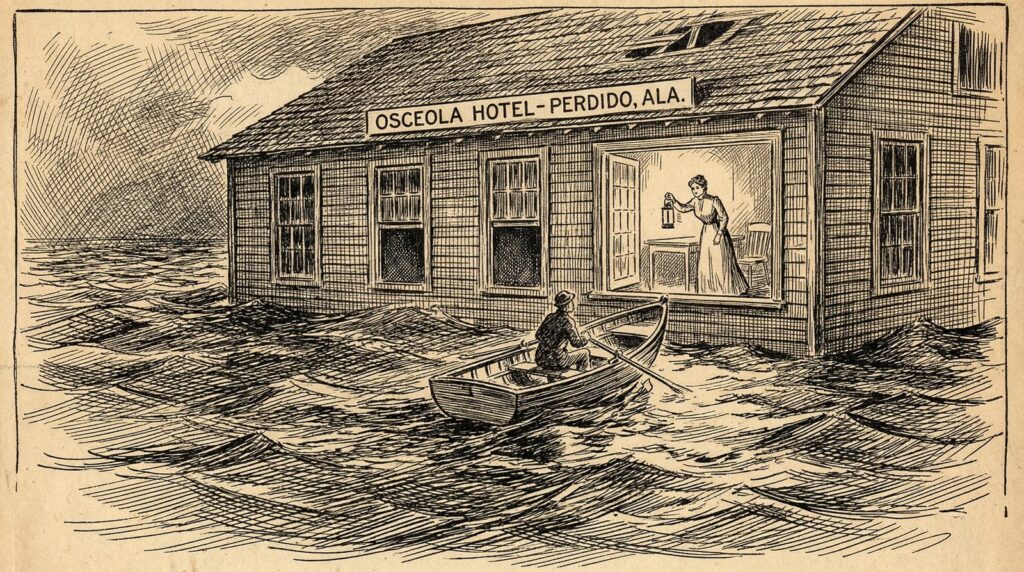
    Originally published in six slim volumes in 1983 and now often collected as Blackwater: The Complete Caskey Family Saga, this is McDowell’s masterpiece of scale. Set in the town of Perdido, Alabama, from the 1910s through the late 20th century, it follows the wealthy Caskey family and the mysterious Elinor Dammert, a woman rescued from a flood who may not be entirely human.

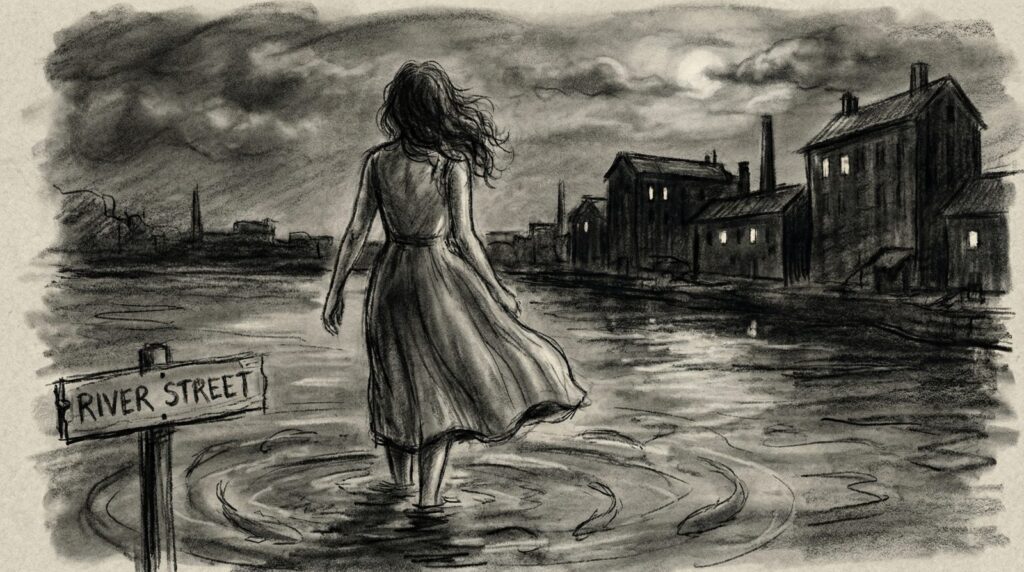
    Blackwater is part river myth, part dynastic drama. Over hundreds of pages it tracks marriages, births, betrayals, and deaths as the Caskeys consolidate power, all under the shadow of the Blackwater River and Elinor’s strange influence. It is the fullest expression of McDowell’s obsession with Trauma as Inheritance and Domestic Vulnerability as Horror.

    PLOT & THEMES

    The saga begins with a catastrophic flood that nearly destroys Perdido. As the waters recede, a young woman named Elinor is found trapped in the hotel, calm and composed. She soon marries into the Caskey family and quietly starts reshaping their fortunes. The six volumes – The Flood, The Levee, The House, The War, The Fortune, and Rain – move through decades of economic booms and busts, wars, personal tragedies, and increasingly uncanny events.

    Conceptual editorial illustration inspired by 'Blackwater the complete caskey family saga'
    Conceptual editorial illustration inspired by ‘Blackwater the complete caskey family saga’

    Thematically, Blackwater is about power: who wields it, who pays for it, and what it costs to keep it in the family. The Caskeys are not simply victims of a supernatural force. They benefit enormously from Elinor’s presence, even as they fear her. The river becomes a metaphor for both livelihood and doom, echoing motifs like Survival Narratives and the tension between prosperity and moral rot.

    Another thread is time. Because the saga spans generations, you see characters grow from children into embittered elders, and you watch grudges outlive the people who started them. It is one of the clearest fictional demonstrations of how family systems perpetuate themselves, for good and ill.

    STYLE & LANGUAGE

    Despite its length, Blackwater reads fast. McDowell writes each segment like a serialized television season: sharp hooks, cliffhangers, and payoffs, but with the same calm, controlled prose found in The Elementals. He sprinkles the supernatural elements lightly at first, allowing the family drama and economic maneuvering to carry the narrative until the reader is fully invested.

    The tone shifts subtly as the decades roll on. Early volumes feel almost like historical melodrama with hints of folk horror. Later installments grow stranger and more melancholy, as the cost of the Caskeys’ deal with the river catches up to them. McDowell’s ability to keep so many characters distinct while maintaining a clean line of tension is impressive.

    CHARACTERS & INTERIORITY

    Elinor is one of horror’s great ambiguous figures: loving mother, ruthless strategist, possible river creature. She embodies both The Double Self and The Witness archetypes, standing slightly outside human concerns while still caring intensely about her chosen family. The various Caskeys – matriarch Mary-Love, her son Oscar, and their descendants – are drawn with a soap-opera richness that never feels cheap.

    What makes the relationships compelling is their complexity. McDowell allows characters to be petty, generous, cruel, and tender in turn. Marriages shift, alliances realign, and children struggle under the weight of expectations they did not choose. This is Trauma as Inheritance not just in a supernatural sense but in the very ordinary ways families pass down unfinished business.

    Illustration of a core idea or motif from 'Blackwater the complete caskey family saga'
    Illustration of a core idea or motif from ‘Blackwater the complete caskey family saga’

    LEGACY & RECEPTION

    Blackwater occupies a strange but fascinating place in horror history. It was originally a mass-market experiment in serialized paperback publishing, then fell out of print, and has since been reclaimed as a cult classic. Modern readers often discover it through reissues that present the whole saga in one volume, which highlights how ahead of its time it was in blending family saga with supernatural horror.

    Its influence can be felt in later works about cursed dynasties and haunted towns, as well as in television that treats horror as a generational affair. For anyone mapping Southern Gothic across media, Blackwater is a cornerstone text alongside The Elementals and Candles Burning.

    IS IT WORTH READING?

    If you can commit to the length, Blackwater is one of the richest horror reading experiences available. It rewards patient readers with an immersive sense of place and character, and its horror accumulates quietly until the river and the family feel inseparable. Start here if you love sprawling multi-book epics and want to see McDowell at his most ambitious.

    SIMILAR BOOKS

    Readers who enjoy this blend of family saga and horror should explore The Elementals for a more concentrated take on haunted houses and legacy, and Cold Moon Over Babylon for a shorter, river-driven ghost story. Candles Burning offers a related mix of Southern family secrets and the supernatural, filtered through a single protagonist’s perspective.

    DISCOVERABILITY & LINKS

  • Samuel R. Delany

    Samuel R. Delany

    INTRODUCTION

    Samuel R. Delany is one of the most influential and revolutionary voices in modern science fiction. A trailblazer in both form and content, Delany reshaped the genre by insisting that speculative fiction could be linguistically experimental, socially daring, and intellectually demanding. His novels combine high-concept speculative ideas with explorations of identity, sexuality, class, and communication — making him a cornerstone figure for readers who want sci-fi that challenges rather than comforts.

    His 1983 novel The Void Captain’s Tale — while not part of our backlink cluster — remains a cult favourite for its surreal structure and its blend of eroticism, philosophy, and space opera. Delany’s broader body of work, though, is even more central to sci-fi’s evolution: Dhalgren, Babel-17, Nova, and the Neveryon series represent some of the boldest experiments in the genre’s history.


    LIFE & INFLUENCES

    Born in 1942 in New York City, Delany grew up in Harlem and began publishing fiction at an astonishingly young age. By his early twenties he had already won the Nebula Award and established himself as an innovator. His influences include modernist literature, linguistics, queer theory, myth, and the science fiction pulps he devoured as a child.

    Delany’s career is marked not only by literary experimentation but also by his contributions to academic thought. His essays on semiotics, narrative structure, and the politics of reading remain foundational for scholars studying speculative fiction. He has taught at multiple universities and shaped generations of writers who see sci-fi as a space for radical possibility.

    Editorial illustration inspired by 'Samuel R. Delany'

    THEMES & MOTIFS

    Delany’s work frequently confronts transformation — not just technological or societal, but linguistic and psychological. Many of his protagonists face situations where language itself becomes unstable, echoing motifs like Identity Collapse in Isolation but on a conceptual scale.

    He also writes intensely about desire and the body, often exploring sexuality in ways that were decades ahead of mainstream publishing. This sometimes intersects with the motif Future Shock as Transformation, reframed through cultural and bodily change instead of purely technological upheaval.

    His political concerns — race, class, power, communication — appear across everything he writes. Delany sees sci-fi not as an escape from reality but as a lens that magnifies its structures and contradictions.


    STYLE & VOICE

    Delany’s style is dense, lyrical, and unapologetically intellectual. He blends poetic description with philosophical digressions, technical speculation, and erotic detail. His narratives often disrupt linear timelines or stable perspectives, forcing readers to participate in constructing meaning.

    Unlike more traditional hard sci-fi writers like Arthur C. Clarke, Delany rarely focuses on engineering realism. Instead, he centers subjectivity, metaphor, and the fluidity of language. His work rewards close reading and often demands it.

    This makes him one of the most distinctive voices in the genre — divisive for some readers, transformative for others.

    Symbolic illustration inspired by 'Samuel R. Delany'


    KEY WORKS

    Delany’s bibliography is extensive, but a few works define his legacy:

    • Babel-17 (1966) – A linguistic mystery set in wartime, foundational to sci-fi about language.
    • Nova (1968) – A space opera that helped bridge pulp sci-fi with literary ambition.
    • Dhalgren (1975) – A divisive, experimental masterpiece considered one of the most important sci-fi novels ever written.
    • The Tale of Plagues and Carnivals (1984) – A groundbreaking work on sexuality, disease, and myth.
    • The Void Captain’s Tale (1983) – Erotic, philosophical, stylistically daring.


    CULTURAL LEGACY

    Delany’s influence is enormous. He expanded what science fiction could talk about — queer desire, race, language, the subconscious, political myth. Writers from Octavia Butler to N. K. Jemisin have cited him as a foundational figure. His academic work helped legitimize sci-fi as a subject of serious study.

    Even when his novels challenge or frustrate readers, they remain alive in conversation. Delany is not just a sci-fi writer; he is one of the genre’s theorists, innovators, and boundary-pushers. Including him in AllReaders strengthens the site’s reach across both classic and experimental speculative fiction.

  • Arthur C. Clarke

    Arthur C. Clarke

    INTRODUCTION

    Arthur C. Clarke remains one of the defining voices of twentieth-century science fiction. Known for his clean, technical prose and his unwavering belief in scientific progress, Clarke helped shape the modern genre both through his novels and through his work as a futurist. His writing rarely indulges in melodrama; instead it pursues clarity, scale, and the thrill of discovery. From Childhood’s End to Rendezvous with Rama to the Space Odyssey series, Clarke consistently asked how humanity might grow — not shrink — in the face of the unknown.

    Even his quieter novels, like 2061: Odyssey Three, carry his fascination with physics, exploration, and the belief that the universe is ultimately comprehensible. Clarke’s influence reaches beyond literature: satellites, space policy, and public understanding of astrophysics all bear his fingerprints. Rebuilding his creator profile on AllReaders preserves a cornerstone of classic sci-fi and re-anchors long-standing backlinks from decades of fan and academic references.


    LIFE & INFLUENCES

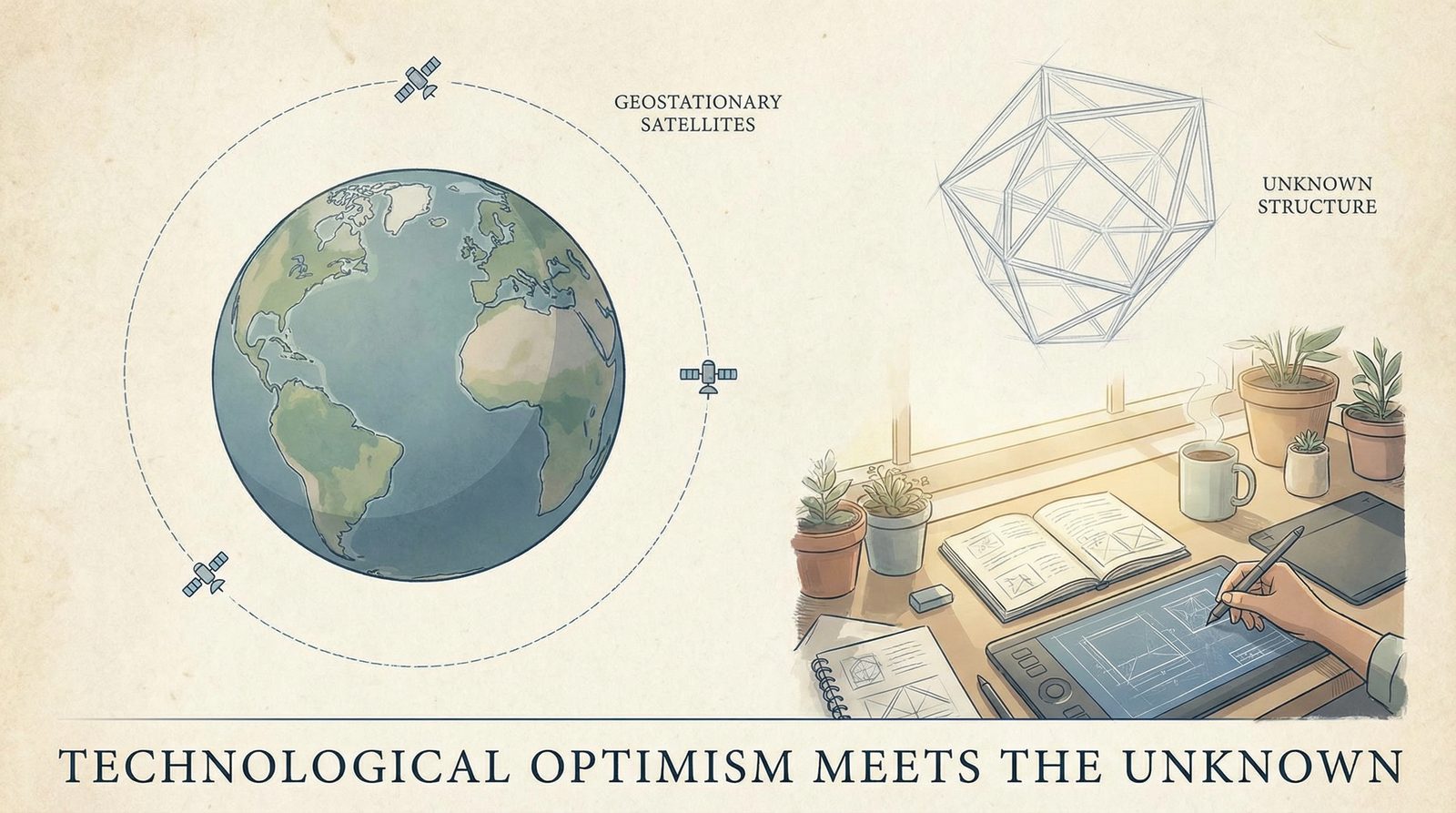
    Born in 1917 in Minehead, England, Clarke grew up on the threshold of the modern space age. His early love of astronomy shaped everything that followed. After serving as a radar specialist in World War II, he became an engineer, writer, and public intellectual. He was among the first to propose geostationary communication satellites — an idea that eventually reshaped global communication.

    Clarke’s literary influences ranged from H. G. Wells to Olaf Stapledon, but his true muse was science itself. He believed technology would transform humanity, not strip it of meaning. This optimism distinguishes him from many later sci-fi writers who leaned into dystopia. For Clarke, the cosmos was a place of possibility, not despair.

    He spent the latter part of his life in Sri Lanka, drawn by the sea, diving, and the island’s slower pace — a setting that subtly informed some of his later writing. His personal philosophy can be felt in the calm, almost meditative quality of his prose: a steady belief that curiosity is our finest trait.

    Editorial illustration inspired by 'Arthur C. Clarke'

    THEMES & MOTIFS

    Clarke’s fiction revolves around a few core themes: humanity’s place in a vast cosmos, the transformative power of technology, and the ethical weight of exploration. Even in the quieter 2061: Odyssey Three, these themes are unmistakable.

    His work regularly intersects with the motif Future Shock as Transformation. For Clarke, technological upheaval isn’t something to fear — it’s the catalyst that pushes humanity into its next phase. He also often engages with Identity Collapse in Isolation, especially in astronauts and explorers confronting environments that dwarf human scale.

    Clarke’s aliens, when they appear, are rarely enemies. They are mentors, mysteries, or glimpses of our potential future. That orientation — curiosity instead of threat — makes his voice distinct among his contemporaries.


    STYLE & VOICE

    Clarke’s style is famously cool and precise. He writes like an engineer building a cathedral of ideas: clean lines, no unnecessary ornament, everything justified by structure. Emotional beats are present but understated; he trusts readers to supply their own wonder.

    He excels at integrating scientific exposition into narrative — orbital mechanics, geology, astrophysics — without sacrificing readability. His characters often feel secondary to the concepts, which is a conscious aesthetic choice rather than a flaw.

    The result is fiction that feels both timeless and distinctly mid-century, shaped by the optimism of an era when humanity believed it might soon live among the stars.

    Symbolic illustration inspired by 'Arthur C. Clarke'

    KEY WORKS

    Clarke’s bibliography is enormous, but a few titles define his legacy. 2001: A Space Odyssey (1968) and its sequels — including 2061: Odyssey Three — remain cultural landmarks for their blend of cosmic mystery and scientific rigor. Rendezvous with Rama (1973) helped solidify the subgenre of “big dumb object” sci-fi. Childhood’s End (1953) remains one of the most influential alien-contact novels ever written.

    His short stories, such as “The Nine Billion Names of God” and “The Star,” continue to circulate as some of the finest examples of tight, conceptual sci-fi in print.


    CULTURAL LEGACY

    Few authors have influenced both science and fiction as profoundly as Clarke. His satellite concept helped reshape global communication. His novels and essays inspired generations of scientists, engineers, and astronauts. His collaboration with Stanley Kubrick permanently altered how cinema depicts space.

    Clarke’s legacy is not a single book or idea, but a worldview: that science and imagination are not opposites but partners. Rebuilding his profile on AllReaders strengthens our sci-fi backbone and restores one of the site’s most important historical figures.

  • Maya Angelou

    Maya Angelou

    Born 1928, St. Louis, Missouri, United States · Died 2014
    Genres: Memoir, Poetry, Essay
    Era: Mid to Late 20th Century


    INTRODUCTION

    Maya Angelou was a poet, memoirist, performer, and a towering cultural figure. Her series of autobiographical books begins with I Know Why the Caged Bird Sings, a work that transformed how personal narrative could address trauma, racism, and resilience. Her writing combines honesty, lyricism, and moral clarity.

    Angelou’s work embodies motifs like Literacy as Liberation, Survival Narratives, and Dissociation as Defense.


    LIFE AND INFLUENCES

    Angelou’s childhood included years in the segregated South, a traumatic assault, a long period of silence, and eventual rebirth through language and performance. She worked as a singer, dancer, journalist, and civil rights activist alongside figures like Martin Luther King Jr. and Malcolm X.

    Her influences include Black church tradition, poetry, music, and global travel. She wove these influences into a voice that feels both intimate and public.

    Editorial illustration inspired by 'Maya Angelou'

    THEMES AND MOTIFS

    Angelou writes about trauma, racism, dignity, and the transformative power of language. She is concerned with how a person can build a full self in a world that insists they are lesser. Her focus on speech, performance, and writing as tools of survival and joy places her work within motifs like Intimacy as Healing and Memoirs of Reclamation.


    STYLE AND VOICE

    Her prose is clear, rhythmic, and often poetic. She balances emotional weight with humor and observation. Even when recounting trauma, she writes with a steadiness that feels both protective and generous.

    Symbolic illustration inspired by 'Maya Angelou'

    KEY WORKS


    CULTURAL LEGACY

    Angelou’s memoirs and poems have become touchstones for readers around the world. She expanded the possibilities of life writing, especially for Black women, and brought discussions of trauma and resilience into mainstream culture with dignity and force. Her work remains central in education, activism, and literary study.