
Period: 1980s

  • Toni Morrison

    Toni Morrison

    Born 1931, Lorain, Ohio, United States · Died 2019
    Genres: Literary Fiction, Essay
    Era: Late 20th Century


    INTRODUCTION

    Toni Morrison is one of the most important writers in American history. Her work centers Black life with spiritual, emotional, and historical depth, refusing to translate or soften it for white comfort. She writes about memory, community, trauma, and love in ways that are both grounded and mythic. Her novels are dense with symbol and feeling, but always anchored in lived experience.

    Across books like Beloved and The Bluest Eye, she engages motifs such as Trauma as Inheritance, The Erased Girl, and Survival Narratives.


    LIFE AND INFLUENCES

    Morrison grew up in a working class Black family in Lorain, Ohio, surrounded by stories, songs, and folklore. She studied at Howard University and Cornell, later working as an editor and professor. Her editorial work brought Black voices into print at a time when they were often excluded.

    Her influences include oral tradition, Black church culture, jazz, history, and a commitment to centering Black interiority. These influences appear in her layered narratives and use of communal voice.
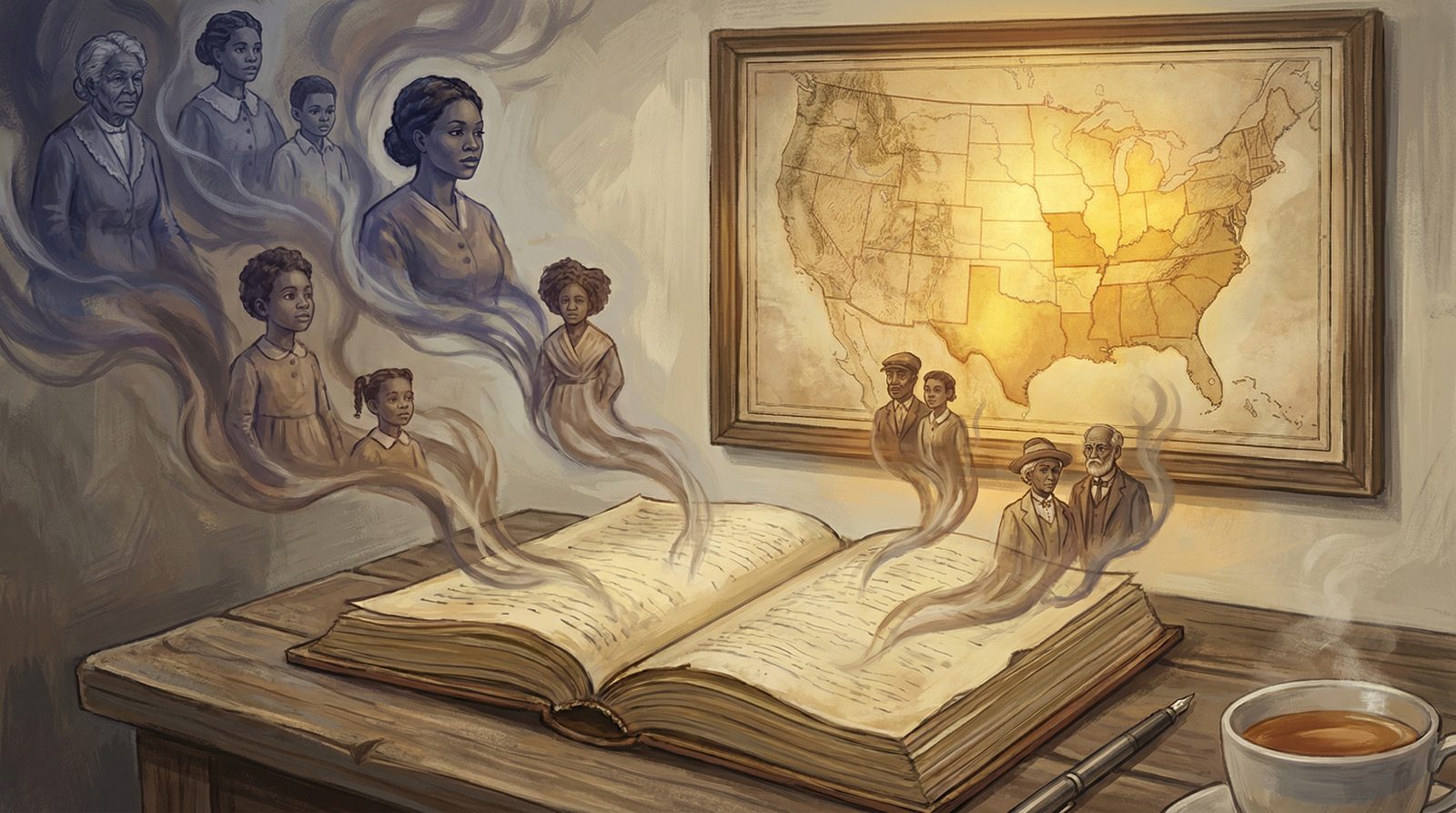
    Editorial illustration inspired by 'Toni Morrison'

    THEMES AND MOTIFS

    Morrison’s work often examines the long reach of slavery, the weight of memory, colorism, motherhood, and the struggle for selfhood in oppressive conditions. She explores how trauma echoes across generations and how communities can both wound and heal.

    Her fiction frequently engages motifs such as Trauma as Inheritance, Grief as Contradiction, and Literacy as Liberation.


    STYLE AND VOICE

    Her prose is richly textured, rhythmic, and often nonlinear. She shifts between perspectives and time periods, trusting readers to follow emotional logic rather than strict chronology. Her language can be lush or brutally simple, often using restraint at the most painful moments for maximum impact.

    Symbolic illustration inspired by 'Toni Morrison'

    KEY WORKS


    CULTURAL LEGACY

    Morrison’s work reshaped the American canon and expanded what serious literature could look like and whom it could center. She won the Nobel Prize in Literature and remains a touchstone for writers worldwide. Her influence is visible in contemporary fiction, memoir, and cultural criticism that take Black interior life seriously.
  • Alice Walker

    Alice Walker

    Born 1944, Eatonton, Georgia, United States Genres: Literary Fiction, Poetry, Essay Era: Late 20th Century – 1980s

    INTRODUCTION

    Alice Walker writes with a steady, spiritual intelligence that feels rooted in the earth itself. Her work is shaped by Southern Black womanhood, political struggle, and a belief that the sacred can live inside ordinary lives. With The Color Purple, she placed working class Black women at the center of American literature and refused to soften their experiences. The novel’s emotional clarity reflects the motif of Trauma as Inheritance, while her characters show remarkable capacity for growth. Walker’s voice blends tenderness with ferocity. She insists on telling the truth even when the truth is uncomfortable.

    LIFE AND INFLUENCES

    Born in rural Georgia, Walker grew up in a sharecropping family where stories and faith were central. A childhood accident left her blind in one eye, a trauma that shaped her early sense of isolation and introspection. She attended Spelman College and later Sarah Lawrence, where the Civil Rights Movement deepened her political awareness. Her influences include Zora Neale Hurston, Black Southern folklore, womanist theology, and her own experience of racism and poverty. These threads appear throughout her work, aligning with motifs like Survival Narratives and Intimacy as Healing.
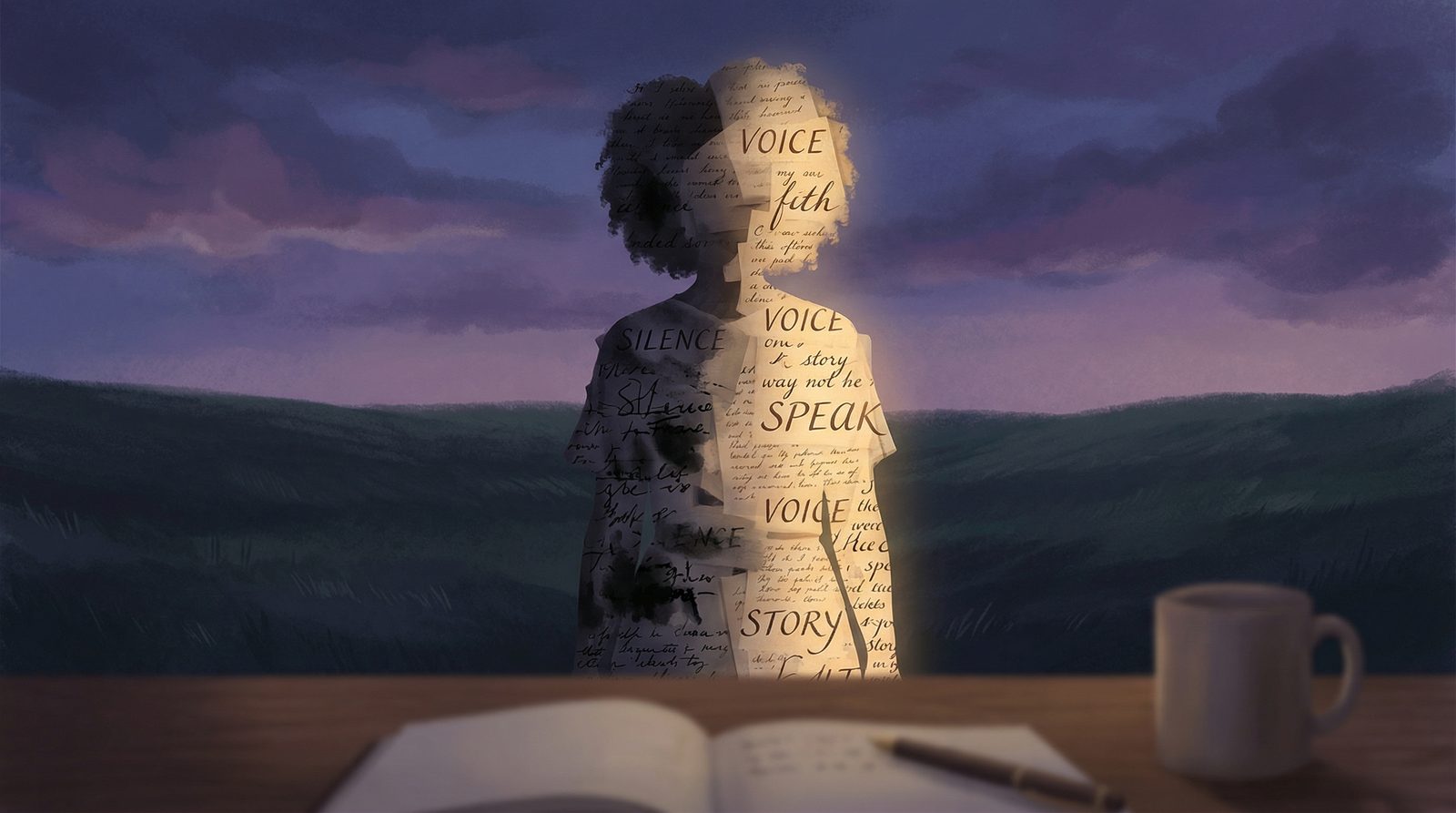
    Symbolic illustration inspired by 'Alice Walker'

    THEMES AND MOTIFS

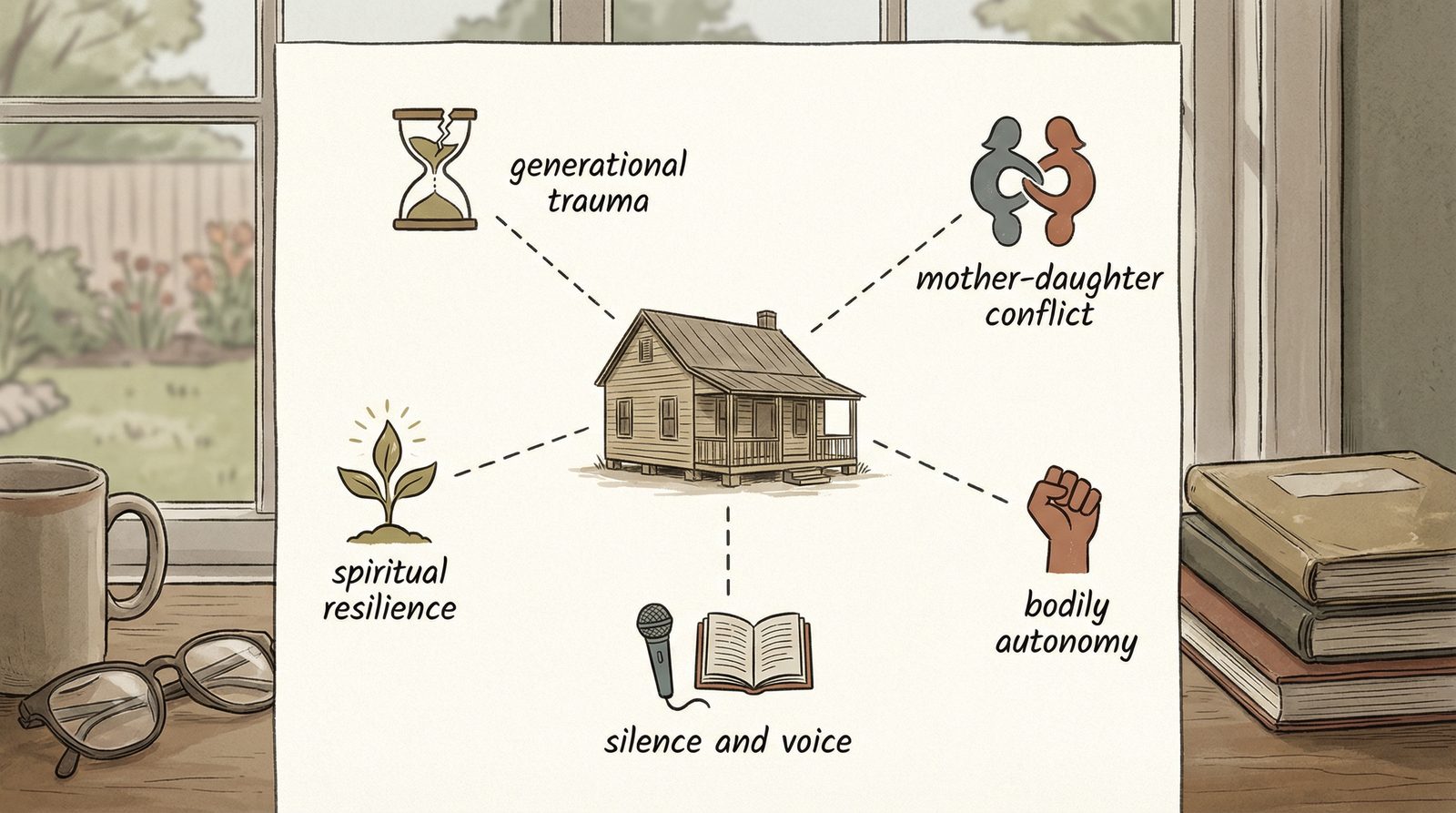
    Walker returns again and again to themes of spiritual reclamation, domestic violence, sexuality, community, and the healing potential of female friendship. She coined the term “womanist” to describe a feminism grounded in Black women’s experiences. Her characters often move from silence to voice and from survival to rootedness. Many of her stories explore the double pull of harm and hope within families. This tension aligns with motifs such as Emotional Minimalism and Power as Proximity, where vulnerability and authority compete.

    STYLE AND VOICE

    Walker writes with clarity, gentleness, and rhythmic simplicity. Her voice is direct and grounded. She blends emotion with restraint. She favors intimate narration, lyrical fragments, and spiritual imagery. Even at her most political, the work feels lived in rather than theoretical. The dignity she grants her characters comes through language that honors their truth. She allows flaws, contradictions, and small moments to carry the story.

    KEY WORKS

    Walker has published poetry, essays, and additional novels, but The Color Purple remains the work most closely tied to her cultural legacy.

    RELATED ADAPTATIONS

    Walker’s most famous novel has inspired multiple major screen adaptations that carried Celie’s story to new audiences: • The Color Purple (1985) – Steven Spielberg’s dramatic adaptation, which brought the novel into mainstream cinema. • The Color Purple (2023) – A musical film adaptation that builds on the stage production and reimagines the story through song and choreography.

    CULTURAL LEGACY

    Alice Walker changed the shape of American literature. She expanded the canon to include the voices of Black Southern women whose stories had long been marginalized. Her work sparked debate, redefined womanist thought, and influenced writers across generations. The adaptations of The Color Purple in 1985 and 2023 further broadened its reach. Together with the original novel, they formed a multiform narrative that continues to shape how readers and viewers think about faith, gender, race, and freedom. Today, Walker’s influence stands beside figures like Toni Morrison and Zora Neale Hurston, whose work insists on truth over comfort and on healing over silence.