Born 1928, St. Louis, Missouri, United States · Died 2014
Genres: Memoir, Poetry, Essay
Era: Mid to Late 20th Century
INTRODUCTION
Maya Angelou was a poet, memoirist, performer, and a towering cultural figure. Her series of autobiographical books begins with I Know Why the Caged Bird Sings, a work that transformed how personal narrative could address trauma, racism, and resilience. Her writing combines honesty, lyricism, and moral clarity.
Angelou’s childhood included years in the segregated South, a traumatic assault, a long period of silence, and eventual rebirth through language and performance. She worked as a singer, dancer, journalist, and civil rights activist alongside figures like Martin Luther King Jr. and Malcolm X.
Her influences include Black church tradition, poetry, music, and global travel. She wove these influences into a voice that feels both intimate and public.
THEMES AND MOTIFS
Angelou writes about trauma, racism, dignity, and the transformative power of language. She is concerned with how a person can build a full self in a world that insists they are lesser. Her focus on speech, performance, and writing as tools of survival and joy places her work within motifs like Intimacy as Healing and Memoirs of Reclamation.
STYLE AND VOICE
Her prose is clear, rhythmic, and often poetic. She balances emotional weight with humor and observation. Even when recounting trauma, she writes with a steadiness that feels both protective and generous.
Angelou’s memoirs and poems have become touchstones for readers around the world. She expanded the possibilities of life writing, especially for Black women, and brought discussions of trauma and resilience into mainstream culture with dignity and force. Her work remains central in education, activism, and literary study.
Born 1931, Lorain, Ohio, United States · Died 2019
Genres: Literary Fiction, Essay
Era: Late 20th Century
INTRODUCTION
Toni Morrison is one of the most important writers in American history. Her work centers Black life with spiritual, emotional, and historical depth, refusing to translate or soften it for white comfort. She writes about memory, community, trauma, and love in ways that are both grounded and mythic. Her novels are dense with symbol and feeling, but always anchored in lived experience.
Morrison grew up in a working class Black family in Lorain, Ohio, surrounded by stories, songs, and folklore. She studied at Howard University and Cornell, later working as an editor and professor. Her editorial work brought Black voices into print at a time when they were often excluded.
Her influences include oral tradition, Black church culture, jazz, history, and a commitment to centering Black interiority. These influences appear in her layered narratives and use of communal voice.
THEMES AND MOTIFS
Morrison’s work often examines the long reach of slavery, the weight of memory, colorism, motherhood, and the struggle for selfhood in oppressive conditions. She explores how trauma echoes across generations and how communities can both wound and heal.
Her prose is richly textured, rhythmic, and often nonlinear. She shifts between perspectives and time periods, trusting readers to follow emotional logic rather than strict chronology. Her language can be lush or brutally simple, often using restraint at the most painful moments for maximum impact.
Morrison’s work reshaped the American canon and expanded what serious literature could look like and whom it could center. She won the Nobel Prize in Literature and remains a touchstone for writers worldwide. Her influence is visible in contemporary fiction, memoir, and cultural criticism that take Black interior life seriously.
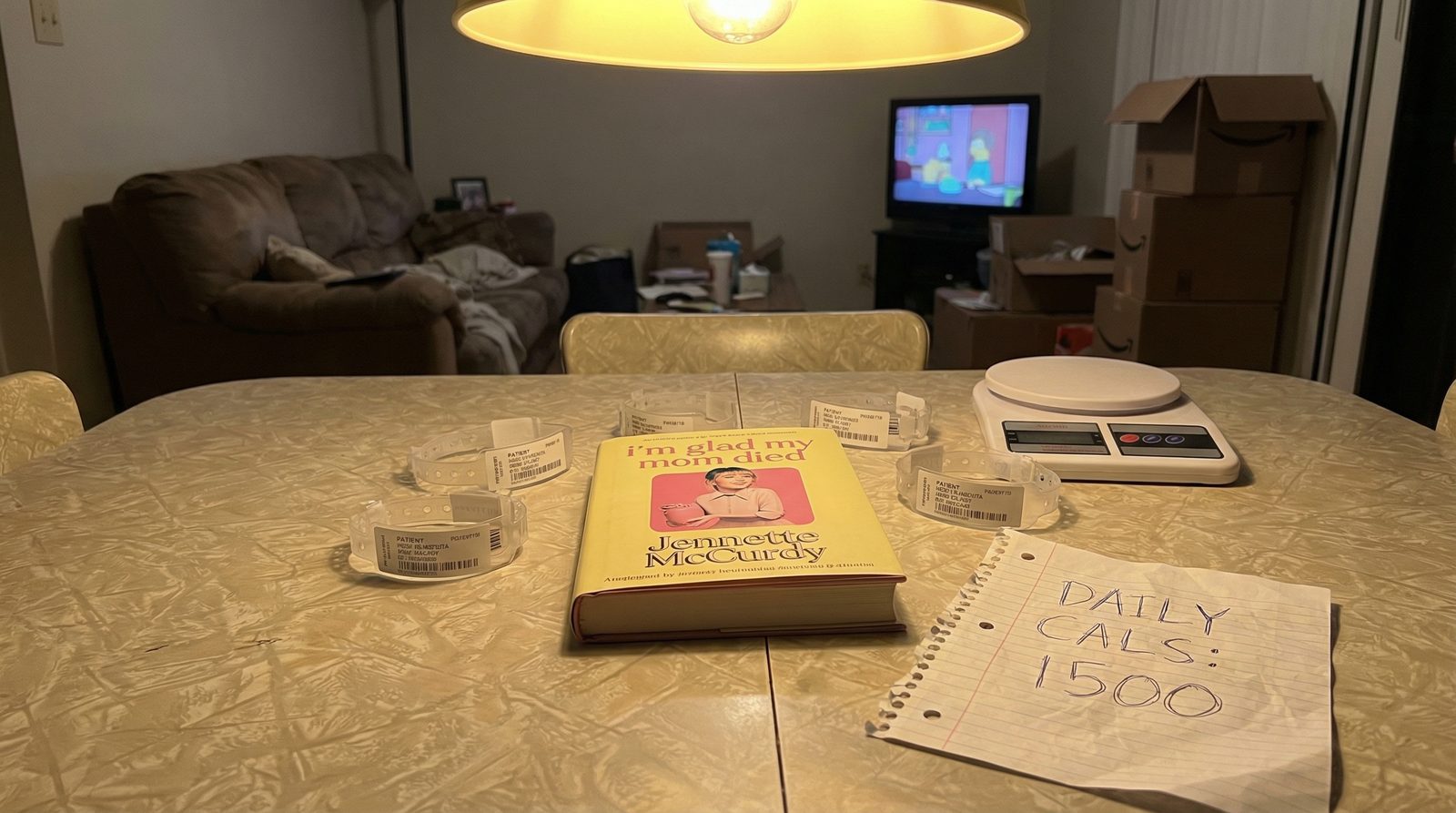
Jennette McCurdy writes with a clarity that feels almost surgical. Her memoir I’m Glad My Mom Died is not a catalog of trauma. It is an examination of identity built under pressure and reclaimed through language. What sets her apart from other child-star memoirists is her emotional control. She does not dramatize. She observes. That approach places her work inside the motif of Silence as Survival, where restraint becomes both coping mechanism and storytelling tool.
Her voice is steady, sharp, and often surprisingly funny. It carries the authority of someone who has finally stepped outside a performance she never chose.
LIFE AND INFLUENCES
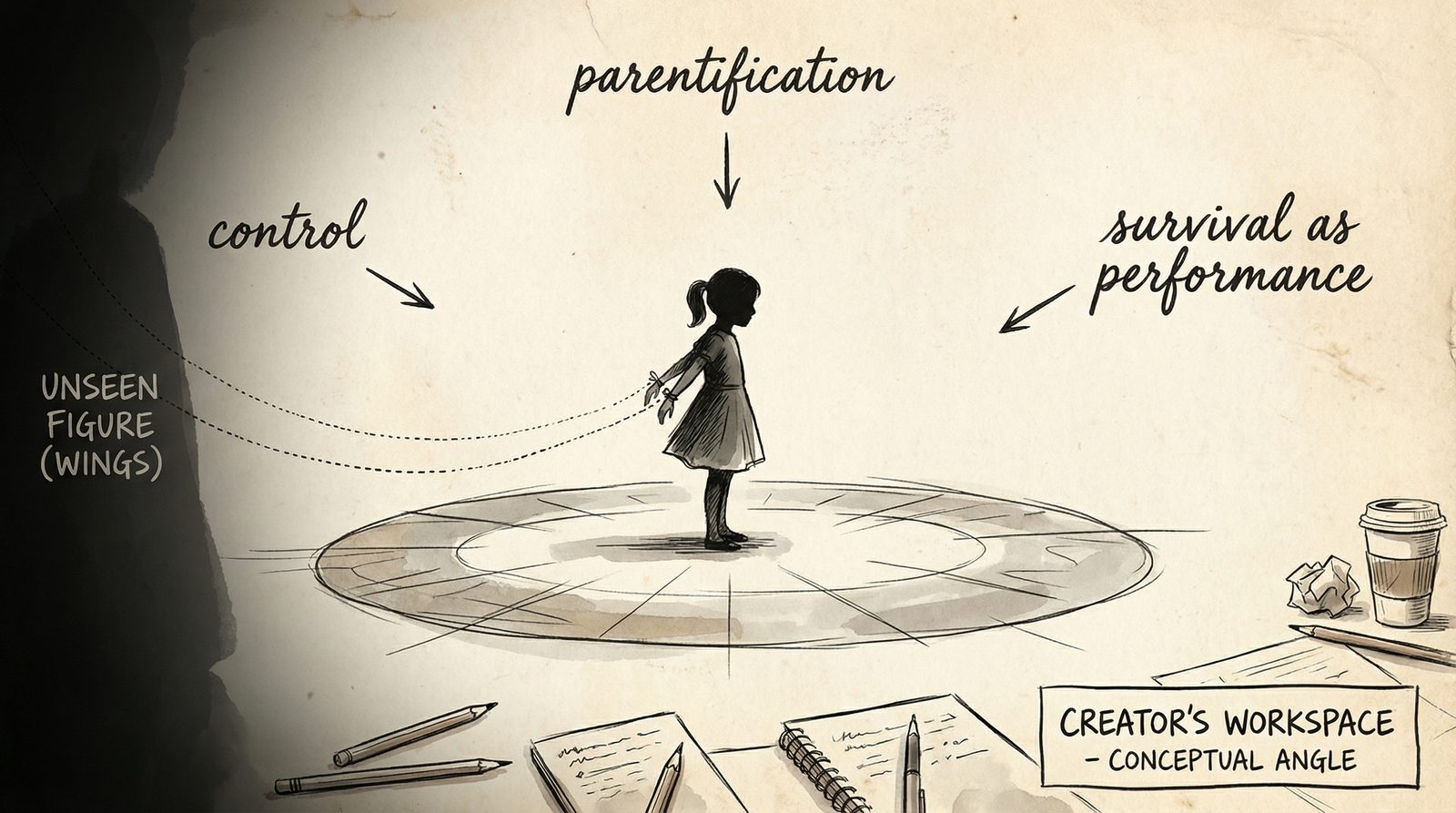
McCurdy grew up in a tightly controlled home in Southern California. Her mother managed her career, monitored her eating, directed her emotions, and shaped her identity to fit her own needs. Acting was not ambition. It was obedience. These early experiences define the emotional landscape of her work.
Her writing is shaped less by literary influence and more by therapy, introspection, and the desire to understand what was taken from her. Her path to authorship began with quitting acting and studying writing, a choice that marked the first major decision of her adult life.
McCurdy’s primary subjects are autonomy, identity, grief, and the long shadow cast by emotional abuse. She writes about control that did not look like violence but felt like ownership. She writes about love that confused loyalty with self-erasure. She writes about grief that refuses to behave.
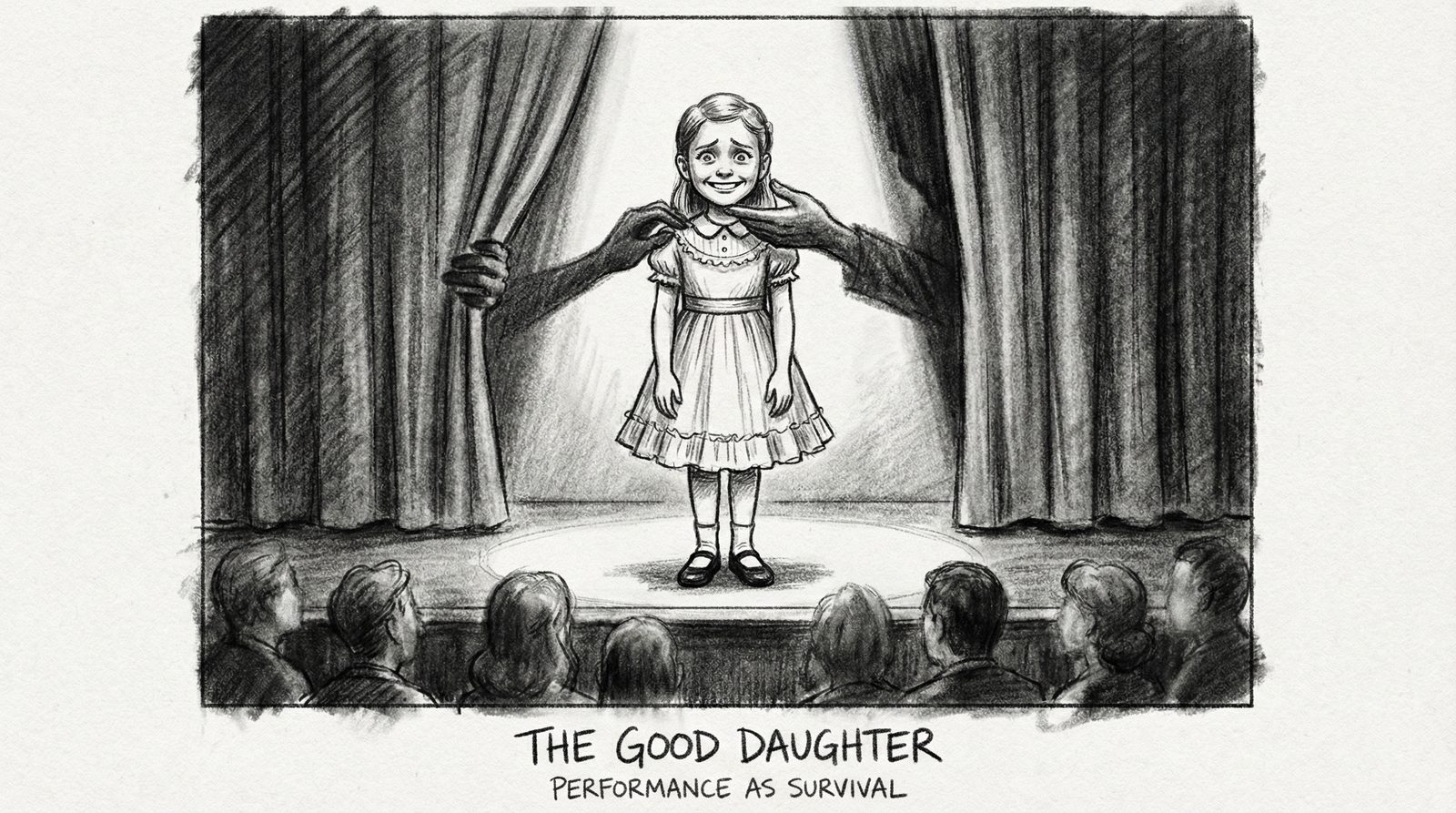
Her stories often dwell in contradiction. Relief beside loss. Humor beside fear. Silence beside truth. This aligns closely with the motif of The Double Self, where performance becomes identity until the lines blur.
STYLE AND VOICE
Her style is spare. She avoids flourish. She allows moments to sit without commentary. The restraint is part of the emotional architecture. Her humor is dry and disarming, showing up in the exact places where the reader expects despair.
Her writing feels lived in. It is confident without being loud. It is intimate without being indulgent. It respects the reader and the subject equally.
McCurdy’s memoir arrived at a moment when Hollywood’s treatment of child performers was being widely questioned. Her account brought a grounded, personal perspective to discussions that were often abstract. It gave language to a type of harm that is rarely named and rarely believed.
Her influence extends beyond the entertainment world. Readers connected deeply with the contradictions she describes, and the book opened conversations about boundaries, selfhood, and the cost of living a life built around someone else’s desire.
In the current landscape of memoir, McCurdy stands out as a writer who understands how to tell the truth quietly and with precision. She changed the tone of the genre by refusing spectacle and choosing honesty instead.
Jessica Simpson built a career on visibility, yet for years she remained misunderstood. To many, she was the bright reality TV star who played the role everyone expected. In Open Book, she takes that image apart with unusual honesty. The memoir is not about reinvention. It is about clarity. Beneath the jokes and the tabloid headlines is a woman who spent years navigating pressure, distortion, and silence. Her writing sits inside the motif of The Double Self, where the person and the persona rarely line up.
What defines Simpson’s voice is not bitterness. It is steadiness. She writes like someone who has lived through the consequences of being misread and is finally ready to set the record straight.
LIFE AND INFLUENCES
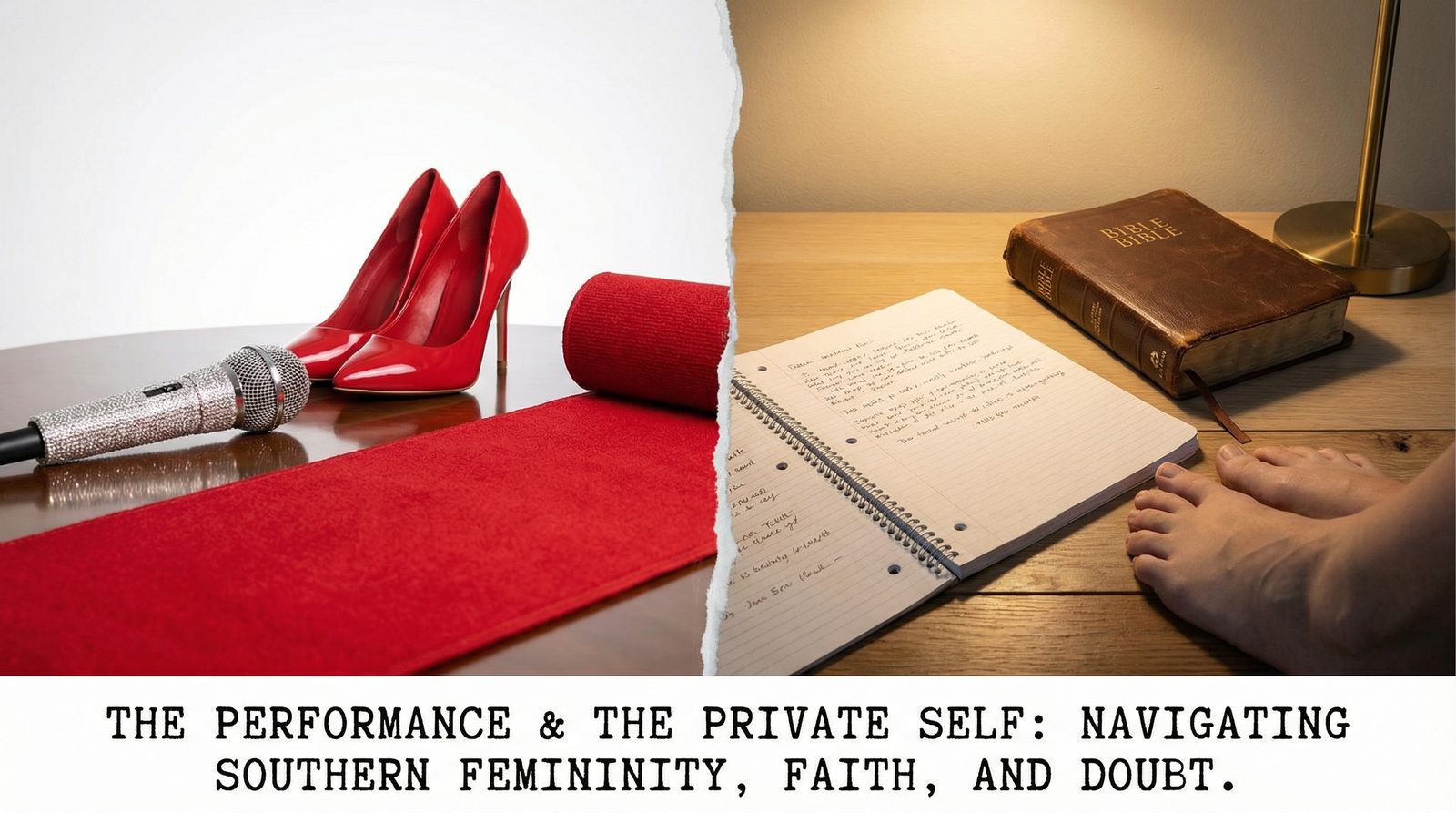
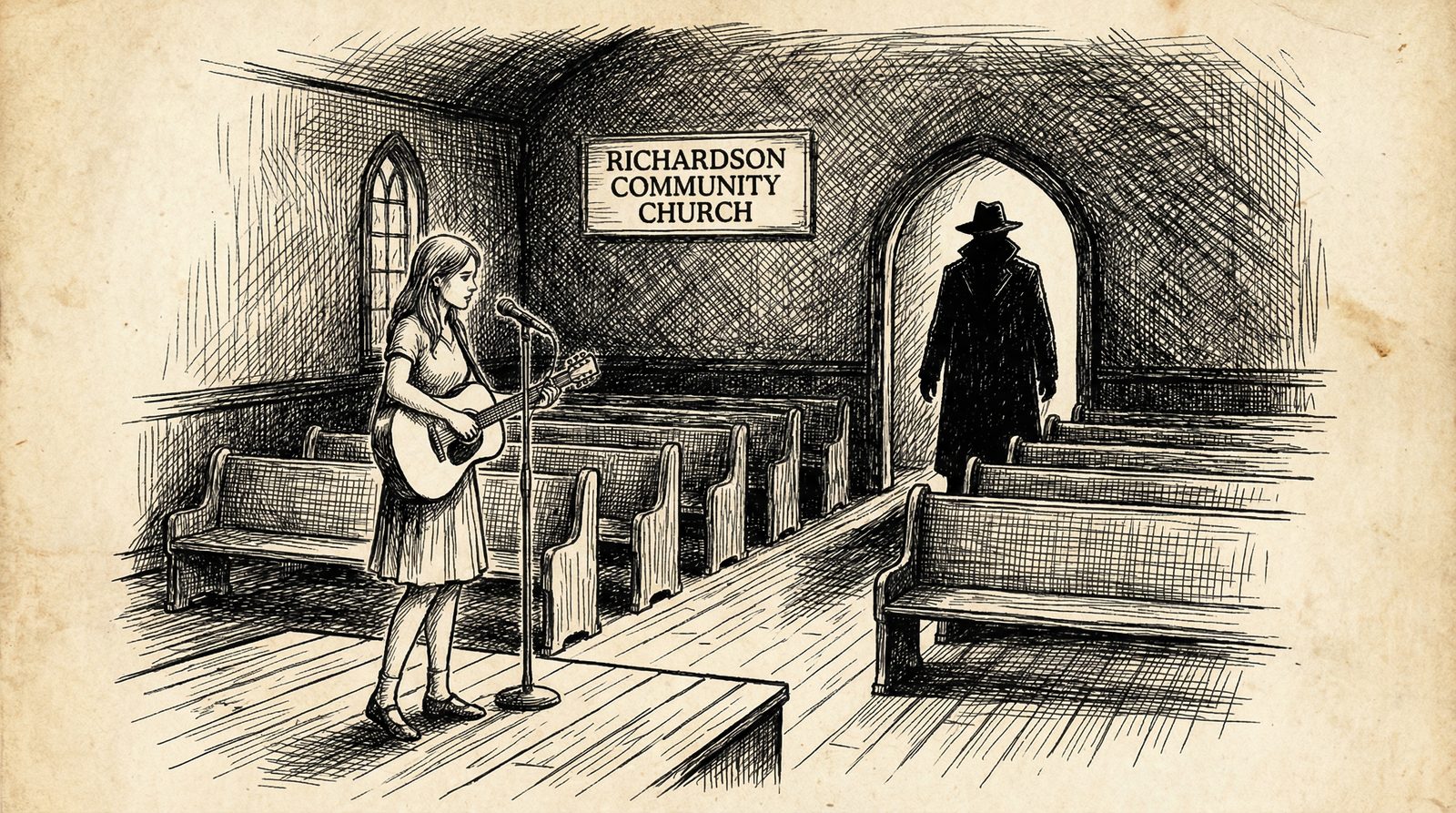
Simpson grew up in a tight-knit religious family in Texas, where expectations were clear and visibility came early. Her powerful voice pushed her into the music industry before she had time to understand its demands. Managers and producers shaped her image, presenting her as innocent or sexy depending on what would sell. Her early career is marked by watching adults decide who she was supposed to be.
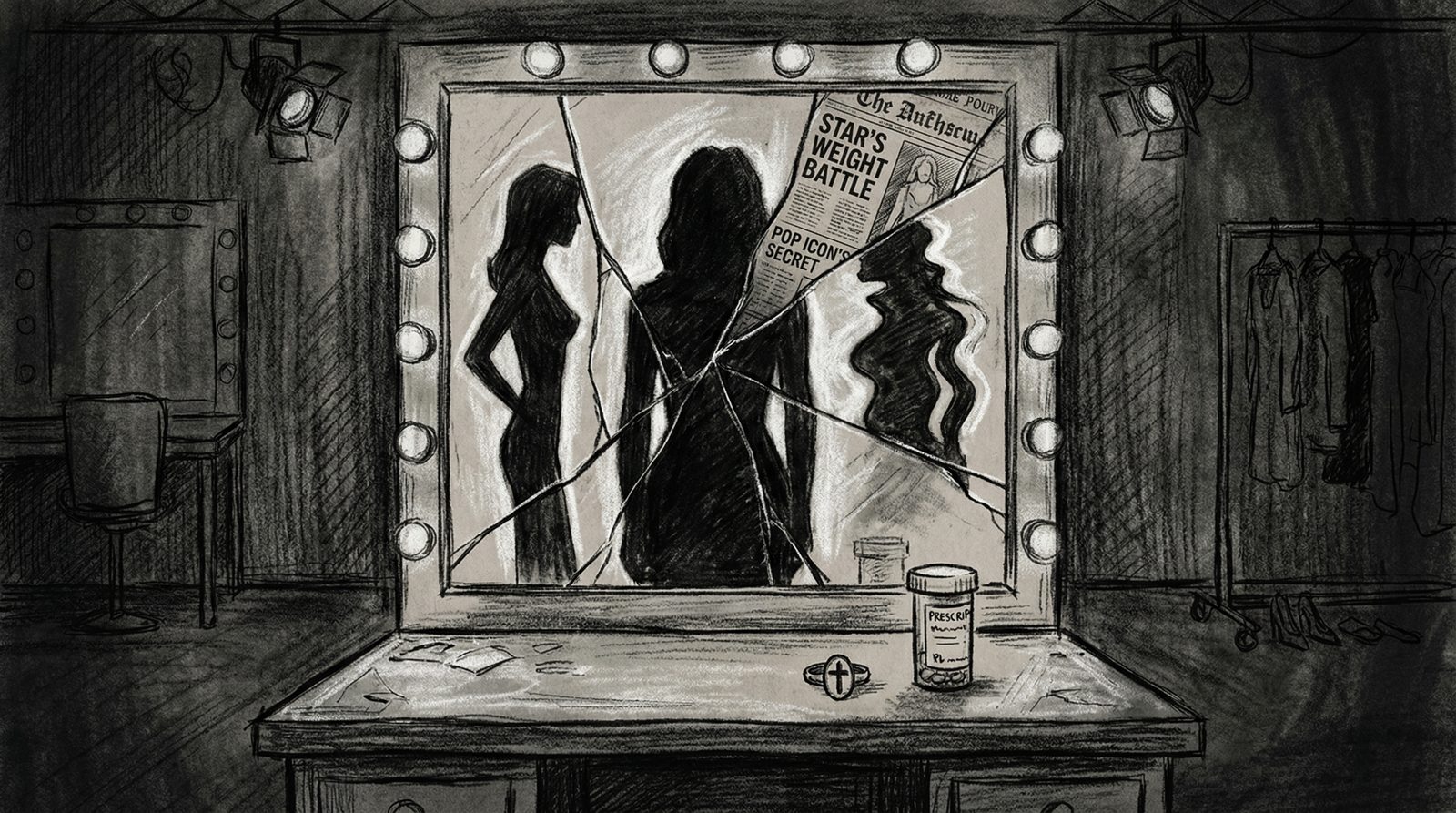
This upbringing shaped her understanding of performance and pressure. The desire to please. The pressure to remain “pure.” The punishment when she stepped outside the mold. These experiences connect closely with the motif of The Commodified Body in Books, where a woman’s value becomes linked to how well she matches a marketable fantasy.
The industry was not her only influence. Her family played a major role, particularly her father, who managed her career and often blurred the lines between support and control. An early lesson emerges: proximity to power can feel protective while also limiting personal choice.
THEMES AND MOTIFS
Simpson’s writing often circles the tension between how she saw herself and how she was packaged for an audience. That tension is the emotional core of her work. In Open Book, she speaks frankly about pressures around weight, sexuality, marriage, addiction, and motherhood. All of it is filtered through a desire to be liked and a fear of disappointing the people she trusted.
The motif of Intimacy as Transaction appears in her relationships. Affection can become fuel for someone else’s ego. Love can become competition. Her romantic life is described without melodrama, but with clear awareness of how validation and power became tangled.
Another recurring pattern is reveal and retreat. She tells part of the truth, then circles back, then tells more. This rhythm reflects the cost of speaking openly after years of training herself to be quiet, a pattern connected to Silence as Survival.
STYLE AND VOICE
Simpson writes with warmth and self-awareness. Her tone is conversational, often funny, and surprisingly sharp. She does not hide behind theory or flourish. She relies on memory, reflection, and a willingness to admit confusion or regret. The voice feels lived in. It feels earned.
Her prose is clean and direct. When she describes emotional pain, she does not dramatize it. When she describes fame, she does not glamorize it. The simplicity becomes its own method. She wants the reader to see the person, not the punchline.
Humor appears throughout the work, usually at her own expense, and often at just the right moment. Those lighter beats give the memoir its balance. They do not erase the heaviness. They help carry it.
KEY WORKS
Open Book (2020) – A candid, self-aware memoir about fame, addiction, identity, and the long road back to personal truth.
Though she has written other projects, Open Book is the authoritative statement of her life and perspective. It stands as her most complete and unfiltered work.
CULTURAL LEGACY
Simpson’s memoir helped shift how the public interprets celebrity narratives. What once seemed like a simple reality TV persona becomes, in her own telling, a protective shell shaped by pressure and shame. After Open Book, moments that once looked messy or frivolous gain context. The jokes lose their punch, and the person behind them becomes visible.
The memoir belongs to the same contemporary lineage as The Woman in Me and Confessions of a Video Vixen, works that demand cultural accountability for how women in entertainment have been consumed. Simpson’s story is gentler than some, but no less revealing.
Her influence now reaches beyond the book. The audiobook, narrated by Simpson herself, became a touchstone for fans who wanted her voice, the real one, after decades of distortion. Open Book is not simply a memoir. It is a reframing of a woman the culture thought it already understood.
Director: Samantha Stark
Producers: Liz Day, Mary Robertson
Genre: Documentary
Country: United States
Year: 2021
INTRODUCTION
Framing Britney Spears arrived at a moment when the culture was finally willing to revisit its own cruelty. The documentary does not try to reinvent Britney’s story. Instead, it holds up a mirror to the years of tabloid frenzy, late night mockery, and institutional control that shaped her public life. The film’s power comes from its simplicity. It shows what happens when a young woman becomes global spectacle and then loses the ability to speak for herself. The entire narrative sits comfortably inside the motif of Silence as Survival, where staying quiet is learned, expected, and often required.
This is not a celebrity profile. It is a case study in how a culture builds someone up and then traps her in the fallout.
PLOT AND FOCUS
The documentary traces Britney Spears’s rise to fame, the media obsession that followed, and the conservatorship that ultimately sparked global outrage. Interviews with lawyers, journalists, friends, and members of the Free Britney movement form the backbone of the narrative. Spears herself does not participate, which becomes the film’s central argument. Her absence is the point.
Through archival footage and old interviews, the documentary shows how often Britney was treated as public property. Reporters asked invasive questions. Paparazzi chased her through parking lots. Talk show hosts turned her pain into punchlines. These images speak directly to the motif of The Commodified Body in Books. The body as product. The woman as content. The person as controversy with a face.
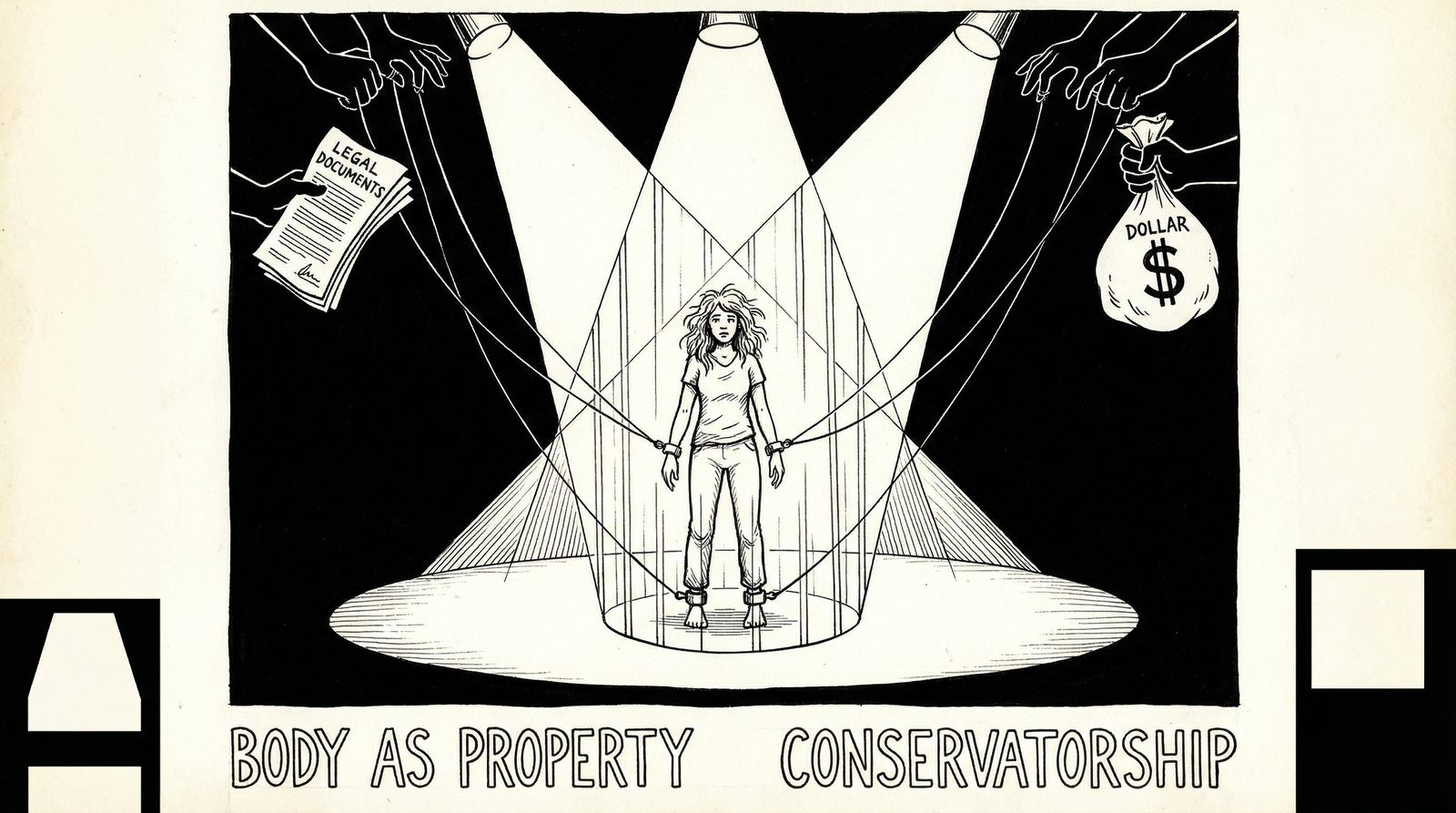
The conservatorship is presented without sensationalism. Instead of dramatization, the film focuses on legal structure and power. Who controlled her finances, who controlled her work schedule, who controlled her medical decisions. This is where the motif of Power as Proximity becomes most visible. The people closest to Britney gained the most authority over her. Their access became dominance. Their version of protection often resembled confinement.
STYLE AND APPROACH
The film uses a restrained, journalistic style. There are no dramatic reenactments or heavy narration. Instead, the structure relies on contrast. Footage of a young performer smiling through interviews cuts sharply against adult footage of courtrooms, security details, and public frustration. That contrast creates its own emotional logic. The audience sees the erosion of agency frame by frame.
The editing highlights repetition. The same tabloid questions. The same paparazzi confrontations. The same headlines. This creates a quiet rhythm that reflects the motif of Dissociation as Defense. After a while, even the audience feels numb. The point is not to shock. The point is to show how long Britney lived inside that numbness.
The documentary also gives space to the Free Britney movement. Instead of portraying fans as fringe voices, it treats them as early witnesses to something wrong. Their testimony frames the final act of the film, where public pressure forces the legal system to listen.
PEOPLE AND PERSPECTIVES
The most striking presence in the film is the one who never appears. Britney’s absence becomes a character of its own. The emptiness in the interviews, the missing voice, the inability to speak on camera all reflect the motif of The Double Self. There is the Britney the world consumed and the Britney the world never heard.
Her father, Jamie Spears, appears mostly through documentation and witness accounts. The film does not villainize him for spectacle. Instead, it presents patterns of control, financial interest, and legal advantage, allowing viewers to draw their own conclusions. The emotional core of this dynamic echoes the motif of Parental Betrayal.
Other figures appear briefly. Lawyers. Former assistants. Journalists who regret their earlier roles. Their reflections add hindsight, but the film never lets them overshadow the central tension. Britney’s voice was missing for more than a decade, and the documentary treats that silence with caution instead of exploitation.
CULTURAL CONTEXT AND LEGACY
When Framing Britney Spears premiered, it instantly shifted public opinion. People who had once mocked Britney now watched old footage with discomfort. Interviews that once seemed harmless revealed a hostile industry. Paparazzi moments that had been treated as entertainment now read like harassment.
The film also helped push the conservatorship case back into mainstream discussion. Within months, Britney spoke in court for the first time in years. Her own testimony confirmed what the documentary implied. In that sense, the film belongs to the larger constellation of #MeToo Literature, even though it is a documentary. It exposes the structures that shape how women are used, managed, and silenced.
Its influence is still visible. It forced audiences to reconsider past jokes, past headlines, and past assumptions. It prompted debates about guardianship laws. It made the phrase “Free Britney” impossible to dismiss as fan theory. Most importantly, it allowed the public to see that the story they thought they knew was incomplete.
IS IT WORTH WATCHING?
Yes. The documentary is straightforward but devastating. It is not sensational. It is not manipulative. It simply lays out the facts and lets the viewer sit with their implications. Anyone interested in celebrity culture, gendered power, legal control, or the mechanics of public image will find it essential viewing.
Jessica Simpson was never supposed to be the one who told the truth. She was the punchline, the reality-TV blonde, the pop star treated as a brand more than a person. But in Open Book, she takes that caricature apart with startling vulnerability. The wound driving the memoir isn’t heartbreak or scandal. It’s distortion. Years of being shaped into something profitable left her struggling to find her own outline again. That tension places the memoir firmly within the motif of The Double Self, where public image and private identity drift dangerously far apart.
What makes the book compelling is its emotional clarity. Simpson doesn’t try to rewrite her past. She simply reclaims it.
PLOT & THEMES
Open Book starts with a crisis point: Simpson drinking from a glittered cup of vodka at seven in the morning. From there, the memoir rewinds into childhood, a Southern Baptist upbringing, early performances, the pressures of the music industry, and the years of global fame that followed.
One of the memoir’s strongest through-lines is how relentlessly Simpson’s body was treated as commodity. Managers, magazines, television producers. Everyone had an opinion, and profit, attached to how she looked. This dynamic deepens the motif of The Commodified Body in Books, not as theory but as lived experience. Simpson was expected to be sexy without wanting sex, wholesome without flaws, thin without effort.
Her relationships also become case studies in emotional imbalance. The way affection was withheld or offered, the way attention became control, all echo the motif of Intimacy as Transaction, not financially, but psychologically. Love could become leverage. Desire could become a contest she never agreed to enter.
Silence, too, becomes a theme. Simpson learned early to laugh off cruelty, to minimize betrayal, to perform optimism. This pattern reveals itself through the quiet motif of Silence as Survival, where being palatable was the price of being seen at all.
STYLE & LANGUAGE
Simpson’s prose is warm, funny, and often disarmingly direct. She’s not writing for effect; she’s writing to be understood. The book feels like a long conversation with someone who has finally stopped performing. Moments of humor break tension, often pointed inward, softening the heavier content without diminishing it.
Her voice is conversational, but never careless. She regularly pauses, sometimes mid-anecdote, to question her own choices or admit what she didn’t understand at the time. These reflections create an undercurrent of self-awareness that keeps the narrative grounded, even when recounting chaotic periods of fame or addiction.
The split between how she acted and how she felt runs throughout the memoir, reinforcing the motif introduced earlier: how the inner self watches the outer one with a mix of pride, confusion, and grief.
CHARACTERS & RELATIONSHIPS
Simpson’s family holds central emotional weight. Her father, Joe Simpson, managed her career but also managed her image. Their relationship blurs into control, often without clear villains. The tension is subtle but persistent: protection and pressure wrapped into the same gesture.
Her romantic relationships are described with painful honesty. Her marriage to Nick Lachey is portrayed as sincere but mismatched, two young adults pulled apart by fame. Her relationship with John Mayer is presented as a study in emotional volatility. Passion mixed with manipulation. These dynamics align naturally with the motif of Power as Proximity, where connection to powerful men brings both intimacy and imbalance.
Her eventual marriage to Eric Johnson brings gentler chapters, but Simpson makes it clear: healing began before him, not because of him. She is careful to place her agency at the center of her recovery narrative.
CULTURAL CONTEXT & LEGACY
Upon release, many expected Open Book to offer gossip or a rebrand. Instead, readers found a reflective memoir about pain, addiction, fame, and the consequences of being turned into content. It joined a wave of celebrity memoirs by women, including The Woman in Me and I’m Glad My Mom Died , that reject the simplistic arc of “rise, fall, redemption.” Instead, they insist on complexity.
The audiobook’s success, narrated by Simpson herself, helped cement the memoir as an inflection point, not just for her reputation, but for the genre. It reframed her public persona entirely. What once looked like naivete or chaos feels, in this retelling, like a woman navigating a system determined to flatten her.
In retrospect, Open Book didn’t just rehabilitate Simpson’s image. It helped evolve the tone of the contemporary celebrity memoir itself, proving that honesty can be both unvarnished and artful.
IS IT WORTH READING?
Yes. Especially if you’ve ever assumed you understood a celebrity because you watched her on camera. Simpson doesn’t write to shock. She writes to reclaim. The book is not flawless — and that’s part of what makes it feel true.
For years, Britney Spears was one of the most visible women in the world—and one of the least heard. The Woman in Me arrives as a long-delayed correction, a memoir written in clipped, steady fragments that feel like someone finally taking control of her own paper trail. Its emotional engine isn’t scandal but reclamation. And beneath the celebrity context, the book sits firmly inside the motif of Silence as Survival: what it costs to stay quiet long enough to stay alive.
The memoir is not a polished product. It’s raw, cautious, sometimes strangely calm. That restraint gives it power. It reads less like a performance and more like testimony from someone who has spent decades being spoken for.
PLOT & THEMES
The broad arc is familiar: a small-town girl rises to global superstardom, becomes one of the most photographed people on earth, and then vanishes behind a conservatorship that lasts thirteen years. But the memoir isn’t about fame’s ascent—it’s about the cage that followed.
Spears writes about losing control over her finances, her work schedule, her medical choices, even her ability to become pregnant. These experiences build into a harsh portrait of what happens when institutional power merges with family authority, echoing the motif of The Commodified Body in Books. Her image was sold; her labor was monetized; her autonomy was treated as a liability.
Motherhood shapes some of the memoir’s sharpest emotional turns. Her sons are introduced late but dominate the book’s heart. Their custody battles, media scrutiny, and weaponization under the conservatorship all feed into a deeper pattern of Motherhood as Redemption—not sentimental, but desperate and clear-eyed.
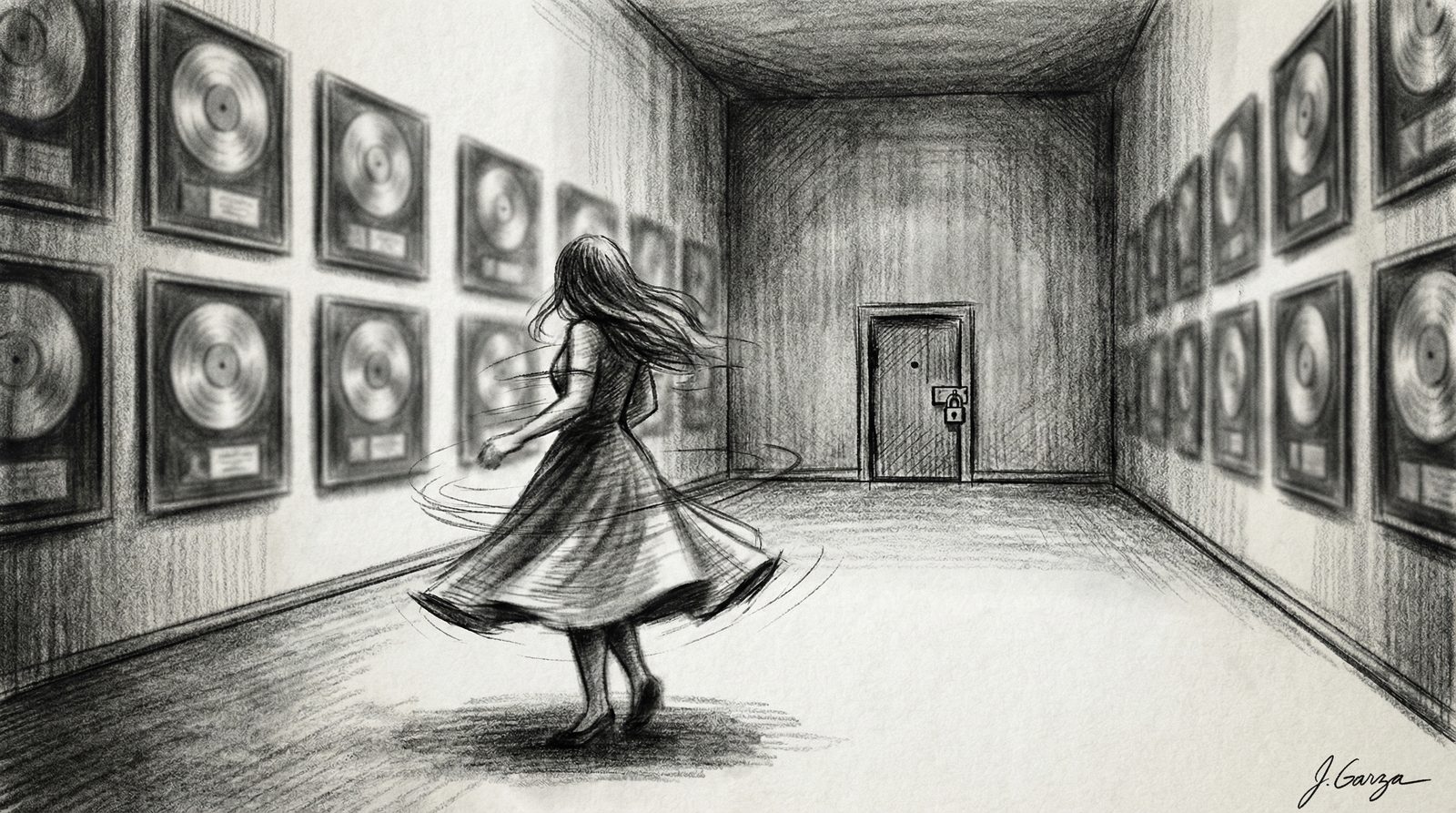
Fame itself becomes a kind of disappearance. Spears describes tours, interviews, performances, and publicity events as if she is watching them from a distance. The self becomes split: the woman living the life, and the woman performing the life. That tension aligns seamlessly with the motif of The Double Self.
STYLE & LANGUAGE
The writing is spare—short sentences, clipped memories, flashes of emotion delivered without flourish. Spears avoids metaphor and stays close to fact. That simplicity can feel blunt, but it also feels honest. The tone reflects someone who spent years having her words twisted or dismissed, now speaking plainly to prevent misinterpretation.
The structure is intentionally fragmented, moving between early childhood, industry pressures, romances, breakdowns, and brief moments of comfort. This rhythm reinforces the memoir’s emotional reality: trauma doesn’t unfold chronologically. It loops, interrupts, resurfaces. The voice itself bears traces of Dissociation as Defense—a survival mechanism visible in the flatness of certain scenes and the sudden distance in others.
Once in a while, humor slips through—a dry aside, an unexpected moment of self-awareness. These moments don’t cancel the pain, but they offer glimpses of someone whose identity is more than her suffering.
CHARACTERS & RELATIONSHIPS
Spears appears in several forms: the gifted child performer, the ambitious teenager, the exhausted young mother, the woman fighting to regain legal adulthood. She doesn’t shift voices between these versions; instead, the unity of tone reveals how long she has lived in constraint.
Her father, Jamie Spears, functions as the memoir’s gravitational force—less a villain in a story and more the embodiment of procedural control. His authority over her body, career, and finances shapes the memoir’s central conflict. His portrayal resonates strongly with the motif of Parental Betrayal.
Other men—Justin Timberlake, Kevin Federline—appear as contextual forces rather than richly drawn figures. Spears is not interested in recreating them; she’s interested in revisiting the systems that empowered them. Agents, managers, paparazzi, judges, therapists: these institutions form the true ensemble cast.
Her sons, when they arrive, become the emotional axis of the book. Spears writes about them with a bruised, protective tenderness that cuts through the memoir’s restraint.
CULTURAL CONTEXT & LEGACY
The Woman in Me emerges after years of documentaries, public speculation, and the Free Britney movement, but it’s not a postscript—it’s the central document. It reframes Spears’s entire career, showing how misogyny, legal overreach, and the economics of celebrity combined to keep her voiceless.
Its impact extends beyond publishing. Spears’s candid account has influenced conversations about guardianship laws, mental health stigma, and the ethics of celebrity media. But its deepest achievement is personal: the restoration of a voice that had been missing from its own story.
IS IT WORTH READING?
Yes. The memoir isn’t lush or literary, but it doesn’t need to be. Its power lies in its clarity and its quiet. Readers looking for gossip will come up empty; readers seeking insight into power, autonomy, and the cost of silence will find something unforgettable.
I’m Glad My Mom Died opens with a title that provokes, but the memoir itself is quiet, controlled, and emotionally exact. Jennette McCurdy writes about a childhood shaped by pressure, fear, and obedience. What drives the narrative is not the shock of the events, but the calm precision in how she remembers them. The story sits inside the motif of Silence as Survival, where staying quiet becomes a way to stay safe.
Instead of catharsis, the book offers clarity. It is not a confession. It is a reclaiming.
PLOT AND THEMES
McCurdy was six when her mother began managing her life. Auditions, calorie restriction, forced diets, emotional micromanagement, and medical invasions became normal. By the time she starred in iCarly, the damage was already deep. The memoir traces her disordered eating, fear of displeasing her mother, and sense of being a product rather than a child.
The book is not an industry exposé. It is the study of a relationship whose intimacy is indistinguishable from control. This dynamic fits naturally with the motif of Parental Control as Identity. McCurdy’s likes, dislikes, and ambitions were shaped for her long before she had the language to resist.
As her mother’s illness progresses and eventually ends in death, the emotional knots tighten. McCurdy writes openly about the conflict between grief and relief. This is where the motif of Grief as Contradiction becomes central. Love does not erase harm. Harm does not erase love.
Underneath all of this is performance. McCurdy performed for cameras and producers, but also for her mother. That internal split aligns with The Double Self, where the mask forms before the wearer realizes it exists.
STYLE AND LANGUAGE
The prose is spare. Sentences are short and direct. McCurdy rarely explains how she felt. She lets scenes sit unadorned, and the restraint does the work. When she describes her mother checking her weight or invading her privacy, the lack of melodrama amplifies the horror. The voice carries traces of dissociation, shaped by years of avoiding emotional confrontation.
The structure is vignette based. Chapters arrive as fragments rather than scenes. This approach mirrors the way she held memories for years, separated into manageable pieces. Humor appears in brief, sharp flashes, cutting tension without undermining it.
This is not a dramatic retelling. It is a controlled extraction of emotional truth.
CHARACTERS AND RELATIONSHIPS
McCurdy’s mother, Debbie, dominates the narrative. She is needy, loving, manipulative, and deeply damaging. She shapes her daughter’s sense of self until almost nothing remains. The complexity of this relationship embodies Parental Betrayal, but the betrayal is quiet, wrapped in praise and affection.
Jennette’s early self is defined by avoidance. She is present in what she does not say, what she does not ask for, what she does not allow herself to want. As therapy, writing, and independence enter her life, her interiority sharpens. Her voice returns slowly and without spectacle.
Producers, agents, and romantic partners appear, but the book refuses to center them. This is not a memoir about Hollywood. It is about a home where emotional safety did not exist.
CULTURAL CONTEXT AND LEGACY
Released in 2022, the memoir captured a moment when audiences were reevaluating child-star narratives. Britney Spears’s testimony, documentaries about Disney Channel exploitation, and broader conversations about consent and parental control had already shifted public awareness. McCurdy’s book deepened that shift. It showed how emotional abuse can be normalized until a child cannot tell where her mother ends and she begins.
The memoir was widely praised for its honesty, humor, and emotional precision. It belongs to the same lineage as The Woman in Me and Confessions of a Video Vixen, works that confront how identity is shaped by those who claim to protect it.
Its impact extends beyond celebrity culture. Many readers saw their own families in its pages, and the book opened conversations about boundaries, autonomy, and the quiet ways children learn to disappear inside someone else’s expectations.
IS IT WORTH READING?
Yes. It is one of the clearest, most emotionally honest memoirs of the last decade. It does not sensationalize its story. It does not seek pity. It insists on telling the truth without apology, and that clarity makes it unforgettable.