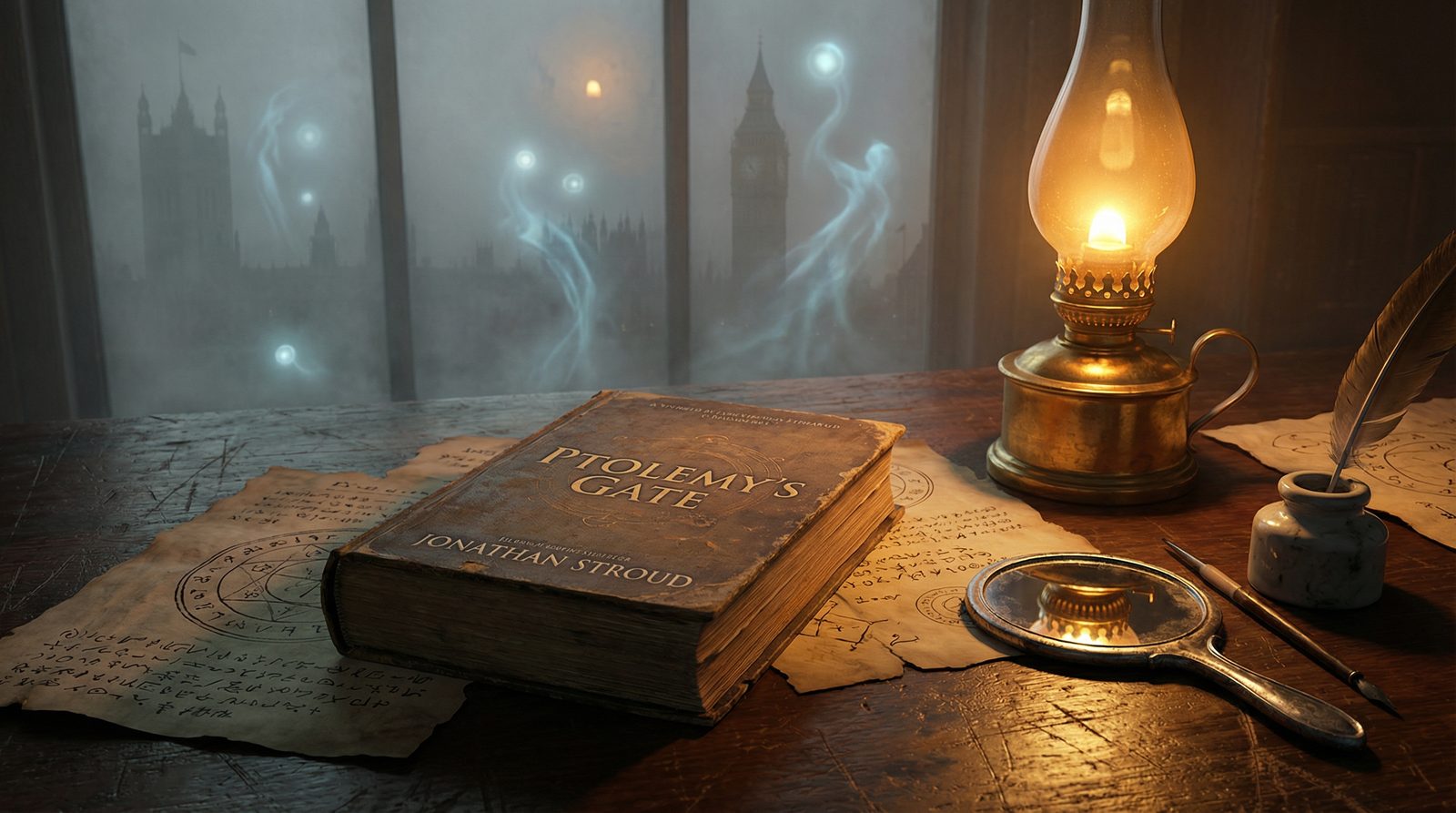
Period: Fictional / Future

  • Ptolemy’s Gate (2005)

    Ptolemy’s Gate (2005)

    INTRODUCTION

    Ptolemy’s Gate (2005) by Jonathan Stroud
    Fantasy · 2000s · United Kingdom


    Ptolemy’s Gate is a series finale that feels both inevitable and genuinely shocking. Stroud takes the familiar summoned-spirit motif and turns it into a meditation on servitude, memory, and the cost of power. The book’s London—an alternate early-2000s Britain where magicians run the state—feels bureaucratic, grimy, and tense with class rage, but the real heat lives inside relationships. There’s a steady bittersweet urgency under the jokes, as if Bartimaeus’s wisecracks are whistling past a graveyard he knows too well.

    By the time the narrative circles back to the ancient boy-scholar Ptolemy and his experiment in mutual recognition, the trilogy has shifted from clever adventure into a question: can empathy survive inside a system built on exploitation?

    PLOT & THEMES

    The plot opens with Britain’s magicians entrenched in a failing war abroad and unrest at home. Nathaniel, now John Mandrake and a senior minister, orchestrates propaganda while commoners seethe. Bartimaeus is summoned into service yet again, but he is dangerously weakened by prolonged time on the material plane. Kitty Jones, presumed dead by the government, has gone underground, studying grimoires and obsessing over the legend of Ptolemy. Her investigations into the Other Place and the boundary between worlds become the key to everything.

    Stroud leans into uneasy allies forced together. Nathaniel, Bartimaeus, and Kitty must cooperate to expose a conspiracy and prevent a catastrophic breach between realms. The rebellion has physical geography: ministerial halls and surveillance rooms above, shadowed streets and resistance cells below. The city reads like an administrative machine under siege.

    Thematically, Ptolemy’s Gate is about the ethics of domination. Summoning is not treated as neutral magic but as institutionalized exploitation. Mirrors, scrying surfaces, and shimmering thresholds echo the way humans and spirits distort each other: surveillance masquerading as knowledge, coercion masquerading as order. The book’s moral question is not “who wins the war?” but “what kind of relationship counts as victory?”

    The ending refuses easy redemption. Nathaniel, already being consumed by Nouda’s essence, dismisses Bartimaeus with his true name before the process is complete. Acting both in response to Nathaniel’s will and to protect Kitty, Bartimaeus strikes and destroys Nouda. Nathaniel dies, the regime collapses, and Kitty is left in a damaged city carrying memory rather than triumph. The closure is fragile peace, not celebration.

    PROSE & NARRATIVE STRUCTURE

    Formally, the book is playful and ruthless at once. Stroud’s most distinctive technique remains Bartimaeus’s first-person chapters with footnotes. These tangents spiral into ancient anecdotes that undercut the main text with sarcasm and grudges, but they also function as an archive of trauma. Every joke is a record of centuries of coercion.

    Nathaniel’s sections are clipped and managerial, full of schedules, reports, and mounting anxiety as the government hollows out beneath him. Kitty’s chapters slow the tempo into investigation and experiment, especially when she approaches Ptolemy’s Gate and risks dissolution in the Other Place. The alternating perspectives create a braid of three “feels”: sardonic endurance, bureaucratic panic, and ethical curiosity.

    Flashbacks to ancient Alexandria provide the moral counterpoint. Ptolemy addressing Bartimaeus as an equal becomes the trilogy’s hidden standard of what the present world has forgotten. Stroud never turns purple; he keeps the language brisk so the ethical weight lands through consequence rather than sermon.
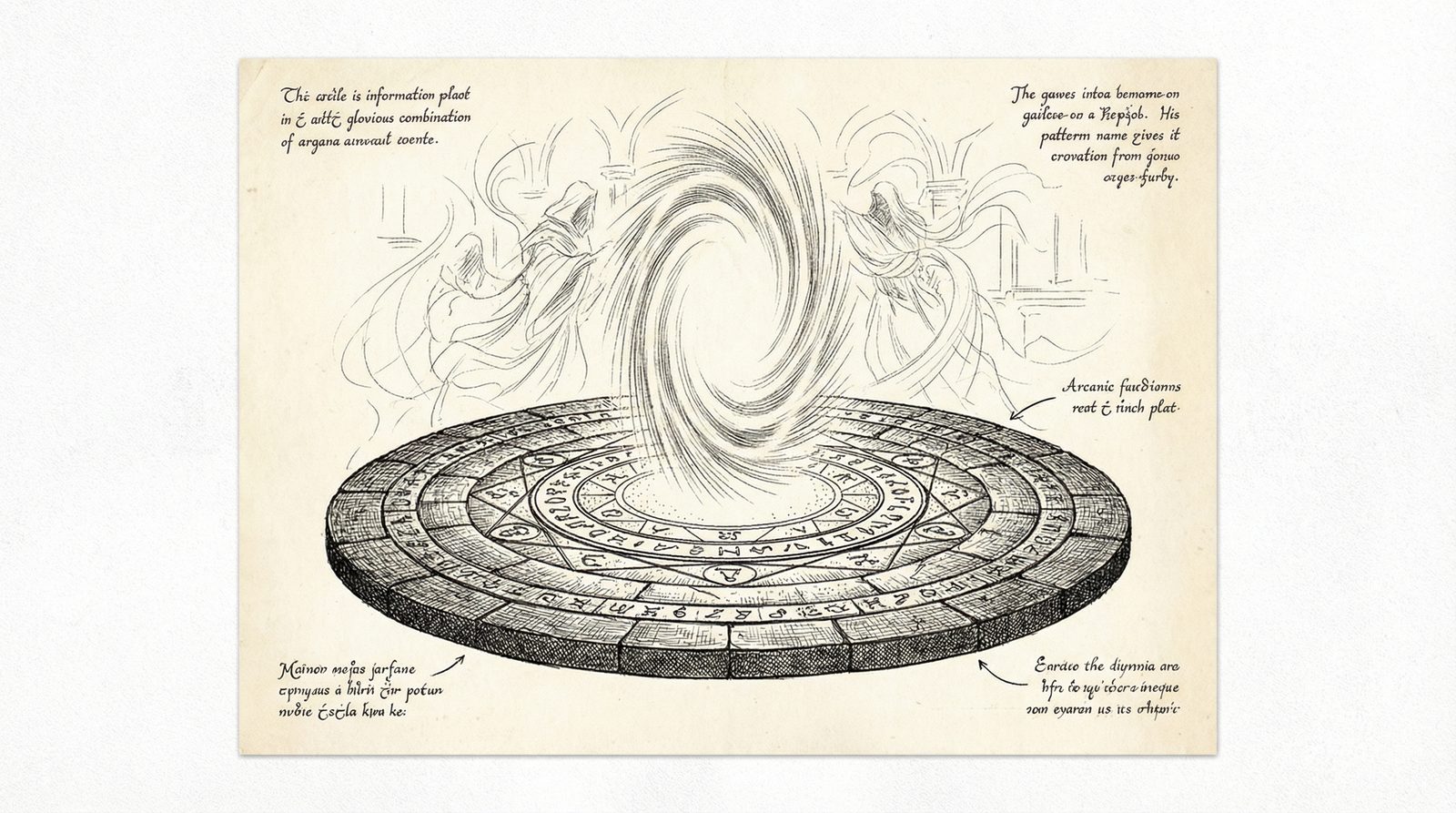
    Conceptual editorial illustration inspired by 'Ptolemy’s Gate (2005)'

    CHARACTERS & INTERIORITY

    Nathaniel’s arc completes his transformation into a fallen prodigy: the idealistic boy from The Amulet Of Samarkand buried under the persona of John Mandrake, all sharper policies and tighter self-editing. His interiority is compartmentalization. He rehearses public lines, edits memory, and treats Bartimaeus as a tool — until the final act forces a brutal return to what he has become.

    Bartimaeus is paradoxically the book’s most emotionally honest figure. His joking is survival, but his exhaustion is real, and his memories of Ptolemy carry tenderness that breaks the armor. Kitty’s growth is the quiet core: she is the only character willing to cross the human–spirit divide with genuine curiosity and risk. Her decision to enter the Other Place is a radical act of empathy rather than conquest.
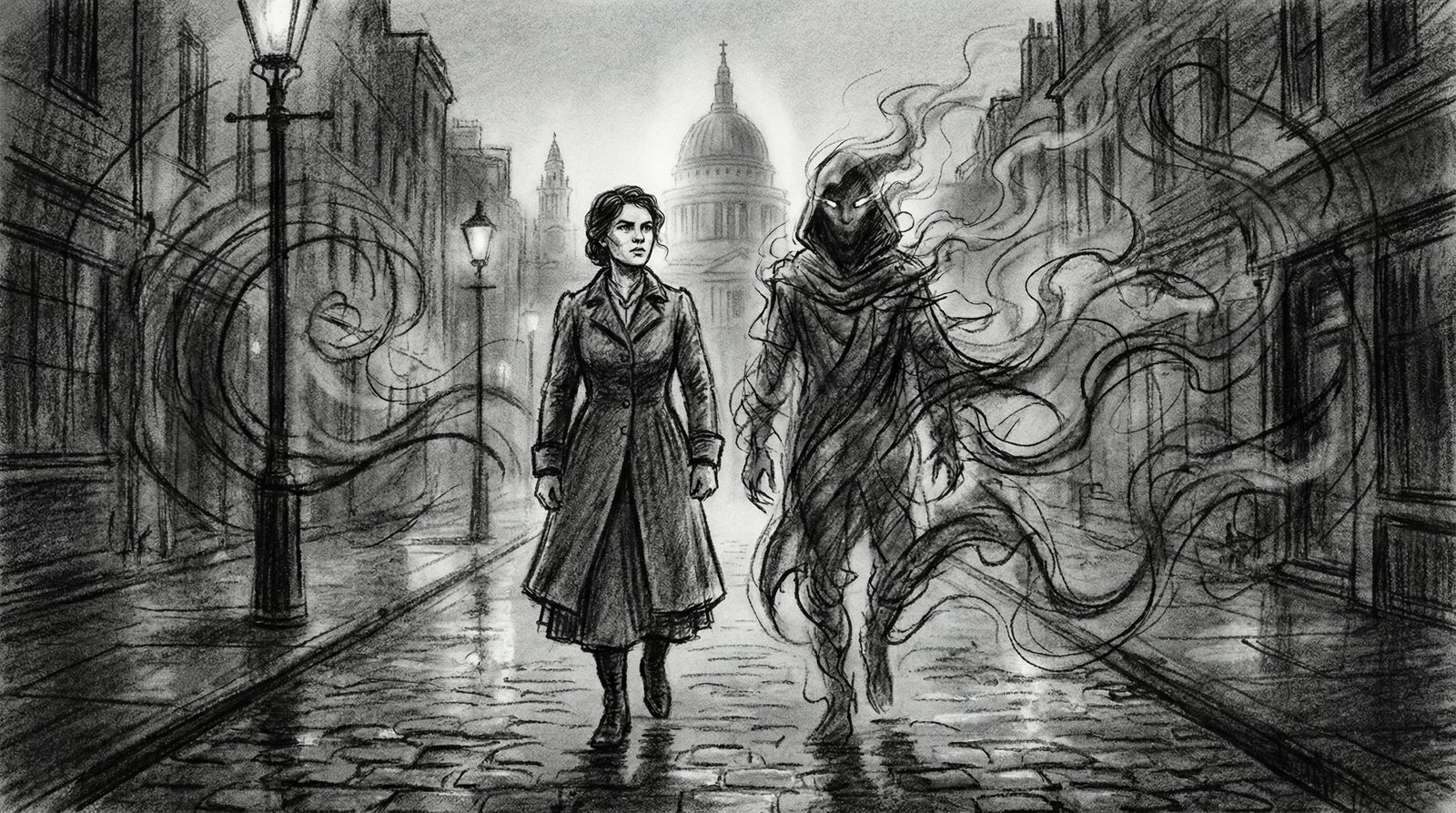
    Illustration inspired by 'Ptolemy’s Gate (2005)'

    LEGACY & RECEPTION

    Ptolemy’s Gate arrived into a market full of chosen-one finales and tidy victories and quietly did something stranger. Its ending refuses comforting closure. The “hero” does not get domestic happiness; the system does not reform itself; the cost is paid in death, exile, and unresolved rebuilding. That ethical seriousness is why readers often cite it as one of the sharpest YA fantasy finales of its decade.

    Readers and critics have singled it out as the point where the trilogy’s political teeth fully show. The blend of slapstick voice, footnoted history, and state violence influenced later YA fantasy that takes class and empire seriously. Debates still circle around whether Nathaniel’s final act redeems him or merely interrupts a corruption that cannot be undone, which is a sign of how thoroughly Stroud commits to moral gray.

    IS IT WORTH READING?

    If you’ve read the first two volumes, this one is essential. It pays off long-running grudges and jokes while deepening emotional stakes, especially in the triangle of Nathaniel, Bartimaeus, and Kitty. This is not a comforting finale, but it is brisk, inventive, and surprisingly moving, with action that never drowns out the ethical questions underneath.

    TRIVIA & AUTHOR FACTS

    Stroud wrote the Bartimaeus books while working as an editor, which shows in their tight structure and sly awareness of genre convention. This volume expands the Other Place into extended scenes where spirit existence is felt as shifting essence rather than fixed body, raising the philosophical stakes of what “freedom” would even mean for a summoned being.

    The title refers both to a literal construct — Ptolemy’s method of entering the spirit realm without coercion — and to a symbolic opening between species: a door into mutual recognition rather than domination.

    SIMILAR BOOKS

    If this book speaks to you, look for fantasies that mix wit with political bite and treat power as a corrupting technology rather than a birthright. The strongest neighbors tend to balance adventurous plotting with real moral consequence, and to treat “system collapse” as emotionally costly rather than triumphant.

    DISCOVERABILITY & LINKS

  • The Screaming Staircase (2013)

    The Screaming Staircase (2013)

    INTRODUCTION

    The Screaming Staircase (2013) by Jonathan Stroud
    Supernatural mystery · 467 pages · United Kingdom


    The Screaming Staircase is a ghost story built on anxiety and ash rather than comfort. Jonathan Stroud imagines a London quietly broken by hauntings, where children carry rapiers and iron chains while adults retreat behind curfews and committees. Silence and sound run through everything: the sudden dead hush before a Visitor appears, the scrape of chains on stone, the way fear makes even ordinary rooms feel underexposed. Yet the book is also wry at the edges, especially in the kitchen scenes at 35 Portland Row, where tea and bickering become a survival ritual after near-death.
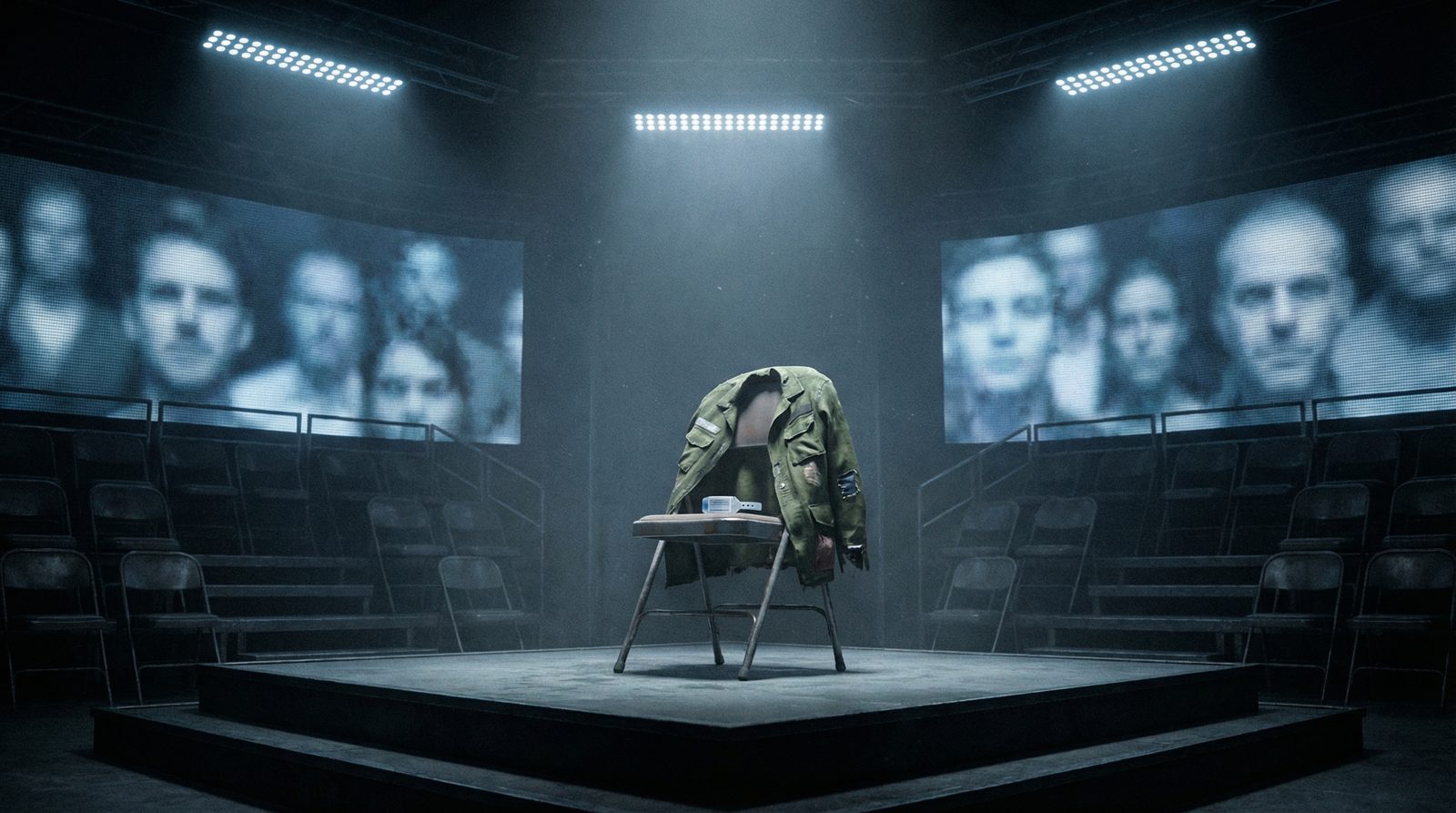
    The feel is a mix of dread and camaraderie — late-night adrenaline followed by exhausted laughter. Stroud isn’t chasing cheap shocks. He’s interested in what it means to grow up when danger is simply the weather of your world, and when the only people who will really fight for you are your equally damaged friends.

    PLOT & THEMES

    The story follows Lucy Carlyle, a young agent with the rare ability to hear ghosts, as she joins the tiny, precarious agency Lockwood & Co. After an early case damages their reputation, Lucy, Lockwood, and George are forced to take on a high-profile haunting at Combe Carey Hall to secure the agency’s future. The hall’s infamous Red Room and the Screaming Staircase become the physical heart of the plot, but the deeper theme is institutional failure: a society that cannot protect children, yet depends on them to survive.

    Stroud plays with the haunted-house investigation structure but twists it so the kids are professionals, not meddling amateurs. Smaller jobs and research threads lead toward the Combe Carey case, giving the novel a procedural rhythm. Thematically, it’s about exploitation and secrecy: Lucy’s past, the way agencies compete, and the adults who hide information while children bleed for them. Even George’s obsession with dangerous artifacts hints at the book’s moral logic: in this world, the dead are constantly being turned into tools.

    The ending is survivalist rather than comforting. At Combe Carey Hall, Lucy and Lockwood uncover the true horror beneath the staircase: a history saturated into the house itself. Lucy descends into the source space and manages to calm the dead long enough for escape as the hall burns. The case is “won,” but the victory is smoky and incomplete. The agency emerges with money and renewed reputation, but Lucy senses the Problem is far larger than one house or one wealthy villain.

    PROSE & NARRATIVE STRUCTURE

    The book uses first-person retrospective narration, with Lucy speaking from an unspecified point in the future. That choice quietly shapes everything. She withholds, circles back, and drops hints about later catastrophes, creating a braided structure: the present case narrative threaded with the shadow of earlier trauma and future consequence. The opening isn’t Combe Carey at all, but a smaller job that shows how the series can be comic in one scene and lethal in the next.

    Stroud’s prose is clean, rhythmic, and slyly funny. Sensory detail does a lot of the horror work: the sour-metal taste of ectoplasm, the greasy chill of a Visitor’s touch, the way ghost-fog muffles sound along streets and rivers. Jokes about crumbs, clothing, and petty arguments puncture tension without dissolving it. Structurally, the novel alternates between tight set pieces (the Red Room, the Staircase) and quieter interludes at Portland Row, where case files and tea become tools of worldbuilding.

    During hauntings, Stroud favors clipped dialogue and abrupt paragraph breaks that mimic the jerkiness of fear. The book reads fast, but it leaves an aftertaste, especially in the throwaway lines where Lucy implies how many names she will eventually carry as ghosts in memory.

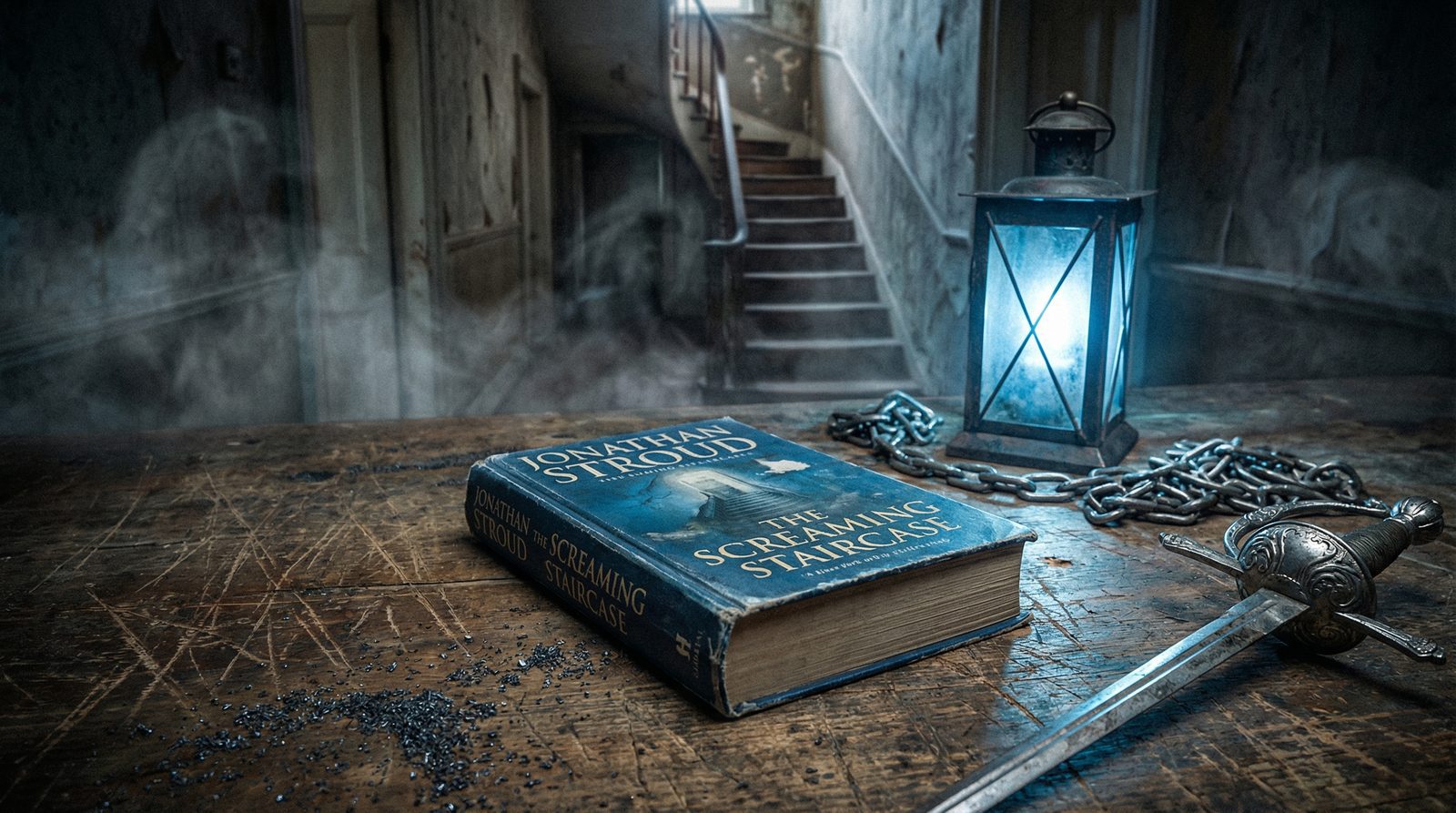
    Conceptual editorial illustration inspired by 'The Screaming Staircase (2013)'

    CHARACTERS & INTERIORITY

    Lucy is built as a haunted prodigy: gifted, stubborn, and shaped by betrayal. Her guilt over earlier disasters colors every risk she takes. She’s not just fighting ghosts; she’s trying not to repeat the adult negligence that got people killed before she ever arrived at Portland Row.

    Lockwood is more mask than man in this first volume. Stroud withholds his backstory, letting the reader see him mainly through Lucy’s fascination and irritation. George is gloriously unglamorous: messy, obsessive, and research-driven. His friction with Lucy and his willingness to break rules for information establish him as a parallel moral center rather than a sidekick.

    The character work sings through constant friction. The trio bickers, misreads each other, and still shows up. The ghosts are frightening, but the deeper drama is three teenagers trying to build a life and a business in a world that expects them to die young.

    LEGACY & RECEPTION

    When The Screaming Staircase arrived in 2013, it entered a crowded market of paranormal YA, but Stroud’s approach felt different. He treated ghosts as a labor problem and children as underpaid professionals. Readers responded to the intricate rule-based worldbuilding — iron, salt, lanterns, agency rivalries — and to the dry humor that kept the horror from curdling.

    The series has aged well because the first book is starker than a typical genre opener. It does not promise the world will become safe. It promises only that the kids will keep working anyway, and that grim logic gives the story its bite.

    IS IT WORTH READING?

    If you want a ghost story that respects its young characters’ intelligence and suffering, The Screaming Staircase is worth reading. It’s genuinely eerie, but the real hook is the emotional texture: exhausted kids making tea at midnight, joking because the alternative is breaking down. The pacing is brisk, the humor dry, and the horror grounded in physical detail rather than abstract spookiness.

    If you need tidy moral resolutions or adults who know what they’re doing, you may bounce off it. But if you’re willing to sit with ambiguity and a world that won’t be fixed by one brave act, this first Lockwood & Co. book sets the tone sharply and rewards you for following the series forward.

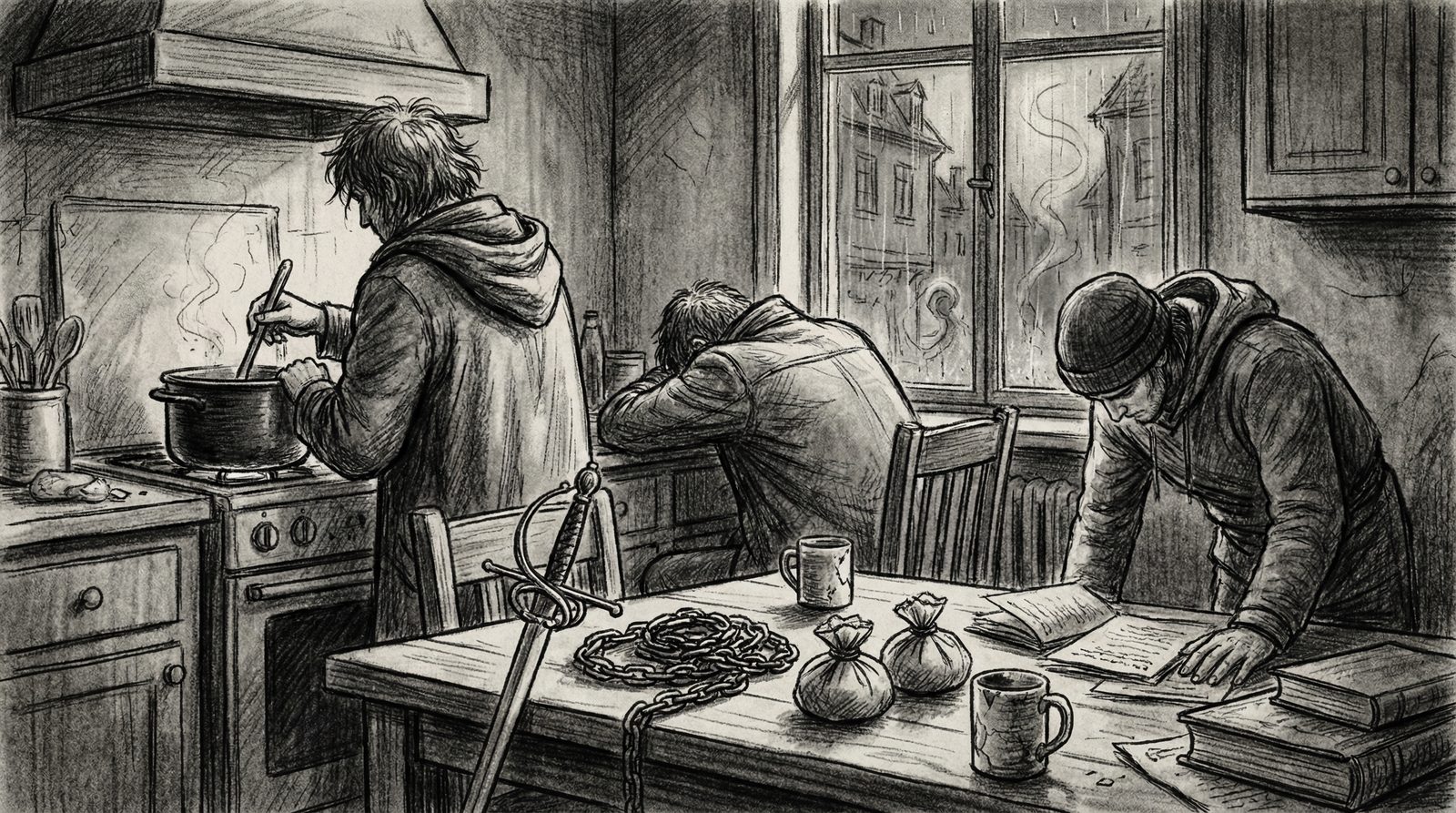
    Illustration inspired by 'The Screaming Staircase (2013)'

    TRIVIA & AUTHOR FACTS

    Jonathan Stroud was already known for the Bartimaeus sequence when he began Lockwood & Co. This first volume is written with a clear long game in mind: Lucy’s retrospective voice hints at later catastrophes, and several small details become crucial later, including the locked room at Portland Row and the dangerous artifacts George can’t stop studying.
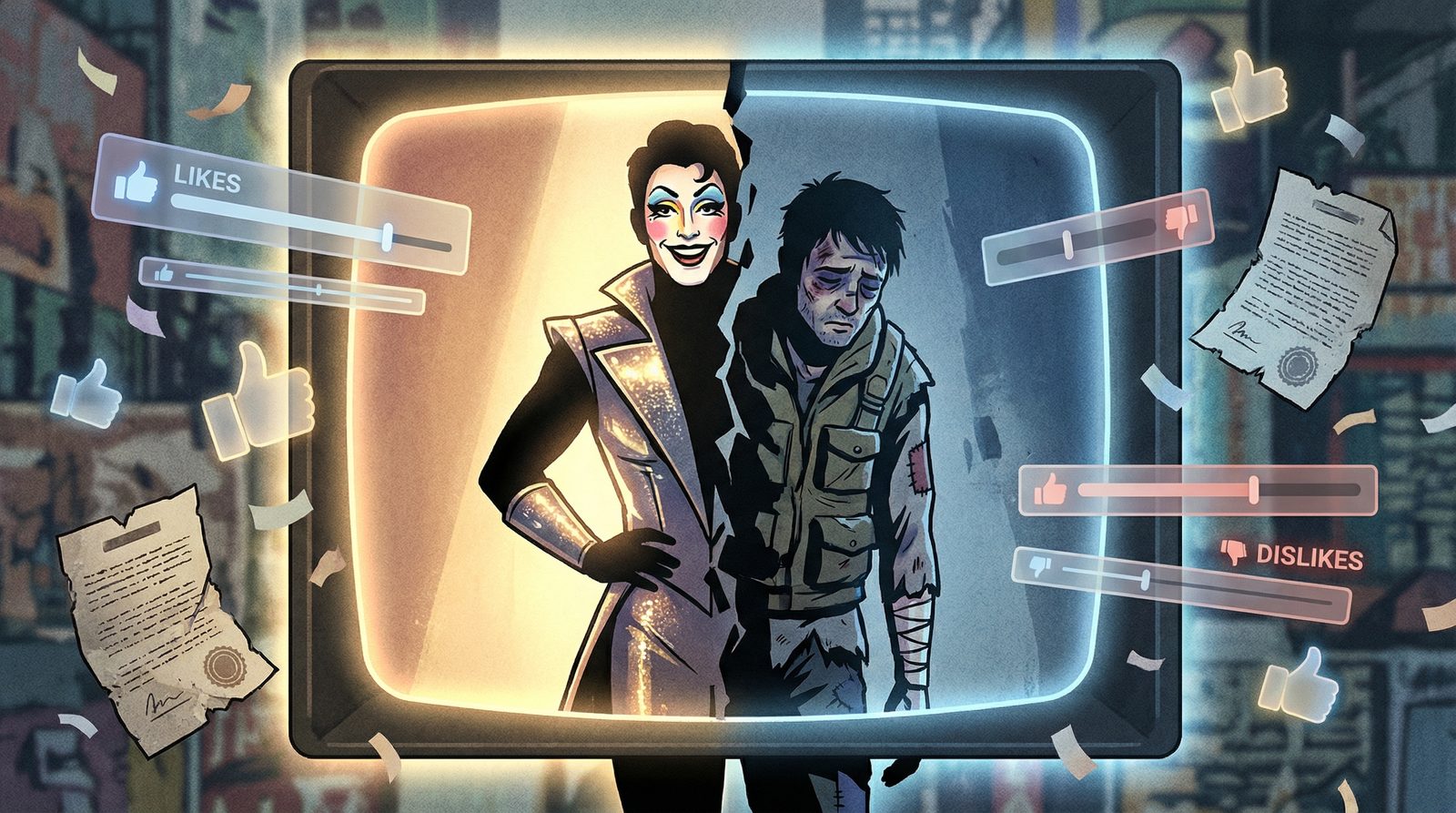
    The UK setting is not cosmetic. Stroud leans into terraced houses, foggy canals, and municipal bureaucracy to make the hauntings feel local and structural. The series began as a grounded thought experiment: what if children were the only ones who could safely do the most dangerous job in society?

    SIMILAR BOOKS

    If this book works for you, you may enjoy other stories where the supernatural collides with institutional neglect and where young people are forced into professional danger. The strongest neighbors tend to treat fear as logistical and social, not only mystical.

    DISCOVERABILITY & LINKS

  • The Empty Grave (2015)

    The Empty Grave (2015)

    INTRODUCTION

    The Empty Grave (2015) by Jonathan Stroud
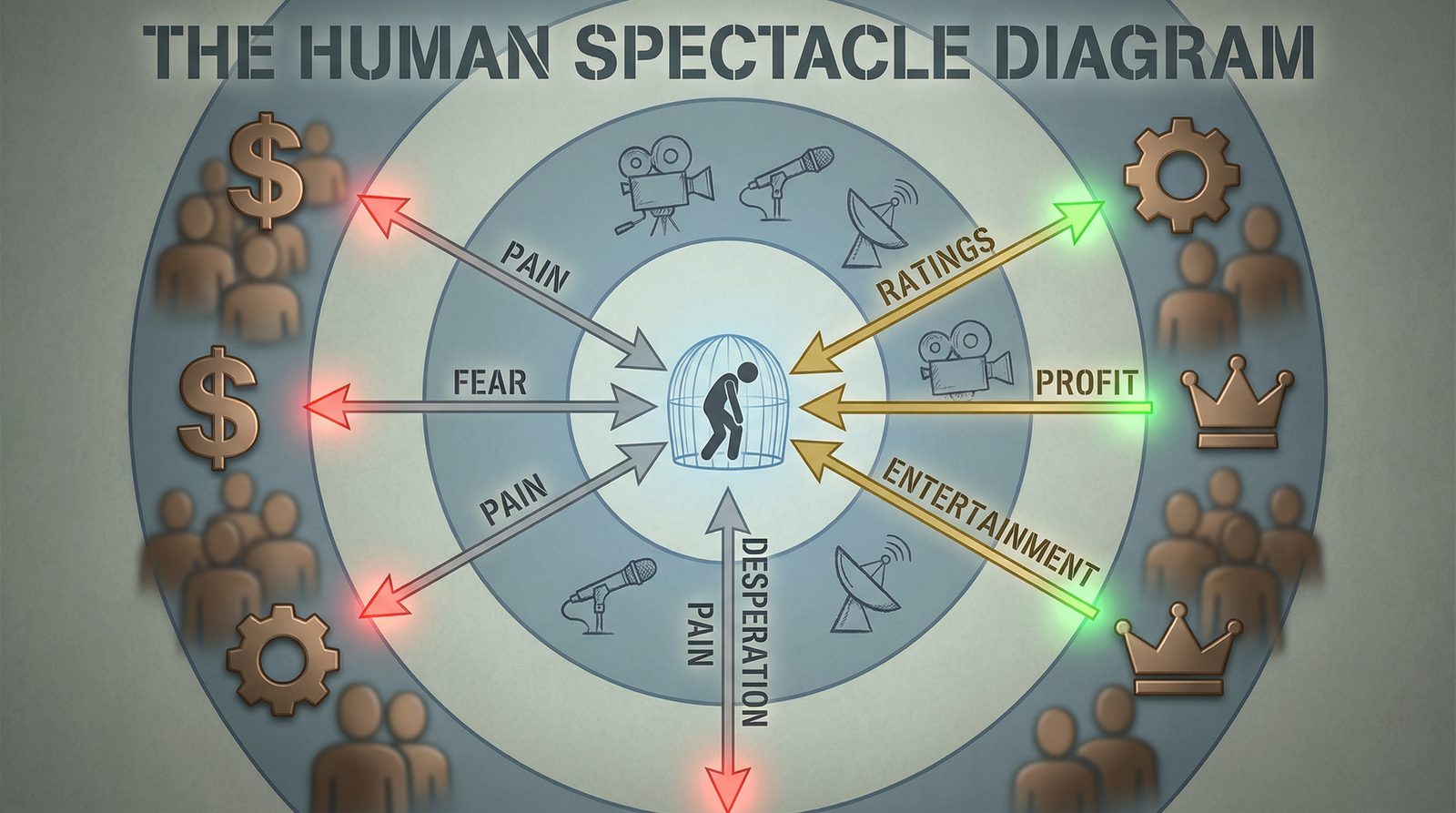
    Young Adult · Supernatural mystery · United Kingdom


    The Empty Grave is the fifth and final novel in Jonathan Stroud’s Lockwood & Co. series, and it reads like the moment the lights go out for good. The book closes the long-running question of what caused “the Problem” and what, exactly, the ghost-hunting economy has been built to hide. It keeps the series’ signature tone — witty, anxious, and procedurally grounded — but pushes it toward revelation rather than casework.

    What makes this volume hit harder than the earlier installments is accumulation. By this point the characters have survived enough nights, enough near-misses, and enough institutional betrayal that the mystery is no longer academic. The story feels like a reckoning with systems, secrets, and the personal cost of being the one who keeps walking into haunted rooms.

    PLOT & THEMES

    The plot continues the series’ blend of investigation and danger, but with the endgame in sight. The team’s work moves from isolated hauntings toward the deeper architecture of the Problem itself — how it began, who profits from it, and what truths have been buried under official narratives. The book maintains the procedural spine of research, artifacts, and “source” logic, while tightening the conspiracy thread into direct confrontation.

    The series’ core motif, Ghost Hunting Agency, is at full force here: the danger is real, but the economy around it is just as predatory. Adults outsource risk to children, agencies compete for contracts, and reputation often matters more than safety. The final volume sharpens the moral question that’s been there all along: what does it cost to turn fear into a business model?

    The institutional layer becomes more explicit as well, overlapping with Magical Bureaucracy. Oversight bodies, official silence, and procedural obstruction create tension alongside the supernatural. In Stroud’s world, the system does not merely fail; it survives by keeping the truth partial.

    Emotionally, the book doubles down on found-family logic without turning sentimental. The agency home functions as a fragile refuge, and loyalty is framed as something earned through shared risk. By the end, “solving the mystery” and “staying human” feel like competing objectives, which is exactly the pressure the series has been building toward.

    PROSE & NARRATIVE STRUCTURE

    Stroud’s prose stays clean and fast, built for momentum and readability, but his structuring is precise. Scenes alternate between investigation (archives, artifacts, interviews) and fieldwork (night missions, trap-setting, confrontations), creating a rhythm of preparation and consequence. The final book leans more heavily toward disclosure: the pleasure is less “case solved” than “system understood.”

    Dialogue carries much of the tone — dry, teenage, and under pressure — while exposition is kept practical. Even when the conspiracy thread deepens, the book stays grounded in what the characters must physically do next: read, test, enter, survive. The result is a finale that feels like acceleration rather than a lecture.

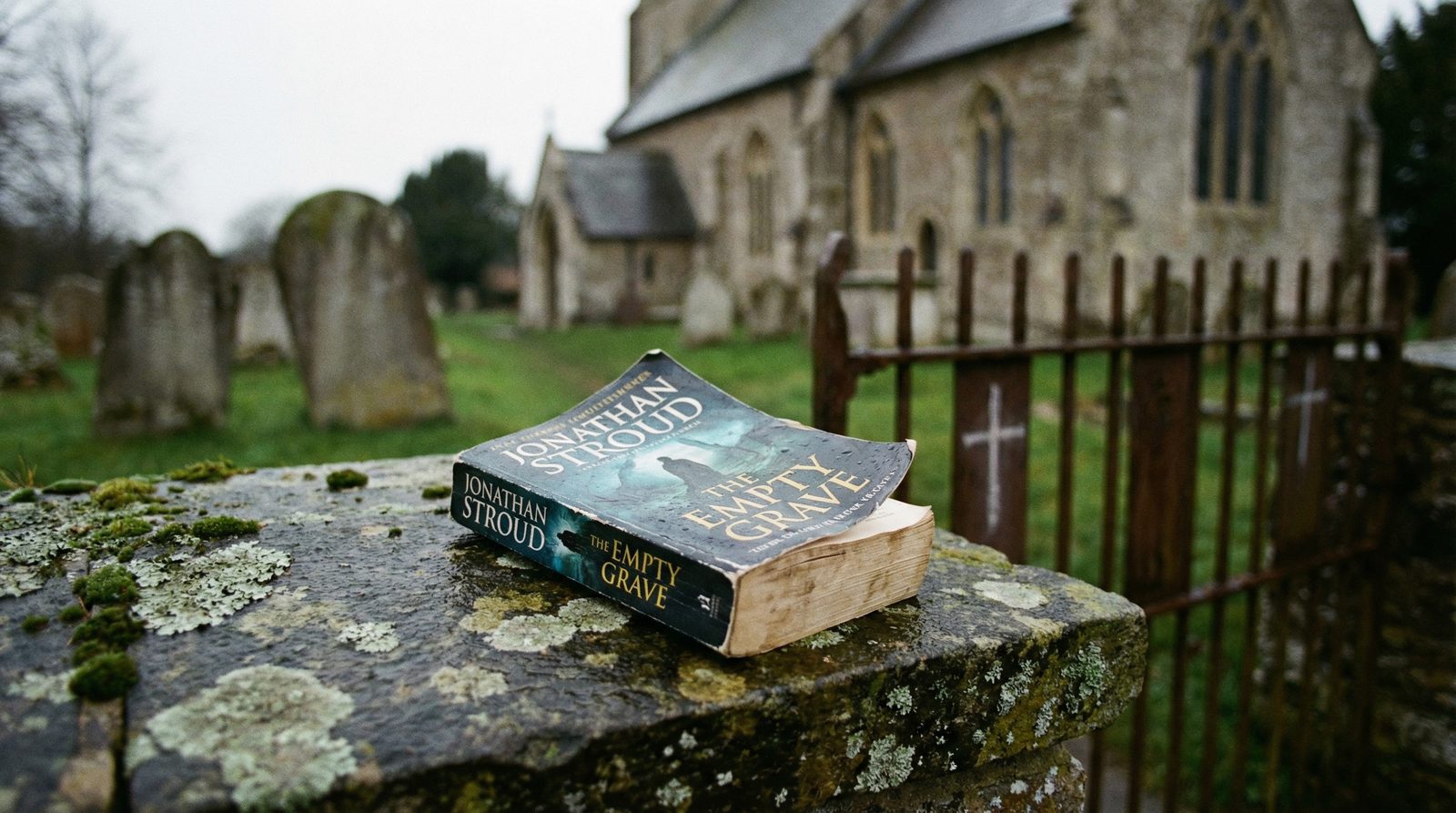
    Conceptual editorial illustration inspired by 'The Empty Grave (2015)'

    CHARACTERS & INTERIORITY

    By the final book, the characters’ defining trait is not bravery but endurance. They are older in spirit than their age should allow, and the interior stakes are shaped by accumulated exposure to horror. The series’ best trick remains intact: the characters are funny not because the world is light, but because humor is how they keep functioning.

    Interiority is expressed through choices under pressure — what they hide, what they tell each other, what they risk, and when loyalty becomes a form of refusal against the adult systems exploiting them. The emotional arc is not “become heroes.” It is “stay intact long enough to tell the truth.”

    Illustration inspired by 'The Empty Grave (2015)'

    LEGACY & RECEPTION

    The Empty Grave functions as a structural capstone: it completes the series’ promise that the ghost problem is not only supernatural but historical and institutional. The book’s appeal is not just that it answers questions, but that it keeps the answers aligned with the series’ moral logic: adults built this world, and children were forced to clean it up.

    For readers who followed the series from the start, the final volume is satisfying because it does not abandon tone. It stays procedural, witty, and grounded even when it reaches for big revelations. It treats closure as consequence, not comfort.

    IS IT WORTH READING?

    Yes — especially if you’ve read the earlier books. This is a finale built on payoff: secrets, systems, and character loyalties coming due. If you want atmospheric YA horror with a procedural spine and an institutional critique that stays inside the story world, this series ending delivers.

    DISCOVERABILITY & LINKS

  • Ghost Hunting Agency

    Ghost Hunting Agency

    DEFINITION & CORE IDEA

    Ghost Hunting Agency is a motif that turns hauntings into a service industry. Instead of lone mediums or terrified families handling the supernatural in private, we follow an organized group whose job is to investigate ghosts, contain dangerous sites, and resolve cases for clients. The agency has a name on the door, a reputation to protect, and usually a cashflow problem that forces them to keep taking the next job.

    This motif usually sits between horror, mystery, and adventure. Ghosts remain frightening, but the story treats them as problems that can be approached with procedure: intel gathering, equipment, risk assessment, and a plan for the worst-case scenario. The world feels lived-in because the supernatural is not a one-time shock. It is a recognized hazard people adapt to, exploit, and try to manage.

    In The Screaming Staircase (2013), Jonathan Stroud uses the agency structure to make the paranormal feel both immediate and practical. The danger is real, but it is approached like work. A haunted location is not only a place to fear. It is a job site, with costs, deadlines, and consequences when something goes wrong.

    Writers use the Ghost Hunting Agency motif because it builds a reliable story engine. Each new case brings a new setting, a new client, and a different kind of ghost logic. That episodic structure lets characters accumulate history through work, building loyalty and competence while also collecting scars, fear responses, and moral compromises.


    HOW IT WORKS IN STORIES

    Most Ghost Hunting Agency stories begin with a case. A client reports disturbances, a building becomes unsafe, or a location develops a reputation that threatens business or lives. The agency takes the job, and the plot follows a procedural rhythm: interview, research, site visit, escalation, confrontation, and aftermath. The structure often borrows from detective fiction, with the twist that the “evidence” can be lethal.

    The agency itself becomes a character. Its rules, reputation, and resources shape every decision: what cases are accepted, what risks are tolerated, and how much corner-cutting is necessary to keep operating. Rival outfits and competing reputations can add pressure, turning hauntings into both a survival problem and a market problem.

    The team is typically built as a patchwork of complementary skills. One member is better at sensing or confronting the supernatural, another at research and pattern recognition, another at leadership under pressure. Their internal dynamics matter because every case tests trust. A job can be technically “successful” while still being emotionally costly, especially when a haunting is tied to grief, injustice, or betrayal rather than a simple monster.

    Because the work is repeatable, the motif naturally supports series storytelling. Each mission tests a different ethical and emotional edge: what the agency does when a client lies, what compromises they accept when money is tight, and what it costs to keep returning to places that want to kill you. Over time, the growing stack of closed cases becomes a quiet record of what the team has survived and what it has lost.

    This motif also overlaps with Magical Bureaucracy when hauntings are regulated. Licenses, inspections, or official restrictions can determine who is allowed to operate and what methods are legal. In those versions, the agency is not only fighting ghosts. They are also fighting procedural barriers that decide whether help is permitted at all.


    Editorial illustration inspired by 'Ghost Hunting Agency'

    EMOTIONAL EFFECT ON THE READER

    The Ghost Hunting Agency motif creates a specific comfort-dread blend. Ghosts are terrifying, but there is structure: someone will show up, assess the threat, and try to fix it. That safety-net feeling makes the horror more bearable because the reader faces it alongside a team, not alone in the dark.

    It also produces camaraderie. Readers sit in on planning sessions, post-case debriefs, arguments about risk, and the small domestic moments between jobs. The agency becomes a surrogate home, especially when characters are young, isolated, or estranged. Fear is still present, but it is shared, which changes its emotional texture.

    There is usually a steady hum of melancholy underneath the adventure. Each haunting implies something unfinished. Watching professionals handle these cases can feel oddly healing: it suggests that the worst things might be faced directly, contained, and given a form of closure, even when they cannot be undone.

    At the same time, the grind can feel brutal. Characters keep clocking in, risking their bodies and sanity for clients who may underpay, exploit them, or lie. The motif invites the reader to weigh the thrill of the work against the toll it takes on the people who do it for a living.


    Symbolic illustration inspired by 'Ghost Hunting Agency'

    VARIATIONS & RELATED MOTIFS

    The Ghost Hunting Agency motif comes in a few reliable flavors. One is the scrappy startup: a small team operating job to job, improvising gear and taking risks because they cannot afford caution. Another is the sleek corporate version, where hauntings become a revenue stream and exorcism work is treated like any other contract service. A darker variant turns the agency into a state function, framing hauntings as security threats managed through containment and control rather than empathy.

    Some versions emphasize investigation and forensics, treating ghosts as clues in unresolved crimes. Others emphasize emergency response, focusing on containment, rescue, and survival. A third approach emphasizes mediation, where the work is less about “defeating” a spirit and more about understanding what keeps it anchored.

    When the agency is regulated, this motif pairs naturally with Magical Bureaucracy. In those stories, procedure shapes the danger: who is allowed to respond, what tools are legal, and how much of the truth can be officially recorded. The haunting becomes both a supernatural problem and an institutional one.

  • Magical Bureaucracy

    Magical Bureaucracy

    DEFINITION & CORE IDEA

    Magical Bureaucracy is what happens when magic has paperwork. Instead of solitary wizards on mountaintops, you get departments, regulations, and people whose job title could plausibly include “Junior Undersecretary for Summonings.” Spells are licensed, entities are contracted, incidents are logged, and supernatural action comes with a form, a fee, or a committee attached to it.

    Stories that use Magical Bureaucracy treat the supernatural as a system that can be managed, abused, or jammed, just like tax codes or zoning laws. The wonder still exists, but it is governed by procedure, permissions, and internal politics. Power shifts from “who has the strongest magic” to “who controls access, exceptions, enforcement, and administrative roadblocks.”

    In The Amulet Of Samarkand, Jonathan Stroud frames magic as a government instrument with rank, oversight, and punishment baked into its use. Summoning is spectacular, but it is also institutional. What makes the world tense is not only what a spirit can do, but what the system allows, denies, or quietly covers up.

    Writers use this motif to make magic feel grounded and frighteningly familiar. It lets them explore how institutions can turn the sublime into process, and how control can be exercised through procedure, inertia, and selective authorization. Magical Bureaucracy is less about the spell than about who gets to authorize it.


    HOW IT WORKS IN STORIES

    Magical Bureaucracy typically appears as an institution that claims to keep magic safe and orderly, but in practice exists to keep it controlled. There may be a Ministry, an Agency, a Council, or a Registry. Characters need licenses to cast, permits to summon, approvals to investigate, and signatures to move forward. Conflict often begins as a procedural barrier rather than a direct magical threat.

    The protagonist is frequently low-ranking: an apprentice, a junior functionary, or someone forced to operate inside rules they did not write. They learn that the dangerous parts of the system are not always the monsters. They are the clauses, the disciplinary processes, and the quiet power of officials who can make problems disappear by classifying them correctly.

    Because paperwork becomes a kind of spellcasting, information is a battleground. Case files can hide hazards in their wording. An outdated regulation can become leverage. A missing form can create real consequences. The plot generates tension through access: who can read what, who can authorize what, and who gets punished for doing the necessary thing without permission.

    The tone can swing from comic to sinister. In lighter versions, bureaucracy is absurdist friction: triplicate forms for impossible incidents, audits nobody survives, officials obsessed with protocol while reality burns. In darker versions, bureaucracy becomes a tool of oppression. It protects the powerful, disciplines the useful, and keeps risk concentrated among the people who actually do the dangerous work.

    By turning institutions into active forces, Magical Bureaucracy creates climaxes out of procedural inertia and policy exceptions. The hero may “win” not by casting the strongest spell, but by finding the one rule that breaks a contract, exposes a cover-up, or forces a truth into the open.


    Editorial illustration inspired by 'Magical Bureaucracy'

    EMOTIONAL EFFECT ON THE READER

    Magical Bureaucracy feels both funny and uncomfortably familiar. Readers recognize the frustration of waiting in line, filling out forms, and dealing with smug officials. That recognition sharpens when it happens in a world of demons, ghosts, and sorcerers. The gap between cosmic power and petty process can be hilarious, bitter, or both at once.

    It also creates claustrophobia. Rules are everywhere, written by people who rarely face the consequences themselves. When a character realizes that survival depends on a regulation they never knew existed, the reader feels the same mix of anxiety and anger that real-world systems can produce: the fear of the fine print.

    At the same time, the motif offers competence-catharsis. Watching a character outmaneuver a corrupt superior using procedure against procedure can be deeply satisfying. It reassures readers that knowledge, persistence, and tactical reading matter as much as raw magical talent.

    Depending on tone, the motif can feel cozy or dreadful. In softer versions, paperwork makes the world feel lived-in, with schedules, budgets, and office gossip attached to magic. In harsher versions, the motif implies that wonder is never safe from control. The emotional question shifts from “Can we cast the spell?” to “Who gets to decide whether we’re allowed?”


    Symbolic illustration inspired by 'Magical Bureaucracy'

    VARIATIONS & RELATED MOTIFS

    Magical Bureaucracy can take many forms. In some stories, it is a full-blown government apparatus where every spell is a matter of state. In others, it looks more like a professional guild or licensing board where credentials and enforcement define who can practice. There are also corporate versions where magic is controlled by contracts, patents, and policy compliance rather than bloodlines or prophecy.

    One common variation emphasizes enforcement: inspectors, disciplinary boards, and punishment systems that make bureaucracy feel like a second kind of magic. Another emphasizes the archive: record-keepers and administrators who control access to dangerous knowledge simply by controlling what is documented and who can read it.

    Even stories built around rebellion can run through this lens, when the real revolution is not only defeating a villain, but dismantling the procedural system that makes the villain’s power “legal.”

    Magic remains real, but access is controlled. The spell matters, but the stamp decides.

  • Spiritual Awakening

    Spiritual Awakening

    DEFINITION & CORE IDEA

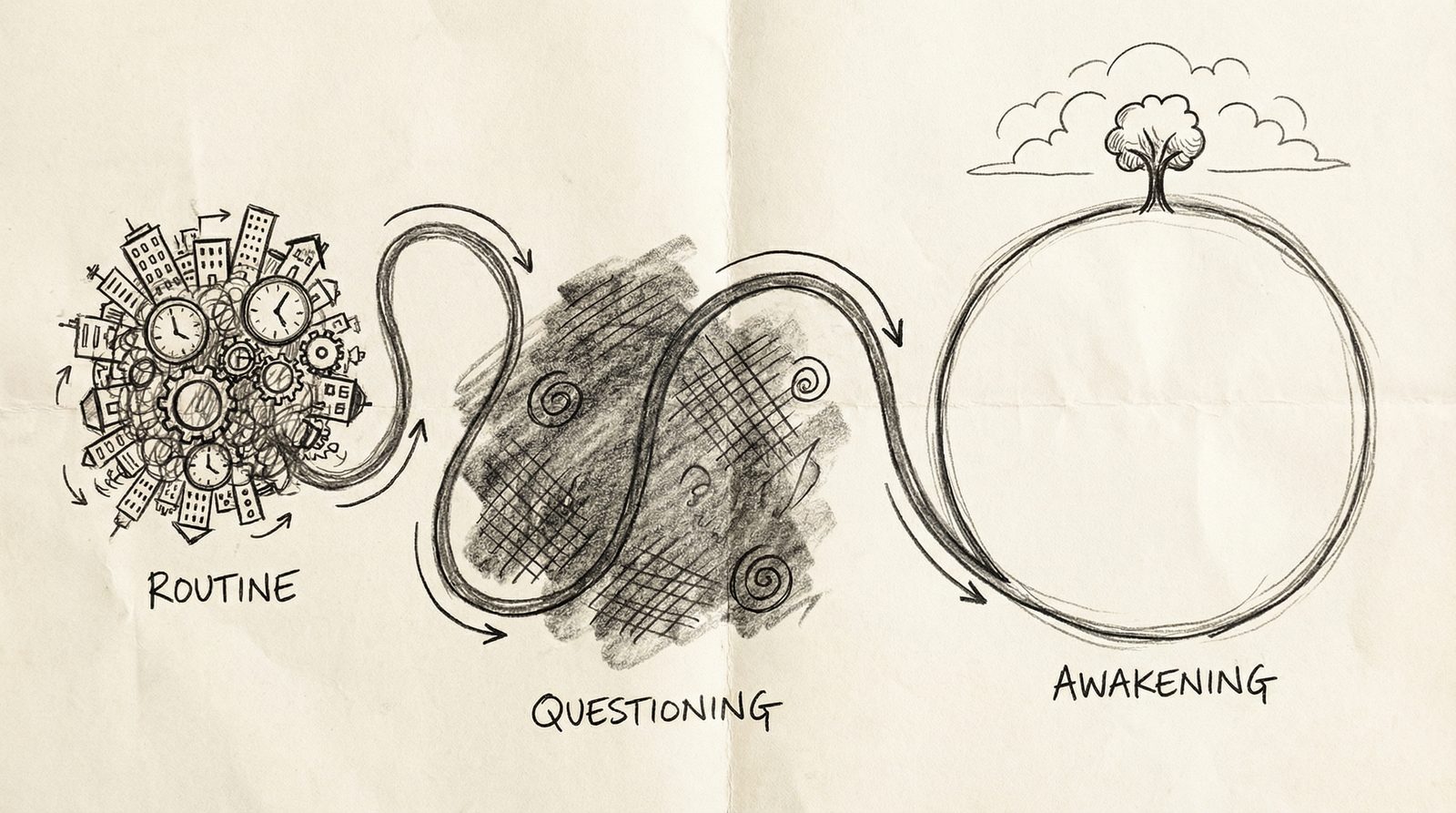
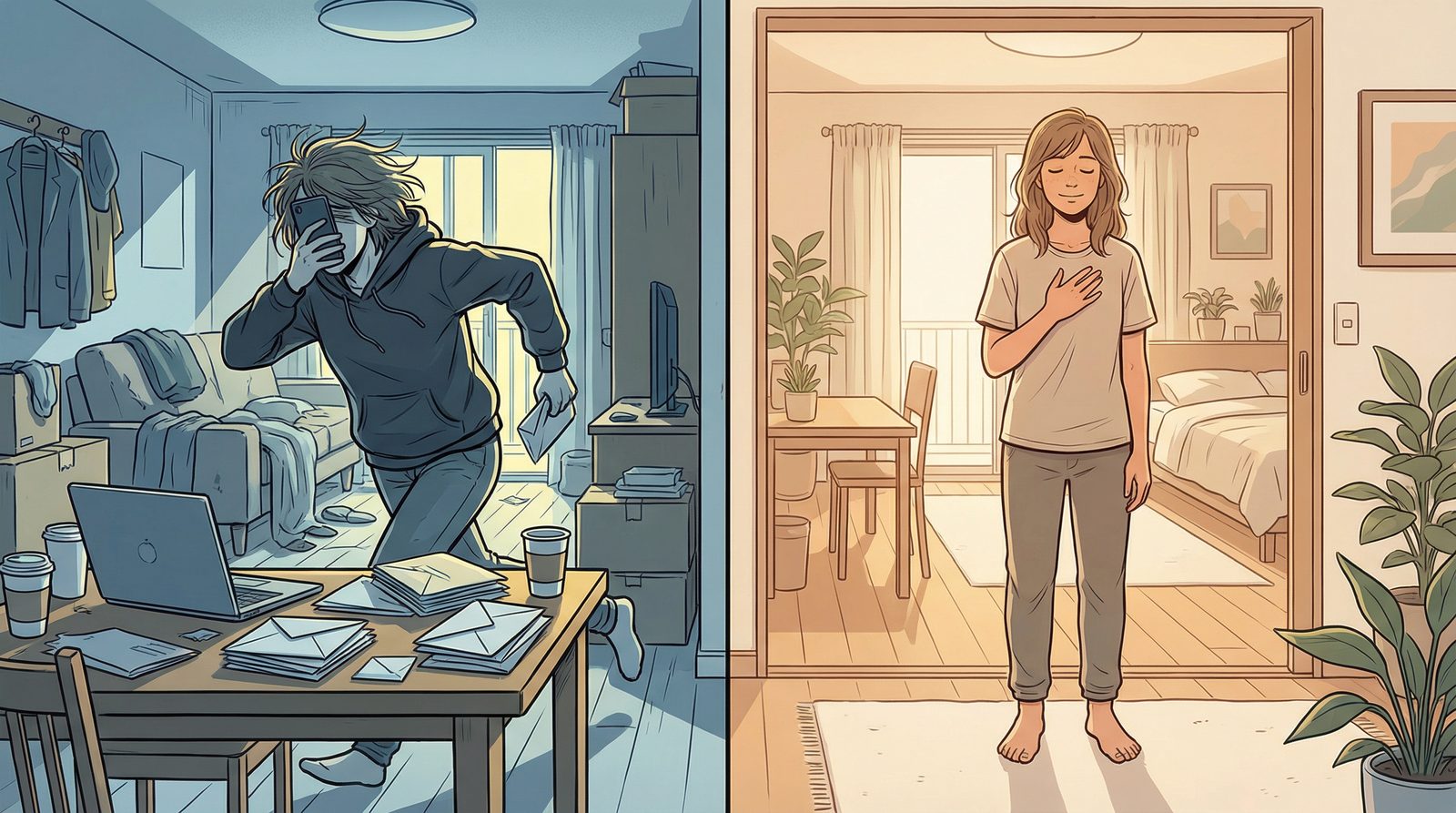
    Spiritual Awakening is the motif where a character’s interpretive frame breaks and re-forms. The person who could previously live on routine, status, or habit begins to perceive meaning, pattern, or selfhood differently. The story treats this shift as real change, not a cosmetic mood swing. What matters is not adopting a label or joining a religion, but the reorganization of attention, value, and identity.

    In awakening narratives, the protagonist often begins inside a life that “works” externally but fails internally. They may chase achievement, romance, or control and discover it does not answer the underlying question of purpose. The plot then follows the conversion process: a new vocabulary for reality appears, the character tests it, and their old identity starts to fail under the new pressure.

    Books such as The Celestine Prophecy, The Tenth Insight, The Alchemist, Way Of The Peaceful Warrior, and Siddhartha are classic examples. The “event” is internal: perception shifts, and that shift changes what the same world means.


    HOW IT WORKS IN STORIES

    Spiritual Awakening usually begins with an existential breach. The character feels restless, stuck, or out of place in a life that looks fine from the outside. A promotion feels hollow, a relationship stops fitting, or a loss cracks certainty. The important point is structural: the old worldview stops functioning as a complete explanation.

    Next, a threshold event provides a new interpretive system. This can be a guide figure, a text, a vision, or a sequence of “coincidences” that the character begins to treat as communication. In The Celestine Prophecy and The Tenth Insight, the engine is sequential insights delivered through encounters that mix guidance with risk. In The Alchemist, a dream and a meeting function as permission to leave the old life and treat omens as navigational data. In Way Of The Peaceful Warrior, a teacher figure reframes discipline and attention as a daily practice rather than an abstract belief.

    The middle phase is testing and attrition. The character tries new practices, interpretations, and choices, then pays the cost of inconsistency. Old identities fall away faster than new ones stabilize. A “dark night” phase is common: the character feels more lost than before because certainty has collapsed but insight is still incomplete.

    Resolution is usually a return to ordinary life with a changed relationship to it. Work, love, and struggle remain, but they are held inside a wider frame. The story closes when the character can sustain the new perception without needing constant signs or external validation.


    Editorial illustration inspired by 'Spiritual Awakening'

    EMOTIONAL EFFECT ON THE READER

    This motif is built to feel personal. The reader is invited to project their own restlessness onto the protagonist’s shift, using the character as a safe container for questions about meaning, purpose, and identity.

    It often produces a “synchronicity high” in the reading experience. The plot rewards attention by making small events feel linked: a conversation, a symbol, or a coincidence lands as guidance rather than noise. That can feel reassuring, because it implies the world is readable.

    The cost is loss. Awakening narratives usually require the character to abandon a comforting interpretation of their life. Relationships strain, identity becomes unstable, and certainty is traded for a framework that is truer but harder to live inside.

    When the motif works, the after-effect is practical rather than sentimental. The reader finishes with heightened awareness of attention itself: what they ignore, what they treat as “just life,” and what patterns they might be using to avoid change.


    Symbolic illustration inspired by 'Spiritual Awakening'

    VARIATIONS & RELATED MOTIFS

    Spiritual Awakening appears in several common variations. The solitary seeker version follows a character cycling through teachers and lifestyles until a stable insight forms, as in Siddhartha. The reluctant mystic version forces awakening through crisis or loss, where the character resists the new frame until resistance becomes impossible. Another variation frames awakening as part of a larger system of human evolution, expanding the personal shift into a collective one, as in the Redfield sequence.

    The motif also has practical variants, where the new awareness is tested in daily routine rather than on mountaintops. Here, the story cares less about visions and more about whether the character can keep behaving differently when the world remains the same.

    This motif commonly overlaps with Synchronicity And Meaningful Coincidence, because meaning is delivered through “pattern recognition” in events. It also pairs naturally with Spiritual Pilgrimage and Inner Journey, where travel or reflection supplies the friction that forces change.

  • Inner Journey

    Inner Journey

    DEFINITION & CORE IDEA

    The Inner Journey motif is about a character whose most important travel happens inside their own mind and heart. The outside world can be busy, dangerous, or beautiful, but the core story is the shift in how this person understands themselves, other people, or reality itself. In Siddhartha, the river, the city, and the forest matter, but the real movement is the protagonist’s changing sense of identity and meaning.

    Writers use the Inner Journey to examine belief, self-concept, and value. The plot might involve travel, romance, work, or crisis, but events function as mirrors: the character encounters situations that reveal what they avoid, what they rationalize, and what they cannot keep pretending.

    This motif often includes reflection, doubt, and contradiction. A character may be pulled between comfort and risk, duty and desire, faith and skepticism. Works such as Zen And The Art Of Motorcycle Maintenance and Demian use daily life, travel, and relationships as the surface action while the real stakes remain internal: whether the character can become honest with themselves.


    HOW IT WORKS IN STORIES

    The Inner Journey usually starts with a fracture of self. The character feels that something is off: success feels empty, a relationship feels misaligned, grief breaks old habits, or a change exposes how little their previous identity can hold. This discomfort becomes the trigger for looking inward.

    Writers often pair the Inner Journey with an outer journey so the reader has concrete scenes to track. In Zen And The Art Of Motorcycle Maintenance, the road trip gives shape to a philosophical search. In Siddhartha, distinct stages of life function as stages of internal change. The external plot provides milestones, but the turning points happen in private moments where the character’s interpretation of the world shifts.

    Structurally, the Inner Journey often moves through cycles of hope, confusion, and partial clarity. The character tries on beliefs or identities, then discovers their limits. They may swing between extremes, such as total freedom and heavy responsibility, intense longing and cool detachment, spiritual devotion and cynical withdrawal. The story tracks how those opposites are integrated into something more stable.

    Small details carry a lot of weight. A recurring object, repeated phrase, or familiar setting can show internal movement without a dramatic plot beat. The same kitchen table or street appears early and late, but it reads differently because the person looking at it has changed. The ending can be quiet, with no grand victory, yet the inner landscape is measurably transformed.


    Editorial illustration inspired by 'Inner Journey'

    EMOTIONAL EFFECT ON THE READER

    Inner Journey stories create recognition rather than suspense. The reader is invited into the space where the character stops lying to themselves. That can feel intimate and uncomfortable, because the questions the character cannot avoid are often questions the reader recognizes.

    The mood is often reflective. Even when events are dramatic, the narrative keeps returning to interpretation: what does this mean, and what does it reveal about who I am? The emotional intensity comes less from plot twists than from the slow accumulation of self-knowledge.

    These stories also create a specific kind of tension: the character may refuse closure. Instead of giving a clean answer, the narrative shows the cost of uncertainty and the cost of certainty, and asks the reader to sit with the same unresolved pressure.

    When the motif works, the after-effect is practical. The reader leaves with a sharper awareness of how a person’s internal frame can change what the same world means. The story does not just entertain; it reorients.


    Symbolic illustration inspired by 'Inner Journey'

    VARIATIONS & RELATED MOTIFS

    The Inner Journey appears in multiple genres. In coming-of-age stories, it is a search for identity and separation from inherited scripts. In spiritual narratives, the focus is on insight, faith, or a direct experience of the sacred. In midlife and late-life stories, the inner journey becomes reevaluation: regret, responsibility, and the attempt to make peace with the person one has been.

    Some versions are explicitly philosophical, using dialogue, essays, or long conversations to argue ideas. Others stay close to daily routine, showing inner change through small acts, habits, and repetitions. The pace can be slow and reflective, or tense, especially when the character’s developing self clashes with obligations and old roles.

    This motif often overlaps with Spiritual Awakening and Spiritual Pilgrimage, where external movement supplies the friction needed for internal change. It also pairs naturally with Intimacy as Healing, where a relationship becomes the mirror that forces honesty and makes transformation possible.

  • Unintended Consequences Of Wishes

    Unintended Consequences Of Wishes

    DEFINITION & CORE IDEA

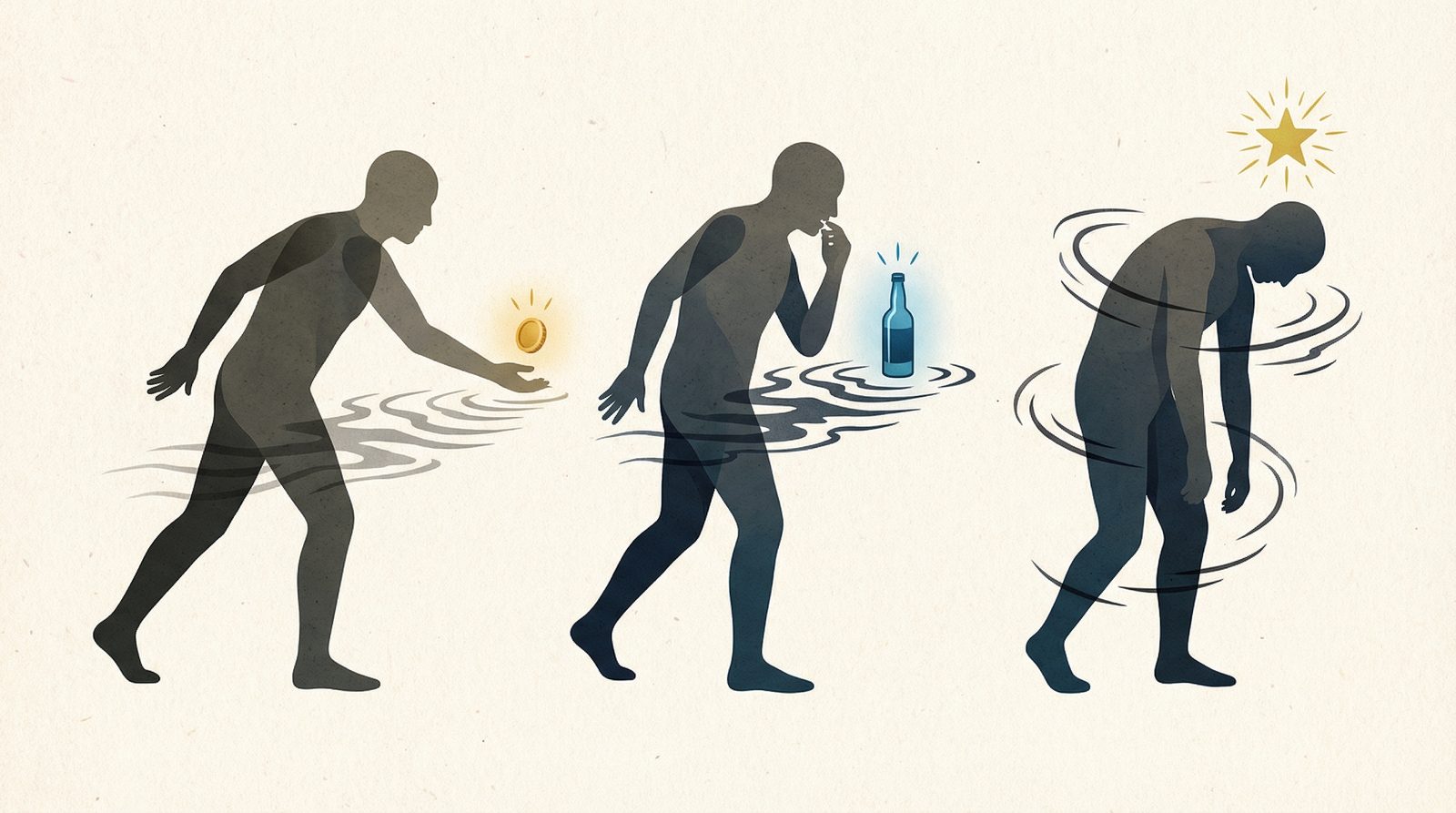
    The motif of Unintended Consequences of Wishes is all about the gap between what a character wants and what actually happens when they get it. Someone makes a wish, strikes a bargain, or voices a casual request, and the universe answers in a way that is technically correct but emotionally disastrous. The wish is granted, but it arrives with loopholes, side effects, or a cruelly literal twist.

    Stories built on this motif take the simple fantasy “What if I could have anything?” and turn it into a test of character. The wish can come from a genie, a djinn, a magical artifact, a mischievous spirit, or an impersonal cosmic rule. The key is that the wisher does not fully understand what they are asking for, or what it will cost them and others.

    In children’s fantasy like Five Children And It (1902) or comedy-fantasy such as The Brass Bottle, this motif often plays as chaotic fun, where wishes turn ordinary life into social disorder. In darker versions, the consequences become corrosive and personal, as in A Fallen Idol. In all cases, the heart of the motif is the same lesson: desire without foresight is dangerous, and power, even magical power, does not erase consequences.


    HOW IT WORKS IN STORIES

    In stories using Unintended Consequences of Wishes, the setup is deceptively simple. An ordinary person stumbles onto a source of power. The wisher is usually not a villain. They are tired, lonely, greedy, bored, or just curious. Their first wish is often small and impulsive, which makes the fallout feel both believable and embarrassing.

    The wish is granted with a twist. The wisher gets what they asked for, but not what they meant. A solution arrives in the worst possible form. The gift comes attached to humiliation, guilt, conflict, or harm that spreads beyond the original desire. Attempts to fix things with additional wishes often make it worse, stacking complications until the character is trapped in a web of their own making.

    Writers use this motif to explore responsibility and self-knowledge in a vivid way. Instead of lecturing about “be careful what you wish for,” the story lets us watch the character collide with the fine print of their desires. The motif pairs well with comedy and satire, because literal-minded magic exposes vanity, hypocrisy, and entitlement simply by doing exactly what was asked.

    Because wish stories often begin with a bound spirit or a magical object, this motif frequently overlaps with bottle-bound bargains, supernatural deals with hidden costs, and stories where fantasy intrudes into ordinary domestic life.


    Editorial illustration inspired by 'Unintended Consequences of Wishes'

    EMOTIONAL EFFECT ON THE READER

    Unintended Consequences of Wishes hits a mix of feelings. On the lighter side, there is real pleasure in watching a too-literal wish go wrong. The reader gets to enjoy slapstick and clever reversals while safely thinking, “I would have phrased that better.”

    Underneath the humor is a quieter discomfort. The motif nudges us to notice how often we want things without understanding the consequences. When a wish hurts someone the character cares about, the reader feels a sting of guilt by proxy. We see how easy it is to be selfish by accident, and how a small moment of impatience or vanity can spiral into something much bigger.

    In darker takes, the emotion shifts toward dread and regret. Each new wish tightens the trap, and the reader senses that there may be no clean way out. The story becomes a pressure test of character, because power keeps offering shortcuts while consequences keep demanding payment.

    Overall, this motif lets readers enjoy the fantasy of limitless power while also feeling the weight of it. It is satisfying when a character finally learns to phrase a wish carefully, to give up the power, or to accept the original messy life they were trying to escape. That mix of schadenfreude, anxiety, and eventual catharsis is what keeps Unintended Consequences of Wishes so enduring.


    Symbolic illustration inspired by 'Unintended Consequences of Wishes'

    VARIATIONS & RELATED MOTIFS

    Unintended Consequences of Wishes comes in several recognizable flavors. Comic versions focus on embarrassment, romantic misunderstandings, and chaotic but reversible disasters. Child-centered versions use wishes to explore growing up, where each fantasy is exposed as incomplete or naive. Darker interpretations treat wishes as tools of power, where unintended consequences spill into coercion, conflict, and moral compromise.

    This motif frequently intersects with stories where fantasy intrudes into domestic realism, where children encounter real magic too early, and where misunderstandings spiral into farce. The structure stays the same, even when the tone changes: a character tries to shortcut their problems and discovers that reality, magical or not, always charges a price.

  • Tourmalin’s Time Cheques (1891)

    Tourmalin’s Time Cheques (1891)

    INTRODUCTION

    Tourmalin’s Time Cheques (1891) by Thomas Anstey Guthrie (F. Anstey/Thomas Anstey Guthrie)
    Science fiction · United Kingdom


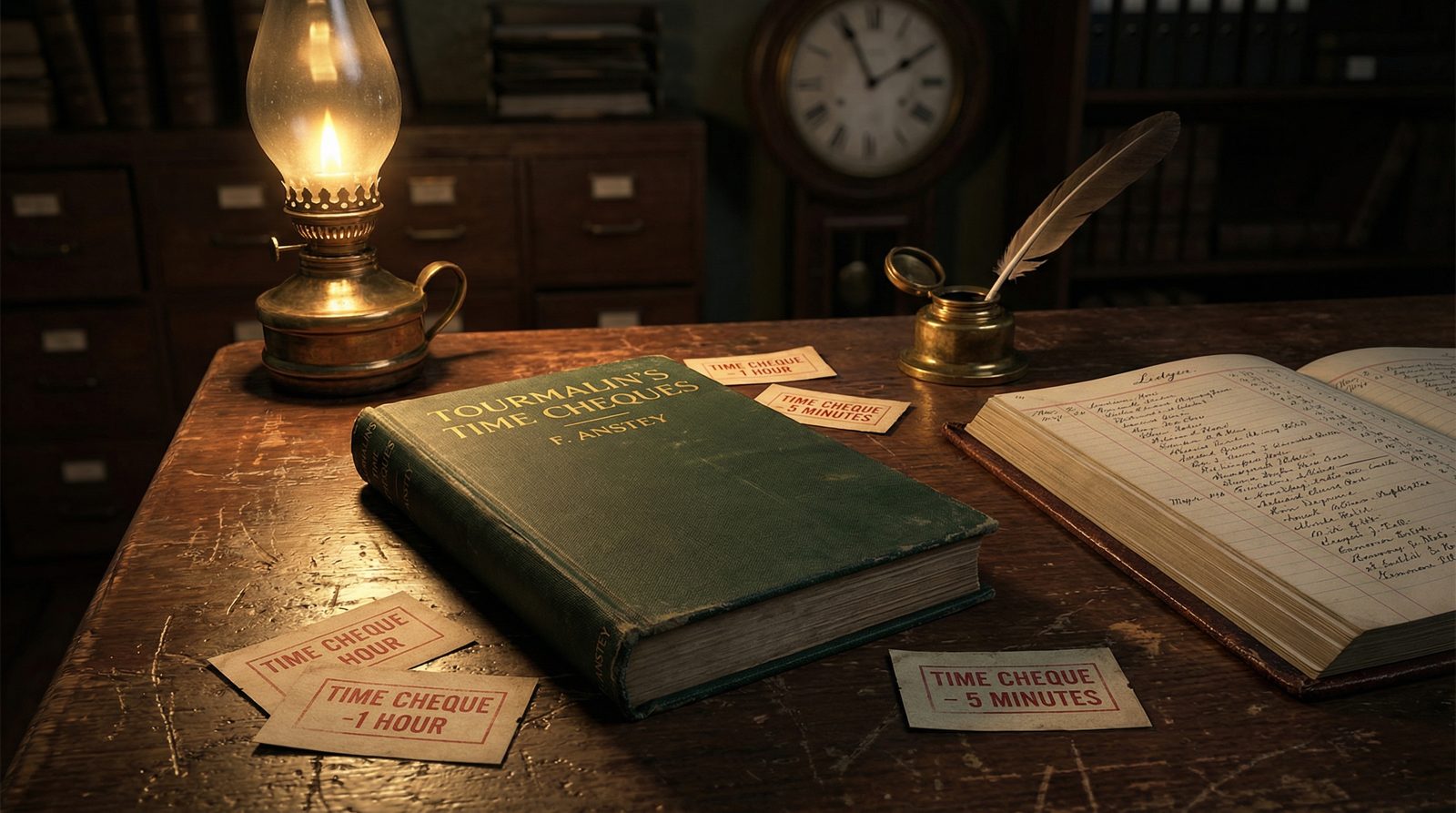
    Tourmalin’s Time Cheques is one of Anstey’s strangest and most quietly unsettling experiments. On the surface, it reads like a comic fantasy about time travel filtered through paperwork. Beneath that, it becomes a bleak meditation on debt, self-deception, and the ease with which people mortgage their own futures.

    Instead of machines or paradoxes, the novel gives us cheques, ledgers, clerks, and waiting rooms. Time is not a mystery to be explored but a commodity to be borrowed, extended, and ultimately reclaimed. The tone drifts between dry bureaucratic comedy and low-grade dread, as if the greatest horror of the modern world were not catastrophe but administration.

    PLOT & THEMES

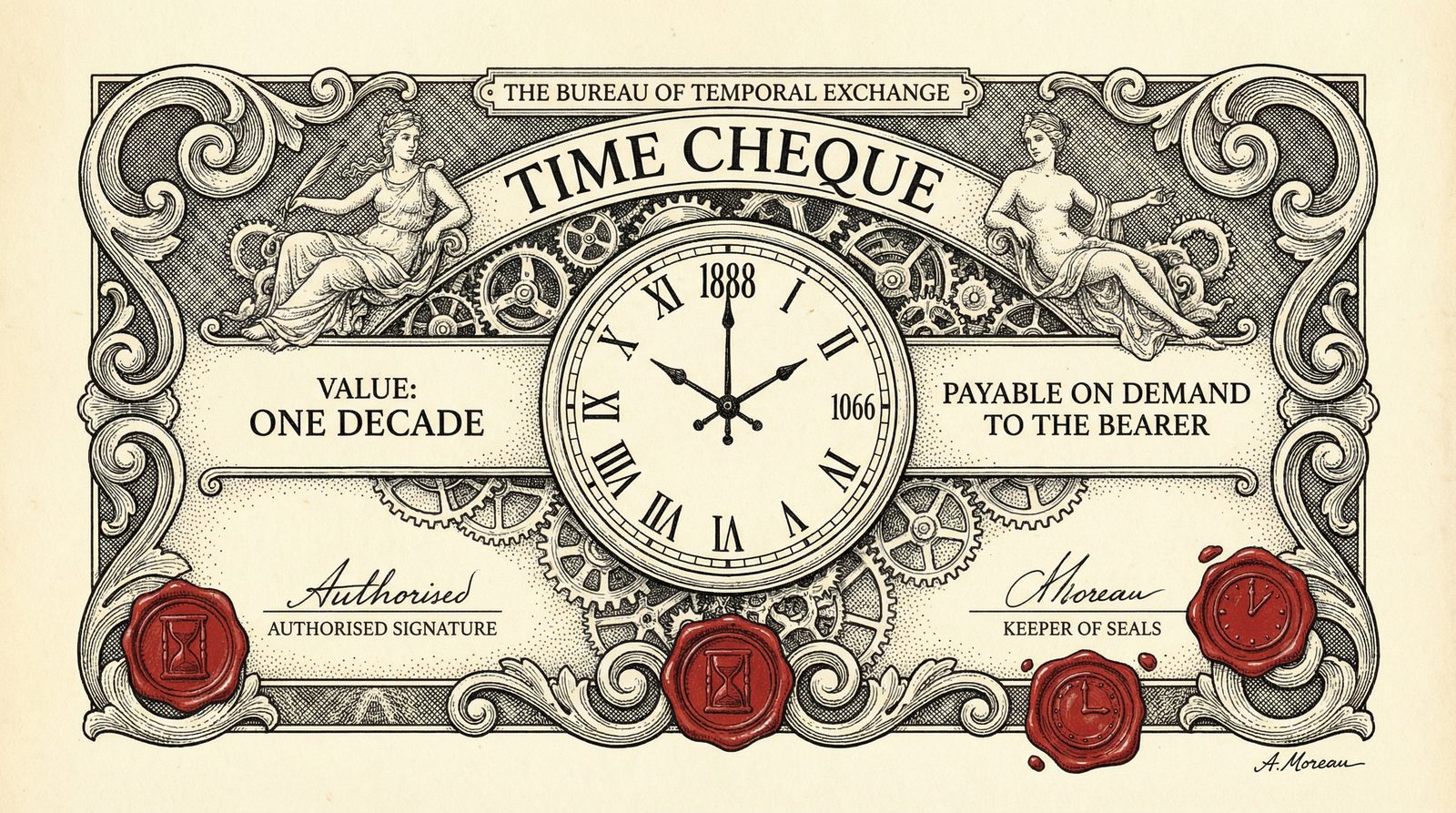
    The premise is simple and cruel. Tourmalin, a minor civil servant bored by routine and mildly dissatisfied with his life, discovers the existence of the Time Cheque Bureau. This institution allows citizens to borrow portions of their own future time in exchange for immediate extensions of the present.

    You sign a form, receive extra hours or days now, and those same hours will later be deducted from your lifespan, often at the most inconvenient moment imaginable. There is no drama in the transaction. It is processed, stamped, and filed.

    At first, Tourmalin uses the system playfully. He extends evenings, delays departures, and stretches moments of pleasure just long enough to feel in control. Each indulgence is shadowed by a ledger entry maintained by the impassive clerk Mr. Virey, whose calm professionalism makes the whole scheme feel terrifyingly legitimate.

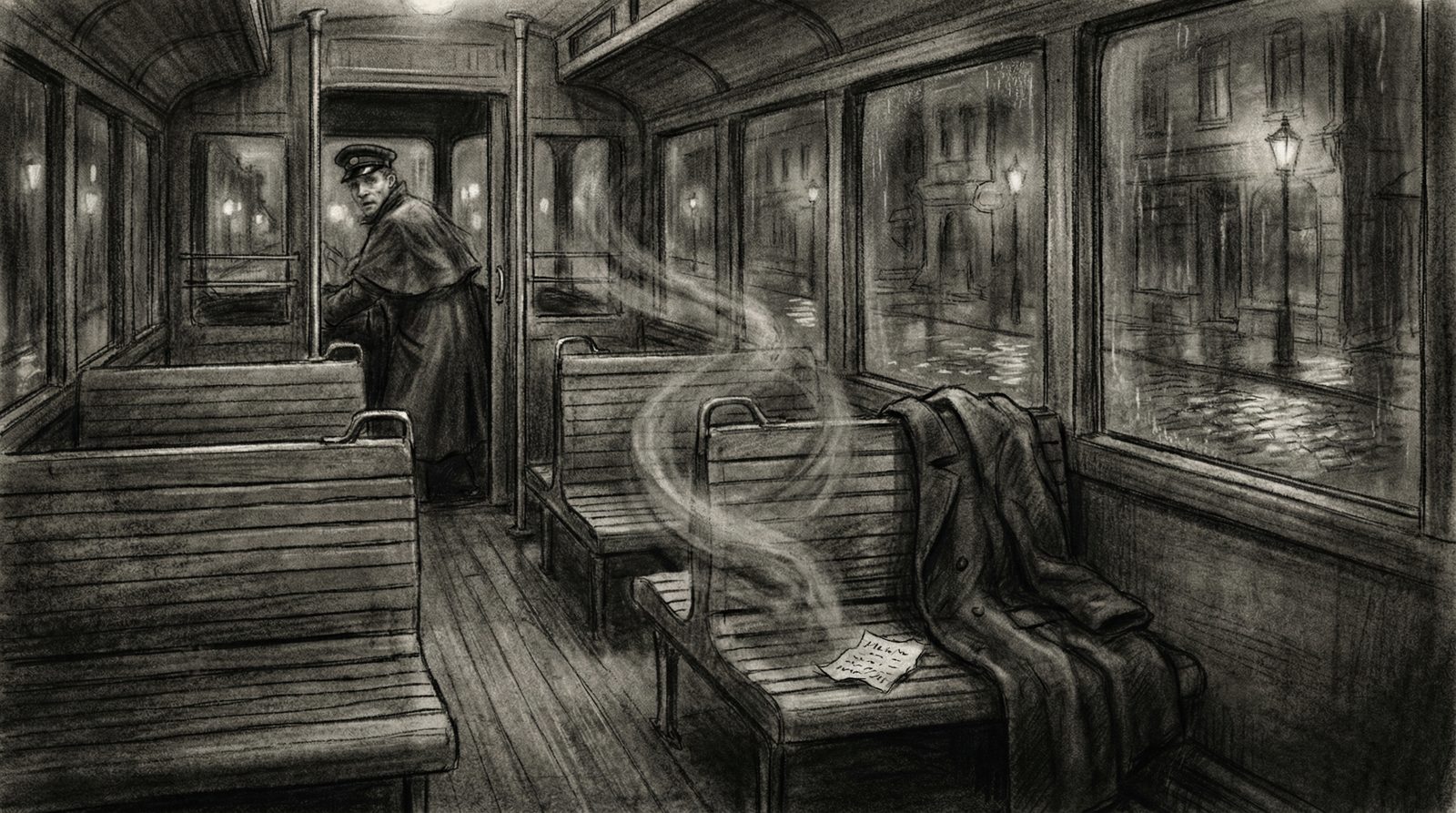
    As Tourmalin’s borrowing increases, the consequences become visible. He visits hospital wards where debtors vanish mid-conversation as their accounts are settled. He realizes that the future self paying these debts will not be the same person who signed them. The novel offers no loophole, no rebellion against the system. The ending is blunt and administrative: a contract fulfilled, a life quietly shortened, an absence noted in a file.

    PROSE & NARRATIVE STRUCTURE

    Anstey’s prose is eccentric and densely annotated. Sentences sprawl with parentheses and footnote-like asides, mimicking the cluttered logic of official documents. The story is framed as a recovered case file from the Bureau, interspersed with forms, memoranda, and retrospective commentary.

    The structure is episodic rather than suspense-driven. Each cheque finances a discrete episode: an extended evening at a café, a hurried journey to settle an emotional account, a futile legal appeal in a court that recognizes only arithmetic. What links these scenes is not escalation but accumulation. The pressure builds quietly as Tourmalin’s margin for error disappears.

    Anstey also plays subtle games with chronology. Entire years vanish between chapters, later revealed to be time already sold. The narrative itself skips what Tourmalin has surrendered, creating a hollowed-out structure that mirrors the protagonist’s shrinking future.

    Conceptual editorial illustration inspired by 'Tourmalin’s Time Cheques'

    CHARACTERS & INTERIORITY

    Tourmalin is not a visionary or a rebel. He is an ordinary man with small vanities and plausible excuses. His interior life is full of postponement: he tells himself he will repay the hours later, once life improves, once he becomes the person he imagines himself to be.

    Mr. Virey, the clerk, is the novel’s most chilling creation. Polite, meticulous, and unfailingly courteous, he represents a system that does not hate its clients and therefore never hesitates. Late in the book, a quiet admission hints that even Virey may be overdrawn himself.

    Secondary figures—landladies, debtors, doctors—appear briefly but reveal a society addicted to temporal credit. Everyone believes they can outmaneuver the ledger. No one can.

    LEGACY & RECEPTION

    Tourmalin’s Time Cheques has always been a marginal work, even within Anstey’s career. Its lack of spectacle and its deliberately shabby setting kept it from popular success. Yet its central idea—time as bureaucratically administered debt—has proven remarkably durable.

    Modern readers often notice how closely the book anticipates contemporary anxieties about burnout, credit, and the monetization of life itself. The ending, in which Tourmalin simply disappears from the narrative with a note in a file, feels less Victorian than chillingly modern.

    IS IT WORTH READING?

    This is not a sleek or comforting book. Its pleasures are dry, its humor bureaucratic, and its logic deliberately unforgiving. Readers looking for adventurous time travel will be disappointed.

    But if the idea of time treated as a ledger, and life as something quietly foreclosed, intrigues you, this odd little novel repays patience. It is a minor work, but a distinctive one, and it lingers in the mind like an unpaid balance.

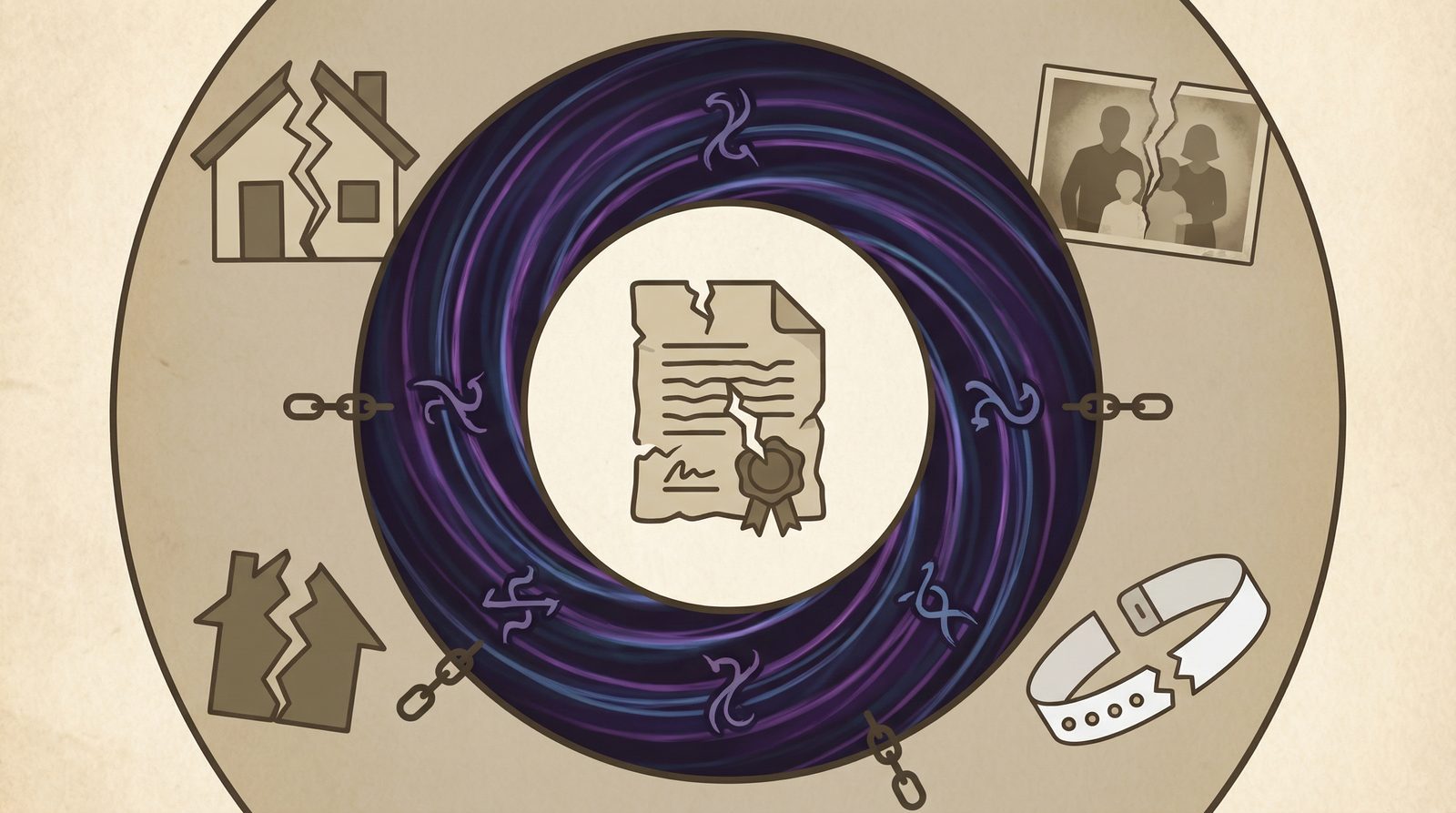
    Illustration inspired by a core idea from 'Tourmalin’s Time Cheques'

    TRIVIA & AUTHOR FACTS

    Thomas Anstey Guthrie was best known for comic fantasies that smuggled unease into respectable settings. His legal training shows in the novel’s obsession with procedure, documentation, and contractual obligation.

    Although the book has sometimes been misattributed in later bibliographies, it firmly belongs to Anstey’s Victorian phase and shares thematic DNA with his other works that pit ordinary people against supernatural systems that refuse to bend.

    SIMILAR BOOKS

    Readers interested in time as obligation rather than adventure may find echoes in The Time Machine, though Wells treats time as exploration rather than debt. Kafka’s The Trial, while non-speculative, shares the same suffocating logic of systems that process people into disappearance. Later works that treat time as currency echo Anstey’s idea, but rarely with his quiet cruelty.

    DISCOVERABILITY & LINKS

  • Curses As Moral Punishment

    Curses As Moral Punishment

    DEFINITION & CORE IDEA

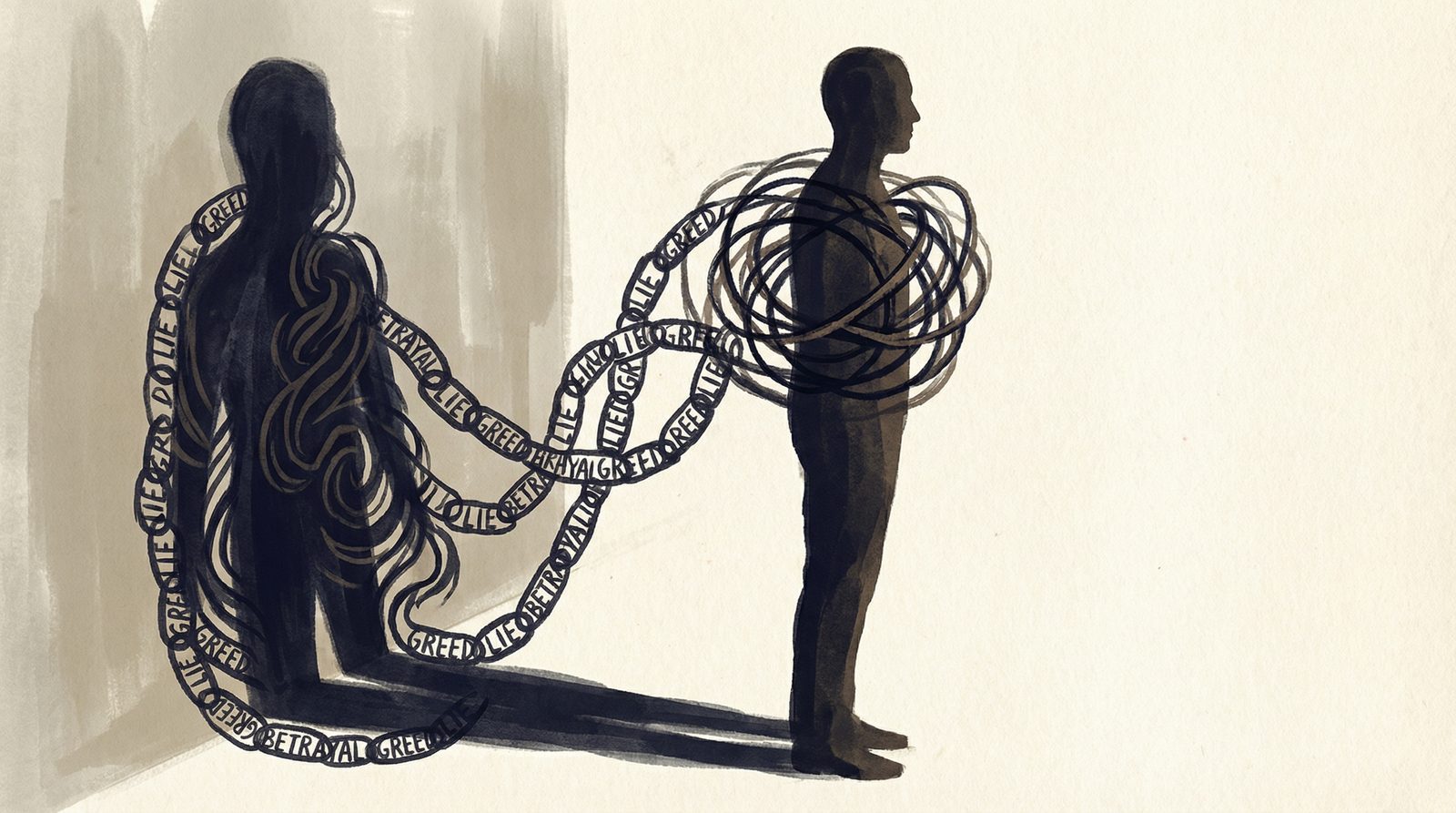
    In the motif of Curses As Moral Punishment, a character is singled out by a supernatural force and punished specifically for a moral failing. The curse is not random bad luck. It is framed as justice, payback, or a lesson, often delivered by a wronged person, a vengeful spirit, or some cosmic law the character did not know they were breaking.

    This motif turns ethics into something with teeth. A lie, a hit-and-run, a cruel joke, a greedy wish, a broken promise – instead of being handled by courts or social fallout, these choices trigger a spell that warps the character’s body, life, or reality. In Thinner (1984) and its adaptation, the curse literally wastes the protagonist away as punishment for his crime. In Drag Me To Hell and Wishmaster, characters are condemned or twisted for selfish choices and careless cruelty.

    Writers use Curses As Moral Punishment when they want the story’s universe to feel like it has a conscience. The curse is a visible, often grotesque embodiment of guilt, hypocrisy, or corruption. It says: what you did matters so much that reality itself will not let it slide. Whether that feels fair, ironic, or horrifying is part of the tension that keeps readers hooked.


    HOW IT WORKS IN STORIES

    Curses As Moral Punishment usually starts with a transgression. Someone is wronged, a taboo is broken, or a character’s selfishness crosses a line. The story may linger on how “minor” the offense seems at first, which makes the later punishment feel shocking or darkly ironic. The curse is often delivered in a charged moment: a confrontation, a funeral, a refusal to help, a cruel decision made under pressure.

    Once the curse lands, the plot shifts into a mix of mystery, negotiation, and chase. The victim first dismisses what is happening as coincidence. As the pattern becomes undeniable, they scramble to understand the rules. Who cursed them? Why this specific punishment? Is there a loophole? In Thinner, the weight loss seems like a blessing before it becomes a death sentence. In Drag Me To Hell, the cursed character cycles through denial, bargaining, and desperate attempts to pass the doom onto someone else.

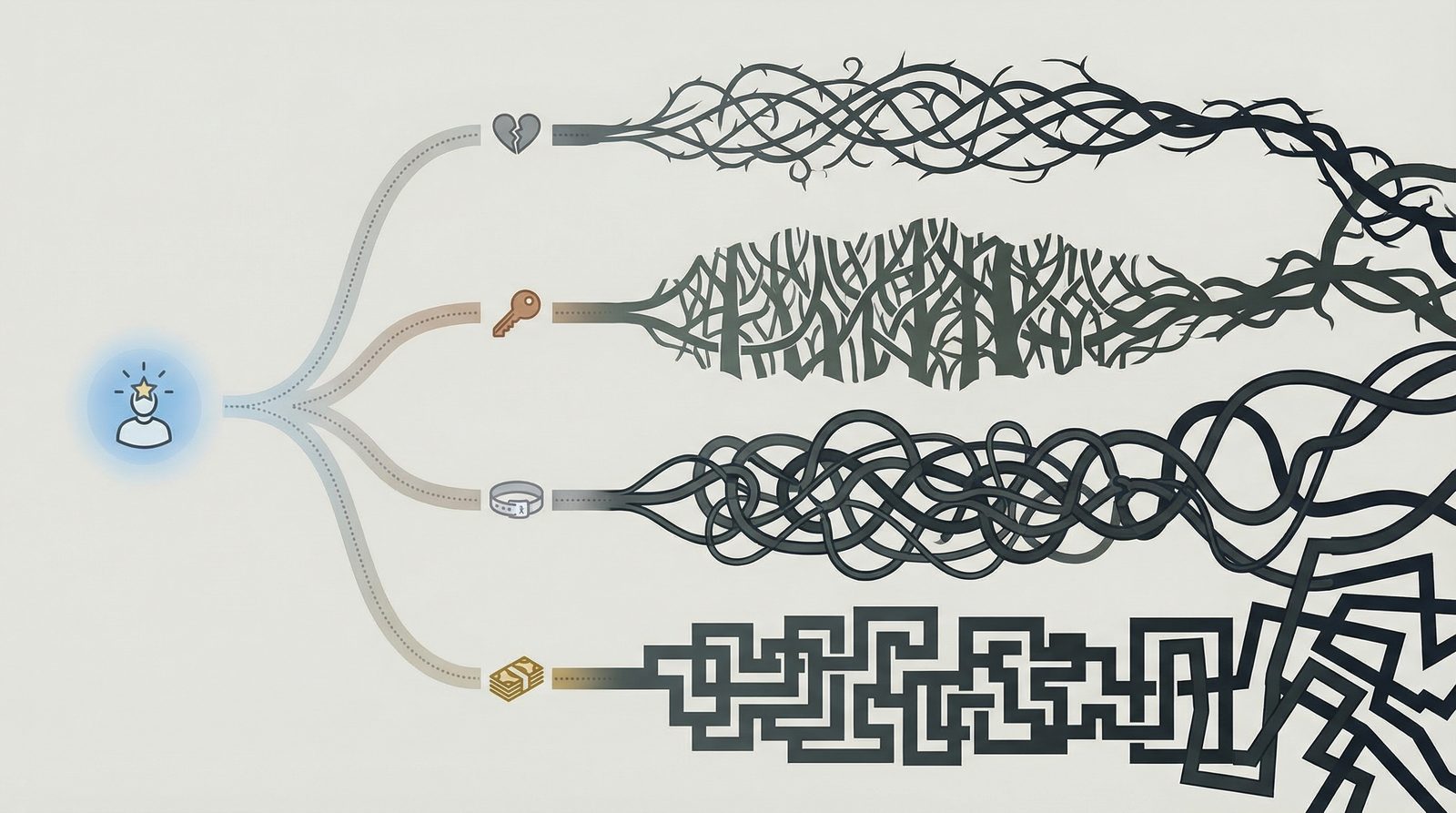
    The curse often escalates in stages. Each new symptom or setback forces the character to confront what they did and how far they are willing to go to escape consequences. They might try conventional fixes (doctors, lawyers, police) and find them useless against supernatural rules. This is where Curses As Moral Punishment overlaps with Corrupt Justice And Supernatural Retribution: once human systems fail or prove inadequate, something older and harsher takes over.

    Stories can play with responsibility and fairness. Sometimes the cursed person truly deserves it, and the narrative leans into grim satisfaction. Other times, the punishment is wildly excessive or falls on someone only partly at fault, raising questions about who gets blamed in a broken world. The climax often forces a choice: confess, sacrifice, pass the curse to someone else, or accept ruin. There is rarely a clean option.


    Editorial illustration inspired by 'Curses As Moral Punishment'

    EMOTIONAL EFFECT ON THE READER

    Curses As Moral Punishment hits a nerve because it turns private guilt into something you cannot hide. The character’s secret or flaw is dragged into the open, often through their own body or their luck falling apart. Readers feel a mix of dread and voyeurism watching someone’s inner rot become visible. It taps into the childhood fear that if you do something bad, the universe will “get you” – only now it is literal and merciless.

    This motif also creates a nagging question: how much punishment is enough? As the curse unfolds, it invites readers to judge the character’s original sin and every choice they make afterward. There can be a grim satisfaction when a smug or cruel person finally faces consequences, as in parts of Wishmaster. At the same time, many stories lean into discomfort, making the punishment feel so extreme that we start to pity the cursed, even if they were wrong.

    Because the curse often cannot be solved by logic or force, there is a strong feeling of helplessness. The character is trapped in a moral maze where every exit demands a sacrifice. That claustrophobic tension is part of the appeal. Readers are pushed to imagine what they would confess, who they would sacrifice, or what they would endure to escape a similar fate. The result is horror that lingers as self-examination, not just jump scares.


    Symbolic illustration inspired by 'Curses As Moral Punishment'

    VARIATIONS & RELATED MOTIFS

    Curses As Moral Punishment can take many forms. In some stories, the curse mirrors the crime: a liar finds their tongue twisting against them; a voyeur is forced to watch their own downfall; a hit-and-run driver’s body slowly deteriorates in a way that echoes their victim’s injuries. In others, the connection is more symbolic or ironic, like a greedy wish being granted in a way that ruins the wisher’s life in Wishmaster. The curse might be inherited, punishing descendants for an ancestor’s sin, or contagious, forcing the cursed to decide whether to infect someone else to survive.

    Another variation plays with whether the curse is truly “moral” or just vindictive. In Drag Me To Hell, part of the horror comes from how debatable the protagonist’s guilt is, and how merciless the supernatural response becomes. Some stories reveal that the curse-giver is corrupt or petty, twisting the motif into a critique of who gets to define morality in the first place.

    This motif often intersects with Corrupt Justice And Supernatural Retribution. When courts, police, or social systems fail, the curse steps in as a brutal stand-in for justice. It can also overlap with motifs like Faustian bargains, where the “punishment” is baked into the fine print of a wish, or with haunted objects, where using a cursed item triggers a tailored moral backlash.

    Writers can soften or sharpen the motif by adjusting the possibility of redemption. Some stories allow the cursed character to break the spell through sincere atonement, confession, or sacrifice. Others lock the rules so tightly that no apology can help, turning Curses As Moral Punishment into pure tragedy, where the lesson is not how to escape, but how a single choice can warp a life beyond repair.