Place: Suburban School Environment

  • Identity Collapse in Isolation

    Identity Collapse in Isolation

    WHAT THIS MOTIF MEANS

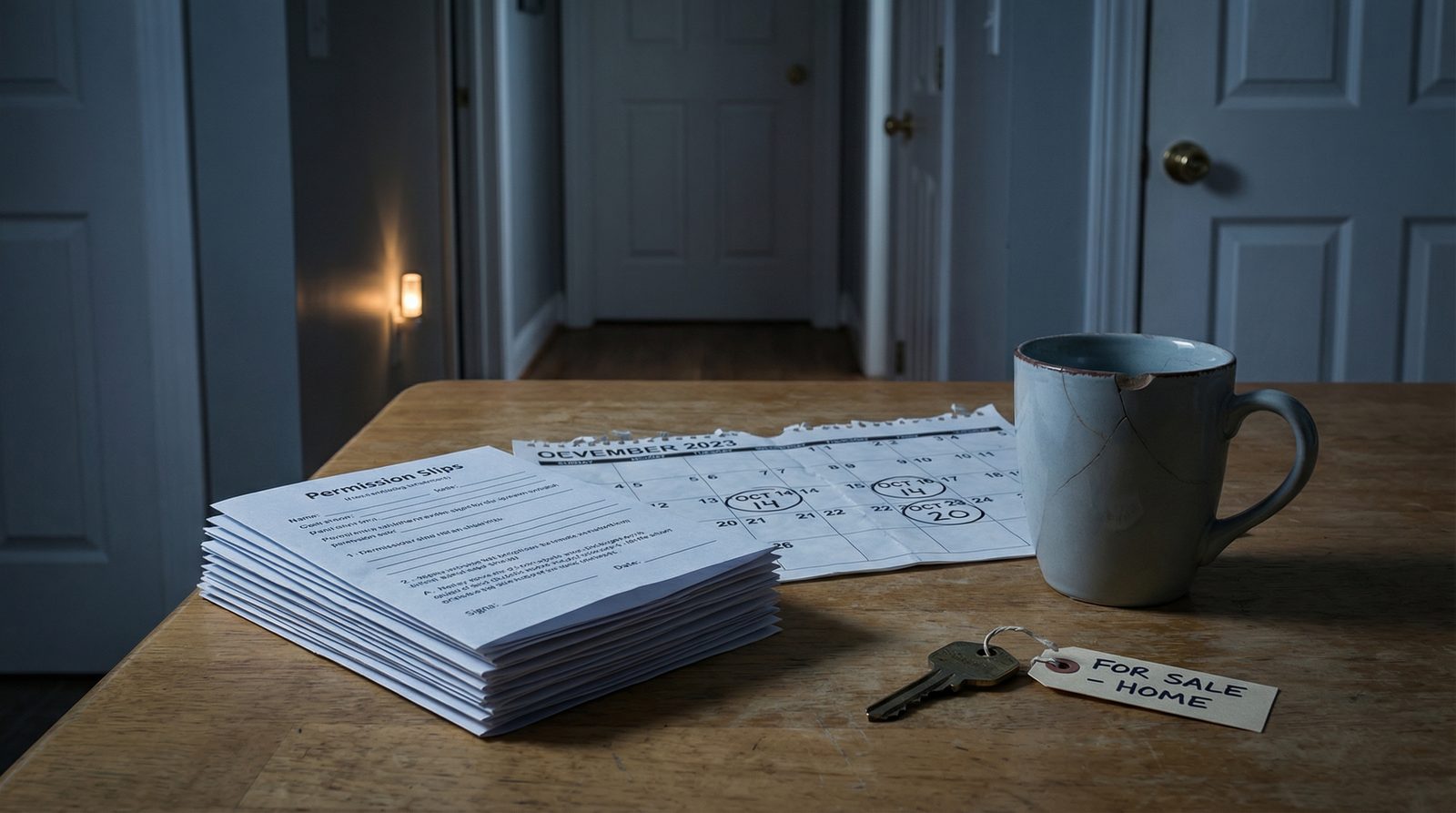
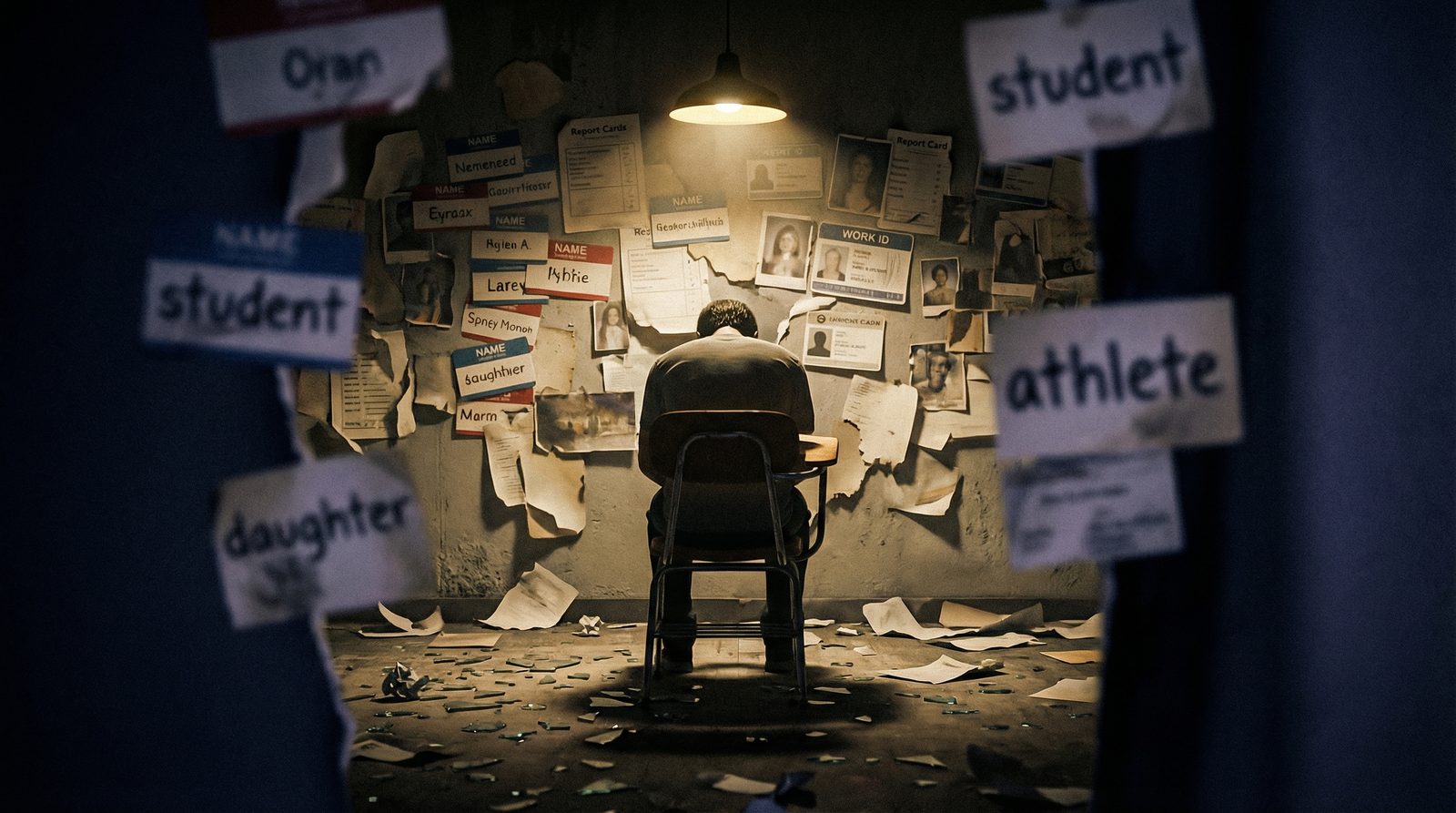
    Identity Collapse in Isolation describes the psychological unraveling that happens when a character’s sense of self is stripped of external anchors. Alone, misunderstood, or cut off from their usual environment, they lose the stabilising forces that normally tell them who they are. The collapse isn’t usually dramatic; it’s slow, quiet, and internal. Thoughts loop. Doubt magnifies. Reality bends inward.

    This motif thrives in stories where characters face pressure without support — academically, emotionally, socially, or physically. Their identities crumble under the weight of expectation or trauma, and the “collapse” becomes the catalyst for transformation, survival, or deeper harm.


    HOW IT WORKS

    The collapse typically begins with one destabilising event — rejection, trauma, loss, failure, or isolation. The character withdraws, either by choice or by circumstance. Without affirmation or grounding, their internal narrative shifts:

    • Daily routines lose meaning.
    • Internal monologues become repetitive or fragmented.
    • Fear, guilt, or pressure amplifies.
    • Self-image distorts.
    • Small triggers become psychological landmines.

    The motif often intertwines with anxiety, disassociation, and the feeling of being watched or judged, even when alone. It’s not about madness — it’s about the erosion of identity when all external mirrors break.


    Identity Collapse in Isolation inline concept image

    WHERE WE SEE IT

    This motif appears strongly in Tabitha King’s work. In One on One, Deanie’s entire sense of self fractures under community pressure and exploitation. In Survivor, A. P. Hill experiences a painful identity freefall after trauma destroys her ability to function in familiar spaces.

    Laurie Halse Anderson uses the motif sharply in Catalyst, where Kate Malone’s collapse begins the moment her carefully constructed academic identity fails. The momentum of her breakdown feels claustrophobic because the isolation is both emotional and self-imposed.

    Even Jill Paton Walsh’s The Green Book reflects this motif at a gentler level, with colonists forced to redefine themselves on a foreign planet where nothing familiar exists. Isolation becomes not just physical, but existential.


    WHY IT MATTERS

    The motif resonates because it sits at the intersection of fear and transformation. It shows how fragile identity can be when its scaffolding collapses — when relationships fail, routines vanish, or expectations crumble.

    Stories built on this motif challenge readers to confront uncomfortable truths: who are we when no one is looking? Who are we without validation? What happens when the internal voice becomes hostile or unreliable?

    Identity Collapse in Isolation often precedes either a breakthrough or a breakdown. It’s a narrative pivot point, not an endpoint. Characters emerge stronger, shattered, or fundamentally changed — but never the same.


    Identity Collapse in Isolation inline diagram image

    ARCHETYPES & VARIANTS

    The motif intersects cleanly with archetypes like The Double Self, where characters must perform one identity while privately breaking down. It also aligns with The Survivor Confessor, who must rebuild identity after trauma strips it away.

    Variants include:

    • The perfectionist collapse – when a character’s identity is built entirely on achievement.
    • The trauma-driven shell – when external shock disrupts internal stability.
    • The relational void – when isolation is social, not physical.
    • The environmental erasure – when characters lose culture, context, or home.


    RELATED MOTIFS & WORKS

    This motif pairs closely with Domestic Vulnerability as Horror and connects to the speculative pressure of Future Shock as Transformation.

    Strong examples include One on One, Survivor, Catalyst, and the milder but thematically aligned The Green Book.

  • Domestic Vulnerability as Horror

    Domestic Vulnerability as Horror

    WHAT THIS MOTIF MEANS

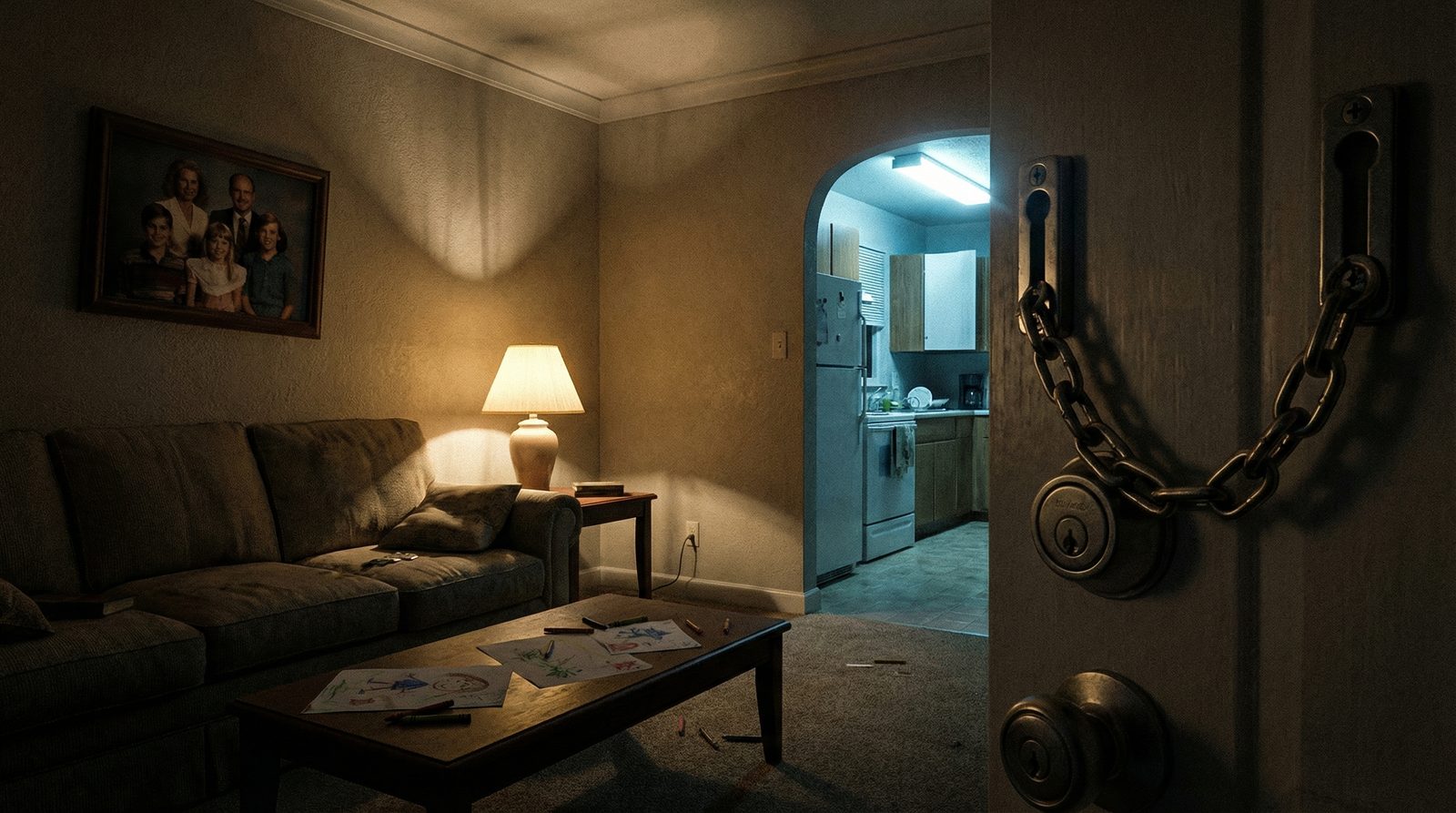
    Domestic Vulnerability as Horror is the fear that comes not from the supernatural or the unknown, but from the places that should be safest. Homes, families, bedrooms, kitchens, schools — the everyday environments where people sleep, eat, and share their lives — become pressure chambers where danger grows quietly. The horror here is emotional, social, and psychological. It’s the dread of being unprotected in the one space where you expect comfort.

    The motif appears across genres: literary fiction, YA realism, psychological dramas, and even soft sci-fi. It’s the threat of being misunderstood by the people closest to you, of being trapped in routines or roles that hurt, of having nowhere to escape because everything that frightens you is already inside the house.


    HOW IT WORKS

    This motif relies on tension, not spectacle. The unsettling moments usually come from subtle shifts: a parent’s silence that suddenly feels hostile, a partner’s smile that hides resentment, an expectation that becomes a burden, or a home that starts feeling like a cage instead of a sanctuary.

    The horror emerges when characters lose agency within familiar walls. Emotional safety erodes. Control slips away. Intimacy becomes danger. The motif often overlaps with psychological collapse, family pressure, and the erosion of identity — especially for characters who have no external support network.

    Domestic Vulnerability as Horror inline concept image

    WHERE WE SEE IT

    This motif shows up repeatedly across our current clusters. In Tabitha King’s Pearl, the home becomes the stage for social scrutiny and inherited tension. In One on One, Deanie’s house — and the adults inside it — offers no protection from predatory attention or community pressure.

    Laurie Halse Anderson uses the motif heavily in Catalyst, where the Malone household is loving but brittle, and the emotional expectations placed on Kate become suffocating. Even a soft sci-fi novel like Jill Paton Walsh’s The Green Book brushes this motif: the colonists’ improvised shelters on a new planet are fragile, constantly threatening their safety and identity.

    The strength of this motif lies in how universal it is. Everyone understands what it feels like when a supposedly safe environment starts to feel threatening — whether emotionally, socially, or physically.


    WHY IT MATTERS

    Domestic Vulnerability as Horror matters because it exposes the power structures inside families and tight-knit communities. It reveals how protection can flip into danger when trust is broken or when roles harden into traps. The motif forces characters — and readers — to confront uncomfortable truths about dependence, intimacy, and the fear of not being believed or understood.

    In fiction, this motif is often where the deepest emotional work happens. It’s where characters confront the pressure to perform normalcy, the pain of unmet expectations, and the fight to reclaim space that belongs to them.

    Domestic Vulnerability as Horror inline diagram image

    ARCHETYPES & VARIANTS

    The motif often intersects with archetypes like The Double Self — characters who present one face to their family and another to themselves — and The Survivor Confessor, who must speak their truth after being harmed or misunderstood inside the home.

    Variants include:

    • The suffocating home – where control masquerades as love.
    • The brittle family – where silence becomes a weapon.
    • The unsafe childhood space – where adults fail to protect or actively harm.
    • The collapsing sanctuary – when a home becomes a psychological burden.


    RELATED MOTIFS & WORKS

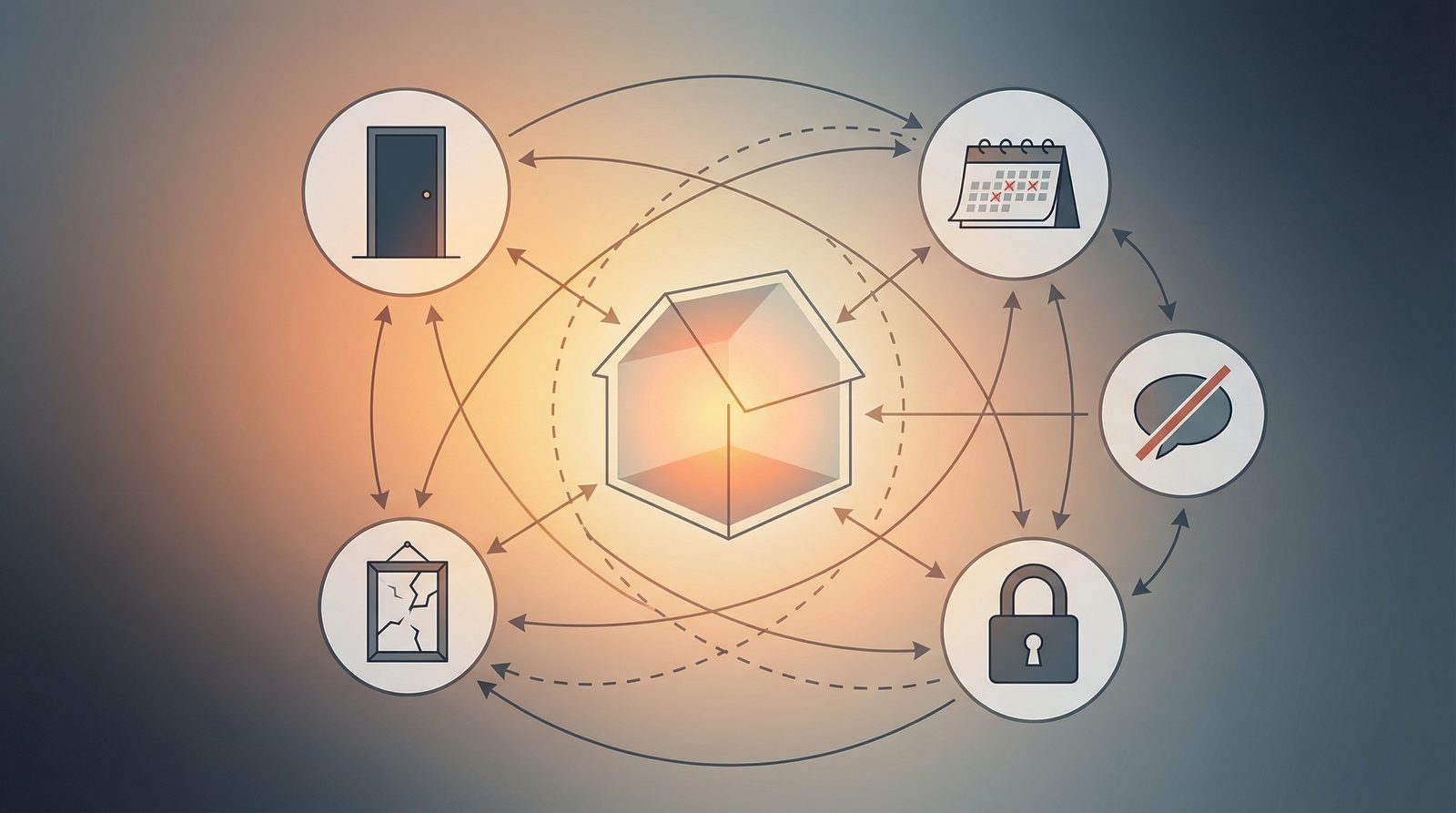
    This motif connects directly to Identity Collapse in Isolation and the more speculative Future Shock as Transformation. Together, they form a triad about pressure, environment, and the ways external structures reshape the self.

    Key works using this motif include Tabitha King’s One on One, Pearl, and Survivor, Laurie Halse Anderson’s Catalyst, and even elements of Jill Paton Walsh’s The Green Book.

  • Catalyst (2002)

    Catalyst (2002)

    By: Laurie Halse Anderson
    Genre: Young Adult, Domestic Psychological Fiction
    Country: United States


    INTRODUCTION

    Laurie Halse Anderson’s Catalyst (2002) occupies similar emotional territory to Speak, but channels it through a different kind of pressure: academic obsession, perfectionism, and the way grief can blindside a family that is already running too hot. The novel follows Kate Malone, a high-achieving, tightly wound senior whose entire identity is wrapped around a single goal, getting into MIT. When that plan collapses, so does the fragile structure she has built around herself.

    The book is not a thriller. It is a psychological spiral, written with Anderson’s usual blend of sharp dialogue, clipped pacing, and emotional honesty. It was one of the most heavily linked YA titles in the old AllReaders database, and rebuilding it gives us a clean, modern anchor for long-tail traffic around trauma, perfectionism, and coming-of-age narratives.


    PLOT & THEMES

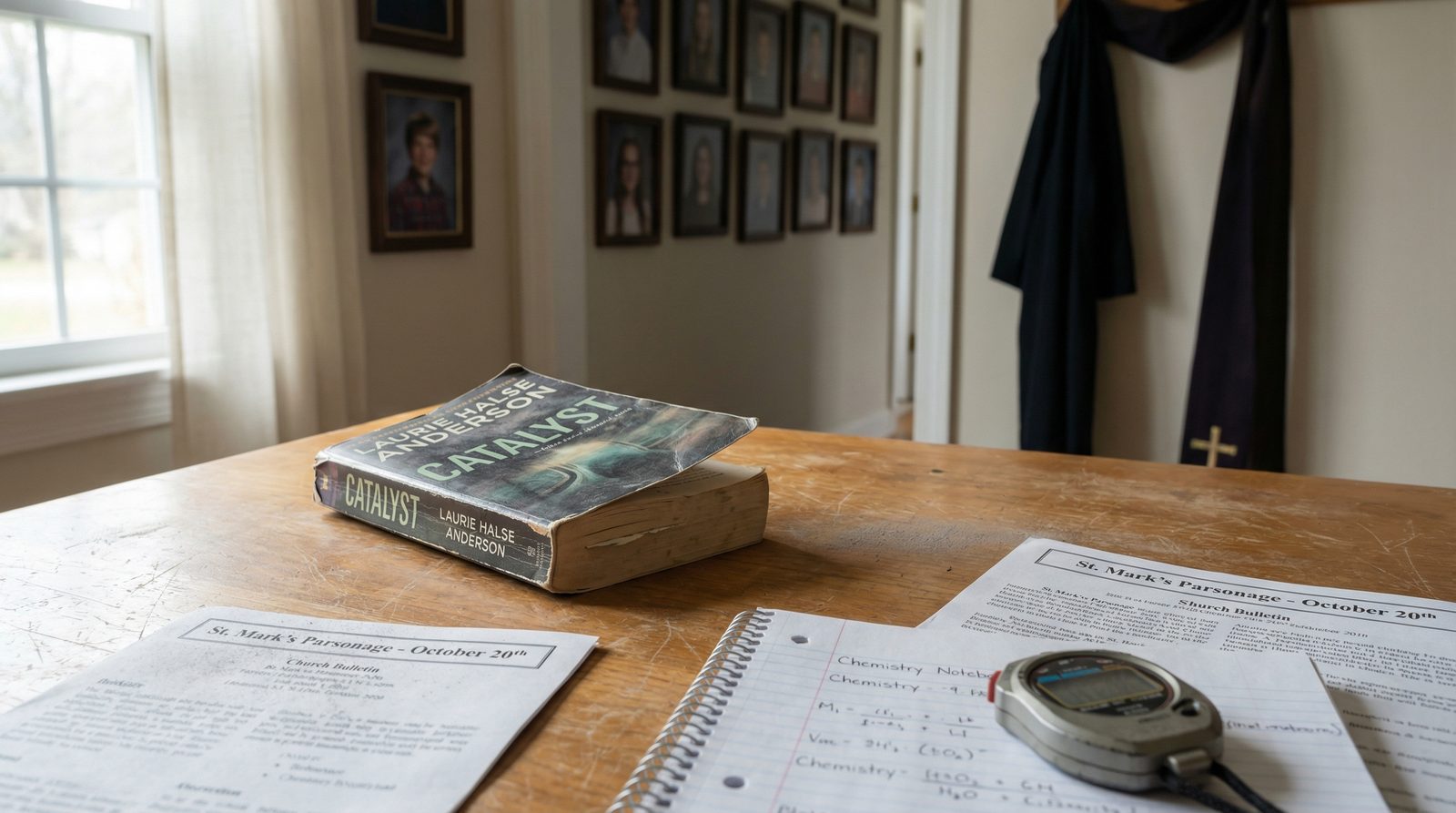
    Kate Malone is used to control. She runs, she studies, and she manages her household while her pastor father tends to everyone else. Her application to MIT is not just a college plan. It is the foundation of her entire identity. When the rejection letter arrives, Kate’s sense of self fractures almost immediately.

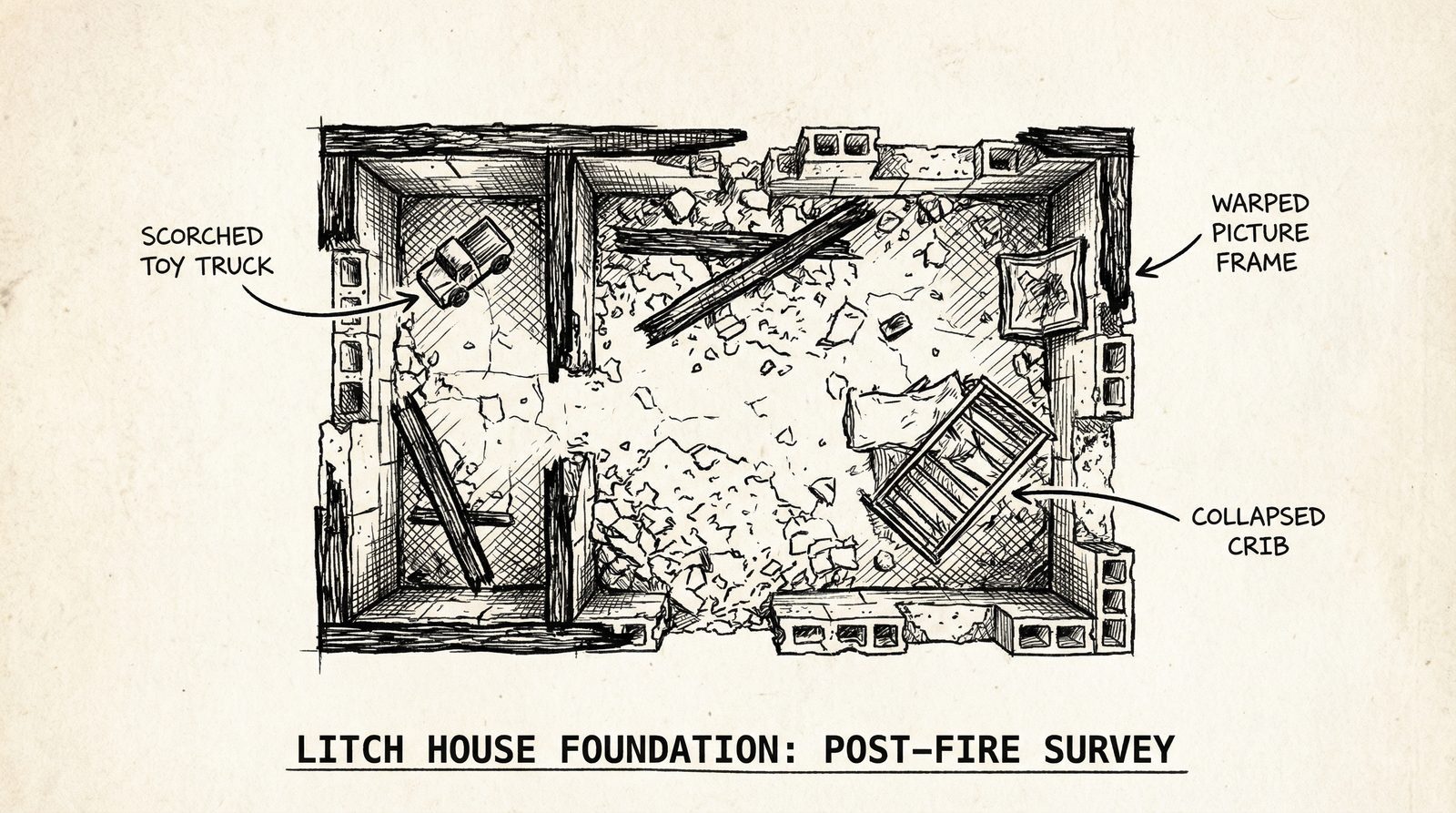
    Complicating things further, a house fire forces Kate’s longtime enemy Teri Litch and Teri’s toddler brother into the Malone home. The tension between the girls, built from years of rivalry, misunderstanding, and bruised pride, becomes the emotional engine of the novel.

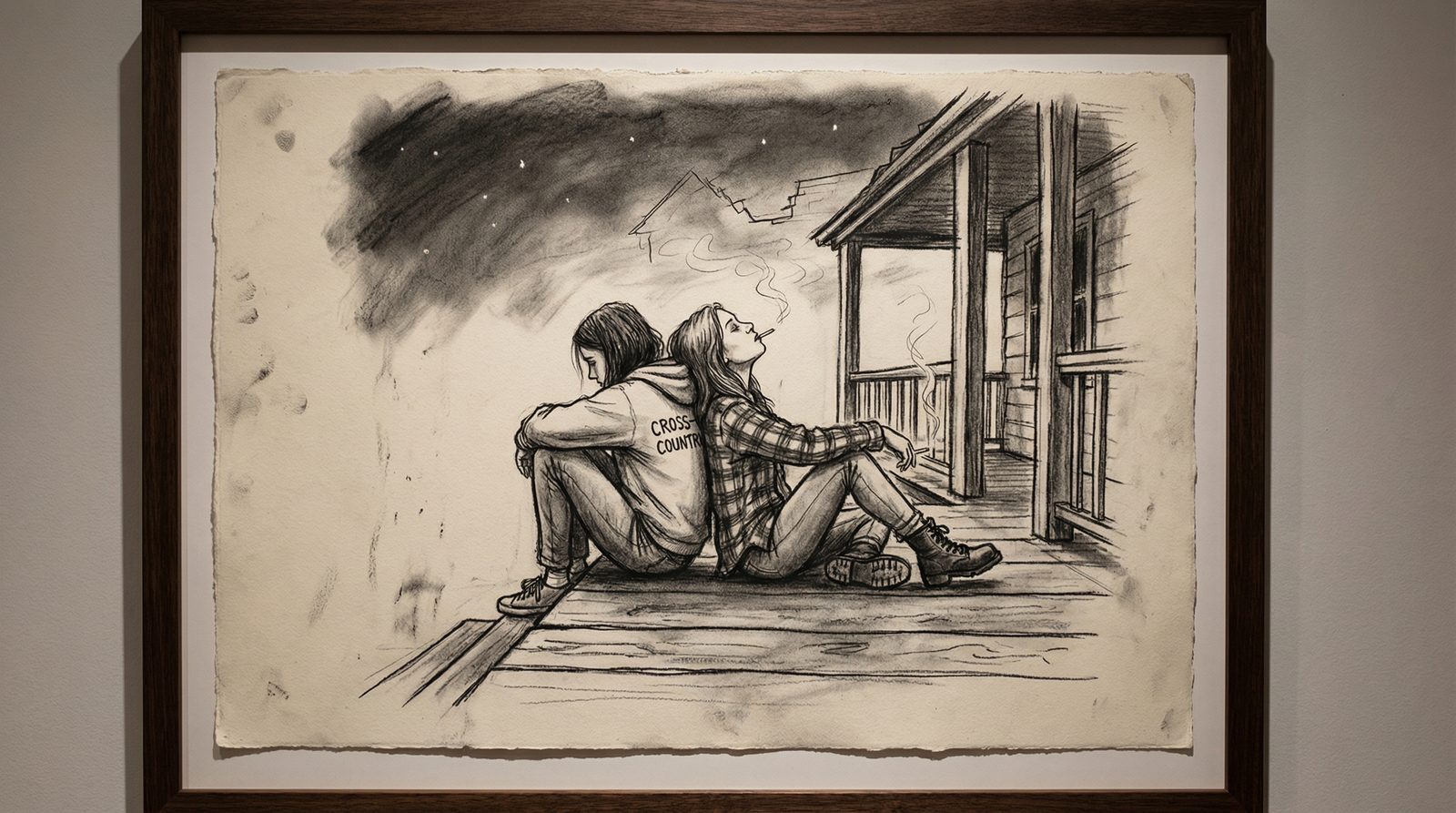
    Catalyst explores themes of failure, grief, self-deception, and the collapse of identity under extreme pressure. This fits naturally with motifs like Identity Collapse in Isolation, as Kate spirals into emotional freefall when the role she has built her life around disappears.

    Anderson also threads in the darker edge of domestic tension. The Malone household is loving but brittle, a clear example of the motif Domestic Vulnerability as Horror, where tragedy does not need supernatural violence to devastate a family.

    Conceptual editorial illustration inspired by 'catalyst (2002)'


    STYLE & LANGUAGE

    Anderson writes with her trademark sharpness: short chapters, staccato sentences, and emotional beats delivered with precision. Kate’s voice is restless and anxious, which makes the book move quickly even when nothing large is happening on the surface. The language mirrors Kate’s racing thoughts. It is clipped, controlling, and sometimes unreliable.

    The novel is grounded firmly in realism. Anderson does not overplay the emotional stakes, which makes the genuine crisis points land harder. The dialogue is especially strong. Teenagers sound like teenagers, and the adults sound distracted and exhausted in ways that feel true.


    CHARACTERS & RELATIONSHIPS

    Kate Malone is a tightly coiled protagonist defined by fear of failure. She is sympathetic but not always likeable, which makes her unraveling more compelling. Her obsession with perfection creates a believable, painful internal conflict that drives much of the book’s tension.

    Teri Litch is the novel’s breakout character. She is abrasive, wounded, and strong in ways Kate is not. Their collision is the heart of the story. Anderson excels at writing two girls who resent each other for reasons neither can fully articulate until it is too late.

    The adults orbiting them, including Kate’s father, teachers, and neighbours, feel real but distant. That distance reinforces the sense that Kate is carrying far more than any teenager should have to hold.


    CULTURAL CONTEXT & LEGACY

    Published in the early 2000s, Catalyst sits in the second wave of YA realism that arrived before the explosion of issue-driven YA in the 2010s. It tackles academic pressure, trauma, and teenage emotional volatility without reducing characters to lessons. The book remains widely read because it captures something timeless: how it feels when your identity rests on a single fragile point.

    It also pairs historically with Speak, offering another angle on Anderson’s interest in girls whose voices are ignored, dismissed, or misunderstood by the institutions that shape their lives.

    Illustration of a core idea or motif from 'catalyst (2002)'


    IS IT WORTH READING?

    If you are looking for an emotionally honest, tightly written YA novel about pressure and identity, Catalyst is absolutely worth reading. It is intense without being melodramatic, and it treats teenage emotions with seriousness instead of condescension.

    If you prefer YA with broader worldbuilding or lighter tones, this will not be your book. Anderson writes to the bone, and Catalyst is very much about breaking down before finding a way forward.


    SIMILAR BOOKS

    Readers who connect with Kate’s emotional spiral may also appreciate the grounded pressure in Tabitha King’s Survivor. For a science-fiction parallel about identity under strain, Arthur C. Clarke’s 2061: Odyssey Three offers a thematic echo through a very different lens.