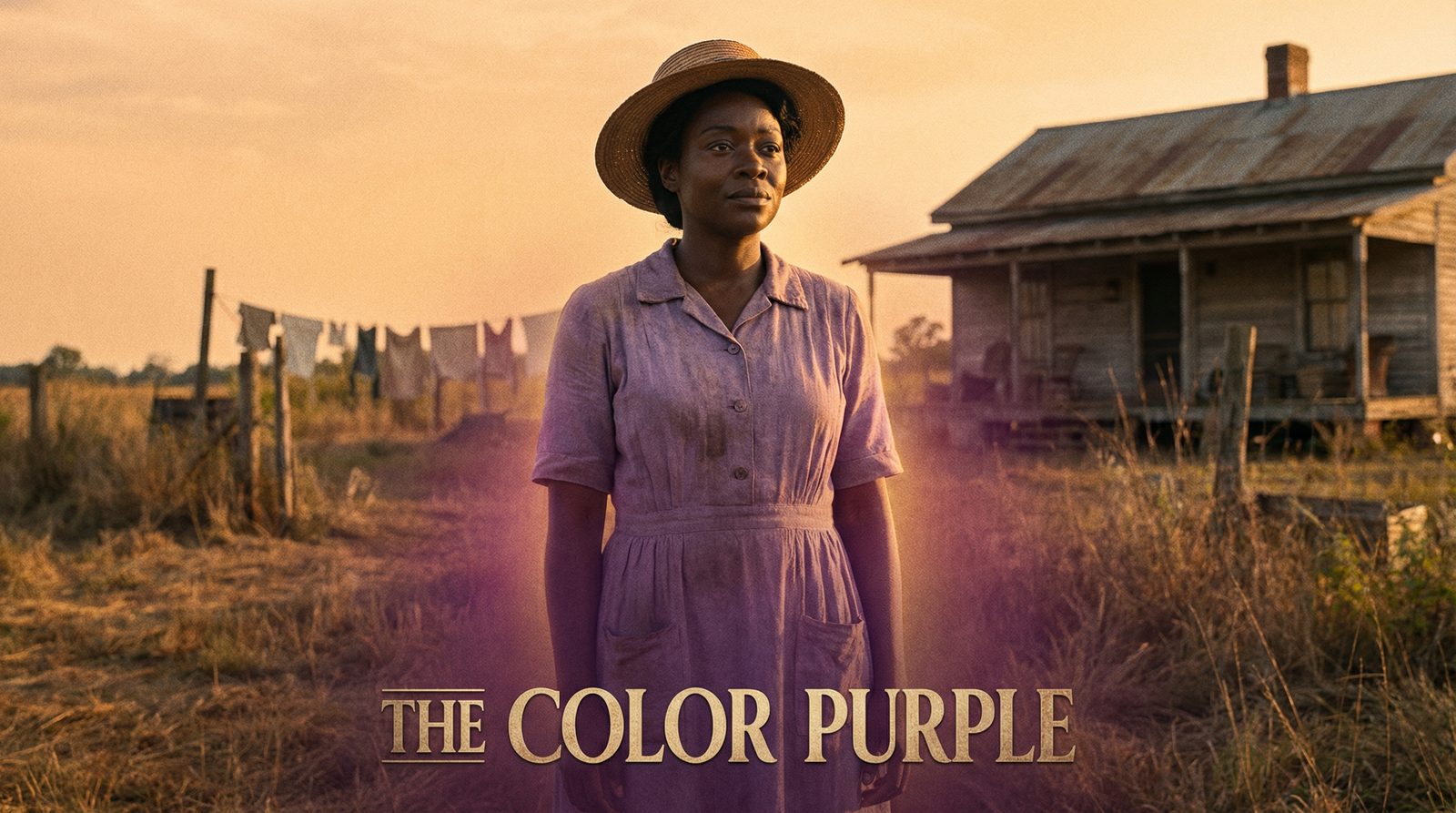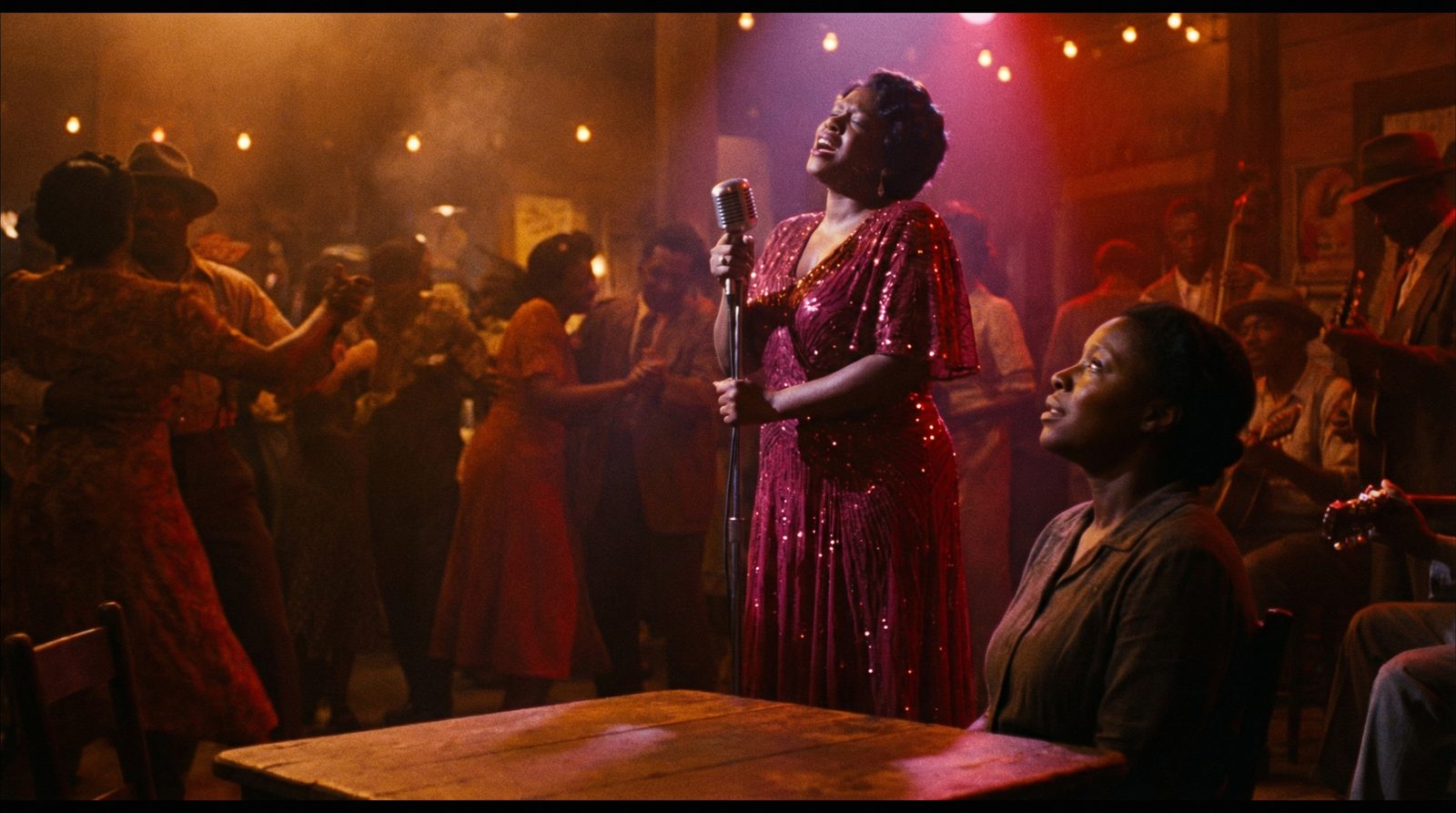

Place: Georgia

  • Parental Betrayal

    Parental Betrayal

    Motif Type: Family Harm
    Era Focus: 20th Century to 21st Century
    Primary Fields: Memoir, Literary Fiction, Trauma Narratives


    WHAT THIS MOTIF MEANS

    Parental Betrayal appears in stories where a parent violates the trust that should define the relationship. The betrayal may be emotional, physical, or psychological. Sometimes it is overt. Sometimes it is disguised as care. The result is the same. The child learns early that the person meant to protect them is the person they must survive.

    The betrayal shapes identity, trust, and future relationships. It becomes the lens through which the character sees the world.


    HOW IT WORKS IN NARRATIVE

    This motif often begins with a character who believes the parent’s behavior is normal. The betrayal is slow, cumulative, and internalized. Only later, through distance or comparison, does the character understand the truth. The narrative arc follows the painful shift from loyalty to clarity and the emotional fallout that follows.

    Parental Betrayal creates complex emotional terrain because characters often love the person who harmed them.
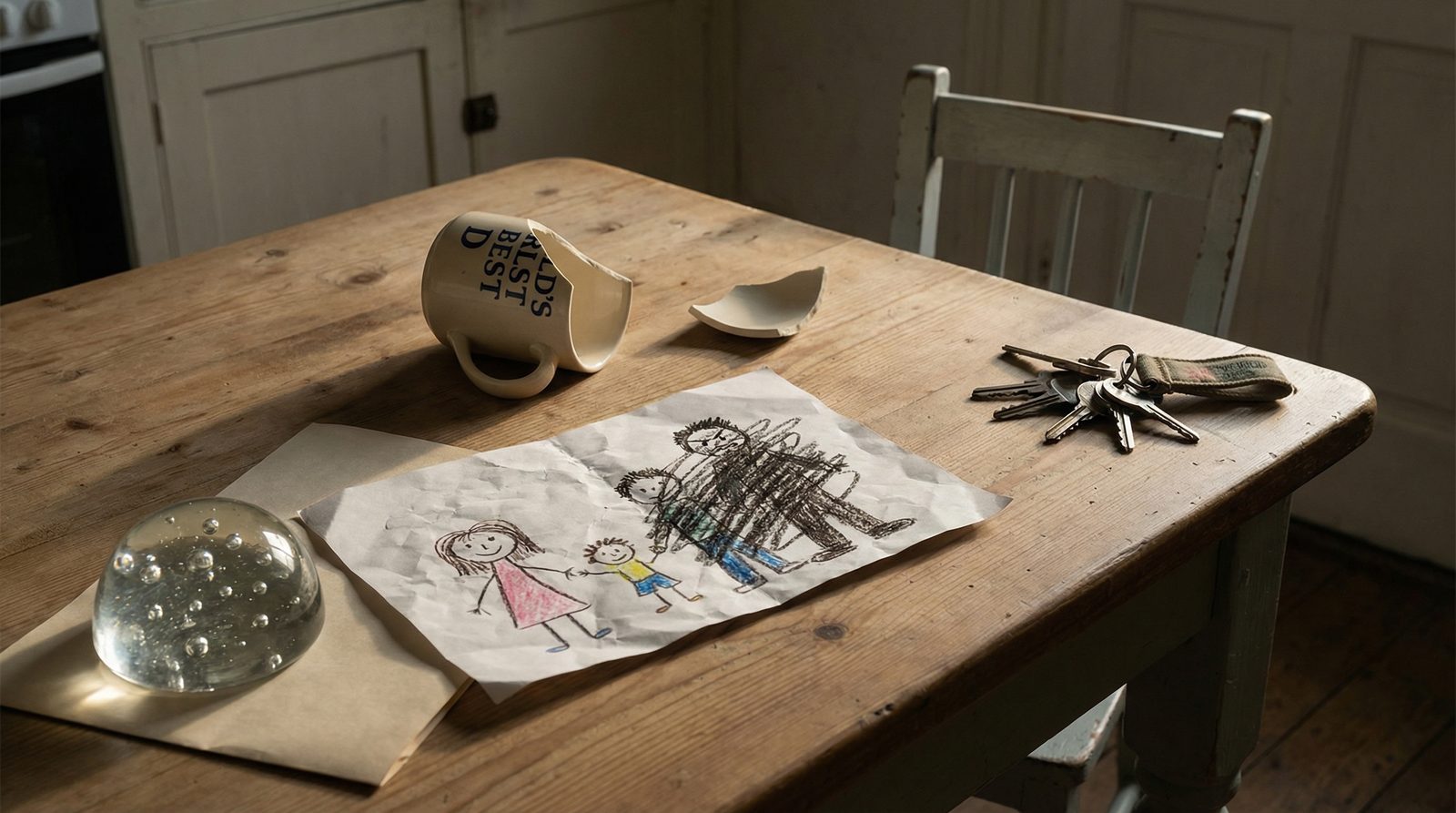
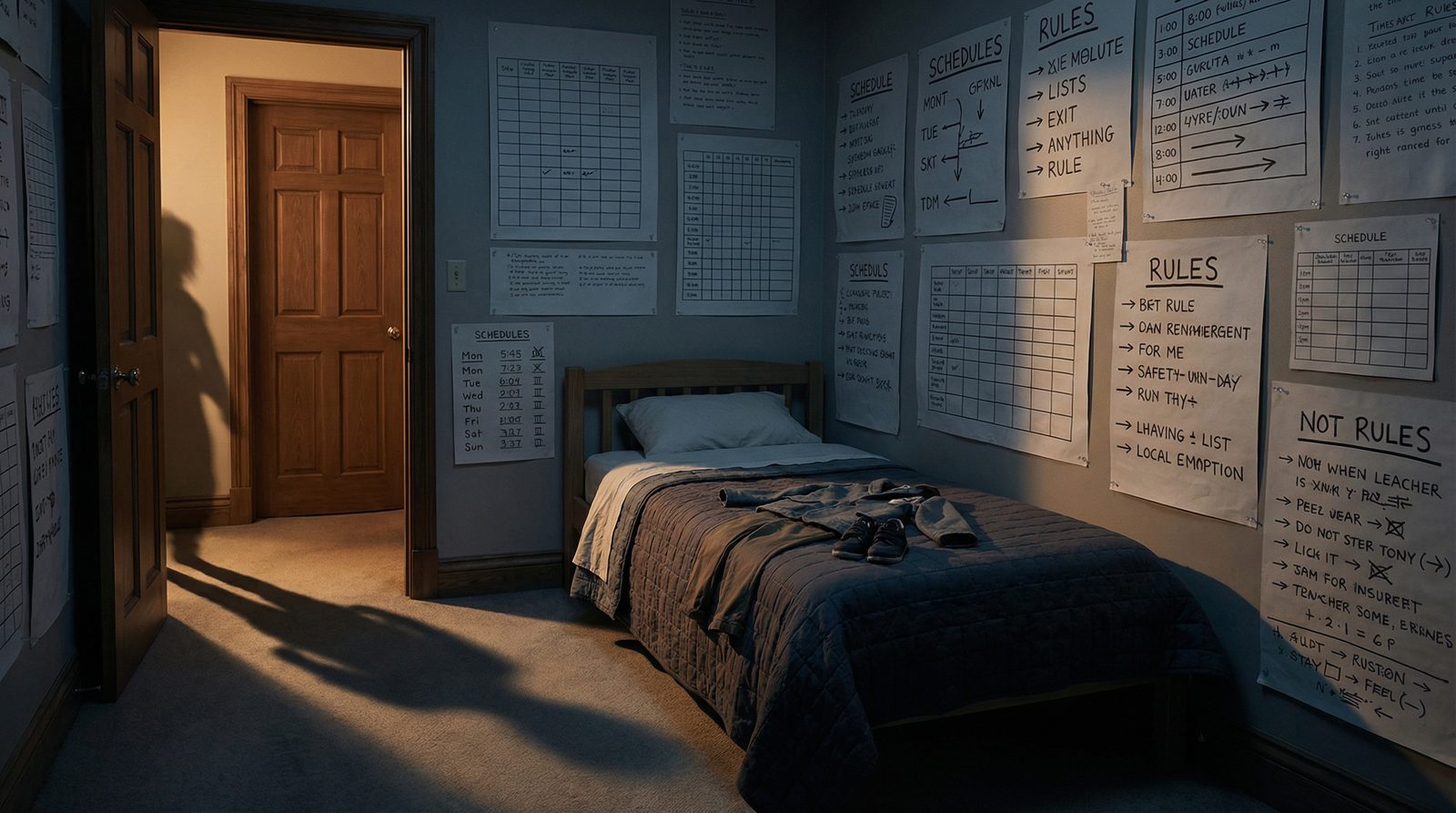
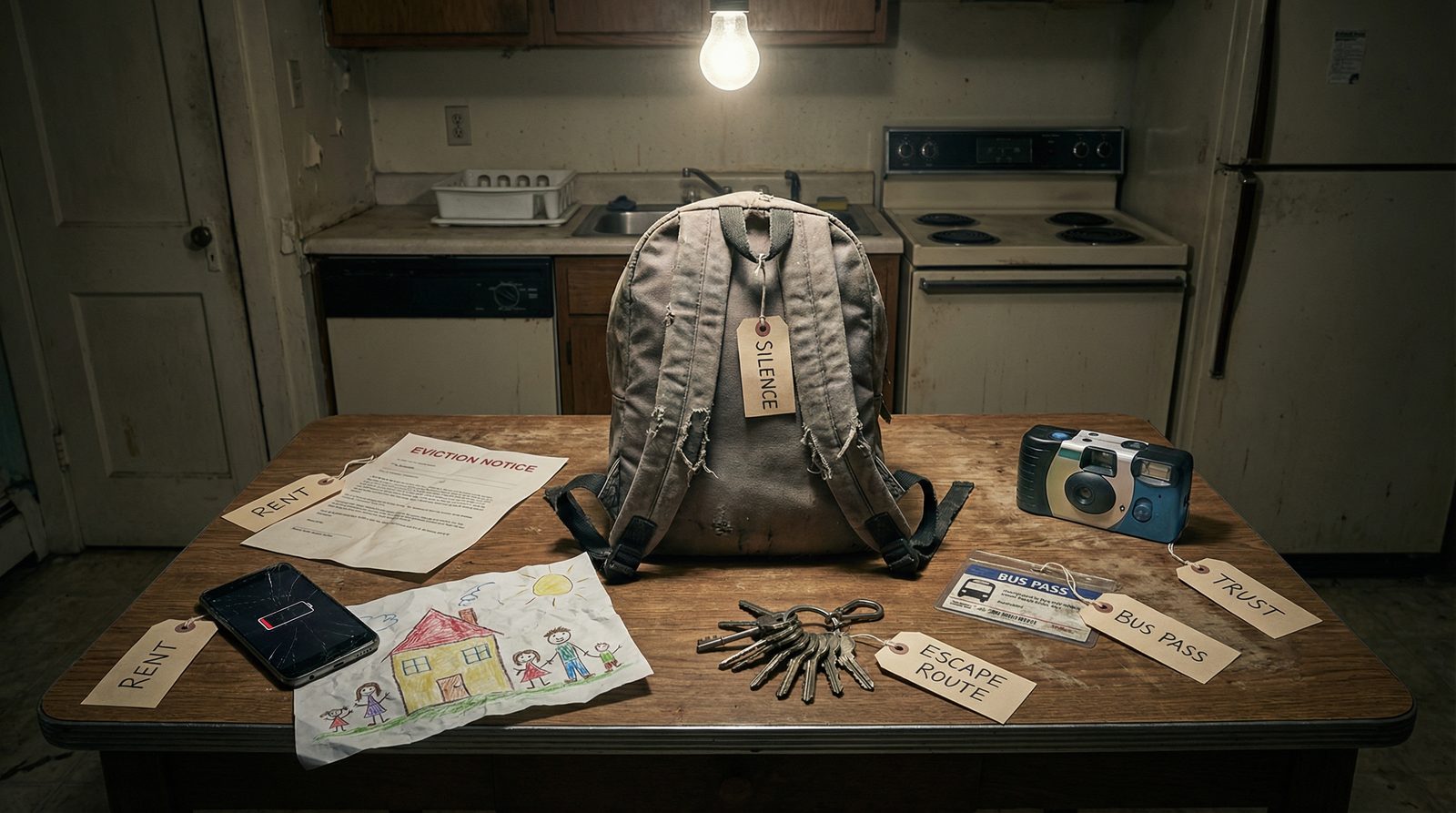
    Parental Betrayal inline concept image


    WHERE WE SEE IT IN OUR LIBRARY

    • I’m Glad My Mom Died – Jennette McCurdy’s mother controls her body, career, and identity while presenting herself as protector.
    • The Woman in Me – Britney’s father uses legal authority to dominate her life under the guise of guardianship.
    • Push – Precious is betrayed by both parents through violence, neglect, and exploitation.
    • The Color Purple – Celie’s father destroys her early sense of safety and choice.

    In each narrative, the betrayal is not a single event. It is a pattern that shapes the character’s entire life.
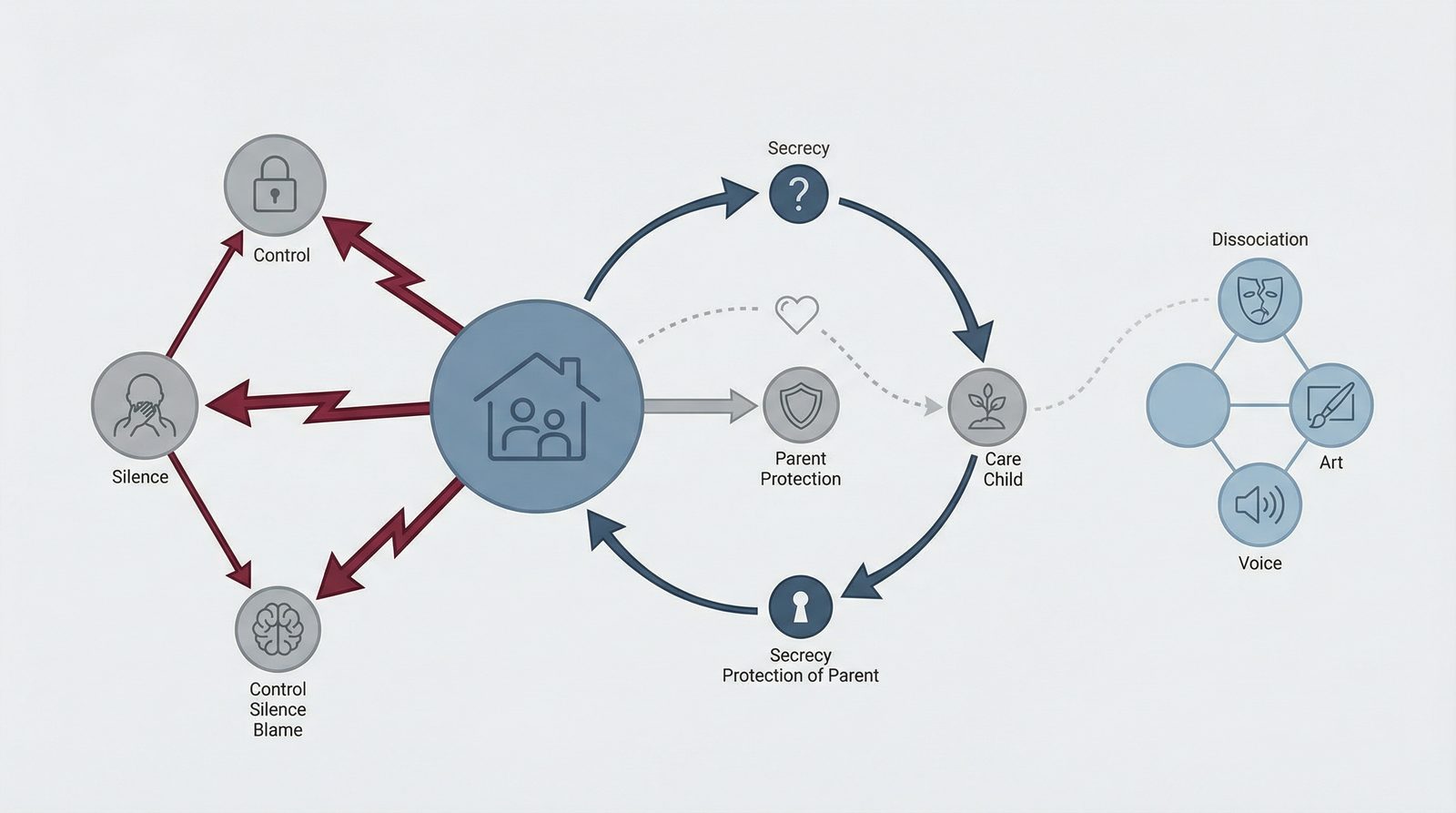
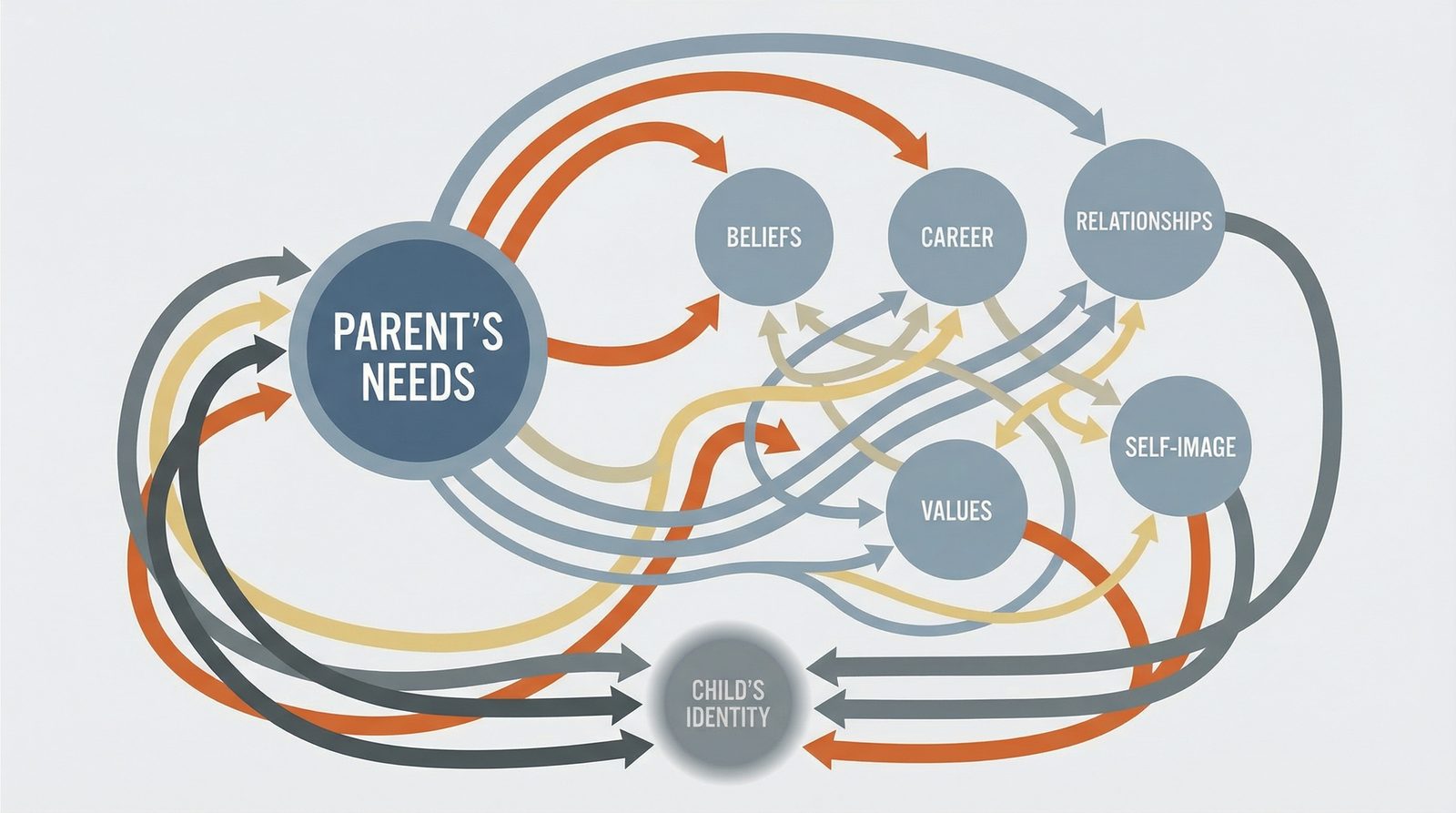
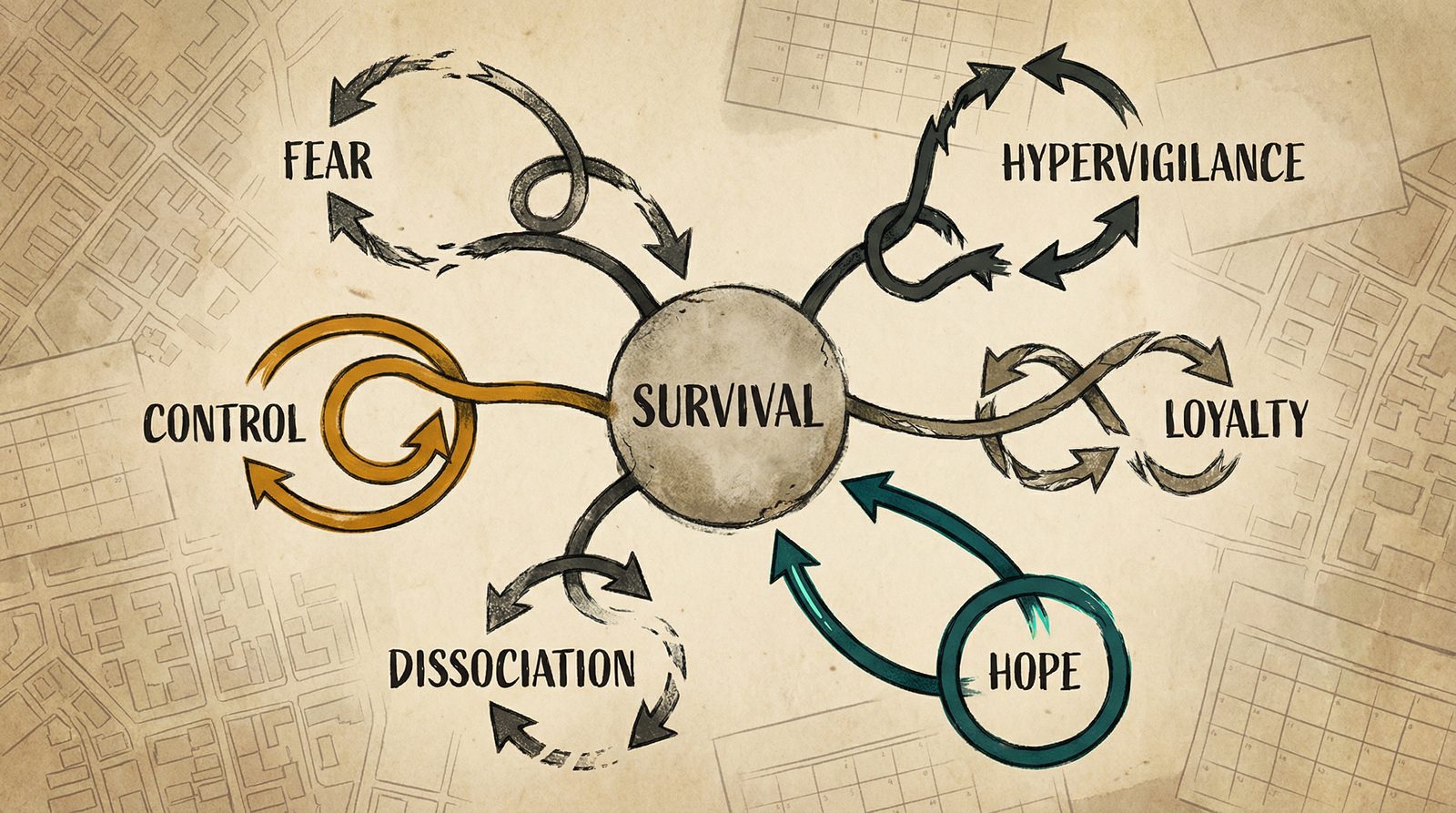
    Parental Betrayal inline diagram image

    WHY IT MATTERS

    This motif reveals the depth of harm that occurs when trust is broken at the foundation of childhood. It also illuminates the emotional journey toward recognizing that betrayal, which can take years or decades. These stories offer readers language for harm that is often minimized or misunderstood.

    Parental Betrayal becomes a starting point for transformation once the character finally names what happened.


    ARCHETYPES ASSOCIATED WITH THIS MOTIF

    • The Controlled Daughter – the clearest archetype of this motif.
    • The Erased Girl – when betrayal results in emotional disappearance.
    • The Survivor Confessor – when the character recounts the truth after years of silence.

    RELATED MOTIFS

    Grief as Contradiction
    Parental Control as Identity
    Dissociation as Defense

  • Parental Control as Identity

    Parental Control as Identity

    Motif Type: Family and Autonomy
    Era Focus: 20th Century to 21st Century
    Primary Fields: Memoir, Literary Fiction, Trauma Narratives


    WHAT THIS MOTIF MEANS

    Parental Control as Identity appears in stories where a child’s personality, preferences, and worldview are shaped by a dominant parent. The character grows up performing roles assigned to them rather than developing a self of their own. The parent’s needs become the map of the child’s life, leaving little room for autonomy.

    Identity becomes a product of fear, obligation, or devotion rather than choice.


    HOW IT WORKS IN NARRATIVE

    Narratives using this motif often show a child raised inside emotional or physical control. Boundaries are blurred. Agency is discouraged. The character becomes whoever the parent needs them to be. When the story moves into adulthood, this inherited identity becomes a source of conflict and confusion.

    The arc usually unfolds as slow detachment. The character begins to see themselves separate from the parent for the first time.

    Parental Control as Identity inline concept image

    WHERE WE SEE IT IN OUR LIBRARY

    • I’m Glad My Mom Died – Jennette McCurdy’s entire identity is shaped by her mother’s desires, fears, and obsessions.
    • The Woman in Me – Britney’s father and management teams exert control over her choices, work, body, and identity.
    • Framing Britney Spears – The documentary shows her identity being managed by others in public and private.
    • Push – Precious’s sense of self is shaped by parental violence and emotional domination.

    Each of these characters must unlearn identities they never fully chose.


    WHY IT MATTERS

    This motif is essential because it shows how early control becomes internalized. Even after the parent is gone, the character may struggle to understand who they are outside of imposed expectations. Stories that explore this motif reveal how identity can be reclaimed after years of pressure.

    It also speaks to the emotional cost of parental overreach, a topic rarely explored with honesty in mainstream narratives.

    Parental Control as Identity inline diagram image

    ARCHETYPES ASSOCIATED WITH THIS MOTIF

    • The Controlled Daughter – the primary archetype of this motif.
    • The Erased Girl – for characters whose identity disappears beneath parental need.
    • The Reclaimer – for those who eventually break away and build a self of their own.

    RELATED MOTIFS

    Parental Betrayal
    Grief as Contradiction
    Dissociation as Defense

  • Emotional Minimalism

    Emotional Minimalism

    Motif Type: Restraint and Expression
    Era Focus: 20th Century to 21st Century
    Primary Fields: Memoir, Literary Fiction, Trauma Narratives


    WHAT THIS MOTIF MEANS

    Emotional Minimalism appears in stories where the emotional truth is carried not in dramatic scenes, but in what is left unsaid. The tone is clipped, sparse, and controlled. The character shares details as if reporting facts, but the restraint becomes its own form of intensity. This is not emotional absence. It is emotional containment shaped by trauma, performance, or survival.

    The effect is powerful. The reader feels the force of emotion inside the gaps, silences, and flat statements.


    HOW IT WORKS IN NARRATIVE

    This motif often appears when the character has learned that expressing emotion is unsafe. They speak in understatement. They move through moments of pain with steady control. The narrative creates tension by letting the reader feel what the character will not name.

    When transformation arrives, it is subtle. A sentence lengthening. A moment of honesty. A shift in tone. Emotional Minimalism creates some of the most heartbreaking and most believable arcs in trauma-centered stories.

    Emotional Minimalism inline concept image


    WHERE WE SEE IT IN OUR LIBRARY

    • I’m Glad My Mom Died – McCurdy’s deadpan, clipped narration reveals trauma through understatement.
    • The Color Purple – Celie’s early letters are sparse, broken, and emotionally withheld until her voice grows.
    • Framing Britney Spears – The documentary uses restrained tone and minimal narration to underscore the emotional weight of Britney’s silence.
    • The Woman in Me – Britney’s writing is calm, clean, and almost detached as she recounts her life under control.

    This motif is strongest where trauma is carried in tone rather than confession. The silence around emotion becomes as revealing as any dramatic scene.


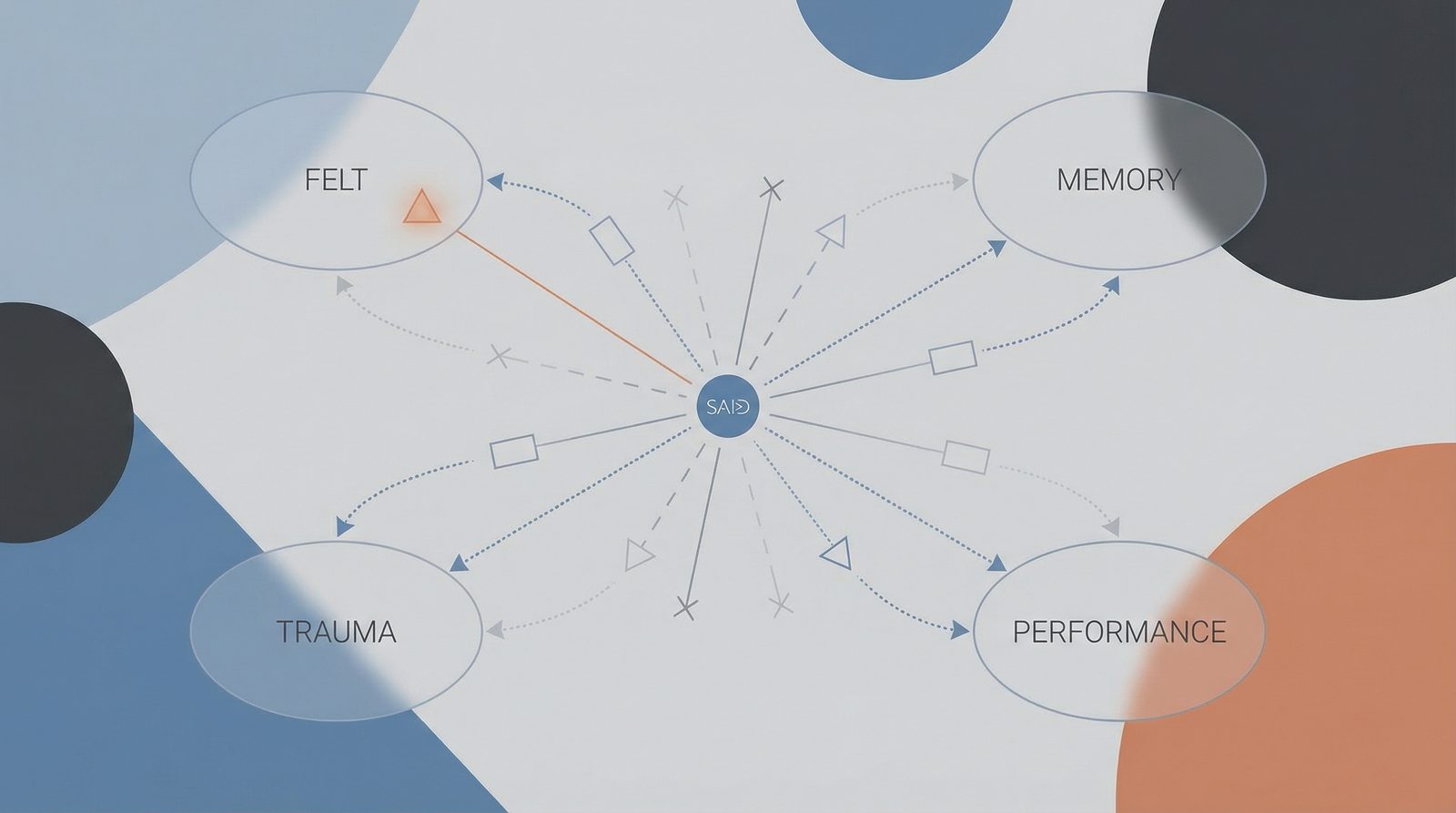
    Emotional Minimalism inline diagram image


    WHY IT MATTERS

    Emotional Minimalism creates emotional realism. It reflects how many survivors of trauma speak. It also gives the reader space to feel emotion without being forced into sentimentality. In literature and memoir, restraint can be more powerful than intensity.

    This motif also allows for slow, subtle transformation that feels earned and honest.


    ARCHETYPES ASSOCIATED WITH THIS MOTIF

    • The Witness – for characters who observe and report emotion with quiet clarity.
    • The Reclaimer – for characters whose emotional growth is revealed in small shifts.
    • The Controlled Daughter – for characters who learned to hide emotion for survival.

    RELATED MOTIFS

    Silence as Survival
    The Double Self
    Grief as Contradiction

  • Grief as Contradiction

    Grief as Contradiction

    Motif Type: Emotional Paradox
    Era Focus: 20th Century to 21st Century
    Primary Fields: Memoir, Literary Fiction, Trauma Narratives


    WHAT THIS MOTIF MEANS

    Grief as Contradiction appears in stories where loss produces mixed, conflicting emotions. Characters feel sorrow and relief, guilt and liberation, love and resentment. The grief is layered, unstable, and often confusing. It does not follow cultural scripts. It arrives in unexpected shapes.

    This motif challenges the idea that grief is a single feeling. It reveals how complex emotional truth can be when the person lost was also the source of harm, pressure, or fear.


    HOW IT WORKS IN NARRATIVE

    Narratives shaped by this motif often center on characters whose relationship with the deceased was fraught. The story reveals why the grief cannot be clean. The character mourns the person, but also mourns the version of themselves that relationship created.

    The contradiction becomes a path toward clarity. Grief becomes the moment where truth can finally be named.

    Grief as Contradiction inline concept image


    WHERE WE SEE IT IN OUR LIBRARY

    • I’m Glad My Mom Died – McCurdy grieves her mother’s death while also grieving the harm her mother caused.
    • The Color Purple – Celie’s grief contains fear, resentment, and love that cannot be separated cleanly.
    • Confessions of a Video Vixen – Steffans experiences grief as emotional contradiction shaped by betrayal, survival, and longing.

    These narratives show grief as a turning point where conflicting truths coexist without resolution.


    WHY IT MATTERS

    This motif matters because it reflects real emotional experience that is rarely acknowledged. It validates readers who feel both sorrow and relief after loss. It also deepens character arcs by showing that healing is not linear and that grief can expose wounds that were never recognized before.

    For storytellers, this motif allows for emotional nuance that avoids simplification.

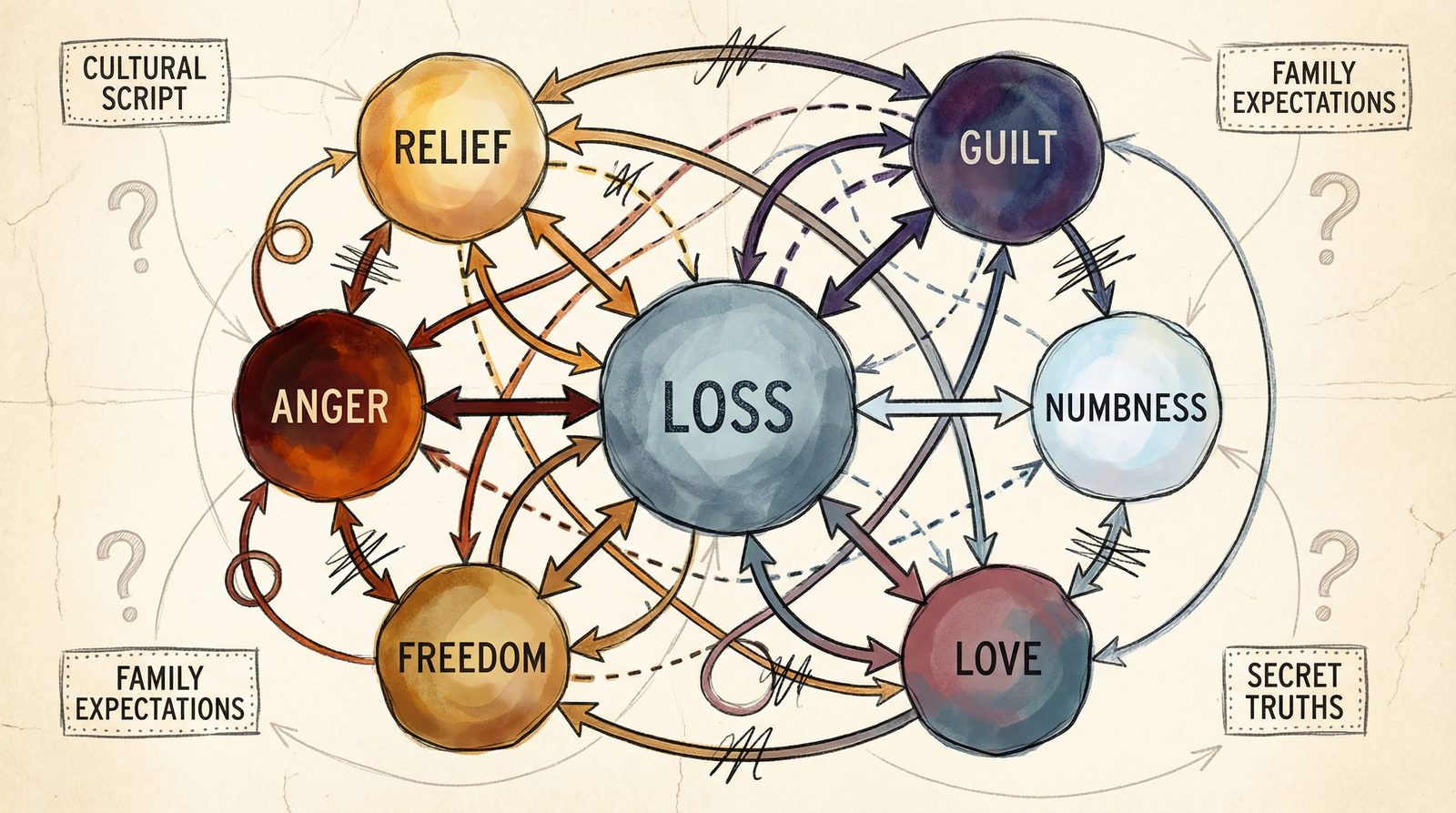
    Grief as Contradiction inline diagram image


    ARCHETYPES ASSOCIATED WITH THIS MOTIF

    • The Controlled Daughter – for characters whose grief is tangled with domination and fear.
    • The Witness – for characters who see grief clearly and analyze its contradictions.
    • The Reclaimer – for characters who emerge from grief with a more solid sense of self.

    RELATED MOTIFS

    Parental Control as Identity
    Dissociation as Defense

    Trauma as Inheritance

  • Survival as Identity

    Survival as Identity

    Motif Type: Psychological Formation
    Era Focus: 20th Century to 21st Century
    Primary Fields: Memoir, Literary Fiction, Trauma Studies


    WHAT THIS MOTIF MEANS

    Survival as Identity appears in stories where survival is not only an action but a worldview. Characters shaped by this motif have lived through chronic harm, neglect, or control. The result is that survival becomes the center of who they are. Their choices, fears, and desires are filtered through the need to endure.

    Identity built through survival is pragmatic, guarded, and shaped by experience rather than aspiration.


    HOW IT WORKS IN NARRATIVE

    Characters embodying this motif often enter stories in a state of emotional autopilot. They are not planning a future. They are avoiding collapse. Their internal voice is shaped by monitoring danger, managing harm, or anticipating the next threat.

    As the narrative progresses, the character may learn that survival is not the same as living. This shift becomes a quiet but profound transformation.

    Survival as Identity inline concept image


    WHERE WE SEE IT IN OUR LIBRARY

    • Push – Precious understands the world through threat and endurance. Survival is her first language.
    • Precious – The film shows her identity forming around what she must withstand rather than what she desires.
    • The Color Purple – Celie spends much of her early life adapting to abuse as her normal environment.
    • I’m Glad My Mom Died – Jennette’s emotional instincts are built around pleasing, shrinking, and avoiding conflict, all in service of survival.
    • Confessions of a Video Vixen – Steffans’s identity is shaped by navigating danger inside relationships, industries, and image.

    In each of these stories, survival becomes the character’s primary skill and primary burden.

    Survival as Identity inline diagram image

    WHY IT MATTERS

    This motif exposes the emotional cost of long-term trauma. It shows how deeply early harm can shape personality and expectation. Characters who survive learn resourcefulness and intuition, but often struggle to imagine joy, stability, or selfhood that is not rooted in vigilance.

    The motif creates rich arcs where characters slowly discover that identity can expand beyond survival.


    ARCHETYPES ASSOCIATED WITH THIS MOTIF

    • The Survivor Confessor – for characters who narrate how survival shaped them.
    • The Resistant Spirit – for those whose endurance becomes inner strength.
    • The Erased Girl – for characters whose survival erased their sense of self until later.

    RELATED MOTIFS

    Survival Narratives
    Silence as Survival
    Trauma as Inheritance

  • Survival Narratives

    Survival Narratives

    Motif Type: Endurance and Transformation
    Era Focus: 20th Century to 21st Century
    Primary Fields: Memoir, Literary Fiction, Trauma Studies


    WHAT THIS MOTIF MEANS

    Survival Narratives appear in stories where the central tension is not triumph or victory, but endurance. The character’s primary goal is to stay alive, stay present, or stay intact in the face of harm. Survival is not glamorous. It is not heroic in the traditional sense. It is a daily, often invisible act.

    The motif reveals the emotional truth that survival is meaningful even when it is quiet.


    HOW IT WORKS IN NARRATIVE

    Narratives shaped by this motif often begin with confinement. The character has limited choices, minimal support, and little sense of possibility. The plot does not promise redemption. It promises movement, however small. The story unfolds in acts of persistence: a step away from harm, a word spoken, a line written, a breath taken.

    The climax often comes not as success but as recognition. The character understands that survival itself has value.


    Survival Narratives inline concept image

    WHERE WE SEE IT IN OUR LIBRARY

    • Push – Precious survives violence, hunger, neglect, and systems designed to ignore her.
    • Precious – The film deepens the motif by showing survival as physical and emotional endurance.
    • The Color Purple – Celie endures years of abuse but finds strength in sisterhood and self-recognition.
    • Confessions of a Video Vixen – Steffans survives systems of male power and celebrity exploitation.
    • The Woman in Me – Britney’s endurance through legal control becomes a global example of quiet survival.
    • I’m Glad My Mom Died – McCurdy’s survival is emotional, psychological, and tied to reclaiming selfhood.

    Across these works, survival is not the end of the story. It is the beginning of transformation.


    WHY IT MATTERS

    This motif matters because it gives value to endurance. Many stories celebrate triumph but overlook the hard, quiet work of simply continuing. Survival Narratives recognize this work as meaningful and dignified. They show how trauma shapes people without defining the rest of their lives.

    They also connect disparate stories across genre, race, and medium through the shared thread of persistence.


    Survival Narratives inline diagram image

    ARCHETYPES ASSOCIATED WITH THIS MOTIF

    • The Survivor Confessor – for characters who narrate their survival with clarity.
    • The Resistant Spirit – for characters who hold a spark even inside overwhelming circumstances.
    • The Witness – for characters who observe their own endurance with honesty.

    RELATED MOTIFS

    Silence as Survival
    Trauma as Inheritance
    Literacy as Liberation

  • Literacy as Liberation

    Literacy as Liberation

    Motif Type: Education and Selfhood
    Era Focus: 20th Century to 21st Century
    Primary Fields: Literary Fiction, Memoir, Social Realism


    WHAT THIS MOTIF MEANS

    Literacy as Liberation is a motif found in stories where learning to read or write becomes the turning point in a character’s life. The act is more than an academic skill. It becomes a form of self-recognition. Characters who inhabit this motif discover language as a path out of isolation, silence, or abuse.

    The power of this motif lies in transformation. Written words offer a place to understand identity, claim truth, and imagine a future that did not exist before.


    HOW IT WORKS IN NARRATIVE

    In these stories, literacy changes the internal map of the character. Before literacy, they may be controlled, erased, or unable to articulate their own experiences. Learning to write becomes a way to understand the past and shape the present. Learning to read becomes access to knowledge that was once forbidden. Literacy becomes agency.

    For many characters, writing is the first time their voice has value.


    Literacy as Liberation inline concept image

    WHERE WE SEE IT IN OUR LIBRARY

    • Push – Precious begins to write in Ms Rain’s class and discovers a self that abuse tried to extinguish.
    • Precious – The film visualizes writing as release, showing how language becomes a lifeline.
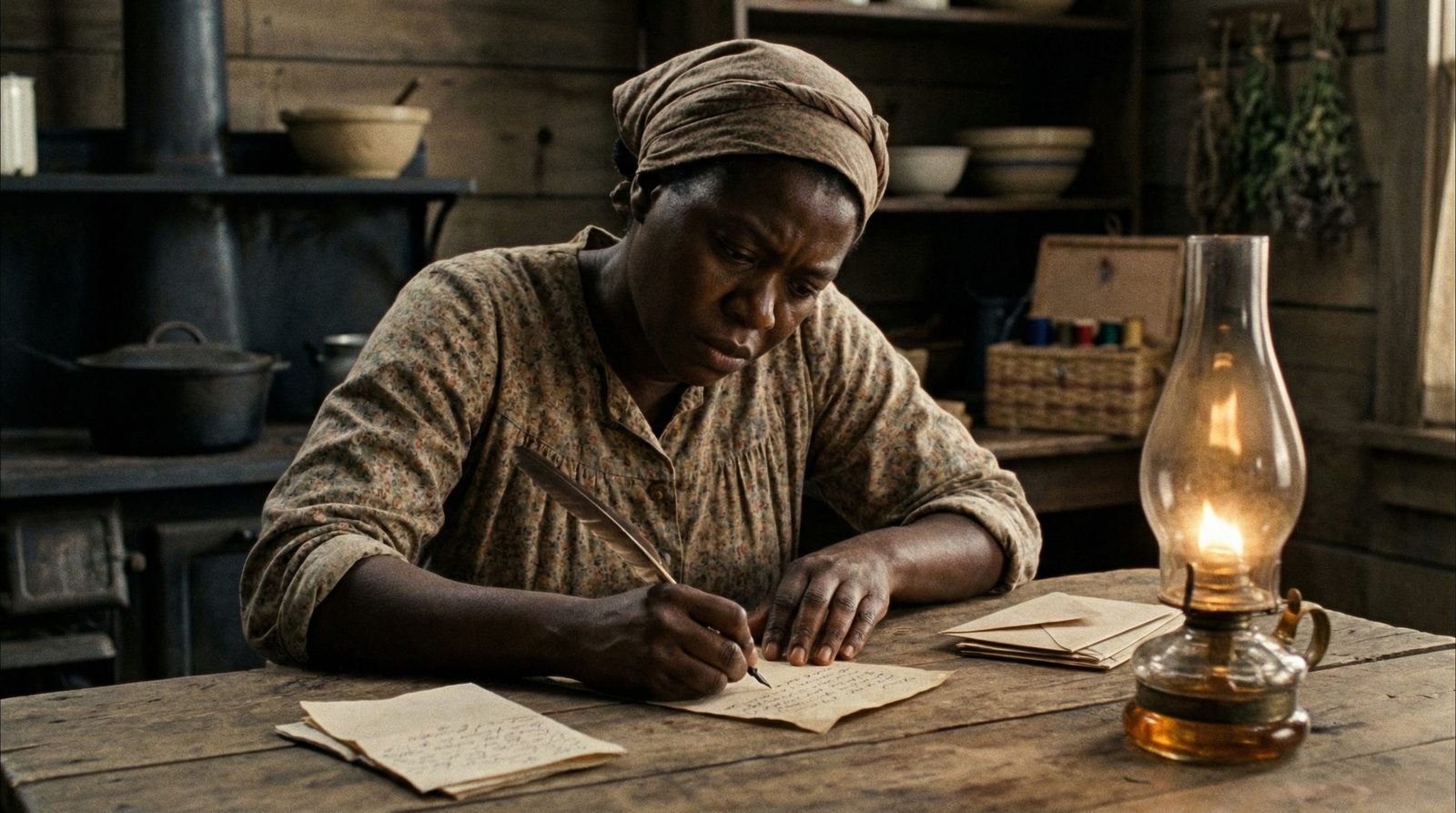
    • The Color Purple – Celie’s letters are her survival. Writing becomes her sanctuary and eventual awakening.
    • Sapphire – As an author and educator, her work embodies the belief that literacy can transform a life and a community.

    These works show literacy as a tool that interrupts generational harm and opens the door to naming what was once unspeakable.


    WHY IT MATTERS

    This motif is powerful because it shows how selfhood can begin on the page. For characters who have been silenced or controlled, writing provides a private space that cannot be taken away. Literacy becomes rebellion in stories where the world demands obedience.

    It reminds readers that stories are not just entertainment. They are survival strategies.

    Literacy as Liberation inline diagram image

    ARCHETYPES ASSOCIATED WITH THIS MOTIF

    • The Reclaimer – characters who take back their story through writing.
    • The Witness – characters who see clearly once they gain language.
    • The Erased Girl – characters whose first true existence begins when they write their own words.

    RELATED MOTIFS

    Trauma as Inheritance
    Survival Narratives
    Intimacy as Healing

  • Power as Proximity

    Power as Proximity

    Motif Type: Power and Social Reach
    Era Focus: 20th Century to 21st Century
    Primary Fields: Memoir, Literary Fiction, Celebrity Studies


    WHAT THIS MOTIF MEANS

    Power as Proximity appears in stories where influence is gained or lost based on how close a character is to someone who holds authority. The power does not belong to the character. It extends to them through relationship. This can take the form of fame, family hierarchy, gender expectations, or institutional pressure.

    Characters inside this motif learn that access determines value. Being near someone powerful can bring protection, opportunity, or danger. The closer they are, the higher the stakes. The farther away they drift, the more vulnerable they become.


    HOW IT WORKS IN NARRATIVE

    This motif often appears where love, loyalty, fear, and authority overlap. A character’s safety or success depends on staying close to someone who can offer approval or punishment. The narrative tension grows from the imbalance. Some characters cling to proximity. Some try to escape it. Some learn to build power of their own.

    The motif is shaped by control. Proximity becomes the map of who matters in a character’s world.

    Power as Proximity inline concept image


    WHERE WE SEE IT IN OUR LIBRARY

    • Confessions of a Video Vixen – Proximity to powerful men shapes Steffans’s opportunities and dangers.
    • The Vixen Diaries – Fame makes relationships fluctuate according to status, desire, and leverage.
    • Open Book – Relationships with high-profile partners place Simpson inside emotional hierarchies she struggles to see clearly.
    • The Woman in Me – Britney’s entire life becomes governed by the power others wield over her.
    • Framing Britney Spears – The documentary shows how institutions used their closeness to Britney to control her public and private life.
    • The Color Purple – Mister holds power through forced marriage and patriarchy. Shug shifts the balance by offering Celie a new center of gravity.

    Across these works, proximity is not static. It shifts, reshapes alliances, and determines survival.

    Power as Proximity inline diagram image

    WHY IT MATTERS

    This motif reveals how personal power is often relational. It shows the emotional and physical cost of relying on others for safety. It also highlights moments of transformation, when characters step out of someone else’s shadow and begin defining themselves.

    Power as Proximity connects stories of fame, abuse, leadership, desire, and resistance. It exposes the fragile line between protection and control.


    ARCHETYPES ASSOCIATED WITH THIS MOTIF

    This motif aligns with characters who navigate shifting hierarchies of influence.

    • The Performer – for characters who gain power by being needed or seen.
    • The Controlled Daughter – for characters whose closeness to authority comes from dependence.
    • The Resistant Spirit – for characters who push back against oppressive hierarchies.

    RELATED MOTIFS

    Intimacy as Transaction
    The Double Self
    The Commodified Body in Books

  • The Color Purple (2023)

    The Color Purple (2023)

    Director: Blitz Bazawule
    Screenplay: Marcus Gardley
    Based on: Broadway Musical and The Color Purple by Alice Walker
    Genre: Musical Drama
    Country: United States
    Year: 2023


    INTRODUCTION

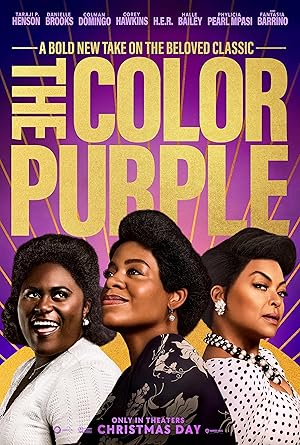
    Official poster for 'The Color Purple (2023) (2023)'

    The Color Purple (2023) reimagines Alice Walker’s story through the language of musical theater. Where the 1985 film stayed grounded in realism, this adaptation embraces emotional spectacle, using music to reveal what Celie cannot yet say. The result is a version of the story filled with movement, color, and spiritual uplift. It remains rooted in the motif of Survival Narratives, but its tone is more celebratory, focusing on transformation rather than confinement.

    The musical form allows the film to explore Celie’s interior world through sound and choreography, turning resilience into something communal and triumphant.


    PLOT AND FOCUS

    The story follows the same broad arc as the novel and the 1985 film. Celie endures violence, forced marriage, and separation from her sister. The emotional turning point arrives through relationships with Sofia, Nettie, and especially Shug Avery, whose presence helps Celie imagine a life beyond fear.

    The musical format shifts the tone. Songs become emotional architecture. Instead of describing Celie’s awakening, the film lets her sing it. These moments deepen the motif of Intimacy as Healing and emphasize the joy that emerges from community.

    The plot stays loyal to the source material but prioritizes catharsis over strict realism. It focuses on emotional release and collective resilience.


    STYLE AND APPROACH

    The film uses bold color palettes, wide choreography, and surreal visual moments to express Celie’s imagination. Where the earlier adaptation showed confinement, this one shows expansion. Dreams, memories, and musical numbers blur into each other, creating a sense of internal liberation long before Celie gains external freedom.

    The musical sequences offer joy even inside pain. This tonal blending is one of the film’s strengths. It suggests that hope and sorrow can share the same frame without canceling each other.

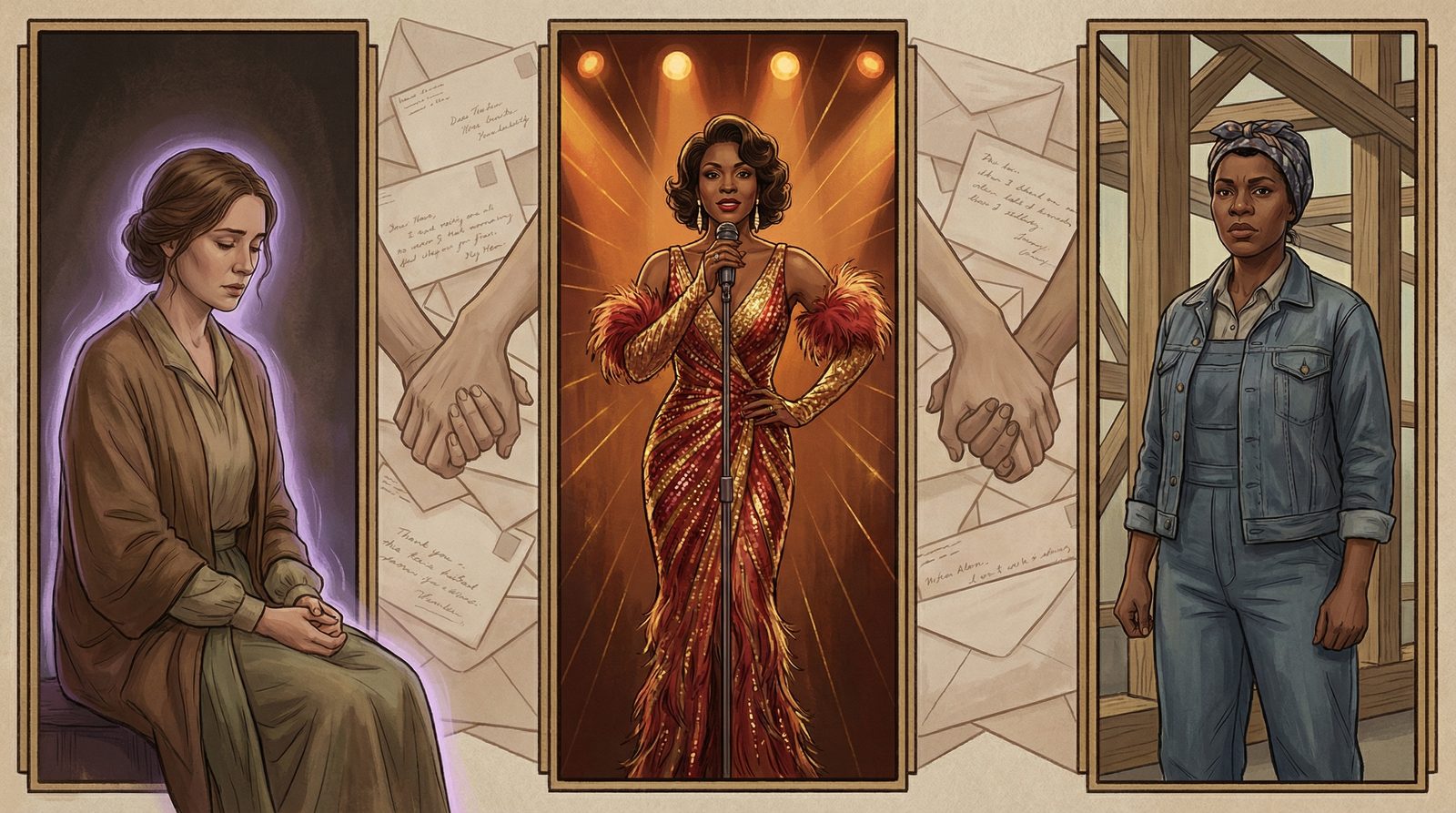
    Editorial illustration inspired by 'The Color Purple (2023) (2023)'

    CULTURAL CONTEXT AND LEGACY

    The 2023 adaptation stands at the intersection of literature, musical theater, and contemporary filmmaking. It honors the novel’s themes while speaking to a new generation of viewers. The film also restores attention to aspects of the story that had been softened in the 1985 version, especially Celie’s romantic and spiritual connection with Shug.

    Its release reignited conversations about Black women’s stories in mainstream film and emphasized the importance of adapting classic texts in ways that honor their complexity. It also strengthened the cultural position of The Color Purple as a multiform epic that continues to evolve.

    Symbolic illustration inspired by 'The Color Purple (2023) (2023)'

    IS IT WORTH WATCHING?

    Yes. It is vibrant, emotional, and beautifully performed. For viewers who love the novel or the earlier film, this adaptation offers a new lens. For those coming to the story for the first time, it offers an accessible and moving entry point. The film blends sorrow and joy with unusual grace.


    SIMILAR WORKS

    The Color Purple (1985)
    The Color Purple (1982)
    Precious (2009)
    Framing Britney Spears (2021)

  • The Color Purple (1985)

    The Color Purple (1985)

    Director: Steven Spielberg
    Screenplay: Menno Meyjes
    Based on: The Color Purple by Alice Walker
    Genre: Drama
    Country: United States
    Year: 1985


    INTRODUCTION

    The Color Purple (1985) is the first major screen adaptation of Alice Walker’s novel. Spielberg approaches the story with careful reverence, foregrounding Celie’s inner life without diluting the brutality she endures. The film translates the letters of the novel into a visual language shaped by silence, longing, and endurance. At its core, the film reflects the motif of Silence as Survival, showing how Celie learns to speak inside a world that rarely listens.

    The film became a cultural lightning rod. Praised for its performances and emotional force, criticized for the way pain is presented, it remains a milestone in bringing Black women’s interiority to mainstream cinema.


    PLOT AND FOCUS

    Official poster for 'The Color Purple (1985) (1985)'

    Set in the American South of the early twentieth century, the film follows Celie from childhood through adulthood as she faces physical abuse, forced marriage, and years of emotional suppression. Her husband, Mister, controls her labor and voice, and her sister Nettie’s exile becomes a wound that shapes her adolescence.

    The plot shifts when Shug Avery enters Celie’s life. Shug’s confidence and warmth form a kind of emotional education, helping Celie imagine a life beyond obedience. These scenes express the motif of Intimacy as Healing. Celie’s understanding of love is rewritten through Shug’s presence.

    The story’s emotional climax is Celie’s assertion of selfhood. Her declaration that she will no longer be silenced is one of the most enduring moments in the film and a reflection of her journey toward spiritual and personal freedom.


    STYLE AND APPROACH

    The visual style blends warm Southern landscapes with tight interior shots that reflect Celie’s confinement. Spielberg uses color and framing to show the difference between the world Celie lives in and the world she longs for. The fantasy sequences, though brief, reveal her imagination as a refuge.

    The performances ground the film. Celie’s quietness becomes a form of strength rather than erasure, and Shug and Sofia bring vitality that expands the emotional world of the story. This balance keeps the film from becoming a simple story of suffering. It becomes a story of transformation.

    Editorial illustration inspired by 'The Color Purple (1985) (1985)'

    CULTURAL CONTEXT AND LEGACY

    The film sparked heated debate. Some viewers praised its honesty. Some criticized its portrayal of violence. Others felt the adaptation softened parts of the novel. Yet the broader impact is undeniable. The film introduced Celie’s story to millions who had never encountered the novel and opened conversations about gender, race, and autonomy in mainstream film.

    It also paved the way for later adaptations, including the Broadway musical and the 2023 film musical. As a cultural object, the 1985 film stands alongside the novel as one of the most significant depictions of Black womanhood in American cinema of the 1980s.

    Symbolic illustration inspired by 'The Color Purple (1985) (1985)'

    IS IT WORTH WATCHING?

    Yes. It is emotionally intense but deeply moving. The film is a landmark in American cinema for its performances, visual storytelling, and commitment to centering Celie’s voice. Anyone interested in literary adaptations, Southern history, or stories of resilience will find it essential.


    SIMILAR WORKS

    The Color Purple (1982)
    The Color Purple (2023)
    Precious (2009)
    Framing Britney Spears (2021)