Place: Los Angeles

  • Jennette McCurdy

    Jennette McCurdy

    Born 1992, California, United States
    Genres: Memoir
    Era: 21st Century – 2010s


    INTRODUCTION

    Jennette McCurdy writes with a clarity that feels almost surgical. Her memoir I’m Glad My Mom Died is not a catalog of trauma. It is an examination of identity built under pressure and reclaimed through language. What sets her apart from other child-star memoirists is her emotional control. She does not dramatize. She observes. That approach places her work inside the motif of Silence as Survival, where restraint becomes both coping mechanism and storytelling tool.

    Her voice is steady, sharp, and often surprisingly funny. It carries the authority of someone who has finally stepped outside a performance she never chose.


    LIFE AND INFLUENCES

    McCurdy grew up in a tightly controlled home in Southern California. Her mother managed her career, monitored her eating, directed her emotions, and shaped her identity to fit her own needs. Acting was not ambition. It was obedience. These early experiences define the emotional landscape of her work.

    Her writing is shaped less by literary influence and more by therapy, introspection, and the desire to understand what was taken from her. Her path to authorship began with quitting acting and studying writing, a choice that marked the first major decision of her adult life.

    Her work aligns closely with motifs like Parental Control as Identity and Grief as Contradiction, and her personal history informs every line she writes.
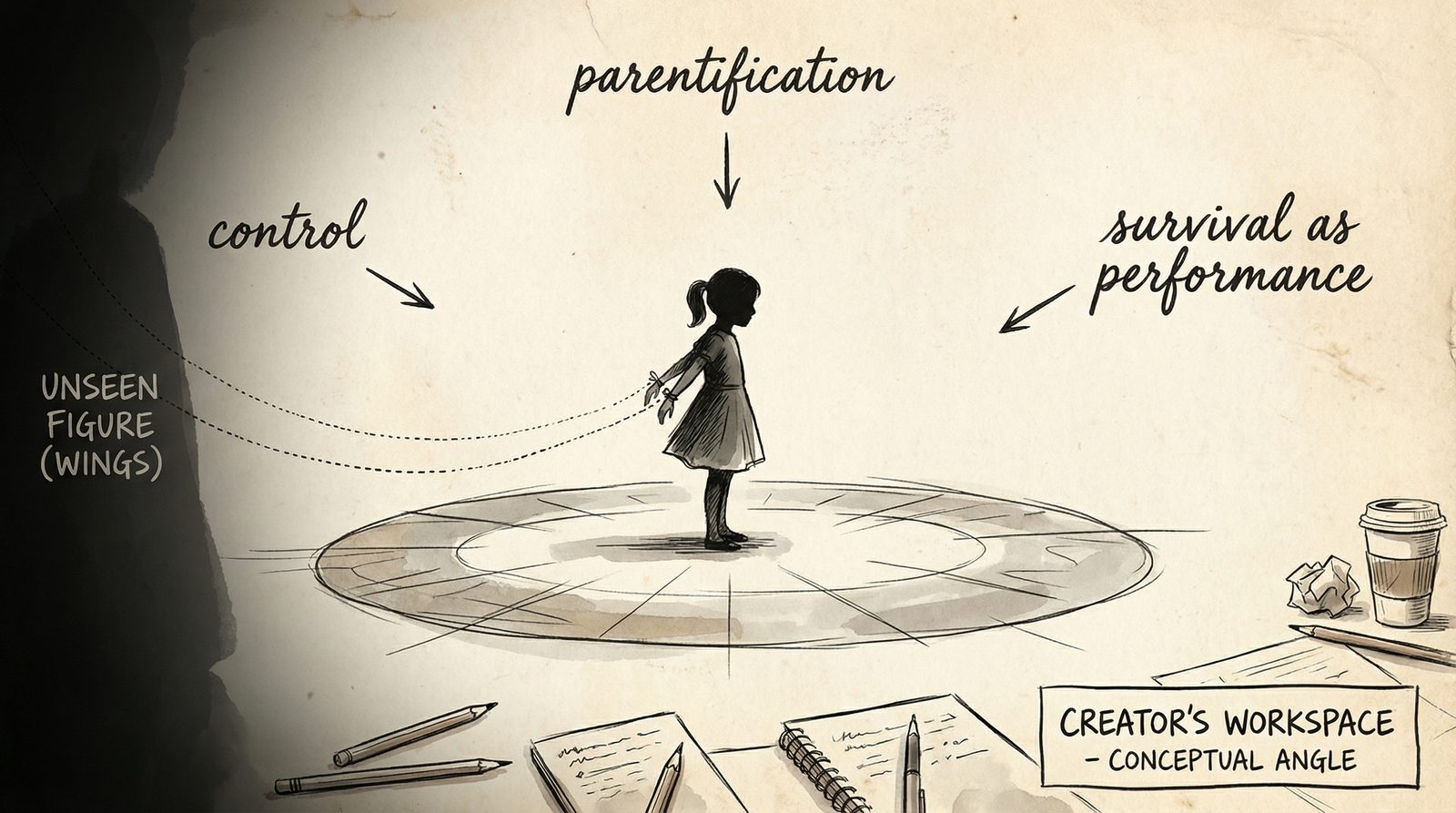
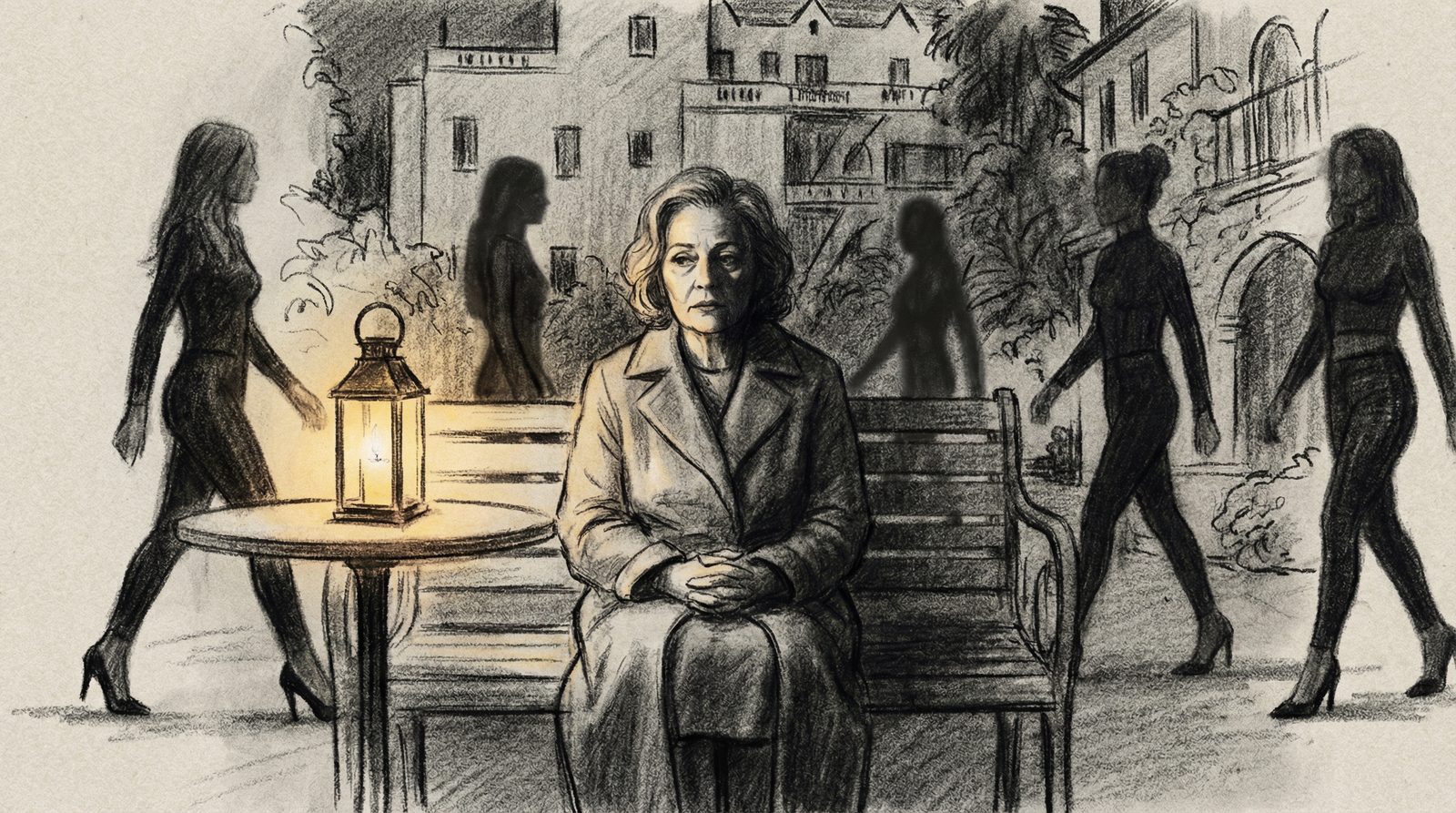
    Editorial illustration inspired by 'Jennette McCurdy'

    THEMES AND MOTIFS

    McCurdy’s primary subjects are autonomy, identity, grief, and the long shadow cast by emotional abuse. She writes about control that did not look like violence but felt like ownership. She writes about love that confused loyalty with self-erasure. She writes about grief that refuses to behave.

    Her stories often dwell in contradiction. Relief beside loss. Humor beside fear. Silence beside truth. This aligns closely with the motif of The Double Self, where performance becomes identity until the lines blur.


    STYLE AND VOICE

    Her style is spare. She avoids flourish. She allows moments to sit without commentary. The restraint is part of the emotional architecture. Her humor is dry and disarming, showing up in the exact places where the reader expects despair.

    Her writing feels lived in. It is confident without being loud. It is intimate without being indulgent. It respects the reader and the subject equally.
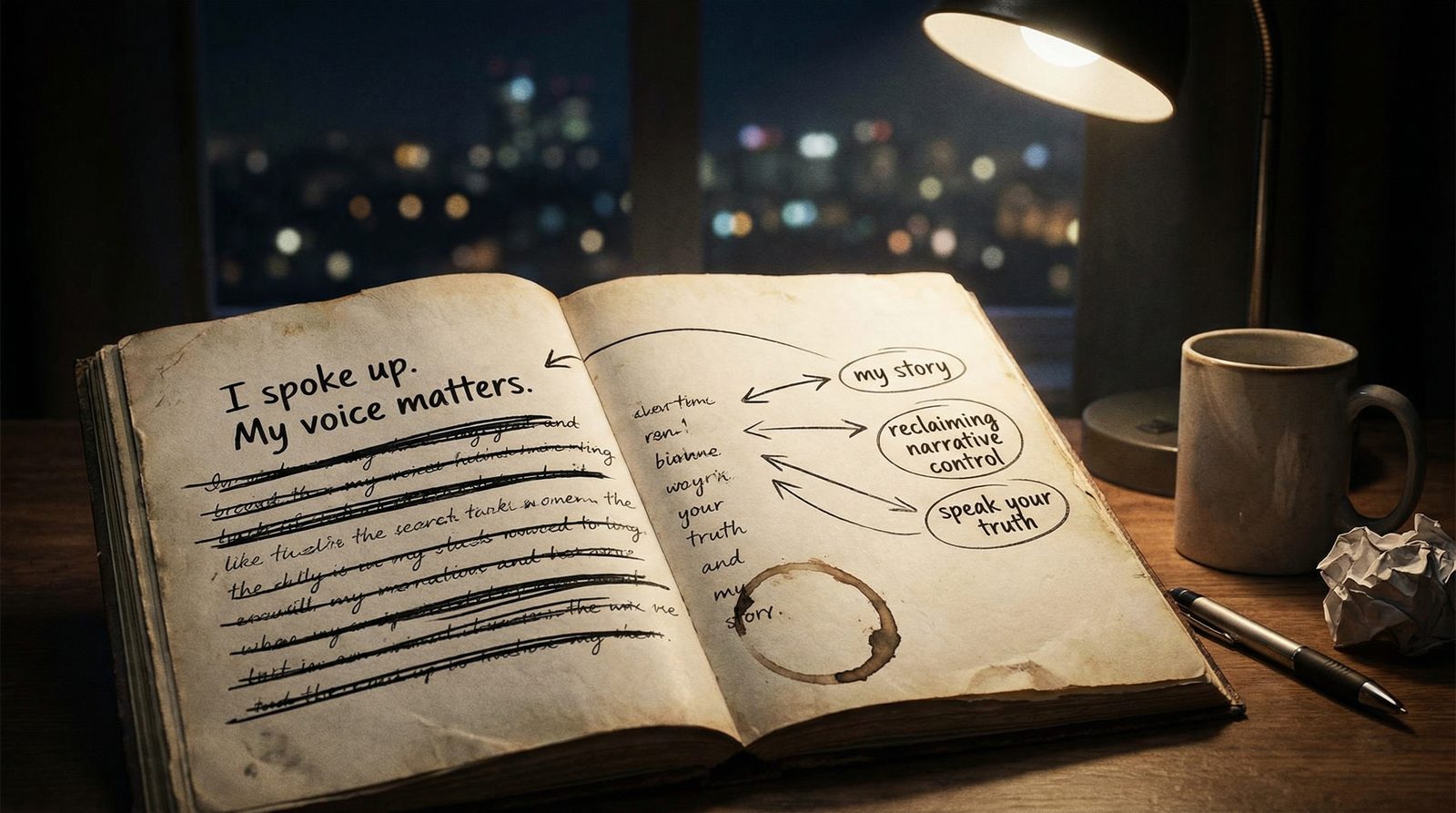
    Symbolic illustration inspired by 'Jennette McCurdy'

    KEY WORKS


    CULTURAL LEGACY

    McCurdy’s memoir arrived at a moment when Hollywood’s treatment of child performers was being widely questioned. Her account brought a grounded, personal perspective to discussions that were often abstract. It gave language to a type of harm that is rarely named and rarely believed.

    Her influence extends beyond the entertainment world. Readers connected deeply with the contradictions she describes, and the book opened conversations about boundaries, selfhood, and the cost of living a life built around someone else’s desire.

    In the current landscape of memoir, McCurdy stands out as a writer who understands how to tell the truth quietly and with precision. She changed the tone of the genre by refusing spectacle and choosing honesty instead.

  • Jessica Simpson

    Jessica Simpson

    Born 1980, Abilene, Texas, United States
    Genres: Memoir, Pop Culture
    Era: 21st Century – 2000s


    INTRODUCTION

    Jessica Simpson built a career on visibility, yet for years she remained misunderstood. To many, she was the bright reality TV star who played the role everyone expected. In Open Book, she takes that image apart with unusual honesty. The memoir is not about reinvention. It is about clarity. Beneath the jokes and the tabloid headlines is a woman who spent years navigating pressure, distortion, and silence. Her writing sits inside the motif of The Double Self, where the person and the persona rarely line up.

    What defines Simpson’s voice is not bitterness. It is steadiness. She writes like someone who has lived through the consequences of being misread and is finally ready to set the record straight.


    LIFE AND INFLUENCES

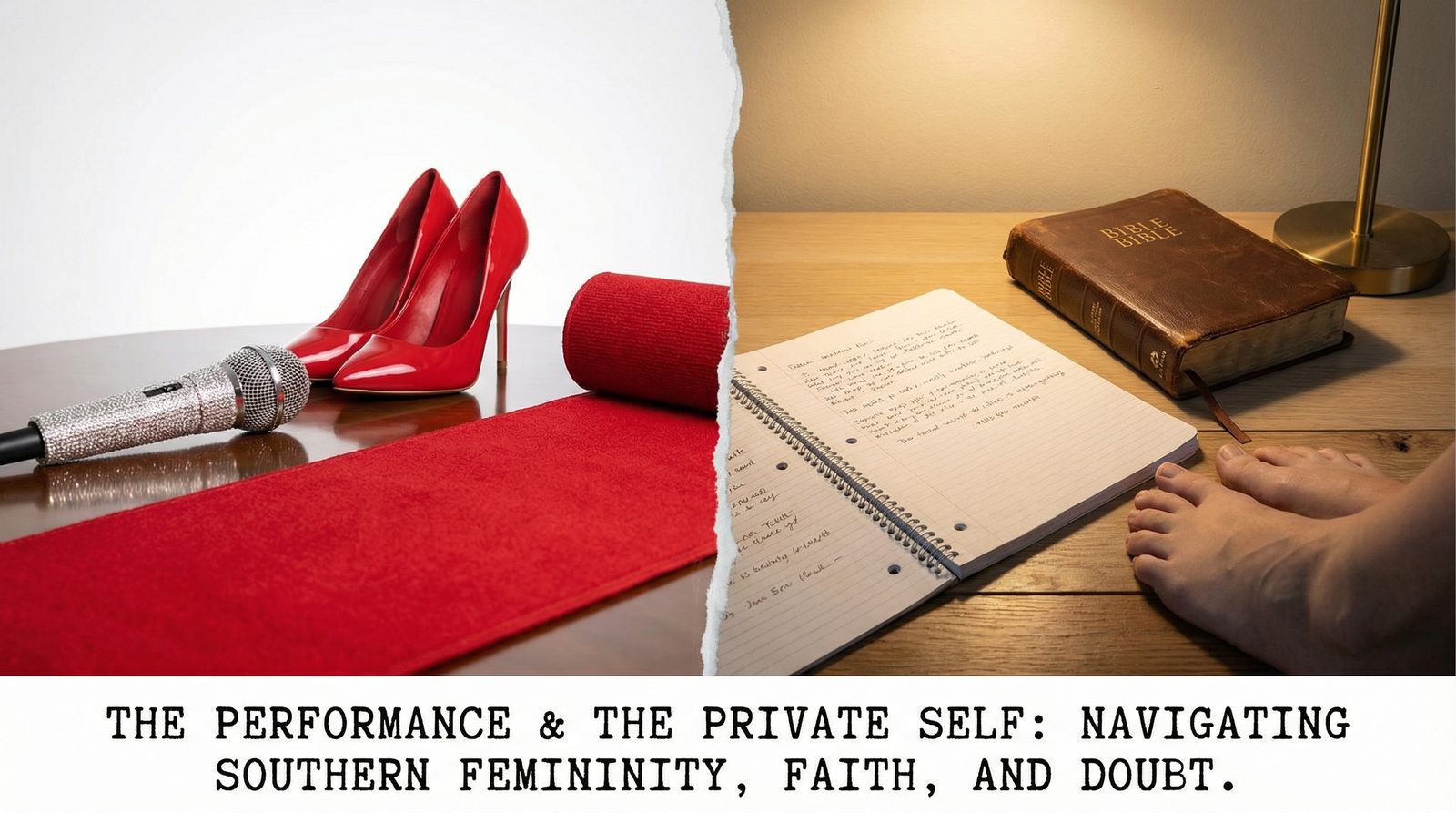
    Simpson grew up in a tight-knit religious family in Texas, where expectations were clear and visibility came early. Her powerful voice pushed her into the music industry before she had time to understand its demands. Managers and producers shaped her image, presenting her as innocent or sexy depending on what would sell. Her early career is marked by watching adults decide who she was supposed to be.

    This upbringing shaped her understanding of performance and pressure. The desire to please. The pressure to remain “pure.” The punishment when she stepped outside the mold. These experiences connect closely with the motif of The Commodified Body in Books, where a woman’s value becomes linked to how well she matches a marketable fantasy.

    The industry was not her only influence. Her family played a major role, particularly her father, who managed her career and often blurred the lines between support and control. An early lesson emerges: proximity to power can feel protective while also limiting personal choice.

    Editorial illustration inspired by 'Jessica Simpson'

    THEMES AND MOTIFS

    Simpson’s writing often circles the tension between how she saw herself and how she was packaged for an audience. That tension is the emotional core of her work. In Open Book, she speaks frankly about pressures around weight, sexuality, marriage, addiction, and motherhood. All of it is filtered through a desire to be liked and a fear of disappointing the people she trusted.

    The motif of Intimacy as Transaction appears in her relationships. Affection can become fuel for someone else’s ego. Love can become competition. Her romantic life is described without melodrama, but with clear awareness of how validation and power became tangled.

    Another recurring pattern is reveal and retreat. She tells part of the truth, then circles back, then tells more. This rhythm reflects the cost of speaking openly after years of training herself to be quiet, a pattern connected to Silence as Survival.


    STYLE AND VOICE

    Simpson writes with warmth and self-awareness. Her tone is conversational, often funny, and surprisingly sharp. She does not hide behind theory or flourish. She relies on memory, reflection, and a willingness to admit confusion or regret. The voice feels lived in. It feels earned.

    Her prose is clean and direct. When she describes emotional pain, she does not dramatize it. When she describes fame, she does not glamorize it. The simplicity becomes its own method. She wants the reader to see the person, not the punchline.

    Humor appears throughout the work, usually at her own expense, and often at just the right moment. Those lighter beats give the memoir its balance. They do not erase the heaviness. They help carry it.

    Symbolic illustration inspired by 'Jessica Simpson'

    KEY WORKS

    • Open Book (2020) – A candid, self-aware memoir about fame, addiction, identity, and the long road back to personal truth.

    Though she has written other projects, Open Book is the authoritative statement of her life and perspective. It stands as her most complete and unfiltered work.


    CULTURAL LEGACY

    Simpson’s memoir helped shift how the public interprets celebrity narratives. What once seemed like a simple reality TV persona becomes, in her own telling, a protective shell shaped by pressure and shame. After Open Book, moments that once looked messy or frivolous gain context. The jokes lose their punch, and the person behind them becomes visible.

    The memoir belongs to the same contemporary lineage as The Woman in Me and Confessions of a Video Vixen, works that demand cultural accountability for how women in entertainment have been consumed. Simpson’s story is gentler than some, but no less revealing.

    Her influence now reaches beyond the book. The audiobook, narrated by Simpson herself, became a touchstone for fans who wanted her voice, the real one, after decades of distortion. Open Book is not simply a memoir. It is a reframing of a woman the culture thought it already understood.

  • Framing Britney Spears (2021)

    Framing Britney Spears (2021)

    Director: Samantha Stark
    Producers: Liz Day, Mary Robertson
    Genre: Documentary
    Country: United States
    Year: 2021


    INTRODUCTION

    Framing Britney Spears arrived at a moment when the culture was finally willing to revisit its own cruelty. The documentary does not try to reinvent Britney’s story. Instead, it holds up a mirror to the years of tabloid frenzy, late night mockery, and institutional control that shaped her public life. The film’s power comes from its simplicity. It shows what happens when a young woman becomes global spectacle and then loses the ability to speak for herself. The entire narrative sits comfortably inside the motif of Silence as Survival, where staying quiet is learned, expected, and often required.

    This is not a celebrity profile. It is a case study in how a culture builds someone up and then traps her in the fallout.


    PLOT AND FOCUS

    Official poster for 'Framing Britney Spears (2021) (2021)'

    The documentary traces Britney Spears’s rise to fame, the media obsession that followed, and the conservatorship that ultimately sparked global outrage. Interviews with lawyers, journalists, friends, and members of the Free Britney movement form the backbone of the narrative. Spears herself does not participate, which becomes the film’s central argument. Her absence is the point.

    Through archival footage and old interviews, the documentary shows how often Britney was treated as public property. Reporters asked invasive questions. Paparazzi chased her through parking lots. Talk show hosts turned her pain into punchlines. These images speak directly to the motif of The Commodified Body in Books. The body as product. The woman as content. The person as controversy with a face.

    The conservatorship is presented without sensationalism. Instead of dramatization, the film focuses on legal structure and power. Who controlled her finances, who controlled her work schedule, who controlled her medical decisions. This is where the motif of Power as Proximity becomes most visible. The people closest to Britney gained the most authority over her. Their access became dominance. Their version of protection often resembled confinement.


    STYLE AND APPROACH

    The film uses a restrained, journalistic style. There are no dramatic reenactments or heavy narration. Instead, the structure relies on contrast. Footage of a young performer smiling through interviews cuts sharply against adult footage of courtrooms, security details, and public frustration. That contrast creates its own emotional logic. The audience sees the erosion of agency frame by frame.

    The editing highlights repetition. The same tabloid questions. The same paparazzi confrontations. The same headlines. This creates a quiet rhythm that reflects the motif of Dissociation as Defense. After a while, even the audience feels numb. The point is not to shock. The point is to show how long Britney lived inside that numbness.

    The documentary also gives space to the Free Britney movement. Instead of portraying fans as fringe voices, it treats them as early witnesses to something wrong. Their testimony frames the final act of the film, where public pressure forces the legal system to listen.

    Symbolic illustration inspired by 'Framing Britney Spears (2021) (2021)'

    PEOPLE AND PERSPECTIVES

    The most striking presence in the film is the one who never appears. Britney’s absence becomes a character of its own. The emptiness in the interviews, the missing voice, the inability to speak on camera all reflect the motif of The Double Self. There is the Britney the world consumed and the Britney the world never heard.

    Her father, Jamie Spears, appears mostly through documentation and witness accounts. The film does not villainize him for spectacle. Instead, it presents patterns of control, financial interest, and legal advantage, allowing viewers to draw their own conclusions. The emotional core of this dynamic echoes the motif of Parental Betrayal.

    Other figures appear briefly. Lawyers. Former assistants. Journalists who regret their earlier roles. Their reflections add hindsight, but the film never lets them overshadow the central tension. Britney’s voice was missing for more than a decade, and the documentary treats that silence with caution instead of exploitation.


    CULTURAL CONTEXT AND LEGACY

    When Framing Britney Spears premiered, it instantly shifted public opinion. People who had once mocked Britney now watched old footage with discomfort. Interviews that once seemed harmless revealed a hostile industry. Paparazzi moments that had been treated as entertainment now read like harassment.

    The film also helped push the conservatorship case back into mainstream discussion. Within months, Britney spoke in court for the first time in years. Her own testimony confirmed what the documentary implied. In that sense, the film belongs to the larger constellation of #MeToo Literature, even though it is a documentary. It exposes the structures that shape how women are used, managed, and silenced.

    Its influence is still visible. It forced audiences to reconsider past jokes, past headlines, and past assumptions. It prompted debates about guardianship laws. It made the phrase “Free Britney” impossible to dismiss as fan theory. Most importantly, it allowed the public to see that the story they thought they knew was incomplete.


    IS IT WORTH WATCHING?

    Yes. The documentary is straightforward but devastating. It is not sensational. It is not manipulative. It simply lays out the facts and lets the viewer sit with their implications. Anyone interested in celebrity culture, gendered power, legal control, or the mechanics of public image will find it essential viewing.


    SIMILAR WORKS

    The Woman in Me
    Open Book
    Confessions of a Video Vixen
    I’m Glad My Mom Died

  • Open Book (2020)

    Open Book (2020)

    By: Jessica Simpson
    Genre: Memoir, Pop Culture
    Country: United States


    INTRODUCTION

    Jessica Simpson was never supposed to be the one who told the truth. She was the punchline, the reality-TV blonde, the pop star treated as a brand more than a person. But in Open Book, she takes that caricature apart with startling vulnerability. The wound driving the memoir isn’t heartbreak or scandal. It’s distortion. Years of being shaped into something profitable left her struggling to find her own outline again. That tension places the memoir firmly within the motif of The Double Self, where public image and private identity drift dangerously far apart.

    What makes the book compelling is its emotional clarity. Simpson doesn’t try to rewrite her past. She simply reclaims it.


    PLOT & THEMES

    Open Book starts with a crisis point: Simpson drinking from a glittered cup of vodka at seven in the morning. From there, the memoir rewinds into childhood, a Southern Baptist upbringing, early performances, the pressures of the music industry, and the years of global fame that followed.

    One of the memoir’s strongest through-lines is how relentlessly Simpson’s body was treated as commodity. Managers, magazines, television producers. Everyone had an opinion, and profit, attached to how she looked. This dynamic deepens the motif of The Commodified Body in Books, not as theory but as lived experience. Simpson was expected to be sexy without wanting sex, wholesome without flaws, thin without effort.

    Her relationships also become case studies in emotional imbalance. The way affection was withheld or offered, the way attention became control, all echo the motif of Intimacy as Transaction, not financially, but psychologically. Love could become leverage. Desire could become a contest she never agreed to enter.

    Silence, too, becomes a theme. Simpson learned early to laugh off cruelty, to minimize betrayal, to perform optimism. This pattern reveals itself through the quiet motif of Silence as Survival, where being palatable was the price of being seen at all.

    Conceptual editorial illustration inspired by 'open book (2020)'

    STYLE & LANGUAGE

    Simpson’s prose is warm, funny, and often disarmingly direct. She’s not writing for effect; she’s writing to be understood. The book feels like a long conversation with someone who has finally stopped performing. Moments of humor break tension, often pointed inward, softening the heavier content without diminishing it.

    Her voice is conversational, but never careless. She regularly pauses, sometimes mid-anecdote, to question her own choices or admit what she didn’t understand at the time. These reflections create an undercurrent of self-awareness that keeps the narrative grounded, even when recounting chaotic periods of fame or addiction.

    The split between how she acted and how she felt runs throughout the memoir, reinforcing the motif introduced earlier: how the inner self watches the outer one with a mix of pride, confusion, and grief.


    CHARACTERS & RELATIONSHIPS

    Simpson’s family holds central emotional weight. Her father, Joe Simpson, managed her career but also managed her image. Their relationship blurs into control, often without clear villains. The tension is subtle but persistent: protection and pressure wrapped into the same gesture.

    Her romantic relationships are described with painful honesty. Her marriage to Nick Lachey is portrayed as sincere but mismatched, two young adults pulled apart by fame. Her relationship with John Mayer is presented as a study in emotional volatility. Passion mixed with manipulation. These dynamics align naturally with the motif of Power as Proximity, where connection to powerful men brings both intimacy and imbalance.

    Her eventual marriage to Eric Johnson brings gentler chapters, but Simpson makes it clear: healing began before him, not because of him. She is careful to place her agency at the center of her recovery narrative.

    Illustration of a core idea or motif from 'open book (2020)'

    CULTURAL CONTEXT & LEGACY

    Upon release, many expected Open Book to offer gossip or a rebrand. Instead, readers found a reflective memoir about pain, addiction, fame, and the consequences of being turned into content. It joined a wave of celebrity memoirs by women, including The Woman in Me and I’m Glad My Mom Died , that reject the simplistic arc of “rise, fall, redemption.” Instead, they insist on complexity.

    The audiobook’s success, narrated by Simpson herself, helped cement the memoir as an inflection point, not just for her reputation, but for the genre. It reframed her public persona entirely. What once looked like naivete or chaos feels, in this retelling, like a woman navigating a system determined to flatten her.

    In retrospect, Open Book didn’t just rehabilitate Simpson’s image. It helped evolve the tone of the contemporary celebrity memoir itself, proving that honesty can be both unvarnished and artful.


    IS IT WORTH READING?

    Yes. Especially if you’ve ever assumed you understood a celebrity because you watched her on camera. Simpson doesn’t write to shock. She writes to reclaim. The book is not flawless — and that’s part of what makes it feel true.


    SIMILAR BOOKS

    I’m Glad My Mom Died (2022)
    Confessions of a Video Vixen (2005)
    The Woman in Me (2023)
    Push (1996)

  • The Vixen Manual (2009)

    The Vixen Manual (2009)

    By: Karrine Steffans
    Genre: Memoir, Feminist Nonfiction, Pop Culture
    Country: United States


    INTRODUCTION

    The Vixen Manual arrives dressed as a guidebook, but anyone familiar with Steffans’s earlier work will notice how much it depends on lived experience. The tone is lively and confident, yet there is a steady undercurrent that keeps pulling the reader back to what shaped these lessons in the first place. The book takes the bruises, triumphs, and contradictions of its author’s past and turns them into a set of tools. Where Confessions of a Video Vixen and The Vixen Diaries focused on everything that happened to her, this book looks forward and asks how someone might navigate similar territory with more awareness and control.

    The instructional voice can seem glamorous, even playful, but there is an unmistakable weight behind it. Every piece of advice feels distilled from moments where the stakes were real and the cost of a wrong move was high. That tension links the book to the motif Intimacy as Transaction. Attraction, power, access, and risk are constantly in conversation here, even when the tone pretends otherwise.


    PLOT & THEMES

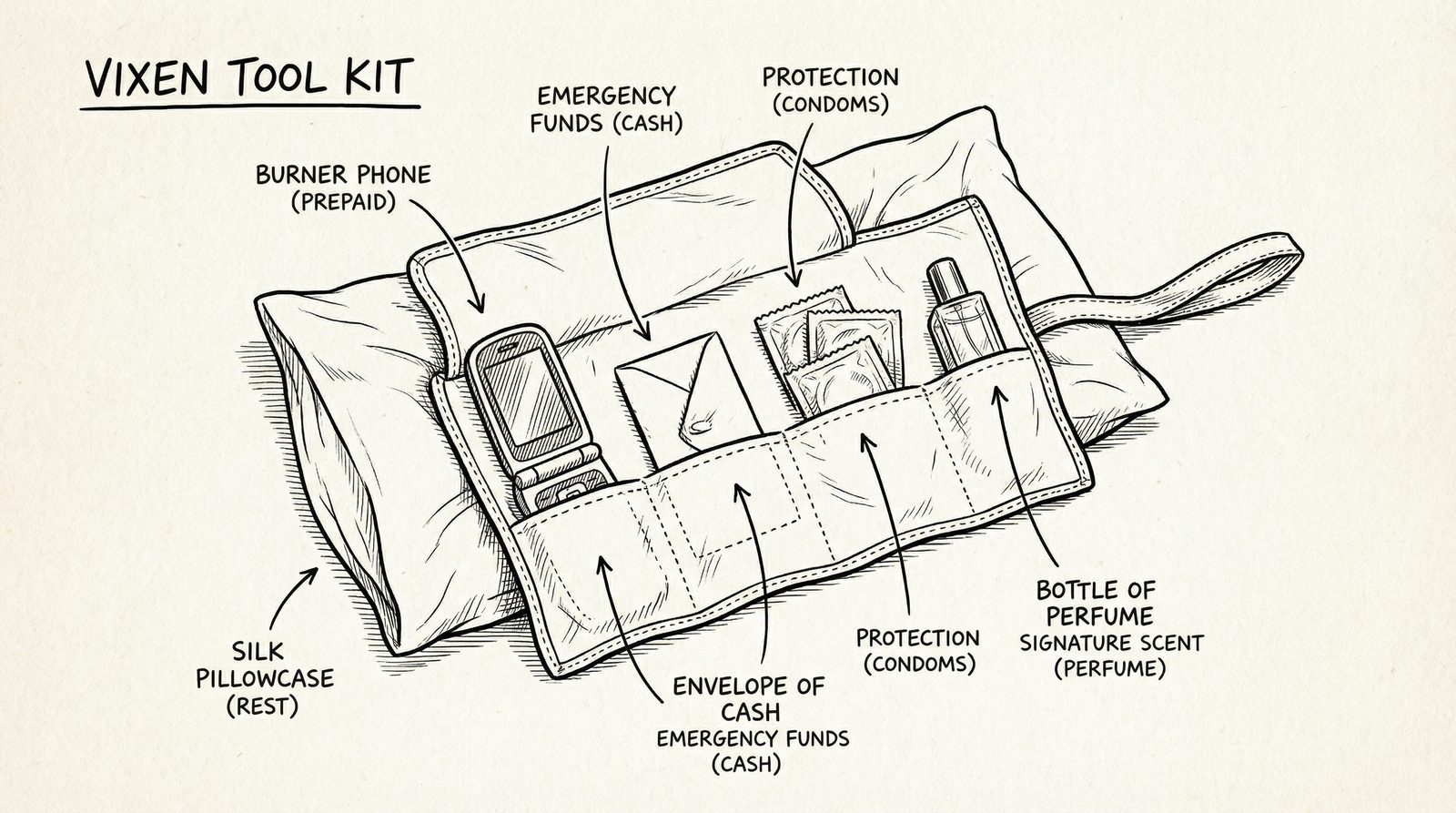
    This is not a memoir in the traditional sense. The book unfolds in themed sections focused on dating, self-presentation, sex, emotional boundaries, and the subtle negotiations that take place inside intimate relationships. Advice is the backbone, but scattered throughout are short stories and recollections that show exactly where those rules first took shape.

    Power is the thread that runs through everything. Steffans encourages readers to identify who has it in any situation and to make choices with that knowledge in mind. The idea links directly to the motif Power as Proximity. The rooms she describes are full of people who can open doors, close them, or walk away without consequence. The book helps readers see those dynamics instead of stumbling through them blindly.

    The body appears as both a form of currency and a point of exposure. Steffans writes about beauty, sexuality, and charisma not as fixed traits but as tools that can protect or endanger. That idea continues the conversation raised in The Commodified Body in Books. Here, though, she shifts the emphasis toward recognition and agency. She wants readers to understand how commodification works so they can navigate it with clearer eyes.

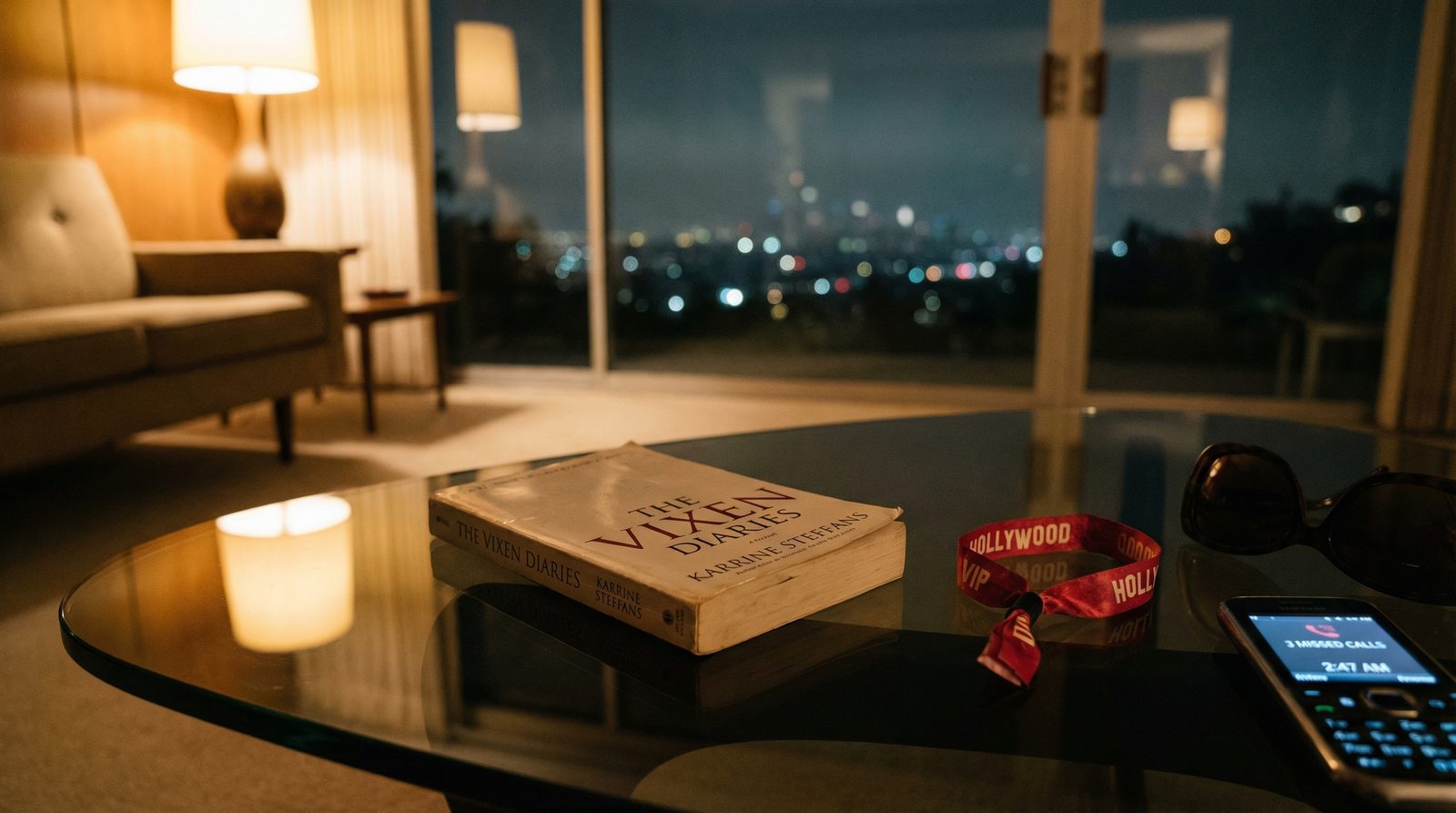
    Conceptual editorial illustration inspired by 'the vixen manual'

    PROSE & NARRATIVE STRUCTURE

    The writing style is conversational and fast-moving. Steffans switches between speaking directly to the reader and offering brief confessional passages. The result feels both personal and strategic. You can imagine readers quoting sections to friends or debating a line long after closing the book.

    Because the book blends instruction with memory, it forms a Hybrid Memoir-Manual Structure. A list of rules appears, then a story explains where that lesson came from and what it cost. That back-and-forth adds balance. It keeps the book from becoming a simple list of commands. Every piece of guidance remains rooted in an experience the author has already survived.


    CHARACTERS & INTERIORITY

    Steffans presents herself with more control here than in her previous books. She writes as someone who has already walked through the fire and is now turning back to offer a map. Yet the stronger voice does not hide everything. Small moments of vulnerability rise through the surface: frustration with judgments she cannot shake, exhaustion with double standards, and glimpses of loneliness that complicate the polished persona.

    These oppositions echo the motif of The Double Self. The “vixen” figure, charismatic and strategic, exists alongside the woman who still seeks safety and understanding. The manual format allows these two layers to coexist without forcing them into one fixed identity.

    Her son appears in a smaller role compared to earlier books, but the emotion around him remains steady. Moments with him return to the theme of Motherhood as Redemption. He represents the long-term purpose behind the guidelines, the reason she wants the world to feel less treacherous for someone else.

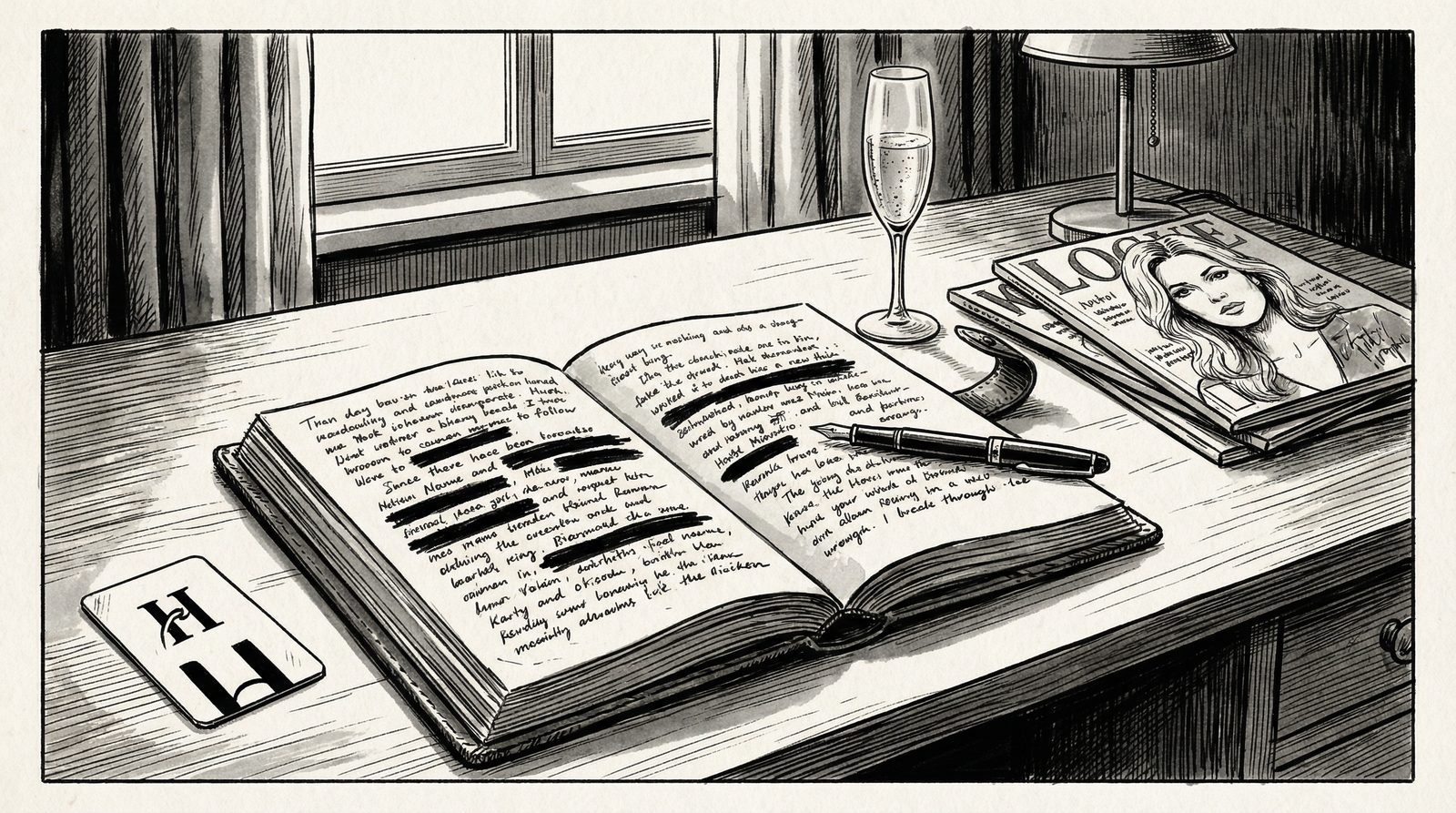
    Illustration of a core idea or motif from 'the vixen manual'

    LEGACY & RECEPTION

    When the book was released, it was usually marketed as a spicy relationship guide, which made it easy for many readers and critics to underestimate it. Seen alongside Confessions of a Video Vixen and The Vixen Diaries, it becomes part of a larger arc. The first book documented harm. The second documented the emotional fallout. The Vixen Manual turns that history into strategy.

    In this broader context, the book belongs to the same landscape as #MeToo Literature, even though its tone and shape differ from traditional trauma narratives. Instead of recounting events in order, Steffans translates them into tactics. The advice sections become a quiet record of survival. They read like a list of things she wishes someone had handed her much earlier.

    Viewed as the closing point of a trilogy, The Vixen Manual shows what reclamation looks like when a story stops focusing on the damage and starts focusing on how to keep moving despite it.


    IS IT WORTH READING?

    It is, especially for readers who have followed Steffans’s earlier books. On its own, The Vixen Manual can come across as a sharp and sometimes skeptical relationship guide. Within the trilogy, it becomes the most practical and forward-looking of the three. Anyone interested in gendered power, dating dynamics, emotional survival, or how trauma reshapes navigation strategies will find far more here than the cover suggests.


    SIMILAR BOOKS

    Confessions of a Video Vixen (2005)
    The Vixen Diaries (2007)
    The Woman in Me (2023)
    Open Book (2020)

  • The Vixen Diaries (2007)

    The Vixen Diaries (2007)

    By: Karrine Steffans
    Genre: Memoir, Feminist Nonfiction
    Country: United States


    INTRODUCTION

    The Vixen Diaries returns to the emotional landscape that followed the publication of Confessions of a Video Vixen. Instead of repeating its revelations, this book looks closely at what it meant to live through the reaction that came after. The memoir fits within the wider pattern of Memoirs of Reclamation, since it focuses on the ongoing work of rebuilding rather than the dramatic moments already told. Steffans writes with the perspective of someone who has already carried her story through fire and now wants to understand the weight that remains.

    The book has the feel of a transitional space. It reads like a collection of private observations shaped by sudden fame, complicated relationships, and the long shadow of public opinion. The tone is quieter than in her first memoir, but the sense of honesty remains. What she offers is a look at life after disclosure, where the hardest work often begins once the spotlight moves on.


    PLOT & THEMES

    The memoir unfolds through short scenes that follow Steffans as she navigates the aftermath of sudden notoriety. She moves through media interviews, changing friendships, uneven romances, and professional offers that often come with hidden costs. The pace feels unpredictable, which mirrors the instability she describes.

    Many pressures from Confessions remain, although they appear in new forms. Relationships continue to slide between intimacy and negotiation, where affection can turn into strategy without warning. These dynamics reflect the motif Intimacy as Transaction, since personal connections often carry an undercurrent of leverage or expectation.

    Public scrutiny becomes another force shaping her identity. Headlines and commentary create versions of her that do not match the person she knows herself to be. This gap continues the conversation raised in The Commodified Body in Books. In this case, the commodity is not only her image but also her story, which others reshape for their own narratives.

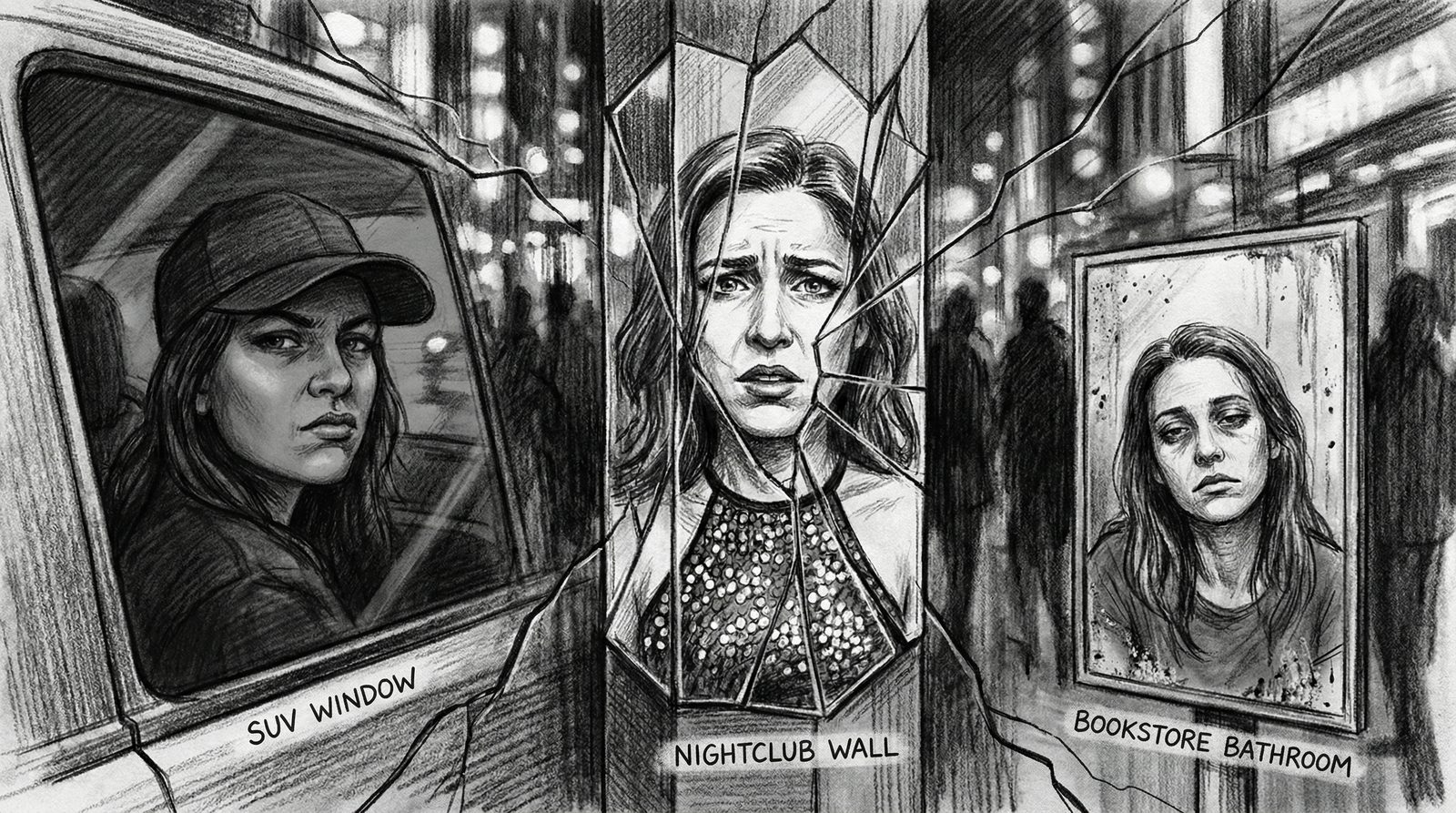
    Conceptual editorial illustration inspired by 'the vixen diaries'

    PROSE & NARRATIVE STRUCTURE

    Steffans writes through brief entries that feel like a mix between personal diary and public reflection. Chronology bends as memory interrupts the present, and the structure allows emotions to rise without forcing them into a traditional arc. This creates a rhythm that matches the unsettled period she describes.

    The book fits into a Fragmented Vignette Structure. Meaning builds across repetitions, contrasts, and returns rather than a single turning point. The result is a memoir that feels more like emotional mapping than retelling, which suits the unsettled questions at the center of the book.


    CHARACTERS & INTERIORITY

    Steffans appears with more introspection here. She looks directly at her coping mechanisms and at the gap between public perception and private experience. This tension echoes the motif The Double Self, since she must navigate the distance between the persona people imagine and the woman she is when the doors close.

    The men who appear throughout the memoir are shaped by their influence rather than by their individuality. They add pressure or relief, sometimes both at once, and their presence reinforces the book’s focus on patterns rather than singular events. Emotional safety becomes a rare and fragile resource.

    Her son remains the memoir’s stabilizing presence. His role softens chapters filled with conflict and confusion. Their bond reflects the motif Motherhood as Redemption. For Steffans, motherhood offers both grounding and purpose, even when the world around her feels chaotic.


    LEGACY & RECEPTION

    When The Vixen Diaries was released, it arrived in a culture more interested in the author’s reputation than in the content of the book. Many readers expected further scandal, and some dismissed the memoir when it offered something quieter instead. The reception reveals how tightly audiences can cling to a narrative, even when the author has already tried to move past it.

    Viewed today, the book fits comfortably within #MeToo Literature, although it predates the movement’s language. It documents the uneasy space between speaking a difficult truth and being believed, and it shows how publicity can distort a survivor’s attempt to rebuild. That in-between stage rarely receives much attention in mainstream memoirs, which makes this book a valuable counterpoint.

    Alongside Confessions of a Video Vixen and The Vixen Manual, this memoir forms the middle chapter in a larger story about reclaiming identity and finding stability after public exposure.

    Illustration of a core idea or motif from 'the vixen diaries'


    IS IT WORTH READING?

    The Vixen Diaries is a more reflective work than its predecessor. Readers drawn to memoirs that explore the emotional cost of visibility, the shifting nature of power, or the quiet labor of rebuilding will find substance here. Those looking for scandal may not. This is a book about life after revelation and what it takes to stay steady once the world has formed an opinion about you.


    SIMILAR BOOKS

    Confessions of a Video Vixen
    The Vixen Manual
    The Woman in Me

  • Dissociation as Defense

    Dissociation as Defense

    Motif Type: Psychological Coping
    Era Focus: 20th Century to 21st Century
    Primary Fields: Memoir, Literary Fiction, Trauma Narratives


    WHAT THIS MOTIF MEANS

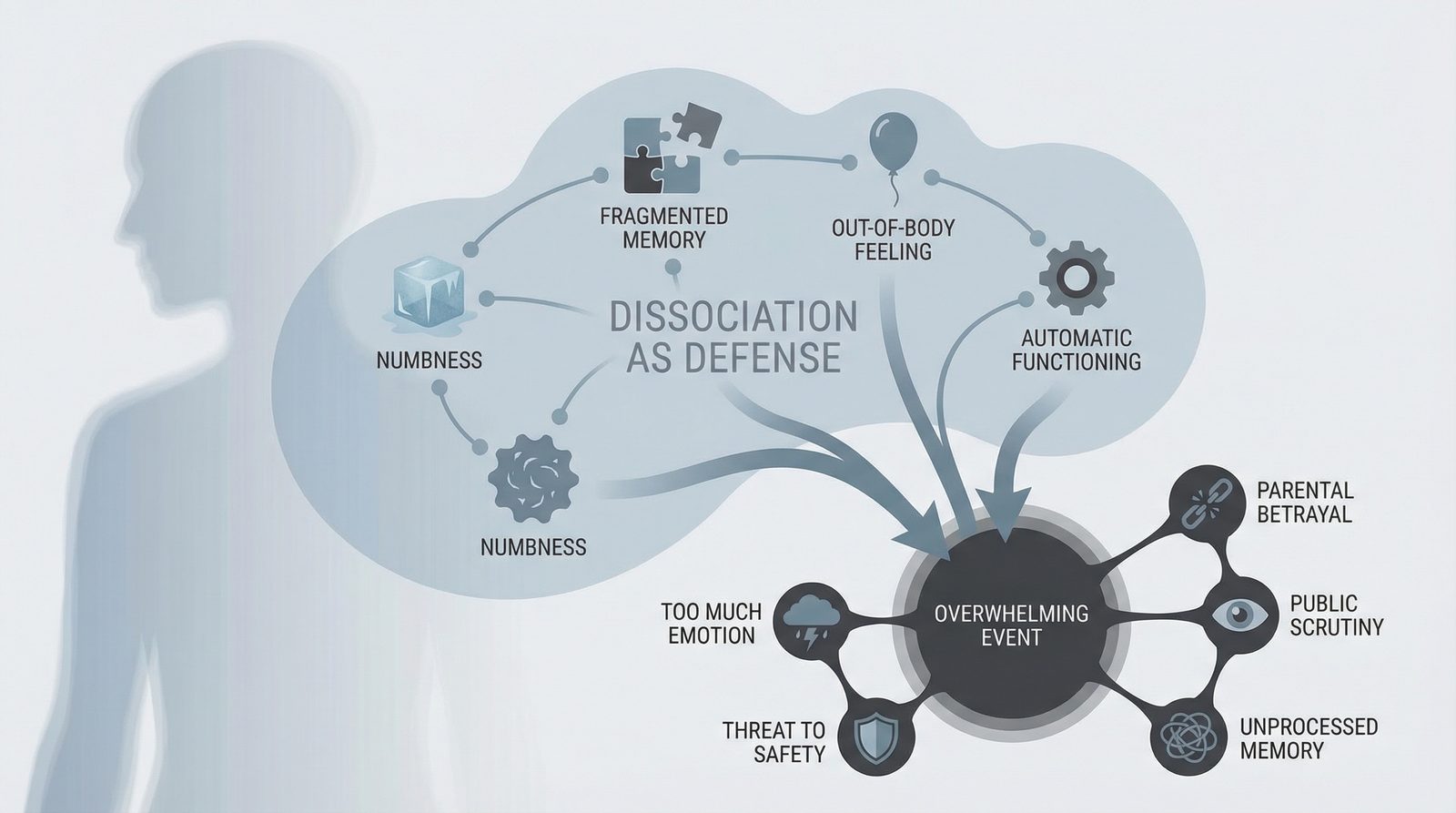
    Dissociation as Defense appears in stories where a character withdraws from overwhelming experience by separating from emotion, memory, or physical sensation. This defense is not chosen. It emerges instinctively when the mind cannot safely process what is happening.

    On the page, dissociation often shows up in flat tone, sudden shifts, dreamlike distance, or disconnection between events and feelings.


    HOW IT WORKS IN NARRATIVE

    The motif usually appears during or after trauma. Characters recount violence or control with unnerving calm. They describe terrifying events with the tone of someone narrating the weather. This emotional gap is the point. It reveals how the character survived.

    As the narrative progresses, dissociation may lessen or transform as the character gains safety or language to confront what happened.

    Dissociation as Defense inline concept image


    WHERE WE SEE IT IN OUR LIBRARY

    • I’m Glad My Mom Died – McCurdy describes invasive control with flat, clinical tone that reflects emotional separation.
    • The Woman in Me – Britney recounts traumatic events with stillness that suggests survival through detachment.
    • Precious – The film visualizes dissociation through fantasy sequences that interrupt abuse.
    • Push – Precious retreats inward, separating from events that would overwhelm her.
    • Framing Britney Spears – The documentary highlights public moments where dissociation appears as a coping strategy.

    The motif links characters who learned to survive by mentally stepping away from harm.


    Dissociation as Defense inline diagram image

    WHY IT MATTERS

    Dissociation as Defense is crucial for understanding trauma with nuance. It reveals why victims may appear calm, detached, or emotionless during or after harm. It counters harmful cultural myths that equate visible reactions with real pain.

    The motif offers readers a humane and psychologically accurate way to interpret survival.


    ARCHETYPES ASSOCIATED WITH THIS MOTIF

    • The Erased Girl – when dissociation becomes part of invisibility.
    • The Witness – when the character observes their life from a distance.
    • The Controlled Daughter – for characters who dissociate to endure parental domination.

    RELATED MOTIFS

    Grief as Contradiction
    Parental Betrayal
    Silence as Survival

  • Motherhood as redemption

    Motherhood as redemption

    Motif Type: Family and Healing
    Era Focus: 20th Century to 21st Century
    Primary Fields: Memoir, Literary Fiction


    WHAT THIS MOTIF MEANS

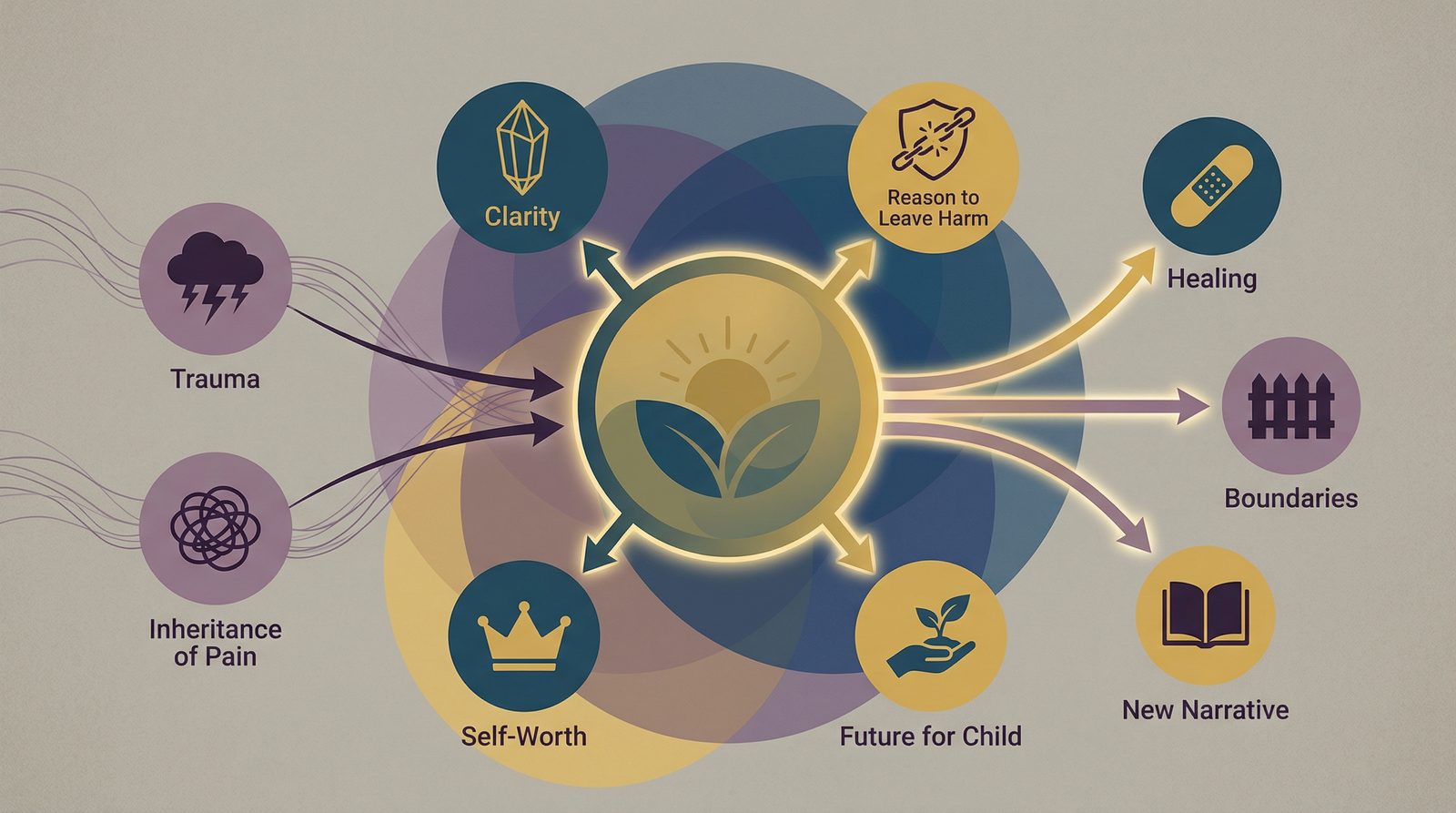
    Motherhood as Redemption appears in stories where becoming a mother gives a character clarity she did not have before. The role does not solve her trauma. It sharpens her desire to survive it. The child becomes a reason to leave harm, a reason to change, or a reason to finally see herself as someone worth protecting.

    This motif is not sentimental. It acknowledges that motherhood is complicated. The redemption comes not from perfection but from purpose.


    Motherhood as redemption inline concept image

    HOW IT WORKS IN NARRATIVE

    Characters inside this motif often grow up without safety or agency. They enter motherhood carrying the weight of their past. When a child enters their life, the emotional stakes shift. Suddenly survival has direction. Healing has urgency. The child becomes a mirror and a motivator.

    Redemption here is not moral. It is emotional. It is the moment a character sees a possible future that does not look like her past.


    Motherhood as redemption inline diagram image

    WHERE WE SEE IT IN OUR LIBRARY

    • Confessions of a Video Vixen – Steffans sees motherhood as the turning point that anchors her decisions and resilience.
    • The Vixen Diaries – Her relationship with her son remains the emotional center of the book and her reason to move toward stability.
    • The Woman in Me – Britney’s sons are the emotional force behind her desire for freedom and autonomy.
    • I’m Glad My Mom Died – The motif appears in reverse through Jennette’s longing for a healthier form of protective care that she never received.
    • The Color Purple – Celie’s role as a maternal figure to children in her care shapes her emotional evolution and sense of purpose.

    In each work, motherhood reveals emotional truths that were hidden beneath harm or survival.


    WHY IT MATTERS

    This motif matters because it reframes motherhood as a form of identity reclamation rather than domestic duty. It also shows how nurturing another life can awaken self-compassion in characters who learned early to ignore their own needs.

    It becomes a turning point, not because the character becomes flawless, but because she chooses not to repeat the cycle she inherited.


    ARCHETYPES ASSOCIATED WITH THIS MOTIF

    • The Reclaimer – for mothers who reshape their identity through care.
    • The Resistant Spirit – for characters who fight to protect a child despite limited power.
    • The Witness – for characters who see, often for the first time, the cost of their own upbringing.

    RELATED MOTIFS

    Trauma as Inheritance
    Intimacy as Healing
    Survival Narratives

  • The Commodified Body in Books

    The Commodified Body in Books

    Motif Type: Body and Identity
    Era Focus: 20th Century to 21st Century
    Primary Fields: Memoir, Cultural Criticism, Literary Fiction


    WHAT THIS MOTIF MEANS

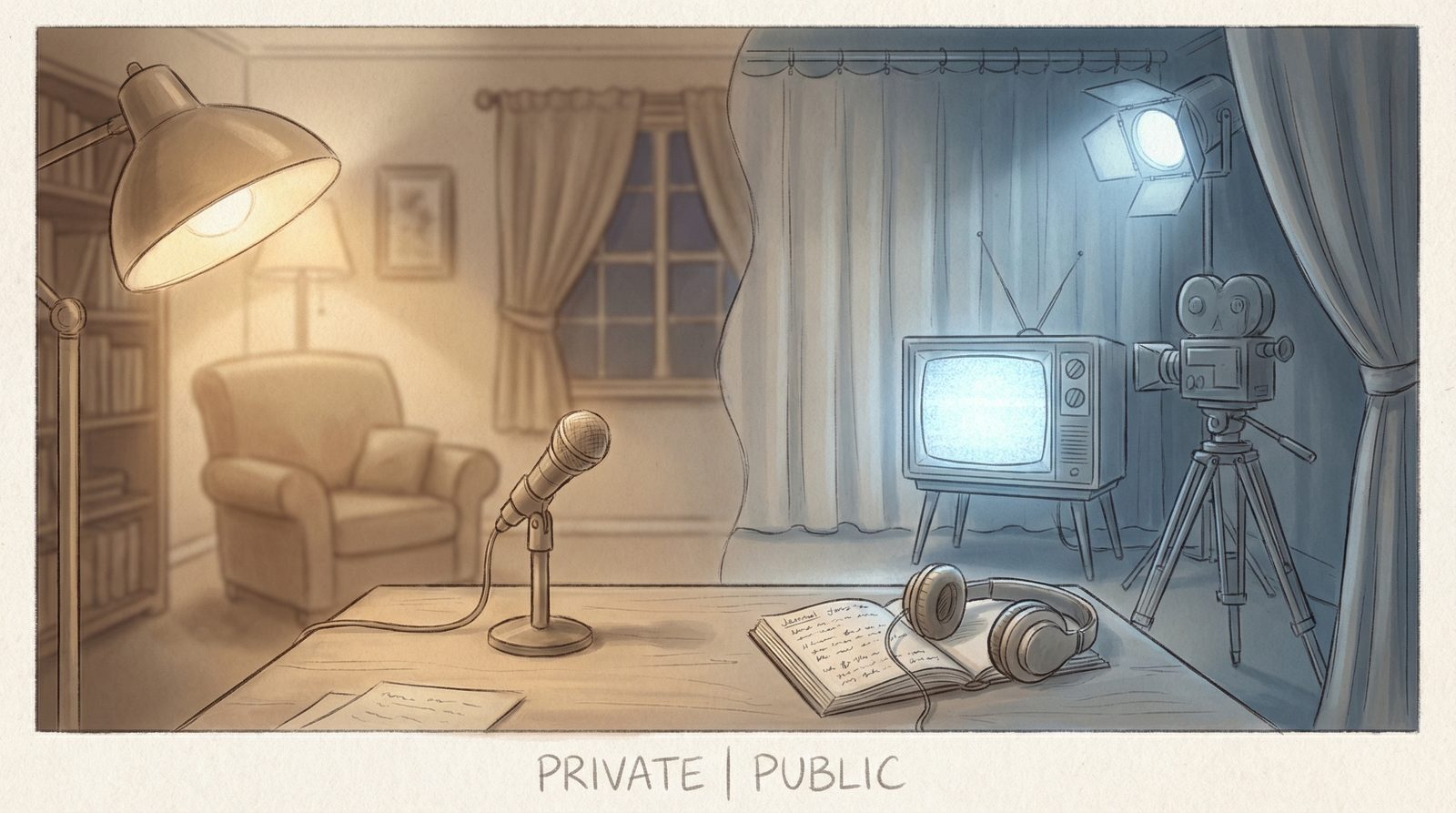
    The Commodified Body in Books appears in stories where a person’s body is treated as currency, product, or spectacle. Characters inside this motif learn early that how they look, move, or appeal to others can be used for attention, affection, control, or profit. The body becomes a site of negotiation rather than autonomy.

    This motif often emerges in narratives shaped by patriarchy, fame, trauma, or social scrutiny. The character is not valued for selfhood but for usefulness. Sometimes the commodification is explicit. Sometimes it is subtle. In every case, it shapes identity before the character realizes what is happening.

    The Commodified Body in Books inline concept image

    HOW IT WORKS IN NARRATIVE

    Narratives featuring this motif often explore the contradiction between external visibility and internal erasure. A character may be watched by many but understood by none. They may be desired but not cared for. The story reveals how the body becomes a stage, and the person inside it becomes an afterthought.

    Transformation often comes through reclamation. Characters begin to see their bodies not as public property but as homes they have a right to inhabit.


    WHERE WE SEE IT IN OUR LIBRARY

    This motif is central to many works in your library. It often intersects with power, desire, and identity.

    • Confessions of a Video Vixen – Steffans’s body becomes industry commodity long before she understands the cost.
    • Open Book – Jessica Simpson’s body is treated as brand material, scrutinized and monetized at every stage of her career.
    • The Woman in Me – Britney Spears’s body becomes a site of legal and financial control under her conservatorship.
    • Framing Britney Spears – The documentary highlights how Britney’s physical image was consumed and sold by media and family systems.
    • The Color Purple – Celie’s body becomes labor and property until relationships help her reclaim ownership.

    Across these narratives, the body becomes the earliest battleground where agency is tested.

    The Commodified Body in Books inline diagram image

    WHY IT MATTERS

    The Commodified Body in Books is a high-impact motif because it connects individual pain to broader cultural structures. It reveals how systems value appearance, usefulness, and desirability over autonomy. It also provides a lens for understanding fame, abuse, gendered expectations, and survival strategies.

    For readers, the motif opens conversations about agency, objectification, and the long process of reclaiming selfhood.


    RELATED MOTIFS

    Power as Proximity
    The Double Self
    Intimacy as Transaction

  • Intimacy as Transaction

    Intimacy as Transaction

    Motif Type: Relationships and Power
    Era Focus: 20th Century to 21st Century
    Primary Fields: Memoir, Literary Fiction, Celebrity Studies


    WHAT THIS MOTIF MEANS

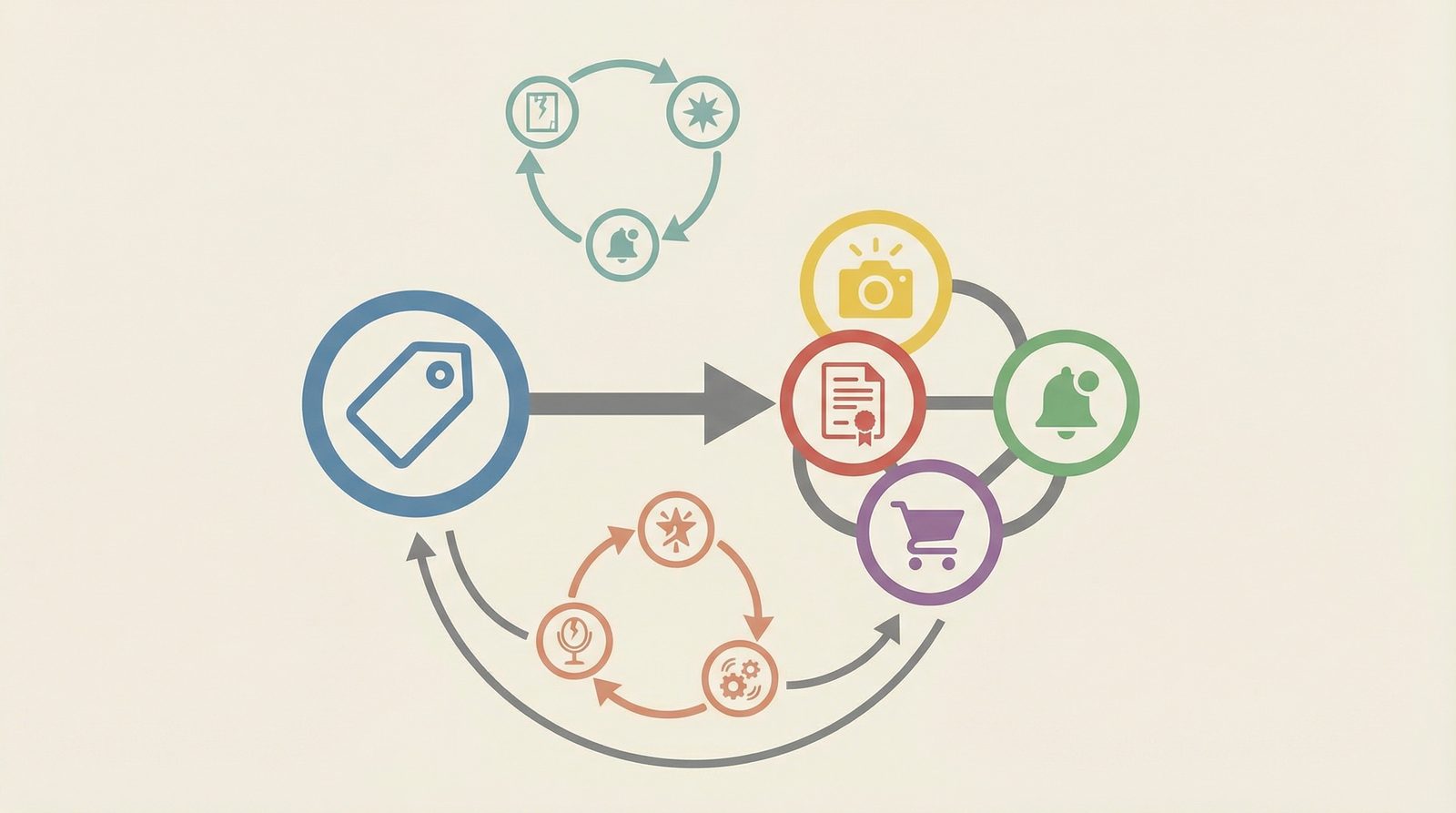
    Intimacy as Transaction appears in narratives where affection, desire, attention, or emotional closeness operates like currency. Characters learn that connection is not freely given. It comes with conditions. It can be traded, withheld, or bought. In these stories, relationships are shaped by power imbalance rather than mutual care.

    Sometimes the transaction is material. Sometimes it is emotional. Often it is invisible until the character steps back and recognizes the cost.

    Intimacy as Transaction inline concept image

    HOW IT WORKS IN NARRATIVE

    This motif often emerges when a character grows up inside a controlling home, navigates a predatory industry, or becomes involved with someone who uses intimacy as leverage. The narrative tension comes from how love and control intertwine. What appears affectionate is revealed to be conditional. What appears romantic is rooted in dominance.

    The arc usually involves awakening. A character realizes that love offered as reward or punishment is not love at all.

    Intimacy as Transaction inline diagram image

    WHERE WE SEE IT IN OUR LIBRARY

    • Confessions of a Video Vixen – Relationships operate as exchanges of fame, access, protection, or survival.
    • The Vixen Diaries – Affection and support shift based on status, desire, and leverage.
    • Open Book – Emotional intimacy becomes tied to validation, ego, and manipulation, especially in high-profile relationships.
    • The Woman in Me – Britney navigates relationships where affection is wielded as control.
    • I’m Glad My Mom Died – Parental love operates as reward and punishment, shaping Jennette McCurdy’s sense of worth.
    • Push – Precious experiences intimacy distorted by trauma and survival needs.

    The motif ties together stories of fame, abuse, childhood conditioning, and emotional manipulation.


    WHY IT MATTERS

    This motif is powerful because it reveals the mechanics behind relationships that otherwise look loving or glamorous. It exposes the cost of affection that has strings attached. It also speaks to agency. Characters who navigate this pattern often learn to redefine intimacy on their own terms.

    For readers, the motif helps illuminate patterns of emotional exploitation that are often invisible in real life.


    RELATED MOTIFS

    Power as Proximity
    The Commodified Body in Books
    The Double Self