
Place: United States

  • Survivor (1997)

    Survivor (1997)

    By: Tabitha King
    Genre: Domestic Psychological Fiction, Literary Fiction
    Country: United States


    INTRODUCTION

    Survivor is one of Tabitha King’s most emotionally concentrated novels. It avoids neat catharsis and instead follows the long, uneven work of recovery after a single life-altering moment. First published in 1997, the book steps away from the wide social tapestries of the Nodd’s Ridge cycle and turns its attention to a college campus shaken by a terrible accident. What emerges is a story about guilt, memory, reputation, and the fragile ways people try to move forward while others continue to see them through an outdated and distorted lens.

    Where One on One traces adolescence under pressure and Pearl examines adult identity inside a small community, Survivor asks what happens when the story of your life is abruptly cut in half. The book is quieter than some of King’s earlier work, yet the psychological focus is sharper, and that precision makes it one of her most memorable novels.


    PLOT & THEMES

    The novel centers on A. P. Hill, a student whose life is divided into a before and an after by a catastrophic accident at college. The details of what happened do not arrive in a single exposition dump. Instead, they surface in fragments, scattered across memories, conversations, and moments of intrusive thought. That structure mirrors Hill’s own attempts to make sense of the event and to place it somewhere she can live with.

    When Hill returns to campus, she walks into a community that has already decided what it thinks it knows. She passes through corridors full of whispers, half-truths, and unresolved grief. King writes trauma without spectacle. The damage shows up in sleepless nights, in strained small talk, and in the effort it takes to pretend that everything is fine just so other people can feel more comfortable. This connects closely to the motif Identity Collapse in Isolation, since Hill has to rebuild a sense of self inside an environment that feels both crowded and profoundly lonely.

    King also returns to one of her recurring interests: the way apparently safe spaces can become threatening. The campus should function as a protective setting, a place dedicated to learning and support. Instead, it turns into a maze of watchful eyes and secondhand stories. Even friendships cannot be trusted without hesitation. There is no supernatural threat in Survivor, only the ongoing consequences of a single moment that nobody can erase.


    STYLE & LANGUAGE

    King’s prose in Survivor is stripped back and deliberate. Compared to the more expansive style of the Nodd’s Ridge novels, this book feels tighter and more contained, which suits its psychological focus. Interior monologue plays a major role. Readers spend a great deal of time inside Hill’s thought patterns, watching her circle the same fears and questions while trying to decide which dangers are real and which are echoes.

    Scenes often cut away at the moment when emotions spike, which reflects Hill’s own tendency to withdraw when a situation becomes too charged. Dialogue is full of missed signals and partial truths. People want to help but lack the language. Others avoid the subject altogether, afraid that the wrong phrase might cause more pain, and end up making the silence heavier instead.

    One of King’s strengths here is her sense of how trauma warps time. Ordinary days stretch out and feel strangely hollow, while memories arrive with a clarity that pushes the present aside. The pacing of the novel, sometimes slow and sometimes suddenly sharp, reflects the uneven rhythm of recovery.
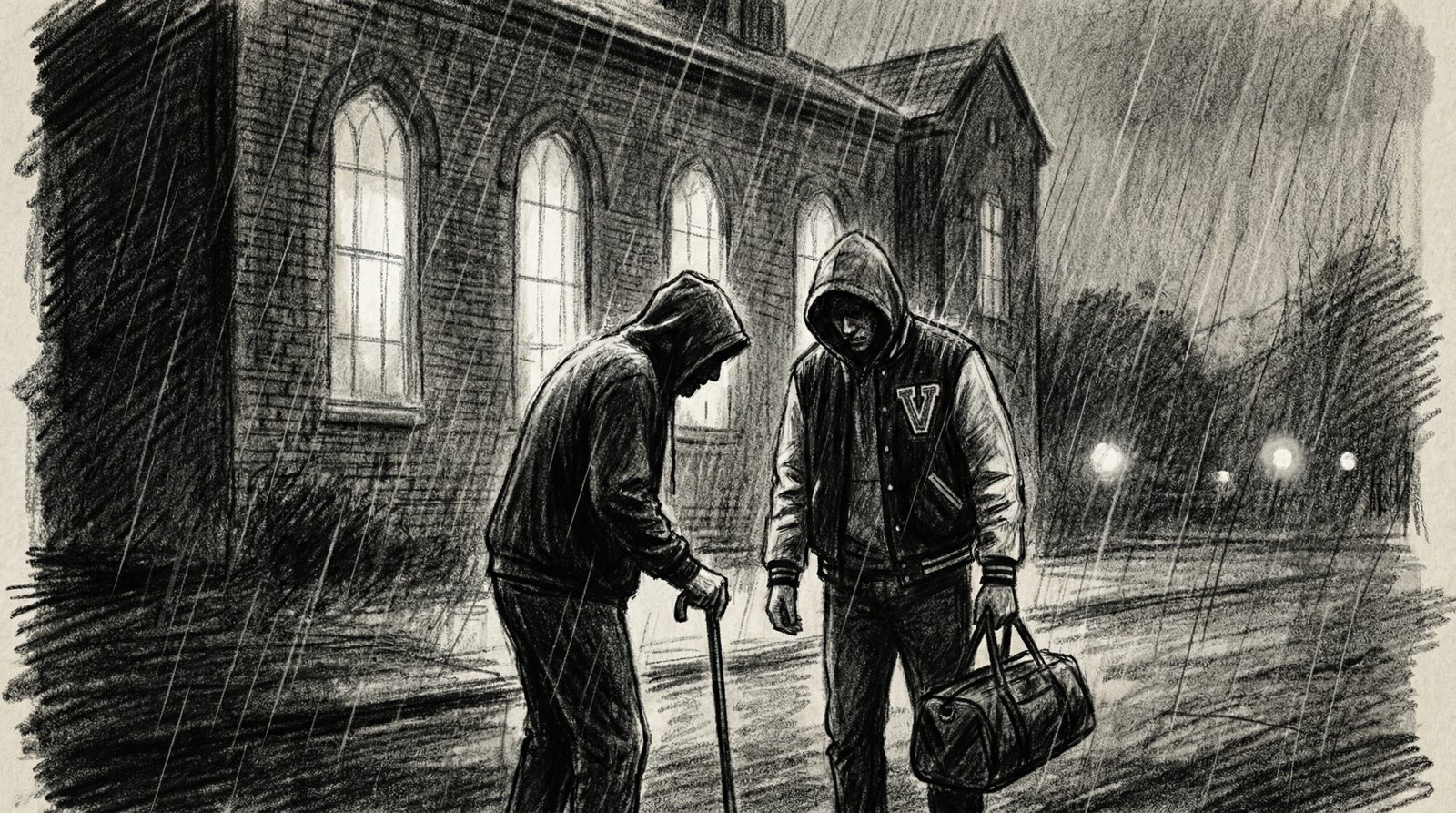
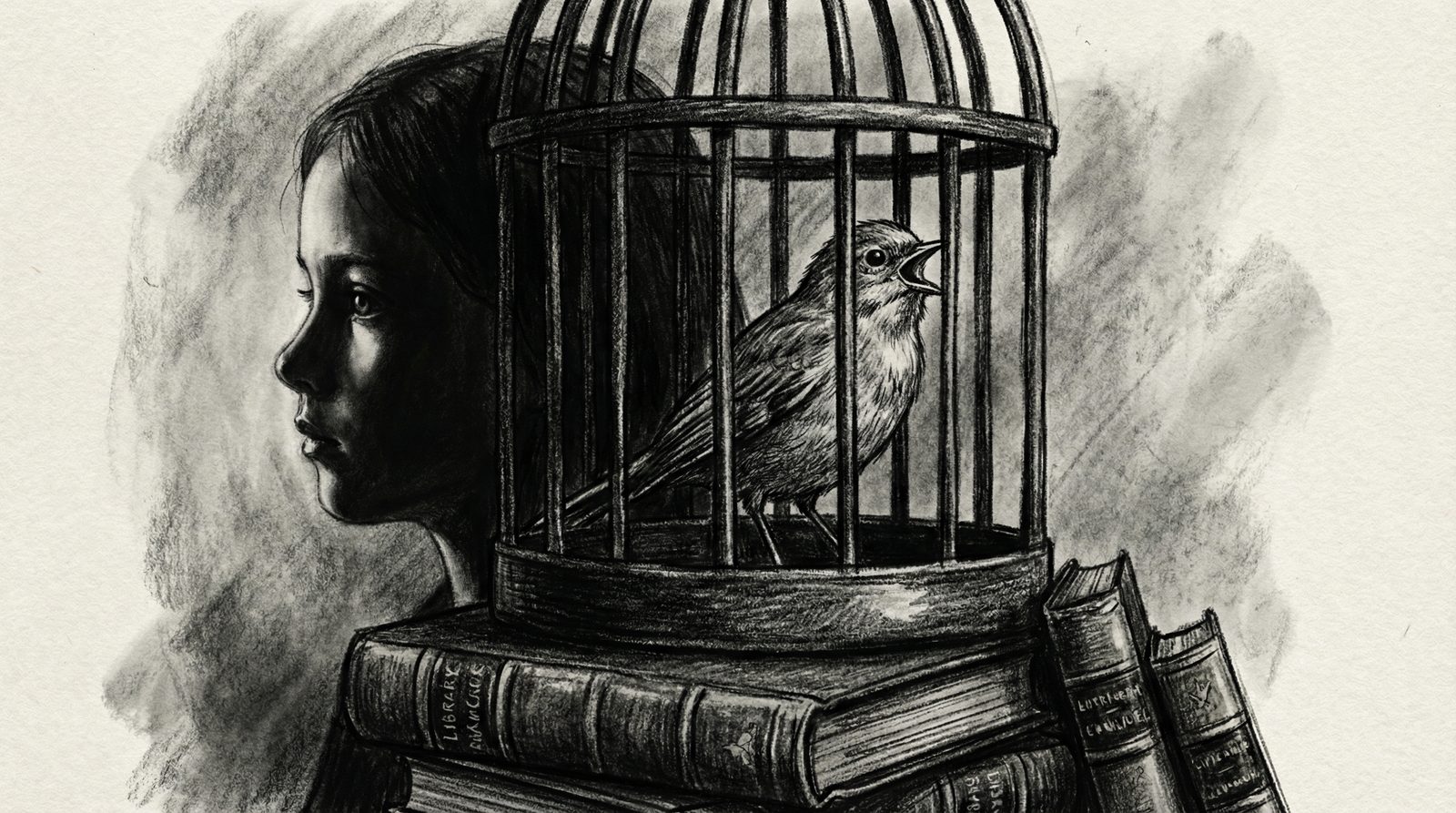
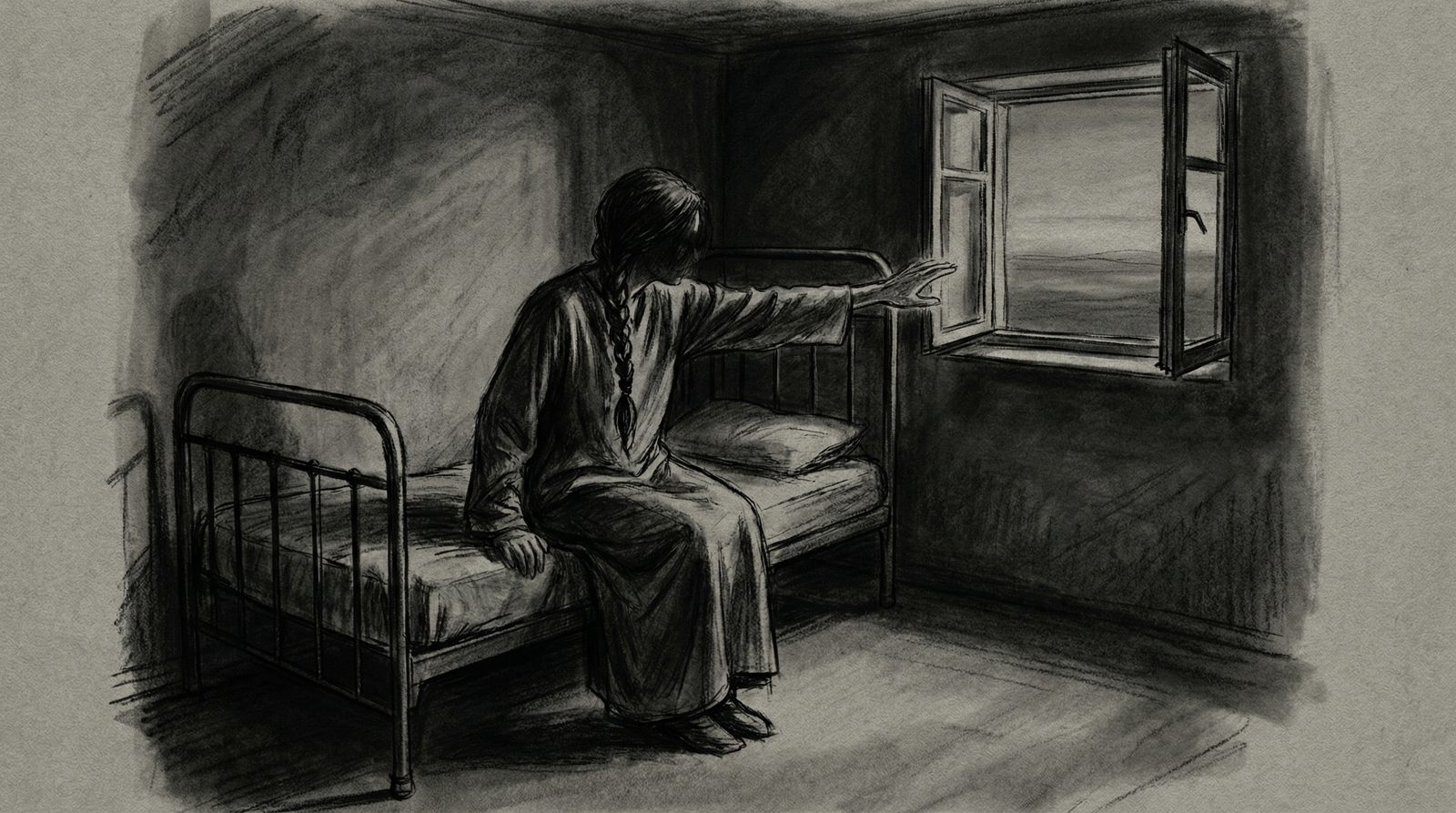
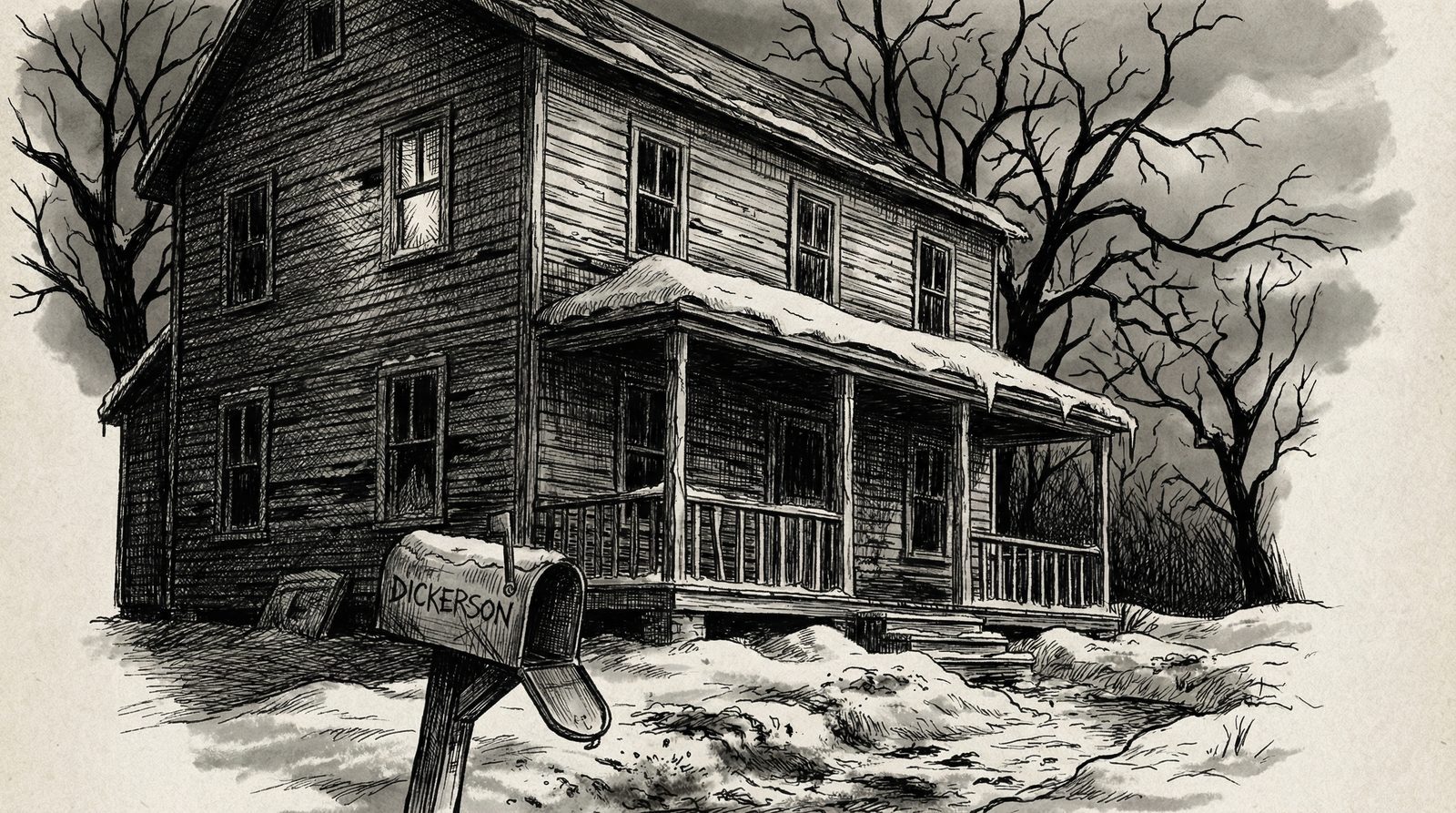
    Conceptual editorial illustration inspired by 'survivor (1997)'

    CHARACTERS & RELATIONSHIPS

    A. P. Hill is one of King’s most carefully drawn protagonists. She is not presented as a symbol or a lesson. She is a young woman trying to gather the scattered pieces of her identity while everyone around her has an opinion about what she should feel. Her anger, numbness, and occasional flashes of dark humor make her feel fully human rather than emblematic.

    Her classmates and professors orbit around her in ways that reveal the institution’s limits. Some hover with well-meaning concern that never quite turns into real understanding. Others view her as a problem to manage or a reminder of something they would rather not face. A few characters project their own guilt and fear onto her survival. Together, they echo the motif Domestic Vulnerability as Horror, recast here as institutional vulnerability, where the system assumes that students can absorb anything and keep going.

    Her family appears in concentrated, emotionally charged scenes. They care about her and want explanations, but their need for clarity sometimes clashes with her need for space and privacy. King captures the way love, fear, and frustration can sit in the same room without finding a comfortable arrangement.


    CULTURAL CONTEXT & LEGACY

    When Survivor appeared in the late 1990s, campus novels were beginning to take on darker and more psychologically complex subjects. King’s approach stands out because of how quietly she handles her material. There is no final courtroom scene, no neat confession, no dramatic twist that reorders everything. The focus stays on aftermath and on the way trauma seeps into daily life.

    Within King’s body of work, Survivor feels like a close cousin to One on One, although the scope is narrower. Instead of showing how an entire community responds to pressure, King stays close to a single internal journey and lets the wider world remain slightly out of reach. The novel also anticipates later psychological and domestic fiction that centers on women whose trauma shapes how others see them, often in ways they cannot control.


    IS IT WORTH READING?

    Survivor is not an easy read, but it is a deeply honest one. Readers who appreciate character-driven psychological fiction, domestic or institutional suspense without sensational twists, and stories about the slow work of rebuilding after crisis will find it compelling. It also serves as a strong companion to Pearl and The Trap, offering a more tightly focused exploration of themes that run throughout King’s work, such as pressure, visibility, and the struggle to feel safe in one’s own life.


    SIMILAR BOOKS

    Readers drawn to novels about trauma, recovery, and the social aftershocks of a single event may find a strong echo in Laurie Halse Anderson’s Catalyst, which also follows a young woman navigating pressure and expectation in a close-knit environment. Within Tabitha King’s own work, One on One offers another look at vulnerability and defiance in youth, while Pearl explores identity struggles in a more community-rooted setting.
  • Pearl (1988)

    Pearl (1988)

    By: Tabitha King
    Genre: Literary Fiction, Domestic Psychological Fiction
    Country: United States


    INTRODUCTION

    Pearl is one of the central novels in Tabitha King’s Nodd’s Ridge cycle, a sprawling small-town world shaped by ambition, inheritance, desire, and long-held resentment. Published in 1988, the book arrives at a moment when King’s confidence as a storyteller is fully visible. It brings together her sharp psychological insight and her gift for building a community that feels lived-in and flawed. If One on One focuses on the pressures of adolescence, Pearl shifts the lens to adulthood and the quiet fears and compromises that come with it.

    At the centre of the novel is Pearl Dickerson, a woman who inherits a business and a social position she never expected to occupy. Her sudden rise unsettles the established order in Nodd’s Ridge, a town that prides itself on politeness while hiding a long memory for old wounds. King draws much of the tension from Pearl’s changing sense of identity, creating a story where living rooms, kitchens, and local storefronts turn into contested spaces shaped by gossip, loyalty, and the lingering weight of history.


    PLOT & THEMES

    Pearl’s life changes when she inherits the business of her former employer. The shift is practical at first, but it quickly expands into something deeper. Her new responsibilities force her to confront not only the demands of the job but also the expectations of neighbours who are suddenly paying closer attention. Old insecurities rise to the surface, and the town’s reactions expose fractures she can no longer ignore.

    King uses this transition to map the delicate social web of Nodd’s Ridge. Long-established families complain quietly. Men who once overlooked Pearl begin approaching her with a strange mix of caution and curiosity. Women who felt certain of their social standing start to lose that sense of stability. The novel’s tension fits naturally with the motif Domestic Vulnerability as Horror, since the supposedly safe spaces of home and community become sources of unease when a woman refuses to play her old role.

    Identity is another core theme. Pearl must decide who she wants to be now that her circumstances have changed. She weighs the temptation to keep the peace against the need to finally assert herself. Her internal struggle aligns with the motif Identity Collapse in Isolation, which explores how pressure and scrutiny can force characters into uncomfortable reinventions.

    The broader world of the novel includes rivalries, small betrayals, affairs, and hidden histories. These threads create a portrait of rural America where the past is never truly gone and where every choice can ripple through generations.


    STYLE & LANGUAGE

    Much of the power in Pearl comes from King’s patient, observant prose. She allows her characters room to contradict themselves and to chase ambitions that may be slightly out of reach. Shops, kitchens, and neighborhood gatherings are described with careful precision, turning ordinary spaces into places where social pressure and private longing are constantly rubbing against each other.

    The pace is steady, but the emotional intensity builds quietly. King balances tension with gentler moments that reveal the humanity of her characters. Her writing is straightforward and clear, which makes the sharper emotional turns hit even harder.

    Dialogue is one of the novel’s strongest tools. Every conversation hints at the unwritten rules of Nodd’s Ridge: who receives sympathy, who is judged harshly, and who manages to avoid accountability altogether.

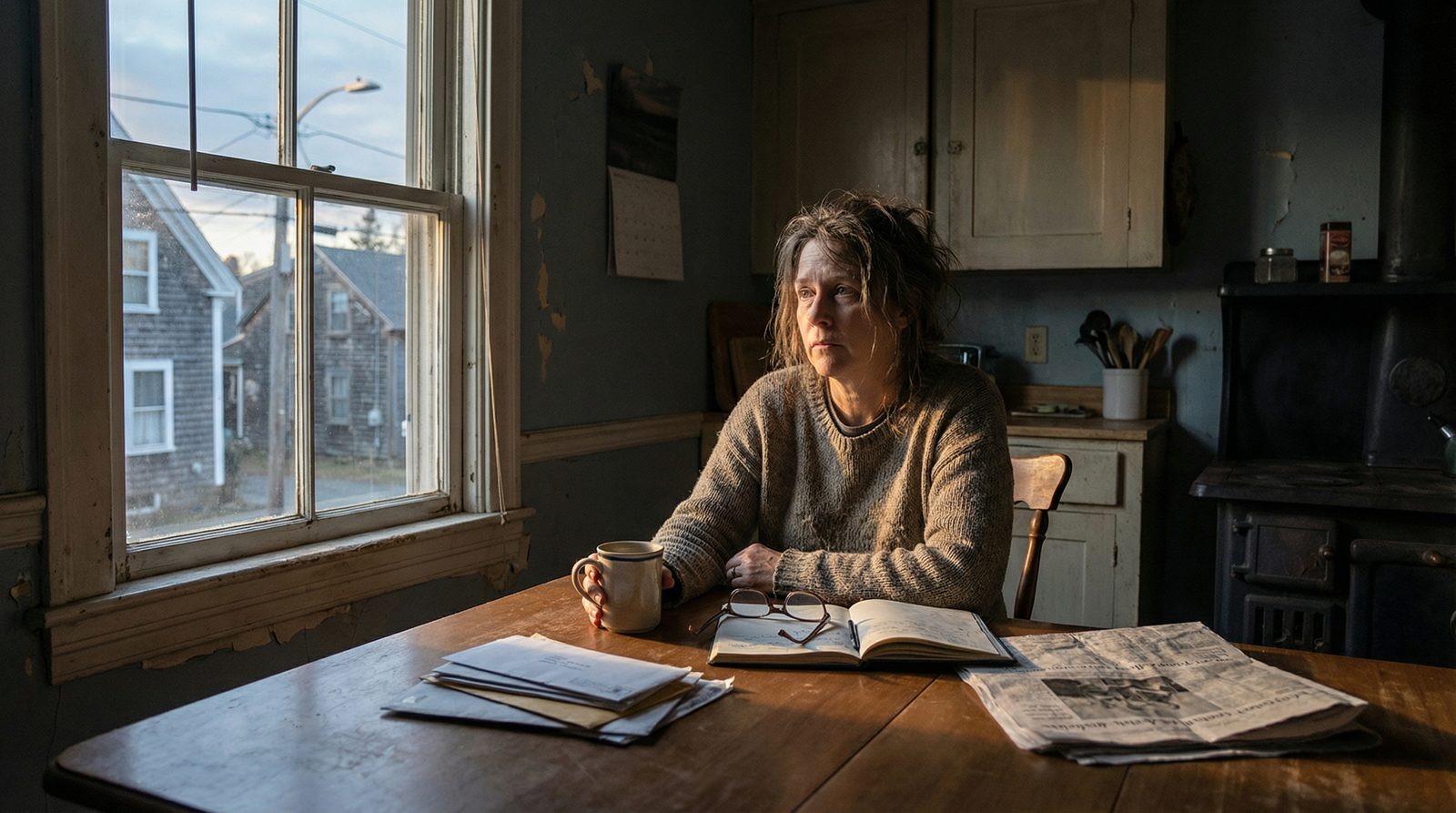
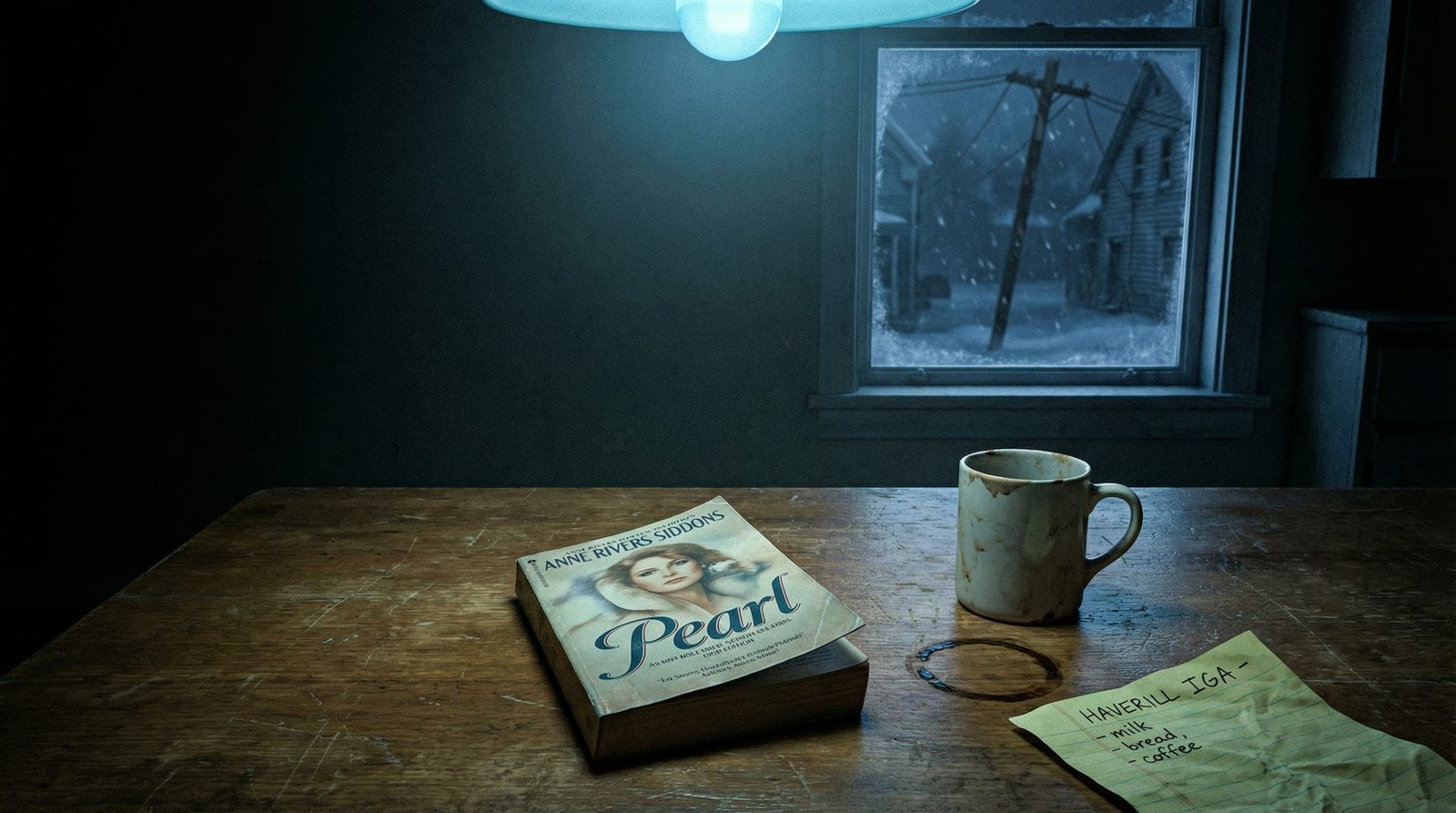
    Conceptual editorial illustration inspired by 'pearl (1988)'

    CHARACTERS & RELATIONSHIPS

    Pearl Dickerson is written with a complicated mix of doubt, determination, and quiet resilience. King never turns her into a victim or a hero. Instead, Pearl feels like someone trying to grow into a version of herself she is only just beginning to understand.

    Nodd’s Ridge acts almost like another protagonist. The residents form a collective force that shapes Pearl’s choices and reactions. Old friendships strain under new dynamics, and alliances shift as the town adjusts to her unexpected rise.

    Romantic threads do appear, but King treats them with realism rather than idealism. Relationships carry the weight of past mistakes and the fear of public judgment. Moments of kindness can turn into obligations, and affection is often mixed with hesitation or regret.


    CULTURAL CONTEXT & LEGACY

    Pearl reflects the sensibilities of late 1980s American fiction, a period when many writers were exploring domestic stories that blended literary depth with psychological tension. King’s work fits neatly into that movement, offering social commentary without sacrificing character-driven storytelling.

    Within the Nodd’s Ridge cycle, the novel marks a point where the town becomes firmly established as King’s central landscape. It lays the groundwork for later books such as The Book of Reuben and works as a quieter thematic companion to the darker emotional territory of Survivor.


    IS IT WORTH READING?

    If you enjoy character-focused novels that take their time exploring the tension between personal growth and community expectation, Pearl is a strong choice. Pearl’s struggle with belonging, inheritance, and self-understanding feels honest and grounded. The novel works well on its own, although readers who pair it with One on One or The Book of Reuben will see how King gradually expands and enriches the world of Nodd’s Ridge.


    SIMILAR BOOKS

    Readers drawn to Pearl may also appreciate stories where personal transformation unsettles the rhythm of a tightly connected community. Within King’s own bibliography, The Trap and One on One offer similar emotional beats from different angles. For something outside the Nodd’s Ridge universe, Laurie Halse Anderson’s Catalyst provides a sharp portrait of a young woman navigating pressure, grief, and the challenge of reshaping her own identity.

  • One on One (1993)

    One on One (1993)

    By: Tabitha King
    Genre: Literary Fiction, Domestic Psychological Fiction
    Country: United States


    INTRODUCTION

    Tabitha King’s One on One begins with the feel of a familiar coming-of-age tale, but the story quickly deepens into something more charged. It follows Deanie Gauthier, a young basketball standout growing up in Nodd’s Ridge, a town where people pay close attention to the smallest details of each other’s lives. Deanie’s talent puts her in a strange position. She shines on the court, yet her intensity, confidence, and physical presence make her stand out in ways the town isn’t entirely comfortable with. What looks like a simple sports novel from the outside becomes a layered exploration of ambition, gender, class, and the uneasy pressure of being different in a place that prefers predictability.

    Revisiting the book through AllReaders means returning to a novel that mixes sport, desire, and a steady undercurrent of psychological unease. King portrays a girl who refuses to shrink, and that refusal gives the book its lasting power.


    PLOT & THEMES

    Deanie Gauthier is a gifted player in a town that doesn’t know how to celebrate a girl like her. She is strong, competitive, and unwilling to soften herself for anyone. Home offers little comfort. Her mother drifts in and out of relationships, and one boyfriend becomes a genuine threat. The basketball court turns into Deanie’s only place of order, the one part of her life where her skills give her some control.

    Her growing connection with Sam Styles complicates everything. Sam is one of the young men coaching in her orbit, and the relationship slips into territory neither of them fully understands. The imbalance between them is clear from the start, even though neither speaks it aloud. King handles these moments with restraint, relying on quiet details rather than dramatic turns. The unease fits closely with the motif Domestic Vulnerability as Horror, since the danger comes from ordinary people rather than anything supernatural.

    The people of Nodd’s Ridge help push the tension higher. They talk about Deanie constantly. They judge her talent, her body, her choices, and even her silences. She becomes the subject of opinions she never asked for. Under that scrutiny, she inches toward a point where she must decide whether to shape herself into something more acceptable or hold her ground and risk being isolated. The pressure echoes the motif Identity Collapse in Isolation, where a character’s inner life is squeezed by the expectations of the world around them.

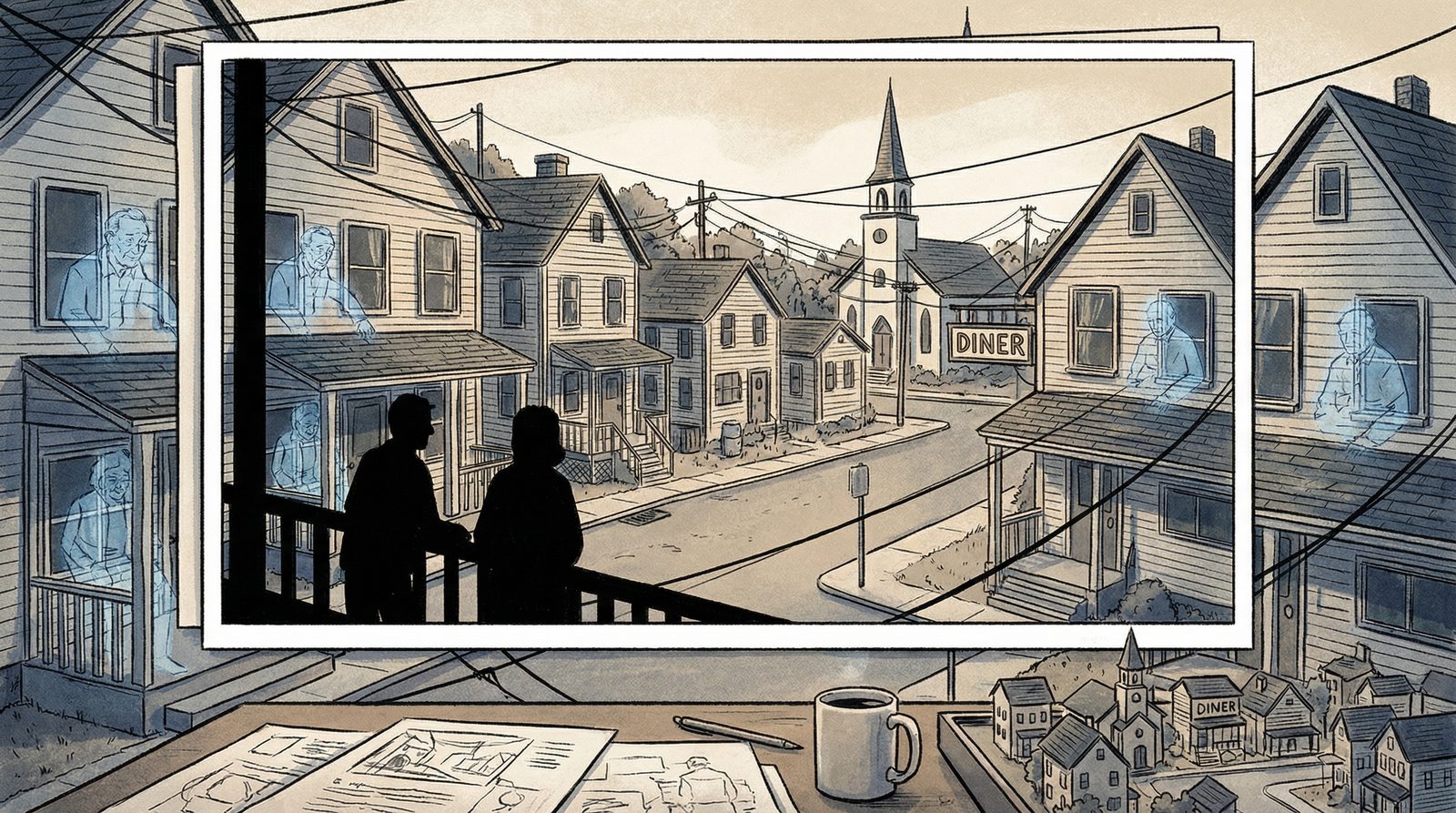
    Conceptual editorial illustration inspired by 'one on one (1993)'

    STYLE & LANGUAGE

    King writes with clarity and restraint. Her style looks simple at first glance, but she uses it to capture emotional shifts with real precision. Much of the power comes from her dialogue. Characters rarely say exactly what they mean, yet the intent sits right beneath the surface, especially in conversations between Deanie and the adults who see her as something they want to shape.

    The pacing reflects the rhythm of teenage life. Ordinary days stretch out for chapters, then something unexpected happens and everything tightens. The basketball scenes carry a physical energy that feels grounded in lived experience. In contrast, the moments at home feel fragile, as if the walls could crumble with one wrong word.

    King’s blend of private thought and public scrutiny gives the novel its emotional tone. Even when Deanie stands in a crowded room, the writing often makes her feel alone. That loneliness becomes another pressure point that shapes the story.


    CHARACTERS & RELATIONSHIPS

    Deanie Gauthier is one of King’s most memorable protagonists. She is tough, self-reliant, and painfully aware of the ways adults fail the children in their care. Her aggression on the court is part shield, part survival strategy. King allows her to be angry, hopeful, reckless, and loyal without ever flattening her into a single trait.

    Sam Styles occupies a complicated place in Deanie’s story. King avoids turning him into a cartoon villain, but she also makes it clear how easily a young man in his position can misuse the influence he has over a girl who wants to be seen. His choices create much of the novel’s slow-building danger.

    The supporting cast widens the emotional landscape. Friends, teammates, teachers, and Deanie’s family all add texture to the town’s inner workings. Many of them reveal, in small ways, how a community can watch a girl closely while still failing to understand her.

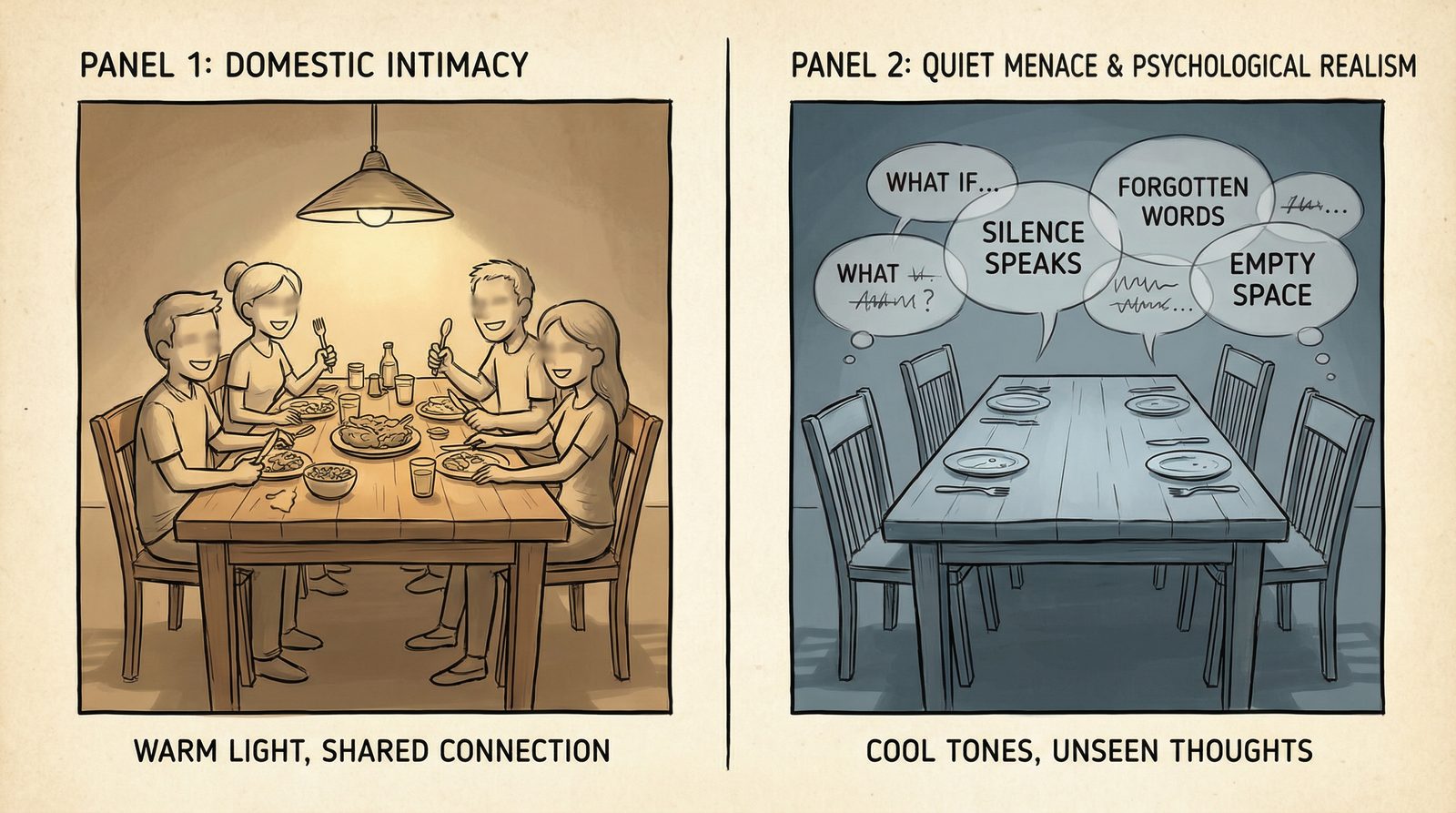
    Illustration of a core idea or motif from 'one on one (1993)'

    CULTURAL CONTEXT & LEGACY

    Published in the early 1990s, One on One arrived during a period when fiction was increasingly interested in the overlap between teenage interiority and domestic realism. King approaches these themes with subtlety. She writes trauma without spectacle and desire without exploitation. The novel shares some thematic terrain with other members of the King family’s work, particularly the focus on small towns as both nurturing and suffocating spaces, but her voice remains distinct.

    Within the Nodd’s Ridge cycle, this book helps define the emotional range of the series. Characters weave in and out of multiple novels, creating a shared world that feels steady even when the people inside it struggle. That continuity gives the series its depth and provides long-term readers with a sense of connection across the books.


    IS IT WORTH READING?

    Readers who enjoy character-driven stories about resilience, vulnerability, and the pressures of small-town life will find a lot to admire in One on One. It is one of Tabitha King’s most immediate and emotionally grounded novels. Many readers who start here continue to Pearl or The Book of Reuben afterward, since the books complement one another and deepen the world of Nodd’s Ridge.


    SIMILAR BOOKS

    If you connect with the emotional intensity of One on One, several other novels may hit the same nerve. Tabitha King’s Survivor explores trauma and resilience from a different angle, while Pearl expands the Nodd’s Ridge setting through another protagonist’s eyes. Outside her work, Laurie Halse Anderson’s Catalyst dives into the pressures and expectations placed on young women, making it a strong thematic match.

  • Tabitha King

    Tabitha King

    INTRODUCTION

    Tabitha King has spent most of her career slightly out of frame. For decades she was introduced as Stephen King’s wife, the woman who rescued an early draft of Carrie from the trash. But that shorthand does her a disservice. Across a run of eight novels, from Small World to the Southern gothic of Candles Burning, she has built a body of work that is sharper, stranger, and more emotionally precise than that supporting-player narrative allows.

    Her fiction lives where domestic life and menace overlap. Ordinary homes tilt toward nightmare. Small towns bristle with secrets. Families try, and often fail, to love each other well. If the broader King universe is full of killer clowns and haunted hotels, Tabitha’s corner of it is haunted by bad decisions, generational grudges, and the quiet terror of realizing you no longer recognise your own life.


    LIFE & INFLUENCES

    Born in 1949 and raised in Maine, Tabitha King grew up in the same landscape that would later anchor so much of the King family’s fiction. The coastal towns, hard winters, and working class rhythms of the region echo through her work just as strongly as they do through her husband’s, but she writes from a different vantage point. Her books often follow women and girls who are intelligent, observant, and deeply rooted in their communities even when those communities fail them.

    King started publishing short work in the 1970s, then released her debut novel Small World in 1981. The book’s blend of psychological realism, dark humour, and a touch of the surreal sets the tone for much of what follows. Through the 1980s and 1990s she built out the fictional town of Nodd’s Ridge in a loose series that includes Caretakers, The Trap, Pearl, One on One, and The Book of Reuben. Later she would step outside that setting for the campus trauma of Survivor and the collaboration Candles Burning, which extends an unfinished novel by horror writer Michael McDowell.

    Influence wise, you can feel the pull of realist New England fiction, women’s literary fiction of the 1970s and 1980s, and classic Gothic storytelling as much as horror. Her books are less about monsters in the closet and more about what happens when the people you rely on become the thing you fear.

    Editorial illustration inspired by 'Tabitha King'


    THEMES & MOTIFS

    Across King’s novels, one of the strongest currents is domestic life under pressure. Marriages are strained by ambition and resentment. Parents and children misread each other in ways that have real consequences. In Nodd’s Ridge, the community itself becomes a kind of character, enforcing norms and punishing anyone who steps outside them. This makes her a natural fit for motifs like Domestic Vulnerability as Horror, where the supposed safety of home becomes the very thing that traps you.

    Identity is another recurring concern. Characters often find that the roles they have been assigned, especially gendered ones, no longer fit. Deanie in One on One is a gifted basketball player negotiating power, desire, and control in a small town that cannot quite cope with a girl who refuses to stay in her lane. The title character of Pearl inherits a business and a complicated social position, then has to decide what kind of person she is willing to become in order to keep both. These arcs connect neatly to a motif of Identity Collapse in Isolation, where people discover who they are only after being pushed to the edge.

    Power imbalances run through the books as well. Men with social, financial, or physical power often use it carelessly, sometimes cruelly, while women are left to manage the fallout. Yet King rarely frames her characters as simple victims. They make strategic choices, protect each other, and occasionally burn down the systems that harmed them, literally or metaphorically.


    STYLE & VOICE

    Tabitha King’s prose has a grounded, workmanlike quality that suits her material. She is less interested in baroque horror set pieces than in the slow accumulation of detail. Kitchens, parking lots, basketball courts, diners, and small town churches are described with the eye of someone who has actually spent time in them. When violence or the uncanny does surface, it hits harder because it is intruding on such recognisable spaces.

    Her dialogue is sharp and often very funny in a dry way. Characters jab at each other with one liners that feel earned by long relationships. She also has a knack for slipping into interior monologue without losing momentum, letting you sit inside a character’s doubt or anger for just long enough before the plot pulls you forward again.

    Structurally, many of the novels are sprawling, following multiple point of view characters across years. That makes the Nodd’s Ridge books feel almost like a shared universe long before that term became a marketing label. You see the same events refracted through different people, and minor characters in one book step up to centre stage in another.

    Symbolic illustration inspired by 'Tabitha King'


    KEY WORKS

    If you are new to Tabitha King, there are a few natural entry points. Small World is a great starting place if you want to see her early voice, with its mix of oddity and realism. For the Nodd’s Ridge cycle, Pearl and One on One are the most frequently recommended, each following a woman navigating desire, race, class, and small town expectations in very different ways.

    The Book of Reuben flips the perspective to a male protagonist whose choices ripple back through the earlier books, making it a fascinating read once you are already invested in the town. Survivor stands alone, a campus novel that turns on a single traumatic accident and the long healing that follows. And Candles Burning offers something slightly different again, blending King’s sense of character with Michael McDowell’s Southern gothic weirdness.

    Viewed together, these books sketch out a kind of alternate map of late twentieth century American life. Fame, addiction, ambition, and the long tail of family damage all show up here, but filtered through characters who could plausibly live next door.


    CULTURAL LEGACY

    Tabitha King’s legacy is complicated by the shadow she writes in, but that is also what makes her so interesting to read now. In an era when readers are hungry for women’s perspectives on violence, power, and community, her work feels surprisingly current. The Nodd’s Ridge novels in particular anticipate a lot of what later became fashionable in so called literary suspense and domestic noir.

    She also matters because of what she represents in the broader King ecosystem. The often repeated anecdote about her rescuing Carrie is true enough, but the more important story is that of a writer who built her own fictional world beside a much louder one and refused to let it be swallowed. Reading her now is a way of rebalancing that history, recognising that the King name on a spine does not always mean the same voice, and that the smaller, quieter books sometimes carry the sharpest teeth.

    For AllReaders, rebuilding her creator page and the book reviews attached to it is not just nostalgia. It is a way to honour a writer who has always been part of the site’s DNA and to connect a new generation of readers to a corner of horror and domestic fiction that has been overlooked for too long.

  • Maya Angelou

    Maya Angelou

    Born 1928, St. Louis, Missouri, United States · Died 2014
    Genres: Memoir, Poetry, Essay
    Era: Mid to Late 20th Century


    INTRODUCTION

    Maya Angelou was a poet, memoirist, performer, and a towering cultural figure. Her series of autobiographical books begins with I Know Why the Caged Bird Sings, a work that transformed how personal narrative could address trauma, racism, and resilience. Her writing combines honesty, lyricism, and moral clarity.

    Angelou’s work embodies motifs like Literacy as Liberation, Survival Narratives, and Dissociation as Defense.


    LIFE AND INFLUENCES

    Angelou’s childhood included years in the segregated South, a traumatic assault, a long period of silence, and eventual rebirth through language and performance. She worked as a singer, dancer, journalist, and civil rights activist alongside figures like Martin Luther King Jr. and Malcolm X.

    Her influences include Black church tradition, poetry, music, and global travel. She wove these influences into a voice that feels both intimate and public.

    Editorial illustration inspired by 'Maya Angelou'

    THEMES AND MOTIFS

    Angelou writes about trauma, racism, dignity, and the transformative power of language. She is concerned with how a person can build a full self in a world that insists they are lesser. Her focus on speech, performance, and writing as tools of survival and joy places her work within motifs like Intimacy as Healing and Memoirs of Reclamation.


    STYLE AND VOICE

    Her prose is clear, rhythmic, and often poetic. She balances emotional weight with humor and observation. Even when recounting trauma, she writes with a steadiness that feels both protective and generous.

    Symbolic illustration inspired by 'Maya Angelou'

    KEY WORKS


    CULTURAL LEGACY

    Angelou’s memoirs and poems have become touchstones for readers around the world. She expanded the possibilities of life writing, especially for Black women, and brought discussions of trauma and resilience into mainstream culture with dignity and force. Her work remains central in education, activism, and literary study.

  • Zora Neale Hurston

    Zora Neale Hurston

    Born 1891, Notasulga, Alabama, United States · Died 1960 Genres: Literary Fiction, Essay, Folklore Era: Early to Mid 20th Century

    INTRODUCTION

    Zora Neale Hurston was a writer, anthropologist, and one of the central figures of the Harlem Renaissance. Her fiction and non-fiction preserve and celebrate Black Southern speech, humor, mythology, and everyday life. She is best known for Their Eyes Were Watching God, a novel that follows Janie Crawford’s journey to selfhood through love, loss, and storytelling. Hurston’s work often intersects with motifs like Intimacy as Healing and Survival Narratives.

    LIFE AND INFLUENCES

    Hurston grew up in Eatonville, Florida, one of the first all-Black incorporated towns in the United States. That environment deeply influenced her sense of community and autonomy. She studied anthropology and traveled to collect folklore, which she fed back into her writing. Her influences include Southern oral tradition, Black church culture, blues, and folklore. Her anthropological training sharpened her ear for voice and detail.
    Editorial illustration inspired by 'Zora Neale Hurston'

    THEMES AND MOTIFS

    Hurston writes about love, independence, community, and the search for self within and against social norms. Her characters often navigate expectations around gender and respectability while pursuing joy and connection. Her work reflects motifs such as Intimacy as Transaction, Power as Proximity, and Memoirs of Reclamation in the way Janie tells her story.

    STYLE AND VOICE

    Hurston’s style is vibrant and musical. She combines richly rendered dialect with lyrical narration. Her fiction feels spoken as much as written, honoring the rhythms of Black Southern speech and storytelling.
    Symbolic illustration inspired by 'Zora Neale Hurston'

    KEY WORKS


    CULTURAL LEGACY

    Hurston’s work was underappreciated in her lifetime but revived in the late twentieth century, especially through the efforts of Black feminist writers and scholars. She is now recognized as a foundational voice in American literature, particularly in the portrayal of Black women’s inner lives and desires.
  • Toni Morrison

    Toni Morrison

    Born 1931, Lorain, Ohio, United States · Died 2019
    Genres: Literary Fiction, Essay
    Era: Late 20th Century


    INTRODUCTION

    Toni Morrison is one of the most important writers in American history. Her work centers Black life with spiritual, emotional, and historical depth, refusing to translate or soften it for white comfort. She writes about memory, community, trauma, and love in ways that are both grounded and mythic. Her novels are dense with symbol and feeling, but always anchored in lived experience.

    Across books like Beloved and The Bluest Eye, she engages motifs such as Trauma as Inheritance, The Erased Girl, and Survival Narratives.


    LIFE AND INFLUENCES

    Morrison grew up in a working class Black family in Lorain, Ohio, surrounded by stories, songs, and folklore. She studied at Howard University and Cornell, later working as an editor and professor. Her editorial work brought Black voices into print at a time when they were often excluded.

    Her influences include oral tradition, Black church culture, jazz, history, and a commitment to centering Black interiority. These influences appear in her layered narratives and use of communal voice.

    Editorial illustration inspired by 'Toni Morrison'

    THEMES AND MOTIFS

    Morrison’s work often examines the long reach of slavery, the weight of memory, colorism, motherhood, and the struggle for selfhood in oppressive conditions. She explores how trauma echoes across generations and how communities can both wound and heal.

    Her fiction frequently engages motifs such as Trauma as Inheritance, Grief as Contradiction, and Literacy as Liberation.


    STYLE AND VOICE

    Her prose is richly textured, rhythmic, and often nonlinear. She shifts between perspectives and time periods, trusting readers to follow emotional logic rather than strict chronology. Her language can be lush or brutally simple, often using restraint at the most painful moments for maximum impact.

    Symbolic illustration inspired by 'Toni Morrison'

    KEY WORKS


    CULTURAL LEGACY

    Morrison’s work reshaped the American canon and expanded what serious literature could look like and whom it could center. She won the Nobel Prize in Literature and remains a touchstone for writers worldwide. Her influence is visible in contemporary fiction, memoir, and cultural criticism that take Black interior life seriously.

  • The Bluest Eye (1970)

    The Bluest Eye (1970)

    By: Toni Morrison
    Genre: Literary Fiction
    Country: United States


    INTRODUCTION

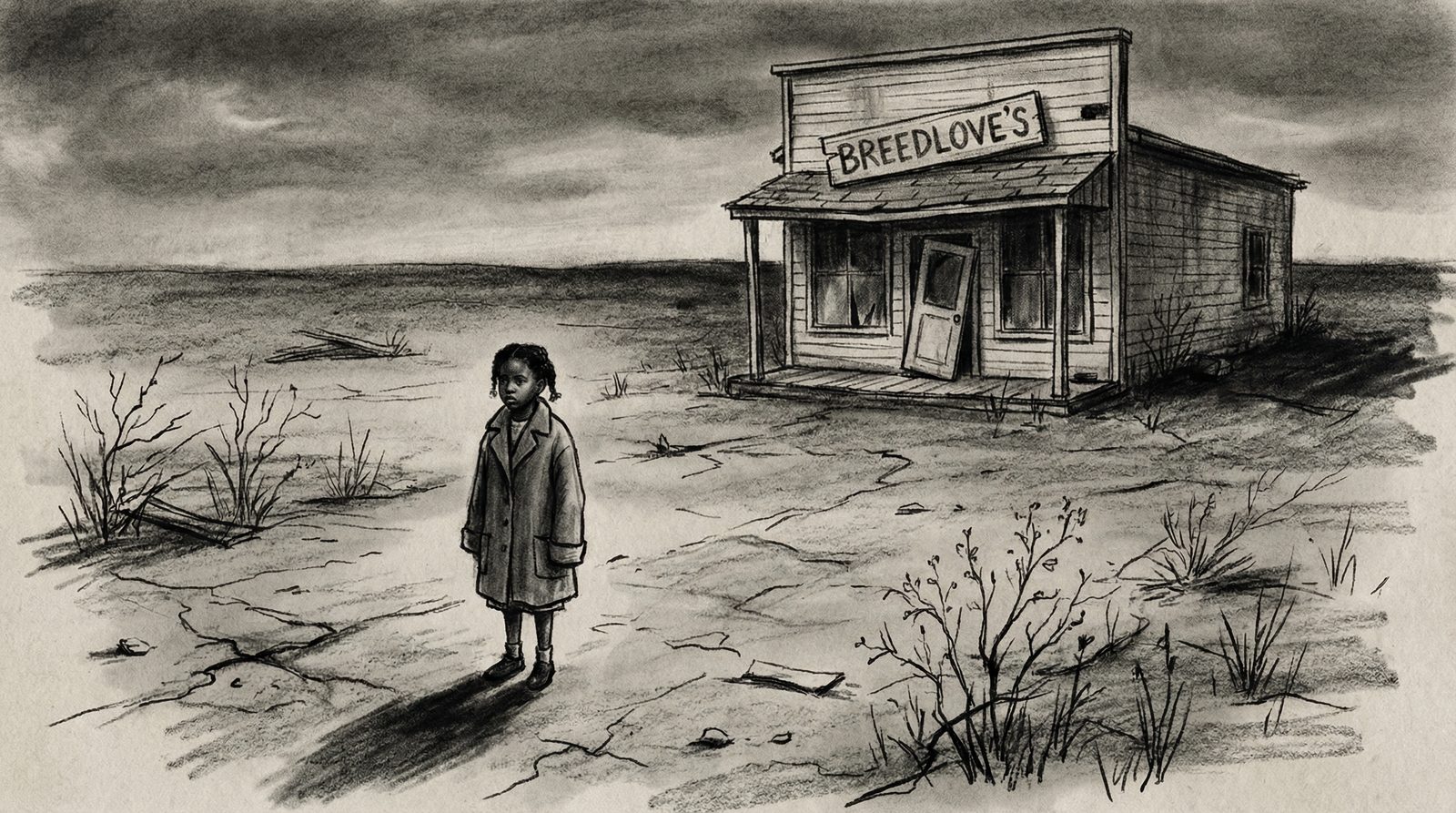
    The Bluest Eye is Toni Morrison’s first novel and one of her most devastating. Set in 1940s Ohio, it tells the story of Pecola Breedlove, a Black girl who believes blue eyes would make her loved and safe. The book examines how racism, colorism, and internalized hatred warp a child’s sense of self. It is a novel about beauty standards as violence and about the destruction of a girl who learns to see herself through a hostile gaze.

    The story sits squarely inside the motifs of The Erased Girl and The Commodified Body in Books, where identity is crushed by the demand to be something else.


    PLOT AND THEMES

    The novel is narrated in part by Claudia, a girl who watches Pecola’s collapse from the edge of the story. Through Claudia’s eyes and shifting perspectives, we see Pecola’s home life, school life, and the community that fails her. The plot moves toward Pecola’s pregnancy, breakdown, and final retreat into a private delusion where she believes she has finally received blue eyes.

    Themes include internalized racism, beauty standards, childhood, family violence, and the way communities participate in harm. The novel reflects motifs like Trauma as Inheritance and Survival as Identity, especially in how Pecola’s parents carry and transmit their own wounds.

    Conceptual editorial illustration inspired by 'the bluest eye'

    STYLE AND LANGUAGE

    Morrison blends lyrical narration with stark detail. The prose moves between poetic description and blunt statement. The structure is fragmented, circling around events rather than presenting them in a straight line, mirroring how trauma is remembered and how communities talk around the truth.

    The language often uses restraint when describing the worst harm, creating an effect similar to Emotional Minimalism. The emotional impact builds through accumulation rather than spectacle.


    CHARACTERS AND RELATIONSHIPS

    Pecola is at the center, but much of the book is about the people around her. Her parents, Cholly and Pauline Breedlove, are damaged by their own histories and perpetuate that damage without fully understanding it. Claudia and Frieda represent another path, one where resistance still feels possible. The community serves as both witness and participant in Pecola’s erasure.

    The relationships in the novel illustrate how shared trauma does not guarantee compassion. They deepen motifs such as Parental Betrayal and Dissociation as Defense.

    Illustration of a core idea or motif from 'the bluest eye'

    CULTURAL CONTEXT AND LEGACY

    Published in 1970, The Bluest Eye did not initially receive the same attention as Morrison’s later work, but it has since become a central text in American literature. It is frequently challenged and banned for its depiction of sexual violence and racism, which has only underlined its importance.

    The novel remains one of the clearest and most painful examinations of how white beauty ideals harm Black children. It pairs naturally with works like The Color Purple and I Know Why the Caged Bird Sings in conversations about girlhood, race, and voice.


    IS IT WORTH READING?

    Yes. It is difficult, beautiful, and essential. Readers interested in race, beauty, trauma, and childhood will find it both shattering and deeply illuminating.


    SIMILAR BOOKS

    Beloved (1987)
    The Color Purple (1982)
    I Know Why the Caged Bird Sings (1969)

  • I Know Why the Caged Bird Sings (1969)

    I Know Why the Caged Bird Sings (1969)

    By: Maya Angelou
    Genre: Memoir
    Country: United States


    INTRODUCTION

    I Know Why the Caged Bird Sings is Maya Angelou’s seminal memoir, tracing her childhood and adolescence in the American South and California. The book is a landmark in narrative nonfiction, addressing racism, trauma, sexual abuse, resilience, and the search for voice with precision and grace.

    The memoir fits strongly into motifs like Literacy as Liberation and Survival Narratives, reflecting how language becomes Angelou’s path toward freedom.


    PLOT AND THEMES

    The memoir follows Maya and her brother Bailey as they navigate the hostility of segregated America, the strict discipline of their grandmother’s household, and the emotional instability of their parents. Central events include Maya’s sexual assault at age eight and her subsequent silence, which lasts for years.

    Angelou explores racism, identity, trauma, and recovery. The book’s thematic heart is the return to speech. Maya’s rediscovery of voice becomes a profound act of resistance and reclamation. The story also reflects motifs like The Erased Girl and Dissociation as Defense.

    Conceptual editorial illustration inspired by 'I know why the caged bird sings'

    STYLE AND LANGUAGE

    Angelou writes with clarity, humor, and poetic elegance. She blends vivid sensory detail with emotional restraint. The voice remains controlled even when describing trauma, creating an effect similar to Emotional Minimalism. Scenes unfold with lyrical precision.

    The structure moves episodically, reflecting the fragmentation of memory and the growing insight of a maturing narrator.


    CHARACTERS AND RELATIONSHIPS

    Maya’s relationships with her brother Bailey, her grandmother, and the women in her community become sources of grounding and growth. Her relationship with her mother is complex, marked by longing and uncertainty.

    Teachers and mentors play a critical role, reinforcing the motif of Intimacy as Healing and the transformative power of guidance.

    Illustration of a core idea or motif from 'I know why the caged bird sings'

    CULTURAL CONTEXT AND LEGACY

    Published in 1969, the memoir was groundbreaking for its frank depiction of sexual abuse, racism, and female interiority. It became a foundational text in Black feminist literature and remains widely taught. Angelou’s voice paved the way for generations of memoirists who write about trauma with dignity and clarity.

    The book remains one of the most influential memoirs ever written.


    IS IT WORTH READING?

    Yes. It is moving, wise, painful, and radiant with humanity. Anyone interested in trauma narratives, American history, or the evolution of personal voice should read it.


    SIMILAR BOOKS

    The Color Purple (1982)
    Push (1996)
    The Bluest Eye (1970)

  • Their Eyes Were Watching God (1937)

    Their Eyes Were Watching God (1937)

    By: Zora Neale Hurston
    Genre: Literary Fiction, Romance
    Country: United States


    INTRODUCTION

    Their Eyes Were Watching God is a landmark of Black American literature. Through Janie Crawford’s journey toward selfhood, Hurston creates a sweeping novel about love, independence, desire, and the search for voice. The story is deeply rooted in Southern Black oral tradition and explores how identity is shaped by relationships, community, and personal truth.

    The novel reflects motifs like Intimacy as Healing and Survival Narratives, showing how emotional connection and resilience shape Janie’s path.


    PLOT AND THEMES

    Janie’s life unfolds across three marriages, each revealing different layers of power, desire, and constraint. Her first marriage is arranged, loveless, and marked by submission. Her second offers social status but emotional suffocation. Her third, with Tea Cake, gives her a glimpse of freedom and partnership.

    The novel explores self-discovery, gender expectations, desire, and the complexities of love. It embodies the motif of Memoirs of Reclamation, as Janie recounts her life to her friend Pheoby as an act of claiming her story.

    Conceptual editorial illustration inspired by 'their eyes were watching god'

    STYLE AND LANGUAGE

    Hurston’s style combines lyrical narration with richly rendered dialect. The prose is musical, rooted in folklore and oral rhythms. Dialogue carries much of the emotional weight, while Janie’s interiority is conveyed through metaphor and imagery.

    The structure mirrors spoken storytelling, creating intimacy and immediacy. Emotional truths emerge through tone rather than exposition.


    CHARACTERS AND RELATIONSHIPS

    Janie is a character defined by yearning and resilience. Tea Cake provides companionship and tenderness, though their relationship is not idealized. The community of Eatonville forms the backdrop of her journey, offering judgment, support, and conflict.

    The novel’s emotional core rests on Janie’s search for a self-defined life, free from imposed roles. It reflects motifs like Intimacy as Transaction and Power as Proximity, especially in her early marriages.


    CULTURAL CONTEXT AND LEGACY

    Published in 1937, the novel was misunderstood by critics of the era, particularly Black male writers who expected political confrontation instead of personal introspection. Decades later, it was reclaimed as a foundational work of Black feminist literature and is now recognized as one of the greatest American novels of the twentieth century.

    Janie’s voice has shaped countless writers and continues to resonate for readers seeking stories about selfhood, love, and liberation.

    Illustration of a core idea or motif from 'their eyes were watching god'

    IS IT WORTH READING?

    Yes. The novel is warm, vivid, poetic, and emotionally rewarding. Readers interested in coming-of-age arcs, Southern Black history, or stories powered by desire and resilience will find it unforgettable.


    SIMILAR BOOKS

    The Color Purple (1982)
    Beloved (1987)
    The Bluest Eye (1970)