
Introduction
Caretakers, published in 1983, is the first novel to introduce readers to Nodd’s Ridge, the rugged Maine town that would later anchor several of Tabitha King’s strongest works. The book reads as a wide canvas rather than a single portrait. King gives us a town long before she gives us a central protagonist, and that choice sets the tone for the entire series. Beneath the ordinary routines of the community, there are frictions that have been building for years. Some come from family strain. Others grow out of class divides, private resentments, or the uneasy sense that life has settled into patterns that no longer fit. The novel has the shape of a traditional small-town saga. It carries the weight and warmth of multiple voices, each pushing against the quiet expectations of the town. The ambition of the book is both its advantage and its drawback. King tries to show as many sides of Nodd’s Ridge as she can, which gives the world depth but also causes some plotlines to stretch farther than they need to. Even so, Caretakers stands as the necessary foundation for what would follow, the moment when King’s recurring themes start to crystallise.PLOT & THEMES
The novel focuses on the caretakers of Nodd’s Ridge, a loose group of people who hold the town together in ways that are rarely recognised. Parents, spouses, community leaders, workers who keep the town’s institutions running. Each carries their own struggles while trying to maintain a sense of stability for others. Money troubles strain marriages. Parents and children talk past each other. Local politics create quiet winners and quieter casualties. The tension comes from ordinary life rather than anything sensational, and that restraint becomes one of the book’s strongest qualities. This is also where King begins shaping one of her central motifs, Domestic Vulnerability as Horror. The most frightening spaces in the novel are familiar ones. Bedrooms, kitchens, and the back rooms of small businesses. They are places where love is supposed to protect, yet they become sites of emotional exposure. King shows how danger can emerge through silence, disappointment, or the pressure to hold everything together without cracking. Several storylines also brush against the motif Identity Collapse in Isolation. Characters who thought they understood their roles in the community begin to see themselves through the eyes of others. The gap between those identities becomes difficult to reconcile. Choices that once felt safe lead to unexpected consequences, and the weight of responsibility becomes something that reshapes entire futures. Responsibility sits at the core of the book. Who accepts it, who avoids it, and who finally breaks under the burden. These themes echo throughout the later Nodd’s Ridge novels, yet here they feel newly formed, as if King is testing the edges of what this world can hold.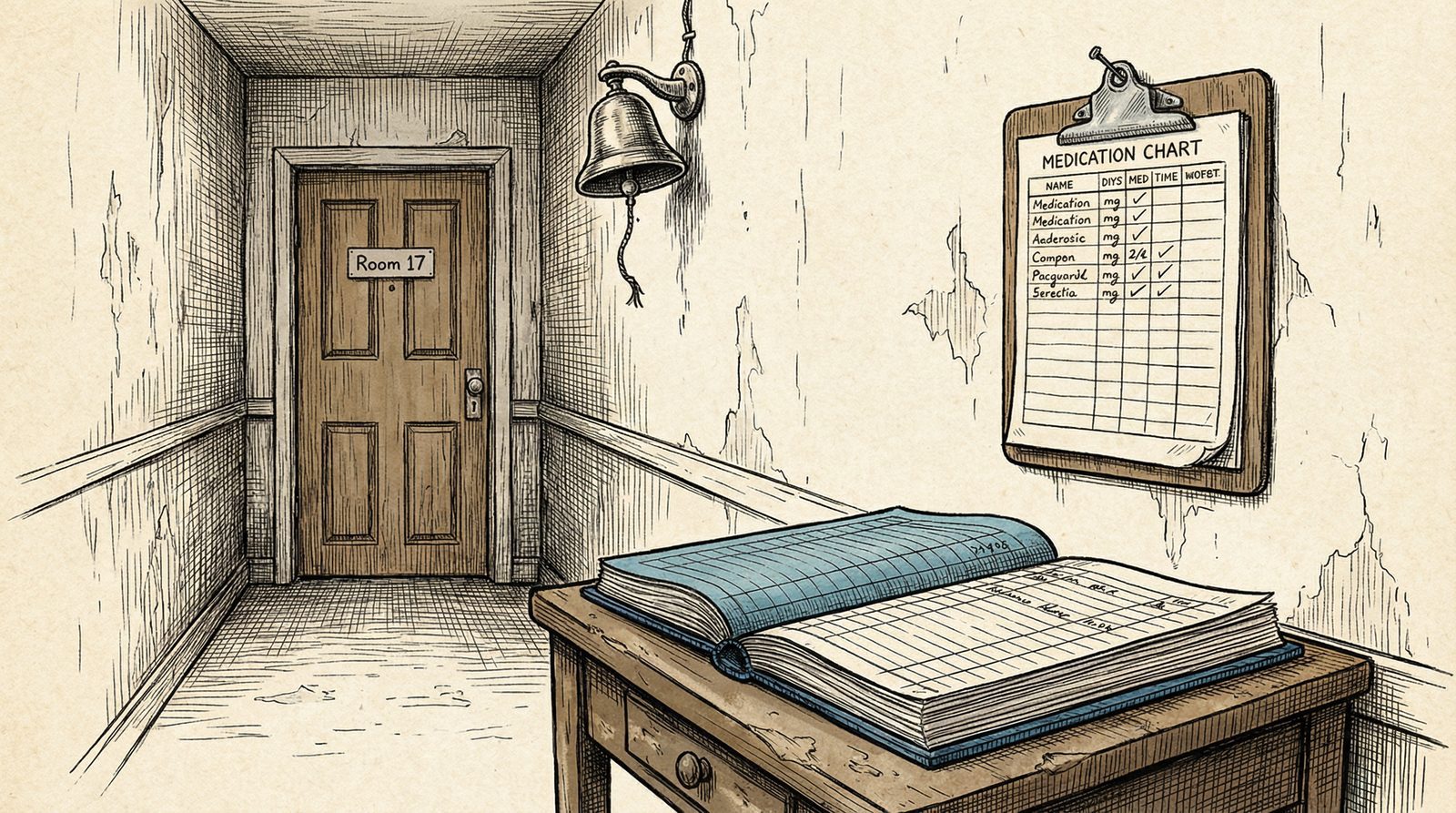
PROSE & NARRATIVE STRUCTURE
In tone and structure, Caretakers is more traditional than King’s later work. The prose is clear and measured, although it occasionally slows under the weight of exposition. King moves between viewpoints with confidence, but the shifts sometimes loosen the narrative focus. This is less a flaw and more a reflection of what the novel aims to do. It wants to show an entire community, not just a central figure, and that ambition requires room to wander. When King lands on an emotional moment, the writing sharpens. A confession whispered in a quiet room. A private argument that exposes a fracture in a marriage. A conversation that reveals how much has been unsaid. These scenes remind the reader of the writer she would become in books like Survivor, where emotional clarity becomes the driving force of the narrative. The pacing is uneven. Some chapters move with energy, while others linger on domestic routines that do not always deepen the story. Even so, this approach helps build the texture of the setting. The town becomes a place you can almost walk through. Each street and household holds its own weather system, and the slow parts help make the world feel lived in.CHARACTERS & INTERIORITY
Caretakers is an ensemble novel. King moves between couples, families, and town figures with a wide lens, allowing readers to see how responsibility and expectation shape each household. Some characters feel trapped in roles they never chose. Others work themselves into exhaustion trying to keep the peace. Their private worries and small victories form the emotional backbone of the story. The most memorable characters are the ones who feel invisible in their daily lives. A spouse who stays quiet to avoid conflict. A parent overwhelmed by the demands of raising children without support. A neighbour who carries everyone else’s burdens while hiding their own. These figures echo through later novels like Pearl and The Book of Reuben. Their appearances in those books feel richer if you have followed them from the beginning. Not every character stands out. Some remain sketched rather than fully realised, which reflects the scale of the book. King is trying to cover an entire town, and although the emotional core remains strong, a few storylines drift to the margins without landing with full impact.LEGACY & RECEPTION
Caretakers carries the sensibilities of the early 1980s, a time when domestic fiction was beginning to blend more openly with literary suspense. King leans toward realism here, with just a hint of the psychological tension that would define her later writing. The book’s concerns reflect its era. Small towns facing economic pressure. Shifting social expectations. Families wrestling with old hierarchies and new responsibilities. As the first novel in the Nodd’s Ridge sequence, its legacy is structural as much as emotional. It sets the geography of the town, the social rules people follow, and the buried conflicts that later books bring into sharper focus. For new readers, it may feel like groundwork. For returning readers, it becomes the starting point that gives weight to everything King builds later. The book also lays out a theme that appears throughout King’s career. Small towns often hide the most volatile conflicts beneath calm surfaces. A moment of pressure is all it takes for those hidden tensions to rise into view. Caretakers shows that early and clearly.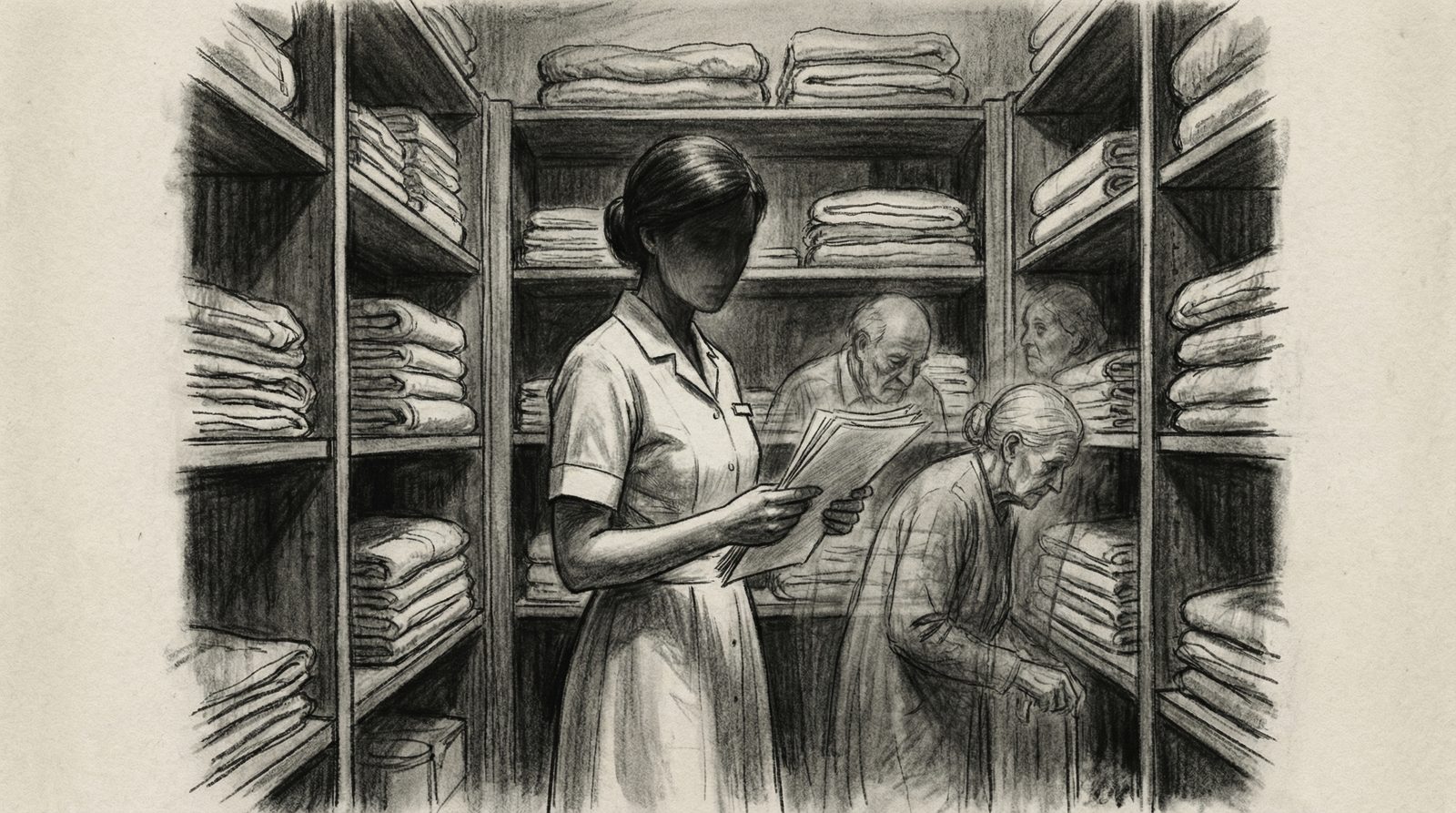
IS IT WORTH READING?
Caretakers is essential if you plan to read the Nodd’s Ridge novels in order. It establishes the emotional and social architecture that the later books refine, especially Pearl and The Book of Reuben. On its own, the book can feel uneven and sometimes too broad for its own good, but its atmosphere and emotional depth make it rewarding for readers who enjoy slow-burn small-town fiction. Readers seeking King’s sharpest psychological writing may prefer starting with Survivor. Readers who love character webs, family sagas, and the rhythms of community life will find a lot to appreciate here. Even with its flaws, Caretakers sets a tone that echoes throughout the entire series.If Caretakers resonates with you, continue directly to Pearl and The Book of Reuben. Both deepen the emotional politics of the town and refine many of the themes introduced here. Readers who enjoy community-driven drama may also appreciate the layered family stories found in the work of Lori Lansens or the ensemble focus of Elizabeth Strout.
DISCOVERABILITY & LINKS
- Roadwork (1981)
Related: Richard Bachman