
Narrative Techniques: Fragmented Narration

  • Trauma as Inheritance

    Trauma as Inheritance

    Motif Type: Generational Harm
    Era Focus: 20th Century to 21st Century
    Primary Fields: Memoir, Literary Fiction, Trauma Studies


    WHAT THIS MOTIF MEANS

    Trauma as Inheritance appears in narratives where harm does not begin with the character. It comes from earlier generations. It is passed down through silence, fear, shame, or survival patterns. Characters shaped by this motif often replay emotional dynamics that were never theirs to start with.

    This does not mean trauma is destiny. It means the past remains present until someone breaks the pattern.


    HOW IT WORKS IN NARRATIVE

    Narratives that use this motif show how families or institutions transmit harm across time. A character may grow up inside systems built long before they were born. They may inherit coping mechanisms, emotional habits, or survival strategies shaped by someone else’s suffering.

    The motif creates depth. It shows how characters grapple with forces larger than individual choice. It also emphasizes transformation when a character learns to name what was handed to them.

    Trauma as Inheritance inline concept image

    WHERE WE SEE IT IN OUR LIBRARY

    • Push – Precious inherits cycles of abuse and silence passed through her family.
    • Precious – The film expands the generational pattern visually through mother-daughter dynamics.
    • I’m Glad My Mom Died – Jennette McCurdy inherits her mother’s fear, perfectionism, and emotional instability.
    • The Color Purple – Celie inherits trauma through patriarchal systems that shaped both her father and Mister.
    • Confessions of a Video Vixen – Steffans’s early instability is influenced by her family’s own cycles of harm and survival.

    In each narrative, the character confronts patterns that were established before they were born.


    WHY IT MATTERS

    Trauma as Inheritance is crucial to understanding how characters evolve. It adds a layer of emotional realism, showing that many challenges are not individual failings but inherited conditions. The motif also highlights the bravery of characters who attempt to break the cycle.

    For readers, it frames trauma not as a personal flaw but as a legacy that can be transformed.
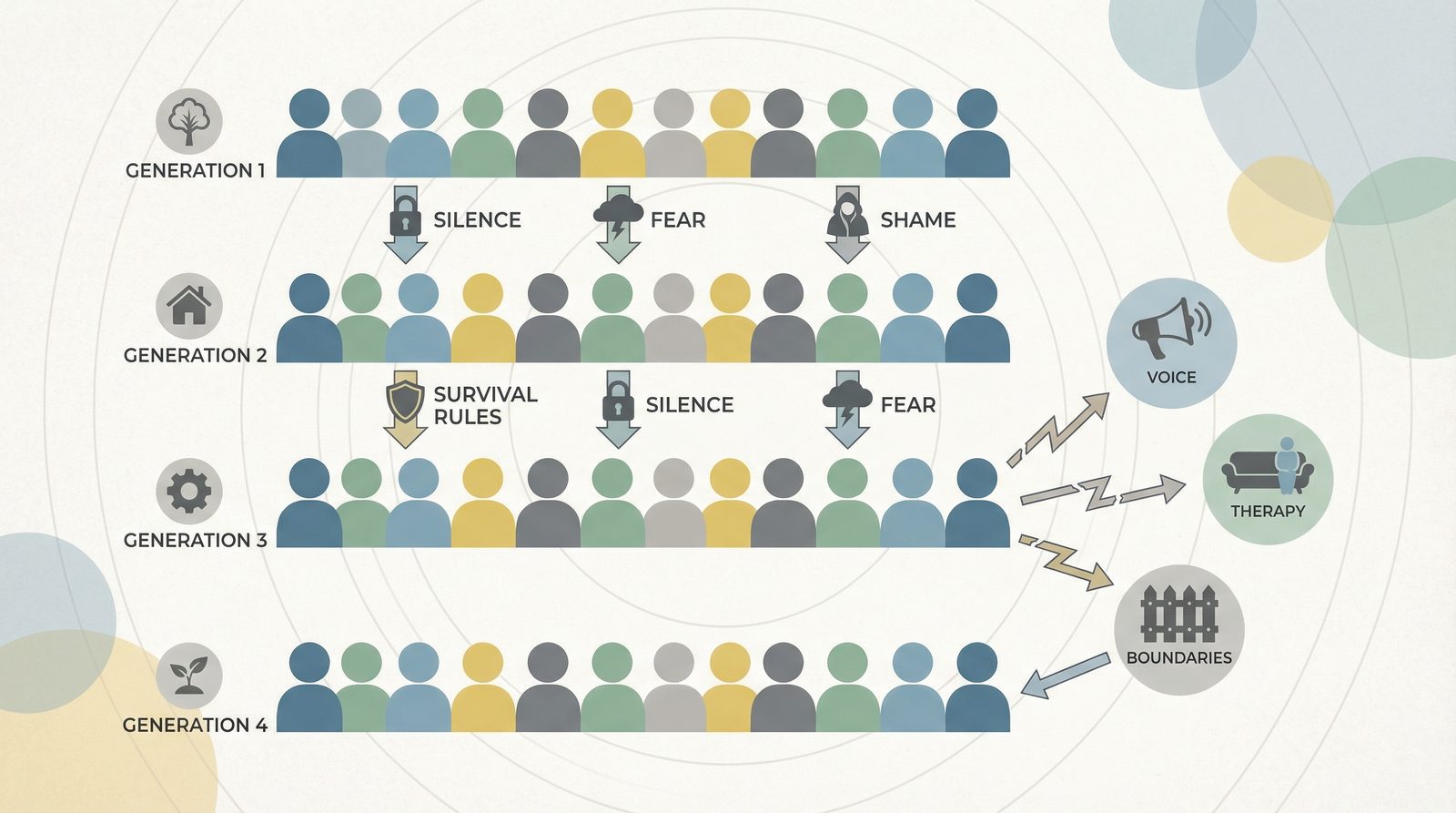
    Trauma as Inheritance inline diagram image

    ARCHETYPES ASSOCIATED WITH THIS MOTIF

    • The Erased Girl – for characters whose early lives are shaped by others’ silence.
    • The Controlled Daughter – for characters raised inside someone else’s unresolved harm.
    • The Witness – for characters who observe and document the cycle clearly.

    RELATED MOTIFS

    Silence as Survival
    Intimacy as Healing
    Survival Narratives

  • Power as Proximity

    Power as Proximity

    Motif Type: Power and Social Reach
    Era Focus: 20th Century to 21st Century
    Primary Fields: Memoir, Literary Fiction, Celebrity Studies


    WHAT THIS MOTIF MEANS

    Power as Proximity appears in stories where influence is gained or lost based on how close a character is to someone who holds authority. The power does not belong to the character. It extends to them through relationship. This can take the form of fame, family hierarchy, gender expectations, or institutional pressure.

    Characters inside this motif learn that access determines value. Being near someone powerful can bring protection, opportunity, or danger. The closer they are, the higher the stakes. The farther away they drift, the more vulnerable they become.


    HOW IT WORKS IN NARRATIVE

    This motif often appears where love, loyalty, fear, and authority overlap. A character’s safety or success depends on staying close to someone who can offer approval or punishment. The narrative tension grows from the imbalance. Some characters cling to proximity. Some try to escape it. Some learn to build power of their own.

    The motif is shaped by control. Proximity becomes the map of who matters in a character’s world.

    Power as Proximity inline concept image


    WHERE WE SEE IT IN OUR LIBRARY

    • Confessions of a Video Vixen – Proximity to powerful men shapes Steffans’s opportunities and dangers.
    • The Vixen Diaries – Fame makes relationships fluctuate according to status, desire, and leverage.
    • Open Book – Relationships with high-profile partners place Simpson inside emotional hierarchies she struggles to see clearly.
    • The Woman in Me – Britney’s entire life becomes governed by the power others wield over her.
    • Framing Britney Spears – The documentary shows how institutions used their closeness to Britney to control her public and private life.
    • The Color Purple – Mister holds power through forced marriage and patriarchy. Shug shifts the balance by offering Celie a new center of gravity.

    Across these works, proximity is not static. It shifts, reshapes alliances, and determines survival.

    Power as Proximity inline diagram image

    WHY IT MATTERS

    This motif reveals how personal power is often relational. It shows the emotional and physical cost of relying on others for safety. It also highlights moments of transformation, when characters step out of someone else’s shadow and begin defining themselves.

    Power as Proximity connects stories of fame, abuse, leadership, desire, and resistance. It exposes the fragile line between protection and control.


    ARCHETYPES ASSOCIATED WITH THIS MOTIF

    This motif aligns with characters who navigate shifting hierarchies of influence.

    • The Performer – for characters who gain power by being needed or seen.
    • The Controlled Daughter – for characters whose closeness to authority comes from dependence.
    • The Resistant Spirit – for characters who push back against oppressive hierarchies.

    RELATED MOTIFS

    Intimacy as Transaction
    The Double Self
    The Commodified Body in Books

  • Jennette McCurdy

    Jennette McCurdy

    Born 1992, California, United States
    Genres: Memoir
    Era: 21st Century – 2010s


    INTRODUCTION

    Jennette McCurdy writes with a clarity that feels almost surgical. Her memoir I’m Glad My Mom Died is not a catalog of trauma. It is an examination of identity built under pressure and reclaimed through language. What sets her apart from other child-star memoirists is her emotional control. She does not dramatize. She observes. That approach places her work inside the motif of Silence as Survival, where restraint becomes both coping mechanism and storytelling tool.

    Her voice is steady, sharp, and often surprisingly funny. It carries the authority of someone who has finally stepped outside a performance she never chose.


    LIFE AND INFLUENCES

    McCurdy grew up in a tightly controlled home in Southern California. Her mother managed her career, monitored her eating, directed her emotions, and shaped her identity to fit her own needs. Acting was not ambition. It was obedience. These early experiences define the emotional landscape of her work.

    Her writing is shaped less by literary influence and more by therapy, introspection, and the desire to understand what was taken from her. Her path to authorship began with quitting acting and studying writing, a choice that marked the first major decision of her adult life.

    Her work aligns closely with motifs like Parental Control as Identity and Grief as Contradiction, and her personal history informs every line she writes.

    Editorial illustration inspired by 'Jennette McCurdy'

    THEMES AND MOTIFS

    McCurdy’s primary subjects are autonomy, identity, grief, and the long shadow cast by emotional abuse. She writes about control that did not look like violence but felt like ownership. She writes about love that confused loyalty with self-erasure. She writes about grief that refuses to behave.

    Her stories often dwell in contradiction. Relief beside loss. Humor beside fear. Silence beside truth. This aligns closely with the motif of The Double Self, where performance becomes identity until the lines blur.


    STYLE AND VOICE

    Her style is spare. She avoids flourish. She allows moments to sit without commentary. The restraint is part of the emotional architecture. Her humor is dry and disarming, showing up in the exact places where the reader expects despair.

    Her writing feels lived in. It is confident without being loud. It is intimate without being indulgent. It respects the reader and the subject equally.

    Symbolic illustration inspired by 'Jennette McCurdy'

    KEY WORKS


    CULTURAL LEGACY

    McCurdy’s memoir arrived at a moment when Hollywood’s treatment of child performers was being widely questioned. Her account brought a grounded, personal perspective to discussions that were often abstract. It gave language to a type of harm that is rarely named and rarely believed.

    Her influence extends beyond the entertainment world. Readers connected deeply with the contradictions she describes, and the book opened conversations about boundaries, selfhood, and the cost of living a life built around someone else’s desire.

    In the current landscape of memoir, McCurdy stands out as a writer who understands how to tell the truth quietly and with precision. She changed the tone of the genre by refusing spectacle and choosing honesty instead.

  • Jessica Simpson

    Jessica Simpson

    Born 1980, Abilene, Texas, United States
    Genres: Memoir, Pop Culture
    Era: 21st Century – 2000s


    INTRODUCTION

    Jessica Simpson built a career on visibility, yet for years she remained misunderstood. To many, she was the bright reality TV star who played the role everyone expected. In Open Book, she takes that image apart with unusual honesty. The memoir is not about reinvention. It is about clarity. Beneath the jokes and the tabloid headlines is a woman who spent years navigating pressure, distortion, and silence. Her writing sits inside the motif of The Double Self, where the person and the persona rarely line up.

    What defines Simpson’s voice is not bitterness. It is steadiness. She writes like someone who has lived through the consequences of being misread and is finally ready to set the record straight.


    LIFE AND INFLUENCES

    Simpson grew up in a tight-knit religious family in Texas, where expectations were clear and visibility came early. Her powerful voice pushed her into the music industry before she had time to understand its demands. Managers and producers shaped her image, presenting her as innocent or sexy depending on what would sell. Her early career is marked by watching adults decide who she was supposed to be.

    This upbringing shaped her understanding of performance and pressure. The desire to please. The pressure to remain “pure.” The punishment when she stepped outside the mold. These experiences connect closely with the motif of The Commodified Body in Books, where a woman’s value becomes linked to how well she matches a marketable fantasy.

    The industry was not her only influence. Her family played a major role, particularly her father, who managed her career and often blurred the lines between support and control. An early lesson emerges: proximity to power can feel protective while also limiting personal choice.

    Editorial illustration inspired by 'Jessica Simpson'

    THEMES AND MOTIFS

    Simpson’s writing often circles the tension between how she saw herself and how she was packaged for an audience. That tension is the emotional core of her work. In Open Book, she speaks frankly about pressures around weight, sexuality, marriage, addiction, and motherhood. All of it is filtered through a desire to be liked and a fear of disappointing the people she trusted.

    The motif of Intimacy as Transaction appears in her relationships. Affection can become fuel for someone else’s ego. Love can become competition. Her romantic life is described without melodrama, but with clear awareness of how validation and power became tangled.

    Another recurring pattern is reveal and retreat. She tells part of the truth, then circles back, then tells more. This rhythm reflects the cost of speaking openly after years of training herself to be quiet, a pattern connected to Silence as Survival.


    STYLE AND VOICE

    Simpson writes with warmth and self-awareness. Her tone is conversational, often funny, and surprisingly sharp. She does not hide behind theory or flourish. She relies on memory, reflection, and a willingness to admit confusion or regret. The voice feels lived in. It feels earned.

    Her prose is clean and direct. When she describes emotional pain, she does not dramatize it. When she describes fame, she does not glamorize it. The simplicity becomes its own method. She wants the reader to see the person, not the punchline.

    Humor appears throughout the work, usually at her own expense, and often at just the right moment. Those lighter beats give the memoir its balance. They do not erase the heaviness. They help carry it.

    Symbolic illustration inspired by 'Jessica Simpson'

    KEY WORKS

    • Open Book (2020) – A candid, self-aware memoir about fame, addiction, identity, and the long road back to personal truth.

    Though she has written other projects, Open Book is the authoritative statement of her life and perspective. It stands as her most complete and unfiltered work.


    CULTURAL LEGACY

    Simpson’s memoir helped shift how the public interprets celebrity narratives. What once seemed like a simple reality TV persona becomes, in her own telling, a protective shell shaped by pressure and shame. After Open Book, moments that once looked messy or frivolous gain context. The jokes lose their punch, and the person behind them becomes visible.

    The memoir belongs to the same contemporary lineage as The Woman in Me and Confessions of a Video Vixen, works that demand cultural accountability for how women in entertainment have been consumed. Simpson’s story is gentler than some, but no less revealing.

    Her influence now reaches beyond the book. The audiobook, narrated by Simpson herself, became a touchstone for fans who wanted her voice, the real one, after decades of distortion. Open Book is not simply a memoir. It is a reframing of a woman the culture thought it already understood.

  • Motherhood as redemption

    Motherhood as redemption

    Motif Type: Family and Healing
    Era Focus: 20th Century to 21st Century
    Primary Fields: Memoir, Literary Fiction


    WHAT THIS MOTIF MEANS

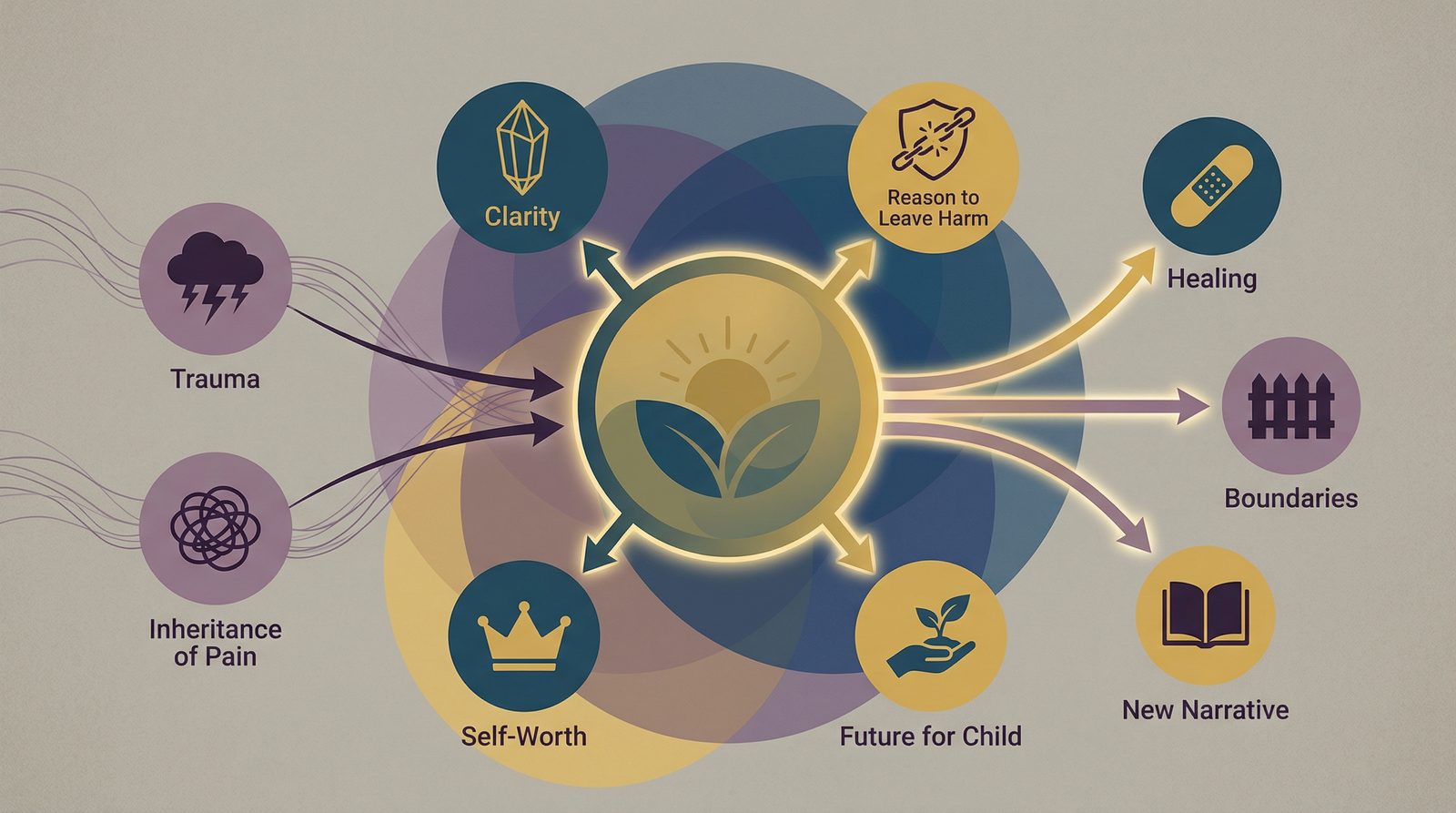
    Motherhood as Redemption appears in stories where becoming a mother gives a character clarity she did not have before. The role does not solve her trauma. It sharpens her desire to survive it. The child becomes a reason to leave harm, a reason to change, or a reason to finally see herself as someone worth protecting.

    This motif is not sentimental. It acknowledges that motherhood is complicated. The redemption comes not from perfection but from purpose.


    Motherhood as redemption inline concept image

    HOW IT WORKS IN NARRATIVE

    Characters inside this motif often grow up without safety or agency. They enter motherhood carrying the weight of their past. When a child enters their life, the emotional stakes shift. Suddenly survival has direction. Healing has urgency. The child becomes a mirror and a motivator.

    Redemption here is not moral. It is emotional. It is the moment a character sees a possible future that does not look like her past.


    Motherhood as redemption inline diagram image

    WHERE WE SEE IT IN OUR LIBRARY

    • Confessions of a Video Vixen – Steffans sees motherhood as the turning point that anchors her decisions and resilience.
    • The Vixen Diaries – Her relationship with her son remains the emotional center of the book and her reason to move toward stability.
    • The Woman in Me – Britney’s sons are the emotional force behind her desire for freedom and autonomy.
    • I’m Glad My Mom Died – The motif appears in reverse through Jennette’s longing for a healthier form of protective care that she never received.
    • The Color Purple – Celie’s role as a maternal figure to children in her care shapes her emotional evolution and sense of purpose.

    In each work, motherhood reveals emotional truths that were hidden beneath harm or survival.


    WHY IT MATTERS

    This motif matters because it reframes motherhood as a form of identity reclamation rather than domestic duty. It also shows how nurturing another life can awaken self-compassion in characters who learned early to ignore their own needs.

    It becomes a turning point, not because the character becomes flawless, but because she chooses not to repeat the cycle she inherited.


    ARCHETYPES ASSOCIATED WITH THIS MOTIF

    • The Reclaimer – for mothers who reshape their identity through care.
    • The Resistant Spirit – for characters who fight to protect a child despite limited power.
    • The Witness – for characters who see, often for the first time, the cost of their own upbringing.

    RELATED MOTIFS

    Trauma as Inheritance
    Intimacy as Healing
    Survival Narratives
  • The Commodified Body in Books

    The Commodified Body in Books

    Motif Type: Body and Identity
    Era Focus: 20th Century to 21st Century
    Primary Fields: Memoir, Cultural Criticism, Literary Fiction


    WHAT THIS MOTIF MEANS

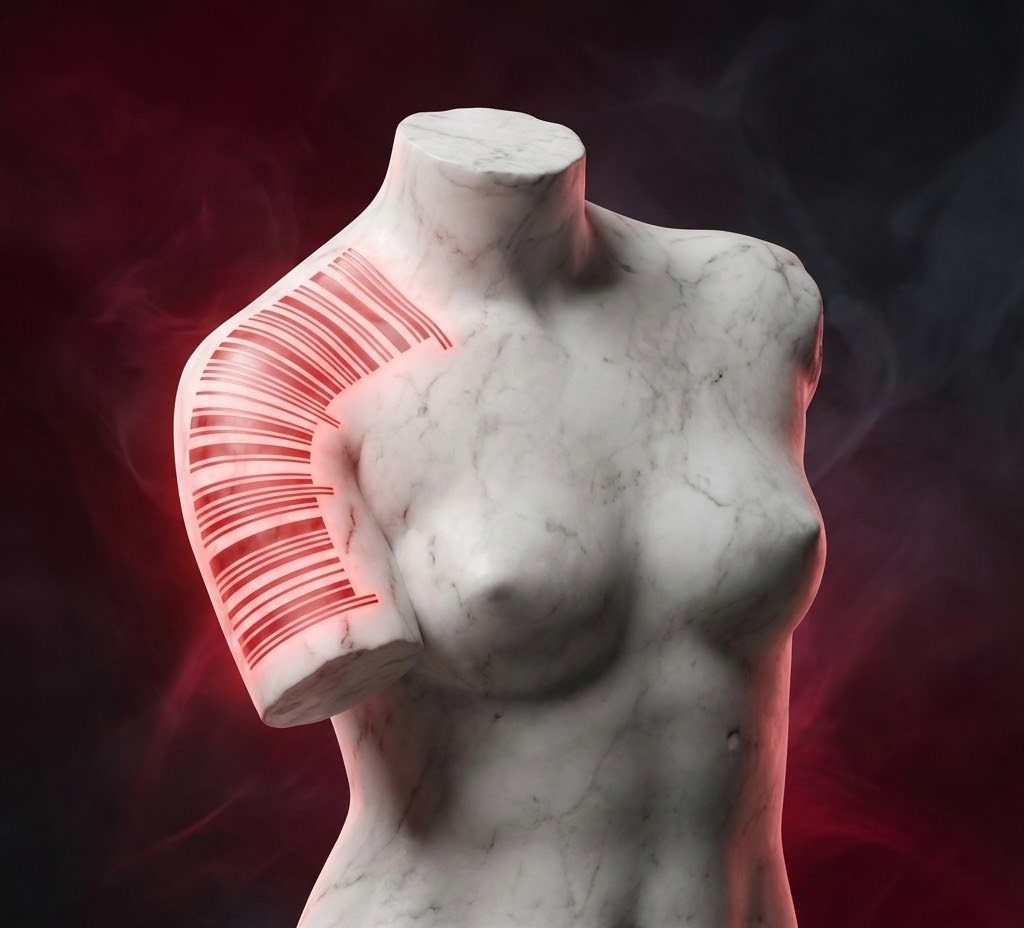
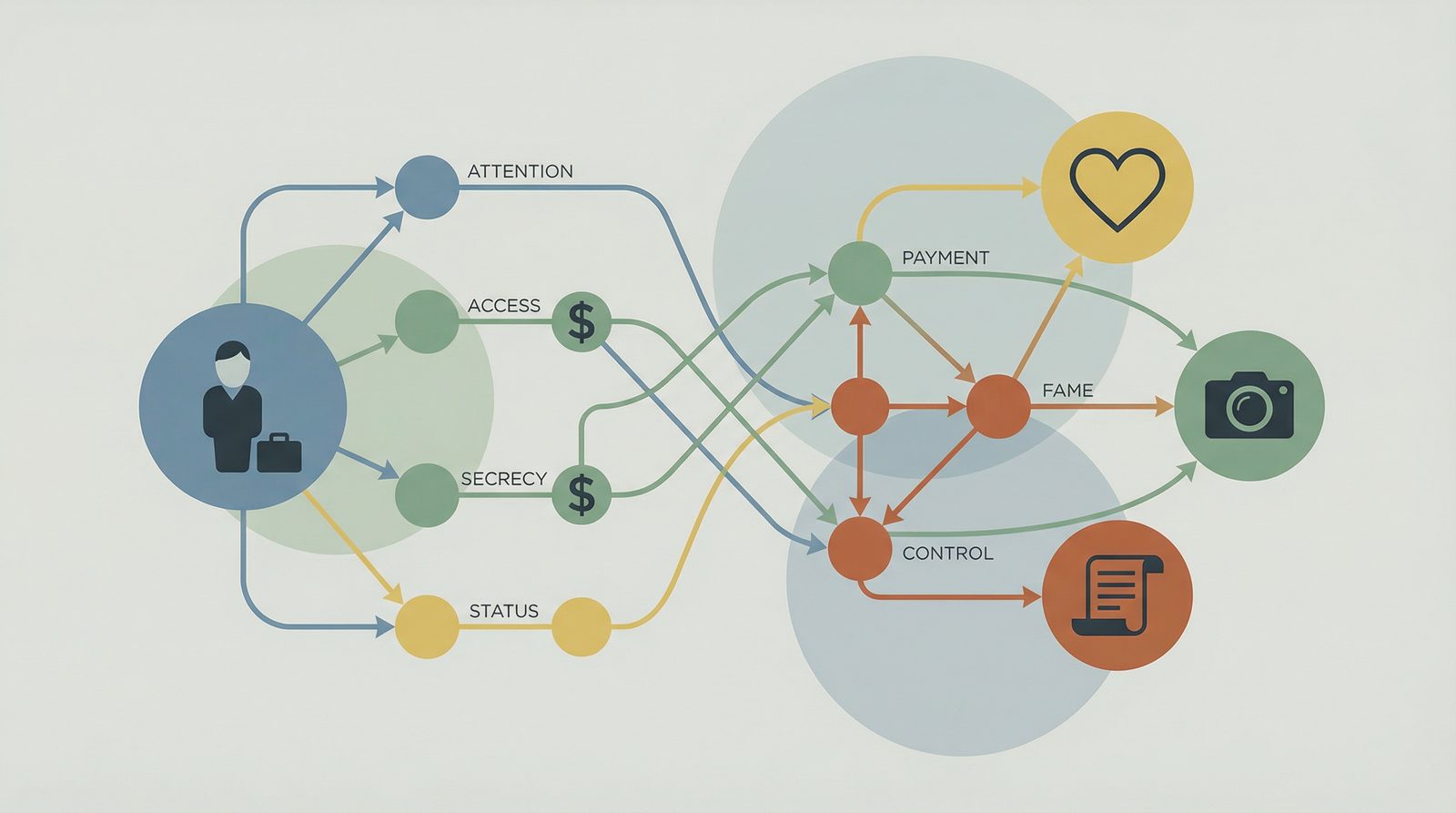
    The Commodified Body in Books appears in stories where a person’s body is treated as currency, product, or spectacle. Characters inside this motif learn early that how they look, move, or appeal to others can be used for attention, affection, control, or profit. The body becomes a site of negotiation rather than autonomy.

    This motif often emerges in narratives shaped by patriarchy, fame, trauma, or social scrutiny. The character is not valued for selfhood but for usefulness. Sometimes the commodification is explicit. Sometimes it is subtle. In every case, it shapes identity before the character realizes what is happening.

    The Commodified Body in Books inline concept image

    HOW IT WORKS IN NARRATIVE

    Narratives featuring this motif often explore the contradiction between external visibility and internal erasure. A character may be watched by many but understood by none. They may be desired but not cared for. The story reveals how the body becomes a stage, and the person inside it becomes an afterthought.

    Transformation often comes through reclamation. Characters begin to see their bodies not as public property but as homes they have a right to inhabit.


    WHERE WE SEE IT IN OUR LIBRARY

    This motif is central to many works in your library. It often intersects with power, desire, and identity.

    • Confessions of a Video Vixen – Steffans’s body becomes industry commodity long before she understands the cost.
    • Open Book – Jessica Simpson’s body is treated as brand material, scrutinized and monetized at every stage of her career.
    • The Woman in Me – Britney Spears’s body becomes a site of legal and financial control under her conservatorship.
    • Framing Britney Spears – The documentary highlights how Britney’s physical image was consumed and sold by media and family systems.
    • The Color Purple – Celie’s body becomes labor and property until relationships help her reclaim ownership.

    Across these narratives, the body becomes the earliest battleground where agency is tested.

    The Commodified Body in Books inline diagram image

    WHY IT MATTERS

    The Commodified Body in Books is a high-impact motif because it connects individual pain to broader cultural structures. It reveals how systems value appearance, usefulness, and desirability over autonomy. It also provides a lens for understanding fame, abuse, gendered expectations, and survival strategies.

    For readers, the motif opens conversations about agency, objectification, and the long process of reclaiming selfhood.


    RELATED MOTIFS

    Power as Proximity
    The Double Self
    Intimacy as Transaction

  • Silence as Survival

    Silence as Survival

    Motif Type: Psychological Survival
    Era Focus: 20th Century to 21st Century
    Primary Genres: Memoir, Literary Fiction, Trauma Narratives


    WHAT THIS MOTIF MEANS

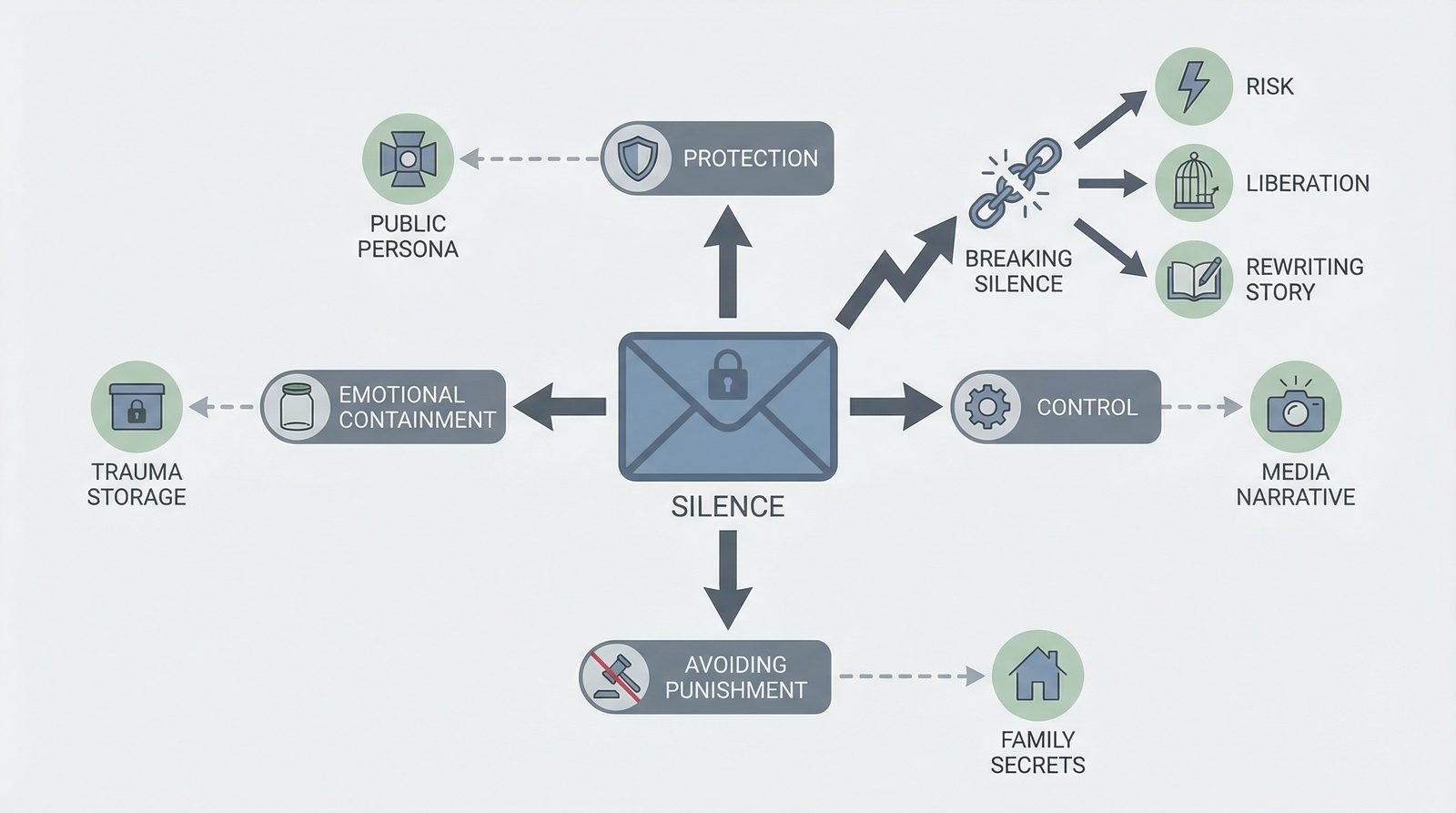
    Silence as Survival is a pattern found in stories where staying quiet becomes a form of protection. The characters who live inside this motif do not withhold because they lack emotion. They withhold because speaking openly would invite danger, punishment, or collapse. Silence becomes shelter. Silence becomes strategy. Silence becomes the space where a person stores the parts of themselves that cannot yet be shown.

    This motif is not about passivity. It is about endurance. Many characters who inhabit this pattern are managing abusive homes, controlling partners, predatory industries, or social systems that punish honesty. Their quiet is not emptiness. It is preparation.

    Silence as Survival inline concept image

    HOW IT WORKS IN NARRATIVE

    Stories built around this motif often begin in emotional stillness. Characters say less than they feel. Their worlds are shaped by fear, obligation, or surveillance. Over time, the narrative reveals what the silence is hiding. Sometimes it cracks. Sometimes it is shed. Sometimes it transforms into voice.

    The emotional power of this motif rests on tension. What is unsaid becomes louder than what is spoken. Readers are asked to sit with the weight of suppressed truth, and the story’s arc becomes the movement from survival to expression.


    WHERE WE SEE IT IN OUR LIBRARY

    Silence as Survival appears across many of the works in your current cluster. Each character embodies the motif in a different way.

    • The Color Purple – Celie writes instead of speaking. Her silence protects her until she can reclaim her life.
    • Confessions of a Video Vixen – Karrine Steffans stayed quiet to survive dangerous men and industries.
    • The Woman in Me – Britney Spears was silenced legally and emotionally for more than a decade.
    • I’m Glad My Mom Died – Jennette McCurdy learned to stay silent to preserve her mother’s fragile approval.
    • Push – Precious survives by withdrawing inward and staying quiet inside abusive spaces.
    • Framing Britney Spears – The film exposes how Britney’s enforced silence became central to her control.

    The motif ties these narratives into a single emotional lineage. All these women, across time and genre, used silence as a tool when voice was not available.

    Silence as Survival inline diagram image

    WHY IT MATTERS

    Silence as Survival is one of the most important motifs across memoir and trauma fiction because it reveals how characters adapt to harm. It allows readers to understand resilience without requiring performance. It also creates narrative tension that can evolve into empowerment, which makes it ideal for transformation arcs.

    In many of these stories, silence is not broken with a single speech. It changes slowly. It becomes a voice that belongs to the character, not the world around them.


    RELATED MOTIFS

    The Double Self
    Trauma as Inheritance
    Intimacy as Healing

  • Intimacy as Transaction

    Intimacy as Transaction

    Motif Type: Relationships and Power
    Era Focus: 20th Century to 21st Century
    Primary Fields: Memoir, Literary Fiction, Celebrity Studies


    WHAT THIS MOTIF MEANS

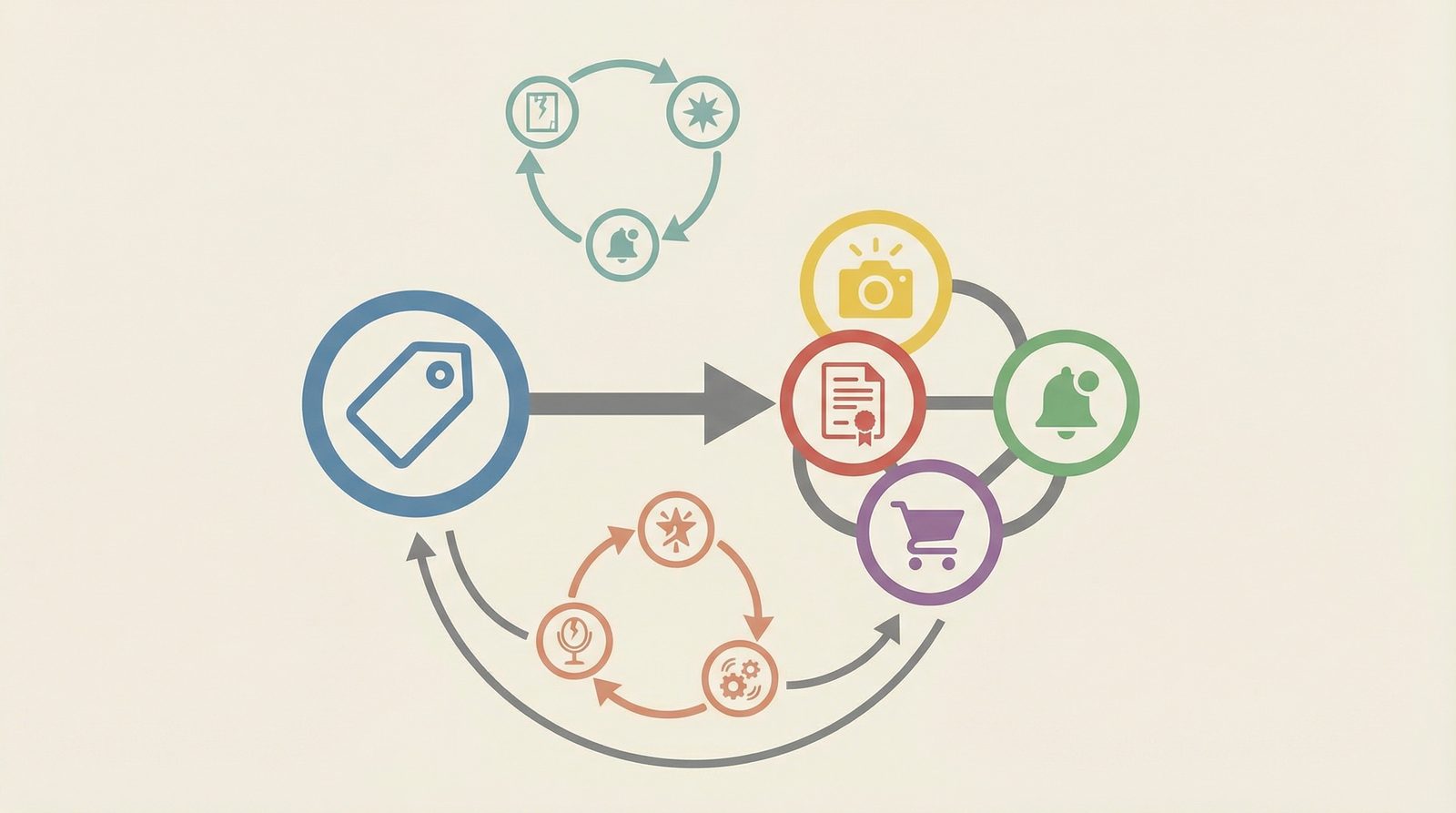
    Intimacy as Transaction appears in narratives where affection, desire, attention, or emotional closeness operates like currency. Characters learn that connection is not freely given. It comes with conditions. It can be traded, withheld, or bought. In these stories, relationships are shaped by power imbalance rather than mutual care.

    Sometimes the transaction is material. Sometimes it is emotional. Often it is invisible until the character steps back and recognizes the cost.

    Intimacy as Transaction inline concept image

    HOW IT WORKS IN NARRATIVE

    This motif often emerges when a character grows up inside a controlling home, navigates a predatory industry, or becomes involved with someone who uses intimacy as leverage. The narrative tension comes from how love and control intertwine. What appears affectionate is revealed to be conditional. What appears romantic is rooted in dominance.

    The arc usually involves awakening. A character realizes that love offered as reward or punishment is not love at all.

    Intimacy as Transaction inline diagram image

    WHERE WE SEE IT IN OUR LIBRARY

    • Confessions of a Video Vixen – Relationships operate as exchanges of fame, access, protection, or survival.
    • The Vixen Diaries – Affection and support shift based on status, desire, and leverage.
    • Open Book – Emotional intimacy becomes tied to validation, ego, and manipulation, especially in high-profile relationships.
    • The Woman in Me – Britney navigates relationships where affection is wielded as control.
    • I’m Glad My Mom Died – Parental love operates as reward and punishment, shaping Jennette McCurdy’s sense of worth.
    • Push – Precious experiences intimacy distorted by trauma and survival needs.

    The motif ties together stories of fame, abuse, childhood conditioning, and emotional manipulation.


    WHY IT MATTERS

    This motif is powerful because it reveals the mechanics behind relationships that otherwise look loving or glamorous. It exposes the cost of affection that has strings attached. It also speaks to agency. Characters who navigate this pattern often learn to redefine intimacy on their own terms.

    For readers, the motif helps illuminate patterns of emotional exploitation that are often invisible in real life.


    RELATED MOTIFS

    Power as Proximity
    The Commodified Body in Books
    The Double Self

  • The Double Self

    The Double Self

    Motif Type: Identity and Performance
    Era Focus: 20th Century to 21st Century
    Primary Genres: Memoir, Literary Fiction, Celebrity Studies


    WHAT THIS MOTIF MEANS

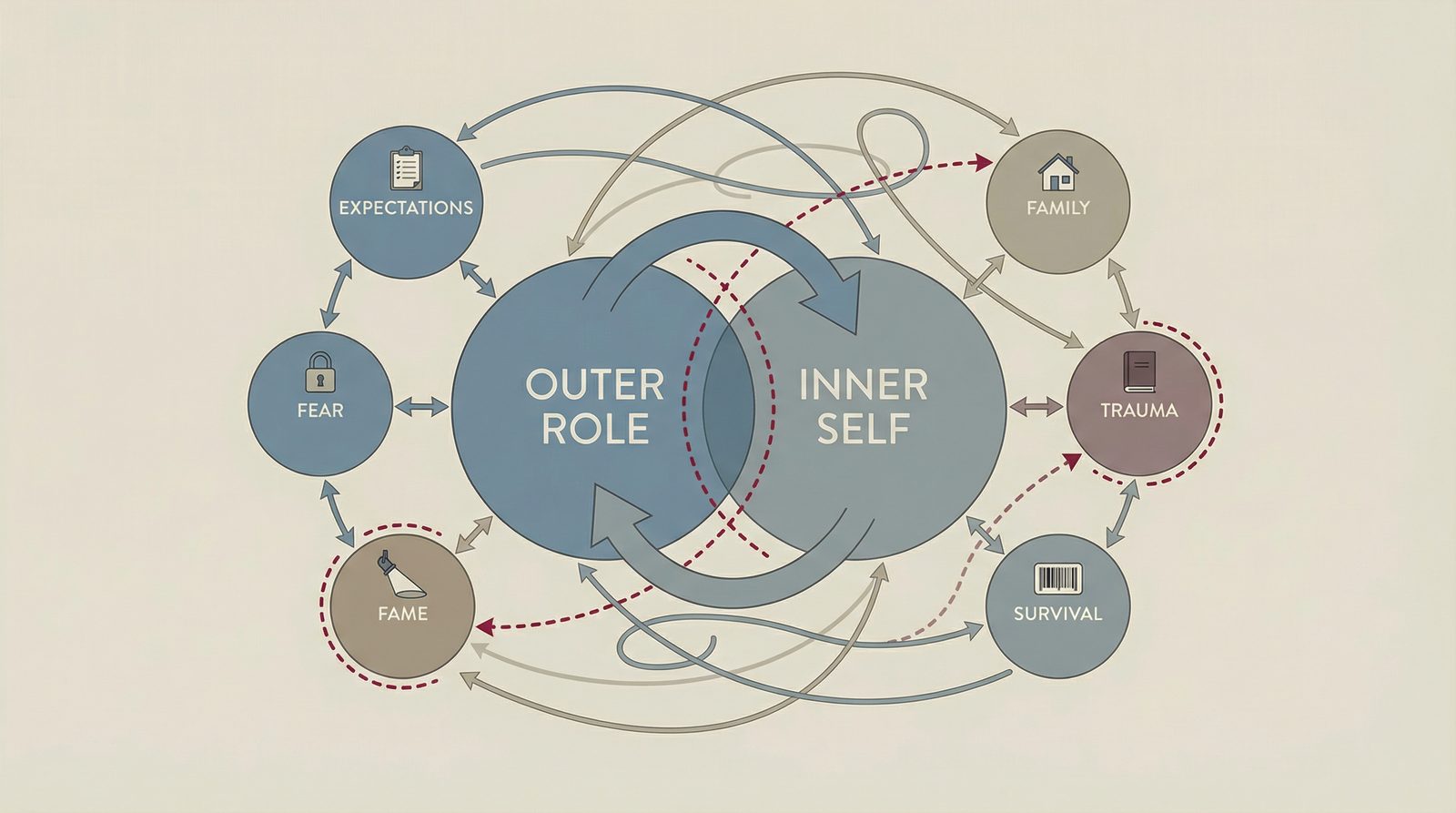
    The Double Self is a motif where a character lives in two identities at once. One identity is outer, shaped by performance, expectation, or fear. The other is inner, private, and often in conflict with the role they are forced to play. The tension between these two selves creates emotional dissonance that shapes the entire narrative.

    This motif often emerges in stories about trauma, fame, or strict social roles. When a character is not allowed to be whole, their inner and outer selves drift apart. That fracture becomes the emotional core of the story.

    The Double Self inline concept image

    HOW IT WORKS IN NARRATIVE

    The Double Self appears whenever survival requires performance. Characters may smile while hurting, obey while resisting, or play a role created by others. Over time, the gap between the two identities creates pressure. Some characters break. Some merge their selves. Some reclaim the inner identity through writing, connection, or rebellion.

    This motif thrives in stories where public image collides with private truth. It reveals how identity can be shaped by trauma, industry, or family.

    The Double Self inline diagram image

    WHERE WE SEE IT IN OUR LIBRARY

    This motif is central to many works in your cluster. It connects memoir, fiction, and celebrity narratives.

    • I’m Glad My Mom Died – Jennette McCurdy performs happiness for her mother while hiding fear and hunger.
    • The Woman in Me – Britney Spears performs confidence while privately collapsing under legal and emotional control.
    • Open Book – Jessica Simpson’s internal self fractures from her public persona as the “ditzy blonde.”
    • Confessions of a Video Vixen – Karrine Steffans embodies a sexualized public persona while holding a private history of trauma.
    • Push – Precious constructs a fantasy self as refuge from abuse.
    • Precious – The film visualizes Precious’s double identities through fantasy sequences.
    • Framing Britney Spears – The documentary reveals the gap between Britney’s public performance and private suffering.

    WHY IT MATTERS

    The Double Self is foundational to your library because it bridges memoir and fiction. It reveals how characters adapt to systems that deny them autonomy. It also deepens emotional empathy. Readers see the cost of living split between who you are and who you are allowed to be.

    Across your cluster, the motif functions as connective tissue between stories of abuse, fame, trauma, and reclamation. It is one of your highest value hubs.


    RELATED MOTIFS

    Silence as Survival
    The Commodified Body in Books
    Power as Proximity

  • Memoirs of Reclamation

    Memoirs of Reclamation

    Motif Type: Narrative Ownership
    Era Focus: 20th Century to 21st Century
    Primary Fields: Memoir, Celebrity Studies, Trauma Narratives


    WHAT THIS MOTIF MEANS

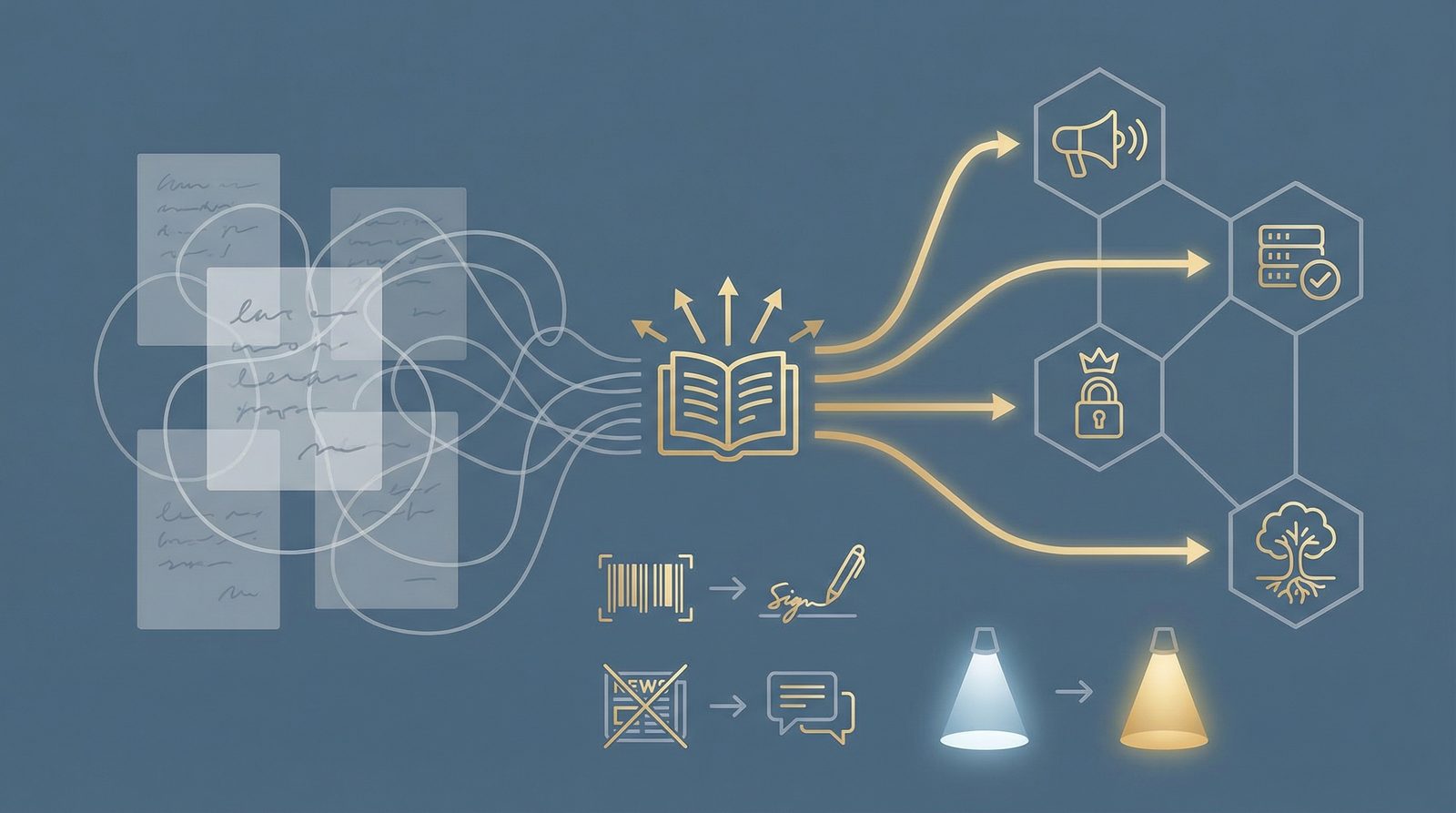
    Memoirs of Reclamation appear in stories where the act of telling becomes an act of taking back. These are narratives written after years of distortion, silence, or misrepresentation. Characters or authors who inhabit this motif use memoir to correct the record and claim ownership of their voice.

    Reclamation is not revenge. It is clarity. It is the decision to describe a life without permission from the forces that once controlled it.

    Memoirs of Reclamation inline concept image

    HOW IT WORKS IN NARRATIVE

    Narratives shaped by this motif often begin with a character who has been spoken for. The world thinks it already knows the story. The memoir disrupts that illusion. It reveals what was hidden, misunderstood, denied, or simplified. The act of writing becomes a pivot point where identity and authority return to their rightful owner.

    The voice is often steady. The tone is often blunt. The clarity is earned.

    Memoirs of Reclamation inline diagram image

    WHERE WE SEE IT IN OUR LIBRARY

    • Confessions of a Video Vixen – Steffans reframes a narrative once told about her by gossip, men, and media.
    • Open Book – Simpson dismantles the public caricature that overshadowed her music and life.
    • The Woman in Me – Britney Spears writes from inside a long period of enforced silence and public distortion.
    • The Vixen Diaries – Steffans documents backlash and misrepresentation after her first memoir.
    • Jessica Simpson – Her memoir functions as a cultural correction after years of mockery and misreading.
    • Britney Spears – The core of her memoir is reclaiming voice after legal and emotional control.

    This motif forms one of your strongest clusters because these memoirs rebuild identity after erasure, exploitation, or misunderstanding.


    WHY IT MATTERS

    This motif matters because it challenges the idea that a person’s story can be owned by the public. It reveals how harmful narratives can be rewritten and how truth can reshape reputation, legacy, and selfhood.

    Memoirs of Reclamation are not just personal. They are cultural acts of correction.


    ARCHETYPES ASSOCIATED WITH THIS MOTIF

    • The Reclaimer – the central archetype of this motif.
    • The Truth Teller – for authors whose clarity drives the narrative.
    • The Survivor Confessor – for memoirists who transform pain into testimony.

    RELATED MOTIFS

    The Double Self
    Silence as Survival
    Power as Proximity