Narrative Techniques: Atmospheric Third Person

  • The Elementals (1981)

    The Elementals (1981)

    By: Michael McDowell
    Genre: Horror, Southern Gothic
    Country: United States


    INTRODUCTION

    The Elementals (1981) is the book that turned McDowell from a strong paperback horror writer into a cult legend. Two old Southern families, the Savages and the McCrays, retreat to their summer houses on the isolated Alabama coast to mourn a death. There, they confront a third house partially buried by sand – a structure that may or may not be empty.

    It is a slow, suffocating novel that treats the haunted house as a living, hungry presence and family tradition as a kind of curse. The book crystallizes motifs like Domestic Vulnerability as Horror and Trauma as Inheritance more cleanly than almost anything else in McDowell’s catalog.

    PLOT & THEMES

    After the funeral of Marian Savage, the extended family heads to Beldame, their cluster of Victorian houses on the Gulf. Two houses are occupied. The third, House Three, is abandoned and steadily being swallowed by sand. Young India McCray becomes fascinated by it, sensing both danger and invitation. Strange figures are glimpsed in the windows. Sand appears in places it should not.

    The plot moves slowly, drifting between lazy vacation scenes, family arguments, and increasing incursions from House Three. As the book unfolds, it becomes clear that the families have lived with this horror for generations, building traditions and taboos around it rather than confronting it. That secrecy is the true engine of the story.

    Thematically, the novel is about denial. The adults embody Identity Collapse in Isolation, living half in the present and half in inherited scripts. India, by contrast, is curious and resistant, closer to The Reclaimer archetype. The Elementals themselves are barely explained, which keeps the focus on how humans respond to them rather than on lore.

    STYLE & LANGUAGE

    McDowell’s prose here is patient and confident. He lets whole chapters go by with nothing more violent than a family meal or a beach excursion, trusting that the buried house and creeping sand are enough to keep tension simmering. The descriptions of heat, wind, and isolation are so precise that you can almost feel the grit between your teeth.

    Crucially, the horror is described in the same matter-of-fact tone as the domestic scenes. When the book finally delivers its most disturbing images, they land hard because they feel like a natural extension of the same physical world. That restraint and commitment to realism make the hauntings here some of the most effective in modern horror.
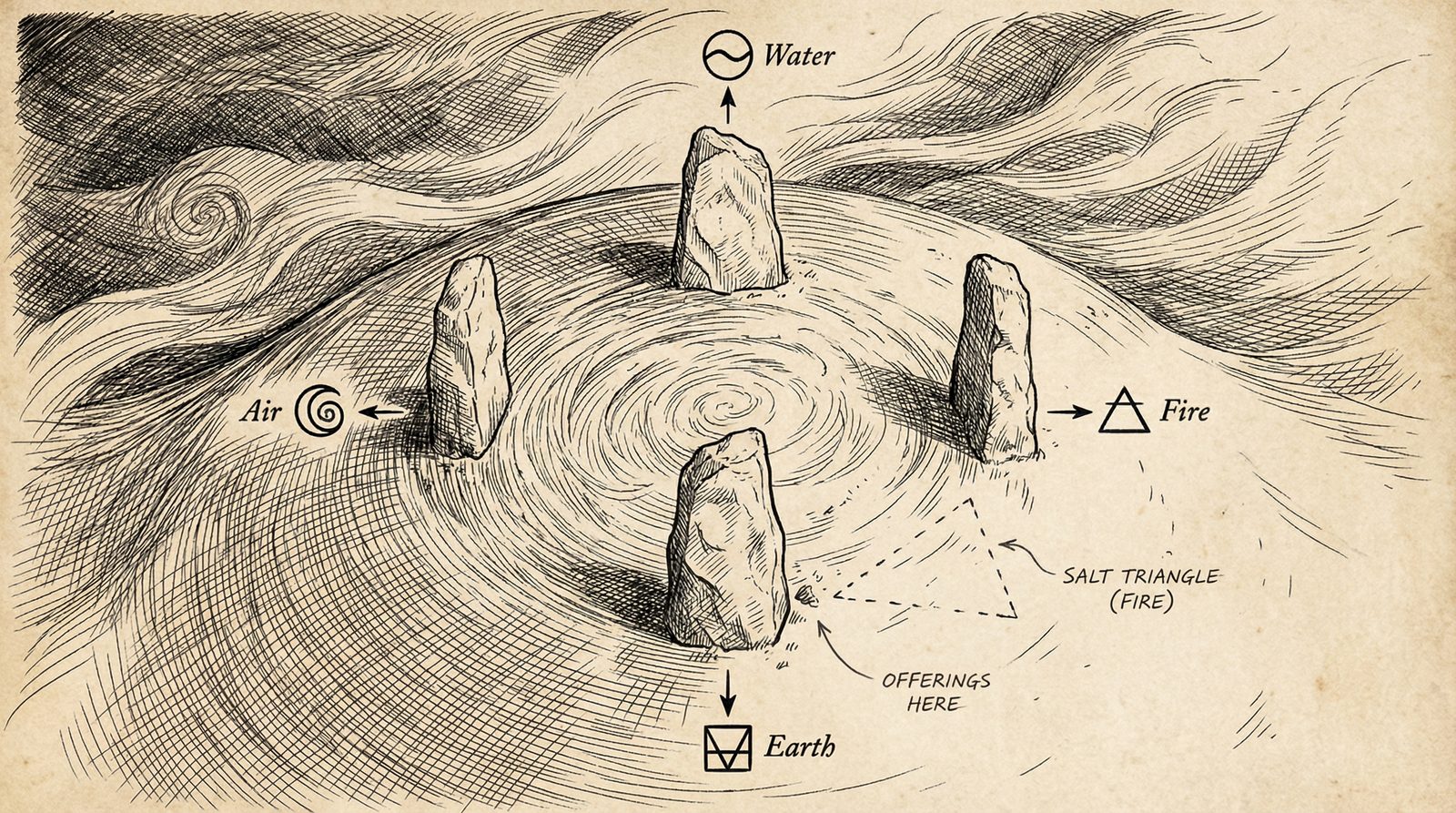
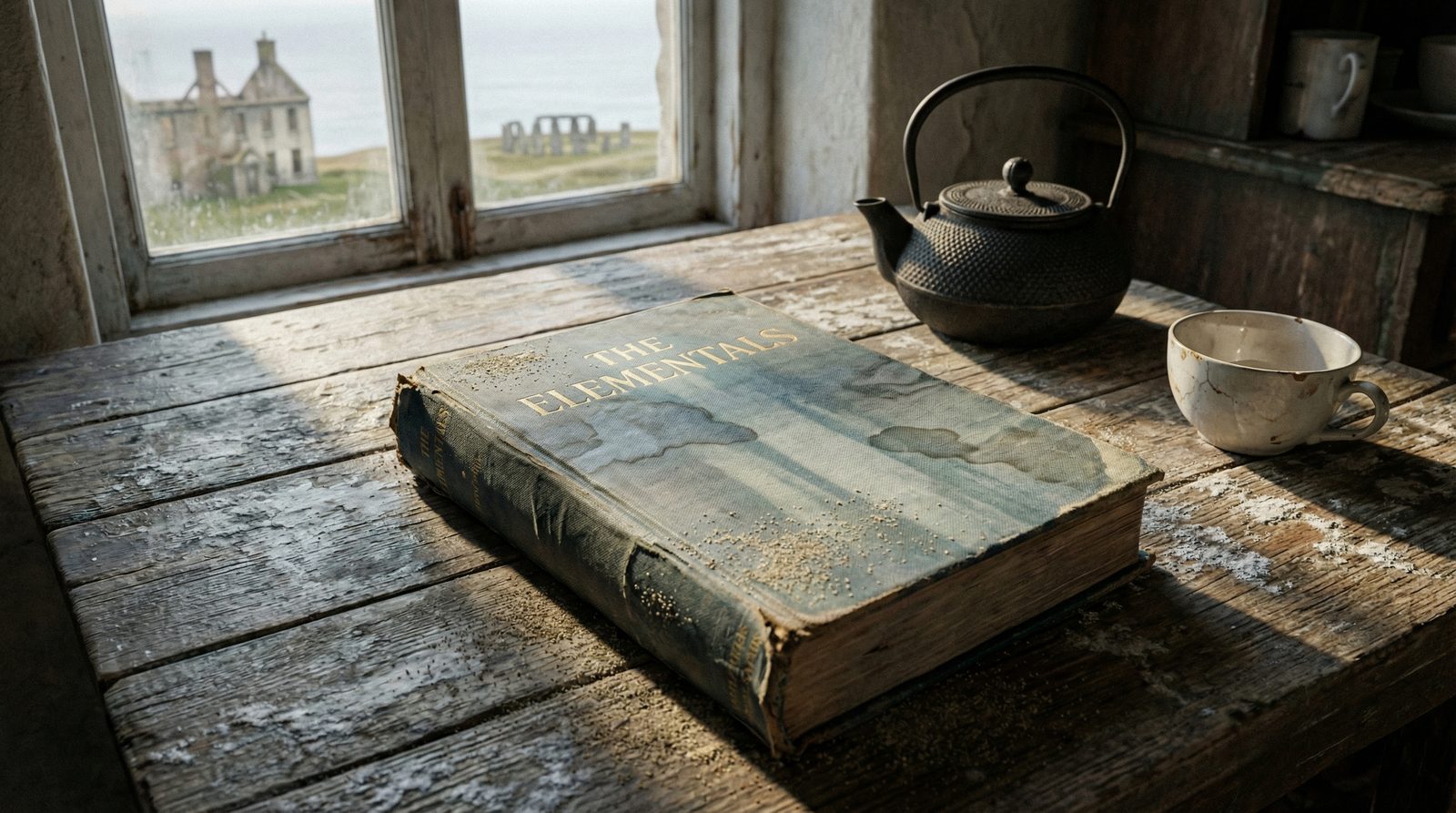
    Conceptual editorial illustration inspired by 'the elementals'

    CHARACTERS & INTERIORITY

    India is one of McDowell’s finest protagonists: bright, prickly, and not easily scared in the conventional sense. She is caught between generations, watching the adults around her drink, snipe, and retreat into old roles. Her relationship with her father, Luker, and with the eccentric Adele Savage gives the novel its emotional shape.

    The adults are at once sympathetic and frustrating. They refuse to talk openly about the Elementals, which is both a survival tactic and a form of cowardice. This dynamic is a textbook example of Trauma as Inheritance: the previous generation survives something terrible and then fails to equip the next generation with the knowledge they need, passing along fear instead of tools.

    LEGACY & RECEPTION

    The Elementals has become a key text in modern Southern Gothic, mentioned alongside works like Blackwater whenever critics talk about drowned towns, haunted houses, and family ghosts. It is frequently recommended as an entry point for readers curious about McDowell and has influenced a long list of later coastal and house-centric horror novels.

    Its reputation has grown significantly since its initial paperback run, thanks in part to reissues and championing by contemporary writers. When people talk about “quiet horror” or atmosphere-driven dread, this is often the book they have in mind.

    IS IT WORTH READING?

    Yes – if you read only one McDowell novel, it should probably be The Elementals. The pacing is measured, so readers who want constant jump scares may find it slow, but the payoff is immense if you like lingering, uncanny atmosphere. It also connects cleanly to the rest of his work, making it a perfect hub text before diving into Cold Moon Over Babylon or the much longer Blackwater.
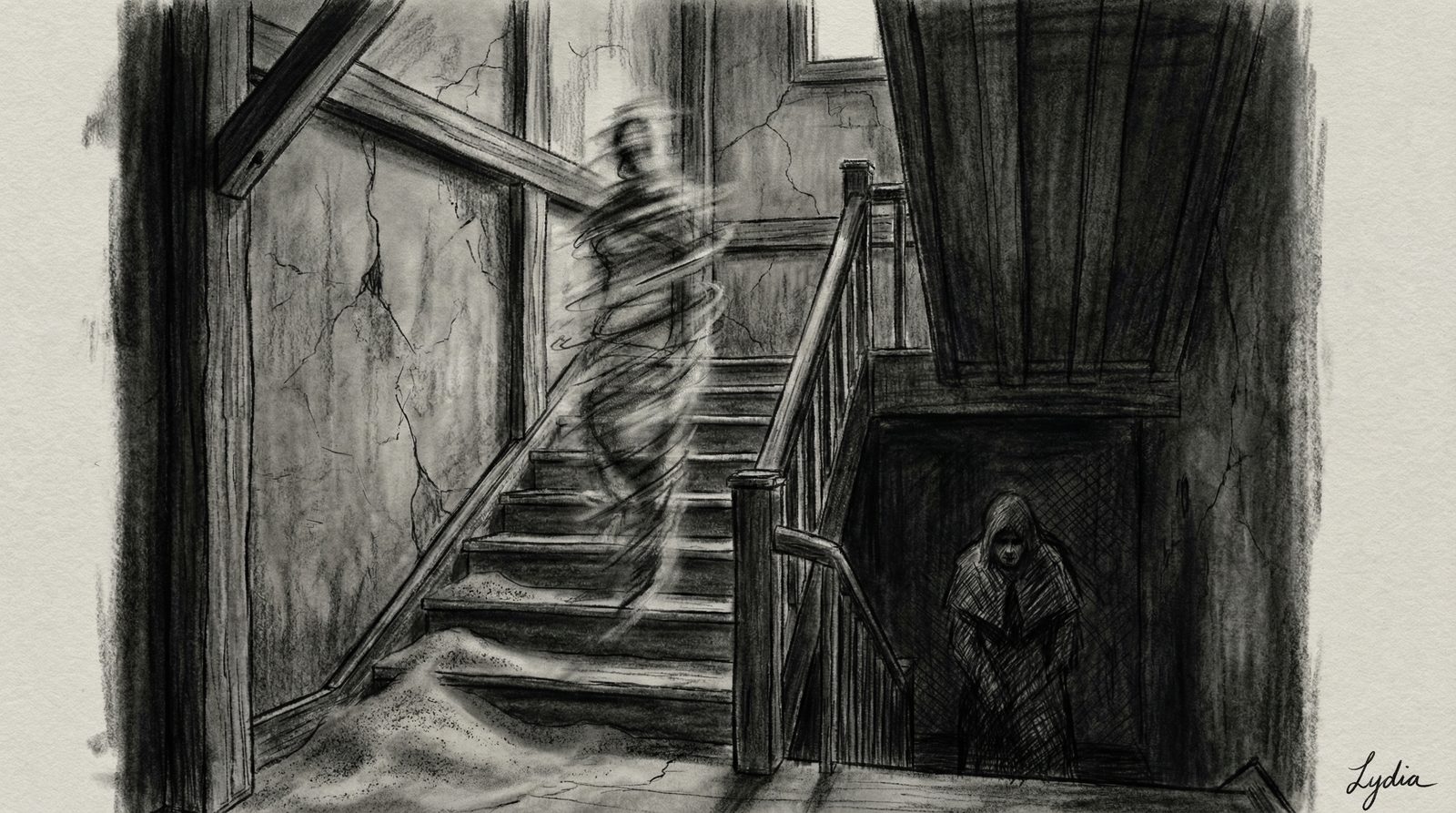
    Illustration of a core idea or motif from 'the elementals'

    SIMILAR BOOKS

    For more coastal and house-based horror, Candles Burning brings a similar sense of Southern atmosphere and haunted family legacy. Readers who enjoy multi-generational sagas with eerie settings should look at Blackwater: The Complete Caskey Family Saga. Outside McDowell’s own work, this novel pairs well with other haunted house classics and modern Southern Gothic, especially books that treat place as a living character.

    DISCOVERABILITY & LINKS

  • Cold Moon over Babylon (1980)

    Cold Moon over Babylon (1980)

    By: Michael McDowell
    Genre: Horror, Southern Gothic
    Country: United States


    INTRODUCTION

    Cold Moon Over Babylon (1980) is McDowell’s river book, a story where grief and revenge seep out of the Florida wetlands. After a young girl named Margaret Larkin is murdered, something rises from the Styx River to avenge her, and the town of Babylon discovers that the dead do not always stay still. It is one of McDowell’s purest ghost stories and one of his most emotionally direct novels.

    Where The Amulet is jagged and angry, Cold Moon Over Babylon is mournful. It leans into the motif of Trauma as Inheritance, but here the trauma belongs to a family trying to survive poverty, corruption, and divine indifference. The book feels like a bridge between pulp revenge horror and the more elegiac tone of The Elementals.

    PLOT & THEMES

    The Larkin family runs a struggling farm in Babylon. When teenage Margaret is found dead in the river, her grandmother Evelyn and brother Jerry are left shattered and nearly destitute. The town’s powerful families – who control the local economy and politics – close ranks. The official investigation is half-hearted at best, openly corrupt at worst.

    Then strange things start happening along the Styx. Lights in the water. Cold spots. Apparitions. The haunting escalates into a series of set pieces where guilty parties are stalked by what seems to be Margaret’s vengeful ghost. These scenes are structured almost like morality plays, but McDowell complicates the satisfaction of revenge by showing the ongoing suffering of those who loved her.

    The central themes are justice, class, and the cost of ignoring the vulnerable. Margaret is an example of The Erased Girl: a young woman dismissed by the town while alive and transformed into a terrifying symbol once dead. Babylon’s elites treat her family as disposable, and the haunting reads like the landscape itself refusing that verdict.

    PROSE & NARRATIVE STRUCTURE

    McDowell’s prose here is evocative without ever becoming purple. The river scenes are vivid, humid, and strangely beautiful, even as terrifying things happen on the water. He uses repetition – the steady return to the Styx, the recurring image of the cold moon – to create an almost ritual rhythm. You feel the cycles of tide and night as strongly as the rising panic.

    The pacing alternates between quiet domestic moments and explosive supernatural events. This contrast keeps the book from becoming simple revenge fantasy. The Larkins’ financial struggle and emotional collapse play out in scenes that would be compelling even without ghosts, and that realism grounds the surreal horror.

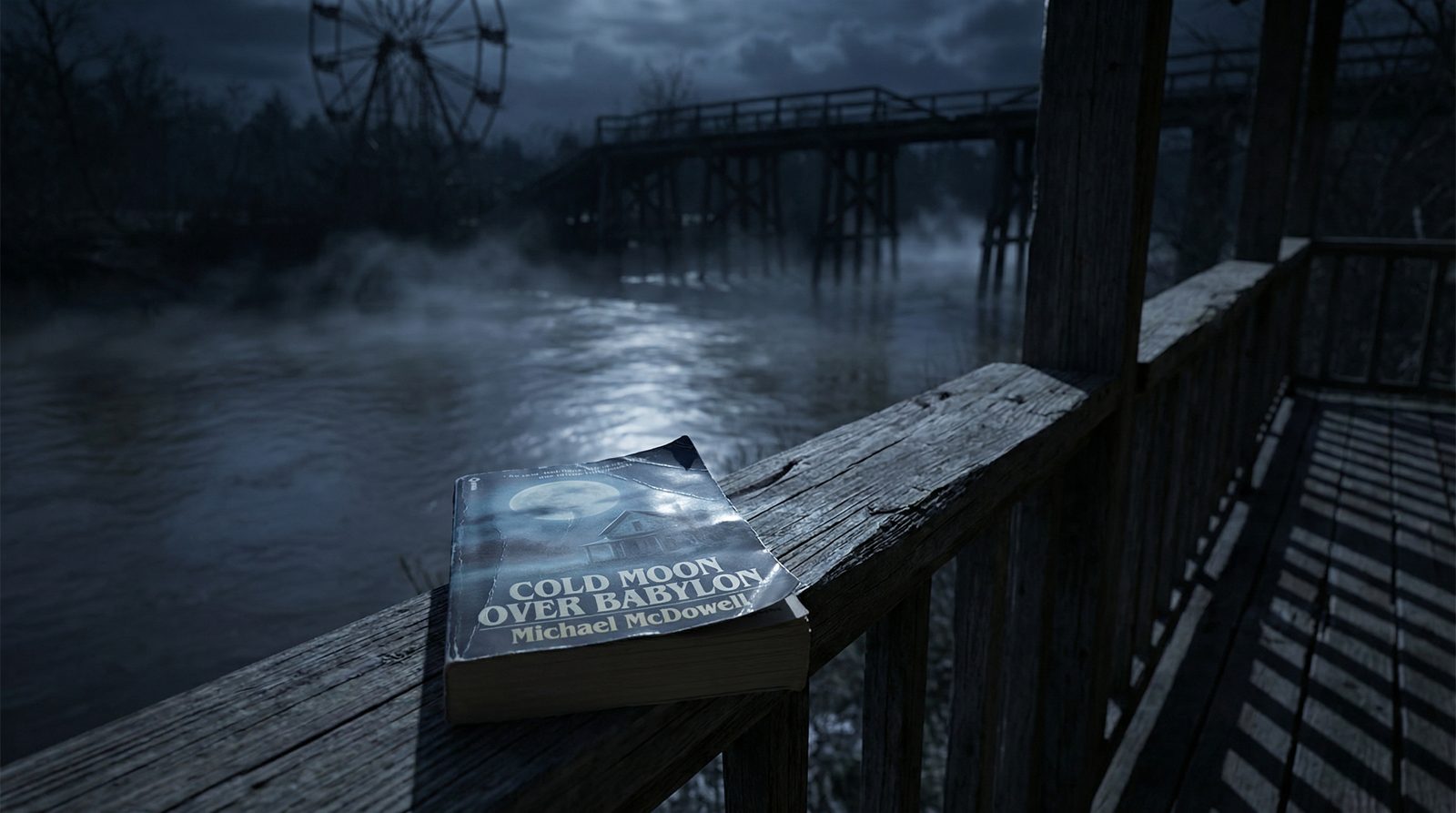
    Conceptual editorial illustration inspired by 'cold moon over babylon'

    CHARACTERS & INTERIORITY

    Evelyn Larkin is the heart of the novel: a grandmother clinging to dignity as her world falls apart. She embodies the archetype of The Witness, someone who survives long enough to see the truth but pays for that knowledge with isolation and grief. Jerry, Margaret’s brother, carries a different kind of weight – he is a teenager asked to become an adult overnight, and his helpless anger directs much of the book’s emotional charge.

    The antagonists are not monsters but businessmen, sheriffs, and pillars of the community. That choice underlines McDowell’s recurring interest in Domestic Vulnerability as Horror: the institutions that should protect you are the ones that failed you, so the only remaining justice comes from something older and less merciful than law. The relationships between families, churches, and local power structures feel painfully plausible.

    LEGACY & RECEPTION

    Cold Moon Over Babylon sits comfortably beside other American rural horror of the period, but McDowell’s Southern specificity sets it apart. The book engages quietly with themes of agricultural collapse, the fragility of small landowners, and the way wealth concentrates in a few hands. It is also one of his clearest explorations of Survival Narratives, even when that survival is more spiritual than economic.

    The novel has had a slower burn in terms of reputation than The Elementals, but modern reissues have helped cement it as one of McDowell’s finest works. Its recent film adaptation under the shorter title Cold Moon has also introduced the story to new viewers, even if the book remains the deeper and more resonant version.

    IS IT WORTH READING?

    Absolutely. If you want one McDowell novel that combines emotional heft with classic ghost story pleasures, Cold Moon Over Babylon is a prime candidate. It is less baroque than Blackwater and more focused than Candles Burning, making it a strong entry point for readers who like their horror both sad and sharp.

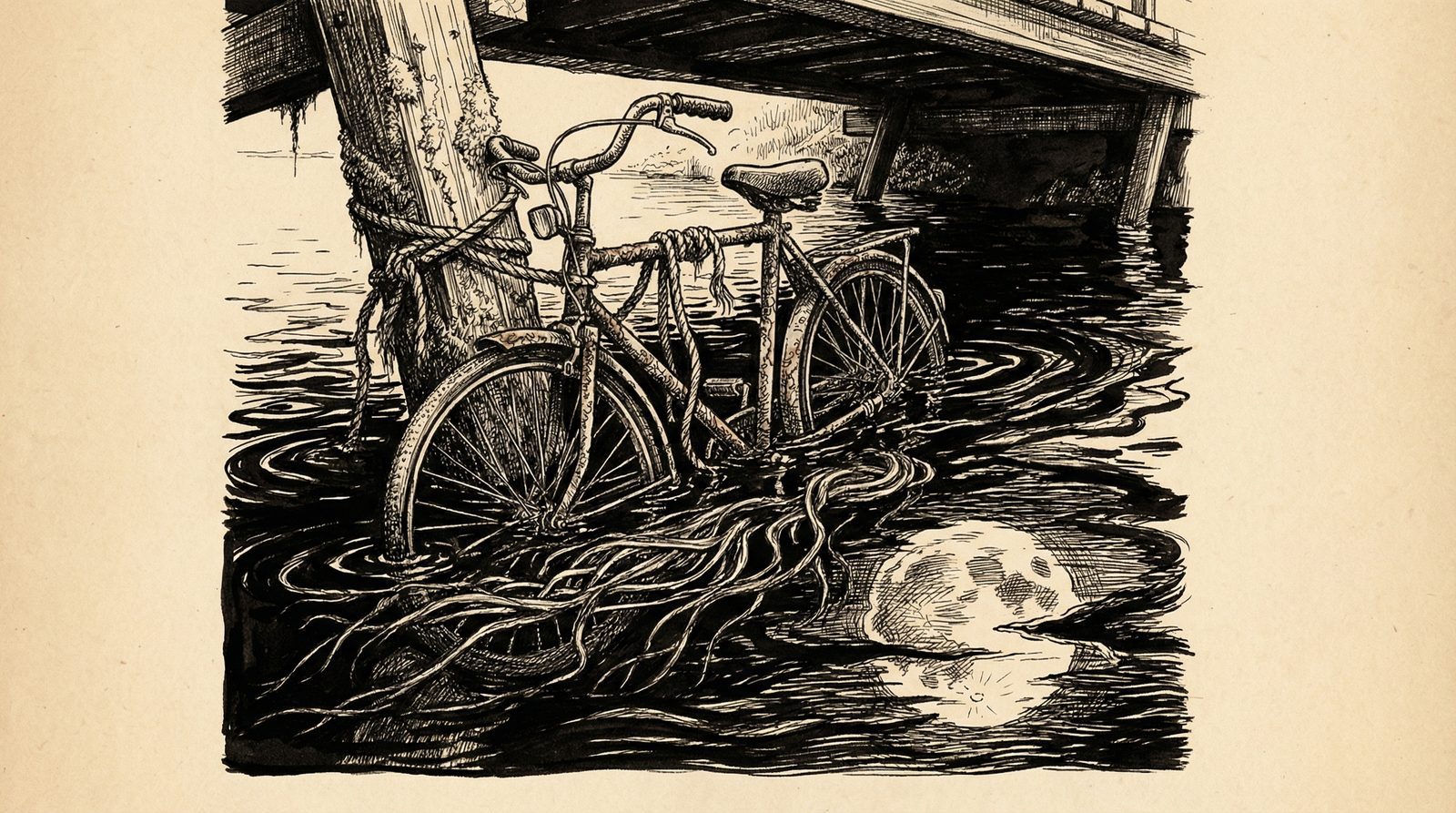
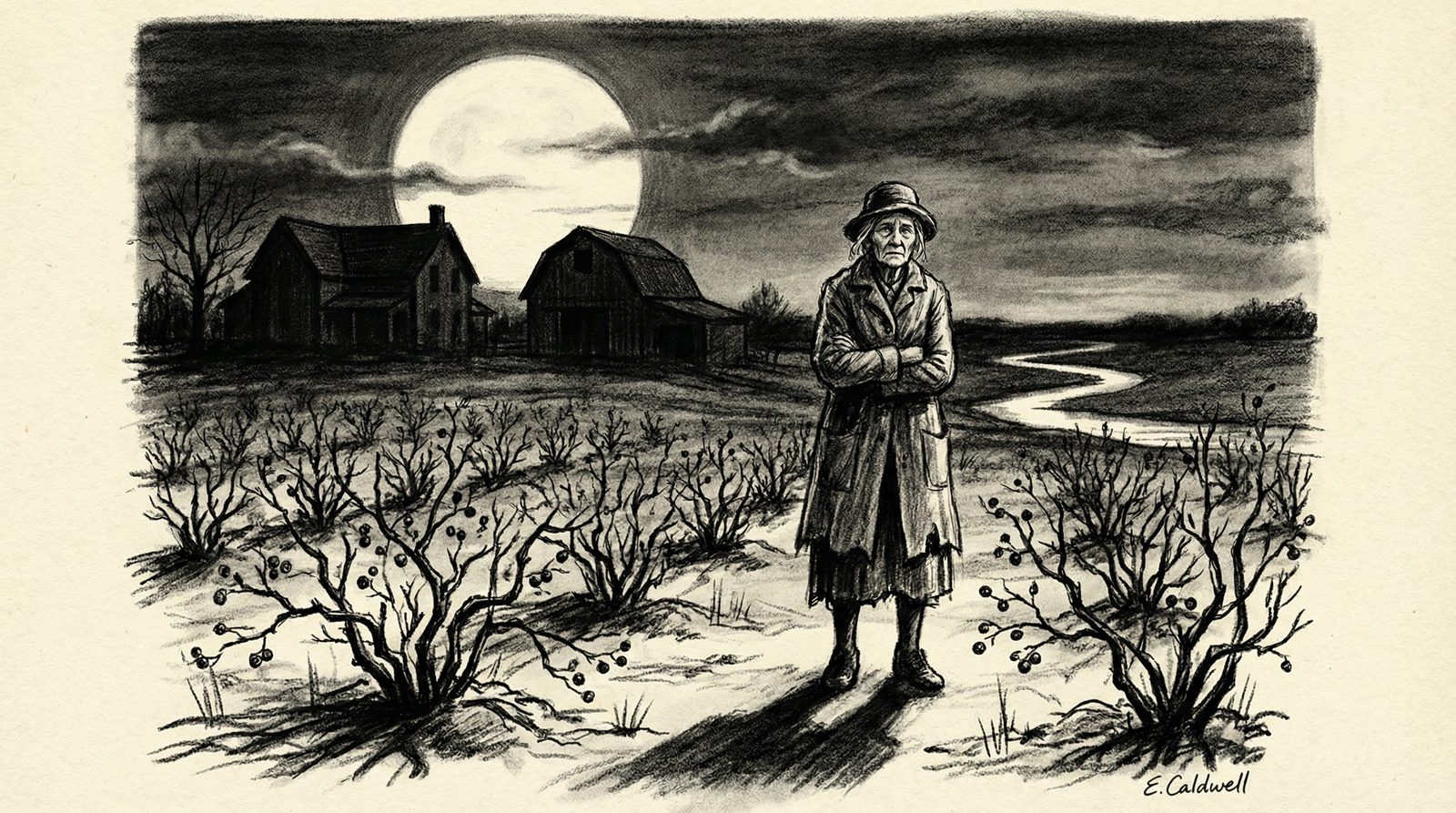
    Illustration of a core idea or motif from 'cold moon over babylon'

    TRIVIA & AUTHOR FACTS

    Michael McDowell was a prolific writer, juggling paperback originals, screenplays, and tie-ins with an almost workmanlike discipline. A native of Alabama, he knew the Deep South’s humid landscapes and social hierarchies from the inside, which shows in the way Babylon’s church ladies, sheriffs, and bankers move through the book. He reportedly loved physical ephemera-old documents, photographs, legal records-and that archival obsession seeps into cold moon over babylon through its snippets of testimony and local history. The novel’s focus on a failing blueberry farm was unusual in horror at the time; McDowell gives as much attention to irrigation, crop yields, and bank notes as to ghosts. He later wrote screenplays and teleplays, but his paperback horror has outlived much of the era’s more hyped work, kept alive by readers who pass dog-eared copies along like a secret. His early death in the 1990s cut short a career that was still evolving.

    SIMILAR BOOKS

    Readers drawn to river and marsh settings will likely enjoy The Elementals, with its decaying beach houses and encroaching sand. For more multi-generational dread and small-town politics, Blackwater offers a much larger canvas. If you are interested in how McDowell’s themes translate into collaboration, Candles Burning continues his fascination with murdered children, inheritance, and Southern justice.