Narrative Techniques: First-Person Voice

  • Catalyst (2002)

    Catalyst (2002)

    By: Laurie Halse Anderson
    Genre: Young Adult, Domestic Psychological Fiction
    Country: United States


    INTRODUCTION

    Laurie Halse Anderson’s Catalyst (2002) occupies similar emotional territory to Speak, but channels it through a different kind of pressure: academic obsession, perfectionism, and the way grief can blindside a family that is already running too hot. The novel follows Kate Malone, a high-achieving, tightly wound senior whose entire identity is wrapped around a single goal, getting into MIT. When that plan collapses, so does the fragile structure she has built around herself.

    The book is not a thriller. It is a psychological spiral, written with Anderson’s usual blend of sharp dialogue, clipped pacing, and emotional honesty. It was one of the most heavily linked YA titles in the old AllReaders database, and rebuilding it gives us a clean, modern anchor for long-tail traffic around trauma, perfectionism, and coming-of-age narratives.


    PLOT & THEMES

    Kate Malone is used to control. She runs, she studies, and she manages her household while her pastor father tends to everyone else. Her application to MIT is not just a college plan. It is the foundation of her entire identity. When the rejection letter arrives, Kate’s sense of self fractures almost immediately.

    Complicating things further, a house fire forces Kate’s longtime enemy Teri Litch and Teri’s toddler brother into the Malone home. The tension between the girls, built from years of rivalry, misunderstanding, and bruised pride, becomes the emotional engine of the novel.

    Catalyst explores themes of failure, grief, self-deception, and the collapse of identity under extreme pressure. This fits naturally with motifs like Identity Collapse in Isolation, as Kate spirals into emotional freefall when the role she has built her life around disappears.

    Anderson also threads in the darker edge of domestic tension. The Malone household is loving but brittle, a clear example of the motif Domestic Vulnerability as Horror, where tragedy does not need supernatural violence to devastate a family.
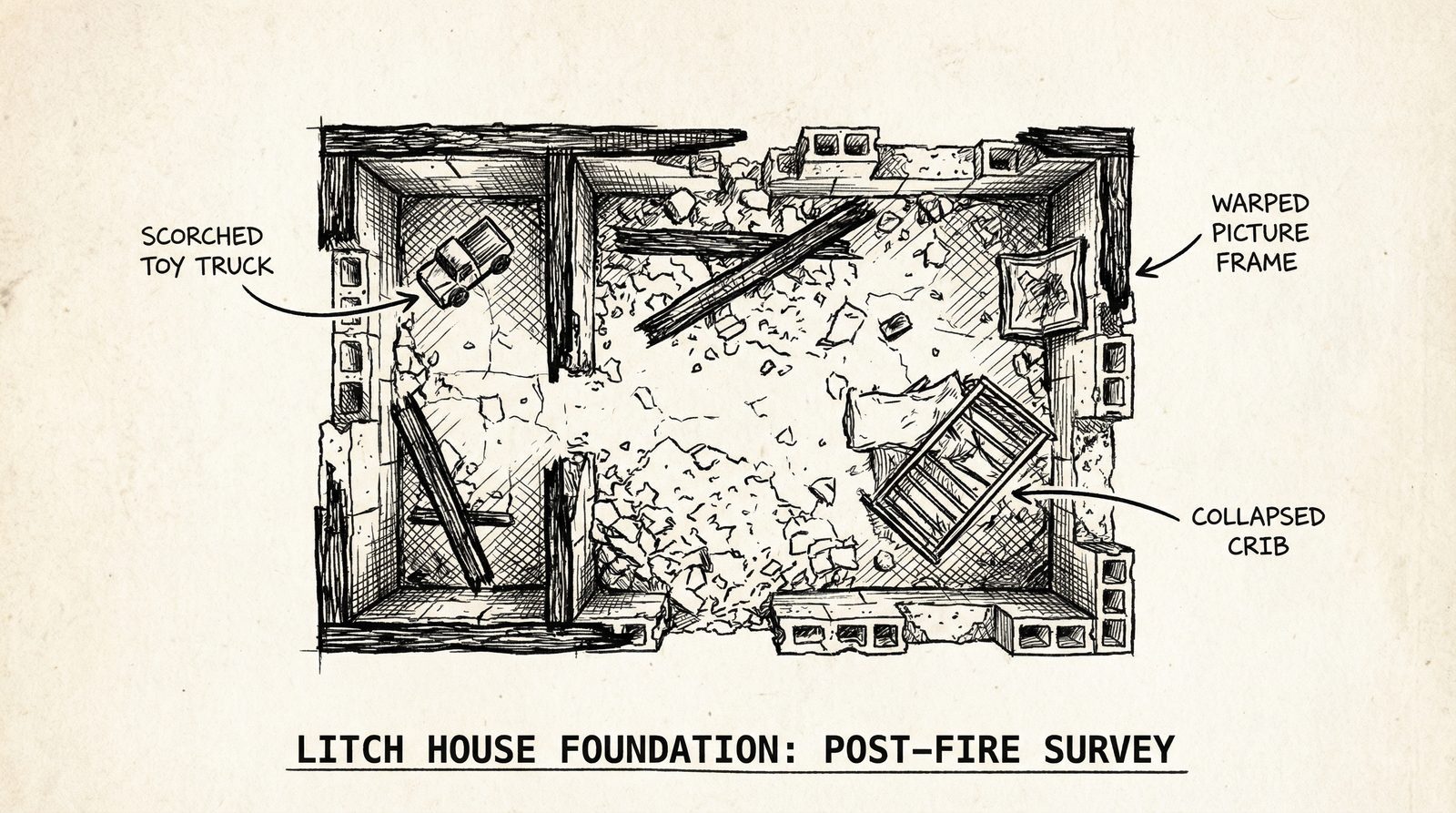
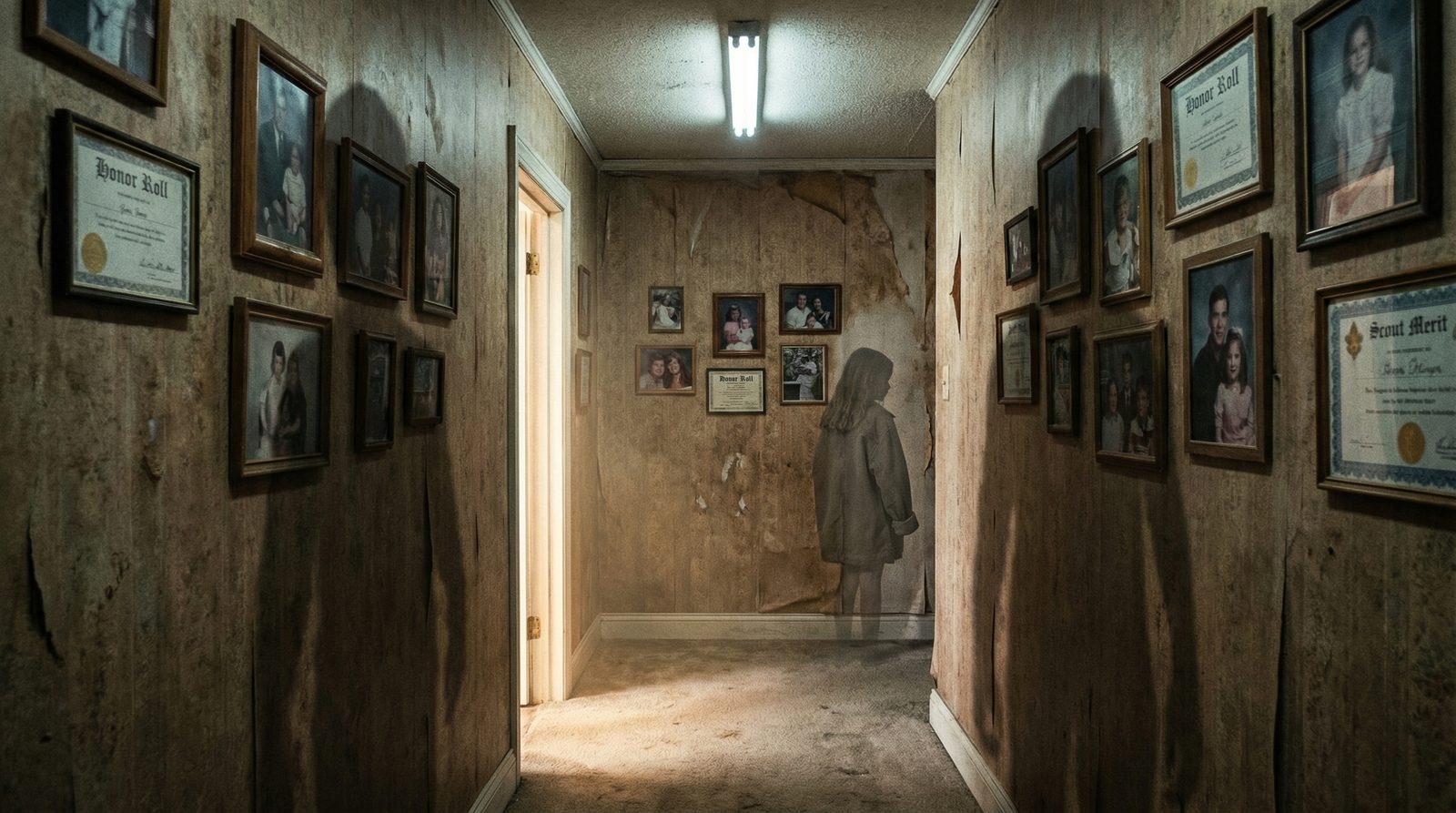
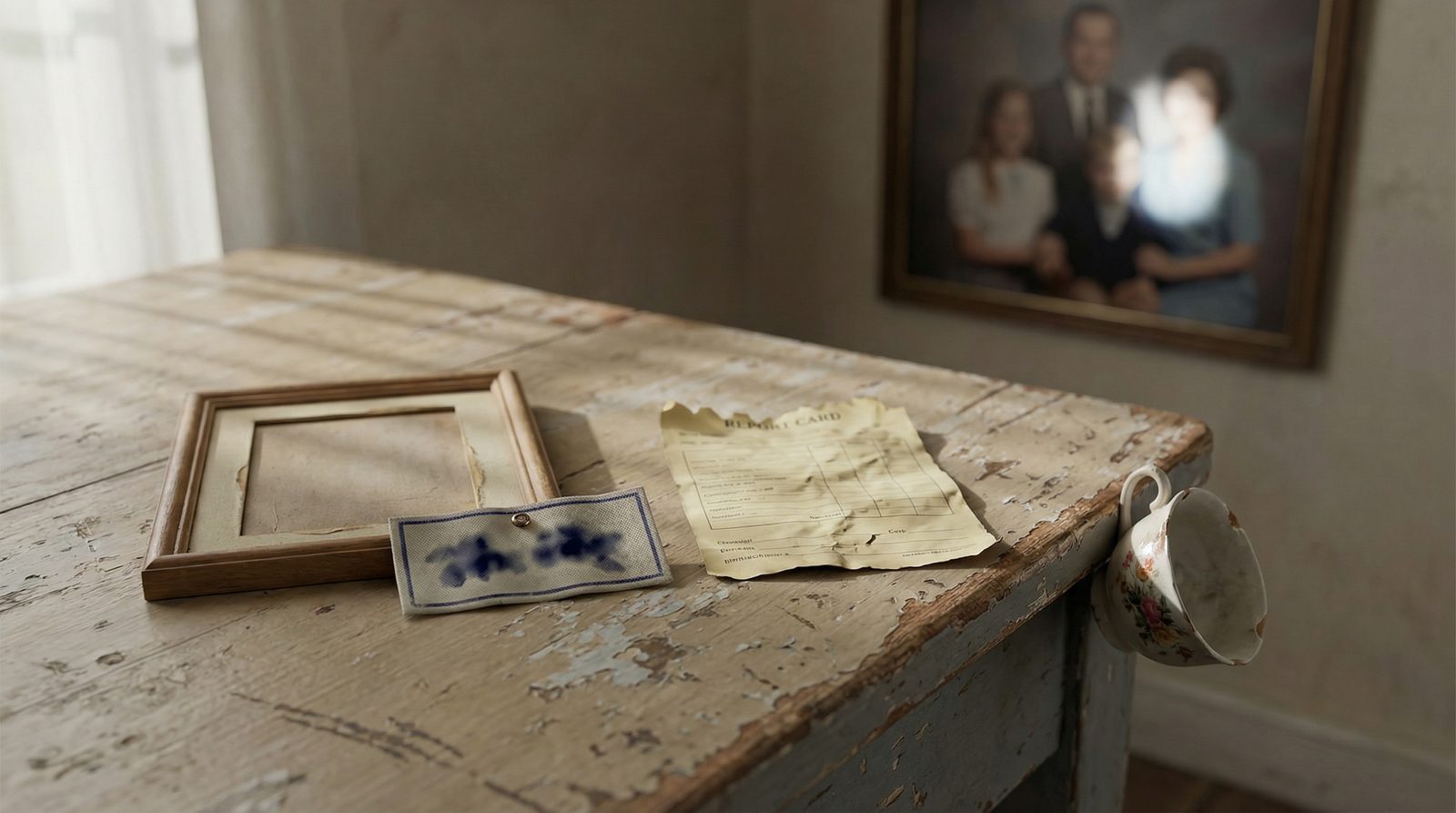
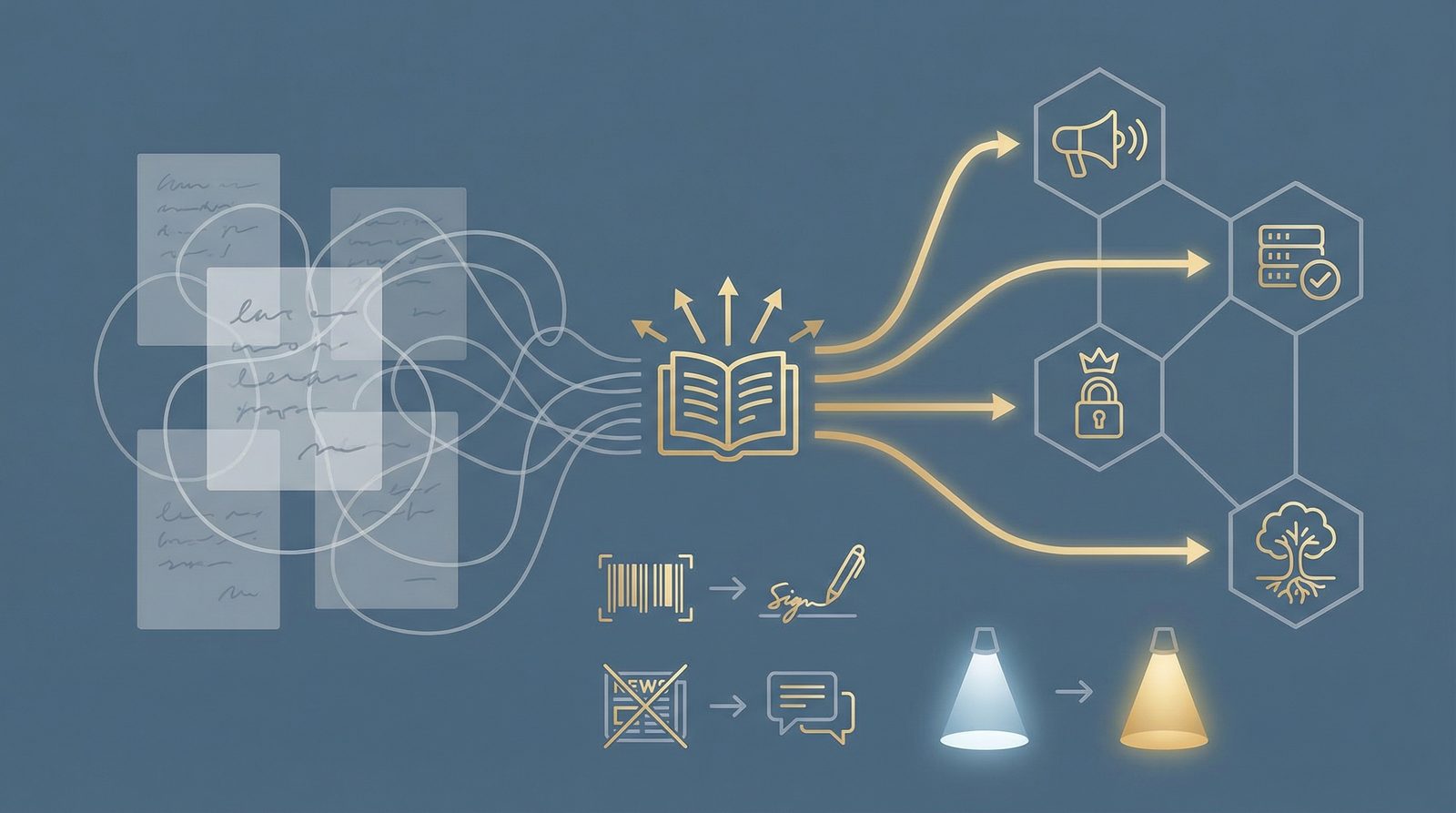
    Conceptual editorial illustration inspired by 'catalyst (2002)'


    STYLE & LANGUAGE

    Anderson writes with her trademark sharpness: short chapters, staccato sentences, and emotional beats delivered with precision. Kate’s voice is restless and anxious, which makes the book move quickly even when nothing large is happening on the surface. The language mirrors Kate’s racing thoughts. It is clipped, controlling, and sometimes unreliable.

    The novel is grounded firmly in realism. Anderson does not overplay the emotional stakes, which makes the genuine crisis points land harder. The dialogue is especially strong. Teenagers sound like teenagers, and the adults sound distracted and exhausted in ways that feel true.


    CHARACTERS & RELATIONSHIPS

    Kate Malone is a tightly coiled protagonist defined by fear of failure. She is sympathetic but not always likeable, which makes her unraveling more compelling. Her obsession with perfection creates a believable, painful internal conflict that drives much of the book’s tension.

    Teri Litch is the novel’s breakout character. She is abrasive, wounded, and strong in ways Kate is not. Their collision is the heart of the story. Anderson excels at writing two girls who resent each other for reasons neither can fully articulate until it is too late.

    The adults orbiting them, including Kate’s father, teachers, and neighbours, feel real but distant. That distance reinforces the sense that Kate is carrying far more than any teenager should have to hold.


    CULTURAL CONTEXT & LEGACY

    Published in the early 2000s, Catalyst sits in the second wave of YA realism that arrived before the explosion of issue-driven YA in the 2010s. It tackles academic pressure, trauma, and teenage emotional volatility without reducing characters to lessons. The book remains widely read because it captures something timeless: how it feels when your identity rests on a single fragile point.

    It also pairs historically with Speak, offering another angle on Anderson’s interest in girls whose voices are ignored, dismissed, or misunderstood by the institutions that shape their lives.
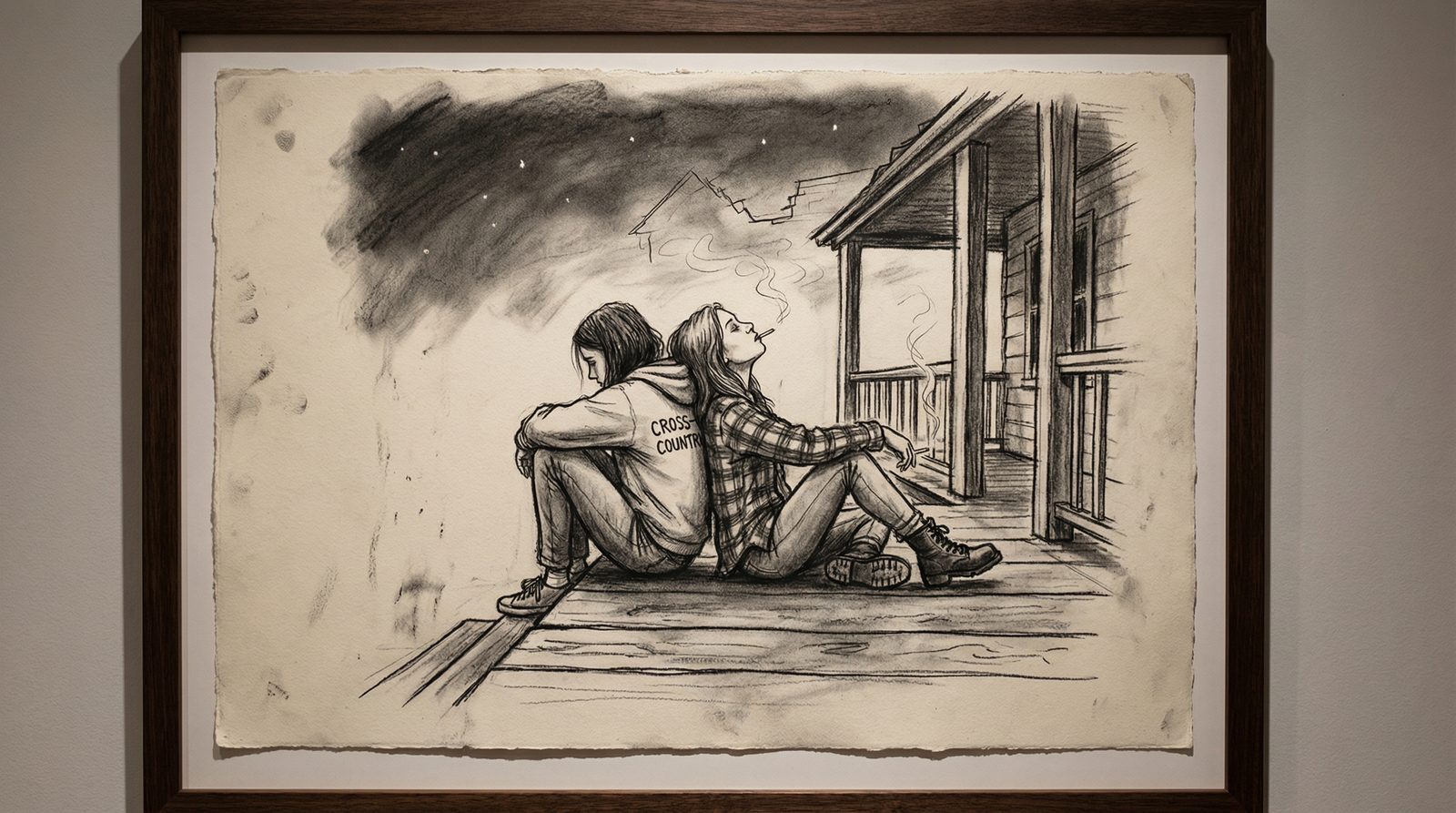
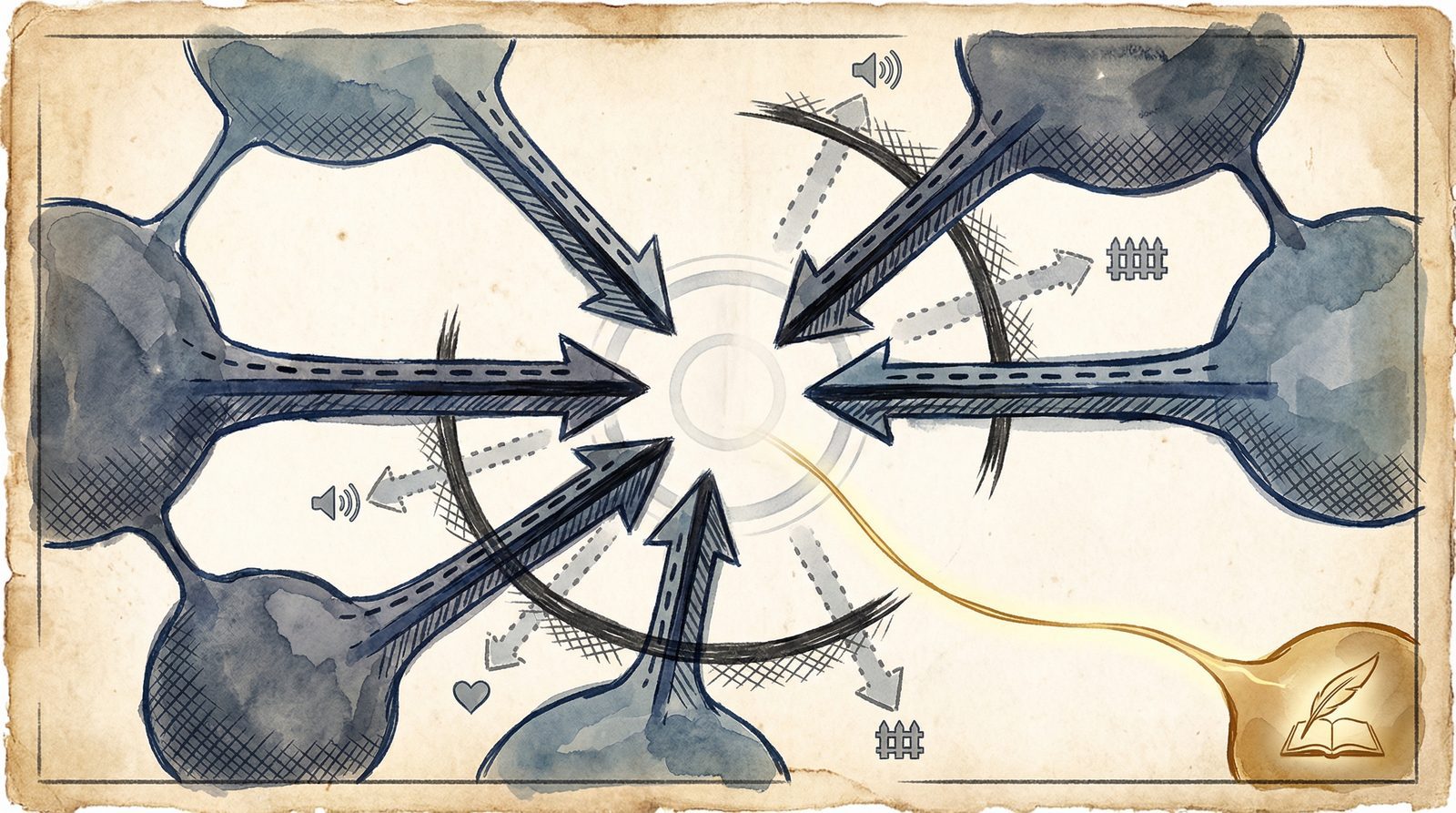
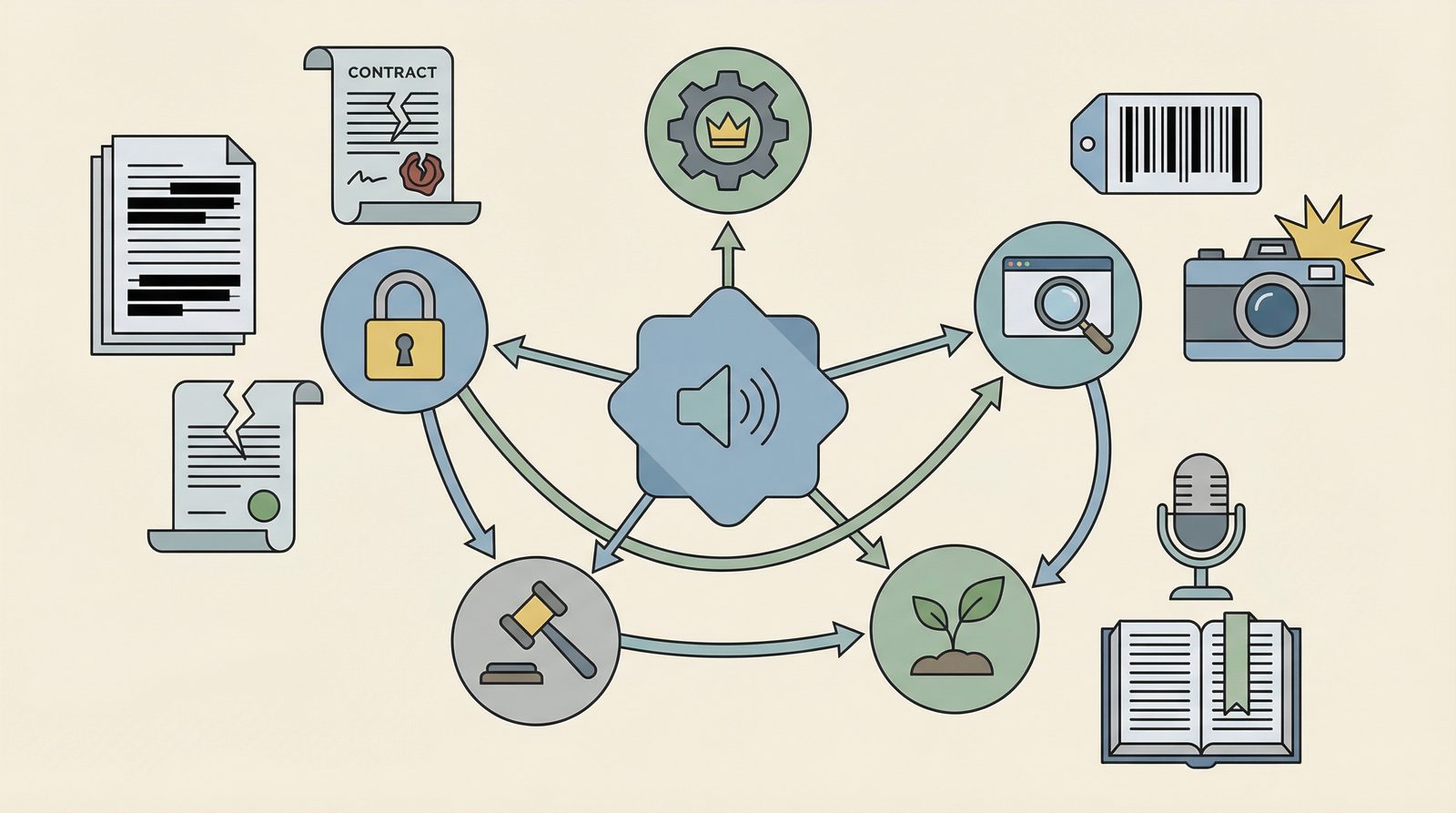
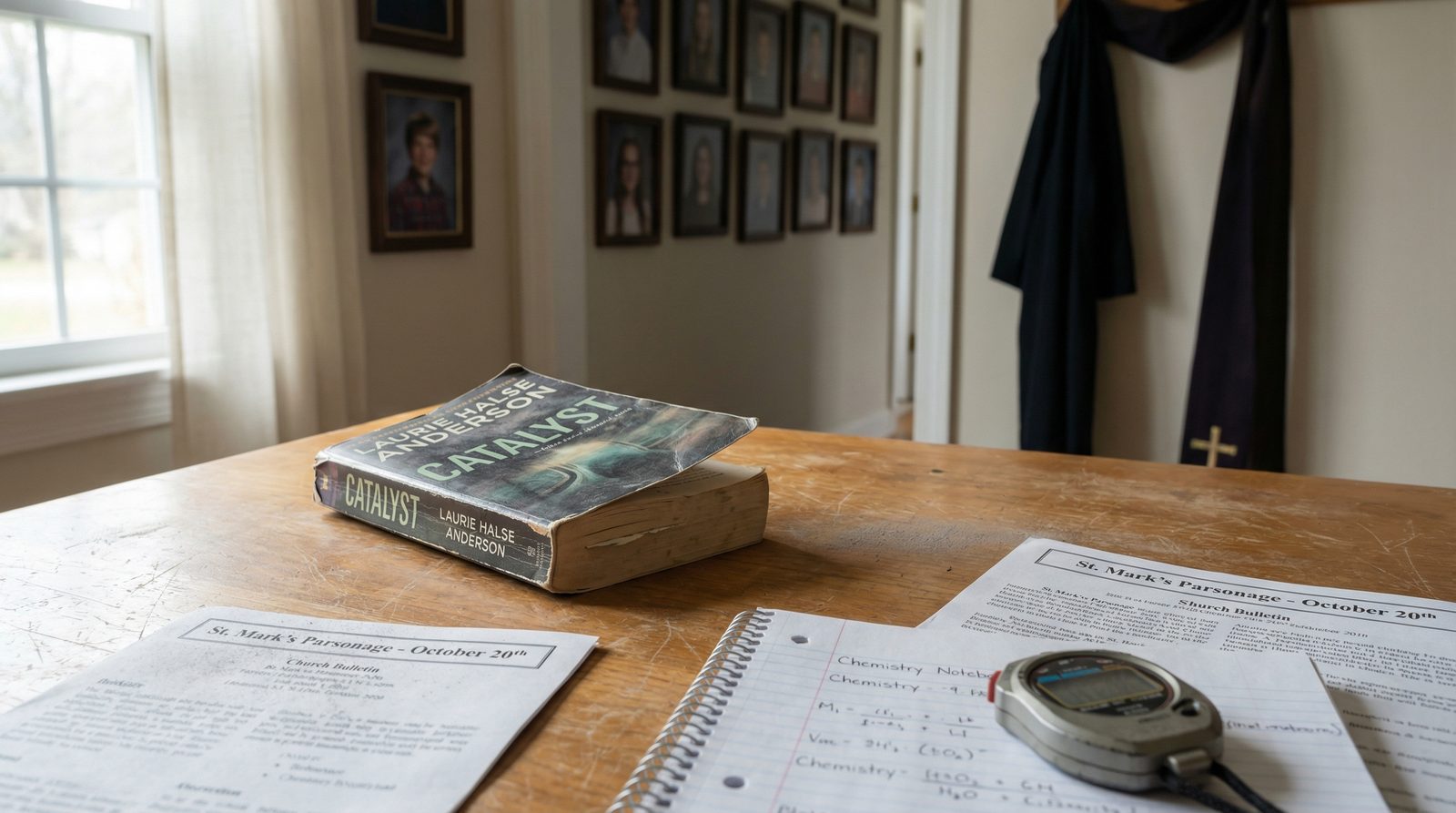
    Illustration of a core idea or motif from 'catalyst (2002)'


    IS IT WORTH READING?

    If you are looking for an emotionally honest, tightly written YA novel about pressure and identity, Catalyst is absolutely worth reading. It is intense without being melodramatic, and it treats teenage emotions with seriousness instead of condescension.

    If you prefer YA with broader worldbuilding or lighter tones, this will not be your book. Anderson writes to the bone, and Catalyst is very much about breaking down before finding a way forward.


    SIMILAR BOOKS

    Readers who connect with Kate’s emotional spiral may also appreciate the grounded pressure in Tabitha King’s Survivor. For a science-fiction parallel about identity under strain, Arthur C. Clarke’s 2061: Odyssey Three offers a thematic echo through a very different lens.


  • Grief as Contradiction

    Grief as Contradiction

    Motif Type: Emotional Paradox
    Era Focus: 20th Century to 21st Century
    Primary Fields: Memoir, Literary Fiction, Trauma Narratives


    WHAT THIS MOTIF MEANS

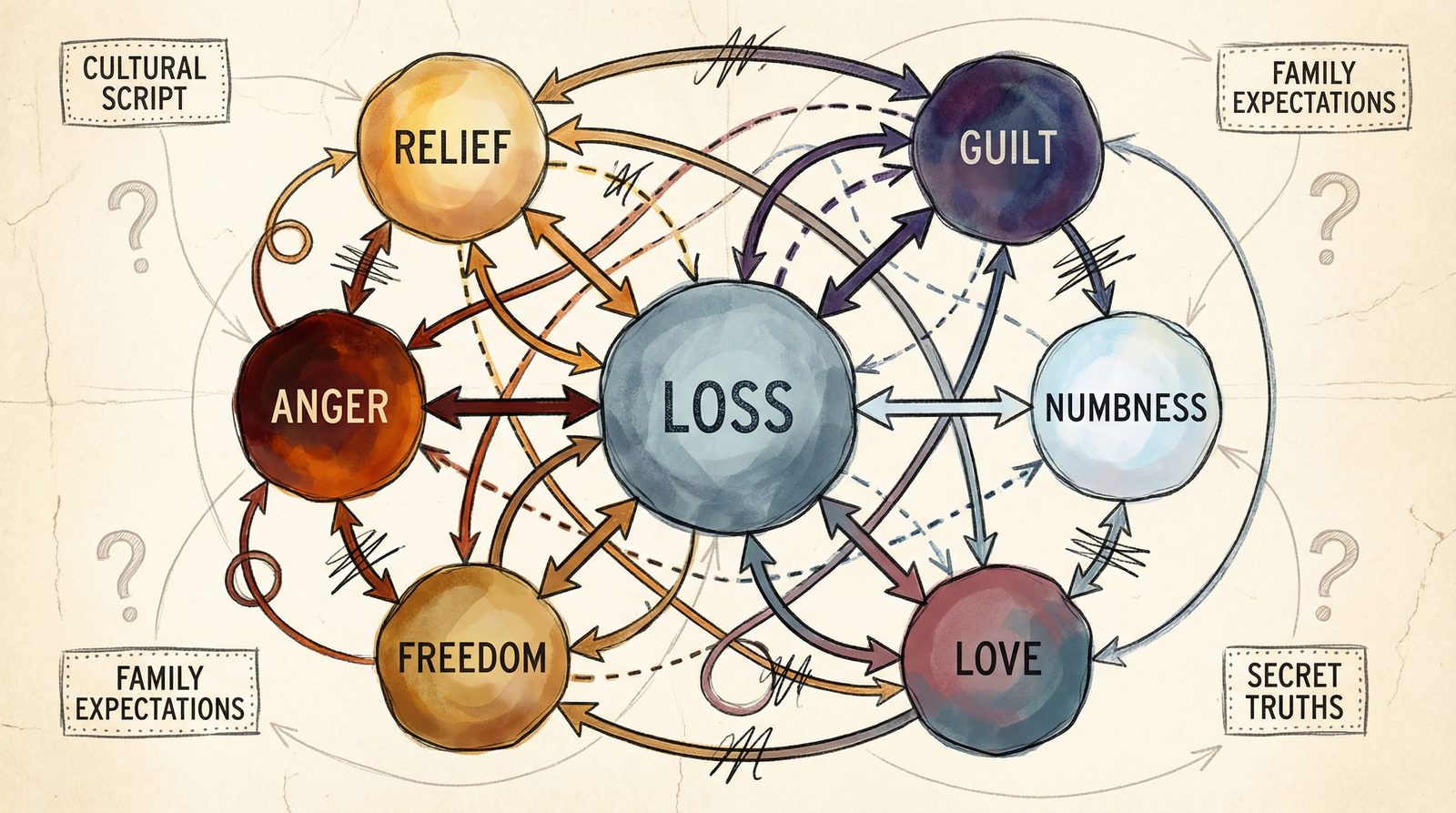
    Grief as Contradiction appears in stories where loss produces mixed, conflicting emotions. Characters feel sorrow and relief, guilt and liberation, love and resentment. The grief is layered, unstable, and often confusing. It does not follow cultural scripts. It arrives in unexpected shapes.

    This motif challenges the idea that grief is a single feeling. It reveals how complex emotional truth can be when the person lost was also the source of harm, pressure, or fear.


    HOW IT WORKS IN NARRATIVE

    Narratives shaped by this motif often center on characters whose relationship with the deceased was fraught. The story reveals why the grief cannot be clean. The character mourns the person, but also mourns the version of themselves that relationship created.

    The contradiction becomes a path toward clarity. Grief becomes the moment where truth can finally be named.

    Grief as Contradiction inline concept image


    WHERE WE SEE IT IN OUR LIBRARY

    • I’m Glad My Mom Died – McCurdy grieves her mother’s death while also grieving the harm her mother caused.
    • The Color Purple – Celie’s grief contains fear, resentment, and love that cannot be separated cleanly.
    • Confessions of a Video Vixen – Steffans experiences grief as emotional contradiction shaped by betrayal, survival, and longing.

    These narratives show grief as a turning point where conflicting truths coexist without resolution.


    WHY IT MATTERS

    This motif matters because it reflects real emotional experience that is rarely acknowledged. It validates readers who feel both sorrow and relief after loss. It also deepens character arcs by showing that healing is not linear and that grief can expose wounds that were never recognized before.

    For storytellers, this motif allows for emotional nuance that avoids simplification.

    Grief as Contradiction inline diagram image


    ARCHETYPES ASSOCIATED WITH THIS MOTIF

    • The Controlled Daughter – for characters whose grief is tangled with domination and fear.
    • The Witness – for characters who see grief clearly and analyze its contradictions.
    • The Reclaimer – for characters who emerge from grief with a more solid sense of self.

    RELATED MOTIFS

    Parental Control as Identity
    Dissociation as Defense
    Trauma as Inheritance

  • Survival as Identity

    Survival as Identity

    Motif Type: Psychological Formation
    Era Focus: 20th Century to 21st Century
    Primary Fields: Memoir, Literary Fiction, Trauma Studies


    WHAT THIS MOTIF MEANS

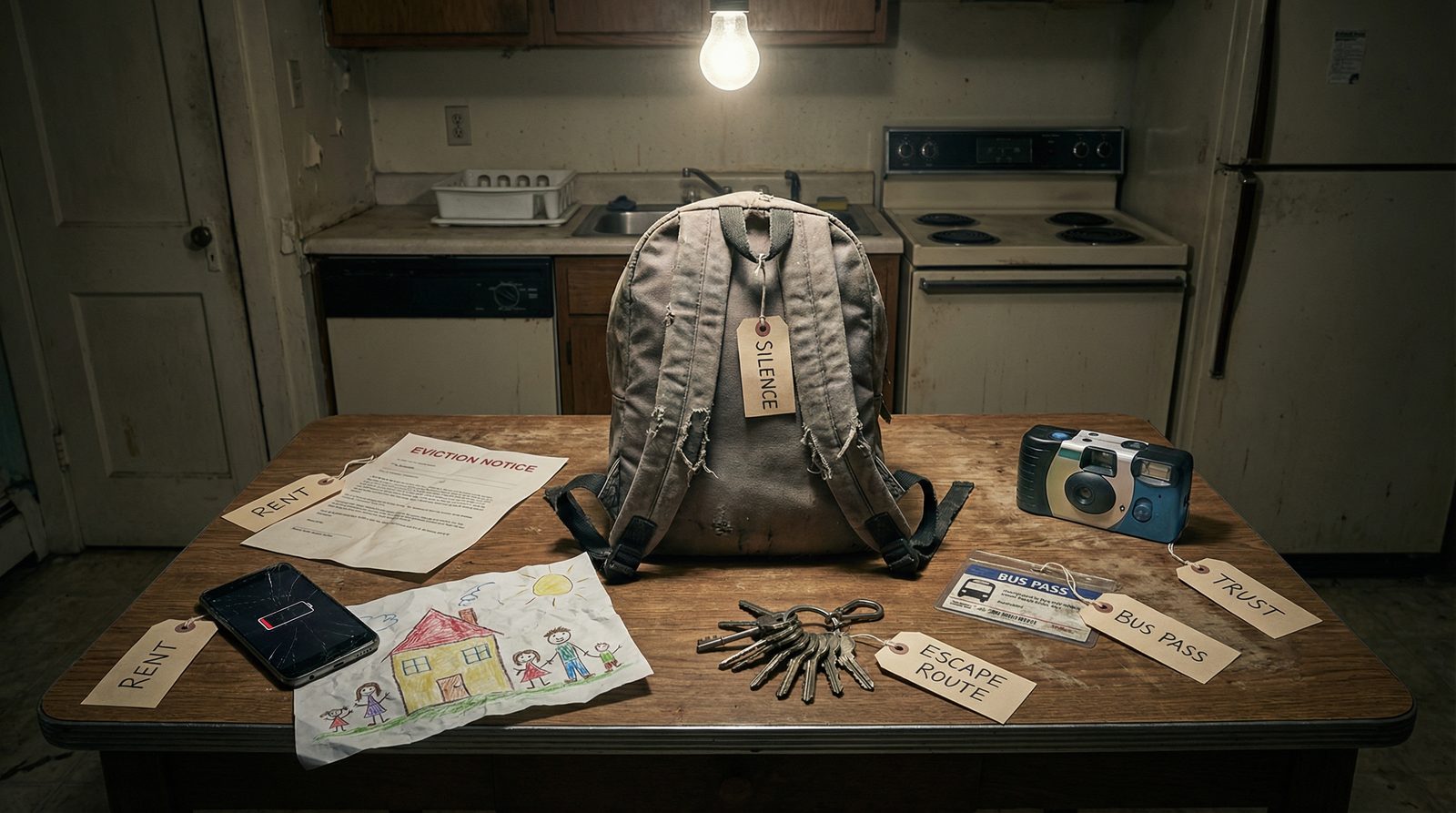
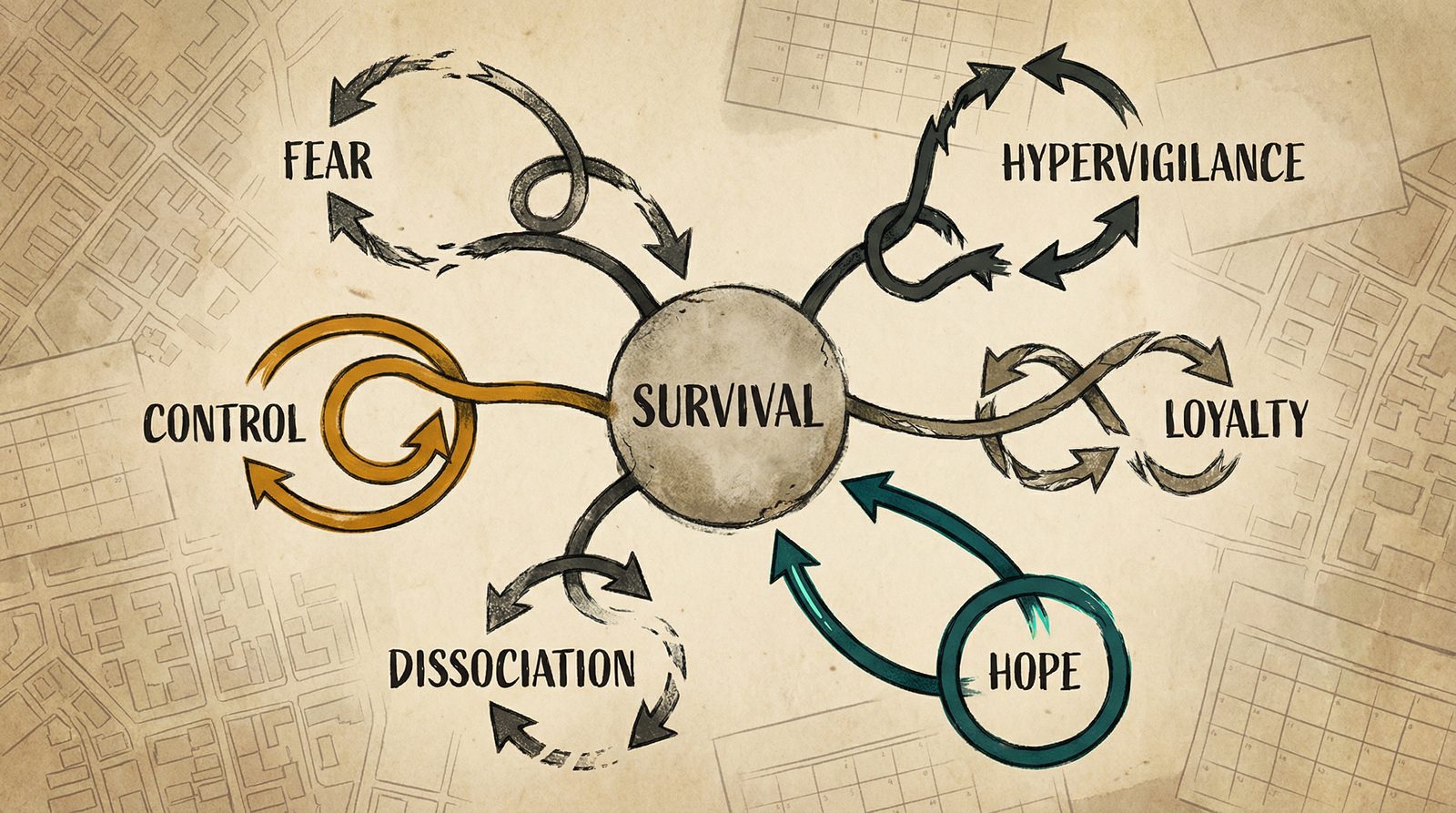
    Survival as Identity appears in stories where survival is not only an action but a worldview. Characters shaped by this motif have lived through chronic harm, neglect, or control. The result is that survival becomes the center of who they are. Their choices, fears, and desires are filtered through the need to endure.

    Identity built through survival is pragmatic, guarded, and shaped by experience rather than aspiration.


    HOW IT WORKS IN NARRATIVE

    Characters embodying this motif often enter stories in a state of emotional autopilot. They are not planning a future. They are avoiding collapse. Their internal voice is shaped by monitoring danger, managing harm, or anticipating the next threat.

    As the narrative progresses, the character may learn that survival is not the same as living. This shift becomes a quiet but profound transformation.

    Survival as Identity inline concept image


    WHERE WE SEE IT IN OUR LIBRARY

    • Push – Precious understands the world through threat and endurance. Survival is her first language.
    • Precious – The film shows her identity forming around what she must withstand rather than what she desires.
    • The Color Purple – Celie spends much of her early life adapting to abuse as her normal environment.
    • I’m Glad My Mom Died – Jennette’s emotional instincts are built around pleasing, shrinking, and avoiding conflict, all in service of survival.
    • Confessions of a Video Vixen – Steffans’s identity is shaped by navigating danger inside relationships, industries, and image.

    In each of these stories, survival becomes the character’s primary skill and primary burden.

    Survival as Identity inline diagram image

    WHY IT MATTERS

    This motif exposes the emotional cost of long-term trauma. It shows how deeply early harm can shape personality and expectation. Characters who survive learn resourcefulness and intuition, but often struggle to imagine joy, stability, or selfhood that is not rooted in vigilance.

    The motif creates rich arcs where characters slowly discover that identity can expand beyond survival.


    ARCHETYPES ASSOCIATED WITH THIS MOTIF

    • The Survivor Confessor – for characters who narrate how survival shaped them.
    • The Resistant Spirit – for those whose endurance becomes inner strength.
    • The Erased Girl – for characters whose survival erased their sense of self until later.

    RELATED MOTIFS

    Survival Narratives
    Silence as Survival
    Trauma as Inheritance

  • Survival Narratives

    Survival Narratives

    Motif Type: Endurance and Transformation
    Era Focus: 20th Century to 21st Century
    Primary Fields: Memoir, Literary Fiction, Trauma Studies


    WHAT THIS MOTIF MEANS

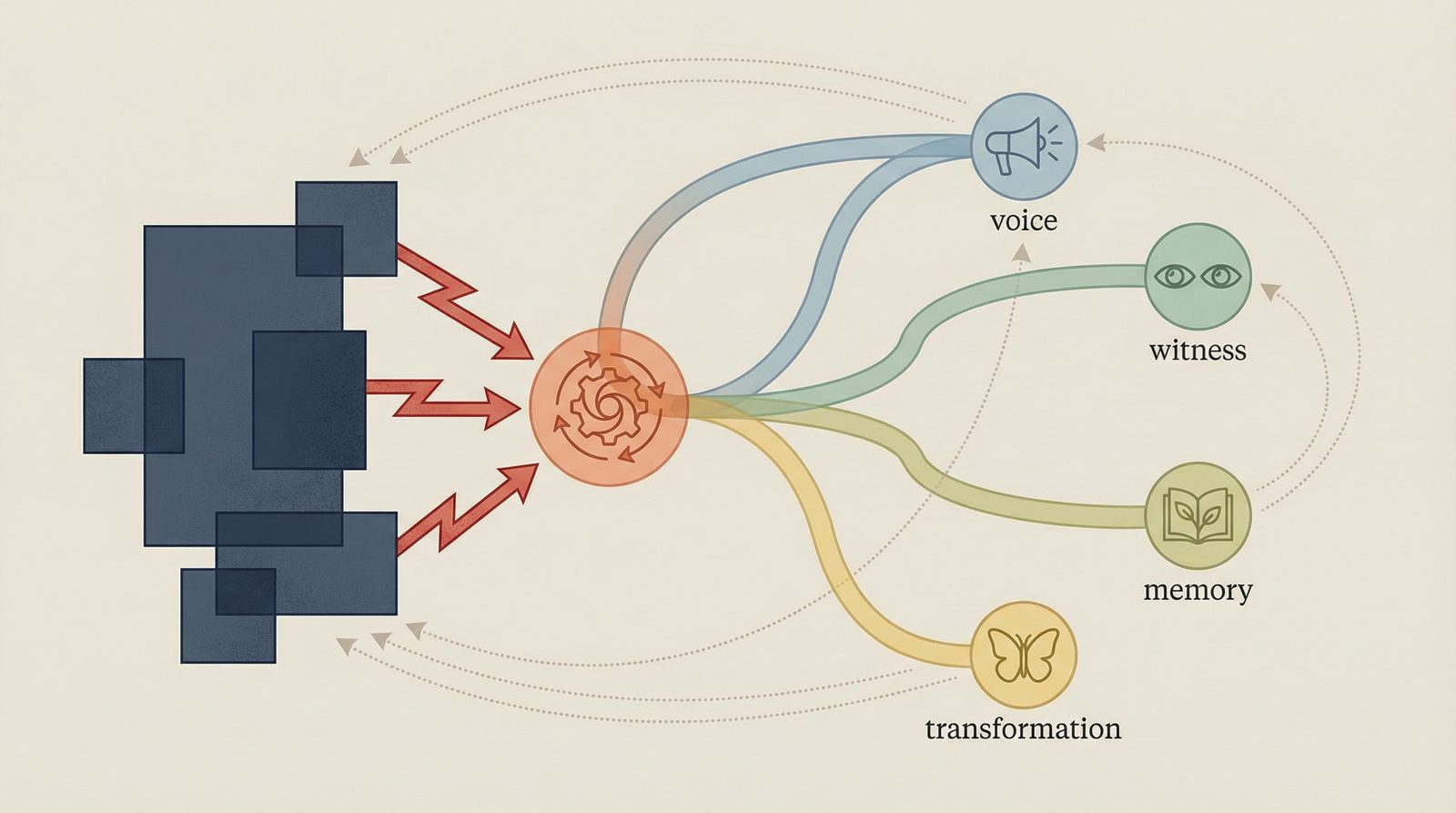
    Survival Narratives appear in stories where the central tension is not triumph or victory, but endurance. The character’s primary goal is to stay alive, stay present, or stay intact in the face of harm. Survival is not glamorous. It is not heroic in the traditional sense. It is a daily, often invisible act.

    The motif reveals the emotional truth that survival is meaningful even when it is quiet.


    HOW IT WORKS IN NARRATIVE

    Narratives shaped by this motif often begin with confinement. The character has limited choices, minimal support, and little sense of possibility. The plot does not promise redemption. It promises movement, however small. The story unfolds in acts of persistence: a step away from harm, a word spoken, a line written, a breath taken.

    The climax often comes not as success but as recognition. The character understands that survival itself has value.


    Survival Narratives inline concept image

    WHERE WE SEE IT IN OUR LIBRARY

    • Push – Precious survives violence, hunger, neglect, and systems designed to ignore her.
    • Precious – The film deepens the motif by showing survival as physical and emotional endurance.
    • The Color Purple – Celie endures years of abuse but finds strength in sisterhood and self-recognition.
    • Confessions of a Video Vixen – Steffans survives systems of male power and celebrity exploitation.
    • The Woman in Me – Britney’s endurance through legal control becomes a global example of quiet survival.
    • I’m Glad My Mom Died – McCurdy’s survival is emotional, psychological, and tied to reclaiming selfhood.

    Across these works, survival is not the end of the story. It is the beginning of transformation.


    WHY IT MATTERS

    This motif matters because it gives value to endurance. Many stories celebrate triumph but overlook the hard, quiet work of simply continuing. Survival Narratives recognize this work as meaningful and dignified. They show how trauma shapes people without defining the rest of their lives.

    They also connect disparate stories across genre, race, and medium through the shared thread of persistence.


    Survival Narratives inline diagram image

    ARCHETYPES ASSOCIATED WITH THIS MOTIF

    • The Survivor Confessor – for characters who narrate their survival with clarity.
    • The Resistant Spirit – for characters who hold a spark even inside overwhelming circumstances.
    • The Witness – for characters who observe their own endurance with honesty.

    RELATED MOTIFS

    Silence as Survival
    Trauma as Inheritance
    Literacy as Liberation

  • The Erased Girl

    The Erased Girl

    Motif Type: Identity and Neglect
    Era Focus: 20th Century to 21st Century
    Primary Fields: Memoir, Literary Fiction, Trauma Narratives


    WHAT THIS MOTIF MEANS

    The Erased Girl is a motif that appears in stories where a young woman is treated as invisible, replaceable, or undeserving of attention. Her needs are ignored. Her boundaries are dismissed. Her identity is shaped by what others want from her, not by what she wants for herself. She survives by shrinking, observing, or disappearing into the background.

    This motif is not about weakness. It is about erasure imposed from the outside. The girl learns to survive by taking up as little space as possible.

    The Erased Girl inline concept image

    HOW IT WORKS IN NARRATIVE

    Narratives driven by this motif often open in environments where the girl’s voice is absent or dismissed. Adults, partners, institutions, or cultural expectations overwrite her with their own needs. The plot reveals the slow movement from invisibility toward recognition, whether through writing, friendship, rebellion, or self-expression.

    The emotional impact comes from watching someone who has been neglected learn to see herself clearly for the first time.


    WHERE WE SEE IT IN OUR LIBRARY

    • Push – Precious begins as a child no one protects, sees, or hears.
    • Precious – The film visualizes her erasure through lighting, framing, and silence.
    • I’m Glad My Mom Died – Jennette is raised to be her mother’s extension rather than a person with her own identity.
    • The Color Purple – Celie is treated as labor rather than a daughter or partner, erased in her own home.
    • The Woman in Me – Britney becomes a global symbol while her personal identity is stripped away by courts and caretakers.

    In each story, the girl is present physically but erased emotionally. The narrative becomes a record of her reappearance.

    The Erased Girl inline diagram image

    WHY IT MATTERS

    This motif reveals how emotional neglect shapes identity. It shows how difficult it is to claim space when a life has been defined by erasure. It also illuminates the courage required to reclaim personhood when the world has never asked who you are.

    The Erased Girl is not a tragic figure. She is a survivor whose visibility becomes revolutionary.


    ARCHETYPES ASSOCIATED WITH THIS MOTIF

    • The Erased Girl – the core archetype, representing imposed invisibility.
    • The Controlled Daughter – for characters sculpted by parental domination.
    • The Witness – for characters who observe harm with clarity long before they can act.

    RELATED MOTIFS

    Silence as Survival
    Trauma as Inheritance
    Intimacy as Healing

  • Literacy as Liberation

    Literacy as Liberation

    Motif Type: Education and Selfhood
    Era Focus: 20th Century to 21st Century
    Primary Fields: Literary Fiction, Memoir, Social Realism


    WHAT THIS MOTIF MEANS

    Literacy as Liberation is a motif found in stories where learning to read or write becomes the turning point in a character’s life. The act is more than an academic skill. It becomes a form of self-recognition. Characters who inhabit this motif discover language as a path out of isolation, silence, or abuse.

    The power of this motif lies in transformation. Written words offer a place to understand identity, claim truth, and imagine a future that did not exist before.


    HOW IT WORKS IN NARRATIVE

    In these stories, literacy changes the internal map of the character. Before literacy, they may be controlled, erased, or unable to articulate their own experiences. Learning to write becomes a way to understand the past and shape the present. Learning to read becomes access to knowledge that was once forbidden. Literacy becomes agency.

    For many characters, writing is the first time their voice has value.


    Literacy as Liberation inline concept image

    WHERE WE SEE IT IN OUR LIBRARY

    • Push – Precious begins to write in Ms Rain’s class and discovers a self that abuse tried to extinguish.
    • Precious – The film visualizes writing as release, showing how language becomes a lifeline.
    • The Color Purple – Celie’s letters are her survival. Writing becomes her sanctuary and eventual awakening.
    • Sapphire – As an author and educator, her work embodies the belief that literacy can transform a life and a community.

    These works show literacy as a tool that interrupts generational harm and opens the door to naming what was once unspeakable.


    WHY IT MATTERS

    This motif is powerful because it shows how selfhood can begin on the page. For characters who have been silenced or controlled, writing provides a private space that cannot be taken away. Literacy becomes rebellion in stories where the world demands obedience.

    It reminds readers that stories are not just entertainment. They are survival strategies.

    Literacy as Liberation inline diagram image

    ARCHETYPES ASSOCIATED WITH THIS MOTIF

    • The Reclaimer – characters who take back their story through writing.
    • The Witness – characters who see clearly once they gain language.
    • The Erased Girl – characters whose first true existence begins when they write their own words.

    RELATED MOTIFS

    Trauma as Inheritance
    Survival Narratives
    Intimacy as Healing

  • Memoirs of Reclamation

    Memoirs of Reclamation

    Motif Type: Narrative Ownership
    Era Focus: 20th Century to 21st Century
    Primary Fields: Memoir, Celebrity Studies, Trauma Narratives


    WHAT THIS MOTIF MEANS

    Memoirs of Reclamation appear in stories where the act of telling becomes an act of taking back. These are narratives written after years of distortion, silence, or misrepresentation. Characters or authors who inhabit this motif use memoir to correct the record and claim ownership of their voice.

    Reclamation is not revenge. It is clarity. It is the decision to describe a life without permission from the forces that once controlled it.

    Memoirs of Reclamation inline concept image

    HOW IT WORKS IN NARRATIVE

    Narratives shaped by this motif often begin with a character who has been spoken for. The world thinks it already knows the story. The memoir disrupts that illusion. It reveals what was hidden, misunderstood, denied, or simplified. The act of writing becomes a pivot point where identity and authority return to their rightful owner.

    The voice is often steady. The tone is often blunt. The clarity is earned.

    Memoirs of Reclamation inline diagram image

    WHERE WE SEE IT IN OUR LIBRARY

    • Confessions of a Video Vixen – Steffans reframes a narrative once told about her by gossip, men, and media.
    • Open Book – Simpson dismantles the public caricature that overshadowed her music and life.
    • The Woman in Me – Britney Spears writes from inside a long period of enforced silence and public distortion.
    • The Vixen Diaries – Steffans documents backlash and misrepresentation after her first memoir.
    • Jessica Simpson – Her memoir functions as a cultural correction after years of mockery and misreading.
    • Britney Spears – The core of her memoir is reclaiming voice after legal and emotional control.

    This motif forms one of your strongest clusters because these memoirs rebuild identity after erasure, exploitation, or misunderstanding.


    WHY IT MATTERS

    This motif matters because it challenges the idea that a person’s story can be owned by the public. It reveals how harmful narratives can be rewritten and how truth can reshape reputation, legacy, and selfhood.

    Memoirs of Reclamation are not just personal. They are cultural acts of correction.


    ARCHETYPES ASSOCIATED WITH THIS MOTIF

    • The Reclaimer – the central archetype of this motif.
    • The Truth Teller – for authors whose clarity drives the narrative.
    • The Survivor Confessor – for memoirists who transform pain into testimony.

    RELATED MOTIFS

    The Double Self
    Silence as Survival
    Power as Proximity

  • #MeToo Literature

    #MeToo Literature

    Motif Type: Cultural Testimony
    Era Focus: 21st Century
    Primary Fields: Memoir, Essay, Cultural Criticism


    WHAT THIS MOTIF MEANS

    #MeToo Literature is a motif found in stories that confront sexual abuse, power imbalances, and gendered violence. These works do not seek to sensationalize harm. They aim to expose it. The motif reflects a cultural shift in which survivors speak plainly about experiences that were once minimized, dismissed, or silenced.

    The voice in these works is direct, steady, and grounded in personal truth. The story becomes both individual and collective testimony.


    #MeToo Literature inline concept image

    HOW IT WORKS IN NARRATIVE

    These narratives often begin with a character whose voice was suppressed by institutions, family systems, industries, or cultural norms. The memoir or story becomes a place where truth can finally be recorded without fear of punishment.

    The motif is marked by clarity rather than catharsis. The telling is the act. The naming is the power.


    #MeToo Literature inline diagram image

    WHERE WE SEE IT IN OUR LIBRARY

    • Confessions of a Video Vixen – Steffans wrote about abuse, coercion, and exploitation long before the wider movement existed.
    • Britney Spears – Her memoir reveals long-term institutional control and emotional abuse hidden beneath fame.
    • Open Book – Jessica Simpson writes about industry pressure, predatory expectations, and the emotional fallout of fame.
    • Framing Britney Spears – The documentary exposes systemic abuse disguised as guardianship and professionalism.
    • The Woman in Me – Britney’s account of legal and emotional imprisonment fits squarely within this cultural motif.

    Together these works form a lineage of personal accounts that helped shift public understanding of gender, power, and accountability.


    WHY IT MATTERS

    This motif matters because it challenges silence around abuse. It reveals the cost of systems that fail to protect, and the courage required for survivors to speak publicly. It also reframes memoir not as confession but as cultural intervention.

    #MeToo Literature anchors your library as a site of testimony and reexamination.


    ARCHETYPES ASSOCIATED WITH THIS MOTIF

    • The Truth Teller – the core archetype of this motif.
    • The Reclaimer – for characters who take back narrative after harm.
    • The Performer – for characters whose public image hides private coercion.

    RELATED MOTIFS

    Intimacy as Transaction
    Power as Proximity
    Memoirs of Reclamation

  • Push (1996)

    Push (1996)

    By: Sapphire
    Genre: Literary Fiction, Contemporary Fiction
    Country: United States


    INTRODUCTION

    Push is one of those novels that feels less like a story and more like a raw record of survival. Told in the voice of Precious Jones, an illiterate, abused teenager in Harlem, the book refuses distance. It drops you into her world without a safety rail and lets you hear her language before anyone has corrected it. Underneath the shock is something quieter and deeper. This is a book about a girl who has been told she is nothing, trying to build a self out of whatever scraps of care she can find. The whole narrative belongs inside the motif of Survival Narratives, with a focus that is intimate instead of grand.

    It is not a comfortable read. It is an essential one.


    PLOT AND THEMES

    Precious is sixteen, pregnant with her second child by her own father, and still in middle school when the novel begins. She lives with an abusive mother who beats her, starves her, and reminds her daily that she is worthless. School has failed her. Systems have failed her. The future, as she has been taught to imagine it, does not exist.

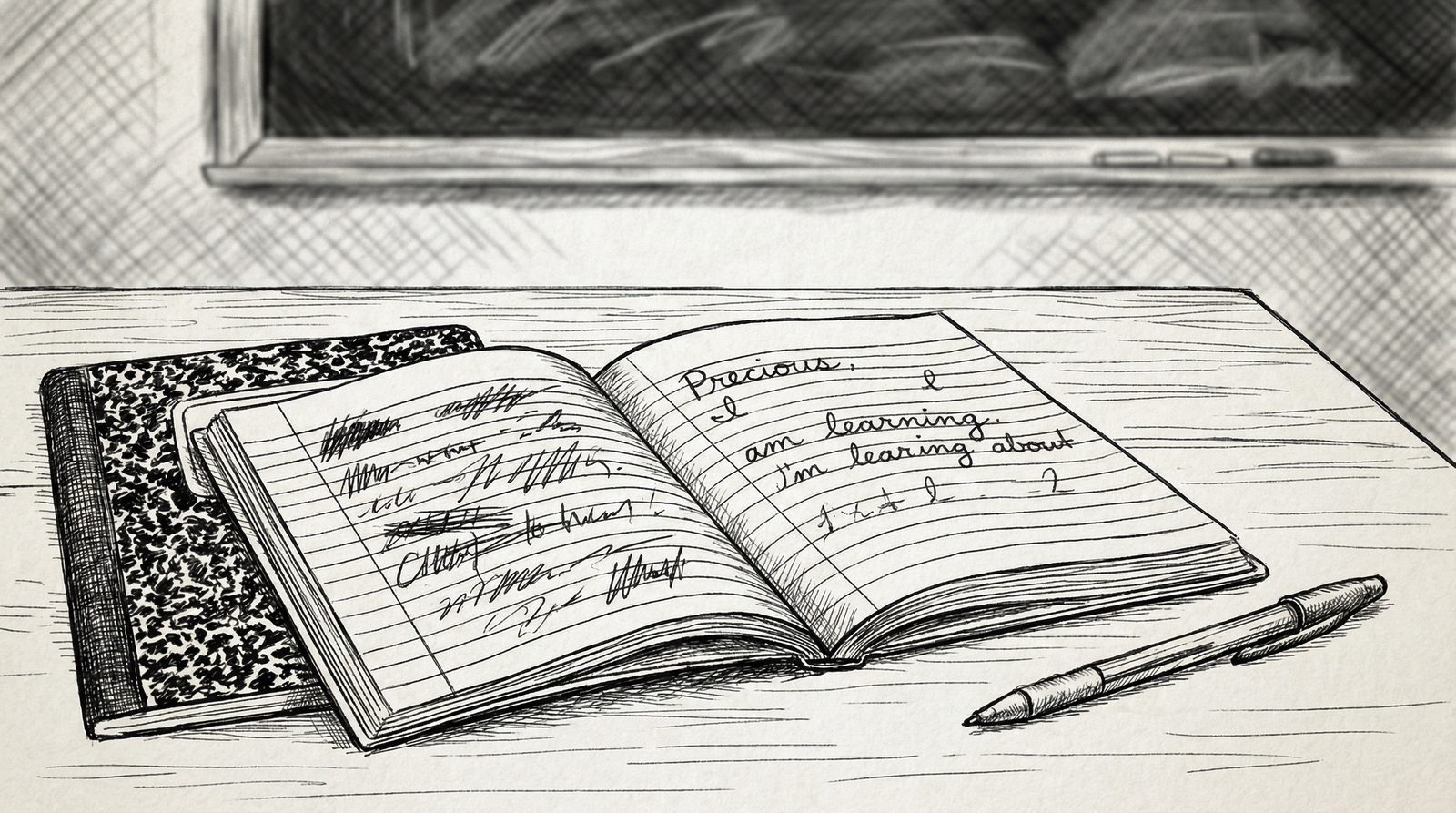
    The plot shifts when she is sent to an alternative school where a teacher, Ms Rain, starts to teach her to read and write. The narrative opens up as Precious does. Pages fill with her journal entries, her attempts at spelling and grammar, her small observations. Learning to write becomes more than a skill. It becomes an act of resistance that fits perfectly within the motif of Literacy as Liberation. The more she writes, the more she exists on her own terms.

    The novel is also a study of inherited harm. The violence Precious experiences is not presented as a single monster in the house. It is generational, systemic, and tied to poverty, racism, and neglect. That pattern aligns with the motif of Trauma as Inheritance. Her mother’s cruelty is horrifying, but the book never lets you forget the world that shaped her too.

    Running through everything is the question of who gets to be visible. Precious has been erased in almost every way. She is not expected to succeed, to finish school, or even to survive. The novel argues for her existence sentence by sentence.

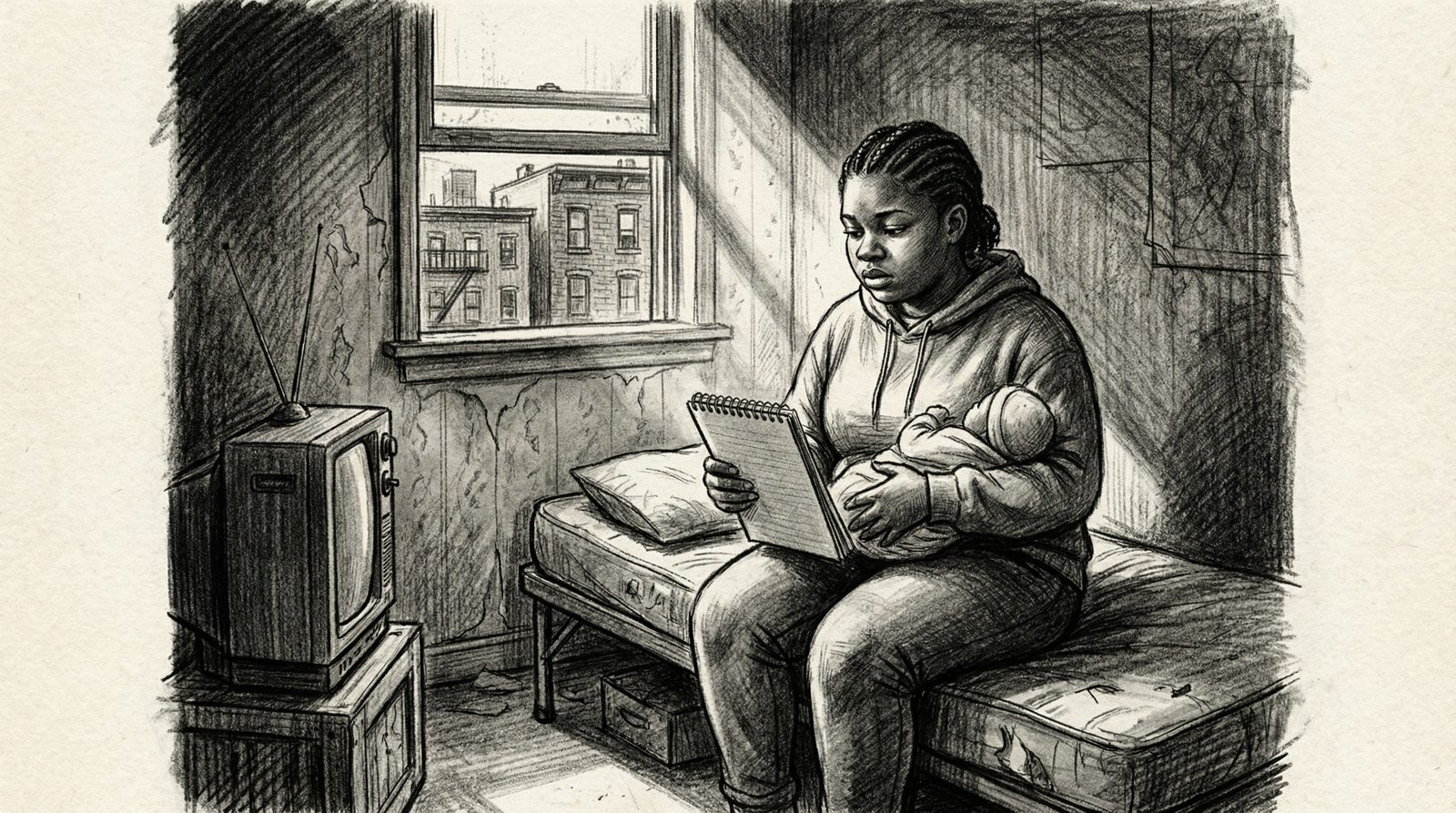
    Conceptual editorial illustration inspired by 'push'

    STYLE AND LANGUAGE

    The most striking aspect of Push is its voice. The early chapters are written phonetically, reflecting Precious’s limited literacy. Words are misspelled, grammar is broken, and sentences tumble out with a rough rhythm that can be hard to read at first. That difficulty is the point. You are feeling the barrier she lives inside.

    As Precious learns, the language on the page gradually shifts. Spelling improves. Sentences become more complex. The movement is subtle but powerful. You experience literacy not as an abstract goal but as a physical change in how thought appears on the page. It is one of the clearest demonstrations of Literacy as Liberation in contemporary fiction.

    The style is unsparing but not cold. Sapphire allows anger, confusion, humor, and hope to coexist in Precious’s voice. The book does not tidy emotion. It lets contradiction stand. That choice avoids sentimentalizing her and instead treats her as a full person with a life beyond the worst things that have happened to her.


    CHARACTERS AND INTERIORITY

    Precious is one of the most memorable narrators in recent fiction. She is angry, funny, jealous, hopeful, cruel at times, and deeply empathetic at others. She is never presented as a symbol. She is a teenager trying to manage impossible circumstances. That complexity connects strongly with the motif of Survival as Identity. She is not just surviving events. Survival has become the core of how she understands herself.

    Her mother is terrifying, but Sapphire gives her moments of twisted vulnerability that prevent her from becoming a flat villain. Her harm is real and unforgivable. It is also part of a larger pattern of damage she never escaped.

    Ms Rain and the women in Precious’s class offer a different kind of presence. They are not saviors. They are witnesses. They listen, teach, and insist that Precious’s words matter. That insistence gives the book its quiet center.


    CULTURAL CONTEXT AND LEGACY

    When Push was published in the mid 1990s, it immediately drew strong reactions. Some readers saw it as exploitative. Others recognized it as a rare attempt to put a voice like Precious’s at the center of a literary novel. The debates themselves revealed how uncomfortable many people were with this kind of direct depiction of abuse, poverty, and systemic neglect.

    The book later became the basis for the film Precious, which brought the story to a wider audience and sparked new conversations about representation, respectability, and trauma on screen. In the broader landscape, Push stands alongside works like Confessions of a Video Vixen and I’m Glad My Mom Died, not because their plots are similar, but because they all insist that people written off by the culture deserve to narrate themselves.

    The novel has had a lasting influence on how trauma and literacy are portrayed in fiction, and it remains a touchstone for discussions of voice, agency, and the politics of who gets to be heard.

    Illustration of a core idea or motif from 'push'

    IS IT WORTH READING?

    Yes. Push is difficult, both in content and in its early language. It is also deeply humane. Readers who want neat catharsis may struggle with it. Readers interested in voice, power, and the way language can literally change a life will find it unforgettable.


    SIMILAR BOOKS

    Confessions of a Video Vixen (2005)
    I’m Glad My Mom Died (2022)
    Open Book (2020)
    The Woman in Me (2023)