Trope: Cursed Object

  • The Golem’s Eye (2004)

    The Golem’s Eye (2004)

    INTRODUCTION

    The Golem’s Eye (2004) by Jonathan Stroud
    Fantasy · 2000s · United Kingdom


    The Golem’s Eye is the book where Stroud widens the Bartimaeus world from a clever apprenticeship story into a full political machine. London isn’t just a setting; it’s an administrative organism: ministries, propaganda, surveillance, and a public kept calm through fear. The feel is sharper and darker than the first volume, with comedy still present but increasingly used as armor. Where The Amulet Of Samarkand introduced the moral scandal of summoning, this book shows what that scandal looks like when it becomes routine policy.

    The title’s “eye” functions as a conceptual signal: attention and control become the real weapons. Stroud’s magic is spectacular, but it’s fenced in by ranks, permissions, and bureaucratic incentives. That institutional pressure makes this volume one of the clearest expressions of Magical Bureaucracy in the cluster.

    PLOT & THEMES

    The plot follows a London shaken by a series of devastating attacks. The government blames the Resistance, and fear becomes a tool for tightening control. Nathaniel, now climbing within the system, is more capable and more compromised. Bartimaeus remains trapped in the role of summoned asset, dragged into missions that burn down his strength. Kitty Jones, working from the outside, begins to emerge as the moral counterpoint: she refuses the magician-versus-commoner script and looks directly at how the system works.

    The central thematic engine is the ethics of domination. Stroud sharpens the difference between spirits and constructs: a golem is obedience without interiority, a weapon that cannot bargain, plead, or be shamed. That makes it a chilling mirror of the state itself — force without moral imagination. Across the book, the question keeps tightening: when power becomes a job, who is responsible for what the job does?

    At the same time, the novel continues Stroud’s obsession with social hierarchy. Magicians treat commoners as disposable. Commoners treat magicians as targets. The machinery escalates because no one wants to loosen their grip first. That tension is why this book is more than “Book 2”: it is the moment the series reveals itself as an argument about class, control, and institutional rot.

    PROSE & NARRATIVE STRUCTURE

    Stroud’s most distinctive technique remains the braided perspective system: Bartimaeus chapters in first person, packed with footnotes, and human chapters rendered in a more controlled third-person style. The footnotes are not decoration. They operate as an archive of humiliation and survival, constantly reminding the reader that every “mission” is another reopening of ancient wounds. The humor is a coping mechanism with teeth.

    The pacing alternates between procedural investigation and sudden violence. Government meetings, briefings, and paperwork collide with raids, sabotage, and magical catastrophe. That rhythm makes the book feel like a political thriller wearing a fantasy skin: the main suspense comes not from whether magic exists, but from who controls it and what the system does to anyone trapped inside it.

    Structurally, the second volume is where Stroud starts paying off his long game. The world’s rules become more explicit, the moral stakes more personal, and the cost of complicity more visible. The story stops feeling like an adventure and starts feeling like a machine you can’t easily step out of.
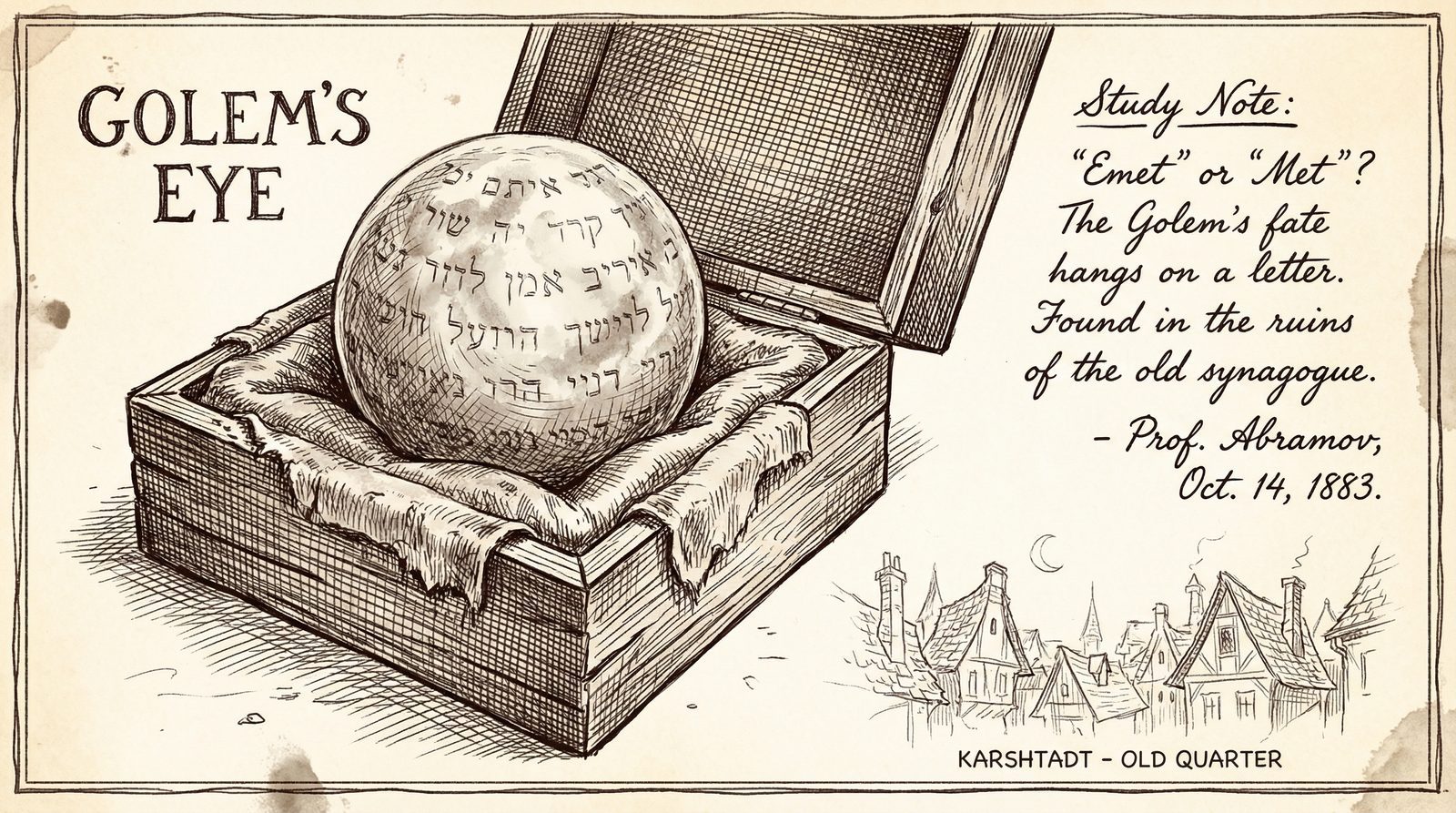
    Conceptual editorial illustration inspired by 'The Golem’s Eye (2004)'

    CHARACTERS & INTERIORITY

    Nathaniel’s arc is moral erosion under fluorescent lights. He becomes more competent, more insulated, and more willing to treat people — especially Bartimaeus — as instruments. The interior tension is not “will he win,” but “what will he trade to keep winning?”

    Bartimaeus remains the emotional truth-teller despite the sarcasm. His voice registers exhaustion and ancient grievance at the same time, and the book uses his diminishing strength as a physical meter for how violently the state is spending its resources. Kitty’s presence functions as the book’s moral hinge: curiosity and empathy appear as a kind of rebellion, because they break the default script of domination.
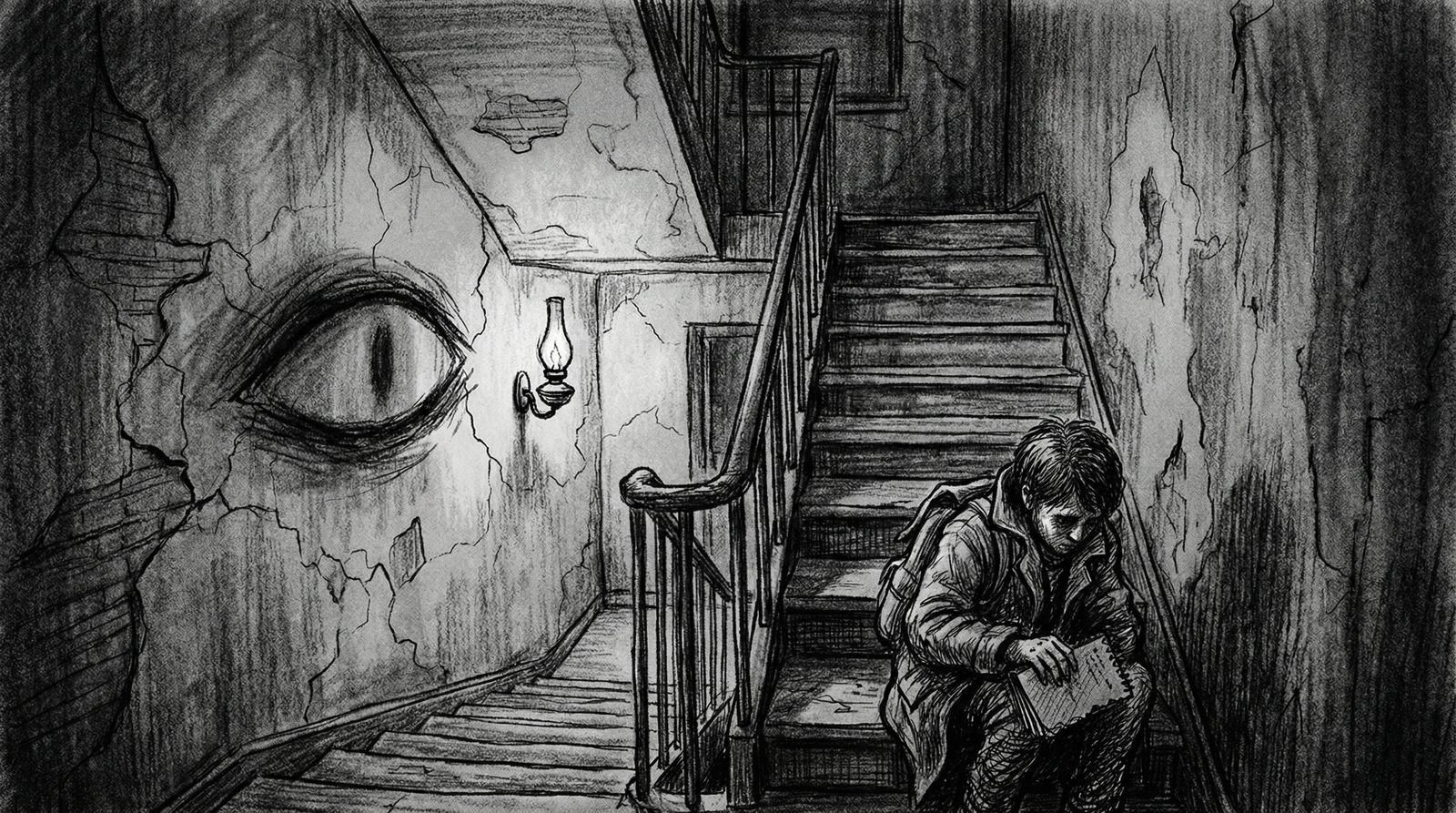
    Illustration inspired by 'The Golem’s Eye (2004)'

    LEGACY & RECEPTION

    The Golem’s Eye is often remembered as the escalation volume: darker, broader, and more political than the opener. It avoids “middle book syndrome” by expanding the moral map. The world is no longer a single apprentice’s problem; it is a society organized around exploitation.

    Its lasting strength is how it keeps the series’ comic voice while making the comedy feel increasingly like a survival strategy. The jokes don’t soften the violence. They make the violence harder to ignore, because the narrator refuses to let the reader pretend it’s normal.

    IS IT WORTH READING?

    Yes — especially if you enjoyed the first book. This one is longer, darker, and more openly angry about power. If you want YA fantasy that treats institutions as antagonists and makes moral compromise part of the plot, The Golem’s Eye is where the trilogy becomes something sharper than an adventure series.

    DISCOVERABILITY & LINKS

  • The Amulet (1979)

    The Amulet (1979)

    By: Michael McDowell
    Genre: Horror, Southern Gothic
    Country: United States


    INTRODUCTION

    The Amulet (1979) is Michael McDowell’s debut novel and a mission statement for everything he would do later. Set in the small Alabama town of Pine Cone, it follows Sarah Howell as she watches a mysterious charm move from hand to hand, turning ordinary objects into engines of gruesome death. Beneath the splatter, the book is about resentment, economic stagnation, and how a community quietly decides who deserves to suffer.

    Already you can see McDowell’s fixation on cursed domestic life: the story is less about the amulet itself and more about how hatred travels through families and neighbors. Readers who later love Cold Moon Over Babylon or The Elementals will recognize the seeds of Trauma as Inheritance and Domestic Vulnerability as Horror already taking root.

    PLOT & THEMES

    The novel begins with a factory accident that leaves Sarah’s husband, Dean, grotesquely maimed and comatose. Dean’s mother, Jo Howell, is bitter, controlling, and obsessed with punishing everyone she imagines wronged her son. When a sinister amulet comes into her possession, Jo starts passing it along as a “gift”. Wherever it goes, bizarre and violent deaths follow: a gun range, a beauty pageant, a seemingly quiet home. Each new victim is tied back to Pine Cone’s gossip, grudges, or petty power plays.

    The horror is structured almost like a chain letter. McDowell cycles through different households and workplaces, showing how a small town is stitched together by class resentment, racism, and fear. The amulet does the killing, but the town supplies the motive. This is a textbook example of Trauma as Inheritance: old anger is handed down, objectified, and weaponized until it consumes everyone in reach.

    Another key thread is complicity. Sarah is not a typical Final Girl. She is exhausted, broke, and trapped between a monstrous mother-in-law and a husband who was never much of a prize. Pine Cone itself becomes a character, a place where people know something is wrong and mostly choose to look away. The town’s refusal to intervene, even as the body count rises, is what pulls this into the realm of domestic-political horror rather than just a curse story.

    STYLE & LANGUAGE

    McDowell writes in brisk, clear prose that never slows down to admire itself. The sentences are lean, the chapters short, and the deaths described with a chilly matter-of-factness that makes them feel nastier than purple description ever would. His background in Southern life and funerary culture shows up in the details: the rituals around accidents, the formal language of condolences, the way a town crowds in and then pulls away from tragedy.

    The book slides effortlessly between viewpoints, giving each victim just enough depth that their fates sting. There is a pulpy pleasure in the outrageous set pieces, but McDowell’s control keeps the novel from tipping into parody. The tone is closer to angry social realism with supernatural teeth than to camp. This balance between swift plotting and emotional specificity is part of what later makes Blackwater and Candles Burning so effective.

    Conceptual editorial illustration inspired by 'the amulet'

    CHARACTERS & RELATIONSHIPS

    Sarah is an early version of the McDowell heroine: intelligent, limited in obvious power, and forced to navigate a hostile domestic landscape. Her relationship with Jo is the book’s real center. Jo is not a cackling witch so much as a recognizable type from small-town life, a woman whose world has narrowed to grudges and control. Through their clash, McDowell sketches a generational conflict where the younger woman wants a life beyond the town and the older one would rather see everything burn than lose control.

    Secondary characters – town officials, co-workers, gossipy neighbors – are sketched with quick, memorable strokes. Many of them embody Identity Collapse in Isolation: people whose lives are so small and boxed in that when horror touches them, they have nothing to fall back on. The amulet doesn’t just kill them physically. It exposes how little room they had to be anything but victims in the first place.

    CULTURAL CONTEXT & LEGACY

    Released at the end of the 1970s paperback boom, The Amulet is very much a product of its era, yet it has aged better than many of its contemporaries. Its focus on economic frustration, toxic nostalgia, and small-town rot feels surprisingly current. You can see why McDowell would later be tapped for projects like Beetlejuice and why The Elementals has become a cult classic: he understood how to make local, specific horror feel mythic.

    For readers tracing McDowell’s career, this is where to start. It shows his early interest in Domestic Vulnerability as Horror and the way household objects, marriages, and mother-in-law jokes can become genuinely terrifying. It is rougher than later work, but the voice is already there – calm, ruthless, and deeply attuned to how ordinary people live with quiet rage.

    Illustration of a core idea or motif from 'the amulet'

    IS IT WORTH READING?

    If you are interested in the roots of modern Southern Gothic horror, The Amulet is essential. It is nasty in places, but never senselessly so, and beneath the shocks there is a serious interest in how communities decide who matters. Start here if you want to see McDowell in raw form before moving to the more expansive dread of Cold Moon Over Babylon or the spectral coastal decay of The Elementals.

    SIMILAR BOOKS

    If you like The Amulet, you may also appreciate the rural grief and supernatural vengeance of Cold Moon Over Babylon, the multi-generational river saga in Blackwater: The Complete Caskey Family Saga, and the haunted family narrative of Candles Burning. All of them develop the same obsessions with cursed inheritance, suffocating towns, and the quiet horror of being stuck where you were born.

    DISCOVERABILITY & LINKS