Trope: Faustian bargain

  • The Amulet Of Samarkand (2003)

    The Amulet Of Samarkand (2003)

    INTRODUCTION

    The Amulet of Samarkand (2003) by Jonathan Stroud
    Fantasy · United Kingdom


    The Amulet of Samarkand is a children’s fantasy that refuses to stay safely childish. Set in an alternate London ruled by magicians, it pairs the dry, battered wit of a five-thousand-year-old djinni with the raw ambition of a boy who wants to matter in a system designed to grind him down.

    What begins as a petty act of revenge quickly expands into a political nightmare. Stroud builds a world where magic is bureaucratic, exploitative, and casually cruel. Incense and coal smoke hang in the air, but they do little to disguise the rot beneath the surface. The most honest voice in the book belongs to a spirit who insists he is the villain, and may be the only one telling the truth.

    PLOT & THEMES

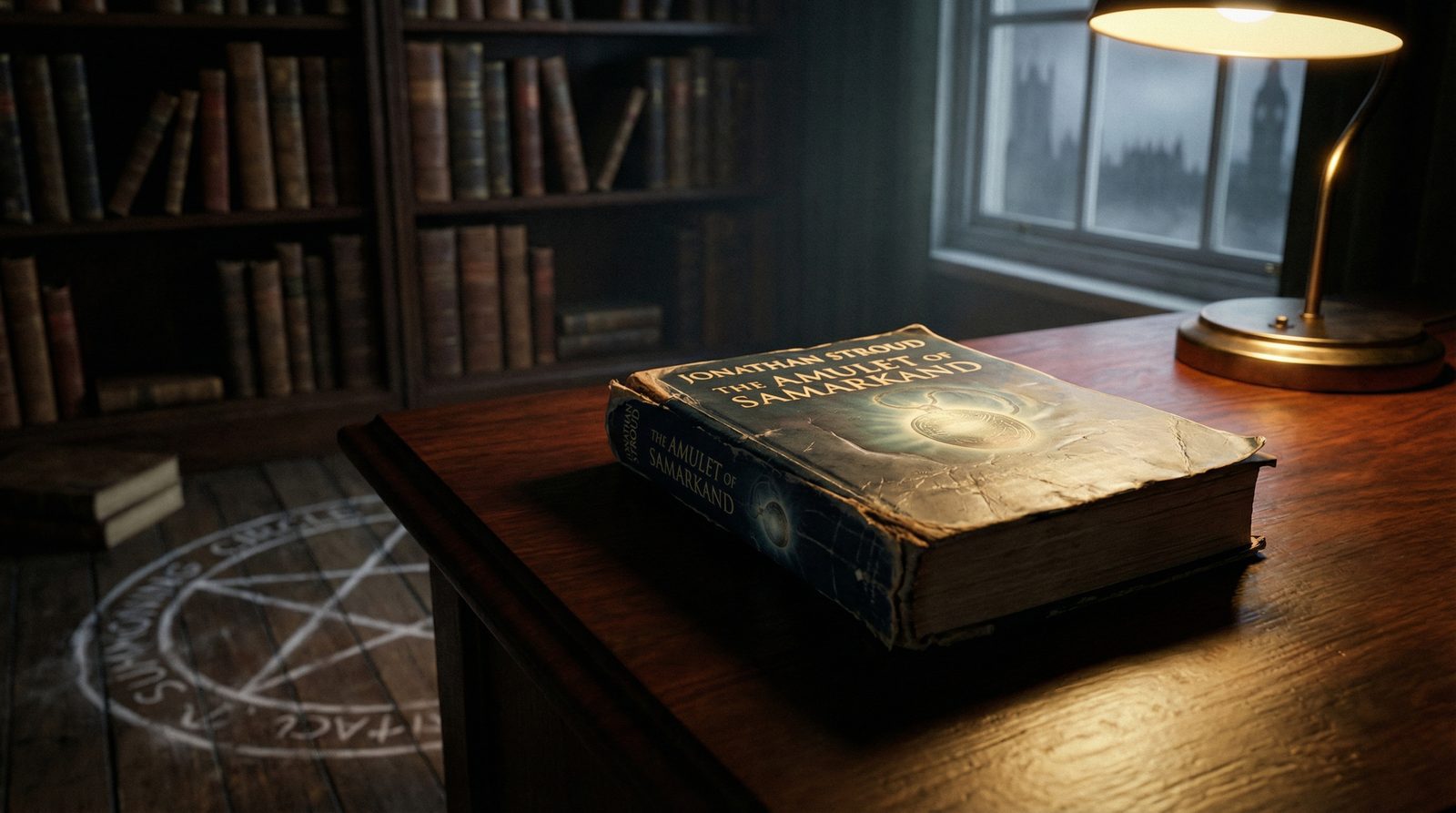
    The story unfolds like a heist gone wrong. Nathaniel, a twelve-year-old apprentice in the Ministry of Internal Affairs, summons the djinni Bartimaeus to steal the Amulet of Samarkand from the arrogant magician Simon Lovelace. It is a classic supernatural bargain, but dangerously inverted: the summoner is a child, and he barely understands the contract he has entered.

    The theft draws them into a conspiracy aimed at overthrowing the government during a ceremonial gathering at Heddleham Hall. The amulet is both weapon and leverage, and its power escalates far beyond Nathaniel’s control. Each success deepens his entanglement with the very system he briefly threatens.

    Running beneath the action is the book’s central moral engine: slavery. Spirits are bound by their true names and summoned at great cost to themselves, while human society mirrors the same hierarchy. Commoners are kept ignorant and disposable. Magicians are themselves products of emotional mutilation, trained from childhood to suppress empathy in favor of control.

    The ending is deliberately bitter. Nathaniel uses the amulet to defeat Lovelace and stop a massacre, but his reward is assimilation. He takes a new name, John Mandrake, accepts promotion, and steps deeper into the machine he now understands. There is no triumph, only survival through compromise.

    PROSE & NARRATIVE STRUCTURE

    The novel’s defining technique is its dual narration. Nathaniel’s chapters are written in close third person, tight and defensive, while Bartimaeus narrates in first person, armed with sarcasm, historical digressions, and famously intrusive footnotes.

    This split perspective creates a form of narrative unreliability. Official history, state propaganda, and magician lore are constantly undercut by Bartimaeus’s asides about past empires, botched summonings, and conveniently forgotten atrocities. The footnotes quietly dismantle the authority of the main narrative without ever halting the plot.

    Stroud’s prose is clean and procedural. Magic is described as work: pentacles, summoning circles, planes of existence, and defensive wards. This emphasis on process grounds the fantasy in risk and labor rather than wonder, reinforcing the sense that power here is something managed, rationed, and abused.
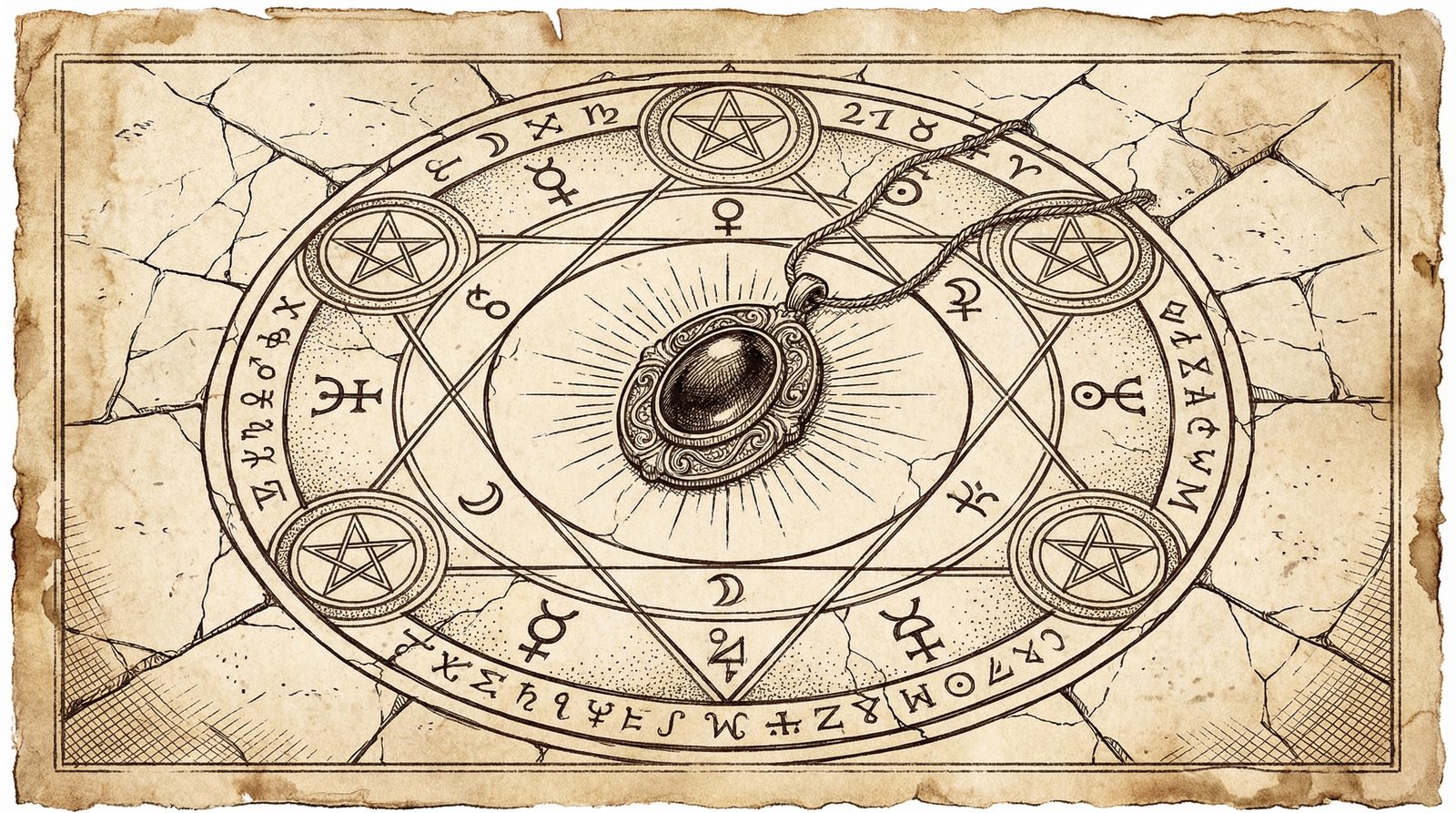
    Conceptual editorial illustration inspired by 'The Amulet of Samarkand'

    CHARACTERS & INTERIORITY

    Nathaniel begins as an ambitious prodigy desperate to escape humiliation. His interior life is defined by resentment, fear, and a relentless need for recognition. When his mentor’s wife, Mrs. Underwood, is killed in a magical attack, his grief is rapidly converted into further ambition. He knows this is wrong, and continues anyway.

    Bartimaeus masks trauma with humor. His boasts about serving Solomon or building ancient cities are a shield against millennia of forced labor. Moments of genuine concern, particularly when Nathaniel is in danger, break through rarely and therefore land hard.

    Secondary characters are sharply etched. Mr. Underwood embodies bureaucratic cruelty born of mediocrity. Kitty, though still peripheral in this volume, stands out for her refusal to accept the system’s logic at all, hinting at a resistance grounded not in magic but in ethics.

    LEGACY & RECEPTION

    Published at the height of the early-2000s fantasy boom, The Amulet of Samarkand distinguished itself by refusing easy heroics. While other series offered hidden schools and secret destinies, Stroud presented a state where magic runs the government and corrupts everyone it touches.

    The book has endured because of its unsentimental ending. Nathaniel survives, London survives, but the moral cost is not erased. That unresolved tension, between power gained and integrity lost, gives the novel its lasting bite and sets the tone for the rest of the trilogy.

    IS IT WORTH READING?

    This is not a comfort read. The humor is sharp, but the world is cruel, and the victories are compromised. If you are looking for fantasy that treats younger readers with seriousness and respects their capacity for moral discomfort, it is absolutely worth reading.

    The book is fast, funny, and deeply uneasy. It understands how systems absorb rebellion, how children are shaped into instruments, and how bargains made in anger rarely end cleanly.
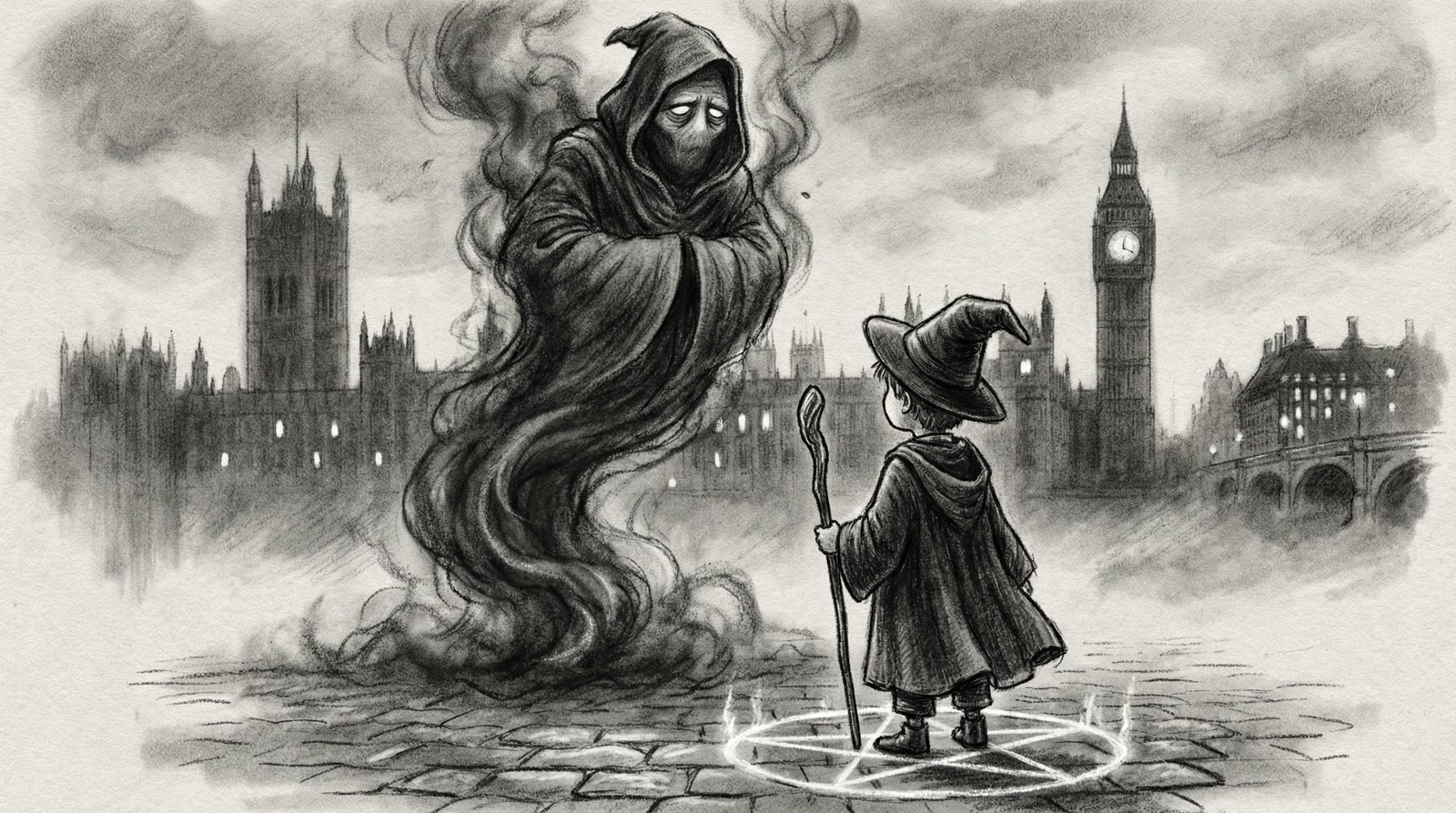
    Illustration inspired by a core idea from 'The Amulet of Samarkand'

    TRIVIA & AUTHOR FACTS

    Jonathan Stroud worked as a children’s editor before writing the Bartimaeus Sequence, and his editorial background shows in the book’s structural confidence. The novel launched a trilogy later expanded by a prequel.

    Bartimaeus’s footnotes were present from early drafts and quickly became the spine of the series. They allow Stroud to critique official history and power structures without halting the narrative, a technique that would influence later fantasy written for younger audiences.

    SIMILAR BOOKS

    Readers drawn to morally tangled magic may also appreciate His Dark Materials for its political theology, or The Magicians for a later, more cynical exploration of power and escapism. For a younger-skewing comparison, Artemis Fowl offers a lighter but still rule-bound take on criminal genius and supernatural bureaucracy.

    DISCOVERABILITY & LINKS

    DISCOVERABILITY & LINKS

  • Tourmalin’s Time Cheques (1891)

    Tourmalin’s Time Cheques (1891)

    INTRODUCTION

    Tourmalin’s Time Cheques (1891) by Thomas Anstey Guthrie (F. Anstey/Thomas Anstey Guthrie)
    Science fiction · United Kingdom


    Tourmalin’s Time Cheques is one of Anstey’s strangest and most quietly unsettling experiments. On the surface, it reads like a comic fantasy about time travel filtered through paperwork. Beneath that, it becomes a bleak meditation on debt, self-deception, and the ease with which people mortgage their own futures.

    Instead of machines or paradoxes, the novel gives us cheques, ledgers, clerks, and waiting rooms. Time is not a mystery to be explored but a commodity to be borrowed, extended, and ultimately reclaimed. The tone drifts between dry bureaucratic comedy and low-grade dread, as if the greatest horror of the modern world were not catastrophe but administration.

    PLOT & THEMES

    The premise is simple and cruel. Tourmalin, a minor civil servant bored by routine and mildly dissatisfied with his life, discovers the existence of the Time Cheque Bureau. This institution allows citizens to borrow portions of their own future time in exchange for immediate extensions of the present.

    You sign a form, receive extra hours or days now, and those same hours will later be deducted from your lifespan, often at the most inconvenient moment imaginable. There is no drama in the transaction. It is processed, stamped, and filed.

    At first, Tourmalin uses the system playfully. He extends evenings, delays departures, and stretches moments of pleasure just long enough to feel in control. Each indulgence is shadowed by a ledger entry maintained by the impassive clerk Mr. Virey, whose calm professionalism makes the whole scheme feel terrifyingly legitimate.

    As Tourmalin’s borrowing increases, the consequences become visible. He visits hospital wards where debtors vanish mid-conversation as their accounts are settled. He realizes that the future self paying these debts will not be the same person who signed them. The novel offers no loophole, no rebellion against the system. The ending is blunt and administrative: a contract fulfilled, a life quietly shortened, an absence noted in a file.

    PROSE & NARRATIVE STRUCTURE

    Anstey’s prose is eccentric and densely annotated. Sentences sprawl with parentheses and footnote-like asides, mimicking the cluttered logic of official documents. The story is framed as a recovered case file from the Bureau, interspersed with forms, memoranda, and retrospective commentary.

    The structure is episodic rather than suspense-driven. Each cheque finances a discrete episode: an extended evening at a café, a hurried journey to settle an emotional account, a futile legal appeal in a court that recognizes only arithmetic. What links these scenes is not escalation but accumulation. The pressure builds quietly as Tourmalin’s margin for error disappears.

    Anstey also plays subtle games with chronology. Entire years vanish between chapters, later revealed to be time already sold. The narrative itself skips what Tourmalin has surrendered, creating a hollowed-out structure that mirrors the protagonist’s shrinking future.

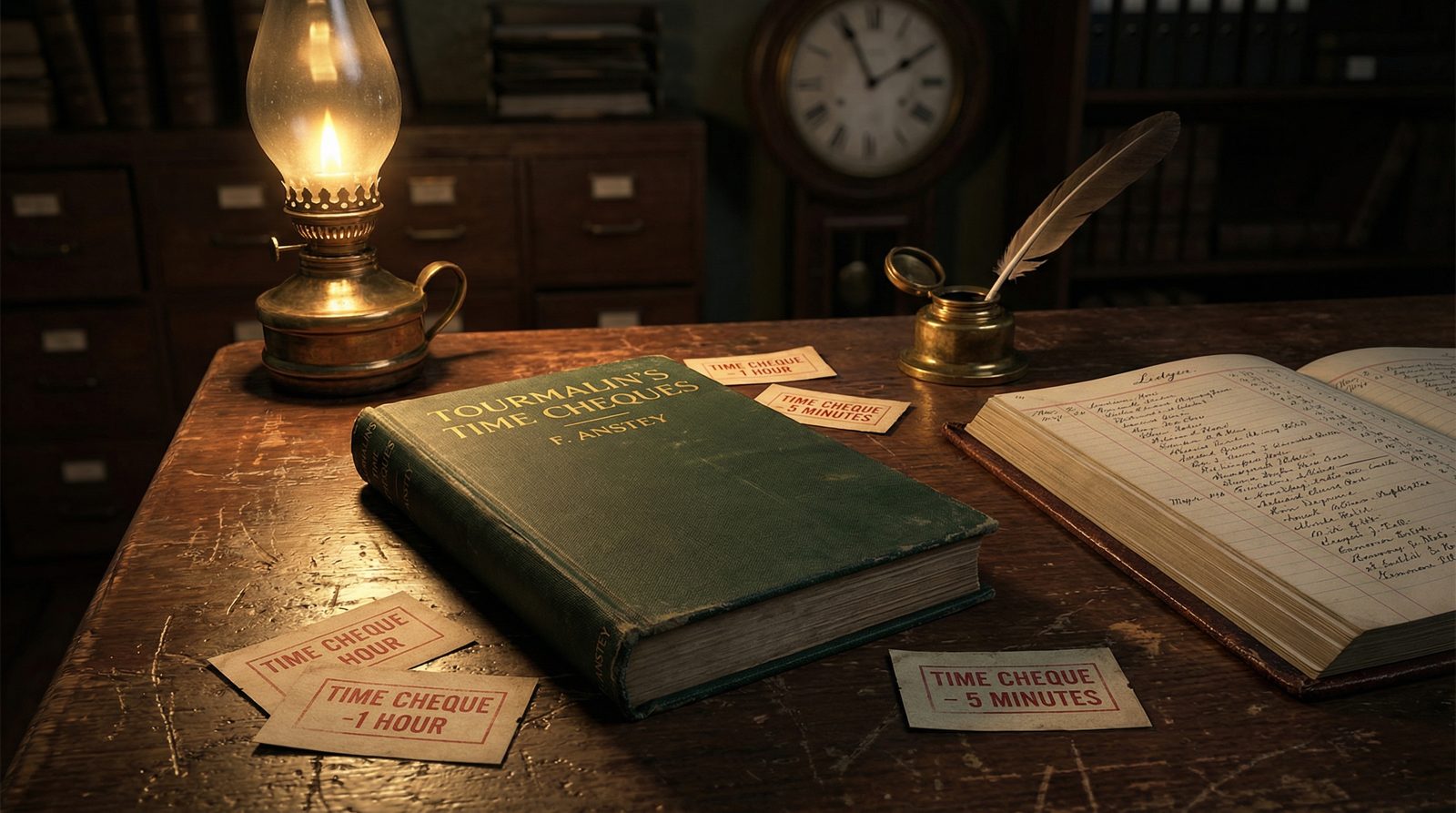
    Conceptual editorial illustration inspired by 'Tourmalin’s Time Cheques'

    CHARACTERS & INTERIORITY

    Tourmalin is not a visionary or a rebel. He is an ordinary man with small vanities and plausible excuses. His interior life is full of postponement: he tells himself he will repay the hours later, once life improves, once he becomes the person he imagines himself to be.

    Mr. Virey, the clerk, is the novel’s most chilling creation. Polite, meticulous, and unfailingly courteous, he represents a system that does not hate its clients and therefore never hesitates. Late in the book, a quiet admission hints that even Virey may be overdrawn himself.

    Secondary figures—landladies, debtors, doctors—appear briefly but reveal a society addicted to temporal credit. Everyone believes they can outmaneuver the ledger. No one can.

    LEGACY & RECEPTION

    Tourmalin’s Time Cheques has always been a marginal work, even within Anstey’s career. Its lack of spectacle and its deliberately shabby setting kept it from popular success. Yet its central idea—time as bureaucratically administered debt—has proven remarkably durable.

    Modern readers often notice how closely the book anticipates contemporary anxieties about burnout, credit, and the monetization of life itself. The ending, in which Tourmalin simply disappears from the narrative with a note in a file, feels less Victorian than chillingly modern.

    IS IT WORTH READING?

    This is not a sleek or comforting book. Its pleasures are dry, its humor bureaucratic, and its logic deliberately unforgiving. Readers looking for adventurous time travel will be disappointed.

    But if the idea of time treated as a ledger, and life as something quietly foreclosed, intrigues you, this odd little novel repays patience. It is a minor work, but a distinctive one, and it lingers in the mind like an unpaid balance.

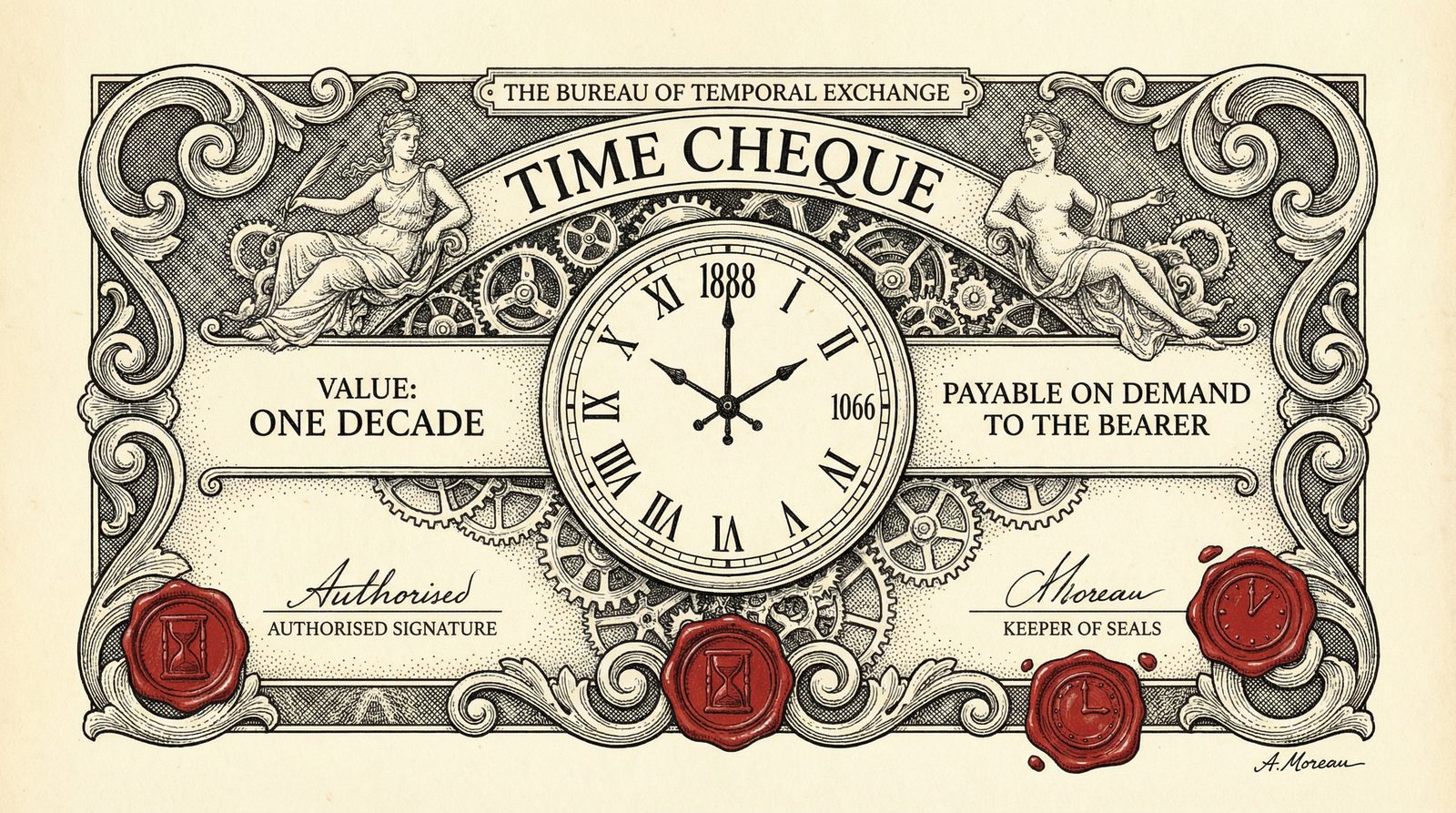
    Illustration inspired by a core idea from 'Tourmalin’s Time Cheques'

    TRIVIA & AUTHOR FACTS

    Thomas Anstey Guthrie was best known for comic fantasies that smuggled unease into respectable settings. His legal training shows in the novel’s obsession with procedure, documentation, and contractual obligation.

    Although the book has sometimes been misattributed in later bibliographies, it firmly belongs to Anstey’s Victorian phase and shares thematic DNA with his other works that pit ordinary people against supernatural systems that refuse to bend.

    SIMILAR BOOKS

    Readers interested in time as obligation rather than adventure may find echoes in The Time Machine, though Wells treats time as exploration rather than debt. Kafka’s The Trial, while non-speculative, shares the same suffocating logic of systems that process people into disappearance. Later works that treat time as currency echo Anstey’s idea, but rarely with his quiet cruelty.

    DISCOVERABILITY & LINKS

  • Pet Sematary (1983)

    Pet Sematary (1983)

    By: Stephen King
    Genre: Horror
    Country: United States


    INTRODUCTION

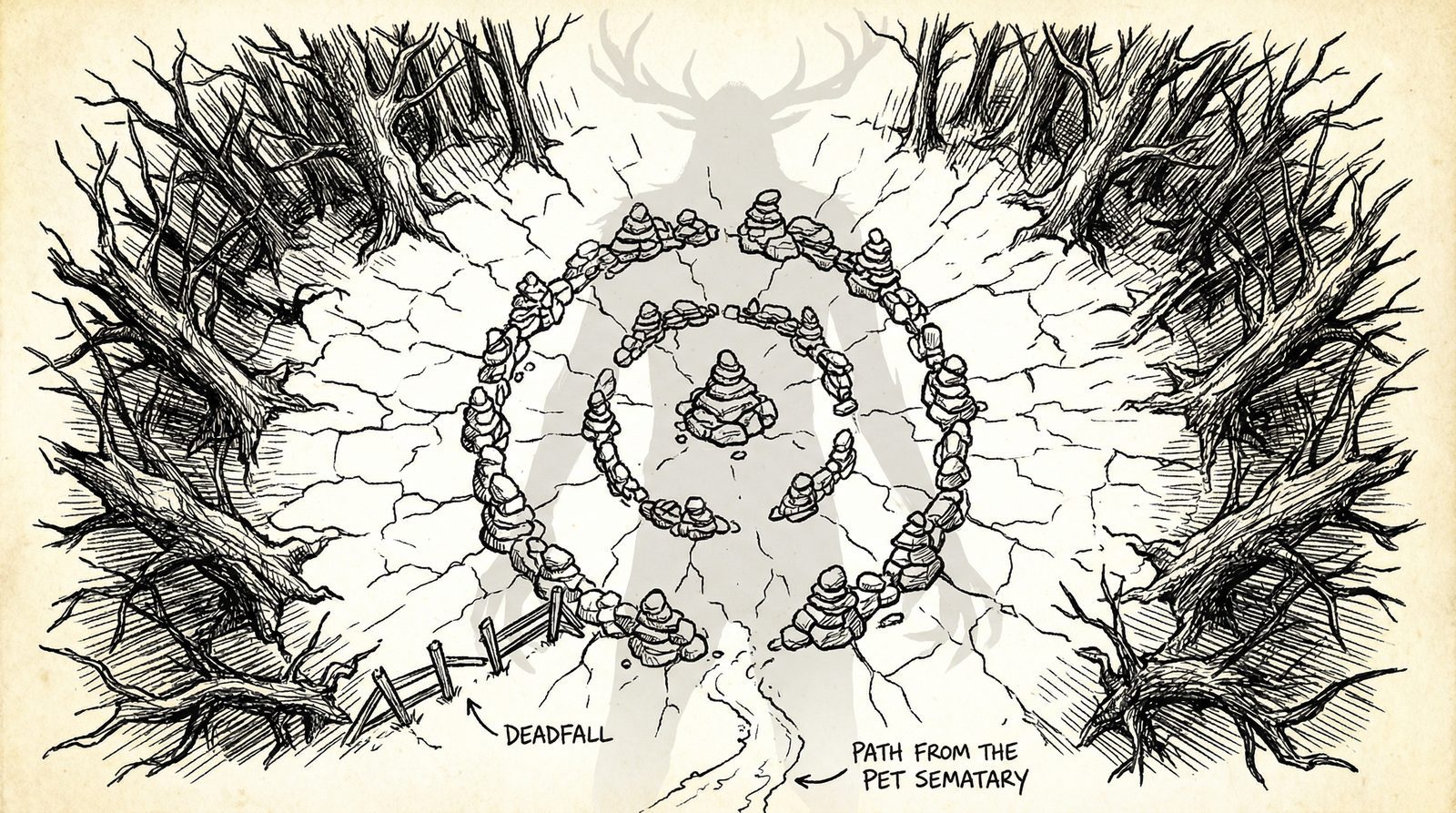
    Among Stephen King’s work, Pet Sematary (1983) is the one that feels like it hates you a little for reading it. Set in the late twentieth century, it is soaked in dread, domestic routine, and the slow rot of inevitability. The motif of roads and crossings runs through everything: the busy Route 15 where the Orinco trucks scream past, the worn path to the children’s graveyard, the secret trail beyond the deadfall into the Micmac burial ground. The feeling is suffocating grief, but also the ordinary tenderness of a young family trying to settle into a new town. King builds a world of PTA meetings, university politics, and neighborly beers on the porch, then lets something ancient and foul seep up through its floorboards. This is not simply a scary book; it is a brutal argument about the cost of refusing to accept that everything ends.


    PLOT & THEMES

    On the surface, the plot is simple. Louis Creed, a doctor, moves with his family to a rented house in Ludlow, Maine, for a job at the University of Maine’s student health center. Across the road lives Jud Crandall, the elderly neighbor who becomes Louis’s guide to the local geography: the children’s “pet sematary” in the woods and, beyond the deadfall, the sour Micmac burial ground. When Ellie’s cat, Church, is killed on the dangerous road, Jud takes Louis past the burial ground’s stone cairns. Church returns, but wrong – sluggish, foul-smelling, with a flat, alien gaze. The motif of corrupted resurrection is born here and never loosens.

    The trope of the Faustian bargain is explicit. Louis is not tricked; he understands that what comes back is not what went into the earth, yet when his toddler son Gage is killed by an Orinco truck, he chooses the burial ground again, this time alone. King threads in smaller thematic filaments: Rachel’s childhood trauma with her dying sister Zelda, hidden away like a family shame; Louis’s clinical detachment at the university clinic, shattered by Victor Pascow’s grotesque head injury and prophetic warning; the way the Creed marriage strains under unspoken fears about death. Compared with the film adaptations, the novel lingers more cruelly on Louis’s planning – the grave-robbing at Mount Hope Cemetery, the meticulous timing around Rachel and Ellie’s absence.

    The book’s ending is unambiguously bleak. Gage’s resurrected body murders Jud and Rachel with a scalpel, and Louis, half-mad, kills his son a second time with a morphine syringe before burning Jud’s house. Yet he still carries Rachel’s corpse to the burial ground, convinced that waiting less time will produce a better result. The final scene shows Rachel returning, reeking and decayed, dropping a maggot from her eye socket as she touches Louis and says, “Darling.” He welcomes her. There is no last-minute salvation here; only a man who has chosen damnation over grief.


    PROSE & NARRATIVE STRUCTURE

    The book uses close third-person as its primary narrative technique, staying mostly with Louis while occasionally slipping into Jud’s memories or Rachel’s private terrors. This tight focus lets King turn mundane details – the smell of autumn leaves on the path to the pet sematary, the sound of the Orinco trucks’ air brakes – into pressure points. The feeling is one of incremental suffocation; every chapter nudges the boundary of what Louis will accept, then quietly resets what counts as normal.

    Structurally, the novel is almost cruelly patient. The first half is domestic realism: Louis’s first day at the university, Ellie’s fear about death after seeing the pet sematary, Thanksgiving plans, even an ugly argument with Rachel’s parents in Chicago. King uses repetition of phrases – “Sometimes dead is better,” Victor Pascow’s “the soil of a man’s heart is stonier” – as a kind of incantation, echoing through Louis’s thoughts and Jud’s stories. These refrains acquire new meaning each time they surface, like a chorus that grows more ominous on each return.

    There is also a subtle use of foreshadowing through dreams and premonitions: Ellie’s nightmares about “Paxcow” (her mispronunciation of Pascow), Rachel’s sense of approaching disaster on her frantic trip back to Ludlow, Louis’s own half-waking vision of a Wendigo-like shape towering over the burial ground. Compared with something like The Shining (1977), the prose here is plainer, less baroque, but the rhythms are merciless. Sentences shorten as Louis’s sanity frays; paragraphs splinter into jagged interior monologue during the grave-robbing sequence and Gage’s return. The result is a narrative that feels like a long, slow descent punctured by sudden, shocking drops.

    Conceptual editorial illustration inspired by 'Pet Sematary (1983)'

    CHARACTERS & INTERIORITY

    Louis Creed begins as the rational protagonist archetype. King is careful to make him neither saint nor monster. He is petty about his in-laws, occasionally selfish, but genuinely loves Rachel, Ellie, and Gage. His interiority is where the horror really lives. We sit inside his rationalizations as he moves from burying a cat to contemplating, then committing, the exhumation of his own child. The justifications come in waves, each a little thinner than the last.

    Jud Crandall, often softened in adaptations, is more morally ambiguous on the page. He is the kindly old neighbor, yes, but also the man who opens the door to the Micmac burial ground because he cannot bear to see Ellie grieve. His stories about Timmy Baterman, the resurrected World War II soldier who came back knowing everyone’s secrets, are soaked in guilt. Rachel, meanwhile, is defined by her terror of death, rooted in the grotesque memory of caring for Zelda, whose spinal meningitis twisted her body and mind. Her shame and trauma are not side notes; they are a parallel study in how families mishandle mortality.

    Even minor figures – Norma Crandall with her heart trouble, Irwin and Dory Goldman with their brittle hostility, the student Steve Masterton who helps Louis in the clinic – are drawn with enough interior shading to feel like casualties of the same force. The book’s cruelty lies in how intimately it understands each character’s weak point, then lets the burial ground press on it.


    LEGACY & RECEPTION

    King has said he nearly didn’t publish Pet Sematary because he thought it went too far, and that unease clings to its reputation. Among horror readers it’s often cited as one of the few novels that can still genuinely unsettle jaded adults. Its late twentieth century setting, Orinco trucks, university politics, airline schedules, anchors the supernatural in the banal, making the final sequence, with Rachel’s corpse shambling into the kitchen, feel less like gothic flourish and more like the natural endpoint of bad decisions.

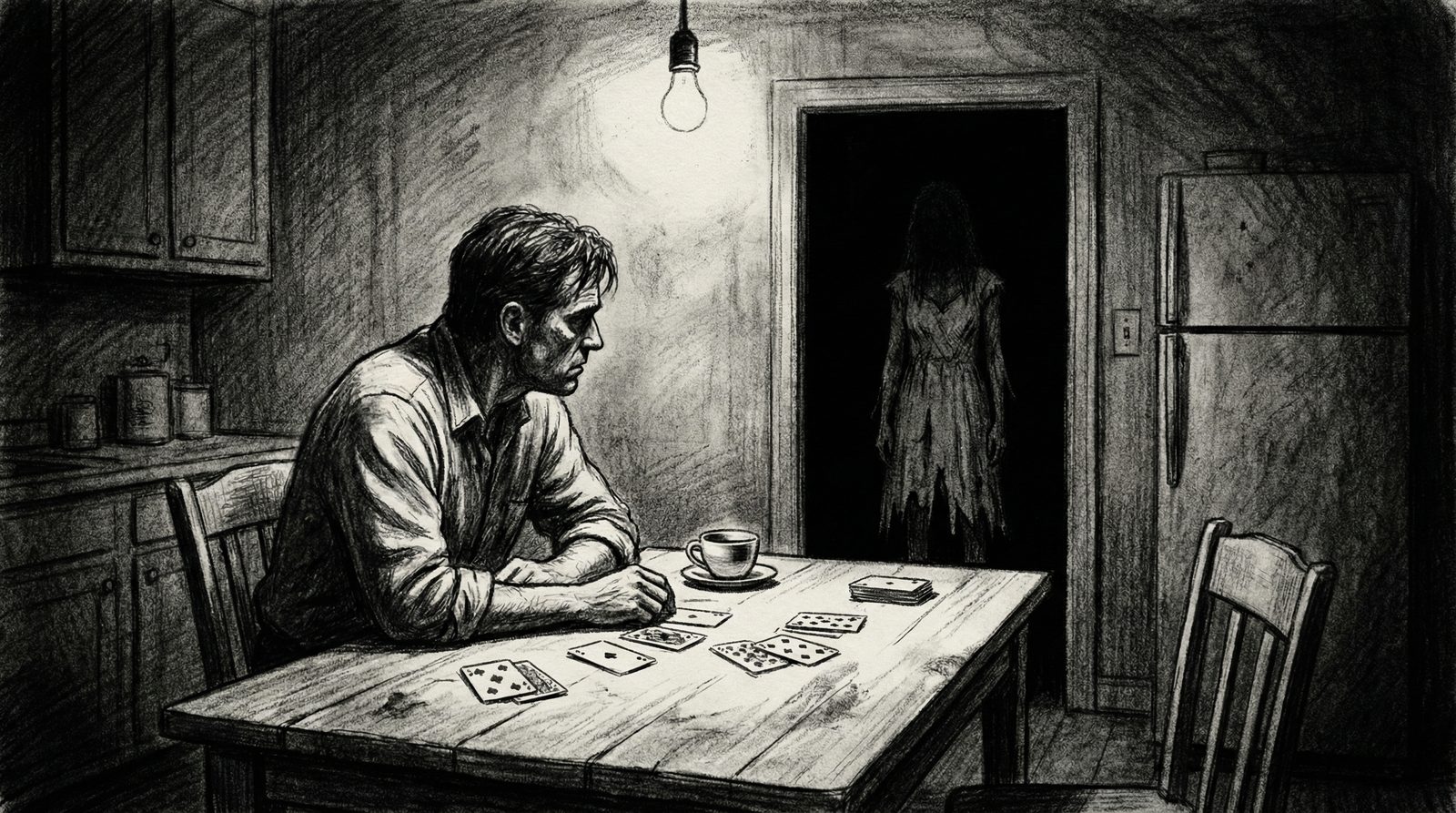
    The various film adaptations have made the story widely known, but they also blur how uncompromising the book’s ending truly is. There is no burning house as catharsis, no surviving child to carry a glimmer of hope. Louis ends the novel sitting at the kitchen table, playing solitaire, waiting for the thing he has made of his wife. That starkness is part of why the book endures: it refuses the usual horror bargain where insight or sacrifice buys survival. Instead, it suggests that some doors, once opened, can only keep swinging wider.


    IS IT WORTH READING?

    Yes, but with the understanding that Pet Sematary (1983) is less a thrill ride than a slow moral poisoning. If you’re interested in horror that is genuinely about something – parental love, denial, the arrogance of thinking you can bargain with the inevitable – this is essential. The prose is accessible, the structure straightforward, but the emotional impact is punishing. There are no comforting ironies, no narrative hand-holding. The book will ask you, quite directly, what you would do if you had access to that burial ground, and it will not let you answer quickly. For many readers, it becomes the Stephen King novel they respect most and reread least, precisely because it hits so close to the bone.

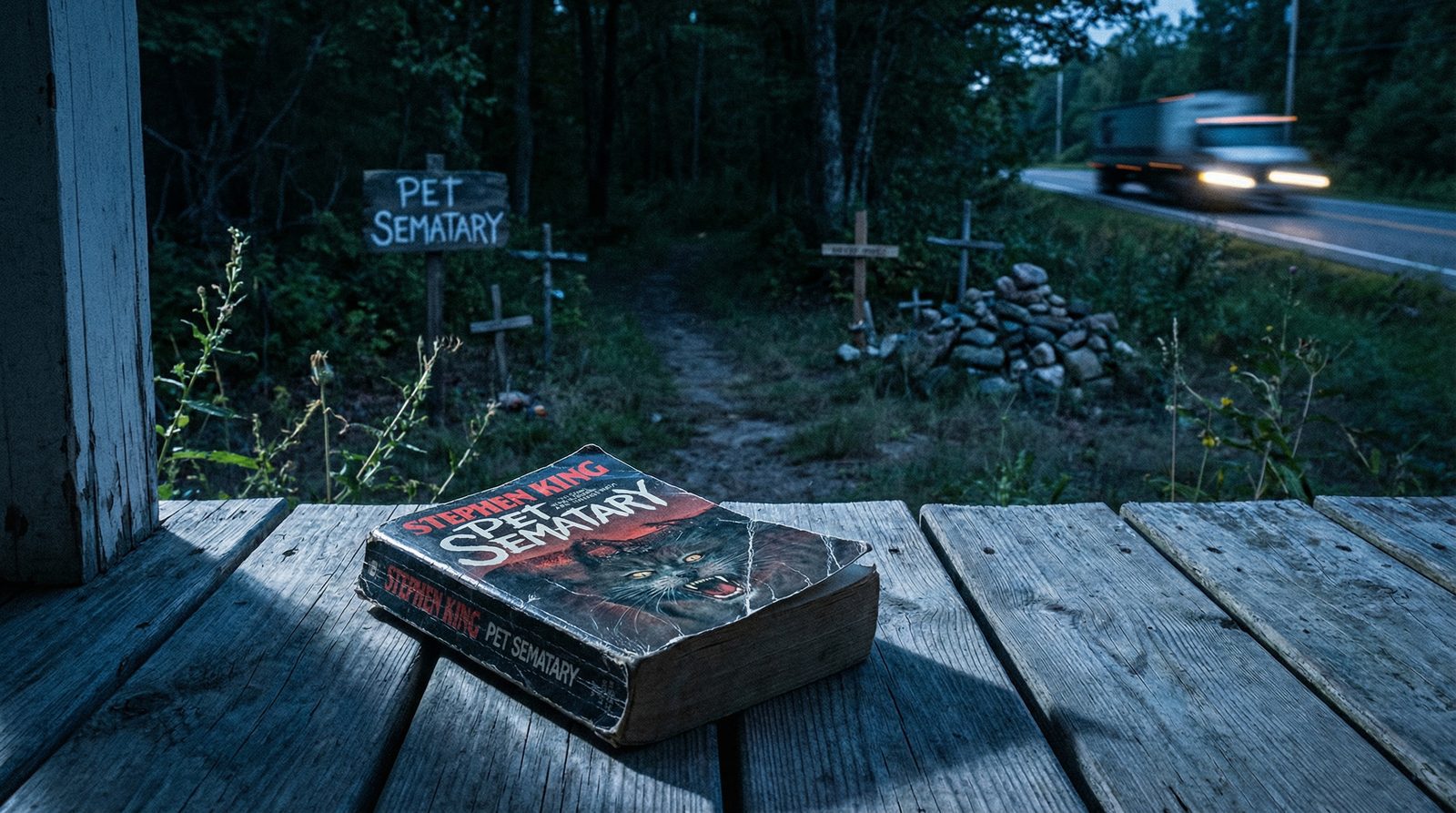
    Illustration of a core idea or motif from 'Pet Sematary (1983)'

    TRIVIA & AUTHOR FACTS

    King wrote Pet Sematary after moving his own young family to a house near a busy road in Orrington, Maine, where a pet cemetery really existed in the woods behind the property. His daughter’s cat was killed on that road, an event that directly inspired Church’s fate. The manuscript reportedly disturbed him so much that he shelved it for a time, only publishing it to fulfill a contractual obligation.

    Several details in the book echo King’s broader fictional Maine: Ludlow sits not far from other invented towns like Derry and Castle Rock, and the Micmac burial ground hints at an older, shared supernatural geography. The University of Maine setting draws on King’s own experience teaching there. The phrase “Sometimes dead is better,” spoken by Jud, became one of King’s most quoted lines, encapsulating the novel’s entire moral argument in four blunt words. Despite his misgivings, the book became one of his most discussed works, especially among readers who are parents.


    SIMILAR BOOKS

    If you’re drawn to the way Pet Sematary fuses family drama with supernatural horror, you might look toward Shirley Jackson’s The Haunting of Hill House (1959) for another study in psychological erosion. For a different but related take on grief and uncanny return, Peter Straub’s Ghost Story (1979) offers an older generation haunted by past sins. Those interested in the rural, ritualistic side of horror might turn to Thomas Tryon’s Harvest Home (1973), where small-town traditions conceal something far older and crueler. All share with King an interest in how ordinary people remake themselves – sometimes monstrously – when confronted with the unacceptable.


    DISCOVERABILITY & LINKS

    This review of Pet Sematary (1983) is connected on our site to wider discussions of motifs like roads and crossings, tropes such as the Faustian bargain, and related horror novels that explore grief, family, and the dangerous allure of undoing death.