Trope: Haunted House

  • Cursed Family Legacy

    Cursed Family Legacy

    Cursed Family Legacy explores the idea that a family’s past—its secrets, sins, bargains, betrayals, or buried history—creates a lasting, often supernatural, burden for later generations. In literature and film, this motif shows up whenever characters inherit more than wealth or tradition: they inherit danger. Homes, towns, bloodlines, and memories become traps, and each generation must either repeat the cycle or break it. This is a foundational structure in Southern Gothic, domestic horror, and multi-generational epics where the past behaves like a living antagonist.

    The motif typically emerges through patterns: the same tragedy resurfacing across decades, a recurring personality flaw, an old “deal” the family refuses to discuss, or a place—house, river, burial ground—that binds a family to something hungry. In many stories, the characters don’t even know they’re cursed until the pattern closes in around them. Others know exactly what they’re facing but lack the power, knowledge, or courage to cut the cord.

    Because cursed legacies blend psychology with the supernatural, they connect naturally to motifs like Trauma as Inheritance and Domestic Vulnerability as Horror. Yet they stand apart in one crucial way: the family curse is not merely emotional. It is active, often embodied, and capable of shaping fate across multiple generations. That’s why this motif resonates so strongly in works where landscapes and houses function almost like family members—reflecting, amplifying, or punishing inherited flaws.

    WHY IT MATTERS

    A cursed legacy raises the stakes beyond individual survival. The protagonist is not just fighting for themselves but trying to break a cycle that predates them. This transforms ordinary family conflict into a mythic struggle: what do we owe to the past, and what does the past demand in return? Many stories built around this motif ask whether escape is possible, or if destiny is already written in the bloodline.

    HOW IT SHOWS UP IN STORIES

    Some common expressions of the motif include:

    • A mysterious ancestor whose actions still echo destructively.
    • A family home that “remembers” trauma and reenacts it.
    • Unspoken rules passed down for generations, intended to keep something contained.
    • A family matriarch/patriarch wielding supernatural or oppressive control over descendants.
    • Inherited supernatural abilities that function more like a burden than a gift.
    • Generations of the same tragedy: drowning, madness, disappearances, sudden deaths.

    In Southern Gothic especially, these cursed legacies are intertwined with land and region—rivers, plantations, coastal houses, collapsing small towns. The curse becomes environmental as much as familial.
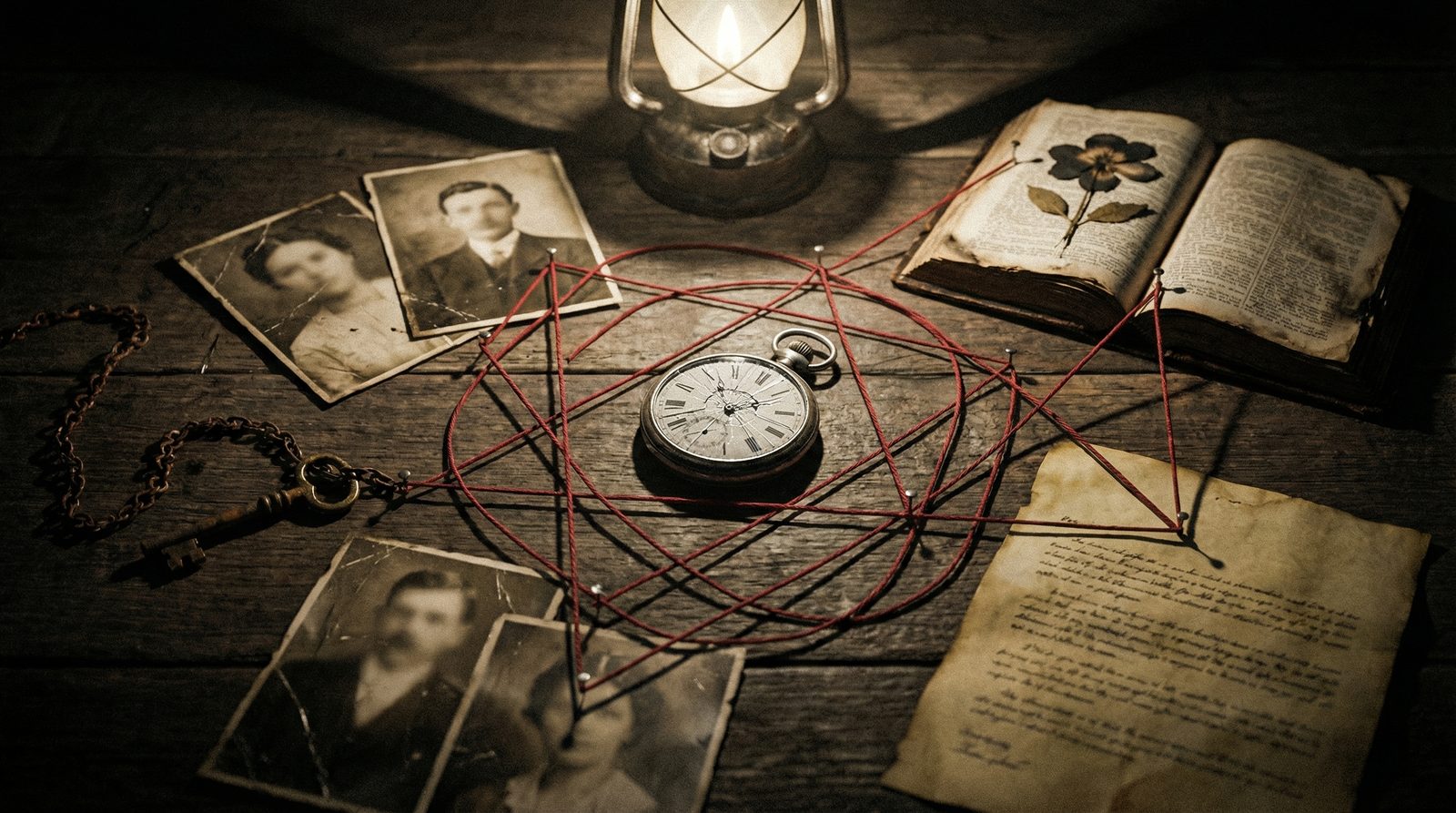
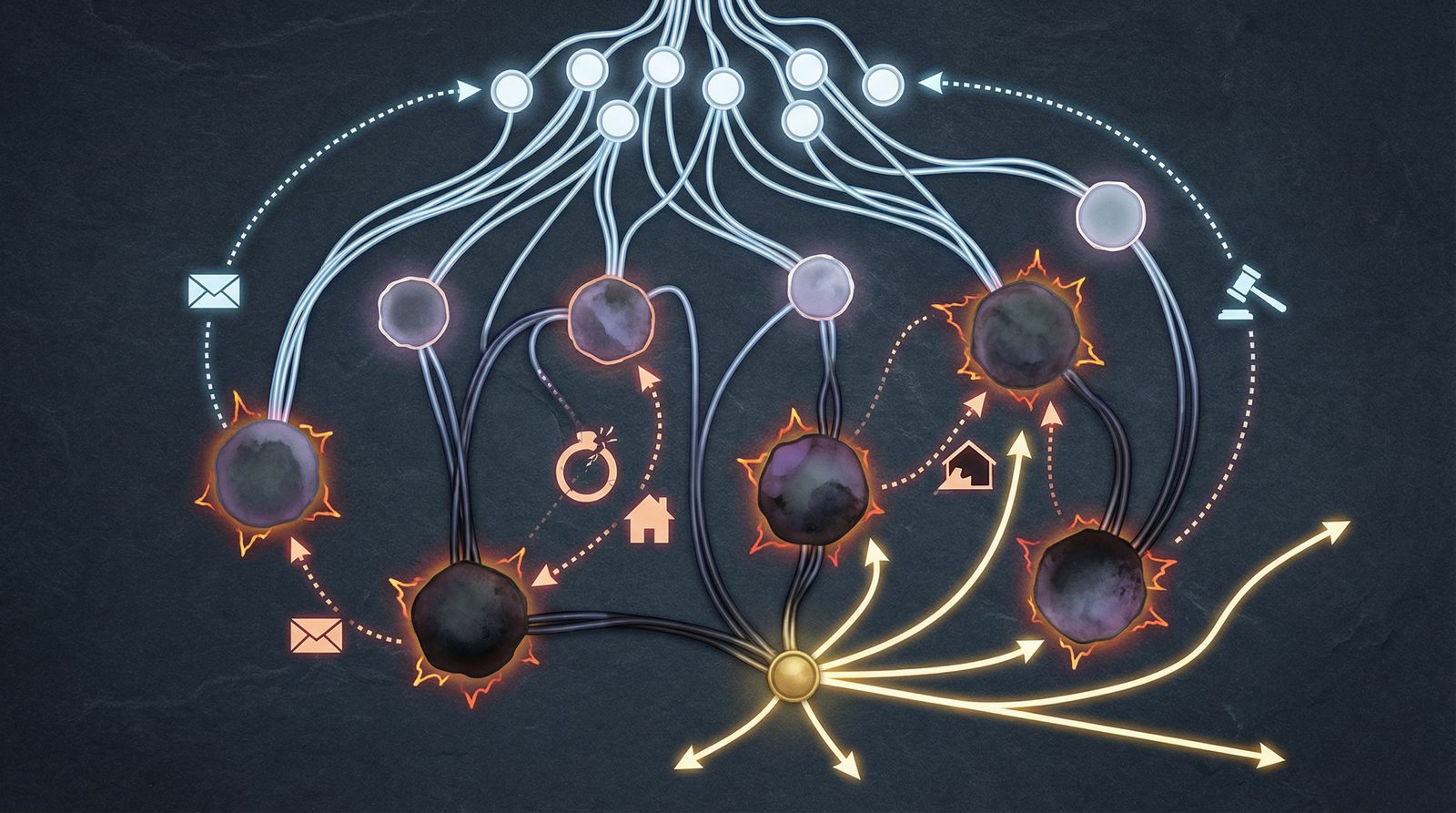
    Cursed Family Legacy inline concept image

    RELATED MOTIFS

    Trauma as Inheritance
    Domestic Vulnerability as Horror
    Identity Collapse in Isolation
    Survival Narratives
    The Erased Girl

    FEATURED BOOKS

    This motif appears prominently in several works, particularly in long-arc horror and Southern Gothic:

    • Blackwater: The Complete Caskey Family Saga – The definitive example, where a river deity entwines itself with the Caskey dynasty across generations.
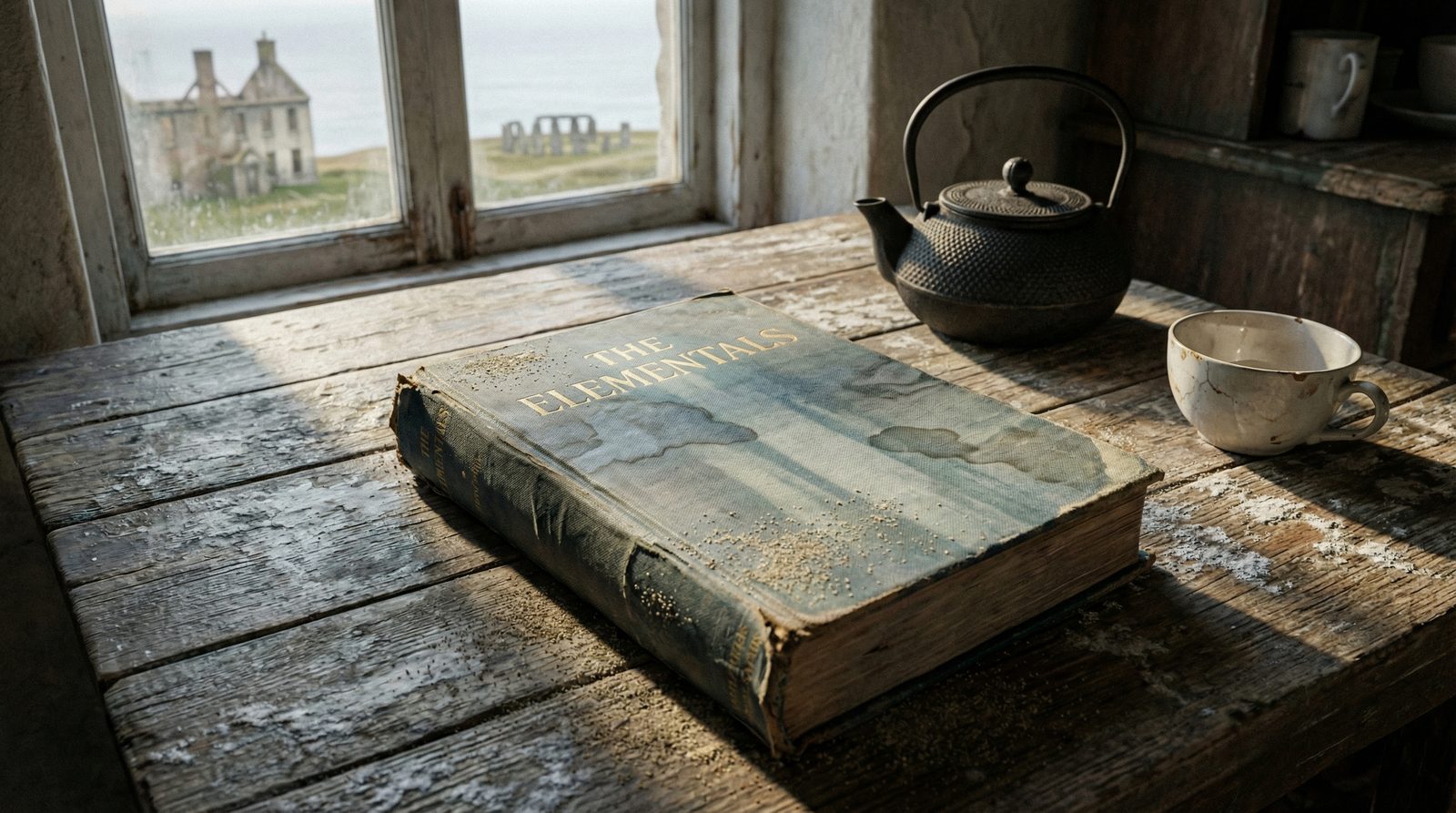
    • The Elementals – A buried coastal house exerts influence across family lines, with secrets held for decades.
    • Cold Moon Over Babylon – The Larkin family’s suffering becomes cyclical as the dead return seeking justice.
    • The Amulet – Although more pulpy, the small-town curse spreads through a family’s bitterness and inherited violence.

    FEATURED MOVIES

    While McDowell’s own screenwriting (Beetlejuice, The Nightmare Before Christmas) doesn’t use this motif directly, several films on AllReaders embody it strongly:

    • Hereditary – A modern benchmark for cursed bloodlines and generational doom.
    • The Haunting of Hill House – Family trauma merges with a predatory, memory-eating house.
    • The Skeleton Key – Southern Gothic inheritance and body-passing rituals rooted in family secrets.

    FEATURED CREATORS

    Writers and filmmakers whose work frequently engages with cursed legacies include:

    • Michael McDowell – The master of Southern multigenerational curses.
    • Shirley Jackson – Domestic dread and inherited patterns, especially in We Have Always Lived in the Castle.
    • Flannery O’Connor – Not supernatural, but her stories often function like moral or spiritual curses passed through bloodlines.
    • Stephen King – Recurring interest in families bound by supernatural or psychological inheritance (IT, The Shining, Doctor Sleep).

    WHY IT WORKS SO WELL IN SOUTHERN GOTHIC

    The American South—with its heavy history, family dynasties, and landscapes drenched in memory—is uniquely fertile ground for cursed legacy stories. Generations often stay tied to the same river, same house, same reputation. When horror enters that ecosystem, it tends to stick, becoming a family member in its own right.

    McDowell’s fiction is arguably the purest expression of this. The curse in Blackwater is not a punishment; it is a pact. The curse in The Elementals is not explicit; it is ritualized. The result is horror that feels inevitable, like a tide coming in that no one can stop.

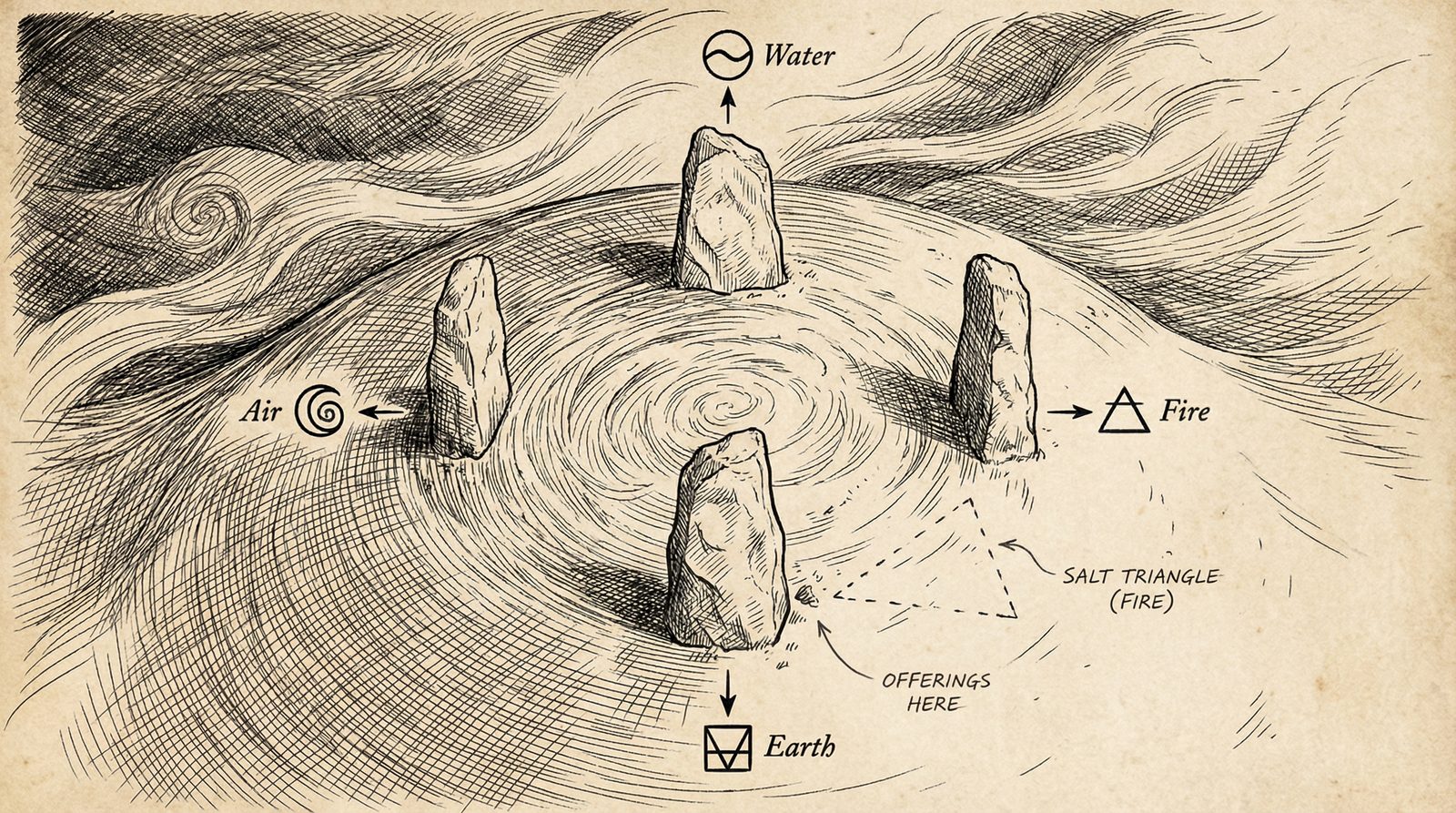
    Cursed Family Legacy inline diagram image
  • The Elementals (1981)

    The Elementals (1981)

    By: Michael McDowell
    Genre: Horror, Southern Gothic
    Country: United States


    INTRODUCTION

    The Elementals (1981) is the book that turned McDowell from a strong paperback horror writer into a cult legend. Two old Southern families, the Savages and the McCrays, retreat to their summer houses on the isolated Alabama coast to mourn a death. There, they confront a third house partially buried by sand – a structure that may or may not be empty.

    It is a slow, suffocating novel that treats the haunted house as a living, hungry presence and family tradition as a kind of curse. The book crystallizes motifs like Domestic Vulnerability as Horror and Trauma as Inheritance more cleanly than almost anything else in McDowell’s catalog.

    PLOT & THEMES

    After the funeral of Marian Savage, the extended family heads to Beldame, their cluster of Victorian houses on the Gulf. Two houses are occupied. The third, House Three, is abandoned and steadily being swallowed by sand. Young India McCray becomes fascinated by it, sensing both danger and invitation. Strange figures are glimpsed in the windows. Sand appears in places it should not.

    The plot moves slowly, drifting between lazy vacation scenes, family arguments, and increasing incursions from House Three. As the book unfolds, it becomes clear that the families have lived with this horror for generations, building traditions and taboos around it rather than confronting it. That secrecy is the true engine of the story.

    Thematically, the novel is about denial. The adults embody Identity Collapse in Isolation, living half in the present and half in inherited scripts. India, by contrast, is curious and resistant, closer to The Reclaimer archetype. The Elementals themselves are barely explained, which keeps the focus on how humans respond to them rather than on lore.

    STYLE & LANGUAGE

    McDowell’s prose here is patient and confident. He lets whole chapters go by with nothing more violent than a family meal or a beach excursion, trusting that the buried house and creeping sand are enough to keep tension simmering. The descriptions of heat, wind, and isolation are so precise that you can almost feel the grit between your teeth.

    Crucially, the horror is described in the same matter-of-fact tone as the domestic scenes. When the book finally delivers its most disturbing images, they land hard because they feel like a natural extension of the same physical world. That restraint and commitment to realism make the hauntings here some of the most effective in modern horror.

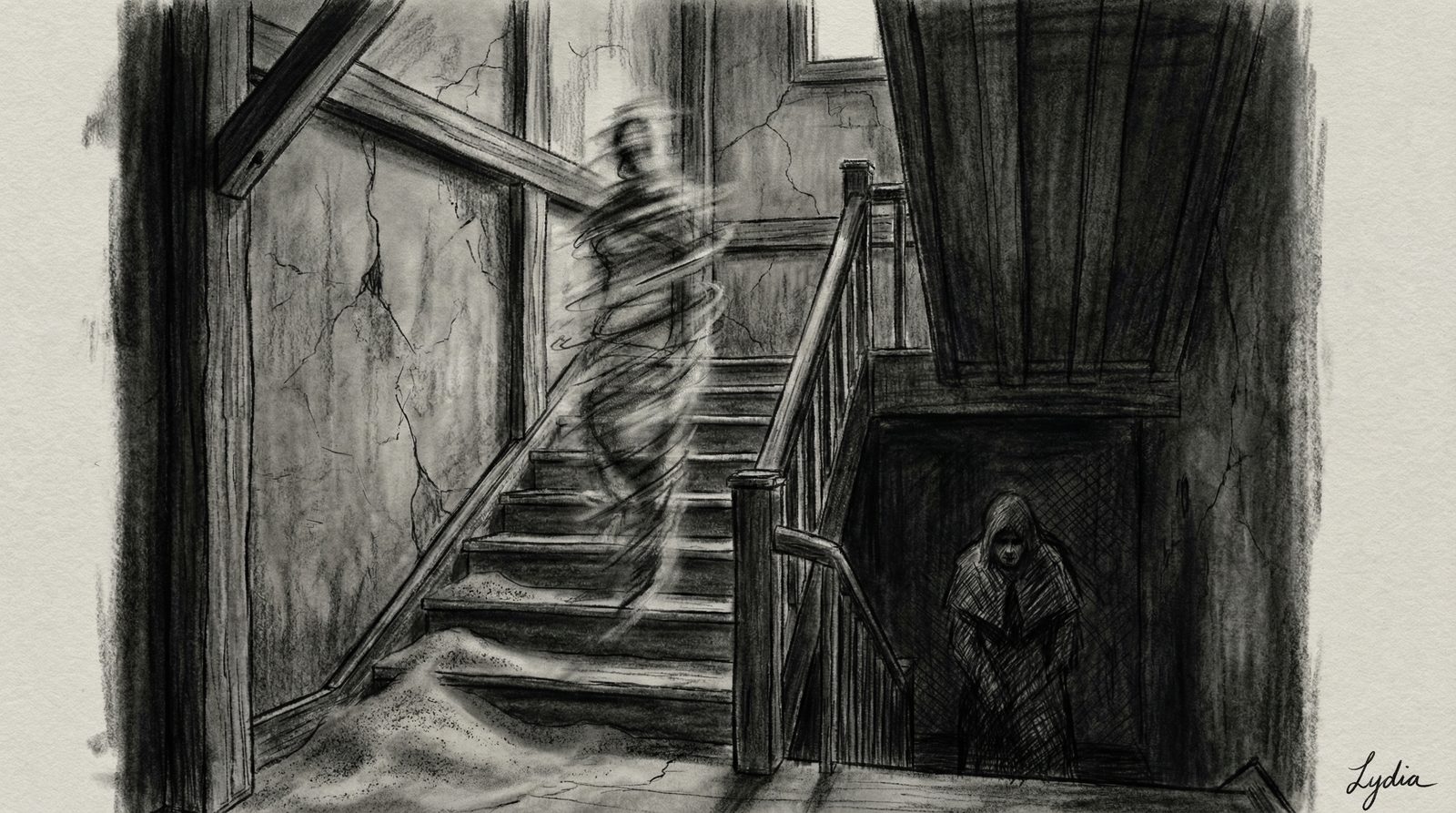
    Conceptual editorial illustration inspired by 'the elementals'

    CHARACTERS & INTERIORITY

    India is one of McDowell’s finest protagonists: bright, prickly, and not easily scared in the conventional sense. She is caught between generations, watching the adults around her drink, snipe, and retreat into old roles. Her relationship with her father, Luker, and with the eccentric Adele Savage gives the novel its emotional shape.

    The adults are at once sympathetic and frustrating. They refuse to talk openly about the Elementals, which is both a survival tactic and a form of cowardice. This dynamic is a textbook example of Trauma as Inheritance: the previous generation survives something terrible and then fails to equip the next generation with the knowledge they need, passing along fear instead of tools.

    LEGACY & RECEPTION

    The Elementals has become a key text in modern Southern Gothic, mentioned alongside works like Blackwater whenever critics talk about drowned towns, haunted houses, and family ghosts. It is frequently recommended as an entry point for readers curious about McDowell and has influenced a long list of later coastal and house-centric horror novels.

    Its reputation has grown significantly since its initial paperback run, thanks in part to reissues and championing by contemporary writers. When people talk about “quiet horror” or atmosphere-driven dread, this is often the book they have in mind.

    IS IT WORTH READING?

    Yes – if you read only one McDowell novel, it should probably be The Elementals. The pacing is measured, so readers who want constant jump scares may find it slow, but the payoff is immense if you like lingering, uncanny atmosphere. It also connects cleanly to the rest of his work, making it a perfect hub text before diving into Cold Moon Over Babylon or the much longer Blackwater.

    Illustration of a core idea or motif from 'the elementals'

    SIMILAR BOOKS

    For more coastal and house-based horror, Candles Burning brings a similar sense of Southern atmosphere and haunted family legacy. Readers who enjoy multi-generational sagas with eerie settings should look at Blackwater: The Complete Caskey Family Saga. Outside McDowell’s own work, this novel pairs well with other haunted house classics and modern Southern Gothic, especially books that treat place as a living character.

    DISCOVERABILITY & LINKS