Trope: Survival Against Patriarchy

  • The Color Purple (1985)

    The Color Purple (1985)

    Director: Steven Spielberg
    Screenplay: Menno Meyjes
    Based on: The Color Purple by Alice Walker
    Genre: Drama
    Country: United States
    Year: 1985


    INTRODUCTION

    The Color Purple (1985) is the first major screen adaptation of Alice Walker’s novel. Spielberg approaches the story with careful reverence, foregrounding Celie’s inner life without diluting the brutality she endures. The film translates the letters of the novel into a visual language shaped by silence, longing, and endurance. At its core, the film reflects the motif of Silence as Survival, showing how Celie learns to speak inside a world that rarely listens.

    The film became a cultural lightning rod. Praised for its performances and emotional force, criticized for the way pain is presented, it remains a milestone in bringing Black women’s interiority to mainstream cinema.


    PLOT AND FOCUS
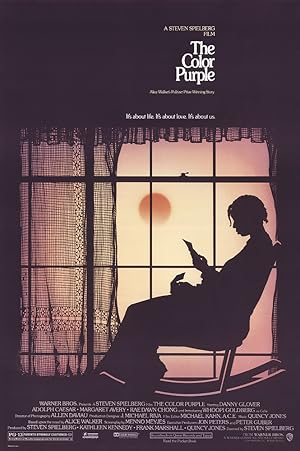
    Official poster for 'The Color Purple (1985) (1985)'

    Set in the American South of the early twentieth century, the film follows Celie from childhood through adulthood as she faces physical abuse, forced marriage, and years of emotional suppression. Her husband, Mister, controls her labor and voice, and her sister Nettie’s exile becomes a wound that shapes her adolescence.

    The plot shifts when Shug Avery enters Celie’s life. Shug’s confidence and warmth form a kind of emotional education, helping Celie imagine a life beyond obedience. These scenes express the motif of Intimacy as Healing. Celie’s understanding of love is rewritten through Shug’s presence.

    The story’s emotional climax is Celie’s assertion of selfhood. Her declaration that she will no longer be silenced is one of the most enduring moments in the film and a reflection of her journey toward spiritual and personal freedom.


    STYLE AND APPROACH

    The visual style blends warm Southern landscapes with tight interior shots that reflect Celie’s confinement. Spielberg uses color and framing to show the difference between the world Celie lives in and the world she longs for. The fantasy sequences, though brief, reveal her imagination as a refuge.

    The performances ground the film. Celie’s quietness becomes a form of strength rather than erasure, and Shug and Sofia bring vitality that expands the emotional world of the story. This balance keeps the film from becoming a simple story of suffering. It becomes a story of transformation.
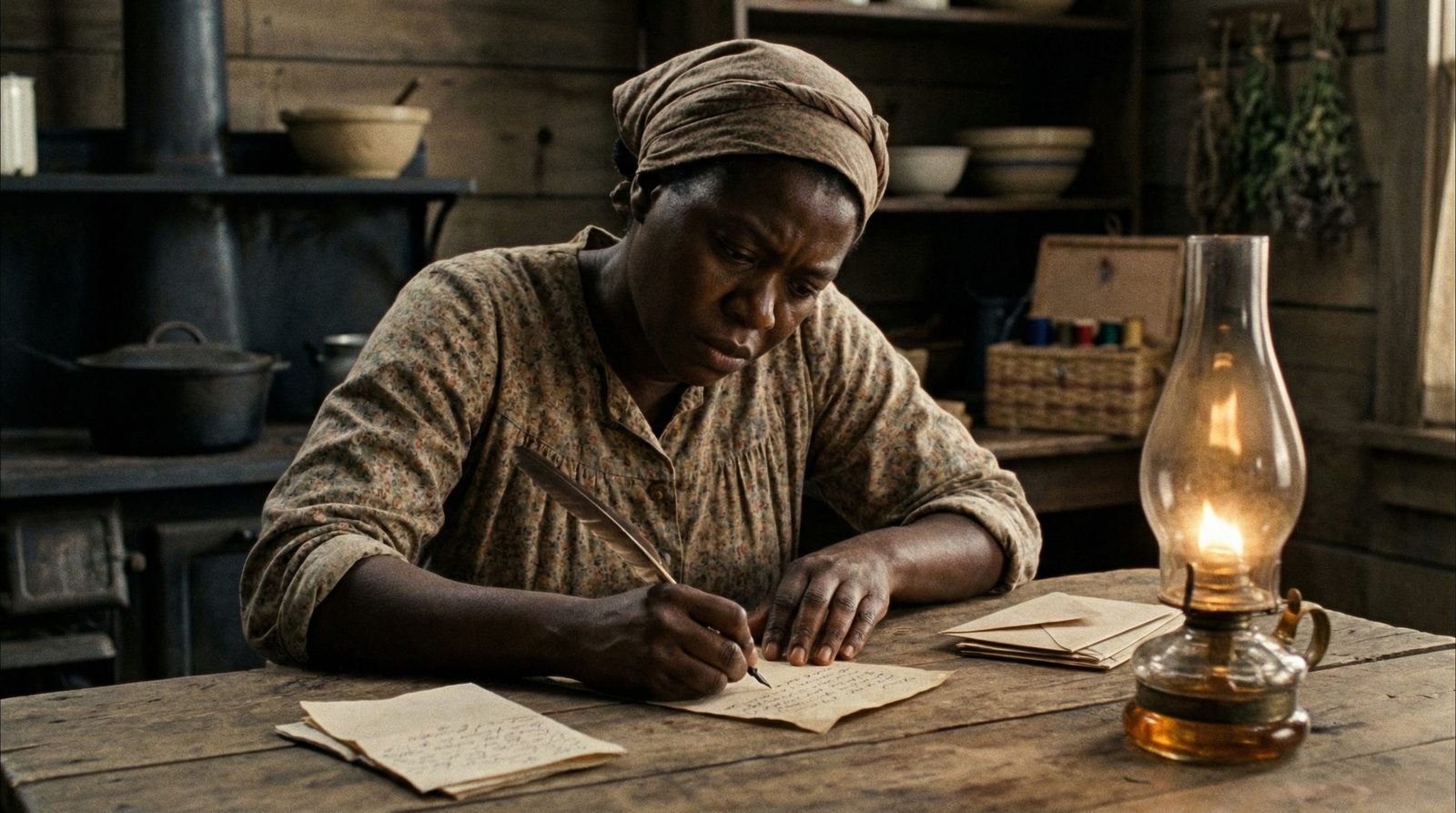
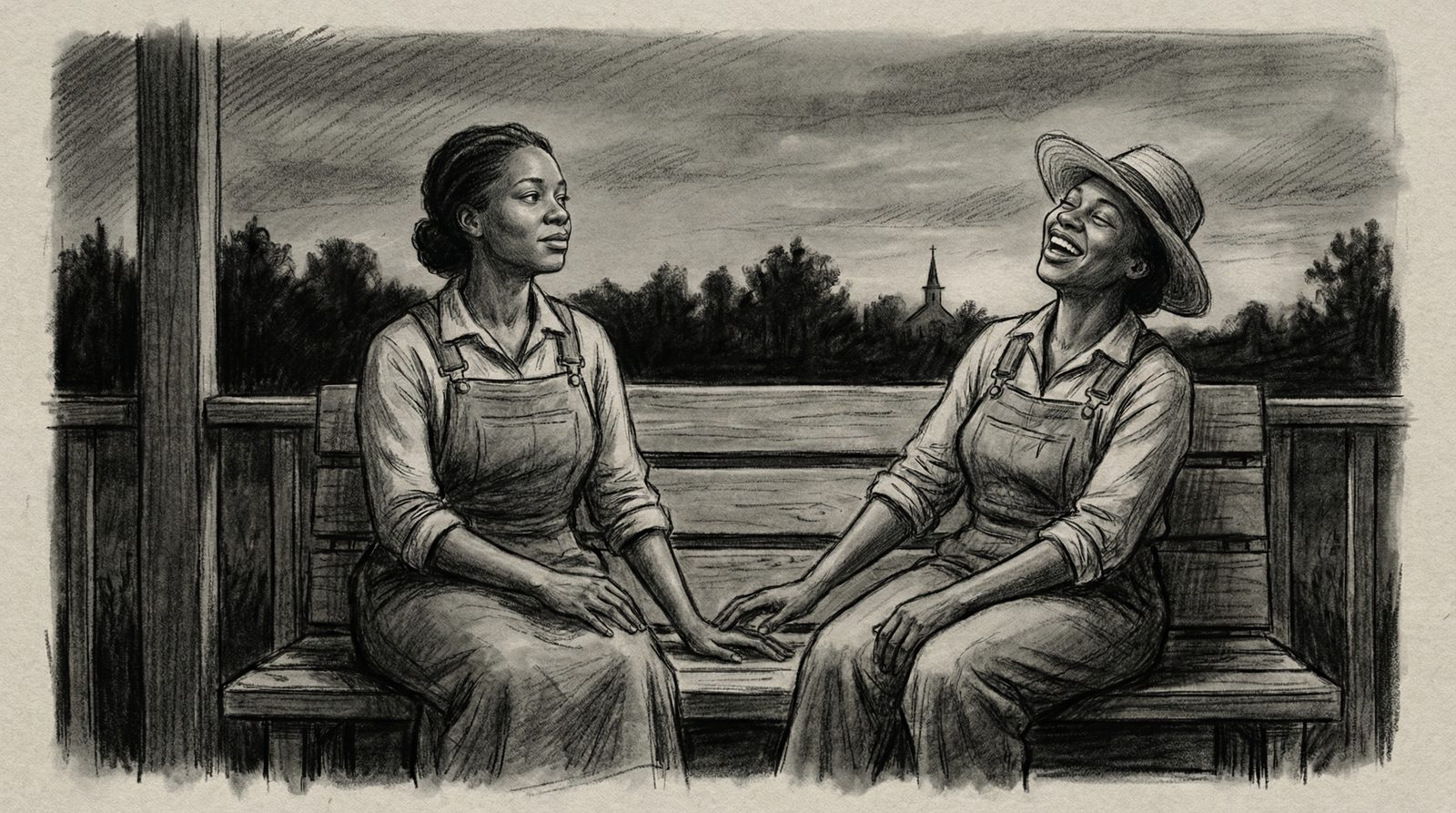
    Editorial illustration inspired by 'The Color Purple (1985) (1985)'

    CULTURAL CONTEXT AND LEGACY

    The film sparked heated debate. Some viewers praised its honesty. Some criticized its portrayal of violence. Others felt the adaptation softened parts of the novel. Yet the broader impact is undeniable. The film introduced Celie’s story to millions who had never encountered the novel and opened conversations about gender, race, and autonomy in mainstream film.

    It also paved the way for later adaptations, including the Broadway musical and the 2023 film musical. As a cultural object, the 1985 film stands alongside the novel as one of the most significant depictions of Black womanhood in American cinema of the 1980s.
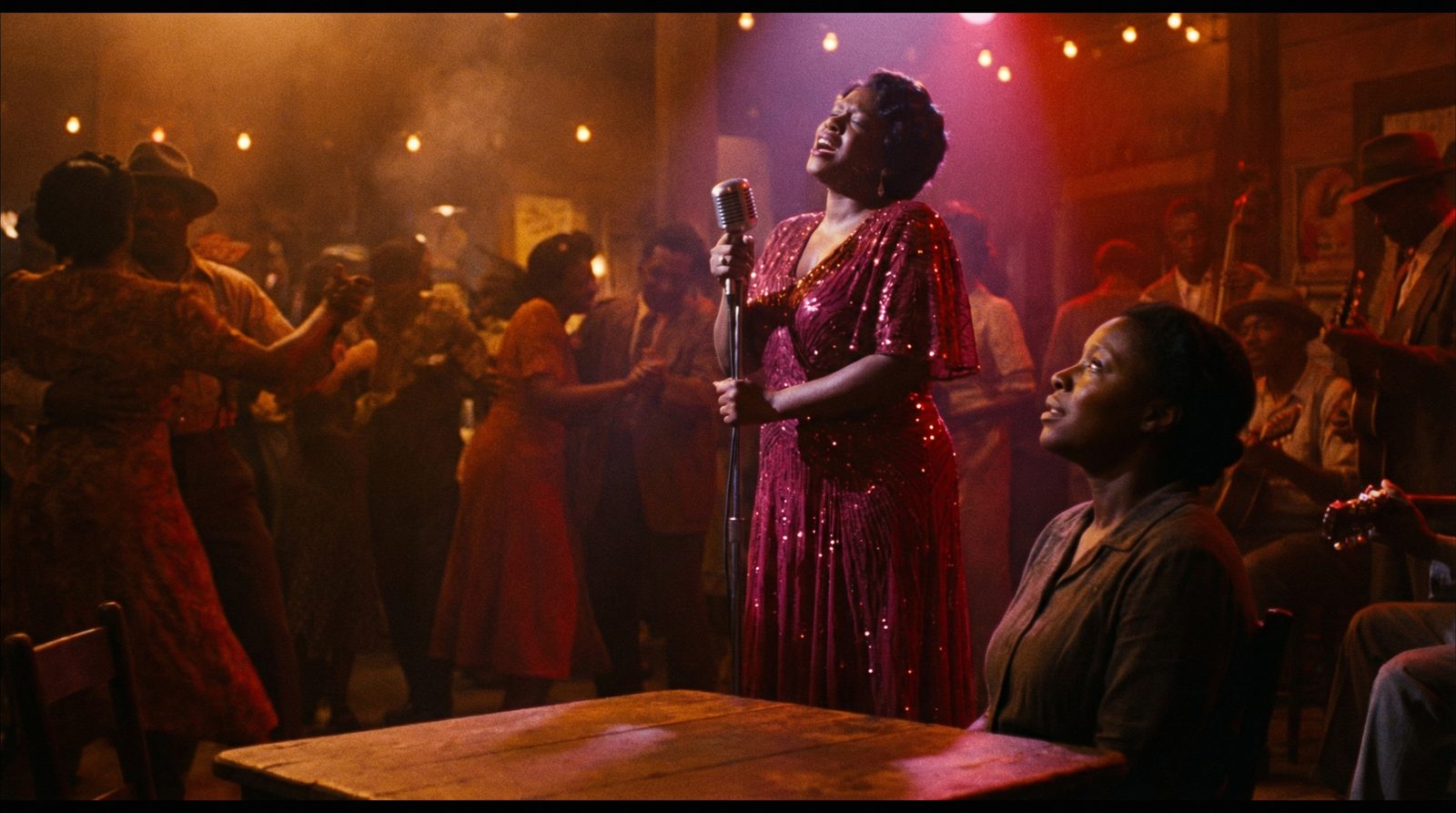
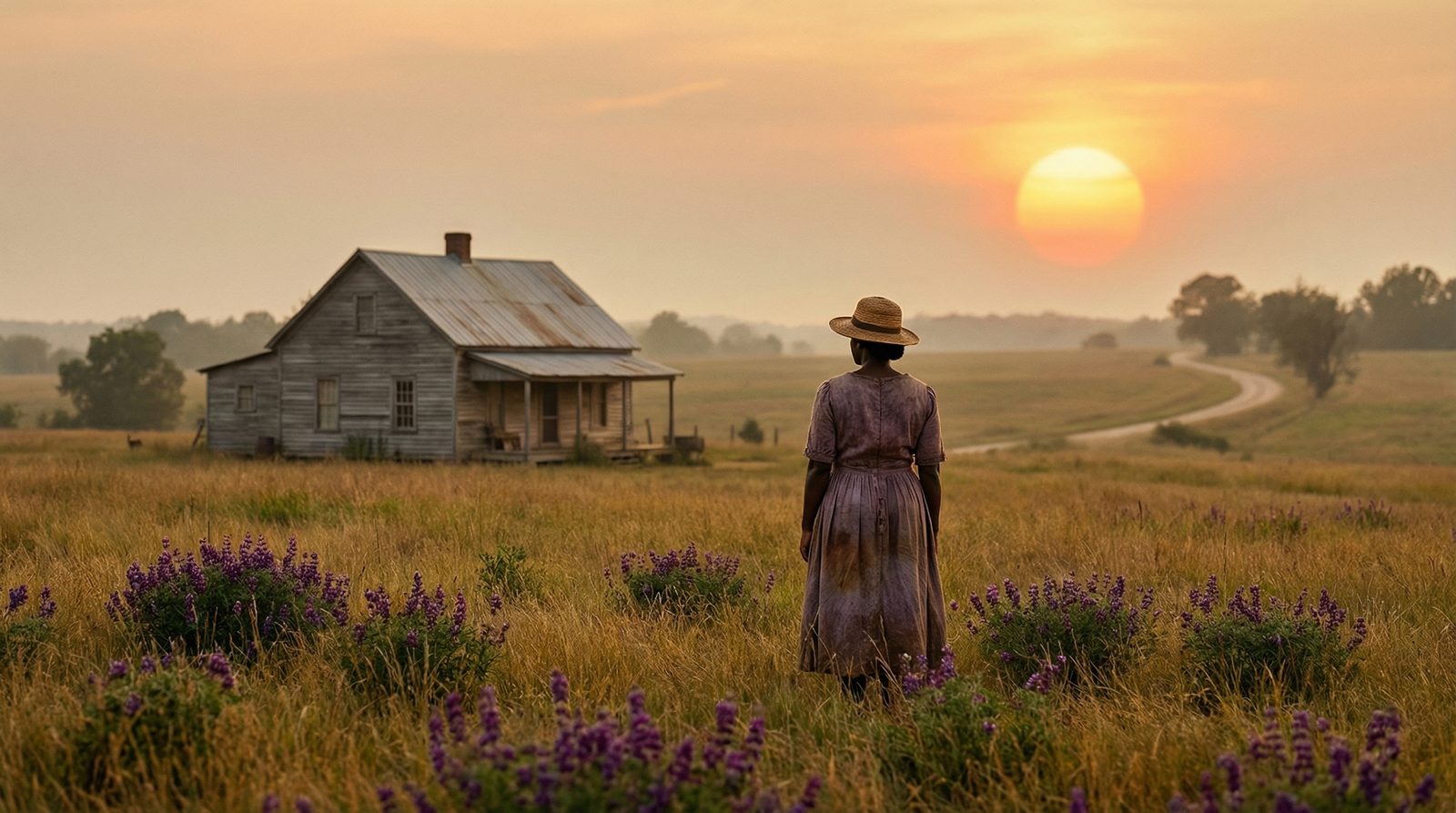
    Symbolic illustration inspired by 'The Color Purple (1985) (1985)'

    IS IT WORTH WATCHING?

    Yes. It is emotionally intense but deeply moving. The film is a landmark in American cinema for its performances, visual storytelling, and commitment to centering Celie’s voice. Anyone interested in literary adaptations, Southern history, or stories of resilience will find it essential.


    SIMILAR WORKS

    The Color Purple (1982)
    The Color Purple (2023)
    Precious (2009)
    Framing Britney Spears (2021)

  • Alice Walker

    Alice Walker

    Born 1944, Eatonton, Georgia, United States Genres: Literary Fiction, Poetry, Essay Era: Late 20th Century – 1980s

    INTRODUCTION

    Alice Walker writes with a steady, spiritual intelligence that feels rooted in the earth itself. Her work is shaped by Southern Black womanhood, political struggle, and a belief that the sacred can live inside ordinary lives. With The Color Purple, she placed working class Black women at the center of American literature and refused to soften their experiences. The novel’s emotional clarity reflects the motif of Trauma as Inheritance, while her characters show remarkable capacity for growth. Walker’s voice blends tenderness with ferocity. She insists on telling the truth even when the truth is uncomfortable.

    LIFE AND INFLUENCES

    Born in rural Georgia, Walker grew up in a sharecropping family where stories and faith were central. A childhood accident left her blind in one eye, a trauma that shaped her early sense of isolation and introspection. She attended Spelman College and later Sarah Lawrence, where the Civil Rights Movement deepened her political awareness. Her influences include Zora Neale Hurston, Black Southern folklore, womanist theology, and her own experience of racism and poverty. These threads appear throughout her work, aligning with motifs like Survival Narratives and Intimacy as Healing.
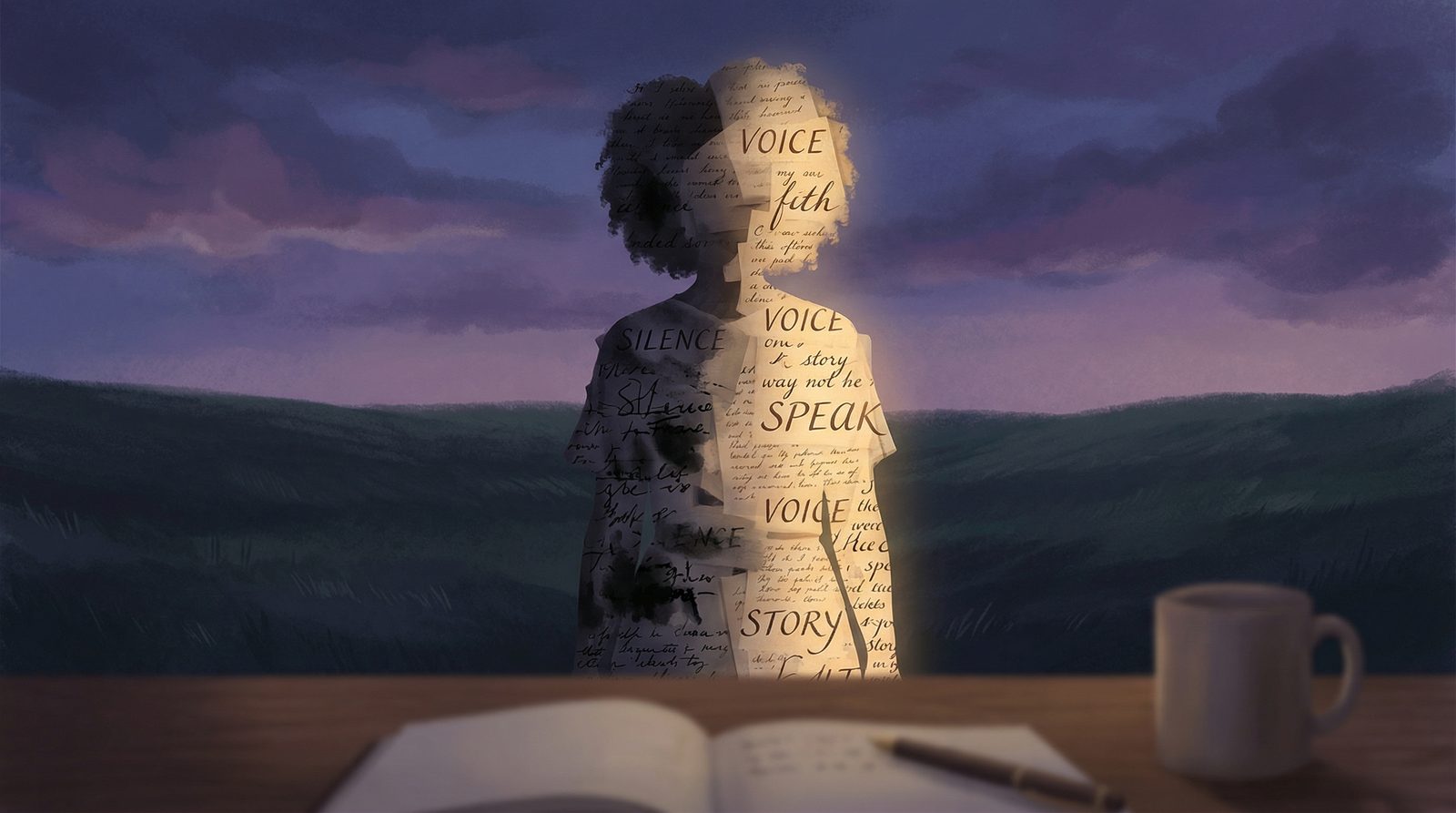
    Symbolic illustration inspired by 'Alice Walker'

    THEMES AND MOTIFS

    Walker returns again and again to themes of spiritual reclamation, domestic violence, sexuality, community, and the healing potential of female friendship. She coined the term “womanist” to describe a feminism grounded in Black women’s experiences. Her characters often move from silence to voice and from survival to rootedness. Many of her stories explore the double pull of harm and hope within families. This tension aligns with motifs such as Emotional Minimalism and Power as Proximity, where vulnerability and authority compete.

    STYLE AND VOICE

    Walker writes with clarity, gentleness, and rhythmic simplicity. Her voice is direct and grounded. She blends emotion with restraint. She favors intimate narration, lyrical fragments, and spiritual imagery. Even at her most political, the work feels lived in rather than theoretical. The dignity she grants her characters comes through language that honors their truth. She allows flaws, contradictions, and small moments to carry the story.

    KEY WORKS

    Walker has published poetry, essays, and additional novels, but The Color Purple remains the work most closely tied to her cultural legacy.

    RELATED ADAPTATIONS

    Walker’s most famous novel has inspired multiple major screen adaptations that carried Celie’s story to new audiences: • The Color Purple (1985) – Steven Spielberg’s dramatic adaptation, which brought the novel into mainstream cinema. • The Color Purple (2023) – A musical film adaptation that builds on the stage production and reimagines the story through song and choreography.

    CULTURAL LEGACY

    Alice Walker changed the shape of American literature. She expanded the canon to include the voices of Black Southern women whose stories had long been marginalized. Her work sparked debate, redefined womanist thought, and influenced writers across generations. The adaptations of The Color Purple in 1985 and 2023 further broadened its reach. Together with the original novel, they formed a multiform narrative that continues to shape how readers and viewers think about faith, gender, race, and freedom. Today, Walker’s influence stands beside figures like Toni Morrison and Zora Neale Hurston, whose work insists on truth over comfort and on healing over silence.
  • The Color Purple (1982)

    The Color Purple (1982)

    By: Alice Walker
    Genre: Epistolary Novel, Historical Fiction
    Country: United States


    INTRODUCTION

    The Color Purple is one of the most quietly powerful novels of the twentieth century. First published in 1982, it tells Celie’s story through letters written in her own unpolished voice. She writes to God because she has no one else to listen. The book begins in near silence and grows into a full song of survival. The early chapters lean into the motif of Silence as Survival, where withholding becomes a way to stay alive in a world that rarely offers safety.

    What makes the novel unforgettable is its transformation. Celie’s frightened voice becomes the voice of a woman reclaiming her own life.


    PLOT AND THEMES

    Celie’s story unfolds through letters addressed first to God and later to her sister Nettie. She grows up in rural Georgia, enduring sexual violence, forced marriage, and constant humiliation. Her husband, known only as Mister, uses her as labor and property. The plot moves slowly in action but widely in emotional scope. It traces Celie’s long shift from voicelessness to self-possession.

    The exchange of letters between Celie and Nettie becomes the novel’s emotional spine. Nettie’s letters from Africa widen the book’s sense of place and connect Celie’s private suffering to broader histories of displacement and oppression. This pattern aligns with the motif of Trauma as Inheritance, where pain is passed across families and continents.

    The story also explores sisterhood, chosen family, and the sacredness of desire. Celie’s bond with Shug Avery becomes a turning point. Shug models a life of self-regard, sensuality, and spiritual independence. Through Shug, Celie learns that her body and voice belong to her. This shift reflects the motif of Intimacy as Healing, where affection becomes instruction.

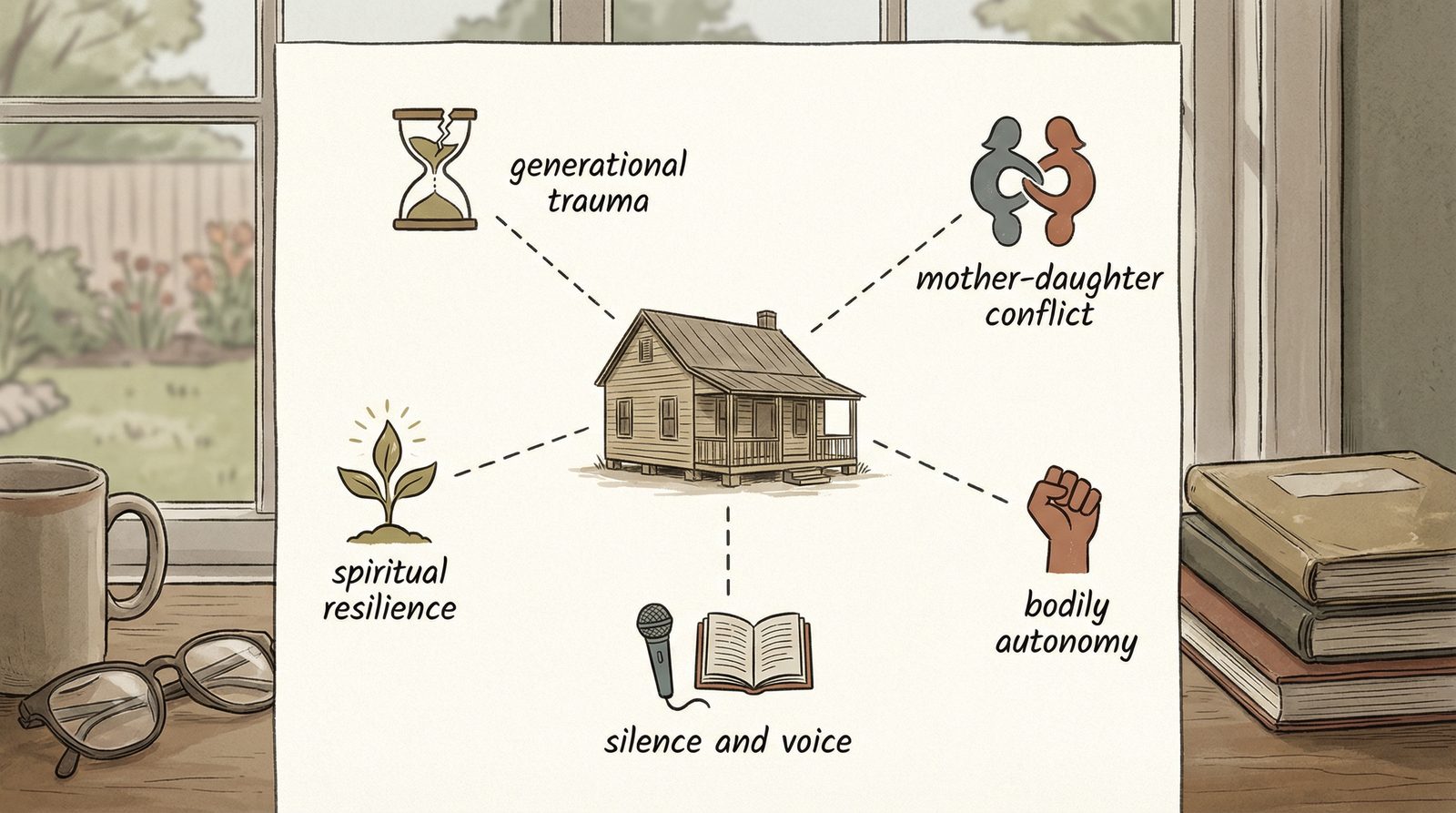
    Conceptual editorial illustration inspired by 'the color purple'


    STYLE AND LANGUAGE

    The novel is written in Celie’s dialect, with spelling and grammar shaped by her limited formal education. What might seem simple becomes beautiful through sincerity. Alice Walker refuses to smooth or correct Celie’s voice. Instead, she lets the language carry emotional truth. This restraint is a form of Emotional Minimalism, where plain words carry enormous weight.

    The epistolary form gives the book its heart. Every letter feels like a prayer or confession. As Celie grows, the writing grows with her. Her vocabulary expands. Her confidence sharpens. The evolution of her syntax becomes its own proof of transformation.


    CHARACTERS AND RELATIONSHIPS

    Celie anchors the novel, but she is lifted forward by the women around her. Sofia’s defiance teaches her resistance. Shug Avery’s independence teaches her desire and spiritual agency. Nettie’s letters teach her about the world and about her own worth. Together, these women rewrite Celie’s understanding of freedom.

    The men are not reduced to caricatures. Mister is violent and controlling, yet his slow, partial redemption shows Walker’s belief in the possibility of change. Harpo and others reflect the pressures of a patriarchal world that harms them as well. These dynamics connect to the motif of Power as Proximity, where harm flows through inherited roles rather than pure malice.

    Celie’s relationships move the novel from brutality to connection. Each bond widens her sense of what a life can be.

    Illustration of a core idea or motif from 'the color purple'


    CULTURAL CONTEXT AND LEGACY

    When it was released, The Color Purple changed the landscape of American literature. It won both the Pulitzer Prize and National Book Award and sparked fierce debate. Some Black male critics accused Walker of betrayal for depicting domestic violence within Black families. The argument exposed the cultural tension the novel refuses to hide. Walker insisted on telling the truth about private pain rather than protecting public appearance.

    The story continued to evolve through adaptation. The 1985 film directed by Steven Spielberg brought Celie’s world to mainstream cinema, earning critical acclaim and introducing the story to millions who had never read the novel. The later 2023 film musical adaptation expanded the emotional palette even further, using music and movement to explore Celie’s interior life in ways unique to the stage and screen.

    The novel’s themes place it alongside Beloved (1987) and Their Eyes Were Watching God (1937) as a cornerstone of Black feminist literature. More than forty years later, its closing lines still feel revelatory. The book is an argument for joy as resistance.


    IS IT WORTH READING?

    Yes. The Color Purple is essential reading. It is unflinching, tender, and transformative. The brutality is difficult, but the beauty is sustaining. For readers interested in stories of trauma, faith, desire, and freedom, it remains one of the most important novels in American literature.


    SIMILAR BOOKS

    Beloved (1987)
    Their Eyes Were Watching God (1937)
    I Know Why the Caged Bird Sings (1969)
    The Bluest Eye (1970)


    RELATED ADAPTATIONS

    The Color Purple (1985)
    The Color Purple (2023)