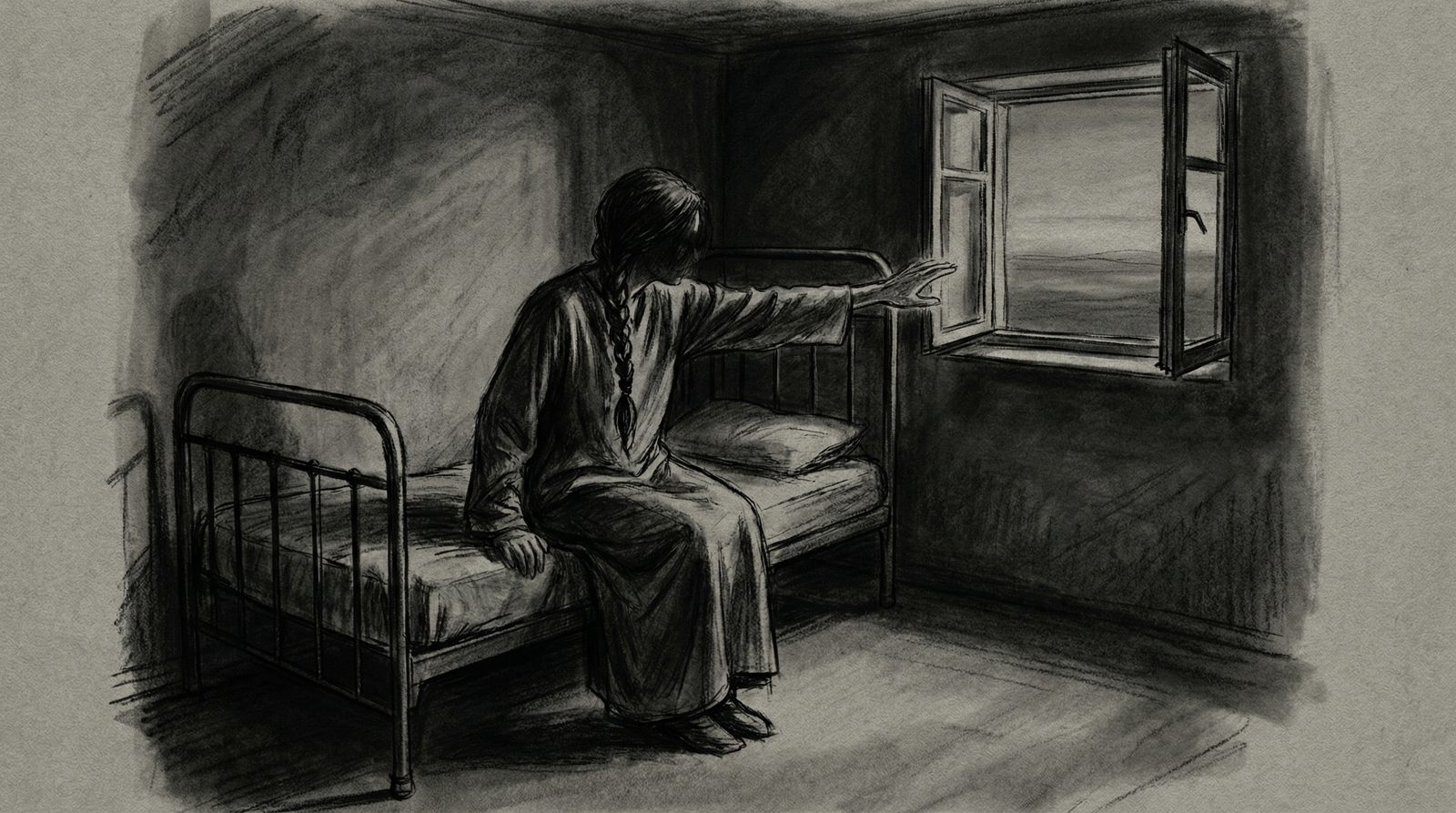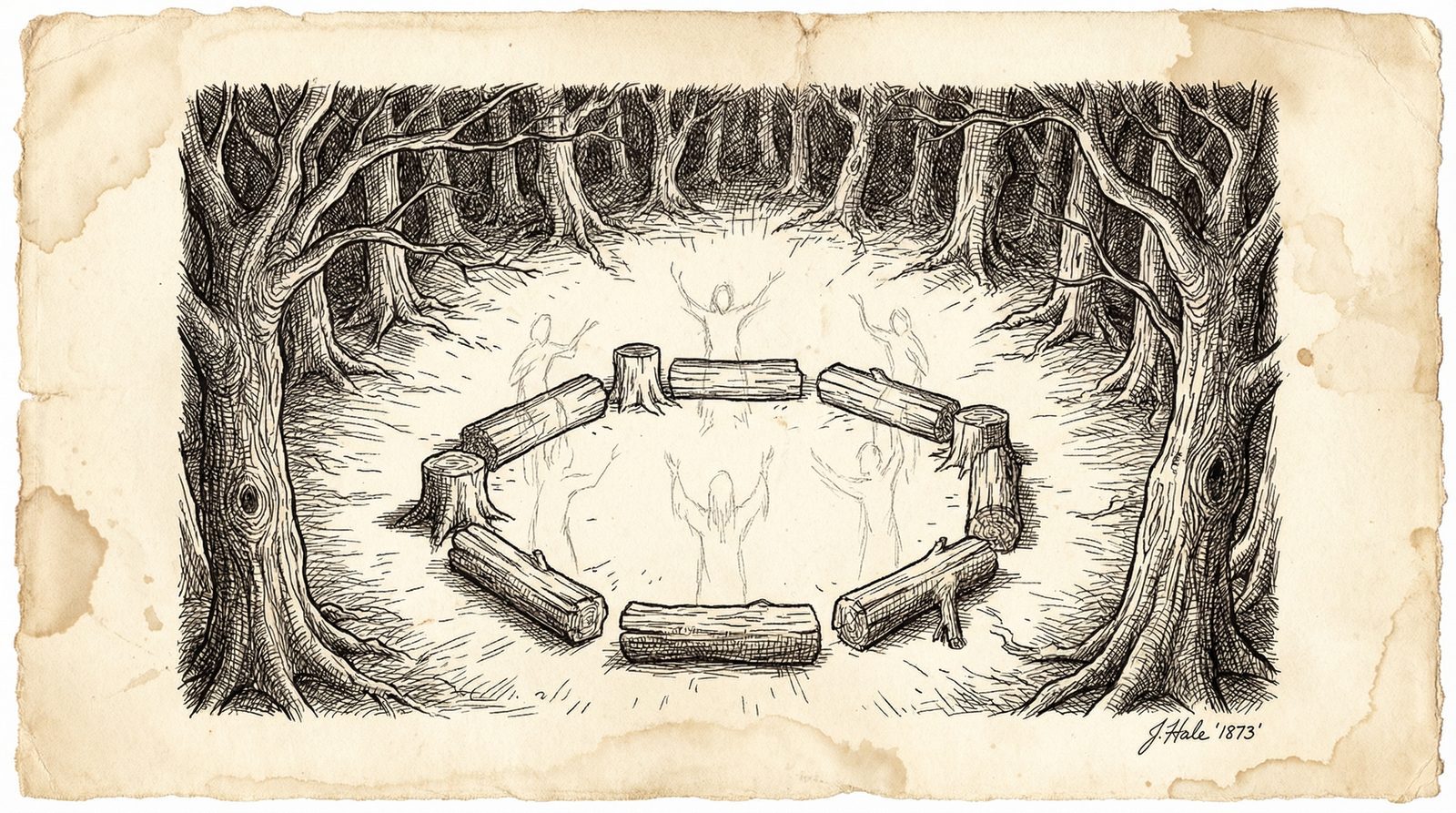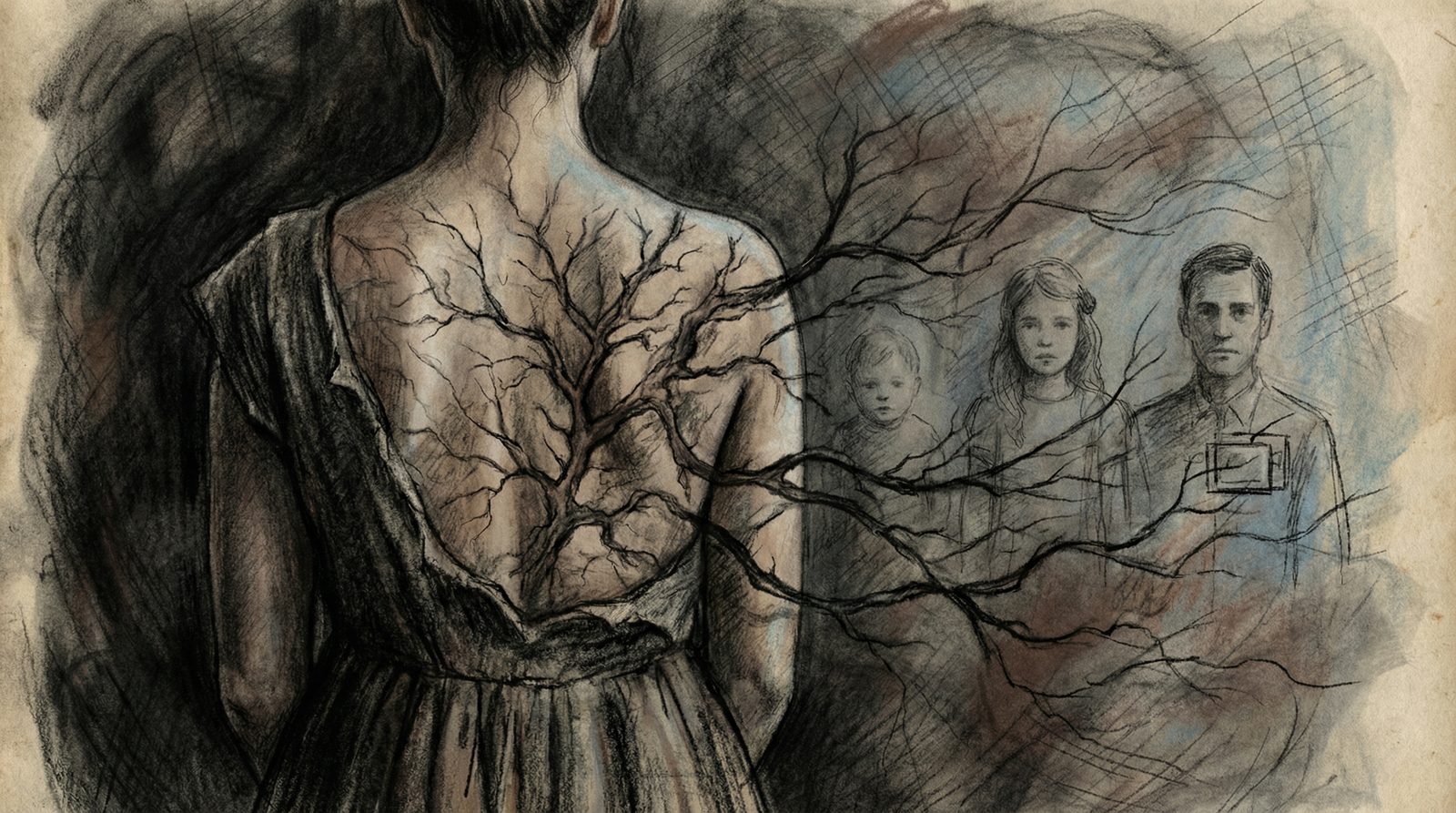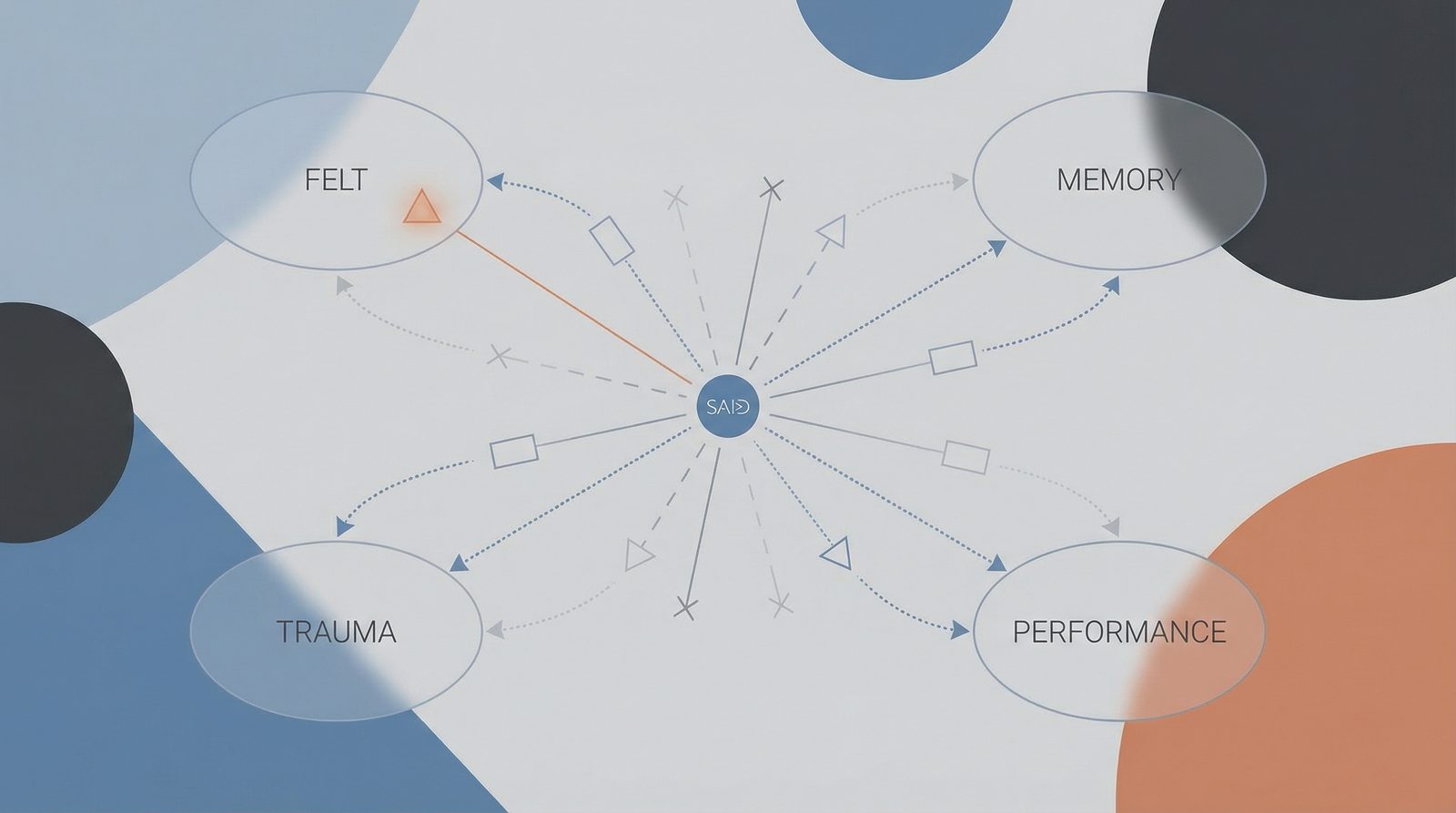

Archetype: The Witness

  • Caretakers (1983)

    Caretakers (1983)

    By: Tabitha King Genre: Literary Fiction, Domestic Psychological Fiction Country: United States

    Introduction

    Caretakers, published in 1983, is the first novel to introduce readers to Nodd’s Ridge, the rugged Maine town that would later anchor several of Tabitha King’s strongest works. The book reads as a wide canvas rather than a single portrait. King gives us a town long before she gives us a central protagonist, and that choice sets the tone for the entire series. Beneath the ordinary routines of the community, there are frictions that have been building for years. Some come from family strain. Others grow out of class divides, private resentments, or the uneasy sense that life has settled into patterns that no longer fit. The novel has the shape of a traditional small-town saga. It carries the weight and warmth of multiple voices, each pushing against the quiet expectations of the town. The ambition of the book is both its advantage and its drawback. King tries to show as many sides of Nodd’s Ridge as she can, which gives the world depth but also causes some plotlines to stretch farther than they need to. Even so, Caretakers stands as the necessary foundation for what would follow, the moment when King’s recurring themes start to crystallise.

    PLOT & THEMES

    The novel focuses on the caretakers of Nodd’s Ridge, a loose group of people who hold the town together in ways that are rarely recognised. Parents, spouses, community leaders, workers who keep the town’s institutions running. Each carries their own struggles while trying to maintain a sense of stability for others. Money troubles strain marriages. Parents and children talk past each other. Local politics create quiet winners and quieter casualties. The tension comes from ordinary life rather than anything sensational, and that restraint becomes one of the book’s strongest qualities. This is also where King begins shaping one of her central motifs, Domestic Vulnerability as Horror. The most frightening spaces in the novel are familiar ones. Bedrooms, kitchens, and the back rooms of small businesses. They are places where love is supposed to protect, yet they become sites of emotional exposure. King shows how danger can emerge through silence, disappointment, or the pressure to hold everything together without cracking. Several storylines also brush against the motif Identity Collapse in Isolation. Characters who thought they understood their roles in the community begin to see themselves through the eyes of others. The gap between those identities becomes difficult to reconcile. Choices that once felt safe lead to unexpected consequences, and the weight of responsibility becomes something that reshapes entire futures. Responsibility sits at the core of the book. Who accepts it, who avoids it, and who finally breaks under the burden. These themes echo throughout the later Nodd’s Ridge novels, yet here they feel newly formed, as if King is testing the edges of what this world can hold.
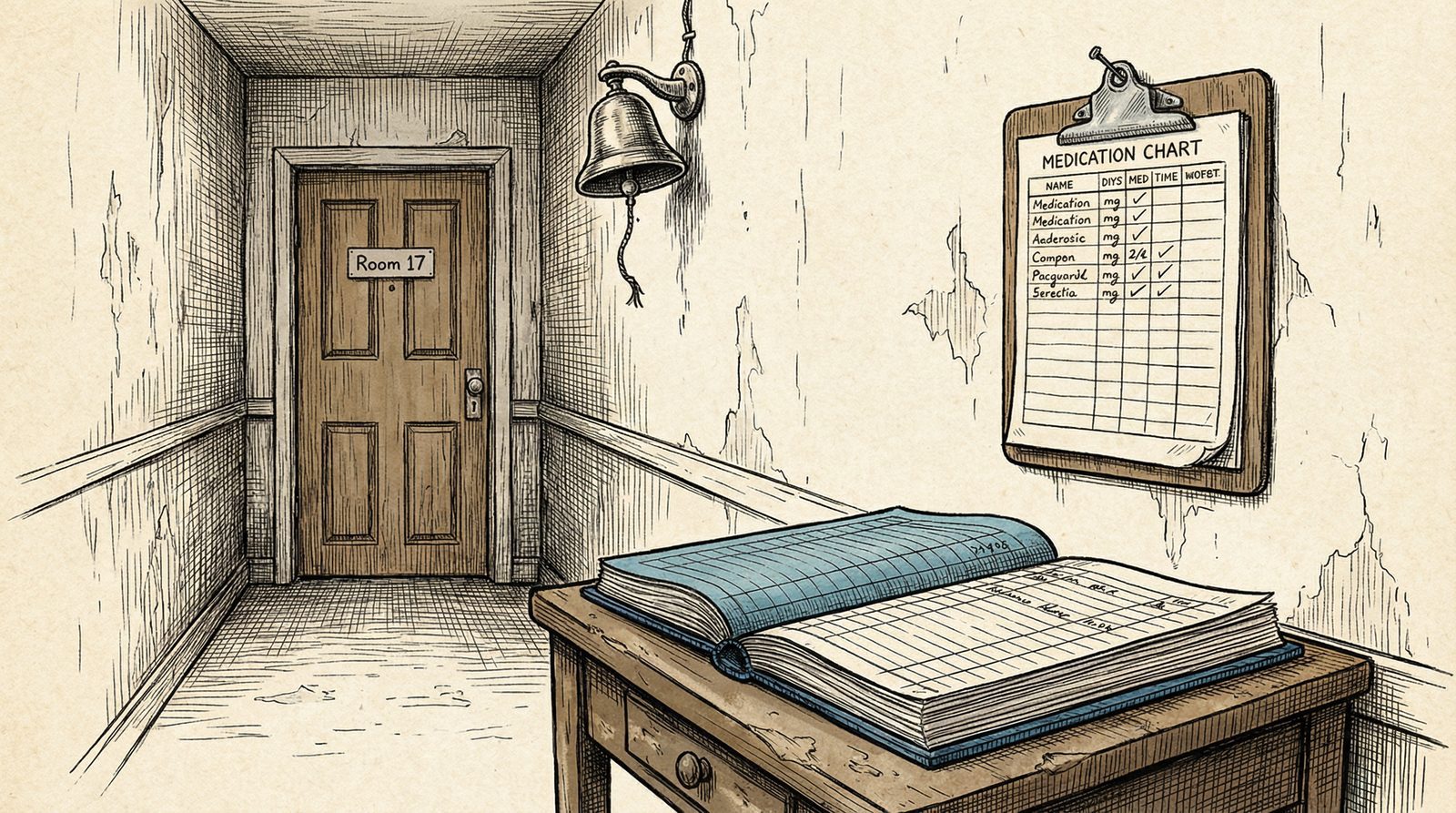
    Conceptual editorial illustration inspired by 'caretakers (1983)'

    PROSE & NARRATIVE STRUCTURE

    In tone and structure, Caretakers is more traditional than King’s later work. The prose is clear and measured, although it occasionally slows under the weight of exposition. King moves between viewpoints with confidence, but the shifts sometimes loosen the narrative focus. This is less a flaw and more a reflection of what the novel aims to do. It wants to show an entire community, not just a central figure, and that ambition requires room to wander. When King lands on an emotional moment, the writing sharpens. A confession whispered in a quiet room. A private argument that exposes a fracture in a marriage. A conversation that reveals how much has been unsaid. These scenes remind the reader of the writer she would become in books like Survivor, where emotional clarity becomes the driving force of the narrative. The pacing is uneven. Some chapters move with energy, while others linger on domestic routines that do not always deepen the story. Even so, this approach helps build the texture of the setting. The town becomes a place you can almost walk through. Each street and household holds its own weather system, and the slow parts help make the world feel lived in.

    CHARACTERS & INTERIORITY

    Caretakers is an ensemble novel. King moves between couples, families, and town figures with a wide lens, allowing readers to see how responsibility and expectation shape each household. Some characters feel trapped in roles they never chose. Others work themselves into exhaustion trying to keep the peace. Their private worries and small victories form the emotional backbone of the story. The most memorable characters are the ones who feel invisible in their daily lives. A spouse who stays quiet to avoid conflict. A parent overwhelmed by the demands of raising children without support. A neighbour who carries everyone else’s burdens while hiding their own. These figures echo through later novels like Pearl and The Book of Reuben. Their appearances in those books feel richer if you have followed them from the beginning. Not every character stands out. Some remain sketched rather than fully realised, which reflects the scale of the book. King is trying to cover an entire town, and although the emotional core remains strong, a few storylines drift to the margins without landing with full impact.

    LEGACY & RECEPTION

    Caretakers carries the sensibilities of the early 1980s, a time when domestic fiction was beginning to blend more openly with literary suspense. King leans toward realism here, with just a hint of the psychological tension that would define her later writing. The book’s concerns reflect its era. Small towns facing economic pressure. Shifting social expectations. Families wrestling with old hierarchies and new responsibilities. As the first novel in the Nodd’s Ridge sequence, its legacy is structural as much as emotional. It sets the geography of the town, the social rules people follow, and the buried conflicts that later books bring into sharper focus. For new readers, it may feel like groundwork. For returning readers, it becomes the starting point that gives weight to everything King builds later. The book also lays out a theme that appears throughout King’s career. Small towns often hide the most volatile conflicts beneath calm surfaces. A moment of pressure is all it takes for those hidden tensions to rise into view. Caretakers shows that early and clearly.
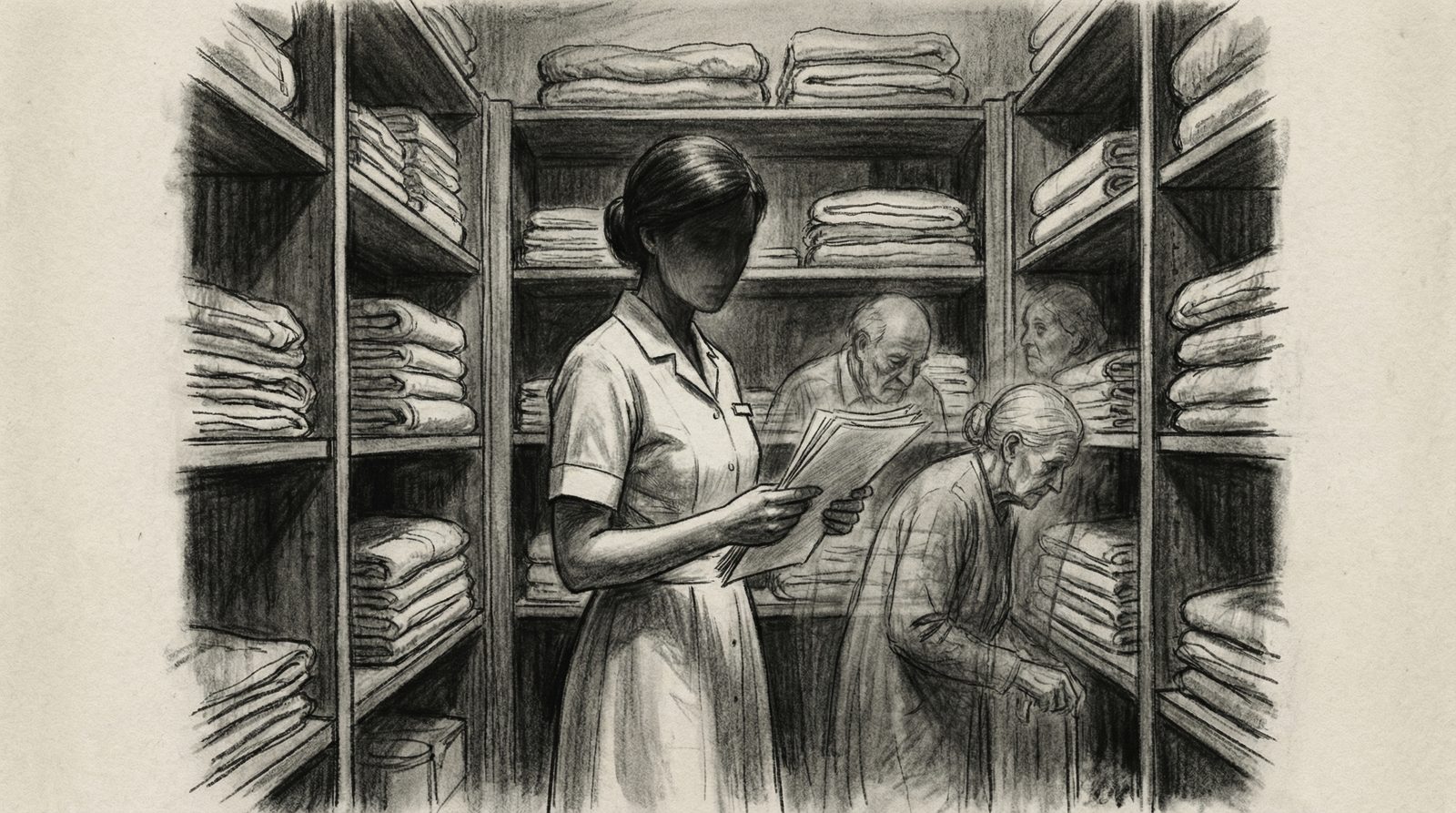
    Illustration of a core idea or motif from 'caretakers (1983)'

    IS IT WORTH READING?

    Caretakers is essential if you plan to read the Nodd’s Ridge novels in order. It establishes the emotional and social architecture that the later books refine, especially Pearl and The Book of Reuben. On its own, the book can feel uneven and sometimes too broad for its own good, but its atmosphere and emotional depth make it rewarding for readers who enjoy slow-burn small-town fiction. Readers seeking King’s sharpest psychological writing may prefer starting with Survivor. Readers who love character webs, family sagas, and the rhythms of community life will find a lot to appreciate here. Even with its flaws, Caretakers sets a tone that echoes throughout the entire series.
    If Caretakers resonates with you, continue directly to Pearl and The Book of Reuben. Both deepen the emotional politics of the town and refine many of the themes introduced here. Readers who enjoy community-driven drama may also appreciate the layered family stories found in the work of Lori Lansens or the ensemble focus of Elizabeth Strout.

    DISCOVERABILITY & LINKS

  • The Trap (1985)

    The Trap (1985)

    By: Tabitha King
    Genre: Literary Fiction, Domestic Psychological Fiction
    Country: United States


    INTRODUCTION

    The Trap, first published in 1986 and reissued later as Wolves at the Door, is the second entry in Tabitha King’s Nodd’s Ridge sequence. It deepens the world introduced in Caretakers and plants early threads that find their shape in later installments like The Book of Reuben. The novel blends old grudges, class tensions, and personal ambition inside a town that always looks calm from a distance, even while storms gather behind closed doors.

    This is a book with uneven edges. Some chapters land with real force. Others drift a little before finding their footing again. Even so, the novel remains important within the larger cycle. It exposes the wiring behind the politics, personalities, and long-standing resentments that define Nodd’s Ridge, and without it the later books lose some of their emotional context.


    PLOT & THEMES

    The story moves between households, businesses, and local power circles. Marriages strain under pressure. Rivalries simmer. Business ambitions collide with private loyalties. The town’s polite surface thins each time someone pushes for advantage or stumbles into old conflicts that were never resolved. Unlike the tight psychological focus of One on One or the intensity of Survivor, The Trap spreads itself across an ensemble, which gives the book breadth and the occasional loss of momentum.

    Power is the center of gravity here. Characters negotiate for status or protection, sometimes quietly and sometimes with open hostility. The social ecosystem punishes people who step outside the roles the town expects them to play. This atmosphere ties naturally to the motif Domestic Vulnerability as Horror. The threats are entirely human. They come from jealousy, resentment, and the pleasure some people take in seeing others fall.

    The book also explores identity drift. Several characters discover that the image they hold of themselves does not match the one the community reflects back at them. This tension echoes the motif Identity Collapse in Isolation, since the people of Nodd’s Ridge often find themselves alone with their doubts despite being surrounded by a familiar town.

    Conceptual editorial illustration inspired by 'the trap (1985)'

    STYLE & LANGUAGE

    King’s prose in The Trap is at its most expansive. She shifts between characters frequently and tries to capture every social layer of the town. The result is a panoramic view of Nodd’s Ridge that can feel rich in one chapter and a little scattered in the next. When the approach works, the writing is vivid and filled with small, revealing details. When it falters, the middle third of the book slows and wanders before tightening again.

    Dialogue remains one of King’s strengths. She fills ordinary conversations with tension, affection, and the subtle posture of people who know each other too well. Many of the best scenes take place in everyday settings, such as church gatherings, family kitchens, or local businesses. These moments show how much weight small gestures can carry in a place where everyone has a history with everyone else.

    At times, the book feels like two narratives running parallel. One is a domestic drama focused on relationships and emotional patterns. The other is a political allegory about money, class, and institutional influence. When the threads weave together, the story feels strong. When they drift apart, the structure loosens and the book loses some of its focus.


    CHARACTERS & RELATIONSHIPS

    The ensemble includes business owners, town officials, families with reputations to defend, and working-class residents whose futures hinge on decisions made in private rooms. Some figures, particularly the ones who reappear in Pearl or The Book of Reuben, feel grounded and complex from the moment they appear.

    Not every character receives the same depth. The ambition to cover the entire town stretches the narrative thin in places, and certain personalities never quite break out of the outline stage. That occasional thinness stands in contrast to the richness of the setting, which grows more detailed with each chapter.

    The emotional conflicts remain King’s strong suit. Jealousy, pride, envy, and the desire for connection all shape the arcs of the characters. The novel uses these tensions to show how tightly Nodd’s Ridge is woven together and how personal disputes can ripple outward into community-wide consequences.


    CULTURAL CONTEXT & LEGACY

    The Trap holds an unusual space in King’s bibliography. It may not be her most polished work, yet it expands the Nodd’s Ridge universe in ways that become essential later. Readers who enjoy the long-game storytelling of interconnected novels will find value in how this book lays out the emotional and political foundations that later books refine.

    The story also reflects mid-1980s concerns about class mobility, public reputation, and the informal structures that hold small communities together. Some elements show their era, but the underlying themes still resonate, especially the ways institutions protect themselves at the expense of individuals.

    Illustration of a core idea or motif from 'the trap (1985)'


    IS IT WORTH READING?

    The Trap is most rewarding for readers already invested in Nodd’s Ridge. Newcomers may find the pacing uneven or the ensemble structure overwhelming, but anyone reading King’s work in order will appreciate how the novel sets up the interpersonal and political dynamics that shape the later books. Those seeking King’s most refined storytelling might prefer One on One, Pearl, or Survivor, but The Trap remains a significant piece of the larger picture.


    SIMILAR BOOKS

    Readers who enjoy community-driven tension might connect with Caretakers or The Book of Reuben, both of which offer more concentrated character arcs inside the same world. For a contemporary parallel that focuses on personal crisis inside a tightly structured community, Laurie Halse Anderson’s Catalyst offers a similar emotional undercurrent.

  • Maya Angelou

    Maya Angelou

    Born 1928, St. Louis, Missouri, United States · Died 2014
    Genres: Memoir, Poetry, Essay
    Era: Mid to Late 20th Century


    INTRODUCTION

    Maya Angelou was a poet, memoirist, performer, and a towering cultural figure. Her series of autobiographical books begins with I Know Why the Caged Bird Sings, a work that transformed how personal narrative could address trauma, racism, and resilience. Her writing combines honesty, lyricism, and moral clarity.

    Angelou’s work embodies motifs like Literacy as Liberation, Survival Narratives, and Dissociation as Defense.


    LIFE AND INFLUENCES

    Angelou’s childhood included years in the segregated South, a traumatic assault, a long period of silence, and eventual rebirth through language and performance. She worked as a singer, dancer, journalist, and civil rights activist alongside figures like Martin Luther King Jr. and Malcolm X.

    Her influences include Black church tradition, poetry, music, and global travel. She wove these influences into a voice that feels both intimate and public.

    Editorial illustration inspired by 'Maya Angelou'

    THEMES AND MOTIFS

    Angelou writes about trauma, racism, dignity, and the transformative power of language. She is concerned with how a person can build a full self in a world that insists they are lesser. Her focus on speech, performance, and writing as tools of survival and joy places her work within motifs like Intimacy as Healing and Memoirs of Reclamation.


    STYLE AND VOICE

    Her prose is clear, rhythmic, and often poetic. She balances emotional weight with humor and observation. Even when recounting trauma, she writes with a steadiness that feels both protective and generous.

    Symbolic illustration inspired by 'Maya Angelou'

    KEY WORKS


    CULTURAL LEGACY

    Angelou’s memoirs and poems have become touchstones for readers around the world. She expanded the possibilities of life writing, especially for Black women, and brought discussions of trauma and resilience into mainstream culture with dignity and force. Her work remains central in education, activism, and literary study.

  • Zora Neale Hurston

    Zora Neale Hurston

    Born 1891, Notasulga, Alabama, United States · Died 1960 Genres: Literary Fiction, Essay, Folklore Era: Early to Mid 20th Century

    INTRODUCTION

    Zora Neale Hurston was a writer, anthropologist, and one of the central figures of the Harlem Renaissance. Her fiction and non-fiction preserve and celebrate Black Southern speech, humor, mythology, and everyday life. She is best known for Their Eyes Were Watching God, a novel that follows Janie Crawford’s journey to selfhood through love, loss, and storytelling. Hurston’s work often intersects with motifs like Intimacy as Healing and Survival Narratives.

    LIFE AND INFLUENCES

    Hurston grew up in Eatonville, Florida, one of the first all-Black incorporated towns in the United States. That environment deeply influenced her sense of community and autonomy. She studied anthropology and traveled to collect folklore, which she fed back into her writing. Her influences include Southern oral tradition, Black church culture, blues, and folklore. Her anthropological training sharpened her ear for voice and detail.
    Editorial illustration inspired by 'Zora Neale Hurston'

    THEMES AND MOTIFS

    Hurston writes about love, independence, community, and the search for self within and against social norms. Her characters often navigate expectations around gender and respectability while pursuing joy and connection. Her work reflects motifs such as Intimacy as Transaction, Power as Proximity, and Memoirs of Reclamation in the way Janie tells her story.

    STYLE AND VOICE

    Hurston’s style is vibrant and musical. She combines richly rendered dialect with lyrical narration. Her fiction feels spoken as much as written, honoring the rhythms of Black Southern speech and storytelling.
    Symbolic illustration inspired by 'Zora Neale Hurston'

    KEY WORKS


    CULTURAL LEGACY

    Hurston’s work was underappreciated in her lifetime but revived in the late twentieth century, especially through the efforts of Black feminist writers and scholars. She is now recognized as a foundational voice in American literature, particularly in the portrayal of Black women’s inner lives and desires.
  • Toni Morrison

    Toni Morrison

    Born 1931, Lorain, Ohio, United States · Died 2019
    Genres: Literary Fiction, Essay
    Era: Late 20th Century


    INTRODUCTION

    Toni Morrison is one of the most important writers in American history. Her work centers Black life with spiritual, emotional, and historical depth, refusing to translate or soften it for white comfort. She writes about memory, community, trauma, and love in ways that are both grounded and mythic. Her novels are dense with symbol and feeling, but always anchored in lived experience.

    Across books like Beloved and The Bluest Eye, she engages motifs such as Trauma as Inheritance, The Erased Girl, and Survival Narratives.


    LIFE AND INFLUENCES

    Morrison grew up in a working class Black family in Lorain, Ohio, surrounded by stories, songs, and folklore. She studied at Howard University and Cornell, later working as an editor and professor. Her editorial work brought Black voices into print at a time when they were often excluded.

    Her influences include oral tradition, Black church culture, jazz, history, and a commitment to centering Black interiority. These influences appear in her layered narratives and use of communal voice.

    Editorial illustration inspired by 'Toni Morrison'

    THEMES AND MOTIFS

    Morrison’s work often examines the long reach of slavery, the weight of memory, colorism, motherhood, and the struggle for selfhood in oppressive conditions. She explores how trauma echoes across generations and how communities can both wound and heal.

    Her fiction frequently engages motifs such as Trauma as Inheritance, Grief as Contradiction, and Literacy as Liberation.


    STYLE AND VOICE

    Her prose is richly textured, rhythmic, and often nonlinear. She shifts between perspectives and time periods, trusting readers to follow emotional logic rather than strict chronology. Her language can be lush or brutally simple, often using restraint at the most painful moments for maximum impact.

    Symbolic illustration inspired by 'Toni Morrison'

    KEY WORKS


    CULTURAL LEGACY

    Morrison’s work reshaped the American canon and expanded what serious literature could look like and whom it could center. She won the Nobel Prize in Literature and remains a touchstone for writers worldwide. Her influence is visible in contemporary fiction, memoir, and cultural criticism that take Black interior life seriously.

  • The Bluest Eye (1970)

    The Bluest Eye (1970)

    By: Toni Morrison
    Genre: Literary Fiction
    Country: United States


    INTRODUCTION

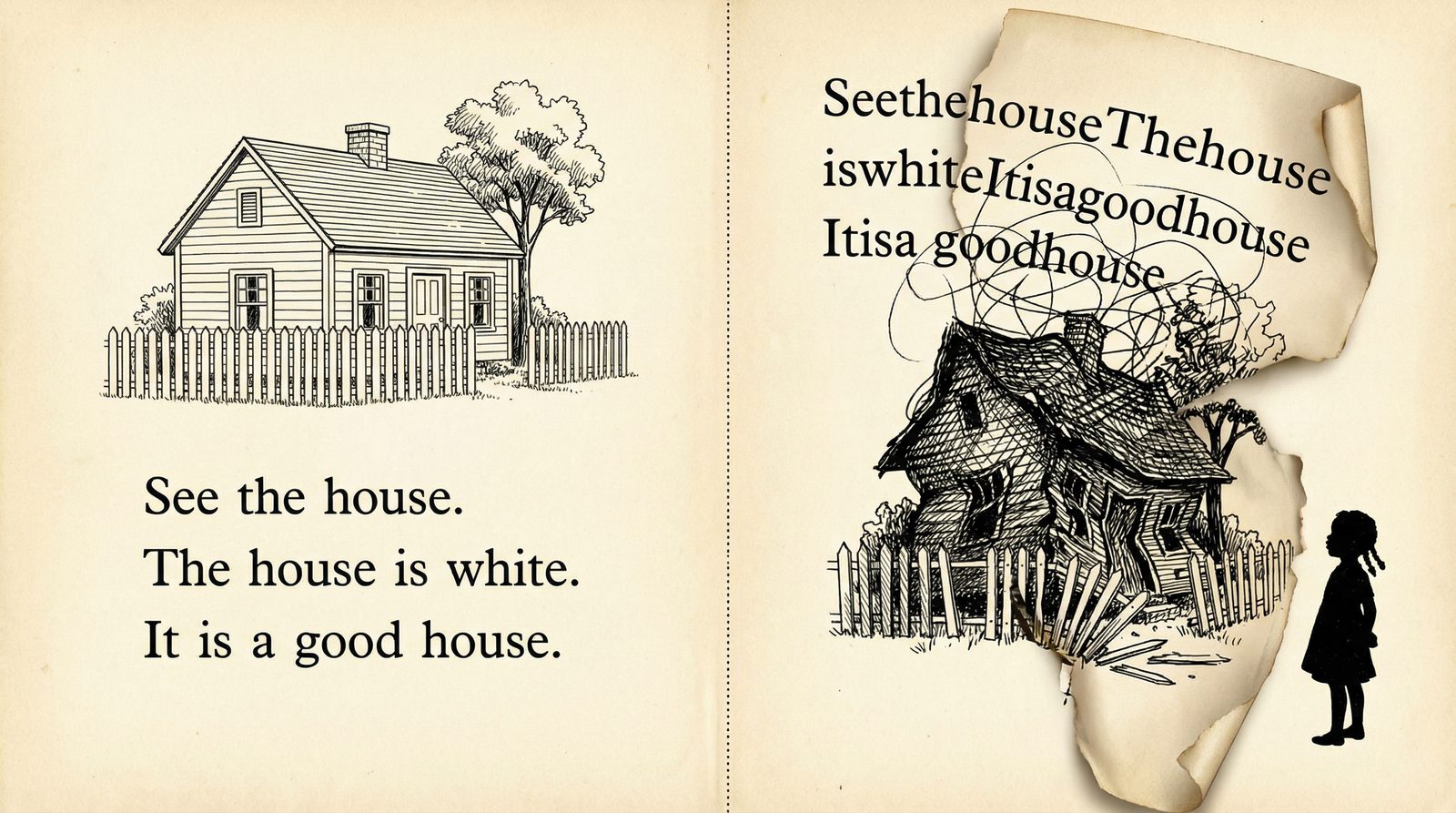
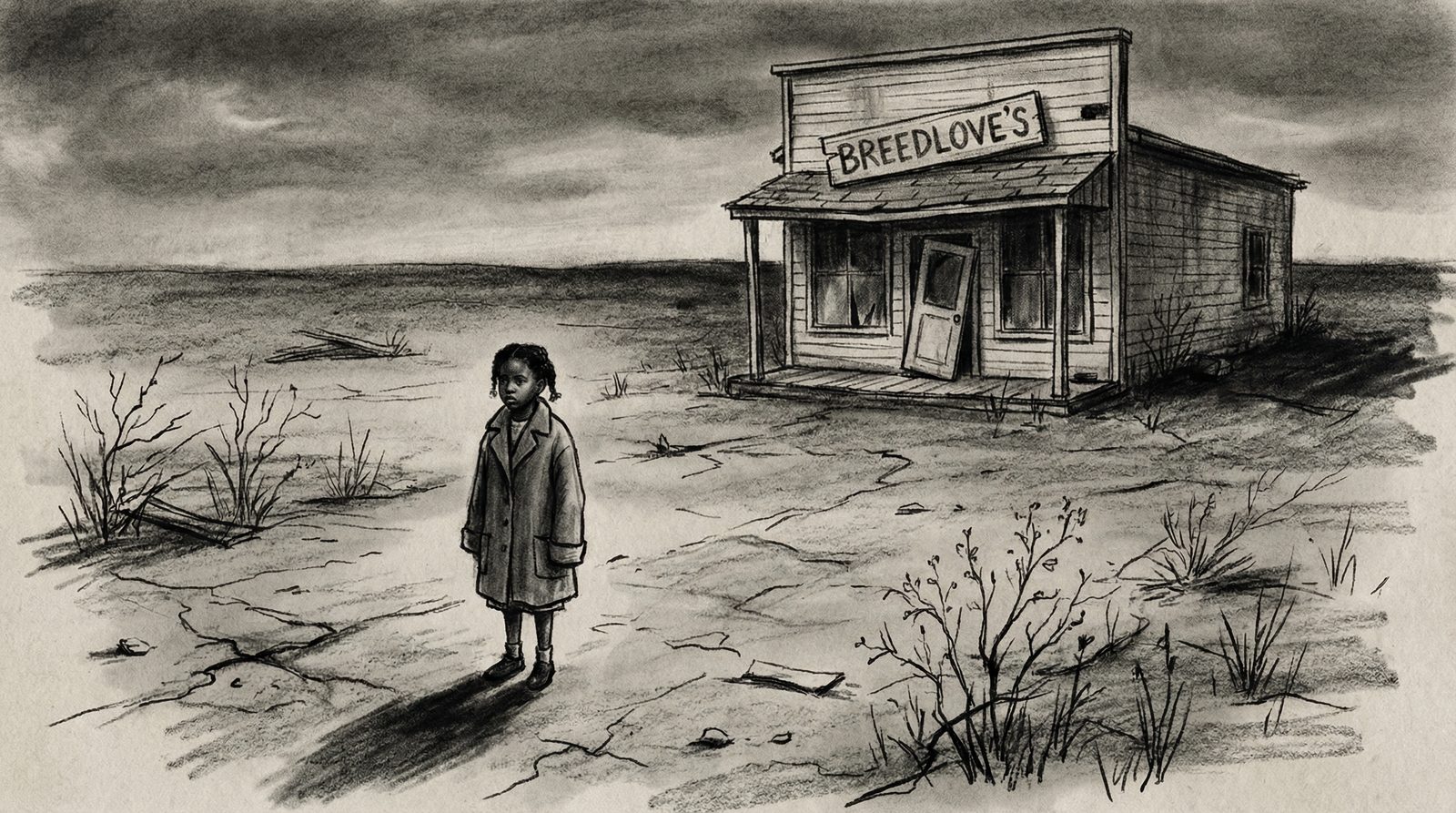
    The Bluest Eye is Toni Morrison’s first novel and one of her most devastating. Set in 1940s Ohio, it tells the story of Pecola Breedlove, a Black girl who believes blue eyes would make her loved and safe. The book examines how racism, colorism, and internalized hatred warp a child’s sense of self. It is a novel about beauty standards as violence and about the destruction of a girl who learns to see herself through a hostile gaze.

    The story sits squarely inside the motifs of The Erased Girl and The Commodified Body in Books, where identity is crushed by the demand to be something else.


    PLOT AND THEMES

    The novel is narrated in part by Claudia, a girl who watches Pecola’s collapse from the edge of the story. Through Claudia’s eyes and shifting perspectives, we see Pecola’s home life, school life, and the community that fails her. The plot moves toward Pecola’s pregnancy, breakdown, and final retreat into a private delusion where she believes she has finally received blue eyes.

    Themes include internalized racism, beauty standards, childhood, family violence, and the way communities participate in harm. The novel reflects motifs like Trauma as Inheritance and Survival as Identity, especially in how Pecola’s parents carry and transmit their own wounds.

    Conceptual editorial illustration inspired by 'the bluest eye'

    STYLE AND LANGUAGE

    Morrison blends lyrical narration with stark detail. The prose moves between poetic description and blunt statement. The structure is fragmented, circling around events rather than presenting them in a straight line, mirroring how trauma is remembered and how communities talk around the truth.

    The language often uses restraint when describing the worst harm, creating an effect similar to Emotional Minimalism. The emotional impact builds through accumulation rather than spectacle.


    CHARACTERS AND RELATIONSHIPS

    Pecola is at the center, but much of the book is about the people around her. Her parents, Cholly and Pauline Breedlove, are damaged by their own histories and perpetuate that damage without fully understanding it. Claudia and Frieda represent another path, one where resistance still feels possible. The community serves as both witness and participant in Pecola’s erasure.

    The relationships in the novel illustrate how shared trauma does not guarantee compassion. They deepen motifs such as Parental Betrayal and Dissociation as Defense.

    Illustration of a core idea or motif from 'the bluest eye'

    CULTURAL CONTEXT AND LEGACY

    Published in 1970, The Bluest Eye did not initially receive the same attention as Morrison’s later work, but it has since become a central text in American literature. It is frequently challenged and banned for its depiction of sexual violence and racism, which has only underlined its importance.

    The novel remains one of the clearest and most painful examinations of how white beauty ideals harm Black children. It pairs naturally with works like The Color Purple and I Know Why the Caged Bird Sings in conversations about girlhood, race, and voice.


    IS IT WORTH READING?

    Yes. It is difficult, beautiful, and essential. Readers interested in race, beauty, trauma, and childhood will find it both shattering and deeply illuminating.


    SIMILAR BOOKS

    Beloved (1987)
    The Color Purple (1982)
    I Know Why the Caged Bird Sings (1969)

  • I Know Why the Caged Bird Sings (1969)

    I Know Why the Caged Bird Sings (1969)

    By: Maya Angelou
    Genre: Memoir
    Country: United States


    INTRODUCTION

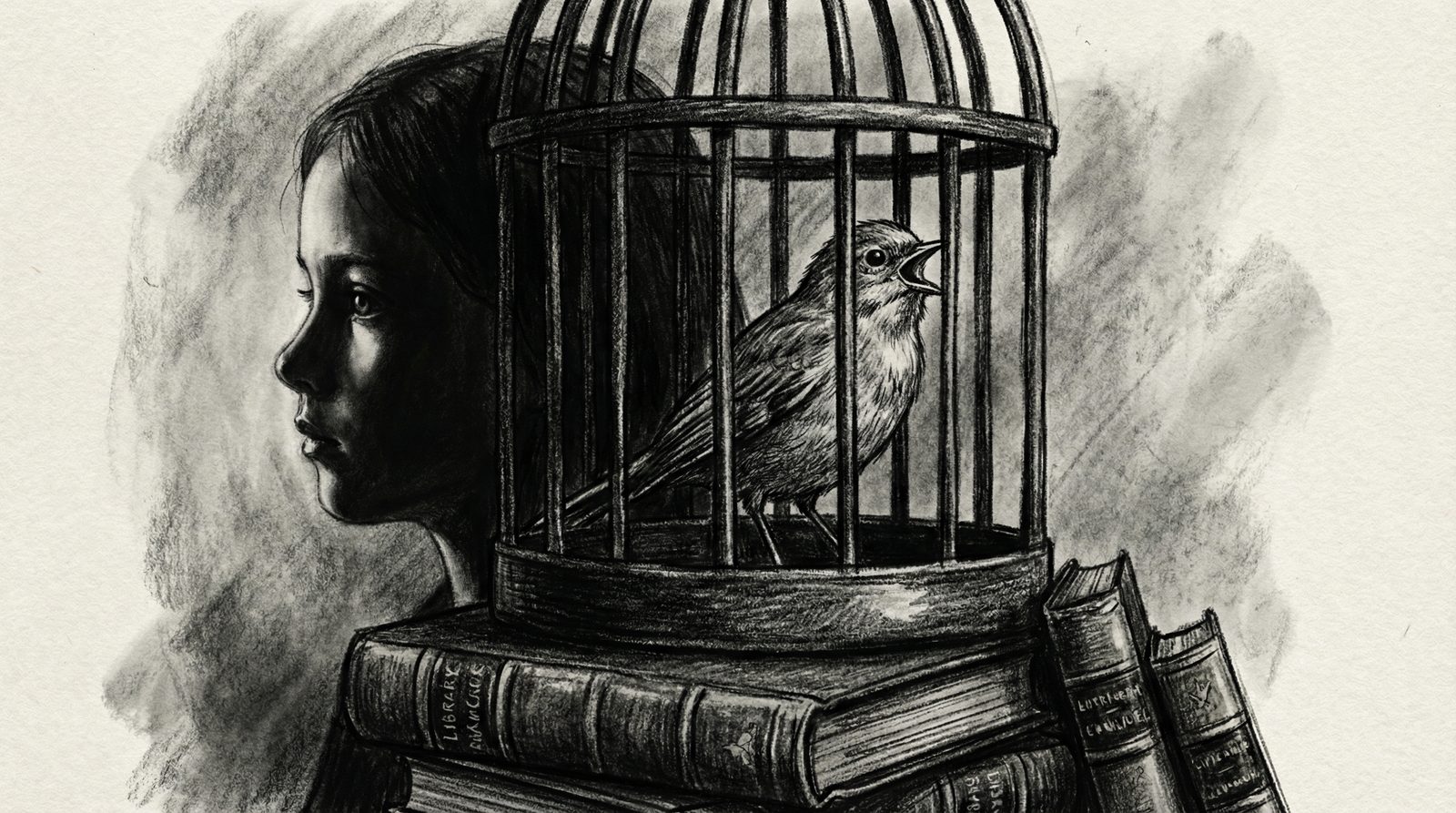
    I Know Why the Caged Bird Sings is Maya Angelou’s seminal memoir, tracing her childhood and adolescence in the American South and California. The book is a landmark in narrative nonfiction, addressing racism, trauma, sexual abuse, resilience, and the search for voice with precision and grace.

    The memoir fits strongly into motifs like Literacy as Liberation and Survival Narratives, reflecting how language becomes Angelou’s path toward freedom.


    PLOT AND THEMES

    The memoir follows Maya and her brother Bailey as they navigate the hostility of segregated America, the strict discipline of their grandmother’s household, and the emotional instability of their parents. Central events include Maya’s sexual assault at age eight and her subsequent silence, which lasts for years.

    Angelou explores racism, identity, trauma, and recovery. The book’s thematic heart is the return to speech. Maya’s rediscovery of voice becomes a profound act of resistance and reclamation. The story also reflects motifs like The Erased Girl and Dissociation as Defense.

    Conceptual editorial illustration inspired by 'I know why the caged bird sings'

    STYLE AND LANGUAGE

    Angelou writes with clarity, humor, and poetic elegance. She blends vivid sensory detail with emotional restraint. The voice remains controlled even when describing trauma, creating an effect similar to Emotional Minimalism. Scenes unfold with lyrical precision.

    The structure moves episodically, reflecting the fragmentation of memory and the growing insight of a maturing narrator.


    CHARACTERS AND RELATIONSHIPS

    Maya’s relationships with her brother Bailey, her grandmother, and the women in her community become sources of grounding and growth. Her relationship with her mother is complex, marked by longing and uncertainty.

    Teachers and mentors play a critical role, reinforcing the motif of Intimacy as Healing and the transformative power of guidance.

    Illustration of a core idea or motif from 'I know why the caged bird sings'

    CULTURAL CONTEXT AND LEGACY

    Published in 1969, the memoir was groundbreaking for its frank depiction of sexual abuse, racism, and female interiority. It became a foundational text in Black feminist literature and remains widely taught. Angelou’s voice paved the way for generations of memoirists who write about trauma with dignity and clarity.

    The book remains one of the most influential memoirs ever written.


    IS IT WORTH READING?

    Yes. It is moving, wise, painful, and radiant with humanity. Anyone interested in trauma narratives, American history, or the evolution of personal voice should read it.


    SIMILAR BOOKS

    The Color Purple (1982)
    Push (1996)
    The Bluest Eye (1970)

  • Their Eyes Were Watching God (1937)

    Their Eyes Were Watching God (1937)

    By: Zora Neale Hurston
    Genre: Literary Fiction, Romance
    Country: United States


    INTRODUCTION

    Their Eyes Were Watching God is a landmark of Black American literature. Through Janie Crawford’s journey toward selfhood, Hurston creates a sweeping novel about love, independence, desire, and the search for voice. The story is deeply rooted in Southern Black oral tradition and explores how identity is shaped by relationships, community, and personal truth.

    The novel reflects motifs like Intimacy as Healing and Survival Narratives, showing how emotional connection and resilience shape Janie’s path.


    PLOT AND THEMES

    Janie’s life unfolds across three marriages, each revealing different layers of power, desire, and constraint. Her first marriage is arranged, loveless, and marked by submission. Her second offers social status but emotional suffocation. Her third, with Tea Cake, gives her a glimpse of freedom and partnership.

    The novel explores self-discovery, gender expectations, desire, and the complexities of love. It embodies the motif of Memoirs of Reclamation, as Janie recounts her life to her friend Pheoby as an act of claiming her story.

    Conceptual editorial illustration inspired by 'their eyes were watching god'

    STYLE AND LANGUAGE

    Hurston’s style combines lyrical narration with richly rendered dialect. The prose is musical, rooted in folklore and oral rhythms. Dialogue carries much of the emotional weight, while Janie’s interiority is conveyed through metaphor and imagery.

    The structure mirrors spoken storytelling, creating intimacy and immediacy. Emotional truths emerge through tone rather than exposition.


    CHARACTERS AND RELATIONSHIPS

    Janie is a character defined by yearning and resilience. Tea Cake provides companionship and tenderness, though their relationship is not idealized. The community of Eatonville forms the backdrop of her journey, offering judgment, support, and conflict.

    The novel’s emotional core rests on Janie’s search for a self-defined life, free from imposed roles. It reflects motifs like Intimacy as Transaction and Power as Proximity, especially in her early marriages.


    CULTURAL CONTEXT AND LEGACY

    Published in 1937, the novel was misunderstood by critics of the era, particularly Black male writers who expected political confrontation instead of personal introspection. Decades later, it was reclaimed as a foundational work of Black feminist literature and is now recognized as one of the greatest American novels of the twentieth century.

    Janie’s voice has shaped countless writers and continues to resonate for readers seeking stories about selfhood, love, and liberation.

    Illustration of a core idea or motif from 'their eyes were watching god'

    IS IT WORTH READING?

    Yes. The novel is warm, vivid, poetic, and emotionally rewarding. Readers interested in coming-of-age arcs, Southern Black history, or stories powered by desire and resilience will find it unforgettable.


    SIMILAR BOOKS

    The Color Purple (1982)
    Beloved (1987)
    The Bluest Eye (1970)

  • Beloved (1987)

    Beloved (1987)

    By: Toni Morrison
    Genre: Literary Fiction, Historical Fiction
    Country: United States


    INTRODUCTION

    Beloved is Toni Morrison’s masterpiece, a novel that confronts the afterlife of slavery with unflinching emotional power. It follows Sethe, a formerly enslaved woman haunted by the ghost of her baby. The novel is an exploration of memory, grief, motherhood, and the violence that refuses to stay buried. The story moves through the motif of Trauma as Inheritance, where pain crosses generations, shaping identity and possibility.

    Morrison writes with a blend of lyricism and clarity that makes the supernatural feel inevitable and the historical feel painfully close.


    PLOT AND THEMES

    The story centers on 124 Bluestone Road, where Sethe lives with her daughter Denver and the ghost that torments them. When a mysterious young woman named Beloved arrives, claiming a connection to Sethe’s past, their fragile peace fractures. The narrative uncovers Sethe’s past through memories, revealing the horrors she endured and the desperate act she committed to save her children from slavery.

    The novel explores motherhood, guilt, generational pain, and the haunting nature of unresolved trauma. It also traces the healing power of community and the difficulty of reclaiming a self shaped by violence. The story embodies the motifs of Grief as Contradiction and Motherhood as Redemption.

    Conceptual editorial illustration inspired by 'beloved'

    STYLE AND LANGUAGE

    Morrison’s prose is lyrical, fragmented, and rooted in oral tradition. She uses shifting perspectives and timelines to mimic the way traumatic memory returns. The voice moves between interior reflection and communal storytelling. The emotional weight of the narrative is conveyed through rhythmic repetition and symbolic imagery. The style reflects the motif of Emotional Minimalism, where the most devastating truths are stated simply.


    CHARACTERS AND RELATIONSHIPS

    Sethe is defined by fierce maternal love and unbearable grief. Denver seeks identity outside the home. Paul D brings companionship and conflict as he struggles with his own past. Beloved herself becomes both ghost and symbol, embodying memory, longing, and accusation.

    The relationships between these characters explore survival, guilt, desire, and the fragile possibility of healing. They sit within motifs like Intimacy as Healing and Survival as Identity.


    CULTURAL CONTEXT AND LEGACY

    Published in 1987, Beloved reshaped American literature. It won the Pulitzer Prize and is considered one of the greatest novels of the twentieth century. Its depiction of slavery’s psychological aftermath influenced generations of writers and scholars. The novel remains a cornerstone of Black feminist thought and an essential text on memory, community, and reclamation.

    Morrison’s ability to weave the supernatural with historical truth solidified her reputation as one of the most important literary voices of the modern era.

    Illustration of a core idea or motif from 'beloved'

    IS IT WORTH READING?

    Absolutely. Beloved is a profound exploration of love, loss, and the weight of the past. It is intense, beautiful, challenging, and unforgettable. Readers interested in trauma, motherhood, history, or the resilience of the human spirit will find it essential.


    SIMILAR BOOKS

    The Color Purple (1982)
    The Bluest Eye (1970)
    I Know Why the Caged Bird Sings (1969)

  • Emotional Minimalism

    Emotional Minimalism

    Motif Type: Restraint and Expression
    Era Focus: 20th Century to 21st Century
    Primary Fields: Memoir, Literary Fiction, Trauma Narratives


    WHAT THIS MOTIF MEANS

    Emotional Minimalism appears in stories where the emotional truth is carried not in dramatic scenes, but in what is left unsaid. The tone is clipped, sparse, and controlled. The character shares details as if reporting facts, but the restraint becomes its own form of intensity. This is not emotional absence. It is emotional containment shaped by trauma, performance, or survival.

    The effect is powerful. The reader feels the force of emotion inside the gaps, silences, and flat statements.


    HOW IT WORKS IN NARRATIVE

    This motif often appears when the character has learned that expressing emotion is unsafe. They speak in understatement. They move through moments of pain with steady control. The narrative creates tension by letting the reader feel what the character will not name.

    When transformation arrives, it is subtle. A sentence lengthening. A moment of honesty. A shift in tone. Emotional Minimalism creates some of the most heartbreaking and most believable arcs in trauma-centered stories.

    Emotional Minimalism inline concept image


    WHERE WE SEE IT IN OUR LIBRARY

    • I’m Glad My Mom Died – McCurdy’s deadpan, clipped narration reveals trauma through understatement.
    • The Color Purple – Celie’s early letters are sparse, broken, and emotionally withheld until her voice grows.
    • Framing Britney Spears – The documentary uses restrained tone and minimal narration to underscore the emotional weight of Britney’s silence.
    • The Woman in Me – Britney’s writing is calm, clean, and almost detached as she recounts her life under control.

    This motif is strongest where trauma is carried in tone rather than confession. The silence around emotion becomes as revealing as any dramatic scene.


    Emotional Minimalism inline diagram image


    WHY IT MATTERS

    Emotional Minimalism creates emotional realism. It reflects how many survivors of trauma speak. It also gives the reader space to feel emotion without being forced into sentimentality. In literature and memoir, restraint can be more powerful than intensity.

    This motif also allows for slow, subtle transformation that feels earned and honest.


    ARCHETYPES ASSOCIATED WITH THIS MOTIF

    • The Witness – for characters who observe and report emotion with quiet clarity.
    • The Reclaimer – for characters whose emotional growth is revealed in small shifts.
    • The Controlled Daughter – for characters who learned to hide emotion for survival.

    RELATED MOTIFS

    Silence as Survival
    The Double Self
    Grief as Contradiction