
Archive – Books
-
A Fallen Idol (1886)
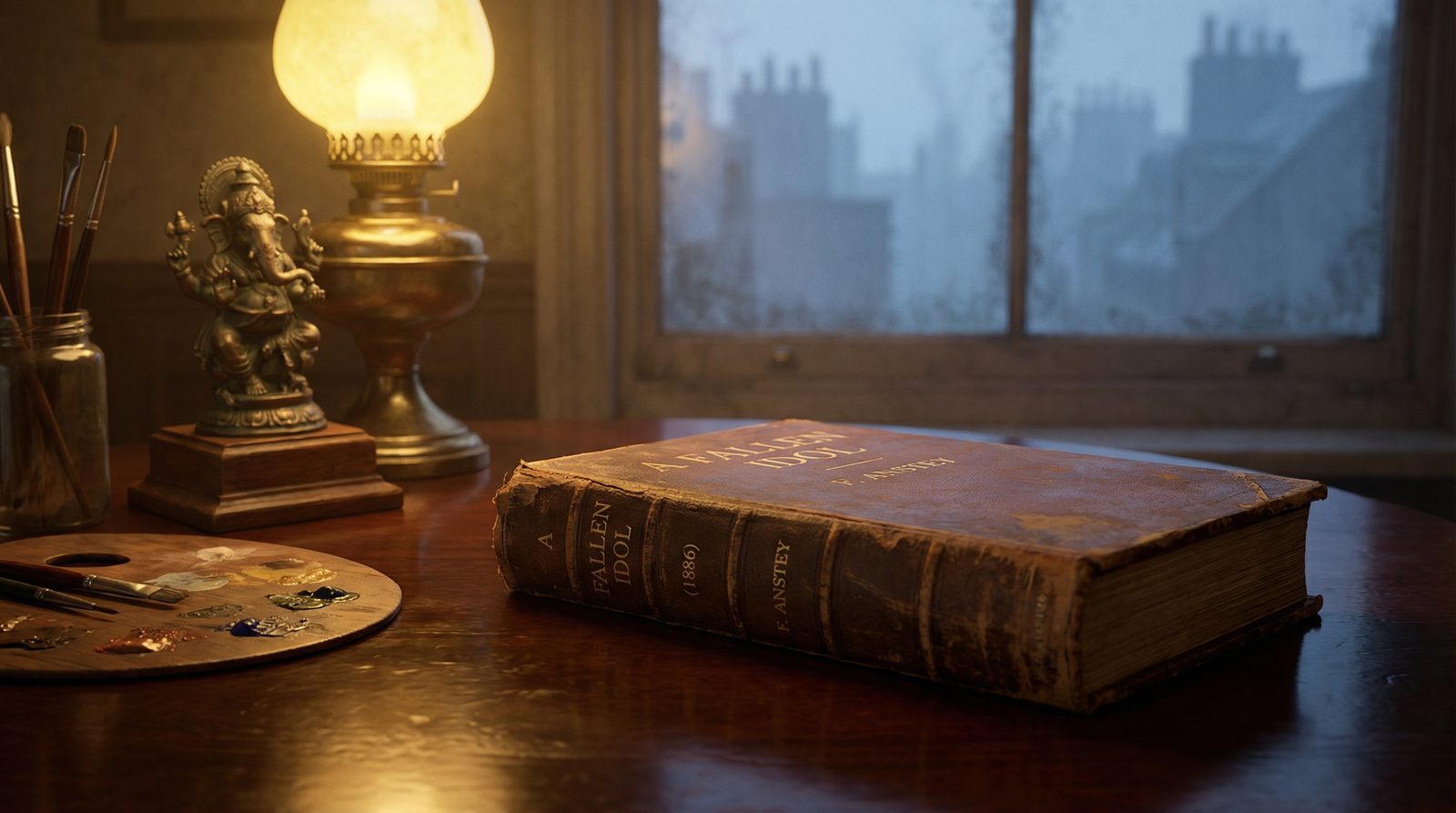 Read more: A Fallen Idol (1886)
A Fallen Idol (1886) is a curious Victorian Era hybrid: part occult thriller, part colonial satire, part psychological study of guilt. Its séance rooms, London studios, and Indian relics form a study of how belief, performance, and power corrode the self.
-
Five Children And It (1902)
 Read more: Five Children And It (1902)
E. Nesbit’s Five Children And It (1902) is less a cozy Edwardian romp than a sharp, funny, faintly melancholy study of desire, consequence, and childhood ethics, wrapped in sand and sunburn. Its wishes are rarely what they seem, and its magic is always tangled with mud, class, and the limits of imagination.
-
The Amulet Of Samarkand (2003)
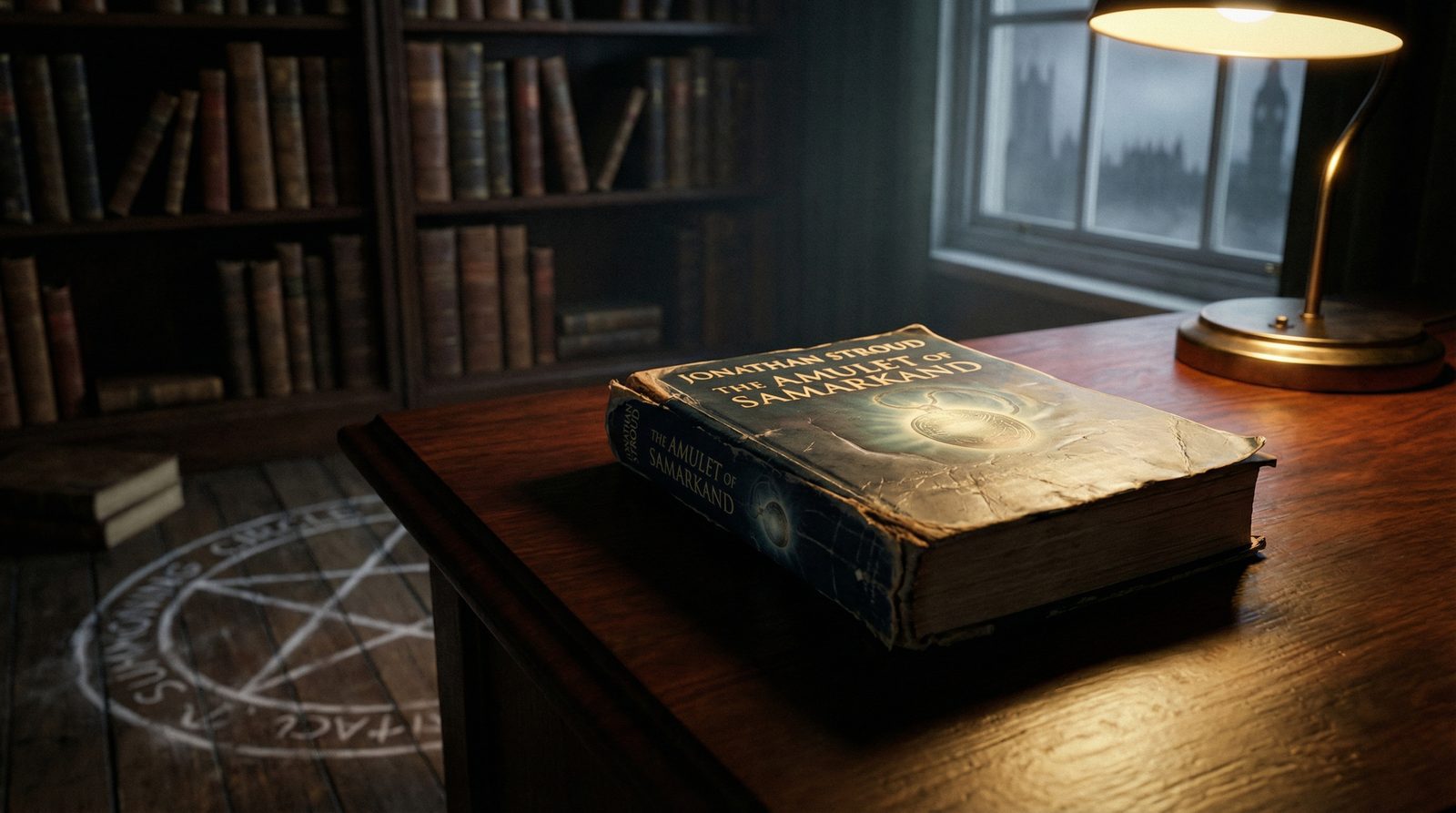 Read more: The Amulet Of Samarkand (2003)
Jonathan Stroud’s The Amulet Of Samarkand (2003) is a razor-edged fantasy that hides moral rot beneath clever banter, using a sarcastic djinni and a brittle child magician to dismantle the comfort of heroic narratives.
-
Tourmalin’s Time Cheques (1891)
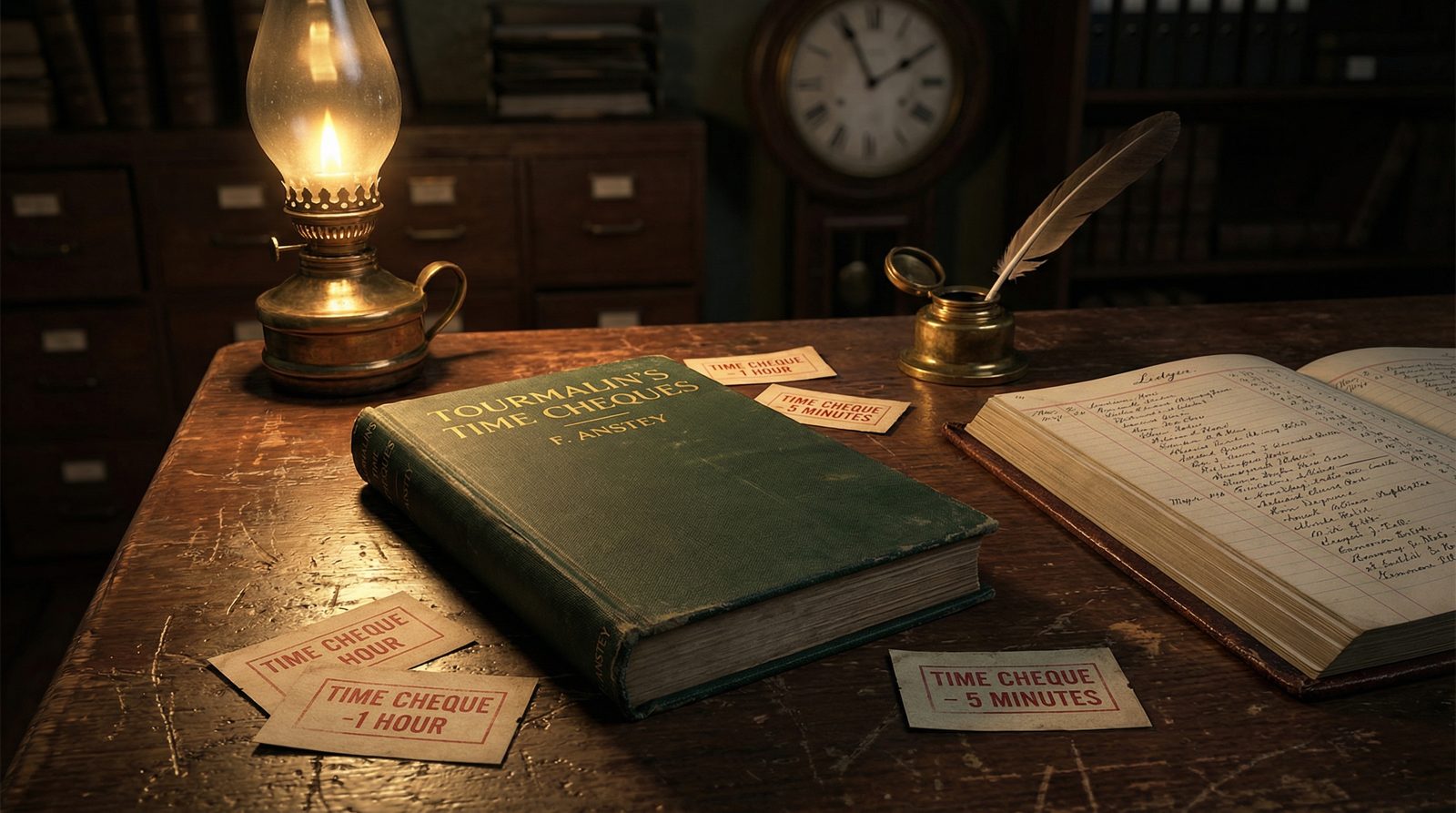 Read more: Tourmalin’s Time Cheques (1891)
Tourmalin’s Time Cheques is one of Anstey’s strangest and most quietly unsettling experiments. On the surface, it reads like a comic fantasy about time travel filtered through paperwork.
-
The Talking Horse And Other Tales (1892)
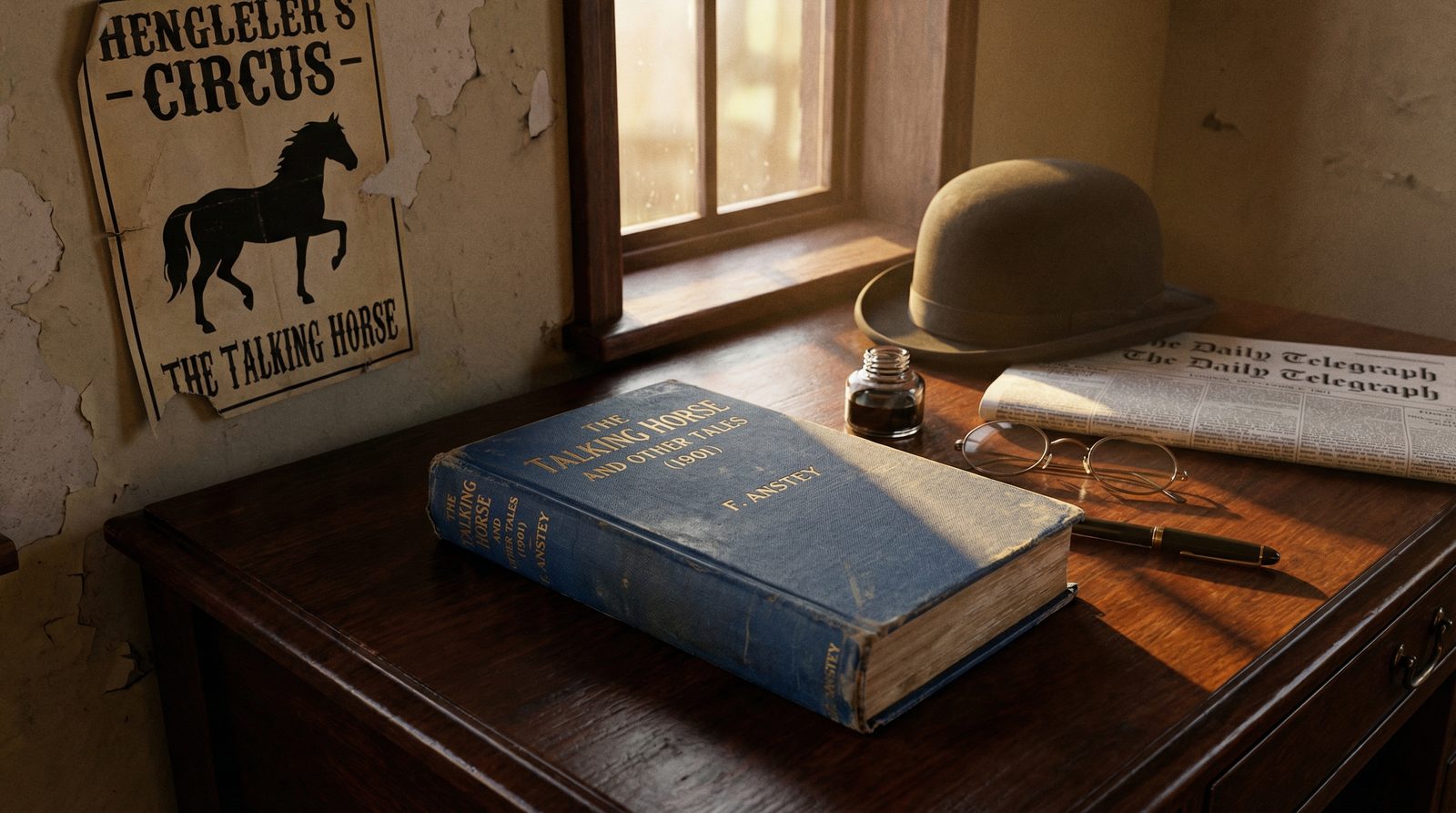 Read more: The Talking Horse And Other Tales (1892)
Aldous Huxley’s early story collection The Talking Horse And Other Tales (1901) is a strange, uneven little cabinet of curiosities: talking animals, brittle dons, and lonely children all circling the same questions of consciousness, cruelty, and the thin line between wit and despair. It’s minor Huxley, but already unmistakably his.
-
The Friends Of Eddie Coyle (1972)
 Read more: The Friends Of Eddie Coyle (1972)
George V. Higgins’s The Friends Of Eddie Coyle (1972) is a low, cold burn of a crime novel, where the real action happens in half-mumbled conversations over coffee and beer. It strips the Boston underworld of glamour and leaves you with the sound of men bargaining away scraps of dignity for one more day of…
-
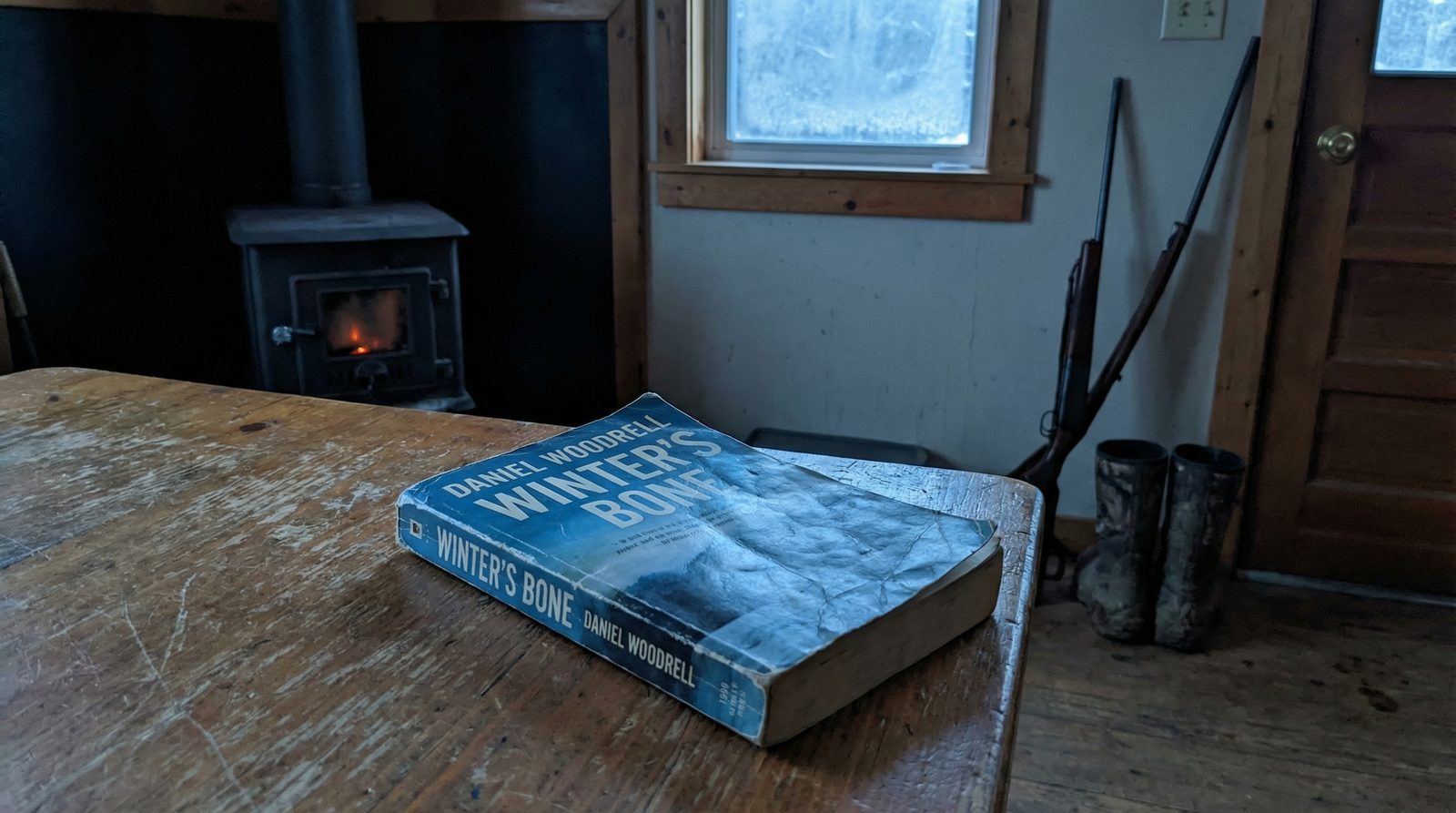
Winter’s Bone (2006)
 Read more: Winter’s Bone (2006)
Winters Bone (1999) is a short, wintry crime novel that strips the Ozarks down to ice, mud, and blood-loyalty, following Ree Dolly’s grim search for a vanished father and the truth that keeps a family barely alive. Its power lies less in plot twists than in the harsh poetry of survival and the way violence…
-
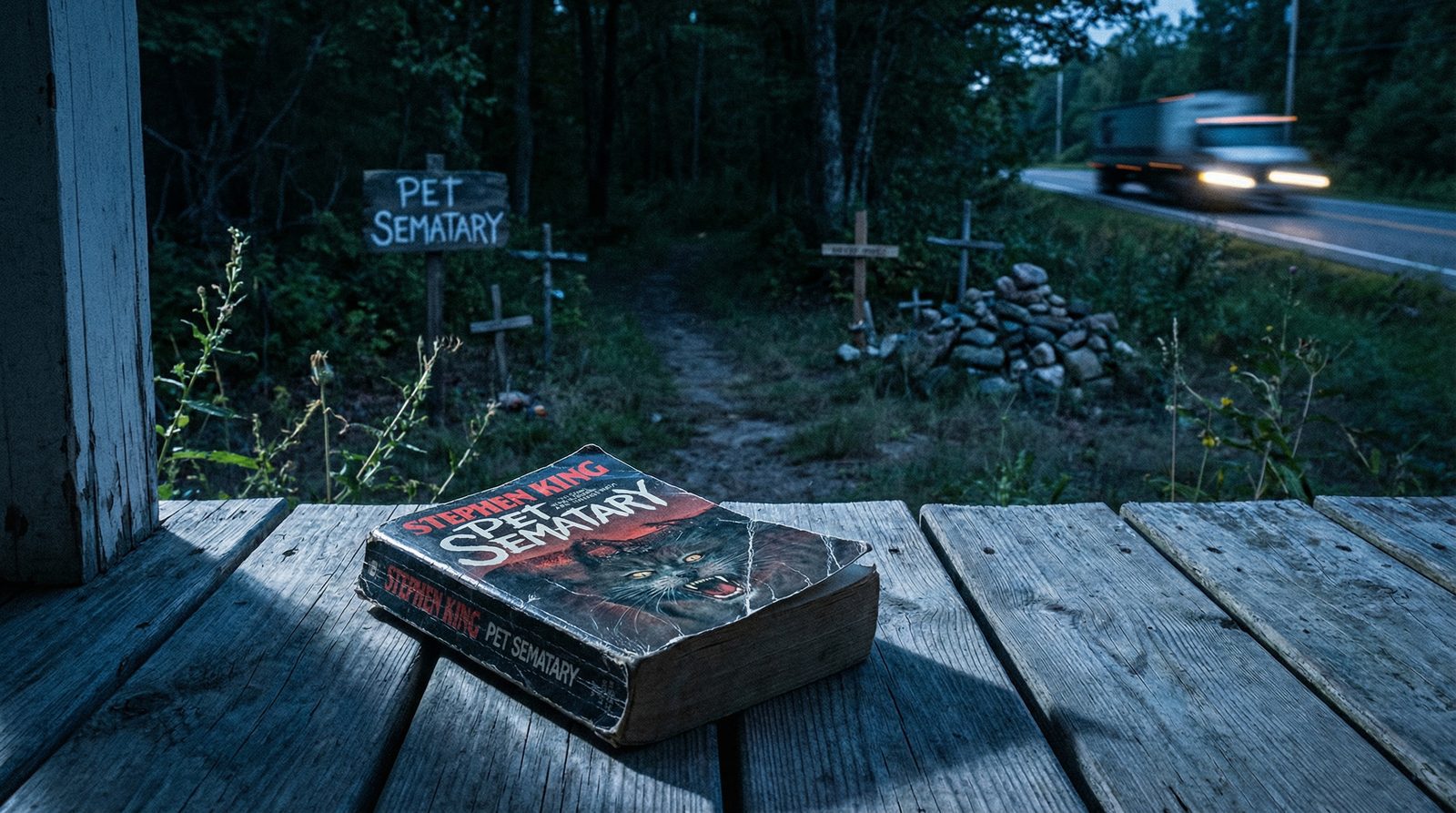
Pet Sematary (1983)
 Read more: Pet Sematary (1983)
Pet Sematary (1983) is Stephen King at his bleakest, a Late 20th Century horror novel where grief curdles into something ritualistic and obscene. It asks not whether death is frightening, but whether love becomes monstrous when it refuses to let death stand.
-
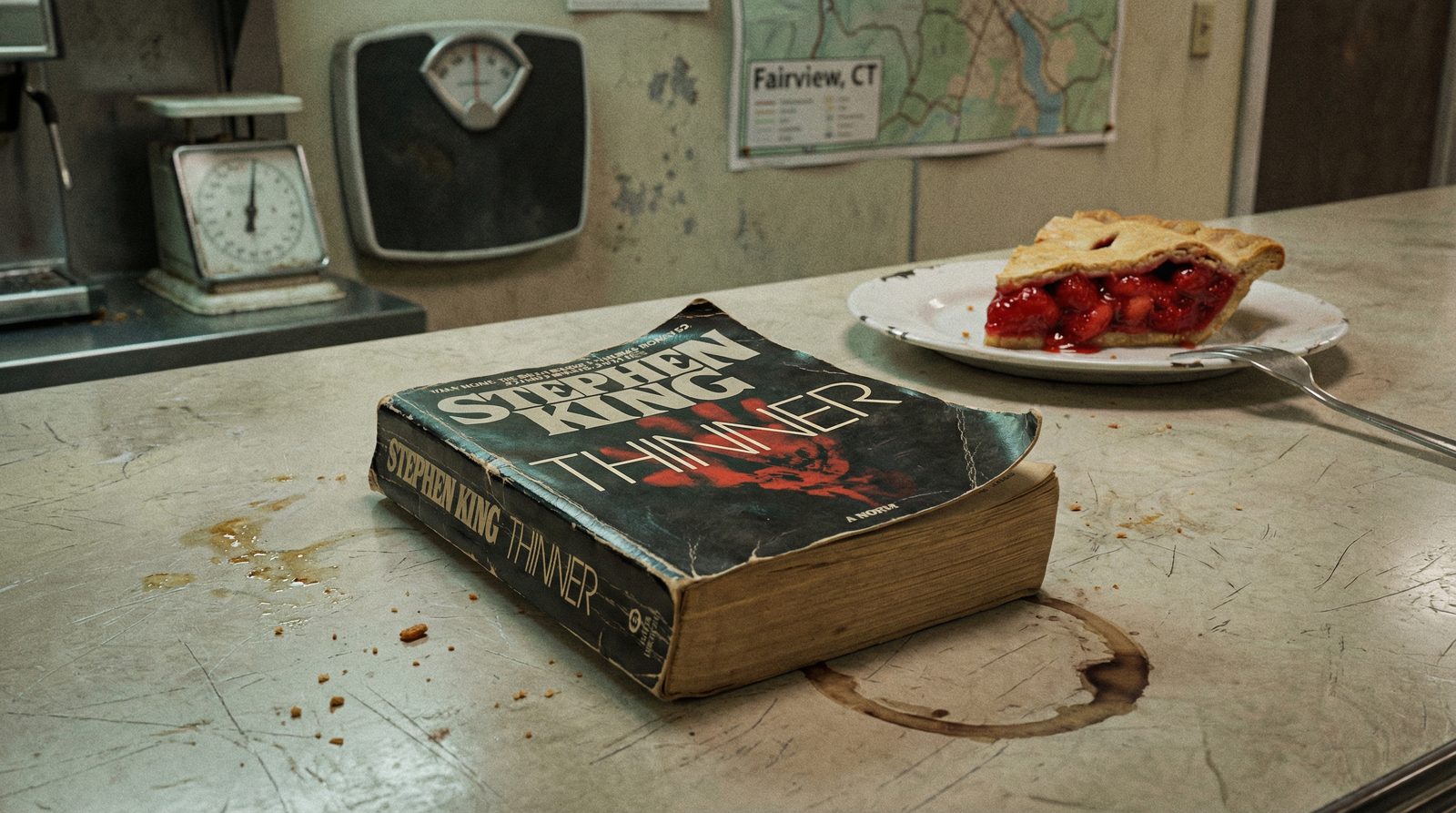
Thinner (1984)
 Read more: Thinner (1984)
Written under the Richard Bachman pseudonym, Thinner (1984) is a lean, mean curse novel about guilt, appetite, and the American urge to lawyer our way out of everything—even a supernatural judgment. Its horror isn’t just the wasting body, but the shrinking space for excuses.
-
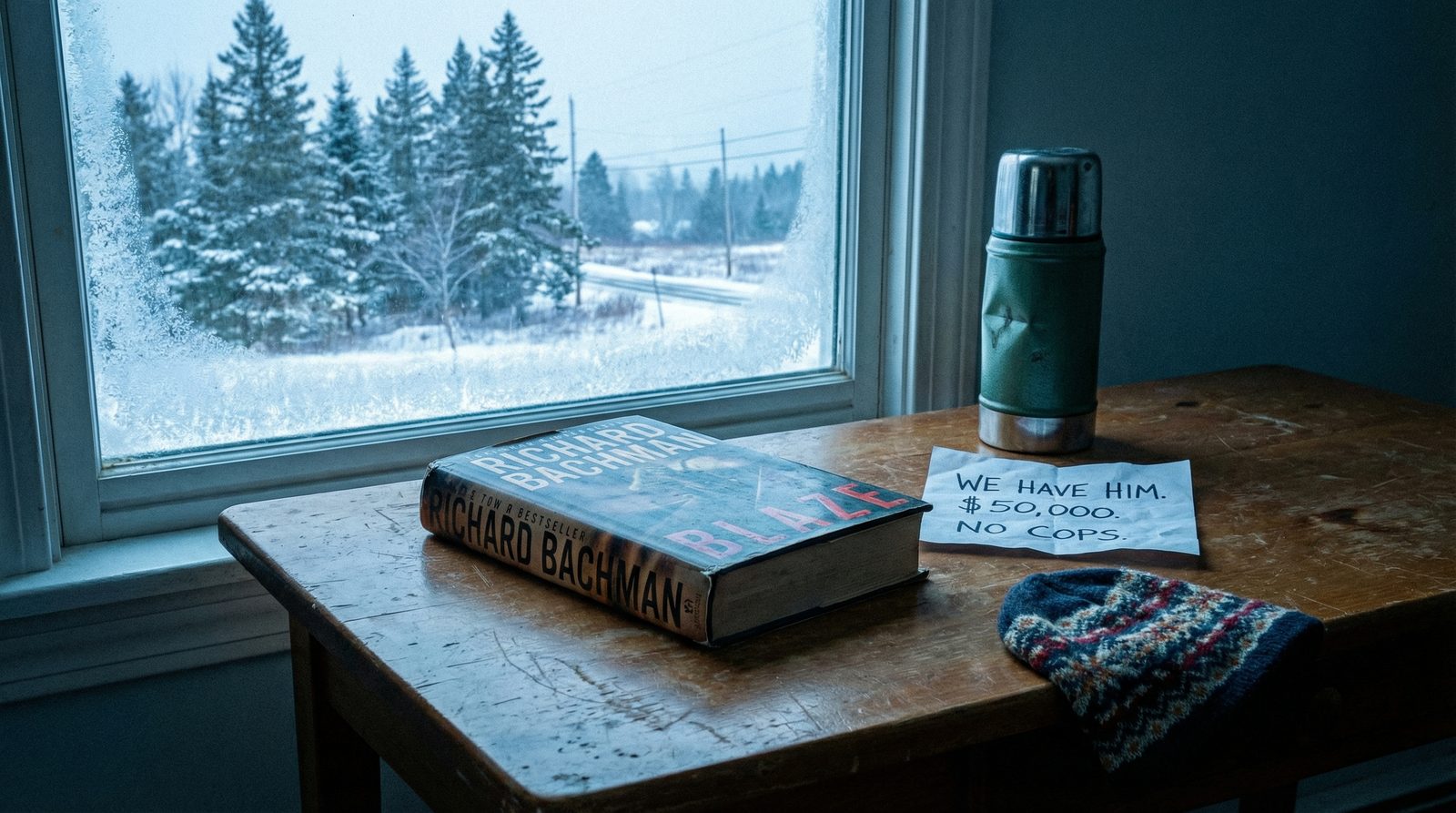
Blaze (2007)
 Read more: Blaze (2007)
Stephen King’s trunk novel about a brain-damaged small-time crook kidnapping a baby is less a crime caper than a long, sad walk through memory and regret. Blaze (2007) matters because it shows King writing under the Bachman mask again, stripping away the supernatural and leaving only human damage and a bitter kind of grace.