
Archive – Books
-
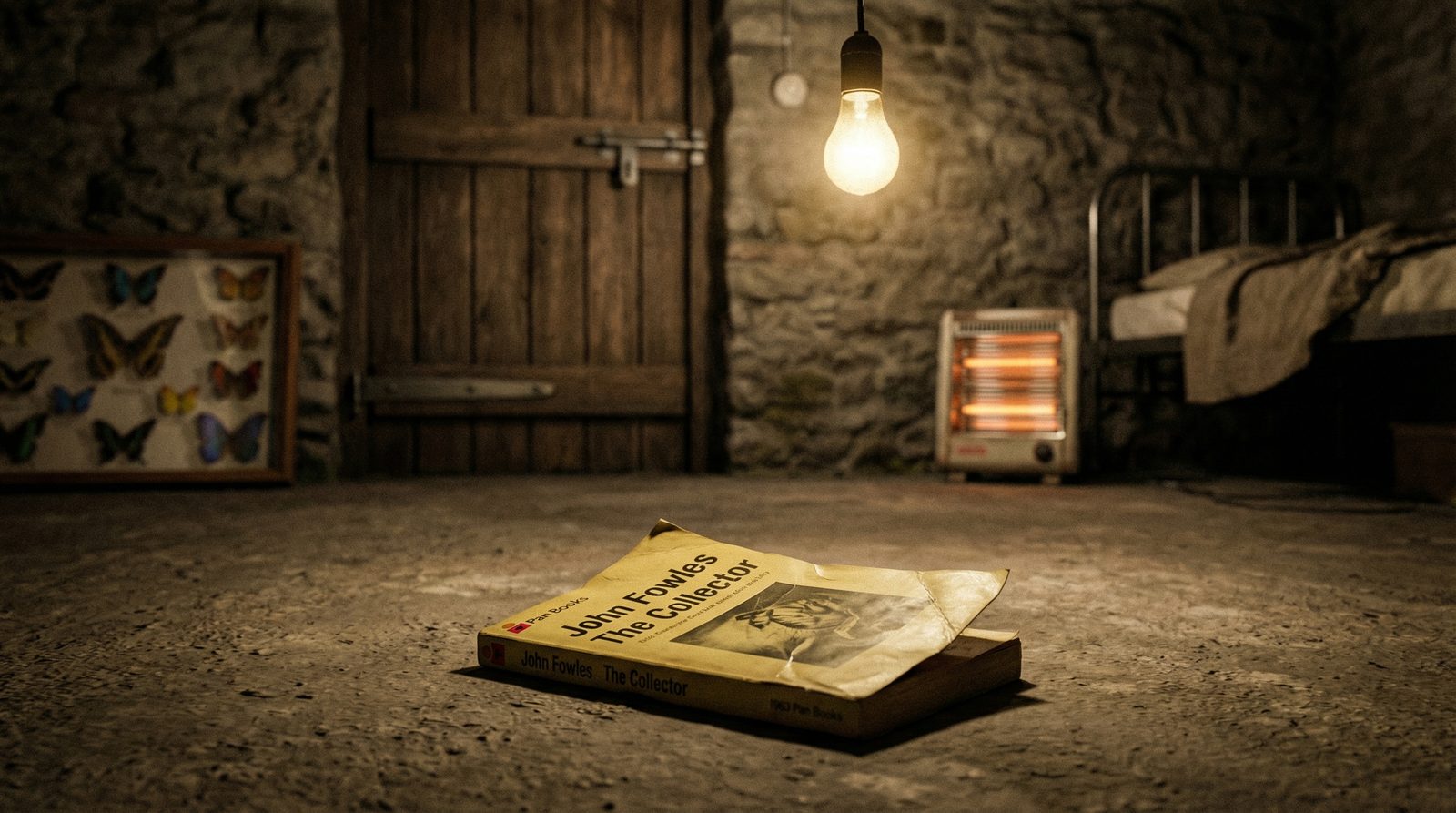
The Collector (1963)
 Read more: The Collector (1963)
John Fowles’s The Collector (1963) is a cold, unnervingly intimate study of obsession, class resentment, and the fantasies people build around those they claim to love. Its horror lies not in gore but in the quiet, methodical voice of a man who believes he is reasonable.
-
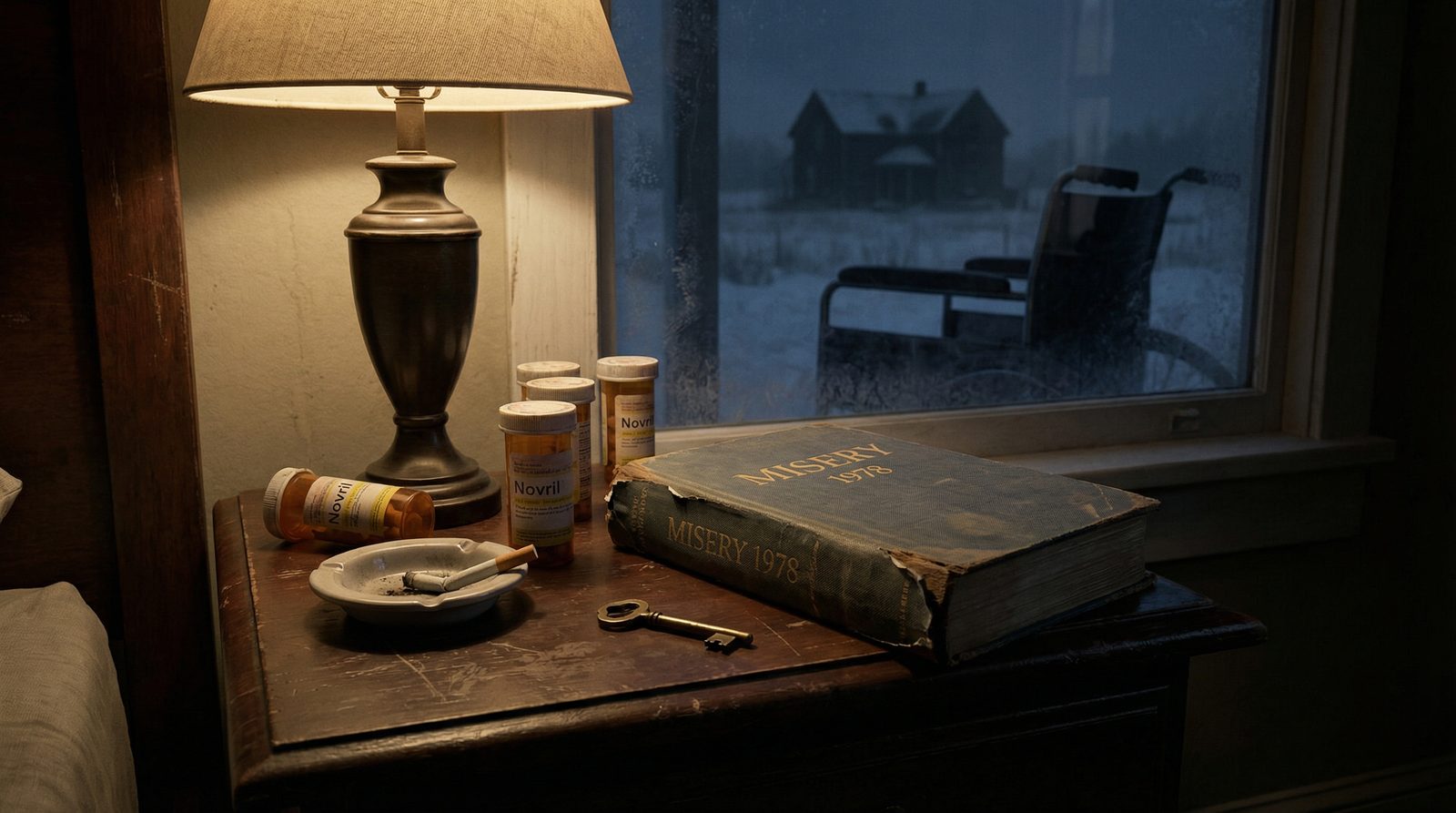
Misery 1987
 Read more: Misery 1987
Misery 1978 is a brutal little chamber piece about a writer, his most devoted reader, and the way obsession can eat a life from the inside out. It’s less about gore than about control, addiction, and the terrifying intimacy of being known too well.
-
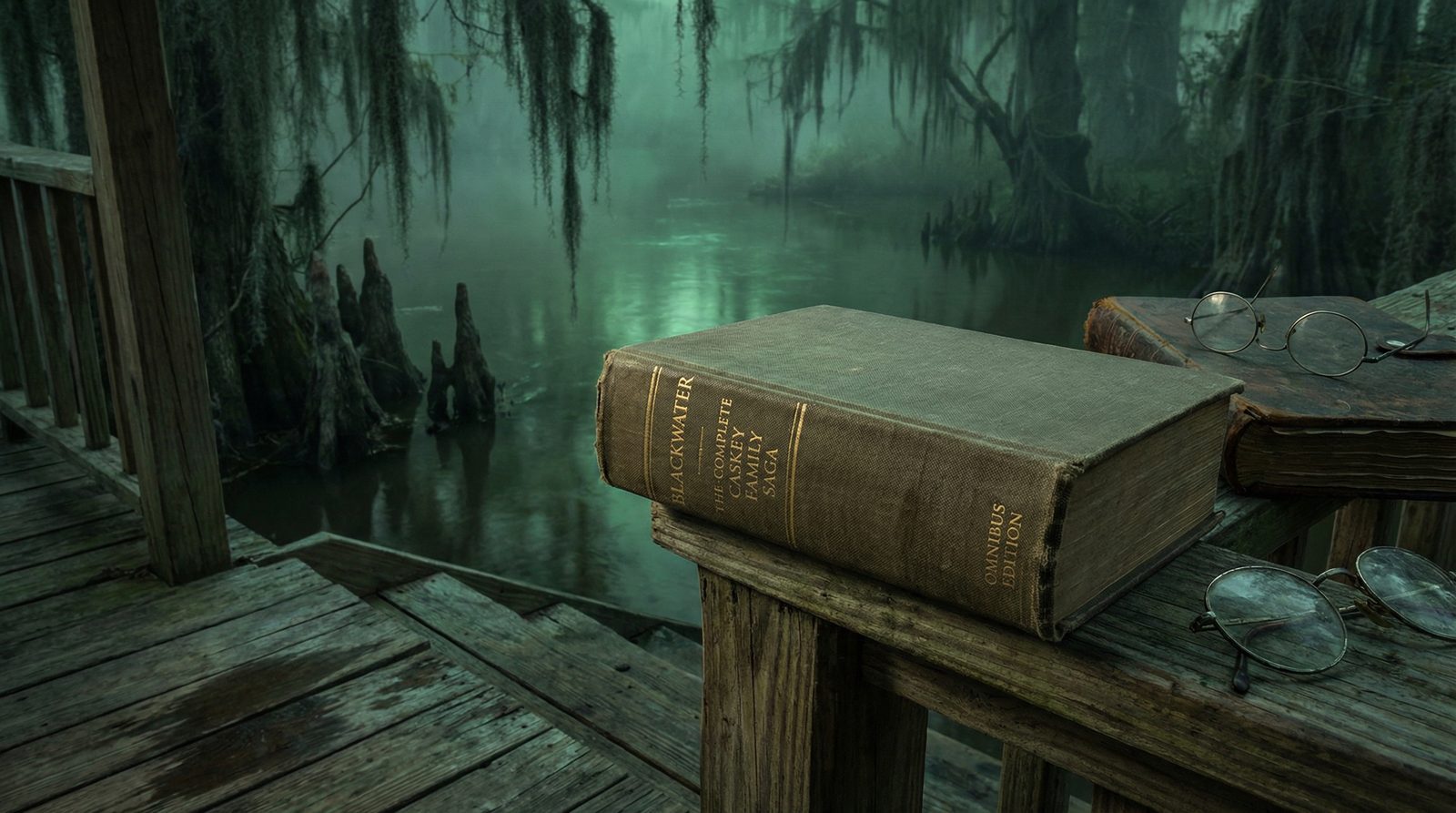
Blackwater: The Complete Caskey Family Saga (1983)
 Read more: Blackwater: The Complete Caskey Family Saga (1983)
Set in the town of Perdido, Alabama, from the 1910s through the late 20th century, it follows the wealthy Caskey family and the mysterious Elinor Dammert, a woman rescued from a flood who may not be entirely human.
-
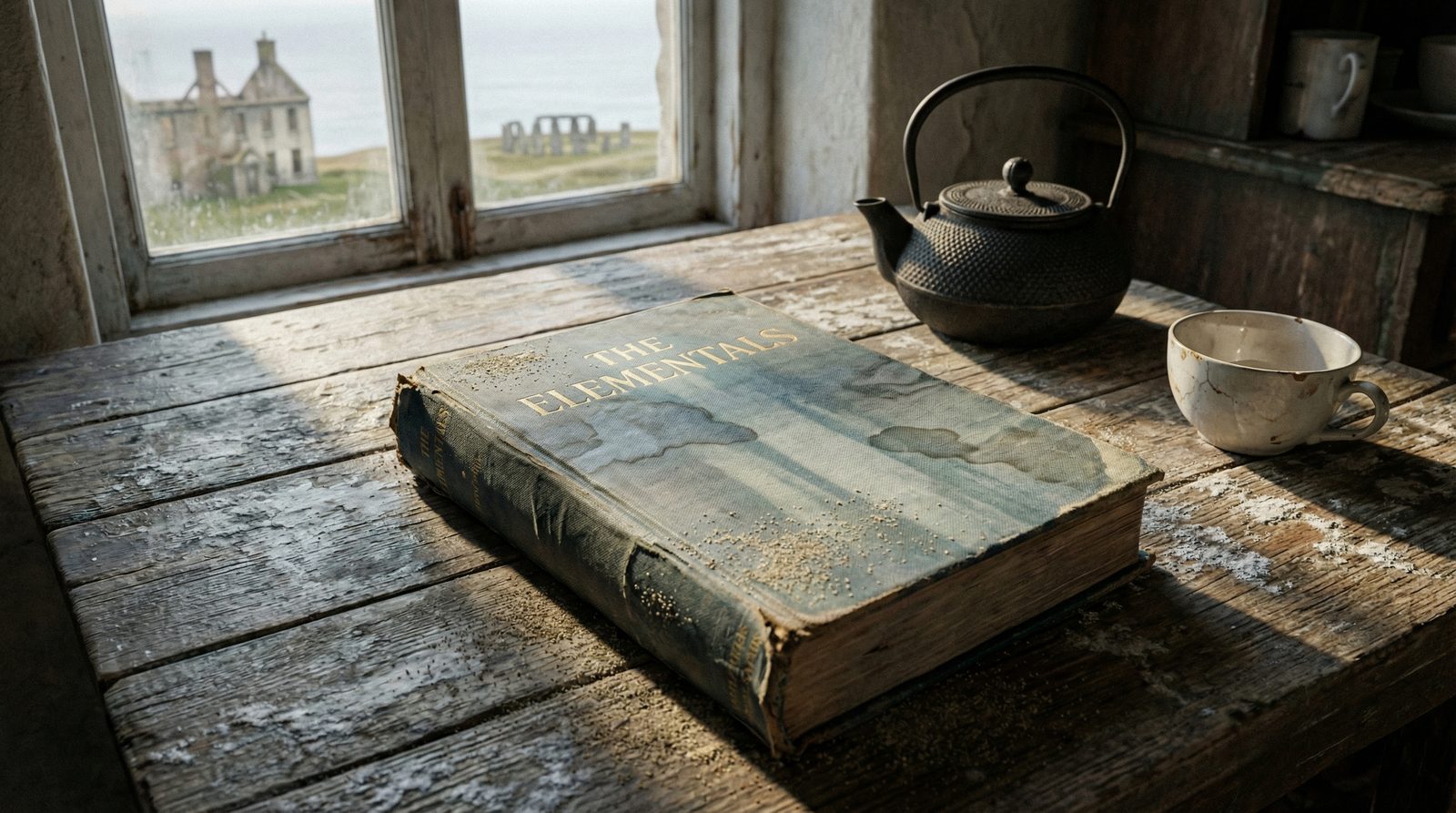
The Elementals (1981)
 Read more: The Elementals (1981)
The Elementals (1981) is the book that turned McDowell from a strong paperback horror writer into a cult legend. Two old Southern families, the Savages and the McCrays, retreat to their summer houses on the isolated Alabama coast to mourn a death. There, they confront a third house partially buried by sand – a structure…
-
Cold Moon over Babylon (1980)
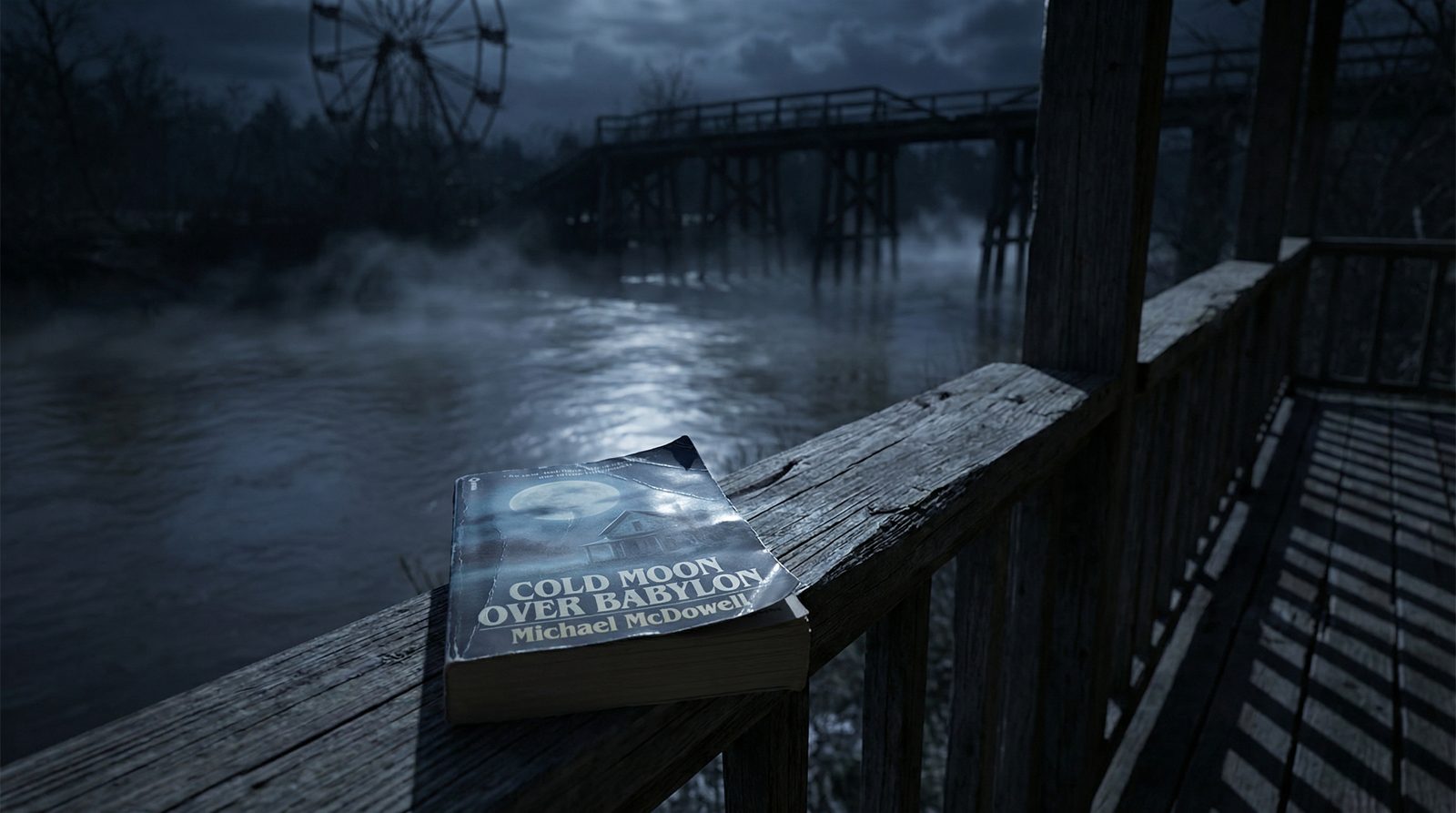 Read more: Cold Moon over Babylon (1980)
After a young girl named Margaret Larkin is murdered, something rises from the Styx River to avenge her, and the town of Babylon discovers that the dead do not always stay still. It is one of McDowell’s purest ghost stories and one of his most emotionally direct novels.
-
The Amulet (1979)
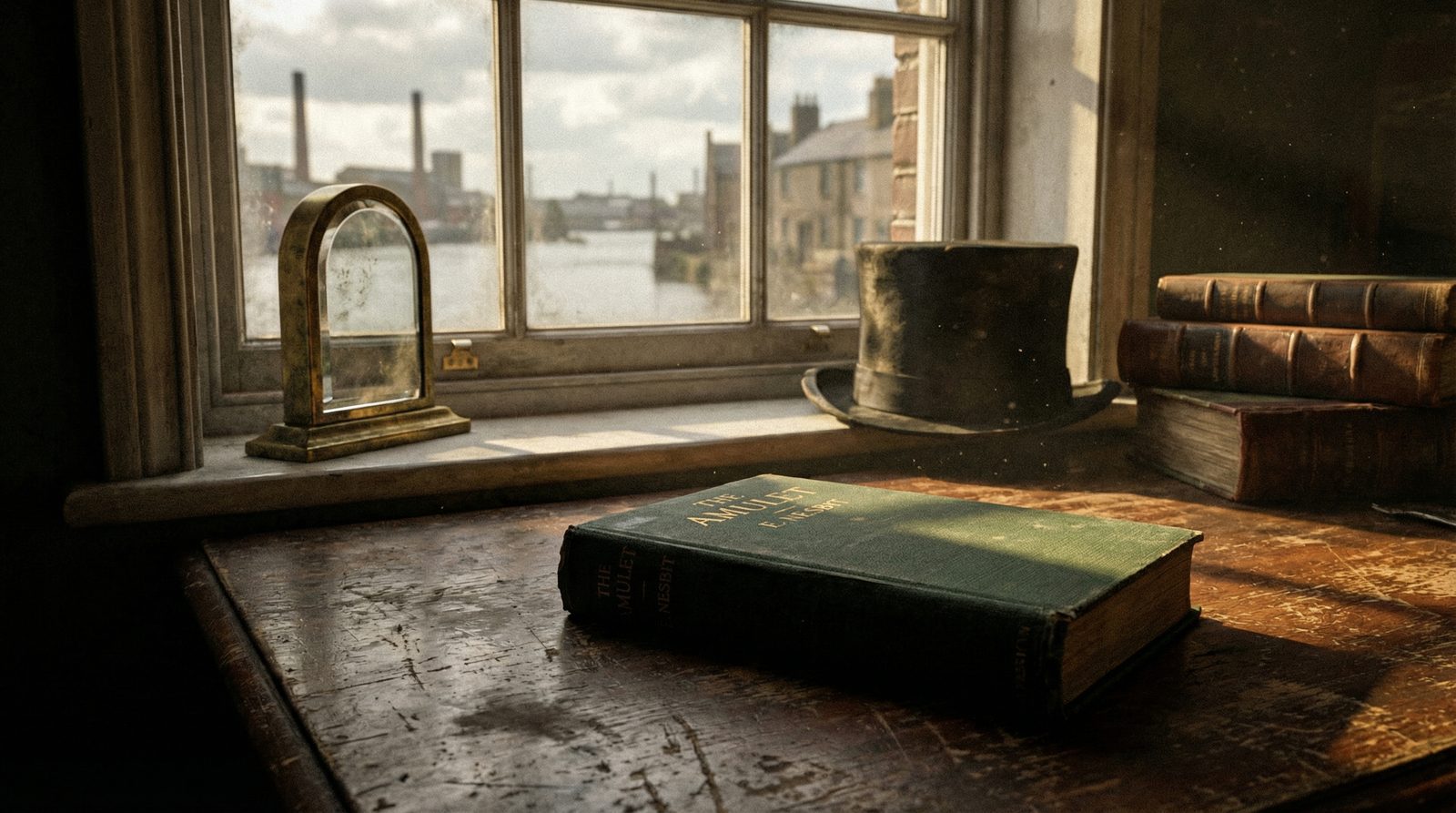 Read more: The Amulet (1979)
Set in the small Alabama town of Pine Cone, it follows Sarah Howell as she watches a mysterious charm move from hand to hand, turning ordinary objects into engines of gruesome death. Beneath the splatter, the book is about resentment, economic stagnation, and how a community quietly decides who deserves to suffer.
-
Catalyst (2002)
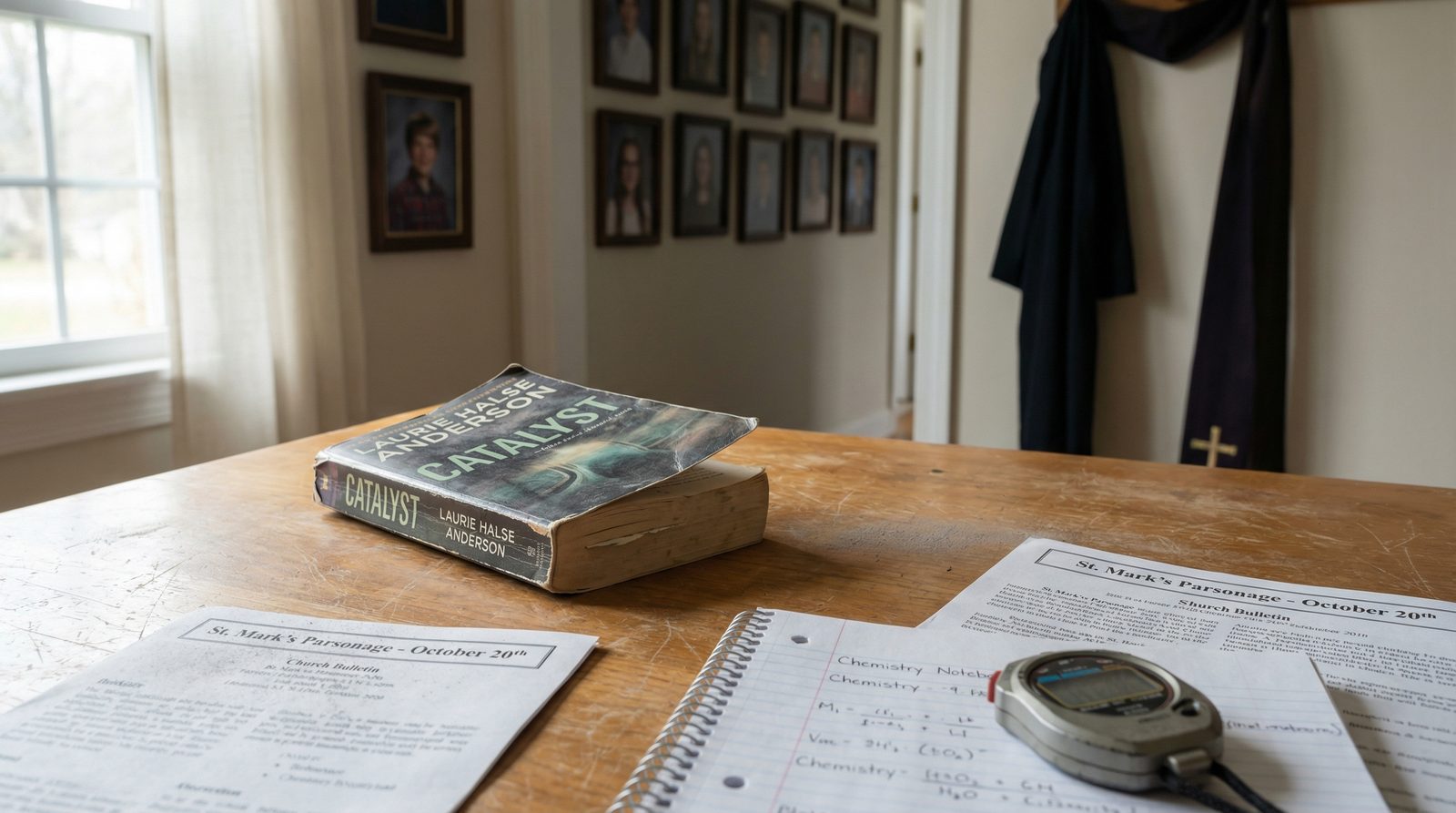 Read more: Catalyst (2002)
The novel follows Kate Malone, a high-achieving, tightly wound senior whose entire identity is wrapped around a single goal, getting into MIT. When her plans implode, so does the fragile structure she has built around herself.
-
2061: Odyssey Three (1987)
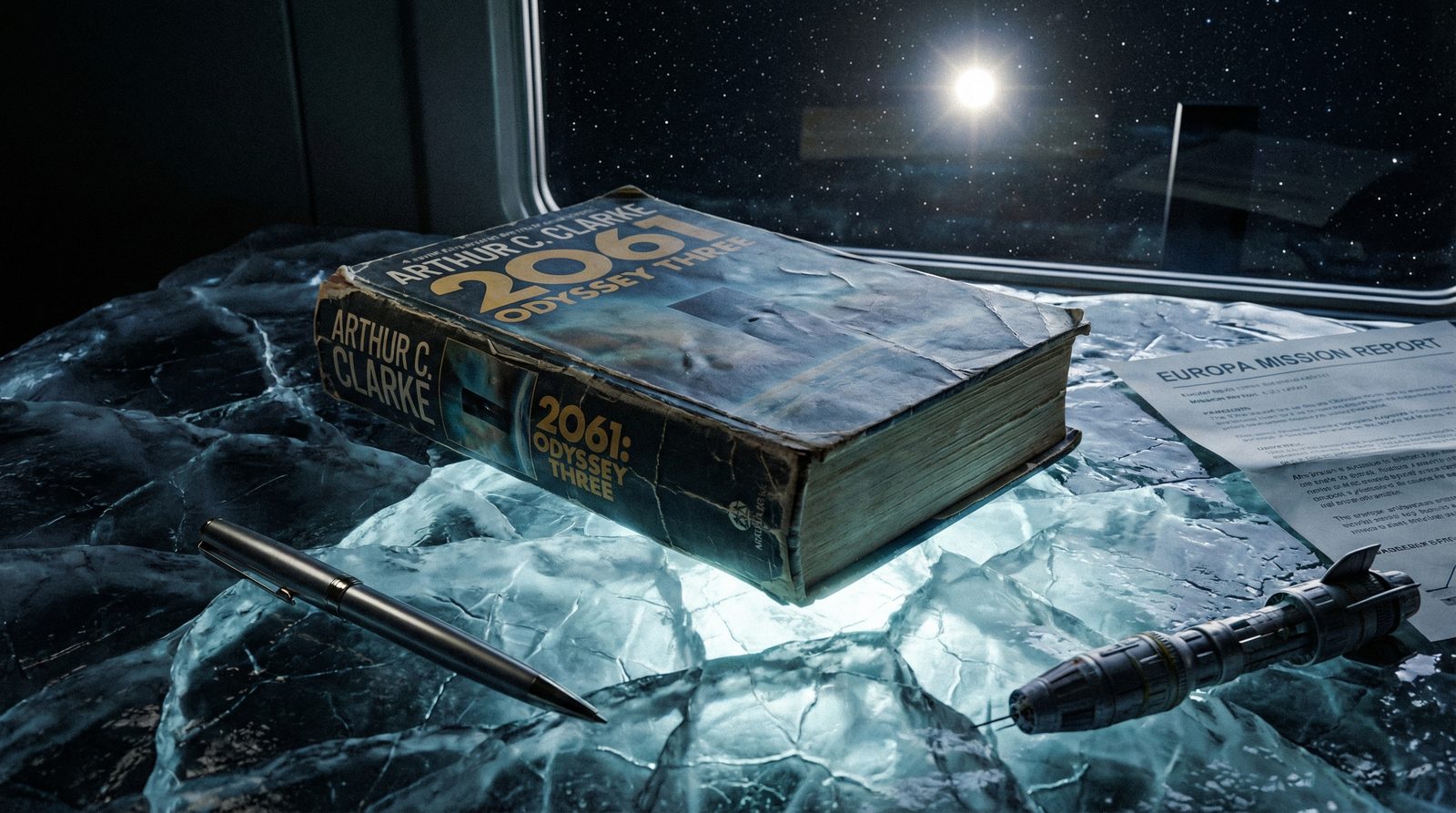 Read more: 2061: Odyssey Three (1987)
2061: Odyssey Three continues the iconic Space Odyssey sequence with a novel that mixes scientific speculation, slow-burn mystery, and Clarke’s signature optimism about human curiosity.
-
The Green Book (1981)
Read more: The Green Book (1981)The story centers on Pattie, the youngest child in her family, whose only possession on the doomed starship is an empty notebook she calls her green book. What she writes, and what that writing becomes to the community, is the novel’s quiet heartbeat.
-
Candles Burning (2006)
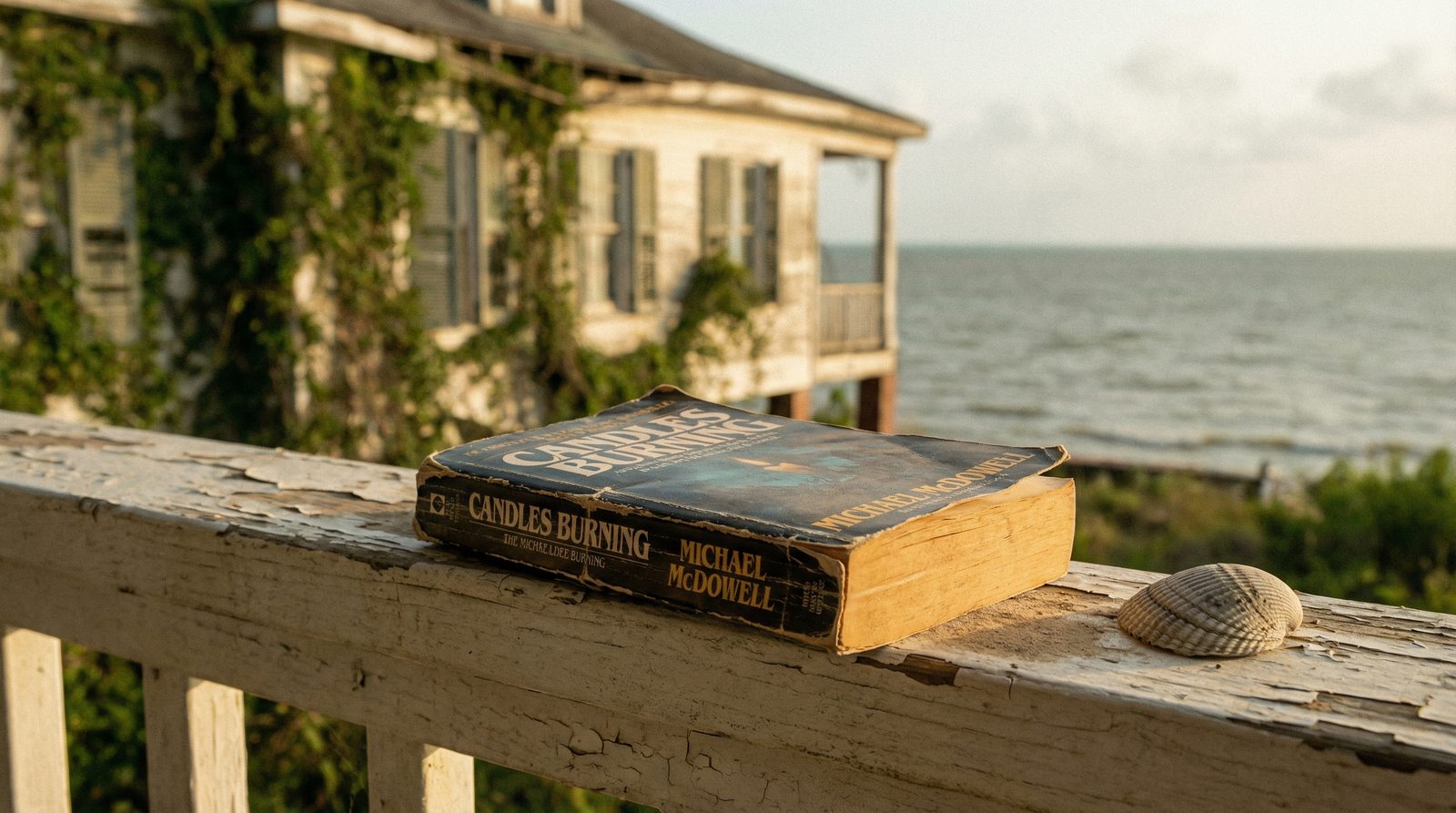 Read more: Candles Burning (2006)
The novel follows Calley Dakin, a young girl growing up in the Deep South whose life is shaped by murder, secrets, and the unsettling pull of the supernatural.