Feel: Claustrophobic

  • The Friends Of Eddie Coyle (1972)

    The Friends Of Eddie Coyle (1972)

    By: George V. Higgins
    Genre: Crime fiction
    Country: United States


    INTRODUCTION

    The Friends Of Eddie Coyle (1972) is a crime novel that smells like cigarette ash and stale beer, set in the jittery underbelly of the 1970s. Its world is small: the motif of transactional loyalty runs through every page; friendship is just another word for credit extended and favors owed. The feel is one of slow suffocation rather than sudden shock, as if the whole book were a long exhale on a cold Boston night. George V. Higgins doesn’t glamorize the underworld; what he hears are men like Eddie Coyle, a worn-out gunrunner with busted knuckles and a looming prison sentence, trying to talk their way into a future that keeps shrinking every time they open their mouths.


    PLOT & THEMES

    The plot of The Friends Of Eddie Coyle is deceptively simple. Eddie, a low-level Boston hood with a past that includes those famous smashed fingers from a truck job in New Hampshire, is facing another bid in prison. To avoid it, he starts feeding information to ATF agent Dave Foley while still brokering guns between the young dealer Jackie Brown and a crew of bank robbers hitting suburban branches from Dedham to Quincy. Around this, a quiet web of double-dealing tightens: bartender and sometime hitman Dillon, bookies like Jimmy Scalisi, and assorted hangers-on orbit Eddie’s desperation.

    The trope at work is the doomed informant, but Higgins drains it of melodrama. There are no big set pieces, just incremental betrayals. One motif is bureaucratic indifference: Foley treats Eddie as a file, not a man, and the prosecutors in the federal courthouse at Post Office Square barely register him as anything but leverage. Another motif is routine as prison: the morning coffee at the Speedway Diner, the same barstools at Dillon’s place, the same routes to the hockey rink parking lots where guns are passed from trunk to trunk.

    Unlike the film adaptation, the novel makes Eddie’s end feel even more like an administrative decision than a dramatic climax. After Eddie has outlived his usefulness, Dillon calmly accepts the contract and takes him to a Bruins game at Boston Garden, then out for beers in a Brighton bar. On the drive home, Dillon’s partner in the backseat puts three bullets in Eddie’s head while Dillon keeps the car steady. The book ends not with outrage but with paperwork: Dillon returns to his bar, Foley files his reports, and the robbers Eddie betrayed are quietly rolled up. The world shrugs and keeps going.

    Higgins’s focus on the small-scale, procedural grind anticipates the dry institutional fatalism you see later in works like Don Winslow’s The Power of the Dog (2005) and the film The French Connection (1971), but his Boston is even more cramped, more local, more suffocating.


    PROSE & NARRATIVE STRUCTURE

    The most famous thing about The Friends Of Eddie Coyle is its narrative technique of dialogue-driven storytelling. Higgins drops you into conversations with almost no exposition. The feel is claustrophobic and oddly hypnotic: you learn who’s who and what’s at stake by eavesdropping, piecing it together from half-finished sentences and local slang. When Foley and his fellow agents sit in a government sedan outside the bank, listening to the radio chatter as the robbers go in, the tension comes entirely from what is said and what is not.

    Higgins uses a kind of hard-boiled free indirect style between the talk, but it’s stripped down to the bone. Descriptions of places — the Somerville tenement where Eddie lives, the shabby bar where Dillon works, the anonymous motel rooms where Jackie Brown counts his money — are quick, functional, never romantic. The structure is almost mosaic: short scenes that jump between Eddie, the robbers, Jackie, Dillon, and Foley, overlapping in time and filling in the same events from different angles.

    This fragmented approach means there’s no single, clean narrative arc. We see the bank crew rehearsing their methodical takeovers, the way they make tellers lie on the floor and empty the drawers, returning to the same South Shore banks again and again. We hear Jackie’s careful instructions about filing off serial numbers, about how many guns he can safely move in a week. The rhythm of these scenes makes Eddie’s murder feel less like a climax than one more entry in a long, dull ledger of crimes and consequences. That’s the structural joke: the story of a man trying to matter is told in a form that keeps reminding you he doesn’t.
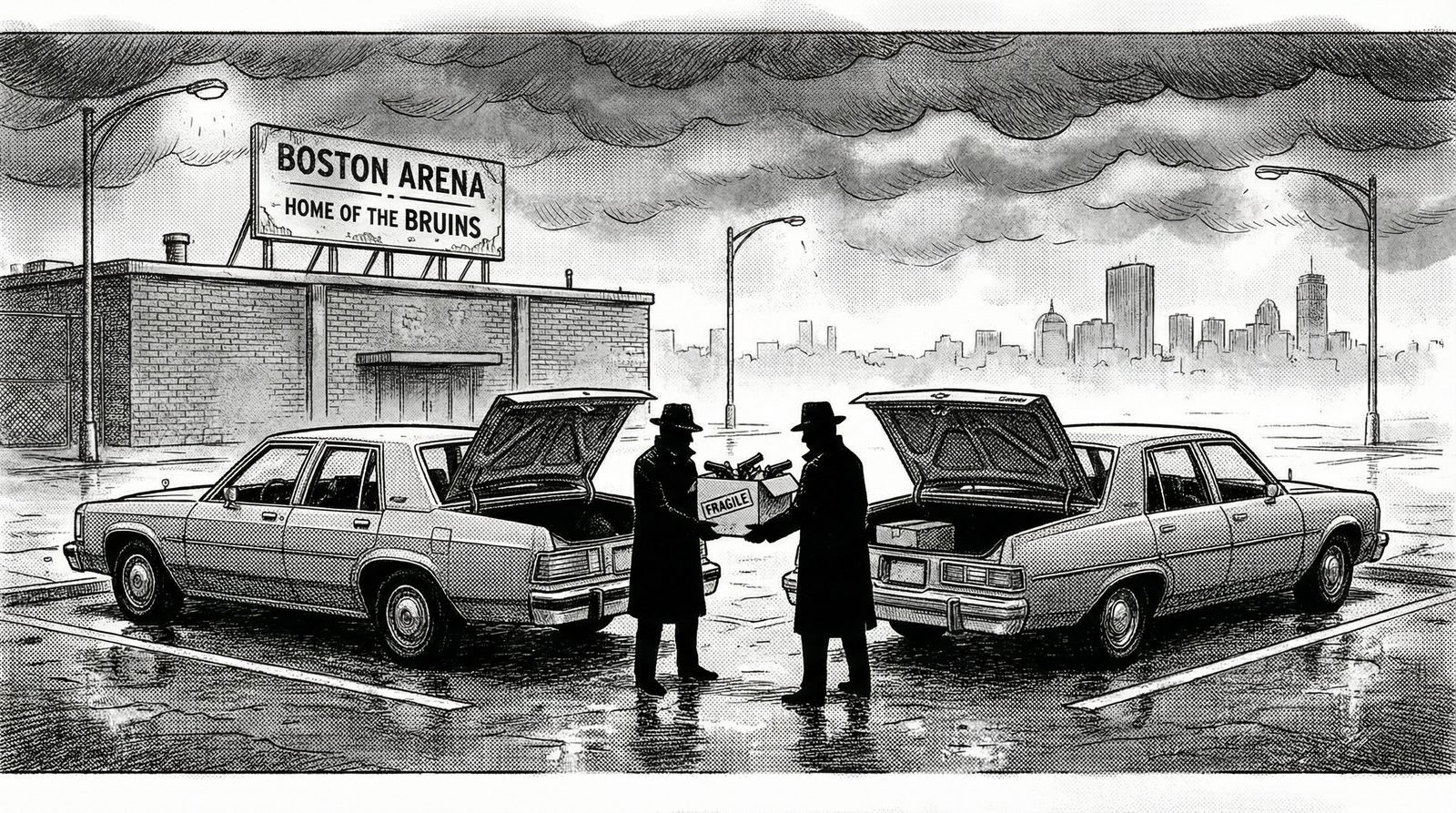
    Conceptual editorial illustration inspired by 'The Friends Of Eddie Coyle (1972)'

    CHARACTERS & INTERIORITY

    Eddie Coyle is the classic archetype of the weary small-time crook, but Higgins refuses to sentimentalize him. Eddie is not noble, not especially bright, and not secretly waiting to reform. He’s a man who has spent his life making bad bargains and is now too tired to find a good one. His interiority comes in quick, bitter flashes — his fear of going “up the river” again, his resentment that nobody remembers the truck job that cost him his fingers, his half-hearted attempts to reassure his wife that things will be all right.

    Dillon is a quieter creation: a bartender who listens more than he speaks, a man whose apparent friendliness is just another professional skill. His scenes with Eddie, especially the one in the back room where they talk about who might be informing, are master classes in misdirection. You can feel Eddie trying to reach for a friend while Dillon silently measures the odds and the potential payout. Jackie Brown, the young gun dealer, embodies a different kind of criminal ambition — cool, entrepreneurial, already thinking about his next market.

    Crucially, the lawmen are not heroes. Foley is competent, sometimes even sympathetic, but he thinks in terms of cases, not lives. When he leans on Eddie in a diner, offering vague promises about talking to the prosecutor, the emotional asymmetry is brutal: Eddie is fighting for his future; Foley is optimizing his workload. The interior lives here are narrow, pinched by money, fear, and habit. Nobody dreams big; they just dream of getting through the next winter without going back to Walpole or Charlestown State Prison.


    LEGACY & RECEPTION

    When The Friends Of Eddie Coyle appeared in 1972, it startled the crime-fiction world. Here was a novel where almost nothing “big” happens on the page, yet everything feels consequential. Its influence can be traced through later crime writers who put procedure and talk at the center of their work, from Elmore Leonard to Dennis Lehane. The book’s unvarnished depiction of Boston’s underclass also helped define the city’s literary crime identity, long before it became familiar through films like The Departed (2006).

    The ending, with Eddie’s body slumped in the front seat while Dillon arranges the scene and then goes back to tending bar, has become a touchstone for the genre’s bleaker wing. Critics recognized early on that Higgins had done something new: he’d written a crime novel that felt like documentary, where the real subject was not the heists or the shootings but the quiet machinery that decides who lives and who gets written off. The book’s reputation has only grown, often cited as one of the finest American crime novels of the late twentieth century, a benchmark for anyone trying to write about criminals as workers rather than mythic figures.


    IS IT WORTH READING?

    If you want car chases, glamorous mob bosses, or clever twists, The Friends Of Eddie Coyle will feel too quiet, maybe even uneventful. But if you’re interested in how crime actually works at the bottom rung — how fear, debt, and habit shape people’s choices — it’s essential. Higgins writes with an ear so sharp it can feel like you’re intruding on real conversations. The book is short, but it asks you to listen closely, to accept that most lives end not with fireworks but with a shrug. It’s worth reading not because it flatters the reader, but because it doesn’t: it shows a world where everyone is replaceable, and somehow that makes Eddie’s small, shabby struggle linger in the mind long after the last page.

    Illustration of a core idea or motif from 'The Friends Of Eddie Coyle (1972)'

    TRIVIA & AUTHOR FACTS

    George V. Higgins had worked as an assistant U.S. attorney in Boston before writing The Friends Of Eddie Coyle, and you can feel that prosecutorial background in the book’s procedural calm. He wrote much of the novel in the late 1960s, drawing on real cases involving gunrunning and bank robbery in Massachusetts. The famous anecdote about the book is that it was rejected by multiple publishers who couldn’t make sense of a crime novel so heavy on dialogue and so light on conventional explanation.

    Higgins went on to write many more novels, often returning to Boston’s working-class neighborhoods and to the uneasy overlap between criminals, lawyers, and politicians. But The Friends Of Eddie Coyle remains his best-known work, partly because it arrived fully formed. He once said that he wrote dialogue by listening to people in bars and diners and then cutting away everything that sounded like writing. That discipline is all over this book, which reads like a transcript of a world most readers never get to hear.


    SIMILAR BOOKS

    If The Friends Of Eddie Coyle works for you, you might seek out Elmore Leonard’s Swag (1976), another lean, dialogue-heavy look at small-time crooks. Richard Price’s Clockers (1992) offers a later, urban variation on the same interest in criminals as workers bound by routine. For a British counterpart, try Ted Lewis’s Jack’s Return Home (1970), which shares Higgins’s cold eye for provincial crime. And if you want more Boston grit filtered through moral fatigue, Dennis Lehane’s A Drink Before the War (1994) picks up some of Higgins’s concerns and drags them into the 1990s, with private investigators instead of gunrunners but the same sense of lives boxed in by class and geography.


    DISCOVERABILITY & LINKS

    This review of The Friends Of Eddie Coyle is connected across the site to related motifs, tropes, archetypes, and comparable works, helping you trace lines between Boston crime fiction, dialogue-driven narratives, and other stories of doomed informants and small-time operators trying to survive one more season.

  • Richard Bachman

    Richard Bachman

    ORIGINS & BACKGROUND

    Richard Bachman began as a pseudonym for Stephen King, a way to publish more books than the market supposedly allowed and to test whether his success was luck or something built into the stories themselves. That experiment matters because it shaped what kind of tales appeared under the Bachman name. The pseudonym became a container for the meaner, more stripped-down ideas, where sentimentality is scarce and the world feels rigged against the characters from page one.

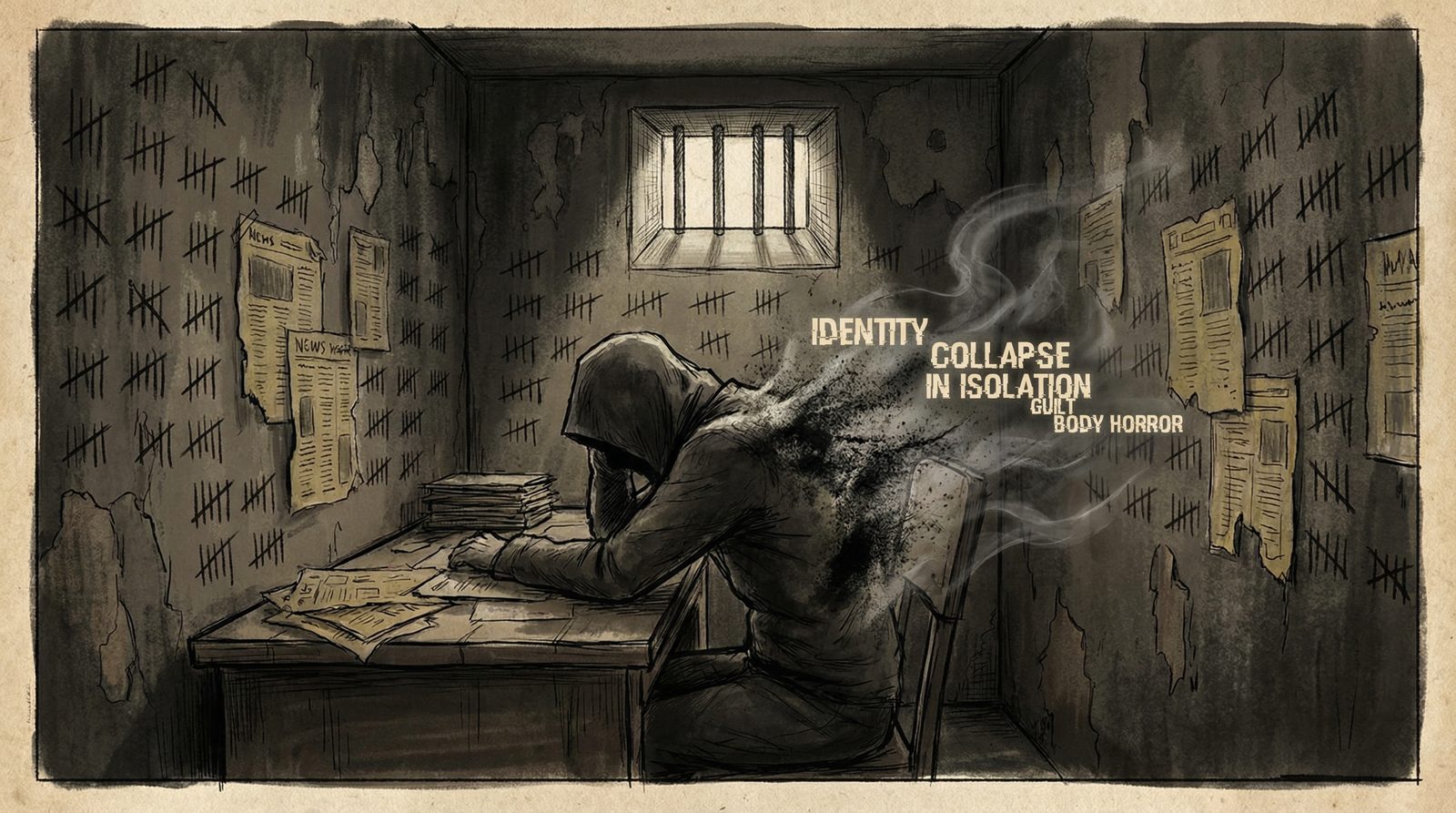
    Within that frame, Bachman stories often center on ordinary people in extreme situations rather than heroes with special gifts. A salesman, a drifter, a caretaker, a kid in a rigged contest: the Bachman voice is a way to explore identity collapse in isolation, the way a person’s sense of self frays when they are cut off from community, safety, or even their own body. You can see those tensions in works like Thinner (1984) and Blaze (2007), where the protagonists are pushed so far that their moral compass and self-image begin to disintegrate.

    Because Richard Bachman is a constructed identity, questions of authorship and persona are baked into his legacy. The unmasking of Bachman as Stephen King turned the pseudonym into a kind of ghost character who haunts King’s bibliography, a place where he could channel the grimmer, more fatalistic side of his imagination. That tension between masks and truth is at the heart of how readers now approach the Bachman books.

    Editorial illustration inspired by 'Richard Bachman'

    THEMES & MOTIFS

    The most consistent thread in Richard Bachman’s work is the focus on ordinary people in extreme situations. Everyday figures are hurled into scenarios that feel like rigged experiments. The point is not heroism but exposure. When the pressure mounts, the stories ask what remains of decency, love, or self-respect when survival becomes the only obvious goal. This is closely tied to identity collapse in isolation, where characters are cut off from help, trapped by geography, illness, or a sadistic game, and slowly lose the narratives they once told themselves about who they were.

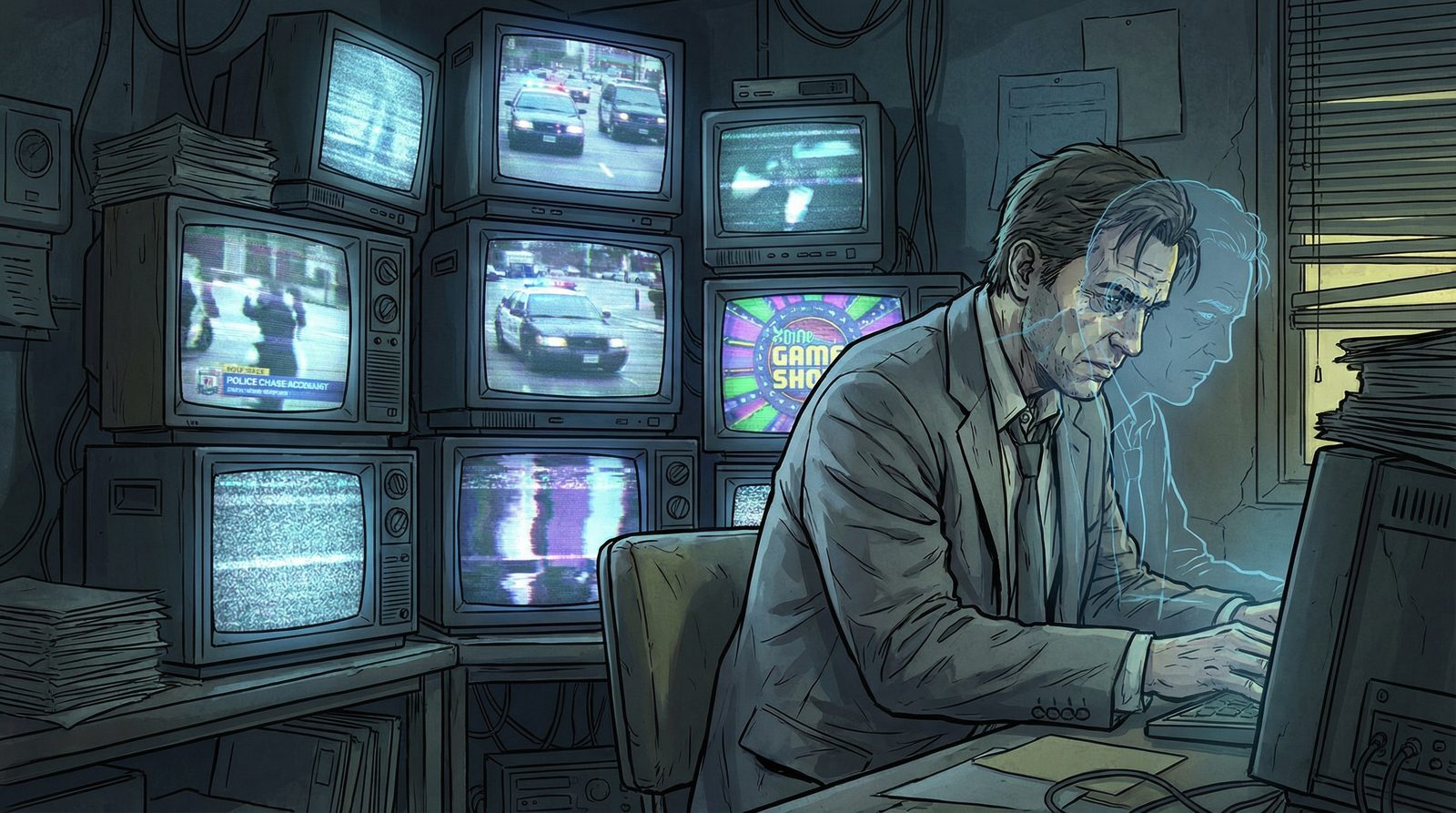
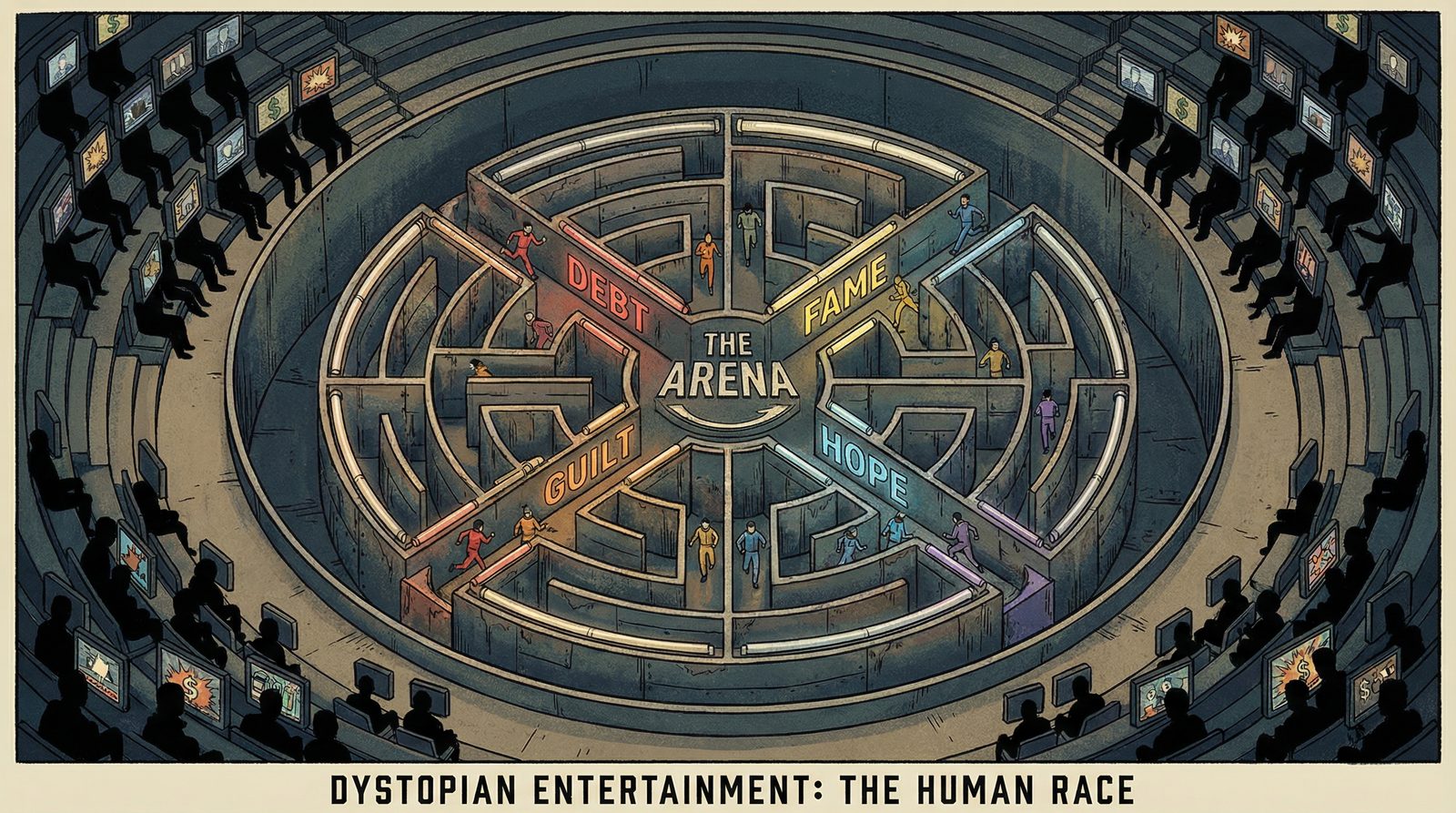
    A second key motif is dystopian game shows, most clearly embodied in The Running Man. Here, entertainment and punishment blur as a televised manhunt turns suffering into spectacle. The idea that the audience is complicit, that people at home are cheering for someone’s death, turns the story into a critique of media, class, and the way systems feed on desperation. That same sense of a rigged stage appears in quieter ways in caretaker-focused stories, where a job that should be mundane becomes a trap.

    Body horror and guilt also run through the Bachman persona. In Thinner (1984), a curse transforms weight loss into a slow-motion execution, tying vanity, privilege, and punishment together. The body becomes a scoreboard of sin. That bodily erosion mirrors psychological erosion in Blaze (2007), where a damaged man is pulled into crime and obsession. Across these works, the world rarely feels fair. Fate is cruel, institutions are indifferent, and any supernatural twist tends to amplify existing injustice rather than redeem it. Even when you compare the tone to novels like Misery (1987) or Pet Sematary (1983), which share obsessions with captivity, obsession, and grief, the Bachman flavor is usually colder and more fatalistic, less interested in catharsis and more interested in how far down the spiral a person can go.

    Together, these motifs create a landscape where games are rigged, bodies betray their owners, and isolation strips away every comforting story. Richard Bachman’s world is one where the mask of normal life is peeled back to reveal how fragile identity, morality, and sanity really are when the rules change overnight.

    Symbolic illustration inspired by 'Richard Bachman'

    STYLE & VOICE

    Richard Bachman’s style feels leaner and more abrasive than the warmer, more expansive tone many readers associate with Stephen King. The sentences tend to be straightforward and sharp, with less digression and fewer nostalgic detours. Pacing is usually tight. That structure suits stories built around ordinary people in extreme situations, because the narrative itself feels like a pressure cooker.

    The voice often carries a dry, sometimes bitter humor, but it rarely softens the blows. Instead, it highlights the absurdity of suffering in a world that treats pain as entertainment, as in the dystopian game shows of The Running Man. There is a streak of working-class realism in the details of jobs, debts, and small-town routines, which makes the intrusion of horror or dystopia feel like an extension of everyday stress rather than a break from it.

    Psychologically, the narration is willing to sit inside identity collapse in isolation, lingering on obsessive thoughts, paranoia, and self-loathing. Internal monologues can loop and fray, mirroring the way the characters’ identities are coming apart. Compared to the emotional range readers might associate with Stephen King’s mainline work, Bachman’s emotional palette is narrower and harsher. The result is a voice that feels like it is testing both its characters and its readers, asking how much cruelty and pressure a story can contain before something breaks.

    KEY WORKS & LEGACY

    The Running Man (1982) is the clearest expression of Richard Bachman’s fascination with dystopian game shows. Set in a near-future media landscape where a man is hunted for sport on live television, it distills his anger at economic inequality, voyeurism, and the way systems feed on the poor. The book’s relentless pace and bleak conclusion define the Bachman strain of pessimism. It also anticipates later cultural obsessions with violent reality shows and survival contests, giving it a long afterlife in discussions of dystopian fiction.

    Thinner (1984) takes a more intimate route, focusing on a cursed lawyer whose rapid weight loss becomes a metaphor for guilt and entitlement. The horror is personal and bodily, yet it still reflects a larger moral economy where power and privilege are called to account. Blaze, written earlier but published later, reads like a dark, off-kilter crime novel about a damaged man pulled into kidnapping and obsession. Both books push deeply into identity collapse in isolation, showing how characters lose themselves as the consequences of their choices close in.

    Although Richard Bachman is technically a pseudonym, his influence stretches beyond those specific titles. The Bachman books sharpened Stephen King’s interest in ordinary people in extreme situations and in the kind of claustrophobic, character-driven horror that also powers works like Misery and Pet Sematary. Readers who come to Bachman after those novels often recognize the shared DNA but notice the cooler temperature and harsher judgments. In the larger landscape of horror and dystopian fiction, Bachman stands as a reminder that genre can be a tool for social anger as much as for scares, and that sometimes an invented author can reveal a writer’s most unsparing instincts.


    DISCOVERABILITY & LINKS

    This creator page links Richard Bachman into the wider Bachman–King cluster on AllReaders. From here you can move into the books, films, and motifs that express his colder, more fatalistic strain of Stephen King’s imagination.

  • Cursed Family Legacy

    Cursed Family Legacy

    Cursed Family Legacy explores the idea that a family’s past—its secrets, sins, bargains, betrayals, or buried history—creates a lasting, often supernatural, burden for later generations. In literature and film, this motif shows up whenever characters inherit more than wealth or tradition: they inherit danger. Homes, towns, bloodlines, and memories become traps, and each generation must either repeat the cycle or break it. This is a foundational structure in Southern Gothic, domestic horror, and multi-generational epics where the past behaves like a living antagonist.

    The motif typically emerges through patterns: the same tragedy resurfacing across decades, a recurring personality flaw, an old “deal” the family refuses to discuss, or a place—house, river, burial ground—that binds a family to something hungry. In many stories, the characters don’t even know they’re cursed until the pattern closes in around them. Others know exactly what they’re facing but lack the power, knowledge, or courage to cut the cord.

    Because cursed legacies blend psychology with the supernatural, they connect naturally to motifs like Trauma as Inheritance and Domestic Vulnerability as Horror. Yet they stand apart in one crucial way: the family curse is not merely emotional. It is active, often embodied, and capable of shaping fate across multiple generations. That’s why this motif resonates so strongly in works where landscapes and houses function almost like family members—reflecting, amplifying, or punishing inherited flaws.

    WHY IT MATTERS

    A cursed legacy raises the stakes beyond individual survival. The protagonist is not just fighting for themselves but trying to break a cycle that predates them. This transforms ordinary family conflict into a mythic struggle: what do we owe to the past, and what does the past demand in return? Many stories built around this motif ask whether escape is possible, or if destiny is already written in the bloodline.

    HOW IT SHOWS UP IN STORIES

    Some common expressions of the motif include:

    • A mysterious ancestor whose actions still echo destructively.
    • A family home that “remembers” trauma and reenacts it.
    • Unspoken rules passed down for generations, intended to keep something contained.
    • A family matriarch/patriarch wielding supernatural or oppressive control over descendants.
    • Inherited supernatural abilities that function more like a burden than a gift.
    • Generations of the same tragedy: drowning, madness, disappearances, sudden deaths.

    In Southern Gothic especially, these cursed legacies are intertwined with land and region—rivers, plantations, coastal houses, collapsing small towns. The curse becomes environmental as much as familial.

    Cursed Family Legacy inline concept image

    RELATED MOTIFS

    Trauma as Inheritance
    Domestic Vulnerability as Horror
    Identity Collapse in Isolation
    Survival Narratives
    The Erased Girl

    FEATURED BOOKS

    This motif appears prominently in several works, particularly in long-arc horror and Southern Gothic:

    • Blackwater: The Complete Caskey Family Saga – The definitive example, where a river deity entwines itself with the Caskey dynasty across generations.
    • The Elementals – A buried coastal house exerts influence across family lines, with secrets held for decades.
    • Cold Moon Over Babylon – The Larkin family’s suffering becomes cyclical as the dead return seeking justice.
    • The Amulet – Although more pulpy, the small-town curse spreads through a family’s bitterness and inherited violence.

    FEATURED MOVIES

    While McDowell’s own screenwriting (Beetlejuice, The Nightmare Before Christmas) doesn’t use this motif directly, several films on AllReaders embody it strongly:

    • Hereditary – A modern benchmark for cursed bloodlines and generational doom.
    • The Haunting of Hill House – Family trauma merges with a predatory, memory-eating house.
    • The Skeleton Key – Southern Gothic inheritance and body-passing rituals rooted in family secrets.

    FEATURED CREATORS

    Writers and filmmakers whose work frequently engages with cursed legacies include:

    • Michael McDowell – The master of Southern multigenerational curses.
    • Shirley Jackson – Domestic dread and inherited patterns, especially in We Have Always Lived in the Castle.
    • Flannery O’Connor – Not supernatural, but her stories often function like moral or spiritual curses passed through bloodlines.
    • Stephen King – Recurring interest in families bound by supernatural or psychological inheritance (IT, The Shining, Doctor Sleep).

    WHY IT WORKS SO WELL IN SOUTHERN GOTHIC

    The American South—with its heavy history, family dynasties, and landscapes drenched in memory—is uniquely fertile ground for cursed legacy stories. Generations often stay tied to the same river, same house, same reputation. When horror enters that ecosystem, it tends to stick, becoming a family member in its own right.

    McDowell’s fiction is arguably the purest expression of this. The curse in Blackwater is not a punishment; it is a pact. The curse in The Elementals is not explicit; it is ritualized. The result is horror that feels inevitable, like a tide coming in that no one can stop.

    Cursed Family Legacy inline diagram image
  • Identity Collapse in Isolation

    Identity Collapse in Isolation

    WHAT THIS MOTIF MEANS

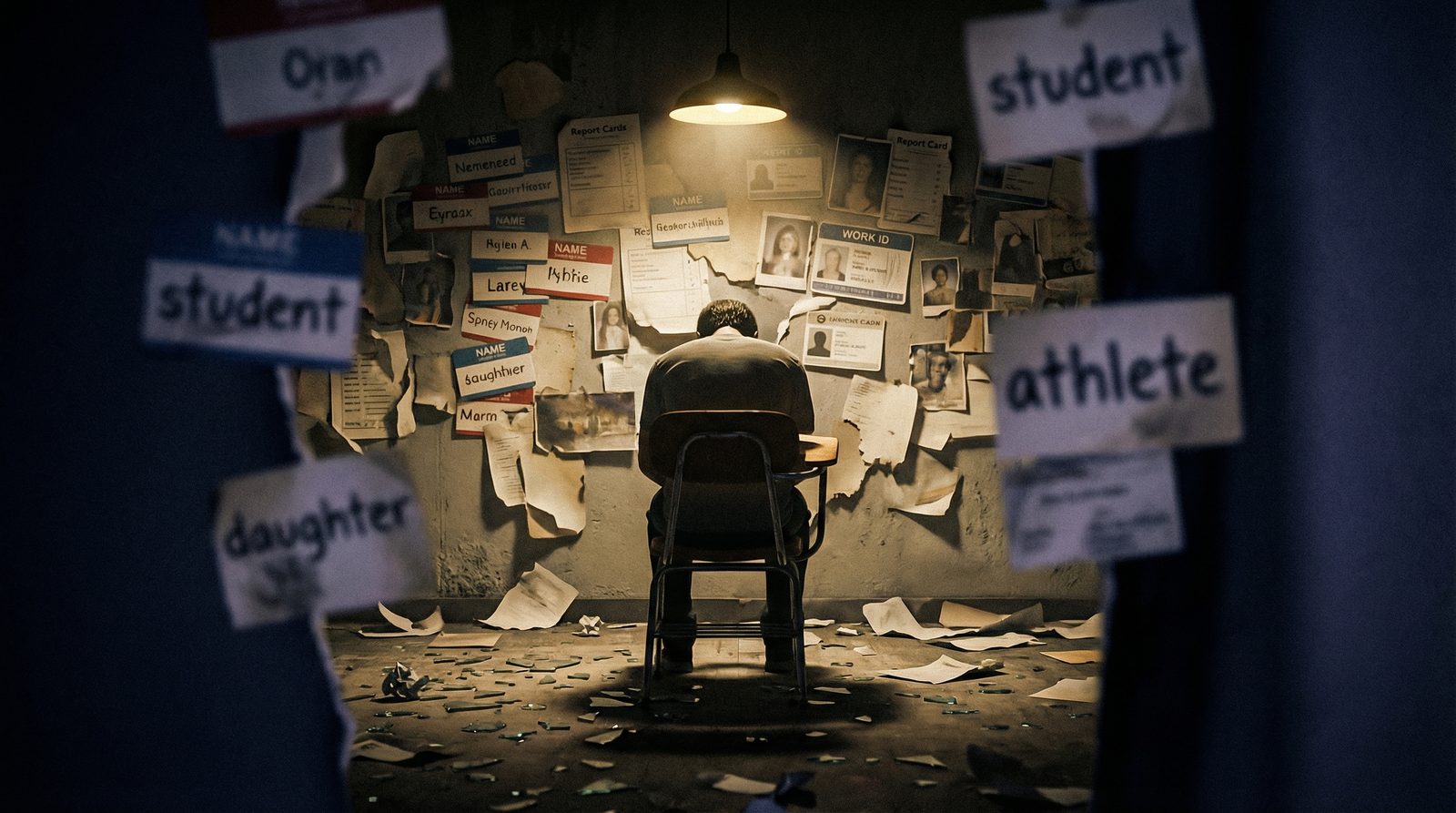
    Identity Collapse in Isolation describes the psychological unraveling that happens when a character’s sense of self is stripped of external anchors. Alone, misunderstood, or cut off from their usual environment, they lose the stabilising forces that normally tell them who they are. The collapse isn’t usually dramatic; it’s slow, quiet, and internal. Thoughts loop. Doubt magnifies. Reality bends inward.

    This motif thrives in stories where characters face pressure without support — academically, emotionally, socially, or physically. Their identities crumble under the weight of expectation or trauma, and the “collapse” becomes the catalyst for transformation, survival, or deeper harm.


    HOW IT WORKS

    The collapse typically begins with one destabilising event — rejection, trauma, loss, failure, or isolation. The character withdraws, either by choice or by circumstance. Without affirmation or grounding, their internal narrative shifts:

    • Daily routines lose meaning.
    • Internal monologues become repetitive or fragmented.
    • Fear, guilt, or pressure amplifies.
    • Self-image distorts.
    • Small triggers become psychological landmines.

    The motif often intertwines with anxiety, disassociation, and the feeling of being watched or judged, even when alone. It’s not about madness — it’s about the erosion of identity when all external mirrors break.


    Identity Collapse in Isolation inline concept image

    WHERE WE SEE IT

    This motif appears strongly in Tabitha King’s work. In One on One, Deanie’s entire sense of self fractures under community pressure and exploitation. In Survivor, A. P. Hill experiences a painful identity freefall after trauma destroys her ability to function in familiar spaces.

    Laurie Halse Anderson uses the motif sharply in Catalyst, where Kate Malone’s collapse begins the moment her carefully constructed academic identity fails. The momentum of her breakdown feels claustrophobic because the isolation is both emotional and self-imposed.

    Even Jill Paton Walsh’s The Green Book reflects this motif at a gentler level, with colonists forced to redefine themselves on a foreign planet where nothing familiar exists. Isolation becomes not just physical, but existential.


    WHY IT MATTERS

    The motif resonates because it sits at the intersection of fear and transformation. It shows how fragile identity can be when its scaffolding collapses — when relationships fail, routines vanish, or expectations crumble.

    Stories built on this motif challenge readers to confront uncomfortable truths: who are we when no one is looking? Who are we without validation? What happens when the internal voice becomes hostile or unreliable?

    Identity Collapse in Isolation often precedes either a breakthrough or a breakdown. It’s a narrative pivot point, not an endpoint. Characters emerge stronger, shattered, or fundamentally changed — but never the same.


    Identity Collapse in Isolation inline diagram image

    ARCHETYPES & VARIANTS

    The motif intersects cleanly with archetypes like The Double Self, where characters must perform one identity while privately breaking down. It also aligns with The Survivor Confessor, who must rebuild identity after trauma strips it away.

    Variants include:

    • The perfectionist collapse – when a character’s identity is built entirely on achievement.
    • The trauma-driven shell – when external shock disrupts internal stability.
    • The relational void – when isolation is social, not physical.
    • The environmental erasure – when characters lose culture, context, or home.


    RELATED MOTIFS & WORKS

    This motif pairs closely with Domestic Vulnerability as Horror and connects to the speculative pressure of Future Shock as Transformation.

    Strong examples include One on One, Survivor, Catalyst, and the milder but thematically aligned The Green Book.