Feel: Fierce Hope

  • PRECIOUS (2009)

    PRECIOUS (2009)

    Director: Lee Daniels
    Screenplay: Geoffrey Fletcher
    Based on: Push by Sapphire
    Genre: Drama
    Country: United States
    Year: 2009
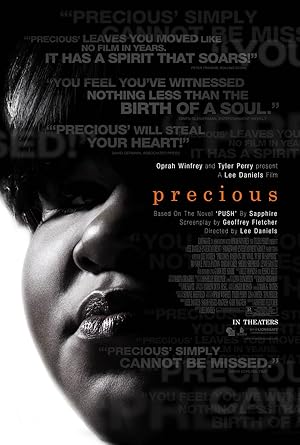

    Official poster for 'Precious (2009)'

    INTRODUCTION

    Precious is one of the most emotionally direct literary adaptations in recent film. It does not soften the material from Sapphire’s novel. Instead, it stays close to the young woman at its center and lets her voice guide the story. The film is grounded, unsentimental, and deeply humane. It belongs to the broader motif of Survival Narratives, where survival is not triumph but the first step toward rebuilding a life.

    The film’s strength lies in how it listens. It lets Precious speak in ways she was never allowed to speak in her own world.


    PLOT AND FOCUS

    The story follows Precious Jones, an illiterate teenager in Harlem who becomes pregnant for the second time by her own father. She lives with an abusive mother whose violence shapes every corner of her life. School offers no refuge. The future appears closed.

    The turning point comes when she is sent to an alternative school and meets Ms Rain. The classroom becomes a rare place where she can breathe. This setting deepens the motif of Literacy as Liberation. Learning to read and write becomes a form of self-definition. The world does not change quickly, but the way Precious understands herself begins to shift.

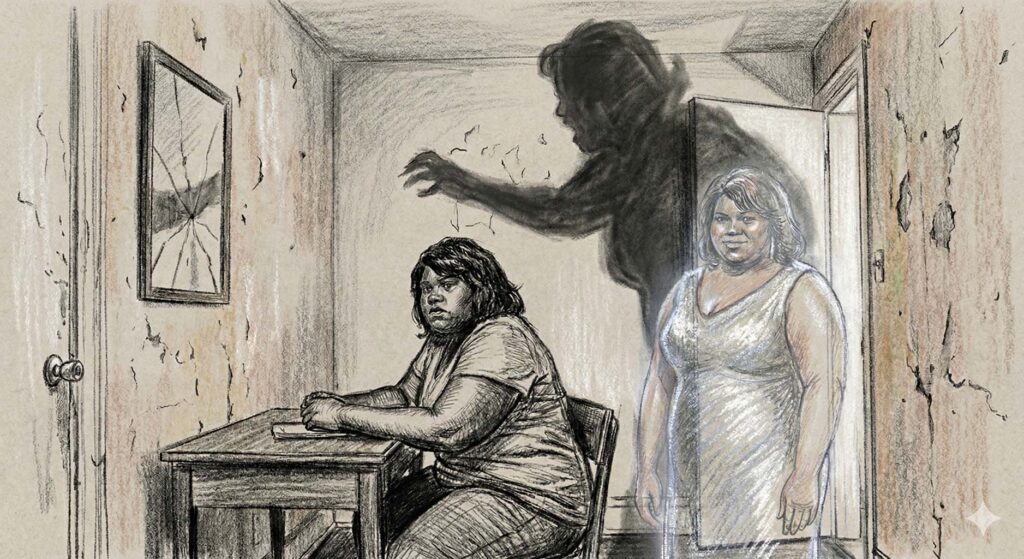
    The film keeps the focus tight on her interior life. Flashbacks, fantasies, and daydreams interrupt scenes in ways that reveal how Precious copes. They are not escapes. They are survival tools.

    WHAT IS PRECIOUS ABOUT?

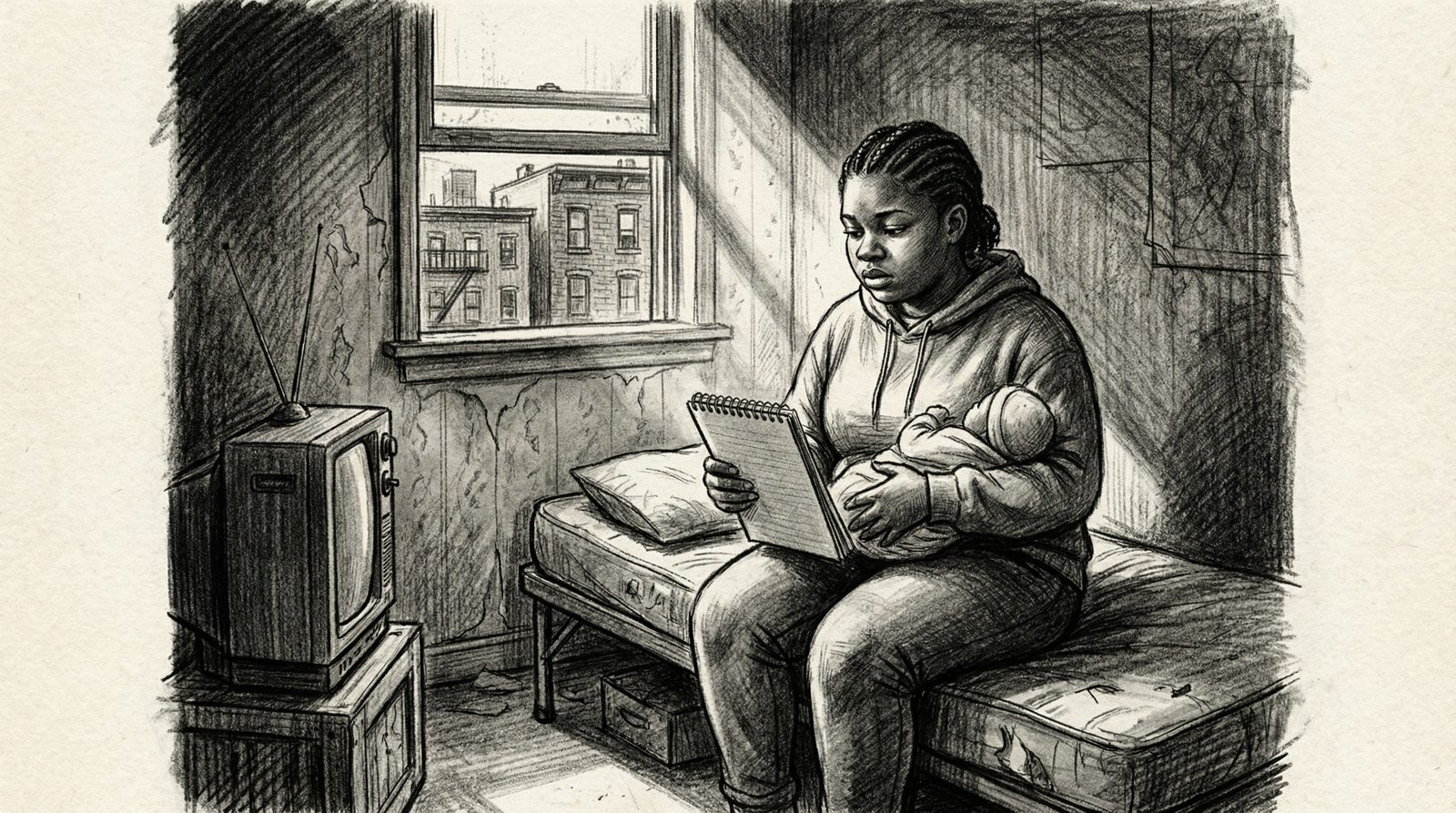
    Precious is about a teenage girl fighting to survive extreme abuse and neglect, and slowly discovering that her life can be more than what has been done to her. The film follows her as a new school environment and a few rare supportive adults give her space to learn, to speak, and to imagine a future. It is not a feel-good story, but it is a story about voice: the moment someone who has been silenced begins to name her own experience and take the first steps toward self-determination.
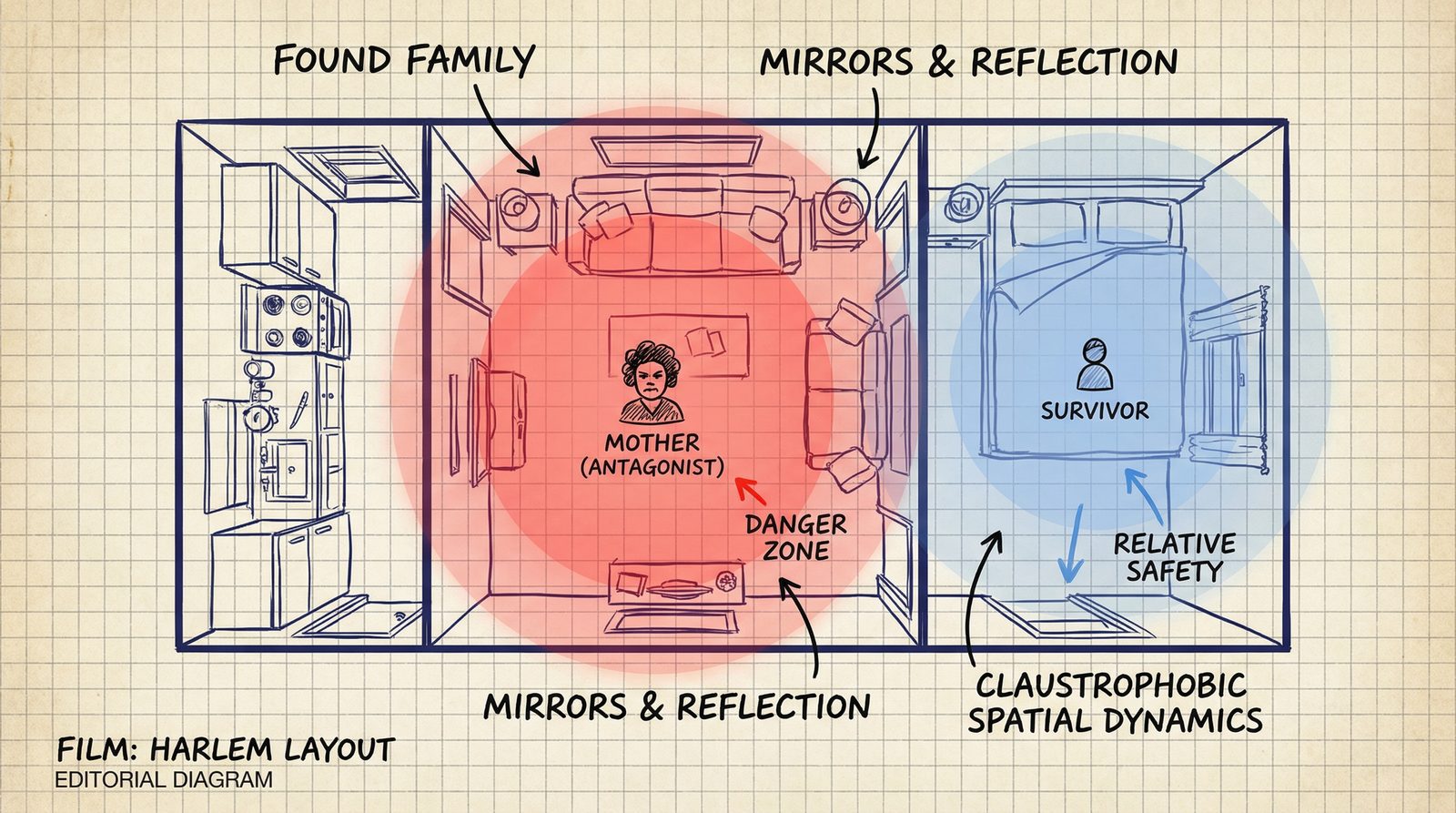
    Editorial illustration inspired by 'Precious (2009)'

    STYLE AND APPROACH

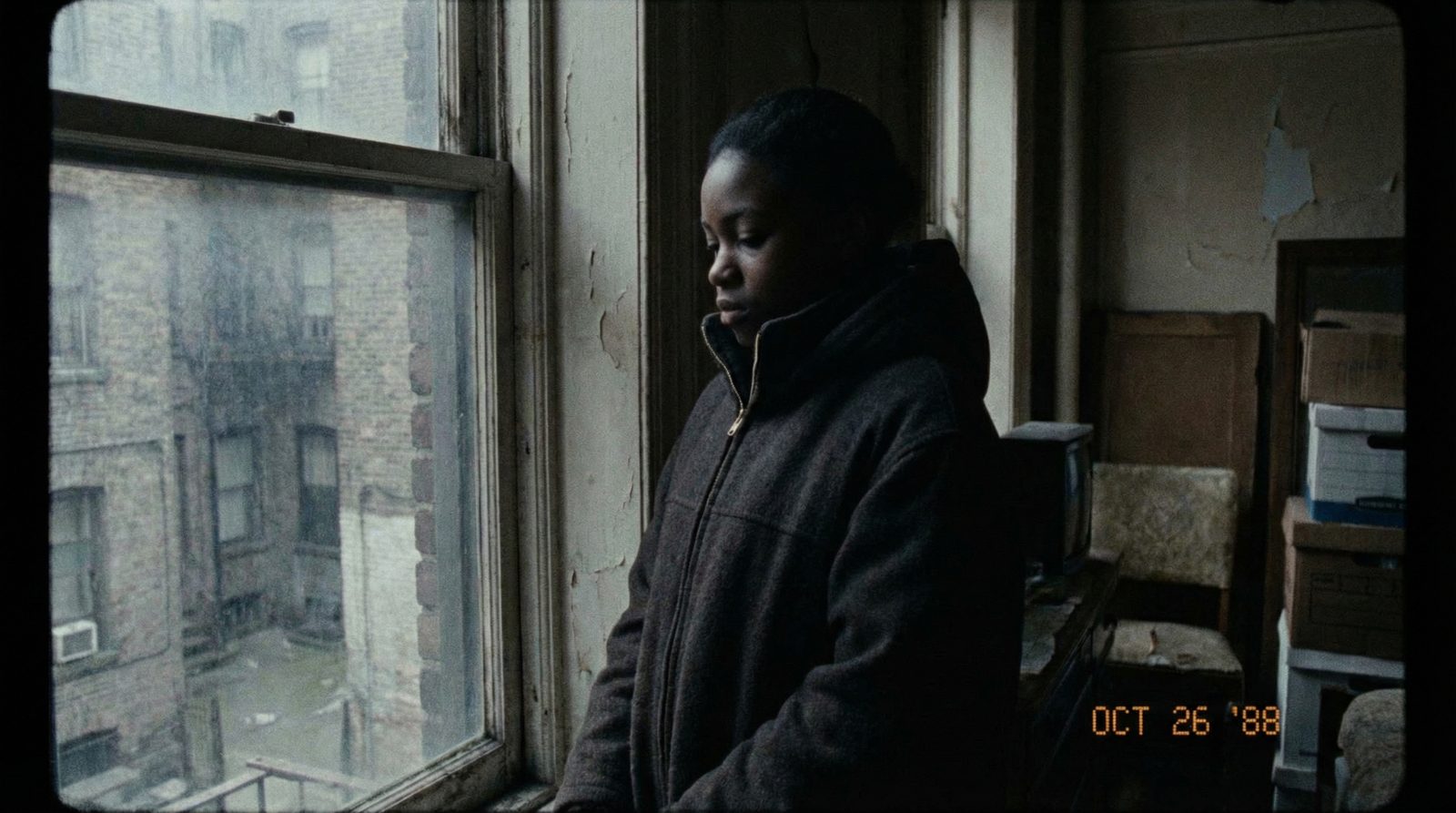
    The visual style mixes naturalistic cinematography with abrupt dream sequences. These brief escapes into glamour show how Precious imagines a self she has never been allowed to be. The contrast makes the real world feel even more stark, but it also reveals her imagination as a place of possibility.

    The performance by Gabourey Sidibe gives the film its weight. She plays Precious with a stillness that holds everything she cannot say. Mo’Nique’s portrayal of the mother is equally memorable, a character shaped by rage, trauma, and internalized harm. The performances emphasize the motif of Trauma as Inheritance, showing how damage is passed down through silence and lack of support.

    The film does not sensationalize abuse. It refuses melodrama. The restraint is what makes it powerful.


    CHARACTERS AND RELATIONSHIPS

    Precious is portrayed as a full person rather than a symbol. She is angry, hopeful, confused, stubborn, and capable of tenderness. The film refuses to flatten her into a victim. This complexity reflects the motif of Survival as Identity. She has survived so much that survival itself has become her worldview.

    Her mother is frightening but not one-dimensional. The film allows glimpses of desperation that never excuse her actions but show their roots. This balance makes the story more honest.

    Ms Rain and the women in the alternative school form a quiet counterbalance. They are steady in a world that rarely offers Precious stability. Their presence gives the narrative spaces of breath without turning them into saviors.
    PRECIOUS (2009)

    CULTURAL CONTEXT AND LEGACY

    Precious was widely praised on release and sparked intense debate. Some viewers saw it as exploitative. Others saw it as a rare, respectful depiction of a young Black girl surviving impossible conditions. The film forced a mainstream audience to confront issues of abuse, poverty, and systemic neglect that are usually kept off-screen.

    The film won multiple awards and established both Sidibe and Mo’Nique as major talents. It also renewed interest in Sapphire’s novel, expanding its readership for a new generation. In the broader landscape, Precious stands alongside works that insist on depicting harm without sanitizing it, while also honoring the inner life of the person at the center.

    The film remains a cultural touchstone. It opened conversations about representation, empathy, and who gets to have their story taken seriously.


    IS IT WORTH WATCHING?

    Yes. It is emotionally difficult, but it is also precise, grounded, and deeply compassionate. Anyone interested in character-driven storytelling, literary adaptation, or the realities of structural harm will find it worth their time.


    SIMILAR WORKS

    Push
    Framing Britney Spears
    Confessions of a Video Vixen
    Open Book

  • Push (1996)

    Push (1996)

    By: Sapphire
    Genre: Literary Fiction, Contemporary Fiction
    Country: United States


    INTRODUCTION

    Push is one of those novels that feels less like a story and more like a raw record of survival. Told in the voice of Precious Jones, an illiterate, abused teenager in Harlem, the book refuses distance. It drops you into her world without a safety rail and lets you hear her language before anyone has corrected it. Underneath the shock is something quieter and deeper. This is a book about a girl who has been told she is nothing, trying to build a self out of whatever scraps of care she can find. The whole narrative belongs inside the motif of Survival Narratives, with a focus that is intimate instead of grand.

    It is not a comfortable read. It is an essential one.


    PLOT AND THEMES

    Precious is sixteen, pregnant with her second child by her own father, and still in middle school when the novel begins. She lives with an abusive mother who beats her, starves her, and reminds her daily that she is worthless. School has failed her. Systems have failed her. The future, as she has been taught to imagine it, does not exist.

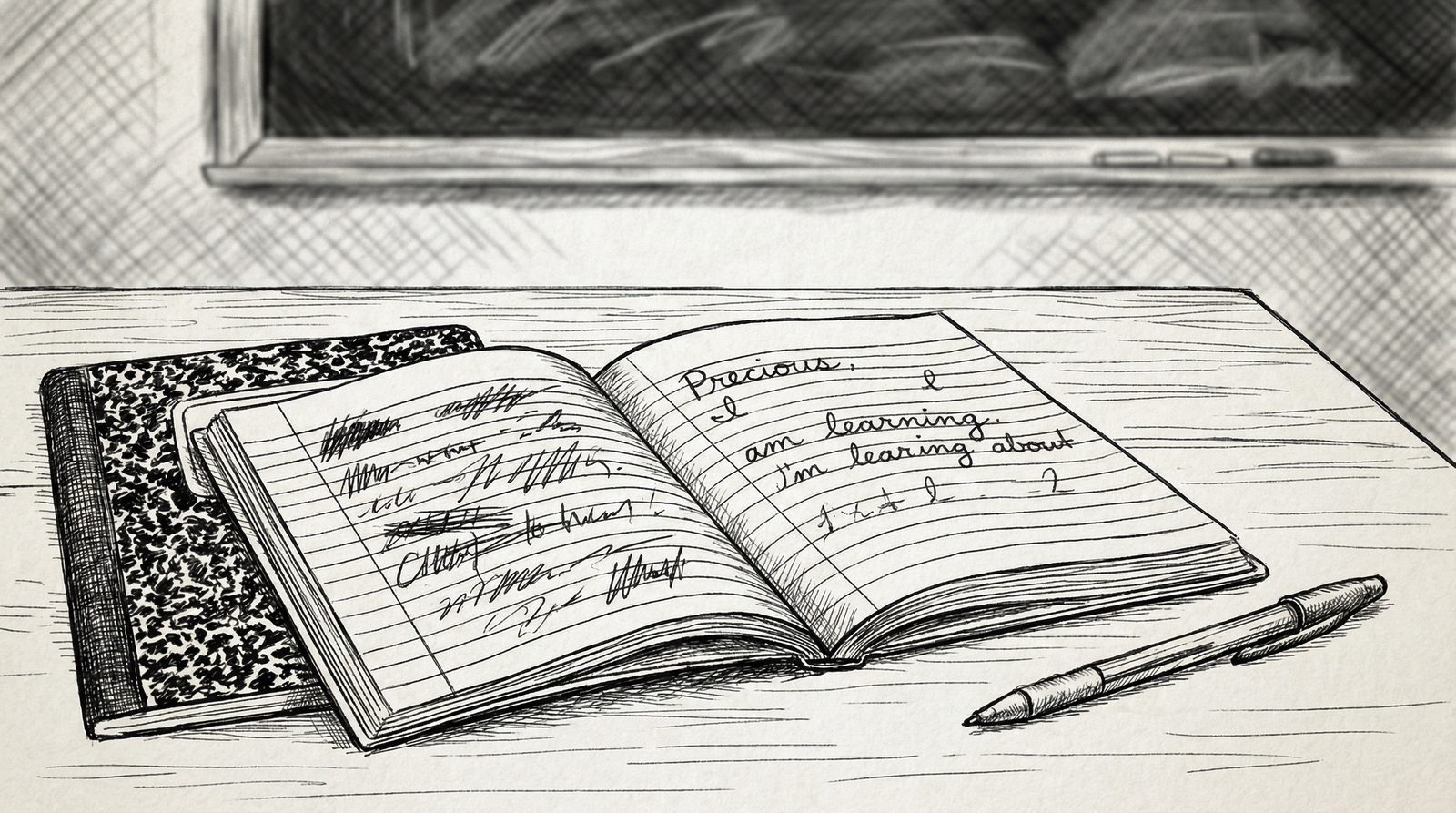
    The plot shifts when she is sent to an alternative school where a teacher, Ms Rain, starts to teach her to read and write. The narrative opens up as Precious does. Pages fill with her journal entries, her attempts at spelling and grammar, her small observations. Learning to write becomes more than a skill. It becomes an act of resistance that fits perfectly within the motif of Literacy as Liberation. The more she writes, the more she exists on her own terms.

    The novel is also a study of inherited harm. The violence Precious experiences is not presented as a single monster in the house. It is generational, systemic, and tied to poverty, racism, and neglect. That pattern aligns with the motif of Trauma as Inheritance. Her mother’s cruelty is horrifying, but the book never lets you forget the world that shaped her too.

    Running through everything is the question of who gets to be visible. Precious has been erased in almost every way. She is not expected to succeed, to finish school, or even to survive. The novel argues for her existence sentence by sentence.

    Conceptual editorial illustration inspired by 'push'

    STYLE AND LANGUAGE

    The most striking aspect of Push is its voice. The early chapters are written phonetically, reflecting Precious’s limited literacy. Words are misspelled, grammar is broken, and sentences tumble out with a rough rhythm that can be hard to read at first. That difficulty is the point. You are feeling the barrier she lives inside.

    As Precious learns, the language on the page gradually shifts. Spelling improves. Sentences become more complex. The movement is subtle but powerful. You experience literacy not as an abstract goal but as a physical change in how thought appears on the page. It is one of the clearest demonstrations of Literacy as Liberation in contemporary fiction.

    The style is unsparing but not cold. Sapphire allows anger, confusion, humor, and hope to coexist in Precious’s voice. The book does not tidy emotion. It lets contradiction stand. That choice avoids sentimentalizing her and instead treats her as a full person with a life beyond the worst things that have happened to her.


    CHARACTERS AND INTERIORITY

    Precious is one of the most memorable narrators in recent fiction. She is angry, funny, jealous, hopeful, cruel at times, and deeply empathetic at others. She is never presented as a symbol. She is a teenager trying to manage impossible circumstances. That complexity connects strongly with the motif of Survival as Identity. She is not just surviving events. Survival has become the core of how she understands herself.

    Her mother is terrifying, but Sapphire gives her moments of twisted vulnerability that prevent her from becoming a flat villain. Her harm is real and unforgivable. It is also part of a larger pattern of damage she never escaped.

    Ms Rain and the women in Precious’s class offer a different kind of presence. They are not saviors. They are witnesses. They listen, teach, and insist that Precious’s words matter. That insistence gives the book its quiet center.


    CULTURAL CONTEXT AND LEGACY

    When Push was published in the mid 1990s, it immediately drew strong reactions. Some readers saw it as exploitative. Others recognized it as a rare attempt to put a voice like Precious’s at the center of a literary novel. The debates themselves revealed how uncomfortable many people were with this kind of direct depiction of abuse, poverty, and systemic neglect.

    The book later became the basis for the film Precious, which brought the story to a wider audience and sparked new conversations about representation, respectability, and trauma on screen. In the broader landscape, Push stands alongside works like Confessions of a Video Vixen and I’m Glad My Mom Died, not because their plots are similar, but because they all insist that people written off by the culture deserve to narrate themselves.

    The novel has had a lasting influence on how trauma and literacy are portrayed in fiction, and it remains a touchstone for discussions of voice, agency, and the politics of who gets to be heard.

    Illustration of a core idea or motif from 'push'

    IS IT WORTH READING?

    Yes. Push is difficult, both in content and in its early language. It is also deeply humane. Readers who want neat catharsis may struggle with it. Readers interested in voice, power, and the way language can literally change a life will find it unforgettable.


    SIMILAR BOOKS

    Confessions of a Video Vixen (2005)
    I’m Glad My Mom Died (2022)
    Open Book (2020)
    The Woman in Me (2023)