Genre: Horror

  • Cursed Family Legacy

    Cursed Family Legacy

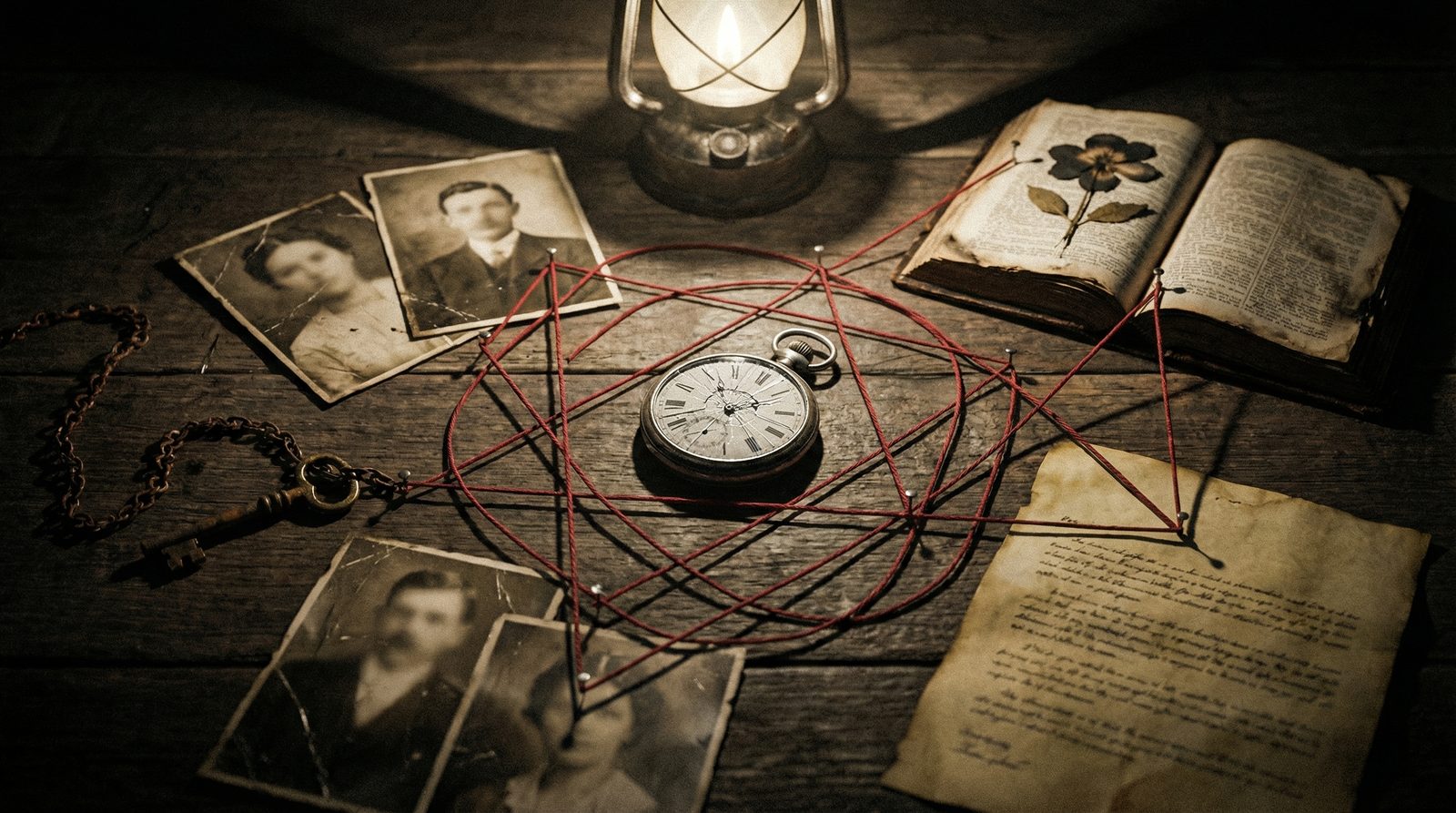
    Cursed Family Legacy explores the idea that a family’s past—its secrets, sins, bargains, betrayals, or buried history—creates a lasting, often supernatural, burden for later generations. In literature and film, this motif shows up whenever characters inherit more than wealth or tradition: they inherit danger. Homes, towns, bloodlines, and memories become traps, and each generation must either repeat the cycle or break it. This is a foundational structure in Southern Gothic, domestic horror, and multi-generational epics where the past behaves like a living antagonist.

    The motif typically emerges through patterns: the same tragedy resurfacing across decades, a recurring personality flaw, an old “deal” the family refuses to discuss, or a place—house, river, burial ground—that binds a family to something hungry. In many stories, the characters don’t even know they’re cursed until the pattern closes in around them. Others know exactly what they’re facing but lack the power, knowledge, or courage to cut the cord.

    Because cursed legacies blend psychology with the supernatural, they connect naturally to motifs like Trauma as Inheritance and Domestic Vulnerability as Horror. Yet they stand apart in one crucial way: the family curse is not merely emotional. It is active, often embodied, and capable of shaping fate across multiple generations. That’s why this motif resonates so strongly in works where landscapes and houses function almost like family members—reflecting, amplifying, or punishing inherited flaws.

    WHY IT MATTERS

    A cursed legacy raises the stakes beyond individual survival. The protagonist is not just fighting for themselves but trying to break a cycle that predates them. This transforms ordinary family conflict into a mythic struggle: what do we owe to the past, and what does the past demand in return? Many stories built around this motif ask whether escape is possible, or if destiny is already written in the bloodline.

    HOW IT SHOWS UP IN STORIES

    Some common expressions of the motif include:

    • A mysterious ancestor whose actions still echo destructively.
    • A family home that “remembers” trauma and reenacts it.
    • Unspoken rules passed down for generations, intended to keep something contained.
    • A family matriarch/patriarch wielding supernatural or oppressive control over descendants.
    • Inherited supernatural abilities that function more like a burden than a gift.
    • Generations of the same tragedy: drowning, madness, disappearances, sudden deaths.

    In Southern Gothic especially, these cursed legacies are intertwined with land and region—rivers, plantations, coastal houses, collapsing small towns. The curse becomes environmental as much as familial.
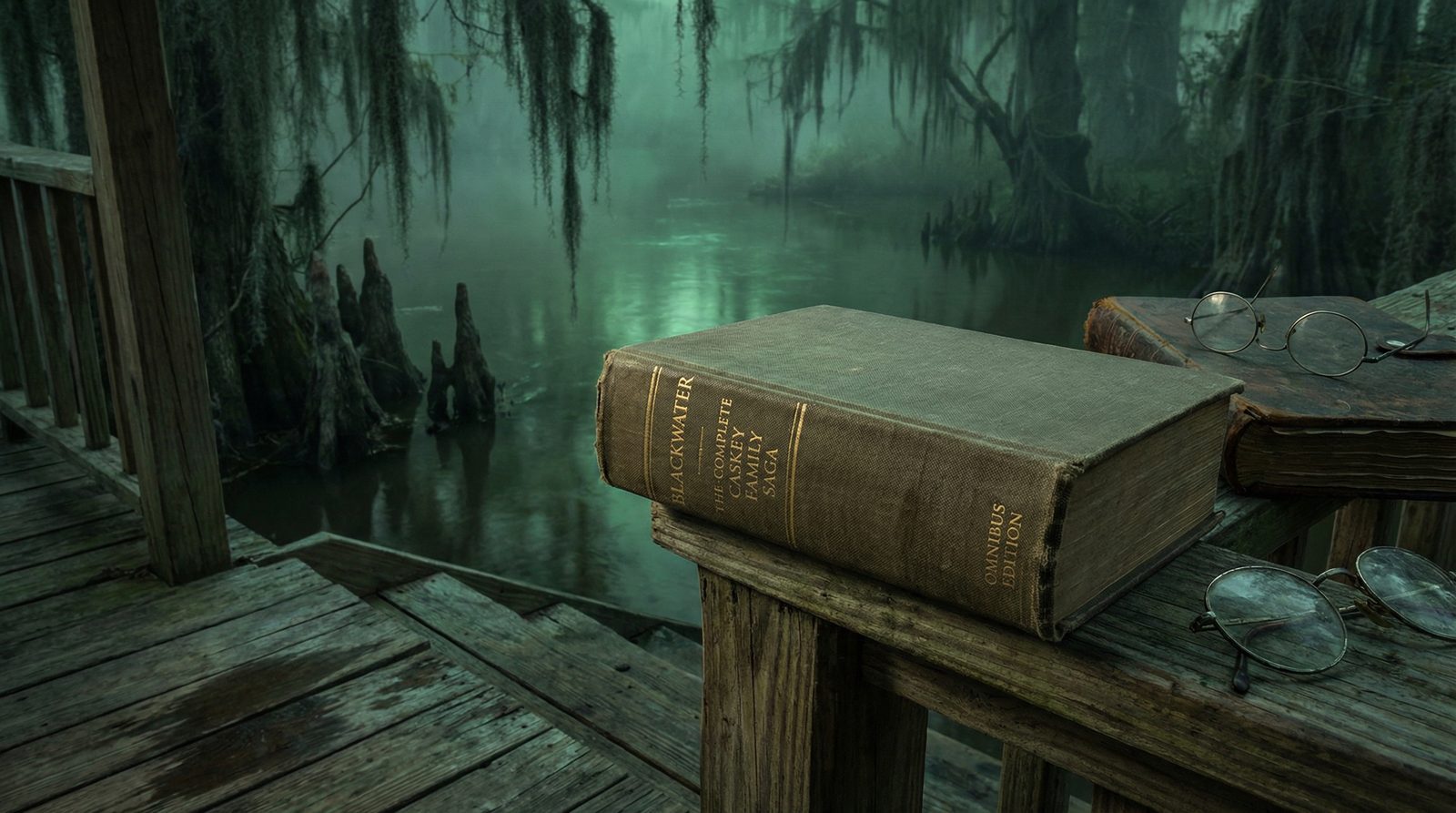
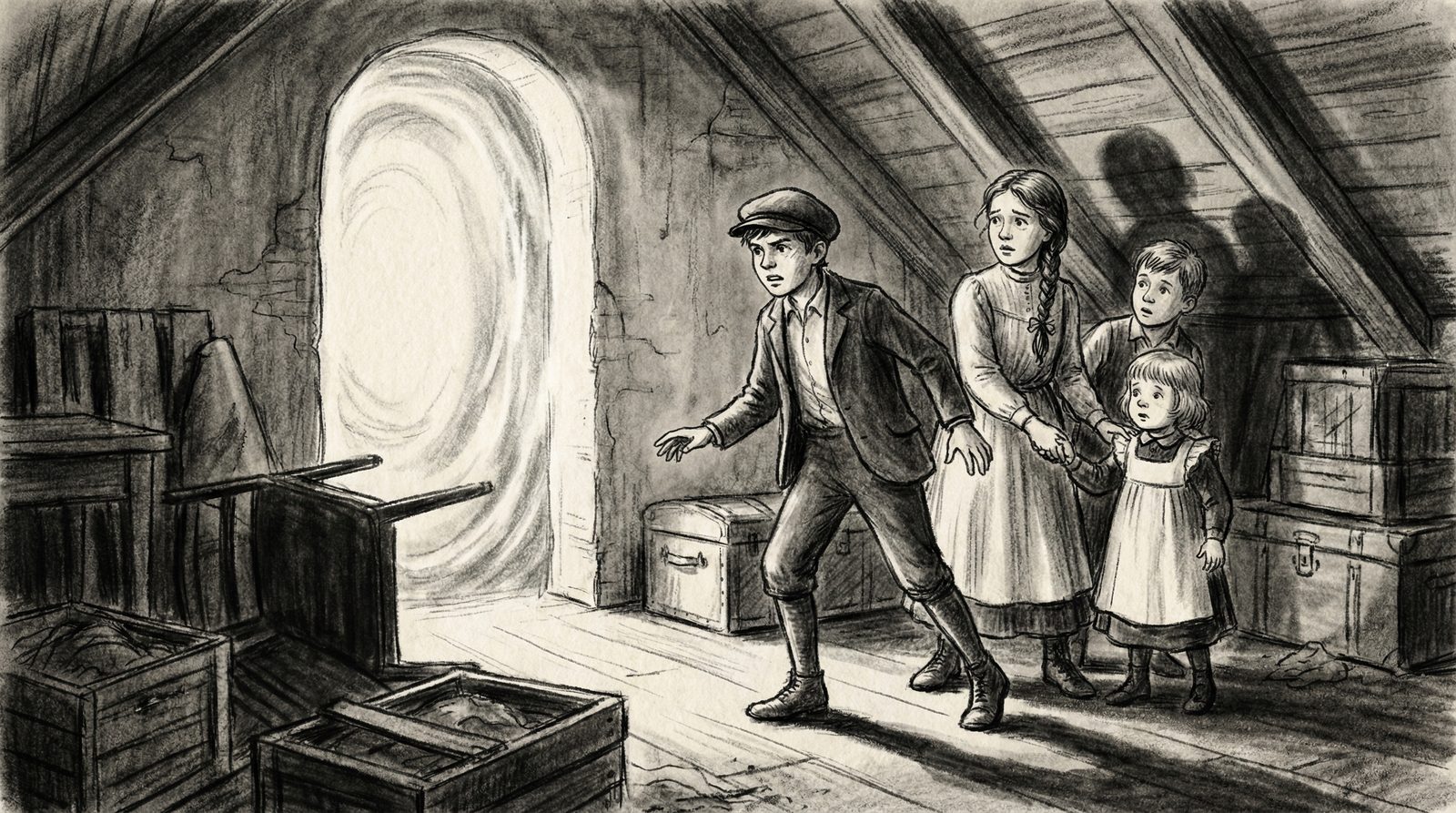
    Cursed Family Legacy inline concept image

    RELATED MOTIFS

    Trauma as Inheritance
    Domestic Vulnerability as Horror
    Identity Collapse in Isolation
    Survival Narratives
    The Erased Girl

    FEATURED BOOKS

    This motif appears prominently in several works, particularly in long-arc horror and Southern Gothic:

    • Blackwater: The Complete Caskey Family Saga – The definitive example, where a river deity entwines itself with the Caskey dynasty across generations.
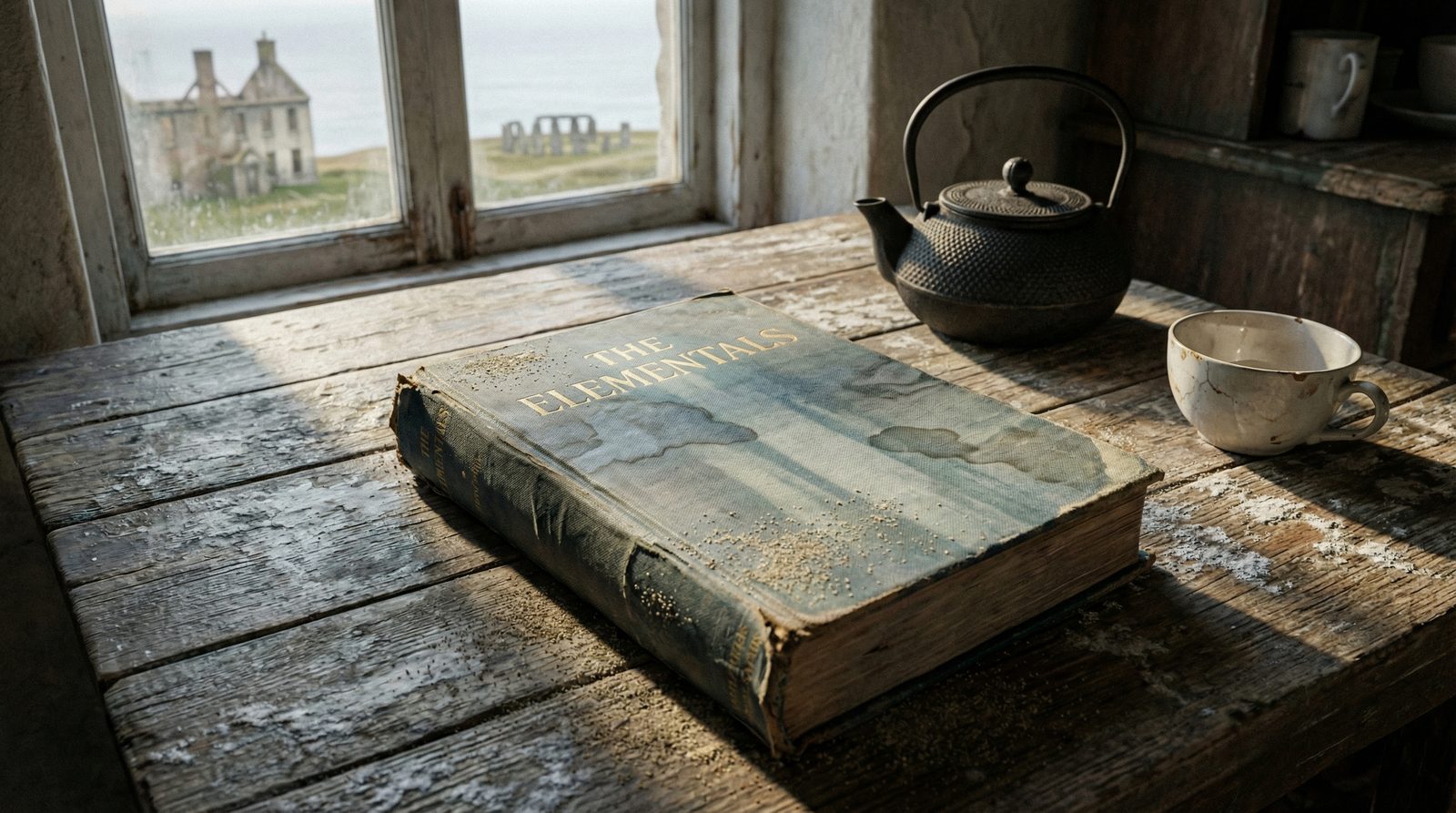
    • The Elementals – A buried coastal house exerts influence across family lines, with secrets held for decades.
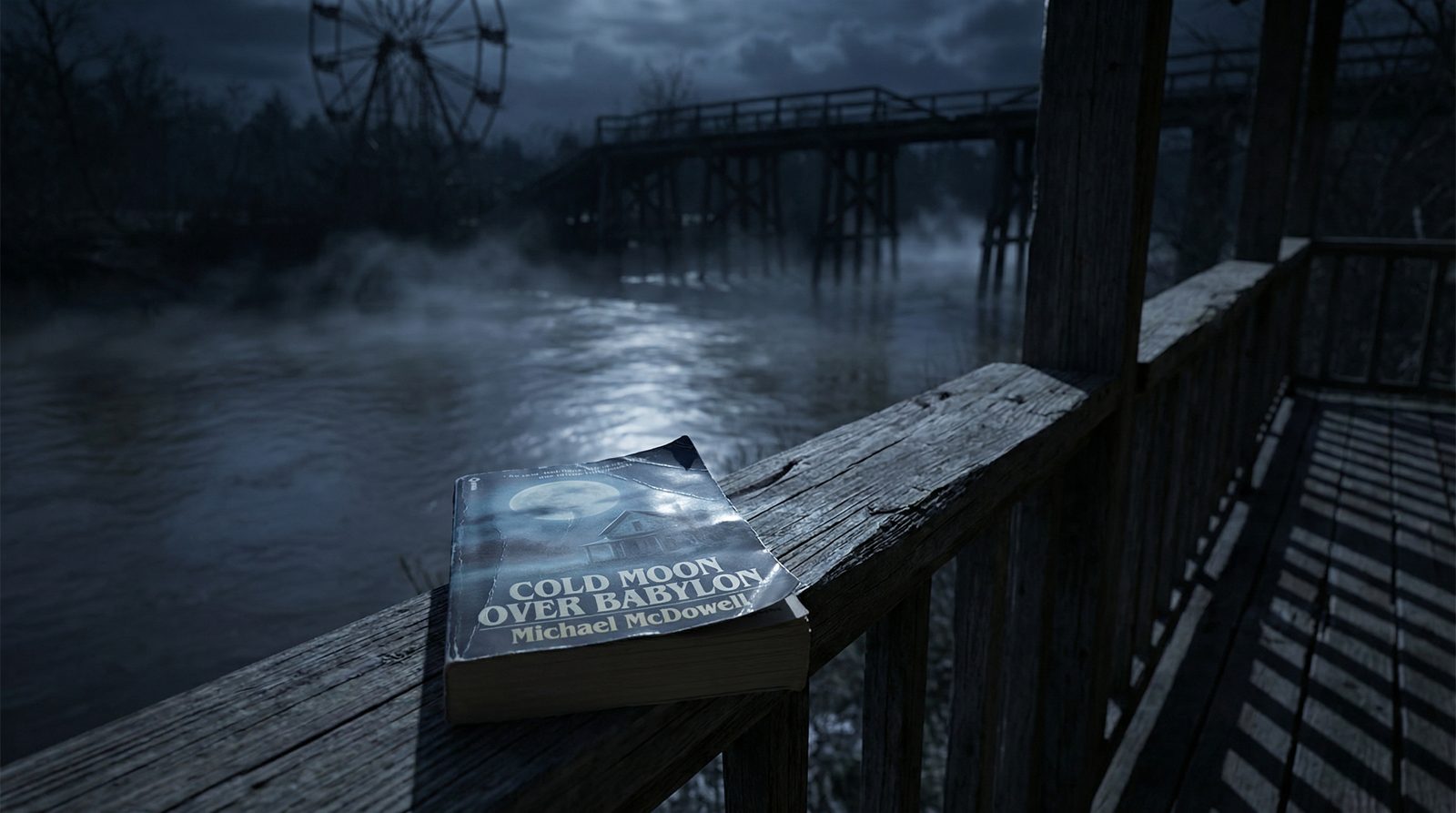
    • Cold Moon Over Babylon – The Larkin family’s suffering becomes cyclical as the dead return seeking justice.
    • The Amulet – Although more pulpy, the small-town curse spreads through a family’s bitterness and inherited violence.

    FEATURED MOVIES

    While McDowell’s own screenwriting (Beetlejuice, The Nightmare Before Christmas) doesn’t use this motif directly, several films on AllReaders embody it strongly:

    • Hereditary – A modern benchmark for cursed bloodlines and generational doom.
    • The Haunting of Hill House – Family trauma merges with a predatory, memory-eating house.
    • The Skeleton Key – Southern Gothic inheritance and body-passing rituals rooted in family secrets.

    FEATURED CREATORS

    Writers and filmmakers whose work frequently engages with cursed legacies include:

    • Michael McDowell – The master of Southern multigenerational curses.
    • Shirley Jackson – Domestic dread and inherited patterns, especially in We Have Always Lived in the Castle.
    • Flannery O’Connor – Not supernatural, but her stories often function like moral or spiritual curses passed through bloodlines.
    • Stephen King – Recurring interest in families bound by supernatural or psychological inheritance (IT, The Shining, Doctor Sleep).

    WHY IT WORKS SO WELL IN SOUTHERN GOTHIC

    The American South—with its heavy history, family dynasties, and landscapes drenched in memory—is uniquely fertile ground for cursed legacy stories. Generations often stay tied to the same river, same house, same reputation. When horror enters that ecosystem, it tends to stick, becoming a family member in its own right.

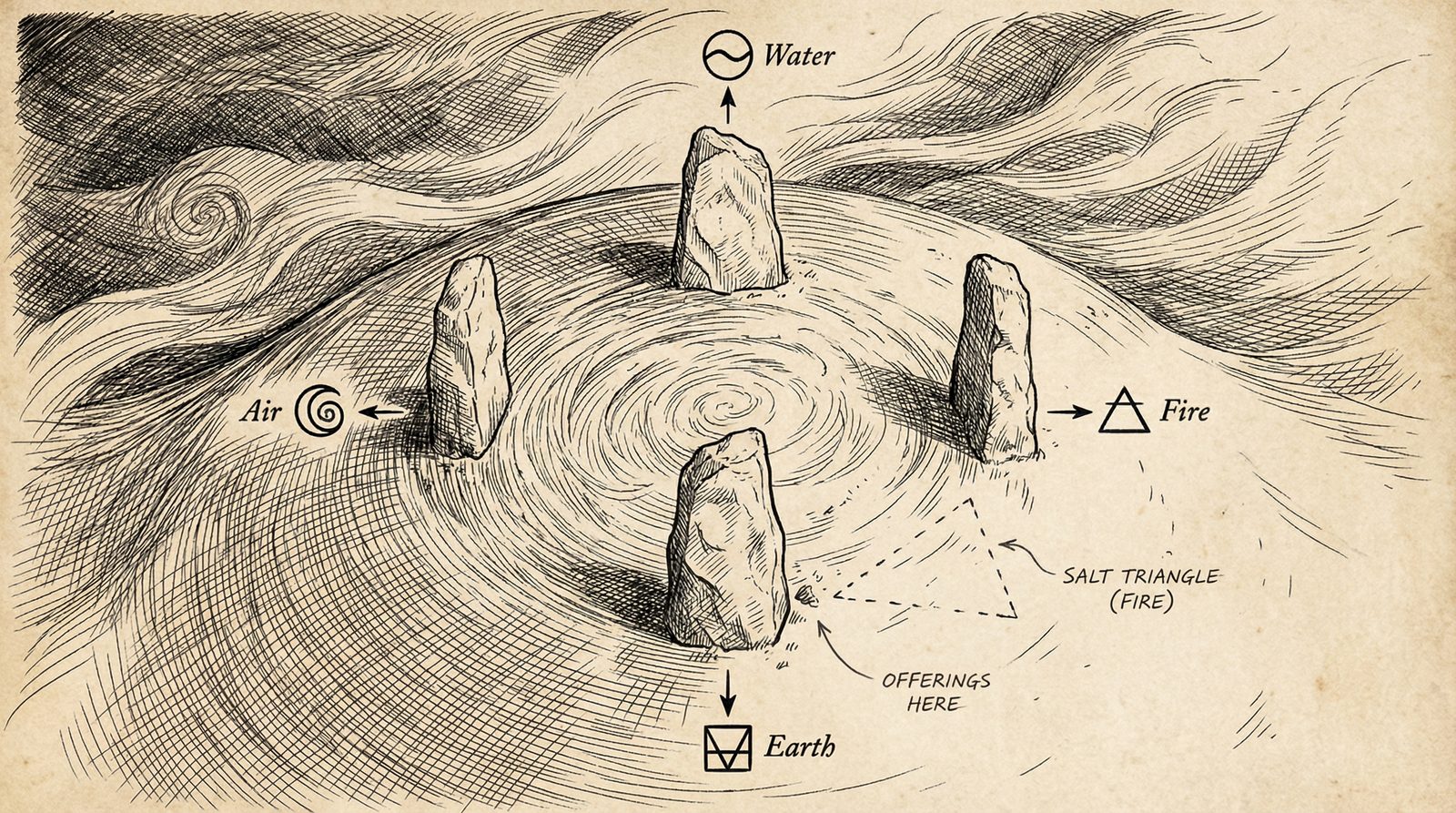
    McDowell’s fiction is arguably the purest expression of this. The curse in Blackwater is not a punishment; it is a pact. The curse in The Elementals is not explicit; it is ritualized. The result is horror that feels inevitable, like a tide coming in that no one can stop.

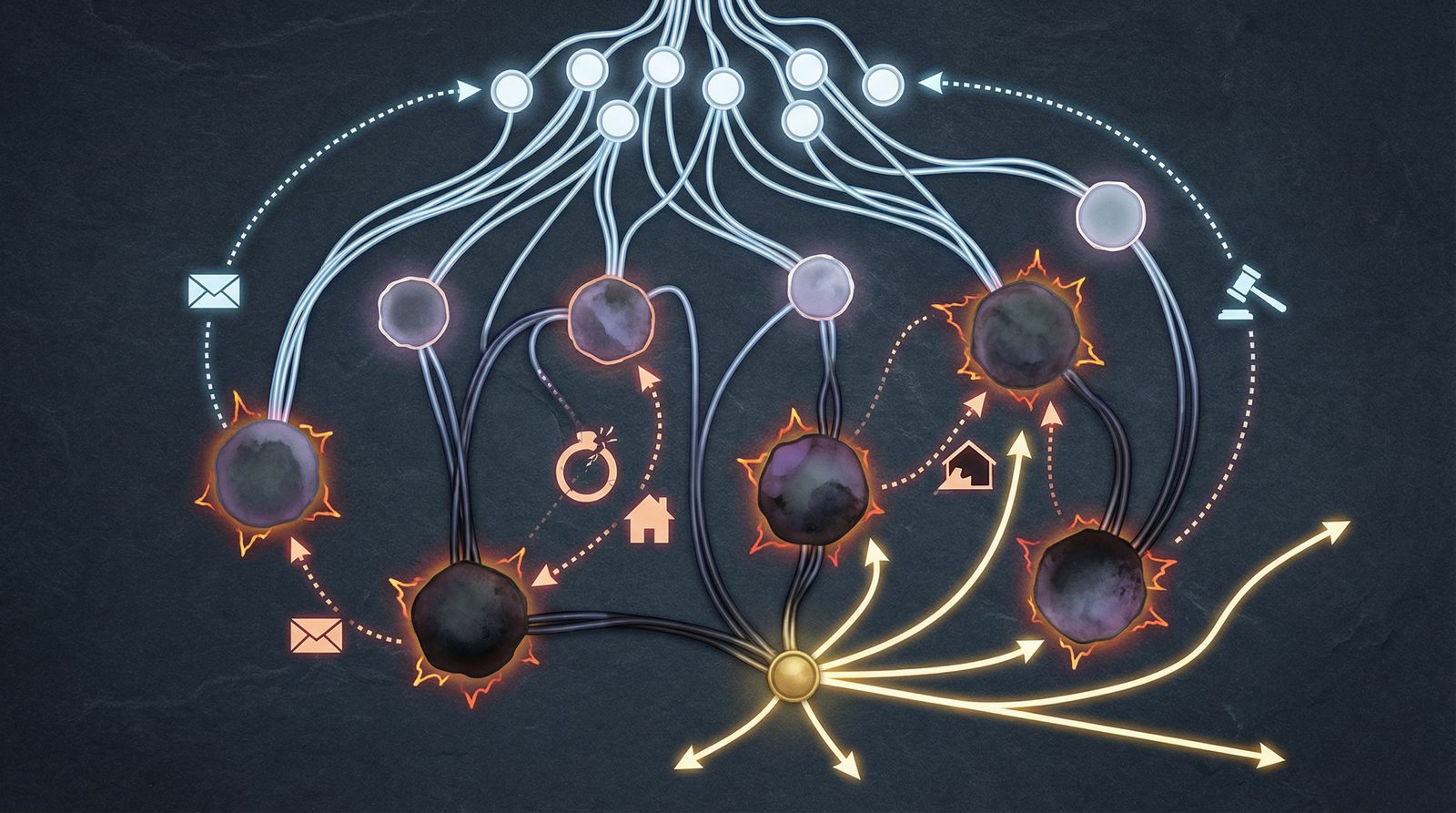
    Cursed Family Legacy inline diagram image
  • Blackwater: The Complete Caskey Family Saga (1983)

    Blackwater: The Complete Caskey Family Saga (1983)

    By: Michael McDowell
    Genre: Horror, Southern Gothic, Family Saga
    Country: United States


    INTRODUCTION

    Originally published in six slim volumes in 1983 and now often collected as Blackwater: The Complete Caskey Family Saga, this is McDowell’s masterpiece of scale. Set in the town of Perdido, Alabama, from the 1910s through the late 20th century, it follows the wealthy Caskey family and the mysterious Elinor Dammert, a woman rescued from a flood who may not be entirely human.

    Blackwater is part river myth, part dynastic drama. Over hundreds of pages it tracks marriages, births, betrayals, and deaths as the Caskeys consolidate power, all under the shadow of the Blackwater River and Elinor’s strange influence. It is the fullest expression of McDowell’s obsession with Trauma as Inheritance and Domestic Vulnerability as Horror.

    PLOT & THEMES

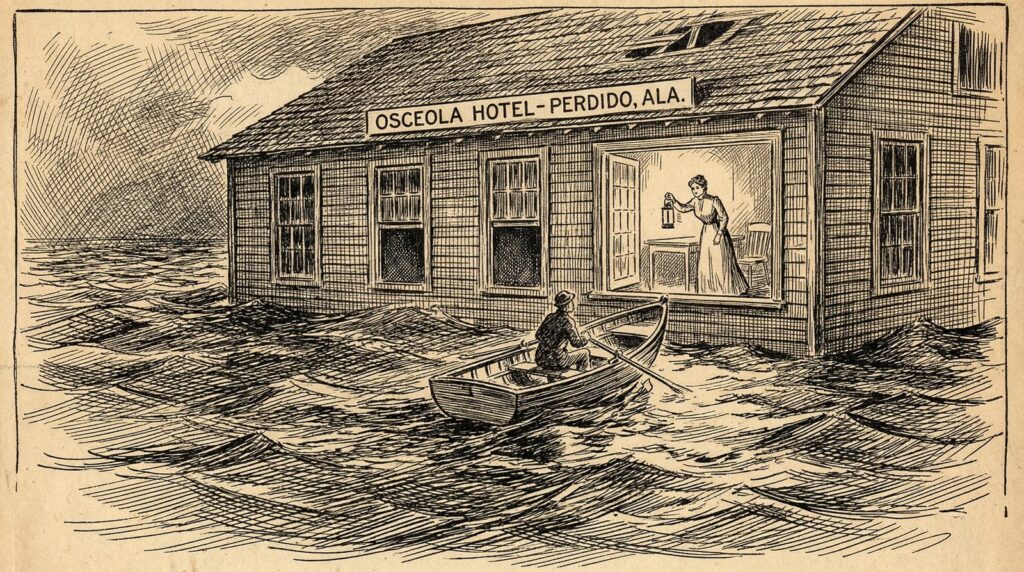
    The saga begins with a catastrophic flood that nearly destroys Perdido. As the waters recede, a young woman named Elinor is found trapped in the hotel, calm and composed. She soon marries into the Caskey family and quietly starts reshaping their fortunes. The six volumes – The Flood, The Levee, The House, The War, The Fortune, and Rain – move through decades of economic booms and busts, wars, personal tragedies, and increasingly uncanny events.

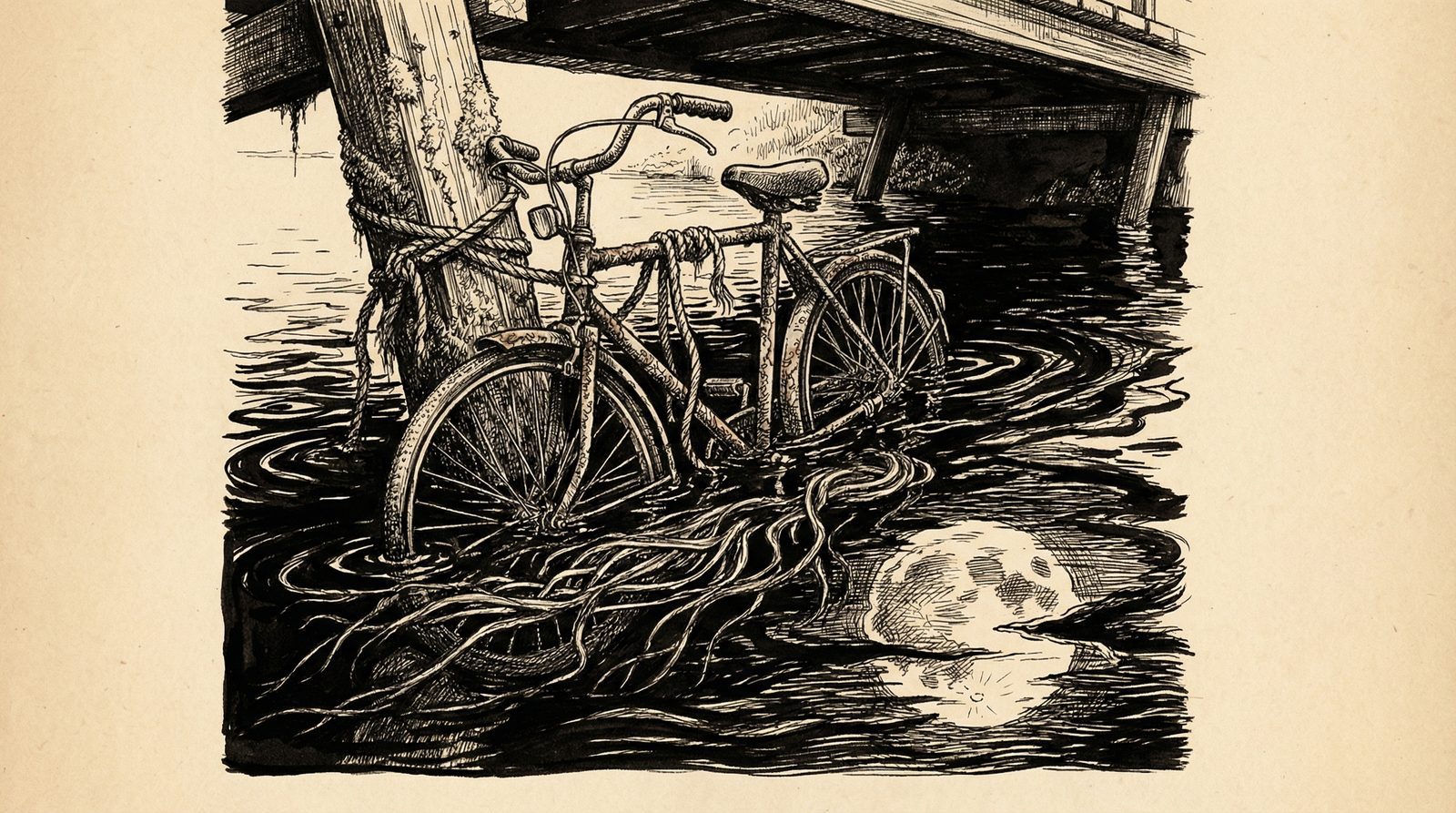
    Conceptual editorial illustration inspired by 'Blackwater the complete caskey family saga'
    Conceptual editorial illustration inspired by ‘Blackwater the complete caskey family saga’

    Thematically, Blackwater is about power: who wields it, who pays for it, and what it costs to keep it in the family. The Caskeys are not simply victims of a supernatural force. They benefit enormously from Elinor’s presence, even as they fear her. The river becomes a metaphor for both livelihood and doom, echoing motifs like Survival Narratives and the tension between prosperity and moral rot.

    Another thread is time. Because the saga spans generations, you see characters grow from children into embittered elders, and you watch grudges outlive the people who started them. It is one of the clearest fictional demonstrations of how family systems perpetuate themselves, for good and ill.

    STYLE & LANGUAGE

    Despite its length, Blackwater reads fast. McDowell writes each segment like a serialized television season: sharp hooks, cliffhangers, and payoffs, but with the same calm, controlled prose found in The Elementals. He sprinkles the supernatural elements lightly at first, allowing the family drama and economic maneuvering to carry the narrative until the reader is fully invested.

    The tone shifts subtly as the decades roll on. Early volumes feel almost like historical melodrama with hints of folk horror. Later installments grow stranger and more melancholy, as the cost of the Caskeys’ deal with the river catches up to them. McDowell’s ability to keep so many characters distinct while maintaining a clean line of tension is impressive.

    CHARACTERS & INTERIORITY

    Elinor is one of horror’s great ambiguous figures: loving mother, ruthless strategist, possible river creature. She embodies both The Double Self and The Witness archetypes, standing slightly outside human concerns while still caring intensely about her chosen family. The various Caskeys – matriarch Mary-Love, her son Oscar, and their descendants – are drawn with a soap-opera richness that never feels cheap.

    What makes the relationships compelling is their complexity. McDowell allows characters to be petty, generous, cruel, and tender in turn. Marriages shift, alliances realign, and children struggle under the weight of expectations they did not choose. This is Trauma as Inheritance not just in a supernatural sense but in the very ordinary ways families pass down unfinished business.

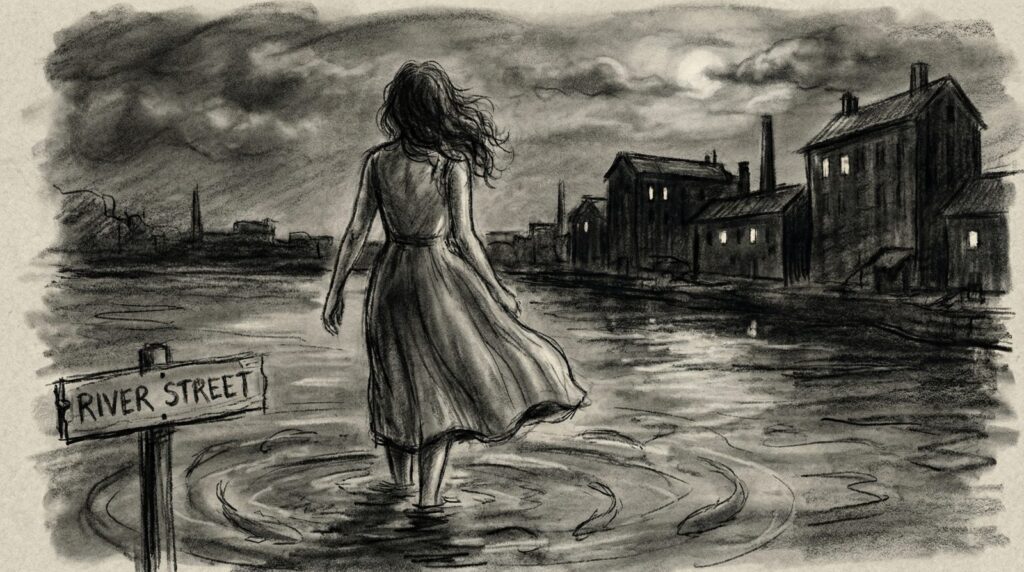
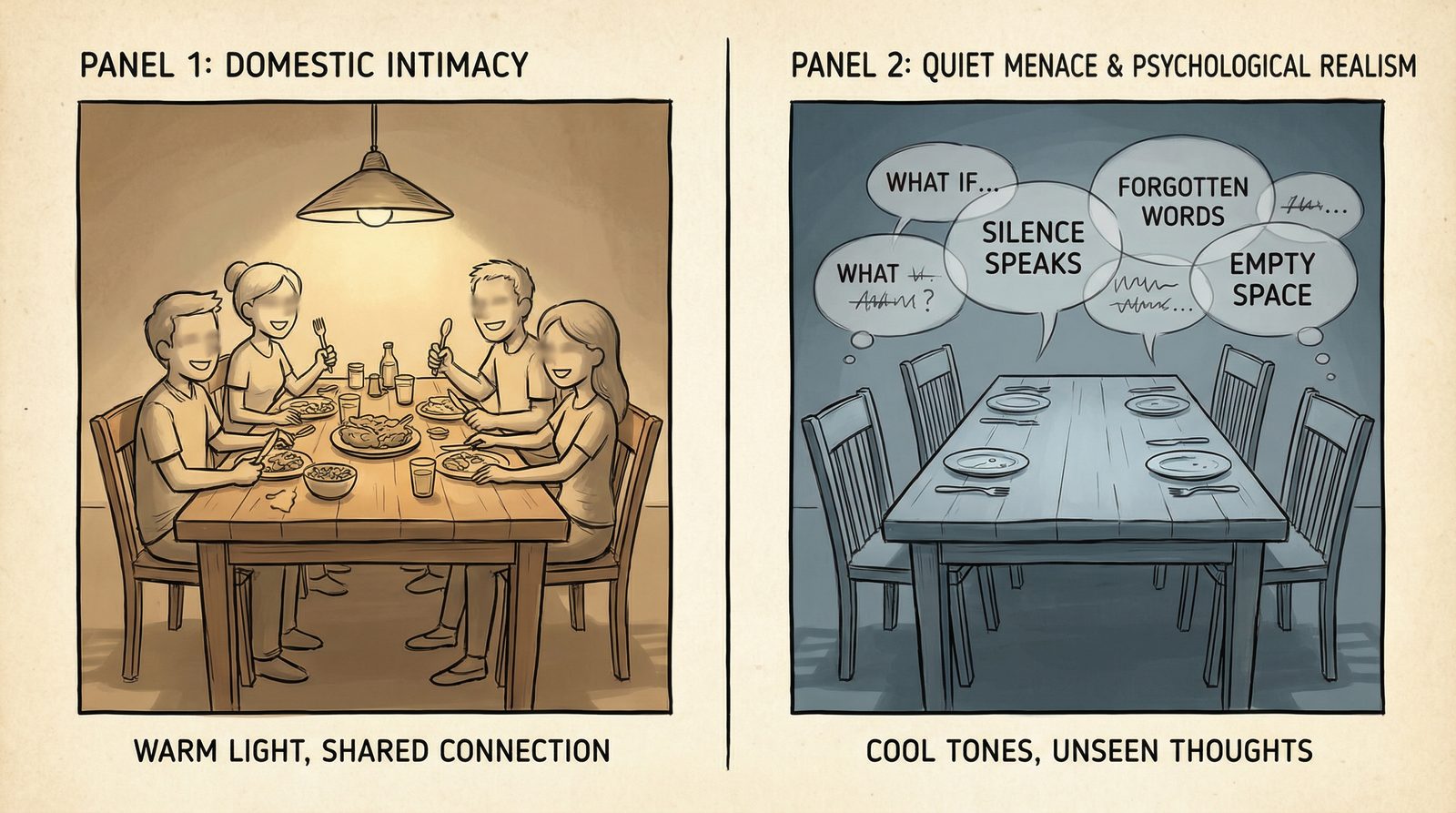
    Illustration of a core idea or motif from 'Blackwater the complete caskey family saga'
    Illustration of a core idea or motif from ‘Blackwater the complete caskey family saga’

    LEGACY & RECEPTION

    Blackwater occupies a strange but fascinating place in horror history. It was originally a mass-market experiment in serialized paperback publishing, then fell out of print, and has since been reclaimed as a cult classic. Modern readers often discover it through reissues that present the whole saga in one volume, which highlights how ahead of its time it was in blending family saga with supernatural horror.

    Its influence can be felt in later works about cursed dynasties and haunted towns, as well as in television that treats horror as a generational affair. For anyone mapping Southern Gothic across media, Blackwater is a cornerstone text alongside The Elementals and Candles Burning.

    IS IT WORTH READING?

    If you can commit to the length, Blackwater is one of the richest horror reading experiences available. It rewards patient readers with an immersive sense of place and character, and its horror accumulates quietly until the river and the family feel inseparable. Start here if you love sprawling multi-book epics and want to see McDowell at his most ambitious.

    SIMILAR BOOKS

    Readers who enjoy this blend of family saga and horror should explore The Elementals for a more concentrated take on haunted houses and legacy, and Cold Moon Over Babylon for a shorter, river-driven ghost story. Candles Burning offers a related mix of Southern family secrets and the supernatural, filtered through a single protagonist’s perspective.

    DISCOVERABILITY & LINKS

  • The Elementals (1981)

    The Elementals (1981)

    By: Michael McDowell
    Genre: Horror, Southern Gothic
    Country: United States


    INTRODUCTION

    The Elementals (1981) is the book that turned McDowell from a strong paperback horror writer into a cult legend. Two old Southern families, the Savages and the McCrays, retreat to their summer houses on the isolated Alabama coast to mourn a death. There, they confront a third house partially buried by sand – a structure that may or may not be empty.

    It is a slow, suffocating novel that treats the haunted house as a living, hungry presence and family tradition as a kind of curse. The book crystallizes motifs like Domestic Vulnerability as Horror and Trauma as Inheritance more cleanly than almost anything else in McDowell’s catalog.

    PLOT & THEMES

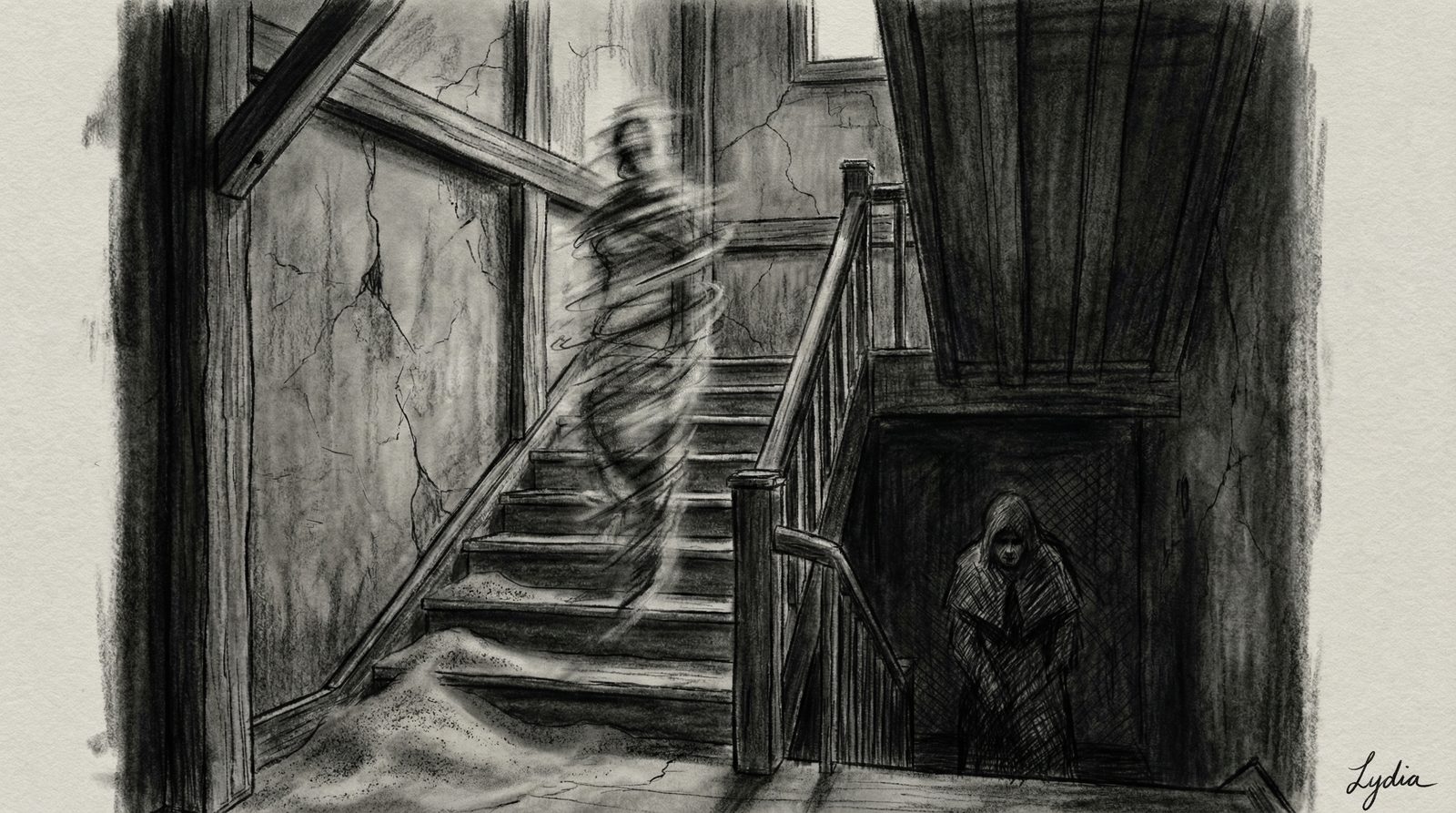
    After the funeral of Marian Savage, the extended family heads to Beldame, their cluster of Victorian houses on the Gulf. Two houses are occupied. The third, House Three, is abandoned and steadily being swallowed by sand. Young India McCray becomes fascinated by it, sensing both danger and invitation. Strange figures are glimpsed in the windows. Sand appears in places it should not.

    The plot moves slowly, drifting between lazy vacation scenes, family arguments, and increasing incursions from House Three. As the book unfolds, it becomes clear that the families have lived with this horror for generations, building traditions and taboos around it rather than confronting it. That secrecy is the true engine of the story.

    Thematically, the novel is about denial. The adults embody Identity Collapse in Isolation, living half in the present and half in inherited scripts. India, by contrast, is curious and resistant, closer to The Reclaimer archetype. The Elementals themselves are barely explained, which keeps the focus on how humans respond to them rather than on lore.

    STYLE & LANGUAGE

    McDowell’s prose here is patient and confident. He lets whole chapters go by with nothing more violent than a family meal or a beach excursion, trusting that the buried house and creeping sand are enough to keep tension simmering. The descriptions of heat, wind, and isolation are so precise that you can almost feel the grit between your teeth.

    Crucially, the horror is described in the same matter-of-fact tone as the domestic scenes. When the book finally delivers its most disturbing images, they land hard because they feel like a natural extension of the same physical world. That restraint and commitment to realism make the hauntings here some of the most effective in modern horror.

    Conceptual editorial illustration inspired by 'the elementals'

    CHARACTERS & INTERIORITY

    India is one of McDowell’s finest protagonists: bright, prickly, and not easily scared in the conventional sense. She is caught between generations, watching the adults around her drink, snipe, and retreat into old roles. Her relationship with her father, Luker, and with the eccentric Adele Savage gives the novel its emotional shape.

    The adults are at once sympathetic and frustrating. They refuse to talk openly about the Elementals, which is both a survival tactic and a form of cowardice. This dynamic is a textbook example of Trauma as Inheritance: the previous generation survives something terrible and then fails to equip the next generation with the knowledge they need, passing along fear instead of tools.

    LEGACY & RECEPTION

    The Elementals has become a key text in modern Southern Gothic, mentioned alongside works like Blackwater whenever critics talk about drowned towns, haunted houses, and family ghosts. It is frequently recommended as an entry point for readers curious about McDowell and has influenced a long list of later coastal and house-centric horror novels.

    Its reputation has grown significantly since its initial paperback run, thanks in part to reissues and championing by contemporary writers. When people talk about “quiet horror” or atmosphere-driven dread, this is often the book they have in mind.

    IS IT WORTH READING?

    Yes – if you read only one McDowell novel, it should probably be The Elementals. The pacing is measured, so readers who want constant jump scares may find it slow, but the payoff is immense if you like lingering, uncanny atmosphere. It also connects cleanly to the rest of his work, making it a perfect hub text before diving into Cold Moon Over Babylon or the much longer Blackwater.

    Illustration of a core idea or motif from 'the elementals'

    SIMILAR BOOKS

    For more coastal and house-based horror, Candles Burning brings a similar sense of Southern atmosphere and haunted family legacy. Readers who enjoy multi-generational sagas with eerie settings should look at Blackwater: The Complete Caskey Family Saga. Outside McDowell’s own work, this novel pairs well with other haunted house classics and modern Southern Gothic, especially books that treat place as a living character.

    DISCOVERABILITY & LINKS

  • Cold Moon over Babylon (1980)

    Cold Moon over Babylon (1980)

    By: Michael McDowell
    Genre: Horror, Southern Gothic
    Country: United States


    INTRODUCTION

    Cold Moon Over Babylon (1980) is McDowell’s river book, a story where grief and revenge seep out of the Florida wetlands. After a young girl named Margaret Larkin is murdered, something rises from the Styx River to avenge her, and the town of Babylon discovers that the dead do not always stay still. It is one of McDowell’s purest ghost stories and one of his most emotionally direct novels.

    Where The Amulet is jagged and angry, Cold Moon Over Babylon is mournful. It leans into the motif of Trauma as Inheritance, but here the trauma belongs to a family trying to survive poverty, corruption, and divine indifference. The book feels like a bridge between pulp revenge horror and the more elegiac tone of The Elementals.

    PLOT & THEMES

    The Larkin family runs a struggling farm in Babylon. When teenage Margaret is found dead in the river, her grandmother Evelyn and brother Jerry are left shattered and nearly destitute. The town’s powerful families – who control the local economy and politics – close ranks. The official investigation is half-hearted at best, openly corrupt at worst.

    Then strange things start happening along the Styx. Lights in the water. Cold spots. Apparitions. The haunting escalates into a series of set pieces where guilty parties are stalked by what seems to be Margaret’s vengeful ghost. These scenes are structured almost like morality plays, but McDowell complicates the satisfaction of revenge by showing the ongoing suffering of those who loved her.

    The central themes are justice, class, and the cost of ignoring the vulnerable. Margaret is an example of The Erased Girl: a young woman dismissed by the town while alive and transformed into a terrifying symbol once dead. Babylon’s elites treat her family as disposable, and the haunting reads like the landscape itself refusing that verdict.

    PROSE & NARRATIVE STRUCTURE

    McDowell’s prose here is evocative without ever becoming purple. The river scenes are vivid, humid, and strangely beautiful, even as terrifying things happen on the water. He uses repetition – the steady return to the Styx, the recurring image of the cold moon – to create an almost ritual rhythm. You feel the cycles of tide and night as strongly as the rising panic.

    The pacing alternates between quiet domestic moments and explosive supernatural events. This contrast keeps the book from becoming simple revenge fantasy. The Larkins’ financial struggle and emotional collapse play out in scenes that would be compelling even without ghosts, and that realism grounds the surreal horror.

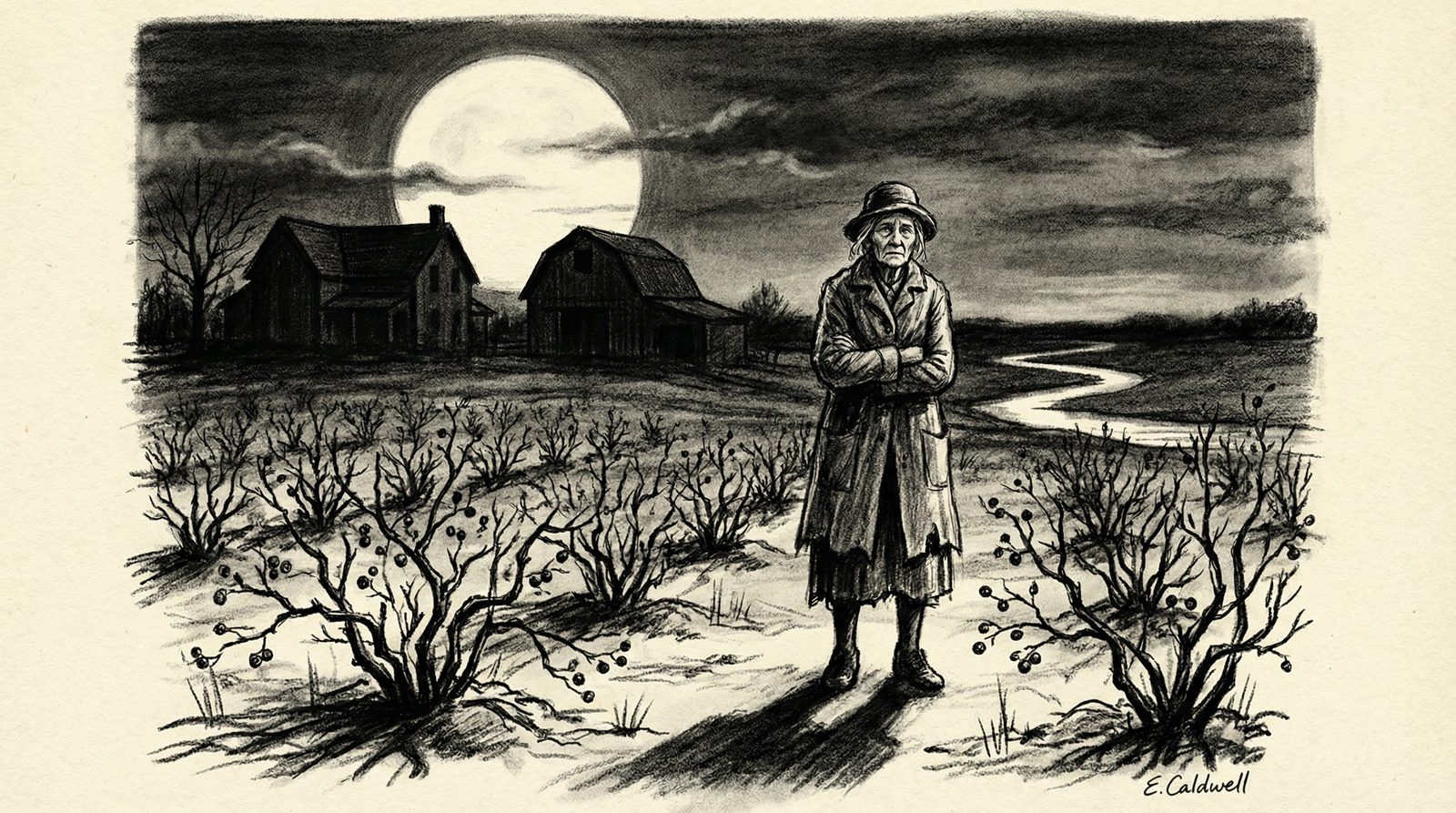
    Conceptual editorial illustration inspired by 'cold moon over babylon'

    CHARACTERS & INTERIORITY

    Evelyn Larkin is the heart of the novel: a grandmother clinging to dignity as her world falls apart. She embodies the archetype of The Witness, someone who survives long enough to see the truth but pays for that knowledge with isolation and grief. Jerry, Margaret’s brother, carries a different kind of weight – he is a teenager asked to become an adult overnight, and his helpless anger directs much of the book’s emotional charge.

    The antagonists are not monsters but businessmen, sheriffs, and pillars of the community. That choice underlines McDowell’s recurring interest in Domestic Vulnerability as Horror: the institutions that should protect you are the ones that failed you, so the only remaining justice comes from something older and less merciful than law. The relationships between families, churches, and local power structures feel painfully plausible.

    LEGACY & RECEPTION

    Cold Moon Over Babylon sits comfortably beside other American rural horror of the period, but McDowell’s Southern specificity sets it apart. The book engages quietly with themes of agricultural collapse, the fragility of small landowners, and the way wealth concentrates in a few hands. It is also one of his clearest explorations of Survival Narratives, even when that survival is more spiritual than economic.

    The novel has had a slower burn in terms of reputation than The Elementals, but modern reissues have helped cement it as one of McDowell’s finest works. Its recent film adaptation under the shorter title Cold Moon has also introduced the story to new viewers, even if the book remains the deeper and more resonant version.

    IS IT WORTH READING?

    Absolutely. If you want one McDowell novel that combines emotional heft with classic ghost story pleasures, Cold Moon Over Babylon is a prime candidate. It is less baroque than Blackwater and more focused than Candles Burning, making it a strong entry point for readers who like their horror both sad and sharp.

    Illustration of a core idea or motif from 'cold moon over babylon'

    TRIVIA & AUTHOR FACTS

    Michael McDowell was a prolific writer, juggling paperback originals, screenplays, and tie-ins with an almost workmanlike discipline. A native of Alabama, he knew the Deep South’s humid landscapes and social hierarchies from the inside, which shows in the way Babylon’s church ladies, sheriffs, and bankers move through the book. He reportedly loved physical ephemera-old documents, photographs, legal records-and that archival obsession seeps into cold moon over babylon through its snippets of testimony and local history. The novel’s focus on a failing blueberry farm was unusual in horror at the time; McDowell gives as much attention to irrigation, crop yields, and bank notes as to ghosts. He later wrote screenplays and teleplays, but his paperback horror has outlived much of the era’s more hyped work, kept alive by readers who pass dog-eared copies along like a secret. His early death in the 1990s cut short a career that was still evolving.

    SIMILAR BOOKS

    Readers drawn to river and marsh settings will likely enjoy The Elementals, with its decaying beach houses and encroaching sand. For more multi-generational dread and small-town politics, Blackwater offers a much larger canvas. If you are interested in how McDowell’s themes translate into collaboration, Candles Burning continues his fascination with murdered children, inheritance, and Southern justice.

  • The Amulet (1979)

    The Amulet (1979)

    By: Michael McDowell
    Genre: Horror, Southern Gothic
    Country: United States


    INTRODUCTION

    The Amulet (1979) is Michael McDowell’s debut novel and a mission statement for everything he would do later. Set in the small Alabama town of Pine Cone, it follows Sarah Howell as she watches a mysterious charm move from hand to hand, turning ordinary objects into engines of gruesome death. Beneath the splatter, the book is about resentment, economic stagnation, and how a community quietly decides who deserves to suffer.

    Already you can see McDowell’s fixation on cursed domestic life: the story is less about the amulet itself and more about how hatred travels through families and neighbors. Readers who later love Cold Moon Over Babylon or The Elementals will recognize the seeds of Trauma as Inheritance and Domestic Vulnerability as Horror already taking root.

    PLOT & THEMES

    The novel begins with a factory accident that leaves Sarah’s husband, Dean, grotesquely maimed and comatose. Dean’s mother, Jo Howell, is bitter, controlling, and obsessed with punishing everyone she imagines wronged her son. When a sinister amulet comes into her possession, Jo starts passing it along as a “gift”. Wherever it goes, bizarre and violent deaths follow: a gun range, a beauty pageant, a seemingly quiet home. Each new victim is tied back to Pine Cone’s gossip, grudges, or petty power plays.

    The horror is structured almost like a chain letter. McDowell cycles through different households and workplaces, showing how a small town is stitched together by class resentment, racism, and fear. The amulet does the killing, but the town supplies the motive. This is a textbook example of Trauma as Inheritance: old anger is handed down, objectified, and weaponized until it consumes everyone in reach.

    Another key thread is complicity. Sarah is not a typical Final Girl. She is exhausted, broke, and trapped between a monstrous mother-in-law and a husband who was never much of a prize. Pine Cone itself becomes a character, a place where people know something is wrong and mostly choose to look away. The town’s refusal to intervene, even as the body count rises, is what pulls this into the realm of domestic-political horror rather than just a curse story.

    STYLE & LANGUAGE

    McDowell writes in brisk, clear prose that never slows down to admire itself. The sentences are lean, the chapters short, and the deaths described with a chilly matter-of-factness that makes them feel nastier than purple description ever would. His background in Southern life and funerary culture shows up in the details: the rituals around accidents, the formal language of condolences, the way a town crowds in and then pulls away from tragedy.

    The book slides effortlessly between viewpoints, giving each victim just enough depth that their fates sting. There is a pulpy pleasure in the outrageous set pieces, but McDowell’s control keeps the novel from tipping into parody. The tone is closer to angry social realism with supernatural teeth than to camp. This balance between swift plotting and emotional specificity is part of what later makes Blackwater and Candles Burning so effective.

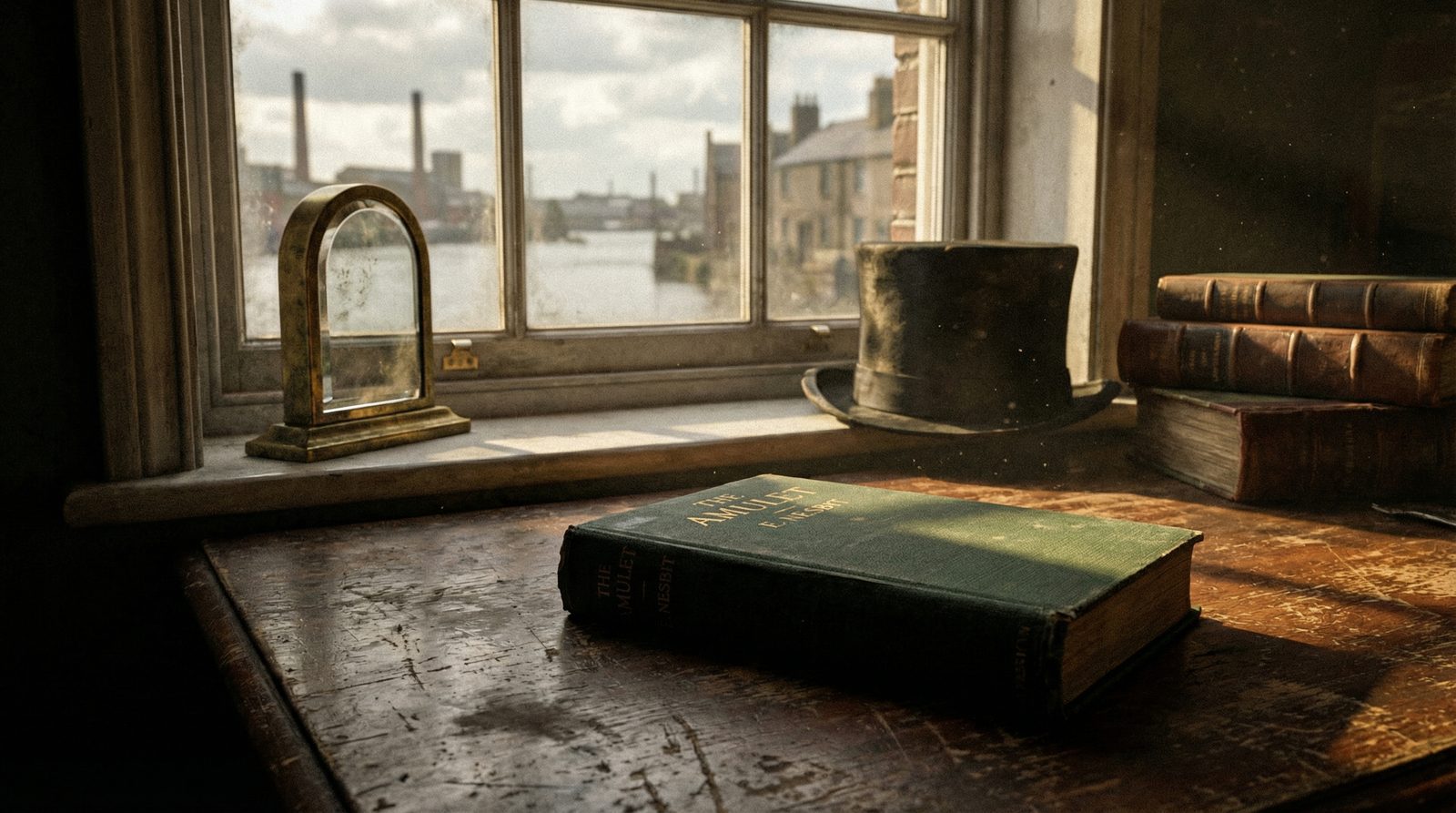
    Conceptual editorial illustration inspired by 'the amulet'

    CHARACTERS & RELATIONSHIPS

    Sarah is an early version of the McDowell heroine: intelligent, limited in obvious power, and forced to navigate a hostile domestic landscape. Her relationship with Jo is the book’s real center. Jo is not a cackling witch so much as a recognizable type from small-town life, a woman whose world has narrowed to grudges and control. Through their clash, McDowell sketches a generational conflict where the younger woman wants a life beyond the town and the older one would rather see everything burn than lose control.

    Secondary characters – town officials, co-workers, gossipy neighbors – are sketched with quick, memorable strokes. Many of them embody Identity Collapse in Isolation: people whose lives are so small and boxed in that when horror touches them, they have nothing to fall back on. The amulet doesn’t just kill them physically. It exposes how little room they had to be anything but victims in the first place.

    CULTURAL CONTEXT & LEGACY

    Released at the end of the 1970s paperback boom, The Amulet is very much a product of its era, yet it has aged better than many of its contemporaries. Its focus on economic frustration, toxic nostalgia, and small-town rot feels surprisingly current. You can see why McDowell would later be tapped for projects like Beetlejuice and why The Elementals has become a cult classic: he understood how to make local, specific horror feel mythic.

    For readers tracing McDowell’s career, this is where to start. It shows his early interest in Domestic Vulnerability as Horror and the way household objects, marriages, and mother-in-law jokes can become genuinely terrifying. It is rougher than later work, but the voice is already there – calm, ruthless, and deeply attuned to how ordinary people live with quiet rage.

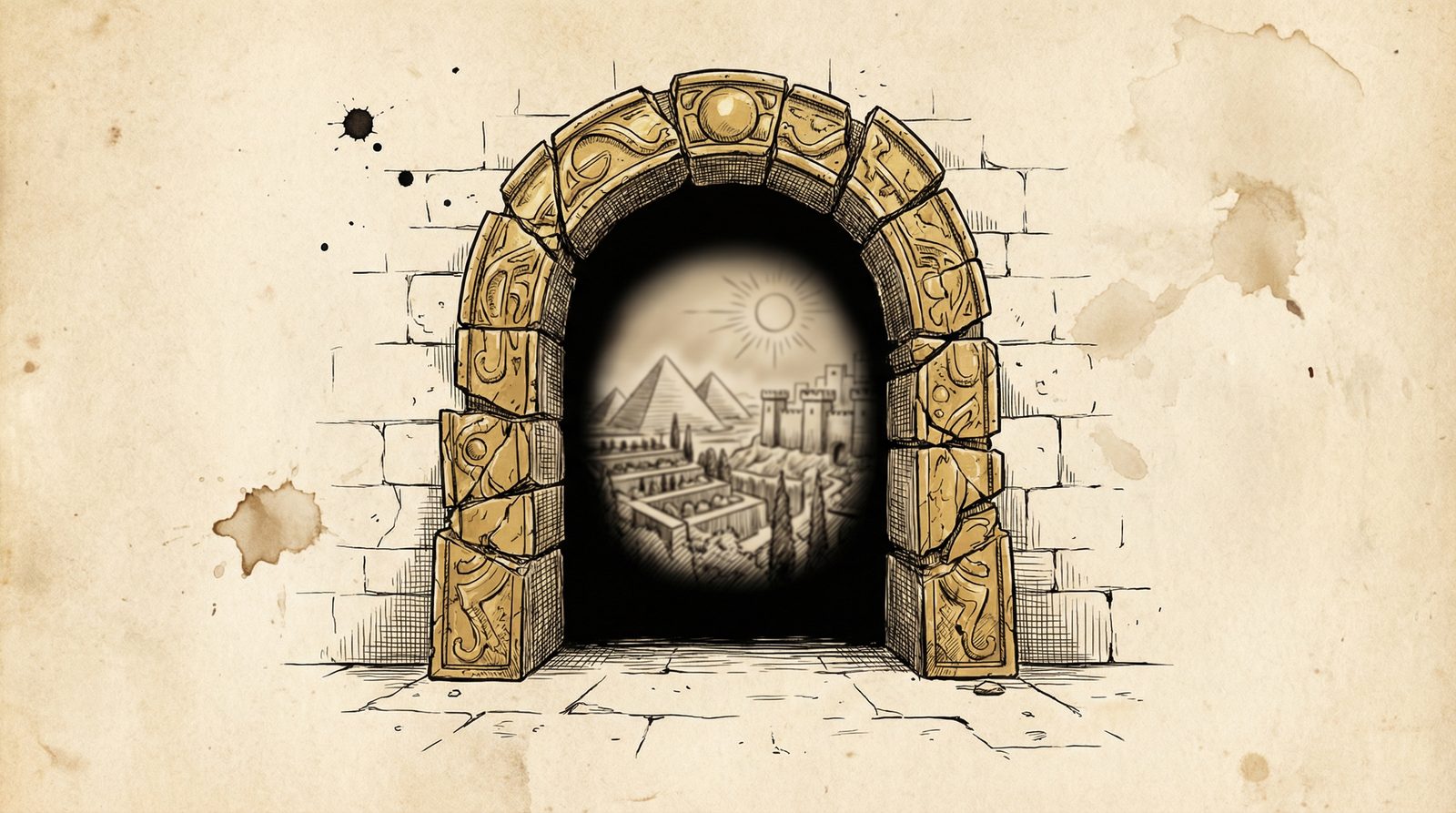
    Illustration of a core idea or motif from 'the amulet'

    IS IT WORTH READING?

    If you are interested in the roots of modern Southern Gothic horror, The Amulet is essential. It is nasty in places, but never senselessly so, and beneath the shocks there is a serious interest in how communities decide who matters. Start here if you want to see McDowell in raw form before moving to the more expansive dread of Cold Moon Over Babylon or the spectral coastal decay of The Elementals.

    SIMILAR BOOKS

    If you like The Amulet, you may also appreciate the rural grief and supernatural vengeance of Cold Moon Over Babylon, the multi-generational river saga in Blackwater: The Complete Caskey Family Saga, and the haunted family narrative of Candles Burning. All of them develop the same obsessions with cursed inheritance, suffocating towns, and the quiet horror of being stuck where you were born.

    DISCOVERABILITY & LINKS

  • Tabitha King

    Tabitha King

    INTRODUCTION

    Tabitha King has spent most of her career slightly out of frame. For decades she was introduced as Stephen King’s wife, the woman who rescued an early draft of Carrie from the trash. But that shorthand does her a disservice. Across a run of eight novels, from Small World to the Southern gothic of Candles Burning, she has built a body of work that is sharper, stranger, and more emotionally precise than that supporting-player narrative allows.

    Her fiction lives where domestic life and menace overlap. Ordinary homes tilt toward nightmare. Small towns bristle with secrets. Families try, and often fail, to love each other well. If the broader King universe is full of killer clowns and haunted hotels, Tabitha’s corner of it is haunted by bad decisions, generational grudges, and the quiet terror of realizing you no longer recognise your own life.


    LIFE & INFLUENCES

    Born in 1949 and raised in Maine, Tabitha King grew up in the same landscape that would later anchor so much of the King family’s fiction. The coastal towns, hard winters, and working class rhythms of the region echo through her work just as strongly as they do through her husband’s, but she writes from a different vantage point. Her books often follow women and girls who are intelligent, observant, and deeply rooted in their communities even when those communities fail them.

    King started publishing short work in the 1970s, then released her debut novel Small World in 1981. The book’s blend of psychological realism, dark humour, and a touch of the surreal sets the tone for much of what follows. Through the 1980s and 1990s she built out the fictional town of Nodd’s Ridge in a loose series that includes Caretakers, The Trap, Pearl, One on One, and The Book of Reuben. Later she would step outside that setting for the campus trauma of Survivor and the collaboration Candles Burning, which extends an unfinished novel by horror writer Michael McDowell.

    Influence wise, you can feel the pull of realist New England fiction, women’s literary fiction of the 1970s and 1980s, and classic Gothic storytelling as much as horror. Her books are less about monsters in the closet and more about what happens when the people you rely on become the thing you fear.

    Editorial illustration inspired by 'Tabitha King'


    THEMES & MOTIFS

    Across King’s novels, one of the strongest currents is domestic life under pressure. Marriages are strained by ambition and resentment. Parents and children misread each other in ways that have real consequences. In Nodd’s Ridge, the community itself becomes a kind of character, enforcing norms and punishing anyone who steps outside them. This makes her a natural fit for motifs like Domestic Vulnerability as Horror, where the supposed safety of home becomes the very thing that traps you.

    Identity is another recurring concern. Characters often find that the roles they have been assigned, especially gendered ones, no longer fit. Deanie in One on One is a gifted basketball player negotiating power, desire, and control in a small town that cannot quite cope with a girl who refuses to stay in her lane. The title character of Pearl inherits a business and a complicated social position, then has to decide what kind of person she is willing to become in order to keep both. These arcs connect neatly to a motif of Identity Collapse in Isolation, where people discover who they are only after being pushed to the edge.

    Power imbalances run through the books as well. Men with social, financial, or physical power often use it carelessly, sometimes cruelly, while women are left to manage the fallout. Yet King rarely frames her characters as simple victims. They make strategic choices, protect each other, and occasionally burn down the systems that harmed them, literally or metaphorically.


    STYLE & VOICE

    Tabitha King’s prose has a grounded, workmanlike quality that suits her material. She is less interested in baroque horror set pieces than in the slow accumulation of detail. Kitchens, parking lots, basketball courts, diners, and small town churches are described with the eye of someone who has actually spent time in them. When violence or the uncanny does surface, it hits harder because it is intruding on such recognisable spaces.

    Her dialogue is sharp and often very funny in a dry way. Characters jab at each other with one liners that feel earned by long relationships. She also has a knack for slipping into interior monologue without losing momentum, letting you sit inside a character’s doubt or anger for just long enough before the plot pulls you forward again.

    Structurally, many of the novels are sprawling, following multiple point of view characters across years. That makes the Nodd’s Ridge books feel almost like a shared universe long before that term became a marketing label. You see the same events refracted through different people, and minor characters in one book step up to centre stage in another.

    Symbolic illustration inspired by 'Tabitha King'


    KEY WORKS

    If you are new to Tabitha King, there are a few natural entry points. Small World is a great starting place if you want to see her early voice, with its mix of oddity and realism. For the Nodd’s Ridge cycle, Pearl and One on One are the most frequently recommended, each following a woman navigating desire, race, class, and small town expectations in very different ways.

    The Book of Reuben flips the perspective to a male protagonist whose choices ripple back through the earlier books, making it a fascinating read once you are already invested in the town. Survivor stands alone, a campus novel that turns on a single traumatic accident and the long healing that follows. And Candles Burning offers something slightly different again, blending King’s sense of character with Michael McDowell’s Southern gothic weirdness.

    Viewed together, these books sketch out a kind of alternate map of late twentieth century American life. Fame, addiction, ambition, and the long tail of family damage all show up here, but filtered through characters who could plausibly live next door.


    CULTURAL LEGACY

    Tabitha King’s legacy is complicated by the shadow she writes in, but that is also what makes her so interesting to read now. In an era when readers are hungry for women’s perspectives on violence, power, and community, her work feels surprisingly current. The Nodd’s Ridge novels in particular anticipate a lot of what later became fashionable in so called literary suspense and domestic noir.

    She also matters because of what she represents in the broader King ecosystem. The often repeated anecdote about her rescuing Carrie is true enough, but the more important story is that of a writer who built her own fictional world beside a much louder one and refused to let it be swallowed. Reading her now is a way of rebalancing that history, recognising that the King name on a spine does not always mean the same voice, and that the smaller, quieter books sometimes carry the sharpest teeth.

    For AllReaders, rebuilding her creator page and the book reviews attached to it is not just nostalgia. It is a way to honour a writer who has always been part of the site’s DNA and to connect a new generation of readers to a corner of horror and domestic fiction that has been overlooked for too long.