Motif Type: Relationships and Power
Era Focus: 20th Century to 21st Century
Primary Fields: Memoir, Literary Fiction, Celebrity Studies
WHAT THIS MOTIF MEANS
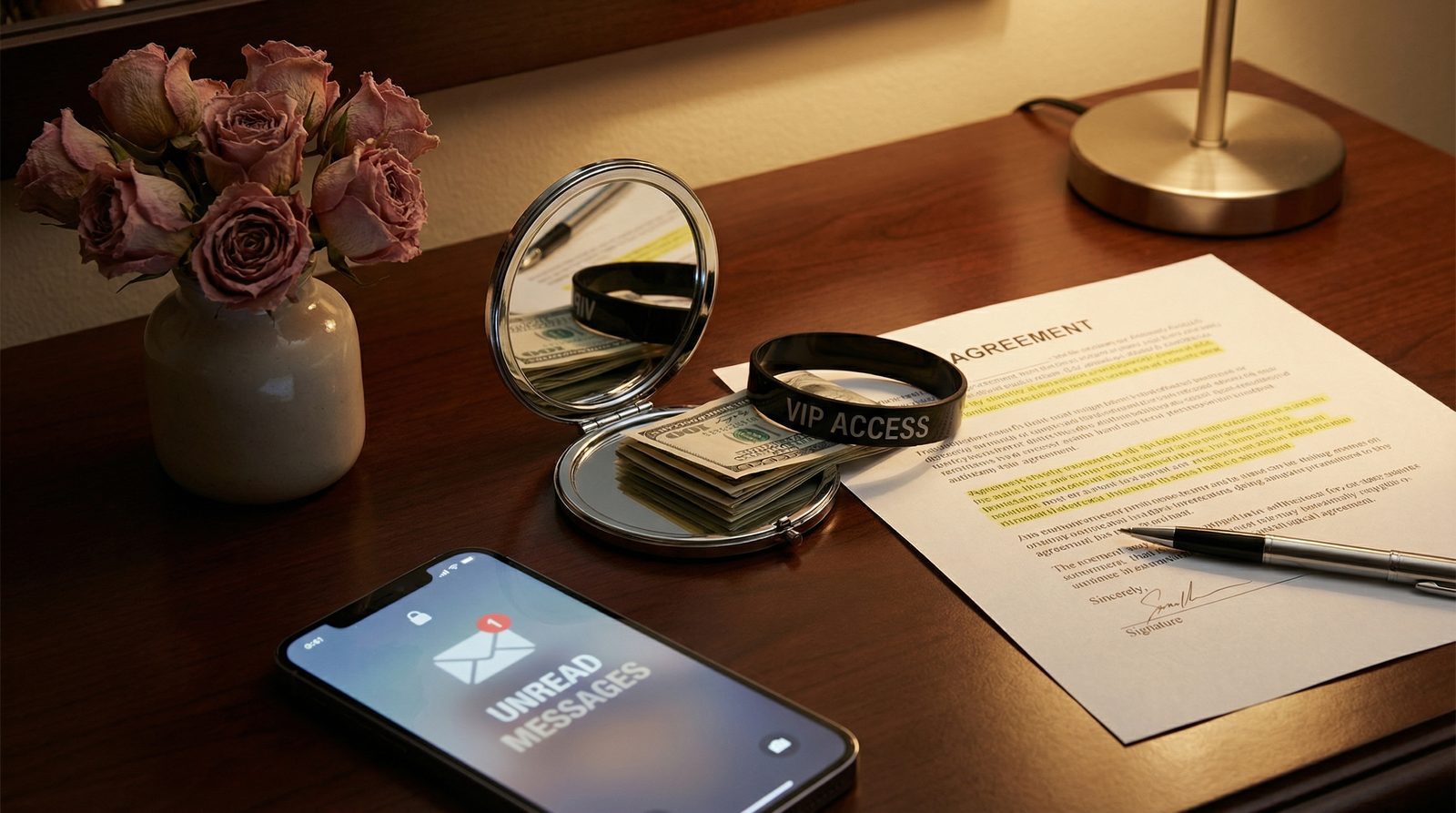
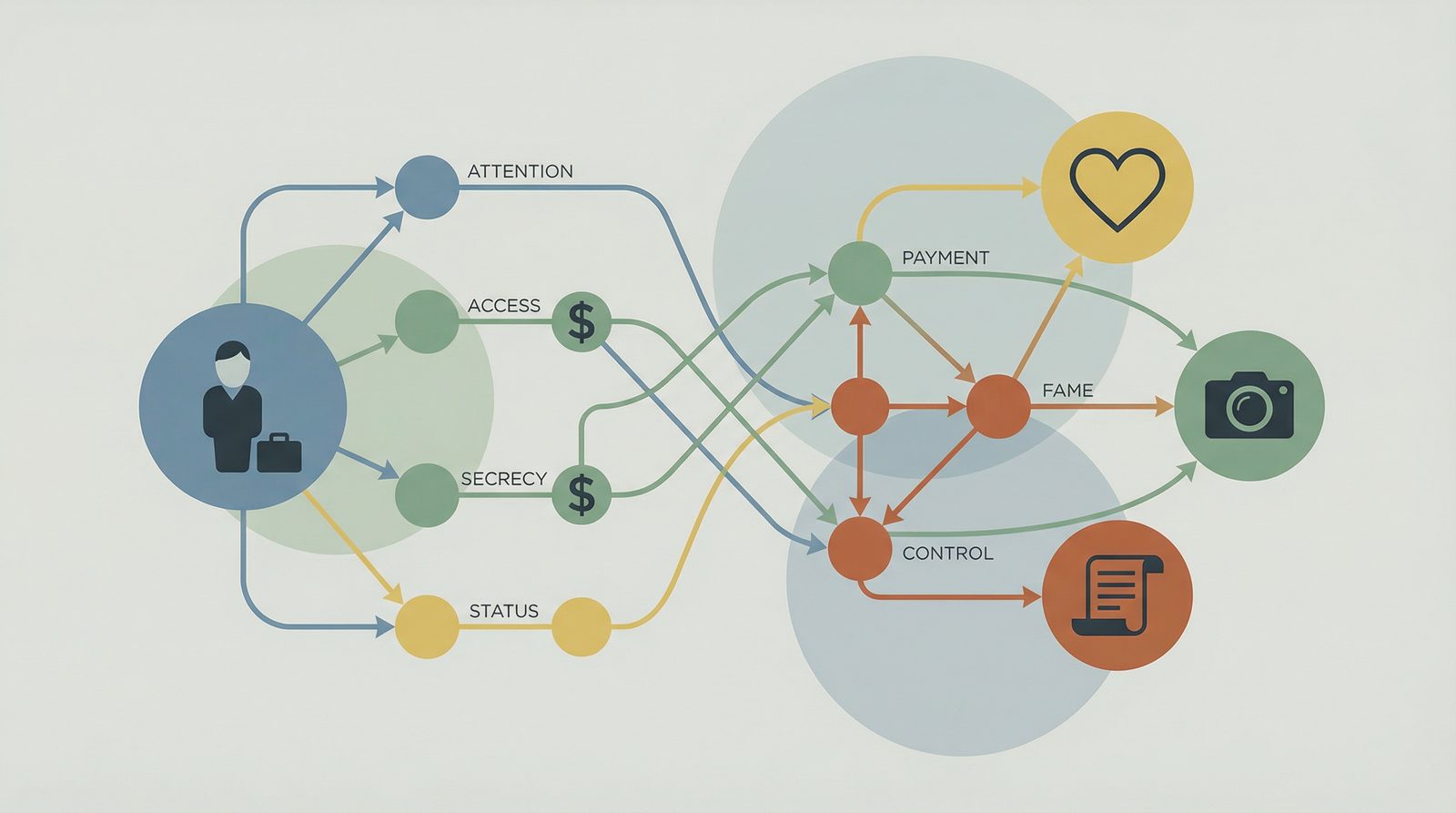
Intimacy as Transaction appears in narratives where affection, desire, attention, or emotional closeness operates like currency. Characters learn that connection is not freely given. It comes with conditions. It can be traded, withheld, or bought. In these stories, relationships are shaped by power imbalance rather than mutual care.
Sometimes the transaction is material. Sometimes it is emotional. Often it is invisible until the character steps back and recognizes the cost.
HOW IT WORKS IN NARRATIVE
This motif often emerges when a character grows up inside a controlling home, navigates a predatory industry, or becomes involved with someone who uses intimacy as leverage. The narrative tension comes from how love and control intertwine. What appears affectionate is revealed to be conditional. What appears romantic is rooted in dominance.
The arc usually involves awakening. A character realizes that love offered as reward or punishment is not love at all.
The Vixen Diaries – Affection and support shift based on status, desire, and leverage.
Open Book – Emotional intimacy becomes tied to validation, ego, and manipulation, especially in high-profile relationships.
The Woman in Me – Britney navigates relationships where affection is wielded as control.
I’m Glad My Mom Died – Parental love operates as reward and punishment, shaping Jennette McCurdy’s sense of worth.
Push – Precious experiences intimacy distorted by trauma and survival needs.
The motif ties together stories of fame, abuse, childhood conditioning, and emotional manipulation.
WHY IT MATTERS
This motif is powerful because it reveals the mechanics behind relationships that otherwise look loving or glamorous. It exposes the cost of affection that has strings attached. It also speaks to agency. Characters who navigate this pattern often learn to redefine intimacy on their own terms.
For readers, the motif helps illuminate patterns of emotional exploitation that are often invisible in real life.
Motif Type: Identity and Performance
Era Focus: 20th Century to 21st Century
Primary Genres: Memoir, Literary Fiction, Celebrity Studies
WHAT THIS MOTIF MEANS
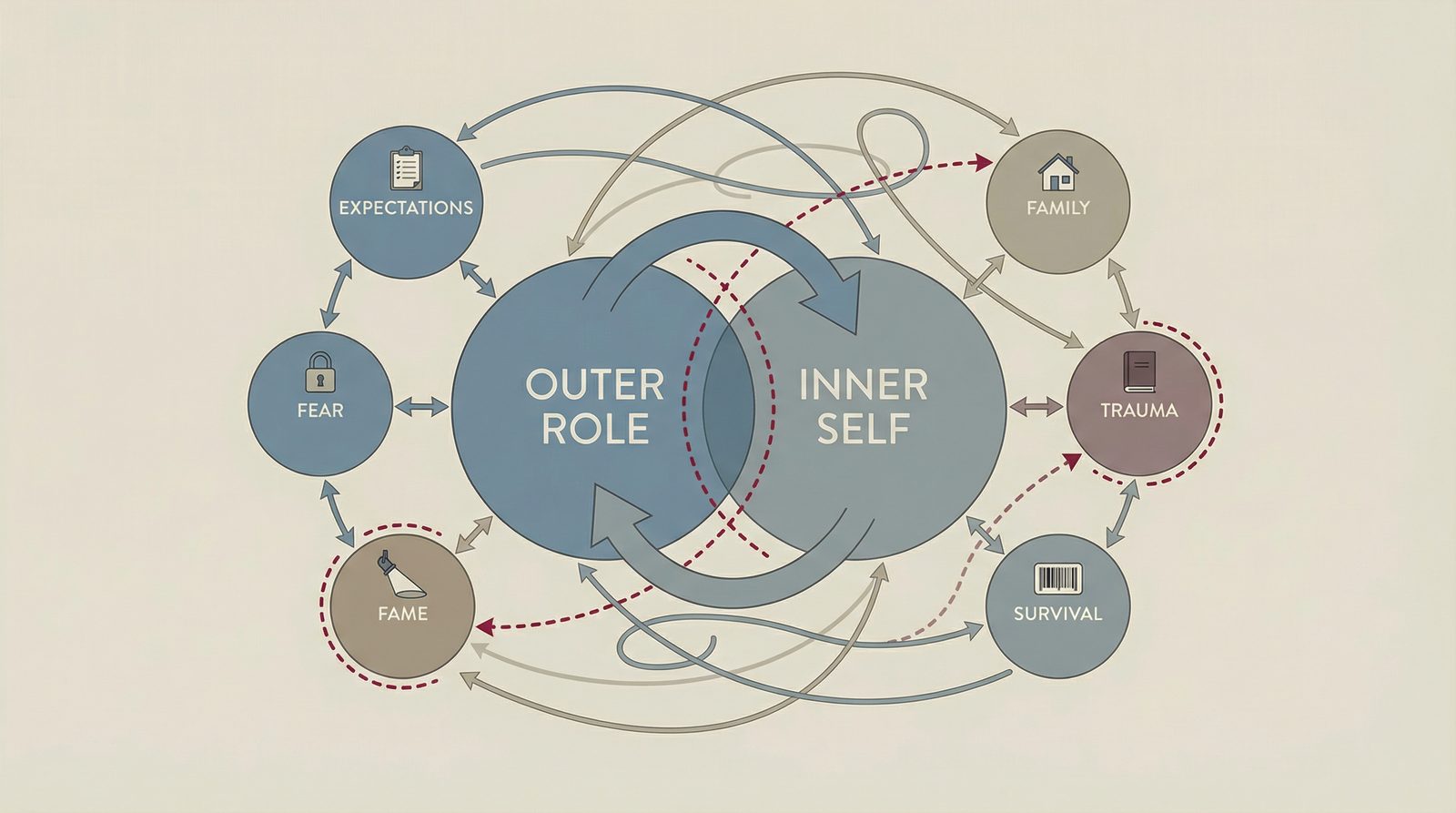
The Double Self is a motif where a character lives in two identities at once. One identity is outer, shaped by performance, expectation, or fear. The other is inner, private, and often in conflict with the role they are forced to play. The tension between these two selves creates emotional dissonance that shapes the entire narrative.
This motif often emerges in stories about trauma, fame, or strict social roles. When a character is not allowed to be whole, their inner and outer selves drift apart. That fracture becomes the emotional core of the story.
HOW IT WORKS IN NARRATIVE
The Double Self appears whenever survival requires performance. Characters may smile while hurting, obey while resisting, or play a role created by others. Over time, the gap between the two identities creates pressure. Some characters break. Some merge their selves. Some reclaim the inner identity through writing, connection, or rebellion.
This motif thrives in stories where public image collides with private truth. It reveals how identity can be shaped by trauma, industry, or family.
WHERE WE SEE IT IN OUR LIBRARY
This motif is central to many works in your cluster. It connects memoir, fiction, and celebrity narratives.
I’m Glad My Mom Died – Jennette McCurdy performs happiness for her mother while hiding fear and hunger.
The Woman in Me – Britney Spears performs confidence while privately collapsing under legal and emotional control.
Open Book – Jessica Simpson’s internal self fractures from her public persona as the “ditzy blonde.”
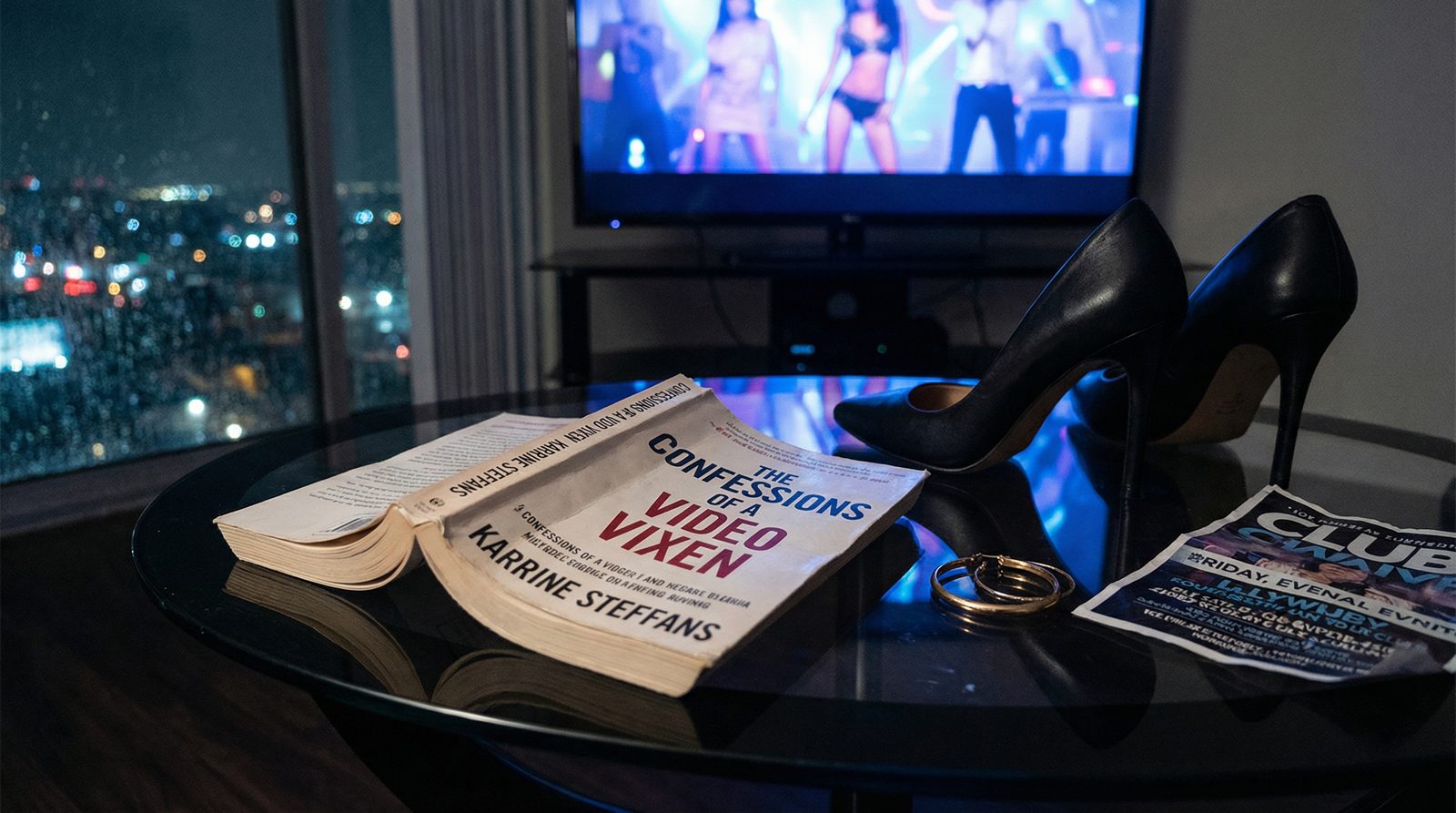
Confessions of a Video Vixen – Karrine Steffans embodies a sexualized public persona while holding a private history of trauma.
Push – Precious constructs a fantasy self as refuge from abuse.
Precious – The film visualizes Precious’s double identities through fantasy sequences.
Framing Britney Spears – The documentary reveals the gap between Britney’s public performance and private suffering.
WHY IT MATTERS
The Double Self is foundational to your library because it bridges memoir and fiction. It reveals how characters adapt to systems that deny them autonomy. It also deepens emotional empathy. Readers see the cost of living split between who you are and who you are allowed to be.
Across your cluster, the motif functions as connective tissue between stories of abuse, fame, trauma, and reclamation. It is one of your highest value hubs.
Motif Type: Narrative Ownership
Era Focus: 20th Century to 21st Century
Primary Fields: Memoir, Celebrity Studies, Trauma Narratives
WHAT THIS MOTIF MEANS
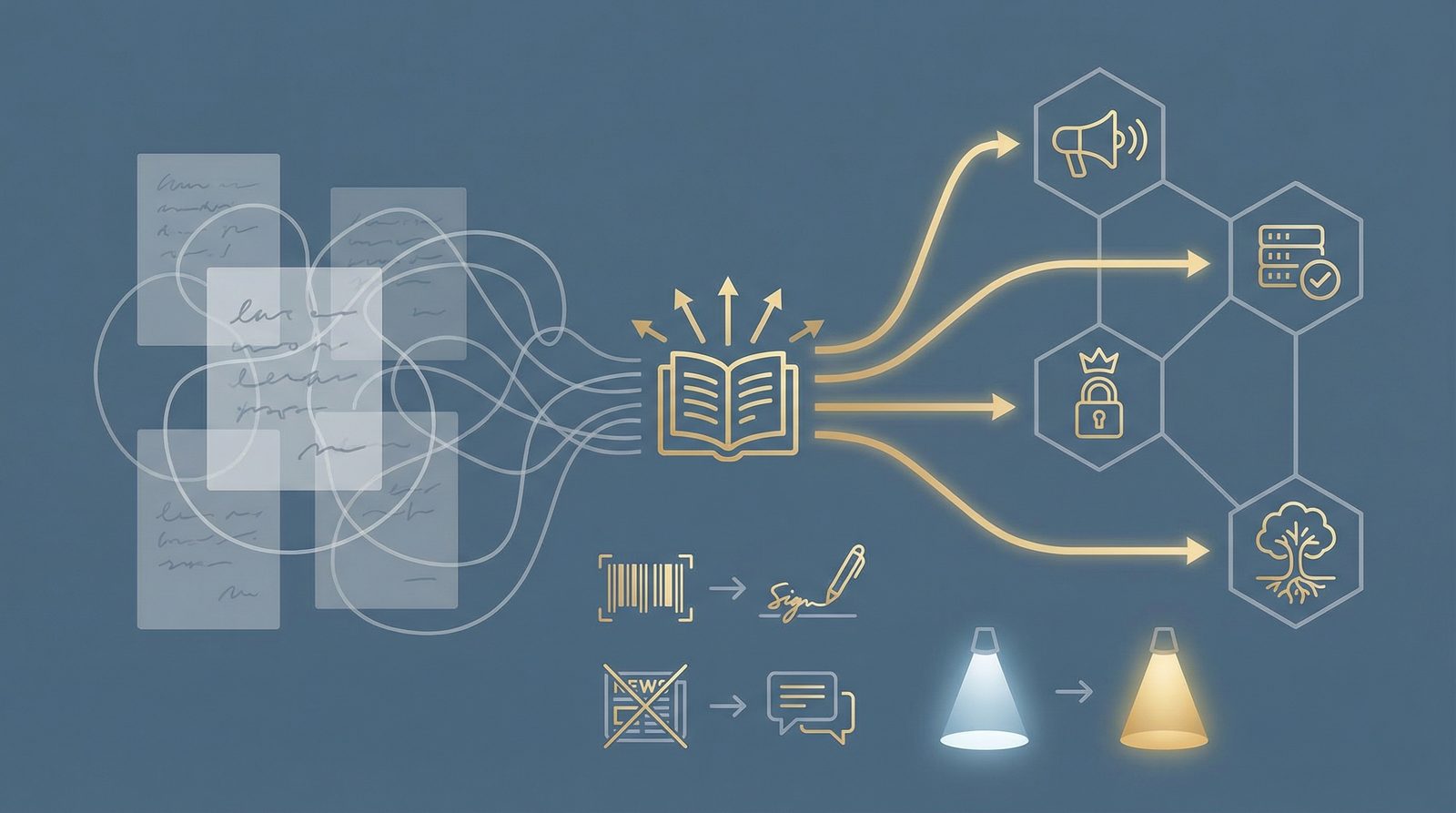
Memoirs of Reclamation appear in stories where the act of telling becomes an act of taking back. These are narratives written after years of distortion, silence, or misrepresentation. Characters or authors who inhabit this motif use memoir to correct the record and claim ownership of their voice.
Reclamation is not revenge. It is clarity. It is the decision to describe a life without permission from the forces that once controlled it.
HOW IT WORKS IN NARRATIVE
Narratives shaped by this motif often begin with a character who has been spoken for. The world thinks it already knows the story. The memoir disrupts that illusion. It reveals what was hidden, misunderstood, denied, or simplified. The act of writing becomes a pivot point where identity and authority return to their rightful owner.
The voice is often steady. The tone is often blunt. The clarity is earned.
Open Book – Simpson dismantles the public caricature that overshadowed her music and life.
The Woman in Me – Britney Spears writes from inside a long period of enforced silence and public distortion.
The Vixen Diaries – Steffans documents backlash and misrepresentation after her first memoir.
Jessica Simpson – Her memoir functions as a cultural correction after years of mockery and misreading.
Britney Spears – The core of her memoir is reclaiming voice after legal and emotional control.
This motif forms one of your strongest clusters because these memoirs rebuild identity after erasure, exploitation, or misunderstanding.
WHY IT MATTERS
This motif matters because it challenges the idea that a person’s story can be owned by the public. It reveals how harmful narratives can be rewritten and how truth can reshape reputation, legacy, and selfhood.
Memoirs of Reclamation are not just personal. They are cultural acts of correction.
ARCHETYPES ASSOCIATED WITH THIS MOTIF
The Reclaimer – the central archetype of this motif.
The Truth Teller – for authors whose clarity drives the narrative.
The Survivor Confessor – for memoirists who transform pain into testimony.
Some memoirs arrive with a kind of jolt, the sense that they have been waiting for the culture to finally hear them. Confessions of a Video Vixen is one of those books. Karrine Steffans writes from inside a world that rewards a woman’s shine but ignores her pulse, exposing how the body becomes both invitation and commodity within the motif of The Commodified Body in Books. Her voice is steady and unflinching, shaped by years of learning how visibility can blur into danger. Beneath that control is the unmistakable feeling of Raw Survival, the truth that telling this story is itself an act of defiance rather than a plea for sympathy.
⸻
PLOT & THEMES
The memoir begins in Steffans’ childhood in the Virgin Islands, where instability and abuse define her earliest sense of the world. When she moves to the United States, the scenery changes but the underlying script does not. Poverty, manipulation, and the slow erosion of safety lead her toward sex work and, eventually, into the music video industry that will make her famous. But fame here is not freedom. It is a brighter stage for the same dangers, echoing the motif of Silence as Survival – not as quiet submission but as a tactical necessity.
Relationships rarely resemble affection. They operate as transactions, shaped by the motif of Intimacy as Transaction. Shelter, proximity to fame, and moments of protection come with costs that are rarely spoken aloud. These dynamics resonate with books like Push (1996), which also traces how desire, fear, and scarcity intertwine in harmful ways.
Running beneath everything is the memoir’s defining tension: the pressure to perform a version of herself that ensures survival. This is captured in the Survival as Performance, where identity becomes both armor and disguise. It aligns Steffans’ story with later narratives such as The Woman in Me (2023) and I’m Glad My Mom Died (2022), which examine how public personas fracture private selves under the weight of scrutiny.
⸻
PROSE & NARRATIVE STRUCTURE
Steffans writes in short, clipped chapters that feel like rooms she steps into and then exits before they grow too hot. The memoir moves through a Fragmented Vignette Structure, a form that mirrors how trauma arrives in pieces rather than smooth chronology. Each fragment carries its own charge, and the silences between them often say as much as the scenes themselves.
Her prose is calm on the surface, almost sparing in its detail. Violence and glamour are described with the same measured tone, creating a subtle dissonance. It is the voice of someone who learned early that naming emotions too directly can reopen wounds instead of closing them. That restraint invites readers to feel the weight of what goes unsaid. The memoir lingers because it hands you the truth without telling you how to hold it.
⸻
CHARACTERS & INTERIORITY
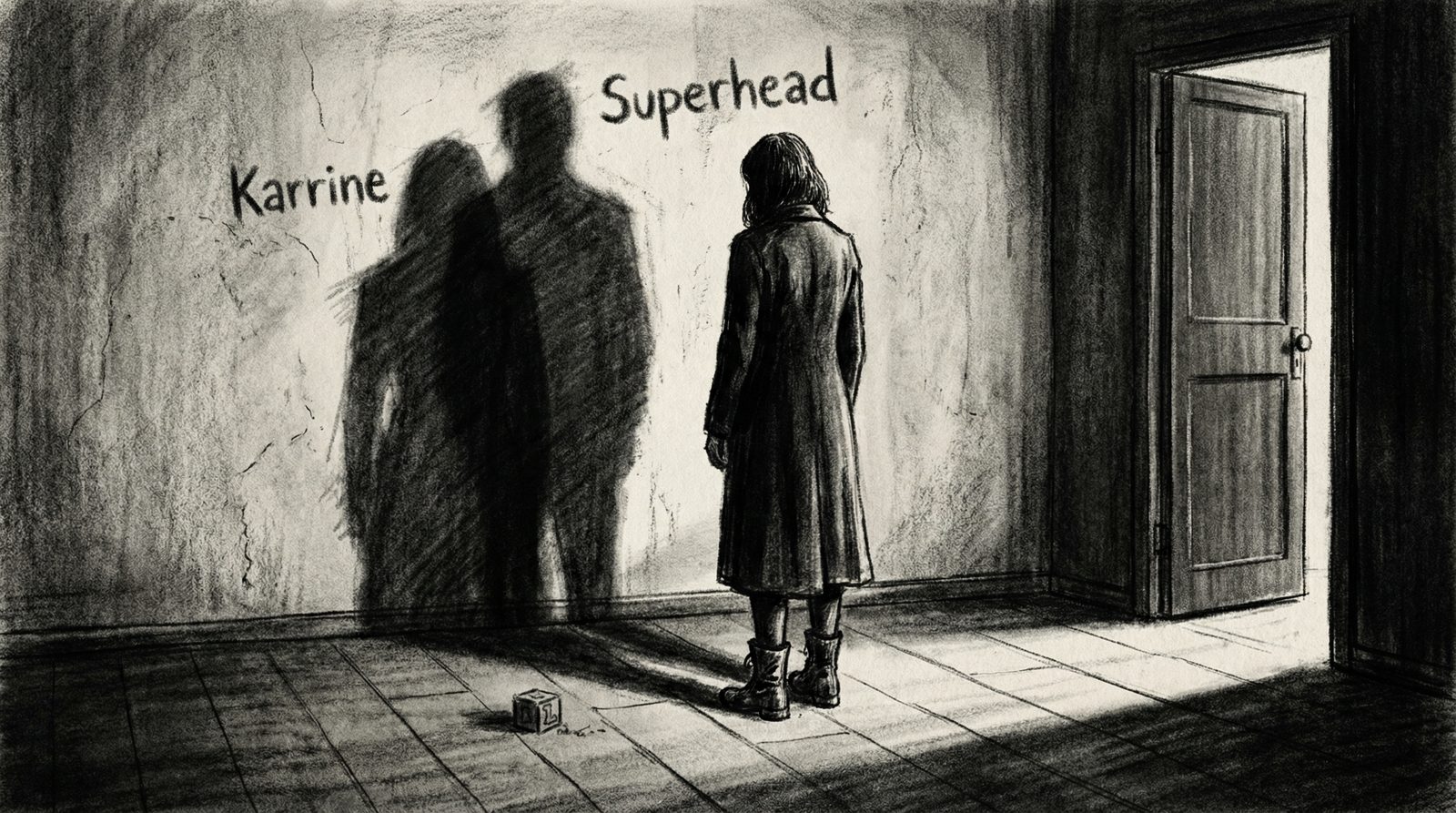
Steffans stands at the center of the narrative as a woman divided between who she must appear to be and who she is trying to protect. This split embodies the motif of The Double Self. On camera she becomes the confident figure the industry expects, while off camera she calculates rent, safety, and escape routes. This tension shapes her as The Survivor Confessor, someone who reclaims power by narrating what others tried to control.
The men in the memoir exist as fragments – arriving abruptly, exerting influence, then disappearing. They are less characters than embodiments of imbalance, reinforcing the book’s focus on systems rather than individuals. Their presence reflects how power circulates in the entertainment world, often without accountability.
The emotional counterweight to this instability is her son. Their moments together open windows of softness and possibility, suggesting who she might have been in a less predatory world. Her mother, by contrast, represents an early wound that echoes through later choices. These relationships add texture without softening the memoir’s clarity about harm.
⸻
CULTURAL CONTEXT & LEGACY
When Confessions first appeared, it was consumed as gossip rather than literature. Critics fixated on the celebrity cameos, ignoring the system the memoir revealed. With time, however, its place within #MeToo Literature has become clearer. Steffans wrote years before the culture had language for the dynamics she described, and the book’s rawness now reads as ahead of its time.
The memoir also belongs to Memoirs of Reclamation, where women seize back narratives once shaped by tabloids, industry figures, or silence. Books like The Woman in Me (2023) and I’m Glad My Mom Died (2022) echo this reclaiming impulse, though Steffans’ account remains distinct for its immediacy. The memoir feels less curated, more like evidence placed on the table, and its impact grows as public understanding of harm deepens.
In the years after publication, Steffans’ own public image continued to evolve. One of the most widely discussed chapters of her post-book life was her relationship with comedian and talk-show host Bill Maher, which began in 2005 and lasted into 2006. Their pairing, often framed by the media as a curiosity, underlined what the book already makes clear: Steffans was moving in circles where power, race, desire, and public image were constantly negotiated. The way their relationship was reported, as spectacle first, context second, mirrors how Confessions itself was initially treated, and it reinforces the memoir’s central argument about who gets to control the story.
⸻
IS IT WORTH READING?
Yes, though not for comfort. Confessions of a Video Vixen refuses tidy arcs or reassuring conclusions. Its power lies in its clarity about what survival costs when the world is built to punish disclosure and reward endurance. Readers interested in the intersections of misogyny, fame, and personal agency will find the book essential. Those seeking uplift may find its honesty difficult, but that same honesty is what gives the memoir its staying power.
⸻
TRIVIA & AUTHOR FACTS
• The memoir’s original working title was reportedly different before it aligned with Steffans’ “video vixen” persona. • Steffans has said she wrote the manuscript in a matter of weeks. • The book’s advance helped her regain stability and support her son at a moment when she was trying to exit the most dangerous parts of the industry. • Its release sparked very public denials from several well known figures, which only increased sales and media attention. • In the mid-2000s, after the success of Confessions, Steffans entered a high-profile relationship with comedian Bill Maher; reports and later interviews place the relationship between 2005 and 2006, and it became part of the broader tabloid conversation about her rise from video sets to mainstream visibility. • Despite controversy, the memoir became a bestseller and remains a cultural flashpoint for how we talk about women, fame, and exploitation in the entertainment industry.
Push is one of those novels that feels less like a story and more like a raw record of survival. Told in the voice of Precious Jones, an illiterate, abused teenager in Harlem, the book refuses distance. It drops you into her world without a safety rail and lets you hear her language before anyone has corrected it. Underneath the shock is something quieter and deeper. This is a book about a girl who has been told she is nothing, trying to build a self out of whatever scraps of care she can find. The whole narrative belongs inside the motif of Survival Narratives, with a focus that is intimate instead of grand.
It is not a comfortable read. It is an essential one.
PLOT AND THEMES
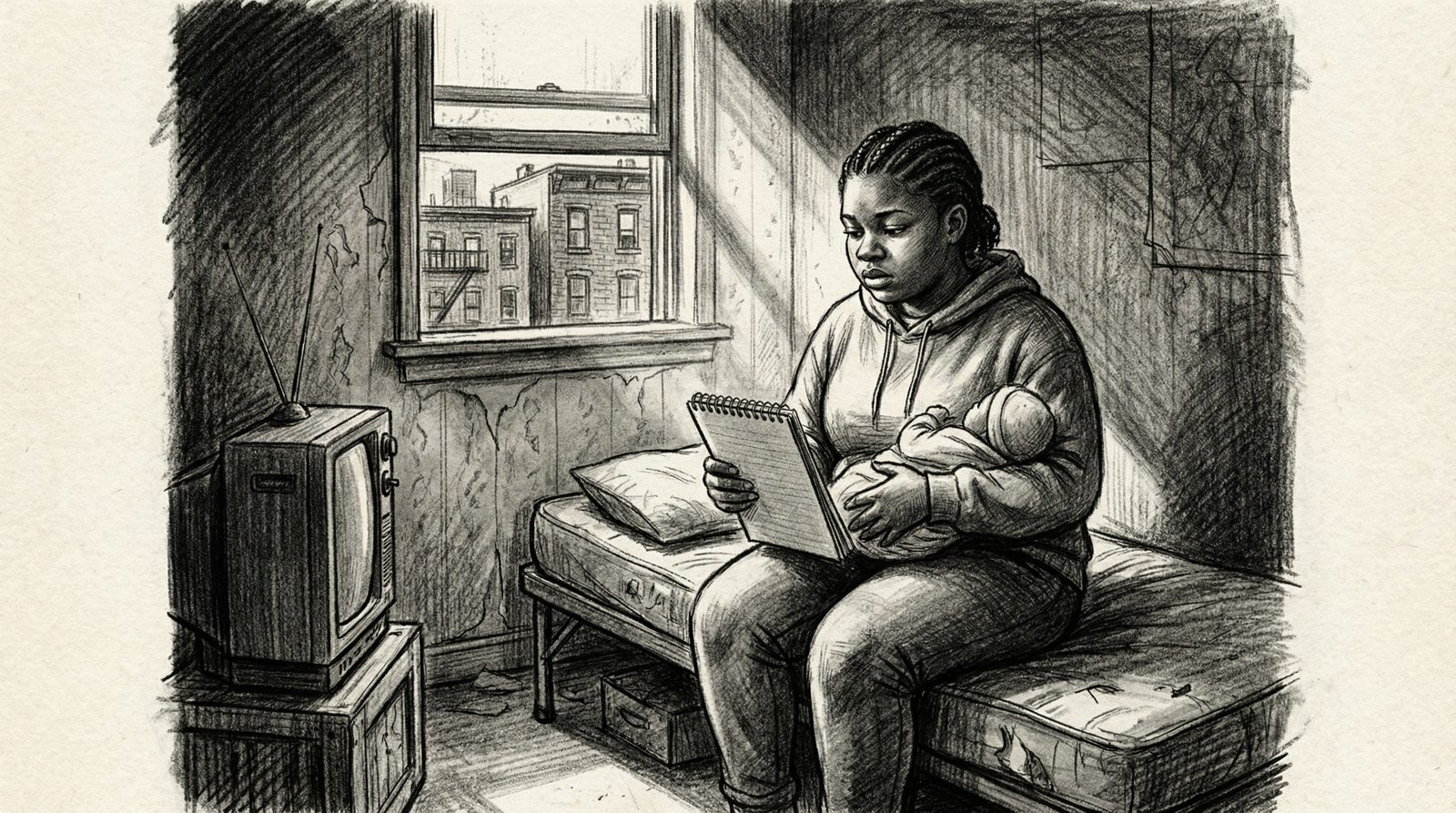
Precious is sixteen, pregnant with her second child by her own father, and still in middle school when the novel begins. She lives with an abusive mother who beats her, starves her, and reminds her daily that she is worthless. School has failed her. Systems have failed her. The future, as she has been taught to imagine it, does not exist.
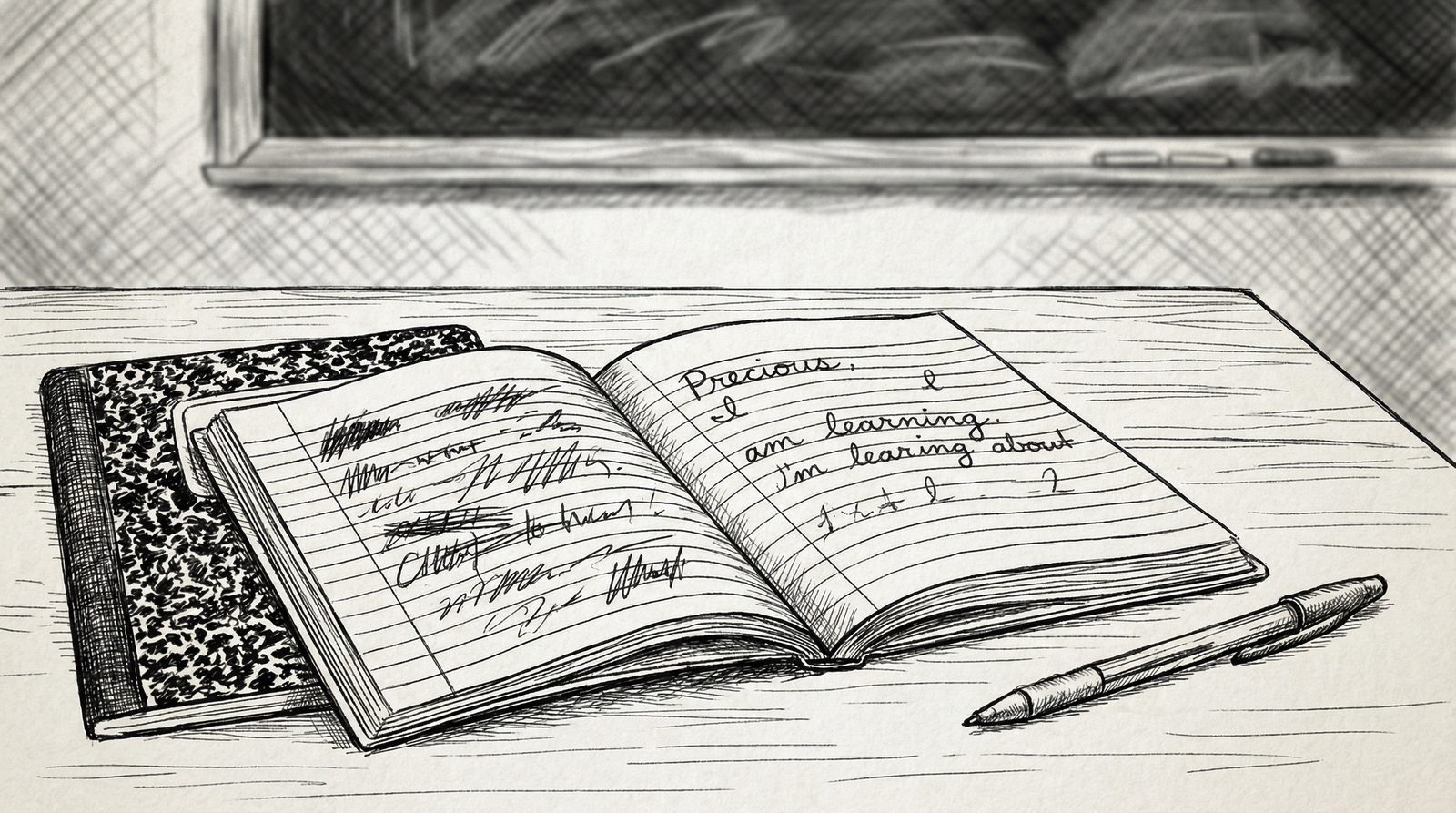
The plot shifts when she is sent to an alternative school where a teacher, Ms Rain, starts to teach her to read and write. The narrative opens up as Precious does. Pages fill with her journal entries, her attempts at spelling and grammar, her small observations. Learning to write becomes more than a skill. It becomes an act of resistance that fits perfectly within the motif of Literacy as Liberation. The more she writes, the more she exists on her own terms.
The novel is also a study of inherited harm. The violence Precious experiences is not presented as a single monster in the house. It is generational, systemic, and tied to poverty, racism, and neglect. That pattern aligns with the motif of Trauma as Inheritance. Her mother’s cruelty is horrifying, but the book never lets you forget the world that shaped her too.
Running through everything is the question of who gets to be visible. Precious has been erased in almost every way. She is not expected to succeed, to finish school, or even to survive. The novel argues for her existence sentence by sentence.
STYLE AND LANGUAGE
The most striking aspect of Push is its voice. The early chapters are written phonetically, reflecting Precious’s limited literacy. Words are misspelled, grammar is broken, and sentences tumble out with a rough rhythm that can be hard to read at first. That difficulty is the point. You are feeling the barrier she lives inside.
As Precious learns, the language on the page gradually shifts. Spelling improves. Sentences become more complex. The movement is subtle but powerful. You experience literacy not as an abstract goal but as a physical change in how thought appears on the page. It is one of the clearest demonstrations of Literacy as Liberation in contemporary fiction.
The style is unsparing but not cold. Sapphire allows anger, confusion, humor, and hope to coexist in Precious’s voice. The book does not tidy emotion. It lets contradiction stand. That choice avoids sentimentalizing her and instead treats her as a full person with a life beyond the worst things that have happened to her.
CHARACTERS AND INTERIORITY
Precious is one of the most memorable narrators in recent fiction. She is angry, funny, jealous, hopeful, cruel at times, and deeply empathetic at others. She is never presented as a symbol. She is a teenager trying to manage impossible circumstances. That complexity connects strongly with the motif of Survival as Identity. She is not just surviving events. Survival has become the core of how she understands herself.
Her mother is terrifying, but Sapphire gives her moments of twisted vulnerability that prevent her from becoming a flat villain. Her harm is real and unforgivable. It is also part of a larger pattern of damage she never escaped.
Ms Rain and the women in Precious’s class offer a different kind of presence. They are not saviors. They are witnesses. They listen, teach, and insist that Precious’s words matter. That insistence gives the book its quiet center.
CULTURAL CONTEXT AND LEGACY
When Push was published in the mid 1990s, it immediately drew strong reactions. Some readers saw it as exploitative. Others recognized it as a rare attempt to put a voice like Precious’s at the center of a literary novel. The debates themselves revealed how uncomfortable many people were with this kind of direct depiction of abuse, poverty, and systemic neglect.
The book later became the basis for the film Precious, which brought the story to a wider audience and sparked new conversations about representation, respectability, and trauma on screen. In the broader landscape, Push stands alongside works like Confessions of a Video Vixen and I’m Glad My Mom Died, not because their plots are similar, but because they all insist that people written off by the culture deserve to narrate themselves.
The novel has had a lasting influence on how trauma and literacy are portrayed in fiction, and it remains a touchstone for discussions of voice, agency, and the politics of who gets to be heard.
IS IT WORTH READING?
Yes. Push is difficult, both in content and in its early language. It is also deeply humane. Readers who want neat catharsis may struggle with it. Readers interested in voice, power, and the way language can literally change a life will find it unforgettable.
For years, Britney Spears was one of the most visible women in the world—and one of the least heard. The Woman in Me arrives as a long-delayed correction, a memoir written in clipped, steady fragments that feel like someone finally taking control of her own paper trail. Its emotional engine isn’t scandal but reclamation. And beneath the celebrity context, the book sits firmly inside the motif of Silence as Survival: what it costs to stay quiet long enough to stay alive.
The memoir is not a polished product. It’s raw, cautious, sometimes strangely calm. That restraint gives it power. It reads less like a performance and more like testimony from someone who has spent decades being spoken for.
PLOT & THEMES
The broad arc is familiar: a small-town girl rises to global superstardom, becomes one of the most photographed people on earth, and then vanishes behind a conservatorship that lasts thirteen years. But the memoir isn’t about fame’s ascent—it’s about the cage that followed.
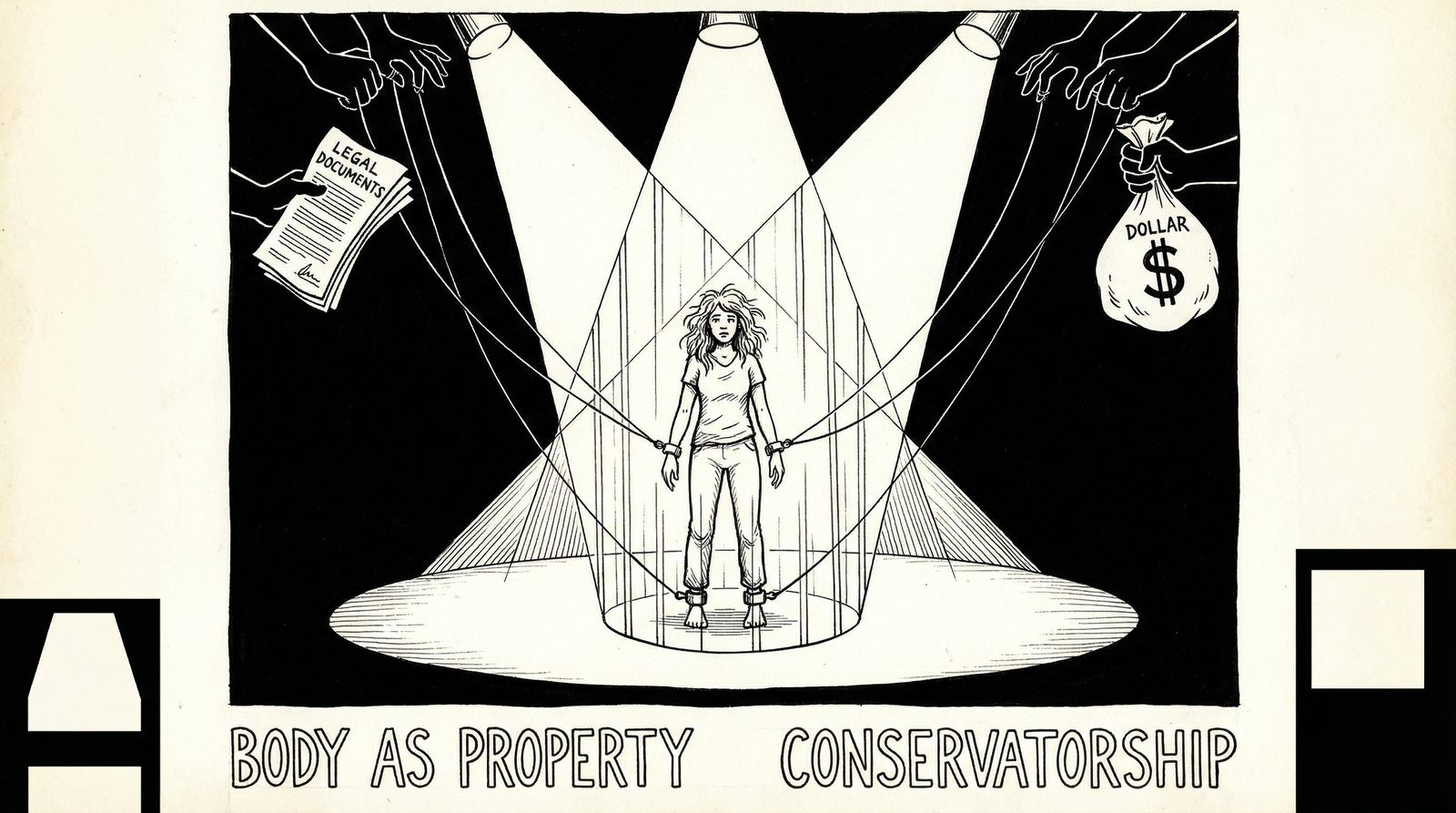
Spears writes about losing control over her finances, her work schedule, her medical choices, even her ability to become pregnant. These experiences build into a harsh portrait of what happens when institutional power merges with family authority, echoing the motif of The Commodified Body in Books. Her image was sold; her labor was monetized; her autonomy was treated as a liability.
Motherhood shapes some of the memoir’s sharpest emotional turns. Her sons are introduced late but dominate the book’s heart. Their custody battles, media scrutiny, and weaponization under the conservatorship all feed into a deeper pattern of Motherhood as Redemption—not sentimental, but desperate and clear-eyed.
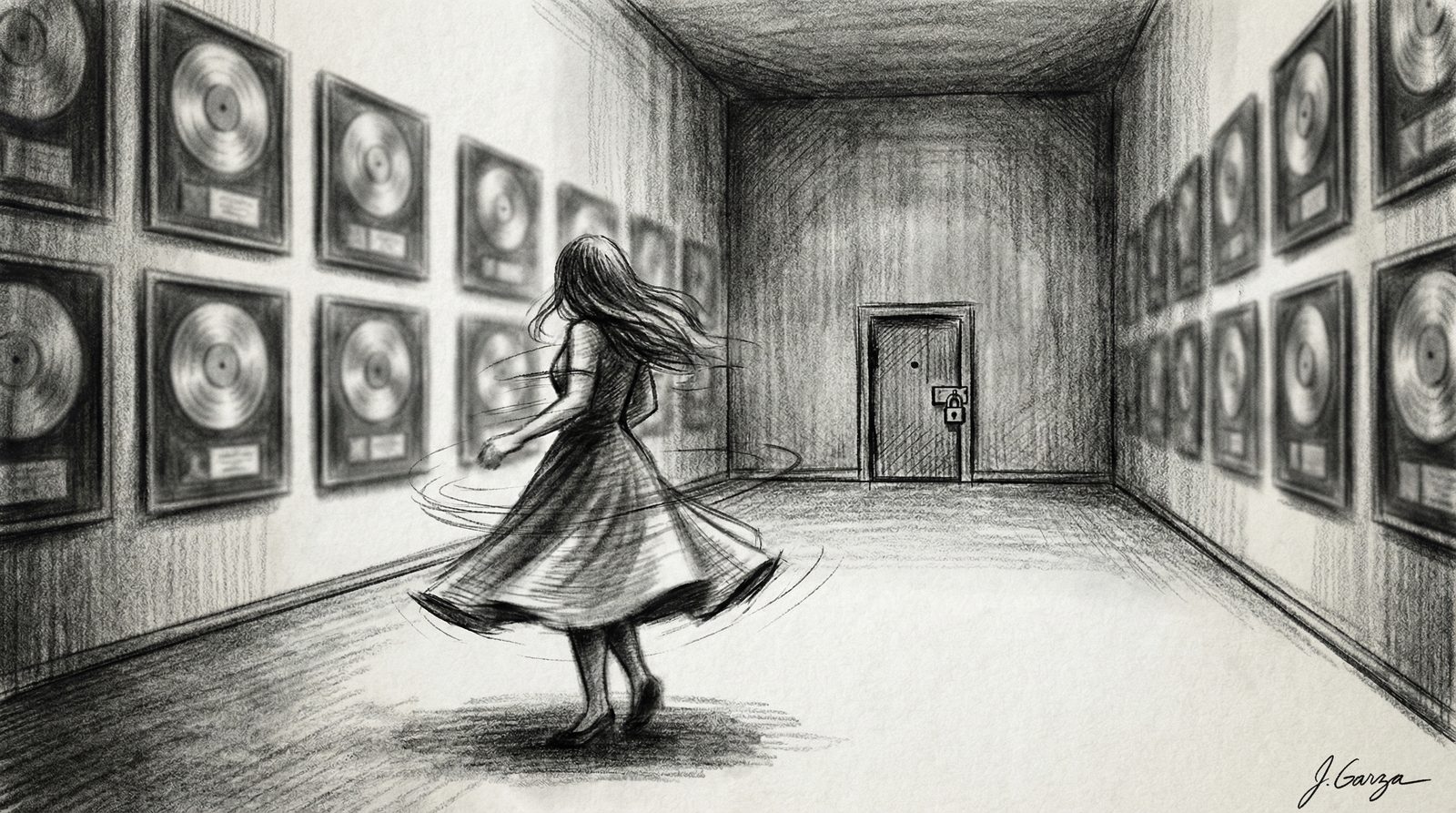
Fame itself becomes a kind of disappearance. Spears describes tours, interviews, performances, and publicity events as if she is watching them from a distance. The self becomes split: the woman living the life, and the woman performing the life. That tension aligns seamlessly with the motif of The Double Self.
STYLE & LANGUAGE
The writing is spare—short sentences, clipped memories, flashes of emotion delivered without flourish. Spears avoids metaphor and stays close to fact. That simplicity can feel blunt, but it also feels honest. The tone reflects someone who spent years having her words twisted or dismissed, now speaking plainly to prevent misinterpretation.
The structure is intentionally fragmented, moving between early childhood, industry pressures, romances, breakdowns, and brief moments of comfort. This rhythm reinforces the memoir’s emotional reality: trauma doesn’t unfold chronologically. It loops, interrupts, resurfaces. The voice itself bears traces of Dissociation as Defense—a survival mechanism visible in the flatness of certain scenes and the sudden distance in others.
Once in a while, humor slips through—a dry aside, an unexpected moment of self-awareness. These moments don’t cancel the pain, but they offer glimpses of someone whose identity is more than her suffering.
CHARACTERS & RELATIONSHIPS
Spears appears in several forms: the gifted child performer, the ambitious teenager, the exhausted young mother, the woman fighting to regain legal adulthood. She doesn’t shift voices between these versions; instead, the unity of tone reveals how long she has lived in constraint.
Her father, Jamie Spears, functions as the memoir’s gravitational force—less a villain in a story and more the embodiment of procedural control. His authority over her body, career, and finances shapes the memoir’s central conflict. His portrayal resonates strongly with the motif of Parental Betrayal.
Other men—Justin Timberlake, Kevin Federline—appear as contextual forces rather than richly drawn figures. Spears is not interested in recreating them; she’s interested in revisiting the systems that empowered them. Agents, managers, paparazzi, judges, therapists: these institutions form the true ensemble cast.
Her sons, when they arrive, become the emotional axis of the book. Spears writes about them with a bruised, protective tenderness that cuts through the memoir’s restraint.
CULTURAL CONTEXT & LEGACY
The Woman in Me emerges after years of documentaries, public speculation, and the Free Britney movement, but it’s not a postscript—it’s the central document. It reframes Spears’s entire career, showing how misogyny, legal overreach, and the economics of celebrity combined to keep her voiceless.
Its impact extends beyond publishing. Spears’s candid account has influenced conversations about guardianship laws, mental health stigma, and the ethics of celebrity media. But its deepest achievement is personal: the restoration of a voice that had been missing from its own story.
IS IT WORTH READING?
Yes. The memoir isn’t lush or literary, but it doesn’t need to be. Its power lies in its clarity and its quiet. Readers looking for gossip will come up empty; readers seeking insight into power, autonomy, and the cost of silence will find something unforgettable.