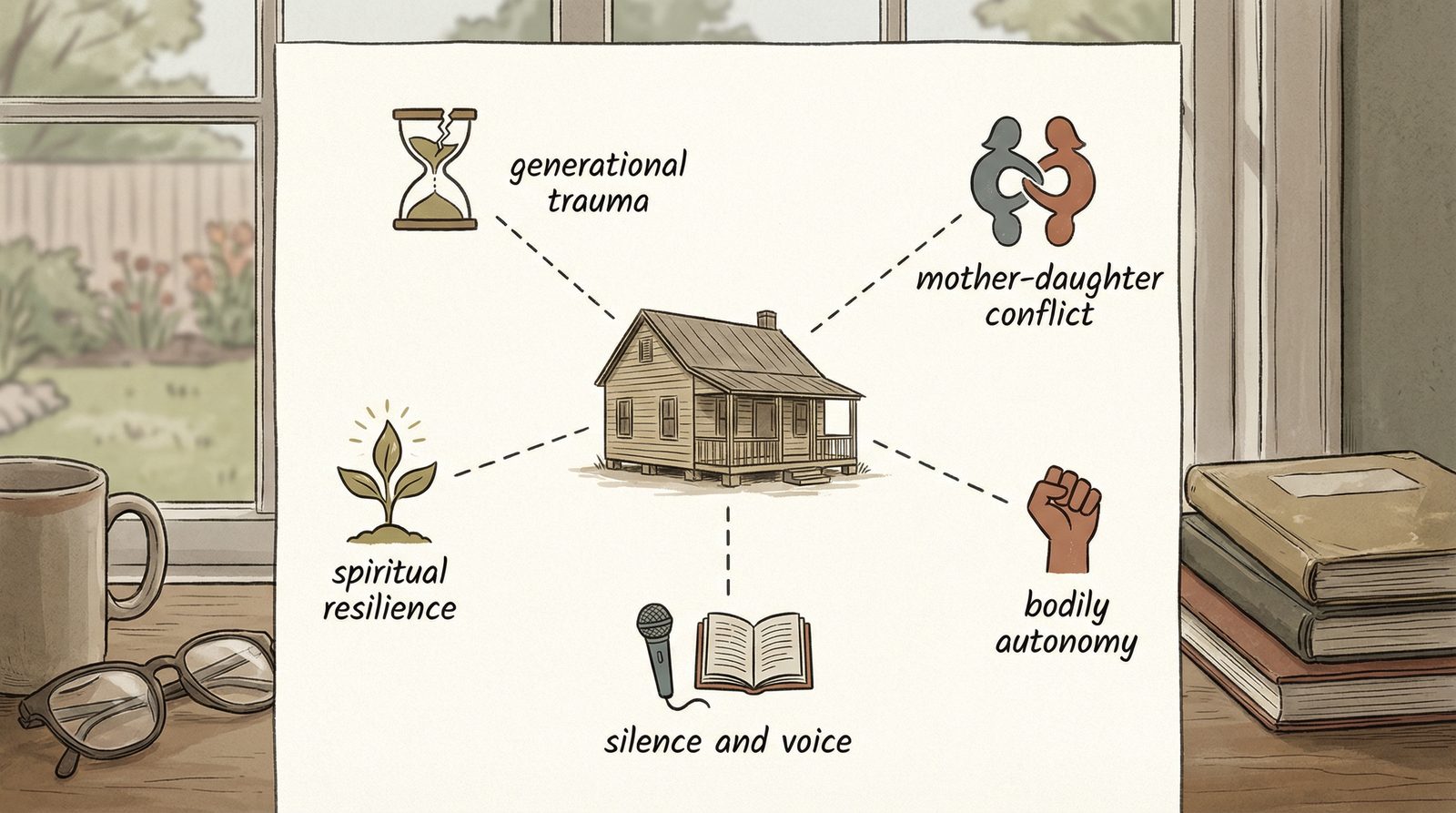
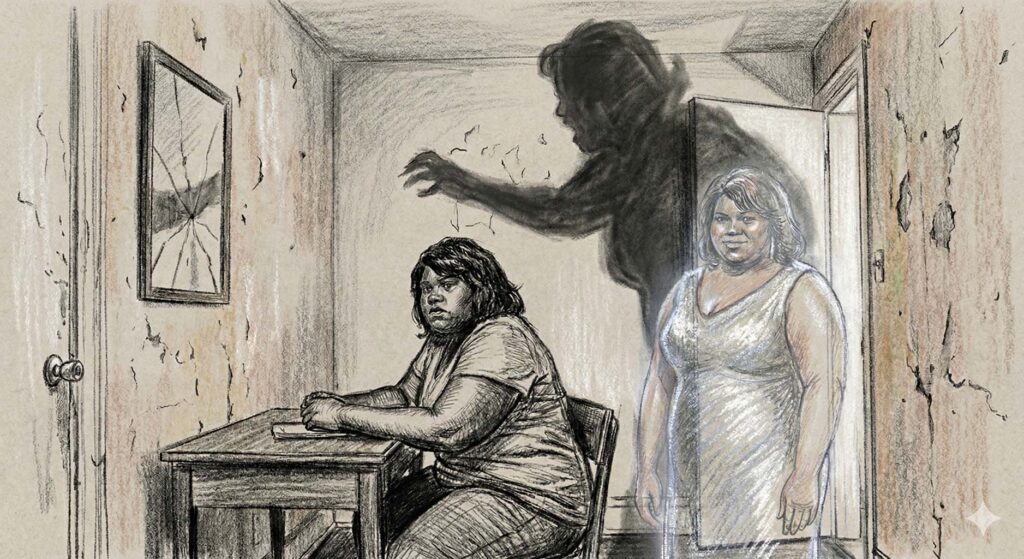
Motif Type: Education and Selfhood Era Focus: 20th Century to 21st Century Primary Fields: Literary Fiction, Memoir, Social Realism
WHAT THIS MOTIF MEANS
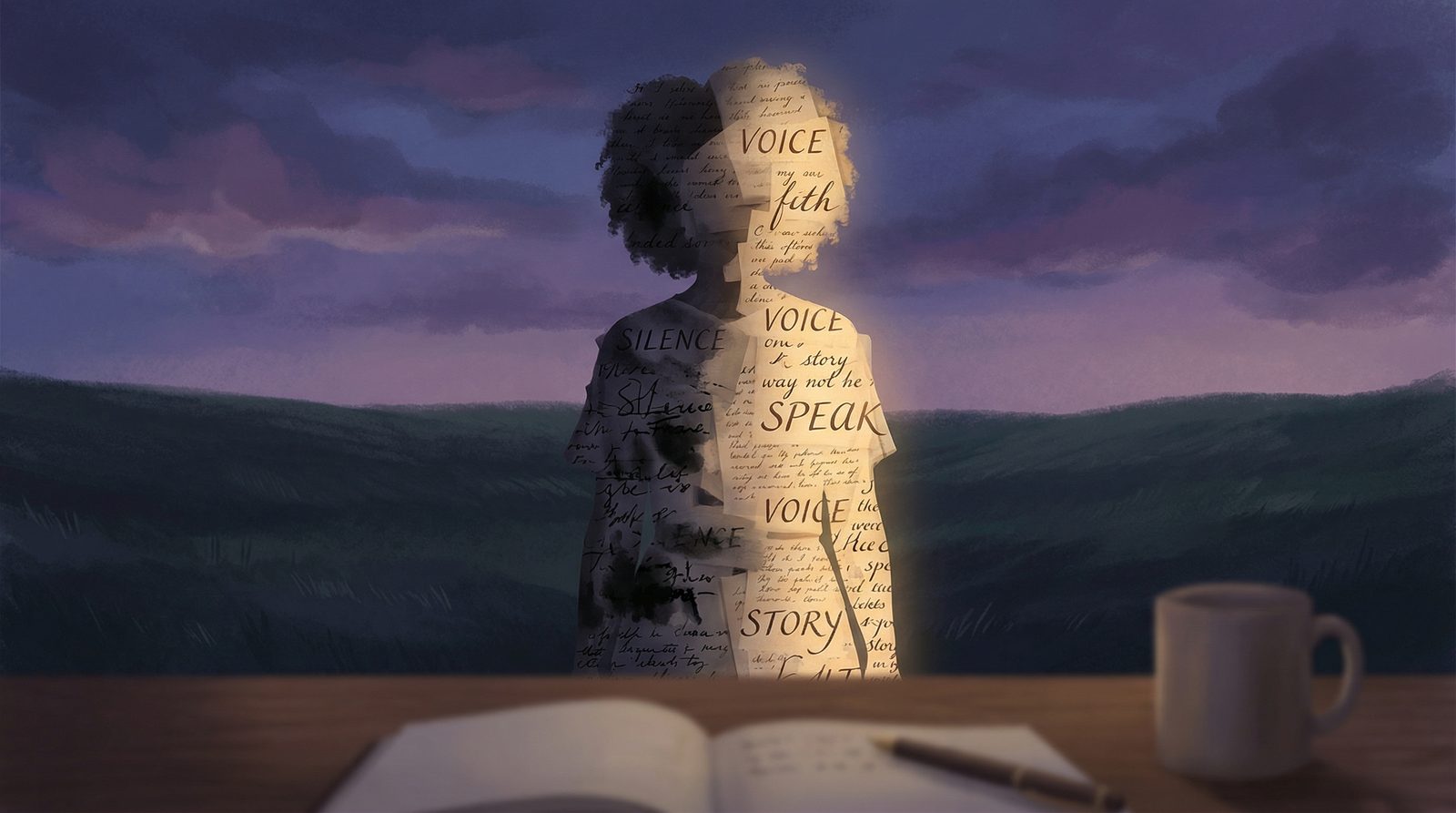
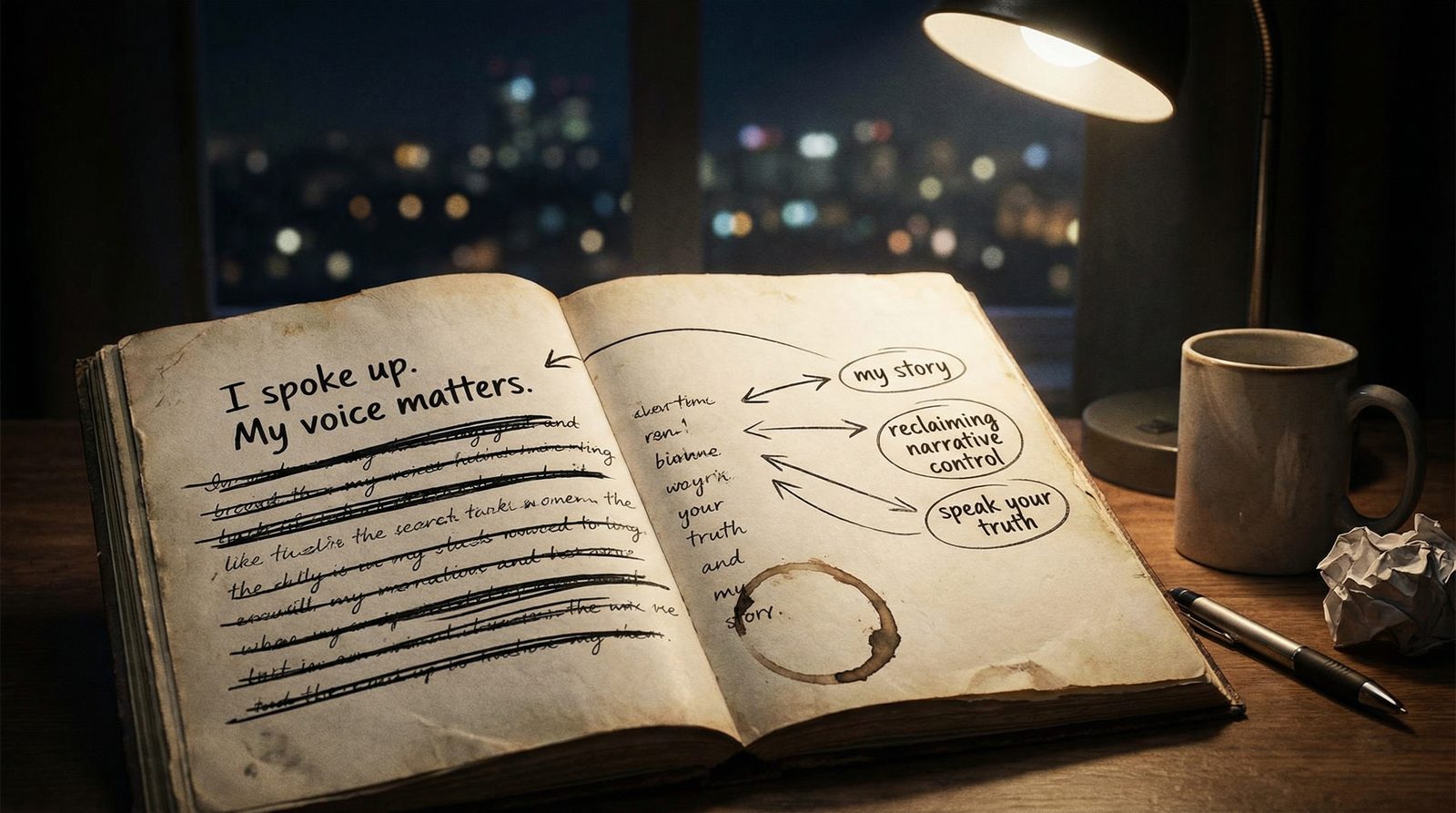
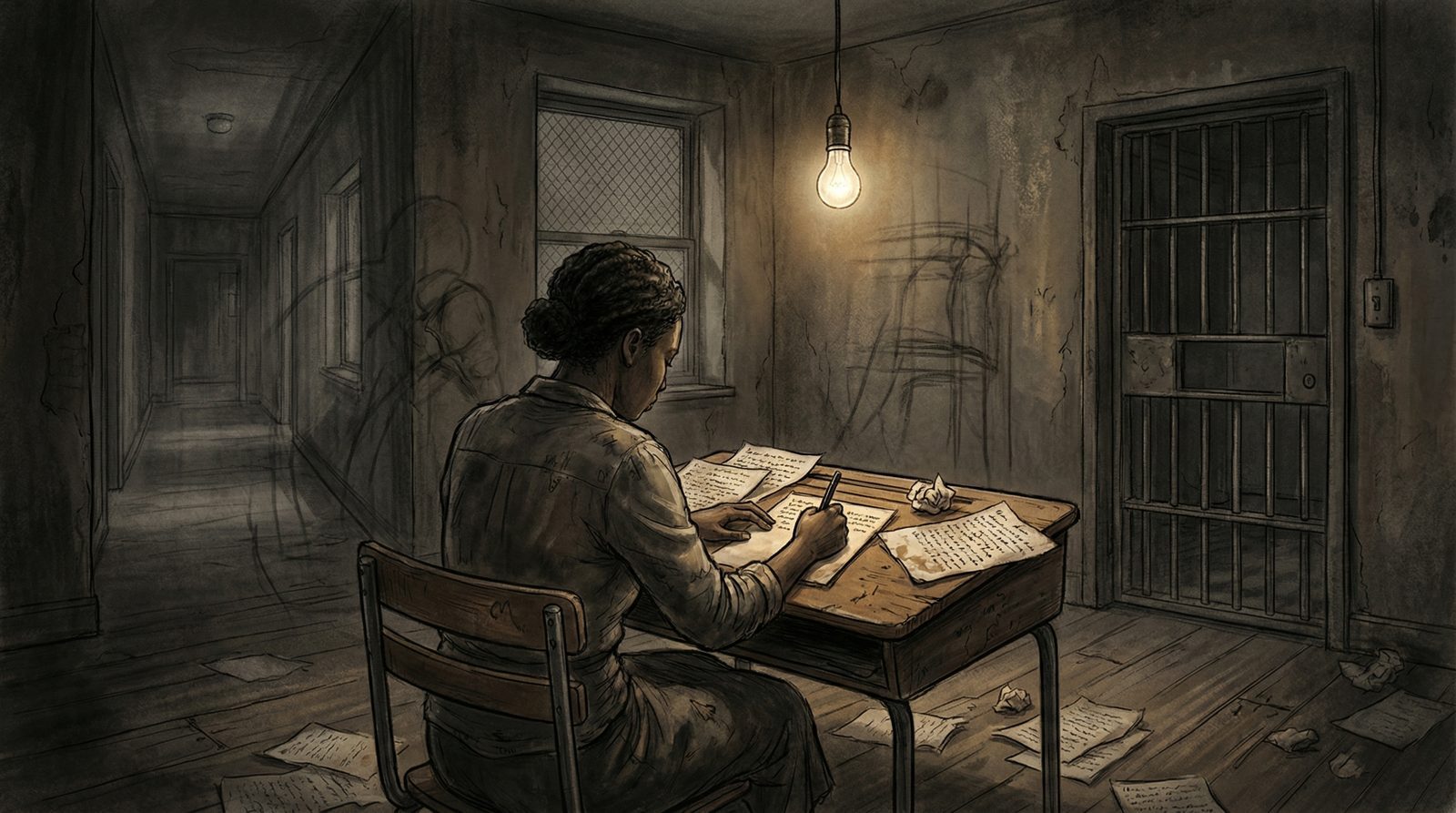
Literacy as Liberation is a motif found in stories where learning to read or write becomes the turning point in a character’s life. The act is more than an academic skill. It becomes a form of self-recognition. Characters who inhabit this motif discover language as a path out of isolation, silence, or abuse.
The power of this motif lies in transformation. Written words offer a place to understand identity, claim truth, and imagine a future that did not exist before.
HOW IT WORKS IN NARRATIVE
In these stories, literacy changes the internal map of the character. Before literacy, they may be controlled, erased, or unable to articulate their own experiences. Learning to write becomes a way to understand the past and shape the present. Learning to read becomes access to knowledge that was once forbidden. Literacy becomes agency.
For many characters, writing is the first time their voice has value.
WHERE WE SEE IT IN OUR LIBRARY
Push – Precious begins to write in Ms Rain’s class and discovers a self that abuse tried to extinguish.
Precious – The film visualizes writing as release, showing how language becomes a lifeline.
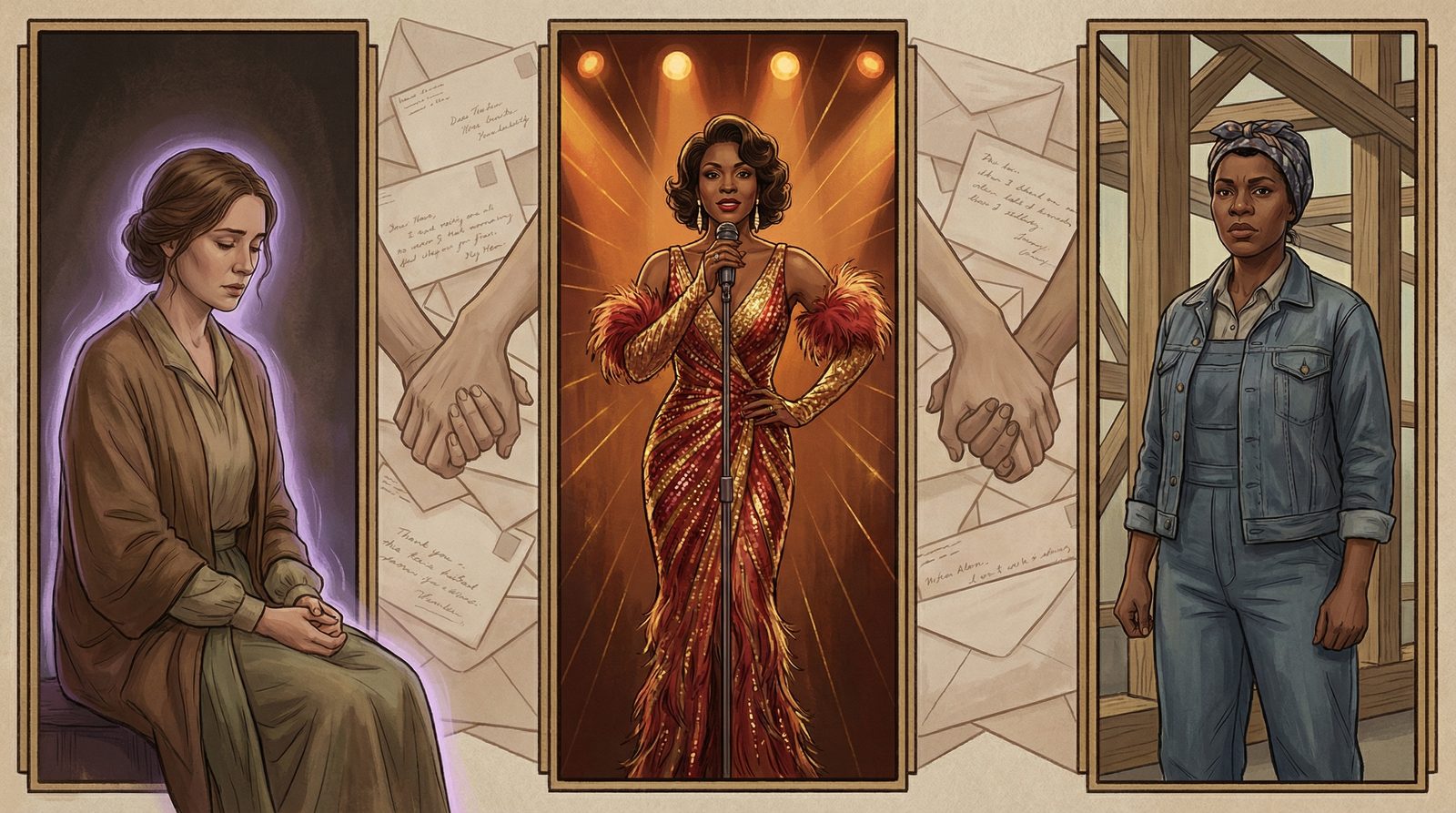
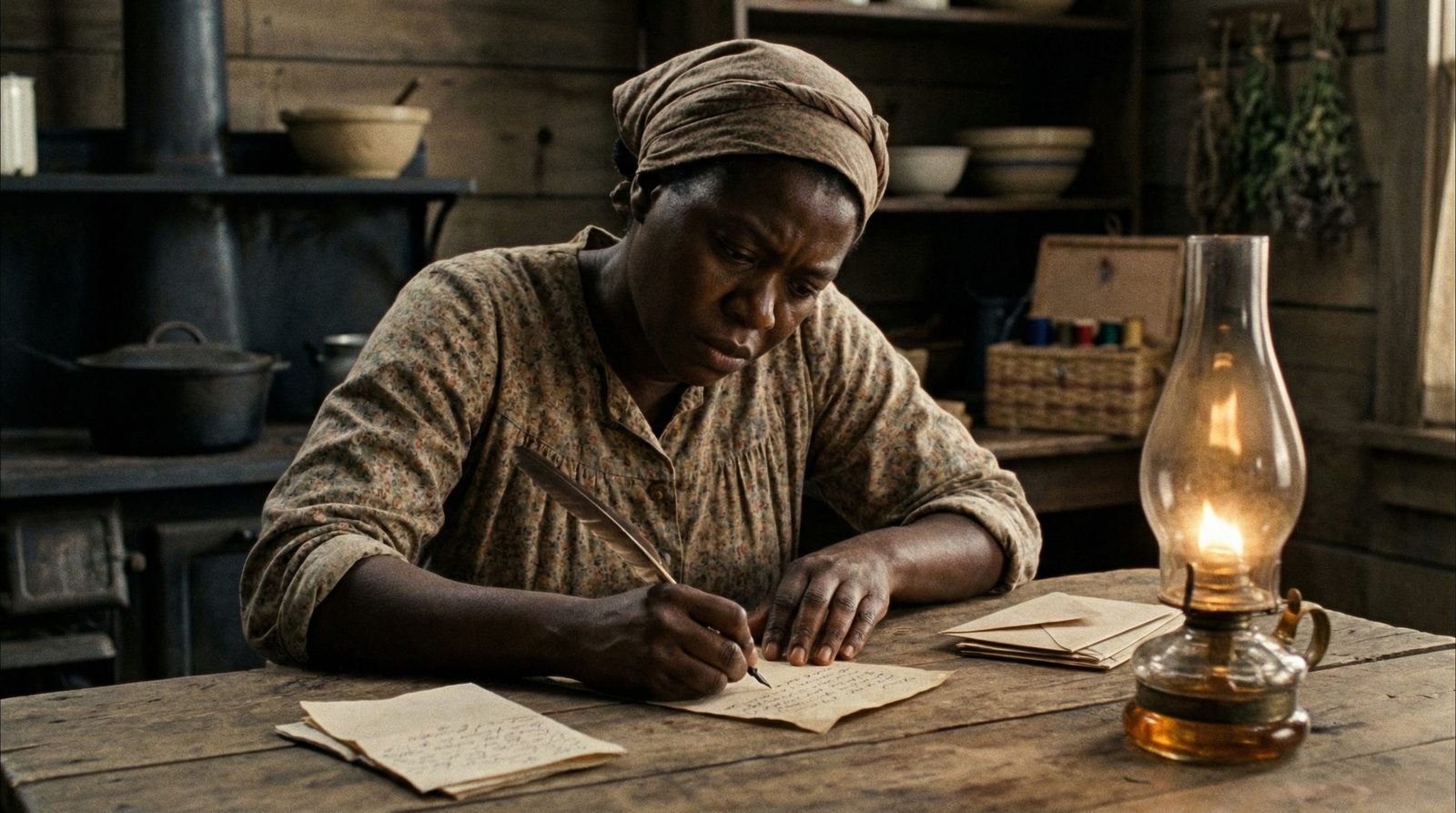
The Color Purple – Celie’s letters are her survival. Writing becomes her sanctuary and eventual awakening.
Sapphire – As an author and educator, her work embodies the belief that literacy can transform a life and a community.
These works show literacy as a tool that interrupts generational harm and opens the door to naming what was once unspeakable.
WHY IT MATTERS
This motif is powerful because it shows how selfhood can begin on the page. For characters who have been silenced or controlled, writing provides a private space that cannot be taken away. Literacy becomes rebellion in stories where the world demands obedience.
It reminds readers that stories are not just entertainment. They are survival strategies.
ARCHETYPES ASSOCIATED WITH THIS MOTIF
The Reclaimer – characters who take back their story through writing.
The Witness – characters who see clearly once they gain language.
The Erased Girl – characters whose first true existence begins when they write their own words.
Motif Type: Generational Harm
Era Focus: 20th Century to 21st Century
Primary Fields: Memoir, Literary Fiction, Trauma Studies
WHAT THIS MOTIF MEANS
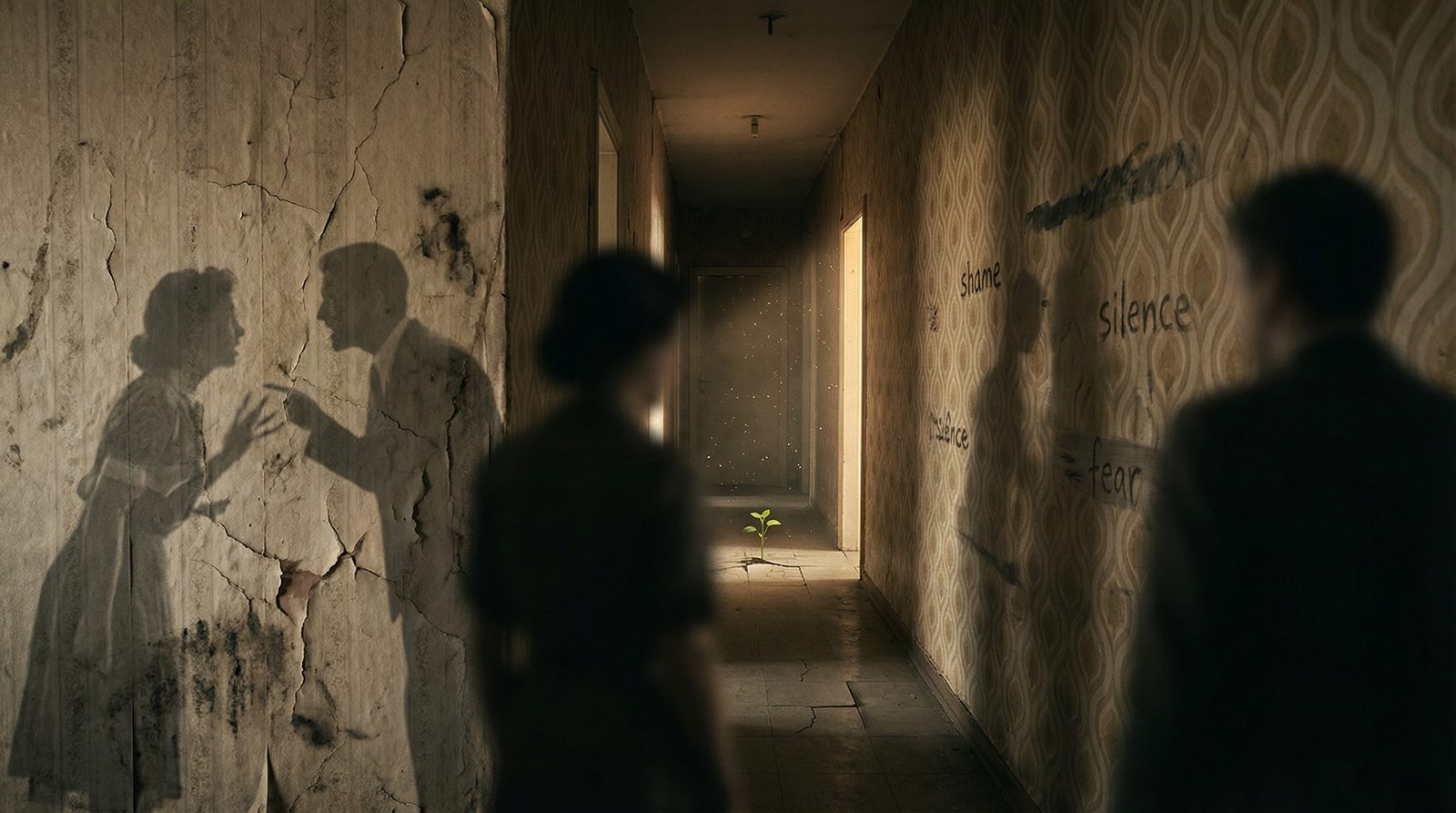
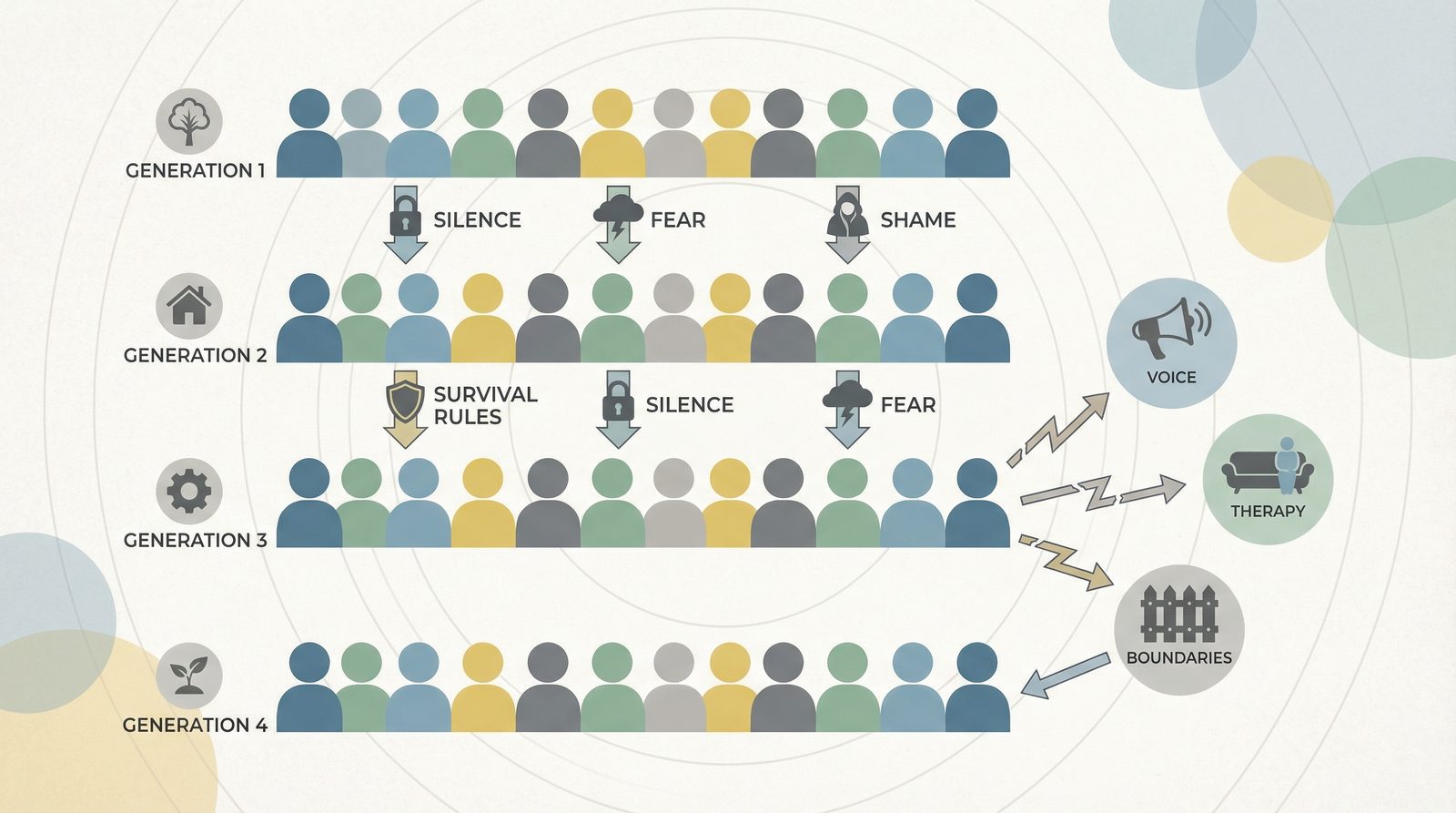
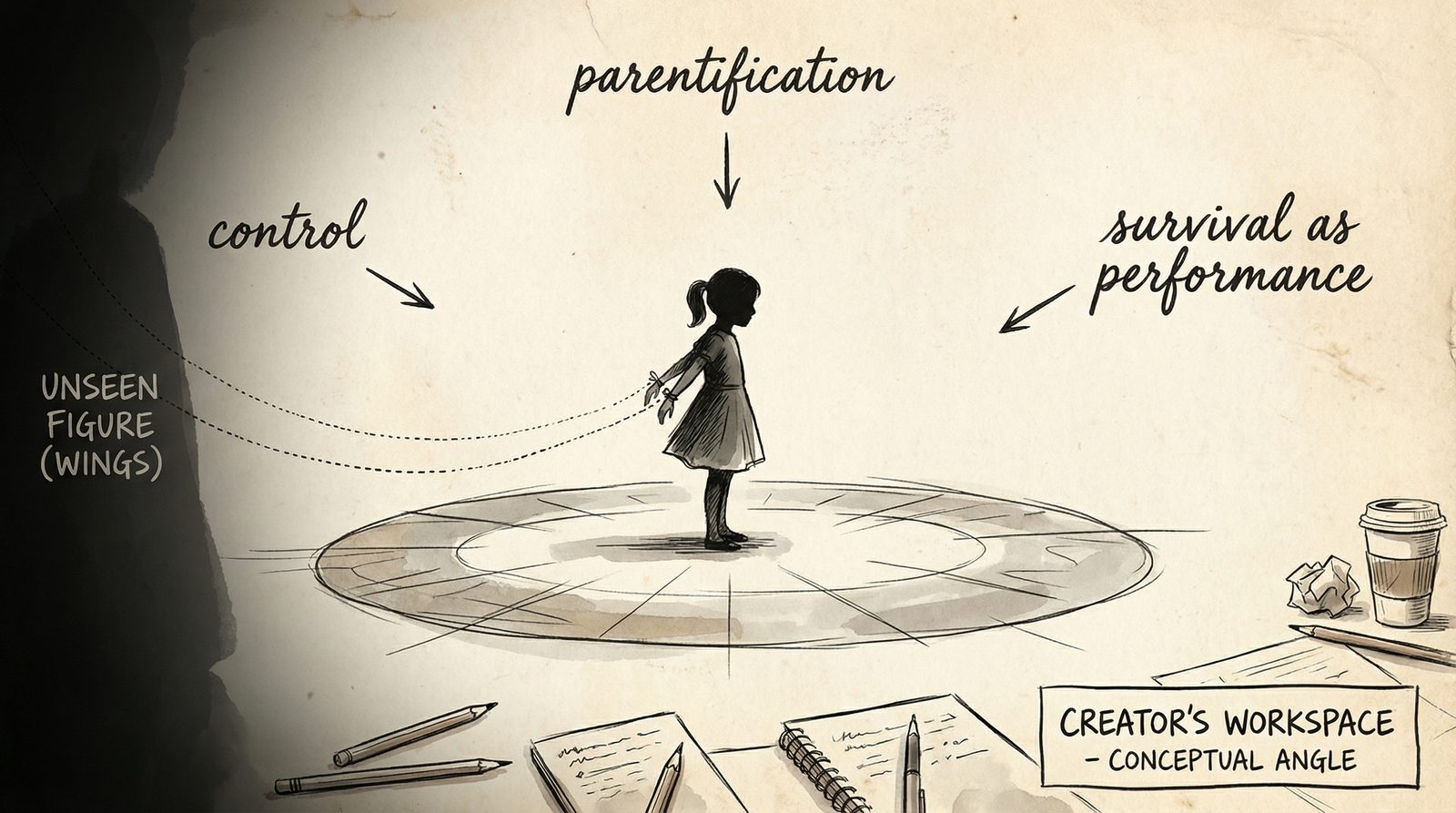
Trauma as Inheritance appears in narratives where harm does not begin with the character. It comes from earlier generations. It is passed down through silence, fear, shame, or survival patterns. Characters shaped by this motif often replay emotional dynamics that were never theirs to start with.
This does not mean trauma is destiny. It means the past remains present until someone breaks the pattern.
HOW IT WORKS IN NARRATIVE
Narratives that use this motif show how families or institutions transmit harm across time. A character may grow up inside systems built long before they were born. They may inherit coping mechanisms, emotional habits, or survival strategies shaped by someone else’s suffering.
The motif creates depth. It shows how characters grapple with forces larger than individual choice. It also emphasizes transformation when a character learns to name what was handed to them.
WHERE WE SEE IT IN OUR LIBRARY
Push – Precious inherits cycles of abuse and silence passed through her family.
Precious – The film expands the generational pattern visually through mother-daughter dynamics.
I’m Glad My Mom Died – Jennette McCurdy inherits her mother’s fear, perfectionism, and emotional instability.
The Color Purple – Celie inherits trauma through patriarchal systems that shaped both her father and Mister.
Confessions of a Video Vixen – Steffans’s early instability is influenced by her family’s own cycles of harm and survival.
In each narrative, the character confronts patterns that were established before they were born.
WHY IT MATTERS
Trauma as Inheritance is crucial to understanding how characters evolve. It adds a layer of emotional realism, showing that many challenges are not individual failings but inherited conditions. The motif also highlights the bravery of characters who attempt to break the cycle.
For readers, it frames trauma not as a personal flaw but as a legacy that can be transformed.
ARCHETYPES ASSOCIATED WITH THIS MOTIF
The Erased Girl – for characters whose early lives are shaped by others’ silence.
The Controlled Daughter – for characters raised inside someone else’s unresolved harm.
The Witness – for characters who observe and document the cycle clearly.
Motif Type: Power and Social Reach
Era Focus: 20th Century to 21st Century
Primary Fields: Memoir, Literary Fiction, Celebrity Studies
WHAT THIS MOTIF MEANS
Power as Proximity appears in stories where influence is gained or lost based on how close a character is to someone who holds authority. The power does not belong to the character. It extends to them through relationship. This can take the form of fame, family hierarchy, gender expectations, or institutional pressure.
Characters inside this motif learn that access determines value. Being near someone powerful can bring protection, opportunity, or danger. The closer they are, the higher the stakes. The farther away they drift, the more vulnerable they become.
HOW IT WORKS IN NARRATIVE
This motif often appears where love, loyalty, fear, and authority overlap. A character’s safety or success depends on staying close to someone who can offer approval or punishment. The narrative tension grows from the imbalance. Some characters cling to proximity. Some try to escape it. Some learn to build power of their own.
The motif is shaped by control. Proximity becomes the map of who matters in a character’s world.
The Vixen Diaries – Fame makes relationships fluctuate according to status, desire, and leverage.
Open Book – Relationships with high-profile partners place Simpson inside emotional hierarchies she struggles to see clearly.
The Woman in Me – Britney’s entire life becomes governed by the power others wield over her.
Framing Britney Spears – The documentary shows how institutions used their closeness to Britney to control her public and private life.
The Color Purple – Mister holds power through forced marriage and patriarchy. Shug shifts the balance by offering Celie a new center of gravity.
Across these works, proximity is not static. It shifts, reshapes alliances, and determines survival.
WHY IT MATTERS
This motif reveals how personal power is often relational. It shows the emotional and physical cost of relying on others for safety. It also highlights moments of transformation, when characters step out of someone else’s shadow and begin defining themselves.
Power as Proximity connects stories of fame, abuse, leadership, desire, and resistance. It exposes the fragile line between protection and control.
ARCHETYPES ASSOCIATED WITH THIS MOTIF
This motif aligns with characters who navigate shifting hierarchies of influence.
The Performer – for characters who gain power by being needed or seen.
The Controlled Daughter – for characters whose closeness to authority comes from dependence.
The Resistant Spirit – for characters who push back against oppressive hierarchies.
Director: Blitz Bazawule
Screenplay: Marcus Gardley
Based on: Broadway Musical and The Color Purple by Alice Walker
Genre: Musical Drama
Country: United States
Year: 2023
INTRODUCTION
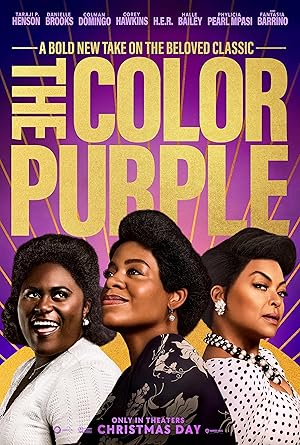
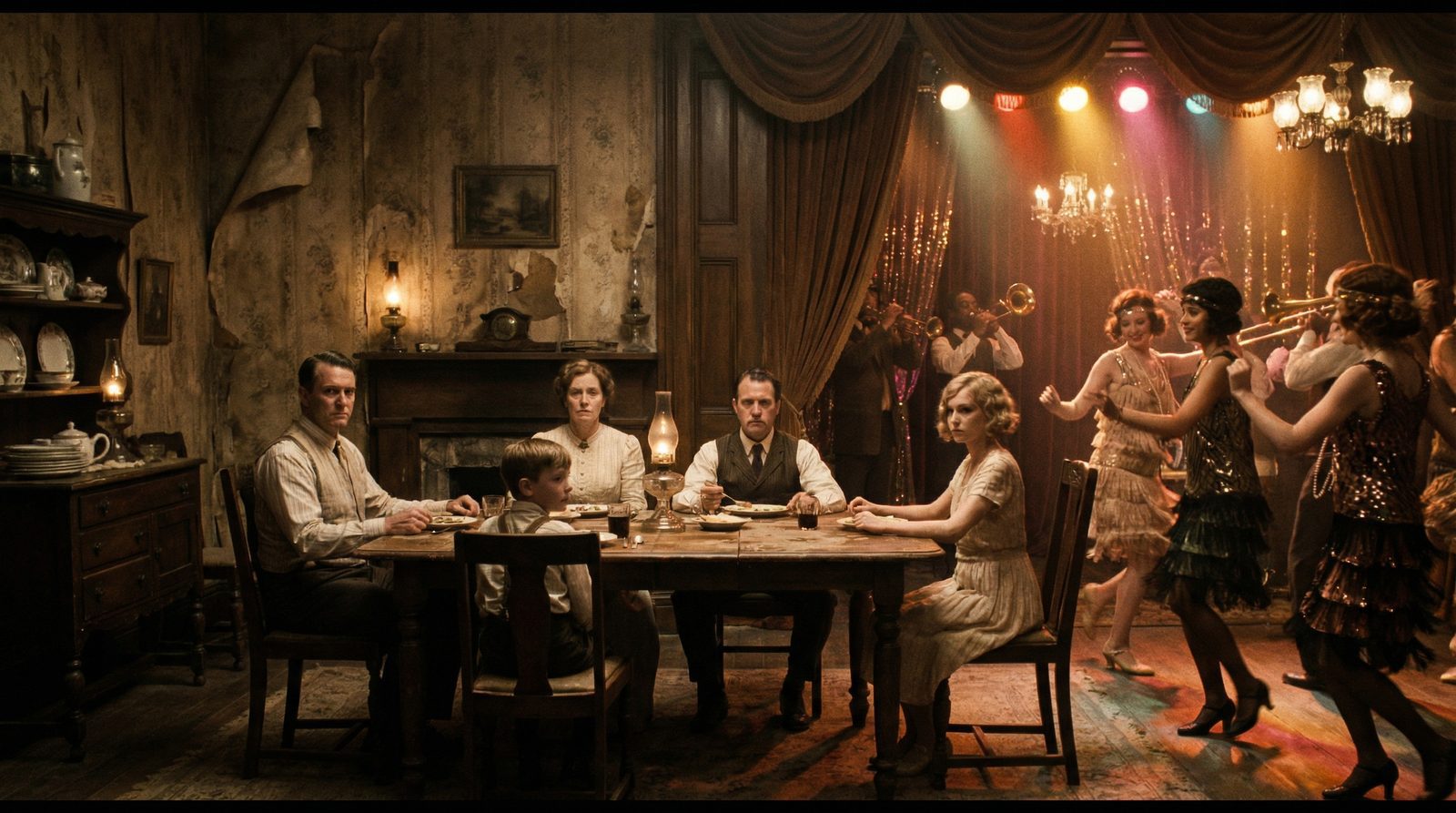
The Color Purple (2023) reimagines Alice Walker’s story through the language of musical theater. Where the 1985 film stayed grounded in realism, this adaptation embraces emotional spectacle, using music to reveal what Celie cannot yet say. The result is a version of the story filled with movement, color, and spiritual uplift. It remains rooted in the motif of Survival Narratives, but its tone is more celebratory, focusing on transformation rather than confinement.
The musical form allows the film to explore Celie’s interior world through sound and choreography, turning resilience into something communal and triumphant.
PLOT AND FOCUS
The story follows the same broad arc as the novel and the 1985 film. Celie endures violence, forced marriage, and separation from her sister. The emotional turning point arrives through relationships with Sofia, Nettie, and especially Shug Avery, whose presence helps Celie imagine a life beyond fear.
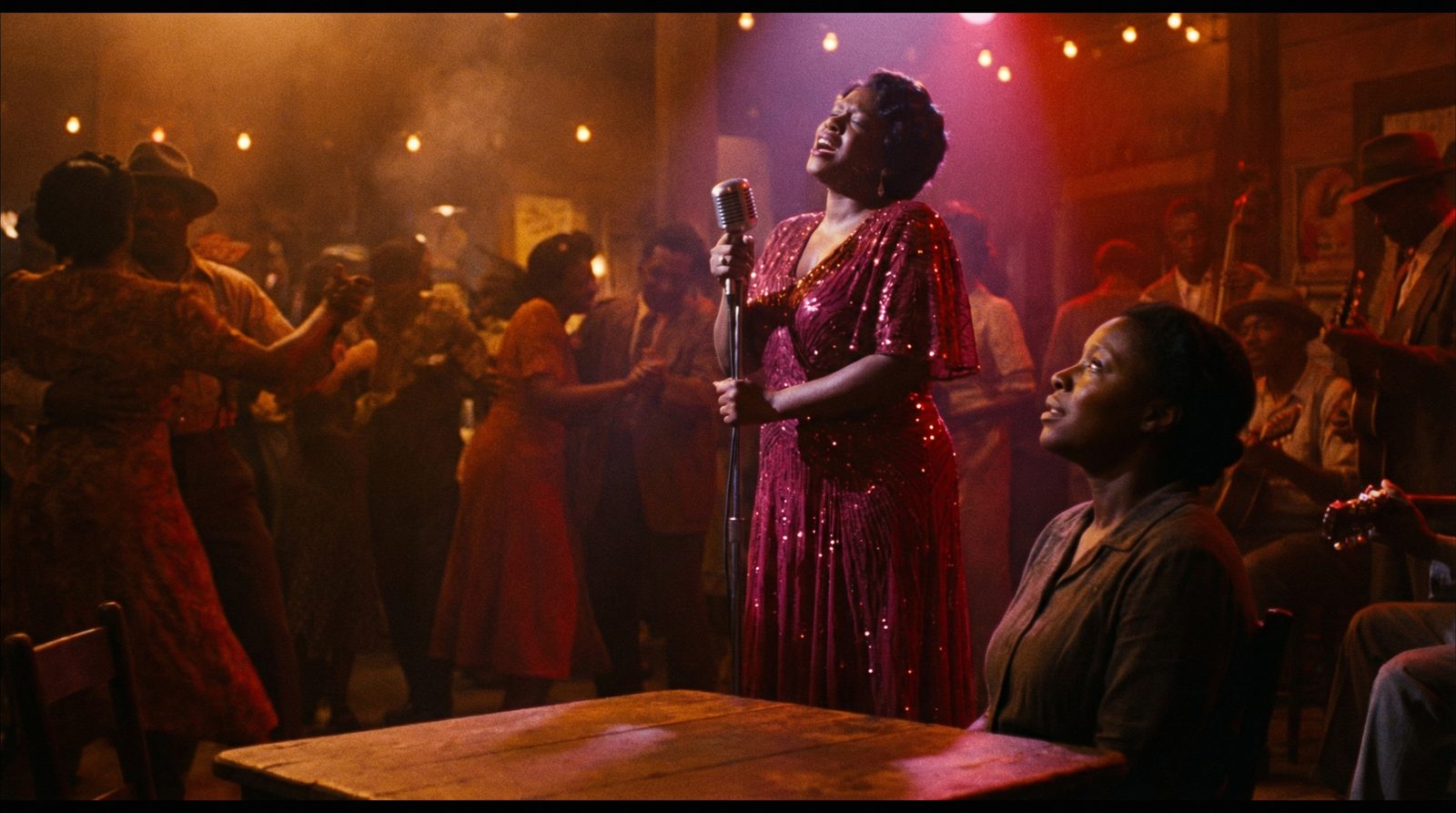
The musical format shifts the tone. Songs become emotional architecture. Instead of describing Celie’s awakening, the film lets her sing it. These moments deepen the motif of Intimacy as Healing and emphasize the joy that emerges from community.
The plot stays loyal to the source material but prioritizes catharsis over strict realism. It focuses on emotional release and collective resilience.
STYLE AND APPROACH
The film uses bold color palettes, wide choreography, and surreal visual moments to express Celie’s imagination. Where the earlier adaptation showed confinement, this one shows expansion. Dreams, memories, and musical numbers blur into each other, creating a sense of internal liberation long before Celie gains external freedom.
The musical sequences offer joy even inside pain. This tonal blending is one of the film’s strengths. It suggests that hope and sorrow can share the same frame without canceling each other.
CULTURAL CONTEXT AND LEGACY
The 2023 adaptation stands at the intersection of literature, musical theater, and contemporary filmmaking. It honors the novel’s themes while speaking to a new generation of viewers. The film also restores attention to aspects of the story that had been softened in the 1985 version, especially Celie’s romantic and spiritual connection with Shug.
Its release reignited conversations about Black women’s stories in mainstream film and emphasized the importance of adapting classic texts in ways that honor their complexity. It also strengthened the cultural position of The Color Purple as a multiform epic that continues to evolve.
IS IT WORTH WATCHING?
Yes. It is vibrant, emotional, and beautifully performed. For viewers who love the novel or the earlier film, this adaptation offers a new lens. For those coming to the story for the first time, it offers an accessible and moving entry point. The film blends sorrow and joy with unusual grace.
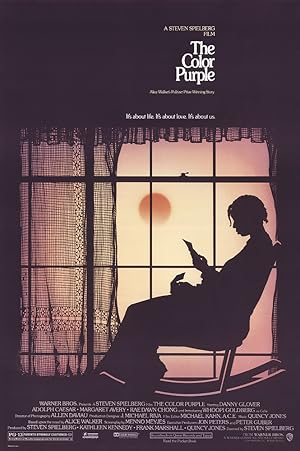
The Color Purple (1985) is the first major screen adaptation of Alice Walker’s novel. Spielberg approaches the story with careful reverence, foregrounding Celie’s inner life without diluting the brutality she endures. The film translates the letters of the novel into a visual language shaped by silence, longing, and endurance. At its core, the film reflects the motif of Silence as Survival, showing how Celie learns to speak inside a world that rarely listens.
The film became a cultural lightning rod. Praised for its performances and emotional force, criticized for the way pain is presented, it remains a milestone in bringing Black women’s interiority to mainstream cinema.
PLOT AND FOCUS
Set in the American South of the early twentieth century, the film follows Celie from childhood through adulthood as she faces physical abuse, forced marriage, and years of emotional suppression. Her husband, Mister, controls her labor and voice, and her sister Nettie’s exile becomes a wound that shapes her adolescence.
The plot shifts when Shug Avery enters Celie’s life. Shug’s confidence and warmth form a kind of emotional education, helping Celie imagine a life beyond obedience. These scenes express the motif of Intimacy as Healing. Celie’s understanding of love is rewritten through Shug’s presence.
The story’s emotional climax is Celie’s assertion of selfhood. Her declaration that she will no longer be silenced is one of the most enduring moments in the film and a reflection of her journey toward spiritual and personal freedom.
STYLE AND APPROACH
The visual style blends warm Southern landscapes with tight interior shots that reflect Celie’s confinement. Spielberg uses color and framing to show the difference between the world Celie lives in and the world she longs for. The fantasy sequences, though brief, reveal her imagination as a refuge.
The performances ground the film. Celie’s quietness becomes a form of strength rather than erasure, and Shug and Sofia bring vitality that expands the emotional world of the story. This balance keeps the film from becoming a simple story of suffering. It becomes a story of transformation.
CULTURAL CONTEXT AND LEGACY
The film sparked heated debate. Some viewers praised its honesty. Some criticized its portrayal of violence. Others felt the adaptation softened parts of the novel. Yet the broader impact is undeniable. The film introduced Celie’s story to millions who had never encountered the novel and opened conversations about gender, race, and autonomy in mainstream film.
It also paved the way for later adaptations, including the Broadway musical and the 2023 film musical. As a cultural object, the 1985 film stands alongside the novel as one of the most significant depictions of Black womanhood in American cinema of the 1980s.
IS IT WORTH WATCHING?
Yes. It is emotionally intense but deeply moving. The film is a landmark in American cinema for its performances, visual storytelling, and commitment to centering Celie’s voice. Anyone interested in literary adaptations, Southern history, or stories of resilience will find it essential.
Alice Walker writes with a steady, spiritual intelligence that feels rooted in the earth itself. Her work is shaped by Southern Black womanhood, political struggle, and a belief that the sacred can live inside ordinary lives. With The Color Purple, she placed working class Black women at the center of American literature and refused to soften their experiences. The novel’s emotional clarity reflects the motif of Trauma as Inheritance, while her characters show remarkable capacity for growth.
Walker’s voice blends tenderness with ferocity. She insists on telling the truth even when the truth is uncomfortable.
LIFE AND INFLUENCES
Born in rural Georgia, Walker grew up in a sharecropping family where stories and faith were central. A childhood accident left her blind in one eye, a trauma that shaped her early sense of isolation and introspection. She attended Spelman College and later Sarah Lawrence, where the Civil Rights Movement deepened her political awareness.
Her influences include Zora Neale Hurston, Black Southern folklore, womanist theology, and her own experience of racism and poverty. These threads appear throughout her work, aligning with motifs like Survival Narratives and Intimacy as Healing.
THEMES AND MOTIFS
Walker returns again and again to themes of spiritual reclamation, domestic violence, sexuality, community, and the healing potential of female friendship. She coined the term “womanist” to describe a feminism grounded in Black women’s experiences. Her characters often move from silence to voice and from survival to rootedness.
Many of her stories explore the double pull of harm and hope within families. This tension aligns with motifs such as Emotional Minimalism and Power as Proximity, where vulnerability and authority compete.
STYLE AND VOICE
Walker writes with clarity, gentleness, and rhythmic simplicity. Her voice is direct and grounded. She blends emotion with restraint. She favors intimate narration, lyrical fragments, and spiritual imagery. Even at her most political, the work feels lived in rather than theoretical.
The dignity she grants her characters comes through language that honors their truth. She allows flaws, contradictions, and small moments to carry the story.
Walker has published poetry, essays, and additional novels, but The Color Purple remains the work most closely tied to her cultural legacy.
RELATED ADAPTATIONS
Walker’s most famous novel has inspired multiple major screen adaptations that carried Celie’s story to new audiences:
• The Color Purple (1985) – Steven Spielberg’s dramatic adaptation, which brought the novel into mainstream cinema.
• The Color Purple (2023) – A musical film adaptation that builds on the stage production and reimagines the story through song and choreography.
CULTURAL LEGACY
Alice Walker changed the shape of American literature. She expanded the canon to include the voices of Black Southern women whose stories had long been marginalized. Her work sparked debate, redefined womanist thought, and influenced writers across generations.
The adaptations of The Color Purple in 1985 and 2023 further broadened its reach. Together with the original novel, they formed a multiform narrative that continues to shape how readers and viewers think about faith, gender, race, and freedom. Today, Walker’s influence stands beside figures like Toni Morrison and Zora Neale Hurston, whose work insists on truth over comfort and on healing over silence.
The Color Purple is one of the most quietly powerful novels of the twentieth century. First published in 1982, it tells Celie’s story through letters written in her own unpolished voice. She writes to God because she has no one else to listen. The book begins in near silence and grows into a full song of survival. The early chapters lean into the motif of Silence as Survival, where withholding becomes a way to stay alive in a world that rarely offers safety.
What makes the novel unforgettable is its transformation. Celie’s frightened voice becomes the voice of a woman reclaiming her own life.
PLOT AND THEMES
Celie’s story unfolds through letters addressed first to God and later to her sister Nettie. She grows up in rural Georgia, enduring sexual violence, forced marriage, and constant humiliation. Her husband, known only as Mister, uses her as labor and property. The plot moves slowly in action but widely in emotional scope. It traces Celie’s long shift from voicelessness to self-possession.
The exchange of letters between Celie and Nettie becomes the novel’s emotional spine. Nettie’s letters from Africa widen the book’s sense of place and connect Celie’s private suffering to broader histories of displacement and oppression. This pattern aligns with the motif of Trauma as Inheritance, where pain is passed across families and continents.
The story also explores sisterhood, chosen family, and the sacredness of desire. Celie’s bond with Shug Avery becomes a turning point. Shug models a life of self-regard, sensuality, and spiritual independence. Through Shug, Celie learns that her body and voice belong to her. This shift reflects the motif of Intimacy as Healing, where affection becomes instruction.
STYLE AND LANGUAGE
The novel is written in Celie’s dialect, with spelling and grammar shaped by her limited formal education. What might seem simple becomes beautiful through sincerity. Alice Walker refuses to smooth or correct Celie’s voice. Instead, she lets the language carry emotional truth. This restraint is a form of Emotional Minimalism, where plain words carry enormous weight.
The epistolary form gives the book its heart. Every letter feels like a prayer or confession. As Celie grows, the writing grows with her. Her vocabulary expands. Her confidence sharpens. The evolution of her syntax becomes its own proof of transformation.
CHARACTERS AND RELATIONSHIPS
Celie anchors the novel, but she is lifted forward by the women around her. Sofia’s defiance teaches her resistance. Shug Avery’s independence teaches her desire and spiritual agency. Nettie’s letters teach her about the world and about her own worth. Together, these women rewrite Celie’s understanding of freedom.
The men are not reduced to caricatures. Mister is violent and controlling, yet his slow, partial redemption shows Walker’s belief in the possibility of change. Harpo and others reflect the pressures of a patriarchal world that harms them as well. These dynamics connect to the motif of Power as Proximity, where harm flows through inherited roles rather than pure malice.
Celie’s relationships move the novel from brutality to connection. Each bond widens her sense of what a life can be.
CULTURAL CONTEXT AND LEGACY
When it was released, The Color Purple changed the landscape of American literature. It won both the Pulitzer Prize and National Book Award and sparked fierce debate. Some Black male critics accused Walker of betrayal for depicting domestic violence within Black families. The argument exposed the cultural tension the novel refuses to hide. Walker insisted on telling the truth about private pain rather than protecting public appearance.
The story continued to evolve through adaptation. The 1985 film directed by Steven Spielberg brought Celie’s world to mainstream cinema, earning critical acclaim and introducing the story to millions who had never read the novel. The later 2023 film musical adaptation expanded the emotional palette even further, using music and movement to explore Celie’s interior life in ways unique to the stage and screen.
The novel’s themes place it alongside Beloved (1987) and Their Eyes Were Watching God (1937) as a cornerstone of Black feminist literature. More than forty years later, its closing lines still feel revelatory. The book is an argument for joy as resistance.
IS IT WORTH READING?
Yes. The Color Purple is essential reading. It is unflinching, tender, and transformative. The brutality is difficult, but the beauty is sustaining. For readers interested in stories of trauma, faith, desire, and freedom, it remains one of the most important novels in American literature.
Jennette McCurdy writes with a clarity that feels almost surgical. Her memoir I’m Glad My Mom Died is not a catalog of trauma. It is an examination of identity built under pressure and reclaimed through language. What sets her apart from other child-star memoirists is her emotional control. She does not dramatize. She observes. That approach places her work inside the motif of Silence as Survival, where restraint becomes both coping mechanism and storytelling tool.
Her voice is steady, sharp, and often surprisingly funny. It carries the authority of someone who has finally stepped outside a performance she never chose.
LIFE AND INFLUENCES
McCurdy grew up in a tightly controlled home in Southern California. Her mother managed her career, monitored her eating, directed her emotions, and shaped her identity to fit her own needs. Acting was not ambition. It was obedience. These early experiences define the emotional landscape of her work.
Her writing is shaped less by literary influence and more by therapy, introspection, and the desire to understand what was taken from her. Her path to authorship began with quitting acting and studying writing, a choice that marked the first major decision of her adult life.
McCurdy’s primary subjects are autonomy, identity, grief, and the long shadow cast by emotional abuse. She writes about control that did not look like violence but felt like ownership. She writes about love that confused loyalty with self-erasure. She writes about grief that refuses to behave.
Her stories often dwell in contradiction. Relief beside loss. Humor beside fear. Silence beside truth. This aligns closely with the motif of The Double Self, where performance becomes identity until the lines blur.
STYLE AND VOICE
Her style is spare. She avoids flourish. She allows moments to sit without commentary. The restraint is part of the emotional architecture. Her humor is dry and disarming, showing up in the exact places where the reader expects despair.
Her writing feels lived in. It is confident without being loud. It is intimate without being indulgent. It respects the reader and the subject equally.
McCurdy’s memoir arrived at a moment when Hollywood’s treatment of child performers was being widely questioned. Her account brought a grounded, personal perspective to discussions that were often abstract. It gave language to a type of harm that is rarely named and rarely believed.
Her influence extends beyond the entertainment world. Readers connected deeply with the contradictions she describes, and the book opened conversations about boundaries, selfhood, and the cost of living a life built around someone else’s desire.
In the current landscape of memoir, McCurdy stands out as a writer who understands how to tell the truth quietly and with precision. She changed the tone of the genre by refusing spectacle and choosing honesty instead.
Sapphire writes at the edge of what many readers are prepared to face. Her work is not interested in comfort. It is interested in truth, particularly for Black girls and women who have been ignored, abused, or erased. With Push, she created one of the most searing voices in modern American fiction. Her writing lives squarely inside the motif of Survival Narratives, where staying alive is not the end of the story but the beginning of a new kind of speech.
What distinguishes Sapphire is her refusal to look away. She asks the reader not to look away either.
LIFE AND INFLUENCES
Sapphire has worked as a teacher, poet, and activist. That background matters. It shows up in her attention to language, in her respect for the classroom as a site of transformation, and in her insistence on centering voices that have rarely been granted literary space.
Her influences come as much from lived experience and political struggle as from other books. She writes in conversation with histories of racism, poverty, and gendered violence in the United States, and with the communities who have had to navigate those forces every day. That grounding connects her work closely to the motifs of Trauma as Inheritance and Literacy as Liberation.
THEMES AND MOTIFS
Across her writing, Sapphire returns to a few central questions. What happens when a child is told, again and again, that she does not matter. What happens when the only stories available about you are written by people who fear or pity you. And what happens when you finally learn to put your own words on the page.
Her characters often live in the overlap between violence and possibility. Their lives are shaped by abuse, poverty, and systemic neglect, but they are not defined solely by trauma. The struggle to find language, to learn, to speak, becomes part of who they are. This is where her work most clearly embodies Literacy as Liberation.
She is also deeply interested in how identity is inherited. Not just culture and family, but harm, silence, and shame. That interest lines up with Trauma as Inheritance, which runs just under the surface of much of her work.
STYLE AND VOICE
Sapphire’s style is direct and formally bold. She is willing to bend spelling, grammar, and conventional polish to stay honest to the characters she writes. In Push, that means letting Precious’s voice arrive exactly as it is, then allowing it to change on the page as she learns. The effect is intimate and often overwhelming. The reader is not handed an interpretation. The reader is asked to listen.
Her poetry and prose share a commitment to rhythm and emotional precision. Even at their most brutal, the lines feel deliberate. She uses repetition, image, and silence with care, trusting readers to make the connections she lays down.
KEY WORKS
Push (1996) – The novel that introduced Precious Jones and brought Sapphire’s work into the wider literary conversation.
Alongside her fiction, Sapphire has also published poetry collections that explore many of the same themes with a different kind of intensity.
CULTURAL LEGACY
With Push and its film adaptation, Sapphire forced mainstream audiences to confront a story many would rather ignore. Her work changed the way readers and viewers talk about voice, representation, and the ethics of depicting trauma. It also influenced a generation of writers who saw in Precious’s story proof that the most marginalized characters could hold the center of a narrative.
In the broader landscape, Sapphire stands alongside writers like Toni Morrison and Jesmyn Ward in insisting that Black girls and women belong at the heart of serious literature. Her contribution is specific and singular, but its impact is wide. She gave a voice to someone the culture had tried very hard not to see, and in doing so, she shifted the boundaries of who literature is for.
Director: Lee Daniels Screenplay: Geoffrey Fletcher Based on: Push by Sapphire Genre: Drama Country: United States Year: 2009
INTRODUCTION
Precious is one of the most emotionally direct literary adaptations in recent film. It does not soften the material from Sapphire’s novel. Instead, it stays close to the young woman at its center and lets her voice guide the story. The film is grounded, unsentimental, and deeply humane. It belongs to the broader motif of Survival Narratives, where survival is not triumph but the first step toward rebuilding a life.
The film’s strength lies in how it listens. It lets Precious speak in ways she was never allowed to speak in her own world.
PLOT AND FOCUS
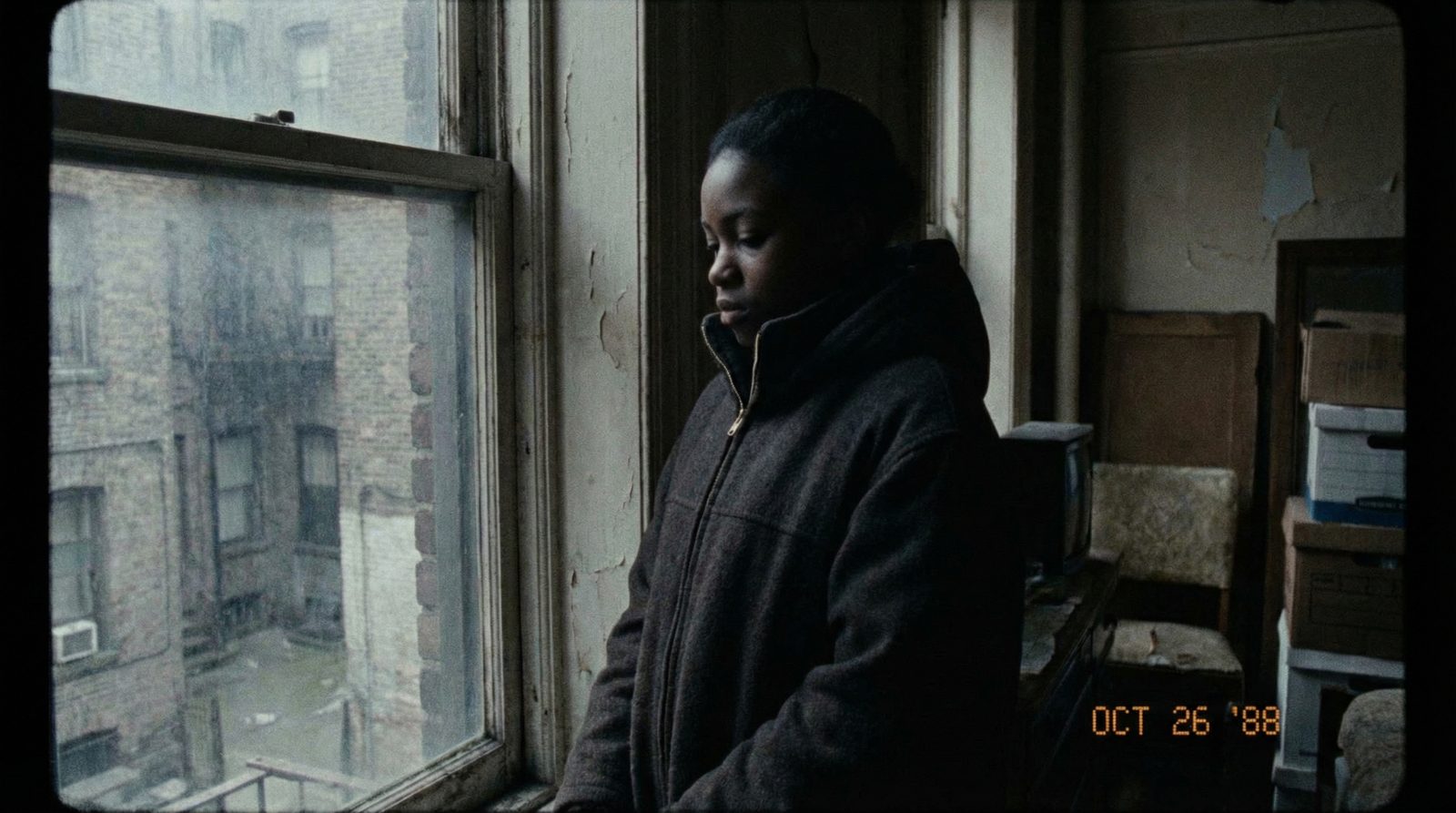
The story follows Precious Jones, an illiterate teenager in Harlem who becomes pregnant for the second time by her own father. She lives with an abusive mother whose violence shapes every corner of her life. School offers no refuge. The future appears closed.
The turning point comes when she is sent to an alternative school and meets Ms Rain. The classroom becomes a rare place where she can breathe. This setting deepens the motif of Literacy as Liberation. Learning to read and write becomes a form of self-definition. The world does not change quickly, but the way Precious understands herself begins to shift.
The film keeps the focus tight on her interior life. Flashbacks, fantasies, and daydreams interrupt scenes in ways that reveal how Precious copes. They are not escapes. They are survival tools.
WHAT IS PRECIOUS ABOUT?
Precious is about a teenage girl fighting to survive extreme abuse and neglect, and slowly discovering that her life can be more than what has been done to her. The film follows her as a new school environment and a few rare supportive adults give her space to learn, to speak, and to imagine a future. It is not a feel-good story, but it is a story about voice: the moment someone who has been silenced begins to name her own experience and take the first steps toward self-determination.
STYLE AND APPROACH
The visual style mixes naturalistic cinematography with abrupt dream sequences. These brief escapes into glamour show how Precious imagines a self she has never been allowed to be. The contrast makes the real world feel even more stark, but it also reveals her imagination as a place of possibility.
The performance by Gabourey Sidibe gives the film its weight. She plays Precious with a stillness that holds everything she cannot say. Mo’Nique’s portrayal of the mother is equally memorable, a character shaped by rage, trauma, and internalized harm. The performances emphasize the motif of Trauma as Inheritance, showing how damage is passed down through silence and lack of support.
The film does not sensationalize abuse. It refuses melodrama. The restraint is what makes it powerful.
CHARACTERS AND RELATIONSHIPS
Precious is portrayed as a full person rather than a symbol. She is angry, hopeful, confused, stubborn, and capable of tenderness. The film refuses to flatten her into a victim. This complexity reflects the motif of Survival as Identity. She has survived so much that survival itself has become her worldview.
Her mother is frightening but not one-dimensional. The film allows glimpses of desperation that never excuse her actions but show their roots. This balance makes the story more honest.
Ms Rain and the women in the alternative school form a quiet counterbalance. They are steady in a world that rarely offers Precious stability. Their presence gives the narrative spaces of breath without turning them into saviors.
CULTURAL CONTEXT AND LEGACY
Precious was widely praised on release and sparked intense debate. Some viewers saw it as exploitative. Others saw it as a rare, respectful depiction of a young Black girl surviving impossible conditions. The film forced a mainstream audience to confront issues of abuse, poverty, and systemic neglect that are usually kept off-screen.
The film won multiple awards and established both Sidibe and Mo’Nique as major talents. It also renewed interest in Sapphire’s novel, expanding its readership for a new generation. In the broader landscape, Precious stands alongside works that insist on depicting harm without sanitizing it, while also honoring the inner life of the person at the center.
The film remains a cultural touchstone. It opened conversations about representation, empathy, and who gets to have their story taken seriously.
IS IT WORTH WATCHING?
Yes. It is emotionally difficult, but it is also precise, grounded, and deeply compassionate. Anyone interested in character-driven storytelling, literary adaptation, or the realities of structural harm will find it worth their time.