Narrative Techniques: Character Driven

  • PRECIOUS (2009)

    PRECIOUS (2009)

    Director: Lee Daniels
    Screenplay: Geoffrey Fletcher
    Based on: Push by Sapphire
    Genre: Drama
    Country: United States
    Year: 2009


    Official poster for 'Precious (2009)'

    INTRODUCTION

    Precious is one of the most emotionally direct literary adaptations in recent film. It does not soften the material from Sapphire’s novel. Instead, it stays close to the young woman at its center and lets her voice guide the story. The film is grounded, unsentimental, and deeply humane. It belongs to the broader motif of Survival Narratives, where survival is not triumph but the first step toward rebuilding a life.

    The film’s strength lies in how it listens. It lets Precious speak in ways she was never allowed to speak in her own world.


    PLOT AND FOCUS

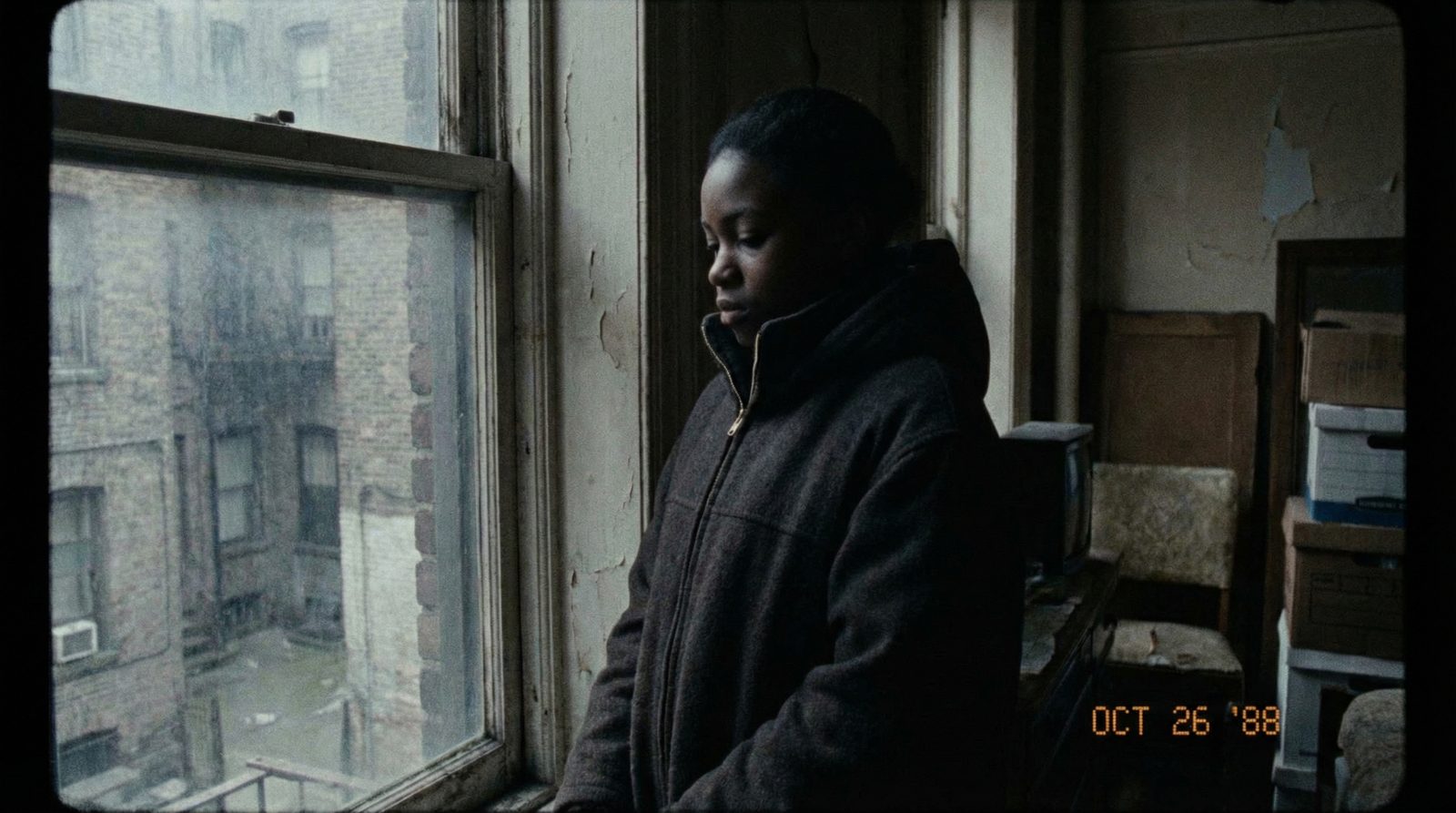
    The story follows Precious Jones, an illiterate teenager in Harlem who becomes pregnant for the second time by her own father. She lives with an abusive mother whose violence shapes every corner of her life. School offers no refuge. The future appears closed.

    The turning point comes when she is sent to an alternative school and meets Ms Rain. The classroom becomes a rare place where she can breathe. This setting deepens the motif of Literacy as Liberation. Learning to read and write becomes a form of self-definition. The world does not change quickly, but the way Precious understands herself begins to shift.

    The film keeps the focus tight on her interior life. Flashbacks, fantasies, and daydreams interrupt scenes in ways that reveal how Precious copes. They are not escapes. They are survival tools.

    WHAT IS PRECIOUS ABOUT?

    Precious is about a teenage girl fighting to survive extreme abuse and neglect, and slowly discovering that her life can be more than what has been done to her. The film follows her as a new school environment and a few rare supportive adults give her space to learn, to speak, and to imagine a future. It is not a feel-good story, but it is a story about voice: the moment someone who has been silenced begins to name her own experience and take the first steps toward self-determination.
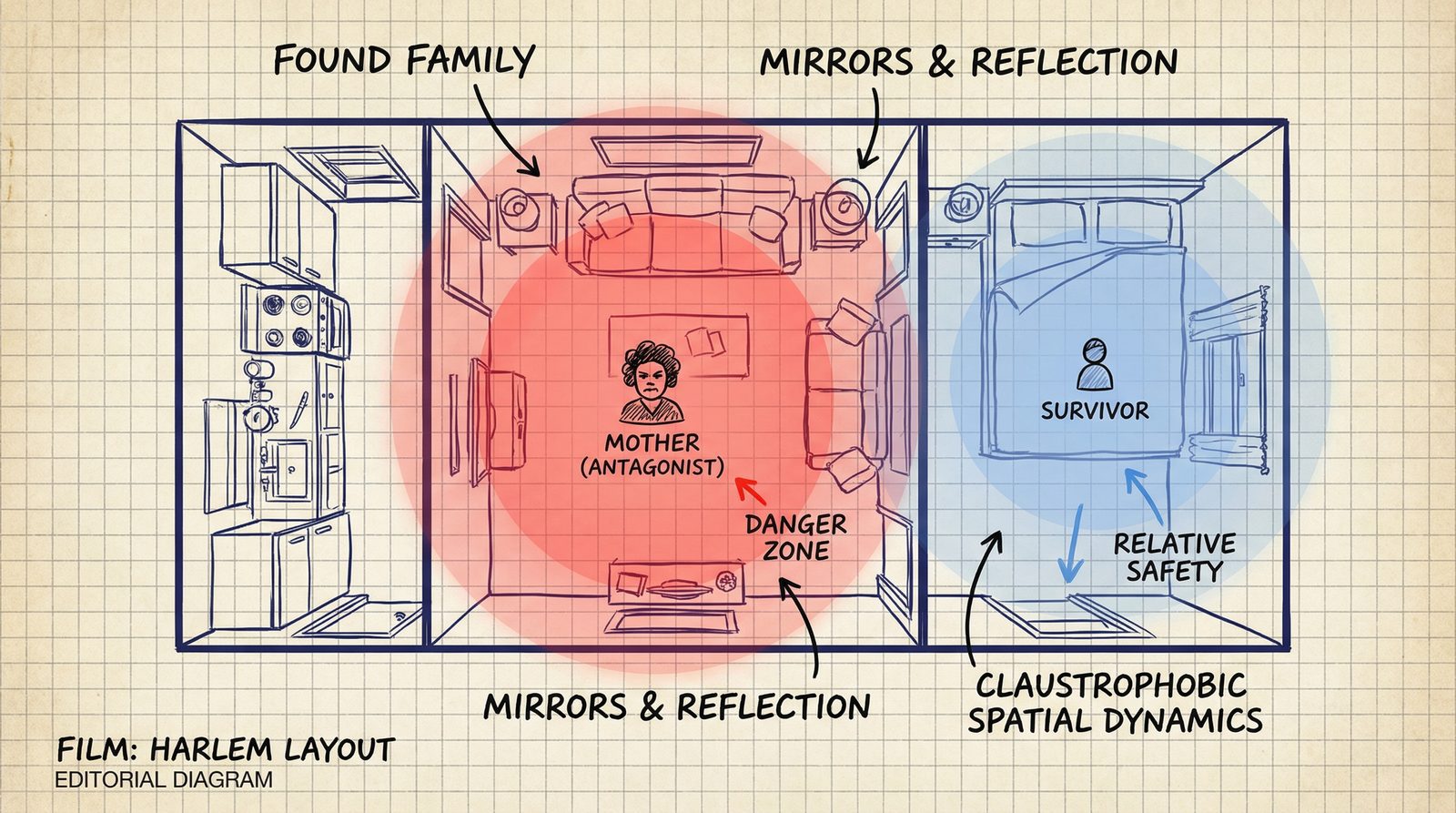
    Editorial illustration inspired by 'Precious (2009)'

    STYLE AND APPROACH

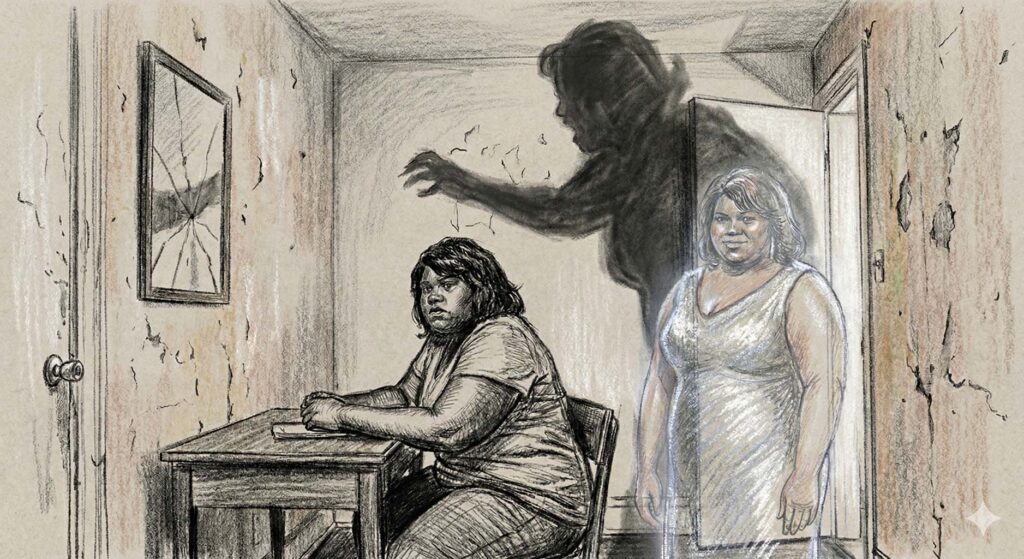
    The visual style mixes naturalistic cinematography with abrupt dream sequences. These brief escapes into glamour show how Precious imagines a self she has never been allowed to be. The contrast makes the real world feel even more stark, but it also reveals her imagination as a place of possibility.

    The performance by Gabourey Sidibe gives the film its weight. She plays Precious with a stillness that holds everything she cannot say. Mo’Nique’s portrayal of the mother is equally memorable, a character shaped by rage, trauma, and internalized harm. The performances emphasize the motif of Trauma as Inheritance, showing how damage is passed down through silence and lack of support.

    The film does not sensationalize abuse. It refuses melodrama. The restraint is what makes it powerful.


    CHARACTERS AND RELATIONSHIPS

    Precious is portrayed as a full person rather than a symbol. She is angry, hopeful, confused, stubborn, and capable of tenderness. The film refuses to flatten her into a victim. This complexity reflects the motif of Survival as Identity. She has survived so much that survival itself has become her worldview.

    Her mother is frightening but not one-dimensional. The film allows glimpses of desperation that never excuse her actions but show their roots. This balance makes the story more honest.

    Ms Rain and the women in the alternative school form a quiet counterbalance. They are steady in a world that rarely offers Precious stability. Their presence gives the narrative spaces of breath without turning them into saviors.
    PRECIOUS (2009)

    CULTURAL CONTEXT AND LEGACY

    Precious was widely praised on release and sparked intense debate. Some viewers saw it as exploitative. Others saw it as a rare, respectful depiction of a young Black girl surviving impossible conditions. The film forced a mainstream audience to confront issues of abuse, poverty, and systemic neglect that are usually kept off-screen.

    The film won multiple awards and established both Sidibe and Mo’Nique as major talents. It also renewed interest in Sapphire’s novel, expanding its readership for a new generation. In the broader landscape, Precious stands alongside works that insist on depicting harm without sanitizing it, while also honoring the inner life of the person at the center.

    The film remains a cultural touchstone. It opened conversations about representation, empathy, and who gets to have their story taken seriously.


    IS IT WORTH WATCHING?

    Yes. It is emotionally difficult, but it is also precise, grounded, and deeply compassionate. Anyone interested in character-driven storytelling, literary adaptation, or the realities of structural harm will find it worth their time.


    SIMILAR WORKS

    Push
    Framing Britney Spears
    Confessions of a Video Vixen
    Open Book

  • Motherhood as redemption

    Motherhood as redemption

    Motif Type: Family and Healing
    Era Focus: 20th Century to 21st Century
    Primary Fields: Memoir, Literary Fiction


    WHAT THIS MOTIF MEANS

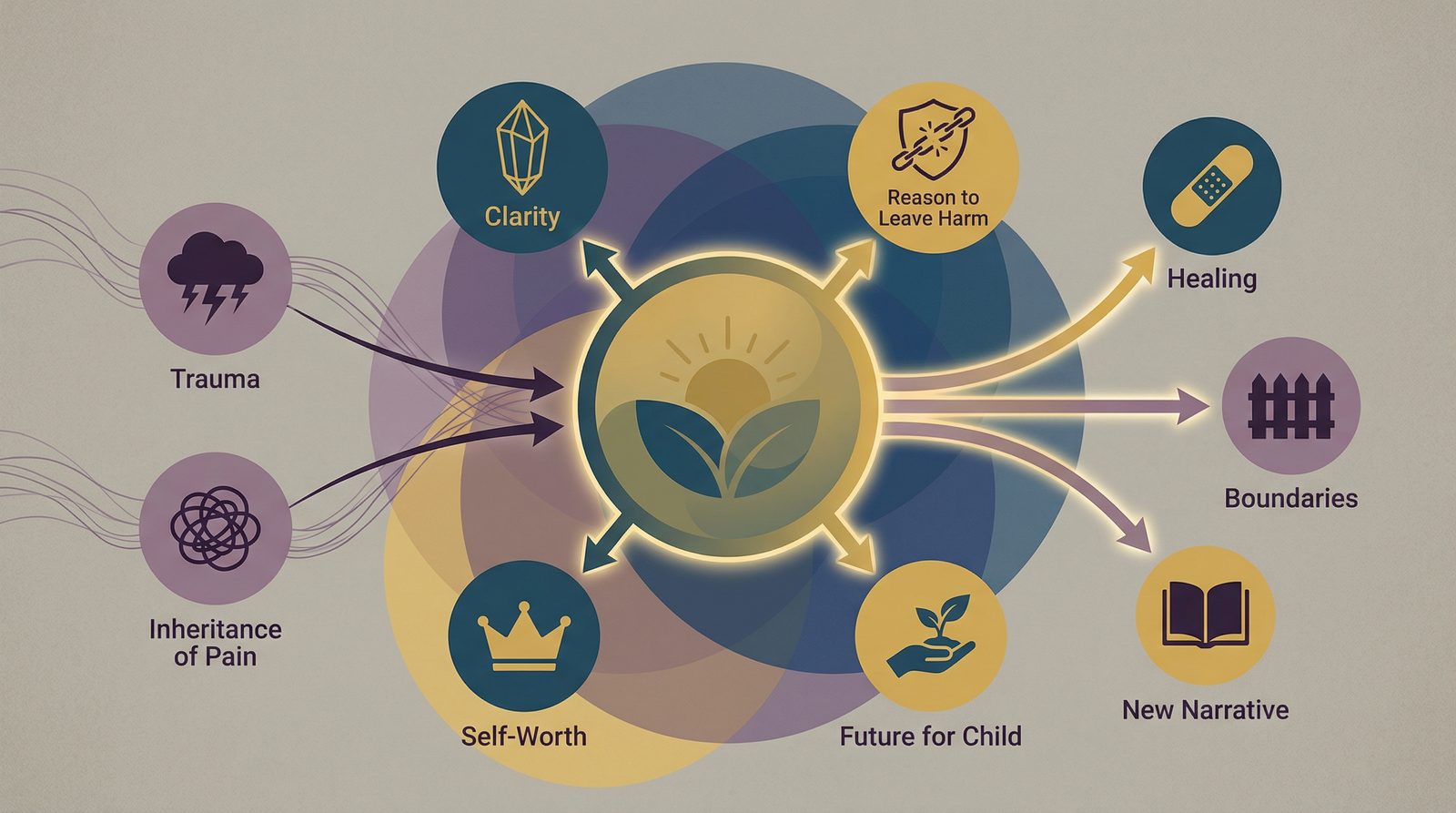
    Motherhood as Redemption appears in stories where becoming a mother gives a character clarity she did not have before. The role does not solve her trauma. It sharpens her desire to survive it. The child becomes a reason to leave harm, a reason to change, or a reason to finally see herself as someone worth protecting.

    This motif is not sentimental. It acknowledges that motherhood is complicated. The redemption comes not from perfection but from purpose.


    Motherhood as redemption inline concept image

    HOW IT WORKS IN NARRATIVE

    Characters inside this motif often grow up without safety or agency. They enter motherhood carrying the weight of their past. When a child enters their life, the emotional stakes shift. Suddenly survival has direction. Healing has urgency. The child becomes a mirror and a motivator.

    Redemption here is not moral. It is emotional. It is the moment a character sees a possible future that does not look like her past.


    Motherhood as redemption inline diagram image

    WHERE WE SEE IT IN OUR LIBRARY

    • Confessions of a Video Vixen – Steffans sees motherhood as the turning point that anchors her decisions and resilience.
    • The Vixen Diaries – Her relationship with her son remains the emotional center of the book and her reason to move toward stability.
    • The Woman in Me – Britney’s sons are the emotional force behind her desire for freedom and autonomy.
    • I’m Glad My Mom Died – The motif appears in reverse through Jennette’s longing for a healthier form of protective care that she never received.
    • The Color Purple – Celie’s role as a maternal figure to children in her care shapes her emotional evolution and sense of purpose.

    In each work, motherhood reveals emotional truths that were hidden beneath harm or survival.


    WHY IT MATTERS

    This motif matters because it reframes motherhood as a form of identity reclamation rather than domestic duty. It also shows how nurturing another life can awaken self-compassion in characters who learned early to ignore their own needs.

    It becomes a turning point, not because the character becomes flawless, but because she chooses not to repeat the cycle she inherited.


    ARCHETYPES ASSOCIATED WITH THIS MOTIF

    • The Reclaimer – for mothers who reshape their identity through care.
    • The Resistant Spirit – for characters who fight to protect a child despite limited power.
    • The Witness – for characters who see, often for the first time, the cost of their own upbringing.

    RELATED MOTIFS

    Trauma as Inheritance
    Intimacy as Healing
    Survival Narratives

  • The Commodified Body in Books

    The Commodified Body in Books

    Motif Type: Body and Identity
    Era Focus: 20th Century to 21st Century
    Primary Fields: Memoir, Cultural Criticism, Literary Fiction


    WHAT THIS MOTIF MEANS

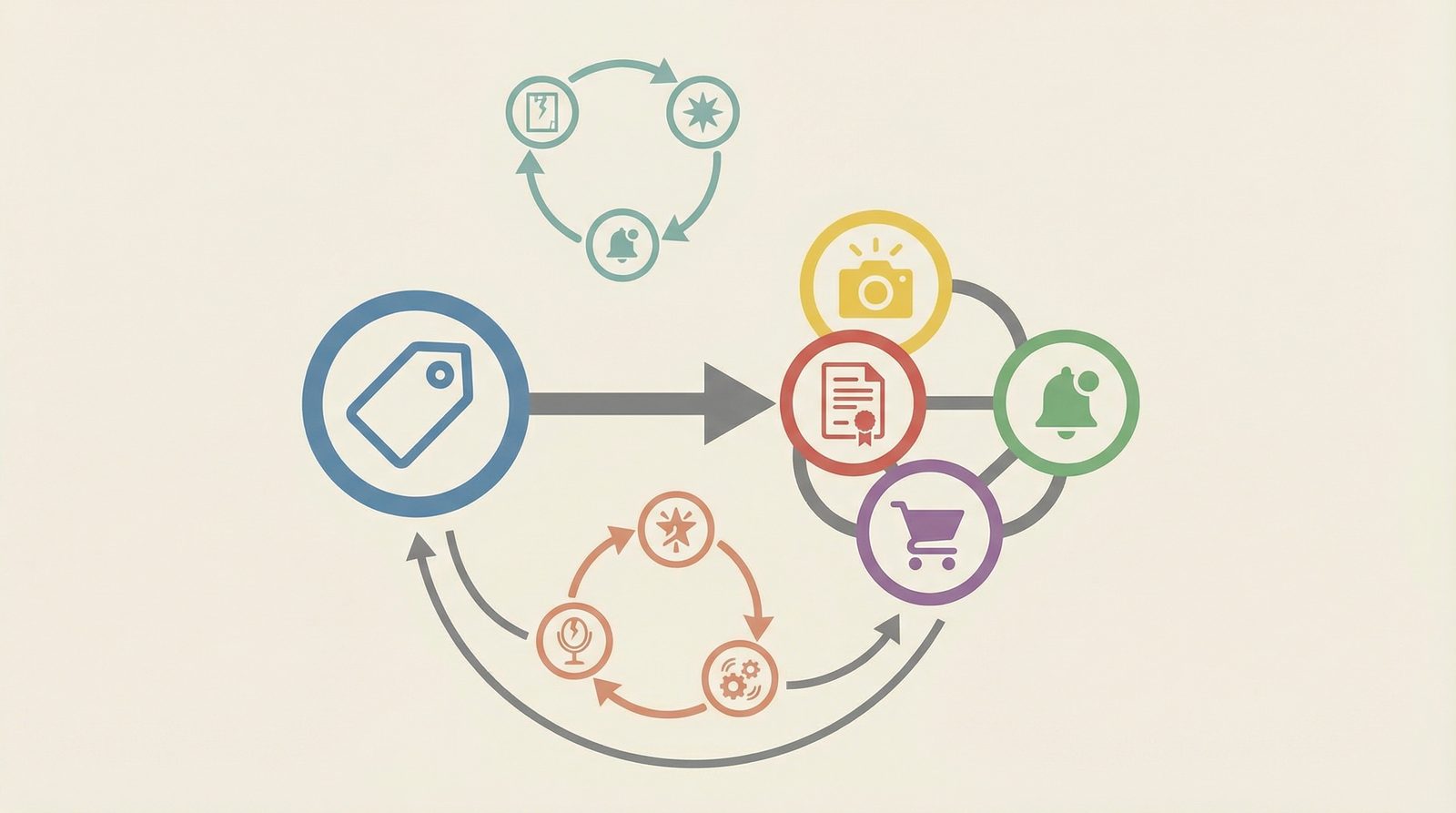
    The Commodified Body in Books appears in stories where a person’s body is treated as currency, product, or spectacle. Characters inside this motif learn early that how they look, move, or appeal to others can be used for attention, affection, control, or profit. The body becomes a site of negotiation rather than autonomy.

    This motif often emerges in narratives shaped by patriarchy, fame, trauma, or social scrutiny. The character is not valued for selfhood but for usefulness. Sometimes the commodification is explicit. Sometimes it is subtle. In every case, it shapes identity before the character realizes what is happening.

    The Commodified Body in Books inline concept image

    HOW IT WORKS IN NARRATIVE

    Narratives featuring this motif often explore the contradiction between external visibility and internal erasure. A character may be watched by many but understood by none. They may be desired but not cared for. The story reveals how the body becomes a stage, and the person inside it becomes an afterthought.

    Transformation often comes through reclamation. Characters begin to see their bodies not as public property but as homes they have a right to inhabit.


    WHERE WE SEE IT IN OUR LIBRARY

    This motif is central to many works in your library. It often intersects with power, desire, and identity.

    • Confessions of a Video Vixen – Steffans’s body becomes industry commodity long before she understands the cost.
    • Open Book – Jessica Simpson’s body is treated as brand material, scrutinized and monetized at every stage of her career.
    • The Woman in Me – Britney Spears’s body becomes a site of legal and financial control under her conservatorship.
    • Framing Britney Spears – The documentary highlights how Britney’s physical image was consumed and sold by media and family systems.
    • The Color Purple – Celie’s body becomes labor and property until relationships help her reclaim ownership.

    Across these narratives, the body becomes the earliest battleground where agency is tested.

    The Commodified Body in Books inline diagram image

    WHY IT MATTERS

    The Commodified Body in Books is a high-impact motif because it connects individual pain to broader cultural structures. It reveals how systems value appearance, usefulness, and desirability over autonomy. It also provides a lens for understanding fame, abuse, gendered expectations, and survival strategies.

    For readers, the motif opens conversations about agency, objectification, and the long process of reclaiming selfhood.


    RELATED MOTIFS

    Power as Proximity
    The Double Self
    Intimacy as Transaction

  • Intimacy as Transaction

    Intimacy as Transaction

    Motif Type: Relationships and Power
    Era Focus: 20th Century to 21st Century
    Primary Fields: Memoir, Literary Fiction, Celebrity Studies


    WHAT THIS MOTIF MEANS

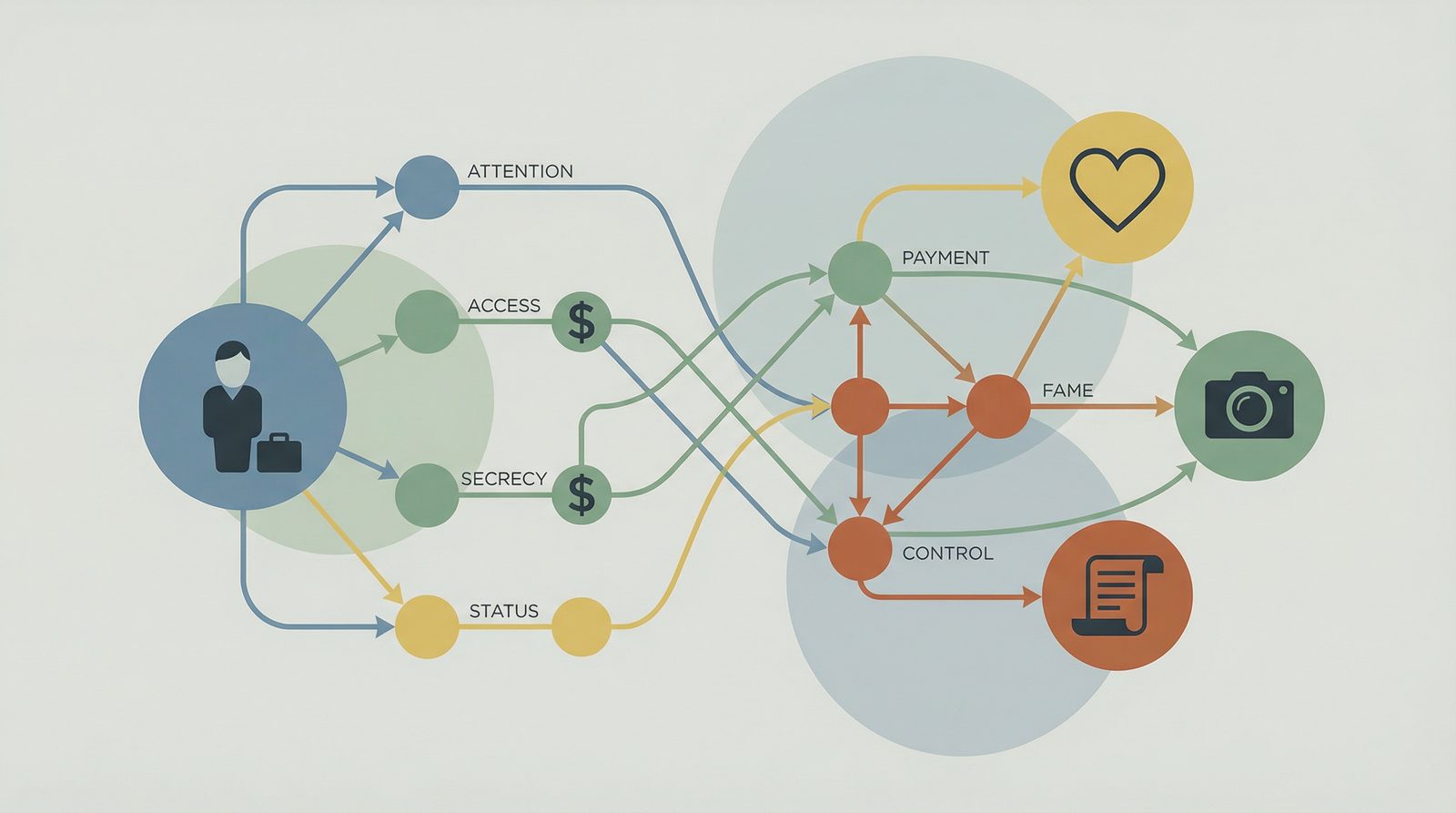
    Intimacy as Transaction appears in narratives where affection, desire, attention, or emotional closeness operates like currency. Characters learn that connection is not freely given. It comes with conditions. It can be traded, withheld, or bought. In these stories, relationships are shaped by power imbalance rather than mutual care.

    Sometimes the transaction is material. Sometimes it is emotional. Often it is invisible until the character steps back and recognizes the cost.

    Intimacy as Transaction inline concept image

    HOW IT WORKS IN NARRATIVE

    This motif often emerges when a character grows up inside a controlling home, navigates a predatory industry, or becomes involved with someone who uses intimacy as leverage. The narrative tension comes from how love and control intertwine. What appears affectionate is revealed to be conditional. What appears romantic is rooted in dominance.

    The arc usually involves awakening. A character realizes that love offered as reward or punishment is not love at all.

    Intimacy as Transaction inline diagram image

    WHERE WE SEE IT IN OUR LIBRARY

    • Confessions of a Video Vixen – Relationships operate as exchanges of fame, access, protection, or survival.
    • The Vixen Diaries – Affection and support shift based on status, desire, and leverage.
    • Open Book – Emotional intimacy becomes tied to validation, ego, and manipulation, especially in high-profile relationships.
    • The Woman in Me – Britney navigates relationships where affection is wielded as control.
    • I’m Glad My Mom Died – Parental love operates as reward and punishment, shaping Jennette McCurdy’s sense of worth.
    • Push – Precious experiences intimacy distorted by trauma and survival needs.

    The motif ties together stories of fame, abuse, childhood conditioning, and emotional manipulation.


    WHY IT MATTERS

    This motif is powerful because it reveals the mechanics behind relationships that otherwise look loving or glamorous. It exposes the cost of affection that has strings attached. It also speaks to agency. Characters who navigate this pattern often learn to redefine intimacy on their own terms.

    For readers, the motif helps illuminate patterns of emotional exploitation that are often invisible in real life.


    RELATED MOTIFS

    Power as Proximity
    The Commodified Body in Books
    The Double Self