Narrative Techniques: Point of View

  • The Amulet Of Samarkand (2003)

    The Amulet Of Samarkand (2003)

    INTRODUCTION

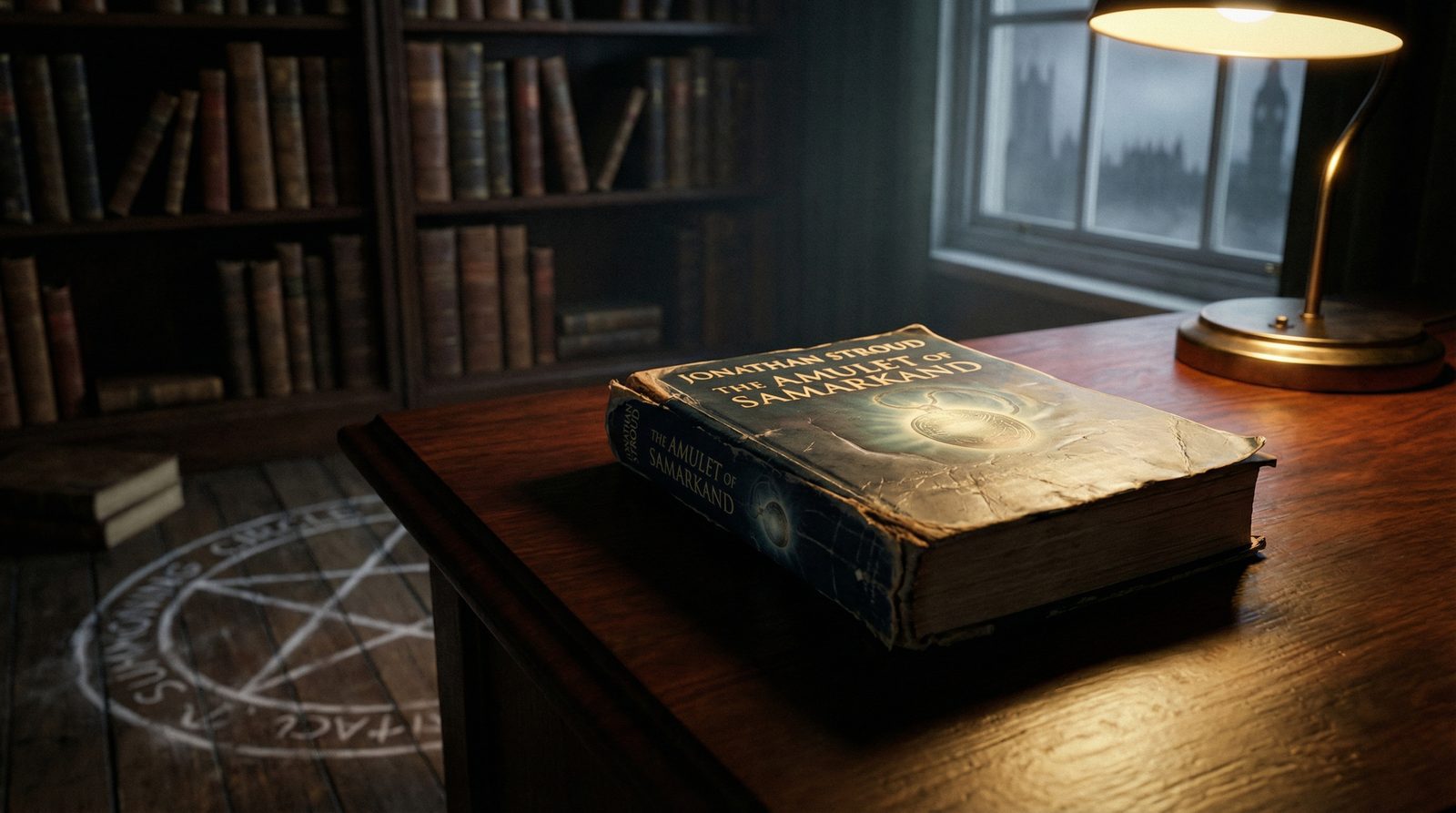
    The Amulet of Samarkand (2003) by Jonathan Stroud
    Fantasy · United Kingdom


    The Amulet of Samarkand is a children’s fantasy that refuses to stay safely childish. Set in an alternate London ruled by magicians, it pairs the dry, battered wit of a five-thousand-year-old djinni with the raw ambition of a boy who wants to matter in a system designed to grind him down.

    What begins as a petty act of revenge quickly expands into a political nightmare. Stroud builds a world where magic is bureaucratic, exploitative, and casually cruel. Incense and coal smoke hang in the air, but they do little to disguise the rot beneath the surface. The most honest voice in the book belongs to a spirit who insists he is the villain, and may be the only one telling the truth.

    PLOT & THEMES

    The story unfolds like a heist gone wrong. Nathaniel, a twelve-year-old apprentice in the Ministry of Internal Affairs, summons the djinni Bartimaeus to steal the Amulet of Samarkand from the arrogant magician Simon Lovelace. It is a classic supernatural bargain, but dangerously inverted: the summoner is a child, and he barely understands the contract he has entered.

    The theft draws them into a conspiracy aimed at overthrowing the government during a ceremonial gathering at Heddleham Hall. The amulet is both weapon and leverage, and its power escalates far beyond Nathaniel’s control. Each success deepens his entanglement with the very system he briefly threatens.

    Running beneath the action is the book’s central moral engine: slavery. Spirits are bound by their true names and summoned at great cost to themselves, while human society mirrors the same hierarchy. Commoners are kept ignorant and disposable. Magicians are themselves products of emotional mutilation, trained from childhood to suppress empathy in favor of control.

    The ending is deliberately bitter. Nathaniel uses the amulet to defeat Lovelace and stop a massacre, but his reward is assimilation. He takes a new name, John Mandrake, accepts promotion, and steps deeper into the machine he now understands. There is no triumph, only survival through compromise.

    PROSE & NARRATIVE STRUCTURE

    The novel’s defining technique is its dual narration. Nathaniel’s chapters are written in close third person, tight and defensive, while Bartimaeus narrates in first person, armed with sarcasm, historical digressions, and famously intrusive footnotes.

    This split perspective creates a form of narrative unreliability. Official history, state propaganda, and magician lore are constantly undercut by Bartimaeus’s asides about past empires, botched summonings, and conveniently forgotten atrocities. The footnotes quietly dismantle the authority of the main narrative without ever halting the plot.

    Stroud’s prose is clean and procedural. Magic is described as work: pentacles, summoning circles, planes of existence, and defensive wards. This emphasis on process grounds the fantasy in risk and labor rather than wonder, reinforcing the sense that power here is something managed, rationed, and abused.

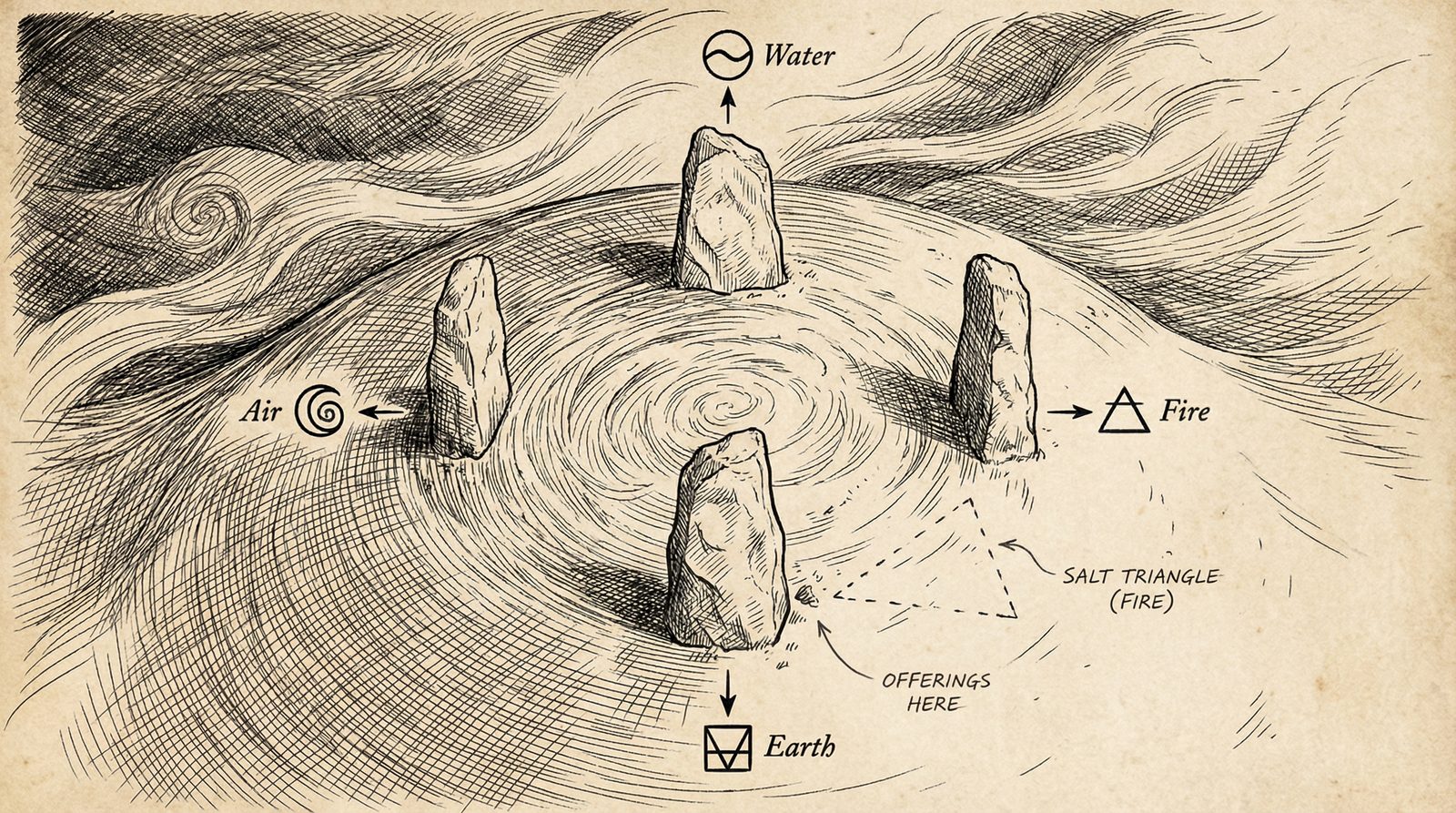
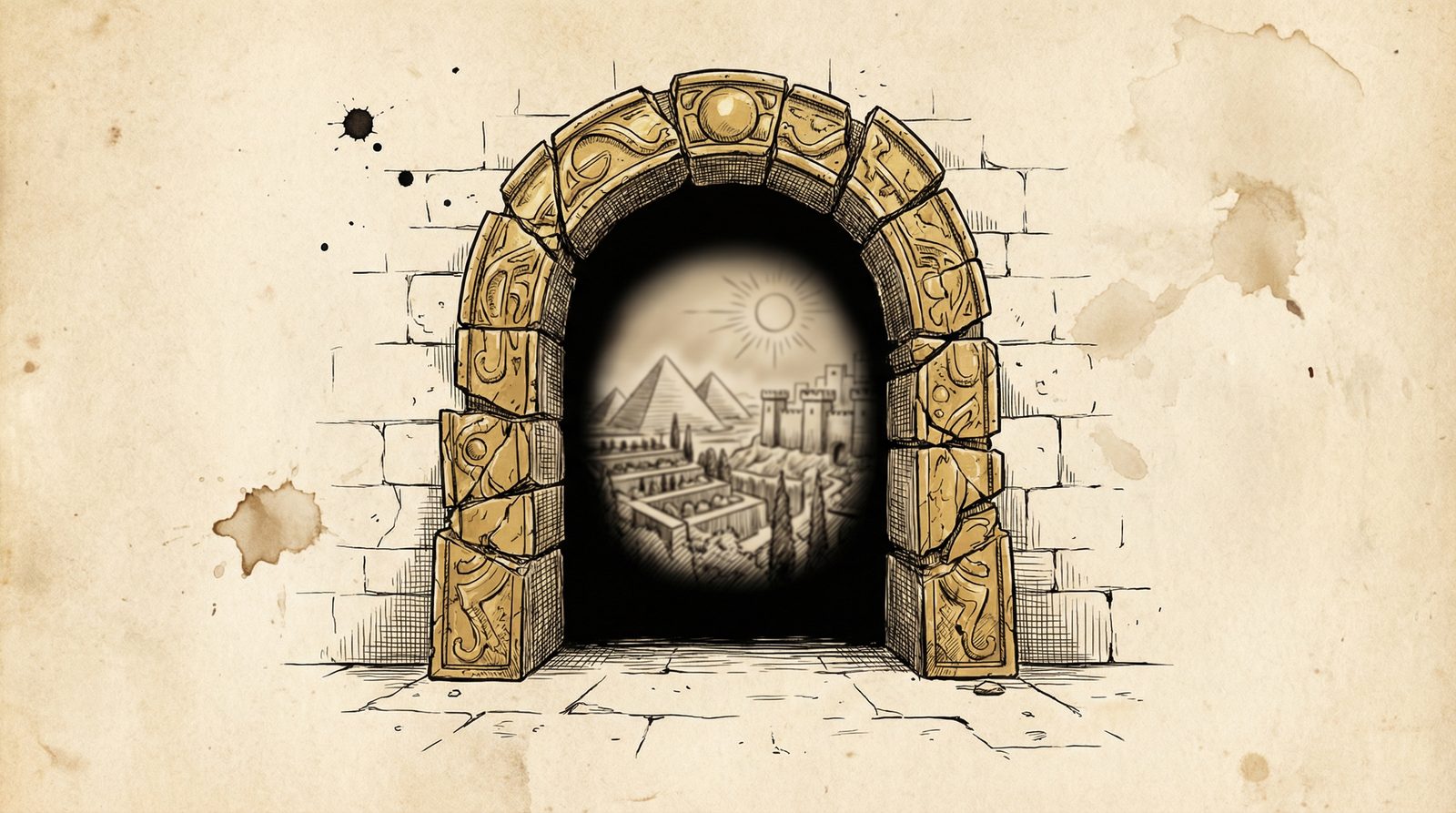
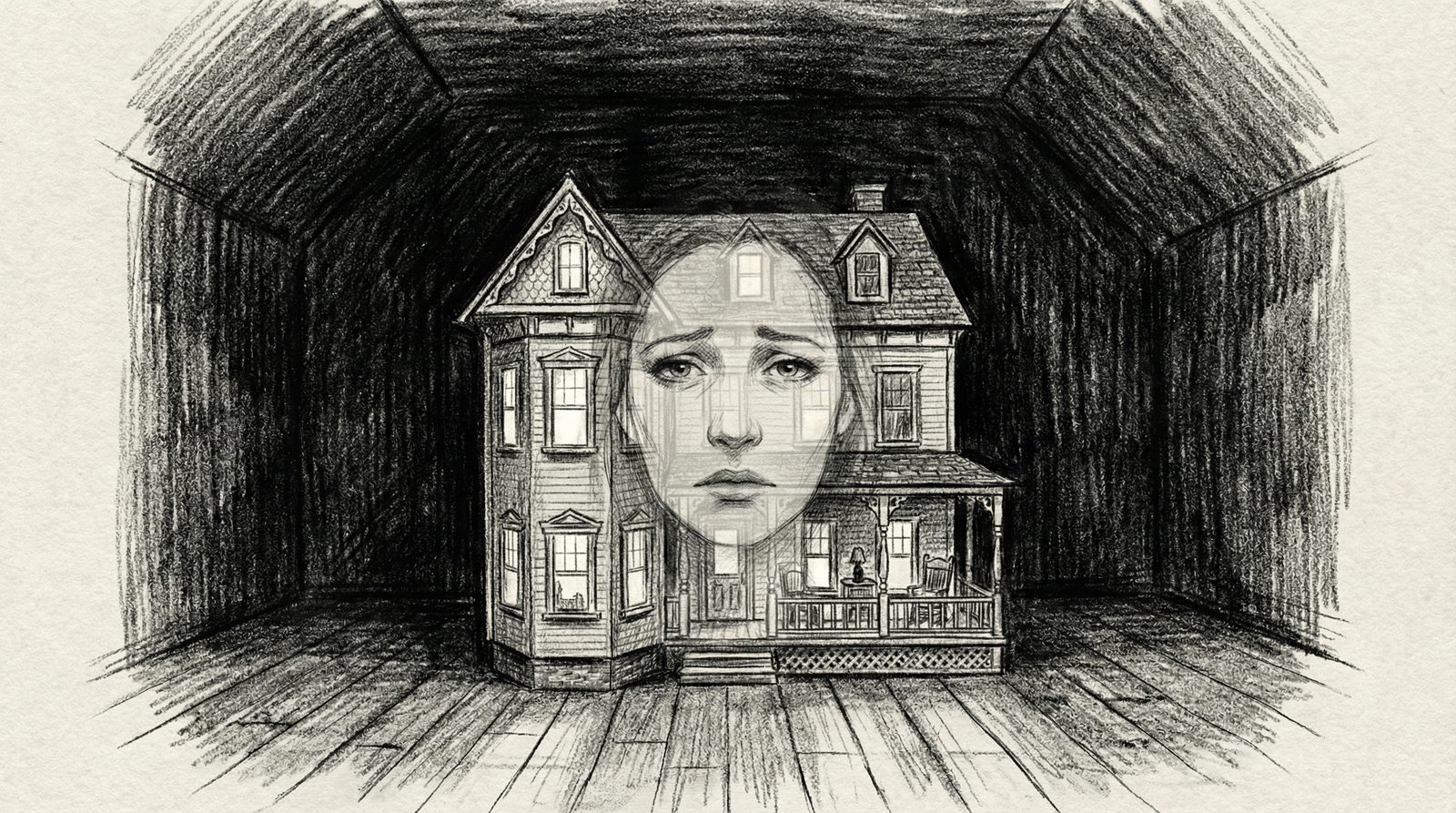
    Conceptual editorial illustration inspired by 'The Amulet of Samarkand'

    CHARACTERS & INTERIORITY

    Nathaniel begins as an ambitious prodigy desperate to escape humiliation. His interior life is defined by resentment, fear, and a relentless need for recognition. When his mentor’s wife, Mrs. Underwood, is killed in a magical attack, his grief is rapidly converted into further ambition. He knows this is wrong, and continues anyway.

    Bartimaeus masks trauma with humor. His boasts about serving Solomon or building ancient cities are a shield against millennia of forced labor. Moments of genuine concern, particularly when Nathaniel is in danger, break through rarely and therefore land hard.

    Secondary characters are sharply etched. Mr. Underwood embodies bureaucratic cruelty born of mediocrity. Kitty, though still peripheral in this volume, stands out for her refusal to accept the system’s logic at all, hinting at a resistance grounded not in magic but in ethics.

    LEGACY & RECEPTION

    Published at the height of the early-2000s fantasy boom, The Amulet of Samarkand distinguished itself by refusing easy heroics. While other series offered hidden schools and secret destinies, Stroud presented a state where magic runs the government and corrupts everyone it touches.

    The book has endured because of its unsentimental ending. Nathaniel survives, London survives, but the moral cost is not erased. That unresolved tension, between power gained and integrity lost, gives the novel its lasting bite and sets the tone for the rest of the trilogy.

    IS IT WORTH READING?

    This is not a comfort read. The humor is sharp, but the world is cruel, and the victories are compromised. If you are looking for fantasy that treats younger readers with seriousness and respects their capacity for moral discomfort, it is absolutely worth reading.

    The book is fast, funny, and deeply uneasy. It understands how systems absorb rebellion, how children are shaped into instruments, and how bargains made in anger rarely end cleanly.
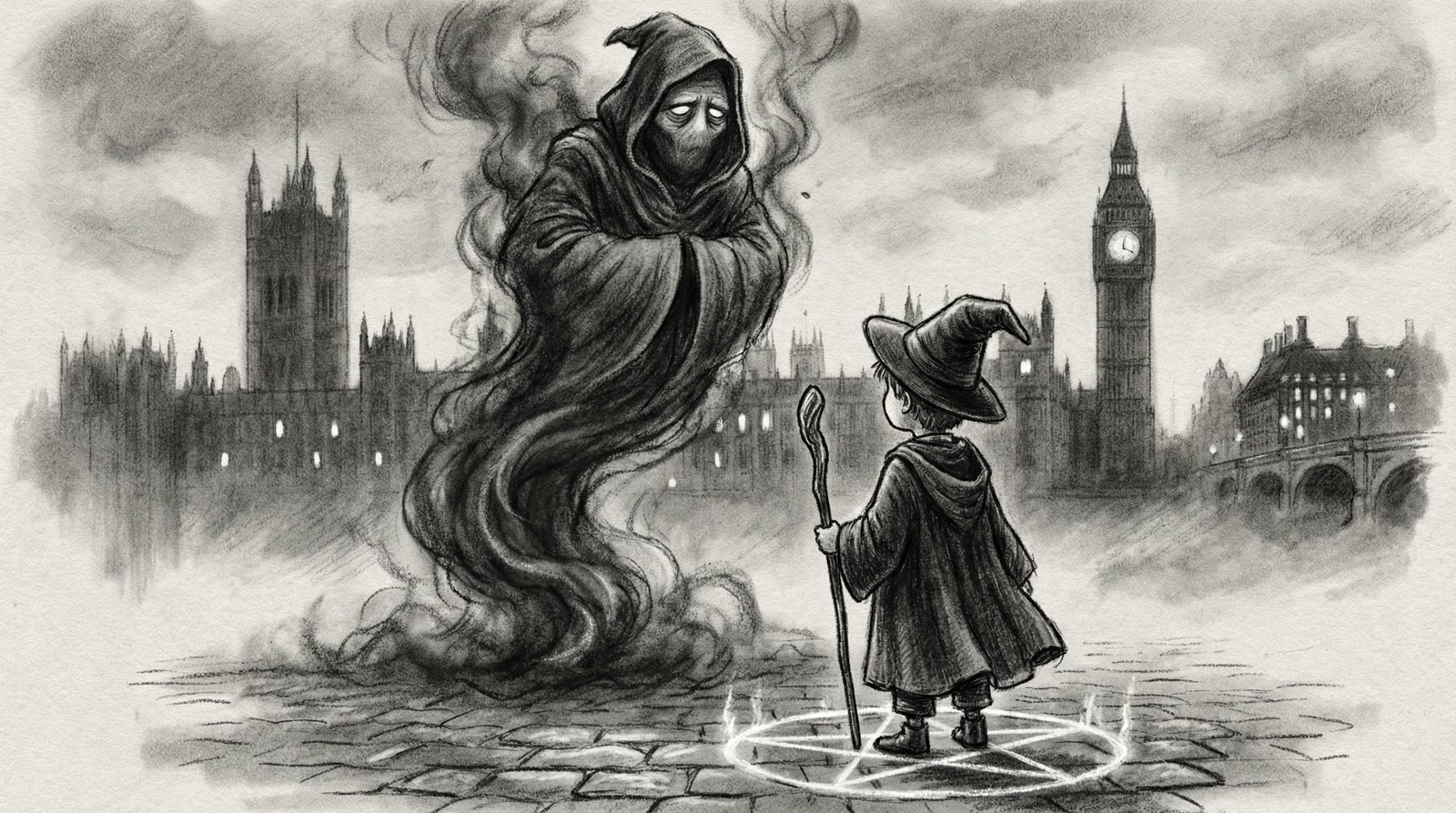
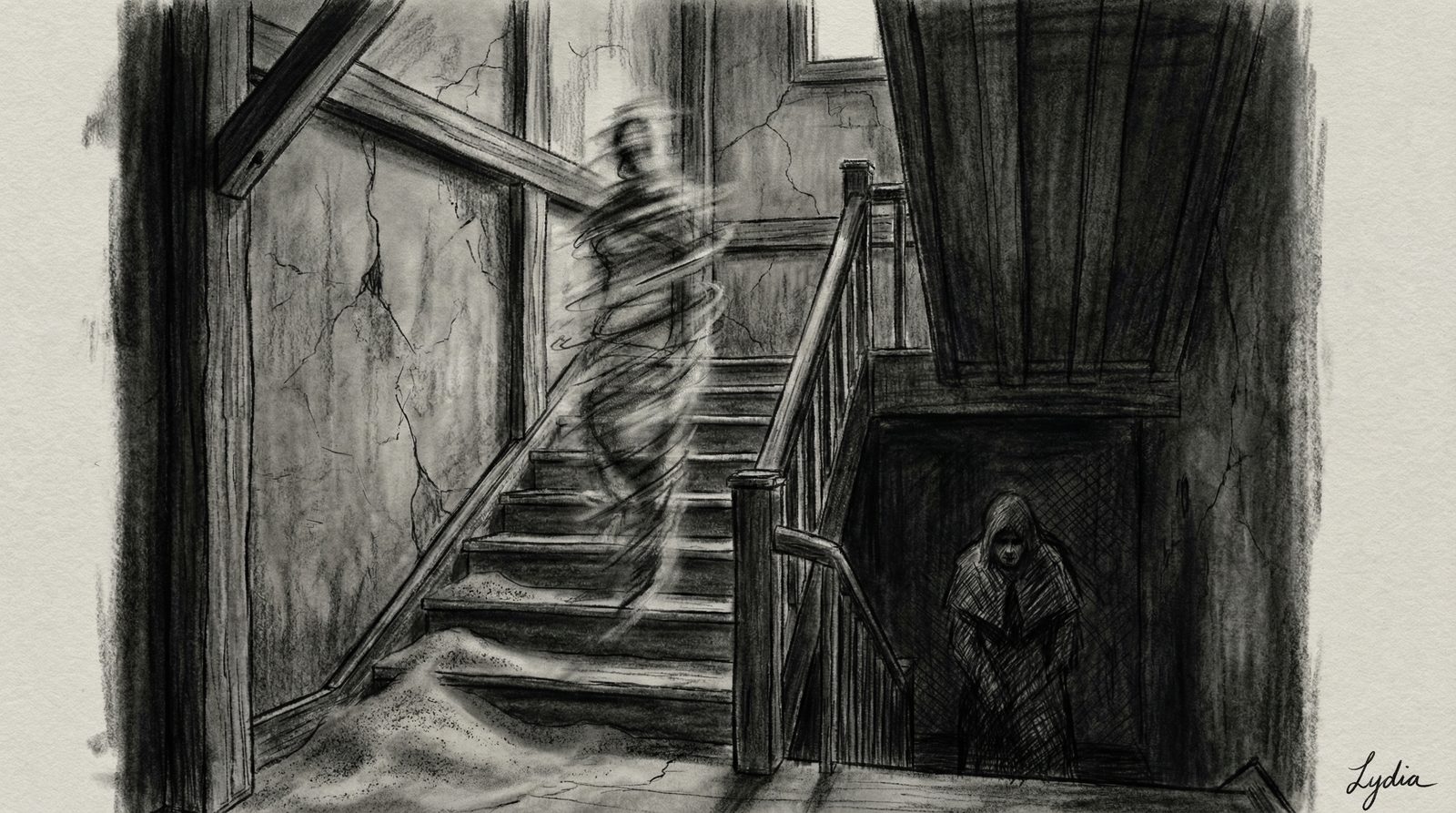
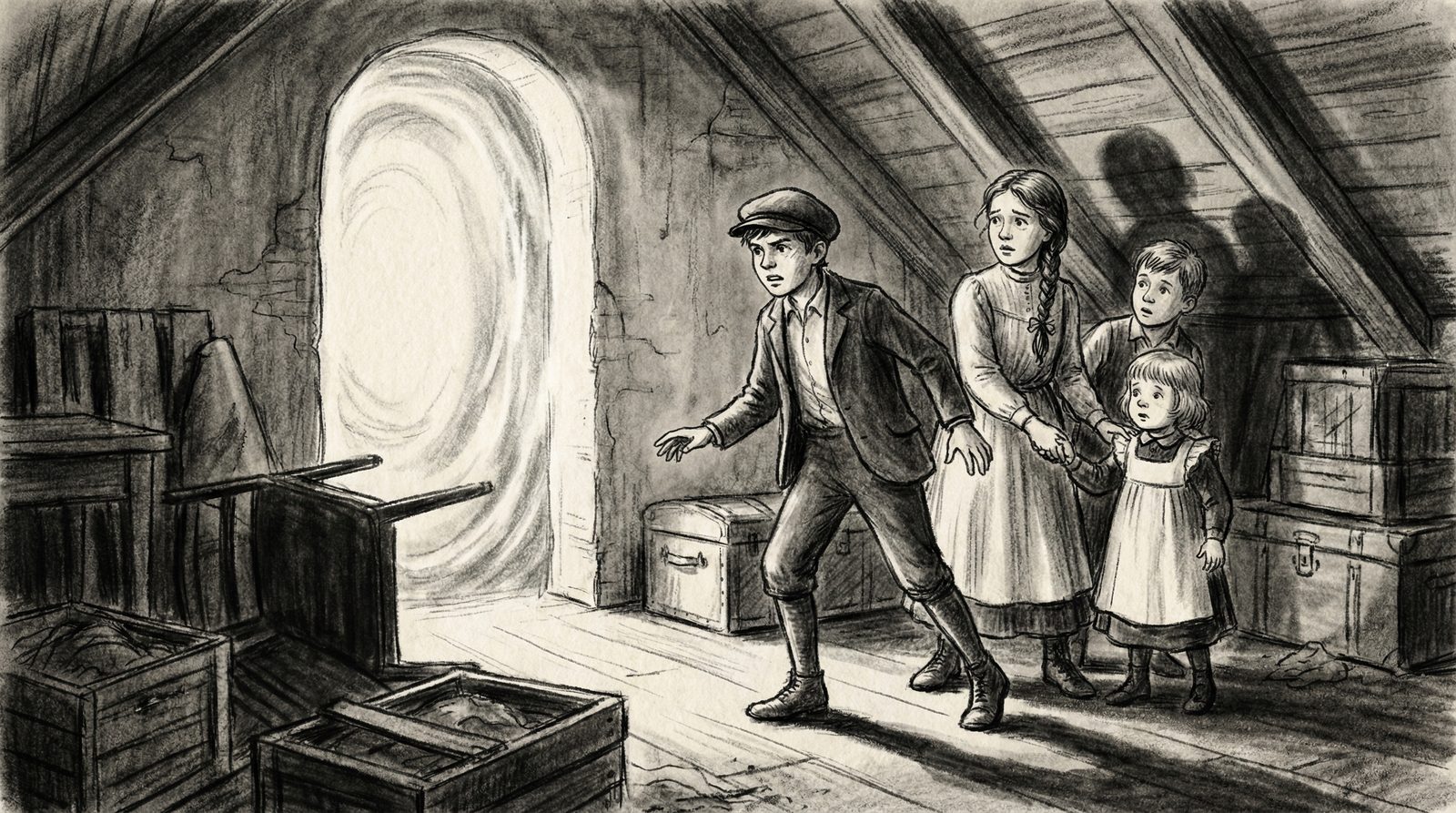
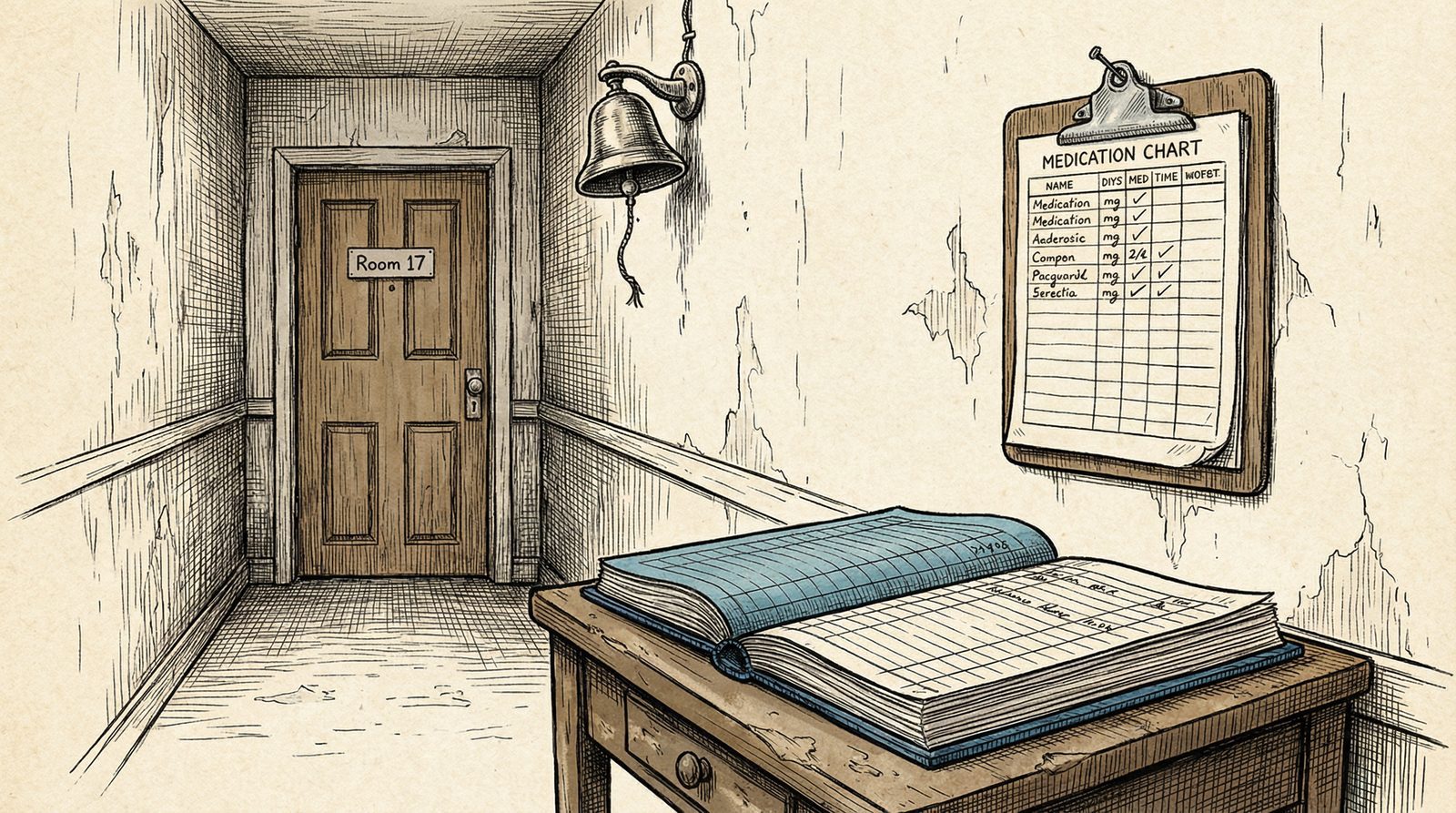
    Illustration inspired by a core idea from 'The Amulet of Samarkand'

    TRIVIA & AUTHOR FACTS

    Jonathan Stroud worked as a children’s editor before writing the Bartimaeus Sequence, and his editorial background shows in the book’s structural confidence. The novel launched a trilogy later expanded by a prequel.

    Bartimaeus’s footnotes were present from early drafts and quickly became the spine of the series. They allow Stroud to critique official history and power structures without halting the narrative, a technique that would influence later fantasy written for younger audiences.

    SIMILAR BOOKS

    Readers drawn to morally tangled magic may also appreciate His Dark Materials for its political theology, or The Magicians for a later, more cynical exploration of power and escapism. For a younger-skewing comparison, Artemis Fowl offers a lighter but still rule-bound take on criminal genius and supernatural bureaucracy.

    DISCOVERABILITY & LINKS

    DISCOVERABILITY & LINKS

  • The Elementals (1981)

    The Elementals (1981)

    By: Michael McDowell
    Genre: Horror, Southern Gothic
    Country: United States


    INTRODUCTION

    The Elementals (1981) is the book that turned McDowell from a strong paperback horror writer into a cult legend. Two old Southern families, the Savages and the McCrays, retreat to their summer houses on the isolated Alabama coast to mourn a death. There, they confront a third house partially buried by sand – a structure that may or may not be empty.

    It is a slow, suffocating novel that treats the haunted house as a living, hungry presence and family tradition as a kind of curse. The book crystallizes motifs like Domestic Vulnerability as Horror and Trauma as Inheritance more cleanly than almost anything else in McDowell’s catalog.

    PLOT & THEMES

    After the funeral of Marian Savage, the extended family heads to Beldame, their cluster of Victorian houses on the Gulf. Two houses are occupied. The third, House Three, is abandoned and steadily being swallowed by sand. Young India McCray becomes fascinated by it, sensing both danger and invitation. Strange figures are glimpsed in the windows. Sand appears in places it should not.

    The plot moves slowly, drifting between lazy vacation scenes, family arguments, and increasing incursions from House Three. As the book unfolds, it becomes clear that the families have lived with this horror for generations, building traditions and taboos around it rather than confronting it. That secrecy is the true engine of the story.

    Thematically, the novel is about denial. The adults embody Identity Collapse in Isolation, living half in the present and half in inherited scripts. India, by contrast, is curious and resistant, closer to The Reclaimer archetype. The Elementals themselves are barely explained, which keeps the focus on how humans respond to them rather than on lore.

    STYLE & LANGUAGE

    McDowell’s prose here is patient and confident. He lets whole chapters go by with nothing more violent than a family meal or a beach excursion, trusting that the buried house and creeping sand are enough to keep tension simmering. The descriptions of heat, wind, and isolation are so precise that you can almost feel the grit between your teeth.

    Crucially, the horror is described in the same matter-of-fact tone as the domestic scenes. When the book finally delivers its most disturbing images, they land hard because they feel like a natural extension of the same physical world. That restraint and commitment to realism make the hauntings here some of the most effective in modern horror.

    Conceptual editorial illustration inspired by 'the elementals'

    CHARACTERS & INTERIORITY

    India is one of McDowell’s finest protagonists: bright, prickly, and not easily scared in the conventional sense. She is caught between generations, watching the adults around her drink, snipe, and retreat into old roles. Her relationship with her father, Luker, and with the eccentric Adele Savage gives the novel its emotional shape.

    The adults are at once sympathetic and frustrating. They refuse to talk openly about the Elementals, which is both a survival tactic and a form of cowardice. This dynamic is a textbook example of Trauma as Inheritance: the previous generation survives something terrible and then fails to equip the next generation with the knowledge they need, passing along fear instead of tools.

    LEGACY & RECEPTION

    The Elementals has become a key text in modern Southern Gothic, mentioned alongside works like Blackwater whenever critics talk about drowned towns, haunted houses, and family ghosts. It is frequently recommended as an entry point for readers curious about McDowell and has influenced a long list of later coastal and house-centric horror novels.

    Its reputation has grown significantly since its initial paperback run, thanks in part to reissues and championing by contemporary writers. When people talk about “quiet horror” or atmosphere-driven dread, this is often the book they have in mind.

    IS IT WORTH READING?

    Yes – if you read only one McDowell novel, it should probably be The Elementals. The pacing is measured, so readers who want constant jump scares may find it slow, but the payoff is immense if you like lingering, uncanny atmosphere. It also connects cleanly to the rest of his work, making it a perfect hub text before diving into Cold Moon Over Babylon or the much longer Blackwater.

    Illustration of a core idea or motif from 'the elementals'

    SIMILAR BOOKS

    For more coastal and house-based horror, Candles Burning brings a similar sense of Southern atmosphere and haunted family legacy. Readers who enjoy multi-generational sagas with eerie settings should look at Blackwater: The Complete Caskey Family Saga. Outside McDowell’s own work, this novel pairs well with other haunted house classics and modern Southern Gothic, especially books that treat place as a living character.

    DISCOVERABILITY & LINKS

  • Cold Moon over Babylon (1980)

    Cold Moon over Babylon (1980)

    By: Michael McDowell
    Genre: Horror, Southern Gothic
    Country: United States


    INTRODUCTION

    Cold Moon Over Babylon (1980) is McDowell’s river book, a story where grief and revenge seep out of the Florida wetlands. After a young girl named Margaret Larkin is murdered, something rises from the Styx River to avenge her, and the town of Babylon discovers that the dead do not always stay still. It is one of McDowell’s purest ghost stories and one of his most emotionally direct novels.

    Where The Amulet is jagged and angry, Cold Moon Over Babylon is mournful. It leans into the motif of Trauma as Inheritance, but here the trauma belongs to a family trying to survive poverty, corruption, and divine indifference. The book feels like a bridge between pulp revenge horror and the more elegiac tone of The Elementals.

    PLOT & THEMES

    The Larkin family runs a struggling farm in Babylon. When teenage Margaret is found dead in the river, her grandmother Evelyn and brother Jerry are left shattered and nearly destitute. The town’s powerful families – who control the local economy and politics – close ranks. The official investigation is half-hearted at best, openly corrupt at worst.

    Then strange things start happening along the Styx. Lights in the water. Cold spots. Apparitions. The haunting escalates into a series of set pieces where guilty parties are stalked by what seems to be Margaret’s vengeful ghost. These scenes are structured almost like morality plays, but McDowell complicates the satisfaction of revenge by showing the ongoing suffering of those who loved her.

    The central themes are justice, class, and the cost of ignoring the vulnerable. Margaret is an example of The Erased Girl: a young woman dismissed by the town while alive and transformed into a terrifying symbol once dead. Babylon’s elites treat her family as disposable, and the haunting reads like the landscape itself refusing that verdict.

    PROSE & NARRATIVE STRUCTURE

    McDowell’s prose here is evocative without ever becoming purple. The river scenes are vivid, humid, and strangely beautiful, even as terrifying things happen on the water. He uses repetition – the steady return to the Styx, the recurring image of the cold moon – to create an almost ritual rhythm. You feel the cycles of tide and night as strongly as the rising panic.

    The pacing alternates between quiet domestic moments and explosive supernatural events. This contrast keeps the book from becoming simple revenge fantasy. The Larkins’ financial struggle and emotional collapse play out in scenes that would be compelling even without ghosts, and that realism grounds the surreal horror.

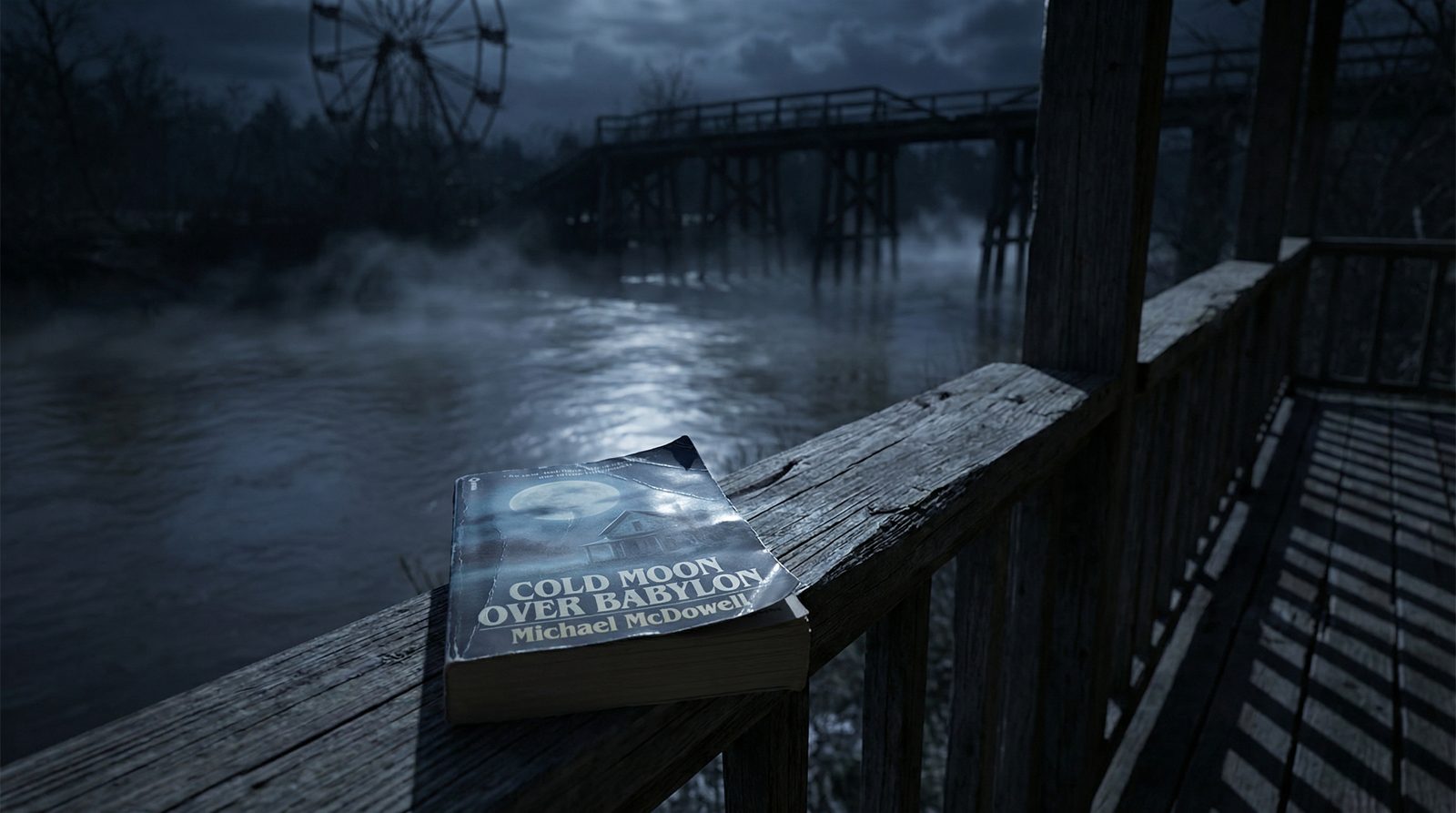
    Conceptual editorial illustration inspired by 'cold moon over babylon'

    CHARACTERS & INTERIORITY

    Evelyn Larkin is the heart of the novel: a grandmother clinging to dignity as her world falls apart. She embodies the archetype of The Witness, someone who survives long enough to see the truth but pays for that knowledge with isolation and grief. Jerry, Margaret’s brother, carries a different kind of weight – he is a teenager asked to become an adult overnight, and his helpless anger directs much of the book’s emotional charge.

    The antagonists are not monsters but businessmen, sheriffs, and pillars of the community. That choice underlines McDowell’s recurring interest in Domestic Vulnerability as Horror: the institutions that should protect you are the ones that failed you, so the only remaining justice comes from something older and less merciful than law. The relationships between families, churches, and local power structures feel painfully plausible.

    LEGACY & RECEPTION

    Cold Moon Over Babylon sits comfortably beside other American rural horror of the period, but McDowell’s Southern specificity sets it apart. The book engages quietly with themes of agricultural collapse, the fragility of small landowners, and the way wealth concentrates in a few hands. It is also one of his clearest explorations of Survival Narratives, even when that survival is more spiritual than economic.

    The novel has had a slower burn in terms of reputation than The Elementals, but modern reissues have helped cement it as one of McDowell’s finest works. Its recent film adaptation under the shorter title Cold Moon has also introduced the story to new viewers, even if the book remains the deeper and more resonant version.

    IS IT WORTH READING?

    Absolutely. If you want one McDowell novel that combines emotional heft with classic ghost story pleasures, Cold Moon Over Babylon is a prime candidate. It is less baroque than Blackwater and more focused than Candles Burning, making it a strong entry point for readers who like their horror both sad and sharp.

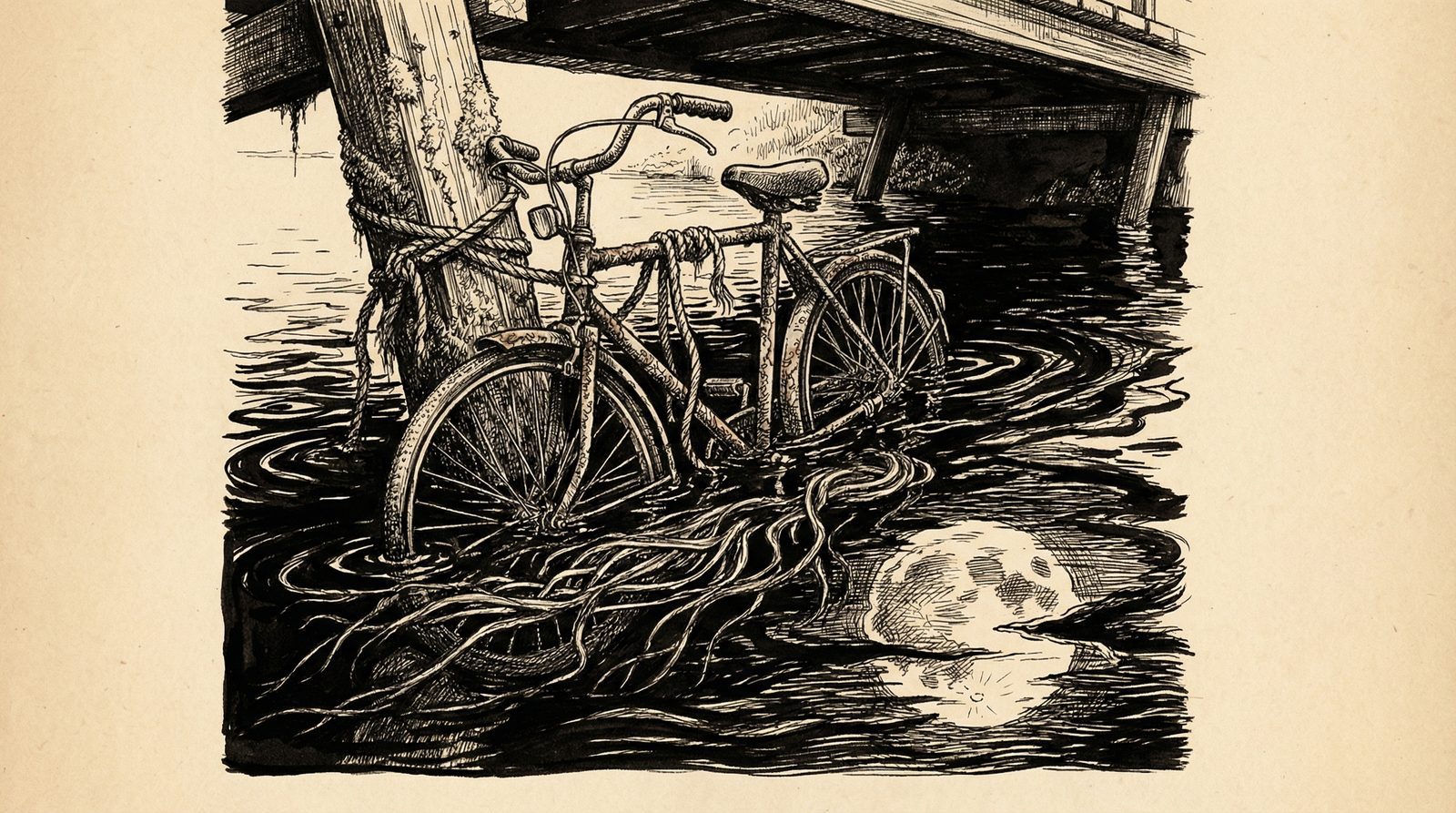
    Illustration of a core idea or motif from 'cold moon over babylon'

    TRIVIA & AUTHOR FACTS

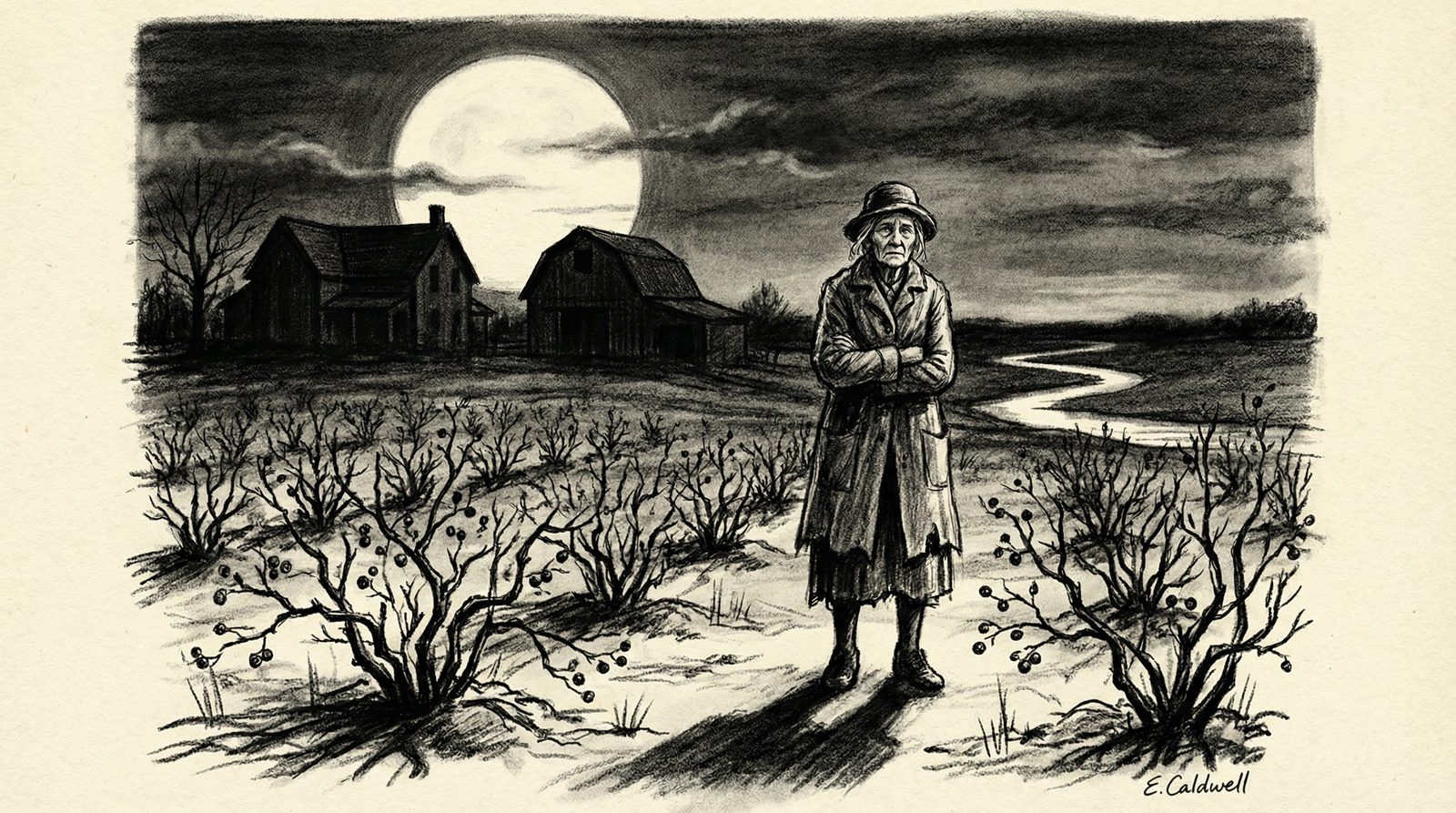
    Michael McDowell was a prolific writer, juggling paperback originals, screenplays, and tie-ins with an almost workmanlike discipline. A native of Alabama, he knew the Deep South’s humid landscapes and social hierarchies from the inside, which shows in the way Babylon’s church ladies, sheriffs, and bankers move through the book. He reportedly loved physical ephemera-old documents, photographs, legal records-and that archival obsession seeps into cold moon over babylon through its snippets of testimony and local history. The novel’s focus on a failing blueberry farm was unusual in horror at the time; McDowell gives as much attention to irrigation, crop yields, and bank notes as to ghosts. He later wrote screenplays and teleplays, but his paperback horror has outlived much of the era’s more hyped work, kept alive by readers who pass dog-eared copies along like a secret. His early death in the 1990s cut short a career that was still evolving.

    SIMILAR BOOKS

    Readers drawn to river and marsh settings will likely enjoy The Elementals, with its decaying beach houses and encroaching sand. For more multi-generational dread and small-town politics, Blackwater offers a much larger canvas. If you are interested in how McDowell’s themes translate into collaboration, Candles Burning continues his fascination with murdered children, inheritance, and Southern justice.

  • The Amulet (1979)

    The Amulet (1979)

    By: Michael McDowell
    Genre: Horror, Southern Gothic
    Country: United States


    INTRODUCTION

    The Amulet (1979) is Michael McDowell’s debut novel and a mission statement for everything he would do later. Set in the small Alabama town of Pine Cone, it follows Sarah Howell as she watches a mysterious charm move from hand to hand, turning ordinary objects into engines of gruesome death. Beneath the splatter, the book is about resentment, economic stagnation, and how a community quietly decides who deserves to suffer.

    Already you can see McDowell’s fixation on cursed domestic life: the story is less about the amulet itself and more about how hatred travels through families and neighbors. Readers who later love Cold Moon Over Babylon or The Elementals will recognize the seeds of Trauma as Inheritance and Domestic Vulnerability as Horror already taking root.

    PLOT & THEMES

    The novel begins with a factory accident that leaves Sarah’s husband, Dean, grotesquely maimed and comatose. Dean’s mother, Jo Howell, is bitter, controlling, and obsessed with punishing everyone she imagines wronged her son. When a sinister amulet comes into her possession, Jo starts passing it along as a “gift”. Wherever it goes, bizarre and violent deaths follow: a gun range, a beauty pageant, a seemingly quiet home. Each new victim is tied back to Pine Cone’s gossip, grudges, or petty power plays.

    The horror is structured almost like a chain letter. McDowell cycles through different households and workplaces, showing how a small town is stitched together by class resentment, racism, and fear. The amulet does the killing, but the town supplies the motive. This is a textbook example of Trauma as Inheritance: old anger is handed down, objectified, and weaponized until it consumes everyone in reach.

    Another key thread is complicity. Sarah is not a typical Final Girl. She is exhausted, broke, and trapped between a monstrous mother-in-law and a husband who was never much of a prize. Pine Cone itself becomes a character, a place where people know something is wrong and mostly choose to look away. The town’s refusal to intervene, even as the body count rises, is what pulls this into the realm of domestic-political horror rather than just a curse story.

    STYLE & LANGUAGE

    McDowell writes in brisk, clear prose that never slows down to admire itself. The sentences are lean, the chapters short, and the deaths described with a chilly matter-of-factness that makes them feel nastier than purple description ever would. His background in Southern life and funerary culture shows up in the details: the rituals around accidents, the formal language of condolences, the way a town crowds in and then pulls away from tragedy.

    The book slides effortlessly between viewpoints, giving each victim just enough depth that their fates sting. There is a pulpy pleasure in the outrageous set pieces, but McDowell’s control keeps the novel from tipping into parody. The tone is closer to angry social realism with supernatural teeth than to camp. This balance between swift plotting and emotional specificity is part of what later makes Blackwater and Candles Burning so effective.

    Conceptual editorial illustration inspired by 'the amulet'

    CHARACTERS & RELATIONSHIPS

    Sarah is an early version of the McDowell heroine: intelligent, limited in obvious power, and forced to navigate a hostile domestic landscape. Her relationship with Jo is the book’s real center. Jo is not a cackling witch so much as a recognizable type from small-town life, a woman whose world has narrowed to grudges and control. Through their clash, McDowell sketches a generational conflict where the younger woman wants a life beyond the town and the older one would rather see everything burn than lose control.

    Secondary characters – town officials, co-workers, gossipy neighbors – are sketched with quick, memorable strokes. Many of them embody Identity Collapse in Isolation: people whose lives are so small and boxed in that when horror touches them, they have nothing to fall back on. The amulet doesn’t just kill them physically. It exposes how little room they had to be anything but victims in the first place.

    CULTURAL CONTEXT & LEGACY

    Released at the end of the 1970s paperback boom, The Amulet is very much a product of its era, yet it has aged better than many of its contemporaries. Its focus on economic frustration, toxic nostalgia, and small-town rot feels surprisingly current. You can see why McDowell would later be tapped for projects like Beetlejuice and why The Elementals has become a cult classic: he understood how to make local, specific horror feel mythic.

    For readers tracing McDowell’s career, this is where to start. It shows his early interest in Domestic Vulnerability as Horror and the way household objects, marriages, and mother-in-law jokes can become genuinely terrifying. It is rougher than later work, but the voice is already there – calm, ruthless, and deeply attuned to how ordinary people live with quiet rage.

    Illustration of a core idea or motif from 'the amulet'

    IS IT WORTH READING?

    If you are interested in the roots of modern Southern Gothic horror, The Amulet is essential. It is nasty in places, but never senselessly so, and beneath the shocks there is a serious interest in how communities decide who matters. Start here if you want to see McDowell in raw form before moving to the more expansive dread of Cold Moon Over Babylon or the spectral coastal decay of The Elementals.

    SIMILAR BOOKS

    If you like The Amulet, you may also appreciate the rural grief and supernatural vengeance of Cold Moon Over Babylon, the multi-generational river saga in Blackwater: The Complete Caskey Family Saga, and the haunted family narrative of Candles Burning. All of them develop the same obsessions with cursed inheritance, suffocating towns, and the quiet horror of being stuck where you were born.

    DISCOVERABILITY & LINKS

  • Identity Collapse in Isolation

    Identity Collapse in Isolation

    WHAT THIS MOTIF MEANS

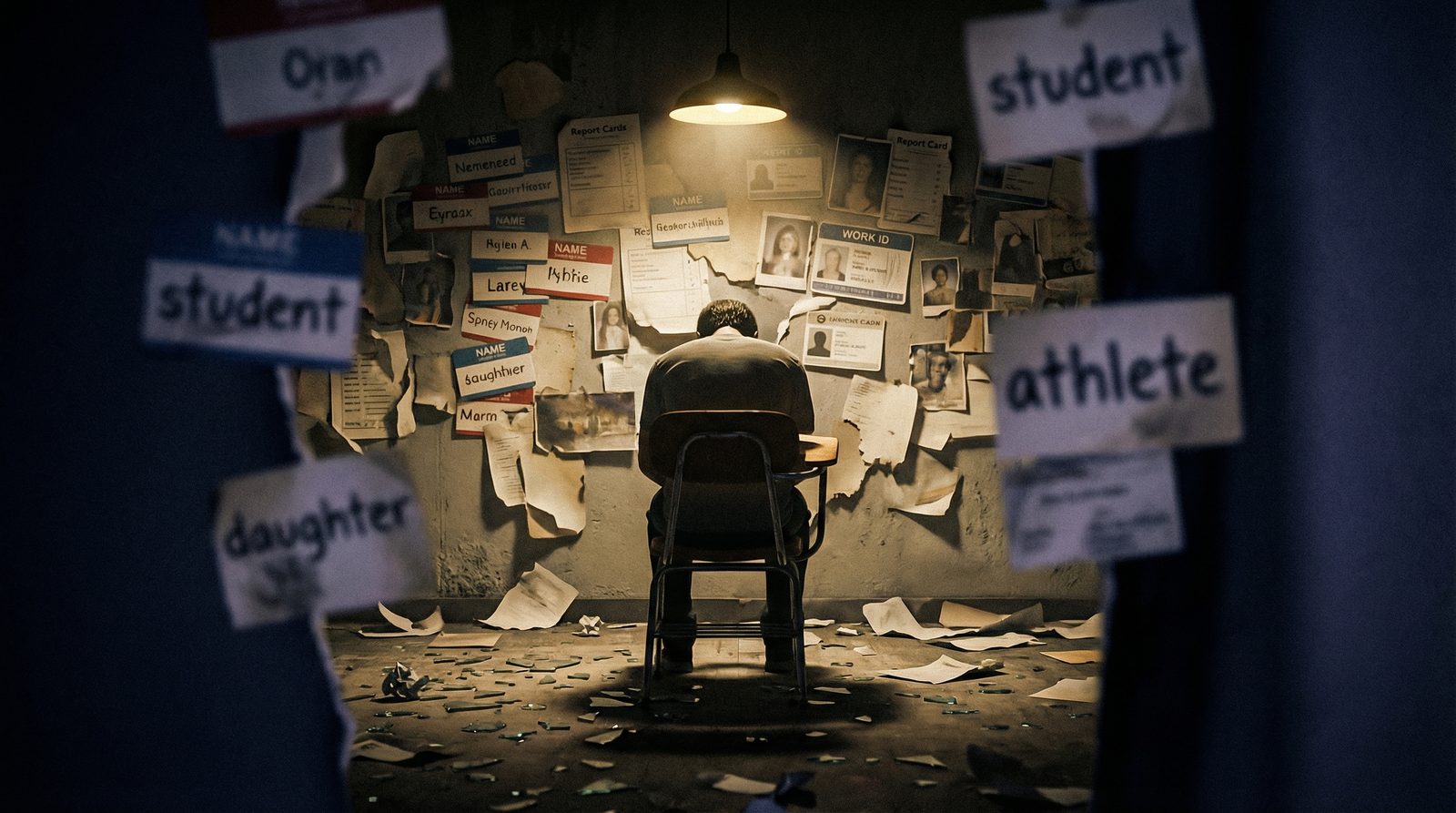
    Identity Collapse in Isolation describes the psychological unraveling that happens when a character’s sense of self is stripped of external anchors. Alone, misunderstood, or cut off from their usual environment, they lose the stabilising forces that normally tell them who they are. The collapse isn’t usually dramatic; it’s slow, quiet, and internal. Thoughts loop. Doubt magnifies. Reality bends inward.

    This motif thrives in stories where characters face pressure without support — academically, emotionally, socially, or physically. Their identities crumble under the weight of expectation or trauma, and the “collapse” becomes the catalyst for transformation, survival, or deeper harm.


    HOW IT WORKS

    The collapse typically begins with one destabilising event — rejection, trauma, loss, failure, or isolation. The character withdraws, either by choice or by circumstance. Without affirmation or grounding, their internal narrative shifts:

    • Daily routines lose meaning.
    • Internal monologues become repetitive or fragmented.
    • Fear, guilt, or pressure amplifies.
    • Self-image distorts.
    • Small triggers become psychological landmines.

    The motif often intertwines with anxiety, disassociation, and the feeling of being watched or judged, even when alone. It’s not about madness — it’s about the erosion of identity when all external mirrors break.


    Identity Collapse in Isolation inline concept image

    WHERE WE SEE IT

    This motif appears strongly in Tabitha King’s work. In One on One, Deanie’s entire sense of self fractures under community pressure and exploitation. In Survivor, A. P. Hill experiences a painful identity freefall after trauma destroys her ability to function in familiar spaces.

    Laurie Halse Anderson uses the motif sharply in Catalyst, where Kate Malone’s collapse begins the moment her carefully constructed academic identity fails. The momentum of her breakdown feels claustrophobic because the isolation is both emotional and self-imposed.

    Even Jill Paton Walsh’s The Green Book reflects this motif at a gentler level, with colonists forced to redefine themselves on a foreign planet where nothing familiar exists. Isolation becomes not just physical, but existential.


    WHY IT MATTERS

    The motif resonates because it sits at the intersection of fear and transformation. It shows how fragile identity can be when its scaffolding collapses — when relationships fail, routines vanish, or expectations crumble.

    Stories built on this motif challenge readers to confront uncomfortable truths: who are we when no one is looking? Who are we without validation? What happens when the internal voice becomes hostile or unreliable?

    Identity Collapse in Isolation often precedes either a breakthrough or a breakdown. It’s a narrative pivot point, not an endpoint. Characters emerge stronger, shattered, or fundamentally changed — but never the same.


    Identity Collapse in Isolation inline diagram image

    ARCHETYPES & VARIANTS

    The motif intersects cleanly with archetypes like The Double Self, where characters must perform one identity while privately breaking down. It also aligns with The Survivor Confessor, who must rebuild identity after trauma strips it away.

    Variants include:

    • The perfectionist collapse – when a character’s identity is built entirely on achievement.
    • The trauma-driven shell – when external shock disrupts internal stability.
    • The relational void – when isolation is social, not physical.
    • The environmental erasure – when characters lose culture, context, or home.


    RELATED MOTIFS & WORKS

    This motif pairs closely with Domestic Vulnerability as Horror and connects to the speculative pressure of Future Shock as Transformation.

    Strong examples include One on One, Survivor, Catalyst, and the milder but thematically aligned The Green Book.

  • Catalyst (2002)

    Catalyst (2002)

    By: Laurie Halse Anderson
    Genre: Young Adult, Domestic Psychological Fiction
    Country: United States


    INTRODUCTION

    Laurie Halse Anderson’s Catalyst (2002) occupies similar emotional territory to Speak, but channels it through a different kind of pressure: academic obsession, perfectionism, and the way grief can blindside a family that is already running too hot. The novel follows Kate Malone, a high-achieving, tightly wound senior whose entire identity is wrapped around a single goal, getting into MIT. When that plan collapses, so does the fragile structure she has built around herself.

    The book is not a thriller. It is a psychological spiral, written with Anderson’s usual blend of sharp dialogue, clipped pacing, and emotional honesty. It was one of the most heavily linked YA titles in the old AllReaders database, and rebuilding it gives us a clean, modern anchor for long-tail traffic around trauma, perfectionism, and coming-of-age narratives.


    PLOT & THEMES

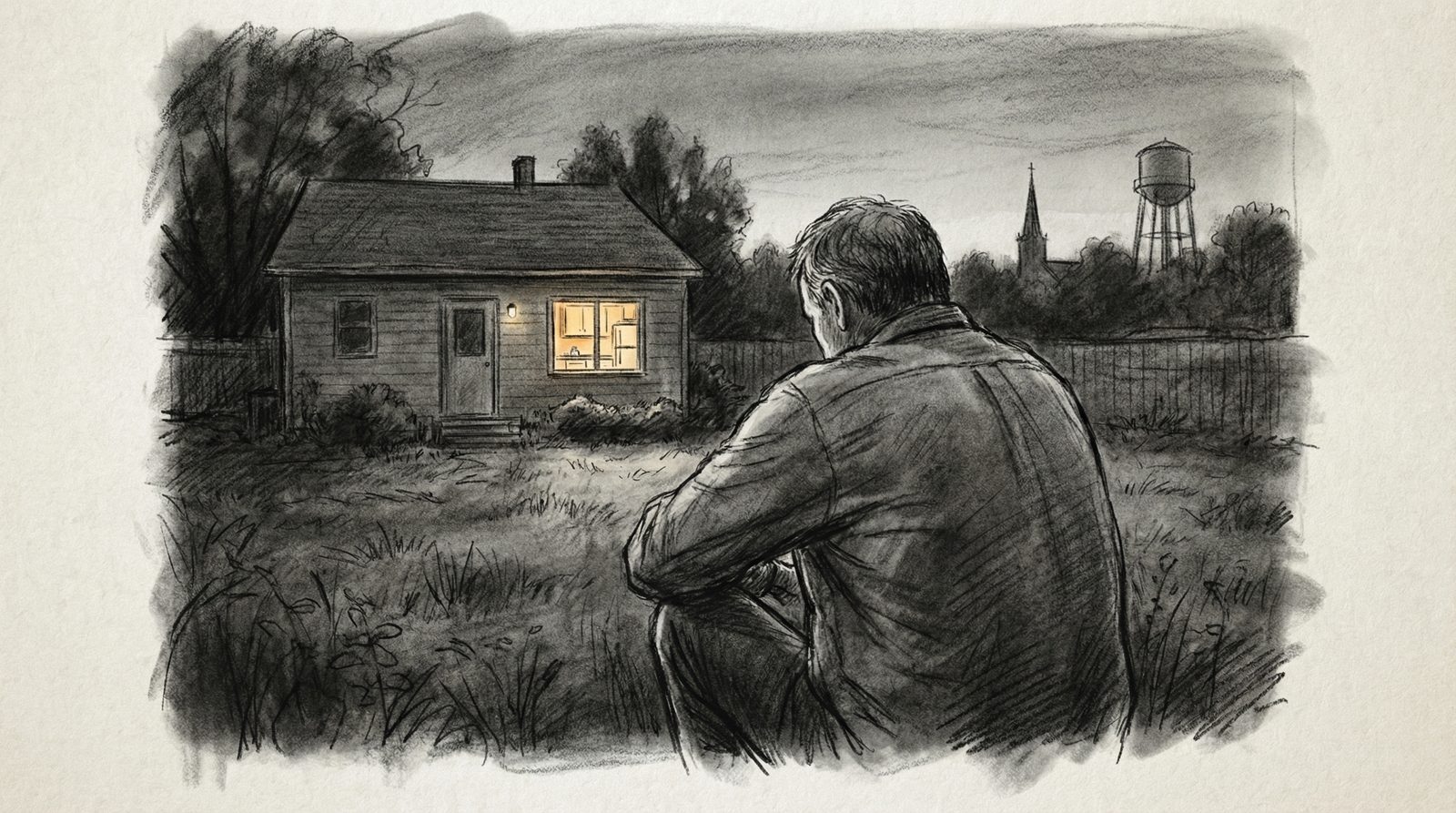
    Kate Malone is used to control. She runs, she studies, and she manages her household while her pastor father tends to everyone else. Her application to MIT is not just a college plan. It is the foundation of her entire identity. When the rejection letter arrives, Kate’s sense of self fractures almost immediately.

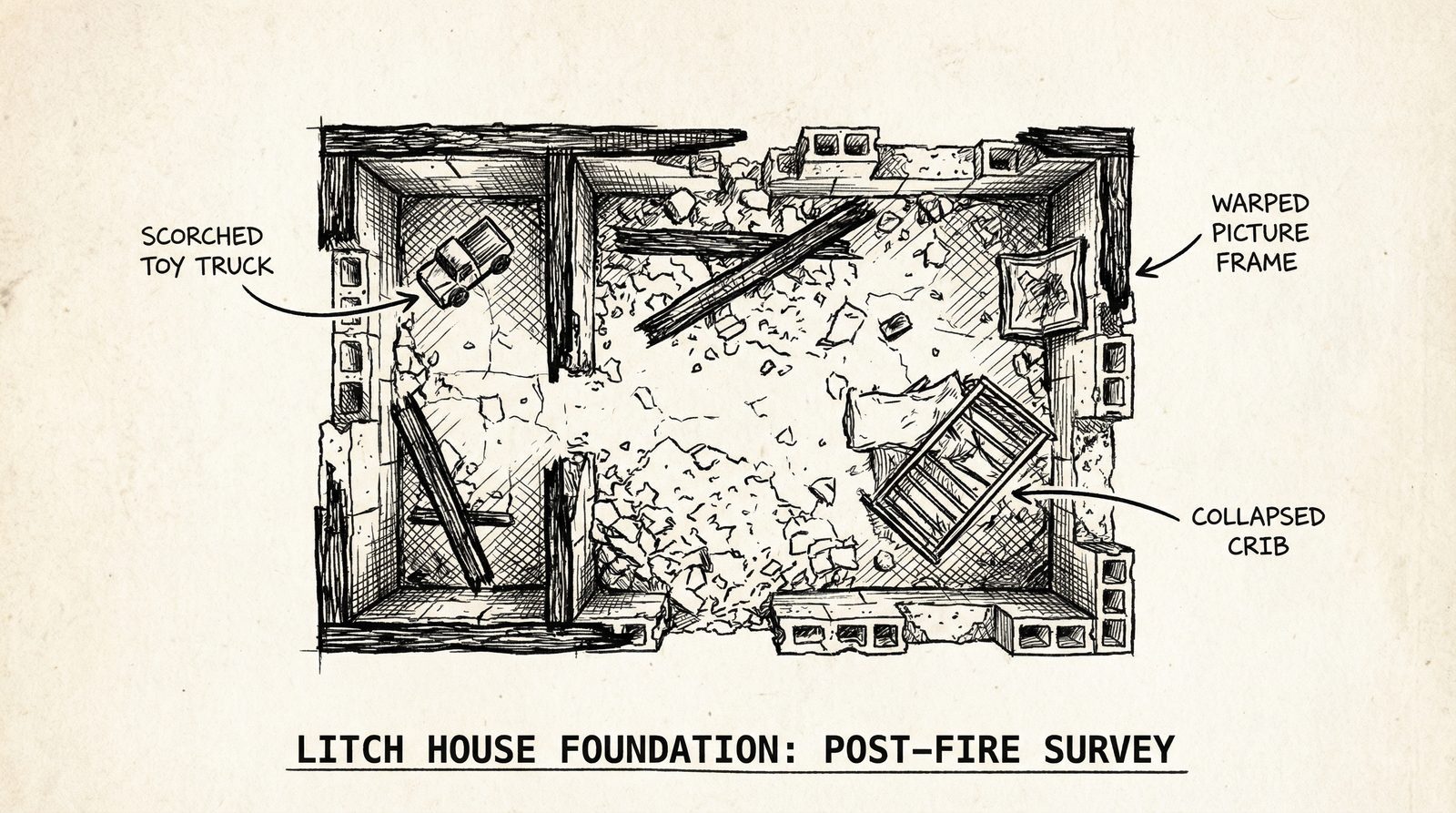
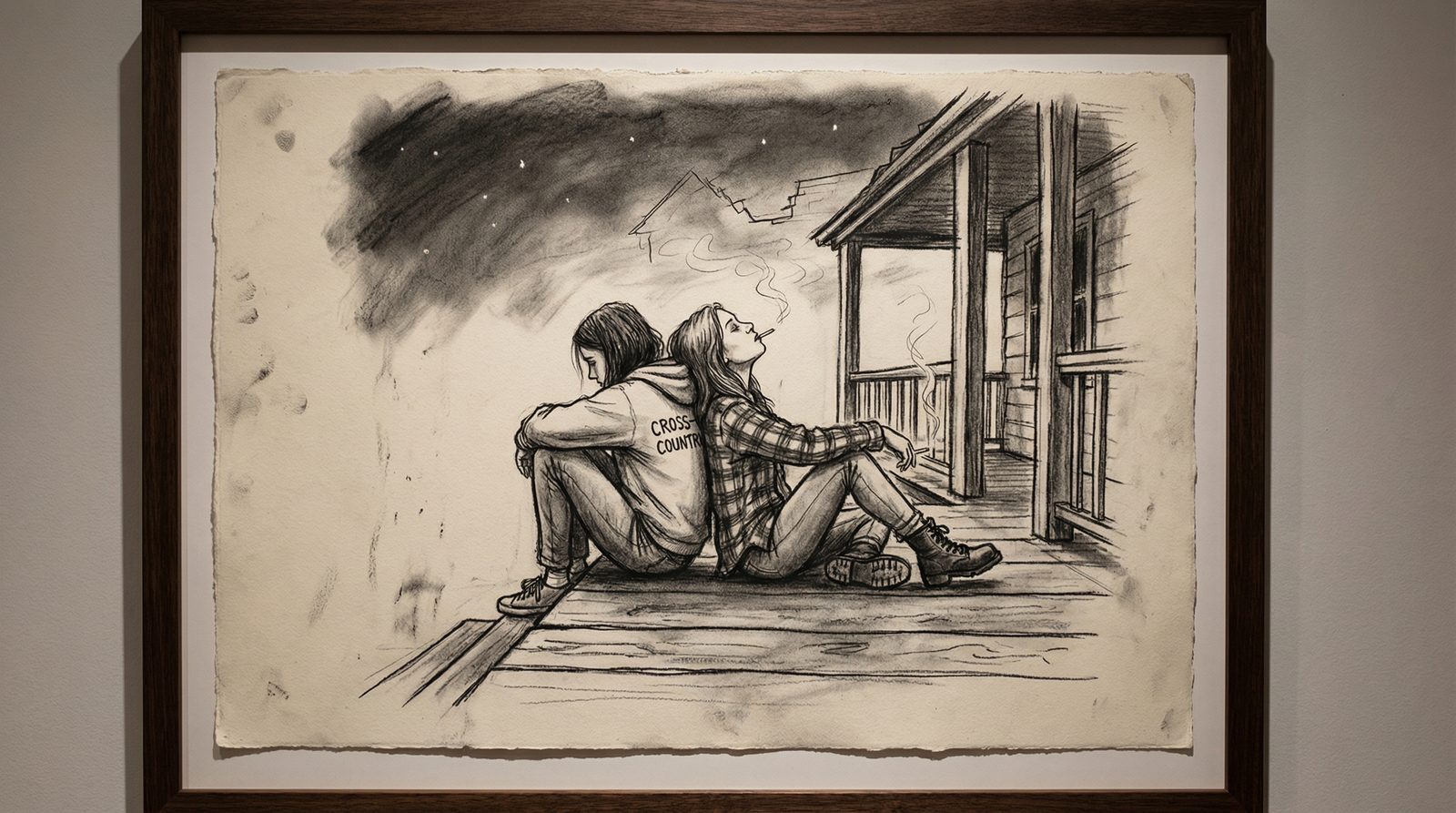
    Complicating things further, a house fire forces Kate’s longtime enemy Teri Litch and Teri’s toddler brother into the Malone home. The tension between the girls, built from years of rivalry, misunderstanding, and bruised pride, becomes the emotional engine of the novel.

    Catalyst explores themes of failure, grief, self-deception, and the collapse of identity under extreme pressure. This fits naturally with motifs like Identity Collapse in Isolation, as Kate spirals into emotional freefall when the role she has built her life around disappears.

    Anderson also threads in the darker edge of domestic tension. The Malone household is loving but brittle, a clear example of the motif Domestic Vulnerability as Horror, where tragedy does not need supernatural violence to devastate a family.

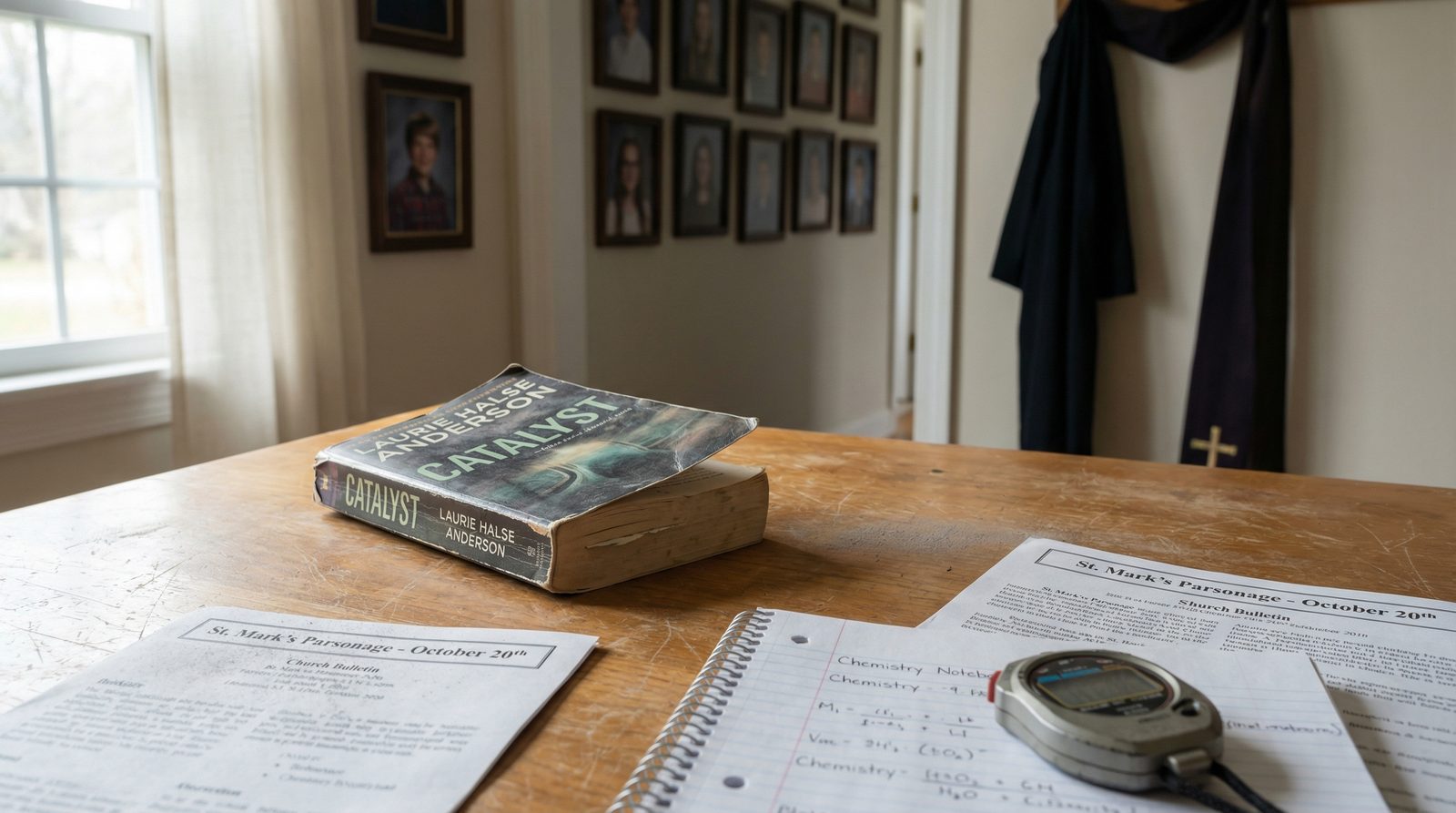
    Conceptual editorial illustration inspired by 'catalyst (2002)'


    STYLE & LANGUAGE

    Anderson writes with her trademark sharpness: short chapters, staccato sentences, and emotional beats delivered with precision. Kate’s voice is restless and anxious, which makes the book move quickly even when nothing large is happening on the surface. The language mirrors Kate’s racing thoughts. It is clipped, controlling, and sometimes unreliable.

    The novel is grounded firmly in realism. Anderson does not overplay the emotional stakes, which makes the genuine crisis points land harder. The dialogue is especially strong. Teenagers sound like teenagers, and the adults sound distracted and exhausted in ways that feel true.


    CHARACTERS & RELATIONSHIPS

    Kate Malone is a tightly coiled protagonist defined by fear of failure. She is sympathetic but not always likeable, which makes her unraveling more compelling. Her obsession with perfection creates a believable, painful internal conflict that drives much of the book’s tension.

    Teri Litch is the novel’s breakout character. She is abrasive, wounded, and strong in ways Kate is not. Their collision is the heart of the story. Anderson excels at writing two girls who resent each other for reasons neither can fully articulate until it is too late.

    The adults orbiting them, including Kate’s father, teachers, and neighbours, feel real but distant. That distance reinforces the sense that Kate is carrying far more than any teenager should have to hold.


    CULTURAL CONTEXT & LEGACY

    Published in the early 2000s, Catalyst sits in the second wave of YA realism that arrived before the explosion of issue-driven YA in the 2010s. It tackles academic pressure, trauma, and teenage emotional volatility without reducing characters to lessons. The book remains widely read because it captures something timeless: how it feels when your identity rests on a single fragile point.

    It also pairs historically with Speak, offering another angle on Anderson’s interest in girls whose voices are ignored, dismissed, or misunderstood by the institutions that shape their lives.

    Illustration of a core idea or motif from 'catalyst (2002)'


    IS IT WORTH READING?

    If you are looking for an emotionally honest, tightly written YA novel about pressure and identity, Catalyst is absolutely worth reading. It is intense without being melodramatic, and it treats teenage emotions with seriousness instead of condescension.

    If you prefer YA with broader worldbuilding or lighter tones, this will not be your book. Anderson writes to the bone, and Catalyst is very much about breaking down before finding a way forward.


    SIMILAR BOOKS

    Readers who connect with Kate’s emotional spiral may also appreciate the grounded pressure in Tabitha King’s Survivor. For a science-fiction parallel about identity under strain, Arthur C. Clarke’s 2061: Odyssey Three offers a thematic echo through a very different lens.

  • 2061: Odyssey Three (1987)

    2061: Odyssey Three (1987)

    By: Arthur C. Clarke
    Genre: Science Fiction, Hard Science Fiction
    Country: United Kingdom


    INTRODUCTION

    2061: Odyssey Three, published in 1987, marks Arthur C. Clarke’s return to the Space Odyssey universe with a story that leans heavily into scientific curiosity and long-view optimism. The novel arrives after the metaphysical ambition of 2001 and the political tension of 2010, and it settles into a calmer mode. Clarke writes with the confidence of a writer who knows how vast the universe is and wants to slow down long enough to study it. This is late-career Clarke: patient, technical, and comfortable letting the grandeur of space speak for itself.

    For AllReaders, this book earns a refreshed page because of its strong legacy presence in the original site archives. Even if the novel is not the boldest of the series, it still attracts readers who want to complete the full Odyssey sequence or who appreciate Clarke’s blend of scientific detail and quiet wonder.


    PLOT & THEMES

    The story follows two paths. Dr. Heywood Floyd, now elderly, travels aboard a luxury spacecraft heading toward Halley’s Comet. At the same time, the ship Galaxy finds itself stranded on Europa, a world that remains off-limits after the events of 2010. The novel uses this split to create a sense of broad exploration rather than tight suspense. Clarke uses both storylines to highlight physics, geology, orbital mechanics, and the kind of speculative astronomy that shaped his career.

    Themes emerge slowly. Human ambition meets its limits. Curiosity pushes against boundaries set by forces far older than humanity. Clarke also touches on the ethics of exploration, especially when discovery risks disturbing worlds that were never meant to be touched. The motif Future Shock as Transformation appears in the background, since the characters constantly meet technologies and environments that challenge their understanding of what is possible. Clarke frames this adjustment with optimism rather than fear.

    The Europa thread adds a low pulse of danger. Clarke returns to his long-running fascination with alien life as something wondrous and fragile. Even without large set pieces, the presence of life under Europa’s ice casts a quiet shadow over the story. The universe remains beautiful, but it is never entirely safe.

    Conceptual editorial illustration inspired by '2061 odyssey three'

    STYLE & LANGUAGE

    Clarke’s prose is crisp and confident. He writes with the tone of someone explaining the universe to readers he respects. The novel offers long stretches of scientific explanation, including propulsion systems, cometary chemistry, and planetary composition. Fans of hard science fiction will find this deeply satisfying.

    Readers seeking emotional drama may find the story distant. Clarke keeps his focus on ideas, not interpersonal complexity. Still, he offers brief but thoughtful moments that explore Floyd’s aging body and the contrast between his lifelong work and the world of younger explorers now rising around him.

    The pacing moves in waves. Clarke alternates between stretches of technical detail and bursts of incident. This rhythm defines the Odyssey series, and 2061 continues the pattern with quiet confidence.


    CHARACTERS & RELATIONSHIPS

    Heywood Floyd returns as the emotional touchpoint. Age limits his physical ability, but not his curiosity. Clarke uses him to reflect on what it means to keep learning in a universe that changes faster than any human can adapt to. Floyd’s quiet resilience anchors the book’s most human moments.

    The supporting cast serves the story rather than stealing attention. Engineers, scientists, and crew members offer competing interpretations of scientific problems. Their personalities matter less than their expertise. Clarke keeps their interactions clean and functional.

    Europa itself becomes one of the novel’s strongest characters. Clarke describes the moon as a place of beauty and danger, a world shaped by forces no human can fully comprehend. It reminds the reader why the monolith’s warning still holds weight.


    CULTURAL CONTEXT & LEGACY

    2061 belongs to Clarke’s reflective late style. He writes with patience and an eye on scientific discovery rather than dramatic shock. When the novel appeared, research into comets, planetary oceans, and Europa’s icy crust was accelerating, and the book captures that growing excitement. Clarke’s attention to real theories gives the story a sense of authenticity even when it wanders from strict narrative structure.

    The novel lacks the cultural impact of 2001 and the narrative tension of 2010. Even so, it remains an essential link in the Odyssey cycle. Readers who enjoy grounded speculation and careful scientific extrapolation continue to return to it. Clarke’s reputation keeps the book alive, and the ideas inside still spark curiosity.

    Illustration of a core idea or motif from '2061 odyssey three'

    IS IT WORTH READING?

    For fans of hard science fiction, yes. 2061: Odyssey Three offers detailed worldbuilding, thoughtful speculation, and a sense of scientific joy. For readers who want complex interpersonal drama or emotional heat, the book may feel distant. Clarke focuses on ideas rather than intimacy, and he does so with intention.

    Anyone reading the entire Odyssey sequence should not skip it. For casual readers, it is optional but rewarding if you enjoy slow, idea-driven science fiction grounded in astrophysics.


    SIMILAR BOOKS

    Readers who enjoy scientific exploration may appreciate Jill Paton Walsh’s The Green Book, which offers a gentler approach to survival on new worlds. Those drawn to stories where danger arises from unfamiliar environments might also connect with Tabitha King’s Survivor, even though the genres differ.

  • The Book of Reuben (1994)

    The Book of Reuben (1994)

    By: Tabitha King
    Genre: Literary Fiction, Domestic Psychological Fiction
    Country: United States


    INTRODUCTION

    The Book of Reuben, published in 1994, is one of Tabitha King’s most fully realised novels. It continues the Nodd’s Ridge cycle but shifts the emotional center to a man who has spent years running from his own choices. Reuben Stilnick is not a natural hero. He is stubborn, defensive, and shaped by decisions he made when he was too young to understand their long reach. King uses him as a lens to explore responsibility, self-deception, and the complicated work of trying to become a better person when everyone around you remembers the older version.

    Because King rarely builds her novels around male narrators, this one feels immediately distinct. Yet the familiar elements remain. Domestic tension, interior conflict, and the scrutiny of a small town where every mistake becomes a cautionary tale. Compared to Caretakers or The Trap, the narrative feels tighter and more confident, as if King has settled into the emotional terrain of Nodd’s Ridge and knows exactly where to look for its pressure points.


    PLOT & THEMES

    The novel follows Reuben Stilnick through a period of reckoning. His younger years were marked by impulsive choices and a talent for avoiding responsibility. King shows these mistakes slowly, through layered flashbacks and the hard edges of his present-day life. Reuben carries a reputation that everyone in Nodd’s Ridge seems to know by heart. Some of it is deserved. Some of it is the town’s way of freezing him in a version of himself that no longer fits.

    The themes here are quieter than in some of King’s earlier novels, yet they carry a heavier weight. Regret, emotional inheritance, and the uneasy work of rebuilding one’s life form the backbone of the story. Reuben is a man caught between who he was and who he wants to be, and the distance between those two versions becomes the source of the novel’s tension.

    King’s use of motifs is subtle but present. Identity Collapse in Isolation fits Reuben’s arc in a way that feels more mature and weathered than the motif’s typical application. His collapse is not dramatic. It arrives through smaller moments, half-realised thoughts, and days when the weight of his past becomes impossible to ignore. Domestic Vulnerability as Horror also threads through the book. Home becomes a mirror he can no longer avoid, a place that reflects every flaw he has worked so hard to hide.


    STYLE & LANGUAGE

    The writing in The Book of Reuben is measured and assured. King leaves behind the wide sprawl of Caretakers and instead leans into a style that suits Reuben’s internal landscape. The prose is clean, with moments of striking clarity, especially when Reuben slips into memory or tries to understand the gap between who he is and who people believe him to be.

    Flashbacks blend smoothly into the present. King never lets them overwhelm the narrative, but she uses them to add weight to Reuben’s relationships and to show how a single decision can echo through decades. The geography of Nodd’s Ridge also becomes emotional terrain. Roads, storefronts, and familiar gathering places hold the memory of choices Reuben would rather forget, and each location becomes part of his character development.

    The pacing is deliberate. Some chapters move slowly, but the restraint fits the novel’s focus on introspection rather than spectacle. King writes with confidence, trusting that the quiet moments will reveal what they need to reveal without forcing the drama into larger shapes.


    Conceptual editorial illustration inspired by 'the book of reuben'

    CHARACTERS & RELATIONSHIPS

    Reuben Stilnick is flawed and fully human. King resists offering easy sympathy. Instead, she allows his growth to happen through discomfort and honest self-examination. The result is one of her most layered protagonists, shaped by regret yet still capable of change.

    The townspeople serve as both chorus and pressure. Some hold grudges. Others are quietly encouraging. Many simply observe him, waiting to see whether old patterns return. Their reactions help shape the arc of the story and give a sense of how deeply rooted the town’s memory can be.

    Characters from earlier books — especially those from Pearl and The Trap — appear again through Reuben’s perspective. These shifts offer new context and deepen the sense of interconnected lives that run through the entire Nodd’s Ridge cycle.


    CULTURAL CONTEXT & LEGACY

    When the novel was published in the mid-1990s, literary fiction was increasingly drawn toward character-driven stories about interior conflict and social belonging. King’s work fits neatly into that landscape. Her focus on small-town masculinity feels ahead of its time. She neither condemns Reuben nor excuses him. Instead, she examines how identity is shaped by environment, memory, and the long trail of choices people carry with them.

    Within the Nodd’s Ridge cycle, The Book of Reuben acts as a hinge. It reframes earlier events, clarifies emotional histories, and adds depth to the town’s mythology. Many readers consider it one of King’s strongest novels. It may not have the immediate heat of One on One or the intensity of Survivor, but it carries a quiet power that lingers long after the final chapter.

    Illustration of a core idea or motif from 'the book of reuben'


    IS IT WORTH READING?

    The Book of Reuben is essential for readers following the Nodd’s Ridge novels in sequence. It stands on its own, but the emotional layers deepen if you already know the town’s history and its people. Readers who enjoy introspective, character-driven fiction will find the novel particularly satisfying.

    Those looking for King’s most psychologically intense writing may gravitate toward Survivor, yet The Book of Reuben remains one of her most consistent and thoughtful works. It offers a portrait of a man trying to rebuild his life without shortcuts or dramatic transformations. Instead, the book focuses on the quiet, steady work of becoming someone better.


    SIMILAR BOOKS

    Readers who appreciate Reuben’s journey will find strong emotional continuity in Pearl, which expands the inner life of Nodd’s Ridge through a different lens. Outside King’s work, novels by Richard Russo offer similar explorations of flawed middle-aged men navigating small-town expectations.

  • Small World (1981)

    Small World (1981)

    By: Tabitha King
    Genre: Literary Fiction, Domestic Psychological Fiction
    Country: United States


    INTRODUCTION

    Small World is Tabitha King’s debut novel, published in 1981, and it immediately sets her apart from the mainstream horror boom of the early eighties. Instead of supernatural thrills or big set pieces, King leans into something far stranger and more intimate: a psychological pressure cooker about obsession, control, and the lengths people go to when they think fate owes them something. It’s a messy, ambitious first novel, sometimes brilliant, sometimes uneven, but unmistakably hers.

    The story revolves around a woman who wins a house in a contest, only to find that ownership brings out the worst in herself and the people around her. If that sounds like the setup for a satirical fairy tale, the book plays it straighter and darker. King takes an almost ordinary premise and pushes it toward social commentary, edging into surreal territory without ever fully leaving realism behind.


    PLOT & THEMES

    At the centre is Dorothy “Doll” Carter, a young woman who unexpectedly wins a house in the fictional town of Nodd’s Ridge. What should be a fresh start slowly becomes a trap as Doll’s relationships, responsibilities, and self-image begin to twist in uncomfortable ways. King uses the premise to explore how sudden opportunity can destabilise people who were already balancing on emotional knife-edges.

    Themes of envy, resentment, and social scrutiny run strong. The town resents Doll for receiving something unearned, and Doll resents the town for refusing to let her grow into her new identity. This gives the book a sharp psychological edge, resonating with the motif Identity Collapse in Isolation as Doll’s sense of self starts to fracture under the town’s gaze.

    There is also an early form of the motif Domestic Vulnerability as Horror. The house becomes less a prize and more a space of anxiety — a physical representation of expectations Doll can’t meet. The tension comes not from ghosts or monsters but from the oppressive weight of other people’s assumptions.

    Conceptual editorial illustration inspired by 'small world (1981)'

    STYLE & LANGUAGE

    The novel’s style is jagged and experimental compared to King’s later work. She jumps between points of view, plays with psychological interiority, and occasionally leans into melodrama. Not all of it lands, but when it does, it lands hard. You can feel her testing the boundaries of what a small-town novel can do.

    The prose alternates between elegant restraint and raw emotional bluntness. Scenes can pivot quickly from quiet domestic detail to moments of striking intensity. For some readers, this tonal oscillation is part of the book’s charm; for others, it’s a sign of a writer still finding her centre. Both interpretations feel fair.

    What’s undeniable is King’s gift for observation. Even in her earliest writing, she understands how people wound each other with words they don’t fully mean, and how fear of judgment can mutate into self-sabotage. Those strengths would become hallmarks of her later novels.


    CHARACTERS & RELATIONSHIPS

    Doll Carter is a fascinating and sometimes frustrating protagonist. She’s insecure, impulsive, and prone to self-deception — which makes her feel painfully real but also means some readers may struggle to stay patient with her. Her arc is compelling not because she triumphs, but because King refuses to clean up her rough edges.

    The supporting cast — neighbours, family, opportunists, critics — form a chorus of conflicting desires and judgments. Some characters are thinly sketched, a common drawback in debut novels, but several stand out as early templates for later, more refined characters in books like Pearl and The Book of Reuben.

    The relationships here are tense, transactional, and often painfully one-sided. Love, generosity, and community support are all tinged with suspicion. King captures how quickly a close-knit town can turn hostile when someone disrupts the social order.


    CULTURAL CONTEXT & LEGACY

    Small World is clearly a debut — ambitious, uneven, and fiercely interested in human psychology. Its legacy comes less from its polish and more from its place in King’s evolution. Many of the themes she would later refine are present in embryonic form here: the pressure of small-town expectations, the fragility of self-worth, and the violence of being forced into roles you never asked for.

    For readers following the entire Nodd’s Ridge sequence, this book is an essential origin text. For casual readers, its appeal may depend on how much patience you have for experimental early work. It absolutely has strong sections — sometimes startlingly strong — but also stretches that feel like a writer working through her style in real time.

    Illustration of a core idea or motif from 'small world (1981)'

    IS IT WORTH READING?

    If you’re committed to reading Tabitha King’s work in full, Small World is a must. It’s the seed from which the entire Nodd’s Ridge universe grows. If you’re new to King, this is not the strongest entry point — One on One or Pearl are easier and more polished introductions.

    That said, readers who enjoy psychologically dense domestic fiction, flawed protagonists, and early-career experimentation will find a lot to chew on here. The book rewards patience and offers real emotional depth — as long as you accept that it’s not trying to be smooth or conventional.


    SIMILAR BOOKS

    Fans of experimental domestic dramas may connect this to King’s later, more controlled novels like Survivor. For another take on disrupted identity and social pressure, Laurie Halse Anderson’s Catalyst pairs surprisingly well. Within the Nodd’s Ridge world, Pearl is the closest in tone once King found a more consistent style.

  • Caretakers (1983)

    Caretakers (1983)

    By: Tabitha King Genre: Literary Fiction, Domestic Psychological Fiction Country: United States

    Introduction

    Caretakers, published in 1983, is the first novel to introduce readers to Nodd’s Ridge, the rugged Maine town that would later anchor several of Tabitha King’s strongest works. The book reads as a wide canvas rather than a single portrait. King gives us a town long before she gives us a central protagonist, and that choice sets the tone for the entire series. Beneath the ordinary routines of the community, there are frictions that have been building for years. Some come from family strain. Others grow out of class divides, private resentments, or the uneasy sense that life has settled into patterns that no longer fit. The novel has the shape of a traditional small-town saga. It carries the weight and warmth of multiple voices, each pushing against the quiet expectations of the town. The ambition of the book is both its advantage and its drawback. King tries to show as many sides of Nodd’s Ridge as she can, which gives the world depth but also causes some plotlines to stretch farther than they need to. Even so, Caretakers stands as the necessary foundation for what would follow, the moment when King’s recurring themes start to crystallise.

    PLOT & THEMES

    The novel focuses on the caretakers of Nodd’s Ridge, a loose group of people who hold the town together in ways that are rarely recognised. Parents, spouses, community leaders, workers who keep the town’s institutions running. Each carries their own struggles while trying to maintain a sense of stability for others. Money troubles strain marriages. Parents and children talk past each other. Local politics create quiet winners and quieter casualties. The tension comes from ordinary life rather than anything sensational, and that restraint becomes one of the book’s strongest qualities. This is also where King begins shaping one of her central motifs, Domestic Vulnerability as Horror. The most frightening spaces in the novel are familiar ones. Bedrooms, kitchens, and the back rooms of small businesses. They are places where love is supposed to protect, yet they become sites of emotional exposure. King shows how danger can emerge through silence, disappointment, or the pressure to hold everything together without cracking. Several storylines also brush against the motif Identity Collapse in Isolation. Characters who thought they understood their roles in the community begin to see themselves through the eyes of others. The gap between those identities becomes difficult to reconcile. Choices that once felt safe lead to unexpected consequences, and the weight of responsibility becomes something that reshapes entire futures. Responsibility sits at the core of the book. Who accepts it, who avoids it, and who finally breaks under the burden. These themes echo throughout the later Nodd’s Ridge novels, yet here they feel newly formed, as if King is testing the edges of what this world can hold.
    Conceptual editorial illustration inspired by 'caretakers (1983)'

    PROSE & NARRATIVE STRUCTURE

    In tone and structure, Caretakers is more traditional than King’s later work. The prose is clear and measured, although it occasionally slows under the weight of exposition. King moves between viewpoints with confidence, but the shifts sometimes loosen the narrative focus. This is less a flaw and more a reflection of what the novel aims to do. It wants to show an entire community, not just a central figure, and that ambition requires room to wander. When King lands on an emotional moment, the writing sharpens. A confession whispered in a quiet room. A private argument that exposes a fracture in a marriage. A conversation that reveals how much has been unsaid. These scenes remind the reader of the writer she would become in books like Survivor, where emotional clarity becomes the driving force of the narrative. The pacing is uneven. Some chapters move with energy, while others linger on domestic routines that do not always deepen the story. Even so, this approach helps build the texture of the setting. The town becomes a place you can almost walk through. Each street and household holds its own weather system, and the slow parts help make the world feel lived in.

    CHARACTERS & INTERIORITY

    Caretakers is an ensemble novel. King moves between couples, families, and town figures with a wide lens, allowing readers to see how responsibility and expectation shape each household. Some characters feel trapped in roles they never chose. Others work themselves into exhaustion trying to keep the peace. Their private worries and small victories form the emotional backbone of the story. The most memorable characters are the ones who feel invisible in their daily lives. A spouse who stays quiet to avoid conflict. A parent overwhelmed by the demands of raising children without support. A neighbour who carries everyone else’s burdens while hiding their own. These figures echo through later novels like Pearl and The Book of Reuben. Their appearances in those books feel richer if you have followed them from the beginning. Not every character stands out. Some remain sketched rather than fully realised, which reflects the scale of the book. King is trying to cover an entire town, and although the emotional core remains strong, a few storylines drift to the margins without landing with full impact.

    LEGACY & RECEPTION

    Caretakers carries the sensibilities of the early 1980s, a time when domestic fiction was beginning to blend more openly with literary suspense. King leans toward realism here, with just a hint of the psychological tension that would define her later writing. The book’s concerns reflect its era. Small towns facing economic pressure. Shifting social expectations. Families wrestling with old hierarchies and new responsibilities. As the first novel in the Nodd’s Ridge sequence, its legacy is structural as much as emotional. It sets the geography of the town, the social rules people follow, and the buried conflicts that later books bring into sharper focus. For new readers, it may feel like groundwork. For returning readers, it becomes the starting point that gives weight to everything King builds later. The book also lays out a theme that appears throughout King’s career. Small towns often hide the most volatile conflicts beneath calm surfaces. A moment of pressure is all it takes for those hidden tensions to rise into view. Caretakers shows that early and clearly.
    Illustration of a core idea or motif from 'caretakers (1983)'

    IS IT WORTH READING?

    Caretakers is essential if you plan to read the Nodd’s Ridge novels in order. It establishes the emotional and social architecture that the later books refine, especially Pearl and The Book of Reuben. On its own, the book can feel uneven and sometimes too broad for its own good, but its atmosphere and emotional depth make it rewarding for readers who enjoy slow-burn small-town fiction. Readers seeking King’s sharpest psychological writing may prefer starting with Survivor. Readers who love character webs, family sagas, and the rhythms of community life will find a lot to appreciate here. Even with its flaws, Caretakers sets a tone that echoes throughout the entire series.
    If Caretakers resonates with you, continue directly to Pearl and The Book of Reuben. Both deepen the emotional politics of the town and refine many of the themes introduced here. Readers who enjoy community-driven drama may also appreciate the layered family stories found in the work of Lori Lansens or the ensemble focus of Elizabeth Strout.

    DISCOVERABILITY & LINKS