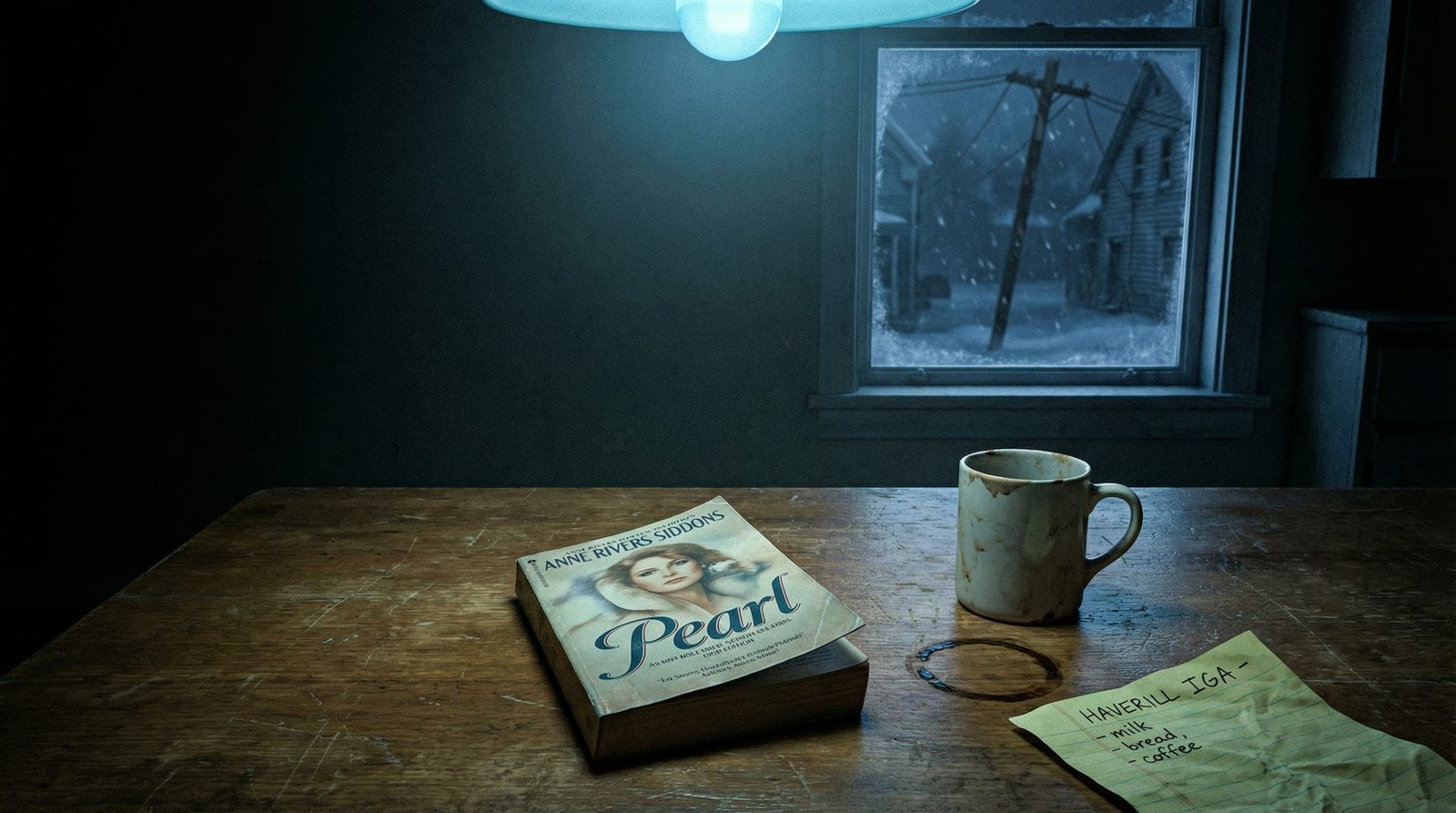
Narrative Techniques: Point of View

  • Pearl (1988)

    Pearl (1988)

    By: Tabitha King
    Genre: Literary Fiction, Domestic Psychological Fiction
    Country: United States


    INTRODUCTION

    Pearl is one of the central novels in Tabitha King’s Nodd’s Ridge cycle, a sprawling small-town world shaped by ambition, inheritance, desire, and long-held resentment. Published in 1988, the book arrives at a moment when King’s confidence as a storyteller is fully visible. It brings together her sharp psychological insight and her gift for building a community that feels lived-in and flawed. If One on One focuses on the pressures of adolescence, Pearl shifts the lens to adulthood and the quiet fears and compromises that come with it.

    At the centre of the novel is Pearl Dickerson, a woman who inherits a business and a social position she never expected to occupy. Her sudden rise unsettles the established order in Nodd’s Ridge, a town that prides itself on politeness while hiding a long memory for old wounds. King draws much of the tension from Pearl’s changing sense of identity, creating a story where living rooms, kitchens, and local storefronts turn into contested spaces shaped by gossip, loyalty, and the lingering weight of history.


    PLOT & THEMES

    Pearl’s life changes when she inherits the business of her former employer. The shift is practical at first, but it quickly expands into something deeper. Her new responsibilities force her to confront not only the demands of the job but also the expectations of neighbours who are suddenly paying closer attention. Old insecurities rise to the surface, and the town’s reactions expose fractures she can no longer ignore.

    King uses this transition to map the delicate social web of Nodd’s Ridge. Long-established families complain quietly. Men who once overlooked Pearl begin approaching her with a strange mix of caution and curiosity. Women who felt certain of their social standing start to lose that sense of stability. The novel’s tension fits naturally with the motif Domestic Vulnerability as Horror, since the supposedly safe spaces of home and community become sources of unease when a woman refuses to play her old role.

    Identity is another core theme. Pearl must decide who she wants to be now that her circumstances have changed. She weighs the temptation to keep the peace against the need to finally assert herself. Her internal struggle aligns with the motif Identity Collapse in Isolation, which explores how pressure and scrutiny can force characters into uncomfortable reinventions.

    The broader world of the novel includes rivalries, small betrayals, affairs, and hidden histories. These threads create a portrait of rural America where the past is never truly gone and where every choice can ripple through generations.


    STYLE & LANGUAGE

    Much of the power in Pearl comes from King’s patient, observant prose. She allows her characters room to contradict themselves and to chase ambitions that may be slightly out of reach. Shops, kitchens, and neighborhood gatherings are described with careful precision, turning ordinary spaces into places where social pressure and private longing are constantly rubbing against each other.

    The pace is steady, but the emotional intensity builds quietly. King balances tension with gentler moments that reveal the humanity of her characters. Her writing is straightforward and clear, which makes the sharper emotional turns hit even harder.

    Dialogue is one of the novel’s strongest tools. Every conversation hints at the unwritten rules of Nodd’s Ridge: who receives sympathy, who is judged harshly, and who manages to avoid accountability altogether.
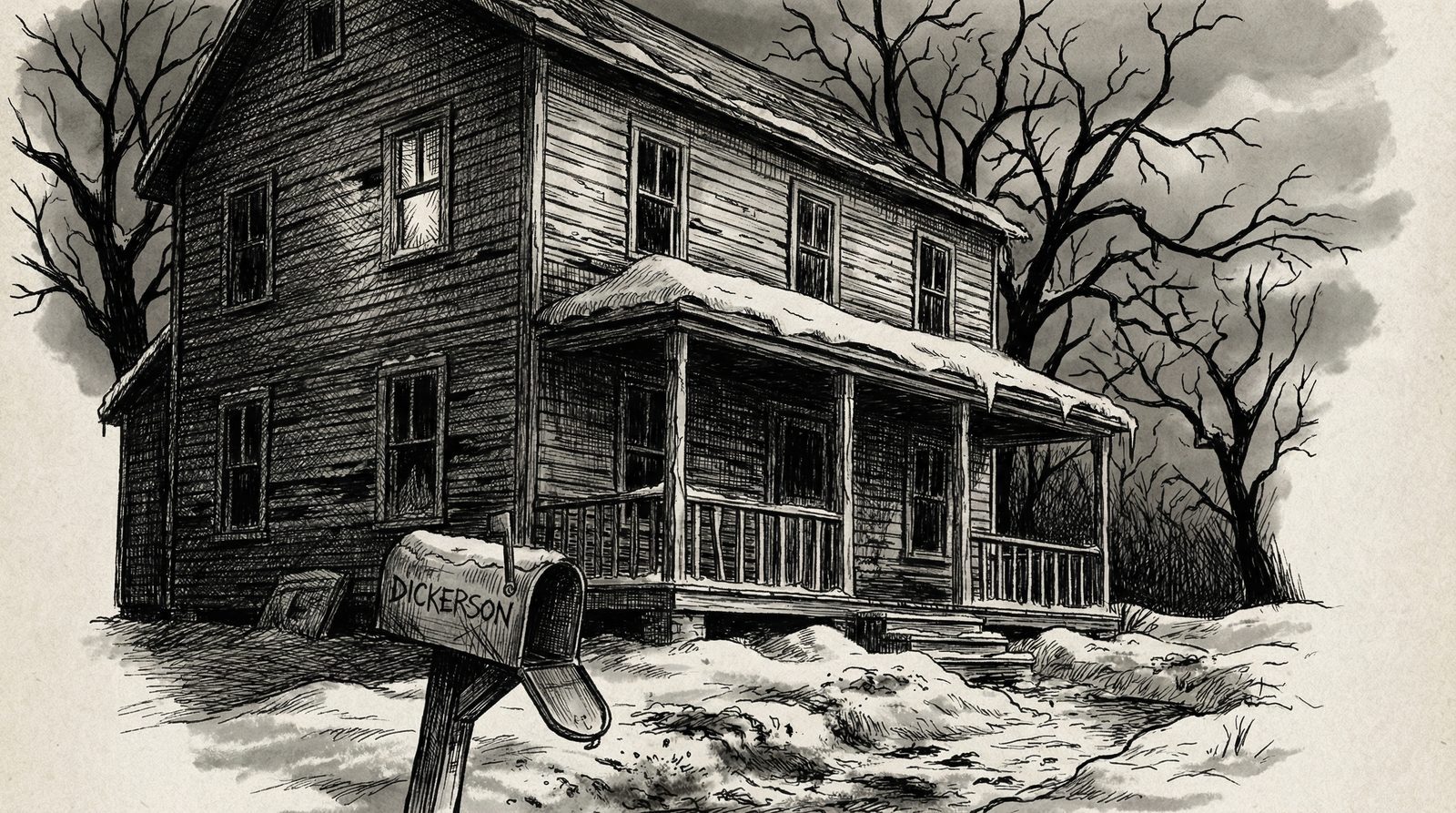
    Conceptual editorial illustration inspired by 'pearl (1988)'

    CHARACTERS & RELATIONSHIPS

    Pearl Dickerson is written with a complicated mix of doubt, determination, and quiet resilience. King never turns her into a victim or a hero. Instead, Pearl feels like someone trying to grow into a version of herself she is only just beginning to understand.

    Nodd’s Ridge acts almost like another protagonist. The residents form a collective force that shapes Pearl’s choices and reactions. Old friendships strain under new dynamics, and alliances shift as the town adjusts to her unexpected rise.

    Romantic threads do appear, but King treats them with realism rather than idealism. Relationships carry the weight of past mistakes and the fear of public judgment. Moments of kindness can turn into obligations, and affection is often mixed with hesitation or regret.


    CULTURAL CONTEXT & LEGACY

    Pearl reflects the sensibilities of late 1980s American fiction, a period when many writers were exploring domestic stories that blended literary depth with psychological tension. King’s work fits neatly into that movement, offering social commentary without sacrificing character-driven storytelling.

    Within the Nodd’s Ridge cycle, the novel marks a point where the town becomes firmly established as King’s central landscape. It lays the groundwork for later books such as The Book of Reuben and works as a quieter thematic companion to the darker emotional territory of Survivor.


    IS IT WORTH READING?

    If you enjoy character-focused novels that take their time exploring the tension between personal growth and community expectation, Pearl is a strong choice. Pearl’s struggle with belonging, inheritance, and self-understanding feels honest and grounded. The novel works well on its own, although readers who pair it with One on One or The Book of Reuben will see how King gradually expands and enriches the world of Nodd’s Ridge.


    SIMILAR BOOKS

    Readers drawn to Pearl may also appreciate stories where personal transformation unsettles the rhythm of a tightly connected community. Within King’s own bibliography, The Trap and One on One offer similar emotional beats from different angles. For something outside the Nodd’s Ridge universe, Laurie Halse Anderson’s Catalyst provides a sharp portrait of a young woman navigating pressure, grief, and the challenge of reshaping her own identity.

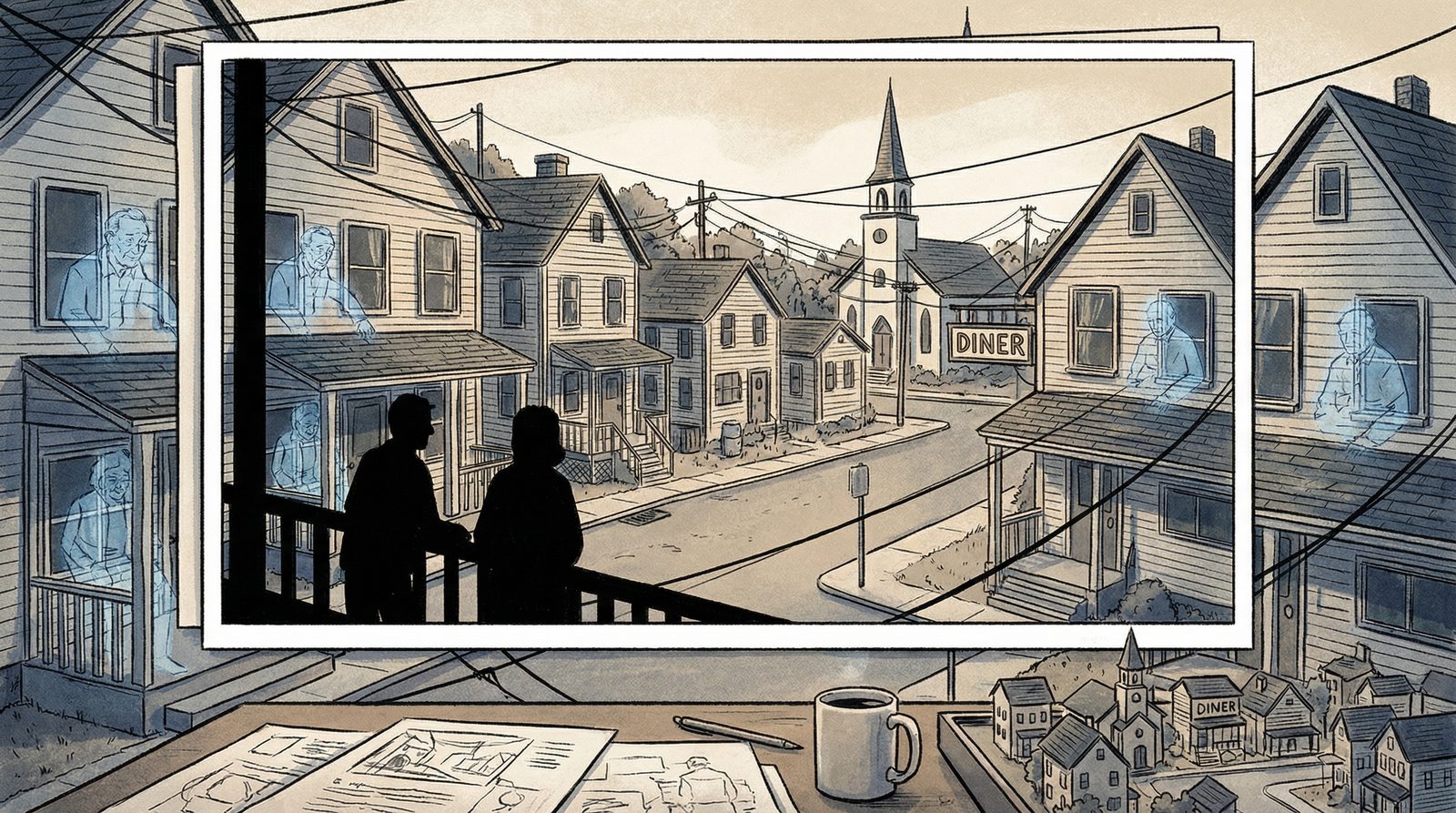
  • Tabitha King

    Tabitha King

    INTRODUCTION

    Tabitha King has spent most of her career slightly out of frame. For decades she was introduced as Stephen King’s wife, the woman who rescued an early draft of Carrie from the trash. But that shorthand does her a disservice. Across a run of eight novels, from Small World to the Southern gothic of Candles Burning, she has built a body of work that is sharper, stranger, and more emotionally precise than that supporting-player narrative allows.

    Her fiction lives where domestic life and menace overlap. Ordinary homes tilt toward nightmare. Small towns bristle with secrets. Families try, and often fail, to love each other well. If the broader King universe is full of killer clowns and haunted hotels, Tabitha’s corner of it is haunted by bad decisions, generational grudges, and the quiet terror of realizing you no longer recognise your own life.


    LIFE & INFLUENCES

    Born in 1949 and raised in Maine, Tabitha King grew up in the same landscape that would later anchor so much of the King family’s fiction. The coastal towns, hard winters, and working class rhythms of the region echo through her work just as strongly as they do through her husband’s, but she writes from a different vantage point. Her books often follow women and girls who are intelligent, observant, and deeply rooted in their communities even when those communities fail them.

    King started publishing short work in the 1970s, then released her debut novel Small World in 1981. The book’s blend of psychological realism, dark humour, and a touch of the surreal sets the tone for much of what follows. Through the 1980s and 1990s she built out the fictional town of Nodd’s Ridge in a loose series that includes Caretakers, The Trap, Pearl, One on One, and The Book of Reuben. Later she would step outside that setting for the campus trauma of Survivor and the collaboration Candles Burning, which extends an unfinished novel by horror writer Michael McDowell.

    Influence wise, you can feel the pull of realist New England fiction, women’s literary fiction of the 1970s and 1980s, and classic Gothic storytelling as much as horror. Her books are less about monsters in the closet and more about what happens when the people you rely on become the thing you fear.

    Editorial illustration inspired by 'Tabitha King'


    THEMES & MOTIFS

    Across King’s novels, one of the strongest currents is domestic life under pressure. Marriages are strained by ambition and resentment. Parents and children misread each other in ways that have real consequences. In Nodd’s Ridge, the community itself becomes a kind of character, enforcing norms and punishing anyone who steps outside them. This makes her a natural fit for motifs like Domestic Vulnerability as Horror, where the supposed safety of home becomes the very thing that traps you.

    Identity is another recurring concern. Characters often find that the roles they have been assigned, especially gendered ones, no longer fit. Deanie in One on One is a gifted basketball player negotiating power, desire, and control in a small town that cannot quite cope with a girl who refuses to stay in her lane. The title character of Pearl inherits a business and a complicated social position, then has to decide what kind of person she is willing to become in order to keep both. These arcs connect neatly to a motif of Identity Collapse in Isolation, where people discover who they are only after being pushed to the edge.

    Power imbalances run through the books as well. Men with social, financial, or physical power often use it carelessly, sometimes cruelly, while women are left to manage the fallout. Yet King rarely frames her characters as simple victims. They make strategic choices, protect each other, and occasionally burn down the systems that harmed them, literally or metaphorically.


    STYLE & VOICE

    Tabitha King’s prose has a grounded, workmanlike quality that suits her material. She is less interested in baroque horror set pieces than in the slow accumulation of detail. Kitchens, parking lots, basketball courts, diners, and small town churches are described with the eye of someone who has actually spent time in them. When violence or the uncanny does surface, it hits harder because it is intruding on such recognisable spaces.

    Her dialogue is sharp and often very funny in a dry way. Characters jab at each other with one liners that feel earned by long relationships. She also has a knack for slipping into interior monologue without losing momentum, letting you sit inside a character’s doubt or anger for just long enough before the plot pulls you forward again.

    Structurally, many of the novels are sprawling, following multiple point of view characters across years. That makes the Nodd’s Ridge books feel almost like a shared universe long before that term became a marketing label. You see the same events refracted through different people, and minor characters in one book step up to centre stage in another.

    Symbolic illustration inspired by 'Tabitha King'


    KEY WORKS

    If you are new to Tabitha King, there are a few natural entry points. Small World is a great starting place if you want to see her early voice, with its mix of oddity and realism. For the Nodd’s Ridge cycle, Pearl and One on One are the most frequently recommended, each following a woman navigating desire, race, class, and small town expectations in very different ways.

    The Book of Reuben flips the perspective to a male protagonist whose choices ripple back through the earlier books, making it a fascinating read once you are already invested in the town. Survivor stands alone, a campus novel that turns on a single traumatic accident and the long healing that follows. And Candles Burning offers something slightly different again, blending King’s sense of character with Michael McDowell’s Southern gothic weirdness.

    Viewed together, these books sketch out a kind of alternate map of late twentieth century American life. Fame, addiction, ambition, and the long tail of family damage all show up here, but filtered through characters who could plausibly live next door.


    CULTURAL LEGACY

    Tabitha King’s legacy is complicated by the shadow she writes in, but that is also what makes her so interesting to read now. In an era when readers are hungry for women’s perspectives on violence, power, and community, her work feels surprisingly current. The Nodd’s Ridge novels in particular anticipate a lot of what later became fashionable in so called literary suspense and domestic noir.

    She also matters because of what she represents in the broader King ecosystem. The often repeated anecdote about her rescuing Carrie is true enough, but the more important story is that of a writer who built her own fictional world beside a much louder one and refused to let it be swallowed. Reading her now is a way of rebalancing that history, recognising that the King name on a spine does not always mean the same voice, and that the smaller, quieter books sometimes carry the sharpest teeth.

    For AllReaders, rebuilding her creator page and the book reviews attached to it is not just nostalgia. It is a way to honour a writer who has always been part of the site’s DNA and to connect a new generation of readers to a corner of horror and domestic fiction that has been overlooked for too long.

  • Grief as Contradiction

    Grief as Contradiction

    Motif Type: Emotional Paradox
    Era Focus: 20th Century to 21st Century
    Primary Fields: Memoir, Literary Fiction, Trauma Narratives


    WHAT THIS MOTIF MEANS

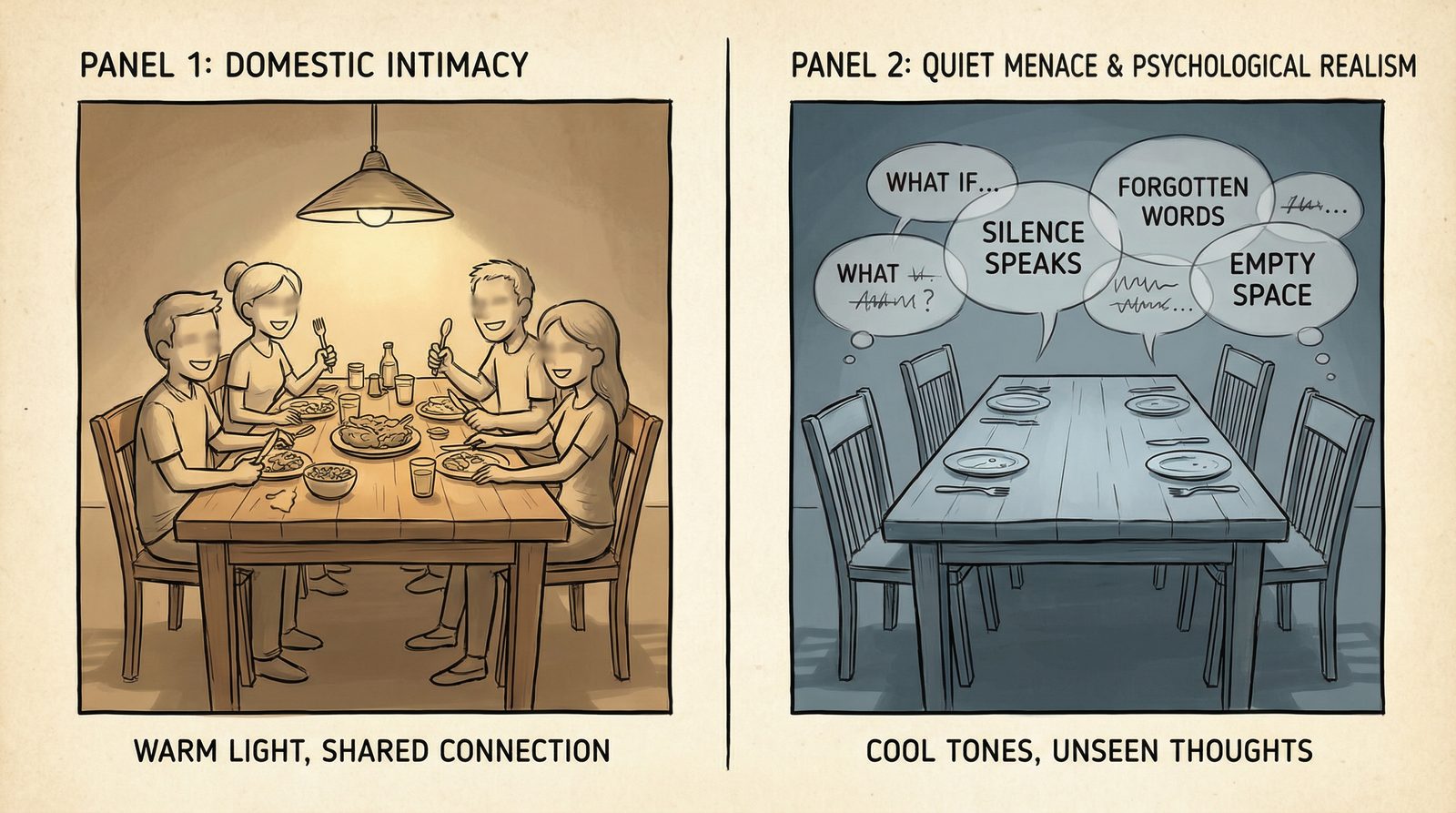
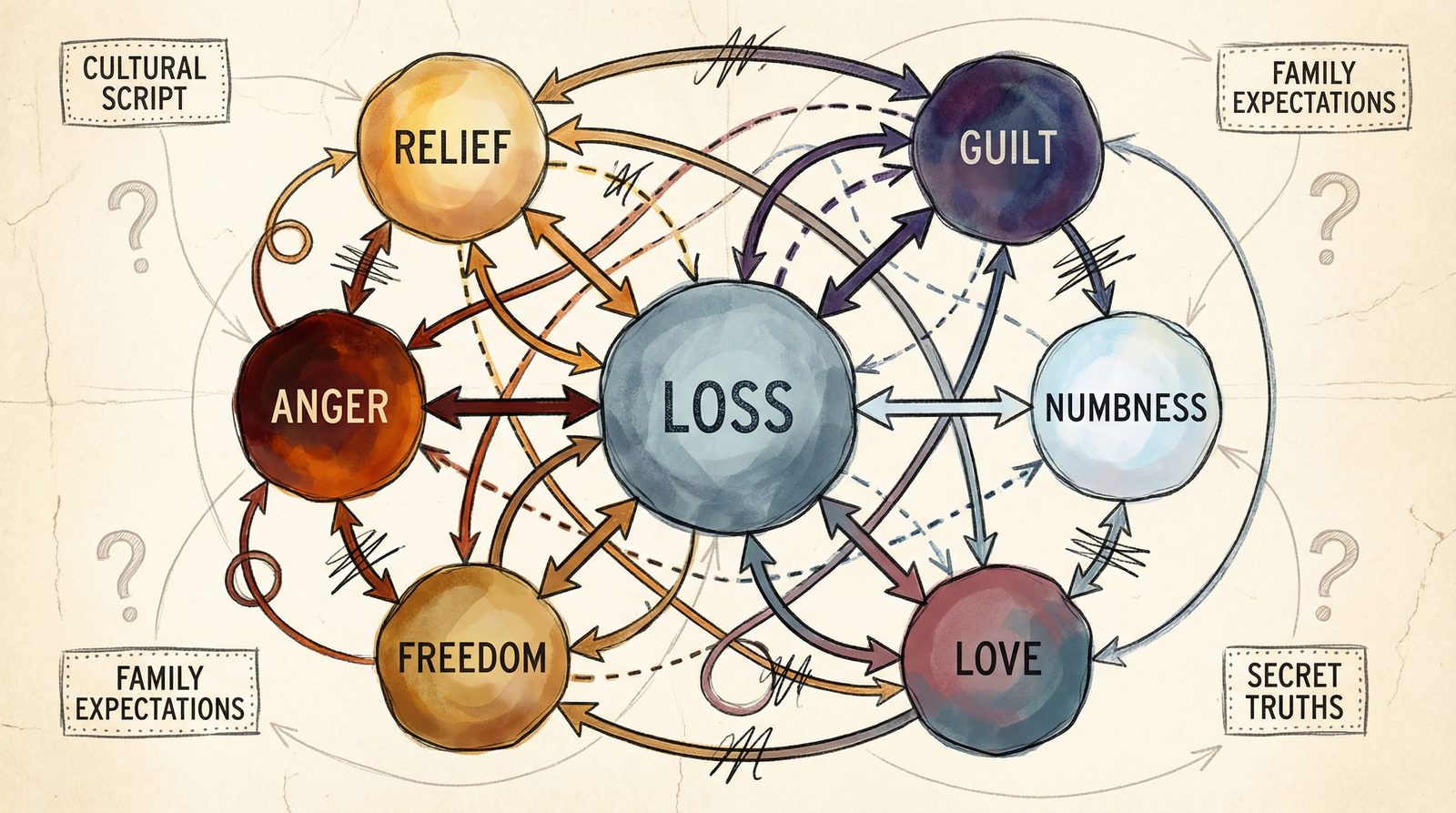
    Grief as Contradiction appears in stories where loss produces mixed, conflicting emotions. Characters feel sorrow and relief, guilt and liberation, love and resentment. The grief is layered, unstable, and often confusing. It does not follow cultural scripts. It arrives in unexpected shapes.

    This motif challenges the idea that grief is a single feeling. It reveals how complex emotional truth can be when the person lost was also the source of harm, pressure, or fear.


    HOW IT WORKS IN NARRATIVE

    Narratives shaped by this motif often center on characters whose relationship with the deceased was fraught. The story reveals why the grief cannot be clean. The character mourns the person, but also mourns the version of themselves that relationship created.

    The contradiction becomes a path toward clarity. Grief becomes the moment where truth can finally be named.

    Grief as Contradiction inline concept image


    WHERE WE SEE IT IN OUR LIBRARY

    • I’m Glad My Mom Died – McCurdy grieves her mother’s death while also grieving the harm her mother caused.
    • The Color Purple – Celie’s grief contains fear, resentment, and love that cannot be separated cleanly.
    • Confessions of a Video Vixen – Steffans experiences grief as emotional contradiction shaped by betrayal, survival, and longing.

    These narratives show grief as a turning point where conflicting truths coexist without resolution.


    WHY IT MATTERS

    This motif matters because it reflects real emotional experience that is rarely acknowledged. It validates readers who feel both sorrow and relief after loss. It also deepens character arcs by showing that healing is not linear and that grief can expose wounds that were never recognized before.

    For storytellers, this motif allows for emotional nuance that avoids simplification.

    Grief as Contradiction inline diagram image


    ARCHETYPES ASSOCIATED WITH THIS MOTIF

    • The Controlled Daughter – for characters whose grief is tangled with domination and fear.
    • The Witness – for characters who see grief clearly and analyze its contradictions.
    • The Reclaimer – for characters who emerge from grief with a more solid sense of self.

    RELATED MOTIFS

    Parental Control as Identity
    Dissociation as Defense
    Trauma as Inheritance

  • Survival as Identity

    Survival as Identity

    Motif Type: Psychological Formation
    Era Focus: 20th Century to 21st Century
    Primary Fields: Memoir, Literary Fiction, Trauma Studies


    WHAT THIS MOTIF MEANS

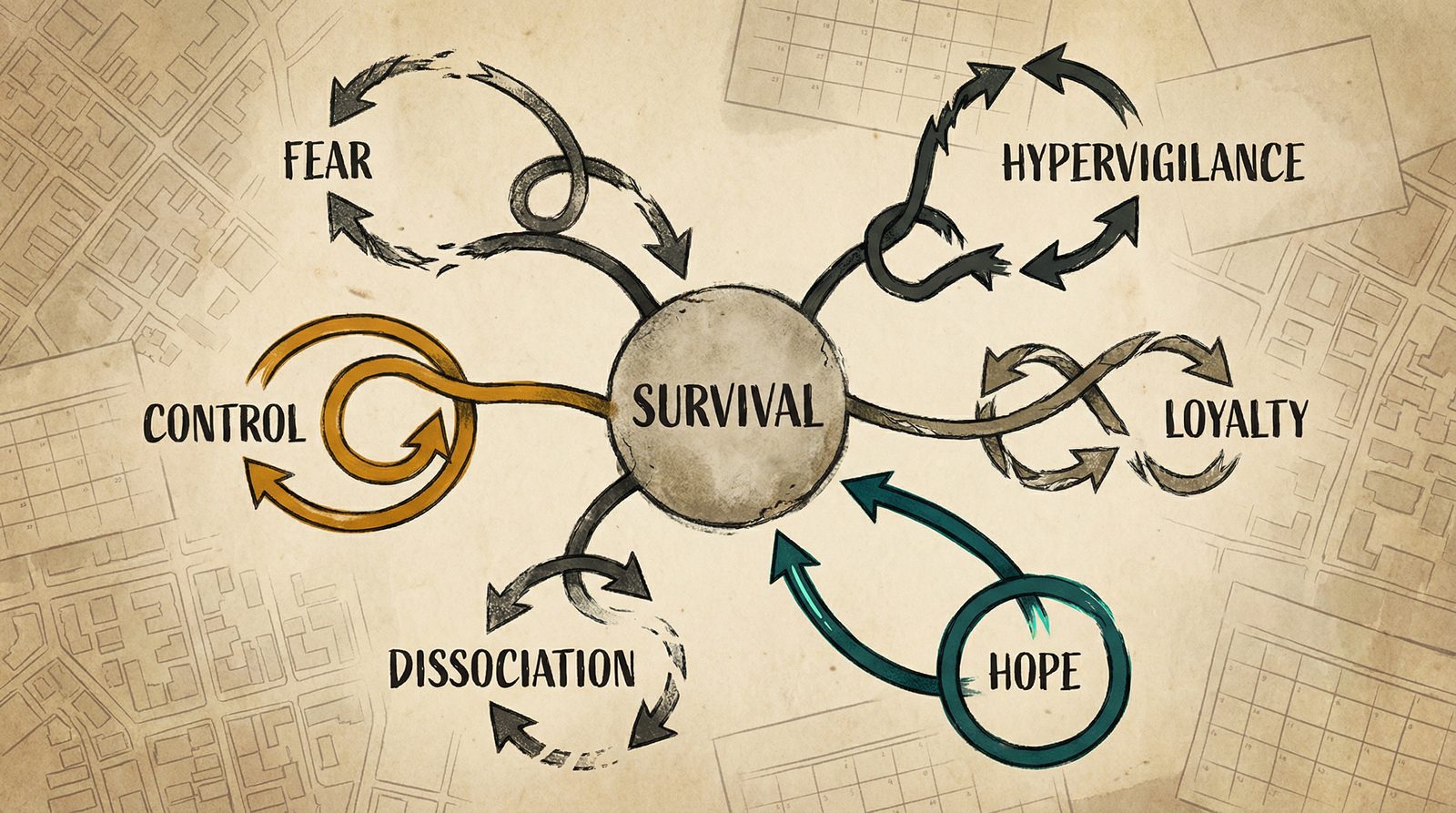
    Survival as Identity appears in stories where survival is not only an action but a worldview. Characters shaped by this motif have lived through chronic harm, neglect, or control. The result is that survival becomes the center of who they are. Their choices, fears, and desires are filtered through the need to endure.

    Identity built through survival is pragmatic, guarded, and shaped by experience rather than aspiration.


    HOW IT WORKS IN NARRATIVE

    Characters embodying this motif often enter stories in a state of emotional autopilot. They are not planning a future. They are avoiding collapse. Their internal voice is shaped by monitoring danger, managing harm, or anticipating the next threat.

    As the narrative progresses, the character may learn that survival is not the same as living. This shift becomes a quiet but profound transformation.

    Survival as Identity inline concept image


    WHERE WE SEE IT IN OUR LIBRARY

    • Push – Precious understands the world through threat and endurance. Survival is her first language.
    • Precious – The film shows her identity forming around what she must withstand rather than what she desires.
    • The Color Purple – Celie spends much of her early life adapting to abuse as her normal environment.
    • I’m Glad My Mom Died – Jennette’s emotional instincts are built around pleasing, shrinking, and avoiding conflict, all in service of survival.
    • Confessions of a Video Vixen – Steffans’s identity is shaped by navigating danger inside relationships, industries, and image.

    In each of these stories, survival becomes the character’s primary skill and primary burden.

    Survival as Identity inline diagram image

    WHY IT MATTERS

    This motif exposes the emotional cost of long-term trauma. It shows how deeply early harm can shape personality and expectation. Characters who survive learn resourcefulness and intuition, but often struggle to imagine joy, stability, or selfhood that is not rooted in vigilance.

    The motif creates rich arcs where characters slowly discover that identity can expand beyond survival.


    ARCHETYPES ASSOCIATED WITH THIS MOTIF

    • The Survivor Confessor – for characters who narrate how survival shaped them.
    • The Resistant Spirit – for those whose endurance becomes inner strength.
    • The Erased Girl – for characters whose survival erased their sense of self until later.

    RELATED MOTIFS

    Survival Narratives
    Silence as Survival
    Trauma as Inheritance

  • Survival Narratives

    Survival Narratives

    Motif Type: Endurance and Transformation
    Era Focus: 20th Century to 21st Century
    Primary Fields: Memoir, Literary Fiction, Trauma Studies


    WHAT THIS MOTIF MEANS

    Survival Narratives appear in stories where the central tension is not triumph or victory, but endurance. The character’s primary goal is to stay alive, stay present, or stay intact in the face of harm. Survival is not glamorous. It is not heroic in the traditional sense. It is a daily, often invisible act.

    The motif reveals the emotional truth that survival is meaningful even when it is quiet.


    HOW IT WORKS IN NARRATIVE

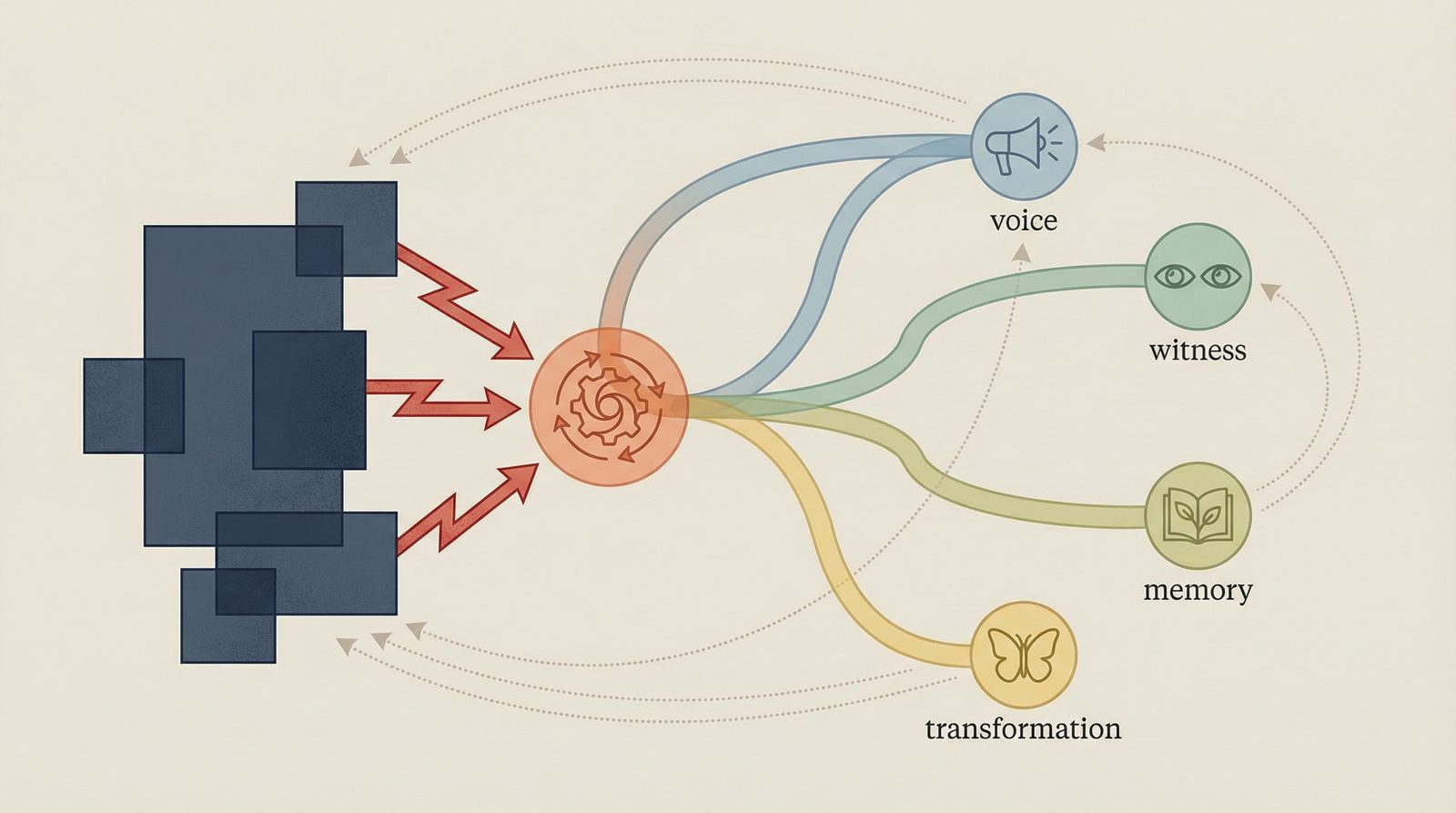
    Narratives shaped by this motif often begin with confinement. The character has limited choices, minimal support, and little sense of possibility. The plot does not promise redemption. It promises movement, however small. The story unfolds in acts of persistence: a step away from harm, a word spoken, a line written, a breath taken.

    The climax often comes not as success but as recognition. The character understands that survival itself has value.


    Survival Narratives inline concept image

    WHERE WE SEE IT IN OUR LIBRARY

    • Push – Precious survives violence, hunger, neglect, and systems designed to ignore her.
    • Precious – The film deepens the motif by showing survival as physical and emotional endurance.
    • The Color Purple – Celie endures years of abuse but finds strength in sisterhood and self-recognition.
    • Confessions of a Video Vixen – Steffans survives systems of male power and celebrity exploitation.
    • The Woman in Me – Britney’s endurance through legal control becomes a global example of quiet survival.
    • I’m Glad My Mom Died – McCurdy’s survival is emotional, psychological, and tied to reclaiming selfhood.

    Across these works, survival is not the end of the story. It is the beginning of transformation.


    WHY IT MATTERS

    This motif matters because it gives value to endurance. Many stories celebrate triumph but overlook the hard, quiet work of simply continuing. Survival Narratives recognize this work as meaningful and dignified. They show how trauma shapes people without defining the rest of their lives.

    They also connect disparate stories across genre, race, and medium through the shared thread of persistence.


    Survival Narratives inline diagram image

    ARCHETYPES ASSOCIATED WITH THIS MOTIF

    • The Survivor Confessor – for characters who narrate their survival with clarity.
    • The Resistant Spirit – for characters who hold a spark even inside overwhelming circumstances.
    • The Witness – for characters who observe their own endurance with honesty.

    RELATED MOTIFS

    Silence as Survival
    Trauma as Inheritance
    Literacy as Liberation

  • The Erased Girl

    The Erased Girl

    Motif Type: Identity and Neglect
    Era Focus: 20th Century to 21st Century
    Primary Fields: Memoir, Literary Fiction, Trauma Narratives


    WHAT THIS MOTIF MEANS

    The Erased Girl is a motif that appears in stories where a young woman is treated as invisible, replaceable, or undeserving of attention. Her needs are ignored. Her boundaries are dismissed. Her identity is shaped by what others want from her, not by what she wants for herself. She survives by shrinking, observing, or disappearing into the background.

    This motif is not about weakness. It is about erasure imposed from the outside. The girl learns to survive by taking up as little space as possible.

    The Erased Girl inline concept image

    HOW IT WORKS IN NARRATIVE

    Narratives driven by this motif often open in environments where the girl’s voice is absent or dismissed. Adults, partners, institutions, or cultural expectations overwrite her with their own needs. The plot reveals the slow movement from invisibility toward recognition, whether through writing, friendship, rebellion, or self-expression.

    The emotional impact comes from watching someone who has been neglected learn to see herself clearly for the first time.


    WHERE WE SEE IT IN OUR LIBRARY

    • Push – Precious begins as a child no one protects, sees, or hears.
    • Precious – The film visualizes her erasure through lighting, framing, and silence.
    • I’m Glad My Mom Died – Jennette is raised to be her mother’s extension rather than a person with her own identity.

    • The Color Purple – Celie is treated as labor rather than a daughter or partner, erased in her own home.
    • The Woman in Me – Britney becomes a global symbol while her personal identity is stripped away by courts and caretakers.

    In each story, the girl is present physically but erased emotionally. The narrative becomes a record of her reappearance.

    The Erased Girl inline diagram image

    WHY IT MATTERS

    This motif reveals how emotional neglect shapes identity. It shows how difficult it is to claim space when a life has been defined by erasure. It also illuminates the courage required to reclaim personhood when the world has never asked who you are.

    The Erased Girl is not a tragic figure. She is a survivor whose visibility becomes revolutionary.


    ARCHETYPES ASSOCIATED WITH THIS MOTIF

    • The Erased Girl – the core archetype, representing imposed invisibility.
    • The Controlled Daughter – for characters sculpted by parental domination.
    • The Witness – for characters who observe harm with clarity long before they can act.

    RELATED MOTIFS

    Silence as Survival
    Trauma as Inheritance
    Intimacy as Healing

  • Literacy as Liberation

    Literacy as Liberation

    Motif Type: Education and Selfhood
    Era Focus: 20th Century to 21st Century
    Primary Fields: Literary Fiction, Memoir, Social Realism


    WHAT THIS MOTIF MEANS

    Literacy as Liberation is a motif found in stories where learning to read or write becomes the turning point in a character’s life. The act is more than an academic skill. It becomes a form of self-recognition. Characters who inhabit this motif discover language as a path out of isolation, silence, or abuse.

    The power of this motif lies in transformation. Written words offer a place to understand identity, claim truth, and imagine a future that did not exist before.


    HOW IT WORKS IN NARRATIVE

    In these stories, literacy changes the internal map of the character. Before literacy, they may be controlled, erased, or unable to articulate their own experiences. Learning to write becomes a way to understand the past and shape the present. Learning to read becomes access to knowledge that was once forbidden. Literacy becomes agency.

    For many characters, writing is the first time their voice has value.


    Literacy as Liberation inline concept image

    WHERE WE SEE IT IN OUR LIBRARY

    • Push – Precious begins to write in Ms Rain’s class and discovers a self that abuse tried to extinguish.
    • Precious – The film visualizes writing as release, showing how language becomes a lifeline.
    • The Color Purple – Celie’s letters are her survival. Writing becomes her sanctuary and eventual awakening.
    • Sapphire – As an author and educator, her work embodies the belief that literacy can transform a life and a community.

    These works show literacy as a tool that interrupts generational harm and opens the door to naming what was once unspeakable.


    WHY IT MATTERS

    This motif is powerful because it shows how selfhood can begin on the page. For characters who have been silenced or controlled, writing provides a private space that cannot be taken away. Literacy becomes rebellion in stories where the world demands obedience.

    It reminds readers that stories are not just entertainment. They are survival strategies.

    Literacy as Liberation inline diagram image

    ARCHETYPES ASSOCIATED WITH THIS MOTIF

    • The Reclaimer – characters who take back their story through writing.
    • The Witness – characters who see clearly once they gain language.
    • The Erased Girl – characters whose first true existence begins when they write their own words.

    RELATED MOTIFS

    Trauma as Inheritance
    Survival Narratives
    Intimacy as Healing

  • Alice Walker

    Alice Walker

    Born 1944, Eatonton, Georgia, United States Genres: Literary Fiction, Poetry, Essay Era: Late 20th Century – 1980s

    INTRODUCTION

    Alice Walker writes with a steady, spiritual intelligence that feels rooted in the earth itself. Her work is shaped by Southern Black womanhood, political struggle, and a belief that the sacred can live inside ordinary lives. With The Color Purple, she placed working class Black women at the center of American literature and refused to soften their experiences. The novel’s emotional clarity reflects the motif of Trauma as Inheritance, while her characters show remarkable capacity for growth. Walker’s voice blends tenderness with ferocity. She insists on telling the truth even when the truth is uncomfortable.

    LIFE AND INFLUENCES

    Born in rural Georgia, Walker grew up in a sharecropping family where stories and faith were central. A childhood accident left her blind in one eye, a trauma that shaped her early sense of isolation and introspection. She attended Spelman College and later Sarah Lawrence, where the Civil Rights Movement deepened her political awareness. Her influences include Zora Neale Hurston, Black Southern folklore, womanist theology, and her own experience of racism and poverty. These threads appear throughout her work, aligning with motifs like Survival Narratives and Intimacy as Healing.
    Symbolic illustration inspired by 'Alice Walker'

    THEMES AND MOTIFS

    Walker returns again and again to themes of spiritual reclamation, domestic violence, sexuality, community, and the healing potential of female friendship. She coined the term “womanist” to describe a feminism grounded in Black women’s experiences. Her characters often move from silence to voice and from survival to rootedness. Many of her stories explore the double pull of harm and hope within families. This tension aligns with motifs such as Emotional Minimalism and Power as Proximity, where vulnerability and authority compete.

    STYLE AND VOICE

    Walker writes with clarity, gentleness, and rhythmic simplicity. Her voice is direct and grounded. She blends emotion with restraint. She favors intimate narration, lyrical fragments, and spiritual imagery. Even at her most political, the work feels lived in rather than theoretical. The dignity she grants her characters comes through language that honors their truth. She allows flaws, contradictions, and small moments to carry the story.

    KEY WORKS

    Walker has published poetry, essays, and additional novels, but The Color Purple remains the work most closely tied to her cultural legacy.

    RELATED ADAPTATIONS

    Walker’s most famous novel has inspired multiple major screen adaptations that carried Celie’s story to new audiences: • The Color Purple (1985) – Steven Spielberg’s dramatic adaptation, which brought the novel into mainstream cinema. • The Color Purple (2023) – A musical film adaptation that builds on the stage production and reimagines the story through song and choreography.

    CULTURAL LEGACY

    Alice Walker changed the shape of American literature. She expanded the canon to include the voices of Black Southern women whose stories had long been marginalized. Her work sparked debate, redefined womanist thought, and influenced writers across generations. The adaptations of The Color Purple in 1985 and 2023 further broadened its reach. Together with the original novel, they formed a multiform narrative that continues to shape how readers and viewers think about faith, gender, race, and freedom. Today, Walker’s influence stands beside figures like Toni Morrison and Zora Neale Hurston, whose work insists on truth over comfort and on healing over silence.
  • The Color Purple (1982)

    The Color Purple (1982)

    By: Alice Walker
    Genre: Epistolary Novel, Historical Fiction
    Country: United States


    INTRODUCTION

    The Color Purple is one of the most quietly powerful novels of the twentieth century. First published in 1982, it tells Celie’s story through letters written in her own unpolished voice. She writes to God because she has no one else to listen. The book begins in near silence and grows into a full song of survival. The early chapters lean into the motif of Silence as Survival, where withholding becomes a way to stay alive in a world that rarely offers safety.

    What makes the novel unforgettable is its transformation. Celie’s frightened voice becomes the voice of a woman reclaiming her own life.


    PLOT AND THEMES

    Celie’s story unfolds through letters addressed first to God and later to her sister Nettie. She grows up in rural Georgia, enduring sexual violence, forced marriage, and constant humiliation. Her husband, known only as Mister, uses her as labor and property. The plot moves slowly in action but widely in emotional scope. It traces Celie’s long shift from voicelessness to self-possession.

    The exchange of letters between Celie and Nettie becomes the novel’s emotional spine. Nettie’s letters from Africa widen the book’s sense of place and connect Celie’s private suffering to broader histories of displacement and oppression. This pattern aligns with the motif of Trauma as Inheritance, where pain is passed across families and continents.

    The story also explores sisterhood, chosen family, and the sacredness of desire. Celie’s bond with Shug Avery becomes a turning point. Shug models a life of self-regard, sensuality, and spiritual independence. Through Shug, Celie learns that her body and voice belong to her. This shift reflects the motif of Intimacy as Healing, where affection becomes instruction.

    Conceptual editorial illustration inspired by 'the color purple'


    STYLE AND LANGUAGE

    The novel is written in Celie’s dialect, with spelling and grammar shaped by her limited formal education. What might seem simple becomes beautiful through sincerity. Alice Walker refuses to smooth or correct Celie’s voice. Instead, she lets the language carry emotional truth. This restraint is a form of Emotional Minimalism, where plain words carry enormous weight.

    The epistolary form gives the book its heart. Every letter feels like a prayer or confession. As Celie grows, the writing grows with her. Her vocabulary expands. Her confidence sharpens. The evolution of her syntax becomes its own proof of transformation.


    CHARACTERS AND RELATIONSHIPS

    Celie anchors the novel, but she is lifted forward by the women around her. Sofia’s defiance teaches her resistance. Shug Avery’s independence teaches her desire and spiritual agency. Nettie’s letters teach her about the world and about her own worth. Together, these women rewrite Celie’s understanding of freedom.

    The men are not reduced to caricatures. Mister is violent and controlling, yet his slow, partial redemption shows Walker’s belief in the possibility of change. Harpo and others reflect the pressures of a patriarchal world that harms them as well. These dynamics connect to the motif of Power as Proximity, where harm flows through inherited roles rather than pure malice.

    Celie’s relationships move the novel from brutality to connection. Each bond widens her sense of what a life can be.

    Illustration of a core idea or motif from 'the color purple'


    CULTURAL CONTEXT AND LEGACY

    When it was released, The Color Purple changed the landscape of American literature. It won both the Pulitzer Prize and National Book Award and sparked fierce debate. Some Black male critics accused Walker of betrayal for depicting domestic violence within Black families. The argument exposed the cultural tension the novel refuses to hide. Walker insisted on telling the truth about private pain rather than protecting public appearance.

    The story continued to evolve through adaptation. The 1985 film directed by Steven Spielberg brought Celie’s world to mainstream cinema, earning critical acclaim and introducing the story to millions who had never read the novel. The later 2023 film musical adaptation expanded the emotional palette even further, using music and movement to explore Celie’s interior life in ways unique to the stage and screen.

    The novel’s themes place it alongside Beloved (1987) and Their Eyes Were Watching God (1937) as a cornerstone of Black feminist literature. More than forty years later, its closing lines still feel revelatory. The book is an argument for joy as resistance.


    IS IT WORTH READING?

    Yes. The Color Purple is essential reading. It is unflinching, tender, and transformative. The brutality is difficult, but the beauty is sustaining. For readers interested in stories of trauma, faith, desire, and freedom, it remains one of the most important novels in American literature.


    SIMILAR BOOKS

    Beloved (1987)
    Their Eyes Were Watching God (1937)
    I Know Why the Caged Bird Sings (1969)
    The Bluest Eye (1970)


    RELATED ADAPTATIONS

    The Color Purple (1985)
    The Color Purple (2023)

  • Jennette McCurdy

    Jennette McCurdy

    Born 1992, California, United States
    Genres: Memoir
    Era: 21st Century – 2010s


    INTRODUCTION

    Jennette McCurdy writes with a clarity that feels almost surgical. Her memoir I’m Glad My Mom Died is not a catalog of trauma. It is an examination of identity built under pressure and reclaimed through language. What sets her apart from other child-star memoirists is her emotional control. She does not dramatize. She observes. That approach places her work inside the motif of Silence as Survival, where restraint becomes both coping mechanism and storytelling tool.

    Her voice is steady, sharp, and often surprisingly funny. It carries the authority of someone who has finally stepped outside a performance she never chose.


    LIFE AND INFLUENCES

    McCurdy grew up in a tightly controlled home in Southern California. Her mother managed her career, monitored her eating, directed her emotions, and shaped her identity to fit her own needs. Acting was not ambition. It was obedience. These early experiences define the emotional landscape of her work.

    Her writing is shaped less by literary influence and more by therapy, introspection, and the desire to understand what was taken from her. Her path to authorship began with quitting acting and studying writing, a choice that marked the first major decision of her adult life.

    Her work aligns closely with motifs like Parental Control as Identity and Grief as Contradiction, and her personal history informs every line she writes.

    Editorial illustration inspired by 'Jennette McCurdy'

    THEMES AND MOTIFS

    McCurdy’s primary subjects are autonomy, identity, grief, and the long shadow cast by emotional abuse. She writes about control that did not look like violence but felt like ownership. She writes about love that confused loyalty with self-erasure. She writes about grief that refuses to behave.

    Her stories often dwell in contradiction. Relief beside loss. Humor beside fear. Silence beside truth. This aligns closely with the motif of The Double Self, where performance becomes identity until the lines blur.


    STYLE AND VOICE

    Her style is spare. She avoids flourish. She allows moments to sit without commentary. The restraint is part of the emotional architecture. Her humor is dry and disarming, showing up in the exact places where the reader expects despair.

    Her writing feels lived in. It is confident without being loud. It is intimate without being indulgent. It respects the reader and the subject equally.

    Symbolic illustration inspired by 'Jennette McCurdy'

    KEY WORKS


    CULTURAL LEGACY

    McCurdy’s memoir arrived at a moment when Hollywood’s treatment of child performers was being widely questioned. Her account brought a grounded, personal perspective to discussions that were often abstract. It gave language to a type of harm that is rarely named and rarely believed.

    Her influence extends beyond the entertainment world. Readers connected deeply with the contradictions she describes, and the book opened conversations about boundaries, selfhood, and the cost of living a life built around someone else’s desire.

    In the current landscape of memoir, McCurdy stands out as a writer who understands how to tell the truth quietly and with precision. She changed the tone of the genre by refusing spectacle and choosing honesty instead.