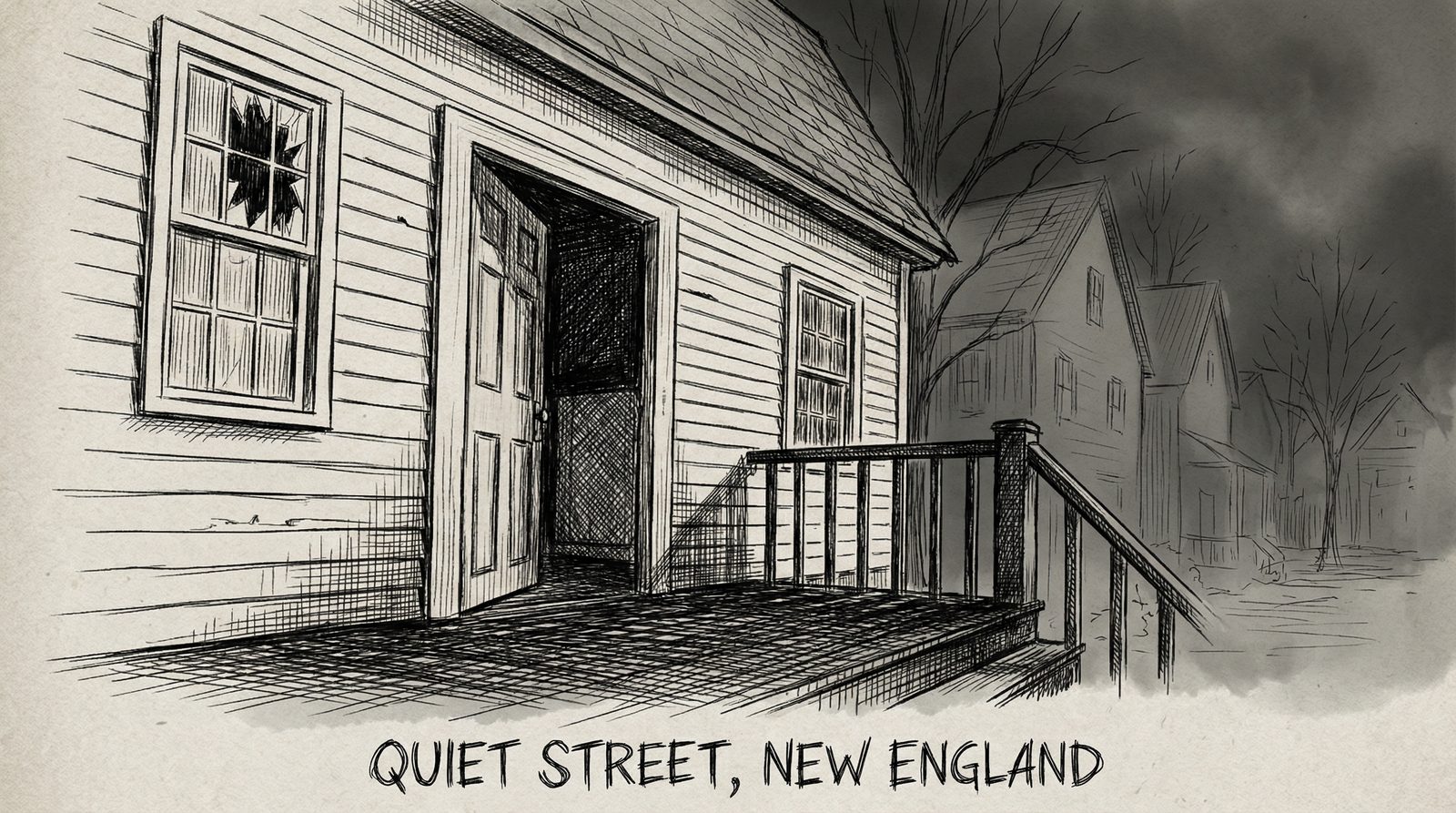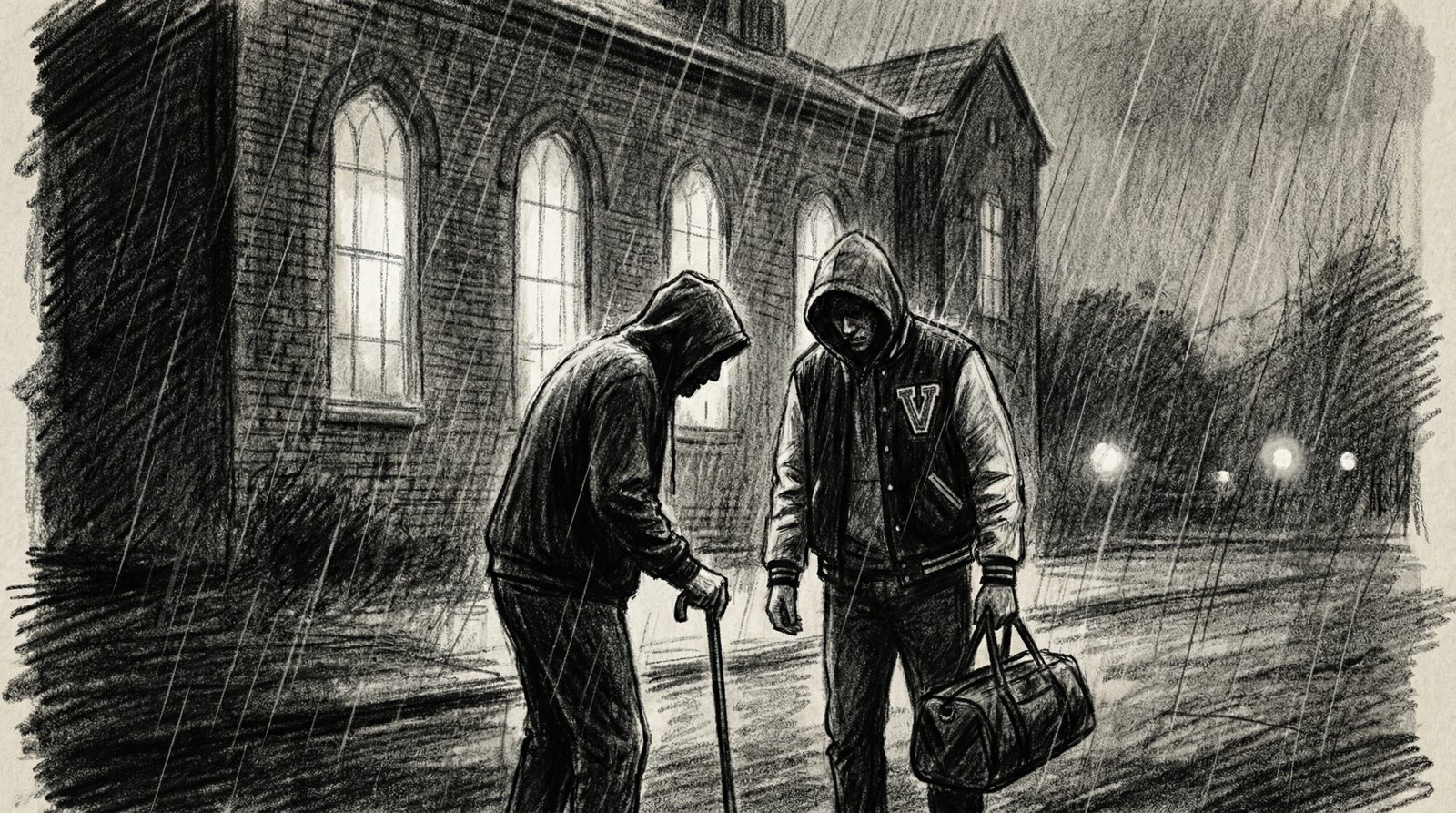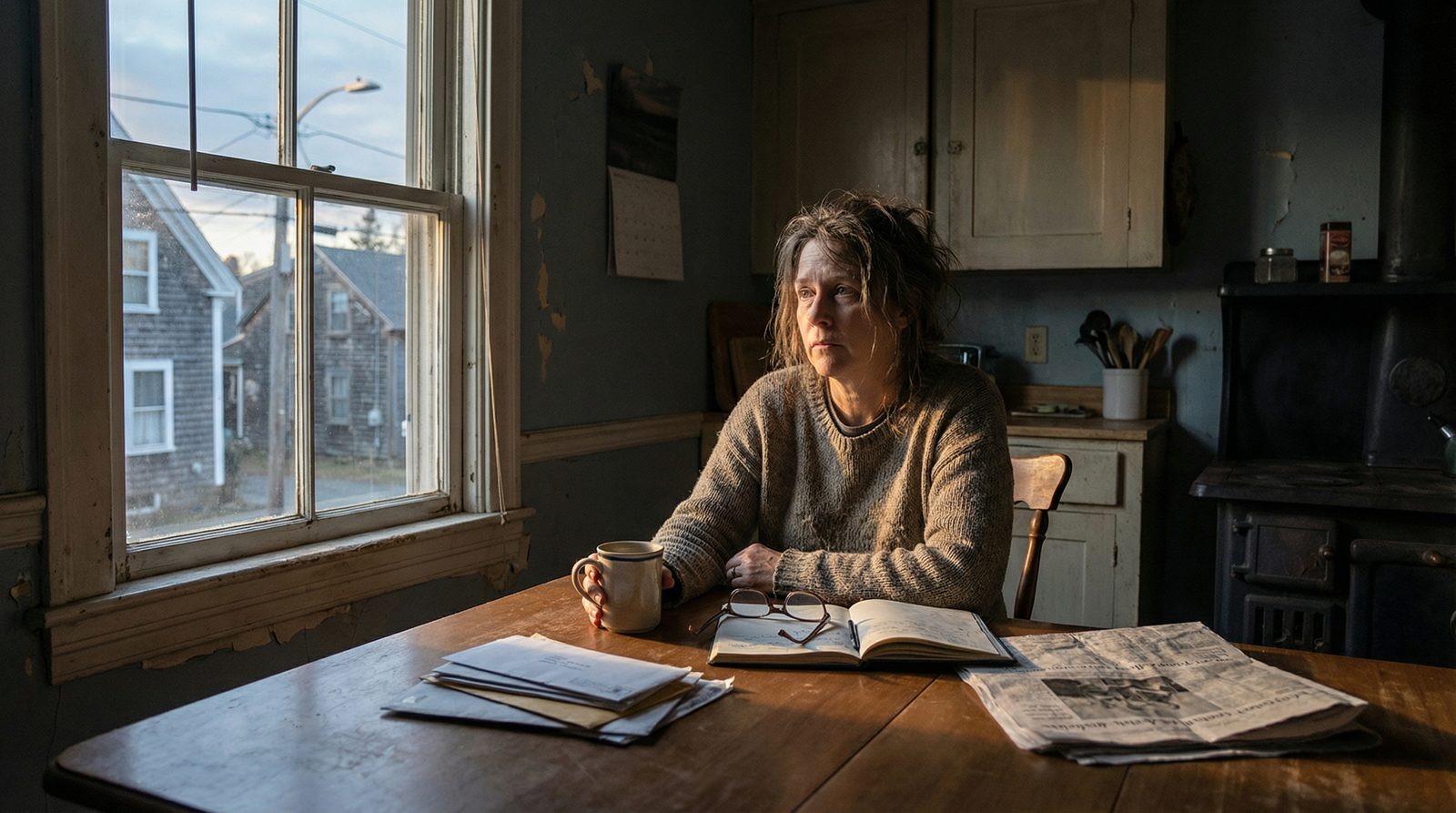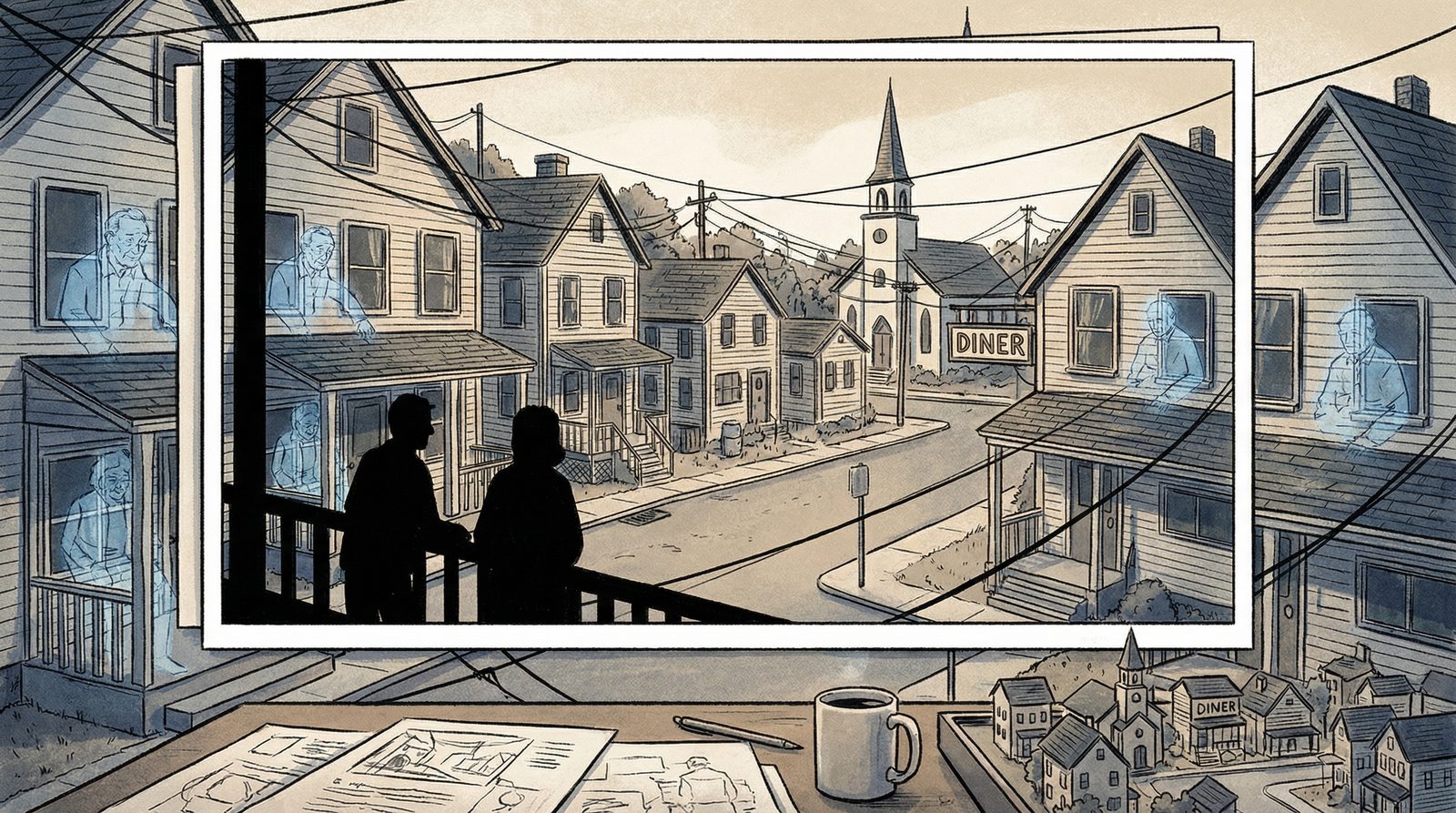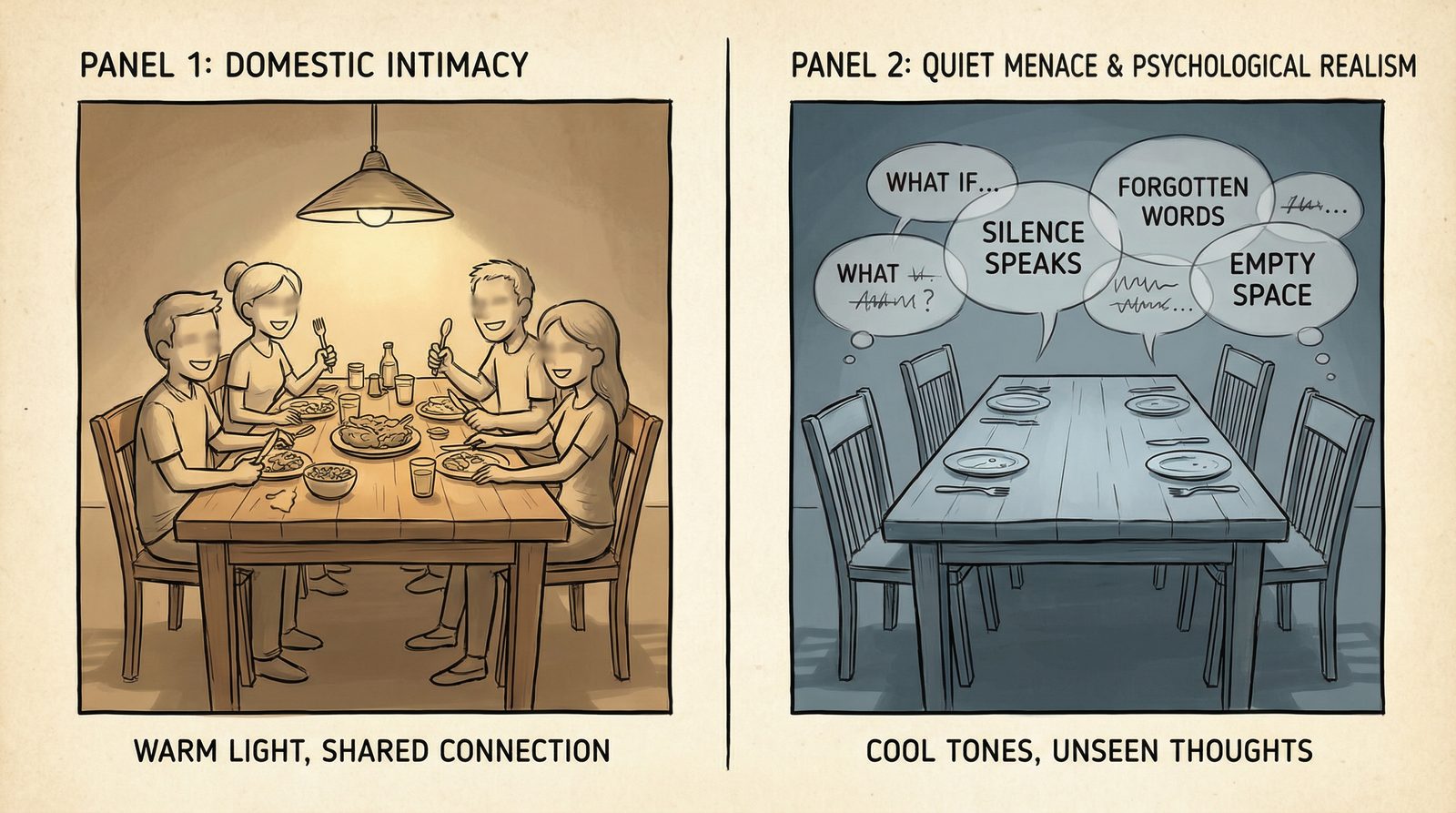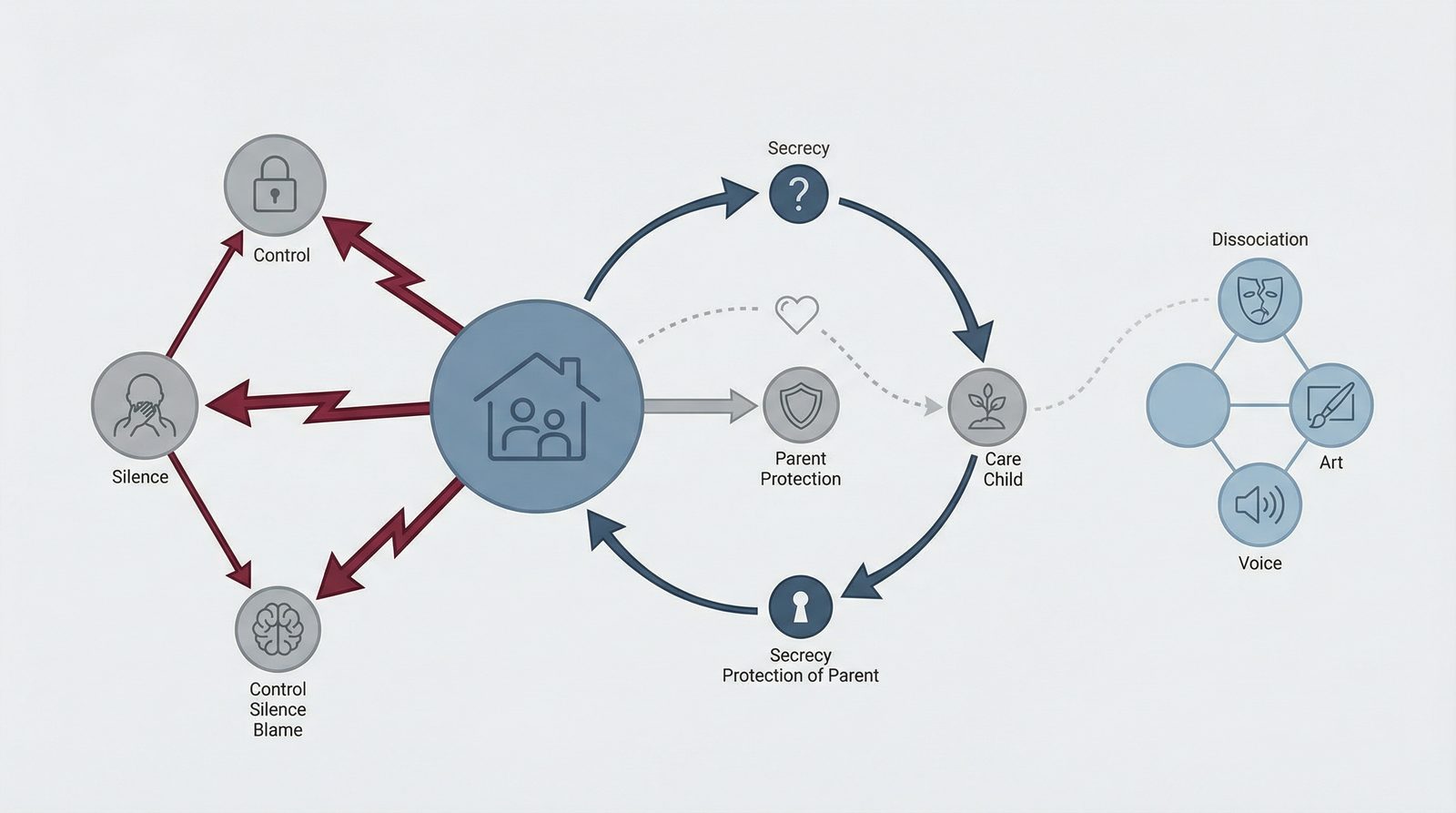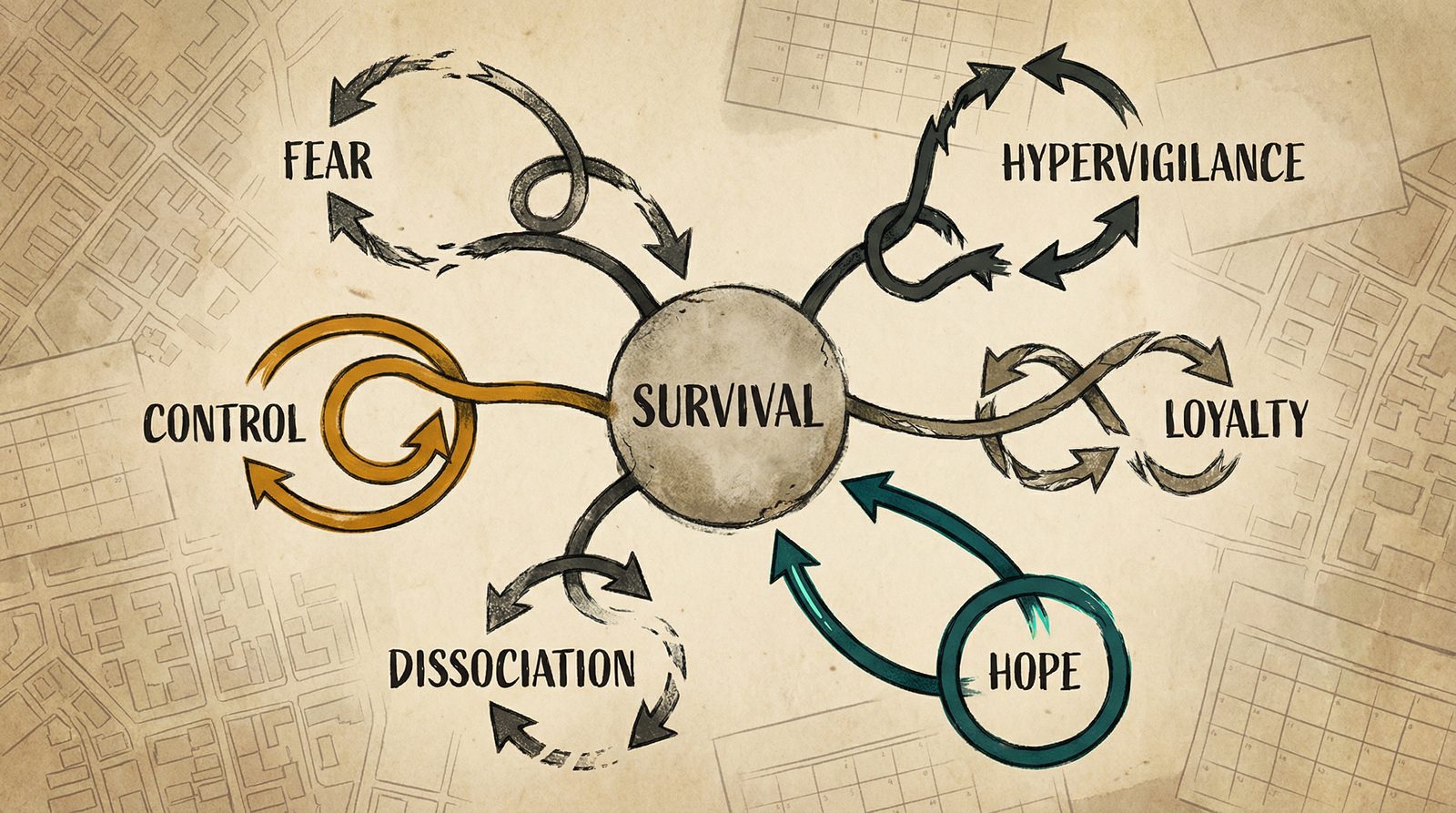

Narrative Techniques: Interior Monologue

  • Lila An Inquiry Into Morals (1991)

    Lila An Inquiry Into Morals (1991)

    INTRODUCTION

    Lila: An Inquiry Into Morals (1991) by Robert M. Pirsig
    Philosophical fiction · 409 pages · United States


    Lila: An Inquiry Into Morals is a river book that refuses to let metaphysics float free. Pirsig trades the open highways of Zen And The Art Of Motorcycle Maintenance for the cramped cabin of the sailboat Phædrus, drifting down the Hudson in fog, barge traffic, and shifting currents. The setting isn’t decorative. Navigation becomes the narrative engine: every time Phaedrus’s thought climbs into conceptual “high altitude,” the river imposes a somatic veto — a buoy in the mist, a wake cutting the hull, a near-collision that forces the mind back into the stubborn fact of the world.

    The feel is uneasy intimacy. Close quarters with Lila create constant embodied friction: mildew, clutter, fatigue, cigarettes, jewelry clinking in the dark. Then Pirsig opens the frame into abstraction and the river widens into argument. The book’s basic rhythm is interleaved claustrophobia and breadth — cabin detail followed by metaphysical sweep — and the reader is meant to feel the oscillation rather than merely understand it.

    PLOT & THEMES

    Phaedrus takes the Phædrus downriver toward New York, picks up Lila in a Kingston bar, and tries to finish his Metaphysics of Quality while the relationship deteriorates. The road-trip-as-inner-journey trope is reworked into a river passage where each stop triggers another argument about value. On the surface it reads like movement. In practice it reads like containment: the boat is a closed room in motion.

    Pirsig’s Metaphysics of Quality divides reality into static patterns (inorganic, biological, social, intellectual) and Dynamic Quality, the live edge of change. The river belongs to the inorganic register — physics, weather, currents, steel barges — and it keeps humiliating intellectual ambition. Charts and field notes represent static intellectual patterning, while the river keeps insisting on territory: the thing that cannot be fully captured by categories.

    Lila is the destabilizing test case. Her life — poverty, trauma, volatility, custody loss, breakdown — refuses to behave like an idea. Phaedrus repeatedly tries to read her through the MOQ hierarchy, but the book keeps showing how dangerous that becomes in practice. The closer he gets to “explaining” her, the less able he seems to care for her as a person. The intellectual pattern starts to eat the human problem it claims to solve.

    The ending makes the book’s moral logic unavoidable. Lila is institutionalized after a breakdown in a Manhattan hotel. Phaedrus walks away alone, shaken but convinced his system can account for what happened. This is not merely cold behavior. Pirsig forces the reader to see that, inside the MOQ, the Intellectual Pattern (the book, the system, the explanation) is evolutionarily “higher” than the Social/Biological Pattern (Lila’s welfare). Phaedrus enacts the brutal hierarchy he argues for. The disquiet is structural, not incidental.

    PROSE & NARRATIVE STRUCTURE

    Pirsig writes in plain, reportorial sentences that suddenly tip into long interior essays. A near-collision in fog becomes a pivot into subject-object metaphysics. A cigarette burn and a silence in the cabin become an opening into anthropology and moral codes. The book’s technique is not “plot with digressions.” It is an argument that keeps getting interrupted by the physical world, then returning to the argument with increased urgency.

    This is where the book becomes a tight node in the “Zen–Quality–Craft” cluster. In Zen Mind, Beginner’s Mind, “gaining mind” is the impulse to turn practice into achievement: to climb toward an outcome and call that enlightenment. In Lila, Dynamic Quality is the force that cannot be possessed or optimized — the live edge the MOQ tries to protect. The friction is the same in two vocabularies: beginner’s mind resists grasping, while Dynamic Quality resists capture. Pirsig’s tragedy is that the MOQ is built to honor the ungraspable, yet Phaedrus keeps trying to grasp Lila as a pattern.

    The narrative braid is deliberate. Cabin claustrophobia keeps puncturing metaphysical flight. River breadth keeps tempting the mind into system-building. The reader is meant to feel the oscillation as a training exercise: watch the mind reach for explanation, then watch reality pull it back by force.
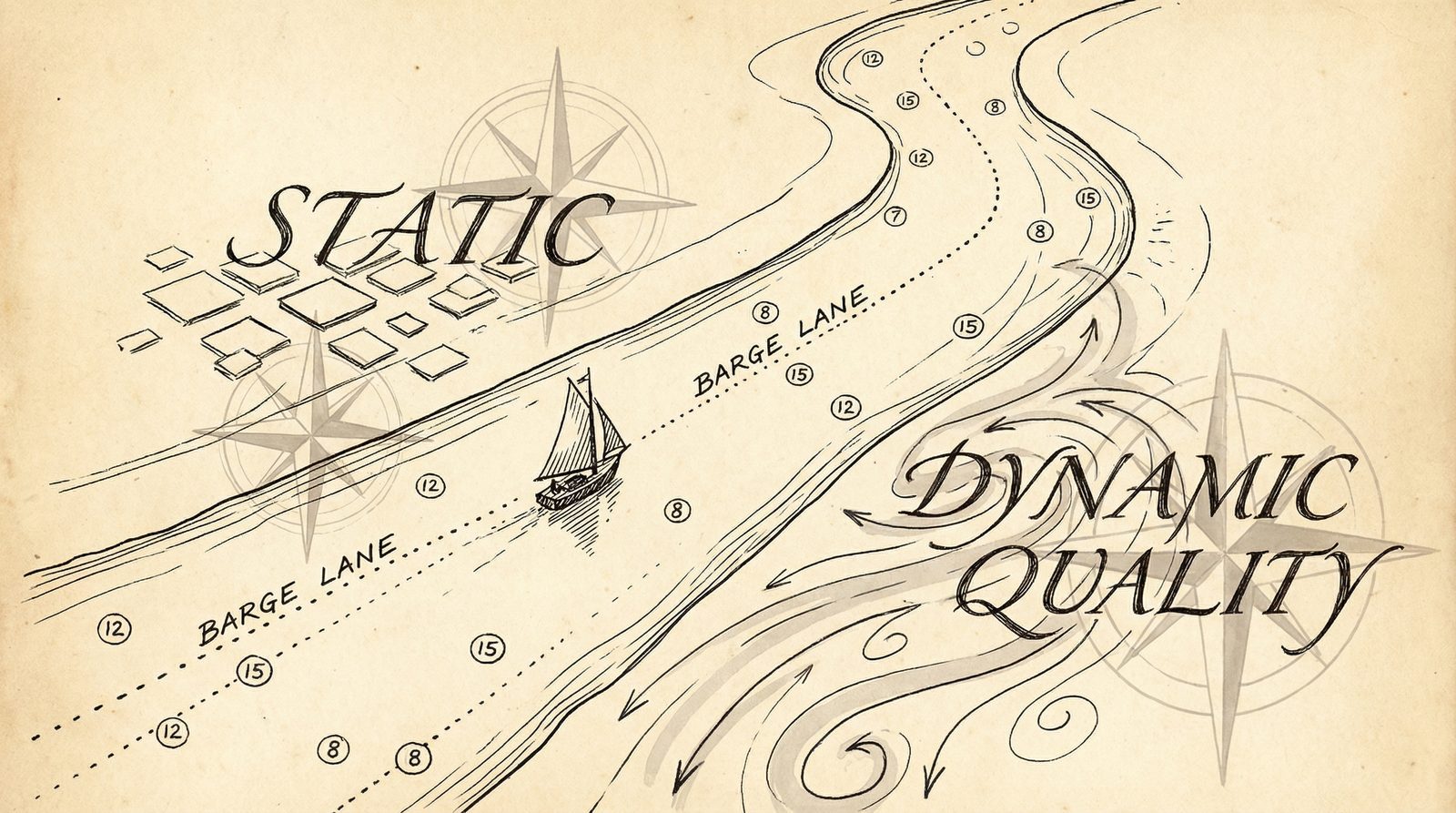
    Conceptual editorial illustration inspired by 'Lila: An Inquiry Into Morals (1991)'

    CHARACTERS & INTERIORITY

    Lila is written as bruised volatility: introduced as a bar pickup, then gradually revealed as a life shaped by exploitation and abandonment. Phaedrus often treats her as a “case” rather than a person, and the book never fully escapes that objectifying lens. Yet her sudden tenderness, rage, and moments of eerie clarity keep breaking the theoretical frame. She is the human cost the system keeps trying to metabolize.

    Phaedrus is the obsessed philosopher who has survived one metaphysical collapse and now risks repeating it. His interiority is a dense machine of categories and self-justification. The book’s emotional tension comes from watching him do something intellectually impressive while failing at something morally basic: protecting the person beside him.

    LEGACY & RECEPTION

    Lila arrived nearly two decades after Zen And The Art Of Motorcycle Maintenance, and many readers expecting another meditative road memoir were blindsided. It was respected more than loved. The metaphysics is denser, and the ending is abrasive enough to feel like a challenge thrown at the reader: if you accept the system, can you accept what the system just did?

    Its reputation has become quieter and more cultlike than Zen’s. For readers who return to it, the book often functions as the shadow text of the Metaphysics of Quality: the place where the system is not inspirational but dangerous, not a bridge to meaning but a hierarchy with teeth.

    IS IT WORTH READING?

    Lila is worth reading if you’re willing to trade narrative smoothness for intellectual risk and moral discomfort. Expect long stretches of argument punctuated by raw scenes of coercion, exhaustion, and breakdown. If you need tidy arcs or comforting resolutions, it will likely leave you stranded in the fog. If you want to see a metaphysical system tested against one damaged life until both begin to crack, it is singular.
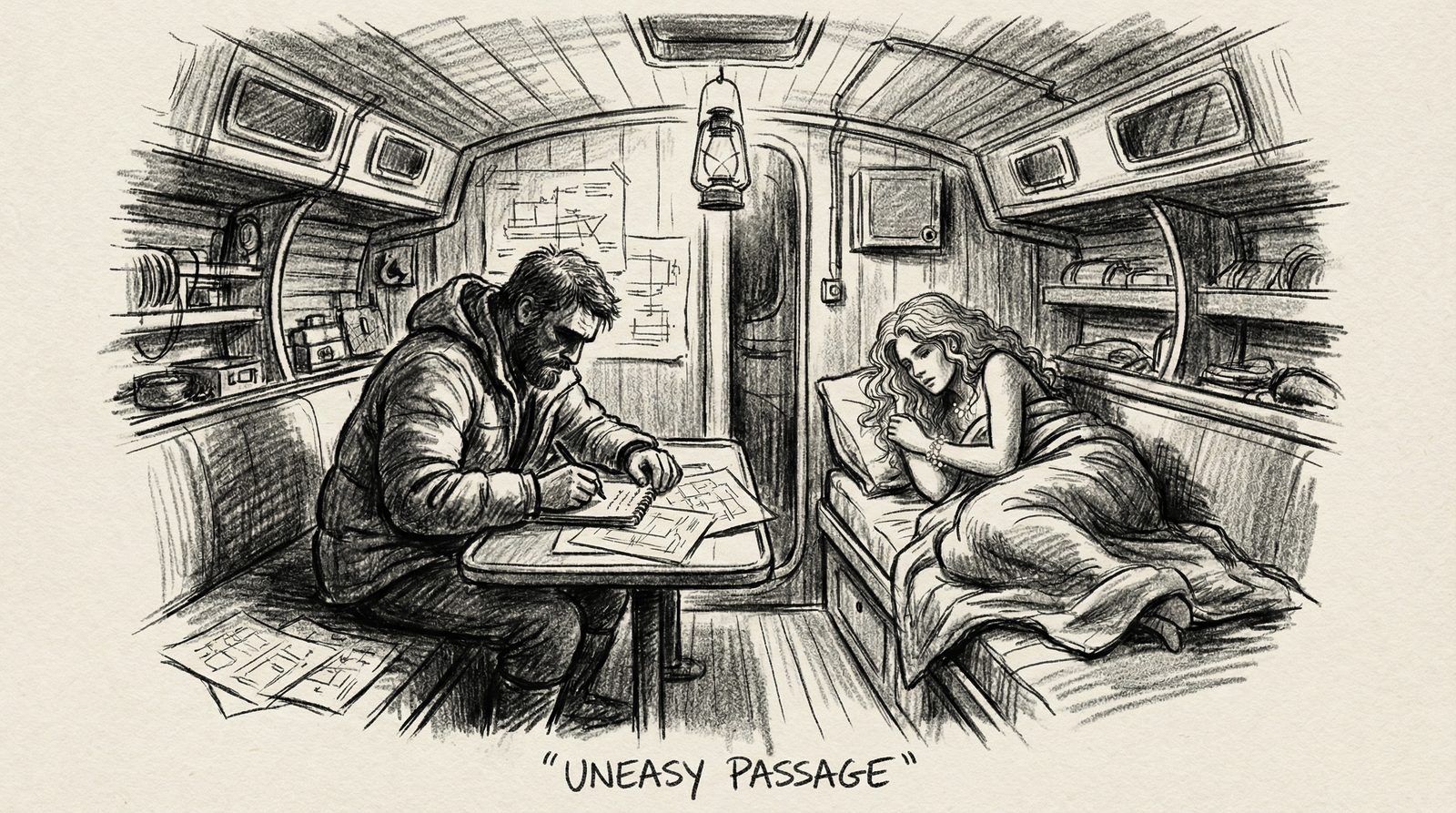
    Illustration of a core idea or motif from 'Lila: An Inquiry Into Morals (1991)'

    TRIVIA & AUTHOR FACTS

    Pirsig reportedly worked on Lila for over a decade. The boat name Phædrus echoes the name he used for his earlier pre-breakdown self, underlining how personal this inquiry is. Several episodes draw on his own sailing experience, including tense navigation among barge traffic on the Hudson.

    DISCOVERABILITY & LINKS

  • Identity Collapse in Isolation

    Identity Collapse in Isolation

    WHAT THIS MOTIF MEANS

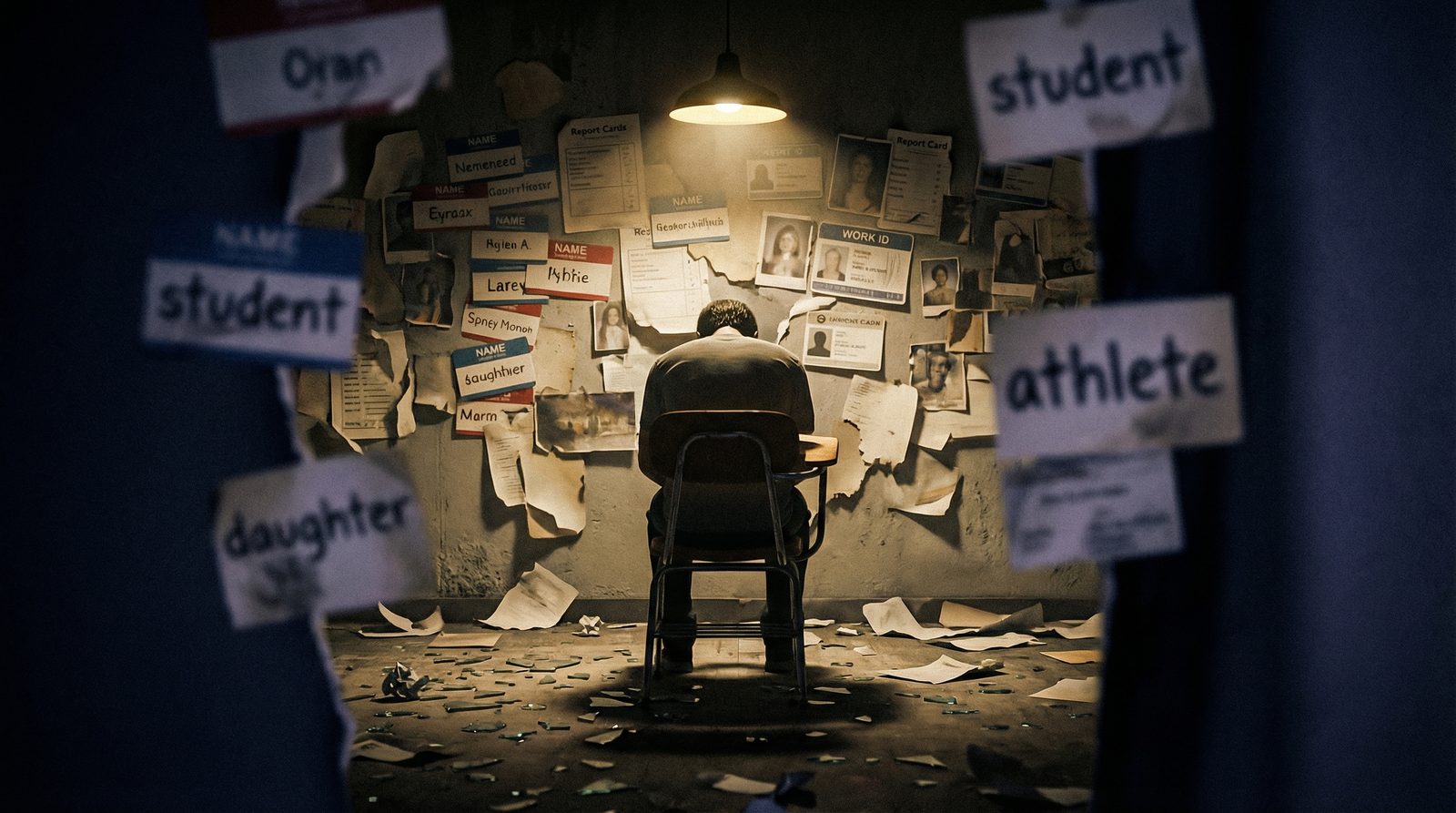
    Identity Collapse in Isolation describes the psychological unraveling that happens when a character’s sense of self is stripped of external anchors. Alone, misunderstood, or cut off from their usual environment, they lose the stabilising forces that normally tell them who they are. The collapse isn’t usually dramatic; it’s slow, quiet, and internal. Thoughts loop. Doubt magnifies. Reality bends inward.

    This motif thrives in stories where characters face pressure without support — academically, emotionally, socially, or physically. Their identities crumble under the weight of expectation or trauma, and the “collapse” becomes the catalyst for transformation, survival, or deeper harm.


    HOW IT WORKS

    The collapse typically begins with one destabilising event — rejection, trauma, loss, failure, or isolation. The character withdraws, either by choice or by circumstance. Without affirmation or grounding, their internal narrative shifts:

    • Daily routines lose meaning.
    • Internal monologues become repetitive or fragmented.
    • Fear, guilt, or pressure amplifies.
    • Self-image distorts.
    • Small triggers become psychological landmines.

    The motif often intertwines with anxiety, disassociation, and the feeling of being watched or judged, even when alone. It’s not about madness — it’s about the erosion of identity when all external mirrors break.


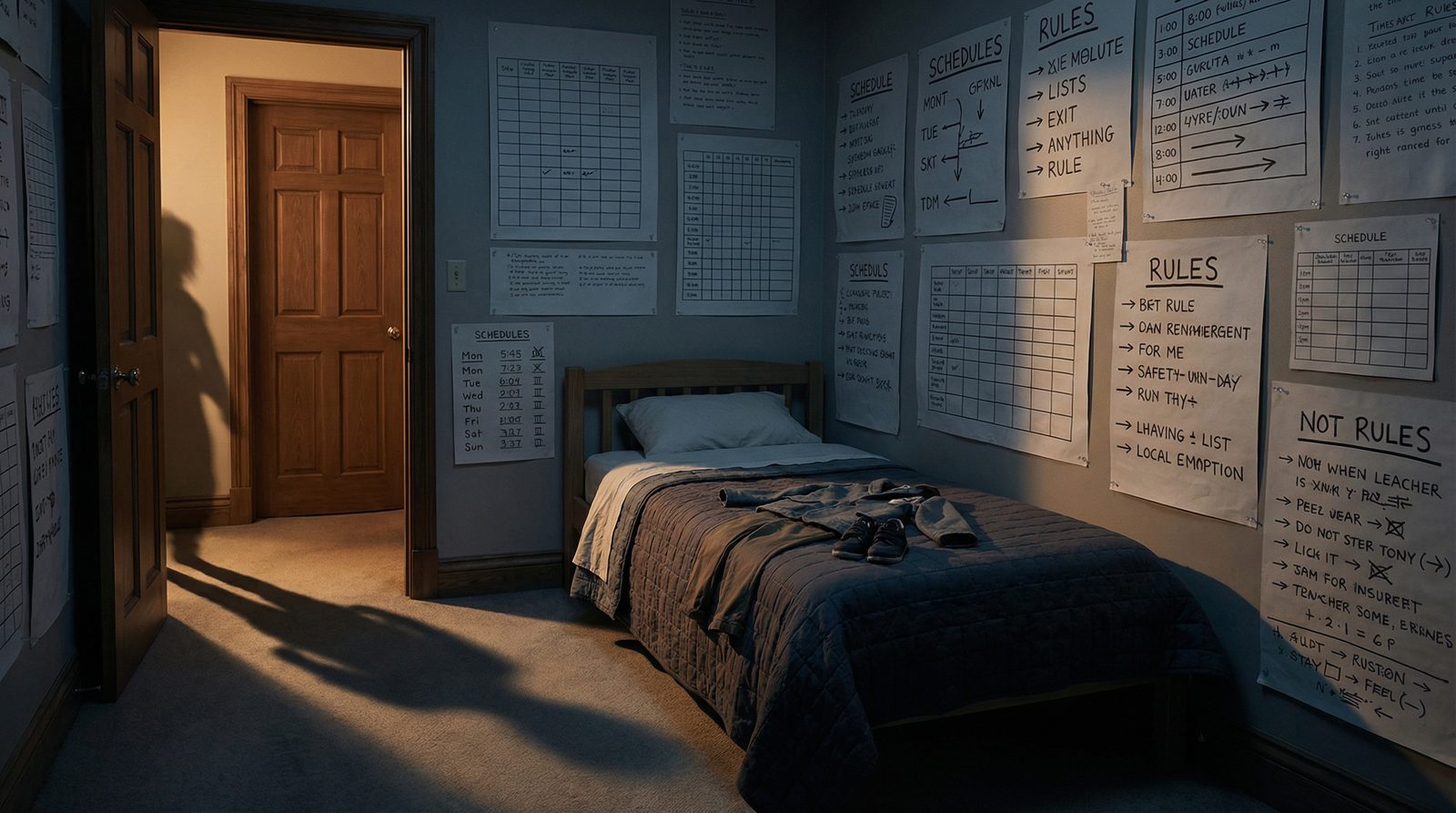
    Identity Collapse in Isolation inline concept image

    WHERE WE SEE IT

    This motif appears strongly in Tabitha King’s work. In One on One, Deanie’s entire sense of self fractures under community pressure and exploitation. In Survivor, A. P. Hill experiences a painful identity freefall after trauma destroys her ability to function in familiar spaces.

    Laurie Halse Anderson uses the motif sharply in Catalyst, where Kate Malone’s collapse begins the moment her carefully constructed academic identity fails. The momentum of her breakdown feels claustrophobic because the isolation is both emotional and self-imposed.

    Even Jill Paton Walsh’s The Green Book reflects this motif at a gentler level, with colonists forced to redefine themselves on a foreign planet where nothing familiar exists. Isolation becomes not just physical, but existential.


    WHY IT MATTERS

    The motif resonates because it sits at the intersection of fear and transformation. It shows how fragile identity can be when its scaffolding collapses — when relationships fail, routines vanish, or expectations crumble.

    Stories built on this motif challenge readers to confront uncomfortable truths: who are we when no one is looking? Who are we without validation? What happens when the internal voice becomes hostile or unreliable?

    Identity Collapse in Isolation often precedes either a breakthrough or a breakdown. It’s a narrative pivot point, not an endpoint. Characters emerge stronger, shattered, or fundamentally changed — but never the same.


    Identity Collapse in Isolation inline diagram image

    ARCHETYPES & VARIANTS

    The motif intersects cleanly with archetypes like The Double Self, where characters must perform one identity while privately breaking down. It also aligns with The Survivor Confessor, who must rebuild identity after trauma strips it away.

    Variants include:

    • The perfectionist collapse – when a character’s identity is built entirely on achievement.
    • The trauma-driven shell – when external shock disrupts internal stability.
    • The relational void – when isolation is social, not physical.
    • The environmental erasure – when characters lose culture, context, or home.


    RELATED MOTIFS & WORKS

    This motif pairs closely with Domestic Vulnerability as Horror and connects to the speculative pressure of Future Shock as Transformation.

    Strong examples include One on One, Survivor, Catalyst, and the milder but thematically aligned The Green Book.

  • Domestic Vulnerability as Horror

    Domestic Vulnerability as Horror

    WHAT THIS MOTIF MEANS

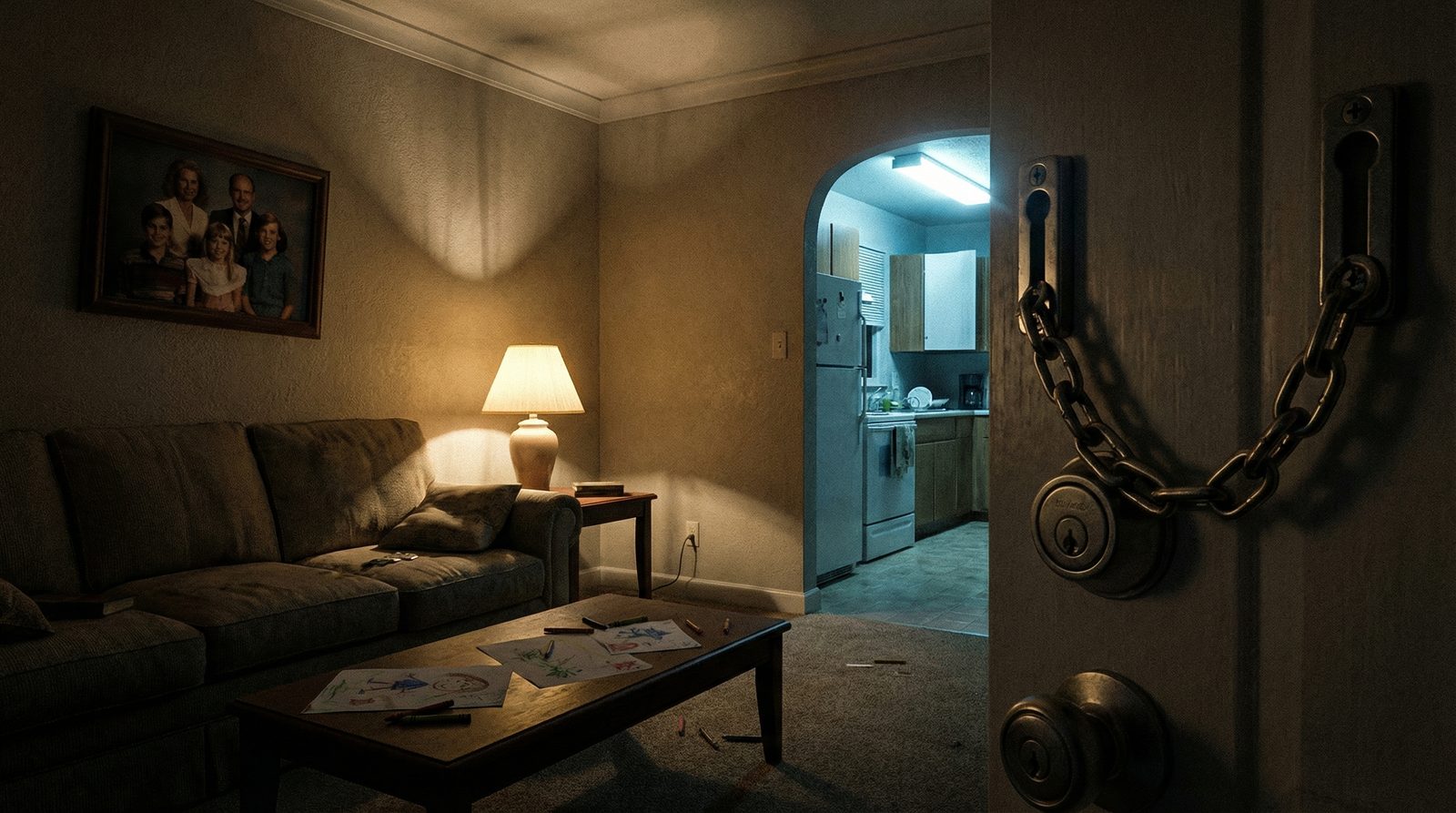
    Domestic Vulnerability as Horror is the fear that comes not from the supernatural or the unknown, but from the places that should be safest. Homes, families, bedrooms, kitchens, schools — the everyday environments where people sleep, eat, and share their lives — become pressure chambers where danger grows quietly. The horror here is emotional, social, and psychological. It’s the dread of being unprotected in the one space where you expect comfort.

    The motif appears across genres: literary fiction, YA realism, psychological dramas, and even soft sci-fi. It’s the threat of being misunderstood by the people closest to you, of being trapped in routines or roles that hurt, of having nowhere to escape because everything that frightens you is already inside the house.


    HOW IT WORKS

    This motif relies on tension, not spectacle. The unsettling moments usually come from subtle shifts: a parent’s silence that suddenly feels hostile, a partner’s smile that hides resentment, an expectation that becomes a burden, or a home that starts feeling like a cage instead of a sanctuary.

    The horror emerges when characters lose agency within familiar walls. Emotional safety erodes. Control slips away. Intimacy becomes danger. The motif often overlaps with psychological collapse, family pressure, and the erosion of identity — especially for characters who have no external support network.

    Domestic Vulnerability as Horror inline concept image

    WHERE WE SEE IT

    This motif shows up repeatedly across our current clusters. In Tabitha King’s Pearl, the home becomes the stage for social scrutiny and inherited tension. In One on One, Deanie’s house — and the adults inside it — offers no protection from predatory attention or community pressure.

    Laurie Halse Anderson uses the motif heavily in Catalyst, where the Malone household is loving but brittle, and the emotional expectations placed on Kate become suffocating. Even a soft sci-fi novel like Jill Paton Walsh’s The Green Book brushes this motif: the colonists’ improvised shelters on a new planet are fragile, constantly threatening their safety and identity.

    The strength of this motif lies in how universal it is. Everyone understands what it feels like when a supposedly safe environment starts to feel threatening — whether emotionally, socially, or physically.


    WHY IT MATTERS

    Domestic Vulnerability as Horror matters because it exposes the power structures inside families and tight-knit communities. It reveals how protection can flip into danger when trust is broken or when roles harden into traps. The motif forces characters — and readers — to confront uncomfortable truths about dependence, intimacy, and the fear of not being believed or understood.

    In fiction, this motif is often where the deepest emotional work happens. It’s where characters confront the pressure to perform normalcy, the pain of unmet expectations, and the fight to reclaim space that belongs to them.

    Domestic Vulnerability as Horror inline diagram image

    ARCHETYPES & VARIANTS

    The motif often intersects with archetypes like The Double Self — characters who present one face to their family and another to themselves — and The Survivor Confessor, who must speak their truth after being harmed or misunderstood inside the home.

    Variants include:

    • The suffocating home – where control masquerades as love.
    • The brittle family – where silence becomes a weapon.
    • The unsafe childhood space – where adults fail to protect or actively harm.
    • The collapsing sanctuary – when a home becomes a psychological burden.


    RELATED MOTIFS & WORKS

    This motif connects directly to Identity Collapse in Isolation and the more speculative Future Shock as Transformation. Together, they form a triad about pressure, environment, and the ways external structures reshape the self.

    Key works using this motif include Tabitha King’s One on One, Pearl, and Survivor, Laurie Halse Anderson’s Catalyst, and even elements of Jill Paton Walsh’s The Green Book.

  • Survivor (1997)

    Survivor (1997)

    By: Tabitha King
    Genre: Domestic Psychological Fiction, Literary Fiction
    Country: United States


    INTRODUCTION

    Survivor is one of Tabitha King’s most emotionally concentrated novels. It avoids neat catharsis and instead follows the long, uneven work of recovery after a single life-altering moment. First published in 1997, the book steps away from the wide social tapestries of the Nodd’s Ridge cycle and turns its attention to a college campus shaken by a terrible accident. What emerges is a story about guilt, memory, reputation, and the fragile ways people try to move forward while others continue to see them through an outdated and distorted lens.

    Where One on One traces adolescence under pressure and Pearl examines adult identity inside a small community, Survivor asks what happens when the story of your life is abruptly cut in half. The book is quieter than some of King’s earlier work, yet the psychological focus is sharper, and that precision makes it one of her most memorable novels.


    PLOT & THEMES

    The novel centers on A. P. Hill, a student whose life is divided into a before and an after by a catastrophic accident at college. The details of what happened do not arrive in a single exposition dump. Instead, they surface in fragments, scattered across memories, conversations, and moments of intrusive thought. That structure mirrors Hill’s own attempts to make sense of the event and to place it somewhere she can live with.

    When Hill returns to campus, she walks into a community that has already decided what it thinks it knows. She passes through corridors full of whispers, half-truths, and unresolved grief. King writes trauma without spectacle. The damage shows up in sleepless nights, in strained small talk, and in the effort it takes to pretend that everything is fine just so other people can feel more comfortable. This connects closely to the motif Identity Collapse in Isolation, since Hill has to rebuild a sense of self inside an environment that feels both crowded and profoundly lonely.

    King also returns to one of her recurring interests: the way apparently safe spaces can become threatening. The campus should function as a protective setting, a place dedicated to learning and support. Instead, it turns into a maze of watchful eyes and secondhand stories. Even friendships cannot be trusted without hesitation. There is no supernatural threat in Survivor, only the ongoing consequences of a single moment that nobody can erase.


    STYLE & LANGUAGE

    King’s prose in Survivor is stripped back and deliberate. Compared to the more expansive style of the Nodd’s Ridge novels, this book feels tighter and more contained, which suits its psychological focus. Interior monologue plays a major role. Readers spend a great deal of time inside Hill’s thought patterns, watching her circle the same fears and questions while trying to decide which dangers are real and which are echoes.

    Scenes often cut away at the moment when emotions spike, which reflects Hill’s own tendency to withdraw when a situation becomes too charged. Dialogue is full of missed signals and partial truths. People want to help but lack the language. Others avoid the subject altogether, afraid that the wrong phrase might cause more pain, and end up making the silence heavier instead.

    One of King’s strengths here is her sense of how trauma warps time. Ordinary days stretch out and feel strangely hollow, while memories arrive with a clarity that pushes the present aside. The pacing of the novel, sometimes slow and sometimes suddenly sharp, reflects the uneven rhythm of recovery.

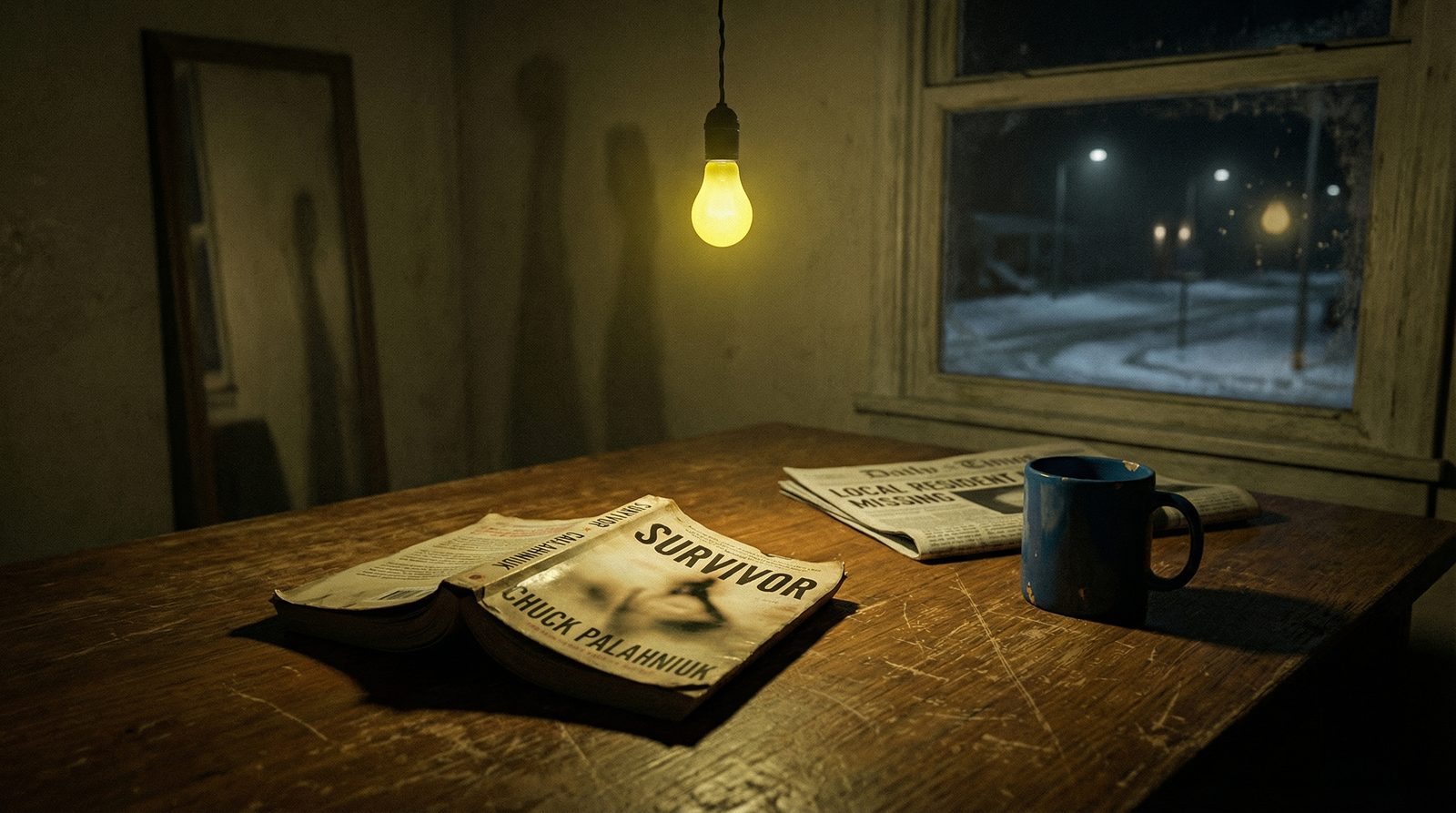
    Conceptual editorial illustration inspired by 'survivor (1997)'

    CHARACTERS & RELATIONSHIPS

    A. P. Hill is one of King’s most carefully drawn protagonists. She is not presented as a symbol or a lesson. She is a young woman trying to gather the scattered pieces of her identity while everyone around her has an opinion about what she should feel. Her anger, numbness, and occasional flashes of dark humor make her feel fully human rather than emblematic.

    Her classmates and professors orbit around her in ways that reveal the institution’s limits. Some hover with well-meaning concern that never quite turns into real understanding. Others view her as a problem to manage or a reminder of something they would rather not face. A few characters project their own guilt and fear onto her survival. Together, they echo the motif Domestic Vulnerability as Horror, recast here as institutional vulnerability, where the system assumes that students can absorb anything and keep going.

    Her family appears in concentrated, emotionally charged scenes. They care about her and want explanations, but their need for clarity sometimes clashes with her need for space and privacy. King captures the way love, fear, and frustration can sit in the same room without finding a comfortable arrangement.


    CULTURAL CONTEXT & LEGACY

    When Survivor appeared in the late 1990s, campus novels were beginning to take on darker and more psychologically complex subjects. King’s approach stands out because of how quietly she handles her material. There is no final courtroom scene, no neat confession, no dramatic twist that reorders everything. The focus stays on aftermath and on the way trauma seeps into daily life.

    Within King’s body of work, Survivor feels like a close cousin to One on One, although the scope is narrower. Instead of showing how an entire community responds to pressure, King stays close to a single internal journey and lets the wider world remain slightly out of reach. The novel also anticipates later psychological and domestic fiction that centers on women whose trauma shapes how others see them, often in ways they cannot control.


    IS IT WORTH READING?

    Survivor is not an easy read, but it is a deeply honest one. Readers who appreciate character-driven psychological fiction, domestic or institutional suspense without sensational twists, and stories about the slow work of rebuilding after crisis will find it compelling. It also serves as a strong companion to Pearl and The Trap, offering a more tightly focused exploration of themes that run throughout King’s work, such as pressure, visibility, and the struggle to feel safe in one’s own life.


    SIMILAR BOOKS

    Readers drawn to novels about trauma, recovery, and the social aftershocks of a single event may find a strong echo in Laurie Halse Anderson’s Catalyst, which also follows a young woman navigating pressure and expectation in a close-knit environment. Within Tabitha King’s own work, One on One offers another look at vulnerability and defiance in youth, while Pearl explores identity struggles in a more community-rooted setting.

  • One on One (1993)

    One on One (1993)

    By: Tabitha King
    Genre: Literary Fiction, Domestic Psychological Fiction
    Country: United States


    INTRODUCTION

    Tabitha King’s One on One begins with the feel of a familiar coming-of-age tale, but the story quickly deepens into something more charged. It follows Deanie Gauthier, a young basketball standout growing up in Nodd’s Ridge, a town where people pay close attention to the smallest details of each other’s lives. Deanie’s talent puts her in a strange position. She shines on the court, yet her intensity, confidence, and physical presence make her stand out in ways the town isn’t entirely comfortable with. What looks like a simple sports novel from the outside becomes a layered exploration of ambition, gender, class, and the uneasy pressure of being different in a place that prefers predictability.

    Revisiting the book through AllReaders means returning to a novel that mixes sport, desire, and a steady undercurrent of psychological unease. King portrays a girl who refuses to shrink, and that refusal gives the book its lasting power.


    PLOT & THEMES

    Deanie Gauthier is a gifted player in a town that doesn’t know how to celebrate a girl like her. She is strong, competitive, and unwilling to soften herself for anyone. Home offers little comfort. Her mother drifts in and out of relationships, and one boyfriend becomes a genuine threat. The basketball court turns into Deanie’s only place of order, the one part of her life where her skills give her some control.

    Her growing connection with Sam Styles complicates everything. Sam is one of the young men coaching in her orbit, and the relationship slips into territory neither of them fully understands. The imbalance between them is clear from the start, even though neither speaks it aloud. King handles these moments with restraint, relying on quiet details rather than dramatic turns. The unease fits closely with the motif Domestic Vulnerability as Horror, since the danger comes from ordinary people rather than anything supernatural.

    The people of Nodd’s Ridge help push the tension higher. They talk about Deanie constantly. They judge her talent, her body, her choices, and even her silences. She becomes the subject of opinions she never asked for. Under that scrutiny, she inches toward a point where she must decide whether to shape herself into something more acceptable or hold her ground and risk being isolated. The pressure echoes the motif Identity Collapse in Isolation, where a character’s inner life is squeezed by the expectations of the world around them.

    Conceptual editorial illustration inspired by 'one on one (1993)'

    STYLE & LANGUAGE

    King writes with clarity and restraint. Her style looks simple at first glance, but she uses it to capture emotional shifts with real precision. Much of the power comes from her dialogue. Characters rarely say exactly what they mean, yet the intent sits right beneath the surface, especially in conversations between Deanie and the adults who see her as something they want to shape.

    The pacing reflects the rhythm of teenage life. Ordinary days stretch out for chapters, then something unexpected happens and everything tightens. The basketball scenes carry a physical energy that feels grounded in lived experience. In contrast, the moments at home feel fragile, as if the walls could crumble with one wrong word.

    King’s blend of private thought and public scrutiny gives the novel its emotional tone. Even when Deanie stands in a crowded room, the writing often makes her feel alone. That loneliness becomes another pressure point that shapes the story.


    CHARACTERS & RELATIONSHIPS

    Deanie Gauthier is one of King’s most memorable protagonists. She is tough, self-reliant, and painfully aware of the ways adults fail the children in their care. Her aggression on the court is part shield, part survival strategy. King allows her to be angry, hopeful, reckless, and loyal without ever flattening her into a single trait.

    Sam Styles occupies a complicated place in Deanie’s story. King avoids turning him into a cartoon villain, but she also makes it clear how easily a young man in his position can misuse the influence he has over a girl who wants to be seen. His choices create much of the novel’s slow-building danger.

    The supporting cast widens the emotional landscape. Friends, teammates, teachers, and Deanie’s family all add texture to the town’s inner workings. Many of them reveal, in small ways, how a community can watch a girl closely while still failing to understand her.

    Illustration of a core idea or motif from 'one on one (1993)'

    CULTURAL CONTEXT & LEGACY

    Published in the early 1990s, One on One arrived during a period when fiction was increasingly interested in the overlap between teenage interiority and domestic realism. King approaches these themes with subtlety. She writes trauma without spectacle and desire without exploitation. The novel shares some thematic terrain with other members of the King family’s work, particularly the focus on small towns as both nurturing and suffocating spaces, but her voice remains distinct.

    Within the Nodd’s Ridge cycle, this book helps define the emotional range of the series. Characters weave in and out of multiple novels, creating a shared world that feels steady even when the people inside it struggle. That continuity gives the series its depth and provides long-term readers with a sense of connection across the books.


    IS IT WORTH READING?

    Readers who enjoy character-driven stories about resilience, vulnerability, and the pressures of small-town life will find a lot to admire in One on One. It is one of Tabitha King’s most immediate and emotionally grounded novels. Many readers who start here continue to Pearl or The Book of Reuben afterward, since the books complement one another and deepen the world of Nodd’s Ridge.


    SIMILAR BOOKS

    If you connect with the emotional intensity of One on One, several other novels may hit the same nerve. Tabitha King’s Survivor explores trauma and resilience from a different angle, while Pearl expands the Nodd’s Ridge setting through another protagonist’s eyes. Outside her work, Laurie Halse Anderson’s Catalyst dives into the pressures and expectations placed on young women, making it a strong thematic match.

  • Tabitha King

    Tabitha King

    INTRODUCTION

    Tabitha King has spent most of her career slightly out of frame. For decades she was introduced as Stephen King’s wife, the woman who rescued an early draft of Carrie from the trash. But that shorthand does her a disservice. Across a run of eight novels, from Small World to the Southern gothic of Candles Burning, she has built a body of work that is sharper, stranger, and more emotionally precise than that supporting-player narrative allows.

    Her fiction lives where domestic life and menace overlap. Ordinary homes tilt toward nightmare. Small towns bristle with secrets. Families try, and often fail, to love each other well. If the broader King universe is full of killer clowns and haunted hotels, Tabitha’s corner of it is haunted by bad decisions, generational grudges, and the quiet terror of realizing you no longer recognise your own life.


    LIFE & INFLUENCES

    Born in 1949 and raised in Maine, Tabitha King grew up in the same landscape that would later anchor so much of the King family’s fiction. The coastal towns, hard winters, and working class rhythms of the region echo through her work just as strongly as they do through her husband’s, but she writes from a different vantage point. Her books often follow women and girls who are intelligent, observant, and deeply rooted in their communities even when those communities fail them.

    King started publishing short work in the 1970s, then released her debut novel Small World in 1981. The book’s blend of psychological realism, dark humour, and a touch of the surreal sets the tone for much of what follows. Through the 1980s and 1990s she built out the fictional town of Nodd’s Ridge in a loose series that includes Caretakers, The Trap, Pearl, One on One, and The Book of Reuben. Later she would step outside that setting for the campus trauma of Survivor and the collaboration Candles Burning, which extends an unfinished novel by horror writer Michael McDowell.

    Influence wise, you can feel the pull of realist New England fiction, women’s literary fiction of the 1970s and 1980s, and classic Gothic storytelling as much as horror. Her books are less about monsters in the closet and more about what happens when the people you rely on become the thing you fear.

    Editorial illustration inspired by 'Tabitha King'


    THEMES & MOTIFS

    Across King’s novels, one of the strongest currents is domestic life under pressure. Marriages are strained by ambition and resentment. Parents and children misread each other in ways that have real consequences. In Nodd’s Ridge, the community itself becomes a kind of character, enforcing norms and punishing anyone who steps outside them. This makes her a natural fit for motifs like Domestic Vulnerability as Horror, where the supposed safety of home becomes the very thing that traps you.

    Identity is another recurring concern. Characters often find that the roles they have been assigned, especially gendered ones, no longer fit. Deanie in One on One is a gifted basketball player negotiating power, desire, and control in a small town that cannot quite cope with a girl who refuses to stay in her lane. The title character of Pearl inherits a business and a complicated social position, then has to decide what kind of person she is willing to become in order to keep both. These arcs connect neatly to a motif of Identity Collapse in Isolation, where people discover who they are only after being pushed to the edge.

    Power imbalances run through the books as well. Men with social, financial, or physical power often use it carelessly, sometimes cruelly, while women are left to manage the fallout. Yet King rarely frames her characters as simple victims. They make strategic choices, protect each other, and occasionally burn down the systems that harmed them, literally or metaphorically.


    STYLE & VOICE

    Tabitha King’s prose has a grounded, workmanlike quality that suits her material. She is less interested in baroque horror set pieces than in the slow accumulation of detail. Kitchens, parking lots, basketball courts, diners, and small town churches are described with the eye of someone who has actually spent time in them. When violence or the uncanny does surface, it hits harder because it is intruding on such recognisable spaces.

    Her dialogue is sharp and often very funny in a dry way. Characters jab at each other with one liners that feel earned by long relationships. She also has a knack for slipping into interior monologue without losing momentum, letting you sit inside a character’s doubt or anger for just long enough before the plot pulls you forward again.

    Structurally, many of the novels are sprawling, following multiple point of view characters across years. That makes the Nodd’s Ridge books feel almost like a shared universe long before that term became a marketing label. You see the same events refracted through different people, and minor characters in one book step up to centre stage in another.

    Symbolic illustration inspired by 'Tabitha King'


    KEY WORKS

    If you are new to Tabitha King, there are a few natural entry points. Small World is a great starting place if you want to see her early voice, with its mix of oddity and realism. For the Nodd’s Ridge cycle, Pearl and One on One are the most frequently recommended, each following a woman navigating desire, race, class, and small town expectations in very different ways.

    The Book of Reuben flips the perspective to a male protagonist whose choices ripple back through the earlier books, making it a fascinating read once you are already invested in the town. Survivor stands alone, a campus novel that turns on a single traumatic accident and the long healing that follows. And Candles Burning offers something slightly different again, blending King’s sense of character with Michael McDowell’s Southern gothic weirdness.

    Viewed together, these books sketch out a kind of alternate map of late twentieth century American life. Fame, addiction, ambition, and the long tail of family damage all show up here, but filtered through characters who could plausibly live next door.


    CULTURAL LEGACY

    Tabitha King’s legacy is complicated by the shadow she writes in, but that is also what makes her so interesting to read now. In an era when readers are hungry for women’s perspectives on violence, power, and community, her work feels surprisingly current. The Nodd’s Ridge novels in particular anticipate a lot of what later became fashionable in so called literary suspense and domestic noir.

    She also matters because of what she represents in the broader King ecosystem. The often repeated anecdote about her rescuing Carrie is true enough, but the more important story is that of a writer who built her own fictional world beside a much louder one and refused to let it be swallowed. Reading her now is a way of rebalancing that history, recognising that the King name on a spine does not always mean the same voice, and that the smaller, quieter books sometimes carry the sharpest teeth.

    For AllReaders, rebuilding her creator page and the book reviews attached to it is not just nostalgia. It is a way to honour a writer who has always been part of the site’s DNA and to connect a new generation of readers to a corner of horror and domestic fiction that has been overlooked for too long.

  • Parental Betrayal

    Parental Betrayal

    Motif Type: Family Harm
    Era Focus: 20th Century to 21st Century
    Primary Fields: Memoir, Literary Fiction, Trauma Narratives


    WHAT THIS MOTIF MEANS

    Parental Betrayal appears in stories where a parent violates the trust that should define the relationship. The betrayal may be emotional, physical, or psychological. Sometimes it is overt. Sometimes it is disguised as care. The result is the same. The child learns early that the person meant to protect them is the person they must survive.

    The betrayal shapes identity, trust, and future relationships. It becomes the lens through which the character sees the world.


    HOW IT WORKS IN NARRATIVE

    This motif often begins with a character who believes the parent’s behavior is normal. The betrayal is slow, cumulative, and internalized. Only later, through distance or comparison, does the character understand the truth. The narrative arc follows the painful shift from loyalty to clarity and the emotional fallout that follows.

    Parental Betrayal creates complex emotional terrain because characters often love the person who harmed them.

    Parental Betrayal inline concept image


    WHERE WE SEE IT IN OUR LIBRARY

    • I’m Glad My Mom Died – Jennette McCurdy’s mother controls her body, career, and identity while presenting herself as protector.
    • The Woman in Me – Britney’s father uses legal authority to dominate her life under the guise of guardianship.
    • Push – Precious is betrayed by both parents through violence, neglect, and exploitation.
    • The Color Purple – Celie’s father destroys her early sense of safety and choice.

    In each narrative, the betrayal is not a single event. It is a pattern that shapes the character’s entire life.

    Parental Betrayal inline diagram image

    WHY IT MATTERS

    This motif reveals the depth of harm that occurs when trust is broken at the foundation of childhood. It also illuminates the emotional journey toward recognizing that betrayal, which can take years or decades. These stories offer readers language for harm that is often minimized or misunderstood.

    Parental Betrayal becomes a starting point for transformation once the character finally names what happened.


    ARCHETYPES ASSOCIATED WITH THIS MOTIF

    • The Controlled Daughter – the clearest archetype of this motif.
    • The Erased Girl – when betrayal results in emotional disappearance.
    • The Survivor Confessor – when the character recounts the truth after years of silence.

    RELATED MOTIFS

    Grief as Contradiction
    Parental Control as Identity
    Dissociation as Defense

  • Parental Control as Identity

    Parental Control as Identity

    Motif Type: Family and Autonomy
    Era Focus: 20th Century to 21st Century
    Primary Fields: Memoir, Literary Fiction, Trauma Narratives


    WHAT THIS MOTIF MEANS

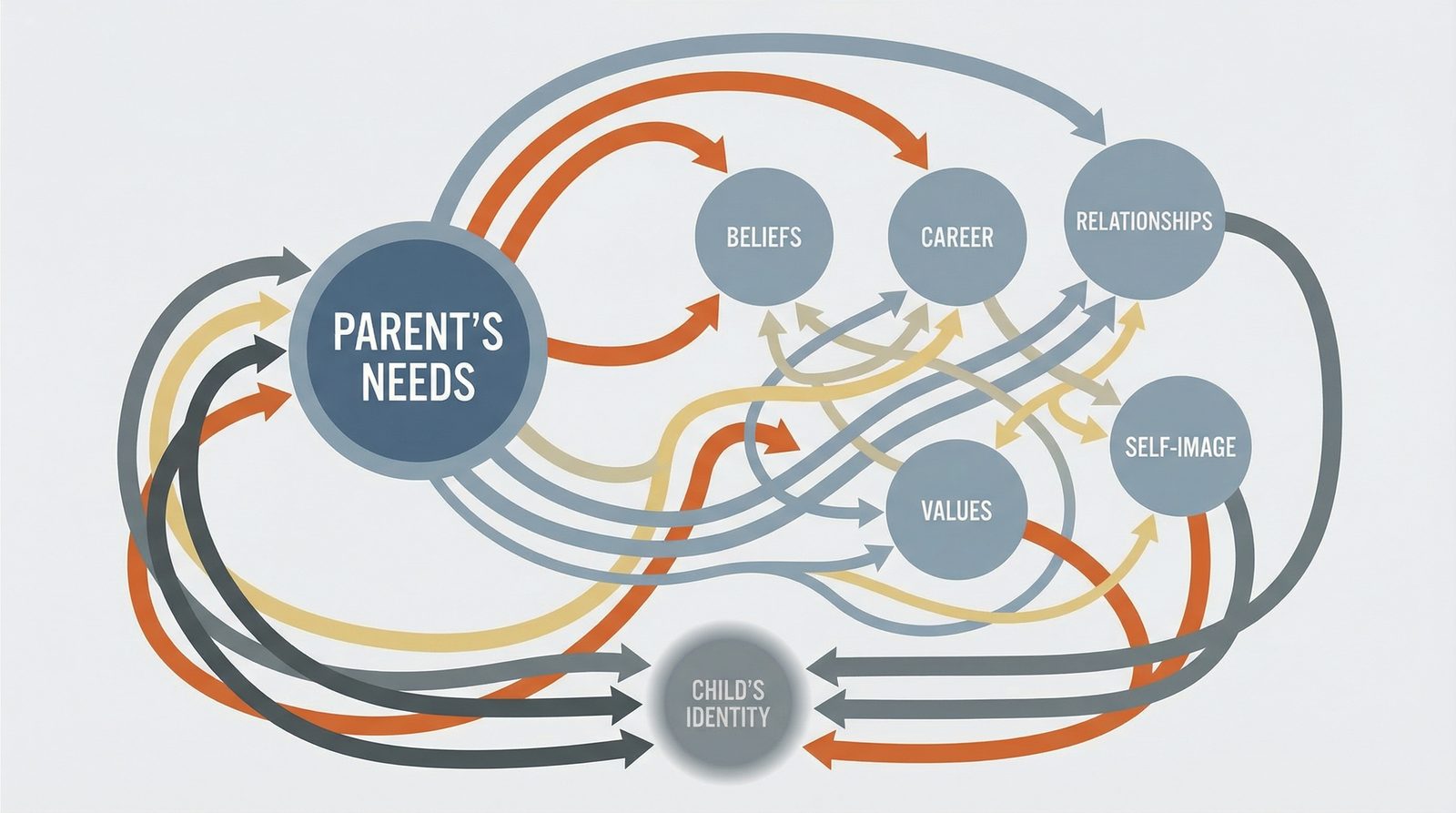
    Parental Control as Identity appears in stories where a child’s personality, preferences, and worldview are shaped by a dominant parent. The character grows up performing roles assigned to them rather than developing a self of their own. The parent’s needs become the map of the child’s life, leaving little room for autonomy.

    Identity becomes a product of fear, obligation, or devotion rather than choice.


    HOW IT WORKS IN NARRATIVE

    Narratives using this motif often show a child raised inside emotional or physical control. Boundaries are blurred. Agency is discouraged. The character becomes whoever the parent needs them to be. When the story moves into adulthood, this inherited identity becomes a source of conflict and confusion.

    The arc usually unfolds as slow detachment. The character begins to see themselves separate from the parent for the first time.

    Parental Control as Identity inline concept image

    WHERE WE SEE IT IN OUR LIBRARY

    • I’m Glad My Mom Died – Jennette McCurdy’s entire identity is shaped by her mother’s desires, fears, and obsessions.
    • The Woman in Me – Britney’s father and management teams exert control over her choices, work, body, and identity.
    • Framing Britney Spears – The documentary shows her identity being managed by others in public and private.
    • Push – Precious’s sense of self is shaped by parental violence and emotional domination.

    Each of these characters must unlearn identities they never fully chose.


    WHY IT MATTERS

    This motif is essential because it shows how early control becomes internalized. Even after the parent is gone, the character may struggle to understand who they are outside of imposed expectations. Stories that explore this motif reveal how identity can be reclaimed after years of pressure.

    It also speaks to the emotional cost of parental overreach, a topic rarely explored with honesty in mainstream narratives.

    Parental Control as Identity inline diagram image

    ARCHETYPES ASSOCIATED WITH THIS MOTIF

    • The Controlled Daughter – the primary archetype of this motif.
    • The Erased Girl – for characters whose identity disappears beneath parental need.
    • The Reclaimer – for those who eventually break away and build a self of their own.

    RELATED MOTIFS

    Parental Betrayal
    Grief as Contradiction
    Dissociation as Defense

  • Grief as Contradiction

    Grief as Contradiction

    Motif Type: Emotional Paradox
    Era Focus: 20th Century to 21st Century
    Primary Fields: Memoir, Literary Fiction, Trauma Narratives


    WHAT THIS MOTIF MEANS

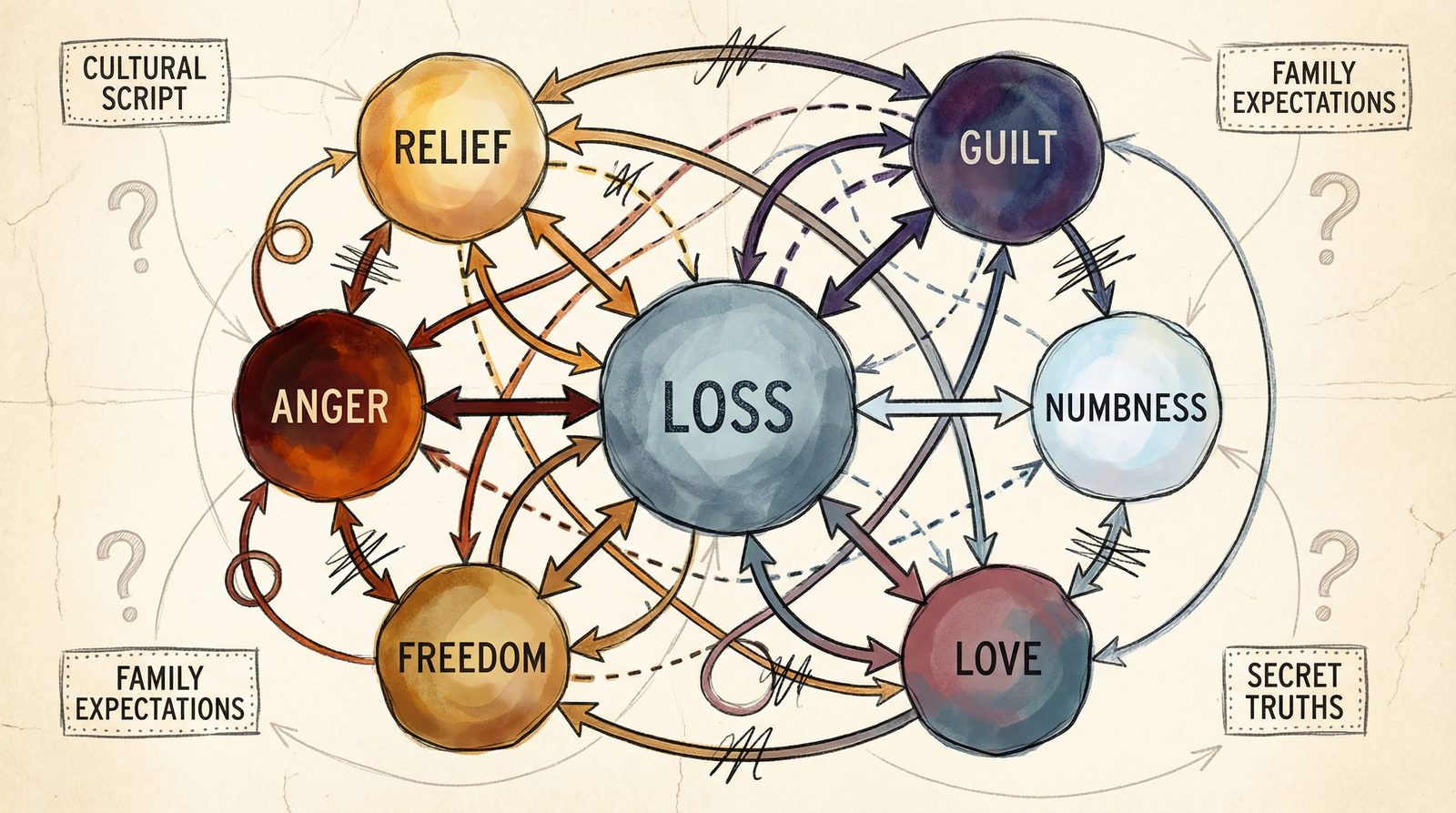
    Grief as Contradiction appears in stories where loss produces mixed, conflicting emotions. Characters feel sorrow and relief, guilt and liberation, love and resentment. The grief is layered, unstable, and often confusing. It does not follow cultural scripts. It arrives in unexpected shapes.

    This motif challenges the idea that grief is a single feeling. It reveals how complex emotional truth can be when the person lost was also the source of harm, pressure, or fear.


    HOW IT WORKS IN NARRATIVE

    Narratives shaped by this motif often center on characters whose relationship with the deceased was fraught. The story reveals why the grief cannot be clean. The character mourns the person, but also mourns the version of themselves that relationship created.

    The contradiction becomes a path toward clarity. Grief becomes the moment where truth can finally be named.

    Grief as Contradiction inline concept image


    WHERE WE SEE IT IN OUR LIBRARY

    • I’m Glad My Mom Died – McCurdy grieves her mother’s death while also grieving the harm her mother caused.
    • The Color Purple – Celie’s grief contains fear, resentment, and love that cannot be separated cleanly.
    • Confessions of a Video Vixen – Steffans experiences grief as emotional contradiction shaped by betrayal, survival, and longing.

    These narratives show grief as a turning point where conflicting truths coexist without resolution.


    WHY IT MATTERS

    This motif matters because it reflects real emotional experience that is rarely acknowledged. It validates readers who feel both sorrow and relief after loss. It also deepens character arcs by showing that healing is not linear and that grief can expose wounds that were never recognized before.

    For storytellers, this motif allows for emotional nuance that avoids simplification.

    Grief as Contradiction inline diagram image


    ARCHETYPES ASSOCIATED WITH THIS MOTIF

    • The Controlled Daughter – for characters whose grief is tangled with domination and fear.
    • The Witness – for characters who see grief clearly and analyze its contradictions.
    • The Reclaimer – for characters who emerge from grief with a more solid sense of self.

    RELATED MOTIFS

    Parental Control as Identity
    Dissociation as Defense
    Trauma as Inheritance

  • Survival as Identity

    Survival as Identity

    Motif Type: Psychological Formation
    Era Focus: 20th Century to 21st Century
    Primary Fields: Memoir, Literary Fiction, Trauma Studies


    WHAT THIS MOTIF MEANS

    Survival as Identity appears in stories where survival is not only an action but a worldview. Characters shaped by this motif have lived through chronic harm, neglect, or control. The result is that survival becomes the center of who they are. Their choices, fears, and desires are filtered through the need to endure.

    Identity built through survival is pragmatic, guarded, and shaped by experience rather than aspiration.


    HOW IT WORKS IN NARRATIVE

    Characters embodying this motif often enter stories in a state of emotional autopilot. They are not planning a future. They are avoiding collapse. Their internal voice is shaped by monitoring danger, managing harm, or anticipating the next threat.

    As the narrative progresses, the character may learn that survival is not the same as living. This shift becomes a quiet but profound transformation.

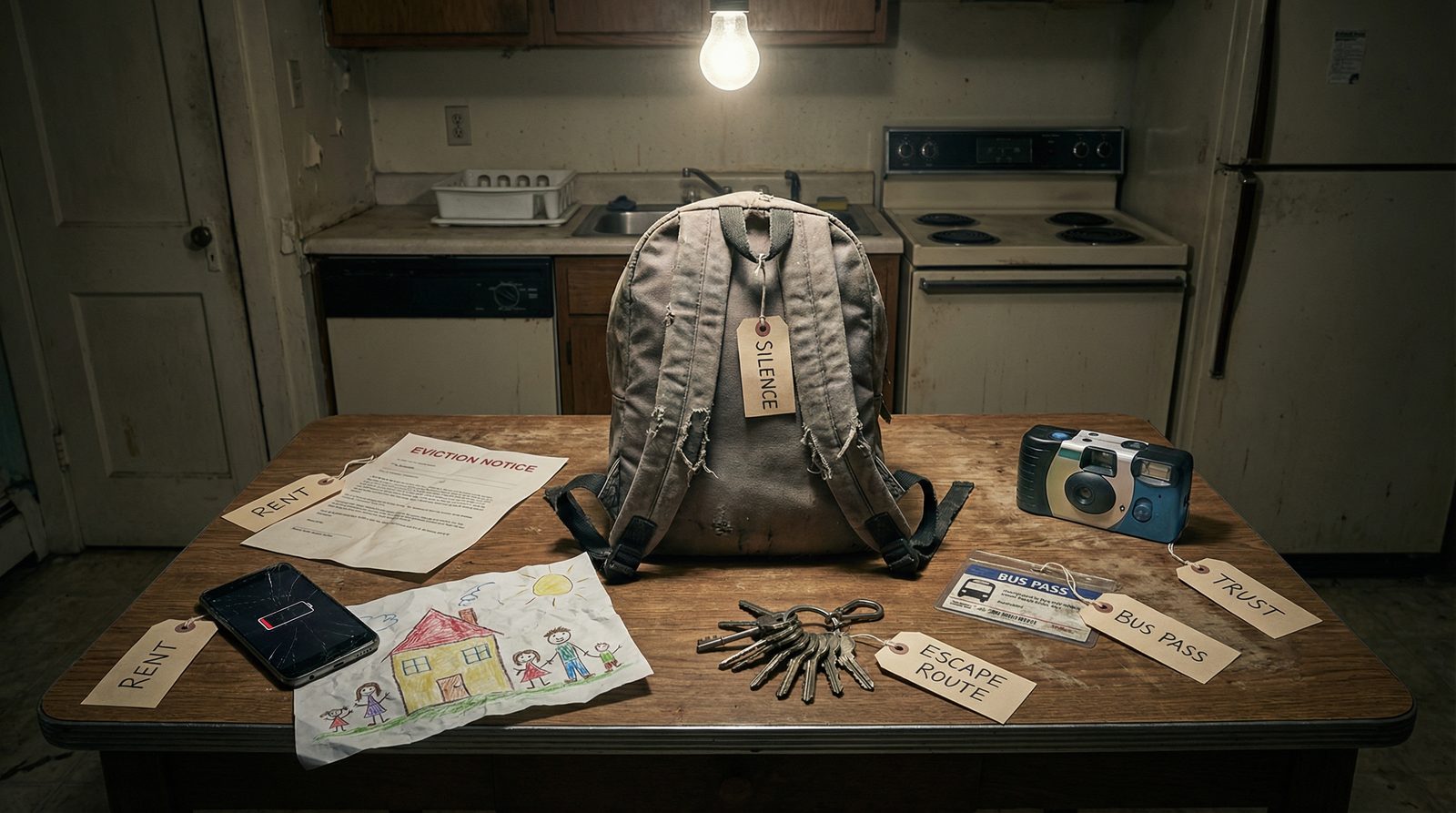
    Survival as Identity inline concept image


    WHERE WE SEE IT IN OUR LIBRARY

    • Push – Precious understands the world through threat and endurance. Survival is her first language.
    • Precious – The film shows her identity forming around what she must withstand rather than what she desires.
    • The Color Purple – Celie spends much of her early life adapting to abuse as her normal environment.
    • I’m Glad My Mom Died – Jennette’s emotional instincts are built around pleasing, shrinking, and avoiding conflict, all in service of survival.
    • Confessions of a Video Vixen – Steffans’s identity is shaped by navigating danger inside relationships, industries, and image.

    In each of these stories, survival becomes the character’s primary skill and primary burden.

    Survival as Identity inline diagram image

    WHY IT MATTERS

    This motif exposes the emotional cost of long-term trauma. It shows how deeply early harm can shape personality and expectation. Characters who survive learn resourcefulness and intuition, but often struggle to imagine joy, stability, or selfhood that is not rooted in vigilance.

    The motif creates rich arcs where characters slowly discover that identity can expand beyond survival.


    ARCHETYPES ASSOCIATED WITH THIS MOTIF

    • The Survivor Confessor – for characters who narrate how survival shaped them.
    • The Resistant Spirit – for those whose endurance becomes inner strength.
    • The Erased Girl – for characters whose survival erased their sense of self until later.

    RELATED MOTIFS

    Survival Narratives
    Silence as Survival
    Trauma as Inheritance