
Narrative Techniques: Interior Monologue

  • The Erased Girl

    The Erased Girl

    Motif Type: Identity and Neglect
    Era Focus: 20th Century to 21st Century
    Primary Fields: Memoir, Literary Fiction, Trauma Narratives


    WHAT THIS MOTIF MEANS

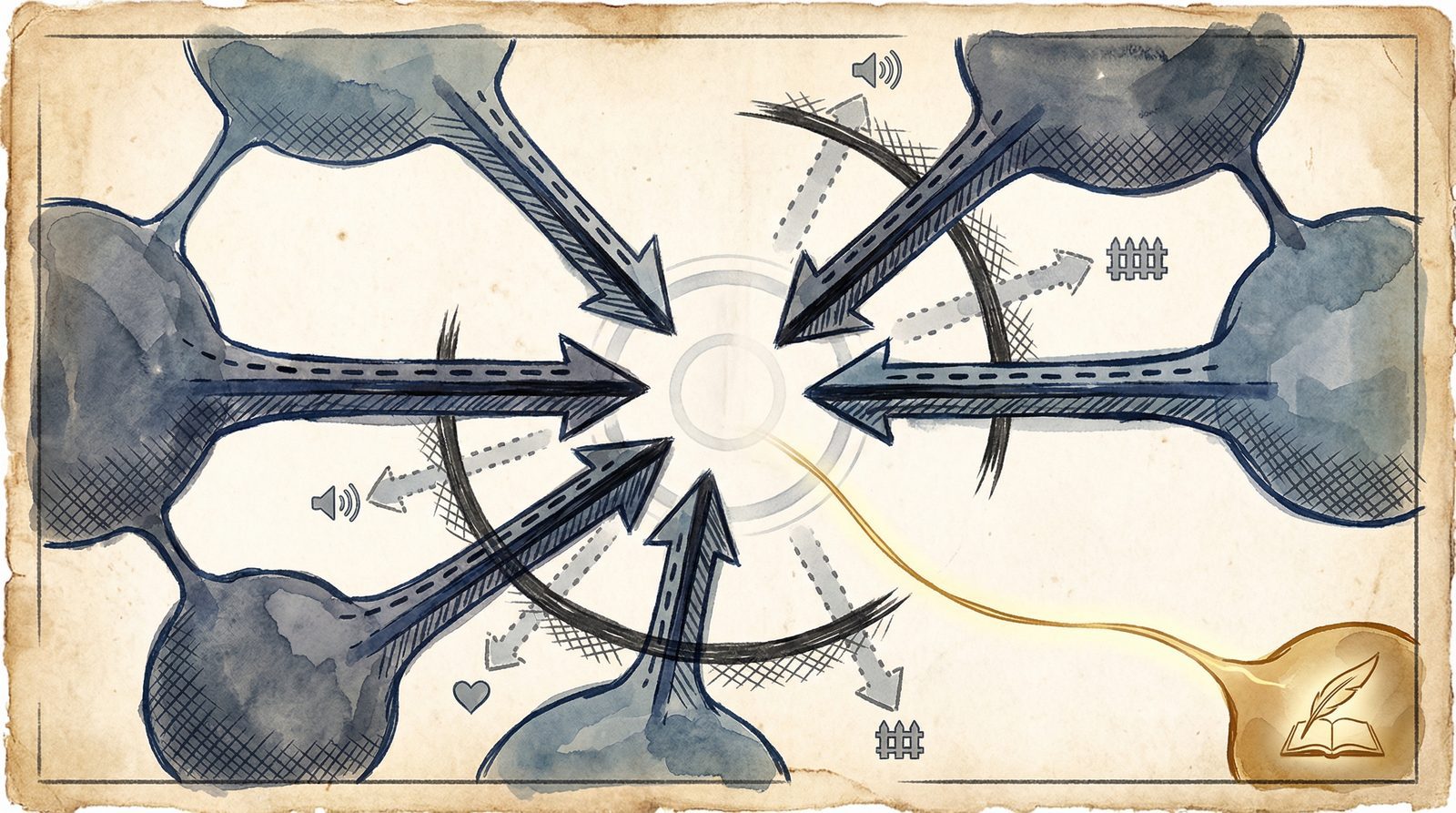
    The Erased Girl is a motif that appears in stories where a young woman is treated as invisible, replaceable, or undeserving of attention. Her needs are ignored. Her boundaries are dismissed. Her identity is shaped by what others want from her, not by what she wants for herself. She survives by shrinking, observing, or disappearing into the background.

    This motif is not about weakness. It is about erasure imposed from the outside. The girl learns to survive by taking up as little space as possible.

    The Erased Girl inline concept image

    HOW IT WORKS IN NARRATIVE

    Narratives driven by this motif often open in environments where the girl’s voice is absent or dismissed. Adults, partners, institutions, or cultural expectations overwrite her with their own needs. The plot reveals the slow movement from invisibility toward recognition, whether through writing, friendship, rebellion, or self-expression.

    The emotional impact comes from watching someone who has been neglected learn to see herself clearly for the first time.


    WHERE WE SEE IT IN OUR LIBRARY

    • Push – Precious begins as a child no one protects, sees, or hears.
    • Precious – The film visualizes her erasure through lighting, framing, and silence.
    • I’m Glad My Mom Died – Jennette is raised to be her mother’s extension rather than a person with her own identity.
    • The Color Purple – Celie is treated as labor rather than a daughter or partner, erased in her own home.
    • The Woman in Me – Britney becomes a global symbol while her personal identity is stripped away by courts and caretakers.

    In each story, the girl is present physically but erased emotionally. The narrative becomes a record of her reappearance.
    The Erased Girl inline diagram image

    WHY IT MATTERS

    This motif reveals how emotional neglect shapes identity. It shows how difficult it is to claim space when a life has been defined by erasure. It also illuminates the courage required to reclaim personhood when the world has never asked who you are.

    The Erased Girl is not a tragic figure. She is a survivor whose visibility becomes revolutionary.


    ARCHETYPES ASSOCIATED WITH THIS MOTIF

    • The Erased Girl – the core archetype, representing imposed invisibility.
    • The Controlled Daughter – for characters sculpted by parental domination.
    • The Witness – for characters who observe harm with clarity long before they can act.

    RELATED MOTIFS

    Silence as Survival
    Trauma as Inheritance
    Intimacy as Healing

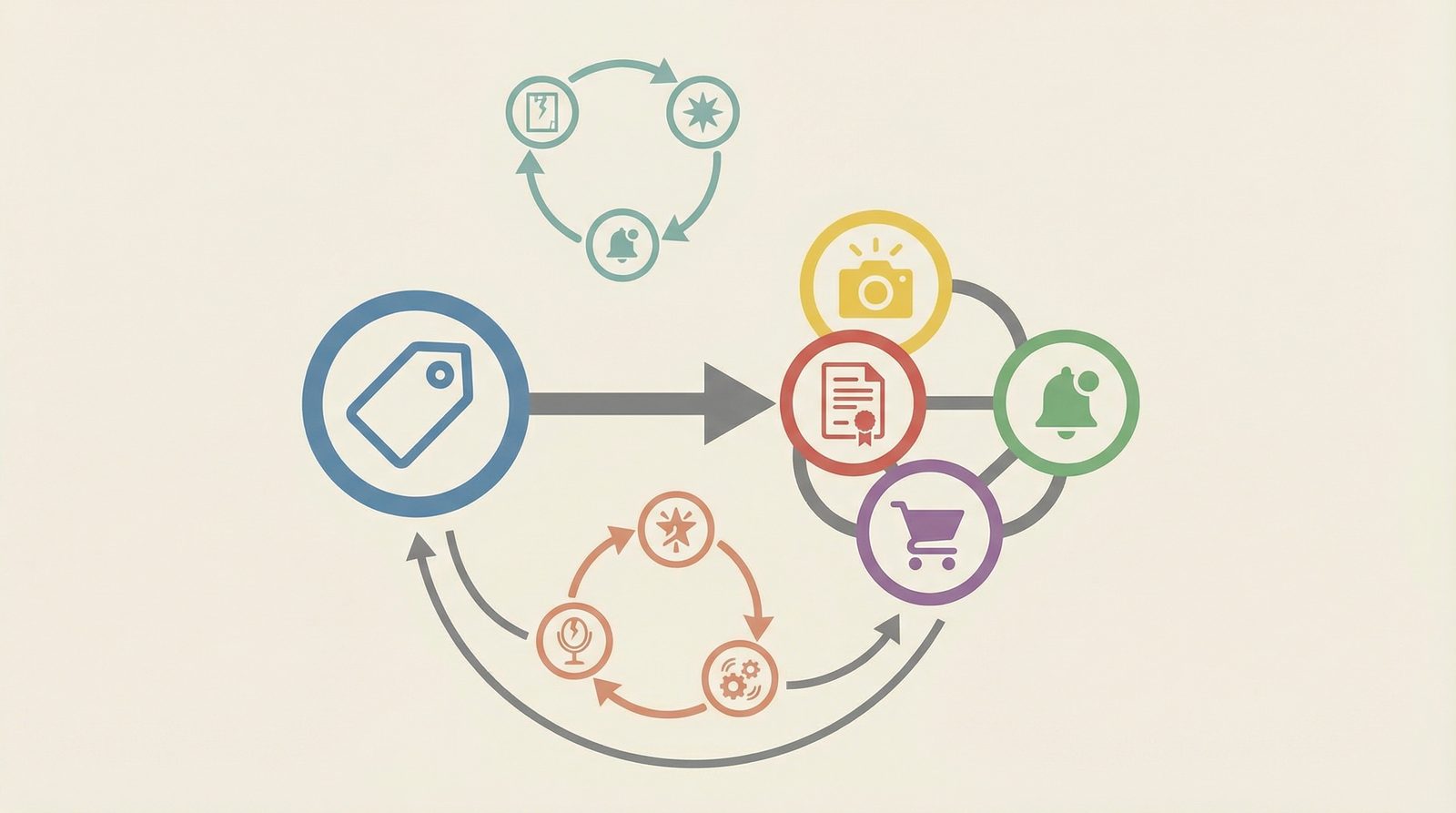
  • The Commodified Body in Books

    The Commodified Body in Books

    Motif Type: Body and Identity
    Era Focus: 20th Century to 21st Century
    Primary Fields: Memoir, Cultural Criticism, Literary Fiction


    WHAT THIS MOTIF MEANS

    The Commodified Body in Books appears in stories where a person’s body is treated as currency, product, or spectacle. Characters inside this motif learn early that how they look, move, or appeal to others can be used for attention, affection, control, or profit. The body becomes a site of negotiation rather than autonomy.

    This motif often emerges in narratives shaped by patriarchy, fame, trauma, or social scrutiny. The character is not valued for selfhood but for usefulness. Sometimes the commodification is explicit. Sometimes it is subtle. In every case, it shapes identity before the character realizes what is happening.

    The Commodified Body in Books inline concept image

    HOW IT WORKS IN NARRATIVE

    Narratives featuring this motif often explore the contradiction between external visibility and internal erasure. A character may be watched by many but understood by none. They may be desired but not cared for. The story reveals how the body becomes a stage, and the person inside it becomes an afterthought.

    Transformation often comes through reclamation. Characters begin to see their bodies not as public property but as homes they have a right to inhabit.


    WHERE WE SEE IT IN OUR LIBRARY

    This motif is central to many works in your library. It often intersects with power, desire, and identity.

    • Confessions of a Video Vixen – Steffans’s body becomes industry commodity long before she understands the cost.
    • Open Book – Jessica Simpson’s body is treated as brand material, scrutinized and monetized at every stage of her career.
    • The Woman in Me – Britney Spears’s body becomes a site of legal and financial control under her conservatorship.
    • Framing Britney Spears – The documentary highlights how Britney’s physical image was consumed and sold by media and family systems.
    • The Color Purple – Celie’s body becomes labor and property until relationships help her reclaim ownership.

    Across these narratives, the body becomes the earliest battleground where agency is tested.

    The Commodified Body in Books inline diagram image

    WHY IT MATTERS

    The Commodified Body in Books is a high-impact motif because it connects individual pain to broader cultural structures. It reveals how systems value appearance, usefulness, and desirability over autonomy. It also provides a lens for understanding fame, abuse, gendered expectations, and survival strategies.

    For readers, the motif opens conversations about agency, objectification, and the long process of reclaiming selfhood.


    RELATED MOTIFS

    Power as Proximity
    The Double Self
    Intimacy as Transaction

  • The Double Self

    The Double Self

    Motif Type: Identity and Performance
    Era Focus: 20th Century to 21st Century
    Primary Genres: Memoir, Literary Fiction, Celebrity Studies


    WHAT THIS MOTIF MEANS

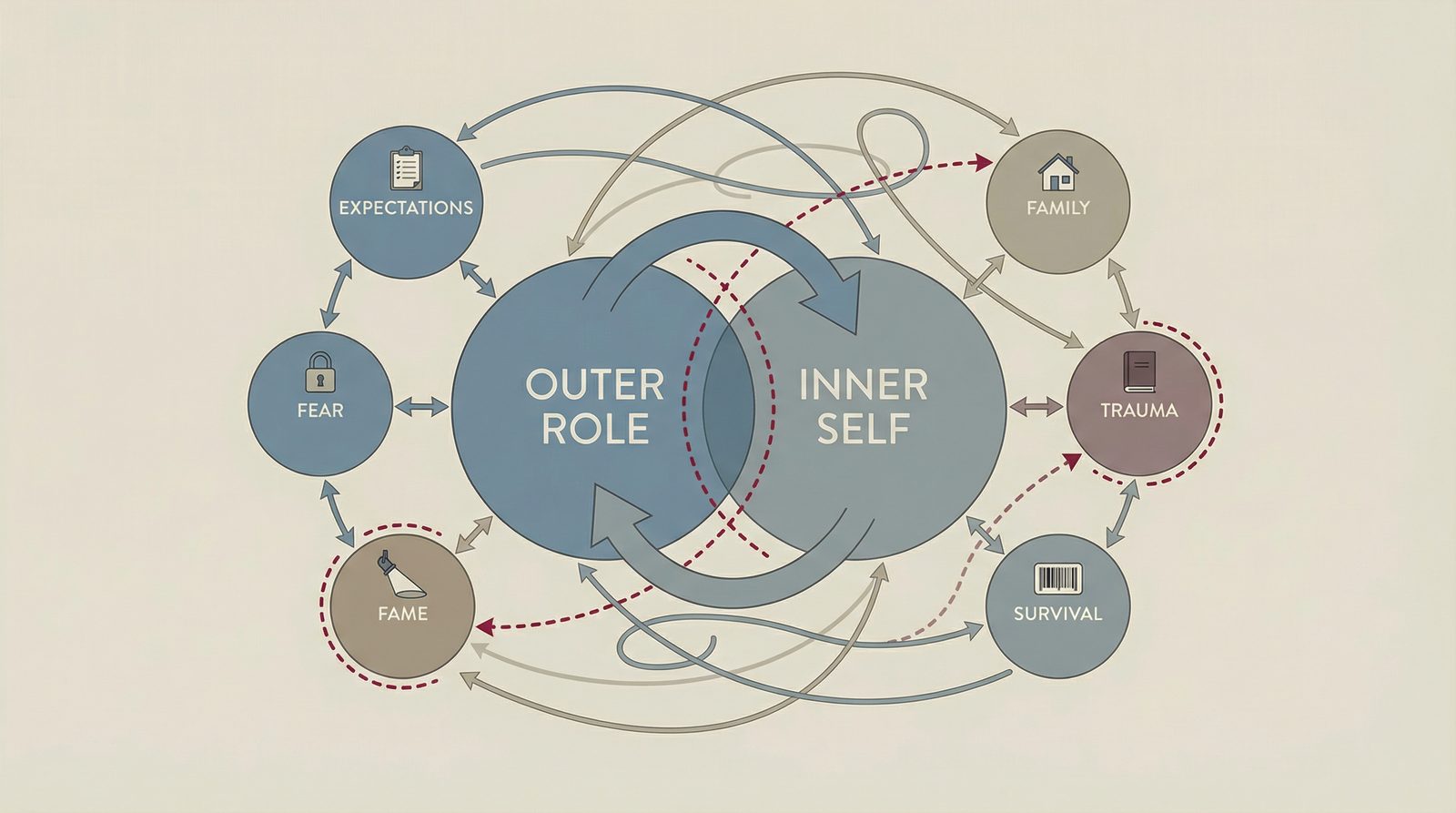
    The Double Self is a motif where a character lives in two identities at once. One identity is outer, shaped by performance, expectation, or fear. The other is inner, private, and often in conflict with the role they are forced to play. The tension between these two selves creates emotional dissonance that shapes the entire narrative.

    This motif often emerges in stories about trauma, fame, or strict social roles. When a character is not allowed to be whole, their inner and outer selves drift apart. That fracture becomes the emotional core of the story.

    The Double Self inline concept image

    HOW IT WORKS IN NARRATIVE

    The Double Self appears whenever survival requires performance. Characters may smile while hurting, obey while resisting, or play a role created by others. Over time, the gap between the two identities creates pressure. Some characters break. Some merge their selves. Some reclaim the inner identity through writing, connection, or rebellion.

    This motif thrives in stories where public image collides with private truth. It reveals how identity can be shaped by trauma, industry, or family.

    The Double Self inline diagram image

    WHERE WE SEE IT IN OUR LIBRARY

    This motif is central to many works in your cluster. It connects memoir, fiction, and celebrity narratives.

    • I’m Glad My Mom Died – Jennette McCurdy performs happiness for her mother while hiding fear and hunger.
    • The Woman in Me – Britney Spears performs confidence while privately collapsing under legal and emotional control.
    • Open Book – Jessica Simpson’s internal self fractures from her public persona as the “ditzy blonde.”
    • Confessions of a Video Vixen – Karrine Steffans embodies a sexualized public persona while holding a private history of trauma.
    • Push – Precious constructs a fantasy self as refuge from abuse.
    • Precious – The film visualizes Precious’s double identities through fantasy sequences.
    • Framing Britney Spears – The documentary reveals the gap between Britney’s public performance and private suffering.

    WHY IT MATTERS

    The Double Self is foundational to your library because it bridges memoir and fiction. It reveals how characters adapt to systems that deny them autonomy. It also deepens emotional empathy. Readers see the cost of living split between who you are and who you are allowed to be.

    Across your cluster, the motif functions as connective tissue between stories of abuse, fame, trauma, and reclamation. It is one of your highest value hubs.


    RELATED MOTIFS

    Silence as Survival
    The Commodified Body in Books
    Power as Proximity