
Period: 21st Century

  • Laurie Halse Anderson

    Laurie Halse Anderson

    INTRODUCTION

    Laurie Halse Anderson is one of the defining voices of modern young adult fiction. Her work is emotionally direct, psychologically exact, and unafraid to confront the kinds of experiences teenagers are often left to navigate alone. Best known for Speak, she helped reshape YA literature into a space where trauma, identity, pressure, and recovery could be explored with honesty rather than moralising.

    Catalyst, published in 2002, sits firmly within that evolution. It’s a novel about perfectionism, collapse, and the suffocating expectations placed on high-achieving teens. Rebuilding Anderson’s creator page on AllReaders ensures that long-standing backlinks from school reading lists, academic sites, and YA resource hubs have a modern landing page — and it reintroduces a writer whose influence ripples across the entire genre.


    LIFE & INFLUENCES

    Born in 1961, Anderson grew up in New York and began writing as a teenager. Her early influences included historical fiction, journalism, and the raw honesty of contemporary realist novels. Before her fiction career took off, she worked as a freelance reporter — a background that trained her to observe closely and write with clarity even when the emotional terrain is heavy.

    Her breakout novel, Speak (1999), changed YA literature. Its depiction of trauma and recovery was groundbreaking at the time, opening doors for more realistic, psychologically nuanced fiction for teens. Anderson became a prominent advocate for trauma-informed education, mental health awareness, and free speech in schools, roles that complement and deepen her literary work.
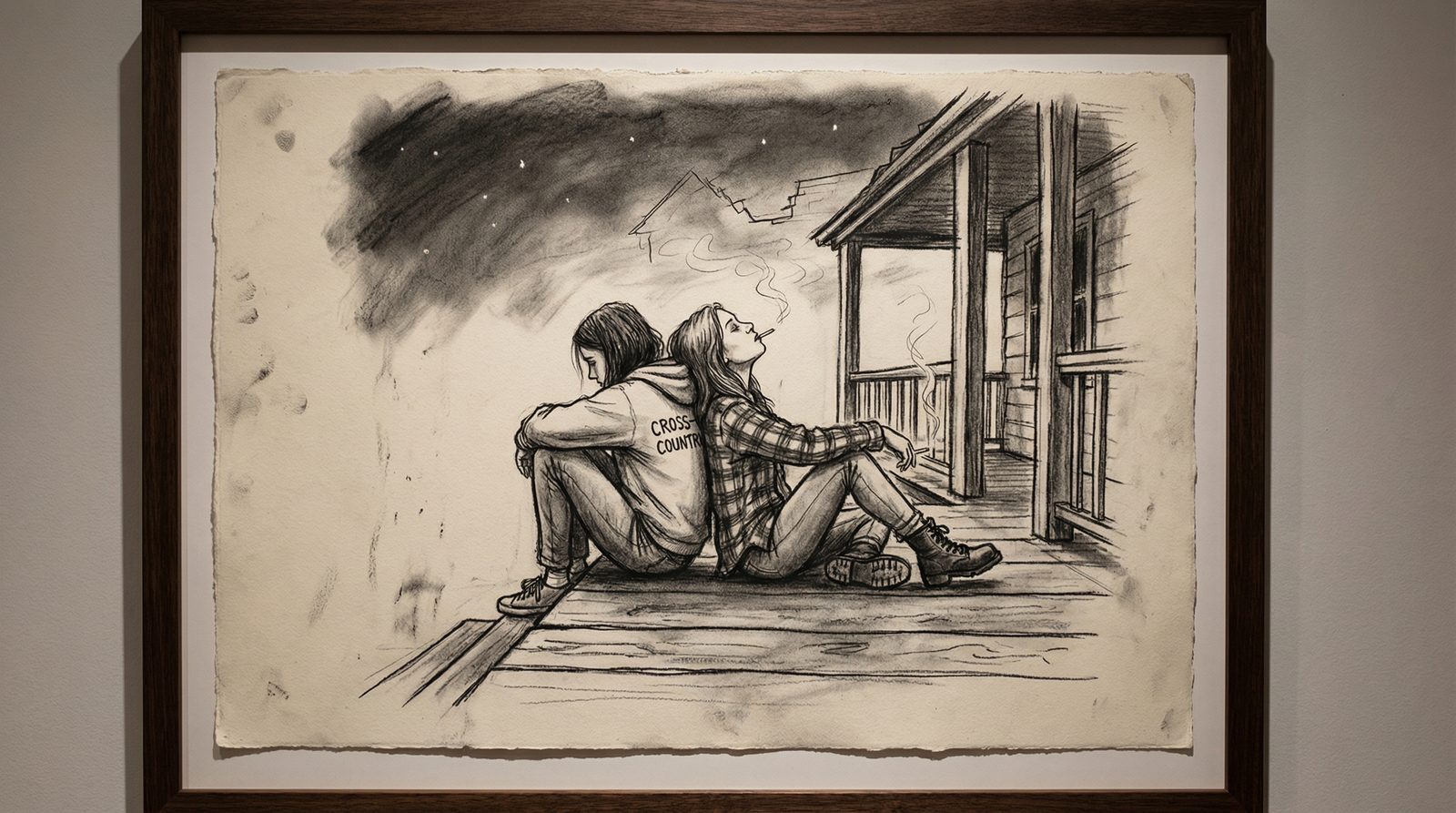
    Editorial illustration inspired by 'Laurie Halse Anderson'

    THEMES & MOTIFS

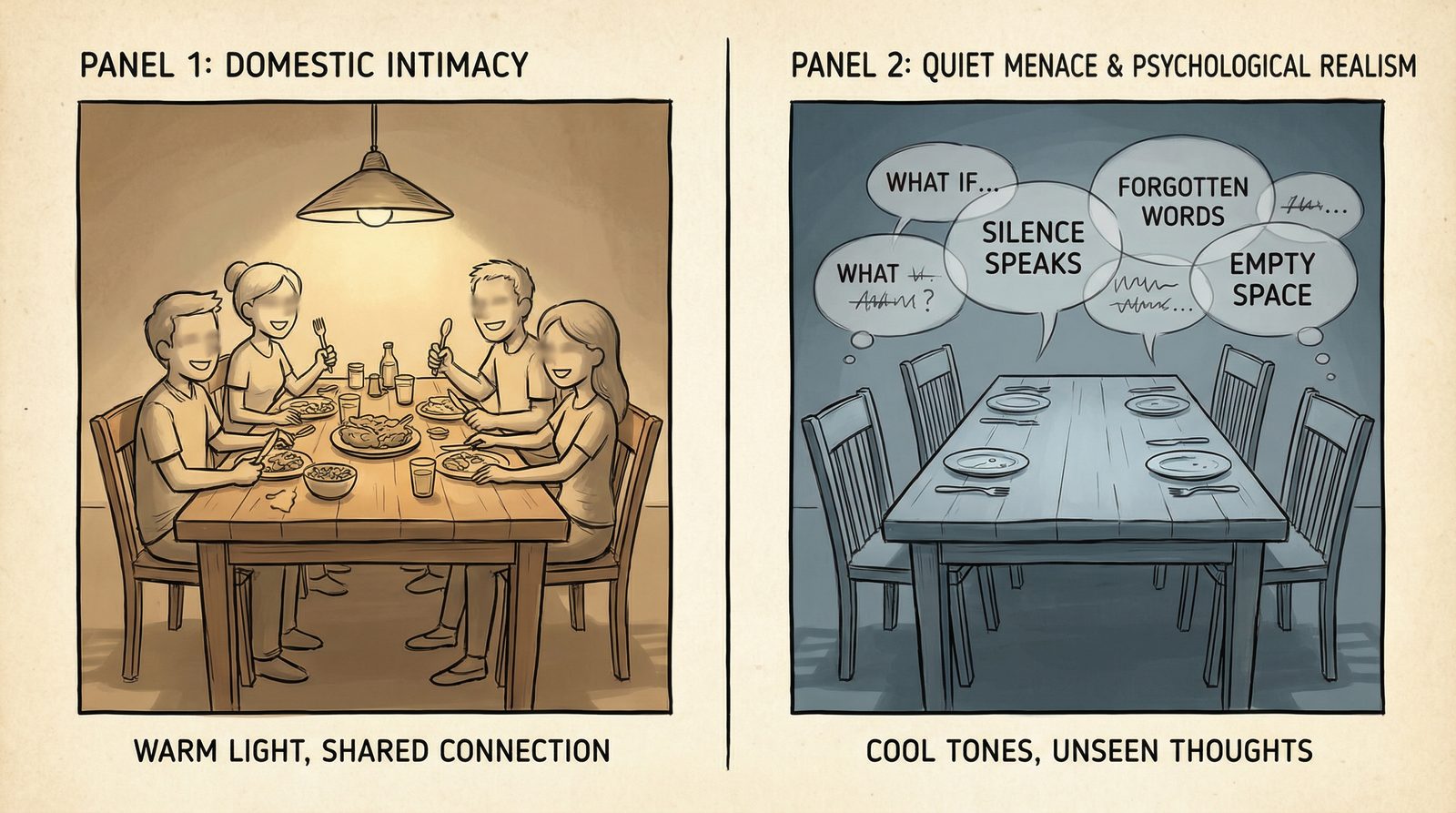
    Anderson’s novels often focus on girls under pressure — social, academic, emotional, and institutional. Her characters rarely have the luxury of stability; instead, they confront crises that force them to rebuild their identities piece by piece. This aligns closely with motifs like Identity Collapse in Isolation, especially in Catalyst, where Kate Malone’s perfectionist identity breaks apart after a single rejection letter.

    She also frequently explores the darker side of the home: families that love but fail, parents who mean well but miss crucial signs, and the quiet violence of unrealistic expectations. This echoes Domestic Vulnerability as Horror, though Anderson frames these pressures through emotional realism rather than genre tropes.

    Across her body of work, Anderson returns to themes of resilience, self-redefinition, and the power of speaking truth. Whether in contemporary YA or in her historical Seeds of America series, she writes characters who push back against silence and erasure.


    STYLE & VOICE

    Her prose is lean, stripped of ornament, and driven by emotional urgency. She writes teenagers with real voices — quick, reactive, contradictory — and avoids adult handholding or explanation. Short chapters and sharp scene transitions give her novels a breathless quality that mirrors her characters’ anxiety and momentum.

    This directness is what makes her work resonate. She doesn’t bury meaning in metaphor; she lets the emotional reality sit plainly on the page. It’s an approach that many YA writers adopted in her wake, but Anderson still does it with a control and restraint that gives her novels staying power.
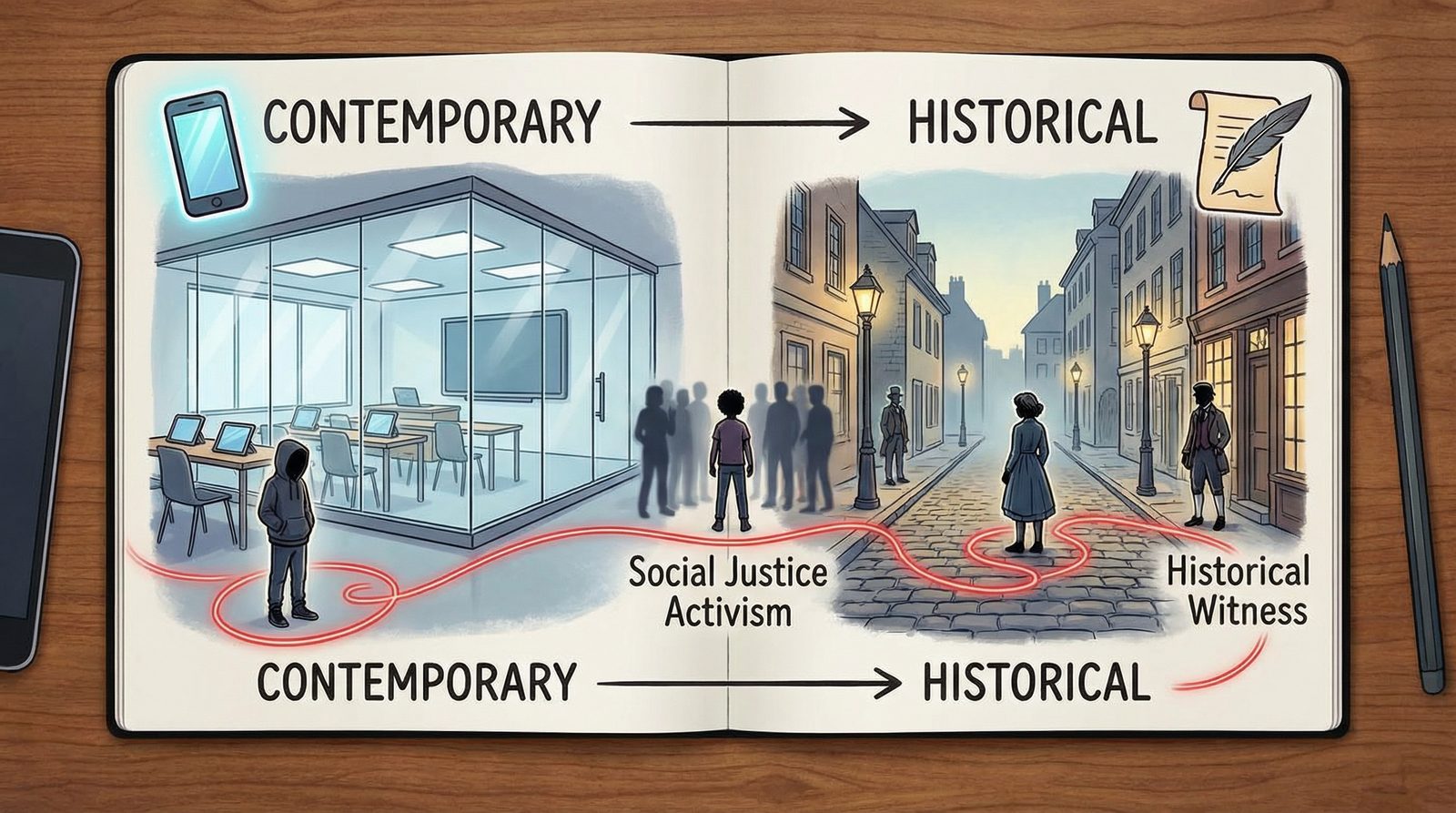
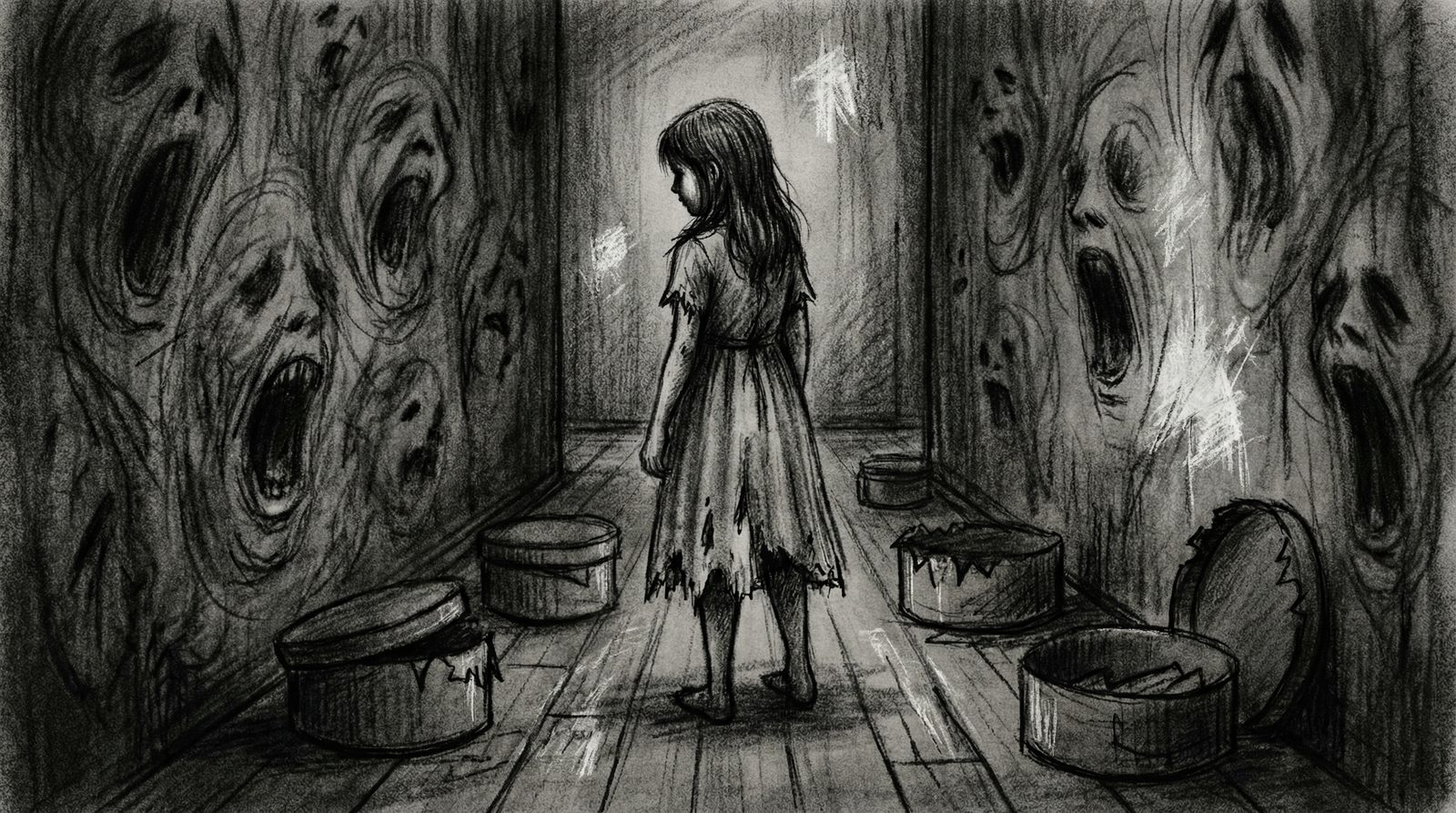
    Symbolic illustration inspired by 'Laurie Halse Anderson'

    KEY WORKS

    Speak remains her landmark novel, a foundational text in modern YA. Catalyst functions almost as a companion piece, exploring a different kind of silence — the silence of overachievement, self-denial, and emotional overload.

    Her Seeds of America trilogy (Chains, Forge, Ashes) showcases her range, blending historical detail with the emotional intensity that defines her contemporary work. Shout (2019), her poetic memoir, offers the fullest picture of her voice and advocacy.


    CULTURAL LEGACY

    Laurie Halse Anderson’s impact is enormous. She shifted the YA market toward honesty about trauma, identity, and mental health. She influenced how teachers and librarians approach sensitive topics. Her books are frequently challenged, frequently defended, and frequently taught — a trifecta that proves their lasting significance.

    Rebuilding her presence on AllReaders isn’t nostalgia; it’s infrastructure. She remains required reading in schools, highly searched online, and deeply relevant to modern conversations about adolescence and resilience.
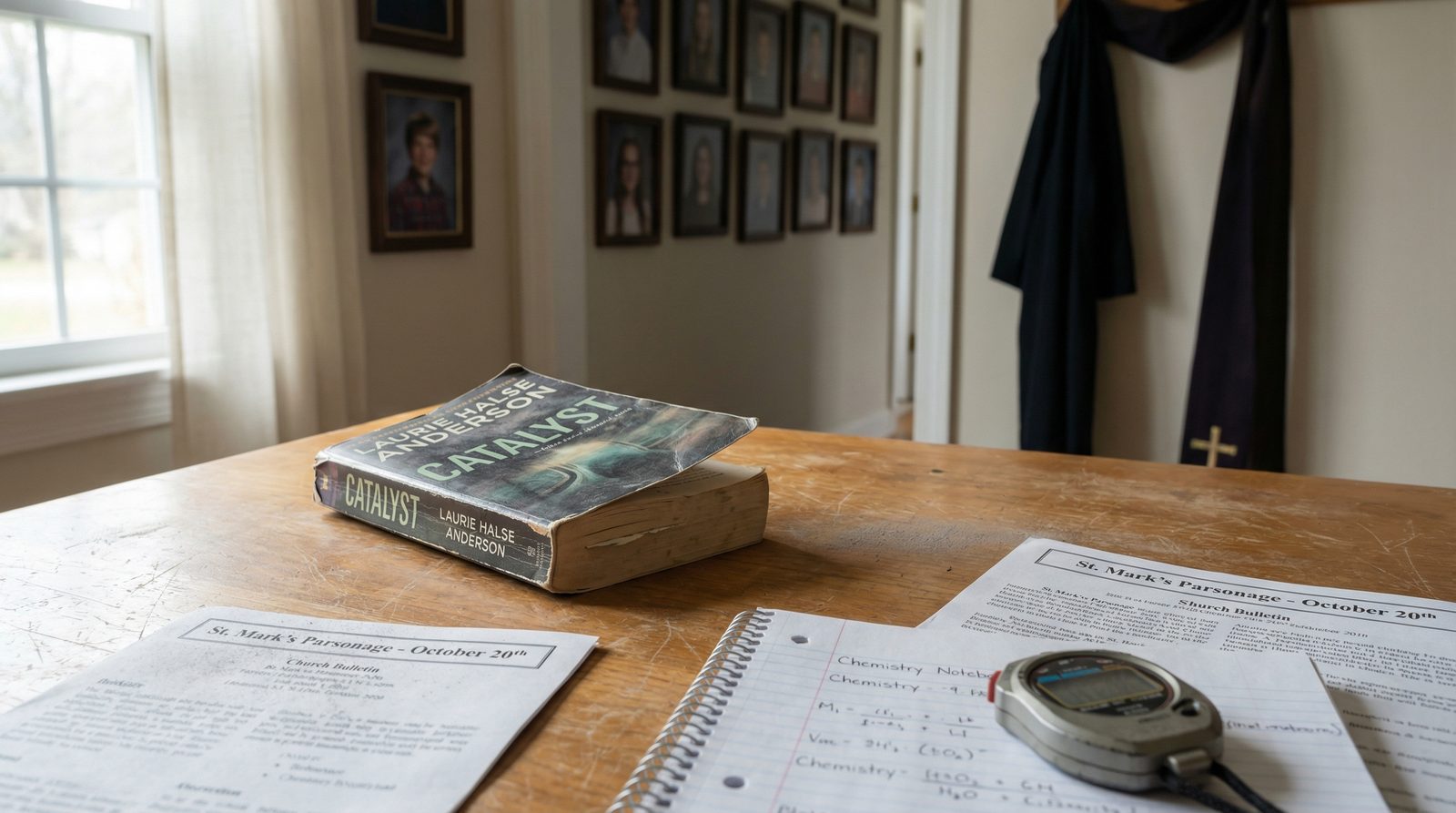
  • Catalyst (2002)

    Catalyst (2002)

    By: Laurie Halse Anderson
    Genre: Young Adult, Domestic Psychological Fiction
    Country: United States


    INTRODUCTION

    Laurie Halse Anderson’s Catalyst (2002) occupies similar emotional territory to Speak, but channels it through a different kind of pressure: academic obsession, perfectionism, and the way grief can blindside a family that is already running too hot. The novel follows Kate Malone, a high-achieving, tightly wound senior whose entire identity is wrapped around a single goal, getting into MIT. When that plan collapses, so does the fragile structure she has built around herself.

    The book is not a thriller. It is a psychological spiral, written with Anderson’s usual blend of sharp dialogue, clipped pacing, and emotional honesty. It was one of the most heavily linked YA titles in the old AllReaders database, and rebuilding it gives us a clean, modern anchor for long-tail traffic around trauma, perfectionism, and coming-of-age narratives.


    PLOT & THEMES

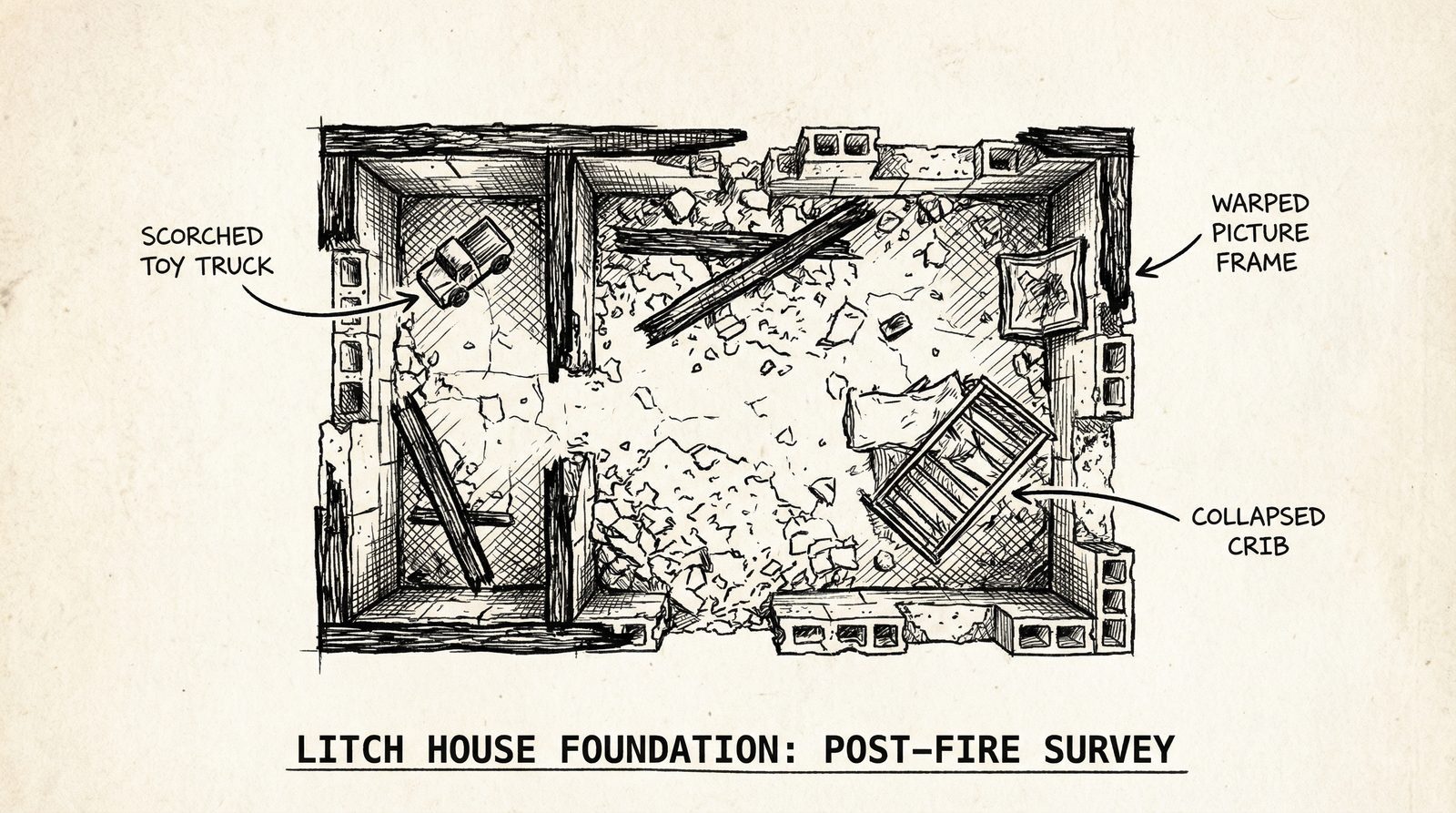
    Kate Malone is used to control. She runs, she studies, and she manages her household while her pastor father tends to everyone else. Her application to MIT is not just a college plan. It is the foundation of her entire identity. When the rejection letter arrives, Kate’s sense of self fractures almost immediately.

    Complicating things further, a house fire forces Kate’s longtime enemy Teri Litch and Teri’s toddler brother into the Malone home. The tension between the girls, built from years of rivalry, misunderstanding, and bruised pride, becomes the emotional engine of the novel.

    Catalyst explores themes of failure, grief, self-deception, and the collapse of identity under extreme pressure. This fits naturally with motifs like Identity Collapse in Isolation, as Kate spirals into emotional freefall when the role she has built her life around disappears.

    Anderson also threads in the darker edge of domestic tension. The Malone household is loving but brittle, a clear example of the motif Domestic Vulnerability as Horror, where tragedy does not need supernatural violence to devastate a family.

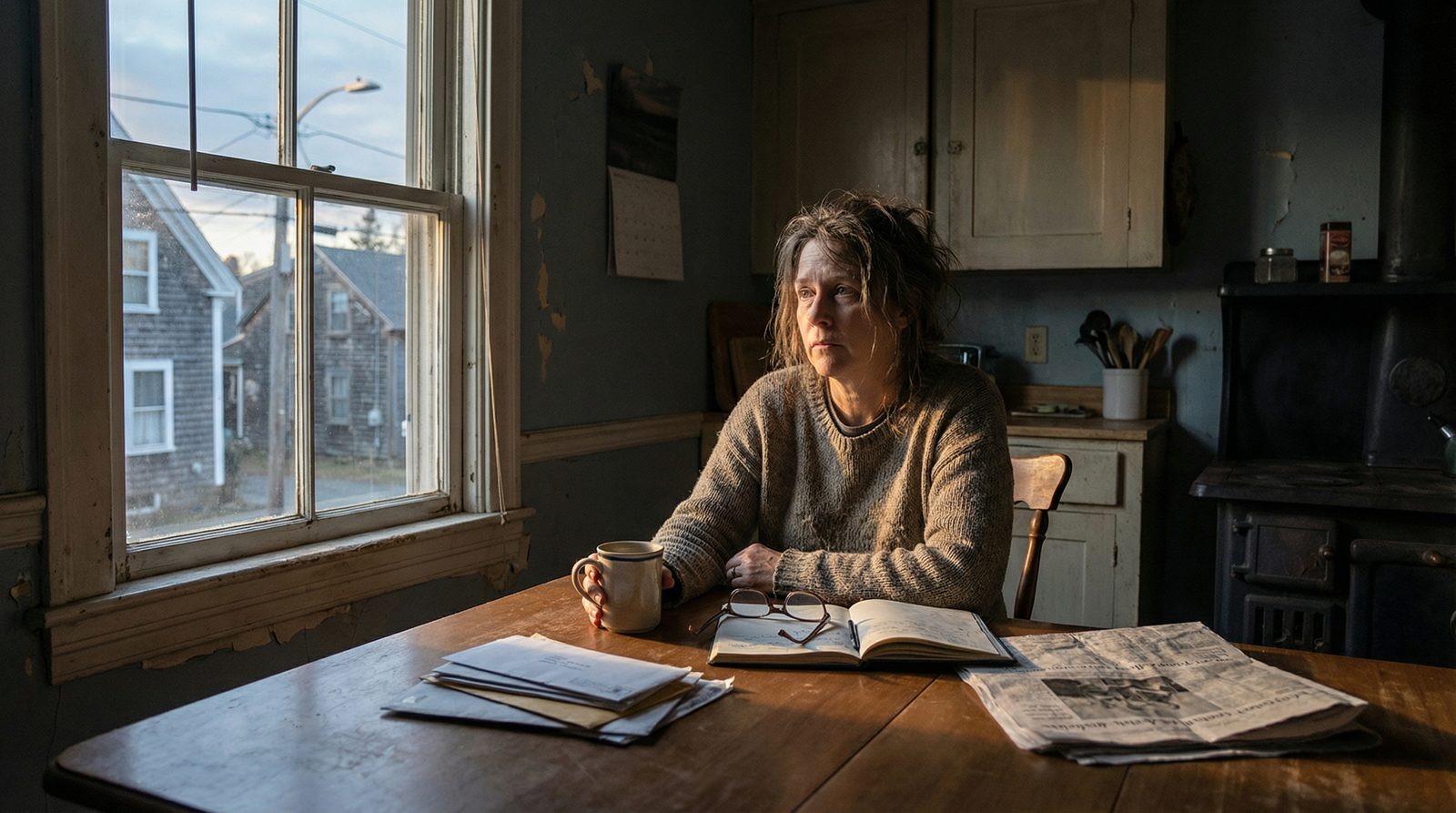
    Conceptual editorial illustration inspired by 'catalyst (2002)'


    STYLE & LANGUAGE

    Anderson writes with her trademark sharpness: short chapters, staccato sentences, and emotional beats delivered with precision. Kate’s voice is restless and anxious, which makes the book move quickly even when nothing large is happening on the surface. The language mirrors Kate’s racing thoughts. It is clipped, controlling, and sometimes unreliable.

    The novel is grounded firmly in realism. Anderson does not overplay the emotional stakes, which makes the genuine crisis points land harder. The dialogue is especially strong. Teenagers sound like teenagers, and the adults sound distracted and exhausted in ways that feel true.


    CHARACTERS & RELATIONSHIPS

    Kate Malone is a tightly coiled protagonist defined by fear of failure. She is sympathetic but not always likeable, which makes her unraveling more compelling. Her obsession with perfection creates a believable, painful internal conflict that drives much of the book’s tension.

    Teri Litch is the novel’s breakout character. She is abrasive, wounded, and strong in ways Kate is not. Their collision is the heart of the story. Anderson excels at writing two girls who resent each other for reasons neither can fully articulate until it is too late.

    The adults orbiting them, including Kate’s father, teachers, and neighbours, feel real but distant. That distance reinforces the sense that Kate is carrying far more than any teenager should have to hold.


    CULTURAL CONTEXT & LEGACY

    Published in the early 2000s, Catalyst sits in the second wave of YA realism that arrived before the explosion of issue-driven YA in the 2010s. It tackles academic pressure, trauma, and teenage emotional volatility without reducing characters to lessons. The book remains widely read because it captures something timeless: how it feels when your identity rests on a single fragile point.

    It also pairs historically with Speak, offering another angle on Anderson’s interest in girls whose voices are ignored, dismissed, or misunderstood by the institutions that shape their lives.

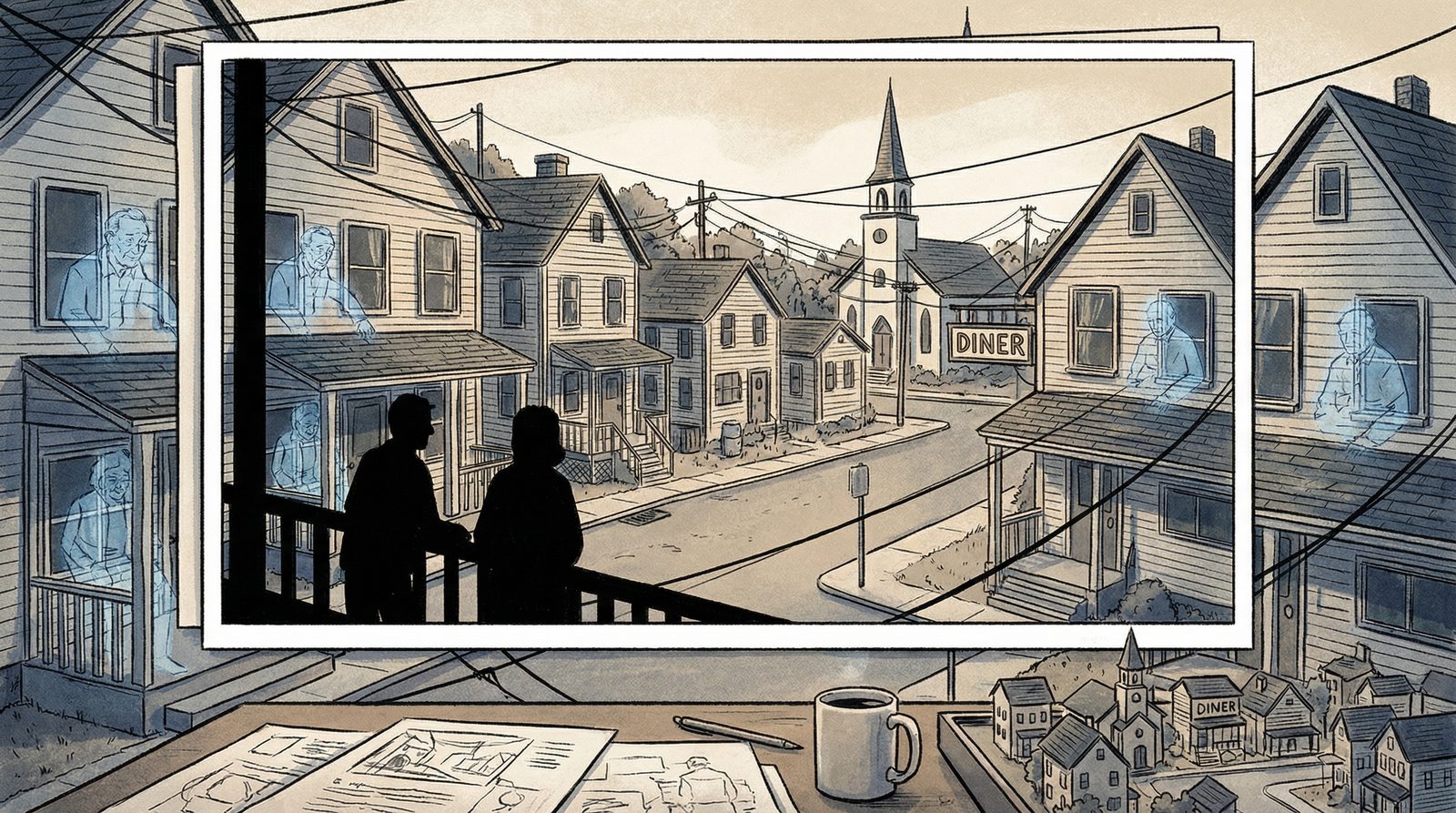
    Illustration of a core idea or motif from 'catalyst (2002)'


    IS IT WORTH READING?

    If you are looking for an emotionally honest, tightly written YA novel about pressure and identity, Catalyst is absolutely worth reading. It is intense without being melodramatic, and it treats teenage emotions with seriousness instead of condescension.

    If you prefer YA with broader worldbuilding or lighter tones, this will not be your book. Anderson writes to the bone, and Catalyst is very much about breaking down before finding a way forward.


    SIMILAR BOOKS

    Readers who connect with Kate’s emotional spiral may also appreciate the grounded pressure in Tabitha King’s Survivor. For a science-fiction parallel about identity under strain, Arthur C. Clarke’s 2061: Odyssey Three offers a thematic echo through a very different lens.

  • Candles Burning (2006)

    Candles Burning (2006)

    By: Tabitha King, Michael McDowell
    Genre: Southern Gothic, Domestic Psychological Fiction
    Country: United States


    INTRODUCTION

    Candles Burning is one of the strangest and most intriguing books attached to Tabitha King’s name. The novel began as a Michael McDowell project, shaped by his talent for Southern Gothic drama and his knack for building eccentric, unsettling worlds. After his death, King stepped in to complete the manuscript from his outline. The result is a hybrid with two distinct identities. McDowell’s voice brings theatrical menace and grotesque family history. King adds emotional realism, sharper interiority, and her grounded sense of how domestic tension wears people down over time.

    The mix does not always blend smoothly, but the friction between the two sensibilities gives the book a strange electricity. It feels like one writer whispering secrets in the background while another tries to guide the story forward. For that reason alone, Candles Burning stands apart from the rest of King’s bibliography. It is a book built on inheritance, interruption, and reinvention.


    PLOT & THEMES

    The story follows Calley Dakin, a perceptive girl growing up in the Deep South. Her life fractures early when her father is murdered in a way that shocks even a community used to strange things. The crime opens a door she never manages to close again. Calley is raised by a mother whose charm hides sharp edges, and by relatives who know far more than they ever share aloud. Family loyalty becomes slippery. Truths twist. The supernatural lurks at the edges, more suggestion than spectacle.

    The novel is steeped in themes of inheritance, secrecy, and the heavy pull of family identity. Calley grows up in a place that demands she play a specific part in its social script. Each attempt she makes to understand her father’s death pushes her deeper into the region’s buried histories. This dynamic ties naturally to the motif Domestic Vulnerability as Horror, since the greatest threats often come from the people closest to her. Homes, parlours, and polite gatherings carry a tension that makes ordinary rooms feel quietly haunted.

    Identity formation also sits at the center of the novel. Calley tries to understand herself while navigating a world eager to define her first. This connects to the motif Identity Collapse in Isolation. The more she learns about her family, the harder it becomes to separate her own voice from the expectations that surround her. Her journey becomes a question of whether she can break away from a legacy that feels almost predestined.

    Conceptual editorial illustration inspired by 'candles burning'

    STYLE & LANGUAGE

    The novel carries a noticeable tonal split. McDowell’s sections have a lush theatricality. They revel in strange relatives, odd rituals, and the rich detail of Southern manners. King’s writing is steadier, shaped by interior monologue and the emotional clarity she brings to most of her fiction. The handoff between the two authors is visible, but the tension between the voices becomes part of the book’s texture rather than a flaw.

    Dialogue is one of the story’s strengths. Characters speak with sharp regional cadence and a kind of careful performance that feels true to Southern Gothic tradition. King’s descriptions create space for Calley’s emotional landscape, while McDowell’s influence breathes life into the eerie atmosphere that surrounds her.

    The structure can feel uneven. Some supernatural elements appear more as gestures than fully realised plot threads, and the middle act loses some momentum. Even so, the emotional trajectory remains clear. Calley’s search for truth carries the story even when the beats drift, and the shifting tone becomes part of the novel’s haunted charm.


    CHARACTERS & RELATIONSHIPS

    Calley Dakin stands at the center as a resilient narrator shaped by fear, stubbornness, and a deep curiosity she cannot ignore. Her voice holds the novel together, especially when the plot leans into its stranger elements. She is observant in ways that feel true for a young protagonist surrounded by adults who hide more than they reveal.

    Calley’s mother, Mayha, steals scenes with her blend of charm and volatility. She uses beauty like currency and keeps emotional distance even from her own child. She feels like a perfect merging of the two authors’ strengths. King’s understanding of domestic tension and McDowell’s taste for heightened, almost theatrical personality traits work together here.

    The extended Dakin family and the surrounding townspeople add colour and unpredictability. Some characters feel fully alive. Others feel sketched, a sign of the novel’s dual authorship. What remains consistent is the emotional force of Calley’s relationships. Each connection reveals something about the family myths she must navigate in order to grow into her own identity.

    Illustration of a core idea or motif from 'candles burning'


    CULTURAL CONTEXT & LEGACY

    Candles Burning holds a unique position in both authors’ careers. The novel blends Southern Gothic expression with domestic psychological insight, two traditions that rarely meet naturally. Released in 2006, it arrived long after McDowell’s death and after King had already completed her major Nodd’s Ridge works. As a result, it reads like an experiment. It sits just outside the main narrative paths of both authors, which makes it interesting even when it stumbles.

    For McDowell readers, the book is an opportunity to see how another writer interprets and extends his notes. For King readers, it is a chance to watch her adapt to a more ornate, atmospheric genre than she usually chooses. The hybrid nature gives the novel a lasting curiosity. It may not be fully polished, but it is unquestionably distinct.


    IS IT WORTH READING?

    Candles Burning is worth reading for anyone who enjoys unusual collaborations or stories built on family secrets and Southern unease. Readers who prefer King’s cleanest, most controlled novels should start with One on One or Pearl. Readers who appreciate a book with rough edges and moments of lingering strangeness will find more to enjoy here. It is not essential for understanding King’s main body of work, but it offers a rare example of creative inheritance and a fascinating glimpse of what happens when one writer picks up the threads left by another.

    The novel works best when approached with curiosity rather than strict expectations. It is imperfect, unusual, and memorable for those very reasons.


    SIMILAR BOOKS

    Readers drawn to the atmosphere and Southern strangeness will find a natural companion in Michael McDowell’s Blackwater saga. Within King’s own catalogue, the closest thematic neighbour is Small World, which explores the shaping force of family history. Those interested in the emotional coming-of-age thread may also appreciate Laurie Halse Anderson’s Catalyst, which follows a young protagonist navigating pressure and instability.

  • Tabitha King

    Tabitha King

    INTRODUCTION

    Tabitha King has spent most of her career slightly out of frame. For decades she was introduced as Stephen King’s wife, the woman who rescued an early draft of Carrie from the trash. But that shorthand does her a disservice. Across a run of eight novels, from Small World to the Southern gothic of Candles Burning, she has built a body of work that is sharper, stranger, and more emotionally precise than that supporting-player narrative allows.

    Her fiction lives where domestic life and menace overlap. Ordinary homes tilt toward nightmare. Small towns bristle with secrets. Families try, and often fail, to love each other well. If the broader King universe is full of killer clowns and haunted hotels, Tabitha’s corner of it is haunted by bad decisions, generational grudges, and the quiet terror of realizing you no longer recognise your own life.


    LIFE & INFLUENCES

    Born in 1949 and raised in Maine, Tabitha King grew up in the same landscape that would later anchor so much of the King family’s fiction. The coastal towns, hard winters, and working class rhythms of the region echo through her work just as strongly as they do through her husband’s, but she writes from a different vantage point. Her books often follow women and girls who are intelligent, observant, and deeply rooted in their communities even when those communities fail them.

    King started publishing short work in the 1970s, then released her debut novel Small World in 1981. The book’s blend of psychological realism, dark humour, and a touch of the surreal sets the tone for much of what follows. Through the 1980s and 1990s she built out the fictional town of Nodd’s Ridge in a loose series that includes Caretakers, The Trap, Pearl, One on One, and The Book of Reuben. Later she would step outside that setting for the campus trauma of Survivor and the collaboration Candles Burning, which extends an unfinished novel by horror writer Michael McDowell.

    Influence wise, you can feel the pull of realist New England fiction, women’s literary fiction of the 1970s and 1980s, and classic Gothic storytelling as much as horror. Her books are less about monsters in the closet and more about what happens when the people you rely on become the thing you fear.

    Editorial illustration inspired by 'Tabitha King'


    THEMES & MOTIFS

    Across King’s novels, one of the strongest currents is domestic life under pressure. Marriages are strained by ambition and resentment. Parents and children misread each other in ways that have real consequences. In Nodd’s Ridge, the community itself becomes a kind of character, enforcing norms and punishing anyone who steps outside them. This makes her a natural fit for motifs like Domestic Vulnerability as Horror, where the supposed safety of home becomes the very thing that traps you.

    Identity is another recurring concern. Characters often find that the roles they have been assigned, especially gendered ones, no longer fit. Deanie in One on One is a gifted basketball player negotiating power, desire, and control in a small town that cannot quite cope with a girl who refuses to stay in her lane. The title character of Pearl inherits a business and a complicated social position, then has to decide what kind of person she is willing to become in order to keep both. These arcs connect neatly to a motif of Identity Collapse in Isolation, where people discover who they are only after being pushed to the edge.

    Power imbalances run through the books as well. Men with social, financial, or physical power often use it carelessly, sometimes cruelly, while women are left to manage the fallout. Yet King rarely frames her characters as simple victims. They make strategic choices, protect each other, and occasionally burn down the systems that harmed them, literally or metaphorically.


    STYLE & VOICE

    Tabitha King’s prose has a grounded, workmanlike quality that suits her material. She is less interested in baroque horror set pieces than in the slow accumulation of detail. Kitchens, parking lots, basketball courts, diners, and small town churches are described with the eye of someone who has actually spent time in them. When violence or the uncanny does surface, it hits harder because it is intruding on such recognisable spaces.

    Her dialogue is sharp and often very funny in a dry way. Characters jab at each other with one liners that feel earned by long relationships. She also has a knack for slipping into interior monologue without losing momentum, letting you sit inside a character’s doubt or anger for just long enough before the plot pulls you forward again.

    Structurally, many of the novels are sprawling, following multiple point of view characters across years. That makes the Nodd’s Ridge books feel almost like a shared universe long before that term became a marketing label. You see the same events refracted through different people, and minor characters in one book step up to centre stage in another.

    Symbolic illustration inspired by 'Tabitha King'


    KEY WORKS

    If you are new to Tabitha King, there are a few natural entry points. Small World is a great starting place if you want to see her early voice, with its mix of oddity and realism. For the Nodd’s Ridge cycle, Pearl and One on One are the most frequently recommended, each following a woman navigating desire, race, class, and small town expectations in very different ways.

    The Book of Reuben flips the perspective to a male protagonist whose choices ripple back through the earlier books, making it a fascinating read once you are already invested in the town. Survivor stands alone, a campus novel that turns on a single traumatic accident and the long healing that follows. And Candles Burning offers something slightly different again, blending King’s sense of character with Michael McDowell’s Southern gothic weirdness.

    Viewed together, these books sketch out a kind of alternate map of late twentieth century American life. Fame, addiction, ambition, and the long tail of family damage all show up here, but filtered through characters who could plausibly live next door.


    CULTURAL LEGACY

    Tabitha King’s legacy is complicated by the shadow she writes in, but that is also what makes her so interesting to read now. In an era when readers are hungry for women’s perspectives on violence, power, and community, her work feels surprisingly current. The Nodd’s Ridge novels in particular anticipate a lot of what later became fashionable in so called literary suspense and domestic noir.

    She also matters because of what she represents in the broader King ecosystem. The often repeated anecdote about her rescuing Carrie is true enough, but the more important story is that of a writer who built her own fictional world beside a much louder one and refused to let it be swallowed. Reading her now is a way of rebalancing that history, recognising that the King name on a spine does not always mean the same voice, and that the smaller, quieter books sometimes carry the sharpest teeth.

    For AllReaders, rebuilding her creator page and the book reviews attached to it is not just nostalgia. It is a way to honour a writer who has always been part of the site’s DNA and to connect a new generation of readers to a corner of horror and domestic fiction that has been overlooked for too long.

  • Platform Betrayal

    Platform Betrayal

    Platform Betrayal describes what happens when the rules of a system change and suddenly punish the exact behavior that system used to reward. It’s the feeling of realizing that you did everything “right” according to yesterday’s metrics, only to wake up and find those metrics have turned against you.

    Harriet Klausner lived through one of the clearest examples: Amazon’s 2008 shift from raw review volume to “helpfulness” votes. The same ranking engine that once elevated her as the top reviewer abruptly buried her, powered in part by years of “not helpful” protest clicks. She hadn’t changed. The platform had.

    What this motif captures

    This motif sits where incentives, identity, and power collide. Platform Betrayal is not just an algorithm tweak; it’s a moment when a person realizes that the system they trusted has quietly redefined “good behavior.” It often hits the hardest for Super Users, the people who optimized their lives around the old rules.

    In story terms, Platform Betrayal is the turning point where a character’s loyalty to an institution is tested. In real-world terms, it’s the career-breaking update: the monetization policy change, the ranking overhaul, the moderation sweep that retroactively criminalizes what was once encouraged.

    Platform Betrayal inline concept image

    How it shows up in stories and systems

    In fiction and narrative non-fiction, you’ll see Platform Betrayal when:

    • A top creator on a site suddenly loses income or reach after an opaque update.
    • A whistleblower realizes their heroic metrics are now labeled “abuse” or “spam.”
    • A character who gamified the system for years discovers that the scoreboard has been reset.
    • A community or fandom is pushed out by new rules meant for a different era.

    On the real internet, it’s visible in:

    • Ranking shifts like Amazon’s 2008 change that demoted high-volume reviewers such as Harriet Klausner.
    • Social platforms abruptly privileging short video over text or longform posts.
    • Ad and affiliate programs changing payout rules with minimal notice.
    • Moderation regimes that retroactively penalize archive content.

    In all of these cases, the betrayal is not just technical. It’s emotional. People built a sense of self, income, or community on the platform’s original promises, only to discover those promises were provisional.

    Why it matters for AllReaders

    AllReaders exists in the shadow of Platform Betrayal. Our own history includes a long offline period and a return to life on a very different web. Part of our job is to document how platforms have treated readers, reviewers, authors, and mid-list books over time — including moments when the rules changed and certain people paid the price.

    By tagging books, essays, and creator stories with Platform Betrayal, we highlight works that grapple with shifting incentives and broken trust: novels about social networks turning hostile, memoirs from creators who lost their livelihoods to an update, or critical histories of algorithms that quietly rewrote the terms of engagement.

    For us, the motif is also a reminder. If we are going to use AI, scoring systems, or recommendation engines, we have to be transparent about how they work and how they might change. That’s why we pair this motif with Transparency vs Opacity on our own architecture pages: we want to name the pattern so we don’t repeat it in silence.

    Platform Betrayal inline diagram image

    Related motifs

  • Maya Angelou

    Maya Angelou

    Born 1928, St. Louis, Missouri, United States · Died 2014
    Genres: Memoir, Poetry, Essay
    Era: Mid to Late 20th Century


    INTRODUCTION

    Maya Angelou was a poet, memoirist, performer, and a towering cultural figure. Her series of autobiographical books begins with I Know Why the Caged Bird Sings, a work that transformed how personal narrative could address trauma, racism, and resilience. Her writing combines honesty, lyricism, and moral clarity.
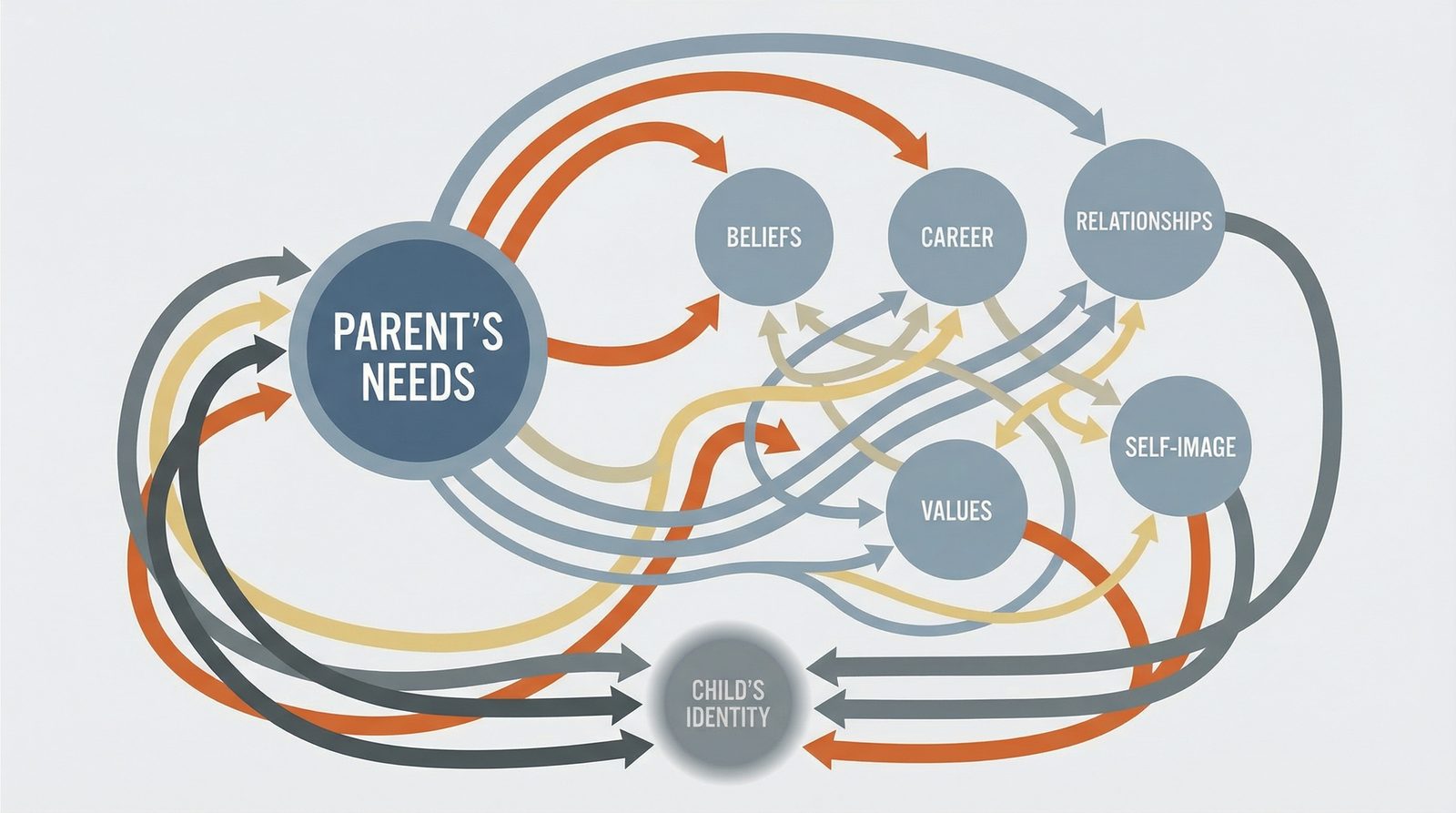
    Angelou’s work embodies motifs like Literacy as Liberation, Survival Narratives, and Dissociation as Defense.


    LIFE AND INFLUENCES

    Angelou’s childhood included years in the segregated South, a traumatic assault, a long period of silence, and eventual rebirth through language and performance. She worked as a singer, dancer, journalist, and civil rights activist alongside figures like Martin Luther King Jr. and Malcolm X.

    Her influences include Black church tradition, poetry, music, and global travel. She wove these influences into a voice that feels both intimate and public.

    Editorial illustration inspired by 'Maya Angelou'

    THEMES AND MOTIFS

    Angelou writes about trauma, racism, dignity, and the transformative power of language. She is concerned with how a person can build a full self in a world that insists they are lesser. Her focus on speech, performance, and writing as tools of survival and joy places her work within motifs like Intimacy as Healing and Memoirs of Reclamation.


    STYLE AND VOICE

    Her prose is clear, rhythmic, and often poetic. She balances emotional weight with humor and observation. Even when recounting trauma, she writes with a steadiness that feels both protective and generous.

    Symbolic illustration inspired by 'Maya Angelou'

    KEY WORKS


    CULTURAL LEGACY

    Angelou’s memoirs and poems have become touchstones for readers around the world. She expanded the possibilities of life writing, especially for Black women, and brought discussions of trauma and resilience into mainstream culture with dignity and force. Her work remains central in education, activism, and literary study.

  • Toni Morrison

    Toni Morrison

    Born 1931, Lorain, Ohio, United States · Died 2019
    Genres: Literary Fiction, Essay
    Era: Late 20th Century


    INTRODUCTION

    Toni Morrison is one of the most important writers in American history. Her work centers Black life with spiritual, emotional, and historical depth, refusing to translate or soften it for white comfort. She writes about memory, community, trauma, and love in ways that are both grounded and mythic. Her novels are dense with symbol and feeling, but always anchored in lived experience.

    Across books like Beloved and The Bluest Eye, she engages motifs such as Trauma as Inheritance, The Erased Girl, and Survival Narratives.


    LIFE AND INFLUENCES

    Morrison grew up in a working class Black family in Lorain, Ohio, surrounded by stories, songs, and folklore. She studied at Howard University and Cornell, later working as an editor and professor. Her editorial work brought Black voices into print at a time when they were often excluded.

    Her influences include oral tradition, Black church culture, jazz, history, and a commitment to centering Black interiority. These influences appear in her layered narratives and use of communal voice.

    Editorial illustration inspired by 'Toni Morrison'

    THEMES AND MOTIFS

    Morrison’s work often examines the long reach of slavery, the weight of memory, colorism, motherhood, and the struggle for selfhood in oppressive conditions. She explores how trauma echoes across generations and how communities can both wound and heal.

    Her fiction frequently engages motifs such as Trauma as Inheritance, Grief as Contradiction, and Literacy as Liberation.


    STYLE AND VOICE

    Her prose is richly textured, rhythmic, and often nonlinear. She shifts between perspectives and time periods, trusting readers to follow emotional logic rather than strict chronology. Her language can be lush or brutally simple, often using restraint at the most painful moments for maximum impact.

    Symbolic illustration inspired by 'Toni Morrison'

    KEY WORKS


    CULTURAL LEGACY

    Morrison’s work reshaped the American canon and expanded what serious literature could look like and whom it could center. She won the Nobel Prize in Literature and remains a touchstone for writers worldwide. Her influence is visible in contemporary fiction, memoir, and cultural criticism that take Black interior life seriously.

  • Parental Betrayal

    Parental Betrayal

    Motif Type: Family Harm
    Era Focus: 20th Century to 21st Century
    Primary Fields: Memoir, Literary Fiction, Trauma Narratives


    WHAT THIS MOTIF MEANS

    Parental Betrayal appears in stories where a parent violates the trust that should define the relationship. The betrayal may be emotional, physical, or psychological. Sometimes it is overt. Sometimes it is disguised as care. The result is the same. The child learns early that the person meant to protect them is the person they must survive.

    The betrayal shapes identity, trust, and future relationships. It becomes the lens through which the character sees the world.


    HOW IT WORKS IN NARRATIVE

    This motif often begins with a character who believes the parent’s behavior is normal. The betrayal is slow, cumulative, and internalized. Only later, through distance or comparison, does the character understand the truth. The narrative arc follows the painful shift from loyalty to clarity and the emotional fallout that follows.

    Parental Betrayal creates complex emotional terrain because characters often love the person who harmed them.

    Parental Betrayal inline concept image


    WHERE WE SEE IT IN OUR LIBRARY

    • I’m Glad My Mom Died – Jennette McCurdy’s mother controls her body, career, and identity while presenting herself as protector.
    • The Woman in Me – Britney’s father uses legal authority to dominate her life under the guise of guardianship.
    • Push – Precious is betrayed by both parents through violence, neglect, and exploitation.
    • The Color Purple – Celie’s father destroys her early sense of safety and choice.

    In each narrative, the betrayal is not a single event. It is a pattern that shapes the character’s entire life.

    Parental Betrayal inline diagram image

    WHY IT MATTERS

    This motif reveals the depth of harm that occurs when trust is broken at the foundation of childhood. It also illuminates the emotional journey toward recognizing that betrayal, which can take years or decades. These stories offer readers language for harm that is often minimized or misunderstood.

    Parental Betrayal becomes a starting point for transformation once the character finally names what happened.


    ARCHETYPES ASSOCIATED WITH THIS MOTIF

    • The Controlled Daughter – the clearest archetype of this motif.
    • The Erased Girl – when betrayal results in emotional disappearance.
    • The Survivor Confessor – when the character recounts the truth after years of silence.

    RELATED MOTIFS

    Grief as Contradiction
    Parental Control as Identity
    Dissociation as Defense

  • Parental Control as Identity

    Parental Control as Identity

    Motif Type: Family and Autonomy
    Era Focus: 20th Century to 21st Century
    Primary Fields: Memoir, Literary Fiction, Trauma Narratives


    WHAT THIS MOTIF MEANS

    Parental Control as Identity appears in stories where a child’s personality, preferences, and worldview are shaped by a dominant parent. The character grows up performing roles assigned to them rather than developing a self of their own. The parent’s needs become the map of the child’s life, leaving little room for autonomy.

    Identity becomes a product of fear, obligation, or devotion rather than choice.


    HOW IT WORKS IN NARRATIVE

    Narratives using this motif often show a child raised inside emotional or physical control. Boundaries are blurred. Agency is discouraged. The character becomes whoever the parent needs them to be. When the story moves into adulthood, this inherited identity becomes a source of conflict and confusion.

    The arc usually unfolds as slow detachment. The character begins to see themselves separate from the parent for the first time.

    Parental Control as Identity inline concept image

    WHERE WE SEE IT IN OUR LIBRARY

    • I’m Glad My Mom Died – Jennette McCurdy’s entire identity is shaped by her mother’s desires, fears, and obsessions.
    • The Woman in Me – Britney’s father and management teams exert control over her choices, work, body, and identity.
    • Framing Britney Spears – The documentary shows her identity being managed by others in public and private.
    • Push – Precious’s sense of self is shaped by parental violence and emotional domination.

    Each of these characters must unlearn identities they never fully chose.


    WHY IT MATTERS

    This motif is essential because it shows how early control becomes internalized. Even after the parent is gone, the character may struggle to understand who they are outside of imposed expectations. Stories that explore this motif reveal how identity can be reclaimed after years of pressure.

    It also speaks to the emotional cost of parental overreach, a topic rarely explored with honesty in mainstream narratives.

    Parental Control as Identity inline diagram image

    ARCHETYPES ASSOCIATED WITH THIS MOTIF

    • The Controlled Daughter – the primary archetype of this motif.
    • The Erased Girl – for characters whose identity disappears beneath parental need.
    • The Reclaimer – for those who eventually break away and build a self of their own.

    RELATED MOTIFS

    Parental Betrayal
    Grief as Contradiction
    Dissociation as Defense

  • Emotional Minimalism

    Emotional Minimalism

    Motif Type: Restraint and Expression
    Era Focus: 20th Century to 21st Century
    Primary Fields: Memoir, Literary Fiction, Trauma Narratives


    WHAT THIS MOTIF MEANS

    Emotional Minimalism appears in stories where the emotional truth is carried not in dramatic scenes, but in what is left unsaid. The tone is clipped, sparse, and controlled. The character shares details as if reporting facts, but the restraint becomes its own form of intensity. This is not emotional absence. It is emotional containment shaped by trauma, performance, or survival.

    The effect is powerful. The reader feels the force of emotion inside the gaps, silences, and flat statements.


    HOW IT WORKS IN NARRATIVE

    This motif often appears when the character has learned that expressing emotion is unsafe. They speak in understatement. They move through moments of pain with steady control. The narrative creates tension by letting the reader feel what the character will not name.

    When transformation arrives, it is subtle. A sentence lengthening. A moment of honesty. A shift in tone. Emotional Minimalism creates some of the most heartbreaking and most believable arcs in trauma-centered stories.

    Emotional Minimalism inline concept image


    WHERE WE SEE IT IN OUR LIBRARY

    • I’m Glad My Mom Died – McCurdy’s deadpan, clipped narration reveals trauma through understatement.
    • The Color Purple – Celie’s early letters are sparse, broken, and emotionally withheld until her voice grows.
    • Framing Britney Spears – The documentary uses restrained tone and minimal narration to underscore the emotional weight of Britney’s silence.
    • The Woman in Me – Britney’s writing is calm, clean, and almost detached as she recounts her life under control.

    This motif is strongest where trauma is carried in tone rather than confession. The silence around emotion becomes as revealing as any dramatic scene.


    Emotional Minimalism inline diagram image


    WHY IT MATTERS

    Emotional Minimalism creates emotional realism. It reflects how many survivors of trauma speak. It also gives the reader space to feel emotion without being forced into sentimentality. In literature and memoir, restraint can be more powerful than intensity.

    This motif also allows for slow, subtle transformation that feels earned and honest.


    ARCHETYPES ASSOCIATED WITH THIS MOTIF

    • The Witness – for characters who observe and report emotion with quiet clarity.
    • The Reclaimer – for characters whose emotional growth is revealed in small shifts.
    • The Controlled Daughter – for characters who learned to hide emotion for survival.

    RELATED MOTIFS

    Silence as Survival
    The Double Self
    Grief as Contradiction